Search results
Search for "plasma" in Full Text gives 637 result(s) in Beilstein Journal of Nanotechnology. Showing first 200.
The steep road to nonviral nanomedicines: Frequent challenges and culprits in designing nanoparticles for gene therapy
Beilstein J. Nanotechnol. 2023, 14, 351–361, doi:10.3762/bjnano.14.30

- should be closely monitored, as cell death can be misinterpreted as efficient inhibition, especially in metabolism-based assays. For these inhibitors that involve the permeablization of plasma membranes, such as filipin III, appropriate controls for plasma membrane integrity during the inhibition

Overview of mechanism and consequences of endothelial leakiness caused by metal and polymeric nanoparticles
Beilstein J. Nanotechnol. 2023, 14, 329–338, doi:10.3762/bjnano.14.28
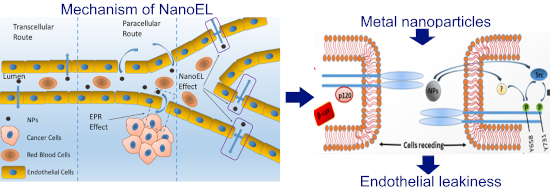
- also contribute to the spread of infections through blood-borne infectious agents and organisms, leading to increased inflammation and tissue swelling due to the extravasation of plasma proteins and blood clotting proteins. There are also reports regarding the toxic effects of NPs on cells. Duan et al


Recent progress in cancer cell membrane-based nanoparticles for biomedical applications
Beilstein J. Nanotechnol. 2023, 14, 262–279, doi:10.3762/bjnano.14.24
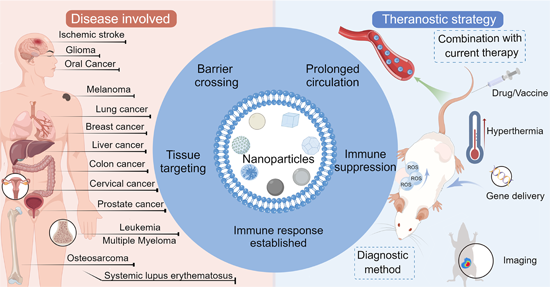
- responses after the presentation and delivery of leukemia membrane-associated antigens by APCs [59]. These bionanoparticles showed the advantage of multiple antigens and significantly prolonged survival. MM, a malignant proliferation of plasma cells derived from the bone marrow, is the second most common


Cyclodextrins as eminent constituents in nanoarchitectonics for drug delivery systems
Beilstein J. Nanotechnol. 2023, 14, 218–232, doi:10.3762/bjnano.14.21
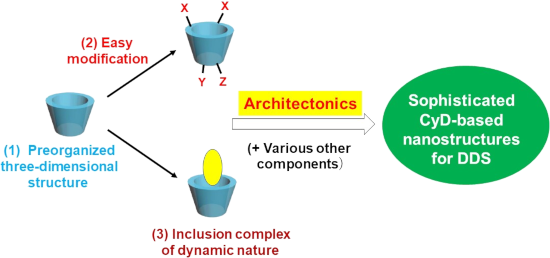
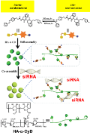
- applications. However, nucleic acids are intrinsically unstable in serum and do not readily cross the cellular plasma membranes. Accordingly, it is a big challenge to deliver them in the intact form into target cells. Conventional gene transfection reagents are not very good candidates, since multiple positive




A novel approach to pulsed laser deposition of platinum catalyst on carbon particles for use in polymer electrolyte membrane fuel cells
Beilstein J. Nanotechnol. 2023, 14, 190–204, doi:10.3762/bjnano.14.19
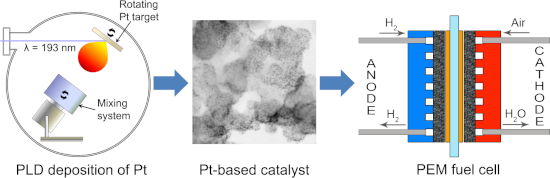
- developed to obtain a uniform deposition of platinum on the carbon support (Figure 8). A constant, experimentally selected mass of carbon material was placed in a cup oriented at an appropriate fixed angle to the plasma stream. During platinum deposition, the cup was rotated at a constant speed and put into



A distributed active patch antenna model of a Josephson oscillator
Beilstein J. Nanotechnol. 2023, 14, 151–164, doi:10.3762/bjnano.14.16
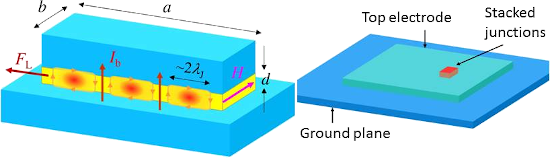
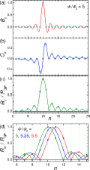
- sine-Gordon equation, It follows from Equation 1 and Equation 2, taking into account the ac-Josephson relation, V = (Φ0/2π)∂η/∂t. Equation 3 is written in a dimensionless form with space, = x/λJ, normalized by λJ,and time, = ωpt, by the Josephson plasma frequency, ωp. Here α is the QP damping factor
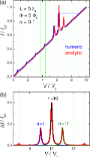
- geometrical resonances, the dc current, well above the field-dependent critical current, I ≫ Ic(H), is determined by the QP resistance, I = V/RQP. In dimensionless units, I/Ic0 = αV/Vp, where Vp = Φ0ωp/2π is the voltage at plasma frequency. At resonances, a partial rectification of the oscillating
- voltages. Voltages are normalized by (a) the plasma frequency voltage, Vp, and (b) the lowest Fiske step voltage, V1. Panels (a) and (b) show mode-number dependence of coefficients Bn and Cn, given by Equation 20 and Equation 21, for the case from Figure 2 with Φ/Φ0 = 5. Panel (c) shows the corresponding


Combining physical vapor deposition structuration with dealloying for the creation of a highly efficient SERS platform
Beilstein J. Nanotechnol. 2023, 14, 83–94, doi:10.3762/bjnano.14.10
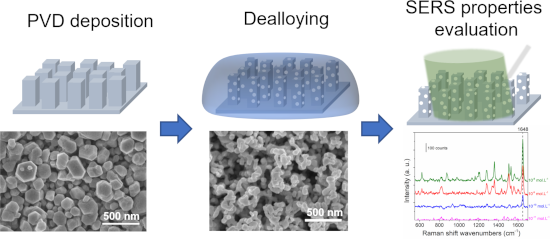
- Adrien Chauvin Walter Puglisi Damien Thiry Cristina Satriano Rony Snyders Carla Bittencourt Plasma-Surface Interaction Chemistry, University of Mons, 23 Place du Parc, 7000 Mons, Belgium Chemistry of Surfaces, Interfaces and Nanomaterials, Faculty of Sciences, Université libre de Bruxelles, 50
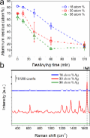
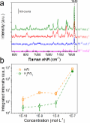
- were adapted from [39]. The Ag–Al thin films were deposited by DC magnetron co-sputtering in pure argon plasma of a Ag target (diameter: 50.8 mm; purity: 99.99%) and an Al target (diameter: 50.8 mm; purity: 99.99%) placed in a confocal geometry. The distance between the targets and the substrate was




Frontiers of nanoelectronics: intrinsic Josephson effect and prospects of superconducting spintronics
Beilstein J. Nanotechnol. 2023, 14, 79–82, doi:10.3762/bjnano.14.9

- applications, such as: Plasma modes in capacitively coupled superconducting nanowires have been predicted [24]. It has been demonstrated that in the presence of inter-wire coupling plasma modes, each of the modes get split into two "new" modes propagating with different velocities across the system. The
Gap-directed chemical lift-off lithographic nanoarchitectonics for arbitrary sub-micrometer patterning
Beilstein J. Nanotechnol. 2023, 14, 34–44, doi:10.3762/bjnano.14.4
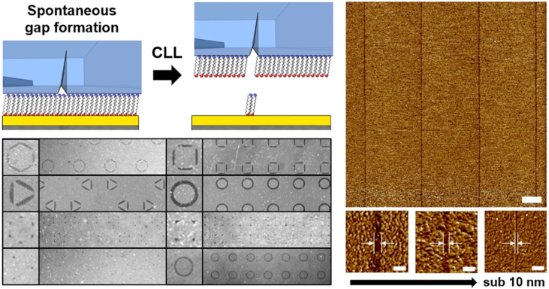
- ][18][19]. Instead of transferring ink molecules from a stamp reservoir, this technique selectively removes alkanethiol molecules from a self-assembled monolayer (SAM) covered flat Au surface. An oxygen-plasma-activated polydimethylsiloxane (PDMS) stamp bearing patterns originating from a silicon
- , sequentially rinsed with acetone and isopropanol, and blown dry with nitrogen gas. To conduct CLL processes, a PDMS stamp was activated by 30 s of oxygen plasma exposure at a power of 18 W with 0.5 mbar oxygen flow. The stamp was then conformally sealed onto the SAM-modified Au substrate for 2 h under ambient
- -streptavidin antibodies to the biotin moieties. In these tests, 11-mercaptoundecanol (MCU) molecules on an Au surface are selectively removed by the oxygen plasma activated PDMS stamp at stamp-substrate contact regions. BAT molecules are thereafter backfilled into the exposed surface vacancies, and the biotin


Atmospheric water harvesting using functionalized carbon nanocones
Beilstein J. Nanotechnol. 2023, 14, 1–10, doi:10.3762/bjnano.14.1
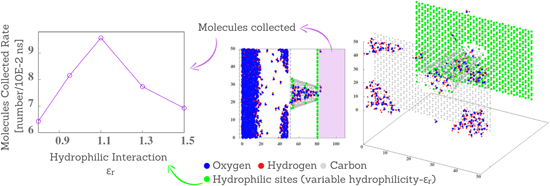
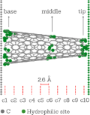
- diameter and 40–50 nm in length. They occur on the surface of natural graphite. Void CNCs can be produced, for example, by decomposing hydrocarbons with a plasma torch [34]. Other simple techniques of production [35] and reduction [36] have also been recently developed. CNCs are completely hydrophobic, but




Electrical and optical enhancement of ITO/Mo bilayer thin films via laser annealing
Beilstein J. Nanotechnol. 2022, 13, 1589–1595, doi:10.3762/bjnano.13.133
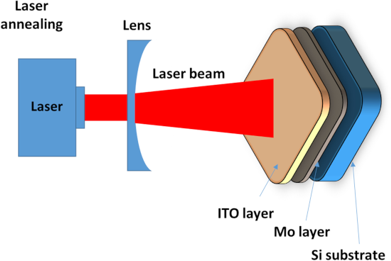
- plasma cleaner. In the IM structure, the thickness of ITO was 125 nm while the thickness of Mo was 10 nm. The thickness was controlled by two quartz crystal balances integrated within the chamber. After deposition, the bilayer thin film was treated using a Nd:YAG pulsed laser with a wavelength of 1064 nm


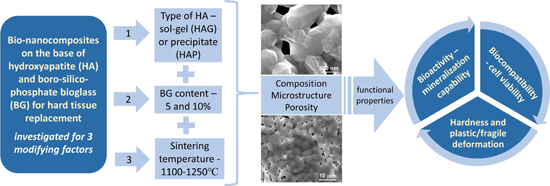
Hydroxyapatite–bioglass nanocomposites: Structural, mechanical, and biological aspects
Beilstein J. Nanotechnol. 2022, 13, 1490–1504, doi:10.3762/bjnano.13.123
- , Plasma and Radiation Physics, Laser Department, 409th Atomistilor str., RO-77125, Magurele, Bucharest, Romania University Politehnica Bucharest, 313 Splaiul Independentei, Bucharest, 060042, Romania National Institute for R&D in Electrical Engineering ICPE-CA, 313 Splaiul Unirii, 031066, Bucharest
- special cleaning process for 6 min in a nitrogen plasma jet in a FISCHONE Plasma Cleaner. A FEI QUANTA INSPECT S SEM was used to observe structure and morphology of the samples after their treatment in simulated body fluid, as well as to acquire the energy-dispersive X-ray (EDX) spectra and the elemental
Studies of probe tip materials by atomic force microscopy: a review
Beilstein J. Nanotechnol. 2022, 13, 1256–1267, doi:10.3762/bjnano.13.104
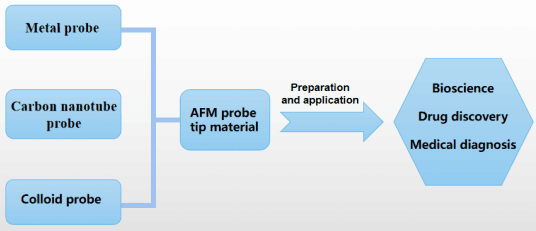
- the fiber to the gold and silver nanowires, which excites the surface plasma propagating on the gold and silver nanowires, and the surface plasma propagates to the tip of the nanowires when it becomes coupled with light. This method of using hollow fiber or glass capillary with gold and silver
- generates a high-density network of CNTs on the sidewalls of the cone tip to help anchor the carbon nanotubes protruding from the tip. With the aim of simplicity in design and method of operation, the growth method does not use plasma or electric field as an enhancing factor to obtain effective tips, nor
- performs well. Clark et al. [45] presented a novel scanning probe for mechanical and electronic characterization of probe microscopy. A newly developed controlled area plating method was used. The method uses microwave plasma to enhance the growth of carbon nanotubes in chemical vapor deposition. This
Role of titanium and organic precursors in molecular layer deposition of “titanicone” hybrid materials
Beilstein J. Nanotechnol. 2022, 13, 1240–1255, doi:10.3762/bjnano.13.103
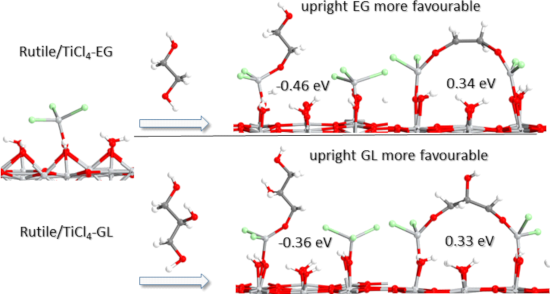
- widely used in ALD for the deposition of TiO2 and TiN films by thermal and plasma-enhanced processes [35][36]. As described above, TiCl4 and Ti(DMA)4 were successfully employed in MLD of titanicone films [30][33]. While TiCl4 is a small halide molecule that has Ti–Cl bonds, Ti(DMA)4 is a bulkier molecule


Application of nanoarchitectonics in moist-electric generation
Beilstein J. Nanotechnol. 2022, 13, 1185–1200, doi:10.3762/bjnano.13.99
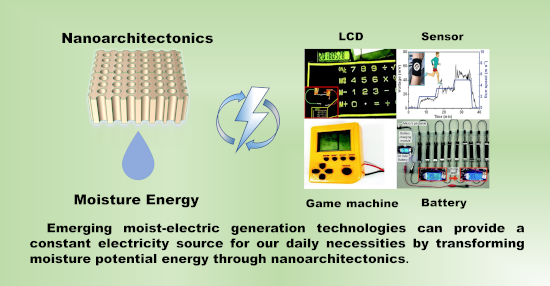
- from the residual soot after flame combustion of an organic liquid. After annealing and air plasma cleaning, the surface of these nanoparticles becomes hydrophilic, resulting in water molecules moving from the bottom to the top through capillary action in a natural water evaporation environment. The
- induced voltage was detected from the top and lower electrodes during movement. Annealing treatment and plasma cleaning of the carbon particle layer have significant effects on the output voltage. After the treatment, the material changes from hydrophobic to hydrophilic, the contact angle decreases from
- of water evaporation and induced water flow in CB. (d) After annealing and air plasma cleaning, changes in hydrophilicity and functional groups of the porous carbon film. (e) Voltage between the two electrodes at different wind velocities. Figure 3c, 3d, and 3e are from [46] and were reprinted by


Microneedle-based ocular drug delivery systems – recent advances and challenges
Beilstein J. Nanotechnol. 2022, 13, 1167–1184, doi:10.3762/bjnano.13.98
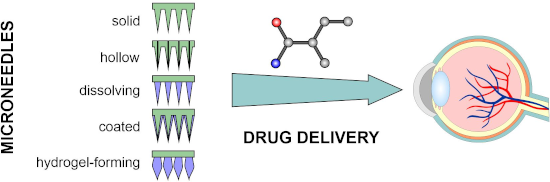
- photoresistant layer. The wafer is then etched. A distinction can be made between wet and dry etching. The wet etching process uses a potassium hydroxide solution, while dry etching includes the physical methods ion milling and sputtering and the chemical method high-pressure plasma [156]. Lithographic


Rapid fabrication of MgO@g-C3N4 heterojunctions for photocatalytic nitric oxide removal
Beilstein J. Nanotechnol. 2022, 13, 1141–1154, doi:10.3762/bjnano.13.96
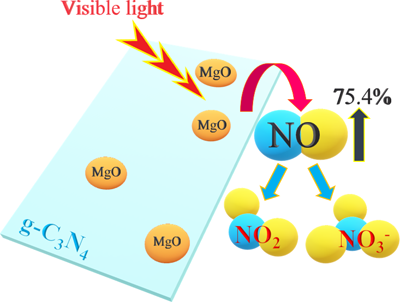
- are different approaches to mitigate NO pollution, including catalyst/non-catalyst [4], oxidation [5], bioprocesses [6], adsorption [7], absorption [8], and non-thermal plasma technologies [9]. Photocatalytic oxidation is considered a promising approach due to its ability to degrade various air





Biomimetic chitosan with biocomposite nanomaterials for bone tissue repair and regeneration
Beilstein J. Nanotechnol. 2022, 13, 1051–1067, doi:10.3762/bjnano.13.92
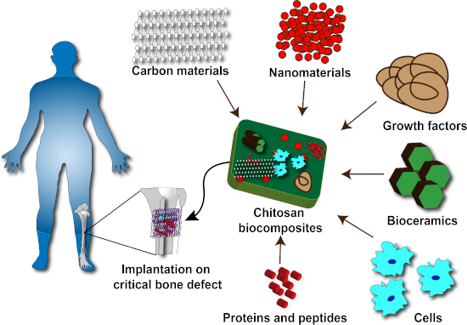
- and also significant antimicrobial activity [112]. The hydroxyapatite was coated onto titanium by using an induction plasma-spray coating approach. The hydroxyapatite was then buffed with silver and silica. In the SBF solution, the release of acemannan from the coating material was also evaluated
- incubation with artificial blood plasma, hydroxyapatite bone minerals were formed. The cell survival and cell adhesion of composite-containing MG-63 cells exhibit improved biocompatibility [62]. Also, reduced graphene oxide combined with chitosan was fabricated into a hydrogel by using a tannic acid cross
Effects of focused electron beam irradiation parameters on direct nanostructure formation on Ag surfaces
Beilstein J. Nanotechnol. 2022, 13, 1004–1010, doi:10.3762/bjnano.13.87
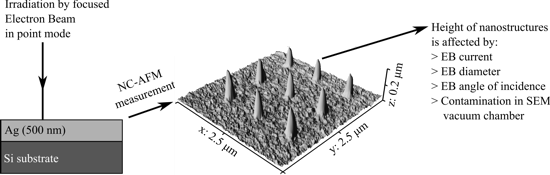
- shape of the resulting structures on an Ag surface. In addition, we investigate how the nitrogen plasma cleaning procedure of a vacuum chamber can affect the growth of these structures. A beam current of around 40 pA resulted in the fastest structure growth rate. By increasing the beam diameter and
- and prevent a buildup of carbon in the irradiated area. Baking can be used to desorb light molecules with a high vapour pressure at the baking temperature; however, it is a slow process. Plasma cleaning procedures can rapidly remove contamination; however, they can damage some sensitive samples [24
- formation of nanostructures. This was done by irradiating the Ag surface with a focused EB before and after the nitrogen plasma cleaning procedure in the SEM vacuum chamber. The procedure lasted 5 min and the applied power was 20 W. The time was counted from the end of the cleaning procedure. The sample had




Bioselectivity of silk protein-based materials and their bio-inspired applications
Beilstein J. Nanotechnol. 2022, 13, 902–921, doi:10.3762/bjnano.13.81
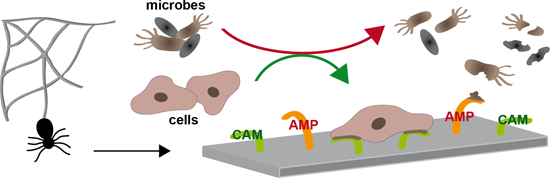
- biological functions, including embryogenesis, maintenance of tissue integrity, immune response, and inflammation. Integrins consist of two subunits, α- and β- chains, spanning the cell membrane and forming the receptor in the plasma membrane, characterized by noncovalent interactions [10]. Integrins bind to


DNA aptamer selection and construction of an aptasensor based on graphene FETs for Zika virus NS1 protein detection
Beilstein J. Nanotechnol. 2022, 13, 873–881, doi:10.3762/bjnano.13.78
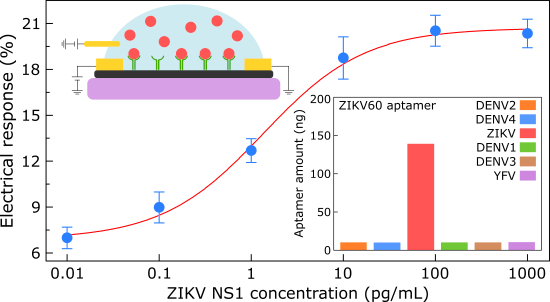
- previously described by our group elsewhere [24]. The dimensions of the sensing region (100 μm × 100 μm) were defined by O2 plasma etching. The source and drain electrodes were fabricated by electron-beam evaporation of 2 nm/100 nm of Ti/Au, and we covered the metal contacts with a 10 μm thick passivation
- ZIKV60 aptamers, while human serum was adopted for ZIKV NS1 protein detection. Human serum (from human male AB plasma) was obtained from Sigma-Aldrich. We stress the fact that by using human serum as the gating electrolyte we can directly address any question about the selectivity of the detection since



Optimizing PMMA solutions to suppress contamination in the transfer of CVD graphene for batch production
Beilstein J. Nanotechnol. 2022, 13, 796–806, doi:10.3762/bjnano.13.70
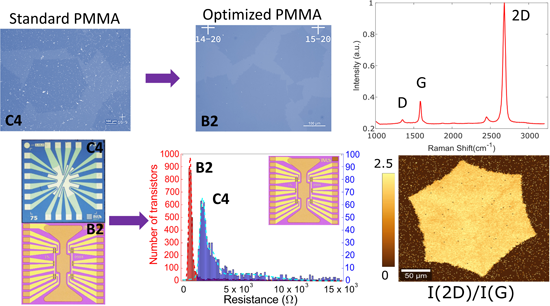
- illustrated in Supporting Information File 1, Figure S1. Graphene/Cu foil was spin-coated with PMMA at 3000 rpm for 30 s, followed by drying in a fume hood for 8 h. The back side graphene was removed by oxygen plasma (4 × 10⁻¹ mbar, 250 W, 90 s). PMMA/graphene/Cu foil was placed over the 0.5 M FeCl3 solution
- films were then transferred onto the patterned wafer until all device areas were covered. After removing the PMMA, graphene was patterned using optical lithography and oxygen plasma etching. Finally, the sacrificial layer was removed by wet etching. Wafer 2: An additional layer of Al2O3 was deposited on
- , on which the graphene film would make electrical contact. The B2 PMMA/graphene films were then transferred onto the wafer and patterned by O2 plasma, followed by the sacrificial layer removal. Previous to the passivation, Al2O3 was selectively removed to improve the adhesion of the oxide passivation


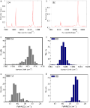


A superconducting adiabatic neuron in a quantum regime
Beilstein J. Nanotechnol. 2022, 13, 653–665, doi:10.3762/bjnano.13.57
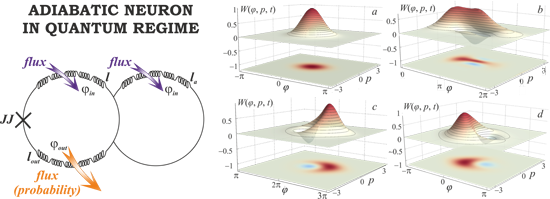
- critical current Ic, determines the plasma frequency of the JJ, In this case, the dissipative properties of the system are determined by the Josephson characteristic frequency ωc = 2eRIcℏ (here, R and C are the normal state resistance and capacitance of the Josephson junction, respectively). Dynamic
- activation function is especially noticeable for the case of a superposition of basic states. We have also shown how dissipation suppresses “quantum” oscillations on the activation function, just as damping suppresses plasma oscillations in classical Josephson systems. The obtained results pave the way for a


Antibacterial activity of a berberine nanoformulation
Beilstein J. Nanotechnol. 2022, 13, 641–652, doi:10.3762/bjnano.13.56
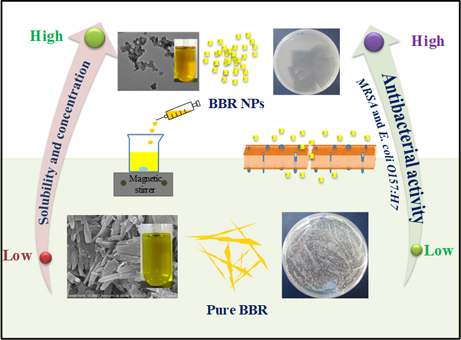
- solubility of a drug leads to low drug absorption. Thus, a sufficient drug concentration in plasma is not achieved, and a high therapeutic effect is not reached. As a result, high dose requirements and more adverse side effects limit the development of phytochemicals in the pharmaceutical industry. BBR



Fabrication and testing of polymer microneedles for transdermal drug delivery
Beilstein J. Nanotechnol. 2022, 13, 629–640, doi:10.3762/bjnano.13.55
- to remove the fat layer to the thickness of 3 ± 0.1 mm [31], and thawed before insertion testing on a 3D printed stretching mechanism to mimic skin in vivo conditions (Figure 2a). The MN arrays were initially oxygen plasma cleaned for 1 minute before dip coating with a concentrated aqueous solution