Search results
Search for "Pt" in Full Text gives 493 result(s) in Beilstein Journal of Nanotechnology. Showing first 200.
Atomic layer deposition for efficient oxygen evolution reaction at Pt/Ir catalyst layers
Beilstein J. Nanotechnol. 2020, 11, 952–959, doi:10.3762/bjnano.11.79
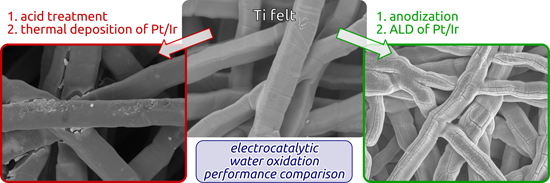
- , Universitetskii pr. 26, 198504 St. Petersburg, Russia 10.3762/bjnano.11.79 Abstract We provide a direct comparison of two distinct methods of Ti felt surface treatment and Pt/Ir electrocatalyst deposition for the positive electrode of regenerative fuel cells and vanadium–air redox flow batteries. Each method is
- of some RFBs (such as the vanadium–air RFB). The positive electrode of these devices has to perform the challenging OER and ORR on one material system. A bimetallic Pt/Ir electrocatalyst is used most commonly as it provides minimal overpotentials under strongly acidic conditions [3][8][9][10]. The
- different types are not possible. The goal of the present paper is to provide such a direct comparison between two very distinct preparation methods of bimetallic Pt/Ir electrocatalysts. For both catalyst types, we will consider one electrode substrate (titanium felt) [15], one electrolyte (0.5 M H2SO4 at


Adsorption behavior of tin phthalocyanine onto the (110) face of rutile TiO2
Beilstein J. Nanotechnol. 2020, 11, 821–828, doi:10.3762/bjnano.11.67
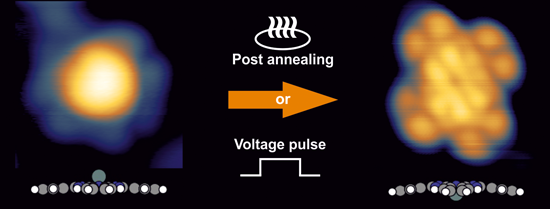
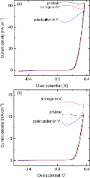
- UHV system. Electrochemically etched Pt–Ir tips were used as probes. Stable empty-state STM images were collected in a constant-current mode (tunneling current It < 15 pA; bias voltage Utip < 2 V). X-ray photoelectron spectroscopy (XPS) was carried out by using a VG Scientific X-ray source Mark II (Mg


A set of empirical equations describing the observed colours of metal–anodic aluminium oxide–Al nanostructures
Beilstein J. Nanotechnol. 2020, 11, 798–806, doi:10.3762/bjnano.11.64
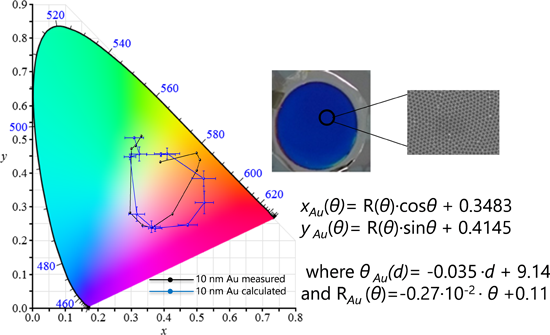
- changed by changing the used metal (Pt/Pd, Al, Cr, Ag, or Au) [9][10], by using carbon [5], or by changing the thickness of the metal film [9][11][12]. There are two published studies in which wavelength values were generated by using a model that could predict colours by taking into account the


Nickel nanoparticles supported on a covalent triazine framework as electrocatalyst for oxygen evolution reaction and oxygen reduction reactions
Beilstein J. Nanotechnol. 2020, 11, 770–781, doi:10.3762/bjnano.11.62
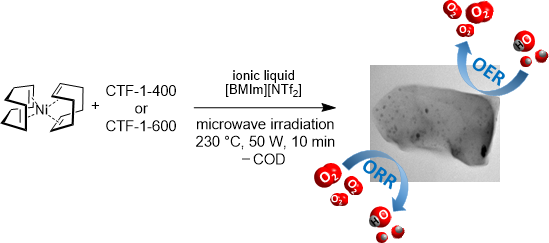
- same conditions. Ni/CTF-1-600 displays an OER catalytic activity comparable with many nickel-based electrocatalysts and is a potential candidate for OER. The same Ni/CTF-1-600 material shows a half-wave potential of 0.775 V for ORR, which is slightly lower than that of commercial Pt/C (0.890 V
- developed. Noble metals (Ir, Ru) and their oxides are the current commercial electrocatalysts for the OER, whereas Pt metal is the benchmark catalyst for the ORR [4][5]. Yet, all these catalysts have drawbacks such as scarcity and high cost, which are disadvantageous for their large-scale production and
- group of Prof. Fan, Co3O4/CTF1-700-1:1 has been studied as ORR catalyst and showed a half-wave potential of 0.84 V vs a reversible hydrogen electrode (RHE) [20]. Kamiya et. al. synthesized a Pt-atom-modified CTF hybridized with conductive carbon nanoparticles and used it as an ORR catalyst [36]. The


Effect of Ag loading position on the photocatalytic performance of TiO2 nanocolumn arrays
Beilstein J. Nanotechnol. 2020, 11, 717–728, doi:10.3762/bjnano.11.59
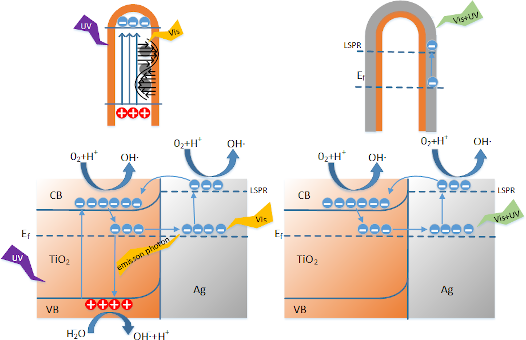
- surface active sites [11][12]. In addition, TiO2 combined with noble metal (e.g., Au, Ag, Pt), nanostructured to form a metal–oxide structure, has been shown to greatly improve the catalytic efficiency of the material [13]. When excited by light, noble metal nanoparticles can exhibit surface plasmon


Exfoliation in a low boiling point solvent and electrochemical applications of MoO3
Beilstein J. Nanotechnol. 2020, 11, 662–670, doi:10.3762/bjnano.11.52
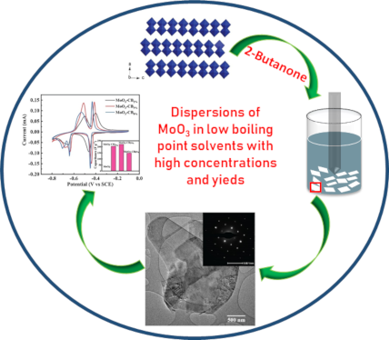
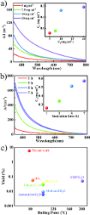
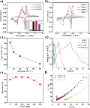
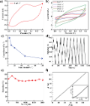
- Zetasizer NanoZS. All electrochemical measurements were carried out using Autolab PGSTAT302N. Electrode preparation and electrochemical testing Three-electrode system: A glassy carbon electrode (GCE, 0.3 cm diameter) as the working electrode, Pt wire as counter electrode and a saturated calomel electrode

Atomic-resolution imaging of rutile TiO2(110)-(1 × 2) reconstructed surface by non-contact atomic force microscopy
Beilstein J. Nanotechnol. 2020, 11, 443–449, doi:10.3762/bjnano.11.35
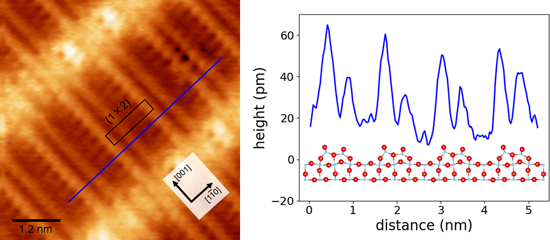
- performed using Pt-coated Si cantilevers (Budget Sensors, ElectriTAP190G). All cantilevers were cleaned by Ar+ sputtering (0.6 keV, Ar partial pressure of 1.0 × 10⁻⁵ Pa, ion current of 0.05 µA, 5 min) before scanning. STM imaging was performed in constant-current mode without cantilever oscillation. NC-AFM
- 10 pA, respectively. (a) STM and (b) NC-AFM images of a rutile TiO2(110)-(1 × 2) reconstructed surface. (c, d) Height profiles along black (STM) and blue (NC-AFM) lines in the images. The STM and NC-AFM images were obtained using a Pt-coated Si cantilever with a resonance frequency of f0 = 154.1 kHz
- rectangles in (a) and (b) indicate the same structure at the same position. (a) High-resolution NC-AFM image of a rutile TiO2(110)-(1 × 2) reconstructed surface. The height profiles in (b) and (c) correspond to the black and blue lines in (a), respectively. The NC-AFM image was obtained using a Pt-coated


Electrochemically derived functionalized graphene for bulk production of hydrogen peroxide
Beilstein J. Nanotechnol. 2020, 11, 432–442, doi:10.3762/bjnano.11.34
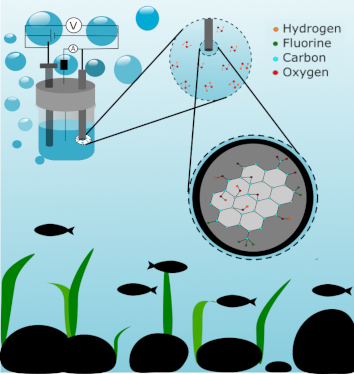
- graphitic structures is found to be an engineering pathway for altering the inert catalytic activity of planar honeycomb lattices of graphene and its derivatives [34][35]. It has been found that certain heteroatoms doped into graphene can even outperform the benchmark catalysts such as platinum (Pt/C) in
- their long-run alkaline ORR process where the extended stability in electrochemical processes is one of the crucial issues with Pt/C [36]. In all of these doped systems, carbon atoms near to the defect centers are found as catalytically active centers [37]. Recently, an ultra-small amount of selenium
- experiments (at 0.358 V vs RHE) are shown in Table 1. As shown in the Figure 4, the current density and onset potential of the reaction vary with the degree of (oxygen) functionalization. A benchmark Pt/C catalyst performance is also shown for comparison. The onset potential of ORR is found to become more


Implementation of data-cube pump–probe KPFM on organic solar cells
Beilstein J. Nanotechnol. 2020, 11, 323–337, doi:10.3762/bjnano.11.24
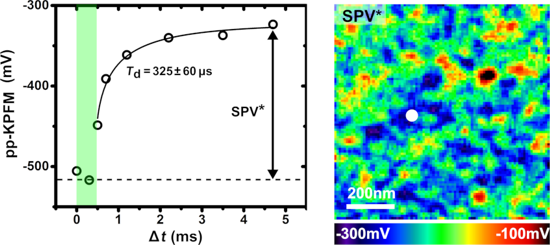
- ) driven by a Matrix SPM control unit. Pt/Ir-coated silicon cantilevers (EFM, Nanosensors, resonance frequency in the 45–115 kHz range) were annealed in situ to remove atmospheric contaminants. Topographic imaging was realized in FM mode (FM-AFM) with negative frequency shifts of a few Hz and vibrational




Fabrication of Ag-modified hollow titania spheres via controlled silver diffusion in Ag–TiO2 core–shell nanostructures
Beilstein J. Nanotechnol. 2020, 11, 141–146, doi:10.3762/bjnano.11.12
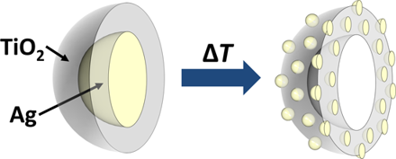
- template was used in the fabrication of rattle-type HSs of Au@TiO2 using multistep template deposition and a surface-protected etching method [13], of TiO2 HSs of mixed anatase/rutile composition loaded with noble metal NPs (Au, Pt, Pd) [14], and of N-doped Ag/TiO2 HSs [15]. A hard-templating method with a



Influence of the epitaxial composition on N-face GaN KOH etch kinetics determined by ICP-OES
Beilstein J. Nanotechnol. 2020, 11, 41–50, doi:10.3762/bjnano.11.4
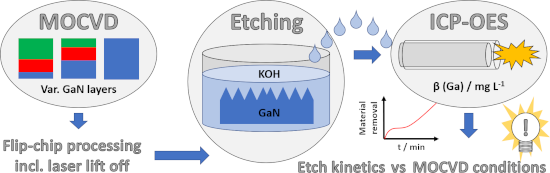
- the hot KOH solution, a thin Pt layer was deposited on the reverse side. Prior to use, LLO residues were removed by treatment with a diluted aqueous NH4F solution for 10 min at room temperature and rinsed in deionized water (DIW). Etching Etch experiments were performed in 50 mL polypropylene


Synthesis of amorphous and graphitized porous nitrogen-doped carbon spheres as oxygen reduction reaction catalysts
Beilstein J. Nanotechnol. 2020, 11, 1–15, doi:10.3762/bjnano.11.1
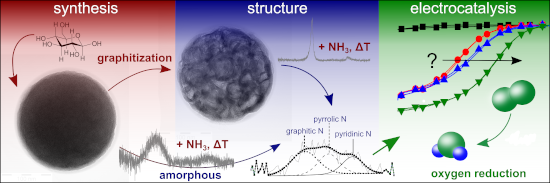
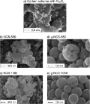
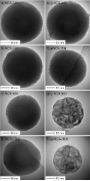
- . Both rely on the oxygen reduction reaction (ORR). The best established ORR catalysts are so far based on Pt nanoparticles or Pt alloys. However, Pt is expensive and its stability under fuel-cell working conditions is limited. Therefore, alternative catalysts based on noble-metal-free, less expensive
- they can result in further advantages such as an improved tolerance towards impurities compared to Pt-based catalysts [1]. A wide variety of N-doped carbon materials is known from the literature, reaching from N-doped graphene and graphite, N-doped carbon nanotubes, carbon cages, carbon cups and carbon
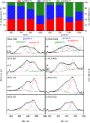
- with temperature. The most active sample, the NCS-1000 sample, shows an onset potential of about 0.75 V, which is, however, still more than 200 mV below that of the commercial Pt/C catalyst. Another important aspect of the N-doped carbon spheres is that the current increase with overpotential is much




Antimony deposition onto Au(111) and insertion of Mg
Beilstein J. Nanotechnol. 2019, 10, 2541–2552, doi:10.3762/bjnano.10.245
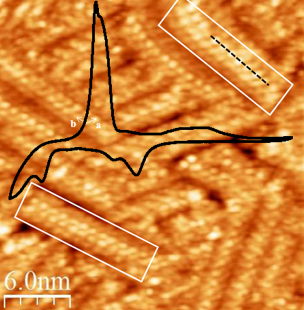
- available STM scanner (Molecular Imaging/Agilent Technologies) fitted with a so-called STM/AFM electrochemical cell as previously described [24]. Pt and Au wires were used as a quasi-reference electrode (EPt/PtO = 0.9 V vs RHE) and a counter electrode, respectively. The reference electrode was immersed in a
- small compartment filled with the same electrolyte and separated from main compartment by a capillary. Pt/Ir (90:10) STM tips with a diameter of 0.25 cm were prepared by etching in a 2 M KOH/4 M KSCN bath and coated with hot-melt glue containing different types of polymer (provided by Steinel) to
- , which is about the same as in the first cycle and probably corresponds to same continuous incorporation of Sb into the surface to form the surface alloy. The behavior of Sb UPD on Au(111) is somewhat different from that on Pt(111) [26]. There, after the first deposition of Sb in peak C1 (occurring at






Synthesis and acetone sensing properties of ZnFe2O4/rGO gas sensors
Beilstein J. Nanotechnol. 2019, 10, 2516–2526, doi:10.3762/bjnano.10.242
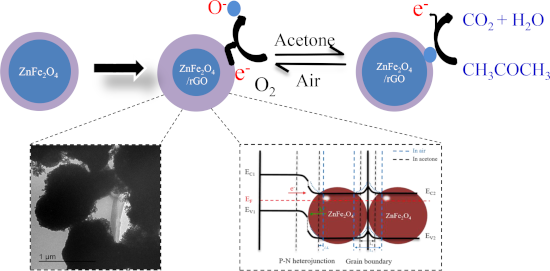
- ). Fabrication and sensing test of gas sensors The hollow spheres of pure ZnFe2O4 or ZnFe2O4/rGO powder were mixed with deionized water to obtain a paste, which was then manually uniformly coated onto an Al2O3 ceramic plate (C-MAC Micro Technology Company, Belgium) equipped with heating electrodes (Pt) and gold




Adsorption and desorption of self-assembled L-cysteine monolayers on nanoporous gold monitored by in situ resistometry
Beilstein J. Nanotechnol. 2019, 10, 2275–2279, doi:10.3762/bjnano.10.219
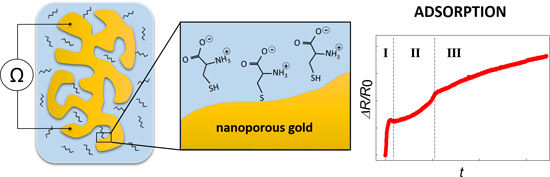
- with a Pt-wire counter electrode under chronoamperometric conditions at UAg/AgCl = 1100 mV until the current had fallen below 50 μA. For all following procedures, a carbon fabric served as the counter electrode. After dealloying, the sample was cleaned from the primary oxide [10] by cyclic voltammetry

Nontoxic pyrite iron sulfide nanocrystals as second electron acceptor in PTB7:PC71BM-based organic photovoltaic cells
Beilstein J. Nanotechnol. 2019, 10, 2238–2250, doi:10.3762/bjnano.10.216
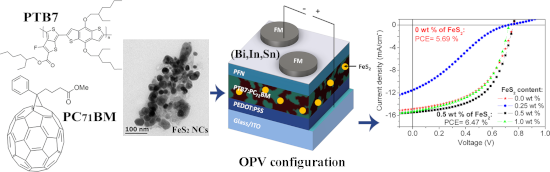
- (8%) similar to that of a Pt counter electrode in DSSC [9], which could be due to the high catalytic activity of pyrite. When the film is doped with ethanedithiol (EDT), the conversion efficiency is increased by about 20% as compared to the pure pyrite thin film [12]. Also, FeS2 NPs of 30 nm size
- by drop casting. Mechanically cut Pt–Ir wires were used as STM tips. Before the deposition of each film, HOPG substrates were cleaved by using the adhesive tape technique to obtain an atomically clean surface. Cyclic voltammetry (CV) measurements were carried out using a PARSTAT 2273 potentiostat in


Targeted therapeutic effect against the breast cancer cell line MCF-7 with a CuFe2O4/silica/cisplatin nanocomposite formulation
Beilstein J. Nanotechnol. 2019, 10, 2217–2228, doi:10.3762/bjnano.10.214
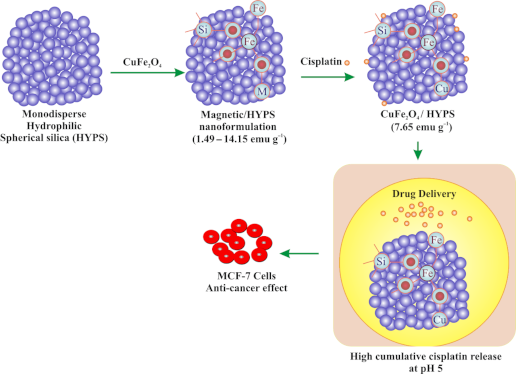
- structure (Figure 6a). Remarkably, after platinum adsorption, the CuFe2O4/HYPS sample showed an enhanced peak absorption up to 700 nm. A small absorption peak at about 224 nm showed the presence of tetrahedral coordinated Pt nanoclusters, while a significant enhancement of the absorption peak between 350
- and 600 nm shows the presence of octahedral coordinated Pt species (Figure 6b). The presence of such strong bonds of tetrahedral and octahedral Pt species indicates the high dispersity and interaction of Pt on HYPS silica support. The drug release ability of CuFe2O4/HYPS was compared with two
- ) of copper ferrite covering the HYPS. The composite showed paramagnetic behavior with a saturated magnetization value of 7.65 emu/g. The CuFe2O4/HYPS nanocomposite showed high cisplatin delivery and anticancer efficacy due to the coexistence of Pt and CuFe2O4 in HYPS. The cisplatin drug release


Nitrogen-vacancy centers in diamond for nanoscale magnetic resonance imaging applications
Beilstein J. Nanotechnol. 2019, 10, 2128–2151, doi:10.3762/bjnano.10.207
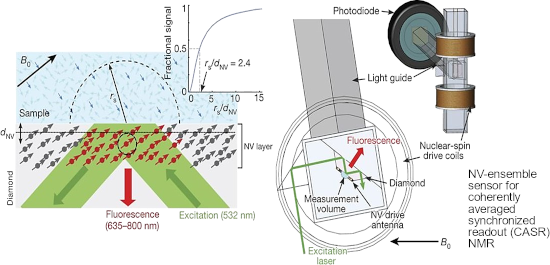
- ensemble in a single-crystal diamond vector magnetometer [31] can allow for the retrieval of all Cartesian components of a dynamic magnetic field with a bandwidth of 5 Hz to 12.5 kHz for a 50 pT/√Hz magnetic field. The best magnetic field sensitivity currently achievable for a single NV center is of the
- order of 1 nT·Hz−1/2. Higher sensitivity is possible using either NV ensembles <1 pT·Hz−1/2 [32] or advanced sensing protocols used in a so-called AC magnetometer [33]. For an ensemble, in bulk experiments, the best broadband sensitivity is 15 pT Hz−1/2 over 80 Hz to 2 kHz [34]. Using ensemble AC


Synthesis of highly active ETS-10-based titanosilicate for heterogeneously catalyzed transesterification of triglycerides
Beilstein J. Nanotechnol. 2019, 10, 2039–2061, doi:10.3762/bjnano.10.200
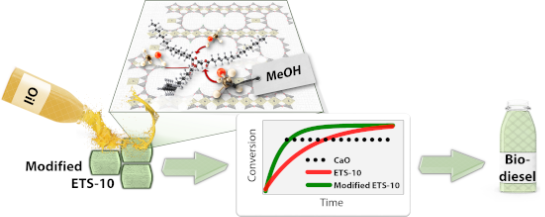
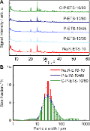
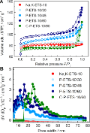
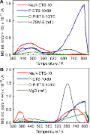
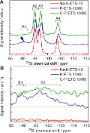
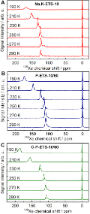
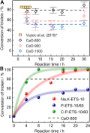
- ], for the hydrogenation of 1,3,5-triisopropylbenzene with a critical diameter of ≈0.95 nm over the Pt supported on controlled pore glass with 80 nm pore width and particle size of 50–100 μm at 373 K, a clear indication of diffusion limitation was observed. Thus, with the larger size of triolein and the








Review of advanced sensor devices employing nanoarchitectonics concepts
Beilstein J. Nanotechnol. 2019, 10, 2014–2030, doi:10.3762/bjnano.10.198
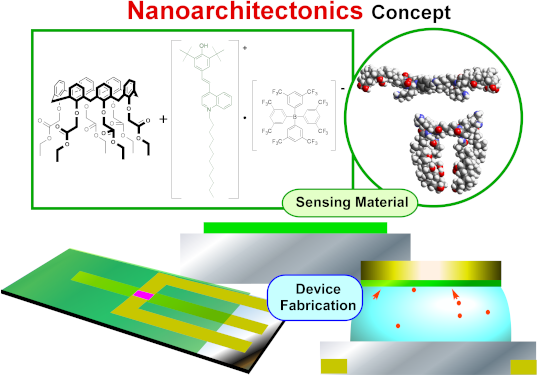
- -loaded CeO2–ZrO2–ZnO catalyst has a small heat capacity and dramatically increases the temperature of the Pt coil, resulting in a highly sensitive sensor signal. On the other hand, the n-type Sm2CuO4-loaded CeO2–ZrO2–ZnO catalyst is advantageous when rapid response and low temperature operation are





Pulsed laser synthesis of highly active Ag–Rh and Ag–Pt antenna–reactor-type plasmonic catalysts
Beilstein J. Nanotechnol. 2019, 10, 1958–1963, doi:10.3762/bjnano.10.192
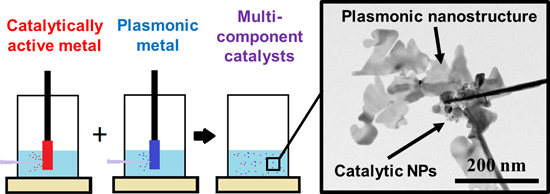
- Kenneth A. Kane Massimo F. Bertino Department of Physics, Virginia Commonwealth University, Richmond, Virginia, 23220, USA 10.3762/bjnano.10.192 Abstract Ag, Pt, and Rh monometallic colloids were produced via laser ablation. Separate Ag–Rh and Ag–Pt heterostructures were formed by mixing and
- resulted in groupings of Rh/Pt nanoparticles adsorbing to the concavities of the larger Ag nanostructures. The 400 nm Ag plasmonic absorption peak was slightly blue-shifted for Ag–Pt and red-shifted for Ag–Rh heterostructures. Catalytic activity for the reduction of 4-nitrophenol increased significantly
- for Ag–Pt and Ag–Rh compared to the monometallic constituents, and persisted at lower loading ratios and consecutive reduction cycles. The enhancement is attributed to the Rh and Pt nanoparticles forming antenna–reactor-type plasmonic catalysts with the Ag nanostructures. Keywords: Ag; antenna


Facile synthesis of carbon nanotube-supported NiO//Fe2O3 for all-solid-state supercapacitors
Beilstein J. Nanotechnol. 2019, 10, 1923–1932, doi:10.3762/bjnano.10.188
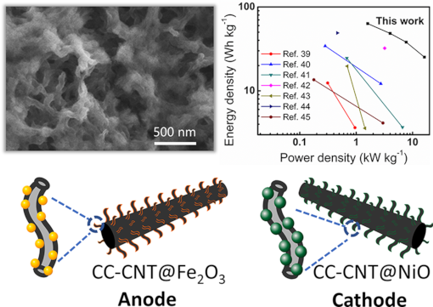
- 530.13 eV, corresponding to C–O, Fe–O–C, and Fe–O, respectively [30]. The XPS results strongly support the XRD and Raman results and confirm Fe2O3 on the CC-CNT. A three-electrode system was used to examine the electrochemical characteristics of the CC-CNT@Fe2O3 with Pt foil as a counter electrode, SCE
- (ASAP 2020). Electrochemical characterization The half-cell electrochemical properties were tested in a standard three-electrode system at room temperature on an electrochemical work station (CHI 600E, CH Instruments, Inc., China). 2 M KOH aqueous solution was used as the electrolyte, a Pt plate as the


Chiral nanostructures self-assembled from nitrocinnamic amide amphiphiles: substituent and solvent effects
Beilstein J. Nanotechnol. 2019, 10, 1608–1617, doi:10.3762/bjnano.10.156
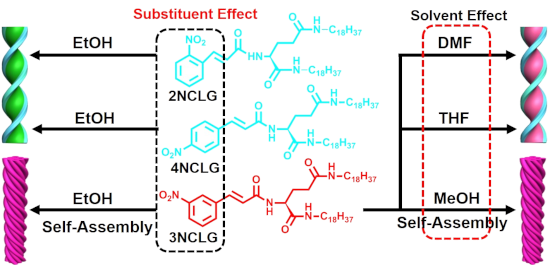
- characterized on a Bruker AVANCE III HD 500 machine. The gel and precipitate were cast onto single-crystal silica plates and then coated with a thin layer of Pt after drying to increase the contrast. After that, the morphology was observed with a Hitachi S-4800 FE-SEM operating at an accelerating voltage of 10




High-temperature resistive gas sensors based on ZnO/SiC nanocomposites
Beilstein J. Nanotechnol. 2019, 10, 1537–1547, doi:10.3762/bjnano.10.151
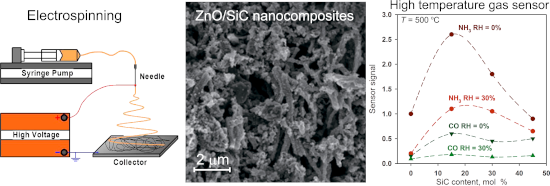
- difference in the adsorption properties, reactivity and electrical behavior of semiconductor oxides and silicon carbide, as well as possible chemical interactions on their interface, cause changes in the sensor performance of composite materials. The SiC-based materials in the form of planar Pt/MO/SiC
- alumina micro-hotplates provided with vapor-deposited Pt contacts (0.3 × 0.2 mm2) separated by a 0.2 mm gap and with embedded Pt-meanders. The paste was dried at room temperature in ambient air and then calcined at 250 °C in purified air for 20 h to remove the binder. The thick sensing layer was about 1



Synthesis of P- and N-doped carbon catalysts for the oxygen reduction reaction via controlled phosphoric acid treatment of folic acid
Beilstein J. Nanotechnol. 2019, 10, 1497–1510, doi:10.3762/bjnano.10.148
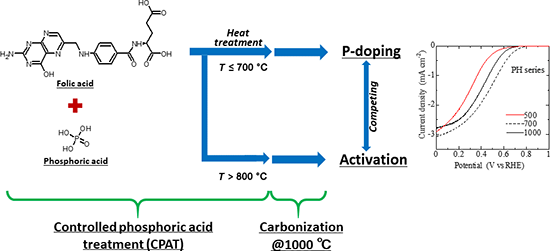
- fuel cells (PEFCs), both anode and cathode reactions are catalyzed by Pt. Compared to the anode reaction, the cathode reaction, namely the oxygen reduction reaction (ORR), is rather slow and hence requires the use of larger amounts of Pt [1], which increases the cost of PEFCs and prevents their wide
- application as domestic, back-up, and vehicle power sources. The cost of cathode catalysts can be reduced in a number of ways, e.g., by alloying Pt with base metals [2], forming core–shell particles with base-metal cores covered by thin Pt layers [3], and developing non-Pt catalysts. In particular, the
- implementation of non-Pt or non-precious-metal cathode catalysts is the ultimate goal of PEFC development. Since the discovery of the ORR activity of cobalt phthalocyanine in 1964 [4], numerous studies have focused on the synthesis of non-precious metal ORR catalysts such as those based on carbon [5]. The