Search results
Search for "hydrothermal" in Full Text gives 241 result(s) in Beilstein Journal of Nanotechnology. Showing first 200.
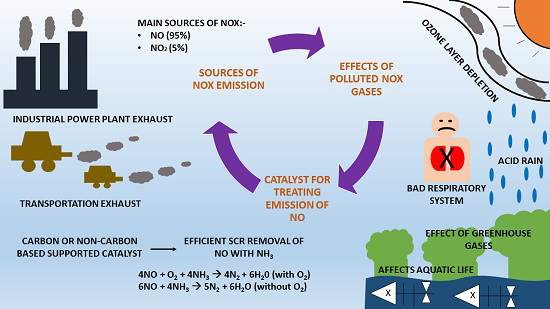
A review of carbon-based and non-carbon-based catalyst supports for the selective catalytic reduction of nitric oxide
Beilstein J. Nanotechnol. 2018, 9, 740–761, doi:10.3762/bjnano.9.68
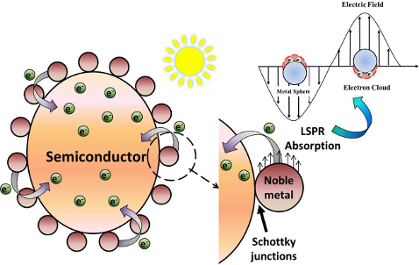
Mechanistic insights into plasmonic photocatalysts in utilizing visible light
Beilstein J. Nanotechnol. 2018, 9, 628–648, doi:10.3762/bjnano.9.59
- issues [45][46][47][48][49]. Synthesis routes such as sol–gel, hydrothermal, microwave hydrothermal, impregnation, electrochemical deposition, chemical deposition, deposition-precipitation, UV photodeposition and direct sunlight photodeposition have been reported [23][50][51][52][53][54][55][56][57][58
- for obtaining the target composite. However, the deposition concentration of noble metal is moderately low [3]. Meanwhile, the hydrothermal method often suffers from major metal nanoparticle aggregation issues [3]. Similarly, chemical methods result in aggregation of nanoparticles throughout the





Sensing behavior of flower-shaped MoS2 nanoflakes: case study with methanol and xylene
Beilstein J. Nanotechnol. 2018, 9, 608–615, doi:10.3762/bjnano.9.57
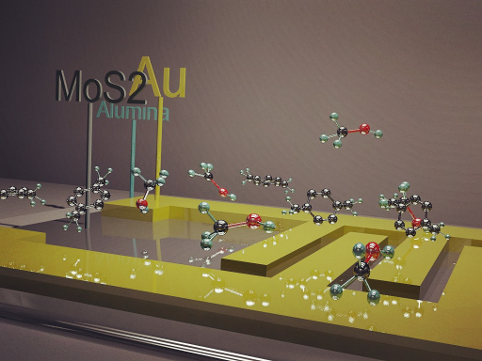
- emerging new group of materials known as transition metal dichalcogenides (TMDs), which have significant electrical, optical, and transport properties. MoS2 is one of the well-known 2D materials in this group, which is a semiconductor with controllable band gap based on its structure. The hydrothermal
- process is known as one of the scalable methods to synthesize MoS2 nanostructures. In this study, the gas sensing properties of flower-shaped MoS2 nanoflakes, which were prepared from molybdenum trioxide (MoO3) by a facile hydrothermal method, have been studied. Material characterization was performed
- functional theory; gas sensor; hydrothermal method; methanol; MoS2 nanoflakes; xylene vapor; Introduction Recent efforts in exploring two-dimensional (2D) materials have led to the introduction of a new family of materials known as transition metal dichalcogenides (TMDs), which show remarkable electrical


Anchoring Fe3O4 nanoparticles in a reduced graphene oxide aerogel matrix via polydopamine coating
Beilstein J. Nanotechnol. 2018, 9, 591–601, doi:10.3762/bjnano.9.55
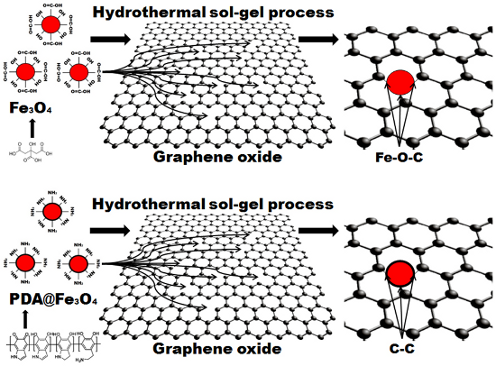
- introduction into aerogel. The first method is based on the addition of iron precursors to GO water dispersion and “in situ” synthesis of iron oxide MNPs during hydrothermal hydrogel formation in autoclave. The precipitated nanoparticles are anchored to GO structure via Fe–C–O bonds or confined between GO
- the synthesized GO powder and the rGO aerogel, estimated from Raman spectra (data not shown) were 0.9 and 1.05, respectively. The ID/IG ratio increase is related to removal of oxygen functional groups and the decrease of the average size of the sp2 domains upon hydrothermal reduction [44][45][46][47
- ≈2959 cm−1 (I), 2921 cm−1 (II) and 2849 cm−1 (III) bands, corresponding to rGO and rGO-MNPs νas CH3 and νas/νs CH2 stretching, respectively. This effect could be related to the defect sites termination modified during the hydrothermal synthesis process. In the case of MNP hybrid structures, the


Fabrication and photoactivity of ionic liquid–TiO2 structures for efficient visible-light-induced photocatalytic decomposition of organic pollutants in aqueous phase
Beilstein J. Nanotechnol. 2018, 9, 580–590, doi:10.3762/bjnano.9.54
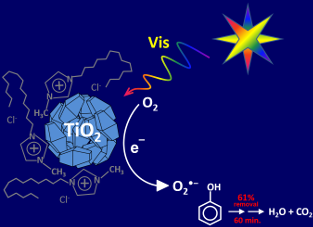
- interactions with TiO2 particles in ionic liquid assisted hydrothermal synthesis”, contract No.2014/15/D/ST5/02747. The authors also acknowledge Karina Kacperska for her support.




Green synthesis of fluorescent carbon dots from spices for in vitro imaging and tumour cell growth inhibition
Beilstein J. Nanotechnol. 2018, 9, 530–544, doi:10.3762/bjnano.9.51
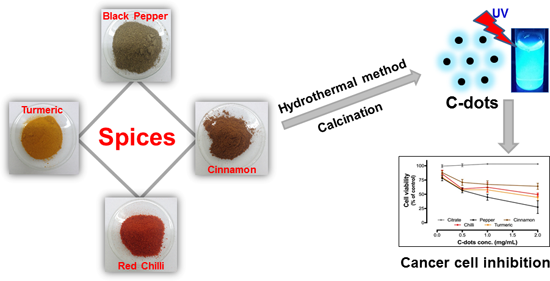
- nanomaterials, today we know that the toxicity of carbon dots (C-dots) strongly depends on the protocol of fabrication. In this work, aqueous fluorescent C-dots have been synthesized from cinnamon, red chilli, turmeric and black pepper, by a one-pot green hydrothermal method. The synthesized C-dots were firstly
- simple, cost-effective and environmentally friendly hydrothermal process involved in the synthesis [14]. Among the wide variety of food products, common spices like cinnamon, red chilli, turmeric and black pepper have been studied in detail due to their traditionally known medicinal properties. For
- C-dots have been synthesized by a green one-pot hydrothermal route, using cinnamon, red chilli, turmeric and black pepper as starting materials. These C-dots based on natural precursors do not exhibit any significant toxicity to non-cancerous cells [27][28], nevertheless it is expected that major


Colloidal solution of silver nanoparticles for label-free colorimetric sensing of ammonia in aqueous solutions
Beilstein J. Nanotechnol. 2018, 9, 499–507, doi:10.3762/bjnano.9.48
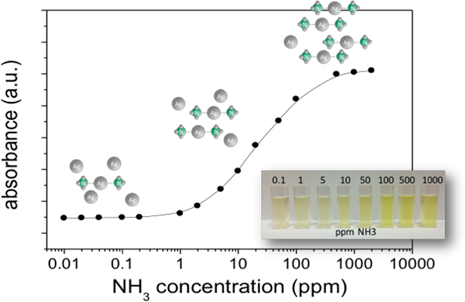
- detection of ammonia. The seeds of AgNPs have been prepared using an environmentally friendly hydrothermal method that uses sucralose as a stabilizer and glucose as a reducing agent. Briefly, 2 g of α-D-glucose and 2 g of sucralose were dissolved in 100 mL of ultrapure water. The solution is heated to 90 °C



Influence of the preparation method on the photocatalytic activity of Nd-modified TiO2
Beilstein J. Nanotechnol. 2018, 9, 447–459, doi:10.3762/bjnano.9.43
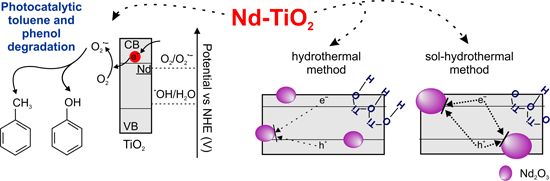
- Poznan, 60-780 Poznan, Poland Institute of Physical Chemistry, Polish Academy of Sciences,01-224 Warsaw, Poland Institute for Catalysis, Hokkaido University, Sapporo 001-0021, Japan 10.3762/bjnano.9.43 Abstract Nd-modified TiO2 photocatalysts have been obtained via hydrothermal (HT) and sol–hydrothermal
- light-induced degradation of the model pollutant in aqueous solution. Keywords: heterogeneous photocatalysis; hydrothermal method; modified TiO2; neodymium; sol–hydrothermal method; Introduction Heterogeneous photocatalysis based on titanium dioxide (TiO2) has become the focus of numerous studies due
- materials for various applications. According to the literature, RE-modified TiO2 could be prepared through a wide spectrum of methods, such as sol–gel [18][25], hydrothermal [23][26][27], solvothermal [28], electrospinning [29], co-precipitation [30] and electrochemical [8] methods. In our previous papers




Facile synthesis of ZnFe2O4 photocatalysts for decolourization of organic dyes under solar irradiation
Beilstein J. Nanotechnol. 2018, 9, 436–446, doi:10.3762/bjnano.9.42
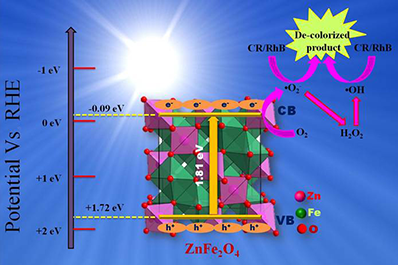
- , hydrothermal [15][16][17] solid-state combustion, sol–gel, co-precipitation, mechanochemical [18] and microwave-hydrothermal assisted ionic liquids have been reported for the synthesis of metal ferrite [10][13][19]. Recently, Sharma et al. reported the synthesis of ZnFe2O4 nanoparticles by an urea combustion
- method that was controlled at 400 °C for 6 h and followed by calcination at 900 °C for 6 h [20]. Yang and co-workers synthesized ZnFe2O4 nano-octahedrons by one-step hydrothermal reaction at 180 °C for 14 h followed by drying in an oven at 60 °C for 12 h [21]. Dom et al. reported the preparation of
- non-aqueous hydrothermal method obtaining 15% degradation of Rh B [25]. The above mentioned reports give an idea about that Rh B and Congo red degradation takes a long time. Hence, our objective is to degrade these harmful organic dyes as fast as possible. In order to obtain the required phase without


Photocatalytic and adsorption properties of TiO2-pillared montmorillonite obtained by hydrothermally activated intercalation of titanium polyhydroxo complexes
Beilstein J. Nanotechnol. 2018, 9, 364–378, doi:10.3762/bjnano.9.36
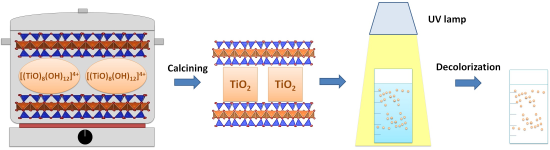
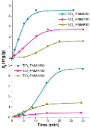
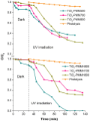
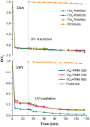
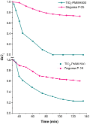
- of dispersion and crystallinity for TiO2 in the MM structure, thus enhancing photocatalytic activity. Ooka et al. [16] report some data demonstrating high efficiency of hydrothermal effects when using a TiO2 sol as an intercalating agent. They note that the advantage of the hydrothermal treatment
- stems from imparting higher acid resistance to the pillared MM, which is important when it is used for photocatalysis in highly acidic media. In particular, hydrothermal treatment accelerates crystallization and formation of clusters which grow and produce amorphous TiO2 nanoparticles in the interlayer
- space of montmorillonite prior the stage of heat treatment, and significantly improves the transformation of these particles into well-crystallized TiO2 pillars after further annealing. To the best of our knowledge, the literature data contain no information on hydrothermal synthesis of the pillared MM






Sugarcane juice derived carbon dot–graphitic carbon nitride composites for bisphenol A degradation under sunlight irradiation
Beilstein J. Nanotechnol. 2018, 9, 353–363, doi:10.3762/bjnano.9.35
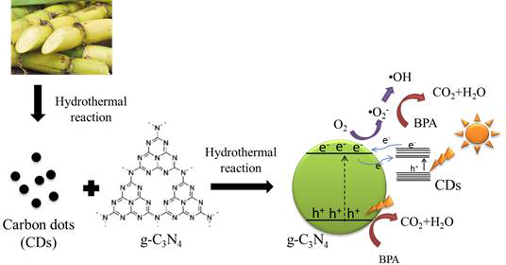
- Laboratory, Department of Environmental Science and Engineering, Indian Institute of Technology (ISM), Dhanbad 826004, Jharkhand, India 10.3762/bjnano.9.35 Abstract Carbon dots (CDs) and graphitic carbon nitride (g-C3N4) composites (CD/g-C3N4) were successfully synthesized by a hydrothermal method using
- -driven photocatalysis. Prasannan and Imae reported a simple and facile one-pot synthesis of fluorescent CDs from orange waste peels using the hydrothermal carbonization method. As prepared CDs were combined with zinc oxide (ZnO) to degrade naphthol blue–black azo dye under UV irradiation, and the
- recombination of electron–hole pairs [35]. A facile hydrothermal approach was adopted to synthesize CD/g-C3N4 using ascorbic acid as precursor to prepare CDs, showing higher hydrogen (H2) production than pure g-C3N4 under UV light irradiation [36]. A similar composite was also reported using 6-aminohexanoic


Co-reductive fabrication of carbon nanodots with high quantum yield for bioimaging of bacteria
Beilstein J. Nanotechnol. 2018, 9, 137–145, doi:10.3762/bjnano.9.16
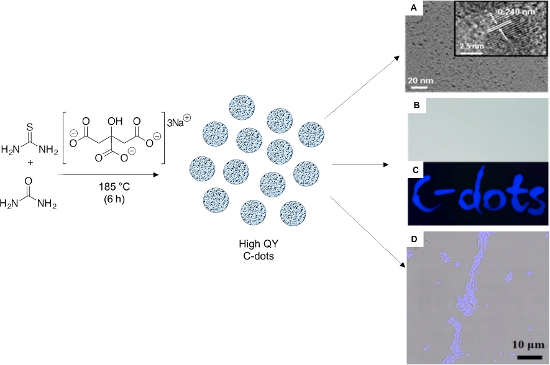
- , Ireland School of Chemistry, University of Birmingham, Edgbaston, Birmingham B15 2TT, UK 10.3762/bjnano.9.16 Abstract A simple and straightforward synthetic approach for carbon nanodots (C-dots) is proposed. The strategy is based on a one-step hydrothermal chemical reduction with thiourea and urea
- in bioimaging thanks to their low cytotoxicity. Keywords: bioimaging; carbon nanodots; collaborative reduction; hydrothermal; Introduction Over recent years, carbon nanomaterials have remarkably influenced the growth of a wide range of fields, including electronics, photonics, energy, catalysis and
- value (45%) using citric acid and urea as precursors via a facile hydrothermal method. They evidenced that surface passivation by urea resulted in the high QY of the C-dots. Herein we report a C-dot synthetic procedure with remarkable QY (37%) by a one-step hydrothermal chemical reduction method, where


Gas-sensing behaviour of ZnO/diamond nanostructures
Beilstein J. Nanotechnol. 2018, 9, 22–29, doi:10.3762/bjnano.9.4
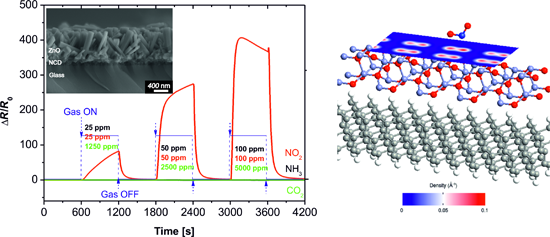
- -terminated nanocrystalline diamond (NCD) films and/or n-type ZnO nanorods (NRs) have been obtained via a facile microwave-plasma-enhanced chemical vapour deposition process or a hydrothermal growth procedure. The morphology and crystal structure of the synthesized materials was analysed with scanning
- hydrothermal synthesis process. The synthesis was conducted in an equimolar aqueous solution containing zinc nitrate hexahydrate (Zn(NO3)2·6H2O) and hexamethylenetetramine (C6H12N4). During the synthesis a temperature of 90 °C was maintained for 3 h. The experimental procedure has been described in detail in


The role of ligands in coinage-metal nanoparticles for electronics
Beilstein J. Nanotechnol. 2017, 8, 2625–2639, doi:10.3762/bjnano.8.263
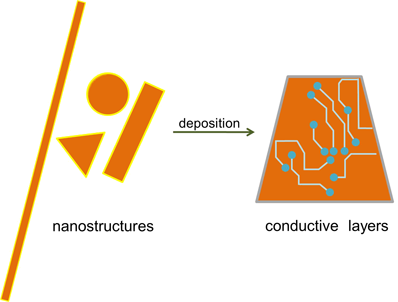
- variety of shapes have been created, including spheres [3][4][5], rods [6][7], wires [8][9], belts [10][11], plates [12][13], and cubes [14]. Synthetic approaches include electrochemical deposition [15], surfactant addition [16], hydrothermal reduction [17], soft templates in solution [6], polymer


Hydrothermal synthesis of ZnO quantum dot/KNb3O8 nanosheet photocatalysts for reducing carbon dioxide to methanol
Beilstein J. Nanotechnol. 2017, 8, 2264–2270, doi:10.3762/bjnano.8.226
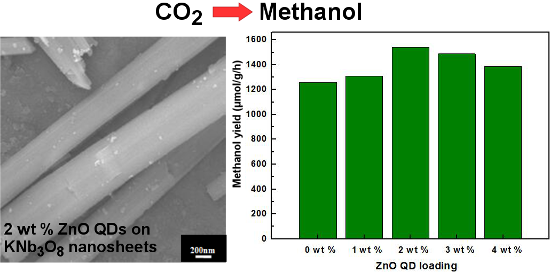
- , East China University of Science and Technology, Shanghai 200237, China 10.3762/bjnano.8.226 Abstract ZnO quantum dots and KNb3O8 nanosheets were synthesized by a two-step hydrothermal method for the photocatalytic reduction of CO2 to methanol where isopropanol is simultaneously oxidized to acetone
- excellent nonlinear optical, piezoelectric, ferroelectric, ionic conductivity, selective-ion exchange and photocatalytic properties [6][7][8][9]. Zhang et al. prepared K4Nb6O17 with a sheet-like nanostructure by hydrothermal synthesis and found its photocatalytic activity for degrading acidic red G to be
- particle diameter is about 25 nm) in the degradation of rhodamine B, but also a higher generating rate of H2 at 3.0 mmol/h under UV-light irradiation [11]. Song prepared nanocrystals of ferroelectric NaNbO3 phase by a hydrothermal method using Nb2O5 and NaOH as precursors in one step, where a lower




Systematic control of α-Fe2O3 crystal growth direction for improved electrochemical performance of lithium-ion battery anodes
Beilstein J. Nanotechnol. 2017, 8, 2032–2044, doi:10.3762/bjnano.8.204
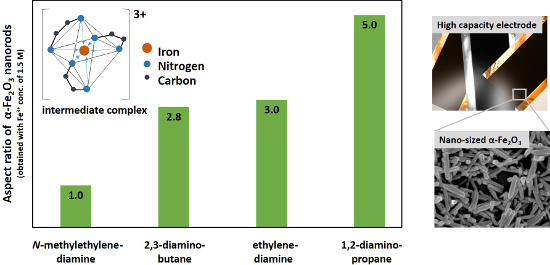
- Nanyang Drive, Singapore 637553, Singapore, BMW Group, Petuelring 130, 80788 Munich, Germany 10.3762/bjnano.8.204 Abstract α-Fe2O3 nanomaterials with an elongated nanorod morphology exhibiting superior electrochemical performance were obtained through hydrothermal synthesis assisted by diamine
- hydrothermal synthesis of α-Fe2O3 nanoparticles is seen as beneficial, being a low-cost and time-efficient combination of an efficient SCA and a powerful synthesis tool. The resulting α-Fe2O3 is free from nitrogen (elemental analysis) [28], since the applied diamine derivatives are normally water-soluble and
- et al. applied a hydrothermal synthesis assisted by 1,2-diaminopropane as an SCA and obtained crystallized α-Fe2O3 nanorods with high and controllable aspect ratios [22]. Lin et al. demonstrated that such α-Fe2O3 nanorods outperform sub-micrometer and micrometer-sized particles in terms of


Freestanding graphene/MnO2 cathodes for Li-ion batteries
Beilstein J. Nanotechnol. 2017, 8, 1932–1938, doi:10.3762/bjnano.8.193
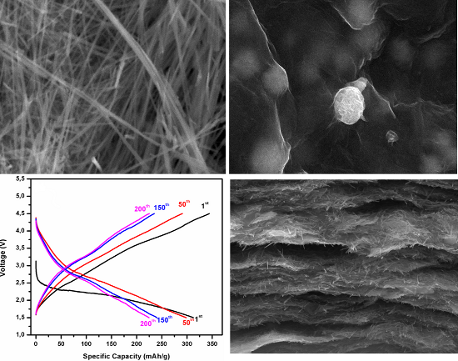
- microwave hydrothermal synthesis, and graphene oxide (GO) nanosheets were prepared by oxidation of graphite using a modified Hummers’ method. Freestanding graphene/MnO2 cathodes were manufactured through a vacuum filtration process. The structure of the graphene/MnO2 nanocomposites was characterized using X
- ]. However, there are few reports explaining their electrochemical reaction response relating to their different manganese oxide crystalline structures. In this work, different polymorphs of MnO2 (α-, β-, and γ-) were produced by a microwave hydrothermal method. Freestanding graphene/MnO2 cathodes were
- The α-, β-, and γ-MnO2 phases were synthesized by a microwave-assisted hydrothermal method. α-MnO2 nanowires and β-MnO2 nanorods were prepared according to our previous report [8]. To prepare γ-MnO2, 1.83 mg of (NH4)2S2O8, 1.35 mg of MnSO4 and 3 mmol were dissolved in 80 mL of distilled water. Then


Methionine-mediated synthesis of magnetic nanoparticles and functionalization with gold quantum dots for theranostic applications
Beilstein J. Nanotechnol. 2017, 8, 1734–1741, doi:10.3762/bjnano.8.174
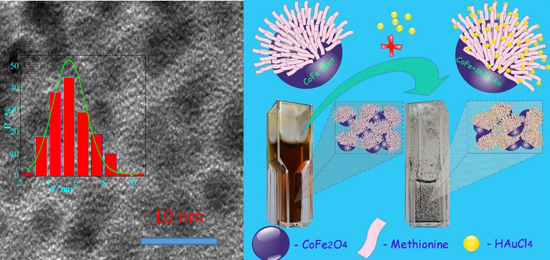
- methionine-functionalized cobalt ferrite nanoparticles A hydrothermal approach was applied to synthesize the superparamagnetic cobalt ferrite NPs stabilized with methionine. The proposed approach differs from the reported one [19] in the nature of magnetic NPs, the composition of the aqueous solution applied
- , synthesis atmosphere and modes. It involves the preparation of an alkaline aqueous solution containing CoCl2, FeCl3, methionine, and NaOH up to pH 12.4, followed by autoclaving at 130 °C for 10 h. To the best of our knowledge, methionine has not been applied before for hydrothermal synthesis and
- via the methionine-assisted hydrothermal approach, and methionine as well as methionine sulfoxide. The FTIR spectrum of the same NPs sonicated in an aqueous solution of chloroauric acid at 37 °C for 4 h is presented. The characteristic peaks of methionine are at 1582 cm−1, assigned to antisymmetric


Two-dimensional carbon-based nanocomposites for photocatalytic energy generation and environmental remediation applications
Beilstein J. Nanotechnol. 2017, 8, 1571–1600, doi:10.3762/bjnano.8.159
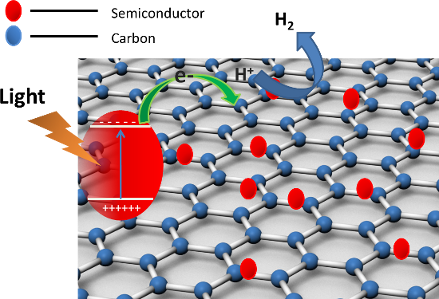
- known as chemical-modified graphene [51]. The schematic illustration of RGO preparation from graphite is shown in Figure 2. The composite formation of graphene with semiconductor materials has been reported by various methods, such as hydrothermal/solvothermal [52], sol−gel [53], self-assembly [54
- ], precipitation [55], and photo-reduction [13]. The hydrothermal/solvothermal method for the synthesis of graphene-based nanocomposites involves the treatment of its precursor in a confined volume, teflon-lined autoclave at elevated temperature, wherein high pressure is generated. This method is very important
- for the synthesis of inorganic nanocrystals and gives rise to highly crystalline nanostructures and also reduces GO to RGO. As the name suggests, water is the main solvent in hydrothermal synthesis method and major advantage of water as the solvent is its abundance in nature as well as its non-toxic


Luminescent supramolecular hydrogels from a tripeptide and nitrogen-doped carbon nanodots
Beilstein J. Nanotechnol. 2017, 8, 1553–1562, doi:10.3762/bjnano.8.157
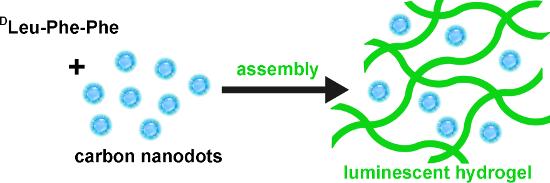
- hydrothermal route [5]. Alternatively, in a convenient MW-based method, arginine was shown to be a useful starting material towards highly fluorescent nitrogen-doped CNDs (NCNDs) that were chosen for the present study (Scheme 1) [6]. Several works have reported incorporation of CNDs into hydrogels as an


Calcium fluoride based multifunctional nanoparticles for multimodal imaging
Beilstein J. Nanotechnol. 2017, 8, 1484–1493, doi:10.3762/bjnano.8.148
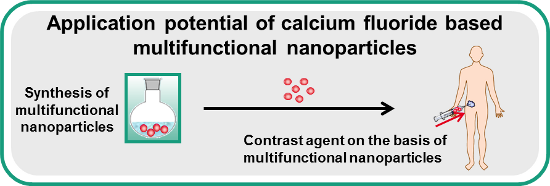
- ionic substitutions can also be integrated in the CaF2 lattice [24]. Various methods have been reported for the preparation of rare-earth doped CaF2 NPs such as co-precipitation [14][15][24][25][26], hydrothermal methods [27][28][29], flame synthesis [30], microemulsion methods [31][32] and a


Metal oxide nanostructures: preparation, characterization and functional applications as chemical sensors
Beilstein J. Nanotechnol. 2017, 8, 1205–1217, doi:10.3762/bjnano.8.122
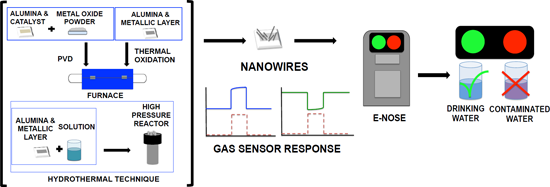
- characterization of different metal oxide (NiO, WO3, ZnO, SnO2 and Nb2O5) nanostructures for chemical sensing are presented. p-Type (NiO) and n-type (WO3, SnO2, ZnO and Nb2O5) metal oxide nanostructures were grown on alumina substrates using evaporation–condensation, thermal oxidation and hydrothermal techniques
- show the different sensing capabilities of oxides within a real application, using sensors arrays and electronic noses. Evaporation, thermal oxidation and hydrothermal methods were optimized for the direct integration of metal oxide nanowires into chemical sensor transducers, without using any transfer
- 797cm−1 are related to the stretching vibration of bridging oxygen in (W–O–W) bonds [7], and they are typical peaks of monoclinic tungsten trioxide. The other two major peaks at 262 cm−1 and 322 cm−1 are due to the bending vibration of (O–W–O) bonds [8]. Hydrothermal technique: Nb2O5 During the


Structural properties and thermal stability of cobalt- and chromium-doped α-MnO2 nanorods
Beilstein J. Nanotechnol. 2017, 8, 1032–1042, doi:10.3762/bjnano.8.104
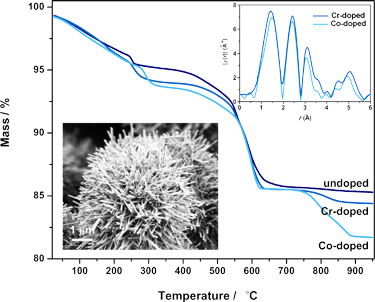
- Solides, Université Paris Sud, CNRS UMR 8502, F-91405 Orsay, France Faculty of Mechanical Engineering, University of Maribor, Smetanova 17, SI-2000 Maribor, Slovenia 10.3762/bjnano.8.104 Abstract α-MnO2 nanorods were synthesized via the hydrothermal decomposition of KMnO4 in an acidic environment in the
- is especially important in some of the previously mentioned technological applications. The samples were prepared by hydrothermal synthesis at three different temperatures. Dopant content as well as the content of manganese and potassium were determined using scanning electron microscopy, coupled


High photocatalytic activity of Fe2O3/TiO2 nanocomposites prepared by photodeposition for degradation of 2,4-dichlorophenoxyacetic acid
Beilstein J. Nanotechnol. 2017, 8, 915–926, doi:10.3762/bjnano.8.93
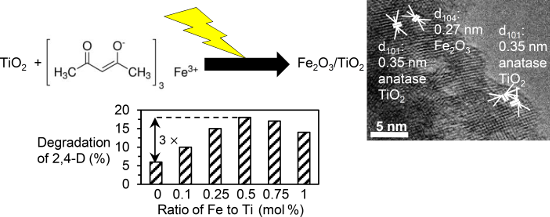
- ][15]. Commonly, the reported methods for the preparation of Fe2O3/TiO2 include impregnation [5][6][16][17][18], sol–gel [7][19], and hydrothermal methods [8][9][10]. A combination of several processes has also been employed, such as the electrospinning method combined with a hydrothermal approach [11


Synthesis of graphene–transition metal oxide hybrid nanoparticles and their application in various fields
Beilstein J. Nanotechnol. 2017, 8, 688–714, doi:10.3762/bjnano.8.74
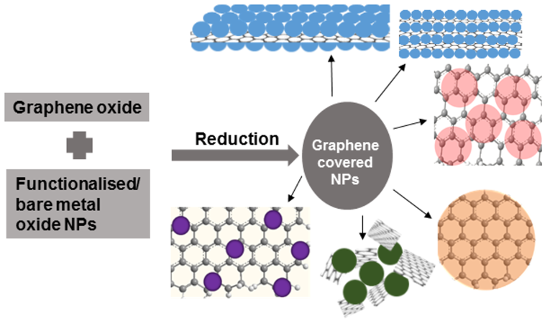
- synthesis routes have been introduced; among them, hydrothermal methods are used extensively for the preparation of TiO2–graphene hybrid systems. Liang et al. prepared TiO2 NCs on the GO sheet by hydrolysis methods and then converted GO to graphene by hydrothermal treatment [88]. A TiO2–graphene
- nanocomposite hydrogel (TGH) was prepared by Zhang et al. by a facile one-pot hydrothermal approach where the spherical nanostructured TiO2 NPs were densely decorated onto the GS [89]. A 2D graphene–TiO2 sandwich structure was prepared by using ethylenediamine/H2O solvent in a reduction–hydrolysis technique
- –graphene hybrid systems using a hydrothermal method. These hybrids have excellent electrochemical performance due to the synergetic effect of well-dispersed TiO2 NPs and the conductive graphene network [91]. Nanometre-sized TiO2 sheets were prepared on the GSs by using a facial solvothermal synthetic route