Search results
Search for "photoelectron spectroscopy" in Full Text gives 353 result(s) in Beilstein Journal of Nanotechnology. Showing first 200.
Glucose-derived carbon materials with tailored properties as electrocatalysts for the oxygen reduction reaction
Beilstein J. Nanotechnol. 2019, 10, 1089–1102, doi:10.3762/bjnano.10.109
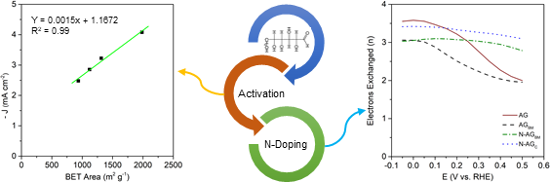
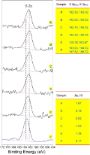
- which heteroatoms can be incorporated, and so materials with a lower degree of functionalization are obtained. Further understanding of the functionalities of the carbon materials was achieved by analyzing their surface composition by X-ray photoelectron spectroscopy (XPS). The XPS spectra in the C 1s
- determined in a Vario micro cube analyzer (Elementar GmbH), by combustion of the sample at 1050 °C. The oxygen content was determined using a rapid oxy cube analyzer (Elementar GmbH) in which the sample underwent pyrolysis at 1450 °C. Each sample was analysed in triplicate. X-ray photoelectron spectroscopy


Concurrent nanoscale surface etching and SnO2 loading of carbon fibers for vanadium ion redox enhancement
Beilstein J. Nanotechnol. 2019, 10, 985–992, doi:10.3762/bjnano.10.99
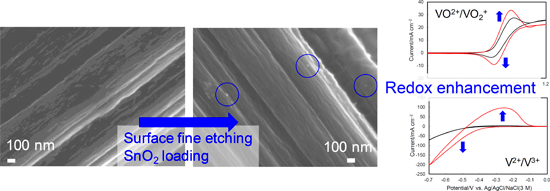
- photoelectron spectroscopy (XPS). The activity for the vanadium ion redox reactions was evaluated by cyclic voltammetry (CV) to demonstrate the enhancement of both the positive and negative electrode reactions. A full cell test of the vanadium redox flow battery (VRFB) showed a significant decrease of the
- using Microsoft Excel based on Gaussian functions was used for the Raman peak deconvolution and fitting. Energy-dispersive X-ray spectrometry was performed using a FESEM (JSM-7800F, JEOL) and EDX (Octane Elect Super, EDAX). X-ray photoelectron spectroscopy (XPS) was carried out using an AXIS ULTRA DLD



Structural and optical properties of penicillamine-protected gold nanocluster fractions separated by sequential size-selective fractionation
Beilstein J. Nanotechnol. 2019, 10, 955–966, doi:10.3762/bjnano.10.96
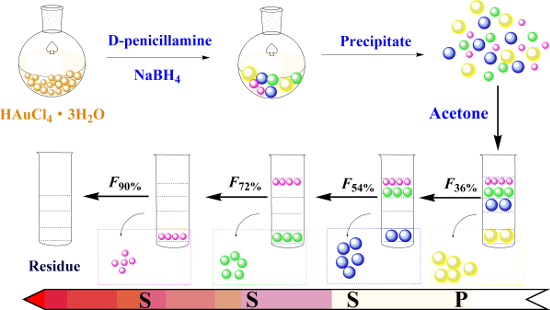
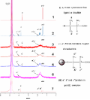
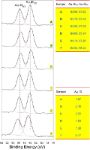
- size and the ratio of Au atoms to ligands of AuNCs. X-ray photoelectron spectroscopy (XPS) has also been applied to observe the molecular dependence on the gold and sulfur chemical state of organosulfur monolayers of the fractions. The photoluminescence spectra of these AuNCs in the range of 900–790 nm
- fractionation, the crude AuNCs and fractions obtained from SSSP have been investigated by transmission electron microscopy (TEM), X-ray photoelectron spectroscopy (XPS), nuclear magnetic resonance (NMR), and UV–vis absorption together with photoluminescence (PL) spectroscopy. Experimental Chemicals and
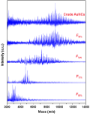
- -flight mass spectrometer (MALDI-TOF MS) (Autoflex, Bruker, Germany). X-ray photoelectron spectroscopy (XPS) measurements were conducted with a Leybold Heraeus SKL-12 X-ray photoelectron spectrometer (Shenyang, China) modified with a VG CLAM 4 multichannel hemispherical analyzer using a Mg Kα excitation



In situ AFM visualization of Li–O2 battery discharge products during redox cycling in an atmospherically controlled sample cell
Beilstein J. Nanotechnol. 2019, 10, 930–940, doi:10.3762/bjnano.10.94
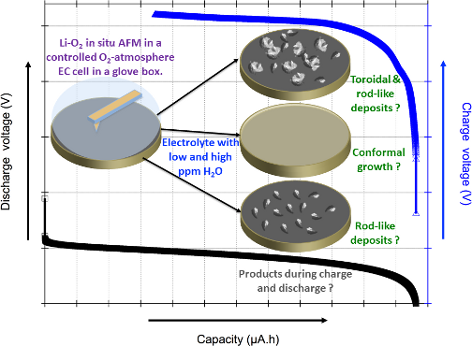
- -ray photoelectron spectroscopy to study the reactions under ultrahigh vacuum as well as 500 mtorr O2 pressure. Zheng et al. [20] performed in situ scanning electron microscopy of the reaction whereby they observed the growth of toroidal lithium peroxide (Li2O2) particles along a specific direction as


Synthesis of novel C-doped g-C3N4 nanosheets coupled with CdIn2S4 for enhanced photocatalytic hydrogen evolution
Beilstein J. Nanotechnol. 2019, 10, 912–921, doi:10.3762/bjnano.10.92
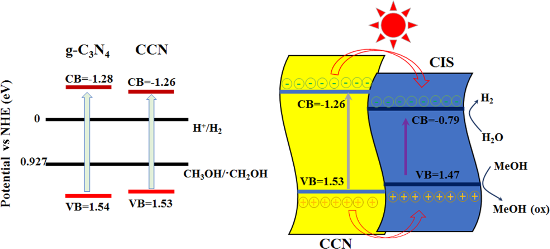
- the CCN surface, resulting in close contact (Figure 4c,d). X-ray photoelectron spectroscopy (XPS) was utilized to study the surface elemental composition of the representative composite photocatalyst CISCCN3. The survey XPS spectrum of Figure 5a shows that the CISCCN3 composite is mostly composed of C
- , NEXUS-870, Nicolet Instrument Co. USA), X-ray diffraction (XRD, XD-3, Purkinje General, China, Cu Kα radiation), X-ray photoelectron spectroscopy (XPS, Escalab 250Xi, America), UV–vis diffuse reflectance spectroscopy (DRS, Hitachi U-4100) at a wavelength range of 200–800 nm, and fluorescence


Fabrication of silver nanoisland films by pulsed laser deposition for surface-enhanced Raman spectroscopy
Beilstein J. Nanotechnol. 2019, 10, 882–893, doi:10.3762/bjnano.10.89
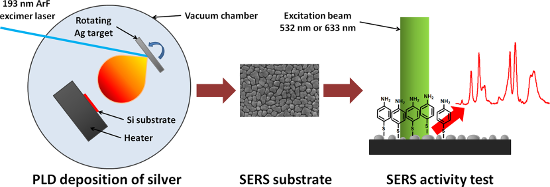
- . Keywords: nanofabrication; pulsed laser deposition; SERS substrates; silver nanoisland films; surface-enhanced Raman spectroscopy; X-ray photoelectron spectroscopy; Introduction In recent years, SERS has been intensively investigated as a sensing tool in many applications [1][2][3]. Of particular interest
- measurements of the chemical composition of the fabricated SNIFs by using X-ray photoelectron spectroscopy (XPS) and their optical properties by using UV–vis spectroscopy. Finally, we describe the SERS performance of SNIFs in the measurements of para-mercaptoaniline (pMA) molecules. Results and Discussion
- deposited silver layers X-ray photoelectron spectroscopy (XPS) was used (XPS spectrometer, Prevac Company). The measurements were made using an X-ray source equipped with an Al anode emitting X-ray radiation with photon energy of 1486.6 eV. The analysis of registered XPS spectra was performed in the CasaXPS




Synthesis of MnO2–CuO–Fe2O3/CNTs catalysts: low-temperature SCR activity and formation mechanism
Beilstein J. Nanotechnol. 2019, 10, 848–855, doi:10.3762/bjnano.10.85
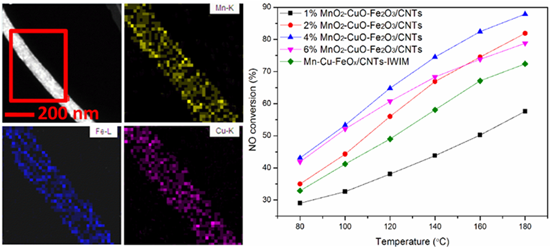
- results of XRD (Figure 2). X-ray photoelectron spectroscopy The XPS spectra of the as-prepared catalysts are given in Figure 4. The elements Mn, Cu, Fe, C, and O were detected in the XPS full-scan spectrum of Figure 4A. For the Mn 2p spectrum of 4% MnO2–CuO–Fe2O3/CNTs (Figure 4B), the binding energies at
- -programmed reduction by H2 (H2-TPR) was assessed by using a custom-built TCD apparatus. Before the H2-TPR test, 50 mg catalyst was firstly purged in N2 at 200 °C for 1.5 h. The test was carried out in N2 (containing 6% H2) with a heating rate of 10 °C/min. X-ray photoelectron spectroscopy (XPS) was carried




Trapping polysulfide on two-dimensional molybdenum disulfide for Li–S batteries through phase selection with optimized binding
Beilstein J. Nanotechnol. 2019, 10, 774–780, doi:10.3762/bjnano.10.77
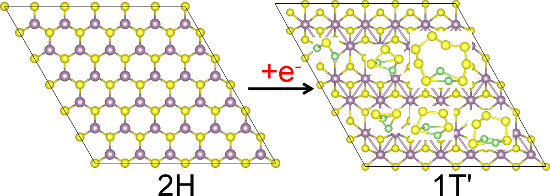
- Mo by Re atoms [28], electron-beam irradiation [31] and hot-electron injection [32]. Recently, it was reported that MoS2/reduced graphene oxide (rGO)/S cathodes for Li–S batteries exhibit outstanding performance. X-ray photoelectron spectroscopy and Raman spectroscopy showed that few-layered MoS2 is


On the transformation of “zincone”-like into porous ZnO thin films from sub-saturated plasma enhanced atomic layer deposition
Beilstein J. Nanotechnol. 2019, 10, 746–759, doi:10.3762/bjnano.10.74
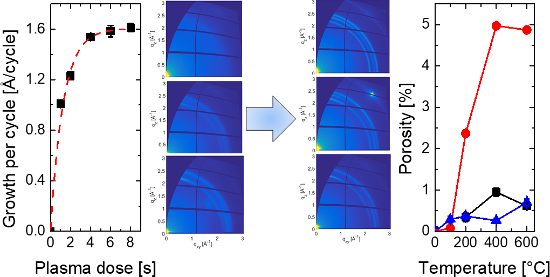
- reported using the same color scales [55]. For chemical analysis of the obtained thin films, Fourier-transform infrared (FTIR) and X-ray photoelectron spectroscopy (XPS) were performed. For the FTIR analysis, a Bruker IFS 66v/S was adopted. For each spectrum, 1000 scans were recorded in transmission mode
- with a resolution of 4 cm−1 between 400 cm−1 and 4000 cm−1. All spectra were baseline corrected and normalized to the film thickness. Surface chemical composition was investigated by X-ray photoelectron spectroscopy (XPS). Analyses were performed with a Scanning XPS Microprobe (PHI 5000 Versa Probe II
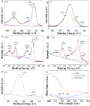
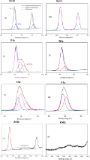
- range of 375–475 °C is solely attributed to the growth of ZnO crystals. X-ray photoelectron spectroscopy In Figure 2d–f, the XPS measurements performed on the zincone-like layers after calcination are reported. In Table 1, the atom % fractions after calcination are specified. In Figure 2d and reported


Hydrophilicity and carbon chain length effects on the gas sensing properties of chemoresistive, self-assembled monolayer carbon nanotube sensors
Beilstein J. Nanotechnol. 2019, 10, 565–577, doi:10.3762/bjnano.10.58
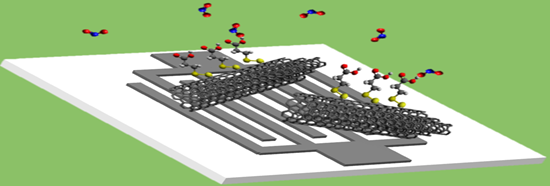
- studied. Transmission electron microscopy, Raman spectroscopy and X-ray photoelectron spectroscopy are used to analyze the resulting gas-sensitive hybrid films. Among the different nanomaterials tested, short-chain thiols having a hydrophilic head group, self-assembled onto Au-decorated carbon nanotubes
- thiols [28]. Material characterization The hydrophilicity of the gas-sensitive coatings was evaluated using an optical tensiometer from Biolin Scientific. Their chemical composition was characterized by Raman spectroscopy and X-ray photoelectron spectroscopy (XPS). Raman spectrometry was performed


A porous 3D-RGO@MWCNT hybrid material as Li–S battery cathode
Beilstein J. Nanotechnol. 2019, 10, 514–521, doi:10.3762/bjnano.10.52
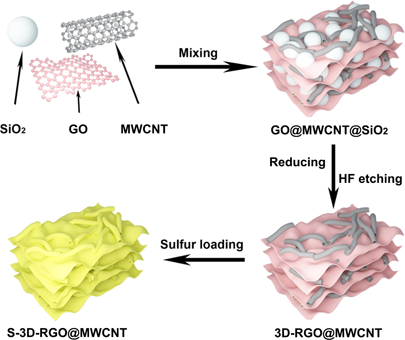
- (SmartLab, Rigaku Corporation) with Cu Ka radiation. X-ray photoelectron spectroscopy (XPS, Shimadzy Axis Ultra) was applied to investigate the chemical valence states and compositions of the sample. Scanning electron microscopy (SEM, Hitachi S4800) and high-resolution transmission electron microscopy



Temperature-dependent Raman spectroscopy and sensor applications of PtSe2 nanosheets synthesized by wet chemistry
Beilstein J. Nanotechnol. 2019, 10, 467–474, doi:10.3762/bjnano.10.46
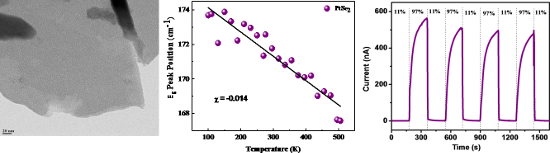
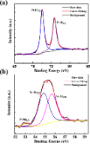
- -synthesized PtSe2 sample. The X-ray photoelectron spectroscopy (XPS) spectra of the Pt 4f and Se 3d regions acquired on a PtSe2 nanosheet sample were carried out on a film deposited on the Si substrate. The Figure 4a represents the fitted spectrum for Pt 4f7/2 and Pt 4f5/2 with binding energy 72.55 eV and



Reduced graphene oxide supported C3N4 nanoflakes and quantum dots as metal-free catalysts for visible light assisted CO2 reduction
Beilstein J. Nanotechnol. 2019, 10, 448–458, doi:10.3762/bjnano.10.44
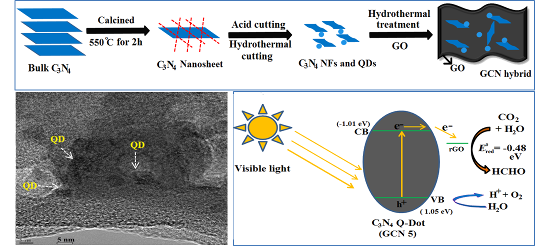
- , X-ray photoelectron spectroscopy, Fourier transform infrared spectroscopy, field emission scanning electron microscopy, transmission electron microscopy (TEM), and UV–vis spectroscopy. High-resolution TEM images clearly show that C3N4 QDs (average diameter of 2–3 nm) and NFs (≈20–45 nm) are
- by X-ray photoelectron spectroscopy (XPS) analysis, which is carried out to study the surface composition and the interactions and valence states of the elements present in the hybrid materials. The full XPS survey spectrum of the GCN-5 hybrid material reveals the presence of C, N and O, while no
- gas. Schematic representation of the preparation of C3N4 nanoflakes (NFs), quantum dots (QDs) and the rGO-supported C3N4 (GCN) hybrid material. Powder X-ray diffraction patterns of the synthesized rGO-supported C3N4 (GCN) hybrid materials. X-ray photoelectron spectroscopy analysis of the prepared GCN





Biocompatible organic–inorganic hybrid materials based on nucleobases and titanium developed by molecular layer deposition
Beilstein J. Nanotechnol. 2019, 10, 399–411, doi:10.3762/bjnano.10.39
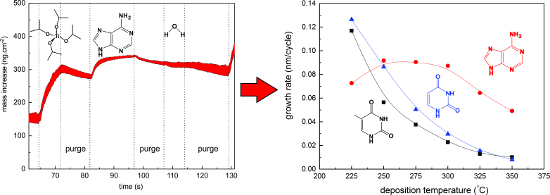
- 250 and 300 °C, while an overall reduction in growth rate with increasing temperature was observed for the uracil and thymine systems. The bonding modes of the films have been further characterized by Fourier transform infrared spectroscopy, X-ray photoelectron spectroscopy and X-ray diffraction
- the films was measured by a Bruker AXS D8 advance film diffractometer equipped with a LynxEye strip detector. The thin film diffractometer had a Göbel mirror and a Ge(220) four bounce monochromater for XRR measurements. X-ray photoelectron spectroscopy (XPS) was performed using a Thermo Scientific




A Ni(OH)2 nanopetals network for high-performance supercapacitors synthesized by immersing Ni nanofoam in water
Beilstein J. Nanotechnol. 2019, 10, 281–293, doi:10.3762/bjnano.10.27
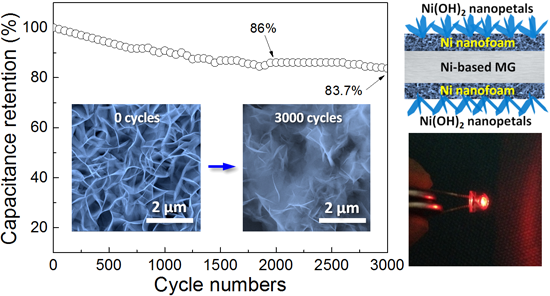
- , Bruker D8) with Cu Kα radiation. Chemical composition and valence state of the products were studied using X-ray photoelectron spectroscopy (XPS, Thermo Fisher Scientific). The surface morphology of the samples was characterized using a scanning electron microscope (SEM, Nova nanoSEM 450) equipped with




Interaction of Te and Se interlayers with Ag or Au nanofilms in sandwich structures
Beilstein J. Nanotechnol. 2019, 10, 238–246, doi:10.3762/bjnano.10.22
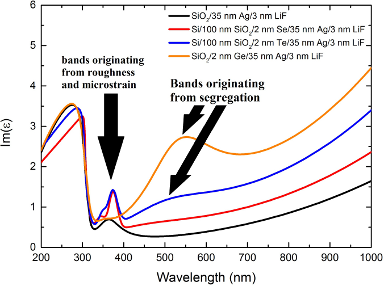
- the crystallinity, atomic concentration profile and optical parameters of ≈35 nm-thick silver and gold layers deposited on glass substrates with 2 nm-thick tellurium or selenium interlayers. Our study, based on X-ray reflectometry (XRR), X-ray diffraction (XRD), X-ray photoelectron spectroscopy (XPS


Nanoporous water oxidation electrodes with a low loading of laser-deposited Ru/C exhibit enhanced corrosion stability
Beilstein J. Nanotechnol. 2019, 10, 157–167, doi:10.3762/bjnano.10.15
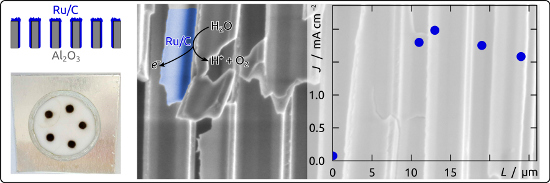
- samples The chemical and phase identity of the Ru/C material obtained by laser-induced deposition is delivered by a combination of X-ray diffraction, Raman spectroscopy and X-ray photoelectron spectroscopy. Firstly, the Ru/C layer is amorphous, since only crystalline Al peaks of the substrate are visible
- ]. Importantly, the absence of carbonyl stretching vibrations around 1950–2190 cm−1 rules out any remnants of molecular precursor Ru3(CO)12 (Figure 7b [52][62]). X-ray photoelectron spectroscopy (XPS, Figure 8) is used to differentiate between the oxidation states of ruthenium at its surface and in its inner




Wet chemistry route for the decoration of carbon nanotubes with iron oxide nanoparticles for gas sensing
Beilstein J. Nanotechnol. 2019, 10, 105–118, doi:10.3762/bjnano.10.10
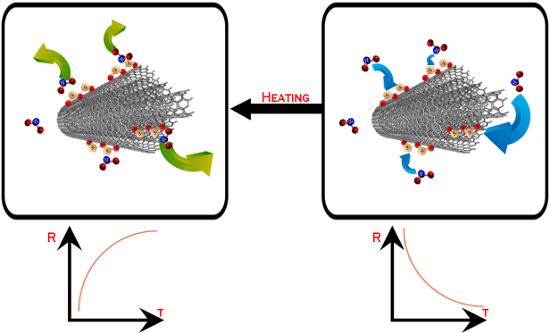
- chemical composition of the iron oxide decorated carbon nanotube samples were investigated employing transmission electron microscopy (TEM), Raman spectroscopy and X-ray photoelectron spectroscopy (XPS). The differently decorated CNT samples were used to make gas sensors for detecting nitrogen dioxide. A
- absorbed acetic acid [28]. Finally, the powder was calcined at 450 °C during either 15 or 30 minutes. In this way the effect of the calcination time on the decoration process was also evaluated. The chemical composition of the decorated CNTs were measured by X-ray photoelectron spectroscopy (XPS) using a




Amorphous NixCoyP-supported TiO2 nanotube arrays as an efficient hydrogen evolution reaction electrocatalyst in acidic solution
Beilstein J. Nanotechnol. 2019, 10, 62–70, doi:10.3762/bjnano.10.6
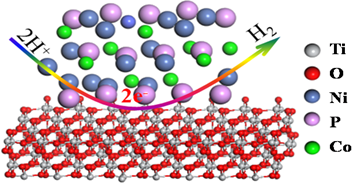
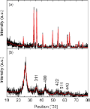
- , transmission electron microscopy, UV–vis diffuse reflection spectroscopy, X-ray photoelectron spectroscopy and scanning transmission electron microscopy/energy-dispersive X-ray spectroscopy were used to characterize the physiochemical properties of the samples. The electrochemical performance was investigated
- crystallographic texture, scanning electron microscopy (SEM, JSM-5900 LV, JEOV) for micro-morphology, transmission electron microscopy (TEM, Tecnai G2 F20 S-TWIN) for microstructure, UV–vis diffuse reflectance spectroscopy (UV2100) for photoabsorption properties, X-ray photoelectron spectroscopy (XPS, Escalab
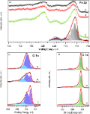
- NiCoP, there might be other phases of Ni, Co, or P. To further probe the surface chemical composition and valence states in the NixCoyP/TNAs, we conducted X-ray photoelectron spectroscopy measurements. In Figure 5a, TiO2 shows two peaks, the Ti 2p3/2 peak at 458.3 eV and Ti 2p1/2 at 464.1 eV, along with




Zn/F-doped tin oxide nanoparticles synthesized by laser pyrolysis: structural and optical properties
Beilstein J. Nanotechnol. 2019, 10, 9–21, doi:10.3762/bjnano.10.2
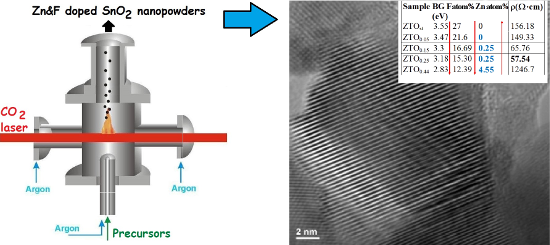
- structure. The main diffraction patterns of stannous fluoride (SnF2) were also identified and a reduction in intensity with increasing Zn percentage was evidenced. For the elemental composition estimation, energy dispersion X-ray spectroscopy (EDX) and X-ray photoelectron spectroscopy (XPS) measurements



A novel polyhedral oligomeric silsesquioxane-modified layered double hydroxide: preparation, characterization and properties
Beilstein J. Nanotechnol. 2018, 9, 3053–3068, doi:10.3762/bjnano.9.284
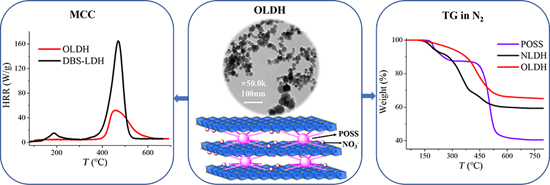
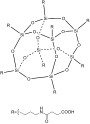
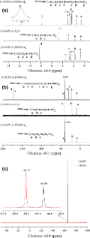
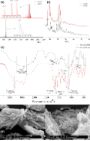
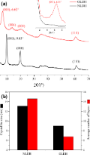
- via a one-step method and characterized by Fourier-transform infrared spectroscopy, X-ray photoelectron spectroscopy, X-ray diffraction, transmission electron microscopy, scanning electron microscopy, elemental analysis, thermogravimetric analysis, and microscale combustion calorimetry (MCC). Results
- /ionization-time of flight (MALDI-TOF) mass spectra were recorded with a Bruker Daltonics UltrafleXtreme using methanol as solvent and 2,5-dihydroxybenzoic acid as matrix. X-ray photoelectron spectroscopy (XPS) was carried out on a VG ESCALABMK II electron energy spectrometer using Mg Kα (1253.6 eV) as the X







Apparent tunneling barrier height and local work function of atomic arrays
Beilstein J. Nanotechnol. 2018, 9, 3048–3052, doi:10.3762/bjnano.9.283
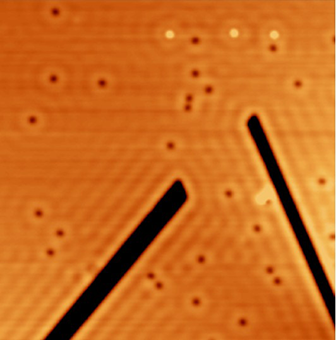
- ] and photoelectron spectroscopy [9]. The concept of a local work function is particularly relevant for scanning tunneling microscopy [7][8]. In the most simple one-dimensional model the exponential variation of the tunneling current I at low bias with the tip–sample distance z is directly related to


Optimization of Mo/Cr bilayer back contacts for thin-film solar cells
Beilstein J. Nanotechnol. 2018, 9, 2700–2707, doi:10.3762/bjnano.9.252
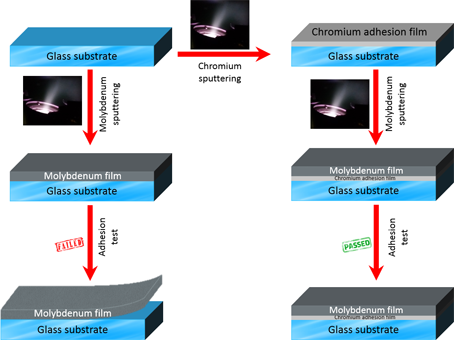
- scanning electron microscopy (SEM), atomic force microscopy (AFM), UV–vis–NIR spectroscopy and X-ray photoelectron spectroscopy. A careful analysis of the resulting Mo/Cr thin film across all the sputtering parameters led us to the best combination, optimizing both the electro-optical response of the Mo/Cr
- . Patterns were collected for 1 h at a step size of 0.01° from 10 to 85° 2θ at 1.3° per minute over the 2θ axis. X-ray photoelectron spectroscopy (XPS) was performed using a Kratos Axis Supra with Al Kα X-ray radiation (hν 1486.7 eV). High-resolution scans of the O 1s, C 1s, Na 1s, Cr 2p, Na 1s and Mo 3d


Impact of the anodization time on the photocatalytic activity of TiO2 nanotubes
Beilstein J. Nanotechnol. 2018, 9, 2628–2643, doi:10.3762/bjnano.9.244
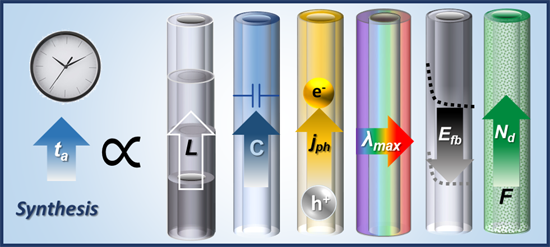
- measured at a laser power of 2.5 mW/cm2 and a slit width of 25 μm. X-ray photoelectron spectroscopy (XPS) was used to complement the information of the surface chemistry with a Thermo Scientific instrument (model K-Alpha + surface analysis). Electrochemical and photo-electrochemical characterization The


Au–Si plasmonic platforms: synthesis, structure and FDTD simulations
Beilstein J. Nanotechnol. 2018, 9, 2599–2608, doi:10.3762/bjnano.9.241
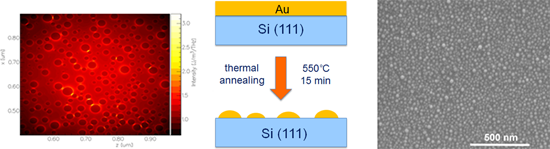
- the obtained nanostructures and valence states of Au was measured using X-ray photoelectron spectroscopy (XPS) with an Omicron NanoTechnology spectrometer with 128-channel collector. XPS measurements were performed at room temperature under ultra-high vacuum conditions, below 1.1 × 10⁻⁸ mbar. The