


Search results
Search for "aqueous solution" in Full Text gives 455 result(s) in Beilstein Journal of Nanotechnology. Showing first 200.
pH-mediated control over the mesostructure of ordered mesoporous materials templated by polyion complex micelles
Beilstein J. Nanotechnol. 2019, 10, 144–156, doi:10.3762/bjnano.10.14
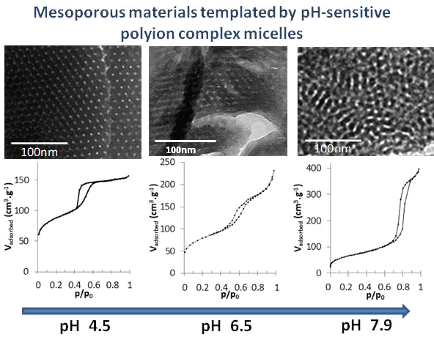
- (0.397 mL) was added into a homogeneous aqueous solution (2.0 mL) containing PEO-b-PAA (100 mg) and OC (77.5 mg) and the pH of the reaction medium was adjusted to 2 using HNO3 (2 mol·L−1). After completion of TEOS hydrolysis (about 40 min under vigorous magnetic stirring), the pH was rapidly increased to


New micro/mesoporous nanocomposite material from low-cost sources for the efficient removal of aromatic and pathogenic pollutants from water
Beilstein J. Nanotechnol. 2019, 10, 119–131, doi:10.3762/bjnano.10.11
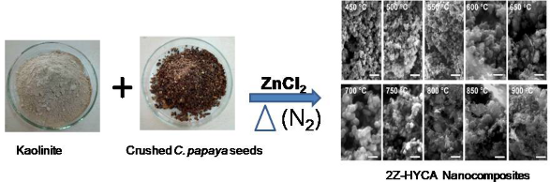
- referenced to a 0.5 M aqueous solution of aluminum nitrate. 13C and 29Si signals were referenced to tetramethylsilane (TMS). Other analysis Thermogravimetric /differential thermal analysis was performed on a Netzsch STA 449F3 from 25 to 1000 °C at 5 °C/min under N2. The point of zero charge (pHpzc) analysis
- +, Ni2+ [1], and methylene blue [4] from an aqueous solution. However, this material fails when attempting to remove anionic pollutants such as 4-nitrophenol (with a pKa of 7.2 [45]), methyl orange dye, or phosphate. The data demonstrate that the 2Z-HYCA nanocomposite is able to overcome the limitations
- with the data (Figure 9B). The PSDM predicted that 1 kg of 2Z-HYCA@650 °C micro/mesoporous nanocomposite material can reduce a concentration of 1 mg/L of 4-nitrophenol (single solute solution) in 290 L of aqueous solution below 50 μg/L in 346 min (5 h 46 min). To maintain this same concentration of 4




Amorphous NixCoyP-supported TiO2 nanotube arrays as an efficient hydrogen evolution reaction electrocatalyst in acidic solution
Beilstein J. Nanotechnol. 2019, 10, 62–70, doi:10.3762/bjnano.10.6
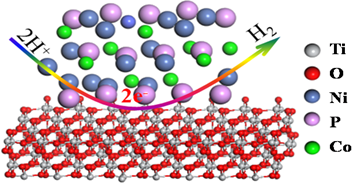
- aqueous solution, the NixCoyP/TNAs electrodes presented enhanced electrocatalytic activity and robust stability after incorporating Co into NiP. Experimental Preparation of NixCoyP/TNA electrodes The TiO2 nanotube arrays used here were prepared using an electrochemical anodization technique according to




Zn/F-doped tin oxide nanoparticles synthesized by laser pyrolysis: structural and optical properties
Beilstein J. Nanotechnol. 2019, 10, 9–21, doi:10.3762/bjnano.10.2
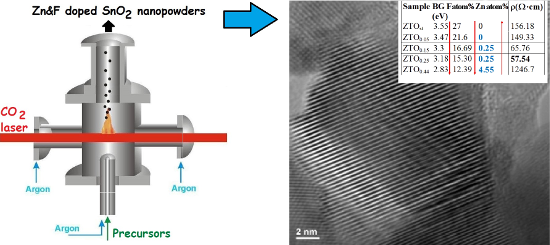
- ], photocatalysts for rhodamine 6G dye degradation in aqueous solution [27] and were proposed as a thermal UV sensor for high-radiation environments [4]. Moreover, the ZTO materials were also employed as volatile organic compound (VOC) (such as methanol, ethanol or acetone vapors) sensors [28], as an anode for Li



A novel polyhedral oligomeric silsesquioxane-modified layered double hydroxide: preparation, characterization and properties
Beilstein J. Nanotechnol. 2018, 9, 3053–3068, doi:10.3762/bjnano.9.284
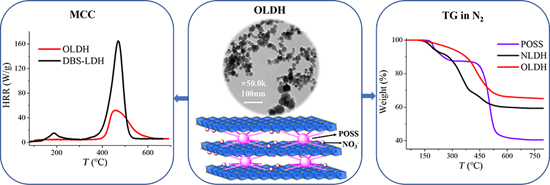
- nitrogen. The mixture was stirred vigorously at room temperature and the pH value was adjusted to 10 by adding 1 M NaOH solution. After the system became clear and transparent, an aqueous solution containing Mg(NO3)2·6H2O (10.256 g, 40 mmol) and Al(NO3)3·9H2O (7.503 g, 20 mmol) in water (200 mL) was slowly







Hydrogen-induced plasticity in nanoporous palladium
Beilstein J. Nanotechnol. 2018, 9, 3013–3024, doi:10.3762/bjnano.9.280
- KOH aqueous solution. For electrochemical characterisation a porous carbon cloth was used as counter electrode. In order to assure measurement stability a pre-treatment consisting of five voltammetric cycles was applied at a scan rate of 0.1 mV·s−1 in a potential window between −1 V and 0.4 V. All


Colloidal chemistry with patchy silica nanoparticles
Beilstein J. Nanotechnol. 2018, 9, 2989–2998, doi:10.3762/bjnano.9.278
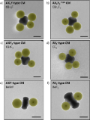
- . Butyl chloromethyl ether was synthesized according to a recipe already published [27]. Synthesis and surface modification of the spherical satellites Synthesis of the “pre-seeds” In a similar manner as described in [28], 100 mL of L-arginine aqueous solution (6 mM) were added into a 150 mL vial
- by the citrate-reduction method reported by Turkevich [29]. SiO2 coating was carried out after surface functionalization of the gold nanoparticles by using a PEG-SH (Mw = 5000) aqueous solution in a similar manner as described in [23]. The surface modification allowed for the replacement of the
- citrate molecules adsorbed onto the gold surface by PEG-SH. A ratio of four PEG molecules per square nanometer of available surface of the gold sol was fixed. The aqueous solution of PEG-SH was freshly prepared and added dropwise to the as-prepared gold nanoparticles under vigorous magnetic stirring. The


Nanostructure-induced performance degradation of WO3·nH2O for energy conversion and storage devices
Beilstein J. Nanotechnol. 2018, 9, 2845–2854, doi:10.3762/bjnano.9.265
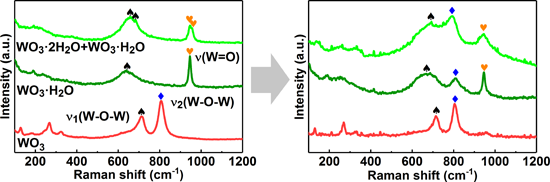
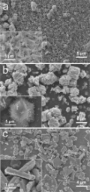
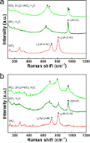
- in 1.0 M H2SO4 aqueous solution. The as-prepared sample, a Pt wire and a Ag/AgCl electrode acted as working, counter and reference electrode, respectively. Cyclic voltammetry (CV) was conducted in the potential range from −0.8 V to +0.8 V (vs Ag/AgCl). Results and Discussion The crystal structure of


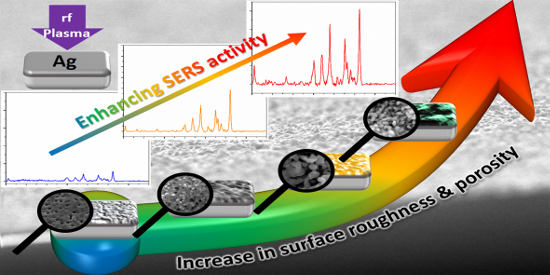
Controlling surface morphology and sensitivity of granular and porous silver films for surface-enhanced Raman scattering, SERS
Beilstein J. Nanotechnol. 2018, 9, 2813–2831, doi:10.3762/bjnano.9.263
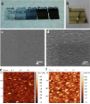
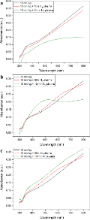
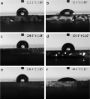
- the as-sputtered silver films (contact angle of 115.2° ± 0.18°). This enables a better contact between the analyte in aqueous solution and the SERS substrate. In all cases plasma treatment generates a more hydrophilic silver surface as compared to the as-sputtered silver films manifested by a decrease





Comparative biological effects of spherical noble metal nanoparticles (Rh, Pd, Ag, Pt, Au) with 4–8 nm diameter
Beilstein J. Nanotechnol. 2018, 9, 2763–2774, doi:10.3762/bjnano.9.258
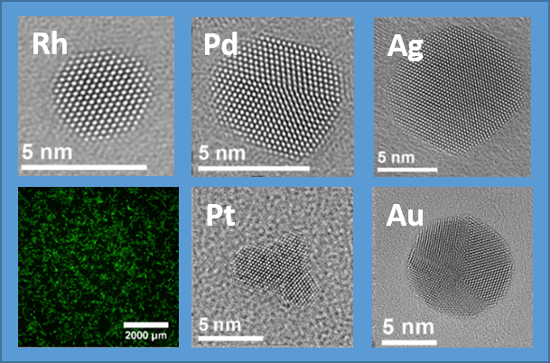
- nanoparticles: In a 100 mL two-neck round-bottom flask, 600 mg D-glucose and 50 mg PVP were dissolved in 50 mL water under stirring and heated to 100 °C under reflux. Then an aqueous solution (5 mL) of the corresponding metal precursor (25 µmol for Pt and 50 µmol for Rh and Pd) was rapidly added. The mixture
- solution (dissolved in cold water) was added rapidly to the reaction mixture. After 1 min, an aqueous solution of 25 mM PVP (1 mL) was added and kept stirring for 3 h. The PVP-stabilized Ag nanoparticles were purified by double centrifugation (29,400 g) and redispersion in ultrapure, degassed water. The


Accurate control of the covalent functionalization of single-walled carbon nanotubes for the electro-enzymatically controlled oxidation of biomolecules
Beilstein J. Nanotechnol. 2018, 9, 2750–2762, doi:10.3762/bjnano.9.257
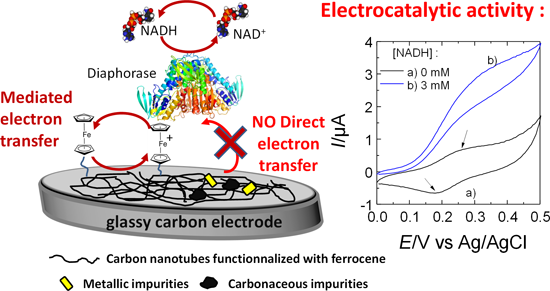
- only showed a very poor electrocatalytic response (Figure S5 in Supporting Information File 1). The alkyl spacer certainly favored the folding of the chain in an aqueous solution and prevented the ferrocene group from efficiently exchanging electrons with diaphorase molecules. In order to illustrate an






Oriented zinc oxide nanorods: A novel saturable absorber for lasers in the near-infrared
Beilstein J. Nanotechnol. 2018, 9, 2730–2740, doi:10.3762/bjnano.9.255
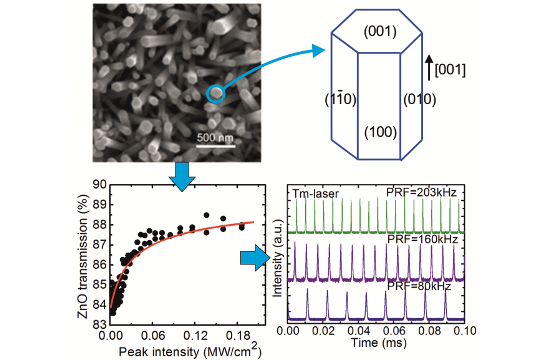
- compact laser designs (e.g., microchip or waveguide lasers) [22]. ZnO NRs have not been explored as saturable absorbers, yet. Singh et al. studied Mn2+-doped ZnO NRs grown from an aqueous solution on indium tin oxide (ITO) substrates which exhibited saturable absorption (optical bleaching) at 0.532 µm
- immerged in an aqueous solution of zinc nitrate hexahydrate (10 mM) and hexamethylenetetramine (10 mM) and the reaction bath was maintained at 90 °C for 5–15 h. During the hydrothermal growth, the reaction solution was replenished every 5 h in order to maintain a constant growth rate of the NRs. Finally



Size-selected Fe3O4–Au hybrid nanoparticles for improved magnetism-based theranostics
Beilstein J. Nanotechnol. 2018, 9, 2684–2699, doi:10.3762/bjnano.9.251
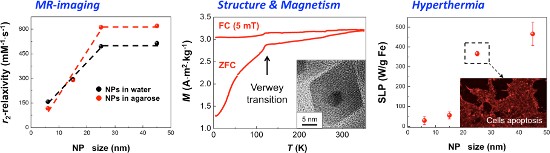
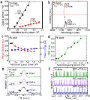
- determined for MNP-25 in aqueous solution (3.6 mg·mL−1 Fe), which is used for in vitro hyperthermia experiments in the following. The SLP of 617 ± 44 W·g−1 for the MNP-25 sample is indicated by the shaded band in Figure 6C. This value is comparable to the SLP of 524 W·g−1 for NP chains in magnetosomes with a


Enhancement of X-ray emission from nanocolloidal gold suspensions under double-pulse excitation
Beilstein J. Nanotechnol. 2018, 9, 2609–2617, doi:10.3762/bjnano.9.242
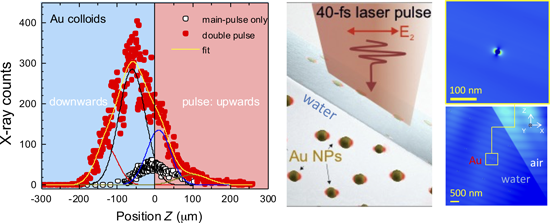
- especially in aqueous solution. Recently, it was reported that fs-double-pulsed excitation (including pump–probe type experiments) with dielectrics amplifies optical emission [24]. This double-pulsed excitation is considered to be another way to efficiently augment the X-ray intensity [25]. A significant
- the optimization of enhancement in X-ray generation from an aqueous solution flow of plasmonic gold nanoparticles under fs-double-pulse excitation in air. The optimization of the solution film surface position with respect to the focal position of irradiation was systematically investigated for the


Cytotoxicity of doxorubicin-conjugated poly[N-(2-hydroxypropyl)methacrylamide]-modified γ-Fe2O3 nanoparticles towards human tumor cells
Beilstein J. Nanotechnol. 2018, 9, 2533–2545, doi:10.3762/bjnano.9.236
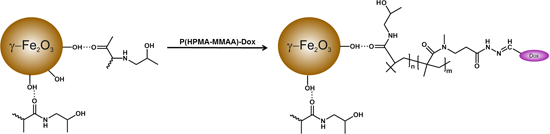
- Ar atmosphere and the polymerization proceeded at 60 °C for 16 h. The resulting PHPMA was washed with ethyl acetate and separated by filtration yielding 1.92 g of the polymer (Mn = 177 kDa). Aqueous solution of PHPMA (2 mL; 0.1 g PHPMA/mL) was then added to the γ-Fe2O3 colloid (2 mL; 0.1 g of γ-Fe2O3


Non-agglomerated silicon–organic nanoparticles and their nanocomplexes with oligonucleotides: synthesis and properties
Beilstein J. Nanotechnol. 2018, 9, 2516–2525, doi:10.3762/bjnano.9.234
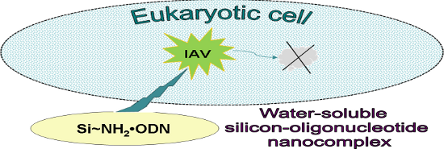
- is a clear aqueous solution containing nanoparticles in the form of low molecular weight polymer chains consisting of the [–Si(OH)(C3H6NH2)O–] monomer units as shown below. Due to the positively charged amino groups in Si–NH2 at the neutral pH values, the nanoparticles can be electrostatically
- microscope. The results are presented in Figure 3. Atomic force microscopy (AFM) was performed on a Solver P47 Bio atomic force microscope (NT-МDT, Russia) in a tapping mode. The aqueous solution of the Si–NH2·ODN(1) sample (10 µL, 0.16 µM, NH2/p = 10) was applied to a freshly cleaved mica area of 25–30 mm2


Enhanced antineoplastic/therapeutic efficacy using 5-fluorouracil-loaded calcium phosphate nanoparticles
Beilstein J. Nanotechnol. 2018, 9, 2499–2515, doi:10.3762/bjnano.9.233
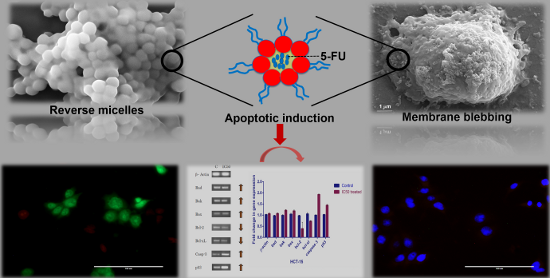
- characteristic surface morphology and size of the CaP@5-FU NPs was examined in a scanning electron microscope (Carl Zeiss ULTRA PLUS) operating at 5.0 kV and atomic force microscopy analysis (NTEGRA PNL) operating in semi-contact mode. An aqueous solution of CaP@5-FU NPs was dropped onto a glass slide and air


Nanocellulose: Recent advances and its prospects in environmental remediation
Beilstein J. Nanotechnol. 2018, 9, 2479–2498, doi:10.3762/bjnano.9.232
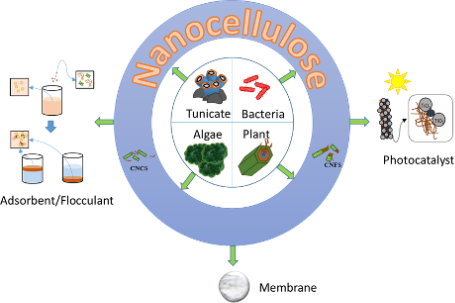
- –OH of CNC. This modified nanocellulose adsorbent was used for the removal of cationic dyes from aqueous solution by forming a bidentate arrangement between the dye and the adsorbent’s carboxy groups. Meanwhile, Anirudhan et al. [92][93] modified a nanocellulose/nanobentonite composite adsorbent with
- nanocellulose for example, is desired due to their good performance in the removal of organic pollutants. Hokkanen et al. [88] reported that calcium hydroxyapatite-microfibrillated cellulose adsorbent was effective for the removal of chromium (Cr(VI)) from aqueous solution. They found that calcium
- (itaconic acid)–poly(methacrylic acid)-grafted-nanocellulose/nanobentonite composite as an efficient adsorbent for the removal of cobalt (Co(II)) from aqueous solution. This could increase the availability of the multi-carboxy functional moiety, which is covalently bonded to the inorganic matrix, to


ZnO-nanostructure-based electrochemical sensor: Effect of nanostructure morphology on the sensing of heavy metal ions
Beilstein J. Nanotechnol. 2018, 9, 2421–2431, doi:10.3762/bjnano.9.227
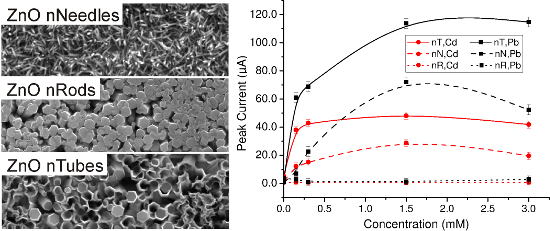
- aqueous solution of zinc nitrate hexahydrate (Zn(NO3)2·6H2O; 99% purity) and hexamethylenetetramine (HMTA; C6H12N4; 99% purity), where zinc nitrate is used as a source of Zn+ ions; however, HMTA acts as a pH buffer by slowly releasing OH− ions. The decomposition rate of HMTA increases with the temperature
- , the ZnO seed-coated glass substrate was immersed in an aqueous solution of 0.1 M Zn(NO3)2 + 0.1 M C6H12N4 in a glass vessel. The vessel was sealed with a lid and placed in oven maintained at 90 °C for three hours. Afterwards, the glass vessel was removed from the oven and cooled to room temperature
- of nanorods: equimolar aqueous solution of 0.1 M Zn(NO3)2 + 0.1 M C6H12N4. The growth process was divided into two stages: growth of ZnO nanorods at 90 °C for three hours, and selective etching of ZnO nanorods at 50 °C for eighteen hours. After the growth process, the samples were rinsed several


Droplet-based synthesis of homogeneous magnetic iron oxide nanoparticles
Beilstein J. Nanotechnol. 2018, 9, 2413–2420, doi:10.3762/bjnano.9.226
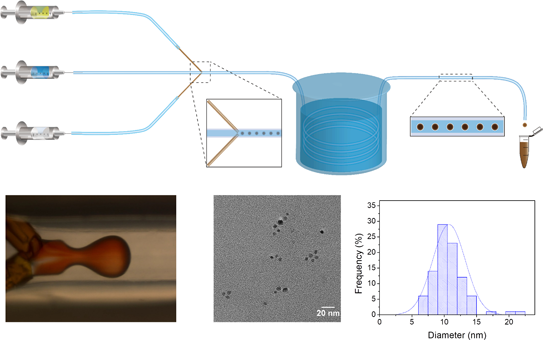
- solution was an aqueous solution of 4 M ammonia (Alfa Aesar, USA). The solutions were separately injected through the two fused silica capillaries of the droplet generator using syringe pumps with identical flowrates. Mineral oil (M5904, Sigma-Aldrich USA) with 0.075 vol % Triton X-100 (Samchun Chemical
- overestimate the droplet volume slightly. To test the mixing of the two aqueous phases inside of the droplet, a colorless aqueous solution of FeCl3 was injected through one of the glass capillaries, while another colorless aqueous solution of KSCN was injected through the other fused silica capillary. Upon


Magnetism and magnetoresistance of single Ni–Cu alloy nanowires
Beilstein J. Nanotechnol. 2018, 9, 2345–2355, doi:10.3762/bjnano.9.219
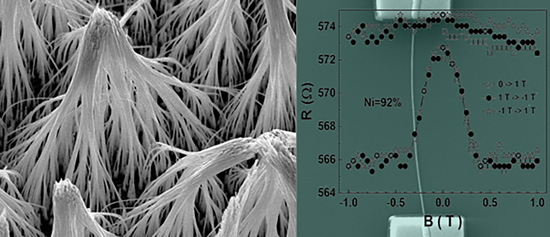
- . The templates used were nanoporous polycarbonate membranes with a thickness of 30 µm, a density of 109 pores·cm−1 and a pore diameter of 130 nm. Chemical etching of the pores was performed by immersing the irradiated polycarbonate foils in an aqueous solution of 5 M NaOH and 10 vol % methanol at a


Localized photodeposition of catalysts using nanophotonic resonances in silicon photocathodes
Beilstein J. Nanotechnol. 2018, 9, 2097–2105, doi:10.3762/bjnano.9.198
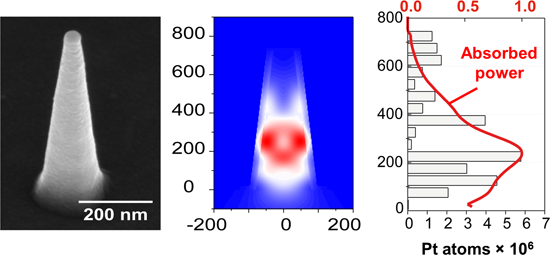
- the electrolyte, which was illuminated through a quartz window. The electrolyte consisted of an aqueous solution of chloroplatinic acid (4 mM) and Na2SO4 (0.1 M), with the pH value adjusted to 11 with 2 M NaOH. The back contact of the sample consisted of 4 nm of chromium and 50 nm of gold deposited
- a silicon nanocone after photo-electrodeposition of platinum. b) Current as a function of the time during a photo-electrodeposition experiment of silicon nanocones excited at 532 nm (laser on), at −0.8 V applied potential in an aqueous solution of H2PtCl6 (pH 11). c) X-ray photoemission spectrum of


The structural and chemical basis of temporary adhesion in the sea star Asterina gibbosa
Beilstein J. Nanotechnol. 2018, 9, 2071–2086, doi:10.3762/bjnano.9.196
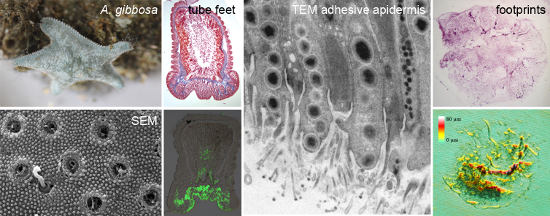
- solution of methylene blue in 1% sodium tetraborate and 1% aqueous solution of azur II. Ultrathin sections (80 nm) were cut with a Leica Ultracut UCT ultramicrotome equipped with a diamond knife. They were contrasted with uranyl acetate and lead citrate and observed with a Zeiss LEO 906E transmission
- were dehydrated in graded ethanol and embedded in Spurr resin. Semi-thin sections (1 µm) were performed with a Reichert Om U2 ultramicrotome equipped with a glass knife. The tube feet were sectioned either longitudinally or transversally. The sections were then stained with a 1:1 mixture of 1% aqueous


Nanoconjugates of a calixresorcinarene derivative with methoxy poly(ethylene glycol) fragments for drug encapsulation
Beilstein J. Nanotechnol. 2018, 9, 2057–2070, doi:10.3762/bjnano.9.195
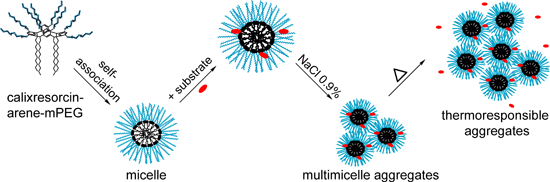
- a non-toxic amphiphilic calixresorcinarene capable to form nanoconjugates for drug encapsulation, tetraundecylcalixresorcinarene functionalized by methoxy poly(ethylene glycol) chains has been synthesized. The macrocycle obtained is characterized by low hemotoxicity. In aqueous solution it forms
- calixarene and calixresorcinarene polylactide star polymers [19]. Self-association and hemotoxicity of 3 First, the self-association of macrocycle 3 in the aqueous solution was studied by using small-angle X-ray scattering (SAXS). The obtained data are typical for core–shell particles that practically do not
- interact with each other (Figure S5, Supporting Information File 1). Figure 2a presents the resulting scattering curve of the aqueous solution of 3 after the subtraction of water scattering. The character of scattering corresponds to a monodisperse particle system. Power-law slopes from the data in the


Fabrication of photothermally active poly(vinyl alcohol) films with gold nanostars for antibacterial applications
Beilstein J. Nanotechnol. 2018, 9, 2040–2048, doi:10.3762/bjnano.9.193
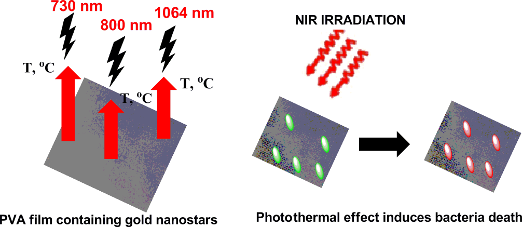
- decoration) have received particular attention [6][7]. Previously, it was shown that these GNSs are highly photothermally active under NIR irradiation in aqueous solution in the form of monolayers grafted on dry glass surfaces and when inkjet-printed on flexible substrates, demonstrating the ability to reach
- received. Gold nanostar synthesis As follows from [24][29], all glassware used for synthesis and further coating was pretreated with aqua regia before use. 5 mL of HAuCl4 5 × 10⁻⁴ M in water were added to 5 mL of an aqueous solution of TritonX-100. Then, 0.6 mL of a previously ice-cooled solution of NaBH4
- order to 5 mL of an aqueous solution of Triton X-100 (0.2 M). Then, a 140–400 µL of an aqueous solution of ascorbic acid (0.0788 M) were added. The solution, after gentle mixing, became colorless. Soon after, 12 µL of the seed solution were added. The samples were allowed to equilibrate for 1 h at room





