Search results
Search for "[3 2]" in Full Text gives 542 result(s) in Beilstein Journal of Organic Chemistry. Showing first 200.
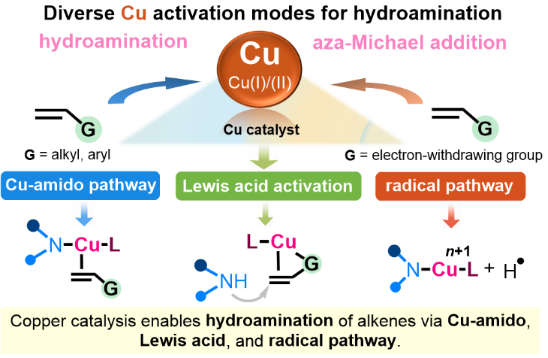
Recent advances in copper-catalyzed direct hydroamination of alkenes with (hetero)aromatic amines
Beilstein J. Org. Chem. 2026, 22, 925–947, doi:10.3762/bjoc.22.73
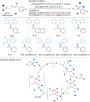
- )-catalyzed tandem oxidative amidation/aza-Michael reaction for the efficient synthesis of 3-substituted N-pyridinylisoindolinones 28 from 2-aminopyridines 25 and alkyl (E)-3-(2-formylphenyl)acrylates 26 (Scheme 9b) [47]. Under open-flask conditions at 80 °C in DMF, the reaction proceeded efficiently in the







The trans-influence in gold chemistry from a catalytic perspective
Beilstein J. Org. Chem. 2026, 22, 838–856, doi:10.3762/bjoc.22.66
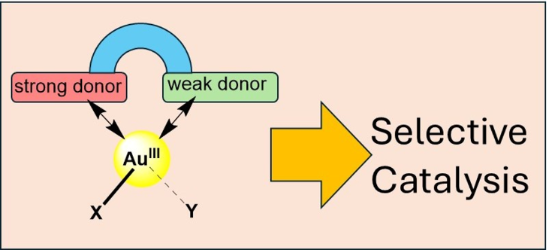
- a range of phosphine ligands in the LAuCl/AgSbF6 system (Scheme 1). Cyclisation of the diene–allene substrate 1 gives a mixture of 2, 2' and 3. Depending on the phosphine or phosphite employed, the product ratio 3/2 + 2' was found to vary from 9.5:1 to 1:9. These ratios result in a series of ΔΔG


Rongalite addition to dienones: diastereoselectivity in cyclic sulfone synthesis; stereochemical rationalization and prospects as a general conjugate nucleophile
Beilstein J. Org. Chem. 2026, 22, 742–752, doi:10.3762/bjoc.22.56

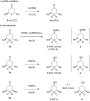
- -toluenesulfinate to dibenzalacetone (Scheme 5). Diadducts 25 and 27 were isolated as inseparable 3:2 and 4:3 mixtures of diastereomers, respectively. From these experiments, we observed the following: 1) double conjugate addition of methanesulfinate occurs readily, such that selective preparation of monoadduct 24




Synthesis of heterocycles based on azomethine ylides from α-amino acids (or amines) and carbonyl compounds
Beilstein J. Org. Chem. 2026, 22, 705–741, doi:10.3762/bjoc.22.55
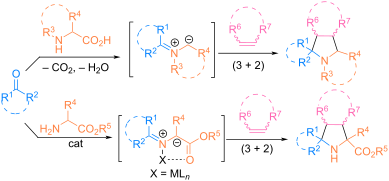
- Federation Saint Petersburg State University, Universitetskaya nab. 7/9, 199034, St. Petersburg, Russian Federation 10.3762/bjoc.22.55 Abstract This review focuses on new directions in (3 + 2) cycloaddition of azomethine ylides to alkenes, resulting in the formation of fused or spiro-fused pyrrolidine
- derivatives with multiple chiral centers under high regio- and stereocontrol. Currently, strategies using azomethine ylides based on imino esters or α-amino acids with a variety of cyclic and acyclic carbonyl compounds dominate. Enantioselective (3 + 2) cycloaddition reactions of azomethine ylides obtained
- compounds; catalysis; (3 + 2) cycloaddition; decarboxylation; dipolarophiles; iminoesters; polycyclic compounds; spirocyclic compounds; stereoselectivity; Introduction The 1,3-dipolar cycloaddition is one of the most popular pericyclic reactions in organic synthesis, in which a dipole molecule interacts


Experimental and DFT studies on the regioselective methanolysis of 5-azido-9-oxabicyclo[6.1.0]nonan-4-yl 4-nitrobenzoate isomers
Beilstein J. Org. Chem. 2026, 22, 547–556, doi:10.3762/bjoc.22.40
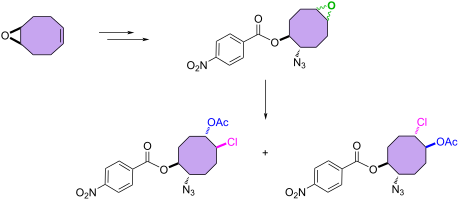
- accordance with those reported in the literature [22]. (1S*,8S*,Z)-8-Azidocyclooct-4-en-1-ol (7) Cyclooctene monoepoxide 6 (2.00 g, 16.11 mmol) was dissolved in a 3:2 mixture of ethanol/water (80 mL). NaN3 (6.28 g, 96.60 mmol) and NH4Cl (1.72 g, 32.16 mmol) were added and the reaction mixture was refluxed


Get a better glimpse on sequential photoreactions of trisnorbornadienes with 19F NMR spectroscopy
Beilstein J. Org. Chem. 2026, 22, 527–534, doi:10.3762/bjoc.22.38
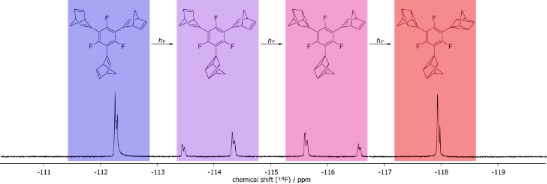
- , [Ru(phen)3]2+ (2.19 eV) [53] does not catalyze the reaction of 1f, but is still able to catalyze the one of 1b [50]. Notably, the half-life of trisquadricyclane 2f0,3 (55 d) is almost eight times longer than the one of the parent compound 2b (8 d) [22], presumably because of additional steric


Modern synthetic pathways towards eribulin and its subunits
Beilstein J. Org. Chem. 2026, 22, 495–526, doi:10.3762/bjoc.22.37
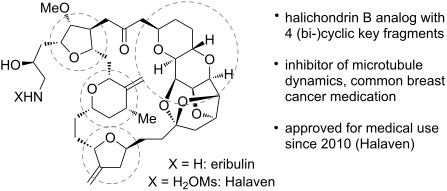
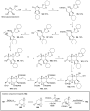
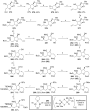
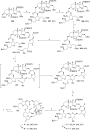
- and further treated with Lindlar catalyst and DIBAL-H to afford the alkene and aldehyde motifs of 195, respectively. Oxime formation and oxidation yielded an intermediate nitrile oxide, which underwent an intramolecular [3 + 2]-cycloaddition with the adjacent ethene substituent towards isoxazoline 196
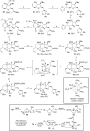
- . Hydrolytic kinetic resolution of 209 afforded enantioenriched epoxide (S)-209, which was opened regioselectively with lithium acetylide. The allylation and [3 + 2]-cycloaddition with tosyl azide led to 212. Treatment with Rh2(OAc)4 induced a [2,3]-Wittig rearrangement and subsequent hydrolysis afforded 213








Concept-driven strategies in target-oriented synthesis
Beilstein J. Org. Chem. 2026, 22, 451–454, doi:10.3762/bjoc.22.32
- dearomatization (review, Xiangbing Qi and co-worker), enamide cyclization (review, Xiao-Ming Zhang et al.), glycosylation (PI-88, Guothi Xiao et al.), [3 + 2 + 1] cycloaddition (tetrahydrofluorenone, Zhi-Xiang Yu et al.), 1,n-enyne cyclization (review, Maosheng Cheng, Lu Yang, Yongxiang Liu et al.), oxidative


Dialkylaminoalkylation of β-ketosulfones via ring-opening of 3-sulfonylpyrrolidines
Beilstein J. Org. Chem. 2026, 22, 383–389, doi:10.3762/bjoc.22.26
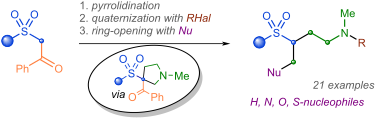
- consists in the simultaneous generation of two reactive intermediates: terminal alkene A and N-methylazomethine ylide B, and final [3 + 2] cycloaddition. It was found that the latter approach depends on CH-acidity of the active methylene compounds and performs well with the acidic substrates in the range
- decided to increase the reaction temperature. Thus, refluxing the reagents in the PhMe/MTBE mixture (v/v 17/3, approximately 100 °C) for 4 h led to complete conversion of the ketosulfone and formation of 3-phenylsulfonyl-3-benzoyl-N-methylpyrrolidine (2a) in almost quantitative yield. Despite that [3 + 2




Spirobarbiturates with a pyrrolizidine moiety: synthesis, structure and biological evaluation
Beilstein J. Org. Chem. 2026, 22, 274–288, doi:10.3762/bjoc.22.20
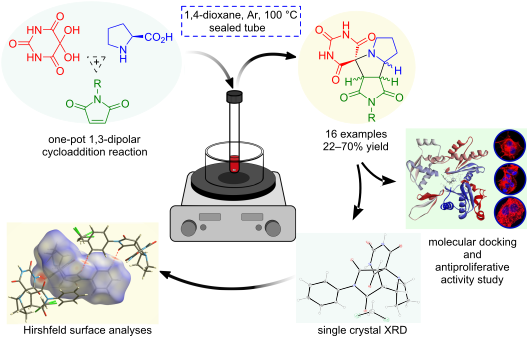
- ]. Advances in this area of organic synthesis include the preparation of barbiturates containing spiro-fused cyclohexane, cyclopentane, tetrahydrooxepine, and tetrahydroquinoline moieties via [3 + 2], [4 + 2], and [5 + 2] annulation reactions involving arylidene and alkylidene barbiturates [20][21][22][23
- synthesis of spirobarbiturates via a [3 + 2] cycloaddition reaction of azomethine ylides, we present for the first time a three-component diastereoselective synthesis of hybrid systems containing spiro-fused cyclic fragments of barbituric acid and pyrrolo[3,4-a]pyrrolizidine. It was found that azomethine
- unable to isolate individual products either by chromatography or by recrystallization. The proposed reaction mechanism is shown in Scheme 5, where it can be seen that the intermediate azomethine ylide, acting as a 1,3-dipole, undergoes a [3 + 2] cycloaddition with N-substituted maleimides 3a–p. The




Arene activation via π-bond localization: concepts and opportunities
Beilstein J. Org. Chem. 2026, 22, 257–273, doi:10.3762/bjoc.22.19
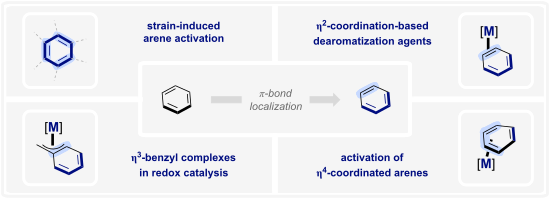
- -coordination of pyrrole transforms the aromatic framework into an azomethine ylide intermediate. This reactive species can engage in a [3 + 2] cycloaddition with activated olefins such as maleic anhydride to form 7-azabicycloheptene complex 8 rather than an electrophilic addition product. An analogous scenario
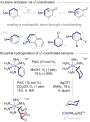
- unexploited. However, pioneering studies of Cooper and co-workers have demonstrated that η4-coordination of the isoelectronic {Cr(CO)3}2− and {Mn(CO)3}− fragments can effectively unravel the latent reactivity of aromatic ligands, enabling a diverse array of organic transformations (Figure 11B) [99][100
- protonated by mild acids to form thermally robust arenium complexes (Figure 11B). This remarkable basicity underscores the exceptional electron-donating power of the {Cr(CO)3}2− and {Mn(CO)3}− units, which stabilize dearomatized, cationic intermediates without auxiliary tethers. Beyond protonation and




The high potential of methyl laurate as a recyclable competitor to conventional toxic solvents in [3 + 2] cycloaddition reactions
Beilstein J. Org. Chem. 2025, 21, 2389–2415, doi:10.3762/bjoc.21.184
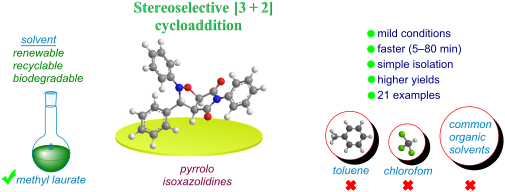
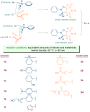
- context of these strategies, it would be judicious to consider cycloaddition reactions of the [3 + 2] type, a field in which Smith and Huisgen are recognized as pioneers [24][25]. In the field of heterocyclic chemistry, the [3 + 2] type of cycloaddition reaction is a widely employed method for the
- chloroform, for the [3 + 2] cycloaddition reactions between nitrones and diverse dipolarophiles has not been predicated on any criteria other than their inertness [60]. Conversely, certain studies have reported that the effects of organic solvents in such reactions are negligible, and that an increase in
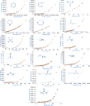
- ADMETLab 3.0 platform [87] are illustrated in Figure 2a. Conversely, the oral toxicity values of methyl laurate, in conjunction with toluene and chloroform – two conventional solvents that are commonly employed in [3 + 2] cycloaddition reactions were calculated with ProTox 3.0 (a webserver for the






Enantioselective radical chemistry: a bright future ahead
Beilstein J. Org. Chem. 2025, 21, 2283–2296, doi:10.3762/bjoc.21.174
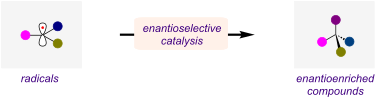
- transformations [43][44][45][46][47][48]. Using SOMO catalysis, MacMillan and co-workers developed a method for the synthesis of substituted pyrrolidines from β-aminoaldehydes and olefins in a formal [3 + 2] cycloaddition (Scheme 2) [44]. The transformation was proposed to proceed via a radical–polar crossover
- and pyrrolidinone electrophiles. Organocatalyzed formal [3 + 2] cycloadditions affording substituted pyrrolidines. Synthesis of a hexacyclic compound via an organocatalyzed enantioselective polyene cyclization. Nickel-catalyzed asymmetric cross-coupling reactions. Chiral cobalt–porphyrin


Electrochemical cyclization of alkynes to construct five-membered nitrogen-heterocyclic rings
Beilstein J. Org. Chem. 2025, 21, 2173–2201, doi:10.3762/bjoc.21.166
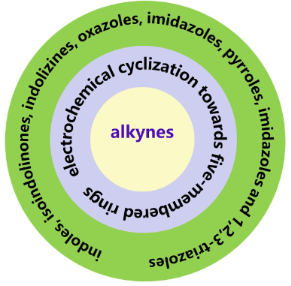
- alkynes, amines and azides, respectively. Imidazopyridines could be obtained by electrochemical [3 + 2] cyclization of heteroarylamines. The electrochemical oxidative [3 + 2] cycloaddition of secondary propargyl alcohols was a simple and efficient access towards 1,2,3-triazoles. In this review
- [61], [3 + 2] reductive cycloadditions of enal-alkyne [62], [2 + 2 + 1] cycloaddition of acetylenes [63] and cyclization of 1,6-enyne [64] were efficient approaches towards five-membered rings. Since Faraday synthesized hydrocarbons by employing electric current to an acetate solution [65], the use of
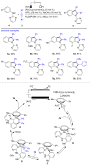
- reaction avoided the use of metal catalysts and oxidants, but the yields remained to improve. An electrochemical [3 + 2] cyclization of heteroarylamine to access imidazopyridine was achieved by Xu in 2017 (Scheme 18) [270]. When RVC was used as anode, platinum as cathode and Et4NBF4 as electrolyte, the









C2 to C6 biobased carbonyl platforms for fine chemistry
Beilstein J. Org. Chem. 2025, 21, 2103–2172, doi:10.3762/bjoc.21.165
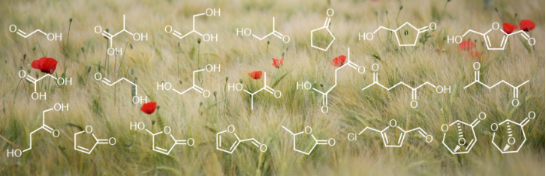
- -synthesis of formamides and formates was achieved in particularly good yield by selective oxidation of DHA using a Cu/Al2O3 catalyst with single active CuII species at room temperature without using a base (Scheme 20). 1-Hydroxypropan-2-one Gu et al. reported the [3 + 2] cyclization reaction of 1
- Meerwein–Ponndorf–Verley reduction, while acetaldehyde is generated in situ by ethanol oxidation (Scheme 50). The equilibrium allows furfural to be simultaneously converted into furfuryl alcohol and 3-(2-furyl)acrolein in one pot through a redox reaction. The highest mass conversion rate of furfural can
- ]. Furfural first was reacted with malonic acid to produce trans-3-(2-furyl)acrylic acid in a Knoevenagel reaction, which was then converted into cyclobutane-containing diacids through a [2 + 2] photoreaction. cis-3,4-Di(furan-2-yl)cyclobutane-1,2-dicarboxylic acid (CBDA-2) prepared under blacklight UV


Understanding the origin of stereoselectivity in the photochemical denitrogenation of 2,3-diazabicyclo[2.2.1]heptene and its derivatives with non-adiabatic molecular dynamics
Beilstein J. Org. Chem. 2025, 21, 2007–2020, doi:10.3762/bjoc.21.156
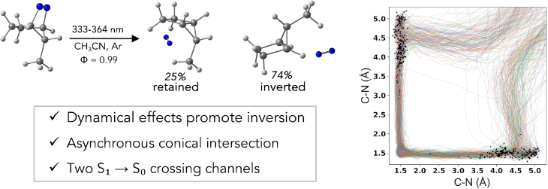
- our simulations. Our predicted inverted-to-retained housane ratios – 4, 7, and 5 for 1, 3, and 5, respectively – are higher than the experimental ratios of 3, 2, and 3. We attribute this overestimation to the limited simulation time of 1 ps. Since retained housane forms via thermal conversion from


Chiral phosphoric acid-catalyzed asymmetric synthesis of helically chiral, planarly chiral and inherently chiral molecules
Beilstein J. Org. Chem. 2025, 21, 1864–1889, doi:10.3762/bjoc.21.145
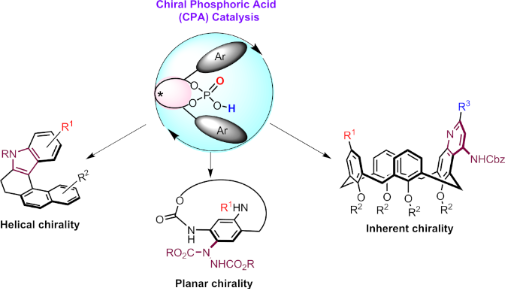
- eliminative aromatization sequence [23]. The CPA-catalyzed asymmetric [3 + 2]-cycloaddition of cycloenecarbamates 21 and carbalkoxy-substituted azonaphthalenes 22 produced the hexacyclic products 23' with two contiguous stereogenic centers, which then underwent an eliminative aromatization process to yield









[3 + 2] Cycloaddition of thioformylium methylide with various arylidene-azolones in the synthesis of 7-thia-3-azaspiro[4.4]nonan-4-ones
Beilstein J. Org. Chem. 2025, 21, 1791–1798, doi:10.3762/bjoc.21.141
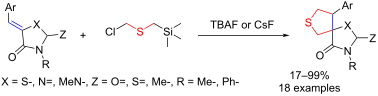
- tetrahydrothiophenes are known to exhibit different biological activities [8]. However, to date the use of this reagent in the synthesis of spirocyclic derivatives to our knowledge is underinvestigated [26][27]. Results and Discussion In this work we present a systematic study of [3 + 2] cycloaddition of thioformylium
- methylide with various arylidene-azolones. First, a series of various arylidene-azolones 1–5 were prepared (Scheme 2). All compounds were created in accordance with our previously published protocols [20][28][29]. Next, optimization of [3 + 2]-cycloaddition reaction condition was performed using derivatives
- be determined. Conclusion A study on [3 + 2]-cycloaddition reaction of various arylidene-azolones, with thioformylium methylide was performed. We have shown that cesium fluoride or TBAF can be an effective source of fluoride iones for activation of chloromethyl(trimethylsilyl)methyl sulfide. The



Unique halogen–π association detected in single crystals of C–N atropisomeric N-(2-halophenyl)quinolin-2-one derivatives and the thione analogue
Beilstein J. Org. Chem. 2025, 21, 1748–1756, doi:10.3762/bjoc.21.138
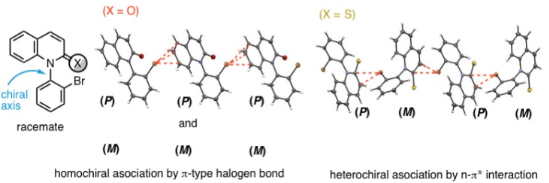
- chemistry but also medicinal chemistry [10][11][12][13]. For example, 3-(2-bromophenyl)-2-methylquinazolin-4-one (I), which has a high rotational barrier about the N3–Ar bond, is known as mebroqualone possessing GABA agonist activity (Figure 1) [14][15]. Our group has been exploring asymmetric synthesis of
- were formed through an n–π* interaction between a lone electron pair on the halogen atom and a π*orbital of the quinolinone ring. Thus, chirality (racemic/optically pure)-dependent halogen bonding was observed in single crystals of not only 3-(2-halophenyl)quinazolin-4-one derivatives but also N-(2


Convenient alternative synthesis of the Malassezia-derived virulence factor malassezione and related compounds
Beilstein J. Org. Chem. 2025, 21, 1730–1736, doi:10.3762/bjoc.21.135
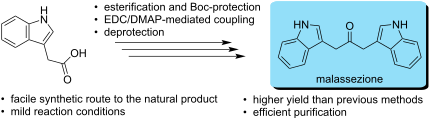
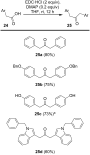
- are uncorrected. tert-Butyl 3-(2-methoxy-2-oxoethyl)-1H-indole-1-carboxylate (21). A solution of indol-3-yl acetic acid (20, 5.1 g, 29.0 mmol, 1.0 equiv) in dry MeOH (200 mL) was cooled to 0 °C, and SOCl2 (10.5 mL, 145 mmol, 5.0 equiv) was added slowly. After stirring for 12 h at room temperature, the


Catalytic asymmetric reactions of isocyanides for constructing non-central chirality
Beilstein J. Org. Chem. 2025, 21, 1648–1660, doi:10.3762/bjoc.21.129
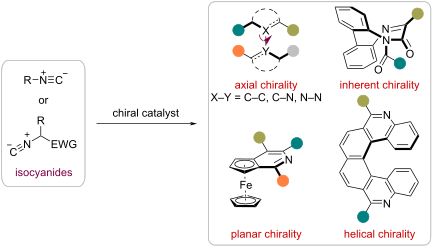
- ], insertion reactions [16][17][18], cycloaddition reactions (e.g., [4 + 1], [3 + 2]) [19][20], and others [21][22][23]. Particularly, isocyanides have been widely exploited toward the preparation of centrally chiral structures through transition-metal-catalyzed or organocatalytic asymmetric reactions [24][25
- ring were proven to be suitable substrates to react with tert-butyl isocyanoacetate, affording 3-heteroarylpyrroles 41 in 55–99% yield with 70–96% ee. In these cases, additional 2.0 equivalents of DBU were required to facilitate the conversion from the [3 + 2] cycloadducts to the final products
- thionolactones, getting rid of the pre-formation of stoichiometric Ru-complexes [52][53]. Mechanistic investigations indicated that this transformation proceeds through a two-step sequence promoted by the same catalyst: 1) the diastereo- and enantioselective [3 + 2] cycloaddition to generate spiro-S,O-ketal 52




Formal synthesis of a selective estrogen receptor modulator with tetrahydrofluorenone structure using [3 + 2 + 1] cycloaddition of yne-vinylcyclopropanes and CO
Beilstein J. Org. Chem. 2025, 21, 1639–1644, doi:10.3762/bjoc.21.127
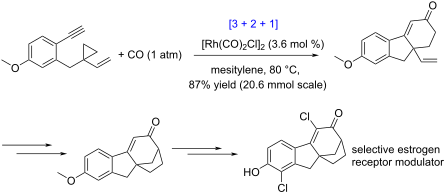
- University, Beijing, 100871, China 10.3762/bjoc.21.127 Abstract A formal synthesis of product VI with tetrahydroflurenone structure as selective estrogen receptor modulator has been realized. The Rh-catalyzed [3 + 2 + 1] reaction of yne-vinylcyclopropanes and CO (20 mmol scale, in 87% yield) for building
- the 6/5/5 skeleton, and a Heck coupling reaction constructing the [3.2.1] framework, are the two key reactions in this 11-step synthesis. Keywords: [3 + 2 + 1] cycloaddition; selective estrogen receptor modulators; synthesis; tetrahydrofluorenone; Introduction Estrogen receptors (ERs) [1][2] are
- asymmetric Lu [3 + 2] cycloaddition reaction [20][21] between indanone and allenyl ketone. Then hydrogenation and Robinson annulation delivered the core of the target molecule. Some other excellent synthetic routes for tetrahydrofluorenone derivates have been developed [12][13][14][15][16][17][18][19] but


Transition-state aromaticity and its relationship with reactivity in pericyclic reactions
Beilstein J. Org. Chem. 2025, 21, 1613–1626, doi:10.3762/bjoc.21.125
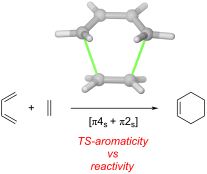
- chemistry [91][92][93]. Among the number of dipolarophiles compatible with this [3 + 2]-cycloaddition, phosphaalkynes [94][95][96] and arsaalkynes [97] have been recently used because they allow easy access to novel heterocycles. For instance, when using organic azides as dipoles, the transformation leads
- comparable to that computed for the non-metallic process (ΔG≠ ≈ 26 kcal/mol). Once again, we explored the impact of the aromaticity of the involved transition structures on the computed barriers. As related [3 + 2] cycloaddition reactions [22][45][104][105], the transition states associated with these
- computed for the 1,3-dipolar cycloadditions involving Mg and Ge cyaphide complexes, the ASM of reactivity was applied. Figure 10a shows the ASDs for the [3 + 2]-cycloaddition reactions between t-BuN3 and [Au]C≡P and [Mg]C≡P cyaphide complexes, as representative systems, from the initial stages of the


3-Aryl-2H-azirines as annulation reagents in the Ni(II)-catalyzed synthesis of 1H-benzo[4,5]thieno[3,2-b]pyrroles
Beilstein J. Org. Chem. 2025, 21, 1595–1602, doi:10.3762/bjoc.21.123
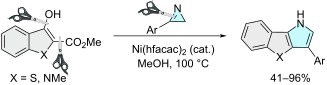
- arenes with azirines. These include the [3 + 2] cycloaddition of azirines to arynes (Scheme 1, reaction 1) [10][11][12], Pd-catalyzed reaction of azirines with iodoarenes (Scheme 1, reaction 2) [13], and reaction of 2-aroylazirines with naphthols (Scheme 1, reaction 3) [8]. The [3 + 2] annulation
- to the azirine C=N bond, followed by cyclization and the aziridine ring opening into the [3 + 2] cycloaddition product 5 (Scheme 3). It is noteworthy that the annulation proceeds via the azirine N‒C3 bond cleavage. Elimination of the methoxycarbonyl group most likely occurs under the action of
- intermediate formation of free radical species [9]. A similar reaction of N-acetyl substituted indole 9c produced [3 + 2] cycloaddition products 12 in even lower yield (4%). However, the main reaction product turned out to be unstable compound 13, which, nevertheless, was isolated in 40% yield as a single



Facile synthesis of hydantoin/1,2,4-oxadiazoline spiro-compounds via 1,3-dipolar cycloaddition of nitrile oxides to 5-iminohydantoins
Beilstein J. Org. Chem. 2025, 21, 1552–1560, doi:10.3762/bjoc.21.118

- , we firstly report the synthesis of compounds comprising two pharmacophoric fragments, hydantoin and 1,2,4-oxadiazoline, joined through the C5 atom of each cycle forming spiro-fused structures. We propose an efficient method for the synthesis of such spiro-compounds based on a [3 + 2]-dipolar
- of double and triple bonds, most of the described reactions are related to dipolarophiles with C=C, C≡C or C=S bonds [7]. However, the [3 + 2]-cycloaddition of nitrile oxides to exocyclic C=N bonds, is a much less explored area. There are few known reactions of these dipoles with imino derivatives of