


Search results
Search for "1,2-addition" in Full Text gives 64 result(s) in Beilstein Journal of Organic Chemistry.
Ring contraction and ring expansion reactions in terpenoid biosynthesis and their application to total synthesis
- Nicolas Kratena,
- Nicolas Heinzig and
- Peter Gärtner
Beilstein J. Org. Chem. 2026, 22, 289–343, doi:10.3762/bjoc.22.21
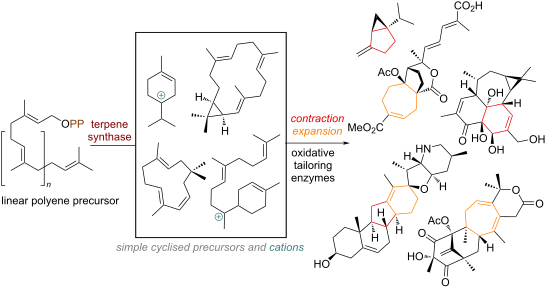

Graphical Abstract

Scheme 1: Mechanistic overview of enzymes involved in ring-size-altering reactions: A: Difference in ionisati...

Scheme 2: A: Ring contraction through involvement of carbocationic intermediates in thujane monoterpene biosy...

Scheme 3: Examples of concerted ring expansions of carbocation intermediates in PxaTPS8-catalysed cyclisation...

Scheme 4: Sequential ring expansions during astellifadiene (17) synthesis reported by Abe and co-workers.

Scheme 5: Cyclobutane ring expansion and sequential ring contractions catalysed by the synthase AITS in the b...

Scheme 6: Ring expansion and transannular ring contraction of a cyclopentane to cyclobutane in the biosynthes...

Scheme 7: Computationally elucidated concerted cyclisations/alkyl/hydride shifts during the biosynthesis of t...

Scheme 8: Cyclisation events and 6→5-ring contraction during the construction of epi-isozizaene (26) catalyse...

Scheme 9: Transannular cyclisations and 4→5-membered ring expansion through dyotropic 1,2-rearrangement of al...

Scheme 10: Ring expansion in presilphiperfolan-8b-ol (31) biosynthesis and ring contraction of the presilphipe...

Scheme 11: Ring contraction via transannular cyclopropanation and opening of cyclopropane in the biosynthesis ...

Scheme 12: The crucial CYP450-catalysed oxidative rearrangement defining the skeleton in gibberellin biosynthe...

Scheme 13: CYP450-mediated oxidation of cyclopentane methylene expanding the 8-membered ring in the biosynthes...

Scheme 14: CYP450-mediated oxidation of an exocyclic methyl group to effect transannular cyclisation across th...

Scheme 15: Non-enzymatic transannular aldol reaction enables the formation of the 5/13/3-tricyclic ring system...

Scheme 16: A: Oxidative ring expansion of a cyclopentane by incorporation of a methyl group in the biosynthesi...

Scheme 17: Rearrangement and ring expansion in the construction of the complex bridged carbon framework of and...

Scheme 18: Ketoglutarate-mediated oxidations of preaustinoid A1 (53) en route to complex meroterpenoids, B-rin...

Scheme 19: Proposed putative biosynthetic formation of the tigliane skeleton from an E,E,Z-triene.

Scheme 20: Photocatalytic tandem ring expansion/contraction of santonin to give photosantonin products and gua...

Scheme 21: A: Proposed biosynthesis of stelleroid B (66) from stelleranoid I (65) by ketol rearrangement; B: o...

Scheme 22: Singular examples of A,B-ring contractions and expansions in the biosynthesis of sesquiterpenoids e...

Scheme 23: A: plausible proposed biosynthetic pathway for the tigliane/ingenane skeletal rearrangement and 1,2...

Scheme 24: A: Multiple ring-size alterations during xenovulene A (90) biosynthesis; B: Ring contraction and re...

Scheme 25: Proposed biosyntheses of the complex, polycyclic terpenoid illisimonin A (97) and the bridged antro...

Scheme 26: Proposed biogenetic origin for the meroterpenoid liphagal (104) via epoxide-mediated ring expansion....

Scheme 27: Proposed biogenetic origin for the ring-contracted members of the taiwaniaquinol family.
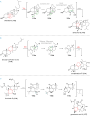
Scheme 28: A: Schenck ene/Hock/Aldol cascade effecting B-ring contraction in atheronal B (113); B: Selective C...
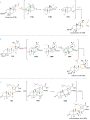
Scheme 29: A: D-ring expansion of buxenone (118) via cyclopropanation towards buxaustroine A (119); B: Propose...

Scheme 30: Biosynthetic origin of alstoscholarinoids A (124) and B (125) via cascade oxidative rearrangement c...

Scheme 31: Biogenetic origin of the hedgehog signalling inhibitor cyclopamine (129) by tandem ring contraction...

Scheme 32: Proposed biogenetic origin of the B-ring contracted spirocyclic triterpenoid spirochensilide A (131...

Scheme 33: A: Proposed B-ring contraction during the biosynthesis of holophyllane A (133); B: B-ring contracti...

Scheme 34: Radical and ionic/polar mechanisms for the C-ring-contracted triterpenoids phomopsterone B (139) an...

Scheme 35: A: Plausible mechanism for the formation of schiglautone A (144) from anwuweizic acid (145); B: Pro...

Scheme 36: Reported biosynthetic proposal for the formation of B-ring expanded triterpenoids rhodoterpenoids A...

Scheme 37: A: Final reaction step in the synthesis of euphorikanin A (154), benzilic acid-type ring contractio...

Scheme 38: Tricyclic ring expansion in the Gui synthesis of gibbosterol A (158) and sarocladione (160) via Ru-...

Scheme 39: A: A-ring expansion during the Gui synthesis of rubriflordilactone B (161); B: Mechanism for the bi...

Scheme 40: Photosantonin rearrangement effects A/B ring contraction/expansion in Li’s synthesis of the complex...

Scheme 41: Tandem A/B ring expansion/contraction of an ergosterol derivative via pinacol rearrangement in the ...

Scheme 42: Synthetic studies towards cyclocitrinol (179) by A) the semisynthetic approach by Gui et al. using ...

Scheme 43: A: Bioinspired synthesis of spirochensilide A (131) by the Heretsch group via selective 8,9-epoxida...
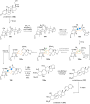
Scheme 44: Baran’s synthesis of cortistatin A (191), expanding the B-ring through a cyclopropane fragmentation....

Scheme 45: Ding’s total synthesis of retigeranic acid (198) showcasing sequential 6→5 ring contractions.

Scheme 46: A: Oxa-di-π-methane (ODPM) rearrangement of a bicyclic ketone en route to silphiperfolenone (203); ...

Scheme 47: Biomimetic synthesis of liphagal (104) from sclareolide (221) by George and co-workers.

Scheme 48: Wu’s bioinspired synthesis of cucurbalsaminones B (224) and C (225) by photocatalytic oxa-di-π-meth...

Scheme 49: Baran’s total synthesis of maoecrystal V (230) featuring a pinacol rearrangement for ring expansion...

Scheme 50: A: Ketol rearrangement leading to ring contraction in the total synthesis of preaustinoid B; B: Ben...

Scheme 51: A: Scheidt’s synthesis of isovelleral (251) by pinacol rearrangement triggered by Mitsunobu conditi...

Scheme 52: Biomimetic transformations of simplified test substrates related to Euphorbia diterpenoids.

Scheme 53: A: First generation synthesis of taiwaniaquinones by benzilic acid-type rearrangement of the B-ring...

Scheme 54: A: Norrish type 1 radical recombination leading to ring contraction en route to cuparenone (272): 1...

Scheme 55: Ring contraction of a bridged D-ring system in the total synthesis of andrastatin D (280), terrenoi...

Scheme 56: Biomimetic synthesis of hyperjapone A (284) and hyperjaponol C (285) by George et al.

Scheme 57: Heretsch’ synthesis of dankastarones A (288) and B (289), swinhoeisterol A (290), and periconiaston...

Scheme 58: A: Zhang’s ring contraction during the synthesis of stemar-13-ene (295) by pinacol rearrangement; B...

Scheme 59: Trauner’s biomimetic synthesis of preuisolactone A (307) featuring a ring contraction via benzilic ...

Scheme 60: Bioinspired approaches for ring contraction/expansion reactions in the synthesis of alstoscholarino...

Scheme 61: A: Sarpong and Li, Wang and co-workers’ ring expansion of cephanolide A (313) to reach harringtonol...
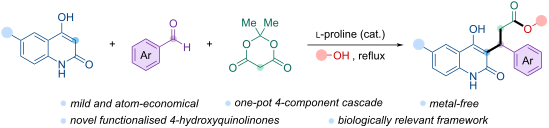
A mild and atom-efficient four-component cascade strategy for the construction of biologically relevant 4-hydroxyquinolin-2(1H)-one derivatives
- Dmitrii A. Grishin,
- Kseniia I. Sharkovskaia,
- Ilya G. Kolmakov,
- Daria A. Ipatova,
- Rostislav A. Petrov,
- Nikolai D. Dagaev,
- Dmitry A. Skvortsov,
- Maria G. Khrenova,
- Valeriy V. Andreychev,
- Sergei A. Evteev,
- Yan A. Ivanenkov,
- Roman L. Antipin,
- Olga А. Dontsova and
- Elena K. Beloglazkina
Beilstein J. Org. Chem. 2026, 22, 244–256, doi:10.3762/bjoc.22.18
- reactions of α,β-unsaturated aldehydes with 2a–c afforded only minor amounts of the 1,4-addition product, while the cyclic 1,2-addition product predominated (Scheme 4C). The reaction of α,β-unsaturated cyanoacrylate with 2c also failed to yield the desired product (Scheme 4D). For the reaction of α,β

Graphical Abstract

Figure 1: Examples of biologically active quinolin-2(1H)-ones.

Figure 2: Structures obtained via rational design aimed at enhancing antibacterial activity.

Scheme 1: Previously reported and newly developed 3-(4-hydroxy-2-oxo-1,2-dihydroquinolin-3-yl)-3-arylpropanoi...

Scheme 2: Retrosynthetic analysis: two alternative approaches to target compounds.

Scheme 3: Two-stage synthesis A) and one-stage one-pot synthesis B) of 6-halogen-4-hydroxyquinoline-2(1H)-one...

Scheme 4: Previous synthetic attempts toward the target chemotype using various approaches.

Scheme 5: Four-component synthesis of 3-(6-halo-4-hydroxy-2-oxo-1,2-dihydroquinolin-3-yl)-3-(3,4-dimethoxyphe...

Scheme 6: The proposed mechanism of the four-component reaction.
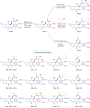
Scheme 7: Synthesis of isopropyl (12a–c) and cyclohexyl (13а–с) esters of 3-(4-hydroxy-2-oxo-1,2-dihydroquino...
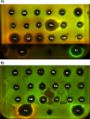
Figure 3: In vitro antibacterial activity studies. А) In vitro antibacterial activity using the E. coli ΔtolC...
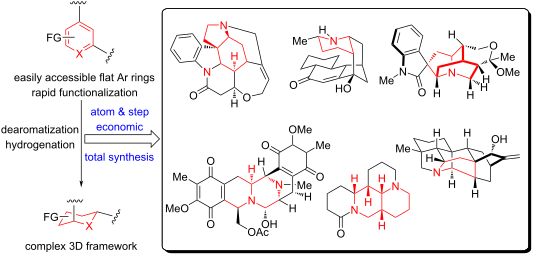
Total synthesis of natural products based on hydrogenation of aromatic rings
- Haoxiang Wu and
- Xiangbing Qi
Beilstein J. Org. Chem. 2026, 22, 88–122, doi:10.3762/bjoc.22.4
- hydrogenation of a pyridine precursor, whereas Mander’s strategy relied on an Eschenmoser fragmentation as well as a reductive amination (Scheme 17) [87]. Pyridine analogue 121 was converted to tetracyclic compound 123 via a 1,2-addition. A five-step transformation, including allylic hydroxy group transposition

Graphical Abstract

Scheme 1: The association between dearomatization and natural product synthesis.

Scheme 2: Key challenges in hydrogenation of aromatic rings.
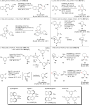
Scheme 3: Hydrogenation of heterocyclic aromatic rings.
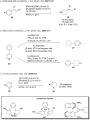
Scheme 4: Hydrogenation of the carbocyclic aromatic rings.
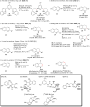
Scheme 5: Hydrogenation of the heterocycle part in bicyclic aromatic rings.
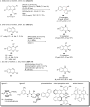
Scheme 6: Hydrogenation of the heterocycle part in bicyclic aromatic rings.
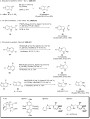
Scheme 7: Hydrogenation of benzofuran, indole, and their analogues.
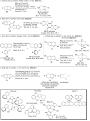
Scheme 8: Hydrogenation of benzofuran, indole, and their analogues.

Scheme 9: Total synthesis of (±)-keramaphidin B by Baldwin and co-workers.

Scheme 10: Total synthesis of (±)-LSD by Vollhardt and co-workers.

Scheme 11: Total synthesis of (±)-dihydrolysergic acid by Boger and co-workers.

Scheme 12: Total synthesis of (±)-lysergic acid by Smith and co-workers.

Scheme 13: Hydrogenation of (−)-tabersonine to (−)-decahydrotabersonine by Catherine Dacquet and co-workers.

Scheme 14: Total synthesis of (±)-nominine by Natsume and co-workers.
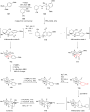
Scheme 15: Total synthesis of (+)-nominine by Gin and co-workers.

Scheme 16: Total synthesis of (±)-lemonomycinone and (±)-renieramycin by Magnus.

Scheme 17: Total synthesis of GB13 by Sarpong and co-workers.

Scheme 18: Total synthesis of GB13 by Shenvi and co-workers.

Scheme 19: Total synthesis of (±)-corynoxine and (±)-corynoxine B by Xia and co-workers.
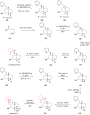
Scheme 20: Total synthesis of (+)-serratezomine E and the putative structure of huperzine N by Bonjoch and co-...

Scheme 21: Total synthesis of (±)-serralongamine A and the revised structure of huperzine N and N-epi-huperzin...

Scheme 22: Early attempts to indenopiperidine core.

Scheme 23: Homogeneous hydrogenation and completion of the synthesis.
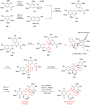
Scheme 24: Total synthesis of jorunnamycin A and jorumycin by Stoltz and co-workers.

Scheme 25: Early attempt towards (−)-finerenone by Aggarwal and co-workers.

Scheme 26: Enantioselective synthesis towards (−)-finerenone.

Scheme 27: Total synthesis of (+)-N-methylaspidospermidine by Smith, Grigolo and co-workers.

Scheme 28: Dearomatization approach towards matrine-type alkaloids.

Scheme 29: Asymmetric total synthesis to (−)-senepodine F via an asymmetric hydrogenation of pyridine.

Scheme 30: Selective hydrogenation of indole derivatives and application.
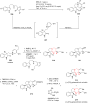
Scheme 31: Synthetic approaches to the oxindole alkaloids by Qi and co-workers.

Scheme 32: Total synthesis of annotinolide B by Smith and co-workers.
Recent advancements in the synthesis of Veratrum alkaloids
- Morwenna Mögel,
- David Berger and
- Philipp Heretsch
Beilstein J. Org. Chem. 2025, 21, 2657–2693, doi:10.3762/bjoc.21.206
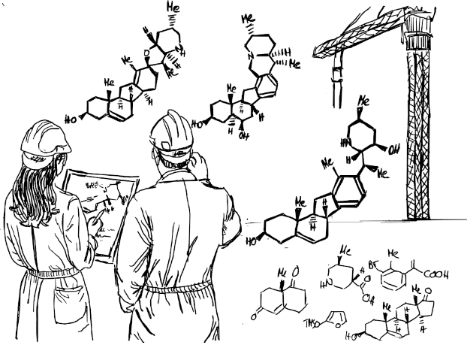
- 3-position, a copper-mediated C–H activation of position 12 and subsequent protection of the introduced hydroxy moiety to give compound 25 (Scheme 6). Installation of the lactone moiety in 22 was carried out in a three-step sequence via a 1,2-addition of organocerium reagent 26 to the ketone
- –halogen exchange in the ABC-fragment 38 followed by 1,2-addition to the ketone moiety in the F-ring fragment 42. Protection group manipulations allowed for the union of both fragments to advanced intermediate 43 in three steps in 42%, setting the stage for the key cyclization reactions in this sequence
- butenolide moiety, selective α-methylation, formation of a lactam, reduction of the former to an amine, and installation of two different protecting groups. Aryl bromide 53 (fragment B) was then ready for coupling. Lithium–halogen exchange in fragment B 53 and subsequent 1,2-addition to fragment A 47

Graphical Abstract

Scheme 1: Representatives of steroid alkaloid classes. Marked in blue is the steroidal cholestane framework, ...

Scheme 2: Subclasses of Veratrum alkaloids: jervanine, veratramine and cevanine-type [8].

Scheme 3: Flow chart presentation of the synthesis of (−)-englerin A developed by the Christmann group [10].
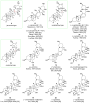
Scheme 4: Structures and year of synthesis of the three types of Veratrum alkaloids reported in the literatur...
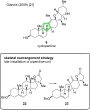
Scheme 5: Key step in the synthesis of cyclopamine (6) by the Giannis group [21].

Scheme 6: Overview of the semisynthesis of cyclopamine (6) reported by the Giannis group in 2009 [21].
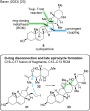
Scheme 7: Key steps in the synthesis of cyclopamine (6) by the Baran group [23].

Scheme 8: Overview of the total synthesis of cyclopamine (6) by the Baran group in 2023 [23].
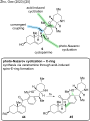
Scheme 9: Key steps in the synthesis of cyclopamine (6) by the Zhu/Gao group [25].
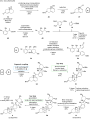
Scheme 10: Overview of the total synthesis of cyclopamine (6) by the group of Zhao/Gao in 2023 [25].
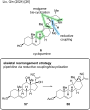
Scheme 11: Key steps in the synthesis of cyclopamine (6) by the Liu/Qin group [26].

Scheme 12: Overview of the semisynthesis of cyclopamine (6) by the Liu/Qin group in 2024 [26].
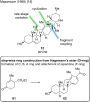
Scheme 13: Key steps in the synthesis of jervine (12) by the Masamune group [14].

Scheme 14: Overview of the total synthesis of jervine (12) by the Masamune group in 1968 [14].

Scheme 15: Color-coded schemes of the presented cyclopamine (6) syntheses by Giannis, Baran, Zhu/Gao, and Liu/...
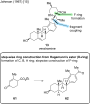
Scheme 16: Key steps in the total synthesis of veratramine (13) by the Johnson group [15].

Scheme 17: Overview of the total synthesis of veratramine (13) by the Johnson group in 1967 [15].
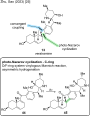
Scheme 18: Key steps in the synthesis of veratramine (13) by the Zhu/Gao group [25].

Scheme 19: Shortened overview of the total synthesis of veratramine (13) by the Zhu/Gao group in 2023 [25].
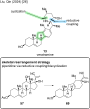
Scheme 20: Key steps in the synthesis of veratramine by the Liu/Qin group [26].

Scheme 21: Overview of the semisynthesis of veratramine (13) by the Liu/Qin group in 2024 [26].
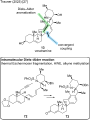
Scheme 22: Key steps in the synthesis of veratramine (13) by the Trauner group [27].

Scheme 23: Overview of the total synthesis of veratramine (13) by the Trauner group in 2025 [27].
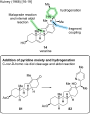
Scheme 24: Key steps in the synthesis of verarine (14) by the Kutney group [16-19].

Scheme 25: Overview of the total synthesis of verarine (14) by the Kutney group reported 1962–1968 [16-19].

Scheme 26: Color-coded schemes of the presented veratramine-type alkaloid synthesis of Zhu/Gao, Liu/Qin and Tr...
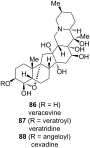
Scheme 27: Structures of veracevine (86), veratridine (87), and cevadine (88).

Scheme 28: Key step in the semisynthesis of verticine (15) by the Kutney group (1977) [20,46].

Scheme 29: Overview of the semisynthesis of verticine (15) by the Kutney group (1977) [20,46].

Scheme 30: Key step of the total synthesis of (±)-4-methylenegermine (17) by the Stork group (2017) [22].

Scheme 31: Overview of the total synthesis of (±)-4-methylenegermine (17) by the Stork group (2017) [22].

Scheme 32: Key step of the total synthesis of heilonine (16) by Cassaidy and Rawal (2021) [24].

Scheme 33: Overview of the total synthesis of heilonine (16) by Cassaidy and Rawal (2021) [24]. FGI: functional gr...
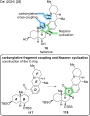
Scheme 34: Key steps of the synthesis of heilonine (16) by Dai and co-workers (2024) [28].

Scheme 35: Overview of the total synthesis of heilonine (16) by Dai and co-workers (2024) [28].
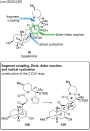
Scheme 36: Key steps of the total synthesis of zygadenine (18) reported by Luo and co-workers [29].
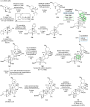
Scheme 37: Overview of the total synthesis of zygadenine (18) by Luo and co-workers (2023) [29].
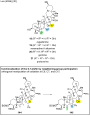
Scheme 38: Key step of the divergent total syntheses of highly oxidized cevanine-type alkaloids by Luo and co-...
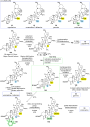
Scheme 39: Divergent syntheses of highly oxidized cevanine-type alkaloids by Luo and co-workers (2024) [30].
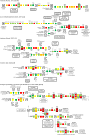
Scheme 40: Color-coded overview of the presented cevanine-type alkaloid syntheses [10,20,22,24,28-30,46]. LLS: longest linear sequen...
Total syntheses of highly oxidative Ryania diterpenoids facilitated by innovations in synthetic strategies
- Zhi-Qi Cao,
- Jin-Bao Qiao and
- Yu-Ming Zhao
Beilstein J. Org. Chem. 2025, 21, 2553–2570, doi:10.3762/bjoc.21.198
- route commenced from (−)-pulegone. After introducing oxidation states at C6 and C10 and installing an alkynyl group at C11, oxidative cleavage of a double bond yielded the key propargylic alcohol intermediate 66. This compound underwent a 1,2-addition with alkynyl Grignard reagent 67, and the resulting

Graphical Abstract

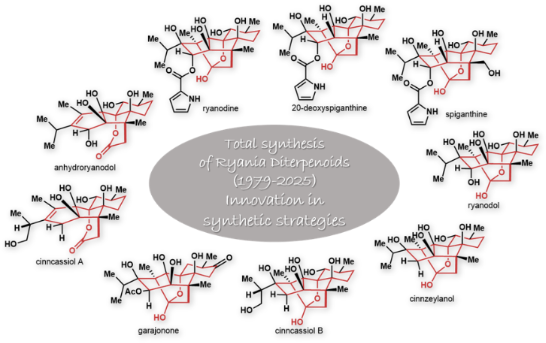
Scheme 1: Representative Ryania diterpenoids and their derivatives.
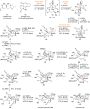
Scheme 2: Deslongchamps’s total synthesis of ryanodol (4).

Scheme 3: Deslongchamps’s total synthesis of 3-epi-ryanodol (5).
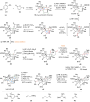
Scheme 4: Inoue’s total synthesis of ryanodol (4).

Scheme 5: Inoue’s total synthesis of ryanodine (1) from ryanodol (4).
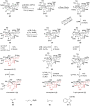
Scheme 6: Inoue’s total synthesis of cinncassiol A (9), cinncassiol B (7), cinnzeylanol (6), and 3-epi-ryanod...

Scheme 7: Reisman’s total synthesis of (+)-ryanodol (4).

Scheme 8: Reisman’s total synthesis of (+)-ryanodine (1) and (+)-20-deoxyspiganthine (2).

Scheme 9: Micalizio’s formal total synthesis of ryanodol (4).
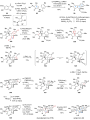
Scheme 10: Zhao’s total synthesis of garajonone (8).

Scheme 11: Zhao’s formal total synthesis of ryanodol (4) and ryanodine (1).
Comparative analysis of complanadine A total syntheses
- Reem Al-Ahmad and
- Mingji Dai
Beilstein J. Org. Chem. 2025, 21, 2334–2344, doi:10.3762/bjoc.21.178
- in four steps. Subsequent conjugate addition of the lithium anion of TMS-acetonitrile to 15, followed by careful one-pot protonation of the resulting enolate with ethyl salicylate and TMS removal with CsF, gave 16 bearing three properly arranged substituents. Grignard 1,2-addition to ketone 16

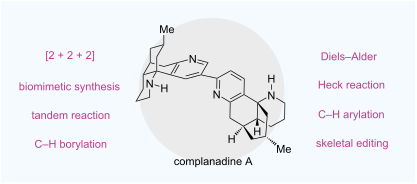
Graphical Abstract
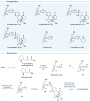
Scheme 1: Complanadine natural products and their plausible biosynthesis.

Scheme 2: The Siegel total synthesis of complanadine A enabled by [2 + 2 + 2] cycloadditions.
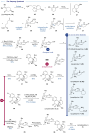
Scheme 3: The Sarpong total synthesis of complanadine A enabled by a biomimetic strategy and C–H activation.
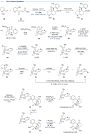
Scheme 4: The Tsukano total synthesis of complanadine A enabled by Diels–Alder cycloaddition, Heck cyclizatio...
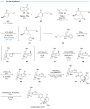
Scheme 5: The Dai total synthesis of complanadine A using single-atom skeletal editing.

Scheme 6: Comparative summary of the four complanadine A total syntheses.
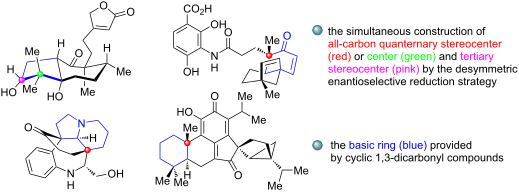
The application of desymmetric enantioselective reduction of cyclic 1,3-dicarbonyl compounds in the total synthesis of terpenoid and alkaloid natural products
- Dong-Xing Tan and
- Fu-She Han
Beilstein J. Org. Chem. 2025, 21, 2085–2102, doi:10.3762/bjoc.21.164
- underwent the 1,2-addition of isopropenyllithium reagent (prepared from n-BuLi/tetraisopropenyltin (67) [55]) and DMP oxidation to afford ketone 68. A three-step transformation including RCM, Mukaiyama hydration, and esterification, 68 was converted to methyl oxalate 69. Irradiation of the reaction mixture
- reduction of 72, affording the hydroxyketone 74 in 57% yield with 91% ee. Protection of the secondary alcohol in 74 followed by Beckmann rearrangement led to lactam 75. Oxidation state modifications and functional group transformations of 75 afforded ketone 76. Next, the 1,2-addition of 76 with vinyl iodine
- rings, followed by dehydration to afford pentacyclic product 125. Finally, a five-step operation including the 1,2-addition of 125 with iPrLi, PCC oxidation of the resulting tertiary alcohol, oxidative aromatization and in situ neutralization/oxidation, acid-mediated 1,6-addition with H2O, and

Graphical Abstract

Figure 1: Several representative terpenoid and alkaloid natural products synthesized by applying desymmetric ...
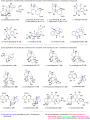
Figure 2: Selected terpenoid and alkaloid natural products synthesized by applying desymmetric enantioselecti...

Scheme 1: The total synthesis of (+)-aplysiasecosterol A (6) by Li [14].

Scheme 2: The total synthesis of (−)-cyrneine A by Han [31].

Scheme 3: The total syntheses of three cyrneine diterpenoids by Han [31,32].

Scheme 4: The total synthesis of (−)-hamigeran B and (−)-4-bromohamigeran B by Han [51].

Scheme 5: The total synthesis of (+)-randainin D by Baudoin [53].
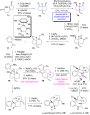
Scheme 6: The total synthesis of (−)-hunterine A and (−)-aspidospermidine by Stoltz [58].

Scheme 7: The total synthesis of (+)-toxicodenane A by Han [65,66].
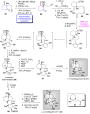
Scheme 8: The formal total synthesis of (−)-conidiogeone B and total synthesis of (−)-conidiogeone F by Lee a...

Scheme 9: The total syntheses of four conidiogenones natural products by Lee and Han [72].

Scheme 10: The total synthesis of (−)-platensilin by Lou and Xu [82].

Scheme 11: The total synthesis of (−)-platencin and (−)-platensimycin by Lou and Xu [82].

Scheme 12: The total synthesis of (+)-isochamaecydin and (+)-chamaecydin by Han [86].
Fe-catalyzed efficient synthesis of 2,4- and 4-substituted quinolines via C(sp2)–C(sp2) bond scission of styrenes
- Prafull A. Jagtap,
- Manish M. Petkar,
- Vaishnavi R. Sawant and
- Bhalchandra M. Bhanage
Beilstein J. Org. Chem. 2025, 21, 1799–1807, doi:10.3762/bjoc.21.142
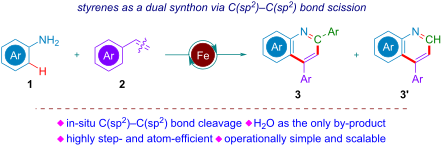
- during GC–MS analysis) and formaldehyde (2a′′) via C–C bond scission of styrene in the presence of FeIII/O2, possibly through a 1,2-addition of O2 to styrene [49][58][59][60]. This in-situ generated aldehyde species then undergoes condensation with the amine 1a, leading to the formation of the

Graphical Abstract

Figure 1: Representative examples of bioactive quinolines.

Scheme 1: C(sp2)–C(sp2) bond-cleavage strategies for quinoline synthesis.
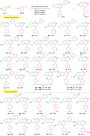
Scheme 2: Substrate scope of various arylamines and styrenes.

Scheme 3: Scale-up studies for the synthesis of antifungal agents.

Scheme 4: Mechanistic investigations.

Scheme 5: Plausible reaction mechanism.
A convergent synthetic approach to the tetracyclic core framework of khayanolide-type limonoids
- Zhiyang Zhang,
- Jialei Hu,
- Hanfeng Ding,
- Li Zhang and
- Peirong Rao
Beilstein J. Org. Chem. 2025, 21, 926–934, doi:10.3762/bjoc.21.75
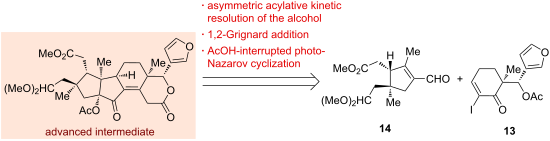
- stage was set for the construction of the target skeleton through a 1,2-addition (Scheme 4). Preliminary trials to generate organometallic species via Li/I exchange under various conditions (n-BuLi, t-BuLi, or t-BuLi in combination with CeCl3 or MgBr2) led to rapid decomposition, likely due to inherent

Graphical Abstract

Figure 1: Representative limonoid triterpenes.
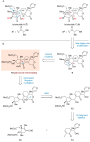
Scheme 1: Structures and retrosynthetic analysis of krishnolides A (7) and C (8).

Scheme 2: Construction of α-iodoenone 13.

Scheme 3: Construction of aldehyde 14.
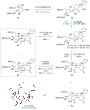
Scheme 4: Synthesis of the advanced intermediate 10 (in the X ray structure of 10 solvent molecule is omitted...
Regioselective formal hydrocyanation of allenes: synthesis of β,γ-unsaturated nitriles with α-all-carbon quaternary centers
- Seeun Lim,
- Teresa Kim and
- Yunmi Lee
Beilstein J. Org. Chem. 2025, 21, 800–806, doi:10.3762/bjoc.21.63
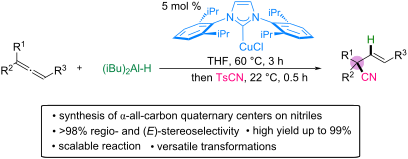
- ]. The limited investigation of allene hydrocyanation can be attributed to the significant challenges posed by the two orthogonal π-systems in allenes. These challenges include achieving high regioselectivity and controlling (E)/(Z)-stereoselectivity, as 1,2-addition processes to allenes can generate up

Graphical Abstract

Scheme 1: Synthesis of acyclic nitrile-substituted quaternary carbon centers from allenes.

Scheme 2: Hydrocyanation of allene 1a with tosyl cyanide.
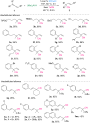
Scheme 3: Hydrocyanation with various di- or trisubstituted allenes. Reaction conditions: allene 1 (0.3 mmol)...

Scheme 4: Hydrocyanation with various monosubstituted allenes. Reaction conditions: allene 4 (0.3 mmol), (iBu)...

Scheme 5: Gram scale reaction.

Scheme 6: Synthetic applications.

Scheme 7: Proposed mechanism.
Asymmetric synthesis of β-amino cyanoesters with contiguous tetrasubstituted carbon centers by halogen-bonding catalysis with chiral halonium salt
- Yasushi Yoshida,
- Maho Aono,
- Takashi Mino and
- Masami Sakamoto
Beilstein J. Org. Chem. 2025, 21, 547–555, doi:10.3762/bjoc.21.43
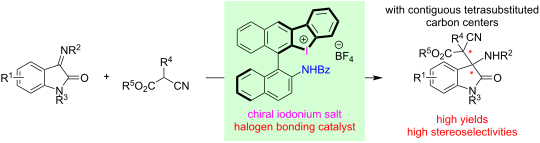
- developed chiral halonium salts and applied them to asymmetric reactions such as vinylogous Mannich reactions of cyanomethylcoumarins 6 with isatin-derived ketimines 7 [33][35] and 1,2-addition reaction of thiols to ketimine [34], which formed the corresponding products 8 in high yields with high to

Graphical Abstract

Figure 1: Selected examples and applications of chiral halogen-bonding catalysts.

Figure 2: Selected examples for the construction of contiguous tetrasubstituted carbon centers via the Mannic...

Scheme 1: Catalyst screening for the asymmetric Mannich reaction. All yields were determined by 1H NMR spectr...

Scheme 2: N-Protecting group optimization for the asymmetric Mannich reaction. All yields were determined by 1...

Scheme 3: Catalyst screening using 7b as a substrate. All yields were determined by 1H NMR spectroscopy using...

Scheme 4: Substrate scope for the asymmetric Mannich reaction using 0.06 mmol of 7. Isolated product yields a...

Figure 3: Plausible reaction mechanism.
Non-covalent organocatalyzed enantioselective cyclization reactions of α,β-unsaturated imines
- Sergio Torres-Oya and
- Mercedes Zurro
Beilstein J. Org. Chem. 2024, 20, 3221–3255, doi:10.3762/bjoc.20.268
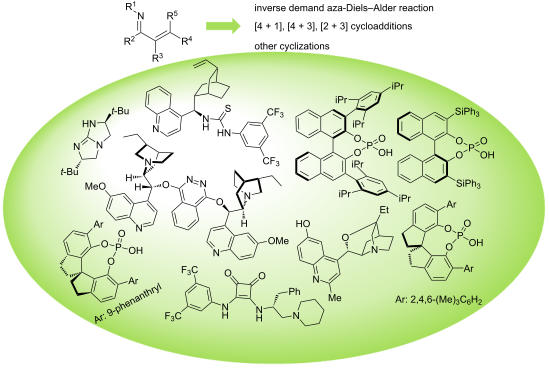
- , they can be attacked by a nucleophile and undergo a 1,2-addition or conjugate addition leading to the production of allylic amines or aliphatic imines, respectively. They can also behave as C4 synthons in cycloaddition reactions such as the aza-Diels–Alder reaction, giving access to nitrogen-containing

Graphical Abstract

Figure 1: Reactivity of α,β-unsaturated imines and variety of structures.

Figure 2: The hetero-Diels–Alder and inverse electron demand hetero-Diels–Alder reactions.

Figure 3: Different strategies to promote the activation of dienes and dienophiles in IEDADA reactions.

Figure 4: Examples of non-covalent interactions in organocatalysis.

Scheme 1: Enantioselective bifunctional thiourea-catalyzed inverse electron demand Diels–Alder reaction of N-...

Scheme 2: Cinchona-derived thiourea-catalyzed stereoselective (3 + 2) reaction of α,β-unsaturated imines and ...

Scheme 3: Cinchona-derived thiourea-catalyzed stereoselective (3 + 2)/(4 + 2) cascade reaction of α,β-unsatur...
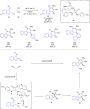
Scheme 4: Enantioselective bifunctional squaramide-catalyzed formal [4 + 2] cycloaddition of malononitrile wi...
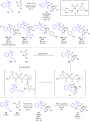
Scheme 5: Bifunctional squaramide-catalyzed IEDADA reaction of saccharin-derived 1-azadienes and azlactones.

Scheme 6: Chiral guanidine-catalyzed enantioselective (4+1) cyclization of benzofuran-derived azadienes with ...
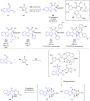
Scheme 7: Bifunctional squaramide-catalyzed [4 + 2] cyclization of benzofuran-derived azadienes and azlactone...
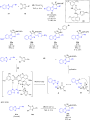
Scheme 8: Chiral bifunctional squaramide-catalyzed domino Mannich/formal [4 + 2] cyclization of 2-benzothiazo...
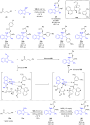
Scheme 9: Chiral bifunctional thiourea-catalyzed formal IEDADA reaction of β,γ-unsaturated ketones and benzof...

Scheme 10: Dihydroquinine-derived squaramide-catalyzed (3 + 2) cycloaddition reaction of isocyanoacetates and ...

Scheme 11: Enantioselective squaramide-catalyzed asymmetric IEDADA reaction of benzofuran-derived azadienes an...

Scheme 12: Scale up and derivatizations of benzofuran-fused 2-piperidinol derivatives.

Scheme 13: Dihydroquinine-derived squaramide-catalyzed Mannich-type reaction of isocyanoacetates with N-(2-ben...

Figure 5: Structure of a cinchona alkaloid and (DHQD)2PHAL.

Scheme 14: Enantioselective modified cinchona alkaloid-catalyzed [4 + 2] annulation of γ-butenolides and sacch...

Scheme 15: Chiral tertiary amine-catalyzed [2 + 4] annulation of cyclic 1-azadiene with γ-nitro ketones.

Scheme 16: Inverse electron demand aza-Diels–Alder reaction (IEDADA) of 1-azadienes with enecarbamates catalyz...

Scheme 17: Phosphoric acid-catalyzed enantioselective [4 + 2] cycloaddition of benzothiazolimines and enecarba...

Scheme 18: Phosphoric acid-catalyzed enantioselective inverse electron demand aza-Diels–Alder reaction of in s...

Scheme 19: Proposed reaction mechanism for the phosphoric acid-catalyzed enantioselective inverse electron dem...

Scheme 20: Enantioselective dearomatization of indoles by a (3 + 2) cyclization with azoalkenes catalyzed by a...

Scheme 21: Synthetic applicability of the pyrroloindoline derivatives.

Scheme 22: Chiral phosphoric acid-catalyzed (2 + 3) dearomative cycloaddition of 3-alkyl-2-vinylindoles with a...
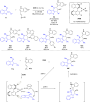
Scheme 23: Chiral phosphoric acid-catalyzed asymmetric [4 + 2] cycloaddition of aurone-derived 1-azadienes and...

Scheme 24: Phosphoric acid-catalyzed enantioselective formal [4 + 2] cycloaddition of dienecarbamates and 2-be...

Scheme 25: Chiral phosphoric acid-catalyzed asymmetric inverse electron demand aza-Diels–Alder reaction of 1,3...

Scheme 26: Chiral phosphoric acid-catalyzed asymmetric Attanasi reaction between 1,3-dicarbonyl compounds and ...

Scheme 27: Synthetic applicability of the NPNOL derivatives.
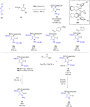
Scheme 28: Chiral phosphoric acid-catalyzed asymmetric intermolecular formal (3 + 2) cycloaddition of azoalken...

Scheme 29: Enantioselective [4 + 2] cyclization of α,β-unsaturated imines and azlactones.

Scheme 30: Catalytic cycle for the chiral phosphoric acid-catalyzed enantioselective [4 + 2] cyclization of α,...
Synthesis of indano[60]fullerene thioketone and its application in organic solar cells
- Yong-Chang Zhai,
- Shimon Oiwa,
- Shinobu Aoyagi,
- Shohei Ohno,
- Tsubasa Mikie,
- Jun-Zhuo Wang,
- Hirofumi Amada,
- Koki Yamanaka,
- Kazuhira Miwa,
- Naoyuki Imai,
- Takeshi Igarashi,
- Itaru Osaka and
- Yutaka Matsuo
Beilstein J. Org. Chem. 2024, 20, 1270–1277, doi:10.3762/bjoc.20.109
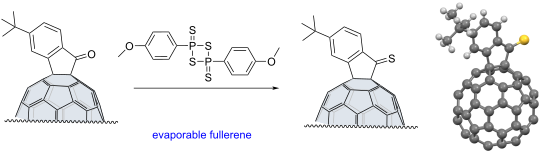
- assigned to the charge transfer band of the C=S bond in t-Bu-FIDS, which was stronger than that of the C=O bond in t-Bu-FIDO [30]. Interestingly, the maximum absorption band observed in t-Bu-FIDO at 432 nm, which is a characteristic feature of 58π-fullerene derivatives with a 1,2-addition pattern, was
- time. A single crystal of t-Bu-FIDS was grown by liquid–liquid diffusion method (CS2/EtOH). The crystal structure was successfully analyzed using synchrotron radiation at SPring-8. The crystal exhibited the orthorhombic space group (No. 61) with the D2h point group, and the structure confirmed the 1,2
- -addition pattern of t-Bu-FIDS (Figure 2a,b). The shortest π–π distance between the two fullerene molecules of t-Bu-FIDS in a unit cell was 3.14 Å, while that in t-Bu-FIDO was 2.974 Å [19]. The C=S bond length was 1.627 Å and was clearly longer than the C=O bond in t-Bu-FIDO. We consider that this longer

Graphical Abstract

Figure 1: Characterization data. (a) FTIR spectra of t-Bu-FIDO and t-Bu-FIDS. (b) UV–vis spectra of fullerene...

Figure 2: Single-crystal structure of t-Bu-FIDS. (a) The π–π distance between two molecules. (b) Crystal pack...

Figure 3: Cyclic voltammograms of fullerene derivatives in o-DCB solution containing Bu4N+(CF3SO2)2N− (0.1 M)...

Figure 4: J–V curves of BHJ OPV devices. (a) ITO/ZnO/fullerene:P3HT (1:1, w/w)/PEDOT:PSS/Ag. (b) ITO/ZnO/full...
Palladium-catalyzed three-component radical-polar crossover carboamination of 1,3-dienes or allenes with diazo esters and amines
- Geng-Xin Liu,
- Xiao-Ting Jie,
- Ge-Jun Niu,
- Li-Sheng Yang,
- Xing-Lin Li,
- Jian Luo and
- Wen-Hao Hu
Beilstein J. Org. Chem. 2024, 20, 661–671, doi:10.3762/bjoc.20.59
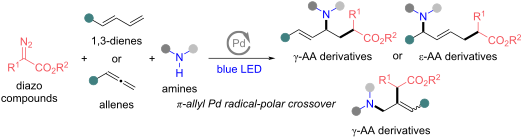
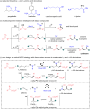
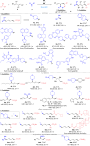
- temperature (rt), the desired unsaturated ε-AA derivative 4a was obtained in 75% isolated yield (Table 1, entry 1). Isolation and NMR analysis demonstrated that this model reaction provided amino acid 4a with good E-selectivity and excellent regioselectivity (E/Z = 91:9, 1,4-/1,2-addition >20:1). Control
- -substituted dienes 2b and 2c were suitable for this MCR, affording the 1,4-addition products 4l and 4m albeit with moderate regioselectivity (1,4-/1,2-addition = 2:1). To our delight, the reactions with 2,3-disubstituted diene 2d and 1,4-disubstituted diene 2e also readily provided products 4n and 4o. In the
- case of 1,3-cyclohexadiene 2e, the amine was expected to attack the π-allyl palladium from the exo side. Considering that substituent effects might affect the regioselectivity in this MCR, we further investigated the 1,4-/1,2-addition selectivity with 1-phenyl-substituted 1,3-dienes 2f–i. Interestingly

Graphical Abstract
Scheme 1: Background (a and b) and proposed carboamination MCR with diazo esters (c). a) Selected bioactive γ...
Scheme 2: Substrate scope of diazo compounds, 1,3-dienes and amines. aReactions (1/2/3/Pd(OAc)2/Xantphos = 0....

Scheme 3: Substrate scope of diazo compounds, allenes and amines. aReactions (1/5/3/Pd(OAc)2/Xantphos = 0.3.0...

Scheme 4: Mechanistic experiments. a) Radical trapping experiments with TEMPO. b) Exclusion of possible inter...

Scheme 5: Proposed mechanisms for the carboamination of 1,3-dienes or allenes with diazo esters and amines.

Scheme 6: Scale-up reactions and synthetic transformations. Reaction conditions: a) LiAlH4, THF, 0 °C; b) MeM...
Trifluoromethylated hydrazones and acylhydrazones as potent nitrogen-containing fluorinated building blocks
- Zhang Dongxu
Beilstein J. Org. Chem. 2023, 19, 1741–1754, doi:10.3762/bjoc.19.127
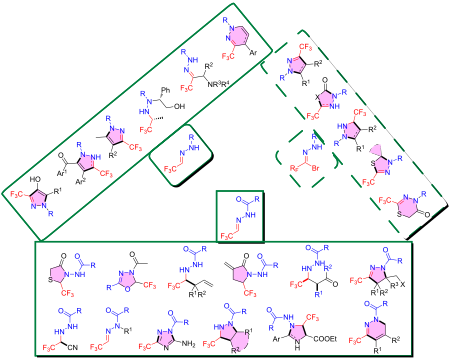
- -triazolines and their derivatives via tandem 1,2-addition/cyclization reactions between trifluoromethyl acylhydrazones and cyanamide [105] (Scheme 17b). Afterwards, Hu et al. developed a method for the N-arylation and N-alkylation of trifluoromethyl acylhydrazones with diaryliodonium salts and alkyl halides

Graphical Abstract

Scheme 1: Synthesis of trifluoromethylpyrazoles from trifluoroacetaldehyde hydrazones.

Scheme 2: Synthesis of polysubstituted pyrazolidines and pyrazolines.

Scheme 3: Asymmetric synthesis of 3-trifluoromethyl-1,4-dihydropyridazines reported by Rueping et al. [39].

Scheme 4: Synthesis of 3-trifluoromethyl-1,4-dihydropyridazine with Brønsted acid-assisted Lewis base catalys...

Scheme 5: Synthesis of CF3-pyrazoles and CF3-1,6-dihydropyridazines.

Scheme 6: Asymmetric reactions of trifluoromethylimines with organometallic reagents.

Scheme 7: Mannich-type reaction of trifluoroacetaldehyde hydrazones.

Scheme 8: Synthesis of trifluoromethylated hydrazonoyl halides.

Scheme 9: Early work of trifluoromethylated hydrazonoyl halides.

Scheme 10: [3 + 2]/[3 + 3] Cycloadditions of trifluoromethylated hydrazonoyl halides.

Scheme 11: Substrate scope for [3 + 2] cycloadditions with trifluoroacetonitrile imines reported by Jasiński’s...

Scheme 12: Synthesis of trifluoromethylated 1,2,4-triazole and 1,2,4-triazine derivatives.

Scheme 13: [3 + 2] Cycloadditions of difluoromethylated hydrazonoyl halides.

Scheme 14: Preparation and early applications of trifluoromethylated acylhydrazones.

Scheme 15: 1,2-Nucleophilic addition reactions of trifluoromethylated acylhydrazones.

Scheme 16: Cascade oxidation/cyclization reactions of trifluoromethylated homoallylic acylhydrazines.

Scheme 17: Synthesis of trifluoromethylated cyanohydrazines and 3-trifluoromethyl-1,2,4-triazolines.

Scheme 18: N-Arylation and N-alkylation of trifluoromethyl acylhydrazones.

Scheme 19: [3 + 2]-Cycladditions of trifluoromethyl acylhydrazones.
Aromatic C–H bond functionalization through organocatalyzed asymmetric intermolecular aza-Friedel–Crafts reaction: a recent update
- Anup Biswas
Beilstein J. Org. Chem. 2023, 19, 956–981, doi:10.3762/bjoc.19.72

- dehydration to generate isoxazolium cation 80 paired with a phosphate anion. This chiral phosphate is engaged in H-bonding with the free NH of the heteroarene ring to ease the stereoselective 1,2-addition to in situ generate the cationic heterocyclic scaffold 81. The reaction proceeded faster with pyrroles
- Brønsted acid to generate (N-acyl)(propargyl)imine 90 as intermediate which added to the deprotonated phosphoric acid to form phosphate ester 91 as the next intermediate through an equilibrium process. Then, 1,2-addition by the C3 position of the heteroarene ring to the acylimine intermediate afforded the

Graphical Abstract

Scheme 1: First organocatalyzed asymmetric aza-Friedel–Crafts reaction.

Scheme 2: Aza-Friedel–Crafts reaction between indoles and cyclic ketimines.

Scheme 3: Aza-Friedel–Crafts reaction utilizing trifluoromethyldihydrobenzoazepinoindoles as electrophiles.

Scheme 4: Aza-Friedel–Crafts reaction utilizing cyclic N-sulfimines as electrophiles.

Scheme 5: Aza-Friedel–Crafts reaction involving N-unprotected imino ester as electrophile.

Scheme 6: Aza-Friedel–Crafts and lactonization cascade.

Scheme 7: One-pot oxidation and aza-Friedel–Crafts reaction.

Scheme 8: C1 and C2-symmetric phosphoric acids as catalysts.

Scheme 9: Aza-Friedel–Crafts reaction using Nps-iminophosphonates as electrophiles.

Scheme 10: Aza-Friedel–Crafts reaction between indole and α-iminophosphonate.

Scheme 11: [2.2]-Paracyclophane-derived chiral phosphoric acids as catalyst.

Scheme 12: Aza-Friedel–Crafts reaction through ring opening of sulfamidates.

Scheme 13: Isoquinoline-1,3(2H,4H)-dione scaffolds as electrophiles.

Scheme 14: Functionalization of the carbocyclic ring of substituted indoles.

Scheme 15: Aza-Friedel–Crafts reaction between unprotected imines and aza-heterocycles.

Scheme 16: Anilines and α-naphthols as potential nucleophiles.

Scheme 17: Solvent-controlled regioselective aza-Friedel–Crafts reaction.
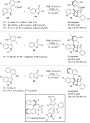
Scheme 18: Generating central and axial chirality via aza-Friedel–Crafts reaction.

Scheme 19: Reaction between indoles and racemic 2,3-dihydroisoxazol-3-ol derivatives.

Scheme 20: Exploiting 5-aminoisoxazoles as nucleophiles.

Scheme 21: Reaction between unsubstituted indoles and 3-alkynylated 3-hydroxy-1-oxoisoindolines.

Scheme 22: Synthesis of unnatural amino acids bearing an aza-quaternary stereocenter.

Scheme 23: Atroposelective aza-Friedel–Crafts reaction.

Scheme 24: Coupling of 5-aminopyrazole and 3H-indol-3-ones.

Scheme 25: Pyrophosphoric acid-catalyzed aza-Friedel–Crafts reaction on phenols.

Scheme 26: Squaramide-assisted aza-Friedel–Crafts reaction.

Scheme 27: Thiourea-catalyzed aza-Friedel–Crafts reaction.

Scheme 28: Squaramide-catalyzed reaction between β-naphthols and benzothiazolimines.

Scheme 29: Thiourea-catalyzed reaction between β-naphthol and isatin-derived ketamine.

Scheme 30: Quinine-derived molecule as catalyst.

Scheme 31: Cinchona alkaloid as catalyst.

Scheme 32: aza-Friedel–Crafts reaction by phase transfer catalyst.

Scheme 33: Disulfonamide-catalyzed reaction.

Scheme 34: Heterogenous thiourea-catalyzed aza-Friedel–Crafts reaction.

Scheme 35: Total synthesis of (+)-gracilamine.

Scheme 36: Total synthesis of (−)-fumimycin.
Enolates ambushed – asymmetric tandem conjugate addition and subsequent enolate trapping with conventional and less traditional electrophiles
- Péter Kisszékelyi and
- Radovan Šebesta
Beilstein J. Org. Chem. 2023, 19, 593–634, doi:10.3762/bjoc.19.44
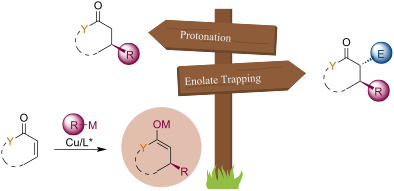
- diastereomers were detected (Scheme 9A). Furthermore, the authors have also demonstrated a four-component coupling reaction: by simply increasing the amount of the organolithium reagent (2.05 equiv) used for the activation of the Zn enolate, β-hydroxyketones 40 were gained via 1,2-addition of the zincate

Graphical Abstract

Scheme 1: General scheme depicting tandem reactions based on an asymmetric conjugate addition followed by an ...

Scheme 2: Cu-catalyzed tandem conjugate addition of R2Zn/aldol reaction with chiral acetals.

Scheme 3: Cu-catalyzed asymmetric desymmetrization of cyclopentene-1,3-diones using a tandem conjugate additi...

Scheme 4: Stereocontrolled assembly of dialkylzincs, cyclic enones, and sulfinylimines utilizing a Cu-catalyz...

Scheme 5: Cu-catalyzed tandem conjugate addition/Mannich reaction (A). Access to chiral isoindolinones and tr...

Scheme 6: Cu-catalyzed tandem conjugate addition/nitro-Mannich reaction (A) with syn–anti or syn–syn selectiv...

Figure 1: Various chiral ligands utilized for the tandem conjugate addition/Michael reaction sequences.
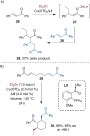
Scheme 7: Cu-catalyzed tandem conjugate addition/Michael reaction: side-product formation with chalcone (A) a...

Scheme 8: Zn enolate trapping using allyl iodides (A), Stork–Jung vinylsilane reagents (B), and allyl bromide...

Scheme 9: Cu-catalyzed tandem conjugate addition/acylation through Li R2Zn enolate (A). A four-component coup...

Scheme 10: Selected examples for the Cu-catalyzed tandem conjugate addition/trifluoromethylthiolation sequence....

Scheme 11: Zn enolates trapped by vinyloxiranes: synthesis of allylic alcohols.

Scheme 12: Stereoselective cyclopropanation of Mg enolates formed by ACA of Grignard reagents to chlorocrotona...

Scheme 13: Domino aldol reactions of Mg enolates formed from coumarin and chromone.

Scheme 14: Oxidative coupling of ACA-produced Mg enolates.

Scheme 15: Tandem ACA of Grignard reagents to enones and Mannich reaction.

Scheme 16: Diastereodivergent Mannich reaction of Mg enolates with differently N-protected imines.

Scheme 17: Tandem Grignard–ACA–Mannich using Taddol-based phosphine-phosphite ligands.

Scheme 18: Tandem reaction of Mg enolates with aminomethylating reagents.

Scheme 19: Tandem reaction composed of Grignard ACA to alkynyl enones.

Scheme 20: Rh/Cu-catalyzed tandem reaction of diazo enoates leading to cyclobutanes.

Scheme 21: Tandem Grignard-ACA of cyclopentenones and alkylation of enolates.

Scheme 22: Tandem ACA of Grignard reagents followed by enolate trapping reaction with onium compounds.

Scheme 23: Mg enolates generated from unsaturated lactones in reaction with activated alkenes.

Scheme 24: Lewis acid mediated ACA to amides and SN2 cyclization of a Br-appended enolate.

Scheme 25: Trapping reactions of aza-enolates with Michael acceptors.

Scheme 26: Si enolates generated by TMSOTf-mediated ACA of Grignard reagents and enolate trapping reaction wit...

Scheme 27: Trapping reactions of enolates generated from alkenyl heterocycles (A) and carboxylic acids (B) wit...

Scheme 28: Reactions of heterocyclic Mg enolates with onium compounds.

Scheme 29: Synthetic transformations of cycloheptatrienyl and benzodithiolyl substituents.

Scheme 30: Aminomethylation of Al enolates generated by ACA of trialkylaluminum reagents.

Scheme 31: Trapping reactions of enolates with activated alkenes.

Scheme 32: Alkynylation of racemic aluminum or magnesium enolates.

Scheme 33: Trapping reactions of Zr enolates generated by Cu-ACA of organozirconium reagents.

Scheme 34: Chloromethylation of Zr enolates using the Vilsmeier–Haack reagent.

Scheme 35: Tandem conjugate borylation with subsequent protonation or enolate trapping by an electrophile.

Scheme 36: Tandem conjugate borylation/aldol reaction of cyclohexenones.

Scheme 37: Selected examples for the tandem asymmetric borylation/intramolecular aldol reaction; synthesis of ...

Scheme 38: Cu-catalyzed tandem methylborylation of α,β-unsaturated phosphine oxide in the presence of (R,Sp)-J...

Scheme 39: Cu-catalyzed tandem transannular conjugated borylation/aldol cyclization of macrocycles containing ...

Scheme 40: Stereoselective tandem conjugate borylation/Mannich cyclization: selected examples (A) and a multi-...

Scheme 41: Some examples of Cu-catalyzed asymmetric tandem borylation/aldol cyclization (A). Application to di...

Scheme 42: Atropisomeric P,N-ligands used in tandem conjugate borylation/aldol cyclization sequence.

Scheme 43: Selected examples for the enantioselective Cu-catalyzed borylation/intramolecular Michael addition ...

Scheme 44: Selected examples for the preparation of enantioenriched spiroindanes using a Cu-catalyzed tandem c...
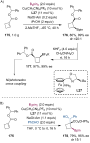
Scheme 45: Enantioselective conjugate borylation of cyclobutene-1-carboxylic acid diphenylmethyl ester 175 wit...

Scheme 46: Cu-catalyzed enantioselective tandem conjugate silylation of α,β-unsaturated ketones with subsequen...

Scheme 47: Cu-catalyzed enantioselective tandem conjugate silylation of α,β-unsaturated ketones with subsequen...
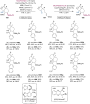
Scheme 48: Cu-catalyzed tandem conjugate silylation/aldol condensation. The diastereoselectivity is controlled...

Scheme 49: Chiral Ru-catalyzed three-component coupling reaction.

Scheme 50: Rh-Phebox complex-catalyzed reductive cyclization and subsequent reaction with Michael acceptors th...

Scheme 51: Rh-catalyzed tandem asymmetric conjugate alkynylation/aldol reaction (A) and subsequent spiro-cycli...

Scheme 52: Rh-bod complex-catalyzed tandem asymmetric conjugate arylation/intramolecular aldol addition (A). S...

Scheme 53: Co-catalyzed C–H-bond activation/asymmetric conjugate addition/aldol reaction.

Scheme 54: (Diisopinocampheyl)borane-promoted 1,4-hydroboration of α,β-unsaturated morpholine carboxamides and...

Figure 2: Some examples of total syntheses that have been recently reviewed.

Scheme 55: Stereoselective synthesis of antimalarial prodrug (+)-artemisinin utilizing a tandem conjugate addi...

Scheme 56: Amphilectane and serrulatane diterpenoids: preparation of chiral starting material via asymmetric t...

Scheme 57: Various asymmetric syntheses of pleuromutilin and related compounds based on a tandem conjugate add...
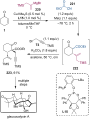
Scheme 58: Total synthesis of glaucocalyxin A utilizing a tandem conjugate addition/acylation reaction sequenc...
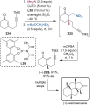
Scheme 59: Installation of the exocyclic double bond using a tandem conjugate addition/aminomethylation sequen...
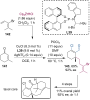
Scheme 60: Synthesis of the taxol core using a tandem conjugate addition/enolate trapping sequence with Vilsme...
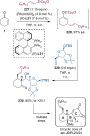
Scheme 61: Synthesis of the tricyclic core of 12-epi-JBIR-23/24 utilizing a Rh-catalyzed asymmetric conjugate ...
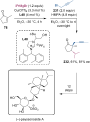
Scheme 62: Total synthesis of (−)-peyssonoside A utilizing a Cu-catalyzed enantioselective tandem conjugate ad...
Synthetic study toward tridachiapyrone B
- Morgan Cormier,
- Florian Hernvann and
- Michaël De Paolis
Beilstein J. Org. Chem. 2022, 18, 1741–1748, doi:10.3762/bjoc.18.183
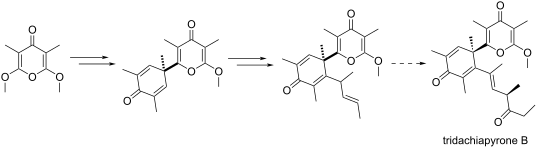
- oxidative anionic oxy-Cope rearrangement of the tertiary alcohol arising from the 1,2-addition of a 1,3-dimethylallyl reagent to 2,5-cyclohexadienone connected to the α’-methoxy-γ-pyrone motif. Keywords: α’-methoxy-γ-pyrone; 2,5-cyclohexadienone; oxy-Cope; quaternary carbon; Robinson-type annulation
- was not the case, the process was poorly reproducible. On the other hand, the 1,2-addition of Grignard reagents to 5 was observed, providing thus an alternative way of grafting a side chain. As summarized in Scheme 7a, this was envisaged through a sequence encompassing the 1,2-addition of the 1,3
- 1,2-addition of a rather hindered nucleophile to a carbonyl electrophile with low reactivity. Precedents were noted though, as Carreira used this strategy for the synthesis of indoxamycine B exploiting the reactivity of 1,3-dimethylallyltitanocene species [39]. The 1,2-addition of various

Graphical Abstract

Scheme 1: Routes to crispatene, photodeoxytridachione, aureothin, and tridachiapyrone B.

Scheme 2: Desymmetrization of 2.

Scheme 3: Addition of lithiocyclopentadiene to pyrone 2.

Scheme 4: Plan to reach 2,5-cyclohexadienone 5.

Scheme 5: Preparation of 2,5-cyclohexadienone 5.

Scheme 6: Attempts to perform the conjugate addition.

Scheme 7: Updated route to tridachiapyrone B.
A recent overview on the synthesis of 1,4,5-trisubstituted 1,2,3-triazoles
- Pezhman Shiri,
- Ali Mohammad Amani and
- Thomas Mayer-Gall
Beilstein J. Org. Chem. 2021, 17, 1600–1628, doi:10.3762/bjoc.17.114
- process displayed good regioselectivity (Scheme 10) [23]. The authors proposed that the reaction may proceed through the mechanism illustrated in Scheme 11. Initially, EDAM 24 is treated with an azide source and subsequently, the intermediate 26 is formed through 1,2-addition reaction. The intermediate 26
Graphical Abstract

Figure 1: Some significant triazole derivatives [8,23-27].
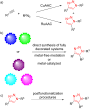
Scheme 1: A general comparison between synthetic routes for disubstituted 1,2,3-triazole derivatives and full...

Scheme 2: Synthesis of formyltriazoles 3 from the treatment of α-bromoacroleins 1 with azides 2.

Scheme 3: A probable mechanism for the synthesis of formyltriazoles 5 from the treatment of α-bromoacroleins 1...

Scheme 4: Synthesis of 1,4,5-trisubstituted 1,2,3-triazoles 8 from the reaction of aryl azides 7 with enamino...
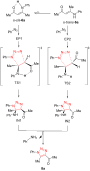
Scheme 5: Proposed mechanism for the synthesis of 1,4,5-trisubstituted 1,2,3-triazoles from the reaction of a...

Scheme 6: Synthesis of 1,4,5-trisubstituted 1,2,3-triazoles 11 from the reaction of primary amines 10 with 1,...

Scheme 7: The proposed mechanism for the synthesis of 1,4,5-trisubstituted 1,2,3-triazoles 11 from the reacti...

Scheme 8: Synthesis of fully decorated 1,2,3-triazoles 19 containing a sulfur-based side chain.

Scheme 9: Mechanism for the formation of fully decorated 1,2,3-triazoles 19 containing a sulfur-based side ch...

Scheme 10: Synthesis of fully decorated 1,2,3-triazole compounds 25 through the regioselective addition and cy...

Scheme 11: A reasonable mechanism for the synthesis of fully decorated 1,2,3-triazole compounds 25 through the...
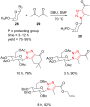
Scheme 12: Synthesis of 1,4,5-trisubstituted glycosyl-containing 1,2,3-triazole derivatives 30 from the reacti...

Scheme 13: Synthesis of 1,4,5-trisubstituted 1,2,3-triazoles 34 via intramolecular cyclization reaction of ket...

Scheme 14: Synthesis of fully decorated 1,2,3-triazoles 38 from the reaction of aldehydes 35, amines 36, and α...

Scheme 15: A reasonable mechanism for the synthesis of fully decorated 1,2,3-triazoles 38 from the reaction of...
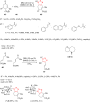
Scheme 16: Synthesis of functionally rich double C- and N-vinylated 1,2,3-triazoles 45 and 47.

Scheme 17: Synthesis of disubstituted 4-chloro-, 4-bromo-, and 4-iodo-1,2,3-triazoles 50.

Scheme 18: a) A general route for SPAAC in polymer chemistry and b) synthesis of a novel pH-sensitive polymeri...

Scheme 19: Synthesis of 5-allenyl-1,2,3-triazoles 60 by the treatment of alkynes 57, azides 58, and propargyli...

Scheme 20: A reasonable mechanism for the synthesis of 5-allenyl-1,2,3-triazoles 60 by the treatment of alkyne...

Scheme 21: Synthesis of 5‐alkynyl-1,2,3-triazoles 69.

Scheme 22: A reasonable mechanism for the synthesis of 5‐alkynyl-1,2,3-triazoles 69.
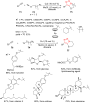
Scheme 23: Synthesis of sulfur-cycle-fused 1,2,3-triazoles 75 and 77.

Scheme 24: A reasonable mechanism for the synthesis of sulfur-cycle-fused 1,2,3‐triazoles 75 and 77.

Scheme 25: Synthesis of 5-selanyltriazoles 85 from the reaction of ethynylstibanes 82, organic azides 83, and ...

Scheme 26: A mechanism for the synthesis of 5-selanyltriazoles 85 from the reaction of ethynylstibanes 82, org...

Scheme 27: Synthesis of trisubstituted triazoles containing an Sb substituent at position C5 in 93 and 5-unsub...

Scheme 28: Synthesis of asymmetric triazole disulfides 98 from disulfide-containing tert-butyltosyl disulfide 97...

Scheme 29: A mechanism for the synthesis of asymmetric triazole disulfides 98 from disulfide-containing tert-bu...

Scheme 30: Synthesis of triazole-fused sultams 104.

Scheme 31: Synthesis of 1,2,3-triazole-fused tricyclic heterocycles 106.

Scheme 32: A reasonable mechanism for the synthesis of 1,2,3-triazole-fused tricyclic heterocycles 106.

Scheme 33: Synthesis of 5-aryl-substituted 1,2,3-triazole derivatives 112.

Scheme 34: A reasonable mechanism for the synthesis of 5-aryl-substituted 1,2,3-triazole derivatives 112.

Scheme 35: Synthesis of 1,4,5-trisubstituted 1,2,3-triazole-5-carboxamides 119.

Scheme 36: A probable mechanism for the synthesis of 1,4,5-trisubstituted 1,2,3-triazole-5-carboxamides 119.

Scheme 37: Synthesis of fully decorated triazoles 125 via the Pd/C-catalyzed arylation of disubstituted triazo...

Scheme 38: Synthesis of triazolo[1,5-a]indolones 131.
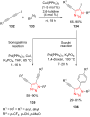
Scheme 39: Synthesis of unsymmetrically substituted triazole-fused enediyne systems 135 and 5-aryl-4-ethynyltr...

Scheme 40: Synthesis of Pd/Cu-BNP 139 and application of 139 in the synthesis of polycyclic triazoles 142.

Scheme 41: A probable mechanism for the synthesis of polycyclic triazoles 142.

Scheme 42: Synthesis of highly functionalized 1,2,3-triazole-fused 5-, 6-, and 7-membered rings 152–154.

Scheme 43: A probable mechanism for the synthesis of highly functionalized 1,2,3-triazole-fused 5-, 6-, and 7-...

Scheme 44: Synthesis of fully functionalized 1,2,3-triazolo-fused chromenes 162, 164, and 166 via the intramol...

Scheme 45: Ru-catalyzed synthesis of fully decorated triazoles 172.

Scheme 46: Synthesis of 4-cyano-1,2,3-triazoles 175.

Scheme 47: Synthesis of functionalized triazoles from the reaction of 1-alkyltriazenes 176 and azides 177 and ...
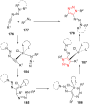
Scheme 48: Mechanism for the synthesis of functionalized triazoles from the reaction of 1-alkyltriazenes 176 a...
N-tert-Butanesulfinyl imines in the asymmetric synthesis of nitrogen-containing heterocycles
- Joseane A. Mendes,
- Paulo R. R. Costa,
- Miguel Yus,
- Francisco Foubelo and
- Camilla D. Buarque
Beilstein J. Org. Chem. 2021, 17, 1096–1140, doi:10.3762/bjoc.17.86

- solvent, metal and additives in 1,2-addition reactions to N-tert-butanesulfinyl imines of organometallic compounds, different transition models have been proposed to explain the stereochemical outcomes. The cyclic model justified by the Zimmermann–Traxler transition state [40][41][42] is the typical

Graphical Abstract

Scheme 1: General strategy for the enantioselective synthesis of N-containing heterocycles from N-tert-butane...

Scheme 2: Methodologies for condensation of aldehydes and ketones with tert-butanesulfinamides (1).

Scheme 3: Transition models for cis-aziridines and trans-aziridines.

Scheme 4: Mechanism for the reduction of N-tert-butanesulfinyl imines.

Scheme 5: Transition models for the addition of organomagnesium and organolithium compounds to N-tert-butanes...

Scheme 6: Synthesis of 2,2-dibromoaziridines 15 from aldimines 14 and bromoform, and proposed non-chelation-c...

Scheme 7: Diastereoselective synthesis of aziridines from tert-butanesulfinyl imines.

Scheme 8: Synthesis of vinylaziridines 22 from aldimines 14 and 1,3-dibromopropene 23, and proposed chelation...

Scheme 9: Synthesis of vinylaziridines 27 from aldimines 14 and α-bromoesters 26, and proposed transition sta...

Scheme 10: Synthesis of 2-chloroaziridines 28 from aldimines 14 and dichloromethane, and proposed transition s...

Scheme 11: Synthesis of cis-vinylaziridines 30 and 31 from aldimines 14 and bromomethylbutenolide 29.

Scheme 12: Synthesis of 2-chloro-2-aroylaziridines 36 and 32 from aldimines 14, arylnitriles 34, and silyldich...

Scheme 13: Synthesis of trifluoromethylaziridines 39 and proposed transition state of the aziridination.

Scheme 14: Synthesis of aziridines 42 and proposed state transition.

Scheme 15: Synthesis of 1-substituted 2-azaspiro[3.3]heptanes, 1-phenyl-2-azaspiro[3.4]octane and 1-phenyl-2-a...

Scheme 16: Synthesis of 1-substituted 2,6-diazaspiro[3.3]heptanes 48 from chiral imines 14 and 1-Boc-azetidine...

Scheme 17: Synthesis of β-lactams 52 from chiral imines 14 and dimethyl malonate (49).

Scheme 18: Synthesis of spiro-β-lactam 57 from chiral (RS)-N-tert-butanesulfinyl isatin ketimine 53 and ethyl ...

Scheme 19: Synthesis of β-lactam 60, a precursor of (−)-batzelladine D (61) and (−)-13-epi-batzelladine D (62)...

Scheme 20: Rhodium-catalyzed asymmetric synthesis of 3-substituted pyrrolidines 66 from chiral imine (RS)-63 a...

Scheme 21: Asymmetric synthesis of 1,3-disubstituted isoindolines 69 and 70 from chiral imine 67.

Scheme 22: Asymmetric synthesis of cis-2,5-disubstituted pyrrolidines 73 from chiral imine (RS)-71.

Scheme 23: Asymmetric synthesis of 3-hydroxy-5-substituted pyrrolidin-2-ones 77 from chiral imine (RS)-74.

Scheme 24: Asymmetric synthesis of 4-hydroxy-5-substituted pyrrolidin-2-ones 80 from chiral imines 79.

Scheme 25: Asymmetric synthesis of 3-pyrrolines 82 from chiral imines 14 and ethyl 4-bromocrotonate (81).

Scheme 26: Asymmetric synthesis of γ-amino esters 84, and tetramic acid derivative 86 from chiral imines (RS)-...

Scheme 27: Asymmetric synthesis of α-methylene-γ-butyrolactams 90 from chiral imines (Z,SS)-87 and ethyl 2-bro...

Scheme 28: Asymmetric synthesis of methylenepyrrolidines 92 from chiral imines (RS)-14 and 2-(trimethysilylmet...

Scheme 29: Synthesis of dibenzoazaspirodecanes from cyclic N-tert-butanesulfinyl imines.

Scheme 30: Stereoselective synthesis of cyclopenta[c]proline derivatives 103 from β,γ-unsaturated α-amino acid...

Scheme 31: Stereoselective synthesis of alkaloids (−)-angustureine (107) and (−)-cuspareine (108).

Scheme 32: Stereoselective synthesis of alkaloids (−)-pelletierine (112) and (+)-coniine (117).

Scheme 33: Synthesis of piperidine alkaloids (+)-dihydropinidine (122a), (+)-isosolenopsin (122b) and (+)-isos...

Scheme 34: Stereoselective synthesis of the alkaloids(+)-sedamine (125) from chiral imine (SS)-119.

Scheme 35: Stereoselective synthesis of trans-5-hydroxy-6-substituted-2-piperidinones 127 and 129 from chiral ...

Scheme 36: Stereoselective synthesis of trans-5-hydroxy-6-substituted ethanone-2-piperidinones 132 from chiral...

Scheme 37: Stereoselective synthesis of trans-3-benzyl-5-hydroxy-6-substituted-2-piperidinones 136 from chiral...

Scheme 38: Stereoselective synthesis of trans-5-hydroxy-6-substituted 2-piperidinones 139 from chiral imine 138...

Scheme 39: Stereoselective synthesis of ʟ-hydroxypipecolic acid 145 from chiral imine 144.

Scheme 40: Synthesis of 1-substituted isoquinolones 147, 149 and 151.

Scheme 41: Stereoselective synthesis of 3-substituted dihydrobenzo[de]isoquinolinones 154.

Scheme 42: Enantioselective synthesis of alkaloids (S)-1-benzyl-6,7-dimethoxy-1,2,3,4-tetrahydroisoquinoline (...

Scheme 43: Enantioselective synthesis of alkaloids (−)-cermizine B (171) and (+)-serratezomine E (172) develop...

Scheme 44: Stereoselective synthesis of (+)-isosolepnosin (177) and (+)-solepnosin (178) from homoallylamine d...

Scheme 45: Stereoselective synthesis of tetrahydroquinoline derivatives 184, 185 and 187 from chiral imines (RS...

Scheme 46: Stereoselective synthesis of pyridobenzofuran and pyridoindole derivatives 193 from homopropargylam...

Scheme 47: Stereoselective synthesis of 2-substituted 1,2,5,6-tetrahydropyridines 196 from chiral imines (RS)-...

Scheme 48: Stereoselective synthesis of 2-substituted trans-2,6-disubstituted piperidine 199 from chiral imine...

Scheme 49: Stereoselective synthesis of cis-2,6-disubstituted piperidines 200, and alkaloid (+)-241D, from chi...

Scheme 50: Stereoselective synthesis of 6-substituted piperidines-2,5-diones 206 and 1,7-diazaspiro[4.5]decane...

Scheme 51: Stereoselective synthesis of spirocyclic oxindoles 210 from chiral imines (RS)-53.

Scheme 52: Stereoselective synthesis of azaspiro compound 213 from chiral imine 211.

Scheme 53: Stereoselective synthesis of tetrahydroisoquinoline derivatives from chiral imines (RS)-214.

Scheme 54: Stereoselective synthesis of (−)-crispine A 223 from chiral imine (RS)-214.

Scheme 55: Synthesis of (−)-harmicine (228) using tert-butanesulfinamide through haloamide cyclization.

Scheme 56: Stereoselective synthesis of tetraponerines T1–T8.

Scheme 57: Stereoselective synthesis of phenanthroindolizidines 246a and (−)-tylophorine (246b), and phenanthr...

Scheme 58: Stereoselective synthesis of indoline, tetrahydroquinoline and tetrahydrobenzazepine derivatives 253...

Scheme 59: Stereoselective synthesis of (+)-epohelmin A (258) and (+)-epohelmin B (260) from aldimine (RS)-79.

Scheme 60: Stereoselective synthesis of (−)-epiquinamide (266) from chiral aldimine (SS)-261.

Scheme 61: Synthesis synthesis of (–)-hippodamine (273) and (+)-epi-hippodamine (272) using chiral sulfinyl am...

Scheme 62: Stereoselective synthesis of (+)-grandisine D (279) and (+)-amabiline (283).

Scheme 63: Stereoselective synthesis of (−)-epiquinamide (266) and (+)-swaisonine (291) from aldimine (SS)-126....

Scheme 64: Stereoselective synthesis of (+)-C(9a)-epi-epiquinamide (294).

Scheme 65: Stereoselective synthesis of (+)-lasubine II (298) from chiral aldimine (SS)-109.

Scheme 66: Stereoselective synthesis of (−)-epimyrtine (300a) and (−)-lasubine II (ent-302) from β-amino keton...

Scheme 67: Stereoselective synthesis of (−)-tabersonine (310), (−)-vincadifformine (311), and (−)-aspidospermi...

Scheme 68: Stereoselective synthesis of (+)-epohelmin A (258) and (+)-epohelmin B (260) from aldehyde 313 and ...

Scheme 69: Total synthesis of (+)-lysergic acid (323) from N-tert-butanesulfinamide (RS)-1.
Synthetic approaches to bowl-shaped π-conjugated sumanene and its congeners
- Shakeel Alvi and
- Rashid Ali
Beilstein J. Org. Chem. 2020, 16, 2212–2259, doi:10.3762/bjoc.16.186

- parent sumanene (2). Later on, they transformed trione 40 into the corresponding exo-trimethyl derivative 44 by means of a Grignard reaction with MeMgBr via 1,2-addition (Scheme 7). The imination of monoketosumanene 38 as well as triketosumanene 40 has also been reported by these authors to obtain the

Graphical Abstract
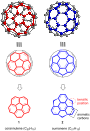
Figure 1: Representation of corannulene (1) and sumanene (2), the subunits of fullerene (C60).

Scheme 1: Mehta’s unsuccessful effort for the synthesis of sumanene scaffold 2.

Scheme 2: First synthesis of sumanene 2 by Sakurai et al. from norbornadiene 10.

Scheme 3: Synthesis of trimethylsumanene 28 from easily accessible norbornadiene (10).

Scheme 4: Generation of anions 29–31 and the preparation of tris(trimethylsilyl)sumanene 32.

Scheme 5: Synthesis of tri- and hexa-substituted sumanene derivatives.

Scheme 6: Synthesis of bowl-shaped π-extended sumanene derivatives 37a–f.

Scheme 7: Synthesis of monooxasumanene 38, trioxosumanene 40 along with imination of them.

Scheme 8: Synthesis of trimethylsumanenetrione 46 and exo-functionalized products 45a,b.

Scheme 9: Synthesis of bisumanenylidene 47 and sumanene dimer 48 from 2.

Scheme 10: The mono-substitution of 2 to generate diverse mono-sumanene derivatives 49a–d.

Scheme 11: Synthesis of sumanene building block 53 useful for further extension.

Scheme 12: Synthesis of hexafluorosumanene derivative 55 by Sakurai and co-workers.

Scheme 13: Preparation of sumanene-based carbene 60 and its reaction with cyclohexane.

Scheme 14: Barton–Kellogg reaction for the synthesis of sterically hindered alkenes.

Scheme 15: Synthesis of hydroxysumanene 68 by employing Baeyer–Villiger oxidation.

Scheme 16: Synthesis of sumanene derivatives having functionality at an internal carbon.

Scheme 17: Mechanism for nucleophilic substitution reaction at the internal carbon.

Scheme 18: Synthesis of diverse monosubstituted sumanene derivatives.
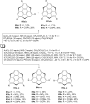
Scheme 19: Synthesis of di- and trisubstituted sumanene derivatives from sumanene (2).

Scheme 20: Preparation of monochlorosumanene 88 and hydrogenation of sumanene (2).

Scheme 21: The dimer 90 and bissumanenyl 92 achieved from halosumannes.

Scheme 22: Pyrenylsumanene 93 involving the Suzuki-coupling as a key transformation.
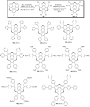
Scheme 23: Synthesis of various hexaarylsumanene derivatives using the Suzuki-coupling reaction.

Scheme 24: Synthesis of hexasubstituted sumanene derivatives 96 and 97.

Scheme 25: Synthesis of thioalkylsumanenes via an aromatic nucleophilic substitution reaction.

Scheme 26: Synthesis of tris(ethoxycarbonylethenyl)sumanene derivative 108.
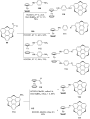
Scheme 27: Synthesis of ferrocenyl-based sumanene derivatives.

Scheme 28: Synthesis of sumanenylferrocene architectures 118 and 119 via Negishi coupling.

Scheme 29: Diosmylation and the synthesis of phenylboronate ester 121 of sumanene.

Scheme 30: Synthesis of the iron-complex of sumanene.

Scheme 31: Synthesis of tri- and mononuclear sumanenyl zirconocene complexes.

Scheme 32: Synthesis of [CpRu(η6-sumanene)]PF6.

Scheme 33: Preparation of sumanene-based porous coordination networks 127 (spherical tetramer units) and 128 (...

Scheme 34: Synthesis of sumanenylhafnocene complexes 129 and 130.

Scheme 35: Synthesis of 134 and 135 along with PdII coordination complex 136.

Scheme 36: Synthesis of alkali metals sumanene complex K7(C21H102−)2(C21H93−)·8THF (137) containing di- and tr...

Scheme 37: The encapsulation of a Cs+ ion between two sumanenyl anions.

Scheme 38: Synthesis of monothiasumanene 140 and dithiasumanene 141 from 139.

Scheme 39: Synthesis of trithiasumanene 151 by Otsubo and his co-workers.

Scheme 40: Synthesis of trithiasumanene derivatives 155 and 156.

Scheme 41: Synthetic route towards hexathiolated trithiasumanenes 158.

Scheme 42: Synthesis of triselenasumanene 160 by Shao and teammates.

Scheme 43: Synthesis of tritellurasumanene derivatives from triphenylene skeletons.
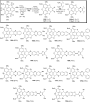
Scheme 44: Synthesis of pyrazine-fused sumanene architectures through condensation reaction.

Scheme 45: Treatment of the trichalcogenasumanenes with diverse oxidative reagents.

Scheme 46: Ring-opening reaction with H2O2 and oxone of heterasumanenes 178 and 179.

Scheme 47: Synthesis of polycyclic compounds from sumanene derivatives.

Scheme 48: Synthesis of diimide-based heterocycles reported by Shao’s and co-workers.

Scheme 49: Synthesis of pristine trichalcogenasumanenes, 151, 205, and 206.

Scheme 50: Synthesis of trichalcogenasumanenes via hexaiodotriphenylene precursor 208.

Scheme 51: Synthesis of trisilasumanenes 214 and 215.

Scheme 52: Synthesis of trisilasumanene derivatives 218 and 219.

Scheme 53: Synthesis of novel trigermasumanene derivative 223.

Scheme 54: An attempt towards the synthesis of tristannasumanene derivative 228.

Scheme 55: Synthesis of triphosphasumanene trisulfide 232 from commercially available 229.

Scheme 56: The doping of sumanene derivatives with chalcogens (S, Se, Te) and phosphorus.

Scheme 57: Synthesis of heterasumanene containing three different heteroatoms.

Scheme 58: Synthesis of trichalcogenasumanene derivatives 240 and 179.

Scheme 59: Preparation of trichalcogenasumanenes 245 and 248.

Scheme 60: Design and synthesis of trichalcogenasumanene derivatives 252 and 178.

Scheme 61: Synthesis of spirosumanenes 264–269 and non-spiroheterasumanenes 258–263.

Scheme 62: Synthesis of sumanene-type hetero polycyclic compounds.

Scheme 63: Synthesis of triazasumanenes 288 and its sulfone congener 287.

Scheme 64: Synthesis of C3-symmetric chiral triaryltriazasumanenes via cross-coupling reaction.

Scheme 65: Synthesis of mononaphthosumanene 293 using Suzuki coupling as a key step.

Scheme 66: Synthesis of di- and trinaphthosumanene derivatives 302–304.

Scheme 67: Synthesis of hemifullerene skeletons by Hirao’s group.

Scheme 68: Design and construction of C70 fragment from a C60 sumanene fragment.
Tuneable access to indole, indolone, and cinnoline derivatives from a common 1,4-diketone Michael acceptor
- Dalel El-Marrouki,
- Sabrina Touchet,
- Abderrahmen Abdelli,
- Hédi M’Rabet,
- Mohamed Lotfi Efrit and
- Philippe C. Gros
Beilstein J. Org. Chem. 2020, 16, 1722–1731, doi:10.3762/bjoc.16.144
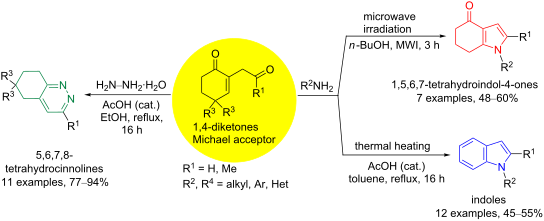
- % yield. We assume that the tertiary amine would interact with the protonated intermediate, and thus promoting the 1,2-addition (Scheme 6). However, for the pyridine substituent (compounds 6k and 6l), another intermediate may be involved as the shape of this diamine does not allow enough flexibility to
- , only the indolone derivative is obtained in those conditions as well (compound 7i, Scheme 7). Based on these results, we found it important to check whether the indole 6b resulted from a 1,2-addition and not from a degradation of the indolone 7b. For this purpose, the indolone 7b was refluxed overnight
- with acetic acid in toluene, under these conditions producing mainly the indole (Table 1, entry 5). The indolone 7b was found unchanged, with no trace of the indole 6b being detected (see Supporting Information File 1, chapter I), indicating that the indole was formed intramolecularly by a 1,2-addition

Graphical Abstract

Figure 1: Examples of bioactive nitrogen-containing heterocycles (indole [9], indolone [10], and cinnoline [11] derivati...

Scheme 1: General strategy to access indole, indolone, and cinnoline derivatives from 1,4-diketones.
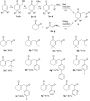
Scheme 2: Synthesis of the 1,4-diketones 5a–k via the Nef reaction or the Wittig reaction. i) HCHO (aq), DMAP...

Scheme 3: Mechanism of the formation of indole and indolone derivatives.

Scheme 4: Synthesis of the indoles 6a–f and the corresponding side product indolones 7a–f.

Scheme 5: Reaction of 5b with a diamine.

Scheme 6: Synthesis of the indoles 6h–l.

Scheme 7: Synthesis of the indolone derivatives 7b, 7d, and 7g–k.

Scheme 8: Synthesis of the cinnoline derivatives 8a–k.

Scheme 9: Proposed mechanism for the preparation of the compounds 6, 7, and 8.
In silico rationalisation of selectivity and reactivity in Pd-catalysed C–H activation reactions
- Liwei Cao,
- Mikhail Kabeshov,
- Steven V. Ley and
- Alexei A. Lapkin
Beilstein J. Org. Chem. 2020, 16, 1465–1475, doi:10.3762/bjoc.16.122
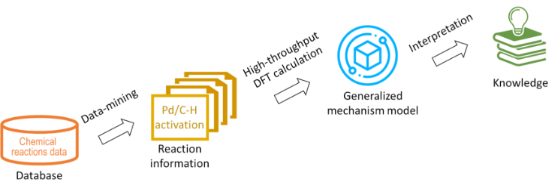
- , explaining the experimental observations for C–H activation reactions, depending on the nature of a ligand (Ln) and transition metal (M) in the catalytically active species (LnM). These mechanisms include four elementary steps: oxidative addition, σ-bond metathesis, electrophilic substitution and 1,2
- -addition, respectively [15]. Even though the mechanisms are inherently different, three most important aspects should be primarily taken into account when classifying and rationalising C–H activation reactions: the proximity of C–H bond to the transition metal; the energy of C–H bond cleavage within the

Graphical Abstract

Figure 1: An approximate energy map for the electrophilic aromatic substitution mechanism.

Scheme 1: Schematic representation of the two mechanisms of Pd-catalysed C–H activation reaction considered i...
Copper-catalysed alkylation of heterocyclic acceptors with organometallic reagents
- Yafei Guo and
- Syuzanna R. Harutyunyan
Beilstein J. Org. Chem. 2020, 16, 1006–1021, doi:10.3762/bjoc.16.90
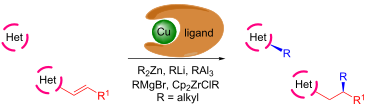
- aluminium reagents and commercial alkylaluminium reagents were examined in this methodology, providing the corresponding products with a moderate yield but high enantioselectivity (Scheme 2B). In 2009, Feringa and co-workers presented the first highly enantioselective 1,2-addition of dialkylzinc reagents to

Graphical Abstract
Scheme 1: Copper-catalysed ACA of organometallics to piperidones. A) addition of organozinc reagents; B) addi...

Scheme 2: Copper-catalysed ACA of alkenylalanes to N-substituted-2,3-dehydro-4-piperidones.

Scheme 3: Copper-catalysed asymmetric addition of dialkylzinc reagents to N-acyl-4-methoxypyridinium salts fo...

Scheme 4: Copper-catalysed ACA of organozirconium reagents to N-substituted 2,3-dehydro-4-piperidones and lac...

Scheme 5: Copper-catalysed ACA of Grignard reagents to chromones and coumarins and further derivatisation of ...

Scheme 6: Copper-catalysed ACA of Grignard reagents to N-protected quinolones.

Scheme 7: Copper-catalysed ACAs of organometallics to conjugated unsaturated lactams.

Scheme 8: Copper-catalysed ACA of Et2Zn to 5,6-dihydro-2-pyranone.

Scheme 9: Copper-catalysed ACA of Grignard reagents to pyranone and 5,6-dihydro-2-pyranone.

Scheme 10: Copper-catalysed AAA of an organozirconium reagent to heterocyclic acceptors.

Scheme 11: Copper-catalysed ring opening of an oxygen-bridged substrate with trialkylaluminium reagents.

Scheme 12: Copper-catalysed ring opening of oxabicyclic substrates with organolithium reagents (selected examp...

Scheme 13: Copper-catalysed ring opening of polycyclic meso hydrazines.

Scheme 14: Copper-catalysed ACA of Grignard reagents to alkenyl-substituted aromatic N-heterocycles.

Scheme 15: Copper-catalysed ACA of Grignard reagents to β-substituted alkenylpyridines.

Scheme 16: Copper-catalysed ACA of organozinc reagents to alkylidene Meldrum’s acids.
Recent advances in Cu-catalyzed C(sp3)–Si and C(sp3)–B bond formation
- Balaram S. Takale,
- Ruchita R. Thakore,
- Elham Etemadi-Davan and
- Bruce H. Lipshutz
Beilstein J. Org. Chem. 2020, 16, 691–737, doi:10.3762/bjoc.16.67
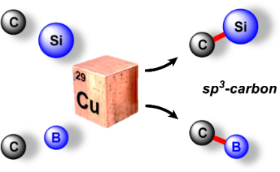
- 46). The product featuring the PhMe2Si residue at the β-location 287, however, arises by way of a 1,2-addition to an imine, formed from the same Pd(II) intermediate via elimination [84]. Oestrich and co-workers have recently demonstrated non-directed, asymmetric syn-addition-silylations of 3,3
- an appropriate electrophile led to C–C bond formation, ultimately delivering chiral tertiary alcohols. Mechanistic studies and DFT calculations showed that an in situ-formed borylcopper(I) species is responsible for the 1,2-addition (Scheme 73) [136]. C,O-Diboration of ketones 464 was explored using

Graphical Abstract

Scheme 1: Pharmaceuticals possessing a silicon or boron atom.

Scheme 2: The first Cu-catalyzed C(sp3)–Si bond formation.

Scheme 3: Conversion of benzylic phosphate 6 to the corresponding silane.

Scheme 4: Conversion of alkyl triflates to alkylsilanes.

Scheme 5: Conversion of secondary alkyl triflates to alkylsilanes.

Scheme 6: Conversion of alkyl iodides to alkylsilanes.

Scheme 7: Trapping of intermediate radical through cascade reaction.

Scheme 8: Radical pathway for conversion of alkyl iodides to alkylsilanes.

Scheme 9: Conversion of alkyl ester of N-hydroxyphthalimide to alkylsilanes.

Scheme 10: Conversion of gem-dibromides to bis-silylalkanes.

Scheme 11: Conversion of imines to α-silylated amines (A) and the reaction pathway (B).

Scheme 12: Conversion of N-tosylimines to α-silylated amines.

Scheme 13: Screening of diamine ligands.

Scheme 14: Conversion of N-tert-butylsulfonylimines to α-silylated amines.

Scheme 15: Conversion of aldimines to nonracemic α-silylated amines.

Scheme 16: Conversion of N-tosylimines to α-silylated amines.

Scheme 17: Reaction pathway [A] and conversion of aldehydes to α-silylated alcohols [B].

Scheme 18: Conversion of aldehydes to benzhydryl silyl ethers.

Scheme 19: Conversion of ketones to 1,2-diols (A) and conversion of imines to 1,2-amino alcohols (B).

Scheme 20: Ligand screening (A) and conversion of aldehydes to α-silylated alcohols (B).

Scheme 21: Conversion of aldehydes to α-silylated alcohols.

Scheme 22: 1,4-Additions to α,β-unsaturated ketones.

Scheme 23: 1,4-Additions to unsaturated ketones to give β-silylated derivatives.

Scheme 24: Additions onto α,β-unsaturated lactones to give β-silylated lactones.

Scheme 25: Conversion of α,β-unsaturated to β-silylated lactams.

Scheme 26: Conversion of N-arylacrylamides to silylated oxindoles.

Scheme 27: Conversion of α,β-unsaturated carbonyl compounds to silylated tert-butylperoxides.

Scheme 28: Catalytic cycle for Cu(I) catalyzed α,β-unsaturated compounds.

Scheme 29: Conversion of p-quinone methides to benzylic silanes.

Scheme 30: Conversion of α,β-unsaturated ketimines to regio- and stereocontrolled allylic silanes.

Scheme 31: Conversion of α,β-unsaturated ketimines to enantioenriched allylic silanes.

Scheme 32: Regioselective conversion of dienedioates to allylic silanes.

Scheme 33: Conversion of alkenyl-substituted azaarenes to β-silylated adducts.

Scheme 34: Conversion of conjugated benzoxazoles to enantioenriched β-silylated adducts.

Scheme 35: Conversion of α,β-unsaturated carbonyl indoles to α-silylated N-alkylated indoles.

Scheme 36: Conversion of β-amidoacrylates to α-aminosilanes.

Scheme 37: Conversion of α,β-unsaturated ketones to enantioenriched β-silylated ketones, nitriles, and nitro d...

Scheme 38: Regio-divergent silacarboxylation of allenes.

Scheme 39: Silylation of diazocarbonyl compounds, (A) asymmetric and (B) racemic.

Scheme 40: Enantioselective hydrosilylation of alkenes.

Scheme 41: Conversion of 3-acylindoles to indolino-silanes.

Scheme 42: Proposed mechanism for the silylation of 3-acylindoles.

Scheme 43: Silyation of N-chlorosulfonamides.

Scheme 44: Conversion of acyl silanes to α-silyl alcohols.

Scheme 45: Conversion of N-tosylaziridines to β-silylated N-tosylamines.

Scheme 46: Conversion of N-tosylaziridines to silylated N-tosylamines.

Scheme 47: Conversion of 3,3-disubstituted cyclopropenes to silylated cyclopropanes.

Scheme 48: Conversion of conjugated enynes to 1,3-bis(silyl)propenes.

Scheme 49: Proposed sequence for the Cu-catalyzed borylation of substituted alkenes.

Scheme 50: Cu-catalyzed synthesis of nonracemic allylic boronates.

Scheme 51: Cu–NHC catalyzed synthesis of α-substituted allylboronates.

Scheme 52: Synthesis of α-chiral (γ-alkoxyallyl)boronates.

Scheme 53: Cu-mediated formation of nonracemic cis- or trans- 2-substituted cyclopropylboronates.

Scheme 54: Cu-catalyzed synthesis of γ,γ-gem-difluoroallylboronates.

Scheme 55: Cu-catalyzed hydrofunctionalization of internal alkenes and vinylarenes.

Scheme 56: Cu-catalyzed Markovnikov and anti-Markovnikov borylation of alkenes.

Scheme 57: Cu-catalyzed borylation/ortho-cyanation/Cope rearrangement.

Scheme 58: Borylfluoromethylation of alkenes.

Scheme 59: Cu-catalyzed synthesis of tertiary nonracemic alcohols.

Scheme 60: Synthesis of densely functionalized and synthetically versatile 1,2- or 4,3-borocyanated 1,3-butadi...

Scheme 61: Cu-catalyzed trifunctionalization of allenes.

Scheme 62: Cu-catalyzed selective arylborylation of arenes.

Scheme 63: Asymmetric borylative coupling between styrenes and imines.

Scheme 64: Regio-divergent aminoboration of unactivated terminal alkenes.

Scheme 65: Cu-catalyzed 1,4-borylation of α,β-unsaturated ketones.

Scheme 66: Cu-catalyzed protodeboronation of α,β-unsaturated ketones.

Scheme 67: Cu-catalyzed β-borylation of α,β-unsaturated imines.

Scheme 68: Cu-catalyzed synthesis of β-trifluoroborato carbonyl compounds.

Scheme 69: Asymmetric 1,4-borylation of α,β-unsaturated carbonyl compounds.

Scheme 70: Cu-catalyzed ACB and ACA reactions of α,β-unsaturated 2-acyl-N-methylimidazoles.

Scheme 71: Cu-catalyzed diborylation of aldehydes.

Scheme 72: Umpolung pathway for chiral, nonracemic tertiary alcohol synthesis (top) and proposed mechanism for...

Scheme 73: Cu-catalyzed synthesis of α-hydroxyboronates.

Scheme 74: Cu-catalyzed borylation of ketones.

Scheme 75: Cu-catalyzed borylation of unactivated alkyl halides.

Scheme 76: Cu-catalyzed borylation of allylic difluorides.

Scheme 77: Cu-catalyzed borylation of cyclic and acyclic alkyl halides.

Scheme 78: Cu-catalyzed borylation of unactivated alkyl chlorides and bromides.

Scheme 79: Cu-catalyzed decarboxylative borylation of carboxylic acids.

Scheme 80: Cu-catalyzed borylation of benzylic, allylic, and propargylic alcohols.



