Search results
Search for "cells" in Full Text gives 896 result(s) in Beilstein Journal of Organic Chemistry. Showing first 200.
Discovery of sugarnitriles A and B, and structural reassignment of SF-2140, from a sugarcane endophytic actinomycete Amycolatopsis sp. JS-O27
Beilstein J. Org. Chem. 2026, 22, 1114–1121, doi:10.3762/bjoc.22.90
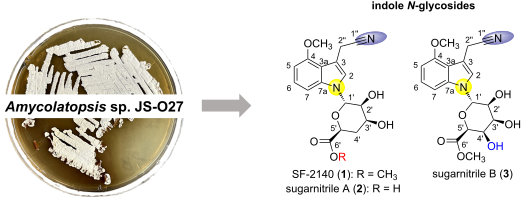
- possess the same absolute configuration of C-1'. Thus, the absolute configurations of 3 were determined as 1'S,2'S,3'S,4'R,5'S. We next evaluated the bioactivity of compounds 1–3. In the cytotoxicity assay, the three compounds showed no cytotoxicity against HepG2 cells at 50 μM. In the antibacterial assay
- previous report [32], cytotoxicity was assayed with the CCK-8 (Dojindo, Japan) method. HepG2 cells were obtained from the School of Medicine, Jiangsu University. Cells were routinely grown and maintained in a DMEM medium with 10% FBS and 1% penicillin/streptomycin. Briefly, the cells were seeded at a
- density of 5000–10000 cells per well in a 96-well plate. Doxorubicin was used as a positive control. After 24 h, the cells were treated with various concentrations of compounds or the positive control. After 96 h incubation, CCK-8 reagent was added, and absorbance was measured at 450 nm. Antibacterial


Synthesis and acaricidal activity against Varroa destructor of α- and γ-costic acid dimers
Beilstein J. Org. Chem. 2026, 22, 1088–1096, doi:10.3762/bjoc.22.87
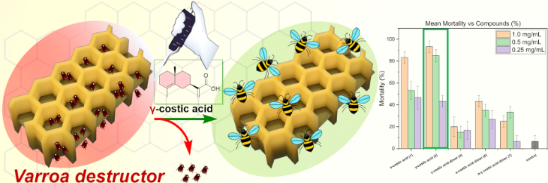
- potential applications in the agro-food sector, it was found to inhibit Cuscuta campestris and stimulate Orobanche crenata seed germination [9]. Its mechanism of action in plant cells has been also recently investigated [10]. Probably, the most interesting property of compound 1 is its acaricidal activity
- activity with respect to their parent compounds shifting potencies from two-digit to single-digit micromolar levels against apoptosis-resistant cancer cells [20]. Similar increases in anticancer activity have been also reported for dimers of other natural bioactive compounds [20]. Consequently, it was of
- target cells, resulting in only partial release of the active monomeric forms. Among the compounds tested, γ-costic acid (3), whose acaricidal activity had not been previously reported, demonstrated the highest potency, achieving 93% mortality. This activity surpasses that of the known α-costic acid (1


Amino acid-based surfactants: sustainable synthesis and antimicrobial mechanisms
Beilstein J. Org. Chem. 2026, 22, 1067–1085, doi:10.3762/bjoc.22.85
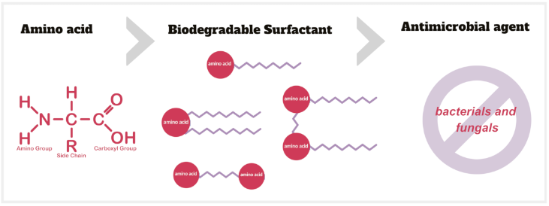
- inhibitory concentration (MIC) or hemolytic potential (HC50: refers to the concentration of a substance that causes 50% hemolysis of red blood cells) or toxicity in cells (IC50: refers to the concentration of a substance that inhibits a biological or biochemical function by 50%). After this selection process
- important as these surfactants demonstrate membrane-disruptive antimicrobial activity that can also affect mammalian cells. In other words, a high therapeutic index means a safer usage [107]. Hemolytic activity and structural dependence The HC50 reflects erythrocyte compatibility, with human red blood cells
- surfactants offering a favorable middle ground between performance and biocompatibility. Selectivity In addition to the biodegradability, another major advantage of these surfactants is their ability to interact with bacterial membranes without compromising human cells due to the balance between hydrophobic


Semisynthesis, characterisation, and antibacterial evaluation of a novel lecanoric acid-derived amide library
Beilstein J. Org. Chem. 2026, 22, 1023–1032, doi:10.3762/bjoc.22.81
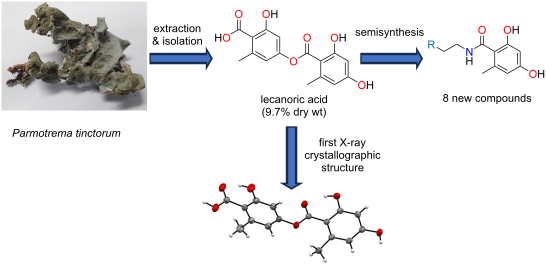
- , and 1% inoculum was transferred into fresh LB medium [38][39]. Following the incubation at 37 °C, at 200 rpm for 6–6.5 h to reach the mid-log phase, the cells were washed once with sterile saline 0.9% and diluted to an OD600 of 0.01. 135 µL aliquots were dispensed into 96-well plates, test compounds


Novel macrocycles: from synthesis to supramolecular function
Beilstein J. Org. Chem. 2026, 22, 982–985, doi:10.3762/bjoc.22.76
- amphiphilic calixarene scaffold bearing long alkyl chains, the authors obtained a derivative that spontaneously self-assembles into stable nanoscale aggregates in water. Biological studies revealed a potent antiproliferative effect against human renal carcinoma cells, with limited toxicity toward healthy
- cells. In addition to its intrinsic biological activity, the nanoassembled platform may also serve as a carrier for combination therapies by encapsulating additional therapeutic agents. Macrocyclic chemistry is proving equally vital for environmental sustainability and separation science. For instance
Electrochemical reduction of unsaturated carbon–carbon bonds via 3d transition-metal catalysis
Beilstein J. Org. Chem. 2026, 22, 955–981, doi:10.3762/bjoc.22.75
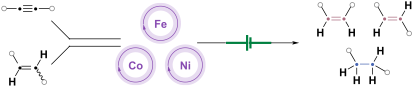
- . Finally, the configuration of the electrochemical cell further modulates reaction outcomes (Figure 1B). While undivided cells are generally preferred for their simplicity, as both electrodes operate within a single compartment, divided cells are required when anodic and cathodic processes must be
- delivery allows these systems to access various distinct mechanistic pathways, thereby enabling reactivity and selectivity patterns that are not readily attainable under conventional thermochemical conditions. Beyond batch electrolysis setups, flow cells [68][69][70][71][72][73][74] and zero-gap








A practical CO2-mediated synthesis of 5,6-carboxylated silicon-rhodamines for targeted probe development
Beilstein J. Org. Chem. 2026, 22, 915–924, doi:10.3762/bjoc.22.72
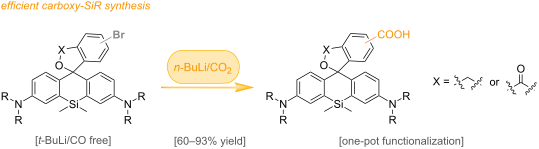
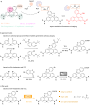
- facilitates the rapid development of targeted SiR probes. Keywords: carboxylation; CO2; fluorescent probes; silicon-rhodamine; super-resolution imaging; Introduction Rhodamine dyes, which enable fluorescence imaging in living cells – a powerful technique for studying biological systems in vivo [1][2] – have
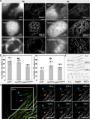
- two probes obtained through our one-pot strategy were first examined by single-molecule localization microscopy (SMLM) imaging (Figure 4). Lifeact-HaloTag, H2B-HaloTag, and TOMM20-HaloTag fusion proteins were transiently expressed in HeLa cells to label actin filaments, the nucleus, and the
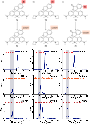
- bromo-SiR precursors 1a–c in the CO2 carboxylation reaction and their corresponding HPLC results. SMLM imaging of different organelles in live HeLa cells stained with 4a and 4b (150 nM). (a) SMLM and wide-field images of actin labeled with Lifeact-HaloTag fusion protein, nucleus labeled with H2B-HaloTag



Site-specific labelling of native peptides and proteins: chemical and enzymatic strategies
Beilstein J. Org. Chem. 2026, 22, 857–881, doi:10.3762/bjoc.22.67
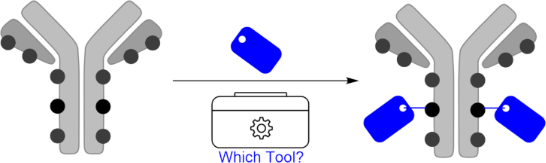
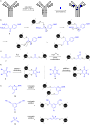
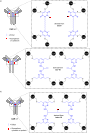
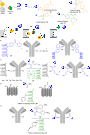
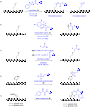
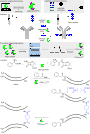
- has become a cornerstone of biological research and therapeutic development, with applications including in vitro systems, live cells and animal models. The earliest form of affinity-guided labelling traces back to mechanism-based inhibitors, which exploit heightened reactivity of active-site residues
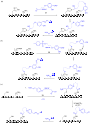
- ], whereas tosylation is one of the few procedures compatible with red blood cells and animal labelling [51]. Alternatively, benzophenone 18, which can be incorporated in the form of an unnatural amino acid, can form a UV-induced diradical for protein modifications (Scheme 7b) [52][53][54][55]. Proteins
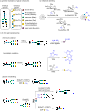
- branches: metabolic and in vitro glycoengineering. Metabolic glycoengineering introduces a non-natural sugar precursor, such as Ac4GlcNAz (34), Ac4ManNAz (35) and Ac4GalNAz (36, Scheme 12b) into living cells. These analogues enter the cellular glycosylation pathway, thereby incorporating azide motifs into








The trans-influence in gold chemistry from a catalytic perspective
Beilstein J. Org. Chem. 2026, 22, 838–856, doi:10.3762/bjoc.22.66
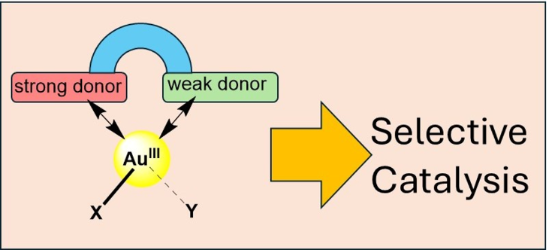
- increased take-up into oestrogen-receptor positive (ER+) breast cancer cells for improved anticancer activity [33]. Similar chelate and pincer gold(III) complexes are potential anticancer therapy targets [34][35][36]. In their assessment of the trans-influence of the C^N^C pincer in comparison with the C^C
- -complexes stabilised by C^N^C and C^N chelate ligands [28][29][30][31][32] and an example of a gold(III) complex targeting oestrogen-receptor positive (ER+) breast cancer cells [11][33][34][35][36]. Gold(III) C^C chelate complexes. Gold hydride complexes supported by tridentate pincer ligands and


Design, synthesis, and biological evaluation of FXR/ASK1 dual-target modulators
Beilstein J. Org. Chem. 2026, 22, 771–781, doi:10.3762/bjoc.22.59
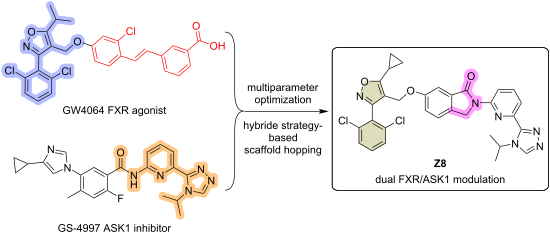
- . Compound Z8, which acts on both targets, was found to more potently reduce intracellular lipid droplet accumulation in OA-treated HepG2 cells than the FXR agonist GW4064 and the ASK1 inhibitor selonsertib (GS-4997). Keywords: ASK1 inhibitors; FXR agonists; FXR/ASK1 dual-target modulators; MASH
- of lipid levels as a therapeutic objective in MASH, the present study sought to evaluate the lipid-modifying potential of modulators Z8 and Z30. Utilizing an in vitro model of oleic acid (OA)-induced steatosis in HepG2 cells, the study evaluated the effects of these compounds on hepatic lipid
- Z8 and Z30 demonstrated a dose-dependent attenuation of OA-induced lipid accumulation. As illustrated in Figure 3B, Z8 demonstrated significantly higher activity in comparison to the positive controls selonsertib and GW4064. To ascertain whether the viability of the cells was impaired by the


Synthesis and biological evaluation of new brassinosteroid analogs with C-22 benzoate function
Beilstein J. Org. Chem. 2026, 22, 753–762, doi:10.3762/bjoc.22.57
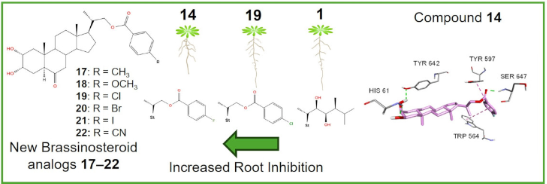
- %, 60.0%, 80.9%, 74.1%, and 59.3%, respectively. Biological activity Rice lamina inclination test (RLIT) RLIT is a standard, sensitive, and specific method widely used to evaluate BRs activity [20][21]. BRs induce a greater cell expansion of adaxial cells relative to abaxial cells in the attachment
- . However, it seems that on the signaling cascade this structural effect is lost, and the outcome do not follow the initial pattern. It is known that plant cells can synthesize most hormones and, therefore their regulation is decentralized. In addition, each hormone modulates its own synthesis, degradation


Anti-invasive and cytotoxic evaluation of a (+)-pinoresinol-based semisynthetic library against glioblastoma
Beilstein J. Org. Chem. 2026, 22, 691–704, doi:10.3762/bjoc.22.54
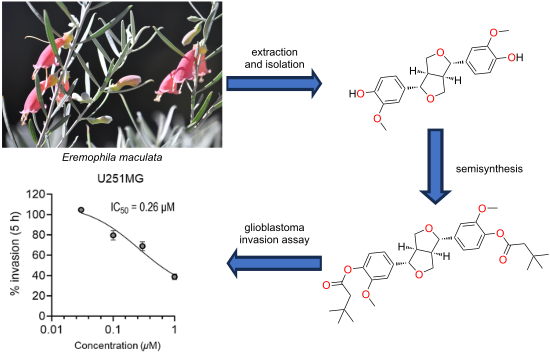
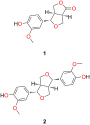
- )pinoresinol had slight cytotoxicity at 10 µM. A transwell anti-invasive assay on the same compound showed a reduction in the invasion of adult U251MG cells by 50% and pediatric KNS42 cells by 30%, with IC50 values of 0.26 and 0.40 µM, respectively. Keywords: anti-invasive; cytotoxicity; Eremophila maculata
- spectrometric techniques. Plants are a vast reservoir of phytochemicals that serve as the source of numerous drugs, including many with anticancer properties [18][19]. These phytochemicals may act on cellular signalling, apoptosis, metabolic pathways, and cell motility in tumor cells. Most anticancer research
- focuses on antiproliferation or apoptosis of tumor cells. However, tumor cells are highly aggressive and have the capacity to invade and metastasize from a primary tumor to other parts of the body. Strategies that can limit or inhibit the invasiveness of tumor cells without damaging or killing healthy



Advantages of PROTACs in achieving selective degradation of homologous protein families
Beilstein J. Org. Chem. 2026, 22, 628–661, doi:10.3762/bjoc.22.49
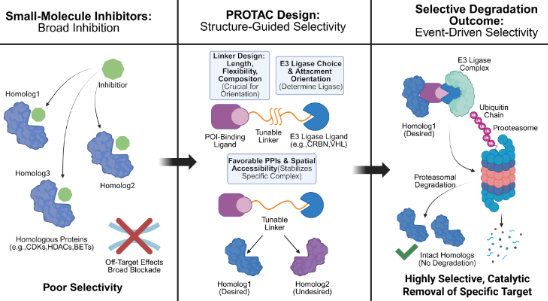
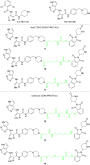
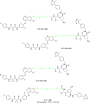
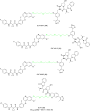
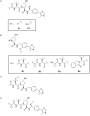
- . CDK4/6 has high homology and has been shown to play a crucial role in the development of breast cancer [26]. In recent years, it has been proved that expression of CDK6, but not of the highly related CDK4, is required for the proliferation and survival of Ph+ acute lymphoblastic leukemia cells
- simultaneously degrade CDK4 (the degradation rate exceeds 50% at 0.1 μM in Jurkat cells) and CDK6 (the degradation rate exceeds 95% at 0.1 μM in Jurkat cells), and it shows a certain degree of selectivity towards CDK6. In the same year, Gray, Winter et al. developed another PROTAC named BSJ-03-123 (2), which can
- compound 4 in HPNE and MiaPaCa2 cells, respectively. It was found that compound 4 could selectively degrade CDK6 without affecting other members of the CDK family (CDK2, 4, 5, 7, and 9). Based on the above studies, it seems an effective development strategy to use a longer linker to connect the POI ligand


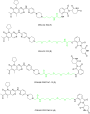







Towards the targeted protein degradation of CK2: design and synthesis of CAM4066-based PROTACs
Beilstein J. Org. Chem. 2026, 22, 611–619, doi:10.3762/bjoc.22.47
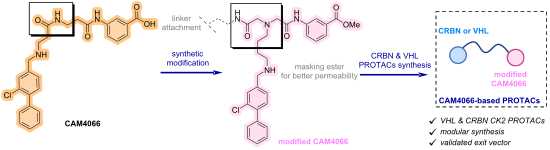
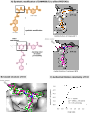
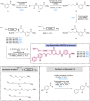
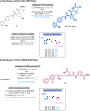
- for their ability to induce degradation of CK2α and CK2α′ in cell-based assays. Western blot profiling across six colorectal cancer cell lines revealed heterogeneous expression of both CK2 isoforms. HCT116 cells exhibited robust expression of CK2α and CK2α′, with CK2α predominating, and were therefore
- 29 were tested under identical conditions but likewise failed to induce degradation of CK2α or CK2α′ in HCT116 or MDA-MB-231 cells (see Supporting Information File 1, section 2.4). Upon biological evaluation, ITC analysis of 24, selected as a representative PROTAC, revealed no detectable productive

Regioselective approach to 5-arylsulfonylisoxazoles and their antimicrobial activity
Beilstein J. Org. Chem. 2026, 22, 592–602, doi:10.3762/bjoc.22.45
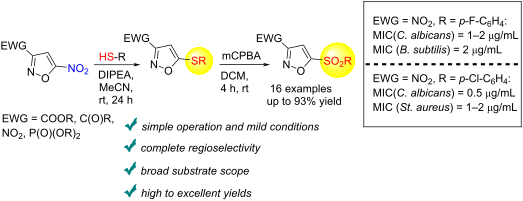
- negligible activity (Table 2). To evaluate the possible mechanism of antibiotic action on bacterial cells, we have studied the antibacterial activity of the isoxazole derivatives on the reporter strains E. coli ΔtolC pDualrep2 (AmpR) and E. coli lptDmut pDualrep2.1 (KanR) as described previously [32][33
- monooxidated 3-nitrosulfonylisoxazole 4b exhibited high activity against both reporter strains. Furthermore, these samples demonstrated strong induction of the RFP reporter protein, indicating that their antibacterial action is associated with induction of the SOS response in bacterial cells (Figure 2). The


Design and synthesis of an erdafitinib-based selective FGFR2 degrader
Beilstein J. Org. Chem. 2026, 22, 583–591, doi:10.3762/bjoc.22.44
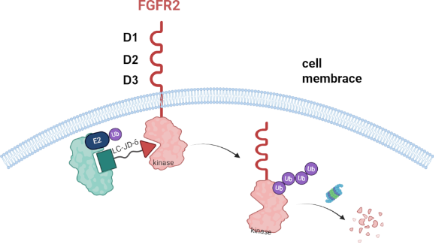
- design and synthesize a series of PROTAC molecules with different linkers. Screening was performed in KATO III cells with high FGFR2 expression, leading to the identification of LC-JD-6 as a potent degrader. Experimental results demonstrated that LC-JD-6 effectively induced FGFR2 protein degradation with
- a half-maximal degrading concentration (DC50) of 121.4 nM, and this effect exhibited time- and concentration-dependence. Assessed at the cellular level, LC-JD-6 has a half-maximal inhibitory concentration in the KATO III (IC50) of 96.0 nM and showed low inhibitory activity in normal cells
- rearrangements or fusions involving FGFR2 can create novel chimeric proteins with enhanced or aberrant signaling capabilities, further driving cells towards a malignant phenotype [13][15]. Notably, FGFR2 amplification and fusions are frequently detected in patients with advanced gastric cancer and



Molecular tweezer–peptide conjugates disrupt the protein–protein interaction between survivin and histone H3 essential in mitosis
Beilstein J. Org. Chem. 2026, 22, 557–567, doi:10.3762/bjoc.22.41
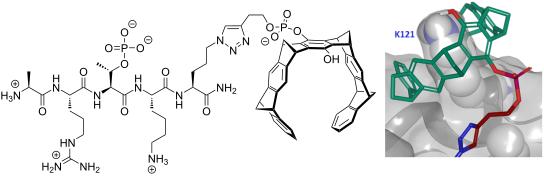
- crystallization experiments, competitive fluorescence titrations, and cell division assays. Conclusion This report introduces a new supramolecular attempt to interfere with the critical interaction between kinetochore and CPC during mitosis in cells. The concept builds on the discovery that a specific protein
- prevent its binding to histone H3, thus creating an interesting tool to specifically interfere with this interaction in the cell. If these constructs are not sufficiently cell-permeable, they may be introduced via electroporation into mammalian cells, a protocol that is well established in the Musacchio




Experimental and DFT studies on the regioselective methanolysis of 5-azido-9-oxabicyclo[6.1.0]nonan-4-yl 4-nitrobenzoate isomers
Beilstein J. Org. Chem. 2026, 22, 547–556, doi:10.3762/bjoc.22.40
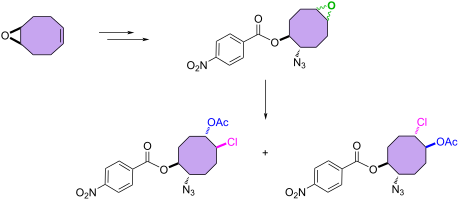
- to design pharmacological tools in the future. Experimental General information Melting points are uncorrected. Infrared spectra were obtained from solution in 0.1 mm cells or KBr pellets on an FT-IR Mattson 1000 instrument. The 1H and 13C NMR spectra were recorded on 400 (100) MHz Varian or 400 (100


Modern synthetic pathways towards eribulin and its subunits
Beilstein J. Org. Chem. 2026, 22, 495–526, doi:10.3762/bjoc.22.37
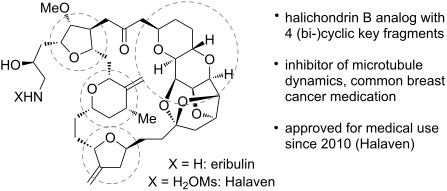
- within their isolation study on halichondrin B, in 1986, Hirata and Uemura showed its promising activity against murine cancer cells [6], which led to a great interest in the pharmaceutical society [7][8][9][10][11][12][13][14][15][16][17][18][19][20]. Only 6 years later, Kishi and co-workers first








Synthesis of a HDAC inhibitor–nanogold probe for cryo-EM visualization in class I HDAC co-repressor complexes
Beilstein J. Org. Chem. 2026, 22, 480–485, doi:10.3762/bjoc.22.35
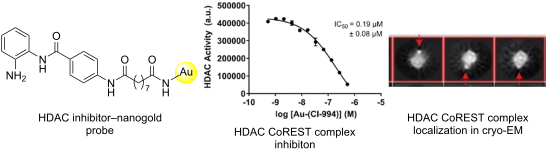
- localization within a cell, as well as in cellular cryo-electron tomography [11][12]. More recently, gold nanoparticles have been used as labeling tools in vitrified cells to locate cellular compartments in cellular cryo-EM [13]. Given the considerable utility of nanogold particles in microscopy, we aimed to
- confirm that the conjugation of CI-994 to the nanogold particle did not significantly affect HDAC inhibition. The HDAC1-LSD1-CoREST complex, incorporating a FLAG tag in CoREST, was expressed and purified from HEK293F cells as previously reported [10]. Fluorescent deacetylase assays were carried out using



Recent advances in the stereoselective synthesis of distal biaxially chiral molecules
Beilstein J. Org. Chem. 2026, 22, 461–479, doi:10.3762/bjoc.22.34
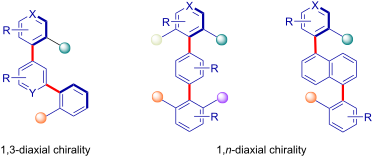
- (Scheme 11) [52]. A preliminary biological evaluation revealed inhibitory activity of selected products against MV4-11 cancer cells, highlighting their potential in pharmaceutical research. At the same time, efficient synthetic routes to uracils bearing a single C–N axis were also achieved in yields


Structural reassignment of compound 968, an allosteric glutaminase inhibitor
Beilstein J. Org. Chem. 2026, 22, 455–460, doi:10.3762/bjoc.22.33
- Lindsey A. Albertelli Sainabou Jallow Chun Li Scott M. Ulrich Department of Chemistry, Ithaca College, Ithaca, NY 14850, USA 10.3762/bjoc.22.33 Abstract Many cancer cells require extracellular glutamine to meet the energetic, biosynthetic, and redox demands of the proliferative state
- . Glutaminases catalyze the hydrolysis of glutamine to glutamate, which supports the biosynthesis of amino acids, lipids, and glutathione and can also be oxidatively deaminated to α-ketoglutarate and enter the citric acid cycle. The “glutamine addiction” of cancer cells has made glutaminase an attractive
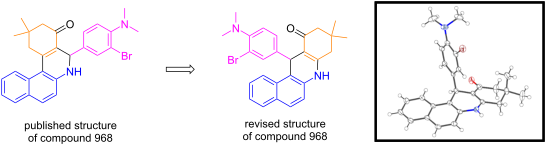
- anticancer drug target. Compound 968 is a glutaminase inhibitor that is widely used to probe cancer cells’ dependence on glutaminase activity. Here, we show by NMR spectroscopy and X-ray crystallography that the reported benzo[c]phenanthridine structure of compound 968 is incorrect; its true structure is the


Synthesis and anti-cancer activity of naphthalimide–organylselanyl conjugates
Beilstein J. Org. Chem. 2026, 22, 416–435, doi:10.3762/bjoc.22.29
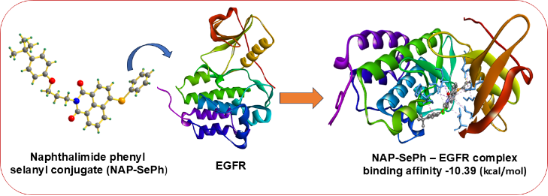
- structurally characterised by single-crystal X-ray diffraction analysis. The anticancer potential of the NAP-SePh and NAP-Se(n-Oct) was evaluated using an in vitro cell viability assay with MDA-MB-231 triple-negative breast cancer (TNBC) cells. The IC₅₀ values for compounds NAP-SePh and NAP-Se(n-Oct) were
- , a 4-nitro-substituted benzylic diselenide 3 was reported to inhibit the Akt/mTOR and ERK pathways while suppressing NF-κB–mediated inflammation and invasiveness in TNBC cells [29]. On the other hand, naphthalimides (NAP) are well known for their potent anticancer activity, as exemplified by the
- -231 breast cancer cell line. The cells were kept in a CO₂ incubator at 37 °C, 5% CO₂, and 90% relative humidity. They were cultivated in Dulbecco's Modified Eagle Medium (DMEM), supplemented with 10% fetal bovine serum (FBS). MTT-Assay protocols Cell viability was evaluated using the MTT assay. MDA-MB




Design, synthesis and biological evaluation of 2,5-diaryloxazolo[4,5-d]pyrimidin-7-ylamines as selective cytotoxic agents against HeLa cells
Beilstein J. Org. Chem. 2026, 22, 390–398, doi:10.3762/bjoc.22.27
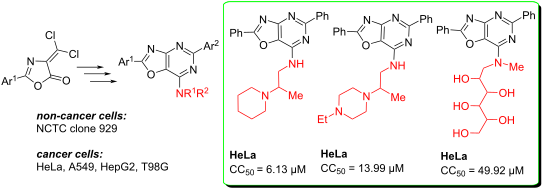
- liquid chromatography–mass spectrometry. Their anticancer activity was assessed against human cancer cell as well as non-cancer cell lines. Three compounds, 1, 3, and 9, were the most cytotoxic to HeLa cells (IC50 = 6.13 ± 1.95, 13.99 ± 1.80 and 49.92 ± 3.98 μM, respectively). However, only compounds 1
- activity. They combine purine-like recognition features with the synthetic flexibility of heterocycles, offering a platform for selective targeting of tumor-related enzymes and receptors. Tumor cells overexpress kinases, DNA/RNA polymerases, and metabolic enzymes that bind purine nucleotides. Cancer cell
- lines such as HepG2 (liver), HeLa (cervix), A549 (lung), and glioblastoma models rely on enhanced nucleotide metabolism to sustain rapid DNA/RNA synthesis. Oxazolopyrimidines can inhibit these overactive enzymes in cancer cells, while normal cells (with lower demand) are less affected. This explains why


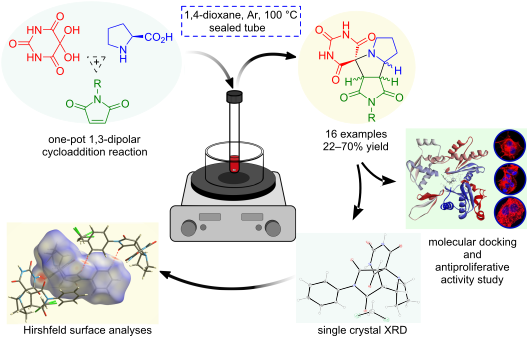
Spirobarbiturates with a pyrrolizidine moiety: synthesis, structure and biological evaluation
Beilstein J. Org. Chem. 2026, 22, 274–288, doi:10.3762/bjoc.22.20
- : <10 and TPSA – topological polar surface area: <140 Å2. The obtained results are presented in Supporting Information File 1, Table S4. Since antitumor drugs usually damage healthy cells along with tumor cells, while developing new substances, it is extremely important to pay attention to their ADMET
- absorption (HIA), in vitro permeability to Caco-2 cells (Caco2), in vitro binding to plasma proteins (PPB), solubility, and inhibition of CYP2D6. The following were selected as descriptors of toxicity: carcinogenicity for rats and mice, mutagenicity according to the Ames test, and cardiotoxicity by
- potential in the brain with regard to bioavailability in the CNS. Antiproliferative activity study. Cancer cells are favorable in vitro models that are widely used in cancer research and drug discovery. In this study, the MTS assay was applied to evaluate the antiproliferative activity of the synthesized