


Search results
Search for "biosynthesis" in Full Text gives 323 result(s) in Beilstein Journal of Organic Chemistry. Showing first 200.
Discovery of antimicrobial peptides clostrisin and cellulosin from Clostridium: insights into their structures, co-localized biosynthetic gene clusters, and antibiotic activity
Beilstein J. Org. Chem. 2024, 20, 1800–1816, doi:10.3762/bjoc.20.159

- spontaneously form in bovicin HJ50 to exert their natural activity and change spectra of antimicrobial effects when synthetically intramolecularly bound [17][18]. The biosynthesis of mature lanthipeptides involves the translation of lanA, which encodes a precursor peptide with two regions: a leader peptide that
- biosynthetic clusters or superclusters these precursor peptides belonged to contained all the genes lanA, lanM, and lanT. These genes were found to be the minimal machinery required for lanthipeptide biosynthesis (Figure 2). Notably, transporter genes and regulatory elements were not considered in the second
- filter as their presence is not needed for biosynthesis, albeit it is for resistance. As a result, the C. cellulovorans 743 clusters were chosen because they were thought to be complete, novel, and most interesting, primarily due to the presence of two different, apparently independent operons, each with




Chemo-enzymatic total synthesis: current approaches toward the integration of chemical and enzymatic transformations
Beilstein J. Org. Chem. 2024, 20, 1693–1712, doi:10.3762/bjoc.20.151
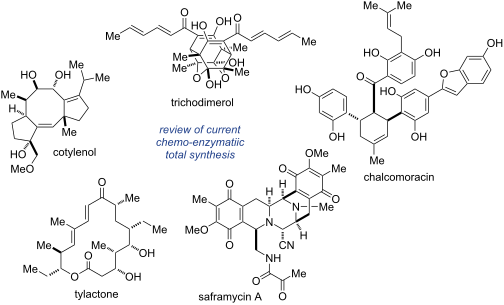
- approach" merging efficient enzymatic synthesis – traditionally employed in the biosynthesis of natural products by microorganisms and plants – with precise chemical synthesis conducted by chemists. Chemo-enzymatic total syntheses reported recently fall into three main categories based on the purpose for
- isolated from Alternaria brassicicola, a phytopathogenic fungus that causes dark leaf spots in Brassica species. The biosynthesis process of brassicicenes was primarily elucidated through in vitro enzymatic transformations and heterologous expression using Aspergillus oryzae. The proposed biosynthetic
- pathway of brassicicenes in Pseudocercospora fijiensis is outlined based on an investigation by Oikawa and co-workers [23]. The biosynthesis begins with the conversion of farnesyl pyrophosphate (FPP) and isopentenyl pyrophosphate (IPP) to geranylgeranyl pyrophosphate (GGPP), catalyzed by the




Methyltransferases from RiPP pathways: shaping the landscape of natural product chemistry
Beilstein J. Org. Chem. 2024, 20, 1652–1670, doi:10.3762/bjoc.20.147
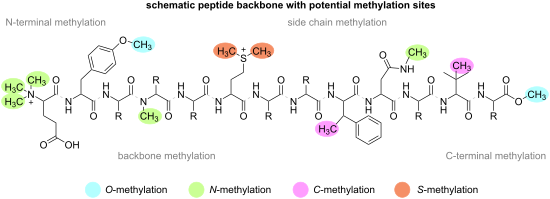
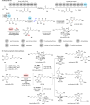
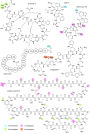
- within the context of ribosomally synthesised and post-translationally modified peptide (RiPP) natural products. Methyltransferases play a pivotal role in the biosynthesis of diverse natural products with unique chemical structures and bioactivities. They are highly chemo-, regio-, and stereoselective
- -translational modifications; ribosomal peptides; SAM-dependent enzymes; Introduction In the complex landscape of natural product biosynthesis, ribosomally synthesised and post-translationally modified peptides (RiPPs) stand out as a fascinating class of compounds with both structural diversity and unique
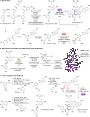
- encoded in the same BGC as the precursor peptide install post-translational modifications in the core peptide. Finally, a protease releases the modified core peptide, creating the mature natural product [2]. The transfer of a methyl group is a common post-translational modification in RiPP biosynthesis




Polymer degrading marine Microbulbifer bacteria: an un(der)utilized source of chemical and biocatalytic novelty
Beilstein J. Org. Chem. 2024, 20, 1635–1651, doi:10.3762/bjoc.20.146
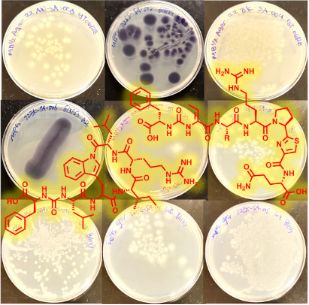
- together with genes encoding the production of polybrominated pyrroles [138][139][140]. The Microbulbifer BGCs lack genes for brominated pyrrole biosynthesis and polybrominated pyrroles have not been reported to be produced by Microbulbifer bacteria. Future studies looking at the evolutionary relationship
- has been shared. Unlike the bulbiferamides mentioned above, the pseudobulbiferamides were not exclusively excreted out of the bacterial colonies. Biosynthesis The first genome sequence of a Microbulbifer bacterium was reported by Howard et al. in 2003 [117]. Now, more than 70 Microbulbifer genomes are
- typical Microbulbifer genome contains less than ten BGCs, as identified by antiSMASH, which implies that a large fraction of their genome is not devoted to natural product biosynthesis. The bulbiferamides and the pseudobulbiferamides represent the first and to date the only examples of peptidic natural




Mining raw plant transcriptomic data for new cyclopeptide alkaloids
Beilstein J. Org. Chem. 2024, 20, 1548–1559, doi:10.3762/bjoc.20.138

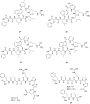
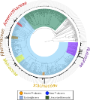
- -terminal Phe residue. Additional 663.3192 and 581.3345 m/z features were also present in the GNPS network, but MS/MS fragmentation could not definitively support a specific structure. For a better understanding of the biosynthesis of burpitides in G. jasminoides, we explored the genomic context by using
- base pairs (Figure 6B). While the proposed gene cluster is missing a potential peptidase, it contains all the other proteins necessary for the biosynthesis of GJA649 and the other putative G. jasminoides cyclopeptide alkaloids. New cyclopeptide alkaloids in Alternanthera bettzickiana Based on the
- precursor rulesets for the biosynthesis of this emerging class of plant natural products. Experimental Construction of precursor peptide HMM A custom hidden Markov model designed to target the precursor peptides from split burpitide pathways was created to favor producers of known burpitides. Sequences





Bioinformatic prediction of the stereoselectivity of modular polyketide synthase: an update of the sequence motifs in ketoreductase domain
Beilstein J. Org. Chem. 2024, 20, 1476–1485, doi:10.3762/bjoc.20.131
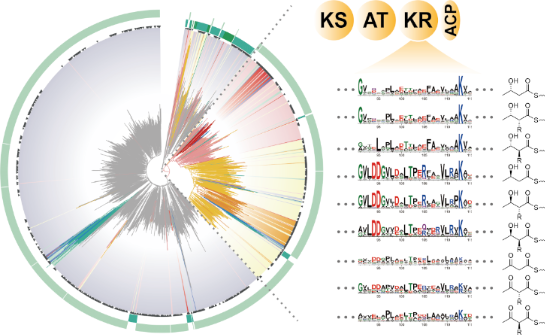
- : bioinformatics; conserved motifs; ketoreductase; polyketide synthase; stereocontrol; Introduction Type I modular polyketide synthases (PKSs) are large enzyme complexes that play a crucial role in the biosynthesis of bacterial polyketides, including many important clinical drugs such as erythromycin (antibiotic
- ) [3][4]. The building blocks for PKS biosynthesis often include malonyl-CoA or methylmalonyl-CoA, which are loaded onto the ACP by the AT domain. Subsequently, the KS domain catalyzes the decarboxylative Claisen condensation between the ACP-tethered extender unit and the KS-tethered growing chain. The
- stereoselectivity of a KR. Such promiscuity can also be observed in the MycA KR in mycolactone biosynthesis, which accepts both α-substituted and α-unsubstituted substrates while retaining the same stereoselectivity for the β-hydroxy group [28]. To further investigate the sequence features of each module type, we


Computation-guided scaffold exploration of 2E,6E-1,10-trans/cis-eunicellanes
Beilstein J. Org. Chem. 2024, 20, 1320–1326, doi:10.3762/bjoc.20.115

- ) of alkenes in the 10-membered ring (Figure 1A). During biosynthesis, the eunicellane skeleton is first constructed by terpene synthases that cyclize the diterpene precursor geranylgeranyl diphosphate (Figure 1B) [5][6][7][8][9]. The latter two structural elements, the configurations of the 6/10
- system and the C2–C3 alkene, are instilled by these terpene synthases. Four types of eunicellane synthases are known (Figure 1B). The first eunicellane synthase identified, Bnd4 from the biosynthesis of benditerpenoic acid in Streptomyces sp. (CL12-4) [5], forms a cis-eunicellane named benditerpetriene
- (1) [6]. In 1, the C2–C3 and C6–C7 alkenes are E-configured, with the latter alkene configuration being conserved in all known eunicellane cyclization mechanisms. The first trans-eunicellane synthase, AlbS from the biosynthesis of albireticulone in Streptomyces albireticuli [10], was also identified


Cofactor-independent C–C bond cleavage reactions catalyzed by the AlpJ family of oxygenases in atypical angucycline biosynthesis
Beilstein J. Org. Chem. 2024, 20, 1198–1206, doi:10.3762/bjoc.20.102
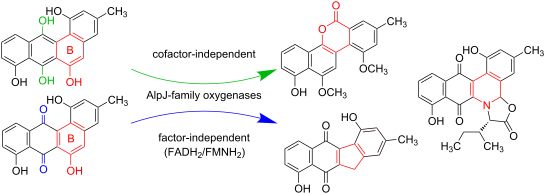
- Sciences, No. 1 Yanqihu East Road, Beijing 101408, China State Key Laboratory of Natural and Biomimetic Drugs, School of Pharmaceutical Sciences, Peking University, 38 Xueyuan Road, Beijing 100191, China 10.3762/bjoc.20.102 Abstract Biosynthesis of atypical angucyclines involves unique oxidative B-ring
- cofactor-independent manner. Keywords: angucyclines; aromatic polyketide; biosynthesis; cofactor-independent oxygenase; oxidative rearrangement reaction; Introduction The angucyclines represent a large class of natural products biosynthesized by type II polyketide synthases. Within this category, a
- cleavage and rearrangement in atypical angucycline biosynthesis are catalyzed by the AlpJ-family oxygenases, encompassing AlpJ, JadG, and GilOII. Biochemical analyses reveal the capability to transform the shared angucycline intermediate, dehydrorabelomycin (DHR, 1), into products with unique chemical




Stability trends in carbocation intermediates stemming from germacrene A and hedycaryol
Beilstein J. Org. Chem. 2024, 20, 1189–1197, doi:10.3762/bjoc.20.101
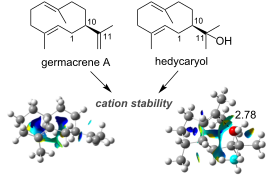
- several significant processes, terpenoids play an indispensable role in cell-wall and membrane biosynthesis, sensing, plant defense, electron transport, or conversion of light into chemical energy [1][2]. Based on the number of hydrocarbon units, terpenes are classified into various families like
- germacrene A and hedycaryol and how this might affect product distribution in chemical synthesis and biosynthesis. Additionally, we compare the effect of the choice of DFT functional and basis set on the results. Methods The structures of all studied intermediate carbocations originating from germacrene A
- between the stability of hedycaryols (ΔΔEe) and C+···OH bond distances. Biosynthesis of (A) germacrene A and (B) hedycaryol from FPP. Here the abbreviations represent, FPP = farnesyl diphosphate, GAS = germacrene A synthase, OPP = diphosphate. O–C(cation) bond lengths (Å) in the hedycaryol cations


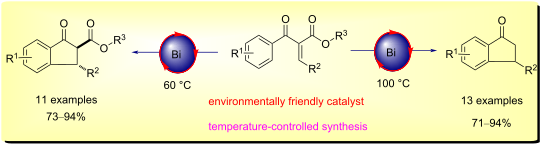
Bismuth(III) triflate: an economical and environmentally friendly catalyst for the Nazarov reaction
Beilstein J. Org. Chem. 2024, 20, 1167–1178, doi:10.3762/bjoc.20.99
- inhibitory concentration (IC50) of 10 ng/mL, lepistatin A (3), along with two other new chlorinated analogs, that were isolated from Basidiomycete Lepista sordida culture, pauciflorol F (4), isolated from Vatica pauciflora, which is an important building block for the biosynthesis of bioactive polyphenols




Mild and efficient synthesis and base-promoted rearrangement of novel isoxazolo[4,5-b]pyridines
Beilstein J. Org. Chem. 2024, 20, 1069–1075, doi:10.3762/bjoc.20.94
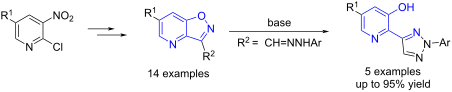
- activity, such as antibacterial [8], anticancer [9] or antiproliferative [10]. In addition, isoxazolo[4,5-b]pyridines were found to inhibit cytochrome P450 CYP17 responsible for the biosynthesis of androgens and estrogen precursors [11]. Some biologically active isoxazolo[4,5-b]pyridines are shown on


A Diels–Alder probe for discovery of natural products containing furan moieties
Beilstein J. Org. Chem. 2024, 20, 1001–1010, doi:10.3762/bjoc.20.88
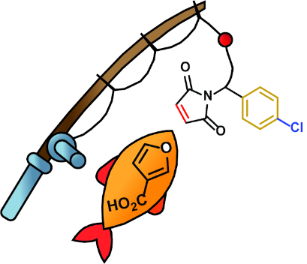
- methylenomycin A. Specifically, an MMF binds to the TetR family transcriptional repressor (TFTR) resulting in the complex being released from the DNA ultimately allowing for gene transcription and production of enzymatic machinery necessary for the biosynthesis of methylenomycin A [6][7]. To date, there have




Enhancing structural diversity of terpenoids by multisubstrate terpene synthases
Beilstein J. Org. Chem. 2024, 20, 959–972, doi:10.3762/bjoc.20.86
- Min Li Hui Tao Department of Otolaryngology, Zhongnan Hospital of Wuhan University, School of Pharmaceutical Sciences, Wuhan University, Wuhan, Hubei 430071, China Key Laboratory of Combinatorial Biosynthesis and Drug Discovery, Ministry of Education, Wuhan University, Wuhan, Hubei 430071, China
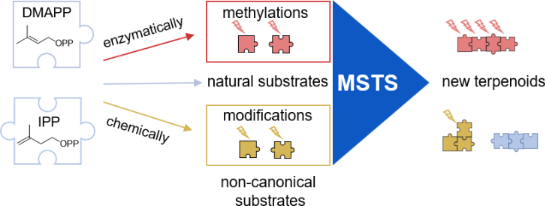
- -methyltransferases, or engineered lepidopteran mevalonate pathways. The substrate promiscuity of TSs not only expands the structural diversity of terpenes but also highlights their potential for the discovery of novel terpenoids via combinatorial biosynthesis. In this review, we focus on the current knowledge on
- combinatorial biosynthesis. An important review published previously comprehensively addressed the transformation of synthetic prenyl-substrate analogs by TSs as well as TS-mimicking chemical transformations [13]. In this review, we discuss representative MSTSs originating from different species that use






Confirmation of the stereochemistry of spiroviolene
Beilstein J. Org. Chem. 2024, 20, 852–858, doi:10.3762/bjoc.20.77
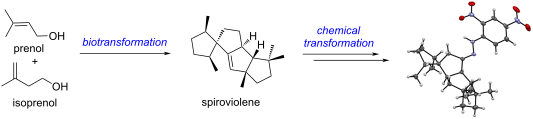
- stereochemistry by X-ray crystallography using a hydrazone derivative of 1. Results and Discussion Our work commenced with the heterologous production of spiroviolene by E. coli using a recently developed isopentenol utilization pathway for the efficient supply of two C5 precursors for terpene biosynthesis


Activity assays of NnlA homologs suggest the natural product N-nitroglycine is degraded by diverse bacteria
Beilstein J. Org. Chem. 2024, 20, 830–840, doi:10.3762/bjoc.20.75
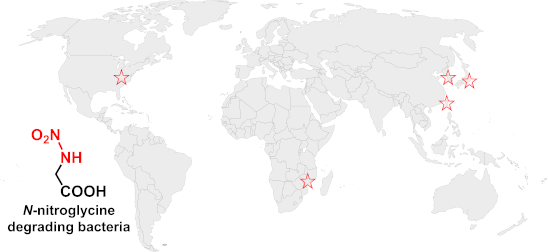
- noursei, an NNG-producing bacterium, did not reveal any NnlA homologs. Interestingly, four NMOs are annotated in the S. noursei genome. These enzymes could protect S. noursei from NNG toxicity during its biosynthesis. Meanwhile, we posit that NnlA protects non-NNG producing bacteria from exposure. In vivo


Discovery and biosynthesis of bacterial drimane-type sesquiterpenoids from Streptomyces clavuligerus
Beilstein J. Org. Chem. 2024, 20, 815–822, doi:10.3762/bjoc.20.73
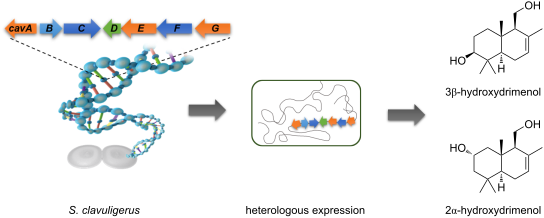
- genome mining and heterologous expression, we identified a cav biosynthetic gene cluster responsible for the biosynthesis of DMTs 2–4, along with a P450, CavA, responsible for introducing the C-2 and C-3 hydroxy groups. Furthermore, the substrate scope of CavA revealed its ability to hydroxylate drimenol
- analogs. This discovery not only broadens the known chemical diversity of DMTs from bacteria, but also provides new insights into DMT biosynthesis in bacteria. Keywords: bacterial terpenoid; cytochrome P450s; drimane-type sesquiterpenoid; Streptomyces clavuligerus; terpenoid biosynthesis; Introduction
- emphasize the potential of DMTs as substances with broad and significant biological activities. The biosynthetic pathways for DMTs, especially for calidoustene C, (+)-isoantrocin, and (−)-antrocin, have been extensively elucidated [6][13][14][15][16][17][18][19][20] (Figure 1b). In the biosynthesis of


Methodology for awakening the potential secondary metabolic capacity in actinomycetes
Beilstein J. Org. Chem. 2024, 20, 753–766, doi:10.3762/bjoc.20.69
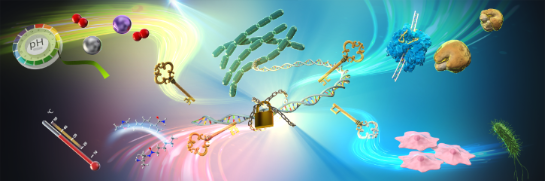
- , and the associated undiscovered secondary metabolite biosynthesis genes are called “silent” genes. This review outlines several approaches to further activate the metabolic potential of actinomycetes. Keywords: actinomycete; co-culture; heat shock metabolites (HSMs); secondary metabolites; silent
- considered to have been completely characterized. This may be because the number of discovered compounds is small compared to the number of secondary metabolite biosynthesis genes harbored by actinomycetes [26][27][28]. For example, in Streptomyces avermitilis, 38 secondary metabolite biosynthetic gene
- identified. These as yet undiscovered secondary metabolite biosynthesis genes are called “silent genes”, because they are either not expressed or their expression levels are low under normal culture conditions. A number of studies have reported methods to activate these genes, and many new compounds have


Research progress on the pharmacological activity, biosynthetic pathways, and biosynthesis of crocins
Beilstein J. Org. Chem. 2024, 20, 741–752, doi:10.3762/bjoc.20.68
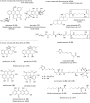
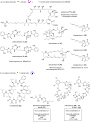
- cell suspension culture, heterologous biosynthesis, and total synthesis [16][17]. Crocins can be obtained from plant cell culture, but the production is prone to epigenetic silencing and toxic intermediates. The chemical synthesis of crocins is challenging due to the presence of numerous chiral centers
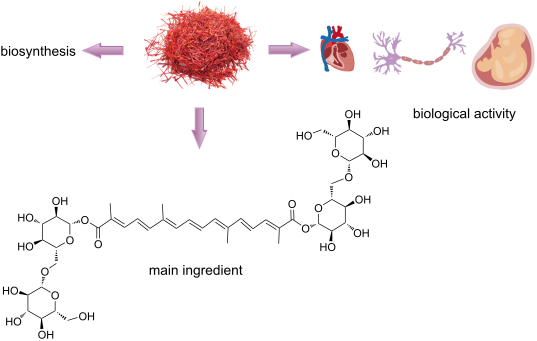
- derivatives in microorganisms has been achieved by various teams. This article comprehensively reviews the research progress on the extraction, separation, pharmacological activity, biosynthesis, and synthetic biology of crocins. The biosynthesis of crocins is depicted in detail to shed light on the efficient
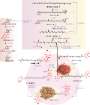
- retinopathy [70][71][72][73][74][75][76][77][78][79][80]. Biosynthesis The biosynthetic pathways of crocins have recently been studied extensively. Crocin biosynthesis can be divided into three stages: 1) biosynthesis of lycopene (5) from simple carbon resources, 2) cleavage of lycopene (5), β-carotene (6


Substrate specificity of a ketosynthase domain involved in bacillaene biosynthesis
Beilstein J. Org. Chem. 2024, 20, 734–740, doi:10.3762/bjoc.20.67
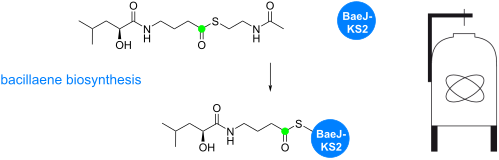
- second ketosynthase of the polyketide synthase BaeJ involved in bacillaene biosynthesis (BaeJ-KS2). For this purpose, both enantiomers of a 13C-labelled N-acetylcysteamine thioester (SNAC ester) surrogate of the proposed natural intermediate of BaeJ-KS2 were synthesised, including an enzymatic step with
- glutamate decarboxylase, and incubated with BaeJ-KS2. Substrate binding was demonstrated through 13C NMR analysis of the products against the background of various control experiments. Keywords: bacillaene; biosynthesis; enzyme mechanisms; isotopes; trans-AT polyketide synthases; Introduction Polyketides
- only for the incorporation of one extender unit [2][3]. Although enzyme domains with various specialised catalytic functions can be found as integral part of polyketide synthases, three domain types are fundamental to their biosynthesis, resembling the same logic as observed for fatty acid biosynthesis


Chemoenzymatic synthesis of macrocyclic peptides and polyketides via thioesterase-catalyzed macrocyclization
Beilstein J. Org. Chem. 2024, 20, 721–733, doi:10.3762/bjoc.20.66
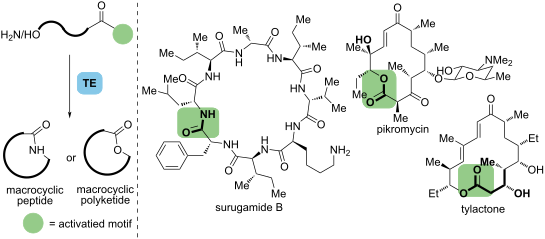
- .20.66 Abstract Chemoenzymatic strategies that combine synthetic and enzymatic transformations offer efficient approaches to yield target molecules, which have been increasingly employed in the synthesis of bioactive natural products. In the biosynthesis of macrocyclic nonribosomal peptides, polyketides
- for these natural products that aim to address the common issues in classical synthetic approaches and increase synthetic efficiencies, which have the potential to facilitate further pharmaceutical research. Keywords: biosynthesis; chemoenzymatic synthesis; macrocyclic peptides; macrocyclic
- responsible for the structural diversity of natural products, both NRPS and PKS contain thioesterase (TE) domains in the final elongation module, which contribute to terminating biosynthesis [13][14]. Typically, TE domains cleave the thioester bond between the last PCP or ACP domain and the intermediate of


Genome mining of labdane-related diterpenoids: Discovery of the two-enzyme pathway leading to (−)-sandaracopimaradiene in the fungus Arthrinium sacchari
Beilstein J. Org. Chem. 2024, 20, 714–720, doi:10.3762/bjoc.20.65
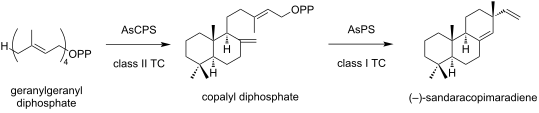
- underexplored family of natural products. In the biosynthesis of fungal LRDs, bifunctional terpene cyclases (TCs) consisting of αβγ domains are generally used to synthesize the polycyclic skeletones of LRDs. Herein, we conducted genome mining of LRDs in our fungal genome database and identified a unique pair of
- of TCs in fungi. Keywords: diterpenoids; fungi; genome mining; labdane; terpene cyclase; Introduction Terpenoids are a structurally diverse family of natural products, including more than 80,000 compounds [1]. In the biosynthesis of terpenoids, terpene cyclases (TCs) add structural diversity and
- understand the evolutionary traits of TCs. Among terpenoids, labdane-related diterpenoids (LRDs) are an important class which includes biologically active molecules such as plant hormone gibberellins (Figure 1A). In their biosynthesis, class II TCs often synthesize copalyl diphosphate (CPP) or its



Isolation and structure determination of a new analog of polycavernosides from marine Okeania sp. cyanobacterium
Beilstein J. Org. Chem. 2024, 20, 645–652, doi:10.3762/bjoc.20.57
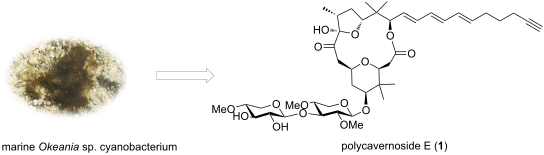
- . Polycavernoside E (1) exhibited moderate antitrypanosomal activity against Trypanosoma brucei rhodesiense. Furthermore, the isolation of polycavernoside E (1) from marine cyanobacteria provides additional evidence that marine cyanobacteria, and not red algae, are responsible for the biosynthesis of


Production of non-natural 5-methylorsellinate-derived meroterpenoids in Aspergillus oryzae
Beilstein J. Org. Chem. 2024, 20, 638–644, doi:10.3762/bjoc.20.56
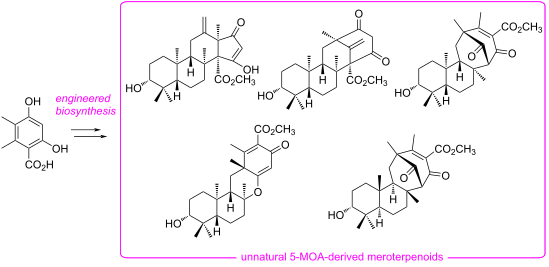
- , demonstrating the effectiveness of our approach in the generation of structural analogues of meroterpenoids. Keywords: biosynthesis; meroterpenoids; natural products; pathway engineering; terpene cyclases; Introduction Meroterpenoids are a class of natural products partially biosynthesized from a terpenoid
- strong inosine 5-monophosphate dehydrogenase inhibitor [6]. The biosynthesis of fungal meroterpenoids has garnered interest in the organic chemistry field due to their structural complexity and associated intriguing enzymatic reactions and has thus been extensively researched for over a decade, providing
- a general understanding of their biosynthesis [7][8]. Polyketide–terpenoid hybrids are among the largest families of meroterpenoids. Orsellinic acid, an aromatic polyketide, and its analogues have been commonly identified as polyketide components in fungal meroterpenoids. Notably, 3,5


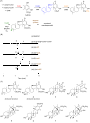

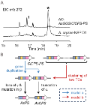
Chemical and biosynthetic potential of Penicillium shentong XL-F41
Beilstein J. Org. Chem. 2024, 20, 597–606, doi:10.3762/bjoc.20.52
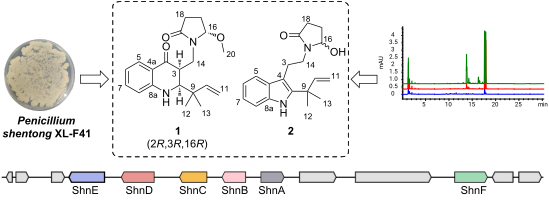
- cytochrome P450, pyridoxal-dependent decarboxylase, glutamine synthase, and tryptophan dimethyltransferase (Figure 5). These genes are likely crucial for the biosynthesis of the newly isolated alkaloids, 1 and 2. In examining the XL-F41 genome for methyltransferase domain-containing BGCs, we found a
- -monooxygenase, to form quinoline rings [26]. Quinine is frequently cited as one of the primary forms of quinoline rings in secondary metabolic pathways. Francesco Trenti et al. [27] studied some of the biosynthesis processes of quinine, in which enzymes involved are much more complex than primary metabolism




A myo-inositol dehydrogenase involved in aminocyclitol biosynthesis of hygromycin A
Beilstein J. Org. Chem. 2024, 20, 589–596, doi:10.3762/bjoc.20.51
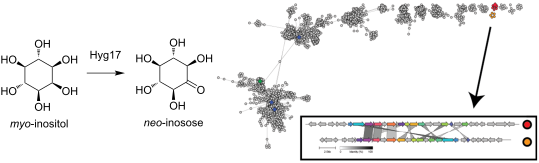
- aminocyclitol moieties. The biosynthesis of the aminocyclitol has been proposed to proceed through six enzymatic steps from glucose 6-phosphate through myo-inositol to the final methylenedioxy-containing aminocyclitol. Although there is some in vivo evidence for this proposed pathway, biochemical support for
- family containing Hyg17 and discuss genome mining strategies that target this protein family to identify biosynthetic clusters for natural product discovery. Keywords: aminocyclitol; biosynthesis; hygromycin A; inositol dehydrogenase; myo-inositol; Introduction Hygromycin A is a natural product that
- essential for in vivo antimicrobial activity suggesting a distinct biological function independent of ribosome binding. The hygromycin A biosynthetic gene cluster has been identified and the biosynthesis of the aminocyclitol has been proposed (Figure 1) [8][9]. Starting from glucose-6-phosphate, the pathway





