Search results
Search for "cells" in Full Text gives 896 result(s) in Beilstein Journal of Organic Chemistry. Showing first 200.
A mild and atom-efficient four-component cascade strategy for the construction of biologically relevant 4-hydroxyquinolin-2(1H)-one derivatives
Beilstein J. Org. Chem. 2026, 22, 244–256, doi:10.3762/bjoc.22.18
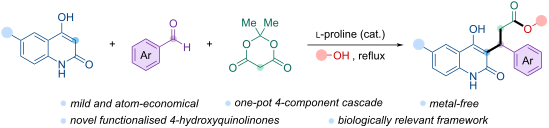
- provided in Supporting Information File 1, pages S3 and S52–S53. Cytotoxicity of compounds 9–14 was assessed in vitro using an MTT assay [48] on a panel of human cell lines, including non-cancerous HEK293T and VA13, as well as cancerous MCF7 and A549 cells (see Supporting Information File 1, page S52
- demonstrate pronounced antibacterial activity, their low toxicity toward human cells and distinctive molecular scaffold render them promising candidates for further development as biologically active agents. Conclusion In conclusion, we have developed a novel organocatalyzed four-component cascade reaction


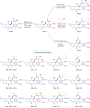
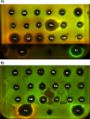
Symmetrical D–π–A–π–D indanone dyes: a new design for nonlinear optics and cyanide detection
Beilstein J. Org. Chem. 2026, 22, 131–142, doi:10.3762/bjoc.22.6
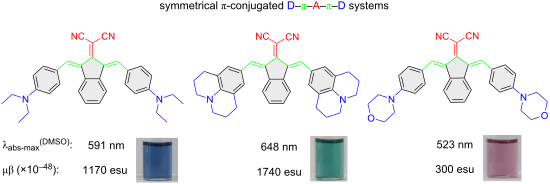
- attention due to their widespread use in materials chemistry. This type of dye is of particular interest in the fields of organic electronics, photonics, and optoelectronics etc., used in areas such as dye-sensitized solar cells (DSSC), organic light-emitting diodes (OLED), nonlinear optics (NLO), and


Advances in Zr-mediated radical transformations and applications to total synthesis
Beilstein J. Org. Chem. 2026, 22, 71–87, doi:10.3762/bjoc.22.3
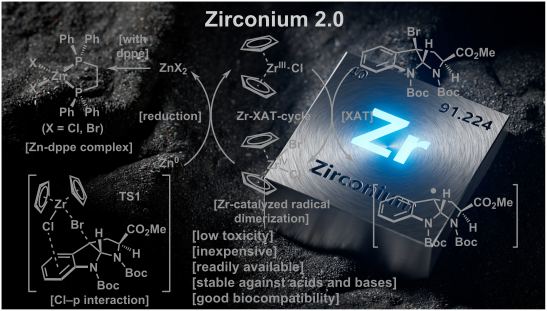
- where organic synthesis plays a central role, including pharmaceuticals, agrochemicals, materials chemistry, organic semiconductors, and organic thin-film solar cells. These areas are intimately linked to human life; thus, advances in organic synthesis are essential for improving human well-being








Competitive cyclization of ethyl trifluoroacetoacetate and methyl ketones with 1,3-diamino-2-propanol into hydrogenated oxazolo- and pyrimido-condensed pyridones
Beilstein J. Org. Chem. 2025, 21, 2716–2729, doi:10.3762/bjoc.21.209
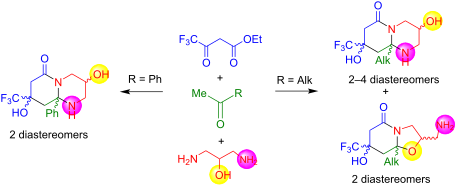
- compound ribavirin (Table 5, entry 2). In addition, this entire series of compounds is distinguished by the absence of cytotoxicity towards MDCK cells. Conclusion To sum up, we have, for the first time, demonstrated the possibility of 1,3-diaminopropan-2-ol being involved in cyclization as an ambident N,N
- yields of products 4b,c and 5b,c. Conversion and preparative yields of products 4d. The difference in chemical shifts Δea = δeq – δax of diastereotopic protons at C(9) for compounds 4a–d. Antiviral activity of heterocycles 4 and 5 against influenza virus A/Puerto Rico/8/34 (H1N1) in MDCK cells


Recent advancements in the synthesis of Veratrum alkaloids
Beilstein J. Org. Chem. 2025, 21, 2657–2693, doi:10.3762/bjoc.21.206
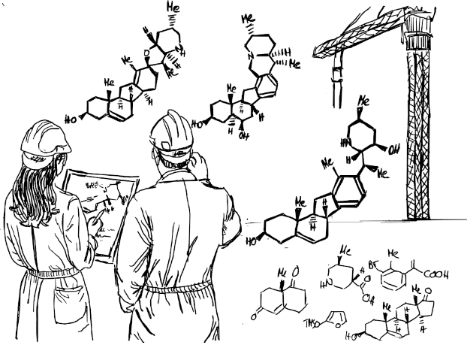
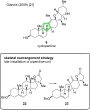
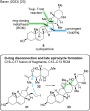
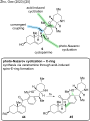
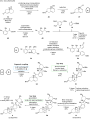
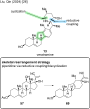
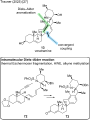
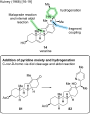
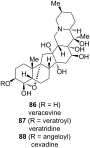
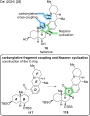
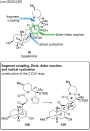
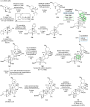
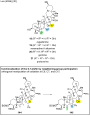
- trans-fusion of the A,B-rings and the configuration of the methyl group at C25, among other features [13]. Like the related subclasses, cevanine-type alkaloids exhibit toxicity in humans by acting on the sodium channels of nerve cells. Increased stimulation, associated with the vagal nerve results in a




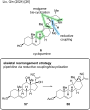

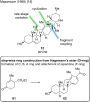


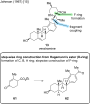

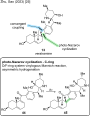








Chemoenzymatic synthesis of the cardenolide rhodexin A and its aglycone sarmentogenin
Beilstein J. Org. Chem. 2025, 21, 2637–2644, doi:10.3762/bjoc.21.204
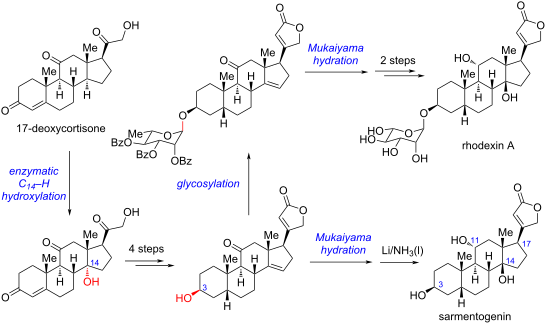
- isolated from the leaves and roots of the Japanese evergreen plant Rohdea japonica in 1951, and was also discovered in several other plants later [18]. Rhodexin A is the only natural CG that exhibits both cardiotonic activity and strong inhibitory activity on human leukemia K562 cells with an IC50 = 19 nM



Recent advances in total synthesis of illisimonin A
Beilstein J. Org. Chem. 2025, 21, 2571–2583, doi:10.3762/bjoc.21.199
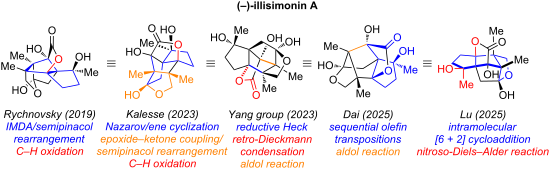
- embellished by additional bridging via a γ-lactone and a γ-lactol ring, resulting in a caged pentacyclic scaffold with a 5/5/5/5/5 ring arrangement. The compound demonstrates neuroprotective activity by mitigating oxygen-glucose deprivation-induced cell injury in SH-SY5Y cells. Since its isolation in 2017
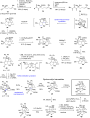
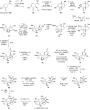
- neuroprotective effects against oxygen-glucose deprivation-induced cell injury in SH-SY5Y cells, suggesting its potential as a lead compound for the treatment of neurodegenerative diseases. The possible biosynthetic pathway of illisimonin A was also proposed by Yu and co-workers, as illustrated in Scheme 1. The






Synthesis and characterization of a isothiouronium-calix[4]arene derivative: self-assembly and anticancer activity
Beilstein J. Org. Chem. 2025, 21, 2535–2541, doi:10.3762/bjoc.21.195
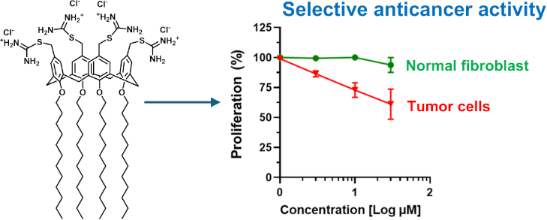
- chains at the lower rim. The resulting amphiphilic calix[4]arene derivative 3 spontaneously self-assembled into nanoscale aggregates in aqueous medium, as demonstrated by dynamic light scattering analysis. The cytotoxicity of compound 3 towards cancer cells was assessed using human renal carcinoma cells
- (786-O cells) and compared with that in non-malignant fibroblast cells (SW1 cells). Compound 3 showed a significantly greater antiproliferative effect on cancer cells (IC50 37.4 µM) than on normal fibroblasts (517 µM). The importance of the isothiouronium moieties in the observed cytoxic effect was
- to the nanosize, the calixarene-based nanoconstructs could preferentially accumulate in cancer tissues by exploiting the enhanced tumor permeability and retention (EPR) effect [24] or selectively penetrate cancer cells through specific ligand–receptor interactions on the surface of target cells [25


Effect of a photoswitchable rotaxane on membrane permeabilization across lipid compositions
Beilstein J. Org. Chem. 2025, 21, 2498–2512, doi:10.3762/bjoc.21.192
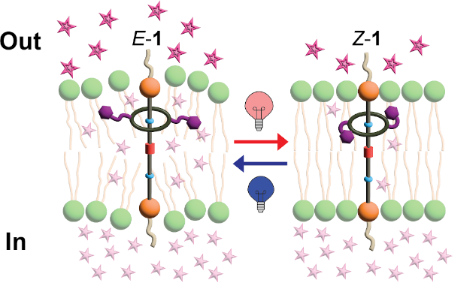
- ; membrane fluidity; membrane permeability; photoswitchable rotaxane; Introduction Lipid membranes play a vital role in biology by acting as protective barriers for cells and organelles while regulating the passage of substances. Additionally, their structure and dynamics influence the activity of membrane
- proteins that are responsible for essential cellular functions [1]. As a result, the function and properties of lipid membranes are significantly influenced by their lipid composition, which varies across various domains of life, including mammalian, prokaryotic, and plant cells, and even between
- bacteria or malignant cells like cancer) [5][6], or to influence membrane protein function and thereby control cellular behavior [7][8]. One promising approach is the development of light-activated molecules that can modulate membrane properties upon irradiation, enabling remote activation with high


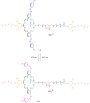
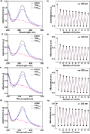


Assembly strategy for thieno[3,2-b]thiophenes via a disulfide intermediate derived from 3-nitrothiophene-2,5-dicarboxylate
Beilstein J. Org. Chem. 2025, 21, 2489–2497, doi:10.3762/bjoc.21.191
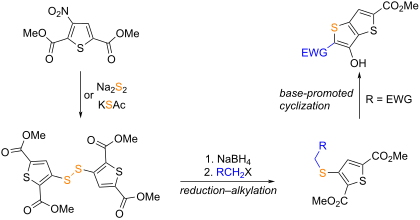
- materials for various types of organic solar cells [8][9][10][11][12][13]. TT-extended phthalocyanines and related dyes have also been applied in gas-sensing devices, benefiting from their π-stacked alignment and electron-rich character [14]. On the other hand, the biological potential of TT molecules has



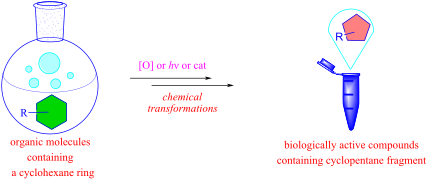
Transformation of the cyclohexane ring to the cyclopentane fragment of biologically active compounds
Beilstein J. Org. Chem. 2025, 21, 2416–2446, doi:10.3762/bjoc.21.185
- [96] used the semipinacol rearrangement as a key step in converting indole 219 to spirooxindole 221. The spirooxindole alkaloids, (−)-citrinadin A and (+)-citrinidin B, exhibit notable activity against murine leukemia L1210 (217, IC50 6.2 μg/mL; 229, 10 μg/mL) and human epidermoid KB cells (218, IC50


Rotaxanes with integrated photoswitches: design principles, functional behavior, and emerging applications
Beilstein J. Org. Chem. 2025, 21, 2345–2366, doi:10.3762/bjoc.21.179

- generate singlet oxygen (¹O2), which can be controlled through dithienylethene photoisomerization. Therefore, the authors investigated these nanoparticles for bioimaging and apoptosis of HeLa cells. When the dithienylethene is in the open form, the nanoparticles have relatively high cytotoxicity due to the
- photoswitchable rotaxanes into lipid membranes has revealed exciting opportunities for future biooriented applications. These applications include light-controlled systems for drug release, ion transport, rotaxane-based therapeutics, and molecular tools capable of modulating biological processes in living cells
- . Figure 7 was adapted with permission from [16], Copyright 2023 American Chemical Society. This content is not subject to CC BY 4.0. Dithienylethene-based [1]rotaxane shuttling motion triggered by pH changes (top). Dithienylethene photoswitch modulates singlet oxygen generation to kill HeLa cells (bottom


Comparative analysis of complanadine A total syntheses
Beilstein J. Org. Chem. 2025, 21, 2334–2344, doi:10.3762/bjoc.21.178
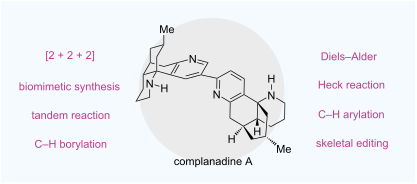
- isolated by Kobayashi and co-workers from the club moss Lycopodium complanatum [4][5][6][7]. They discovered that complanadine A exhibited neurotrophic activity by enhancing the mRNA expression level for nerve growth factor (NGF) biosynthesis in 1321N1 human astrocytoma cells and NGF production in human
- glial cells, rendering complanadine A a promising lead compound for neurological disorder treatment. Later, complanadine A was also identified as a lead compound for pain management by Siegel and co-workers [8]. They discovered one of its potential cellular targets as the Mas-related G protein-coupled



C2 to C6 biobased carbonyl platforms for fine chemistry
Beilstein J. Org. Chem. 2025, 21, 2103–2172, doi:10.3762/bjoc.21.165
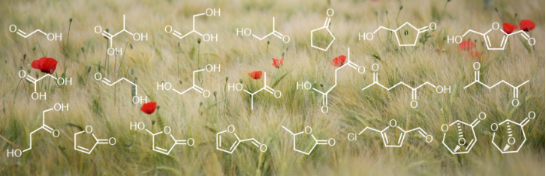
- avoid side reactions and promoted exclusive transformation of formaldehyde into glycolic acid. The use of E. coli K-12 strains as host cells and paraformaldehyde as the starting material, led to production of GA with high conversion even at rather high concentrations (Scheme 8) [36]. Using a CuII-based


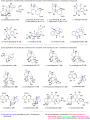
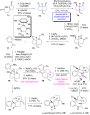
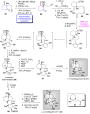
The application of desymmetric enantioselective reduction of cyclic 1,3-dicarbonyl compounds in the total synthesis of terpenoid and alkaloid natural products
Beilstein J. Org. Chem. 2025, 21, 2085–2102, doi:10.3762/bjoc.21.164
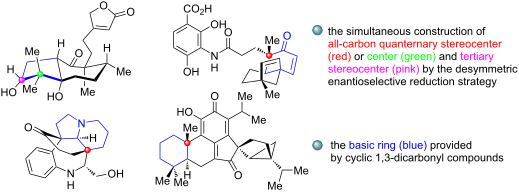
- Hamigera tarangaensis, and show cytotoxicity against various tumor cells. Notably, compound 11 exhibits 100% inhibition against herpes and polio viruses without significant host cell cytotoxicity [38]. Since their isolation, the synthesis of 11 and 12 have been reported by many groups [39][40][41][42][43







Further elaboration of the stereodivergent approach to chaetominine-type alkaloids: synthesis of the reported structures of aspera chaetominines A and B and revised structure of aspera chaetominine B
Beilstein J. Org. Chem. 2025, 21, 2072–2081, doi:10.3762/bjoc.21.162
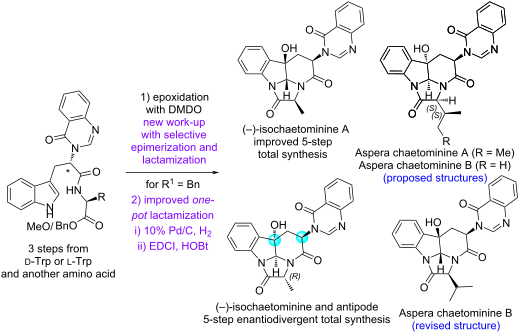
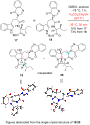
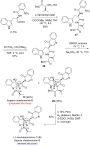
- ) from marine sponge associated fungus Aspergillus versicolour SCSIO XWS04 F52 [32]. They reported that both the two alkaloids showed cytotoxic activity against leukaemia K562 and colon cancer cells SW1116 with IC50 ranged from 7.5 to 12.5 μM, and significant protection against H1N1 virus-induced
- cytopathogenicity in MDCK cells with IC50 values of 15.5 and 24.5 μM, respectively. Attracted by both their structure and bioactivities, we anticipated their synthesis. The author determined the structure by means of spectroscopic (1H, 13C NMR, HSQC, HMBC, and 1H-1H COSY), and MS analysis, and claimed that “their




Discovery of cytotoxic indolo[1,2-c]quinazoline derivatives through scaffold-based design
Beilstein J. Org. Chem. 2025, 21, 2062–2071, doi:10.3762/bjoc.21.161
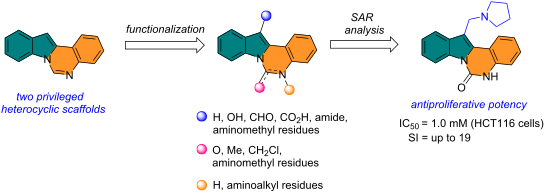
- biological evaluation of novel indolo[1,2-c]quinazoline derivatives, with a particular focus on their antiproliferative potential against human cancer cells. We introduced structural modifications at positions 5, 6, and 12 of the indolo[1,2-c]quinazoline core to explore the structure–activity relationships
- and enhance cytotoxicity. Our results highlight that 12-aminomethyl derivatives exhibited notable cytotoxicity against tumor cell lines, with the highest activity observed for compound 9c, which showed significant selectivity toward tumor cells. In contrast, while the compounds demonstrated planar
- evaluation. The antiproliferative activity of the novel indolo[1,2-c]quinazoline derivatives was evaluated against several human cancer cell lines, including colon carcinoma HCT116, lung adenocarcinoma A549, and chronic myeloid leukemia K562. To estimate selectivity for non-malignant cells human skin


Bioinspired total syntheses of natural products: a personal adventure
Beilstein J. Org. Chem. 2025, 21, 2048–2061, doi:10.3762/bjoc.21.160
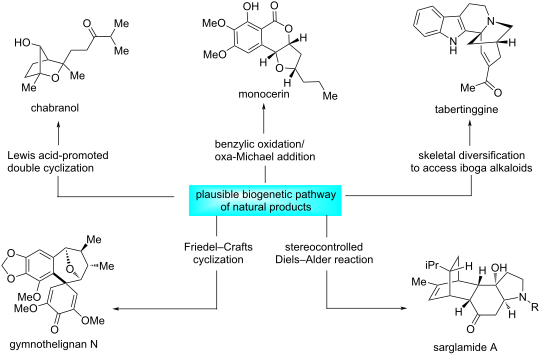
- calculations, and chemical transformations. Biologically, these molecules exhibit antineuroinflammatory activity against lipopolysaccharide (LPS)-induced inflammation in BV-2 microglial cells. Structurally, these molecules generally have a tetracyclic backbone (A–D rings), among which AB rings form a bridged




Solar thermal fuels: azobenzene as a cyclic photon–heat transduction platform
Beilstein J. Org. Chem. 2025, 21, 2036–2047, doi:10.3762/bjoc.21.159
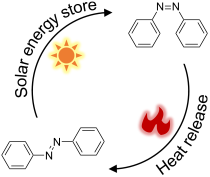
- pivotal position among renewable energy sources. To date, solar energy conversion and storage technologies have experienced considerable progress, including artificial photosynthesis [1], solar thermal collectors [2], photovoltaic cells [3], and solar thermal fuels [4][5]. Among these innovations, solar




Synthesis, biological and electrochemical evaluation of glycidyl esters of phosphorus acids as potential anticancer drugs
Beilstein J. Org. Chem. 2025, 21, 1909–1916, doi:10.3762/bjoc.21.148
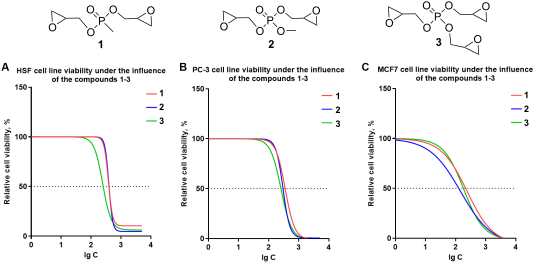
- , obtaining products with high purity and moderate to excellent yields. Their cytotoxic potential was evaluated using the MTT assay on human fibroblasts (HSF), prostate cancer (PC-3), and breast cancer (MCF7) cell lines, revealing moderate preferential cytotoxicity toward cancer cells, particularly in the
- , PC-3, and MCF7 cell lines, respectively. Similarly, diglycidyl methylphosphate (2) achieved 50% inhibition at concentrations of 398 ± 33 μM, 300 ± 21 μM, and 128 ± 10 μM. Triglycidyl phosphate (3) exhibited IC50 values of 254 ± 19 μM for HSF, 257 ± 20 μM for PC-3, and 182 ± 14 μM for MCF7 cells
- . Among the tested compounds, triglycidyl phosphate (3) demonstrated the highest overall cytotoxicity against HSF and PC-3 cell lines, while diglycidyl methylphosphate (2) showed the greatest potency toward MCF7 breast cancer cells. Although the IC50 values for compounds 1 and 2 were somewhat higher in


Stereoselective electrochemical intramolecular imino-pinacol reaction: a straightforward entry to enantiopure piperazines
Beilstein J. Org. Chem. 2025, 21, 1897–1908, doi:10.3762/bjoc.21.147
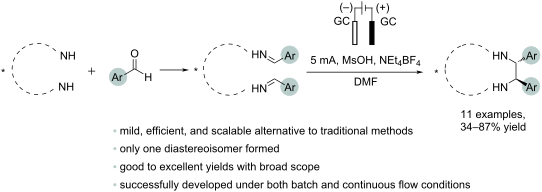
- moderate yields and required geometrically complex divided cells. In 1989, a more efficient procedure was introduced by Torii et al. [43], who simplified the process by using PbBr2, TFA and THF, in a beaker-type undivided cell equipped with two platinum electrodes. This approach afforded vicinal diamines





Research progress on calixarene/pillararene-based controlled drug release systems
Beilstein J. Org. Chem. 2025, 21, 1757–1785, doi:10.3762/bjoc.21.139
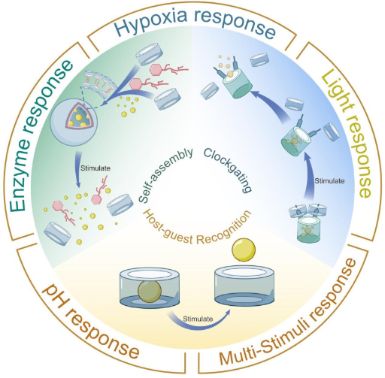
- π–π stacking interactions [86]. Their amphiphilic nature enables these systems to enter cells efficiently through endocytosis, providing a new drug delivery approach and holding great potential in precision medicine due to their programmable and stimulus-responsive features. Additionally, PAs can be
- example, the acidity of tumor and inflamed tissues is distinct from that of healthy tissues, offering a potential physiological trigger for pH-responsive drug delivery. Thus, drug release can be regulated by leveraging the variations in acidity between normal and diseased cells [100]. Developing
- down by the highly acidic environment of tumor cells, which acts as an exogenous or endogenous stimulus to enable the controlled release of the encapsulated drugs. These nanosystems are highly compatible with the body and comprise biocompatible, water-dispersible, and low-toxicity small molecules. 2.2






Facile synthesis of hydantoin/1,2,4-oxadiazoline spiro-compounds via 1,3-dipolar cycloaddition of nitrile oxides to 5-iminohydantoins
Beilstein J. Org. Chem. 2025, 21, 1552–1560, doi:10.3762/bjoc.21.118

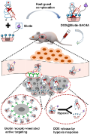
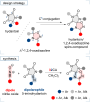
- therapeutic efficacy (lower IC50 values) [18] but greater toxicity to healthy cells in comparison with spiro compounds [19]. Such hybrid-designed molecules may contain a third heterocycle as a linker, spiro-joined with one of the pharmacophore moieties. In this case, another pharmacophore fragment is included
- aromatic core hinders rotation around the C–N bond. Cytotoxicity The cytotoxic properties of hydantoin/1,2,4-oxadiazoline spiro-compounds were investigated using the MTT [42] assay on human colorectal carcinoma cell line HCT116. To evaluate the cytotoxicity of the compounds in vitro, cells were placed in
- 96-well culture plates at a concentration of 4–7 × 10³ cells/mL and incubated at 37 °C for 24 hours. The cells were counted after treatment with trypan blue solution (0.4%) in a Goryaev chamber. Then, after incubation at 37 °C for 72 h, the cells were exposed to various concentrations of the studied



Ambident reactivity of enolizable 5-mercapto-1H-tetrazoles in trapping reactions with in situ-generated thiocarbonyl S-methanides derived from sterically crowded cycloaliphatic thioketones
Beilstein J. Org. Chem. 2025, 21, 1508–1519, doi:10.3762/bjoc.21.113
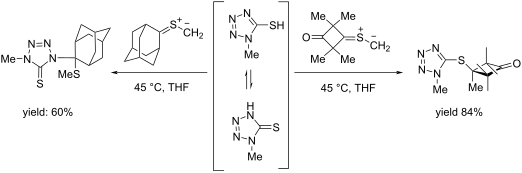
- isomeric products was a feasible operation. Cytotoxicity of selected thioaminals 9 and dithioacetals 10 in cancer and non-cancer cells Cytotoxicity investigations represent a pivotal component in the realm of pharmaceutical development and contemporary medicine. In vitro assays constitute a rapid method
- by MTT assay and expressed as CC50 parameter (50% cytotoxic concentration) [32]. All results are gathered in Table 2. In general, the tested compounds did not demonstrate high levels of toxicity towards the investigated non-cancer cell lines. Among them, Vero cells showed the highest sensitivity
- insensitive to the investigated compounds (CC50 > 1000 µM for HepG2, A549 and CC50 > 300 µM for T98G), whereas HeLa cells demonstrated increased sensitivity. The most active compounds 9a, 9h and 10i, revealed their toxicity with CC50 < 10 µM (6.35 ± 1.75 µM; 2.11 ± 0.53 µM and 9.26 ± 3.14 µM, respectively


Heterologous biosynthesis of cotylenol and concise synthesis of fusicoccane diterpenoids
Beilstein J. Org. Chem. 2025, 21, 1489–1495, doi:10.3762/bjoc.21.111
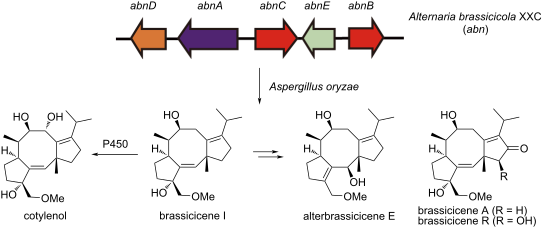
- -inflammatory, antimicrobial, antiparasitic, and plant growth regulating activities. For instance, cotylenin A (1) and fusicoccin A (2) function as molecular glues to stabilize the interactions between 14-3-3 proteins and their binding partners in plant and animal cells [8][9][10][11][12]. It has been reported
- that cotylenin A and its aglycone, cotylenol (3), induce differentiation in murine and human myeloid leukemia cells [13]. Cotylenin A and fusicoccin A also act synergistically with interferon-α or rapamycin to induce apoptosis in cancer cell lines [14][15][16]. However, cotylenin A cannot be produced