Search results
Search for "transformations" in Full Text gives 1184 result(s) in Beilstein Journal of Organic Chemistry. Showing first 200.
Highly electrophilic, gem- and spiro-activated trichloromethylnitrocyclopropanes: synthesis and structure
Beilstein J. Org. Chem. 2026, 22, 123–130, doi:10.3762/bjoc.22.5
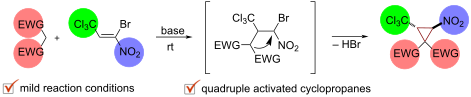
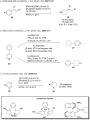
- biologically active properties. Thus, barbamide exhibits molluscicidal activity [7], and sintokamide A is active against prostate cancer [8] (Figure 1). As derivatives of strained and unique structure and properties [9][10] cyclopropanes are of interest for entering into various transformations along the path
- -3,3,3-trichloropropene (1) [40] in reactions with nucleophiles, including those following the formation of cyclic products in tandem transformations [41][42][43][44], methods for obtaining cyclopropane structures based on it are not known. In this way, it seemed desirable to synthesize vicinal


Total synthesis of natural products based on hydrogenation of aromatic rings
Beilstein J. Org. Chem. 2026, 22, 88–122, doi:10.3762/bjoc.22.4
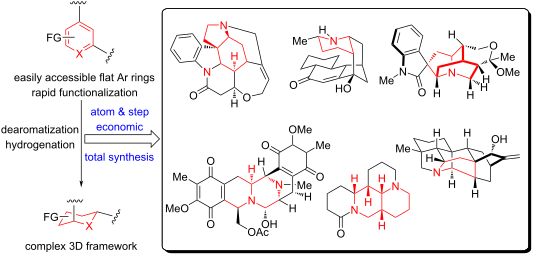
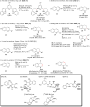
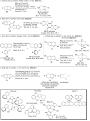
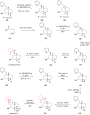
- , which perfomed as a key substrate for the aerobic oxidation. The formation of the tetracyclic 3-spirooxindole structure 137 was achieved through a transition-metal-free intramolecular cross-dehydrogenative coupling. With 137 in hand, a sequence of transformations including ketone reduction with NaBH4
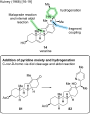
- into the zwitterionic salt 166, extensive screening revealed that iridium catalysis with MeO-BoQPhos afforded the highest stereoselectivity. This approach furnished the reduced product 167 in high yield. After five further transformations (overall yield: 67%), the final coupling with a benzimidazole
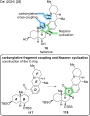
- mechanistic hypothesis. Based on this stereochemical control, the Stoltz team successfully obtained the asymmetric hydrogenation product 176, which spontaneously underwent intramolecular cyclization to furnish the bridged cyclic compound 177. With compound 177 in hand, a series of three transformations










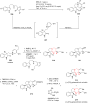

Advances in Zr-mediated radical transformations and applications to total synthesis
Beilstein J. Org. Chem. 2026, 22, 71–87, doi:10.3762/bjoc.22.3
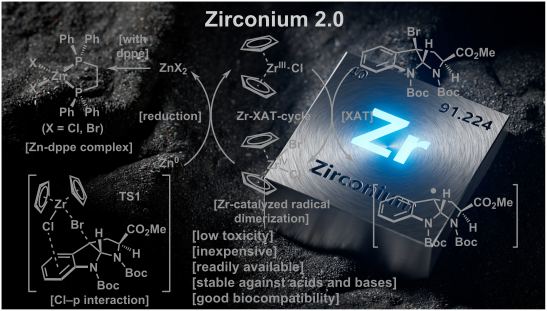
- and discovery of two-electron ionic transformations dominated the early stages. Over time, pericyclic reactions exemplified by the Woodward–Hoffmann rules and one-electron radical processes became prominent research topics. Today, many of these classical transformations have been further refined to
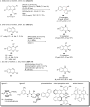
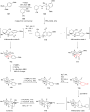
- and accelerating the whole process. Zr-mediated catalytic radical reactions In recent years, numerous chemical transformations employing photoredox catalysts in combination with catalytic amounts of zirconium complexes have been reported. In this section, representative examples of such reactions are
- for further development in this area. In 2022, Ota and Yamaguchi et al. reported the zirconocene-catalyzed ring-opening of epoxides using Cp₂Zr(OTf)2·THF (Scheme 5) [4]. Traditionally, such transformations are carried out with low-valent titanium catalysts, which typically proceed via more substituted








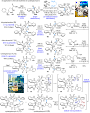
Synthesis and applications of alkenyl chlorides (vinyl chlorides): a review
Beilstein J. Org. Chem. 2026, 22, 1–63, doi:10.3762/bjoc.22.1
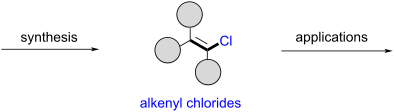
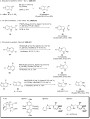
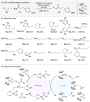
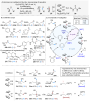
- recognized. This review provides a comprehensive overview of the synthesis and application of alkenyl chlorides, with a focus on developments over the past four decades. By organizing this growing body of work, I aim to highlight key advances and help guide the design of new transformations involving this
- (Figure 3I). It should be noted that the review by Petrone and Lautens also covers some hydrochlorination chemistry. A concise three-page overview of alkenyl chloride synthesis appeared in 1995 in a book chapter “Comprehensive Organic Functional Group Transformations” by C. J. Urch [42]. Lastly, Cao and
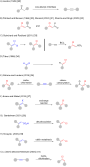
- and classification of these transformations – excluding decarboxylative processes – is provided in Figure 4. Each class is discussed in detail in chapter 1. However, several transformations do not fit cleanly into the defined categories and are therefore discussed under miscellaneous reactions

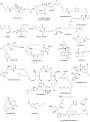



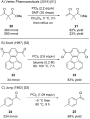


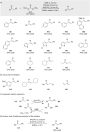

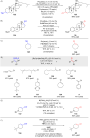


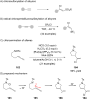












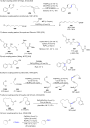


Sustainable electrochemical synthesis of aliphatic nitro-NNO-azoxy compounds employing ammonium dinitramide and their in vitro evaluation as potential nitric oxide donors and fungicides
Beilstein J. Org. Chem. 2025, 21, 2739–2754, doi:10.3762/bjoc.21.211
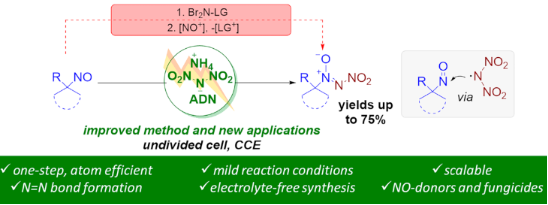
- applications in organic synthesis as precursors for free radicals in selective transformations [5][6][7][8][9][10][11] and polymerization initiators [12], energetic materials [13][14][15], NO donors [16][17], and organic light-emitting diodes (OLEDs) [18]. Despite the wide diversity of their applications
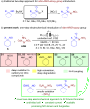
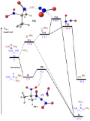
- transformations that may have additional energy barriers (not estimated). Assessment of the NO release from compounds 2a–i, 3f, and 4f. Current synthetic approaches to aliphatic nitro-NNO-azoxy compounds and the summary of the present work achievements. Scope of the discovered electrochemical nitro-NNO





Competitive cyclization of ethyl trifluoroacetoacetate and methyl ketones with 1,3-diamino-2-propanol into hydrogenated oxazolo- and pyrimido-condensed pyridones
Beilstein J. Org. Chem. 2025, 21, 2716–2729, doi:10.3762/bjoc.21.209
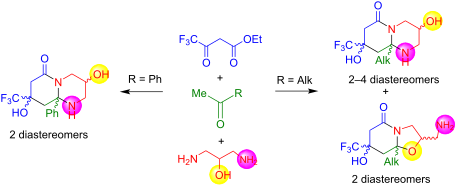
- to be obtained in one stage using commercially available reagents [1][2][3]. Their ambident properties make 3-oxo esters convenient reagents for the use in multicomponent syntheses, with the Hantzsch [4][5] and Biginelli [6][7][8] reactions being the best known. In the transformations, 3-oxo esters
- the mechanistic aspects of these transformations. Our team has discovered a new multicomponent synthesis that is based on autocatalyzed reactions of ethyl trifluoroacetoacetate and other polyfluoroalkyl-3-oxo esters with α-methylenecarbonyl compounds and amines [9]. This approach is appropriate only
- octahydropyrido[1,2-a]pyrimidinones 4bcс (δF 80.00 ppm) and 4btс (δF 79.50 ppm) were obtained in a mixture at a ratio of 4:1 (Scheme 2). The transformations with 2-hexanone (2c) led to the formation of two diastereomers of 4cct (δF 80.09 ppm) and 4ccc (δF 80.00 ppm), two diastereomers of 5ctc (δF 79.65 ppm) and


Mechanistic insights into hydroxy(tosyloxy)iodobenzene-mediated ditosyloxylation of chalcones: a DFT study
Beilstein J. Org. Chem. 2025, 21, 2703–2715, doi:10.3762/bjoc.21.208
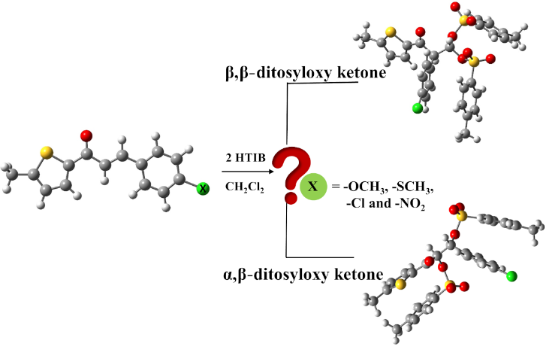
- -substituents; α,β-unsaturated carbonyl compounds; Introduction Hypervalent iodine compounds exhibit a range of bonding patterns which making these compounds powerful reagents or catalysts for a number of organic transformations [1][2][3][4] – oxidation of alcohols [5], epoxidation of alkenes [6], oxidative


Tandem hydrothiocyanation/cyclization of CF3-iminopropargyl alcohols with NaSCN in the presence of AcOH
Beilstein J. Org. Chem. 2025, 21, 2694–2702, doi:10.3762/bjoc.21.207
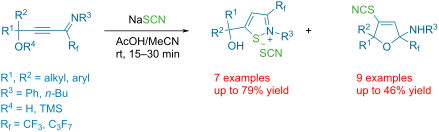
- The hydrofunctionalization of alkynes is one of the most effective and convenient ways of synthesizing polysubstituted alkenes [1][2][3][4][5]. Such reactions can also afford more complex products, provided that the vinyl intermediates formed during the reaction undergo further transformations [6][7



Recent advancements in the synthesis of Veratrum alkaloids
Beilstein J. Org. Chem. 2025, 21, 2657–2693, doi:10.3762/bjoc.21.206
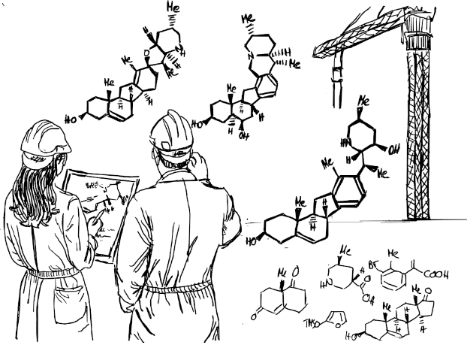
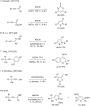
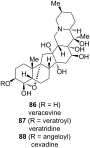
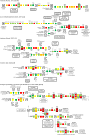
- group in the sequence to temporarily mask that specific group and its reactivity. The latter are considered undesirable transformations, since they do not contribute to advancing the complexity of the synthetic intermediate toward the target and should therefore be avoided, or at least minimized in use
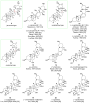
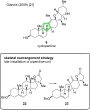
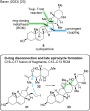
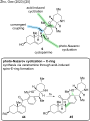
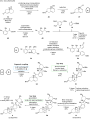
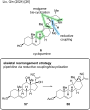
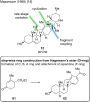
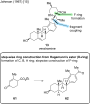
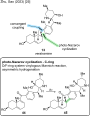
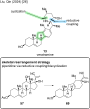
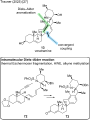
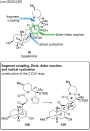
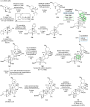
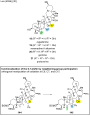
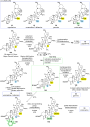
- and as a semisynthesis, poses some non-strategic redox transformations (orange) and protecting manipulations (red) especially in the beginning and in the endgame of the synthesis. Nevertheless, several transformations are desirable green transformations, although it is noticeably more difficult to
- the semisynthesis of Liu/Qin [26] 15 years later. The only non-green transformations displayed at the start were a protecting group installation (red) and a condensation (yellow), which was needed for the C–H activation (light green). All other transformations connect either C–C or C–heteroatom bonds
















Chemoenzymatic synthesis of the cardenolide rhodexin A and its aglycone sarmentogenin
Beilstein J. Org. Chem. 2025, 21, 2637–2644, doi:10.3762/bjoc.21.204
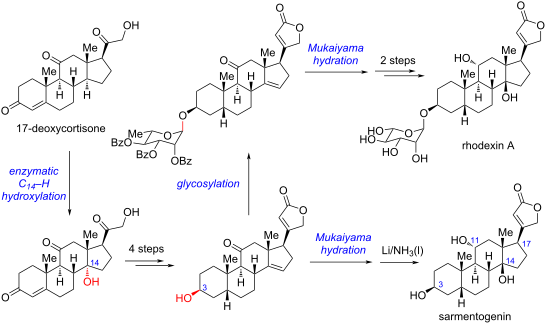
- donor, through a late-stage glycosylation. The aglycon 2 can be derived from the Δ14 olefin intermediate 3 via Mukaiyama hydration and several functional group transformations. In turn, 3 would be generated from the key C14α-hydroxylated intermediate 4 via an elimination process. For the synthesis of 4



Thiazolidinones: novel insights from microwave synthesis, computational studies, and potentially bioactive hybrids
Beilstein J. Org. Chem. 2025, 21, 2618–2636, doi:10.3762/bjoc.21.203
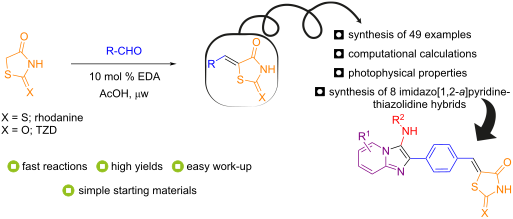
- transformations. The EDA-catalyzed Knoevenagel condensation reactions performed well even when a 10-fold increase in scale was applied (Supporting Information File 1, Scheme S1). The overall reaction profile was very much alike the smaller scales, affording the products in excellent yields (96–97%). A proposed






Visible-light-driven NHC and organophotoredox dual catalysis for the synthesis of carbonyl compounds
Beilstein J. Org. Chem. 2025, 21, 2584–2603, doi:10.3762/bjoc.21.200
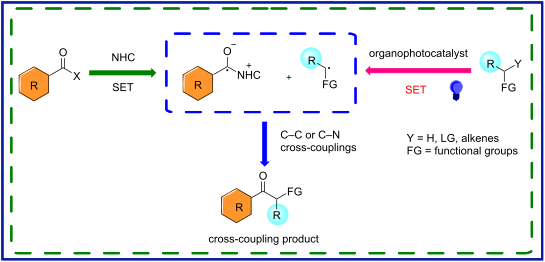
- ]. The use of visible light as an energy source has significantly expanded the scope of organic molecule activation and its application in organic synthesis or medicinal chemistry [12], thereby driving the fast development of various photocatalytic transformations. Among these advances, dual catalysis
- asymmetric reactions and are functional transformations in synthetic organic chemistry. Especially, 1,2,3-triazole-based NHCs are generally more reactive and stronger σ-donors than imidazole or thiazole analogues. Triazolium NHC enhances their ability to stabilize reactive radical intermediates or acyl anion
- transformations. Previous reports displayed various research groups successfully designed and prepared a variety of triazolium-based NHCs, eventually leading to the development of chiral NHC scaffolds by Knight and Leeper [17], followed by the remarkable contributions of Bode [18], Rovis [19], Glorius [20


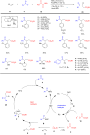
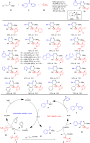

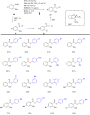

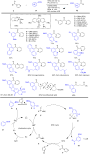

Recent advances in total synthesis of illisimonin A
Beilstein J. Org. Chem. 2025, 21, 2571–2583, doi:10.3762/bjoc.21.199
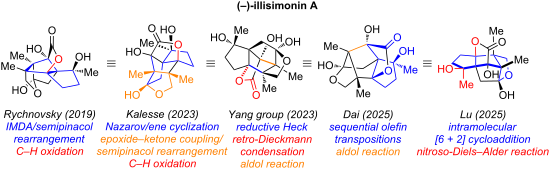
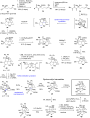
- – particularly the critical reactions responsible for skeletal diversity – Yang and co-workers first introduced a comprehensive and detailed biosynthetic pathway for Illicium sesquiterpenes, with the route to illisimonin A depicted in Scheme 5. The transformations from farnesyl diphosphate to the allo-cedryl






Total syntheses of highly oxidative Ryania diterpenoids facilitated by innovations in synthetic strategies
Beilstein J. Org. Chem. 2025, 21, 2553–2570, doi:10.3762/bjoc.21.198
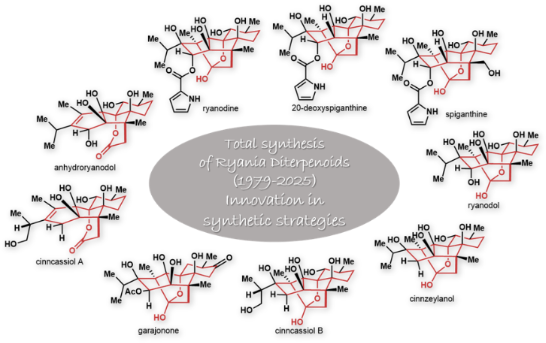
- intermediate, systematically deriving multiple structurally related natural products through functional group transformations and oxidation-state adjustments [3][4]. This approach efficiently constructs compound family libraries, greatly facilitating drug screening and structure–activity relationship (SAR
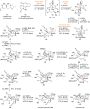
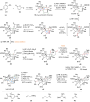
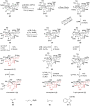
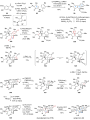
- is as follows: Starting from the chiral compound (S)-carvone, four simple transformations yield the enone intermediate 11. This intermediate undergoes an intermolecular [4 + 2] cycloaddition with diene 12, generating two sets of regioselective products in an approximate ratio of 1:1. The product with
- of (+)-ryanodol (4) in just 15 steps, highlighting the Pauson–Khand cyclization and a selenium dioxide-mediated selective oxidation as key transformations [48] (Scheme 7). To construct the multi-substituted five-membered ring in the target molecule, the authors strategically employed the Pauson–Khand







Assembly strategy for thieno[3,2-b]thiophenes via a disulfide intermediate derived from 3-nitrothiophene-2,5-dicarboxylate
Beilstein J. Org. Chem. 2025, 21, 2489–2497, doi:10.3762/bjoc.21.191
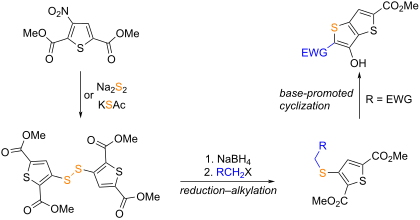
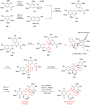
- the S-acetyl compound to the thiolate and then to the disulfide with the participation of nitrite, is consistent with the previously reported synthesis of bis(per-O-acetylated glycosyl)disulfides from S-acetyl glycosides and KNO2, providing a literature precedent for similar transformations [32]. In



The intramolecular stabilizing effects of O-benzoyl substituents as a driving force of the acid-promoted pyranoside-into-furanoside rearrangement
Beilstein J. Org. Chem. 2025, 21, 2456–2464, doi:10.3762/bjoc.21.187
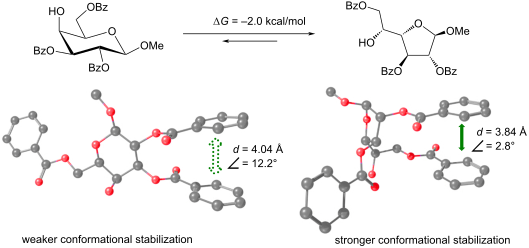
- possible similar transformations for glucosides and mannosides [28]. The stabilization of the furanose form was facilitated by the bulky and charged sulfate groups, leading to repulsive interactions (Figure 2B) [24]. This effect was observed across various configurations, such as galacto-, gluco-, fuco




Transformation of the cyclohexane ring to the cyclopentane fragment of biologically active compounds
Beilstein J. Org. Chem. 2025, 21, 2416–2446, doi:10.3762/bjoc.21.185
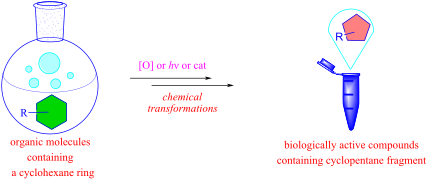
- [7]. Syntheses of cyclopentanoids usually are based on cyclopentaannelation reactions: transformations accompanied by cyclization [8]; transformation of compounds containing a cyclopentane ring [9]; contraction of large cycles to cyclopentane derivatives. Ring contraction reactions are among the most
- useful strategic transformations for the construction of carbocyclic and heterocyclic cyclopentanes. Six-membered carbocycles are convenient starting compounds for the synthesis of cyclopentanoids due to their widespread occurrence in nature and their synthetic availability. Undoubtedly, the development
- cyclohexane/ene ring contraction. The structure of the review includes examples of simple transformations (ozonolysis–aldol condensation, ozonolysis–Dieckmann reaction, and Baeyer–Villiger cleavage–Dieckmann reaction) and rearrangements (photochemical, benzil, semi-pinacol, Wolff, Meinwald, Wagner–Meerwein


The high potential of methyl laurate as a recyclable competitor to conventional toxic solvents in [3 + 2] cycloaddition reactions
Beilstein J. Org. Chem. 2025, 21, 2389–2415, doi:10.3762/bjoc.21.184
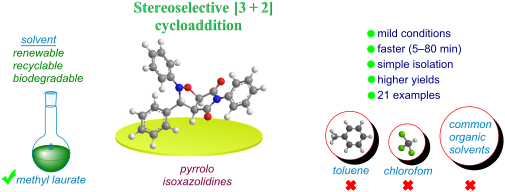
- [16][17][18][19]. Despite the advent of environmentally friendly green solvents that have been discovered to be applicable in numerous modern organic chemical transformations, difficulties often arise in the recovery and reuse of these solvents following the completion of the reaction. Moreover, some
- a promising biocompatible solvent alternative in numerous chemical transformations, there are several challenges associated with product isolation that must be addressed [23]. Consequently, it is evident that the endeavor to identify an optimal green solvent for both industrial and academic
- multitude of organic chemical transformations [72][73][74], industrial processes [5][75][76], and pharmaceutical applications [13][77] has recently gained significant prevalence. In view of the aforementioned considerations, the focus of our current research is on more environmentally friendly 1,3-dipoar


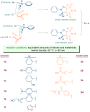






Comparative analysis of complanadine A total syntheses
Beilstein J. Org. Chem. 2025, 21, 2334–2344, doi:10.3762/bjoc.21.178
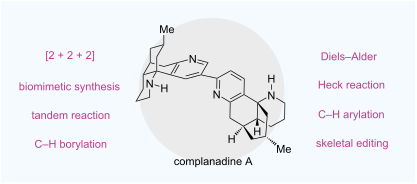
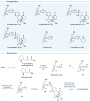
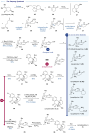
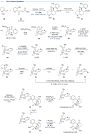
- reaction to rapidly establish the tetracyclic skeleton of complanadine A and an iridium-catalyzed site-selective pyridine C–H borylation followed by a Suzuki–Miyaura cross coupling to forge the C2–C3’ linkage. Their synthesis achieves a high degree of synergy between classic transformations and modern



Recent advances in Norrish–Yang cyclization and dicarbonyl photoredox reactions for natural product synthesis
Beilstein J. Org. Chem. 2025, 21, 2315–2333, doi:10.3762/bjoc.21.177
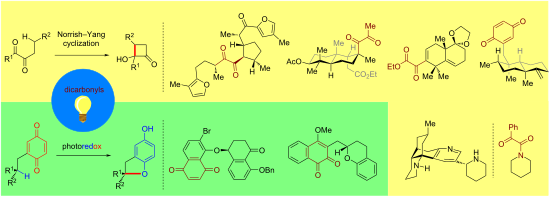
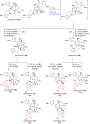
- congested benzofuranone-based 4,5-spirocycle [26]. Starting from Wieland–Miescher ketone (18, Scheme 4), the synthesis proceeded through a sequence of transformations: the nonconjugated carbonyl was chemoselectively protected as ketal 19; the unprotected ketone then underwent α-methylation to provide 20
- moderate diastereoselectivity; this was followed by Mn(III)-catalyzed metal-hydride hydrogen atom (MHAT) transfer to reduce the endocyclic olefin, forming 41 as a single diastereomer. Subsequent transformations – including a Wittig reaction, demethylation, and oxidation of the resulting phenol to a p
- reactivity modes and expand the structural diversity of accessible natural product scaffolds. Additionally, the highly reactive strained four-membered rings generated from these reactions present exciting opportunities for further functionalization. Studying their downstream transformations – particularly




Halogenated butyrolactones from the biomass-derived synthon levoglucosenone
Beilstein J. Org. Chem. 2025, 21, 2297–2301, doi:10.3762/bjoc.21.175
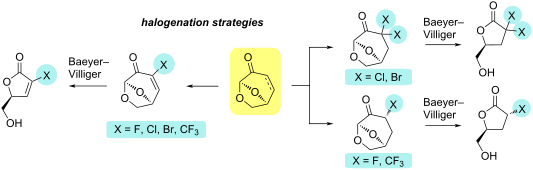
- chiral halogenated lactones, which could be useful in the enantioselective synthesis of valuable drug precursors. The syntheses feature the use of readily available and cheap starting materials, and we have also demonstrated some of these transformations on a gram scale. Halogen-containing butyrolactone



Enantioselective radical chemistry: a bright future ahead
Beilstein J. Org. Chem. 2025, 21, 2283–2296, doi:10.3762/bjoc.21.174
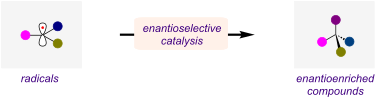
- transformations is also discussed. Keywords: chiral Lewis acid; electrochemistry; enantioselective radical reaction; organocatalysis; photoenzymatic catalysis; photoredox; Introduction Asymmetric catalysis plays an integral role in the enantioselective synthesis of organic compounds. A wide variety of
- enantioenriched catalysts ranging from chiral organometallic complexes to organocatalysts (small organic molecules) have been designed, synthesized, and successfully used in several organic transformations [1][2][3]. Despite these advances, catalytic methods involving radical intermediates were very rare until
- . Additionally, radical chemistry offers opportunities to achieve transformations that may not proceed via two-electron processes. Radicals can be generated through several different approaches, summarized in Figure 1A. The use of organostannanes to generate carbon-centered radicals was formerly commonplace but


Pathway economy in cyclization of 1,n-enynes
Beilstein J. Org. Chem. 2025, 21, 2260–2282, doi:10.3762/bjoc.21.173
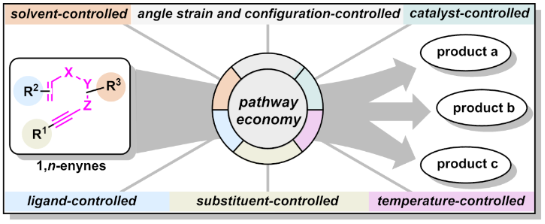
- components such as solvents, catalysts, ligands and so on. Unlike traditional “one-to-one” reactions, pathway-controlled “one-to-many” transformations synthesize multiple products from single intermediates, dramatically reducing preparation time and reagent requirements (Scheme 1b). As an exceptionally
- systematically regulating reaction parameters (solvent, substituent, ligand, catalyst) in 1,n-enyne cyclizations, enabling efficient "one-to-many" transformations that drastically reduce synthetic steps and resource consumption. Review Solvent-controlled cyclization of 1,n-enynes Solvents play a multifaceted
- regulatory role in chemical transformations, exerting kinetic modulation through solvation effects on activation barriers and reaction rates, dictating thermodynamic equilibria that govern product distribution, and enabling precise reaction pathway regulation via selective stabilization of critical


Synthesis of triazolo- and tetrazolo-fused 1,4-benzodiazepines via one-pot Ugi–azide and Cu-free click reactions
Beilstein J. Org. Chem. 2025, 21, 2202–2210, doi:10.3762/bjoc.21.167
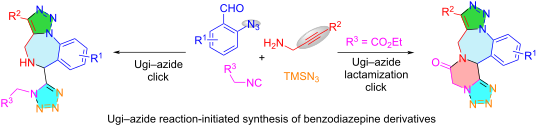
- 2). Functional groups including ester, azido, and alkynyl present in the starting materials are responsible for the post-Ugi transformations. Results and Discussion We first attempted the Ugi–azide 4-CR at a 0.2 mmol scale with equal molar amounts of 2-azidobenzaldehyde (1a), propargylamine (2a


Electrochemical cyclization of alkynes to construct five-membered nitrogen-heterocyclic rings
Beilstein J. Org. Chem. 2025, 21, 2173–2201, doi:10.3762/bjoc.21.166
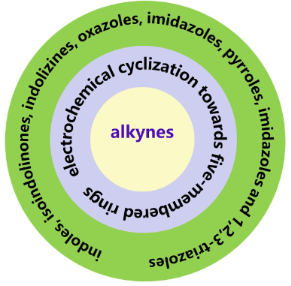
- characteristics. Electrochemical construction of five-membered rings from alkynes attracted increasing attention due to the notable advantages of electrochemical transformations and facile access of alkynes. Indole skeletons were constructed successfully through electrochemical intramolecular coupling of ethynyl
- , electrochemical cyclizations of alkynes to construct five-membered rings are highlighted. Firstly, the property and application of five-membered rings are simply introduced. After presenting the usefulness of alkynes and the general progress of electrochemical transformations, electrochemical cyclization
- transformations far from thermodynamic equilibria have emerged abundantly with the consideration of green chemistry [89][90][91][92]. Redox-active organic compounds, transition metal coordinating compounds and even an electrode surface were commonly employed as catalysts in the electrochemical transformations [93