Search results
Search for "addition" in Full Text gives 3389 result(s) in Beilstein Journal of Organic Chemistry. Showing first 200.
Get a better glimpse on sequential photoreactions of trisnorbornadienes with 19F NMR spectroscopy
Beilstein J. Org. Chem. 2026, 22, 527–534, doi:10.3762/bjoc.22.38
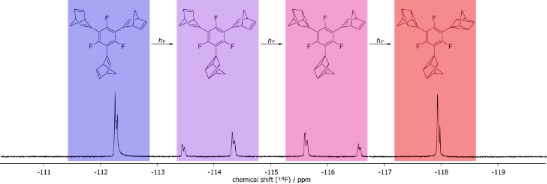
- variation often leads to a red-shifted absorption, the half-lives of the corresponding quadricyclanes are often decreased at the same time. In particular, the addition of an acetylene unit between the linking aromatic part and the norbornadiene often leads to short half-lives [29][30][31]. As arene-linked
- the photoreaction by absorption spectroscopy revealed the formation of a new maximum at 235 nm with no discernible isosbestic points, clearly indicating the presence of more than two differently absorbing compounds (Figure 2). In addition, the examination of the photoreaction with 1H NMR spectroscopy
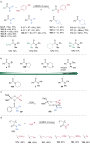
- ]. Upon addition of magic blue (5, 7.5 mol %) to a solution of quadricyclane 2f0,3 in CDCl3, the norbornadiene 1f was formed almost quantitatively in addition to very small traces of tri(4-bromophenyl)amine, i.e., the reduced catalyst (see Supporting Information File 1, Figure S12). Discussion A


Modern synthetic pathways towards eribulin and its subunits
Beilstein J. Org. Chem. 2026, 22, 495–526, doi:10.3762/bjoc.22.37
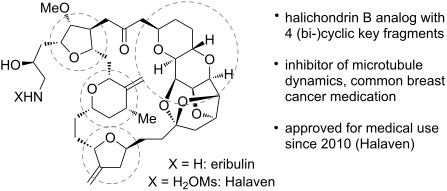
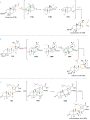
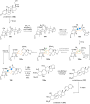
- metathesis with ethyl acrylate, acidic cleavage of the diol protecting group and addition of NaH induced the oxy-Michael reaction towards 18 in 4:1 dr. Reduction of the ester moiety, subsequent protection with TBDPSCl and methylation of the secondary alcohol furnished 19. After Bn-deprotection, iodination
- and addition of vinylmagnesium bromide, 21 was received and dihydroxylated towards 22 in 5:1 dr. The second path towards 27 commenced with the assembly of 23 from 14 via Bn-protection, following oxidation and Horner–Wadsworth–Emmons (HWE) reaction (Scheme 3). Stereospecific vinylation with a Gilman
- cuprate and acidic treatment afforded 25 in 13:1 dr. After protection with 2,6-DCBCl, reduction with LiAlH4, TBDPS-protection and methylation, 26 was received in 35% yield. Eventually, the addition of I2 triggered an iodocyclization towards 27. While in the first sequence only mg amounts of 22 were








Synthesis and uranyl(VI) extraction performance of a calix[4]pyrrole–tetrahydroxamic acid receptor
Beilstein J. Org. Chem. 2026, 22, 486–494, doi:10.3762/bjoc.22.36
- carboxylic acid derivatives such as esters, acyl chlorides and anhydrides with hydroxylamine salts [41]. A variety of coupling or activating agents were also employed in case of simple addition of hydroxylamine to carboxylic acid compounds [42][43][44]. In addition, alternative methods starting from
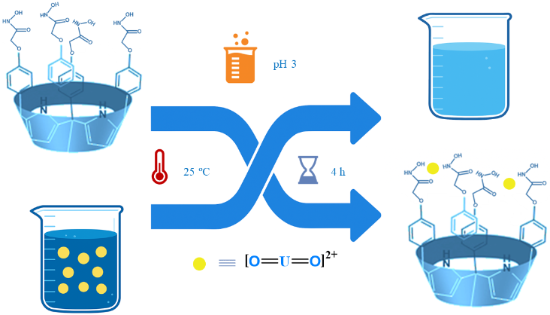
- calixarene tetraethylacetate [53]. In the original procedure, KOH was added at −5 °C, and the mixture was stirred for 5 hours at this temperature, followed by 5 days of stirring at room temperature. In our hands, both the addition of KOH and stirring were performed entirely at room temperature, and 1H NMR


Recent advances in the stereoselective synthesis of distal biaxially chiral molecules
Beilstein J. Org. Chem. 2026, 22, 461–479, doi:10.3762/bjoc.22.34
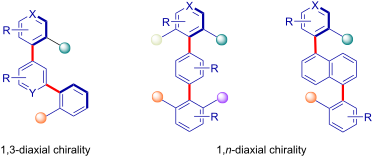
- remote biaxial chiral ligands 21 (Scheme 4) [45]. These ligands were successfully applied in asymmetric hydrogenation, revealing dual asymmetric induction effects and enriching the design principles for chiral catalytic systems. In addition, Yan’s group developed an organocatalytic strategy for the
- yields, indicating potential utility in chiral fluorescent materials. In addition, Du’s group reported an N-heterocyclic carbene (NHC)-catalyzed (3 + 3) cycloaddition of 2,6-disubstituted alkyne esters 38 with 6-aminouracils 39, affording distal biaxial uracil frameworks with both C–C and C–N chiral axes


Structural reassignment of compound 968, an allosteric glutaminase inhibitor
Beilstein J. Org. Chem. 2026, 22, 455–460, doi:10.3762/bjoc.22.33
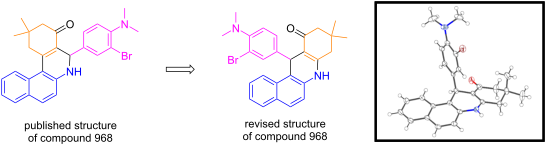
- aldehyde, followed by conjugate addition and cyclo-condensation with a 1,3 dinucleophile. Members of this reaction family are variations on the Biginelli and Hantzch reactions, where the dinucleophile is urea and the ammonia adduct of a second equivalent of the dicarbonyl, respectively [31]. A similar
- solution of the test compound in DMSO or DMSO itself was added (1 µL), mixed by gently pipetting up and down, then incubated for seven minutes at room temperature. The glutaminase reaction was initiated by addition of 20 µL of a solution of glutamine (100 mM) and K2HPO4 (500 mM), then mixed by gently
- pipetting up and down and incubated at room temperature for seven minutes. The reactions were quenched by addition of cold 3 M HCl (10 µL). An aliquot (10 µL) of each quenched GAC reaction was added to 190 µL of a glutamate dehydrogenase reaction which consisted of a solution containing Tris-HCl (100 mM, pH


A facile and practical method for the synthesis of trans-(±)-taxifolin and its derivatives via Darzens reaction
Beilstein J. Org. Chem. 2026, 22, 443–450, doi:10.3762/bjoc.22.31
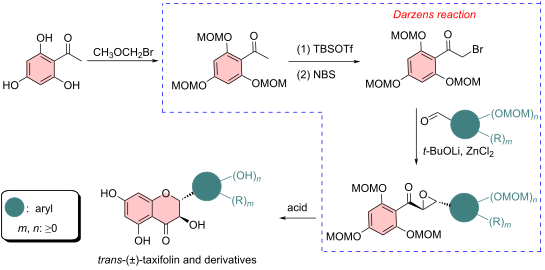
- favorable to catalyze the Darzens reaction [31][33], and some commonly used Lewis acids (Table 1, entries 17–22) were studied. The results showed that the addition of catalytic amounts of Lewis acids remarkably accelerated the reaction which was completed within 4 h while the yield was not affected. Among
- following step. Lastly, hydroxy deprotection and cyclization of (±)-4a using aqueous HBr solution (40%, 12.0 equiv) in MeOH/THF afforded 4.56 g of trans-(±)-taxifolin accounting for 41% yield starting from 2. Overall, the scale-up reaction proceeded smoothly with comparable yield. In addition to the


Synthesis and anti-cancer activity of naphthalimide–organylselanyl conjugates
Beilstein J. Org. Chem. 2026, 22, 416–435, doi:10.3762/bjoc.22.29
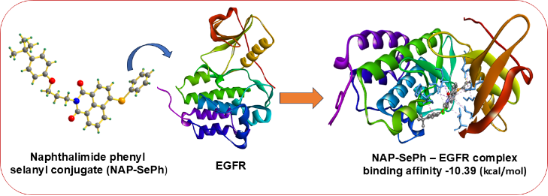
- methylseleninic acid (1) has emerged as a promising drug candidate for the treatment of triple-negative breast cancer (TNBC) [27]. In addition, the classical organoselenium compound diphenyl diselenide (2) has shown significant anticancer activity against the MDA-MB-231 breast cancer cell line [28]. Very recently
- washed twice with water (20 mL) and brine (20 mL). The organic layer was dried over anhydrous MgSO₄, and the solution was concentrated under reduced pressure. Slow evaporation of the solvent followed by the addition of methanol afforded the desired compound 10 as a white solid with a yield of 1.2 g, 53
- . X-ray data Table 3 shows the X-ray data of compound 7. In addition, a packing diagram of compound 7 in the crystal can be found in Figure S20 in Supporting Information File 1. Computational details All computational calculations were carried out using the Gaussian 16 (g16) program [76]. Geometry




Cone p-aminocalix[4]arenes enriched with ‘clickable’ alkyne or azide functionalities
Beilstein J. Org. Chem. 2026, 22, 399–415, doi:10.3762/bjoc.22.28
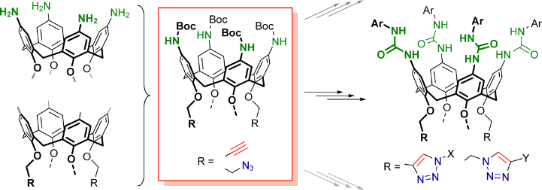
- bis(trimethylsilyl)amine (HMDS) with n-butyllithium in THF immediately before the addition of a propargylated calixarene followed by TBSCl. This allowed us to improve the yield of the known calix[4]arene 6 [9] having four silylated propargyl groups at the narrow rim, and to obtain the respective
- flexible linkers between the calixarene core and the differently arranged triazole heterocycles. In addition to what could be interpreted as a set of signals from homodimer 472, a set of broadened resonances was observed in the spectrum (Figure 6c). Neither prolonged heating of the sample at 50 °C before
- 1H NMR spectra of monomers 47 and 48 could be detected upon addition of the salt. Attempts to conduct the experiment using solid–liquid extraction in neat CDCl3 were also unsuccessful, since no changes in the 1H NMR spectrum of capsule 472 were detected upon the addition of excess solid Zn(ClO4)2






Design, synthesis and biological evaluation of 2,5-diaryloxazolo[4,5-d]pyrimidin-7-ylamines as selective cytotoxic agents against HeLa cells
Beilstein J. Org. Chem. 2026, 22, 390–398, doi:10.3762/bjoc.22.27
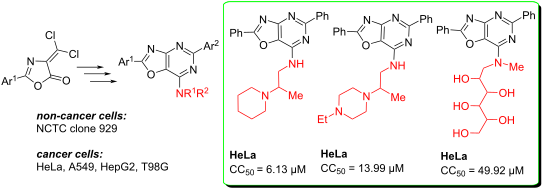
- addition of a 4-chlorophenyl group instead of the methyl group as a functional motif at position 7 (4) sharply reduced the cytotoxicity of compound 1. The substitution of piperidine by morpholine in this motif in compound 4 resulted in a 2-fold increase in the activity of the obtained derivative 5. However
- results for a particular parameter obtained from different platforms increases the reliability of the prediction [20]. In addition, during the development of chemotherapeutics, oral bioavailability is desirable but not critical, given the preference for the parenteral route of administration. Due to the


Dialkylaminoalkylation of β-ketosulfones via ring-opening of 3-sulfonylpyrrolidines
Beilstein J. Org. Chem. 2026, 22, 383–389, doi:10.3762/bjoc.22.26
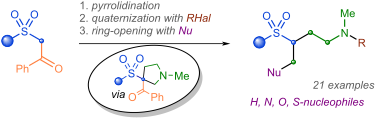
- of the quaternary ammonium salt in the presence of a O-, S- or N-nucleophile with cesium carbonate leads to a retro-Claisen reaction, ring-opening and Michael addition. The resulting novel 4-Nu-3-sulfonylbutan-1-amines are isolated in moderate to excellent overall yields. The reduction of the
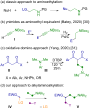
- the fast increase of the molecular complexity, remains significant. Unlike the classical aminoethylation of nucleophilic compounds [28][29], Batey et al. recently developed a two-step approach consisted in addition of terminal ynimides I to various electrophiles with subsequent reduction of the C≡C
- radical addition (Figure 2c) [31]. In the continuation of our work on application of pyrrolidines as sacrificial framework for the alkylaminomethylation of enones [32][33] we turned our attention to active methylene compounds IV as precursors of pyrrolidines. Preliminary experiments demonstrated that the




Electrosynthetic access to unsymmetrical oxaza[8]helicenes with high chiral stability and strong circularly polarized luminescence (CPL)
Beilstein J. Org. Chem. 2026, 22, 372–382, doi:10.3762/bjoc.22.25
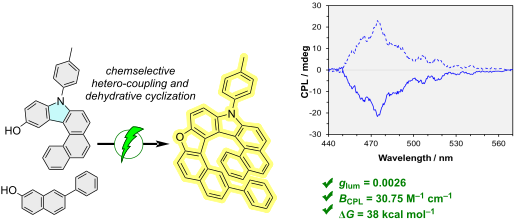
- -bromophenanthrene (1) via Buchwald–Hartwig amination with p-toluidine under Pd catalysis [55] – was subjected to phosphoric acid-mediated annulation with p-benzoquinone to give the hydroxycarbazole derivative 3 through a tandem Michael addition/ring-closure sequence. After rapid optimization of key parameters (see




Recent advances in the cleavage of non-activated amides
Beilstein J. Org. Chem. 2026, 22, 352–369, doi:10.3762/bjoc.22.23
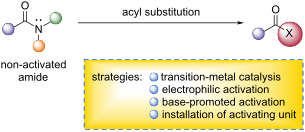
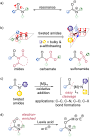
- ]. Such activation has enabled a wide array of transformations, including metal-catalyzed cross-couplings via oxidative addition into the amide C–N bond (Scheme 1c) [32][33][34][35][36], and transition-metal-free acyl substitutions facilitated by improved leaving-group ability [37][38][39][40]. Although
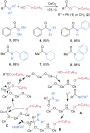
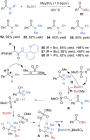
- 1), addition of water affords adduct M, which subsequently converts to the ester via deprotonation. In dry solvents (path 2), nucleophilic attack by the departing OSO₂F− anion on L produces intermediate N, containing an S–O bond that is ultimately cleaved under basic conditions to yield the ester
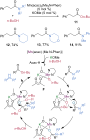
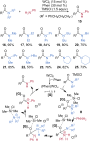
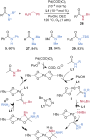
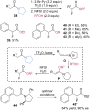
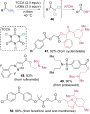
- 2.2 equivalents of 2-bromopyridine as a base, pyrrolidine-derived amides 38 were effectively activated. Subsequent addition of NFSI as the electrophilic fluorinating reagent, along with alcohols as the nucleophile, afforded the corresponding esters 39–43 in moderate yields. Mechanistically, the










Synthesis of tricyclic fused pyrrolidine nitroxides from 2-alkynylpyrrolidine-1-oxyls
Beilstein J. Org. Chem. 2026, 22, 344–351, doi:10.3762/bjoc.22.22

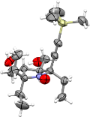
- -alkynyl-substituted pyrrolidine nitroxides was studied. These nitroxides have been prepared via intramolecular Huisgen cycloaddition or intramolecular alkylation in 2-pyrazolyl derivatives prepared by Michael addition–cyclocondensation of the corresponding alkynones with hydrazine. The reduction kinetics
- Huisgen cycloaddition or via one-pot Michael addition–cyclocondensation reaction with hydrazine with subsequent intramolecular alkylation of the resulting pyrazoles. Results and Discussion Synthesis We have earlier reported on the synthesis of 2-alkynylpyrrolidine-1-oxyls 2a–c via addition of the
- of reduction is an important factor for application of a nitroxide as an EPR spin probe or as a component of a MRI contrast agent. The bimolecular rate constants of reduction of radicals 2a–f, 4a–f and 9c with ascorbate were measured with addition of the glutathione system to suppress reverse




Ring contraction and ring expansion reactions in terpenoid biosynthesis and their application to total synthesis
Beilstein J. Org. Chem. 2026, 22, 289–343, doi:10.3762/bjoc.22.21
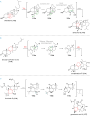
- addition towards the highly electrophilic α-diketone moiety. With this, the bicyclic lathyrane skeleton of jolkinol C (45) is assembled selectively from casbene. The large family of indole meroterpenoids [94][95][96][97][98] also contains an interesting, enzyme-mediated ring-expansion reaction. According
- ) and B (78) the tricyclic precursor 79 was invoked (see Scheme 22B) [129]. This compound could undergo oxidation at the alkene (and C-1) to give intermediate 80, which after oxidative cleavage affords the enolate of diketone 82 which can undergo transannular aldol addition to give either product 77 or
- enables selective C-4 to C-14 ketone aldolisation furnishing pepluanol D (87). The same authors also proposed a putative biosynthetic origin for the intriguing 5/4/7/3-ring system of pepluacetal (89) from pepluanol A (88) by olefin isomerisation (88a to 88b) and 1,6-conjugate addition to build up the new






Arene activation via π-bond localization: concepts and opportunities
Beilstein J. Org. Chem. 2026, 22, 257–273, doi:10.3762/bjoc.22.19
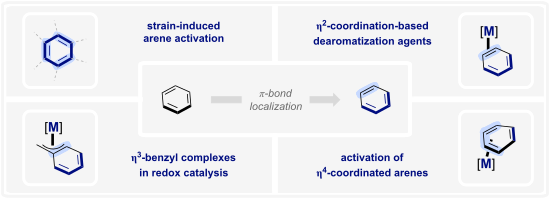
- following sections therefore focus on the selective disruption of aromaticity through the formation of transition metal–arene π-complexes. Transient and reversible coordination of transition metals to aromatic π-systems is a key feature of many catalytic transformations, with the oxidative addition of
- palladium to aryl halides serving as a prominent example [41]. In addition to such fleeting intermediates, recent decades have seen the emergence of numerous well-defined metal–arene complexes, sufficiently stable to enable systematic exploration of their rich and versatile organic chemistry. η2
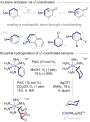
- ; Figure 4B) [44][45][46]. Collectively, these changes alter the innate reactivity of the arene, steering η2-coordinated systems toward electrophilic addition, cycloaddition, and hydrogenation processes. While many transition metals can engage aromatic rings through η2-coordination, only a handful have




A mild and atom-efficient four-component cascade strategy for the construction of biologically relevant 4-hydroxyquinolin-2(1H)-one derivatives
Beilstein J. Org. Chem. 2026, 22, 244–256, doi:10.3762/bjoc.22.18
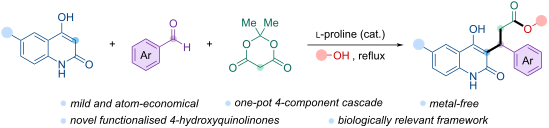
- acids followed by sequential Michael-type addition and subsequent cascade transformations. This versatile one-pot protocol delivers structurally diverse open-chain 3-arylpropanoate esters in moderate to good yields (46–69%), while cyclic pyranoquinolinones are formed under kinetically controlled
- direct access to scarcely explored open-chain quinolinone esters, expanding the medicinal chemistry toolbox with promising scaffolds for drug discovery. Keywords: antibacterial activity; 4-hydroxyquinolin-2(1H)-one; ʟ-proline catalysis; Meldrum’s acid; Michael addition; multicomponent reaction
- developing a synthetic strategy for esters of 3-(4-hydroxy-2-oxo-1,2-dihydroquinolin-3-yl)-3-arylpropanoic acids, we initially performed a retrosynthetic analysis of the target chemotype (Scheme 2) and proposed two plausible synthetic routes, identifying a Michael 1,4-addition as the key step. The first


Conformational analysis of difluoromethylornithine: factors influencing its gas-phase and bioactive conformations
Beilstein J. Org. Chem. 2026, 22, 237–243, doi:10.3762/bjoc.22.17
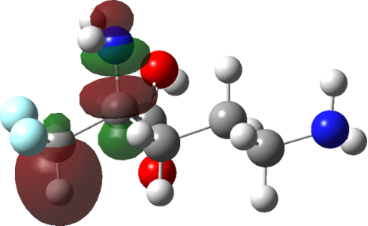
- difluoromethyl moiety is significantly less repulsive in structure 4. In addition, the zigzag conformation of the N-alkyl chain reduces σCN/σCC repulsions. Structure 5 (type II) displays a comparatively low steric penalty (294.0 kcal mol−1), much smaller than those of structures 1–3. This reduction arises in


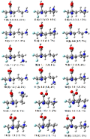


Configuration–packing synergy enabling integrated crystalline-state RTP and amorphous-state TADF
Beilstein J. Org. Chem. 2026, 22, 224–236, doi:10.3762/bjoc.22.16
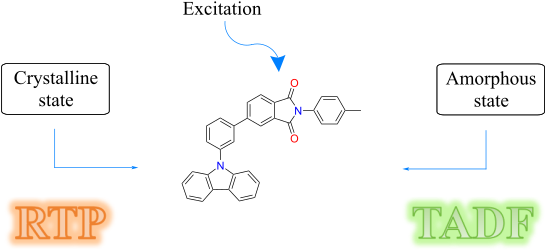
- Figure 5b. This indicates that the specific molecular arrangement necessary for RTP was disrupted upon melting and subsequent rapid cooling, suggesting that the ordered structure in the solid phase is essential for the RTP phenomenon. In addition to the optical measurements, powder X-ray diffraction


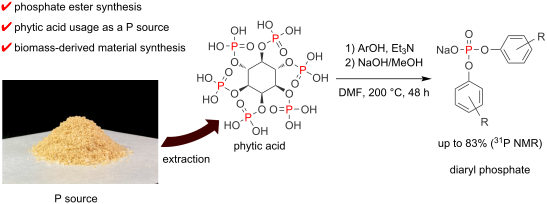
Synthesis of diaryl phosphates using phytic acid as a phosphorus source
Beilstein J. Org. Chem. 2026, 22, 213–223, doi:10.3762/bjoc.22.15
- )phosphide anion [P(SiCl3)2]−, can be converted into a variety of phosphorus compounds, including P(III) species, demonstrating the potential to reduce reliance on white phosphorus (Figure 2B) [42][43]. In addition, Weigand’s group reported a method using Tf2O and pyridine to convert P(V) compounds such as
- 2c in comparison to the other substrates due to steric hindrance. In addition, when 1i and 1j were used, the corresponding phosphate ester 2i was not obtained at all, and 2j was formed only in a low yield. It is well known that phenols containing strong electron-withdrawing groups can be good leaving
- different mechanisms. In addition, the DPpyP 31P NMR peak increases and decreases in conjunction with the decrease of the MPP peak and increase of the DPP peak, suggesting that DPpyP acts as an intermediate in the DPP formation process. When alcohol 1c was used (Figure 3), the reaction stopped mainly at the




Screwing the helical chirality through terminal peri-functionalization
Beilstein J. Org. Chem. 2026, 22, 205–212, doi:10.3762/bjoc.22.14
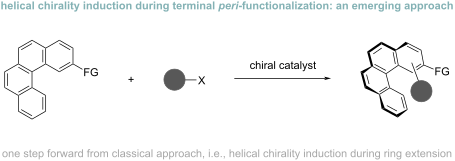
- method for the generation of helical chirality primarily involves cycloaddition and central/axial to helical chirality transfer reactions [31] (Figure 1A and B). In addition to this, a parallel strategy also offers a promising approach to achieving configurationally stable helicenes via terminal peri
- catalysts [33]. A domino reaction was developed, beginning with a PPS L2-catalyzed Michael addition of phosphine oxides 7 to nitro-substituted oxa[5]helicenes 6, followed by a copper-promoted aromatization. This sequence efficiently produced phosphorus-containing oxa[5]helicene derivatives 8 in high yields
- and with excellent enantioselectivities. The catalytic system operated under mild conditions within a practical timeframe and demonstrated broad substrate tolerance, providing a range of chiral helicenes. Notably, unsymmetrical phosphine oxides also underwent smooth Michael addition, with excellent


Base-promoted deacylation of 2-acetyl-2,5-dihydrothiophenes and their oxygen-mediated hydroxylation
Beilstein J. Org. Chem. 2026, 22, 192–204, doi:10.3762/bjoc.22.13
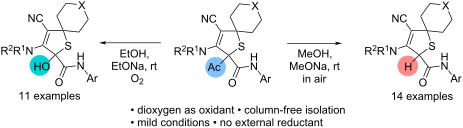
- phenols [25]. Hocking has described the oxidation of o-hydroxyacetophenone and some benzophenones with an aqueous alkaline hydrogen peroxide solution [26]. The key steps of oxidation of ketones into phenols include: a) nucleophilic addition of the hydroperoxide anion to the carbonyl carbon; b) [1,2]-aryl
- amide group plays an important role in these transformations. In addition, analysis of the reaction mixture obtained in ethanolic solution was performed after evaporation of the ethanol. HRMS analysis showed the presence of two peaks with m/z values 400.1704 (retention time 7.952‒7.963) and 400.1700




Streptoquinolines A and B, new antibacterial meroterpenoids produced by Streptomyces sp. TMPU-A0679
Beilstein J. Org. Chem. 2026, 22, 185–191, doi:10.3762/bjoc.22.12
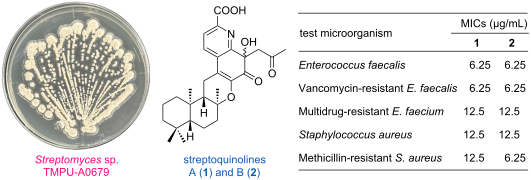
- acetone; therefore, they may be artifacts that formed via the nucleophilic addition of acetone to a ketone-bearing precursor during the extraction process. Despite various modifications to fermentation conditions, it was not possible to detect or isolate the presumed natural precursor. We are currently
- nm (approximately 1.0 × 10⁸ CFU/mL). The suspensions were then further diluted 3,000-fold with fresh broth. Aliquots of 95 µL of the diluted suspension were dispensed into the wells of a 96-well microplate, followed by the addition of 5 µL of test samples dissolved in methanol. The microplate was


Improved synthesis and physicochemical characterization of the selective serotonin 2A receptor agonist 25CN-NBOH
Beilstein J. Org. Chem. 2026, 22, 175–184, doi:10.3762/bjoc.22.11
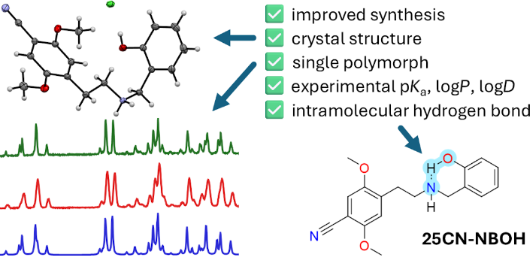
- modest 65% [12]. In the present work, we found that simply adding 4 Å molecular sieves powder during the formation of the intermediate imine gave a much cleaner reaction and increased the yield of 1·HCl from 2C-CN·HCl to 74%. We suggest that the addition of the molecular sieves facilitates the formation
- minutes. Finally, quenching was done by careful addition of aqueous citric acid (12.5 mL, 1 M) while cooling in an ice bath. The resulting mixture was filtered through a pad of Celite and diluted with dichloromethane (75 mL) and water (75 mL), and the aqueous phase was adjusted to pH 8–9 using saturated
- . Crystallization was done by dissolving the compound in boiling EtOH (32 mL), slow cooling to room temperature, and ensuring complete precipitation by addition of the same volume of Et2O and cooling to 0 °C, after which the solids were collected by vacuum filtration. Drying under high vacuum provided the product 1


A new synthesis of Tyrian purple (6,6’-dibromoindigo) and its corresponding sulfonate salts
Beilstein J. Org. Chem. 2026, 22, 167–174, doi:10.3762/bjoc.22.10
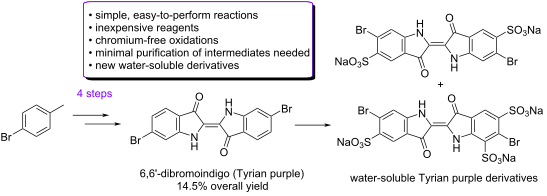
- Scheme 5A, dimethyl sulfoxide (DMSO) did not react with the benzyl bromide and instead only returned the starting material. The addition of 1.2 equivalents of silver nitrate promoted the substitution of the benzyl bromide with DMSO to yield an alkoxysulfonium ion 8 [22]. Following substitution, the
- addition of 1.2 equivalents of triethylamine mediated the formation of 4 in moderate yield, as shown in Scheme 5B (57% isolated, 67% based on NMR). The crude product was sufficiently pure (84 wt % by quantitative NMR) to carry on without purification, but further purification was possible by


Circumventing Mukaiyama oxidation: selective S–O bond formation via sulfenamide–alcohol coupling
Beilstein J. Org. Chem. 2026, 22, 158–166, doi:10.3762/bjoc.22.9
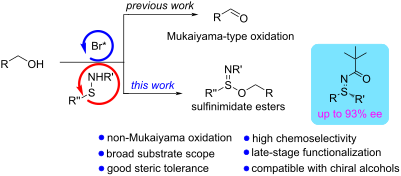
- group compatibility. The reaction was further applicable to naphthyl sulfenamides, as demonstrated by the successful conversion of a 2-naphthyl derivative to 3p in 70% yield. In addition, alkyl sulfenamides derived from thiols, including cyclohexyl (3q) and linear alkyl chains (3r), gave the desired
- and 2-phenylethanol, were well tolerated. These substrates afforded the corresponding sulfinimidate esters 3m’–q’ in 70–90% yields. In addition to linear alcohols, cycloalkyl-substituted primary alcohols such as cyclobutylmethanol and cyclopentylmethanol were also examined. These small-ring systems
- , the sulfenamide-based oxidative coupling proceeded smoothly, delivering sulfilimidate ester 4 in 53% yield. In addition, the transformation was applied to a chiral secondary alcohol, ʟ-menthol, to generate the sulfilimidate ester 5 in 67% yield. A diastereomeric analysis revealed a modest dr of 1.6:1