Search results
Search for "high throughput" in Full Text gives 124 result(s) in Beilstein Journal of Organic Chemistry.
Secondary metabolites of Bacillus subtilis impact the assembly of soil-derived semisynthetic bacterial communities
Beilstein J. Org. Chem. 2020, 16, 2983–2998, doi:10.3762/bjoc.16.248
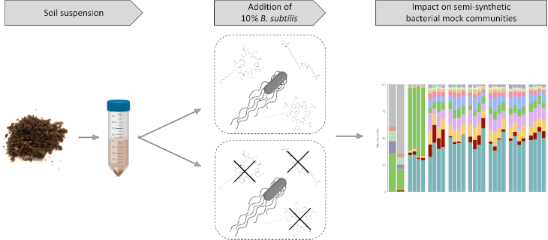
- for 30 s, 62 °C for 30 s, 72 °C for 30 s, and finally, 72 °C for 5 min. All V3-V4 amplicons were purified using the NucleoSpin gel and PCR cleanup kit (Macherey-Nagel) and pooled in equimolar ratios. The amplicon pool was submitted to Novogene Europe Company Limited (United Kingdom) for high
- -throughput sequencing on an Illumina NovaSeq 6000 platform with 2 million reads (2 × 250 bp paired-end reads). Raw sequence data is available at NCBI: PRJNA658074. Sequencing data preprocessing The multiplexed sequencing data was imported into the QIIME 2 pipeline (version 2020.6) [65][66]. The paired-end


Dawn of a new era in industrial photochemistry: the scale-up of micro- and mesostructured photoreactors
Beilstein J. Org. Chem. 2020, 16, 2484–2504, doi:10.3762/bjoc.16.202
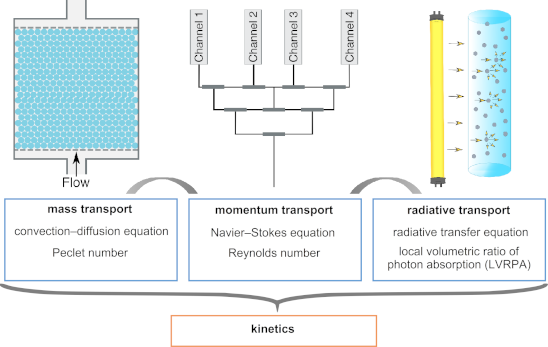
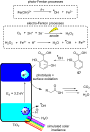
- and the problems related to scaling up are comparable. Our aim is to give an overview on the scale-up of photochemical reactions by discussing transport phenomena and technical challenges. In addition, we are assessing several high-throughput structured photoreactors using the PSTY to reveal the




Tools for generating and analyzing glycan microarray data
Beilstein J. Org. Chem. 2020, 16, 2260–2271, doi:10.3762/bjoc.16.187
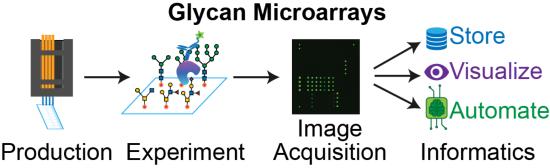
- which is appropriately functionalized [24][25]. Such a slide can then be used to probe GBPs or pathogens using an ELISA-like sandwich assay at microscale. This enables a high-throughput screening of glycan-mediated interactions. In this review we describe how glycan microarrays are generated, how a


GlypNirO: An automated workflow for quantitative N- and O-linked glycoproteomic data analysis
Beilstein J. Org. Chem. 2020, 16, 2127–2135, doi:10.3762/bjoc.16.180
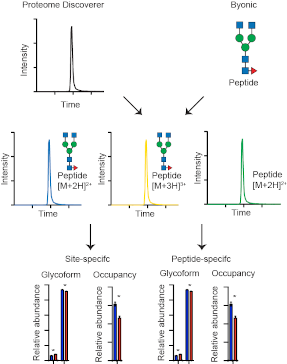
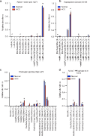
- automated software pipeline which integrates the complementary outputs of Byonic and Proteome Discoverer to allow high-throughput automated quantitative glycoproteomic data analysis. The output of GlypNirO is clearly structured, allowing manual interrogation, and is also appropriate for input into diverse
- at specific sites on selected plasma glycoproteins. GlypNirO will be a useful tool for enabling robust high-throughput quantitative glycoproteomics. Experimental Byonic and Proteome Discoverer analysis We identified glycopeptides and peptides using Byonic (Protein Metrics, v. 3.8.13) searching all



Clustering and curation of electropherograms: an efficient method for analyzing large cohorts of capillary electrophoresis glycomic profiles for bioprocessing operations
Beilstein J. Org. Chem. 2020, 16, 2087–2099, doi:10.3762/bjoc.16.176
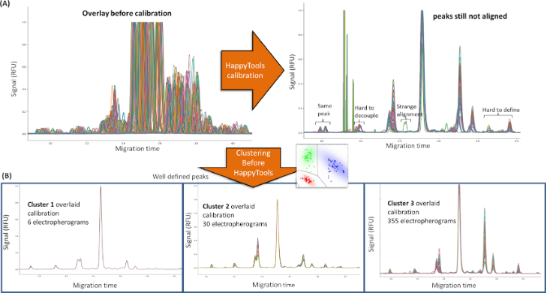
- , Faculty of Engineering, National University of Singapore (NUS), Singapore 117575 10.3762/bjoc.16.176 Abstract The accurate assessment of antibody glycosylation during bioprocessing requires the high-throughput generation of large amounts of glycomics data. This allows bioprocess engineers to identify
- antibody glycosylation accurately, high-throughput analysis of hundreds to thousands of profiles is required for the identification of critical process parameters that control the glycosylation CQAs [8]. For complete bioprocessing analysis, favorable glyco-analytical methods need to convey a qualitative
- description of the glycans, their relative abundance, and most importantly be high-throughput in terms of quantity, comprehensiveness, and speed of data generation. Capillary electrophoresis-laser-induced fluorescence (CE-LIF) is a glycomic analytical technology that has been adapted for automated and high


Automated high-content imaging for cellular uptake, from the Schmuck cation to the latest cyclic oligochalcogenides
Beilstein J. Org. Chem. 2020, 16, 2007–2016, doi:10.3762/bjoc.16.167
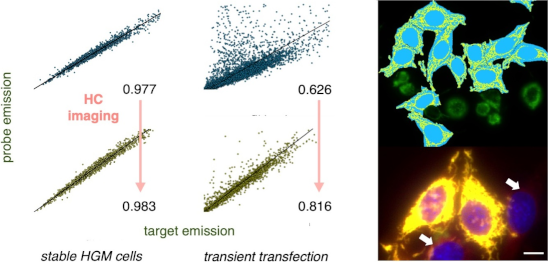
- ), here exemplified by asparagusic acid. A persistent challenge in this evolution is the simultaneous and quantitative detection of cytosolic delivery and cytotoxicity in a high-throughput format. Here, we show that the combination of the HaloTag-based chloroalkane penetration assay (CAPA) with automated
- on the endosomal uptake and release. However, a better binding affinity to DNA does not necessarily mean a higher DNA transfection efficiency. As an example, two GCP-modified peptide tweezers 14 with nanomolar dissociation constants, identified by the high-throughput screening of a combinatorial
- ][58] has been suggested to further improve the standards set by the CAPA [59]. Standard high-throughput (HT) screening has been used regularly to facilitate studies on cellular uptake [60]. In standard assays, a single macroscopic parameter, usually the fluorescence intensity, is automatically




Models of necessity
Beilstein J. Org. Chem. 2020, 16, 1649–1661, doi:10.3762/bjoc.16.137
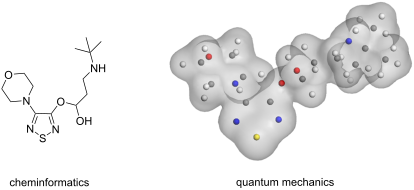
- fragments thereof serve equally well as descriptors [70]. Thus, with very few exceptions based on physical observables such as the molecular electrostatic potential [35], cheminformatics, including the use of ML and AI, is based on Lewis structures. Even the widespread fingerprints used for very high
- -throughput screening [71] are based on the occurrence of patterns within the Lewis structure. For chemists, the Lewis structure represents both metadata for AI/ML and an essential language for communication. However, like language, the Lewis model is context dependent (aromatic bonds, boron bonding…) and


Heterogeneous photocatalysis in flow chemical reactors
Beilstein J. Org. Chem. 2020, 16, 1495–1549, doi:10.3762/bjoc.16.125
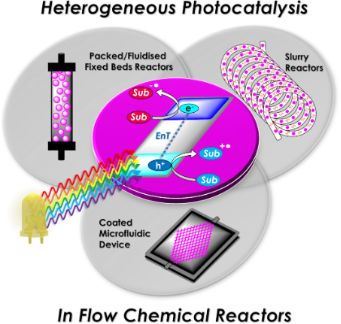
- high-throughput reaction screening, both of which are progressive areas of chemical research [69][70][71][72][73]. 2 Heterogeneous photocatalysts Probably the first report of HPC was published by Renz in 1921, who observed the partial reduction of titania (TiO2) in the presence of glycerol when










In silico rationalisation of selectivity and reactivity in Pd-catalysed C–H activation reactions
Beilstein J. Org. Chem. 2020, 16, 1465–1475, doi:10.3762/bjoc.16.122
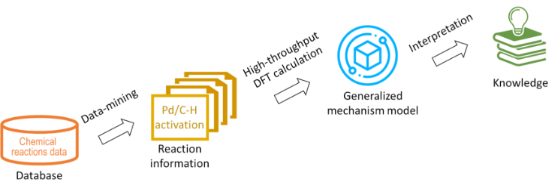
- desired. Recent years have seen the emergence of new methods of research in chemistry and process development, which include high-throughput experiments [3], autonomous self-optimising reactors [4][5][6], as well as predictions of reaction outcomes and of reaction conditions based on machine learning (ML


Anthelmintic drug discovery: target identification, screening methods and the role of open science
Beilstein J. Org. Chem. 2020, 16, 1203–1224, doi:10.3762/bjoc.16.105
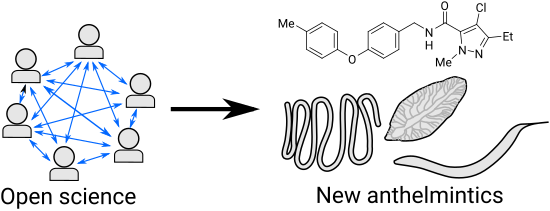
- and at low cost which enables high-throughput chemical and genetic screening studies. It is often difficult or impossible to undertake comparable studies on parasitic worms due to the challenges of maintaining parasitic worms outside their host, although rodent models are available for many classes of
- anthelmintic drug targets from a parasitic worm [95][96]. These approaches are still in their infancy, but such genetic modifications can give rise to scorable phenotypes reflecting the properties of the parasite drug target which may in future lend themselves to high-throughput chemical and genetic (RNAi
- and viability Several groups have developed image acquisition and analysis systems for high-throughput phenotypic screening of parasites (Table 3), typically using the approach of thresholding difference images/movies to quantify motility, sometimes segmenting the image by recognising the organism of


Accelerating fragment-based library generation by coupling high-performance photoreactors with benchtop analysis
Beilstein J. Org. Chem. 2020, 16, 982–988, doi:10.3762/bjoc.16.87
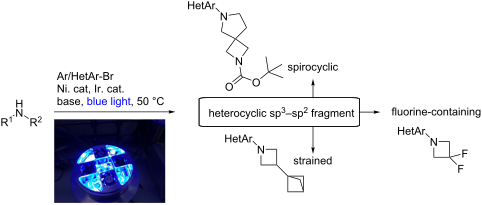
- initiated a high-throughput program of fragment-based library generation and after shortcomings using more classical cross-coupling conditions, we turned our attention to the photoredox-nickel dual-catalysis strategy recently reported by MacMillan and Buchwald [10]. The reported conditions use lower



Microwave-assisted efficient and facile synthesis of tetramic acid derivatives via a one-pot post-Ugi cascade reaction
Beilstein J. Org. Chem. 2020, 16, 663–669, doi:10.3762/bjoc.16.63
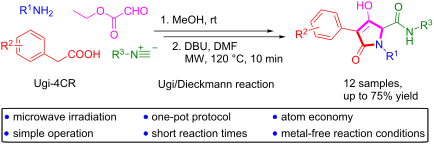
- compounds makes them attractive for library generations and sequential biological testing [15][16]. Although several classical synthetic procedures were developed [17][18][19][20][21], more effective and facile syntheses for a large number of compounds are still required for high throughput screening in
- good yields. As such, this newly developed protocol provided a facile access to tetramic acid derivatives in one pot, and it could be used for the preparation of chemical compound libraries containing a large number of tetramic acid analogues for subsequent high throughput screenings. Based on these



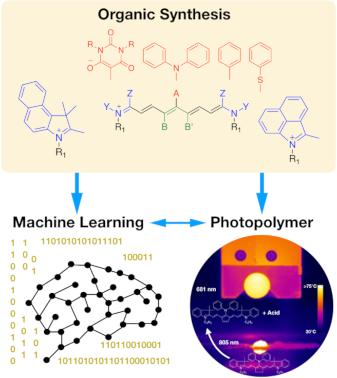
Photophysics and photochemistry of NIR absorbers derived from cyanines: key to new technologies based on chemistry 4.0
Beilstein J. Org. Chem. 2020, 16, 415–444, doi:10.3762/bjoc.16.40


Bacterial terpene biosynthesis: challenges and opportunities for pathway engineering
Beilstein J. Org. Chem. 2019, 15, 2889–2906, doi:10.3762/bjoc.15.283
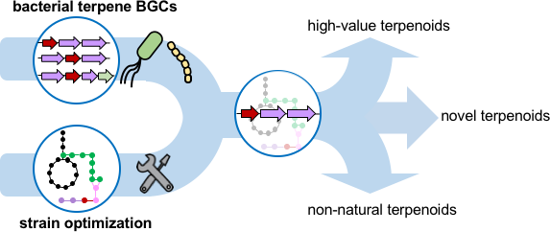
- , remain to be explored [152]. One major bottleneck in these studies is the lack of high-throughput screening tools for terpenoid production and characterization. Most terpenoids do not have any chromogenic groups and their detection still relies on liquid chromatography–mass spectrometry setups, limiting


Facile regiodivergent synthesis of spiro pyrrole-substituted pseudothiohydantoins and thiohydantoins via reaction of [e]-fused 1H-pyrrole-2,3-diones with thiourea
Beilstein J. Org. Chem. 2019, 15, 2864–2871, doi:10.3762/bjoc.15.280
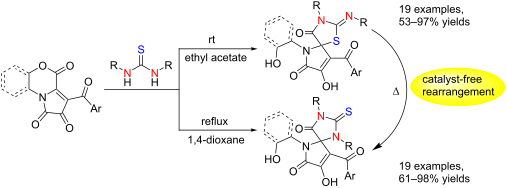
- in medicinal chemistry. Indeed, they are structurally related to rhodanine (2-thioxothiazolidin-4-one), and sometimes are classified as pan-assay interference compounds (PAINS), which are abhorrent in high-throughput screenings [6]. To clarify whether such compounds are privileged scaffolds or


Isolation of fungi using the diffusion chamber device FIND technology
Beilstein J. Org. Chem. 2019, 15, 2191–2203, doi:10.3762/bjoc.15.216
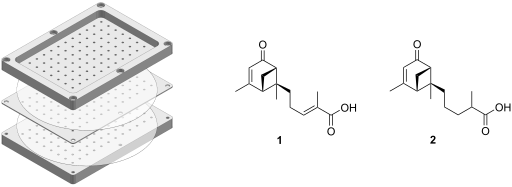
- sample collection, to ensure favourable growth conditions for specific fungi. Inoculation is performed in only one step and thus suitable for high throughput approaches. Scheme 1 illustrates the FIND, consisting of merely three plastic parts crafted from polyoxymethylene, which are solid and durable
- ]. Further research is necessary to shed light on the ecological role of 1 and 2. Conclusion In conclusion the FIND adds a new isolation technique for filamentous fungi to the existing methods. FIND allows high throughput approaches and overcomes limitations in nutrition and growth conditions compared to


Protein–protein interactions in bacteria: a promising and challenging avenue towards the discovery of new antibiotics
Beilstein J. Org. Chem. 2018, 14, 2881–2896, doi:10.3762/bjoc.14.267
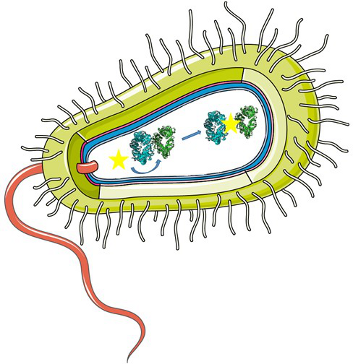
- the bacterial interactome without impacting the eukaryotic cell processes. Keck and co-workers identified four small molecules that disrupt the Escherichia coli SSB interaction with one of its well-studied binding partners, exonuclease I (ExoI) [75]. The screening by means of a high-throughput
- found to be 36, 62 and 10 μM, respectively. High-throughput screening initiatives have gained popularity in the past two decades and have become the prevailing approach to identify leads in medicinal chemistry research [77][78]. However, due to the intrinsic features of PPIs, these are not amenable to
- targeted the ZipA/FtsZ protein–protein interaction was first investigated by scientists at Wyeth Research. In this study, a fluorescence polarization-based high-throughput screening of 250,000 corporate compounds led to the identification of pyridylpyrimidine 34 (Figure 8), which was shown to be the most




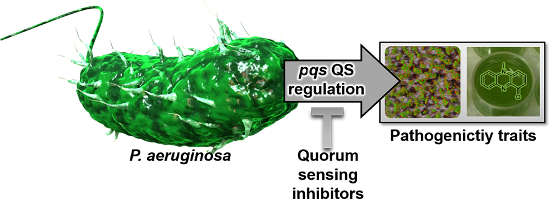
Targeting the Pseudomonas quinolone signal quorum sensing system for the discovery of novel anti-infective pathoblockers
Beilstein J. Org. Chem. 2018, 14, 2627–2645, doi:10.3762/bjoc.14.241
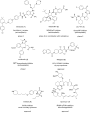
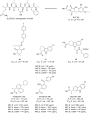
- ) series In 2014, Starkey et al. performed a high-throughput whole-cell screening and identified the benzamide-benzimidazole (BB) motif as a promising scaffold for the inhibition of PqsR [77]. Starting from 41, which was not only able to suppress expression of AQs but also completely blocked pyocyanin


Revisiting ring-degenerate rearrangements of 1-substituted-4-imino-1,2,3-triazoles
Beilstein J. Org. Chem. 2018, 14, 2098–2105, doi:10.3762/bjoc.14.184
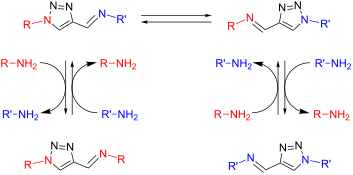
- facilitated by a high throughput colorimetric assay to directly monitor the generation of a 4-nitroaniline byproduct. Keywords: colorimetric assay; condensation; imine exchange; rearrangement; 1,2,3-triazole; Introduction Examples of multidentate chelators comprised of 1,2,3-triazole units have surged in
- proposed advantages for using 1a in preparing formyltriazole products, while also examining how amine identity impacts rearrangement rates, a high-throughput colorimetric assay exploiting the electronic properties of the para-nitroaniline byproduct was developed. DMSO was selected as the reaction solvent
- colorimetric indicator byproduct encouraged its use in a reaction kinetics investigation, where both electronic and steric properties of the amine reactant were shown to influence rearrangement rates. Having demonstrated its utility in studying this reaction using a high-throughput assay, it is proposed that 1


Preparation of trinucleotide phosphoramidites as synthons for the synthesis of gene libraries
Beilstein J. Org. Chem. 2018, 14, 397–406, doi:10.3762/bjoc.14.28
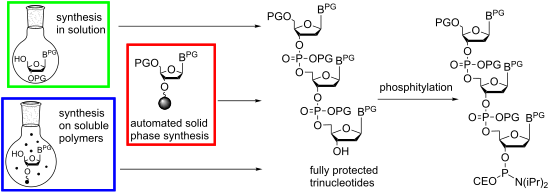
- generation of protein mutant libraries and high throughput screening processes to select for variants with improved traits. Protein mutant libraries are produced from gene libraries, which are generated by random mutagenesis at DNA level. Often polymerase chain raction (PCR)-based methods like error-prone


Biomimetic molecular design tools that learn, evolve, and adapt
Beilstein J. Org. Chem. 2017, 13, 1288–1302, doi:10.3762/bjoc.13.125
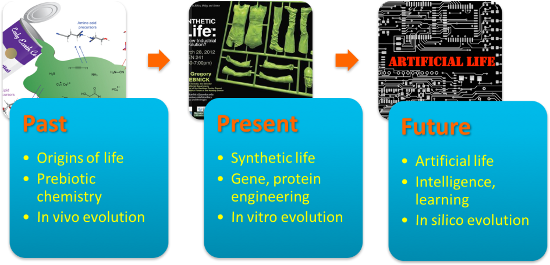
- . Biomimetic in silico evolutionary methods and their synergy with high throughput materials synthesis technologies (materials defined very broadly) are then briefly described. Finally, all of these concepts are combined in the discussion of new adaptive, learning in silico evolutionary methods for the
- capability is particularly useful in phenomena described by many parameters (high dimensionality) and those sampled by very large numbers of observations (Big Data). Sparse feature selection in silico An increasing number of experiments are employing large scale, high throughput ‘omics’ technologies to probe
- porosity, processing-dependence of final properties etc.) and the size of ‘materials space’ is consequently much larger than that of ‘drug-like’ space. This recognition has accelerated the development of very high throughput synthesis and characterization methods for materials, and spawned the application




Glycoscience@Synchrotron: Synchrotron radiation applied to structural glycoscience
Beilstein J. Org. Chem. 2017, 13, 1145–1167, doi:10.3762/bjoc.13.114
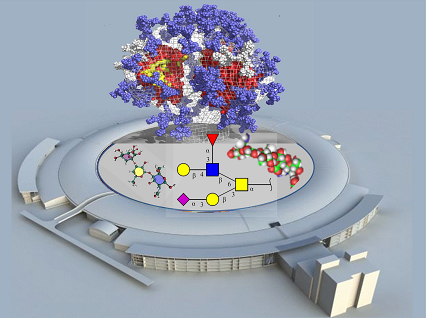
- dramatic impact on the throughput and on the complexity of the structures determined. However, despite the development in nano-volume liquid handling for high-throughput screens, the crystallization of biological macromolecules still represents an important bottleneck in structure determination. Nanoliter




Automating multistep flow synthesis: approach and challenges in integrating chemistry, machines and logic
Beilstein J. Org. Chem. 2017, 13, 960–987, doi:10.3762/bjoc.13.97
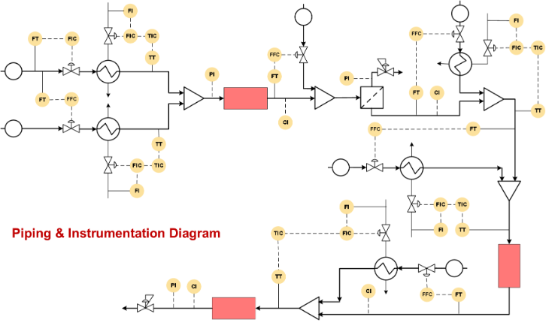
- discovery process [47]. The chemical library has to go through high-throughput screening (about 100,000 compounds/day approximately) using robots [48]. In multistep synthesis off-line analysis actually becomes a bottleneck as it does not allow the real-time changes to be imposed at the inlet conditions for




Opportunities and challenges for the sustainable production of structurally complex diterpenoids in recombinant microbial systems
Beilstein J. Org. Chem. 2017, 13, 845–854, doi:10.3762/bjoc.13.85
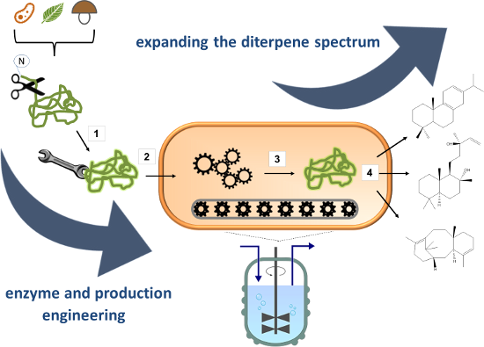
- in diterpene biosynthetic routes entail time-consuming genome-mining and high-throughput screening technologies [64][65]. Additionally, the number of currently available, even partly annotated plant genomes and crystal structures of diterpene synthases is still limited. Yet, in order to establish


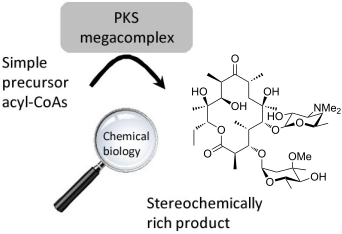
Polyketide stereocontrol: a study in chemical biology
Beilstein J. Org. Chem. 2017, 13, 348–371, doi:10.3762/bjoc.13.39
- diketide 17 [73]. Unexpectedly, however, carrying out the reverse changes with the A-type DEBS KR2 produced a mutant KR with increased wild type behavior towards the model substrate, and thus the targeted residues cannot be the sole determinants of the direction of ketoreduction. Similarly, high-throughput