Search results
Search for "reactivity" in Full Text gives 1661 result(s) in Beilstein Journal of Organic Chemistry. Showing first 200.
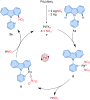
Palladium-catalyzed regioselective C1-selective nitration of carbazoles
Beilstein J. Org. Chem. 2025, 21, 2479–2488, doi:10.3762/bjoc.21.190
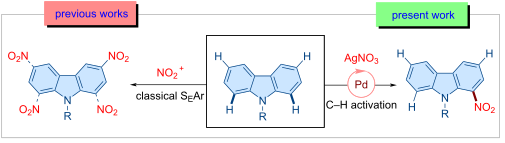
- challenging due to the inherently higher reactivity at the C3/C6 positions. In this study, we report a palladium-catalyzed, directing group-assisted, regioselective C1–H nitration of carbazoles. The protocol features a removable directing group and is amenable to gram-scale synthesis. This strategy provides a
- reagent resulted in complete loss of reactivity (Table 1, entry 12). Further, extending the reaction time had no significant effect on the yield (Table 1, entry 13). Finally, our investigation using various 3d transition metal catalysts such as Ni(OAc)2, Cu(OAc)2, and Co(OAc)2 in place of Pd₂(dba)3 did


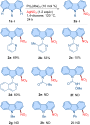
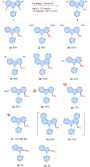
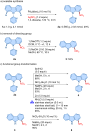
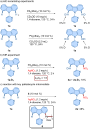
Synthesis of the tetracyclic skeleton of Aspidosperma alkaloids via PET-initiated cationic radical-derived interrupted [2 + 2]/retro-Mannich reaction
Beilstein J. Org. Chem. 2025, 21, 2470–2478, doi:10.3762/bjoc.21.189
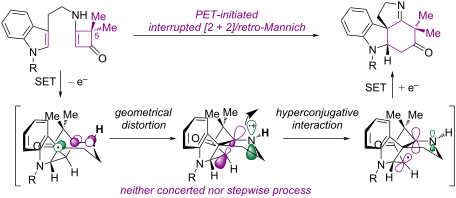
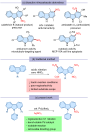
- , which indicates that steric hindrance at C2 has a limited effect on the reactivity. However, when the steric hindrance of the protecting group was increased by replacing –Cbz with –Boc, the activity of the PET reaction decreased, which resulted in a lower yield of 10f (45%). In the case of substrate 9g

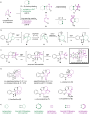

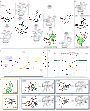
Ex-situ generation of gaseous nitriles in two-chamber glassware for facile haloacetimidate synthesis
Beilstein J. Org. Chem. 2025, 21, 2465–2469, doi:10.3762/bjoc.21.188
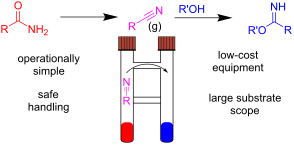
- turned out to be unsuccessful as the reaction seemed to achieve an equilibrium, with some amount of hemiacetal left. Generally, it was observed that the trifluoroacetimidates were somewhat more sensitive to flash column chromatography, suggesting a higher reactivity compared to the trichloroacetimidates


The intramolecular stabilizing effects of O-benzoyl substituents as a driving force of the acid-promoted pyranoside-into-furanoside rearrangement
Beilstein J. Org. Chem. 2025, 21, 2456–2464, doi:10.3762/bjoc.21.187
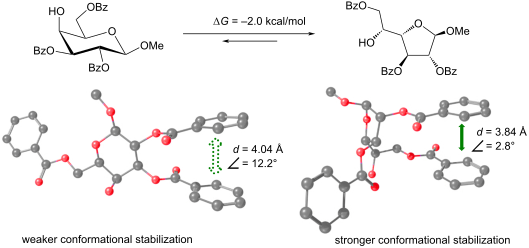
- equilibrium lie outside the carbohydrate ring system. Consideration of such effects is essential to rationalize the reactivity of structurally complex and densely protected carbohydrate compounds. Keywords: benzoylated galactofuranosides; DFT; DLPNO-CCSD(T); pyranoside-into-furanoside rearrangement




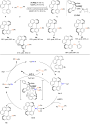
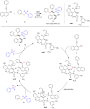
Catalytic enantioselective synthesis of selenium-containing atropisomers via C–Se bond formations
Beilstein J. Org. Chem. 2025, 21, 2447–2455, doi:10.3762/bjoc.21.186
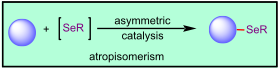
- excellent conversion rates (up to 95% yield) and high enantioselectivity (up to 96% ee). Notably, isoquinoline derivatives containing polycyclic naphthalene moieties or ortho-substituted phenyl groups also demonstrated good reactivity and compatibility. DFT calculations indicated that the C–Se bond




Transformation of the cyclohexane ring to the cyclopentane fragment of biologically active compounds
Beilstein J. Org. Chem. 2025, 21, 2416–2446, doi:10.3762/bjoc.21.185
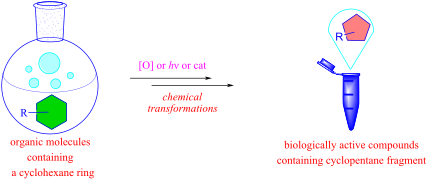
- of reactivity, they are environmentally sustainable alternatives to heavy metals. The advantage of hypervalent catalytic systems based on iodine lies in their reusability [63]. The oxidative contraction of the tetralone cycle 117 depended on the stoichiometric amounts of iodine(III)-based chiral
- simple building blocks [72]. The main feature of light-induced transformations is the involvement of electronically excited states that occur during photon absorption, leading to the formation of reactive intermediates causing significant changes in chemical compound reactivity. As a result, light energy
- compounds [78][79][80][81][82]. The work of Davis, Derksen and co-workers [83] presents interesting results on the use of UV light to study the reactivity of bicyclic divinyl ketones and the dependence of photochemical reaction products on wavelength. Under anhydrous conditions, irradiation of divinyl


The high potential of methyl laurate as a recyclable competitor to conventional toxic solvents in [3 + 2] cycloaddition reactions
Beilstein J. Org. Chem. 2025, 21, 2389–2415, doi:10.3762/bjoc.21.184
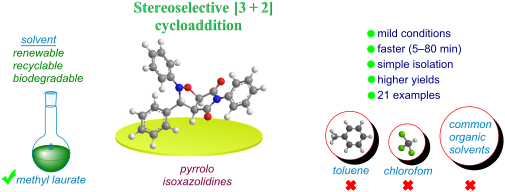
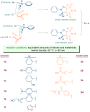
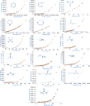
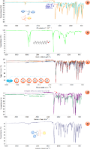
- reactivity of this double bond can pose significant challenges, particularly in cycloadditions or other organic transformations that necessitate extended cycloaddition processes and elevated temperatures. With a boiling point in excess of 260 °C, methyl laurate has the potential to function as a green






Synthetic study toward vibralactone
Beilstein J. Org. Chem. 2025, 21, 2376–2382, doi:10.3762/bjoc.21.182

- developed an approach to assemble the bicyclic skeleton of vibralactone (6) utilizing an intramolecular alkylidene carbene C–H insertion as key step. The insights gained from this study illustrate how diverse reactivity patterns and electrophilic characteristics of alkylidene carbenes influence ring closure


Comparative analysis of complanadine A total syntheses
Beilstein J. Org. Chem. 2025, 21, 2334–2344, doi:10.3762/bjoc.21.178
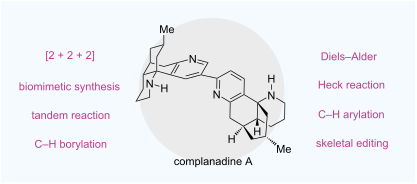
- synthesis, the 3-chloropyridine 68 used in the Dai synthesis exhibited much lower reactivity compared to the 3-bromopyridine 55 used in the Tsukano synthesis. Thus, a set of new reaction conditions was needed. To solve this reactivity issue, a protocol developed by Stoltz et al. in their jorunnamycin



Recent advances in Norrish–Yang cyclization and dicarbonyl photoredox reactions for natural product synthesis
Beilstein J. Org. Chem. 2025, 21, 2315–2333, doi:10.3762/bjoc.21.177
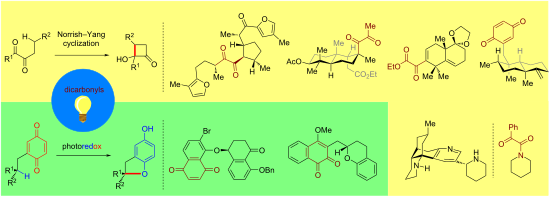
- , 108d) underwent the desired photochemical reaction (Scheme 13b), yielding spiroacetals 109a, 109b, and 109d following CAN (cerium(IV) ammonium nitrate) oxidation. In contrast, C7-methoxy-substituted analogs (108c, 108e) remained unreactive. Reactivity correlated with UV–vis absorption profiles
- : reactive substrates exhibited λmax < 460 nm (yellow-orange), whereas unreactive ones showed λmax > 460 nm (dark red-purple). This suggests insufficient excitation energy for Norrish type-II hydrogen abstraction in the latter. Such chromophore-dependent reactivity provides critical insights for designing
- less favorable pathway compared to the previously employed 1,5-HAT. Initial feasibility studies revealed that the non-brominated substrate exhibited poor reactivity in the photochemical 1,6-HAT reaction (Scheme 14), as its unreactive conformer J dominated the equilibrium. In contrast, the brominated




Halogenated butyrolactones from the biomass-derived synthon levoglucosenone
Beilstein J. Org. Chem. 2025, 21, 2297–2301, doi:10.3762/bjoc.21.175
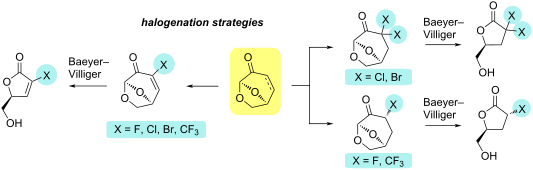
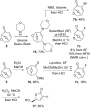
- morpholine via an aza-Michael addition and condensation (Scheme 3). It was envisaged that the β-amino group could act as a stable functional group resulting in Baylis–Hillman-like reactivity. An extensive survey of reaction conditions using Selectfluor and N-fluorobenzenesulfonimide (NFSI) as the sources of



Enantioselective radical chemistry: a bright future ahead
Beilstein J. Org. Chem. 2025, 21, 2283–2296, doi:10.3762/bjoc.21.174
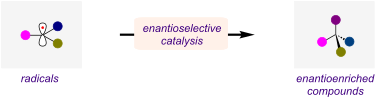
- tolerance, and scalability [80]. Electrochemical methods offer the opportunity to tune reaction conditions by controlling parameters such as potential, current, electrode, and electrolyte [81], providing a sophisticated platform for attaining optimal reactivity. A variety of catalytic strategies can be


Pathway economy in cyclization of 1,n-enynes
Beilstein J. Org. Chem. 2025, 21, 2260–2282, doi:10.3762/bjoc.21.173
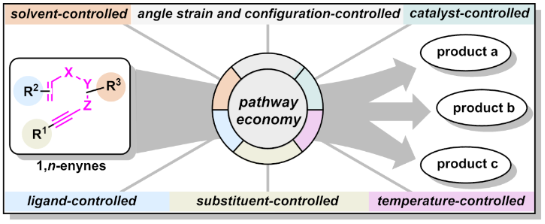
- /cycloisomerization sequences. In 2019 and 2020, Liu and co-workers achieved pathway-controlled cyclization–isomerization of tryptamine-ynamides using ligand-influenced silver catalytic systems (Scheme 19) [27][28][29]. To circumvent decomposition caused by the inherent high reactivity of ynamides under catalytic


Pd-catalyzed dehydrogenative arylation of arylhydrazines to access non-symmetric azobenzenes, including tetra-ortho derivatives
Beilstein J. Org. Chem. 2025, 21, 2234–2242, doi:10.3762/bjoc.21.170
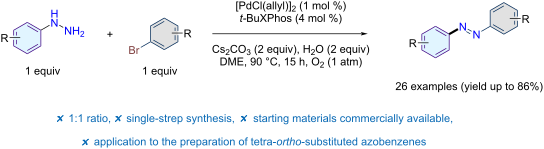
- avoiding excess reagent, and simplifies purification and scale-up. With the most suitable reaction conditions in hand, the substrate scope was examined. First, the reactivity of different aryl bromides with phenylhydrazine (1a) to form non-symmetric azobenzene was explored (Scheme 1). Most of the
- , para-substituted hydrazines such as p-(trifluoromethyl)phenylhydrazine (1b) and p-chlorophenylhydrazine (1c) reacted efficiently with 2-bromotoluene to deliver the corresponding azobenezenes 4a and 4d in 78% and 37% yield, respectively. Notably, 2-tolylhydrazine (1d) exhibited good reactivity, yielding


C2 to C6 biobased carbonyl platforms for fine chemistry
Beilstein J. Org. Chem. 2025, 21, 2103–2172, doi:10.3762/bjoc.21.165
- biomass shows how renewable carbon sources can replace non-renewable chemicals in important industrial processes [18][19][20]. Many, if not most, biobased platform molecules contain carbonyl groups. Carbonyl compounds have unique electrophilic and nucleophilic reactivity which make them central players in
- organic synthesis. Therefore, synthetic chemists can base strategies on the existing reactivity of carbonyl compounds for defining novel routes converting biobased platform molecules containing carbonyl groups to prepare fine organic chemicals [21][22]. Following this approach, researchers can obtain
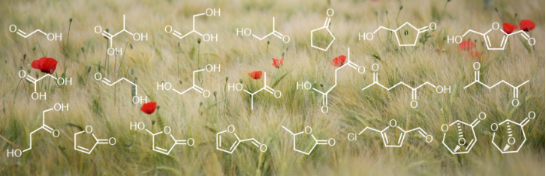
- viewpoint by focusing on the reactivity of biobased platform molecules containing carbonyl groups. This review, which does not pretend to be comprehensive, attempts to highlight the central role of carbonyl-containing biobased platform molecules notably those having a C2 to C6 backbone shown in Figure 1


Multicomponent reactions IV
Beilstein J. Org. Chem. 2025, 21, 2082–2084, doi:10.3762/bjoc.21.163

- , even allow changes in conditions from one step to the next. In essence, MCRs embody a reactivity-driven concept [4] within the broader family of one-pot methodologies. This thematic issue on multicomponent reactions continues the previously published editions from 2011 [5], 2014 [6], and 2019 [7] and
- of countless molecules, spanning small compounds to microstructures. The amphiphilic reactivity of isonitriles appears virtually limitless, extending well beyond classical Ugi-type reactions into other MCR contexts. At the same time, MCRs not based on isonitriles are gaining increasing momentum, with
- focused Reviews on heterocycles, reactivity patterns, and the role of MCRs as enabling tools at the interface with biosciences underscore the timeliness and enduring elegance of this powerful and concise concept in molecular synthesis. As the guest editors of this thematic issue, we would like to thank
Bioinspired total syntheses of natural products: a personal adventure
Beilstein J. Org. Chem. 2025, 21, 2048–2061, doi:10.3762/bjoc.21.160
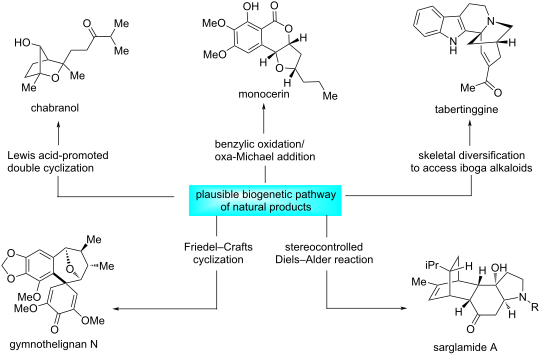
- bioinspired synthetic approach [44]. Initially, we prepared a bicyclic precursor similar with toussaintine C to react with α-phellandrene to mimic the bioinspired Diels–Alder reaction, which, however, showed no reactivity due to the strong steric hindrance. To decrease the steric effect, we finally used
- invented. Moreover, bioinspired total synthesis involving visible light and enzymes are new significant trends in this field, and these techniques have demonstrated great power in achieving unprecedented selectivity and reactivity. Since nature still prevails in rapid generating molecular complexity and




α-Ketoglutaric acid in Ugi reactions and Ugi/aza-Wittig tandem reactions
Beilstein J. Org. Chem. 2025, 21, 2021–2029, doi:10.3762/bjoc.21.157
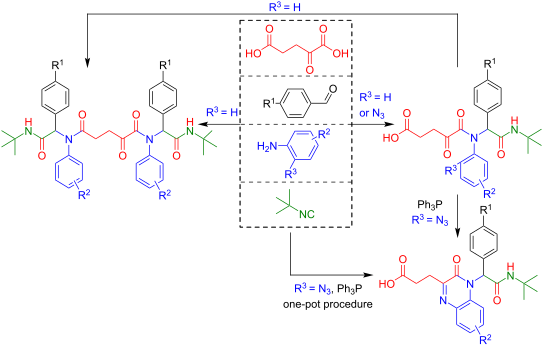
- possibility of synthesizing various heterocyclic systems such as quinazolines [25], diazepinones [25][26], quinoxalinones [27], diazocinones [28], and imidazolines [29] due to the exceptional reactivity of the azido group. However, the use of azido amines in the Ugi reaction together with oxoacids, which have


Aryl iodane-induced cascade arylation–1,2-silyl shift–heterocyclization of propargylsilanes under copper catalysis
Beilstein J. Org. Chem. 2025, 21, 1984–1994, doi:10.3762/bjoc.21.154
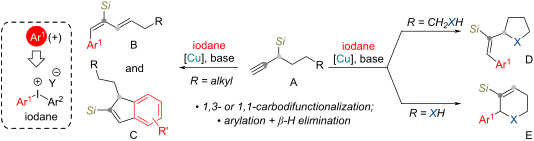
- the reagents of choice for arylation reactions, where an umpolung of reactivity is required [1]. Arylations employing diaryl-λ3-iodanes can be performed under metal-free [2] or metal-catalyzed conditions. For alkyne arylations [Cu] [3] or [Pd] catalysis [4][5][6] is typically employed. Internal
- by the diene/indene 10a/11a molar ratio (determined by NMR). Among the tested diaryl-λ3-iodanes, only those containing a triflate anion showed reactivity. PhMesIOTf (I-1) and Ph2IOTf (I-2) showed comparable results in terms of diene yield, however, the symmetrical iodane I-2 displayed better
- , partial degradation of the starting material 7a was also observed. Among the tested solvents, EtOAc gave the best results (Table 1, entries 1–3, 7–18). As for reaction catalysts, Cu(I) salts demonstrated far better reactivity than Cu(II) salts, likely because the reaction proceeds via the Cu(I/III


Photochemical reduction of acylimidazolium salts
Beilstein J. Org. Chem. 2025, 21, 1973–1983, doi:10.3762/bjoc.21.153
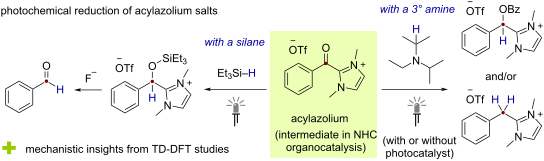
- intermediate A (Figure 1a), in which the formerly electrophilic carbonyl carbon reacts as a nucleophilic center. In this way, the traditional reactivity profile of the carbonyl group is transiently inverted, and unconventional product classes are generated. Alternatively, addition/elimination of the NHC to a
- catalytic photoenolization/Diels–Alder (PEDA) reaction [14][15]. In this process, the NHC fragment present in the acylazolium species influences the absorption wavelength and fundamental photochemical reactivity of the C=O bond, enabling a “ketone-like” photoreaction from otherwise unsuitable carboxylic


Rhodium-catalysed connective synthesis of diverse reactive probes bearing S(VI) electrophilic warheads
Beilstein J. Org. Chem. 2025, 21, 1924–1931, doi:10.3762/bjoc.21.150
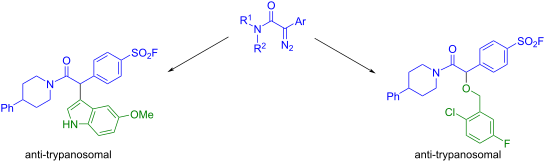
- functional groups that might be incorporated into co-substrates [14]. The richness of potential connective chemistry, and the availability of alternative dirhodium catalysts with distinctive reactivity, was expected to expand the structural diversity of accessible reactive probes. Herein, we describe the
- products observed by analytical HPLC. Structures and structure elucidation of intermolecular reaction products. The relevant reactivity modes are indicated by colour: O–H insertion (green); N–H insertion (blue); formal C–H insertion (yellow); and cyclopropanation (pink). Synthesis of α-diazoamide


Synthesis, biological and electrochemical evaluation of glycidyl esters of phosphorus acids as potential anticancer drugs
Beilstein J. Org. Chem. 2025, 21, 1909–1916, doi:10.3762/bjoc.21.148
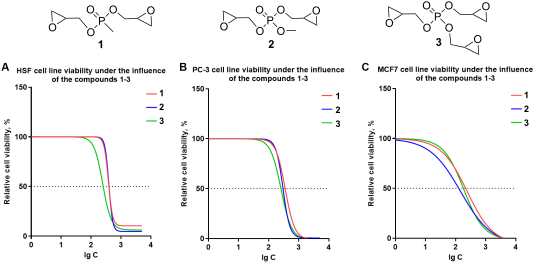
- . These findings provide important insights into the synthesis, cytotoxic activity, and biochemical reactivity of glycidyl esters of phosphorus acids, underscoring their potential as lead structures for further development in anticancer drug discovery and pharmaceutical research. Keywords: alkylating
- compounds 1–3 strongly indicates their ability to covalently modify nucleophilic sites in proteins. This finding underscores the potential of LSV as a rapid and effective tool for assessing alkylating reactivity, with implications for future drug development. Overall, this study offers meaningful insights
- into the synthesis, cytotoxic behavior, and biochemical reactivity of glycidyl esters of phosphorus acids. The results support their potential as reactive anticancer candidates and lay a foundation for future structure–activity relationship studies and further development in medicinal chemistry


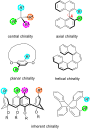
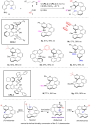
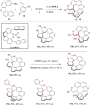
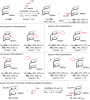
Chiral phosphoric acid-catalyzed asymmetric synthesis of helically chiral, planarly chiral and inherently chiral molecules
Beilstein J. Org. Chem. 2025, 21, 1864–1889, doi:10.3762/bjoc.21.145
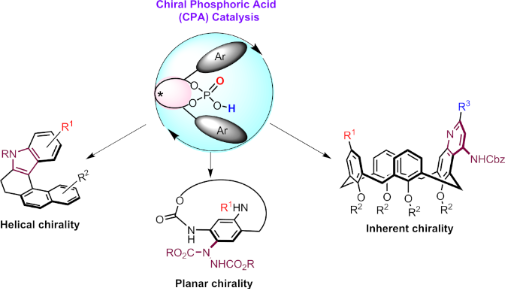
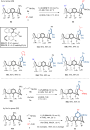
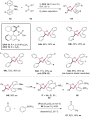
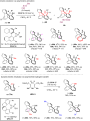
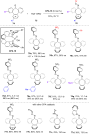
- catalytic asymmetric synthesis of saddle-shaped inherently chiral 9,10-dihydrotribenzoazocines via CPA-catalyzed kinetic resolution and dynamic kinetic resolution strategies [54]. By leveraging the reactivity of the aniline moiety in 9,10-dihydrotribenzoazocines 68, the CPA 16-catalyzed enantioselective









Systematic pore lipophilization to enhance the efficiency of an amine-based MOF catalyst in the solvent-free Knoevenagel reaction
Beilstein J. Org. Chem. 2025, 21, 1854–1863, doi:10.3762/bjoc.21.144
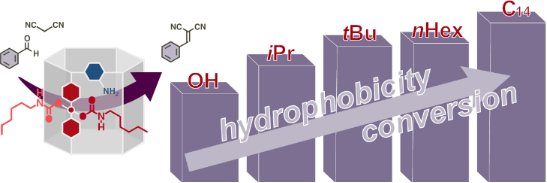
- ]; this, despite an earlier demonstration of the superior nucleophilicity of BDC-NH2 [45]. Interestingly, this apparent reversal in reactivity was most significant with aliphatic isocyanates, while the reactivity reverted to what is expected with the use of more activated isocyanates. Subsequently, we
- rather at investigating the effect that systematic pore environment modulation has on catalyst reactivity; specifically, how lipophilization affects a condensation process like the Knoevenagel reaction. As such, it was also interesting to observe differences in the relative amount of reaction


Photoswitches beyond azobenzene: a beginner’s guide
Beilstein J. Org. Chem. 2025, 21, 1808–1853, doi:10.3762/bjoc.21.143