


Search results
Search for "phosphate" in Full Text gives 473 result(s) in Beilstein Journal of Organic Chemistry. Showing first 200.
Total synthesis of insect sex pheromones: recent improvements based on iron-mediated cross-coupling chemistry
Beilstein J. Org. Chem. 2023, 19, 158–166, doi:10.3762/bjoc.19.15
- , the presence of NMP is actually detrimental. Indeed, for the cross coupling reaction of octylmagnesium chloride with 1-butadienyl phosphate in THF at −20°C in the presence of 1% Fe(acac)3 and 9 equivalents of NMP, the resulting 1,3-dodecadiene cross-coupling product was only obtained with a 54% yield
- and NHCs was also described by Duong for the aryl–aryl cross coupling [29]. Alkoxide salts appear as good alternatives to NMP or phosphate-based additives, since several classic alcohol sources display low toxicities and can also come from renewable resources [30]. In this context, Cahiez and Lefèvre
- nucleophilic partners and as a magnesium alkoxide additive source, enabling the development of iron-mediated cross-coupling procedures with alkenyl or dienyl halides, requiring neither heavy alkyl phosphate leaving groups nor toxic solvents such as NMP. Moreover, those procedures can be carried out at large


Preparation of β-cyclodextrin/polysaccharide foams using saponin
Beilstein J. Org. Chem. 2023, 19, 78–88, doi:10.3762/bjoc.19.7
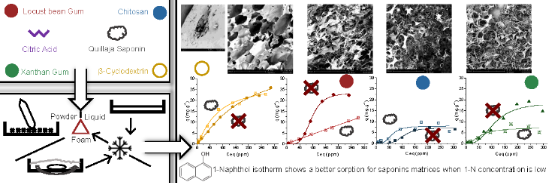
- , though their macroporosities are remarkably different. Experimental Materials β-cyclodextrin (Wacker, 12.5% H2O), xanthan gum (Sigma-Aldrich), locust bean gum (Sigma-Aldrich), chitosan (deacetylation degree of 90%), citric acid (Panreac AppliChem) and dibasic sodium phosphate (Na2HPO4 ≥ 98%), soapbark
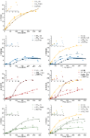
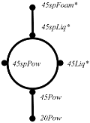
- , plus 0.5 g of Quillaja saponaria saponin. After that, sodium phosphate dibasic (Na2HPO4, 0.28 g) is added to catalyse the reaction (see Supporting Information File 1, Table S1). Two main types of materials are prepared from these stock solutions. The first one (45spLiq*) is directly lyophilized until a



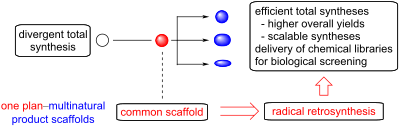
Combining the best of both worlds: radical-based divergent total synthesis
Beilstein J. Org. Chem. 2023, 19, 1–26, doi:10.3762/bjoc.19.1
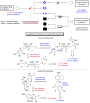
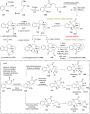
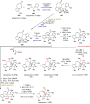
- protected tryptamine starting materials. The utilization of a chiral phosphate base is essential for the formation of a hydrogen bond between phosphate and tryptamines, allowing the decrease of the oxidation potential. This concept was used for the synthesis of pyrroloindoline natural products (Scheme 17
- ). Thus, upon irradiation, iridium polypyridyl photocatalyst allowed the oxidation of the phosphate complex 207 to radical cation 206, which can be readily trapped by TEMPO, and hence stabilizing the imine and allowing cyclization with the pendant amine to form the pyrroloindoline core 210 in 81% yield






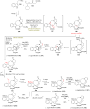


Synthesis of (−)-halichonic acid and (−)-halichonic acid B
Beilstein J. Org. Chem. 2022, 18, 1629–1635, doi:10.3762/bjoc.18.174
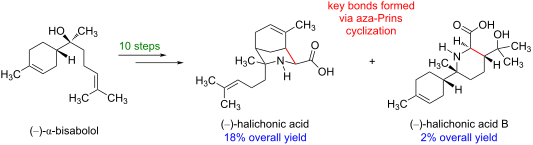
- hydrolysis of compounds 8 and 9 to form the corresponding amino acids. Thus, treating bicycle 8 with aqueous lithium hydroxide resulted in hydrolysis of the ethyl ester, and subsequent neutralization with pH 7 phosphate buffer afforded halichonic acid ((−)-1) in 88% yield after purification by column


New triazole-substituted triterpene derivatives exhibiting anti-RSV activity: synthesis, biological evaluation, and molecular modeling
Beilstein J. Org. Chem. 2022, 18, 1524–1531, doi:10.3762/bjoc.18.161
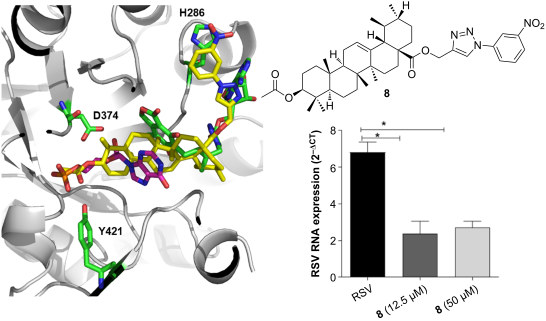
- -1,2,3-triazole (at C-28 position) of compound 8 mimicked the phosphate group and triazole ring of crystallographic ligands, respectively. In addition, the triterpene skeleton of compound 8 was located at the same region occupied by the aromatic rings of both IMP and inhibitor MAD1 ligands (Figure 3


Preparation of an advanced intermediate for the synthesis of leustroducsins and phoslactomycins by heterocycloaddition
Beilstein J. Org. Chem. 2022, 18, 1385–1395, doi:10.3762/bjoc.18.143
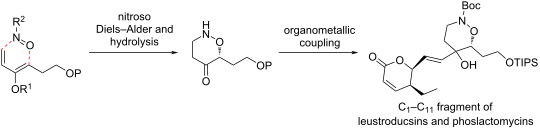
- on the synthesis and the coupling of three main fragments. The central fragment was synthesized via a regio-and stereoselective nitroso Diels–Alder reaction with an enol phosphate, followed by reductive cleavage of the phosphate to the ketone 11b. Coupling studies of this fragment with the lactone
- studies for the conversion of enol phosphate to the corresponding ketone were accomplished using an unprotected primary alcohol. However, it appeared that hydroxy group protection was necessary: control experiments made on the racemic cycloadduct 8 showed that basic hydrolysis of the enol phosphate led to
- we wondered whether it was possible to perform the whole synthetic sequence with this protecting group. Accordingly, the enol phosphate 13 was synthesized in five steps (26% overall yield) from 1,4-butanediol (Scheme 5). Since cycloaddition with the Wightman reagent 6 releases hydrogen chloride in


Synthesis of C6-modified mannose 1-phosphates and evaluation of derived sugar nucleotides against GDP-mannose dehydrogenase
Beilstein J. Org. Chem. 2022, 18, 1379–1384, doi:10.3762/bjoc.18.142
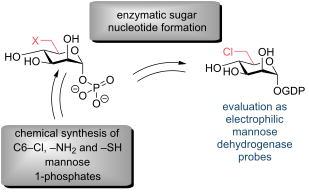
- , starting from fructose 6-phosphate and its synthesis ultimately arrives at the limiting step in alginate precursor biosynthesis, the action of GDP-mannose dehydrogenase (GMD), which oxidises GDP-mannose 1 to 5 (Figure 1a). GMD oxidation is suggested to have four discrete steps, first oxidising C6 to an
- shown to be a micromolar inhibitor of GMD (IC50 = 112 μM). Access to these chemical tools was established using a chemoenzymatic approach, whereby bespoke structural modifications were made to the mannose component, delivering an appropriate glycosyl 1-phosphate, followed by pyrophosphorylative
- , syntheses of C6-modified mannose 1-phosphates 13 and 17 were developed (Scheme 1). The synthesis of 6-amino-6-deoxymannose 1-phosphate 13 started from protected thioglycoside 10 [6]. A two-step modification using Appel halogenation followed by nucleophilic substitution with azide furnished 11. Conversion of


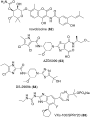
On drug discovery against infectious diseases and academic medicinal chemistry contributions
Beilstein J. Org. Chem. 2022, 18, 1355–1378, doi:10.3762/bjoc.18.141





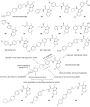

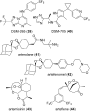

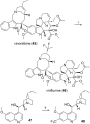
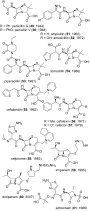

Cyclodextrin-based Schiff base pro-fragrances: Synthesis and release studies
Beilstein J. Org. Chem. 2022, 18, 1346–1354, doi:10.3762/bjoc.18.140
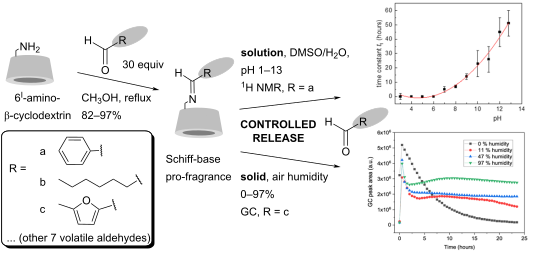
- phosphate buffer solutions of pH 1.08, 2.00, 3.00, 4.00, 5.00, 6.00, 7.00, 8.00, 9.00, 10.00 11.00, 12.00, and 12.80 were prepared (see Experimental section) using deuterium oxide instead of water to facilitate NMR spectroscopy experiments. Because of the low solubility of the pro-fragrance in water, it had
- heptanylimino-β-CD is more sustained (Figure 5B). Similar behavior at various pH conditions could be observed in the case of the release of benzaldehyde (2d) from the phosphate buffer (Figure 6A) and benzylimino-β-CD (3d, Figure 6B) and 5-methylfurfural (2j) from the phosphate buffer (Figure 7A) and 5
- -methylfurfurylimino-β-CD (3j, Figure 7B). Figures 5–7 show that the aldehyde release from the β-CD imino derivatives was slower than the release from the corresponding aldehyde aqueous phosphate buffers. This observation is consistent with the role of the physicochemical barrier that slows down the release of
Make or break: the thermodynamic equilibrium of polyphosphate kinase-catalysed reactions
Beilstein J. Org. Chem. 2022, 18, 1278–1288, doi:10.3762/bjoc.18.134
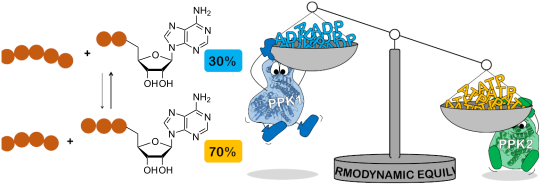
- of the enzymes and their thermodynamic reaction course is of need, especially in comparison to other kinases. Here, we tested four PPKs from different organisms under the same conditions without any coupling reactions. In comparison to other kinases using phosphate donors with comparably higher
- phosphate transfer potentials that are characterised by reaction yields close to full conversion, the PPK-catalysed reaction reaches an equilibrium in which about 30% ADP is left. These results were obtained for PPK1 and PPK2 enzymes, and are supported by theoretical data on the basic reaction. At high
- ; Introduction Polyphosphate (polyP, Figure 1) is a linear polymer of up to thousands of phosphate residues connected by phosphate anhydride bonds. It serves as a phosphate storage molecule and plays a crucial role in biofilm formation and stress responses of cells [1]. So far polyP has been detected in every


Mechanochemical bottom-up synthesis of phosphorus-linked, heptazine-based carbon nitrides using sodium phosphide
Beilstein J. Org. Chem. 2022, 18, 1203–1209, doi:10.3762/bjoc.18.125
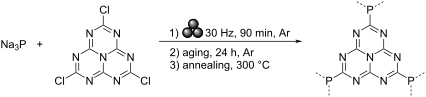
- -based materials showed similar resonances to previous work by our group on phosphorus-linked triazine networks [38]. The 31P MAS NMR of g-h-PCN showed a broad resonance centered around −8.9 ppm, with a sharp residual phosphate resonance at 0.9 ppm (Figure 3a). NMR analysis of similar materials, by our
- group as well as others, suggest that the broad resonance corresponds to a largely amorphous phase with predominately phosphate and phosphite-like environments, with the broad resonance at −8.9 ppm possibly corresponding to hydrated sodium phosphate byproducts [43][44]. The NMR spectrum of the g-h


Lewis acid-catalyzed Pudovik reaction–phospha-Brook rearrangement sequence to access phosphoric esters
Beilstein J. Org. Chem. 2022, 18, 1188–1194, doi:10.3762/bjoc.18.123
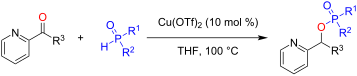
- catalyst through a similar transformation under solvent-free conditions [44]. Recently, Zhang’s group disclosed a cesium carbonate-catalyzed Pudovik reaction–phospha-Brook rearrangement sequence and extended the phosphorus source from phosphate to phosphonate [45]. Despite of these important advancements




New azodyrecins identified by a genome mining-directed reactivity-based screening
Beilstein J. Org. Chem. 2022, 18, 1017–1025, doi:10.3762/bjoc.18.102
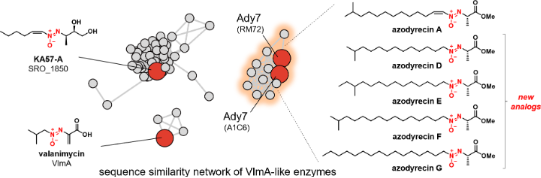
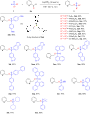
- azodyrecins (Scheme 2). The pathway is likely initiated by Ady2, a putative dehydrogenase that recruits fatty acids from primary metabolism to generate an aldehyde, which would be converted to an aliphatic amine by the pyridoxal phosphate (PLP)-dependent transaminase Ady4. The amine would be N-hydroxylated by




Efficient production of clerodane and ent-kaurane diterpenes through truncated artificial pathways in Escherichia coli
Beilstein J. Org. Chem. 2022, 18, 881–888, doi:10.3762/bjoc.18.89
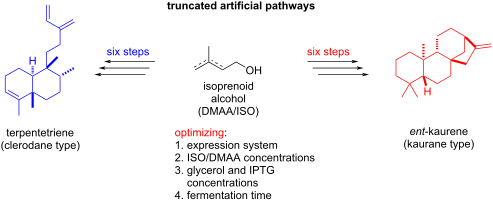
- minimum C5 isoprenoid building blocks isopentenyl diphosphate (IPP) and dimethylallyl diphosphate (DMAPP), which are produced in the cell via one of two pathways: i) the mevalonate (MVA) pathway includes seven steps from acetyl-CoA (A-CoA); and ii) the 2-C-methyl-ᴅ-erythritol 4-phosphate (MEP) pathway
- includes eight steps starting from the condensation of pyruvate and ᴅ-glyceraldehyde 3-phosphate (G3P) [13][14] (Figure 1a). Due to these lengthy biosynthetic steps as well as complex metabolic regulations and extensive cofactor requirements, several groups have engineered elegant bypass pathways to
- (AACT); HMG-CoA synthase (HMGS); HMG-CoA reductase (HMGR); mevalonate kinase (MVK); phosphomevalonate kinase (PMK); diphosphomevalonate decarboxylase (PMD); 1-deoxy-ᴅ-xylulose 5-phosphate synthase (DXS); 1-deoxy-ᴅ-xylulose 5-phosphate reductoisomerase (DXR). Truncated artificial pathways (six steps) to


The stereochemical course of 2-methylisoborneol biosynthesis
Beilstein J. Org. Chem. 2022, 18, 818–824, doi:10.3762/bjoc.18.82
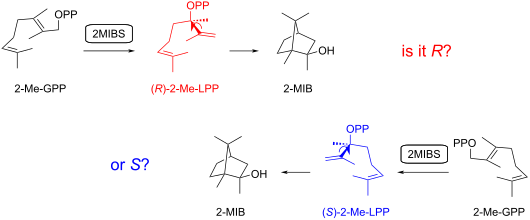
- . Further conversion by treatment with PPh3, iodine, pyridine, and water [38] gave access to (R)- and (S)-2-methyllinalool (6a and 6b). The materials were subsequently converted into the diphosphates using triethylammonium phosphate and trichloroacetonitrile [39] (Scheme 2). Conversion of enantiomerically




Synthesis of odorants in flow and their applications in perfumery
Beilstein J. Org. Chem. 2022, 18, 754–768, doi:10.3762/bjoc.18.76
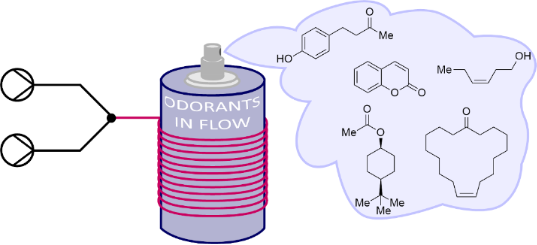
- solution of (R)-carvone (25) in toluene is merged with a stream of hydrogen and the resulting segmented flow is passed through a column reactor containing a dimethylpolysilane-modified platinum catalyst (DMPS-Pt, 26), immobilized on carbon/calcium phosphate. At a temperature of 25 °C using 1.4 equivalents
- %. Thus, Brenna and co-workers developed a cis-selective synthesis of 54 via a biocatalytic process in flow (Scheme 12) [45]. In the first step, a mixture of cyclohexanone 51, NADH, and isopropanol in an aqueous phosphate buffer (pH ≈ 7) is pumped through a continuously stirred membrane reactor at 30 °C


Identification of the new prenyltransferase Ubi-297 from marine bacteria and elucidation of its substrate specificity
Beilstein J. Org. Chem. 2022, 18, 722–731, doi:10.3762/bjoc.18.72
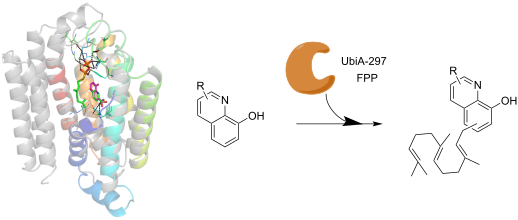
- % pairwise identity) displayed similarities to geranylgeranylglyceryl phosphate synthases (EC 2.5.1.42), which are involved in the formation of polar membrane lipids of archaea and other bacteria [20], while group G4 contained close homologs of the protoheme IX farnesyltransferase (EC 2.5.1.141) (23–100
- % pairwise identity) responsible for heme O production in bacteria like E. coli [21][22]. However, no representatives of the remaining four Ptase groups G6–G8, which encode for ubiquinone biosynthesis (G5), decaprenyl-phosphate phosphoribosyltransferases (EC 2.4.2.45, G6) as reported in Mycobacteriaceae [23
- biochemically characterized Ptases; however, none of the members grouped with UbiA-297 the G2-Ptase group (Figure S1, Supporting Information File 1). The closest characterized relatives were identified as a putatively assigned digeranylgeranylglyceryl phosphate synthase encoded in Sulfurisphaera tokodaii str. 7


Heteroleptic metallosupramolecular aggregates/complexation for supramolecular catalysis
Beilstein J. Org. Chem. 2022, 18, 597–630, doi:10.3762/bjoc.18.62
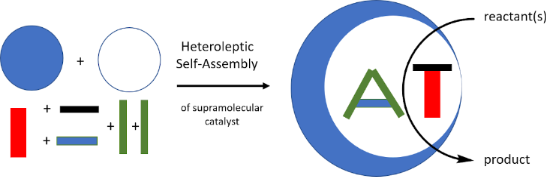
- catalysts that allow ON/OFF reaction control in photoredox catalysis [120], phosphate diester transesterification [121], Friedel–Crafts reaction, ring opening of epoxides, oligomerization [116], and acyl-transfer reactions [122][123]. While there are further examples by Mirkin [124][125][126], Schmittel


Shift of the reaction equilibrium at high pressure in the continuous synthesis of neuraminic acid
Beilstein J. Org. Chem. 2022, 18, 567–579, doi:10.3762/bjoc.18.59
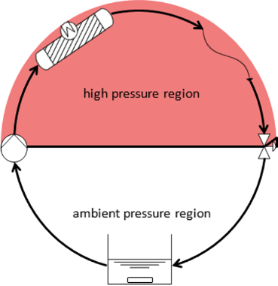
- (ECR8309F). For all immobilizations, a 20 mM sodium phosphate buffer with a pH of 7.4 was used as immobilization buffer. All filtration steps were executed using a membrane pump (Membrane pump ME 2C NT, Vacuubrandt GMBH & Co. KG, Wertheim, Germany) with bottle topper filter (Nalgene™, Thermo Fisher
- washed with immobilization buffer. For immobilization, the buffer of purified enzymes (150 mM imidazol, 300 mM NaCl, 50 mM sodium phosphate buffer pH 7.4) was exchanged to the immobilization buffer using ultracentrifuge units with 10 kDa Cut-off (Sartorius Vivaspin™, Göttingen, Germany). The unbuffered
- moisture (immobilized enzyme after filtration under vacuum) at 6 °C. Storage in 20 mM sodium phosphate buffer, pH 7.5 at 6 °C and 40 °C, respectively and storage at 40 °C while shaking at 1000 rpm. Enzyme activity was measured at regular intervals over the storage period. For each measuring point, the


BINOL as a chiral element in mechanically interlocked molecules
Beilstein J. Org. Chem. 2022, 18, 508–523, doi:10.3762/bjoc.18.53
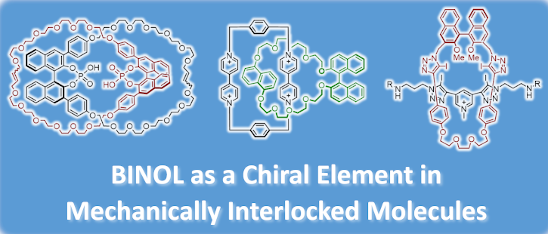
- )-52/(S)-53 were mixed with the dialkynylated amine 54 to give the pseudorotaxanes based on ammonium–phosphate interactions. Subsequent stoppering with bulky azides 55a/b gave rotaxanes (S)-56a/b and (S)-57a/b in yields of 28–58%. These catalysts differ in the length of the axle (n = 0 or 1, for a or b
- zwitterionic ammonium phosphate rotaxanes were inactive, deprotonation with LiOH led to active catalysts for this reaction. In all cases, the interlocked catalysts showed faster conversion (87–92% conversion after 7 days) than the corresponding non-interlocked mixtures of macrocycle and thread (35–78
- for the non-interlocked mixture, see Figure 15). DFT calculations showed that the reaction takes place by cooperative action of the Li phosphate macrocycle and the amine thread, enabled by the mechanical bond. The Li phosphate acts as a Lewis acid to activate the malonic acid diethyl ester, which is


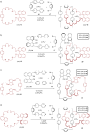


Synthesis of 3,4,5-trisubstituted isoxazoles in water via a [3 + 2]-cycloaddition of nitrile oxides and 1,3-diketones, β-ketoesters, or β-ketoamides
Beilstein J. Org. Chem. 2022, 18, 446–458, doi:10.3762/bjoc.18.47

- phosphate buffer under weakly acidic conditions (pH 4.0) at room temperature for 15–24 h and generated 3,5-disubstituted isoxazolines and 3,4,5-trisubstituted isoxazoles in good yields (Figure 1) [28]. Notably, no metal catalysts were used in this method. The development of organic reactions in water not
- % methanol (Table 1, entry 15); in these cases, compound 4 was obtained in excellent yields (70% yield and 95% yield, respectively). Compound 4 was also formed almost exclusively in 76% yield when the reaction was run in phosphate buffer (pH 7.4) in the presence of 5% methanol with 10 mol % of DIPEA (Table 1

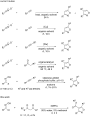


Menadione: a platform and a target to valuable compounds synthesis
Beilstein J. Org. Chem. 2022, 18, 381–419, doi:10.3762/bjoc.18.43
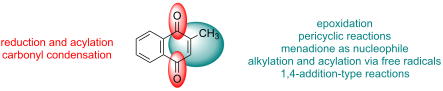
- steps whose main difficulties are the separation of pyridine byproducts and inorganic phosphate (Scheme 20). Kulkarni and co-workers reported a method for menadione reduction mediated by 5,6-O-isopropylidene-ʟ-ascorbic acid (70, R = H) under UV light irradiation [120]. Initial studies were carried out


Regioselectivity of the SEAr-based cyclizations and SEAr-terminated annulations of 3,5-unsubstituted, 4-substituted indoles
Beilstein J. Org. Chem. 2022, 18, 293–302, doi:10.3762/bjoc.18.33
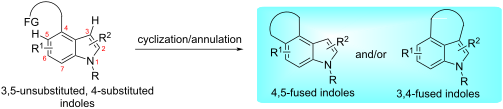
- and co-workers reported that the ring closure of the Pictet−Spengler reaction between 2-(1H-indol-4-yl)ethanamine (10) and secologanin (11) in potassium phosphate buffer (KPi) at 70 °C regioselectively took place at the indole C3 position, resulting in unstable 4β-(R)-1H-azepino[3,4,5-cd


Anomeric 1,2,3-triazole-linked sialic acid derivatives show selective inhibition towards a bacterial neuraminidase over a trypanosome trans-sialidase
Beilstein J. Org. Chem. 2022, 18, 208–216, doi:10.3762/bjoc.18.24
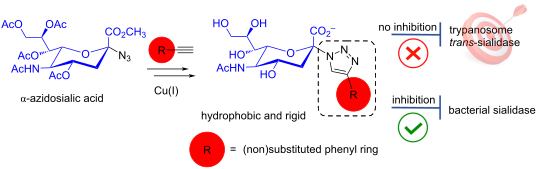
- 3a–h were tested at 1.0 mM in the presence of the donor substrate MUNANA (0.1 mM) along with pyridoxal phosphate (PLP, Ki = 7.3 mM) [35] and 2,3-dehydro-2-deoxy-N-acetylneuraminic acid (DANA) [36] as positive controls for TcTS and neuraminidase, respectively. Surprisingly, the results showed
- further purification. N-Acetylneuraminic acid was purchased from Carbosynth (MA00746), terminal alkynes were purchased from Sigma-Aldrich, MUNANA [2'-(4-methylumbelliferyl)-α-ᴅ-N-acetylneuraminic acid sodium salt hydrate] (BIB6114) was purchased from Apollo Scientific Ltd, pyridoxal 5′-phosphate hydrate
- described by Neres and co-workers [34]. Briefly, TcTS assay was performed in duplicate in 96-well plates containing 200 mM phosphate buffer solution pH 7 (20 μL), 0.8 mg/mL recombinant enzyme (20 μL), 5 mM lactose (20 μL) and 5 mM inhibitor (20 μL) solutions. This mixture was kept for 10 min at 25 °C



1,2-Naphthoquinone-4-sulfonic acid salts in organic synthesis
Beilstein J. Org. Chem. 2022, 18, 53–69, doi:10.3762/bjoc.18.5
- similar to lapachol, buparvaquone (13) and parvaquone (14), are used to treat animal diseases, such as bovine theileriosis (east coast fever, corridor disease, Zimbabwean theileriosis, and tropical theileriosis) [30][31][32][33]. Buparvaquone (13), phosphate prodrugs, and some formulations were evaluated





