Search results
Search for "template" in Full Text gives 202 result(s) in Beilstein Journal of Organic Chemistry. Showing first 200.
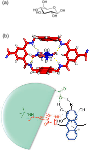
Multiple threading of a triple-calix[6]arene host
Beilstein J. Org. Chem. 2019, 15, 2092–2104, doi:10.3762/bjoc.15.207
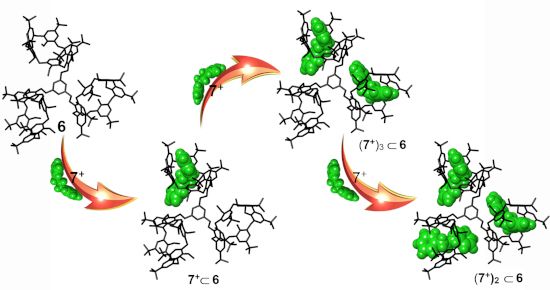
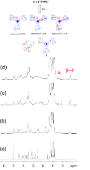
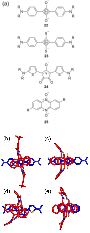
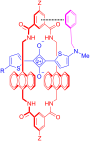
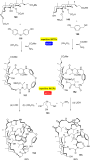
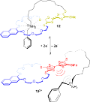
- , daisy-chain pseudorotaxanes, olympiadane, Janus rotaxanes [5]) is generally obtained through a template-approach [9] exploiting the threading process between linear (axle) and macrocyclic (wheel) components. In order to synthesize high-order interpenetrated architectures, much attention has been


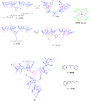


![[Graphic 2]](/bjoc/content/inline/1860-5397-15-207-i6.svg?max-width=637&scale=1.18182) 6, (7+)2
6, (7+)2


Halide metathesis in overdrive: mechanochemical synthesis of a heterometallic group 1 allyl complex
Beilstein J. Org. Chem. 2019, 15, 1856–1863, doi:10.3762/bjoc.15.181
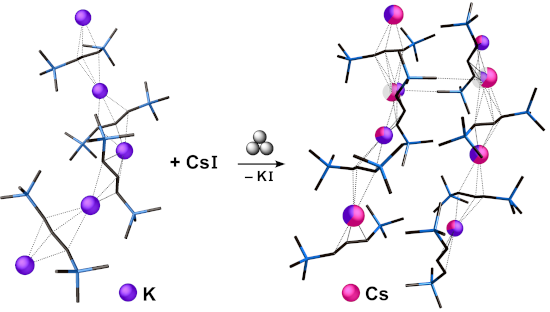
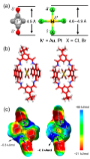
- ]∞ and [(C6H6)KA']∞ (3.04 Å in the poorer quality [(toluene)KA']∞ structure), and 3.06 Å in [KA'(dme)]∞ [24]. This suggests that the K+…[A'] interaction is a robust one, and its structure potentially capable of serving as a kind of template for inclusion (see below). Formation of the heterometallic allyl
- viewed as a template into which Cs+ are infused during the grinding. There are adjustments in M–C(allyl) bond distances (see above), but another consequence is the generation of multiple intermolecular M…CH3 interactions. Both [KA'] and [CsKA'2] possess K…CH3 contacts at typical distances [32]; in [KA


Nanopatterns of arylene–alkynylene squares on graphite: self-sorting and intercalation
Beilstein J. Org. Chem. 2019, 15, 1848–1855, doi:10.3762/bjoc.15.180
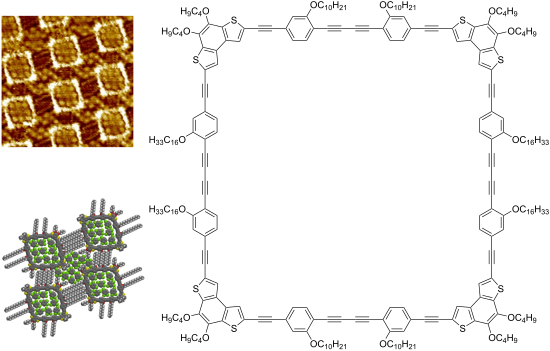
- with different numbers of sides [18], that are scalable to some extent [19]. The long alkoxy side chains mediate sufficient compound solubility and compound adsorption on highly oriented pyrolytic graphite (HOPG) that acts as a template [20][21], and determine the intermolecular interaction [22][23][24
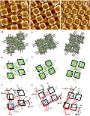
- shown for clarity). Enlarged areas of Figure 3a (shown in Figure 3b and c) show two template macrocycles 1a (of similar orientation), each of which is filled with one molecule of 2 that appears as a bright hexagon – however, with different orientations. The hexagons of the nanographene 2 in Figure 3c
- the procedure described above) a nanopattern of 1a (5 × 10⁻⁷ M), and added a 10−4 M solution of 3 in TCB. STM (Figure 4a) shows – again – bright features in the macrocyclic template of 1a. Again, a slight central depression is visible in the STM image which can attributed to the empty center region of




Bambusuril analogs based on alternating glycoluril and xylylene units
Beilstein J. Org. Chem. 2019, 15, 1268–1274, doi:10.3762/bjoc.15.124
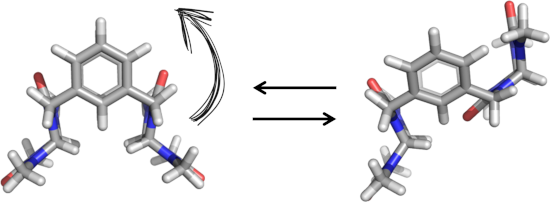
- simple example of a chromophoric monomer (Scheme 1). The reaction took place under basic conditions using LiH in dry THF [16]. The LiClO4 salt was used originally as a template in order to drive the reaction towards the three-membered macrocycle (n = 3). Later it was found that the salt does not have a


Self-assembly behaviors of perylene- and naphthalene-crown macrocycle conjugates in aqueous medium
Beilstein J. Org. Chem. 2019, 15, 1203–1209, doi:10.3762/bjoc.15.117
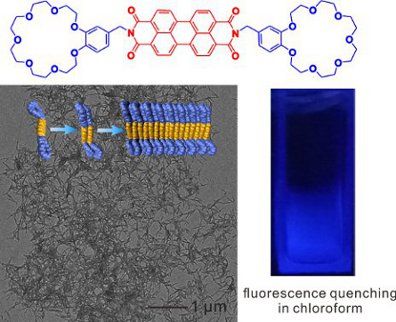
- water-soluble crown macrocycle 3 was synthesized according to reported protocols, by using potassium cations as template [86][87]. The primary amine group in 3 offers diverse reaction pathways to design crown ethers appended LMW gelators, dendrimers and polymers [88][89][90][91][92]. In order to


Design of a double-decker coordination cage revisited to make new cages and exemplify ligand isomerism
Beilstein J. Org. Chem. 2019, 15, 1129–1140, doi:10.3762/bjoc.15.109
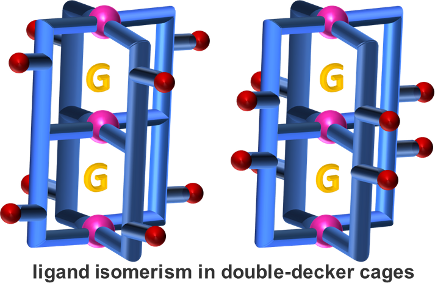
- OTf−) with the ligand L1 at a 3:4 ratio resulted in the formation of only mononuclear complexes 3b–d (depicted in a later Scheme) and the unutilized proportion of Pd(Y)2 remained in solution. Thus, the counter ion nitrate has a determining role by acting as template for the cavities in the formation
- displayed a template role for the formation of trinuclear complexes, especially for Pd3L4-type complexes. The anions helped to screen the charge repulsion between the palladium(II) ions. The complexation behavior of palladium(II) components with the ligand L2 have been reported earlier [23]. The


Molecular recognition using tetralactam macrocycles with parallel aromatic sidewalls
Beilstein J. Org. Chem. 2019, 15, 1086–1095, doi:10.3762/bjoc.15.105
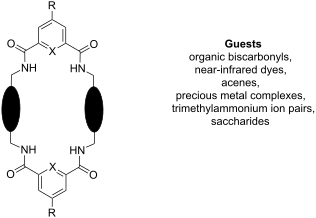
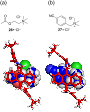
- ] macrocycle and a larger amount of the corresponding [2]catenane. Subsequent work found that conducting the reaction in the presence of a dumbbell-shaped template was a general way to make a wide range of [2]rotaxanes [28]. Listed in Scheme 2 are the yields of [2]rotaxane produced using various biscarbonyl
- -based templates [35][36][37][38][39][40][41][42][43]. These reactions are remarkable examples of templated syntheses since they form four covalent bonds and bring together five molecules in a single reaction. The key step is the final amide-bond formation that clips the tetralactam around the template
- (Scheme 3) [35]. The template molecule favors this step over the alternative intermolecular reaction that leads to larger oligomers. The poor solubility of A prevents the traditional host–guest affinity measurements; however, the [2]rotaxane yield is a useful indicator of template affinity for the


Fabrication, characterization and adsorption properties of cucurbit[7]uril-functionalized polycaprolactone electrospun nanofibrous membranes
Beilstein J. Org. Chem. 2019, 15, 992–999, doi:10.3762/bjoc.15.97
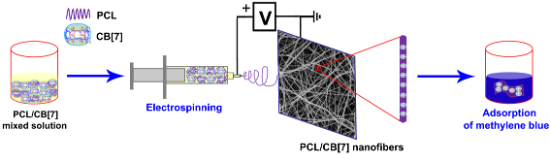
- investigated in this work (Scheme 1). Results and Discussion As a common biodegradable polymer, PCL has been frequently reported as the fiber template material for the fabrication of electrospun nanofibers. Various common solvents such as acetone, dichloromethane, chloroform, tetrahydrofuran, DMF or their


Heck- and Suzuki-coupling approaches to novel hydroquinone inhibitors of calcium ATPase
Beilstein J. Org. Chem. 2019, 15, 971–975, doi:10.3762/bjoc.15.94
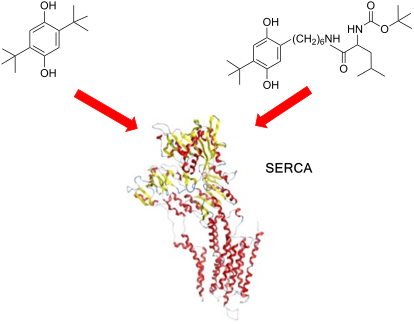
- Abstract In this study, we explored Heck- and Suzuki-coupling methodology to modify the template 2,5-di-tert-butylhydroquinone (BHQ, 2), an inhibitor of the enzyme sarco/endoplasmic reticulum calcium ATPase (SERCA). We found that by utilizing Suzuki coupling, we could successfully attach a six-carbon
- complex BHQ template. Furthermore, using a BHQ template could be a valuable alternative to TG-based compounds, should the latter encounter problems such as low bioavailability or drug resistance. The first step towards the development of BHQ-based compounds of therapeutic value is the establishment of a
- with Boc groups present [23]. Conclusion Using Heck- and Suzuki-coupling reactions, we have developed a synthetic route that provides a BHQ template tethered to a leucine residue (14). Similar to its TG-based counterparts, 14 is an active SERCA inhibitor, which is a requirement for its potential use as


Catalytic asymmetric oxo-Diels–Alder reactions with chiral atropisomeric biphenyl diols
Beilstein J. Org. Chem. 2019, 15, 955–962, doi:10.3762/bjoc.15.92
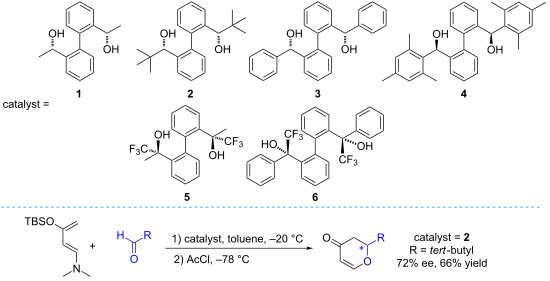
- library of aldehydes (aromatic: 97–99% ee; aliphatic: 84–98% ee) [28]. Thereafter, many different kinds of hydrogen bonding-based organocatalysts have been developed for oxo-DA reactions [29][30][31][32][33][34][35]. One kind of organocatalyst in particular, which is based on an oxazoline template with


Synthesis of (macro)heterocycles by consecutive/repetitive isocyanide-based multicomponent reactions
Beilstein J. Org. Chem. 2019, 15, 906–930, doi:10.3762/bjoc.15.88
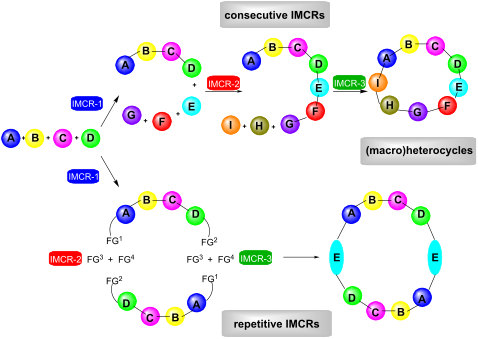
- for the synthesis of molecular cages was described [50]. The approach was based on macromulticycle connectivities through bridgeheads. For the macrocyclization reaction, metal-template-driven and dilution conditions were used. These conditions allowed one-pot synthesis including aryl, heterocyclic
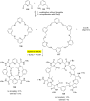
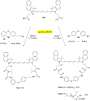
- , polyether, peptidic and steroidal tethers. Scheme 33 shows a template-driven approach to macrotricycles 170, which were obtained from preformed diimine 168 and addition of diacid 169 and diisocyanide 130 as building blocks. Conclusion Based on the many examples shown herein, one can conclude that the
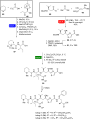
- during the bidirectional macrocyclization [48]. MiBs based on the Passerini-3CR for the synthesis of macrolactones [49]. Template-driven approach for the synthesis of macrotricycles 170 [50]. Acknowledgements CNPq, CAPES and the Universidade de Brasília are acknowledged for financial support.







Mechanochemistry of supramolecules
Beilstein J. Org. Chem. 2019, 15, 881–900, doi:10.3762/bjoc.15.86
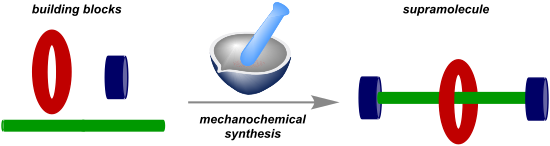
- ][42]. Review Self-assembly During a metal-directed self-assembly process, the coordination geometry and coordination number at the metal center plays a central role in creating a self-assembled system. In 1962, Busch and coworker first demonstrated the concept of the template effect by choosing a
- suitable metal ion to control a self-assembly process [43][44]. The template enforces the assembly of the smaller units around it in a distinct and organized way favoring the formation of a particular product from a mixture with multiple possibilities [45]. Therefore, the concept of selection of
- interactions of alternating hydrophilic and hydrophobic units in the peptide chains played the vital role in the system. Friščić and Aav with co-workers reported the first solvent-free mechanochemical synthesis of hemicucurbiturils [90] through the anion template effect of dynamic covalent chemistry [47][91


Synthesis of nonracemic hydroxyglutamic acids
Beilstein J. Org. Chem. 2019, 15, 236–255, doi:10.3762/bjoc.15.22
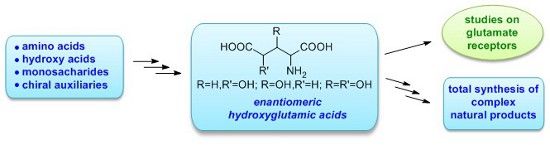
- chiral template for the synthesis of (2S,3R)-2 since configurations at C3 and C4 in the hexose are retained in the target compound. The disclosed strategy relied on prior transformation of D-glucose into azidofuranoside 57 [66] and next to acid 58. Homologation of acid 58 was accomplished by the Arndt


Thermophilic phosphoribosyltransferases Thermus thermophilus HB27 in nucleotide synthesis
Beilstein J. Org. Chem. 2018, 14, 3098–3105, doi:10.3762/bjoc.14.289
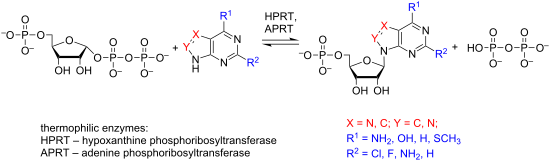
- a standard. Protein purity was determined by electrophoresis in a polyacrylamide gel under denaturing conditions [18]. Cloning and creation of producer strain: Genes TT_RS08985 and TT_RS06315, encoding TthHPRT and TthAPRT, respectively, were amplified on the genomic DNA template of the T


Repurposing the anticancer drug cisplatin with the aim of developing novel Pseudomonas aeruginosa infection control agents
Beilstein J. Org. Chem. 2018, 14, 3059–3069, doi:10.3762/bjoc.14.284
- transcriptase PCR (qRT-PCR) was performed using a two-step method. First-strand cDNA was synthesized from total RNA using SuperScript III First-Strand Synthesis SuperMix kit (Cat. No. 18080-400, Invitrogen). The cDNA was used as a template for qRT-PCR with a SYBR Select Master Mix kit (Cat. No. 4472953, Applied




Protein–protein interactions in bacteria: a promising and challenging avenue towards the discovery of new antibiotics
Beilstein J. Org. Chem. 2018, 14, 2881–2896, doi:10.3762/bjoc.14.267
- antimicrobial molecules are presented below. β-Sliding clamp Sliding clamps are prokaryotic ring-shaped proteins that secure DNA polymerases to the DNA template and slide along the double helix, enabling enzyme activity at a specific region of the DNA and increasing the rapid and processive DNA synthesis [52
- antibacterial effects. In addition to small molecules, peptides have also been investigated as disruptors of protein–protein interactions in the sliding clamp. A structure-based approach, using the natural pentapeptide QL(S/D)LF (8, Figure 3) as a template, led to the identification of the short peptide P6 (16
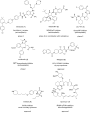
- 8) as a template, Rush et al. applied a shape-comparison program (rapid overlay of chemical structures, ROCS). This study led to the identification of three lead-like scaffolds among which compound 38 (Figure 8) was the most active with a Kd of 73.9 μM. In spite of the fact that this molecule was




Synthesis of unnatural α-amino esters using ethyl nitroacetate and condensation or cycloaddition reactions
Beilstein J. Org. Chem. 2018, 14, 2846–2852, doi:10.3762/bjoc.14.263
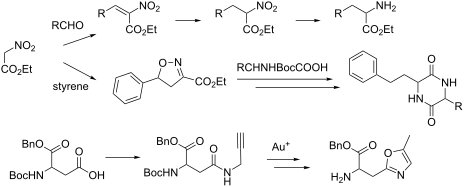
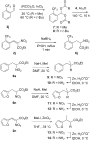
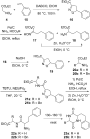
- de la Recherche Scientifique, 28 rue du Dr. Roux, 75724 Paris Cedex 15, France Université Paris Descartes, Sorbonne Paris Cité, 12 rue de l'École de Médecine, 75006 Paris, France 10.3762/bjoc.14.263 Abstract We report here on the use of ethyl nitroacetate as a glycine template to produce α-amino



Tetrathiafulvalene – a redox-switchable building block to control motion in mechanically interlocked molecules
Beilstein J. Org. Chem. 2018, 14, 2163–2185, doi:10.3762/bjoc.14.190
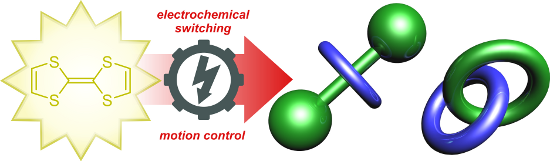
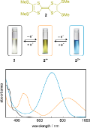
- supramolecular chemistry [28] and for the construction of MIMs [29], the good π-donor properties of TTF are frequently used to template donor–acceptor complexes with π-electron deficient macrocycles. If TTF undergoes oxidation, the π-donating effect decreases, whereas the TTF2+ dication can be considered as a π
- -yielding statistical synthesis to efficient template-controlled synthesis, rotaxanes have become the workhorse of MIMs in the last three decades. Regarding their use as molecular devices, three types of motions can be potentially controlled in rotaxanes: pirouetting of the wheel around the axle
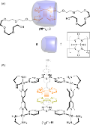
- (6) ring threaded onto a water-soluble axle [80]. The rotaxane was synthesized in 23% yield by a template/capping strategy where one stopper is attached using copper-catalyzed azide–alkyne click chemistry after the formation of the precursor pseudorotaxane. Due to the hydrophobic effect, the neutral











Efficient catenane synthesis by cucurbit[6]uril-mediated azide–alkyne cycloaddition
Beilstein J. Org. Chem. 2018, 14, 1846–1853, doi:10.3762/bjoc.14.158
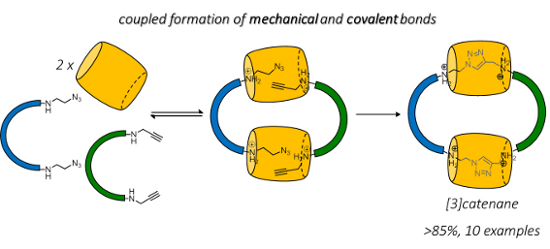
- macrocycles will be ensured. One example is the use of an active metal template, in which the macrocyclization is mediated by the metal ion inside the cavity of a metal-coordinating macrocycle [20]. Cucurbit[6]uril (CB[6]) has also been demonstrated to bind to ammonium-containing azides and alkynes and to



Graphitic carbon nitride prepared from urea as a photocatalyst for visible-light carbon dioxide reduction with the aid of a mononuclear ruthenium(II) complex
Beilstein J. Org. Chem. 2018, 14, 1806–1812, doi:10.3762/bjoc.14.153
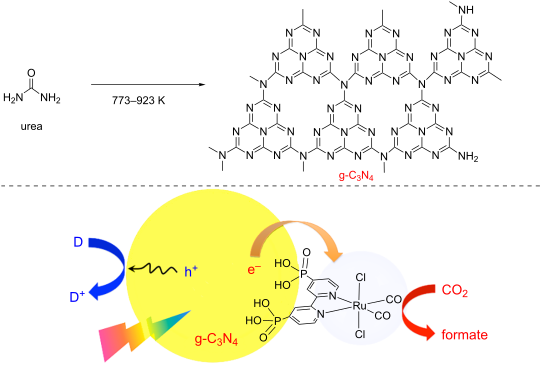
- reactions [21][22]. Apart from mpg-C3N4 that is usually prepared by a hard-template method with multistep procedures [9][23], g-C3N4 having a relatively higher surface area can be readily prepared by heating urea, which is an inexpensive and readily available precursor, in air [14][24]. In fact, the urea


Natural and redesigned wasp venom peptides with selective antitumoral activity
Beilstein J. Org. Chem. 2018, 14, 1693–1703, doi:10.3762/bjoc.14.144
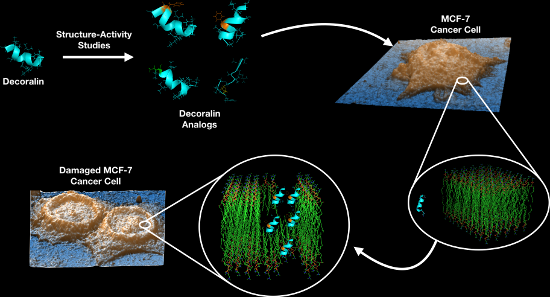
- [9][10]. The two Dec-NH2 analogs designed to fit a leucine zipper (LZ) template [25][26] presented the lowest hemolytic activity against red blood cells and maintained the antimicrobial activity of the parent template molecule vs Gram-positive bacteria, Gram-negative bacteria, and fungi. The authors
- investigated Dec-NH2, its LZ template and single/double substituted derivatives for their ability to selectively kill MCF-7 breast cancer cells. Results and Discussion Peptide design, chemical synthesis, purification and physicochemical analyses Dec-NH2 is a cationic α-helical antimicrobial and antiparasitic
- peptide [9][10][24] that is rich in Leu residues. We took into account these characteristics and designed two of the analogs proposed here using to a leucine zipper template, on which Leu residues were present in both ‘a’ and ‘d’ positions of the heptad sequence. This template design favors helical


On the design principles of peptide–drug conjugates for targeted drug delivery to the malignant tumor site
Beilstein J. Org. Chem. 2018, 14, 930–954, doi:10.3762/bjoc.14.80


Recent advances in synthetic approaches for medicinal chemistry of C-nucleosides
Beilstein J. Org. Chem. 2018, 14, 772–785, doi:10.3762/bjoc.14.65
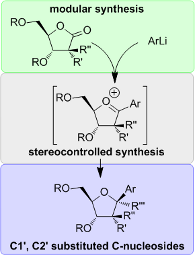
- that the triphosphate of 24 (24-TP) was incorporated opposite U and C of an RNA template by the influenza polymerase [74]. These experiments indicate that the H-bonding motifs of 24 allow it to mimic both A and G (Figure 10A) [74]. Despite the mis-incorporation, an unmodified sugar moiety may not


Enzyme-free genetic copying of DNA and RNA sequences
Beilstein J. Org. Chem. 2018, 14, 603–617, doi:10.3762/bjoc.14.47
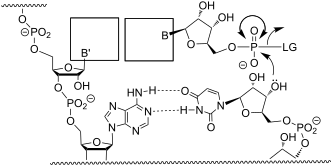
- successful modeling of the reaction, the strength of the template effect, the inhibitory effect of spent monomers, and the rate constants of the chemical steps have to be determined experimentally. While challenges remain for the high fidelity copying of long stretches of DNA or RNA, the available data
- examples can also be found in the literature of the 1960s [12]. The early monomer-based work on copying RNA focused on oligomerization of nucleotides on homosequences as templates [13][14]. The best results were observed for poly(C) as template, the 2-methylimidazolide of guanosine as activated monomer
- reaction that was made since our earlier account on the topic [22]. Other reviews that cover enzyme-free copying exist, and the reader is directed to these papers for a more in-depth treatment of issues only touched upon in our account [13][23][24][25]. Review Template effect and sequence dependence One


Fluorogenic PNA probes
Beilstein J. Org. Chem. 2018, 14, 253–281, doi:10.3762/bjoc.14.17
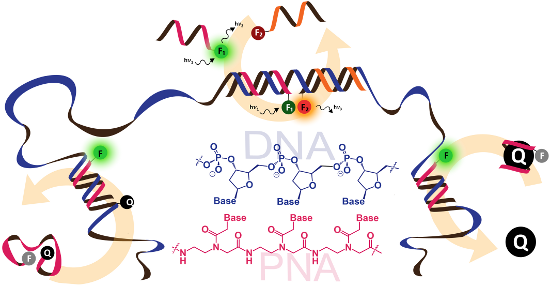
- nucleic acid scaffold or template, which allows the two dyes to optically interact, such as by FRET or excimer formation (Figure 11) [83]. In principle, the hybridization of two very short PNA probes should offer a better selectivity than a single longer PNA probe. The relative positions of the two labels
- concentrations typically required for detection of the target molecules (nanomolar range or below). However, binding of the probes at adjacent positions on the same DNA or RNA template increases the local concentration of the probes so that they can readily react, resulting in creating and/or breaking one or
- (Figure 13) [90]. Signal amplification is also possible in the former case provided that the reaction was designed to give a ligated product that does not bind too tightly to the template, for example by using isocysteine-mediated native chemical ligation to provide a ligated PNA with a sub-optimal