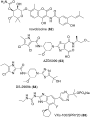
Search for "toxicity" in Full Text gives 367 result(s) in Beilstein Journal of Organic Chemistry. Showing first 200.
Beilstein J. Org. Chem. 2022, 18, 1707–1719, doi:10.3762/bjoc.18.181
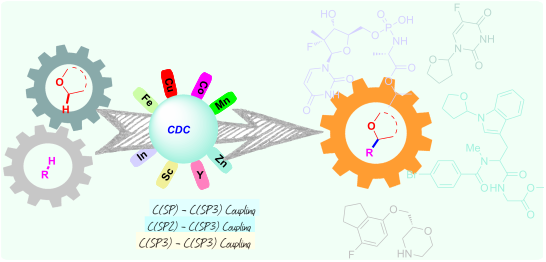
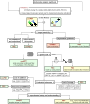
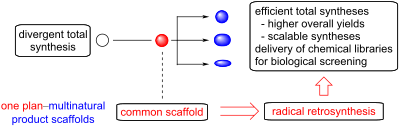
Graphical Abstract
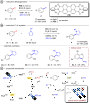
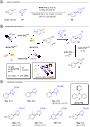
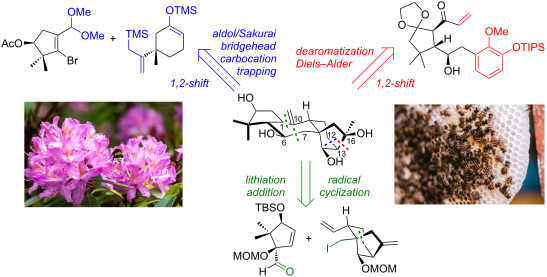
Figure 1: General structure of grayanane natural products.
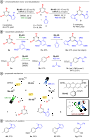
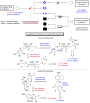
Scheme 1: Grayanane biosynthesis.
Scheme 2: Matsumoto’s relay approach.
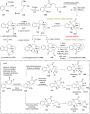
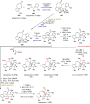
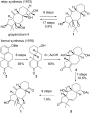
Scheme 3: Shirahama’s total synthesis of (–)-grayanotoxin III.
Scheme 4: Newhouse’s syntheses of fragments 25 and 29.
Scheme 5: Newhouse’s total synthesis of principinol D.
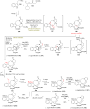
Scheme 6: Ding’s total synthesis of rhodomolleins XX and XXII.
Scheme 7: First key step of Luo’s strategy.
Scheme 8: Luo’s total synthesis of grayanotoxin III.
Scheme 9: Synthesis of principinol E and rhodomollein XX.
Scheme 10: William’s synthetic effort towards pierisformaside C.
Scheme 11: Hong’s synthetic effort towards rhodojaponin III.
Scheme 12: Recent strategies for grayanane synthesis.
Beilstein J. Org. Chem. 2022, 18, 1672–1695, doi:10.3762/bjoc.18.179
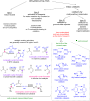
Graphical Abstract
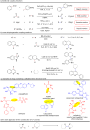
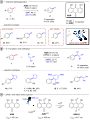
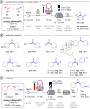
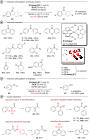
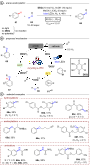
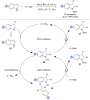
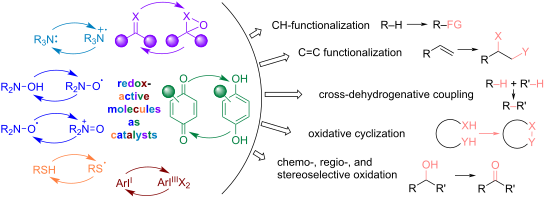
Scheme 1: Organocatalysis classification used in the present perspective.
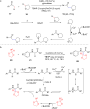
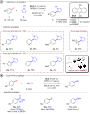
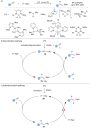
Scheme 2: Oxidative processes catalyzed by amines.
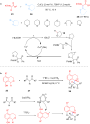
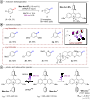
Scheme 3: N-Heterocyclic carbene (NHC) catalysis in oxidative functionalization of aldehydes.
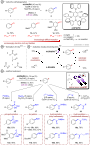
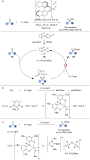
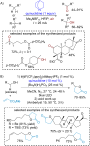
Scheme 4: Examples of asymmetric oxidative processes catalyzed by chiral Brønsted acids.
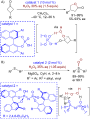
Scheme 5: Asymmetric aerobic α-hydroxylation of lactams under phase-transfer organocatalysis conditions emplo...
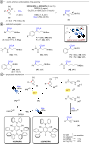
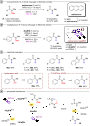
Scheme 6: Selective CH-oxidation of methylarenes to aldehydes or carboxylic acids.
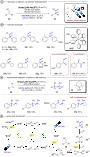
Scheme 7: An example of the regioselective CH-amination by a sterically hindered imide-N-oxyl radical precurs...
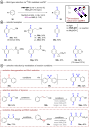
Scheme 8: CH-amination of ethylbenzene and CH-fluorination of aldehydes catalyzed by N-hydroxybenzimidazoles,...
Scheme 9: Mixed hetero-/homogeneous TiO2/N-hydroxyimide photocatalysis in the selective benzylic oxidation.
Scheme 10: Electrochemical benzylic iodination and benzylation of pyridine by benzyl iodides generated in situ...
Scheme 11: Electrochemical oxidative C–O/C–N coupling of alkylarenes with NHPI. Electrolysis conditions: Const...
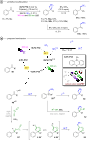
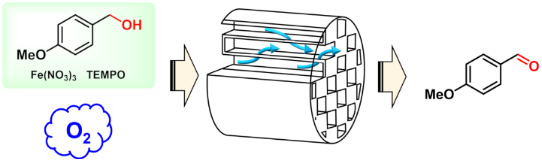
Scheme 12: Chemoselective alcohol oxidation catalyzed by TEMPO.
Scheme 13: ABNO-catalyzed oxidative C–N coupling of primary alcohols with primary amines.
Scheme 14: ACT-catalyzed electrochemical oxidation of primary alcohols and aldehydes to carboxylic acids.
Scheme 15: Electrocatalytic oxidation of benzylic alcohols by a TEMPO derivative immobilized on a graphite ano...
Scheme 16: Electrochemical oxidation of carbamates of cyclic amines to lactams and oxidative cyanation of amin...
Scheme 17: Hydrogen atom transfer (HAT) and single-electron transfer (SET) as basic principles of amine cation...
Scheme 18: Electrochemical quinuclidine-catalyzed oxidation involving unactivated C–H bonds.
Scheme 19: DABCO-mediated photocatalytic C–C cross-coupling involving aldehyde C–H bond cleavage.
Scheme 20: DABCO-derived cationic catalysts in inactivated C–H bond cleavage for alkyl radical addition to ele...
Scheme 21: Electrochemical diamination and dioxygenation of vinylarenes catalyzed by triarylamines.
Scheme 22: Electrochemical benzylic oxidation mediated by triarylimidazoles.
Scheme 23: Thiyl radical-catalyzed CH-arylation of allylic substrates by aryl cyanides.
Scheme 24: Synthesis of redox-active alkyl tetrafluoropyridinyl sulfides by unactivated C–H bond cleavage by t...
Scheme 25: Main intermediates in quinone oxidative organocatalysis.
Scheme 26: Electrochemical DDQ-catalyzed intramolecular dehydrogenative aryl–aryl coupling.
Scheme 27: DDQ-mediated cross-dehydrogenative C–N coupling of benzylic substrates with azoles.
Scheme 28: Biomimetic o-quinone-catalyzed benzylic alcohol oxidation.
Scheme 29: Electrochemical synthesis of secondary amines by oxidative coupling of primary amines and benzylic ...
Scheme 30: General scheme of dioxirane and oxaziridine oxidative organocatalysis.
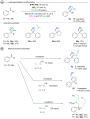
Scheme 31: Dioxirane organocatalyzed CH-hydroxylation involving aliphatic C(sp3)–H bonds.
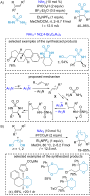
Scheme 32: Enantioselective hydroxylation of CH-acids catalyzed by chiral oxaziridines.
Scheme 33: Iodoarene-organocatalyzed vinylarene diamination.
Scheme 34: Iodoarene-organocatalyzed asymmetric CH-hydroxylation of benzylic substrates.
Scheme 35: Iodoarene-organocatalyzed asymmetric difluorination of alkenes with migration of aryl or methyl gro...
Scheme 36: Examples of 1,2-diiodo-4,5-dimethoxybenzene-catalyzed electrochemical oxidative heterocyclizations.
Scheme 37: Electrochemical N-ammonium ylide-catalyzed CH-oxidation.
Scheme 38: Oxidative dimerization of aryl- and alkenylmagnesium compounds catalyzed by quinonediimines.
Scheme 39: FLP-catalyzed dehydrogenation of N-substituted indolines.
Beilstein J. Org. Chem. 2022, 18, 1596–1606, doi:10.3762/bjoc.18.170
Graphical Abstract
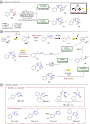
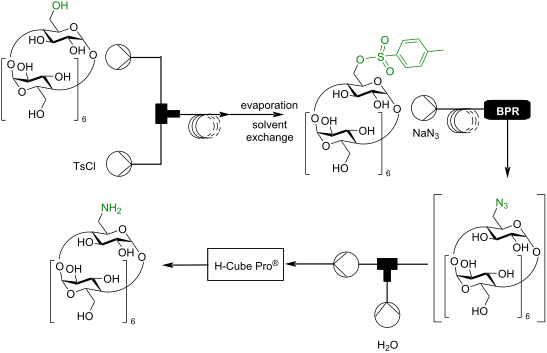
Scheme 1: The synthesis of 6A-azido-6A-deoxy-per-6-O-tert-butyldimethylsilyl-β-cyclodextrin.
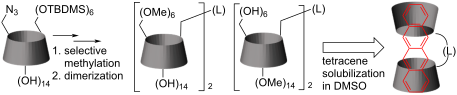
Scheme 2: The synthesis of β-cyclodextrin dimers with permethylated secondary rims.
Scheme 3: The synthesis of β-cyclodextrin dimers with permethylated primary rims.
Figure 1: The fragments of 1H NOESY NMR spectra of 4 (a), 10 (b), and 9 (c) indicating the interaction betwee...
Figure 2: The fragment of the 1H NMR spectrum of compounds 9 (green); 10 (red); 12 (blue) representing the si...
Figure 3: Other cyclodextrins that were used in the solubilization experiments with tetracene.
Figure 4: The tetracene UV absorbance dependence on concentration at 476 nm.
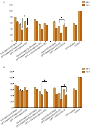
Figure 5: The relative concentrations of tetracene in DMSO solutions with hosts 4, 5, 10, 12, 13–18 referred ...
Figure 6: "Tail-to-tail" (a) and "head-to-head" (b) orientation of two cyclodextrin moieties and primary-rim ...
Figure 7: Isotherms of the titration of tetracene with "dimeric" CD solutions in DMSO at 298 K (circles – 10;...
Figure 8: Isotherms of the titration of tetracene with "monomeric" CD solutions in DMSO at 298 K (circles – 16...
Beilstein J. Org. Chem. 2022, 18, 1524–1531, doi:10.3762/bjoc.18.161
Graphical Abstract
Figure 1: Structures of RBV, betulinic acid (1), and ursolic acid (2).
Scheme 1: Synthesis of 1-azido-3-nitrobenzene (c).
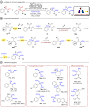
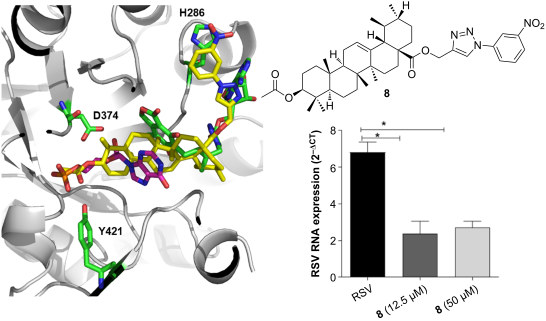
Scheme 2: Synthesis of the triazole-substituted triterpene derivatives 7 and 8.
Figure 2: (A) Activity of compound 8 in A549 cells infected with RSV. MTT assay 96 h after treatment. DMSO (0...
Figure 3: Superposition of the top-ranked docking solution of compound 8 (carbon atoms in yellow, in stick re...
Beilstein J. Org. Chem. 2022, 18, 1507–1517, doi:10.3762/bjoc.18.159
Graphical Abstract
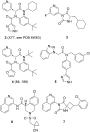
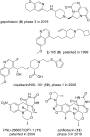
Figure 1: Some new quinoline antibacterial drugs.
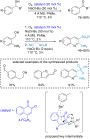
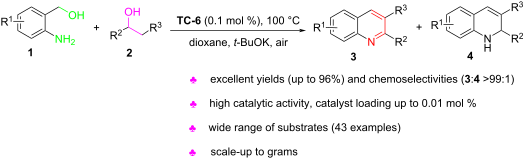
Figure 2: Cyclometalated iridium-catalyzed ADC reaction of o-aminobenzyl alcohols and secondary alcohols.
Figure 3: Gram-scale transformations.
Figure 4: Mechanistic investigation.
Figure 5: A speculated possible mechanism.
Beilstein J. Org. Chem. 2022, 18, 1355–1378, doi:10.3762/bjoc.18.141
Graphical Abstract
Figure 1: Structure of halicin (1).
Figure 2: Structures of compounds 2–7.
Figure 3: Structures of compounds 8–12.
Figure 4: Structures of compounds 13–17.
Figure 5: Structures of compounds 18–21.
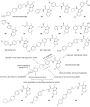
Figure 6: Structures of compounds 22–36 and SAR of compound 22.
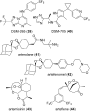
Figure 7: Structures of compounds 37 and 38.
Figure 8: Structures of compounds 39–44.
Scheme 1: Retrosynthesis of pyrazolones A and B.
Scheme 2: Reaction conditions: i: HF, SbF6, CCl4. ii: (CF3SO2)2Zn, t-BuO2H, CH2Cl2/H2O.
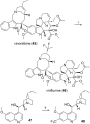
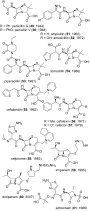
Figure 9: Structures of compounds 49–61.
Figure 10: Structures of compounds 62–65.
Figure 11: Structures of compounds 66 and 67.
Beilstein J. Org. Chem. 2022, 18, 1332–1337, doi:10.3762/bjoc.18.138
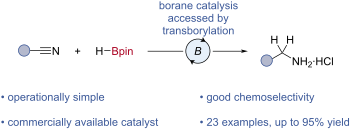
Graphical Abstract
Scheme 1: a) Derivatives of primary amines in materials chemistry, pharmaceuticals, and agrochemicals; b) thi...
Scheme 2: Substrate scope of borane-catalysed nitrile hydroboration with HBpin. Conditions: nitrile (0.50 mmo...
Scheme 3: a) Proposed mechanism; b) H-B-9-BBN-catalysed heptanenitrile hydroboration (yield determined by 1H ...
Beilstein J. Org. Chem. 2022, 18, 944–955, doi:10.3762/bjoc.18.94
Graphical Abstract
Figure 1: EtH-T-DI-DTT (1).
Figure 2: Previously published, ‘bent’ diindenodithienothiophenes [16,24,25].
Figure 3: With crystalline films of 2,7-dioctyl[1]benzothieno[3,2-b][1]-benzothiophene (8), obtained by off-c...
Figure 4: ITIC, a system with fused thiophenes, in combination with donor polymer 11, also featuring a fused ...
Figure 5: The fluorinated derivative of ITIC, IT-4F, achieved, with donor polymer 13, PCEs in OPVs up to 17% [8]....
Figure 6: The non-fullerene acceptor Y6 (14) [30], in combination with donor polymer 15, both fused thiophene sys...
Figure 7: With a three component system of PBQx-TF, eC9-2Cl, and F-BTA3, a PCE of 19% was achieved [32].
Scheme 1: Synthetic route from thiophene to 2,6-bis(4,4,5,5-tetramethyl-1,3,2-dioxaborolan-2-yl)dithieno[3,2-b...
Scheme 2: Ring closure of key intermediate 27 to achieve 29: a) Methyl 5-bromo-2-iodobenzoate, Aliquat 336®, ...
Scheme 3: Synthesis of thiophene derivative 32: a) Magnesium, 2-ethylhexylbromide, spatula tip iodine, anhydr...
Scheme 4: Synthesis of the soluble target structure EtH-T-DI-DTT (1): a) 32, Pd(PPh3)4, K2CO3, THF, H2O, 70 °...
Figure 8: Normalised UV–vis spectra of EtH-T-DI-DTT in 10−5 M CH2Cl2 solution and in the solid state.
Figure 9: Cyclic voltammogram for EtH-T-DI-DTT (1), at a scan rate of 0.1 V s−1 using a Pt disk as the workin...
Figure 10: The structure of EtH-T-DI-DTT optimised on the B3LYP/6-311g(d,p) level of theory, viewed from the (...
Beilstein J. Org. Chem. 2022, 18, 732–737, doi:10.3762/bjoc.18.73
Graphical Abstract
Scheme 1: Historic synthetic approaches.
Figure 1: Resonance forms of isocyanides.
Scheme 2: Comparison between the previous mechanochemical synthetic pathway [24] and the new adapted one in this ...
Scheme 3: The scope of our isocyanide synthesis using aliphatic and aromatic primary formamides. Reaction con...
Figure 2: The purification process of a brownish isocyanide on a short silica pad.
Scheme 4: Suggested proton transfer mechanism.
Beilstein J. Org. Chem. 2022, 18, 688–706, doi:10.3762/bjoc.18.70
Graphical Abstract
Figure 1: Inductive heating, a powerful tool in industry and the Life Sciences.
Figure 2: Electric displacement field of a ferromagnetic and superparamagnetic material.
Figure 3: Temperature profiles of reactors heated conventionally and by RF heating (Figure 3 redrawn from [24]).
Scheme 1: Continuous flow synthesis of isopulegol (2) from citronellal (1).
Scheme 2: Dry (reaction 1) and steam (reaction 2) methane reforming.
Scheme 3: Calcination and RF heating.
Scheme 4: The continuously operated “Sabatier” process.
Scheme 5: Biofuel production from biomass using inductive heating for pyrolysis.
Scheme 6: Water electrolysis using an inductively heated electrolysis cell.
Scheme 7: Dimroth rearrangement (reaction 1) and three-component reaction (reaction 2) to propargyl amines 8 ...
Figure 4: A. Flow reactor filled with magnetic nanostructured particles (MagSilicaTM) and packed bed reactor ...
Scheme 8: Claisen rearrangement in flow: A. comparison between conventional heating (external oil bath), micr...
Scheme 9: Continuous flow reactions and comparison with batch reaction (oil bath). A. Pd-catalyzed transfer h...
Scheme 10: Continuous flow reactions and comparison with batch reaction (oil bath). A. pericyclic reactions an...
Scheme 11: Reactions under flow conditions using inductively heated fixed-bed materials serving as stoichiomet...
Scheme 12: Reactions under flow conditions using inductively heated fixed-bed materials serving as catalysts: ...
Scheme 13: Two step flow protocol for the preparation of 1,1'-diarylalkanes 77 from ketones and aldehydes 74, ...
Scheme 14: O-Alkylation, the last step in the multistep flow synthesis of Iloperidone (80) accompanied with a ...
Scheme 15: Continuous two-step flow process consisting of Grignard reaction followed by water elimination bein...
Scheme 16: Inductively heated continuous flow protocol for the synthesis of Iso E Super (88) [91,92].
Scheme 17: Three-step continuous flow synthesis of macrocycles 89 and 90 with musk-like olfactoric properties.
Beilstein J. Org. Chem. 2022, 18, 438–445, doi:10.3762/bjoc.18.46
Graphical Abstract
Figure 1: The structure of the oxazolidine-2-one-containing drugs linezolid (1) and rivaroxaban (2).
Figure 2: Overview of the chiral ligands that were used for the study of the asymmetric Henry reaction.
Scheme 1: Syntheses of aldehydes 15–20.
Scheme 2: Synthesis of linezolid (1) and rivaroxaban (2) from nitroaldols 24 or 26.
Beilstein J. Org. Chem. 2022, 18, 381–419, doi:10.3762/bjoc.18.43
Graphical Abstract
Figure 1: Natural bioactive naphthoquinones.
Figure 2: Chemical structures of vitamins K.
Figure 3: Redox cycle of menadione.
Scheme 1: Selected approaches for menadione synthesis using silver(I) as a catalyst.
Scheme 2: Methylation approaches for the preparation of menadione from 1,4-naphthoquinone using tert-butyl hy...
Scheme 3: Methylation approach of 1,4-naphthoquinone using i) rhodium complexes/methylboronic acid and ii) bi...
Scheme 4: Synthesis of menadione (10) from itaconic acid.
Scheme 5: Menadione synthesis via Diels–Alder reaction.
Scheme 6: Synthesis of menadione (10) using p-cresol as a synthetic precursor.
Scheme 7: Synthesis of menadione (10) via demethoxycarbonylating annulation of methyl methacrylate.
Scheme 8: Furan 34 used as a diene in a Diels–Alder reaction for the synthesis of menadione (10).
Scheme 9: o-Toluidine as a dienophile in a Diels–Alder reaction for the synthesis of menadione (10).
Scheme 10: Representation of electrochemical synthesis of menadione.
Figure 4: Reaction sites and reaction types of menadione as substrate.
Scheme 11: DBU-catalyzed epoxidation of menadione (10).
Scheme 12: Phase-transfer catalysis for the epoxidation of menadione.
Scheme 13: Menadione epoxidation using a hydroperoxide derived from (+)-norcamphor.
Scheme 14: Enantioselective Diels–Alder reaction for the synthesis of asymmetric quinone 50 catalyzed by a chi...
Scheme 15: Optimized reaction conditions for the synthesis of anthra[9,1-bc]pyranone.
Scheme 16: Synthesis of anthra[9,1-bc]furanone, anthra[9,1-bc]pyridine, and anthra[9,1-bc]pyrrole derivatives.
Scheme 17: Synthesis of derivatives employing protected trienes.
Scheme 18: Synthesis of cyclobutene derivatives of menadione.
Scheme 19: Menadione reduction reactions using sodium hydrosulfite.
Scheme 20: Green methodology for menadiol synthesis and pegylation.
Scheme 21: Menadione reduction by 5,6-O-isopropylidene-ʟ-ascorbic acid under UV light irradiation.
Scheme 22: Selected approaches of menadione hydroacetylation to diacetylated menadiol.
Scheme 23: Thiele–Winter reaction catalyzed by Bi(OTf)3.
Scheme 24: Carbonyl condensation of menadione using resorcinol and a hydrazone derivative.
Scheme 25: Condensation reaction of menadione with thiosemicarbazide.
Scheme 26: Condensation reaction of menadione with acylhydrazides.
Scheme 27: Menadione derivatives functionalized with organochalcogens.
Scheme 28: Synthesis of selenium-menadione conjugates derived from chloromethylated menadione 84.
Scheme 29: Menadione alkylation by the Kochi–Anderson method.
Scheme 30: Menadione alkylation by diacids.
Scheme 31: Menadione alkylation by heterocycles-substituted carboxylic acids.
Scheme 32: Menadione alkylation by bromoalkyl-substituted carboxylic acids.
Scheme 33: Menadione alkylation by complex carboxylic acids.
Scheme 34: Kochi–Anderson method variations for the menadione alkylation via oxidative decarboxylation of carb...
Scheme 35: Copper-catalyzed menadione alkylation via free radicals.
Scheme 36: Nickel-catalyzed menadione cyanoalkylation.
Scheme 37: Iron-catalyzed alkylation of menadione.
Scheme 38: Selected approaches to menadione alkylation.
Scheme 39: Menadione acylation by photo-Friedel–Crafts acylation reported by Waske and co-workers.
Scheme 40: Menadione acylation by Westwood procedure.
Scheme 41: Synthesis of 3-benzoylmenadione via metal-free TBAI/TBHP system.
Scheme 42: Michael-type addition of amines to menadione reported by Kallmayer.
Scheme 43: Synthesis of amino-menadione derivatives using polyalkylamines.
Scheme 44: Selected examples for the synthesis of different amino-substituted menadione derivatives.
Scheme 45: Selected examples of Michael-type addition of complex amines to menadione (10).
Scheme 46: Addition of different natural α-amino acids to menadione.
Scheme 47: Michael-type addition of amines to menadione using silica-supported perchloric acid.
Scheme 48: Indolylnaphthoquinone or indolylnaphthalene-1,4-diol synthesis reported by Yadav et al.
Scheme 49: Indolylnaphthoquinone synthesis reported by Tanoue and co-workers.
Scheme 50: Indolylnaphthoquinone synthesis from menadione by Escobeto-González and co-workers.
Scheme 51: Synthesis of menadione analogues functionalized with thiols.
Scheme 52: Synthesis of menadione-derived symmetrical derivatives through reaction with dithiols.
Scheme 53: Mercaptoalkyl acids as nucleophiles in Michael-type addition reaction to menadione.
Scheme 54: Reactions of menadione (10) with cysteine derivatives for the synthesis of quinoproteins.
Scheme 55: Synthesis of menadione-glutathione conjugate 152 by Michael-type addition.
Beilstein J. Org. Chem. 2022, 18, 262–285, doi:10.3762/bjoc.18.31
Graphical Abstract
Scheme 1: One pot Sonogashira coupling of aryl iodides with arylynols in the presence of iron(III) chloride h...
Scheme 2: The iron-catalyzed Sonogashira coupling of aryl iodides with terminal acetylenes in water under aer...
Scheme 3: Sonogashira coupling of aryl halides and phenylacetylene in the presence of iron nanoparticles.
Scheme 4: Sonogashira coupling catalyzed by a silica-supported heterogeneous Fe(III) catalyst.
Scheme 5: Suggested catalytic cycle for the Sonogashira coupling using a silica-supported heterogeneous Fe(II...
Scheme 6: Chemoselective iron-catalyzed cross coupling of 4-bromo-1-cyclohexen-1-yltrifluromethane sulfonate ...
Scheme 7: Fe-catalyzed Sonogashira coupling between terminal alkynes and aryl iodides.
Scheme 8: Iron-catalyzed domino Sonogashira coupling and hydroalkoxylation.
Scheme 9: Sonogashira coupling of aryl halides and phenylacetylene in the presence of Fe(III) acetylacetonate...
Scheme 10: Sonogashira coupling of aryl iodides and alkynes with Fe(acac)3/2,2-bipyridine catalyst.
Scheme 11: Sonogashira cross-coupling of terminal alkynes with aryl iodides in the presence of Fe powder/ PPh3...
Scheme 12: α-Fe2O3 nanoparticles-catalyzed coupling of phenylacetylene with aryl iodides.
Scheme 13: Sonogashira cross-coupling reaction between phenylacetylene and 4-substituted iodobenzenes catalyze...
Scheme 14: One-pot synthesis of 2-arylbenzo[b]furans via tandem Sonogashira coupling–cyclization protocol.
Scheme 15: Suggested mechanism of the Fe(III) catalyzed coupling of o-iodophenol with acetylene derivatives.
Scheme 16: Fe3O4@SiO2/Schiff base/Fe(II)-catalyzed Sonogashira–Hagihara coupling reaction.
Scheme 17: Sonogashira coupling using the Fe(II)(bdmd) catalyst in DMF/1,4-dioxane.
Scheme 18: Synthesis of 7-azaindoles using Fe(acac)3 as catalyst.
Scheme 19: Plausible mechanistic pathway for the synthesis of 7-azaindoles.
Scheme 20: Synthesis of Co@imine-POP catalyst.
Scheme 21: Sonogashira coupling of various arylhalides and phenylacetylene in the presence of Co@imine-POP cat...
Scheme 22: Sonogashira coupling of aryl halides and phenylacetylene using Co-DMM@MNPs/chitosan.
Scheme 23: Sonogashira cross-coupling of aryl halides with terminal acetylenes in the presence of Co-NHC@MWCNT...
Scheme 24: Sonogashira cross-coupling of aryl halides with terminal acetylenes in the presence of Co nanoparti...
Scheme 25: Sonogashira coupling reaction of aryl halides with phenylacetylene in the presence of Co nanopartic...
Scheme 26: PdCoNPs-3DG nanocomposite-catalyzed Sonogashira cross coupling of aryl halide and terminal alkynes.
Scheme 27: Sonogashira cross-coupling of aryl halides and phenylacetylene in the presence of graphene-supporte...
Scheme 28: Sonogashira cross-coupling with Pd/Co ANP-PPI-graphene.
Scheme 29: Pd-Co-1(H)-catalyzed Sonogashira coupling reaction.
Scheme 30: The coupling of aryl halides with terminal alkynes using cobalt hollow nanospheres as catalyst.
Scheme 31: A plausible mechanism for the cobalt-catalyzed Sonogashira coupling reaction.
Scheme 32: Sonogashira cross-coupling reaction of arylhalides with phenylacetylene catalyzed by Fe3O4@PEG/Cu-C...
Scheme 33: Plausible mechanism of Sonogashira cross-coupling reaction catalyzed by Fe3O4@PEG/Cu-Co.
Scheme 34: Sonogashira coupling reaction of para-substituted bromobenzenes with phenylacetylene in the presenc...
Scheme 35: Possible mechanism for the visible light-assisted cobalt complex-catalyzed Sonogashira coupling. (R...
Scheme 36: Sonogashira cross-coupling of aryl halides and phenylacetylene using cobalt as additive.
Scheme 37: Plausible mechanism of Sonogashira cross-coupling reaction over [LaPd*]. (Reproduced with permissio...
Beilstein J. Org. Chem. 2022, 18, 232–239, doi:10.3762/bjoc.18.27
Graphical Abstract
Scheme 1: Methods for accessing 1,3,4-oxadiazoles.
Scheme 2: Synthesis of acyl hydrazones 1a–j.
Scheme 3: Iodine-mediated cyclisation of hydrazones 1a–j yielding oxadiazoles 2a–j. Reaction conditions: 1a–j...
Scheme 4: Synthesis of complex oxadiazoles.
Scheme 5: Continuous flow scale-up reaction with in-line quench and extraction.
Scheme 6: Continuous flow setup equipped with in-line extraction and purification.
Beilstein J. Org. Chem. 2022, 18, 1–12, doi:10.3762/bjoc.18.1
Graphical Abstract
Scheme 1: Synthesis of SMC stapled axin CBD peptides. Reaction conditions: (a) Pd2(dba)3, sSPhos, KF, DME/EtO...
Scheme 2: Overview of the different cross-linkages obtained by intramolecular SMC. A) General structure of SM...
Figure 1: Analysis of the secondary structure by circular dichroism: CD spectra of both isomers of stapled pe...
Figure 2: In vitro binding affinities to β-catenin determined by competitive fluorescence polarisation assays....
Figure 3: Cleavage sites of Proteinase K digestion indicated by a red arrow.
Figure 4: Principal component analysis (PCA) of the macrocycle’s non-hydrogen atoms in the two isomers of P5....
Figure 5: Molecular modelling of the conformational preferences of the SMC stapled peptides P5 (with cis or t...
Beilstein J. Org. Chem. 2021, 17, 2848–2893, doi:10.3762/bjoc.17.196
Graphical Abstract
Figure 1: Price comparison among iron and other transition metals used in catalysis.
Scheme 1: Typical modes of C–C bond formation.
Scheme 2: The components of an iron-catalyzed domino reaction.
Scheme 3: Iron-catalyzed tandem cyclization and cross-coupling reactions of iodoalkanes 1 with aryl Grignard ...
Scheme 4: Three component iron-catalyzed dicarbofunctionalization of vinyl cyclopropanes 14.
Scheme 5: Three-component iron-catalyzed dicarbofunctionalization of alkenes 21.
Scheme 6: Double carbomagnesiation of internal alkynes 31 with alkyl Grignard reagents 32.
Scheme 7: Iron-catalyzed cycloisomerization/cross-coupling of enyne derivatives 35 with alkyl Grignard reagen...
Scheme 8: Iron-catalyzed spirocyclization/cross-coupling cascade.
Scheme 9: Iron-catalyzed alkenylboration of alkenes 50.
Scheme 10: N-Alkyl–N-aryl acrylamide 60 CDC cyclization with C(sp3)–H bonds adjacent to a heteroatom.
Scheme 11: 1,2-Carboacylation of activated alkenes 60 with aldehydes 65 and alcohols 67.
Scheme 12: Iron-catalyzed dicarbonylation of activated alkenes 68 with alcohols 67.
Scheme 13: Iron-catalyzed cyanoalkylation/radical dearomatization of acrylamides 75.
Scheme 14: Synergistic photoredox/iron-catalyzed 1,2-dialkylation of alkenes 82 with common alkanes 83 and 1,3...
Scheme 15: Iron-catalyzed oxidative coupling/cyclization of phenol derivatives 86 and alkenes 87.
Scheme 16: Iron-catalyzed carbosulfonylation of activated alkenes 60.
Scheme 17: Iron-catalyzed oxidative spirocyclization of N-arylpropiolamides 91 with silanes 92 and tert-butyl ...
Scheme 18: Iron-catalyzed free radical cascade difunctionalization of unsaturated benzamides 94 with silanes 92...
Scheme 19: Iron-catalyzed cyclization of olefinic dicarbonyl compounds 97 and 100 with C(sp3)–H bonds.
Scheme 20: Radical difunctionalization of o-vinylanilides 102 with ketones and esters 103.
Scheme 21: Dehydrogenative 1,2-carboamination of alkenes 82 with alkyl nitriles 76 and amines 105.
Scheme 22: Iron-catalyzed intermolecular 1,2-difunctionalization of conjugated alkenes 107 with silanes 92 and...
Scheme 23: Four-component radical difunctionalization of chemically distinct alkenes 114/115 with aldehydes 65...
Scheme 24: Iron-catalyzed carbocarbonylation of activated alkenes 60 with carbazates 117.
Scheme 25: Iron-catalyzed radical 6-endo cyclization of dienes 119 with carbazates 117.
Scheme 26: Iron-catalyzed decarboxylative synthesis of functionalized oxindoles 130 with tert-butyl peresters ...
Scheme 27: Iron‑catalyzed decarboxylative alkylation/cyclization of cinnamamides 131/134.
Scheme 28: Iron-catalyzed carbochloromethylation of activated alkenes 60.
Scheme 29: Iron-catalyzed trifluoromethylation of dienes 142.
Scheme 30: Iron-catalyzed, silver-mediated arylalkylation of conjugated alkenes 115.
Scheme 31: Iron-catalyzed three-component carboazidation of conjugated alkenes 115 with alkanes 101/139b and t...
Scheme 32: Iron-catalyzed carboazidation of alkenes 82 and alkynes 160 with iodoalkanes 20 and trimethylsilyl ...
Scheme 33: Iron-catalyzed asymmetric carboazidation of styrene derivatives 115.
Scheme 34: Iron-catalyzed carboamination of conjugated alkenes 115 with alkyl diacyl peroxides 163 and acetoni...
Scheme 35: Iron-catalyzed carboamination using oxime esters 165 and arenes 166.
Scheme 36: Iron-catalyzed iminyl radical-triggered [5 + 2] and [5 + 1] annulation reactions with oxime esters ...
Scheme 37: Iron-catalyzed decarboxylative alkyl etherification of alkenes 108 with alcohols 67 and aliphatic a...
Scheme 38: Iron-catalyzed inter-/intramolecular alkylative cyclization of carboxylic acid and alcohol-tethered...
Scheme 39: Iron-catalyzed intermolecular trifluoromethyl-acyloxylation of styrene derivatives 115.
Scheme 40: Iron-catalyzed carboiodination of terminal alkenes and alkynes 180.
Scheme 41: Copper/iron-cocatalyzed cascade perfluoroalkylation/cyclization of 1,6-enynes 183/185.
Scheme 42: Iron-catalyzed stereoselective carbosilylation of internal alkynes 187.
Scheme 43: Synergistic photoredox/iron catalyzed difluoroalkylation–thiolation of alkenes 82.
Scheme 44: Iron-catalyzed three-component aminoazidation of alkenes 82.
Scheme 45: Iron-catalyzed intra-/intermolecular aminoazidation of alkenes 194.
Scheme 46: Stereoselective iron-catalyzed oxyazidation of enamides 196 using hypervalent iodine reagents 197.
Scheme 47: Iron-catalyzed aminooxygenation for the synthesis of unprotected amino alcohols 200.
Scheme 48: Iron-catalyzed intramolecular aminofluorination of alkenes 209.
Scheme 49: Iron-catalyzed intramolecular aminochlorination and aminobromination of alkenes 209.
Scheme 50: Iron-catalyzed intermolecular aminofluorination of alkenes 82.
Scheme 51: Iron-catalyzed aminochlorination of alkenes 82.
Scheme 52: Iron-catalyzed phosphinoylazidation of alkenes 108.
Scheme 53: Synergistic photoredox/iron-catalyzed three-component aminoselenation of trisubstituted alkenes 82.
Beilstein J. Org. Chem. 2021, 17, 2773–2780, doi:10.3762/bjoc.17.187
Graphical Abstract
Scheme 1: Synthesis of 3,6-dihydro-4H-pyrazolo[3,4-d][1,2,3]triazin-4-ones 2a,b by diazotization of 3-amino-1H...
Figure 1: Structural differences of several known (2–4) and so far unknown (5 and 6) pyrazolo[3,4-d][1,2,3]-3H...
Scheme 2: Synthesis of 3,4-dihydrobenzo[d][1,2,3]triazine derivatives 8 from triazene-containing precursors 7 ...
Scheme 3: Planned retrosynthesis to obtain 4,6-dihydropyrazolo[3,4-d][1,2,3]-3H-triazines 5 and 4,7-dihydropy...
Figure 2: Molecular structures of compounds 12h (A) and 13c (B) representing both possible regioisomers of th...
Scheme 4: Cleavage of the triazene protective group and cyclization of the resulting diazonium intermediate y...
Figure 3: Graphical overview about selected pyrazolo[1,2,3]triazines 5 and intermediates 9, 12, and 13 and th...
Beilstein J. Org. Chem. 2021, 17, 2680–2715, doi:10.3762/bjoc.17.182
Graphical Abstract
Figure 1: Representative modified 1,3-oxathiolane nucleoside analogues.
Figure 2: Mechanism of antiviral action of 1,3-oxathiolane nucleosides, 3TC (1) and FTC (2), as chain termina...
Figure 3: Synthetic strategies for the construction of the 1,3-oxathiolane sugar ring.
Scheme 1: Synthesis of 4 from benzoyloxyacetaldehyde (3a) and 2-mercapto-substituted dimethyl acetal 3na.
Scheme 2: Synthesis of 8 from protected glycolic aldehyde 3b and 2-mercaptoacetic acid (3o).
Scheme 3: Synthesis of 20 from ᴅ-mannose (3c).
Scheme 4: Synthesis of 20 from 1,6-thioanhydro-ᴅ-galactose (3d).
Scheme 5: Synthesis of 8 from 2-(tert-butyldiphenylsilyloxy)methyl-5-oxo-1,2-oxathiolane (3m).
Scheme 6: Synthesis of 20a from ʟ-gulose derivative 3f.
Scheme 7: Synthesis of 31 from (+)-thiolactic acid 3p and 2-benzoyloxyacetaldehyde (3a).
Scheme 8: Synthesis of 35a from 1,4-dithiane-2,5-diol (3q) and glyoxylic acid (3g) hydrate.
Scheme 9: Synthetic routes toward 41 through Pummerer reaction from methyl 2-mercaptoacetate (3j) and bromoac...
Scheme 10: Strategy for the synthesis of 2,5-substituted 1,3-oxathiolane 41a using 4-nitrobenzyl glyoxylate an...
Scheme 11: Synthesis of 44 by a resolution method using Mucor miehei lipase.
Scheme 12: Synthesis of 45 from benzoyloxyacetaldehyde (3a) and 2-mercaptoacetaldehyde bis(2-methoxyethyl) ace...
Scheme 13: Synthesis of 46 from 2-mercaptoacetaldehyde bis(2-methoxyethyl) acetal (3nc) and diethyl 3-phosphon...
Scheme 14: Synthesis of 48 from 1,3-dihydroxyacetone dimer 3l.
Scheme 15: Approach toward 52 from protected alkene 3rb and lactic acid derivative 51 developed by Snead et al....
Scheme 16: Recent approach toward 56a developed by Kashinath et al.
Scheme 17: Synthesis of 56a from ʟ-menthyl glyoxylate (3h) hydrate by DKR.
Scheme 18: Possible mechanism with catalytic TEA for rapid interconversion of isomers.
Scheme 19: Synthesis of 35a by a classical resolution method through norephedrine salt 58 formation.
Scheme 20: Synthesis of 63 via [1,2]-Brook rearrangement from silyl glyoxylate 61 and thiol 3nb.
Scheme 21: Combined use of STS and CAL-B as catalysts to synthesize an enantiopure oxathiolane precursor 65.
Scheme 22: Synthesis of 1 and 1a from glycolaldehyde dimer 64 and 1,4-dithiane-2,5-diol (3q) using STS and CAL...
Scheme 23: Synthesis of 68 by using Klebsiella oxytoca.
Scheme 24: Synthesis of 71 and 72 using Trichosporon taibachii lipase and kinetic resolution.
Scheme 25: Synthesis of 1,3-oxathiolan-5-ones 77 and 78 via dynamic covalent kinetic resolution.
Figure 4: Pathway for glycosidic bond formation.
Scheme 26: First synthesis of (±)-BCH-189 (1c) by Belleau et al.
Scheme 27: Enantioselective synthesis of 3TC (1).
Scheme 28: Synthesis of cis-diastereomer 3TC (1) from oxathiolane propionate 44.
Scheme 29: Synthesis of (±)-BCH-189 (1c) via SnCl4-mediated N-glycosylation of 8.
Scheme 30: Synthesis of (+)-BCH-189 (1a) via TMSOTf-mediated N-glycosylation of 20.
Scheme 31: Synthesis of 3TC (1) from oxathiolane precursor 20a.
Scheme 32: Synthesis of 83 via N-glycosylation of 20 with pyrimidine bases.
Scheme 33: Synthesis of 85 via N-glycosylation of 20 with purine bases.
Scheme 34: Synthesis of 86 and 87 via N-glycosylation using TMSOTf and pyrimidines.
Scheme 35: Synthesis of 90 and 91 via N-glycosylation using TMSOTf and purines.
Scheme 36: Synthesis of 3TC (1) via TMSI-mediated N-glycosylation.
Scheme 37: Stereoselective N-glycosylation for the synthesis of 1 by anchimeric assistance of a chiral auxilia...
Scheme 38: Whitehead and co-workers’ approach for the synthesis of 1 via direct N-glycosylation without an act...
Scheme 39: ZrCl4-mediated stereoselective N-glycosylation.
Scheme 40: Plausible reaction mechanism for stereoselective N-glycosylation using ZrCl4.
Scheme 41: Synthesis of enantiomerically pure oxathiolane nucleosides 1 and 2.
Scheme 42: Synthesis of tetrazole analogues of 1,3-oxathiolane nucleosides 97.
Scheme 43: Synthetic approach toward 99 from 1,3-oxathiolane 45 by Camplo et al.
Scheme 44: Synthesis of 100 from oxathiolane phosphonate analogue 46.
Scheme 45: Synthetic approach toward 102 and the corresponding cyclic thianucleoside monophosphate 102a by Cha...
Scheme 46: Synthesis of emtricitabine (2) from 1,4-dithiane-2,5-diol (3q) and glyoxylic acid (3g).
Scheme 47: Synthesis of 1 and 2, respectively, from 56a–d using iodine-mediated N-glycosylation.
Scheme 48: Plausible mechanism for silane- and I2-mediated N-glycosylation.
Scheme 49: Pyridinium triflate-mediated N-glycosylation of 35a.
Scheme 50: Possible pathway for stereoselective N-glycosylation via in situ chelation with a metal ligand.
Scheme 51: Synthesis of novel 1,3-oxathiolane nucleoside 108 from oxathiolane precursor 8 and 3-benzyloxy-2-me...
Scheme 52: Synthesis of 110 using T-705 as a nucleobase and 1,3-oxathiolane derivative 8 via N-glycosylation.
Scheme 53: Synthesis of 1 using an asymmetric leaving group and N-glycosylation with bromine and mesitylene.
Scheme 54: Cytidine deaminase for enzymatic separation of 1c.
Scheme 55: Enzymatic resolution of the monophosphate derivative 116 for the synthesis of (−)-BCH-189 (1) and (...
Scheme 56: Enantioselective resolution by PLE-mediated hydrolysis to obtain FTC (2).
Scheme 57: (+)-Menthyl chloroformate as a resolving agent to separate a racemic mixture 120.
Scheme 58: Separation of racemic mixture 1c by cocrystal 123 formation with (S)-(−)-BINOL.
Beilstein J. Org. Chem. 2021, 17, 2611–2620, doi:10.3762/bjoc.17.174
Graphical Abstract
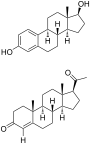
Figure 1: Structures of the steroidal tetrazoles that showed anticancer potential in vitro.
Figure 2: Mechanism of the Schmidt reaction.
Scheme 1: Synthesis of 12-oxo intermediates. Reagents and conditions: a) EtOAc, pTsOH, reflux, 14 h (81%); b)...
Scheme 2: Synthesis of 7-oxo intermediate 11 from chenodeoxycholic acid (9). Reagents and conditions: a) EtOA...
Figure 3: Mercury [51] drawing of the molecular structures of compounds 13 and 14, with labelling of nonhydrogen ...
Figure 4: Dose dependence of the cytotoxicity of tested compounds on treated cell lines. All compounds were t...
Beilstein J. Org. Chem. 2021, 17, 2553–2569, doi:10.3762/bjoc.17.171
Graphical Abstract
Figure 1: Schematic representation of the process of aqueous cryogel formation, using (a) monomers/small mole...
Figure 2: Microarchitecture of gelatin cryogels. (A) Surface and cross-sectional SEM micrographs of highly po...
Figure 3: Principle of 3D-cryogel printing. A) Illustration of 3D-printing of cryogels. B) Illustration of th...
Figure 4: Illustration of the production of the injectable multifunctional composite, comprised of alginate c...
Figure 5: Digital and SEM photographs of PETEGA cryogel at 20 °C (top) and 50 °C (bottom), synthesised via UV...
Figure 6: Cell morphology of T47D breast cancer cells cultured in HA cryogels. (A) Schematic representation o...
Figure 7: Preparation of PDMA/β-CD cryogel via cryogenic treatment and photochemical crosslinking in frozen s...
Figure 8: (A) Healing rate of wounds treated with autoclaved CG11 cryogels and those treated with 70% ethanol...
Figure 9: In vivo haemostatic capacity evaluation of the cryogels. Blood loss (a) and haemostatic time (b) in...
Beilstein J. Org. Chem. 2021, 17, 2399–2416, doi:10.3762/bjoc.17.157
Graphical Abstract
Figure 1: Structures of brevipolides A–O (1 – 15).
Scheme 1: Retrosynthetic analysis of brevipolide H (8) by Kumaraswamy.
Scheme 2: Attempt to synthesize brevipolide H (8) by Kumaraswamy. (R,R)-Noyori cat. = RuCl[N-(tosyl)-1,2-diph...
Scheme 3: Attempt to synthesize brevipolide H (8) by Kumaraswamy (continued).
Scheme 4: Retrosynthetic analysis of brevipolide H (8) by Hou.
Scheme 5: Synthesis ent-brevipolide H (ent-8) by Hou.
Scheme 6: Retrosynthetic analysis of brevipolide H (8) by Mohapatra.
Scheme 7: Attempt to synthesize brevipolide H (8) by Mohapatra.
Scheme 8: Attempt to synthesize brevipolide H (8) by Mohapatra (continued). (+)-(IPC)2-BCl = (+)-B-chloro-dii...
Scheme 9: Retrosynthetic analysis of brevipolide H (8) by Hou.
Scheme 10: Synthesis of brevipolide H (8) by Hou.
Scheme 11: Retrosynthetic analysis of brevipolide M (13) by Sabitha.
Scheme 12: Synthesis of brevipolide M (13) by Sabitha.
Scheme 13: Retrosynthetic analysis of brevipolides M (13) and N (14) by Sabitha.
Scheme 14: Synthesis of brevipolides M (13) and N (14) by Sabitha.
Beilstein J. Org. Chem. 2021, 17, 2348–2376, doi:10.3762/bjoc.17.153
Graphical Abstract
Scheme 1: Schematic representation of Hg(II)-mediated addition to an unsaturated bond.
Scheme 2: First report of Hg(II)-mediated synthesis of 2,5-dioxane derivatives from allyl alcohol.
Scheme 3: Stepwise synthesis of 2,6-distubstituted dioxane derivatives.
Scheme 4: Cyclization of carbohydrate alkene precursor.
Scheme 5: Hg(II)-mediated synthesis of C-glucopyranosyl derivatives.
Scheme 6: Synthesis of C-glycosyl amino acid derivative using Hg(TFA)2.
Scheme 7: Hg(OAc)2-mediated synthesis of α-ᴅ-ribose derivative.
Scheme 8: Synthesis of β-ᴅ-arabinose derivative 18.
Scheme 9: Hg(OAc)2-mediated synthesis of tetrahydrofuran derivatives.
Scheme 10: Synthesis of Hg(TFA)2-mediated bicyclic nucleoside derivative.
Scheme 11: Synthesis of pyrrolidine and piperidine derivatives.
Scheme 12: HgCl2-mediated synthesis of diastereomeric pyrrolidine derivatives.
Scheme 13: HgCl2-mediated cyclization of alkenyl α-aminophosphonates.
Scheme 14: Cyclization of 4-cycloocten-1-ol with Hg(OAc)2 forming fused bicyclic products.
Scheme 15: trans-Amino alcohol formation through Hg(II)-salt-mediated cyclization.
Scheme 16: Hg(OAc)2-mediated 2-aza- or 2-oxa-bicyclic ring formations.
Scheme 17: Hg(II)-salt-induced cyclic peroxide formation.
Scheme 18: Hg(OAc)2-mediated formation of 1,2,4-trioxanes.
Scheme 19: Endocyclic enol ether derivative formation through Hg(II) salts.
Scheme 20: Synthesis of optically active cyclic alanine derivatives.
Scheme 21: Hg(II)-salt-mediated formation of tetrahydropyrimidin-4(1H)-one derivatives.
Scheme 22: Cyclization of ether derivatives to form stereoselective oxazolidine derivatives.
Scheme 23: Cyclization of amide derivatives induced by Hg(OAc)2.
Scheme 24: Hg(OAc)2/Hg(TFA)2-promoted cyclization of salicylamide-derived amidal auxiliary derivatives.
Scheme 25: Hg(II)-salt-mediated cyclization to form dihydrobenzopyrans.
Scheme 26: HgCl2-induced cyclization of acetylenic silyl enol ether derivatives.
Scheme 27: Synthesis of exocyclic and endocyclic enol ether derivatives.
Scheme 28: Cyclization of trans-acetylenic alcohol by treatment with HgCl2.
Scheme 29: Synthesis of benzofuran derivatives in presence of HgCl2.
Scheme 30: a) Hg(II)-salt-mediated cyclization of 4-hydroxy-2-alkyn-1-ones to furan derivatives and b) its mec...
Scheme 31: Cyclization of arylacetylenes to synthesize carbocyclic and heterocyclic derivatives.
Scheme 32: Hg(II)-salt-promoted cyclization–rearrangement to form heterocyclic compounds.
Scheme 33: a) HgCl2-mediated cyclization reaction of tethered alkyne dithioacetals; and b) proposed mechanism.
Scheme 34: Cyclization of aryl allenic ethers on treatment with Hg(OTf)2.
Scheme 35: Hg(TFA)2-mediated cyclization of allene.
Scheme 36: Hg(II)-catalyzed intramolecular trans-etherification reaction of 2-hydroxy-1-(γ-methoxyallyl)tetrah...
Scheme 37: a) Cyclization of alkene derivatives by catalytic Hg(OTf)2 salts and b) mechanism of cyclization.
Scheme 38: a) Synthesis of 1,4-dihydroquinoline derivatives by Hg(OTf)2 and b) plausible mechanism of formatio...
Scheme 39: Synthesis of Hg(II)-salt-catalyzed heteroaromatic derivatives.
Scheme 40: Hg(II)-salt-catalyzed synthesis of dihydropyranone derivatives.
Scheme 41: Hg(II)-salt-catalyzed cyclization of alkynoic acids.
Scheme 42: Hg(II)-salt-mediated cyclization of alkyne carboxylic acids and alcohol to furan, pyran, and spiroc...
Scheme 43: Hg(II)-salt-mediated cyclization of 1,4-dihydroxy-5-alkyne derivatives.
Scheme 44: Six-membered morpholine derivative formation by catalytic Hg(II)-salt-induced cyclization.
Scheme 45: Hg(OTf)2-catalyzed hydroxylative carbocyclization of 1,6-enyne.
Scheme 46: a) Hg(OTf)2-catalyzed hydroxylative carbocyclization of 1,6-enyne. b) Proposed mechanism.
Scheme 47: a) Synthesis of carbocyclic derivatives using a catalytic amount of Hg(II) salt. b) Proposed mechan...
Scheme 48: Cyclization of 1-alkyn-5-ones to 2-methylfuran derivatives.
Scheme 49: Hg(NO3)2-catalyzed synthesis of 2-methylenepiperidine.
Scheme 50: a) Preparation of indole derivatives through cycloisomerization of 2-ethynylaniline and b) its mech...
Scheme 51: a) Hg(OTf)2-catalyzed synthesis of 3-indolinones and 3-coumaranones and b) simplified mechanism.
Scheme 52: a) Hg(OTf)2-catalyzed one pot cyclization of nitroalkyne and b) its plausible mechanism.
Scheme 53: Synthesis of tricyclic heterocyclic scaffolds.
Scheme 54: HgCl2-mediated cyclization of 2-alkynylphenyl alkyl sulfoxide.
Scheme 55: a) Hg(OTf)2-catalyzed cyclization of allenes and alkynes. b) Proposed mechanism of cyclization.
Scheme 56: Stereoselective synthesis of tetrahydropyran derivatives.
Scheme 57: a) Hg(ClO4)2-catalyzed cyclization of α-allenol derivatives. b) Simplified mechanism.
Scheme 58: Hg(TFA)2-promoted cyclization of a γ-hydroxy alkene derivative.
Scheme 59: Synthesis Hg(II)-salt-mediated cyclization of allyl alcohol for the construction of ventiloquinone ...
Scheme 60: Hg(OAc)2-mediated cyclization as a key step for the synthesis of hongconin.
Scheme 61: Examples of Hg(II)-salt-mediated cyclized ring formation in the syntheses of (±)-fastigilin C and (...
Scheme 62: Formal synthesis of (±)-thallusin.
Scheme 63: Total synthesis of hippuristanol and its analog.
Scheme 64: Total synthesis of solanoeclepin A.
Scheme 65: a) Synthesis of Hg(OTf)2-catalyzed azaspiro structure for the formation of natural products. b) Pro...
Beilstein J. Org. Chem. 2021, 17, 2302–2314, doi:10.3762/bjoc.17.148
Graphical Abstract
Figure 1: (I) DLS of PPM-NP4, MPM-NP2, PPM-NP4-TPP and MPM-NP2-TPP and (II) TEM of PPM-NP4-TPP and MPM-NP2-TPP...
Figure 2: Representative 31P NMR (top) and 1H NMR (bottom) spectrum of PP3-TPP conjugation product in D2O.
Scheme 1: Synthesis of TPP-based PISA particles based on zwitterionic 2-methacryloyloxyethyl phosphorylcholin...
Figure 3: Penetration of PPM-NP4-TPP and MPM-NP2-TPP micelles and fluorescence intensity profile on (A I, II)...
Figure 4: Growth effects of PPM-NP4-TPP and MPM-NP2-TPP on SW982 spheroids after 3 and 6 days of incubation (c...
Figure 5: Cell viability of SW982 spheroids after 6 days treatment with PPM-NP4, PPM-NP-TPP, MPM-NP2 and MPM-...
Figure 6: Cell localization of PPM-NP4-TPP (I) and MPM-NP2-TPP (II) into (A) mitochondria and (B) lysosomes u...
Figure 7: Cytotoxicity study of PPM-NP4-TPP and MPM-NP2-TPP on SW982 cells in relation to the concentration o...
Beilstein J. Org. Chem. 2021, 17, 2260–2269, doi:10.3762/bjoc.17.144
Graphical Abstract
Figure 1: Proposed structural modifications to obtain triazole derivatives 1a, b and 2a–j.
Scheme 1: Synthetic route of the triazole derivatives 1a,b, and 2a–j.
Figure 2: Asymmetric unit representation of the 1,2,3-triazole derivative 2b. Displacement ellipsoids are dra...
Figure 3: Screening of the triazole derivatives of imatinib 1a,b, and 2a–j at concentrations of 1 μM and 10 μ...
Figure 4: Interaction maps of IMT, 2c, 2d, and 2g with the BCR-Abl-1 structure (PDB code: 3PYY), showing ster...
Beilstein J. Org. Chem. 2021, 17, 2209–2259, doi:10.3762/bjoc.17.143
Graphical Abstract
Scheme 1: Nickel-catalyzed cross-coupling versus C‒H activation.
Figure 1: Oxidative and reductive quenching cycles of a photocatalyst. [PC] = photocatalyst, A = acceptor, D ...
Scheme 2: Photoredox nickel-catalyzed C(sp3)–H arylation of dimethylaniline (1a).
Scheme 3: Photoredox nickel-catalyzed arylation of α-amino, α-oxy and benzylic C(sp3)‒H bonds with aryl bromi...
Figure 2: Proposed catalytic cycle for the photoredox-mediated HAT and nickel catalysis enabled C(sp3)‒H aryl...
Scheme 4: Photoredox arylation of α-amino C(sp3)‒H bonds with aryl iodides.
Figure 3: Proposed mechanism for photoredox nickel-catalyzed α-amino C‒H arylation with aryl iodides.
Scheme 5: Nickel-catalyzed α-oxy C(sp3)−H arylation of cyclic and acyclic ethers.
Figure 4: Proposed catalytic cycle for the C(sp3)−H arylation of cyclic and acyclic ethers.
Scheme 6: Photochemical nickel-catalyzed C–H arylation of ethers.
Figure 5: Proposed catalytic cycle for the nickel-catalyzed arylation of ethers with aryl bromides.
Scheme 7: Nickel-catalyzed α-amino C(sp3)‒H arylation with aryl tosylates.
Scheme 8: Arylation of α-amino C(sp3)‒H bonds by in situ generated aryl tosylates from phenols.
Scheme 9: Formylation of aryl chlorides through redox-neutral 2-functionalization of 1,3-dioxolane (13).
Scheme 10: Photochemical C(sp3)–H arylation via a dual polyoxometalate HAT and nickel catalytic manifold.
Figure 6: Proposed mechanism for C(sp3)–H arylation through dual polyoxometalate HAT and nickel catalytic man...
Scheme 11: Photochemical nickel-catalyzed α-hydroxy C‒H arylation.
Scheme 12: Photochemical synthesis of fluoxetine (21).
Scheme 13: Photochemical nickel-catalyzed allylic C(sp3)‒H arylation with aryl bromides.
Figure 7: Proposed mechanism for the photochemical nickel-catalyzed allylic C(sp3)‒H arylation with aryl brom...
Scheme 14: Photochemical C(sp3)‒H arylation by the synergy of ketone HAT catalysis and nickel catalysis.
Figure 8: Proposed mechanism for photochemical C(sp3)‒H arylation by the synergy of ketone HAT catalysis and ...
Scheme 15: Benzophenone- and nickel-catalyzed photoredox benzylic C–H arylation.
Scheme 16: Benzaldehyde- and nickel-catalyzed photoredox C(sp3)–H arylation.
Scheme 17: Photoredox and nickel-catalyzed enantioselective benzylic C–H arylation.
Figure 9: Proposed mechanism for the photoredox and nickel-catalyzed enantioselective benzylic C–H arylation.
Scheme 18: Photoredox nickel-catalyzed α-(sp3)‒H arylation of secondary benzamides with aryl bromides.
Scheme 19: Enantioselective sp3 α-arylation of benzamides.
Scheme 20: Nickel-catalyzed decarboxylative vinylation/C‒H arylation of cyclic oxalates.
Figure 10: Proposed mechanism for the nickel-catalyzed decarboxylative vinylation/C‒H arylation of cyclic oxal...
Scheme 21: C(sp3)−H arylation of bioactive molecules using mpg-CN photocatalysis and nickel catalysis.
Figure 11: Proposed mechanism for the mpg-CN/nickel photocatalytic C(sp3)–H arylation.
Scheme 22: Nickel-catalyzed synthesis of 1,1-diarylalkanes from alkyl bromides and aryl bromides.
Figure 12: Proposed mechanism for photoredox nickel-catalyzed C(sp3)–H alkylation via polarity-matched HAT.
Scheme 23: Photoredox nickel-catalyzed C(sp3)‒H alkylation via polarity-matched HAT.
Scheme 24: Benzaldehyde- and nickel-catalyzed photoredox C(sp3)‒H alkylation of ethers.
Scheme 25: Benzaldehyde- and nickel-catalyzed photoredox C(sp3)‒H alkylation of amides and thioethers.
Scheme 26: Photoredox and nickel-catalyzed C(sp3)‒H alkylation of benzamides with alkyl bromides.
Scheme 27: CzIPN and nickel-catalyzed C(sp3)‒H alkylation of ethers with alkyl bromides.
Figure 13: Proposed mechanism for the CzIPN and nickel-catalyzed C(sp3)‒H alkylation of ethers.
Scheme 28: Nickel/photoredox-catalyzed methylation of (hetero)aryl chlorides and acid chlorides using trimethy...
Figure 14: Proposed catalytic cycle for the nickel/photoredox-catalyzed methylation of (hetero)aryl chlorides ...
Scheme 29: Photochemical nickel-catalyzed C(sp3)–H methylations.
Scheme 30: Photoredox nickel catalysis-enabled alkylation of unactivated C(sp3)–H bonds with alkyl bromides.
Scheme 31: Photochemical C(sp3)–H alkenylation with alkenyl tosylates.
Scheme 32: Photoredox nickel-catalyzed hydroalkylation of internal alkynes.
Figure 15: Proposed mechanism for the photoredox nickel-catalyzed hydroalkylation of internal alkynes.
Scheme 33: Photoredox nickel-catalyzed hydroalkylation of activated alkynes with C(sp3)−H bonds.
Scheme 34: Allylation of unactivated C(sp3)−H bonds with allylic chlorides.
Scheme 35: Photochemical nickel-catalyzed α-amino C(sp3)–H allylation of secondary amides with trifluoromethyl...
Scheme 36: Photoredox δ C(sp3)‒H allylation of secondary amides with trifluoromethylated alkenes.
Scheme 37: Photoredox nickel-catalyzed acylation of α-amino C(sp3)‒H bonds of N-arylamines.
Figure 16: Proposed mechanism for the photoredox nickel-catalyzed acylation of α-amino C(sp3)–H bonds of N-ary...
Scheme 38: Photocatalytic α‑acylation of ethers with acid chlorides.
Figure 17: Proposed mechanism for the photocatalytic α‑acylation of ethers with acid chlorides.
Scheme 39: Photoredox and nickel-catalyzed C(sp3)‒H esterification with chloroformates.
Scheme 40: Photoredox nickel-catalyzed dehydrogenative coupling of benzylic and aldehydic C–H bonds.
Figure 18: Proposed reaction pathway for the photoredox nickel-catalyzed dehydrogenative coupling of benzylic ...
Scheme 41: Photoredox nickel-catalyzed enantioselective acylation of α-amino C(sp3)–H bonds with carboxylic ac...
Scheme 42: Nickel-catalyzed C(sp3)‒H acylation with N-acylsuccinimides.
Figure 19: Proposed mechanism for the nickel-catalyzed C(sp3)–H acylation with N-acylsuccinimides.
Scheme 43: Nickel-catalyzed benzylic C–H functionalization with acid chlorides 45.
Scheme 44: Photoredox nickel-catalyzed benzylic C–H acylation with N-acylsuccinimides 84.
Scheme 45: Photoredox nickel-catalyzed acylation of indoles 86 with α-oxoacids 87.
Scheme 46: Nickel-catalyzed aldehyde C–H functionalization.
Figure 20: Proposed catalytic cycle for the photoredox nickel-catalyzed aldehyde C–H functionalization.
Scheme 47: Photoredox carboxylation of methylbenzenes with CO2.
Figure 21: Proposed mechanism for the photoredox carboxylation of methylbenzenes with CO2.
Scheme 48: Decatungstate photo-HAT and nickel catalysis enabled alkene difunctionalization.
Figure 22: Proposed catalytic cycle for the decatungstate photo-HAT and nickel catalysis enabled alkene difunc...
Scheme 49: Diaryl ketone HAT catalysis and nickel catalysis enabled dicarbofunctionalization of alkenes.
Figure 23: Proposed catalytic mechanism for the diaryl ketone HAT catalysis and nickel catalysis enabled dicar...
Scheme 50: Overview of photoredox nickel-catalyzed C–H functionalizations.