


Search results
Search for "labeling" in Full Text gives 189 result(s) in Beilstein Journal of Organic Chemistry.
Cupreines and cupreidines: an established class of bifunctional cinchona organocatalysts
Beilstein J. Org. Chem. 2016, 12, 429–443, doi:10.3762/bjoc.12.46
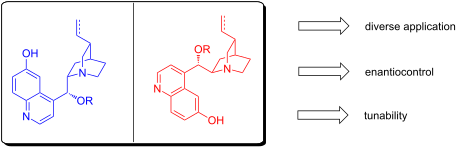
- organocatalyst with comparable results. More recently, Johnson and co-worker used the o-toluoyl derived organocatalyst CPD-33 to effect a dynamic kinetic asymmetric transformation of racemic β-bromo-α-keto esters 32 (Scheme 9a) [35]. The mechanism, deduced from deuterium labeling studies, proposes that one of


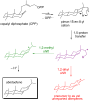
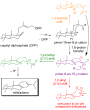
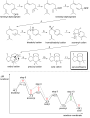
Dynamic behavior of rearranging carbocations – implications for terpene biosynthesis
Beilstein J. Org. Chem. 2016, 12, 377–390, doi:10.3762/bjoc.12.41
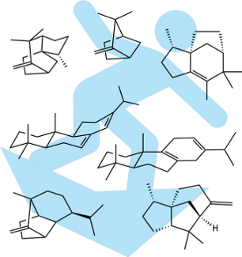
- to geometrical changes of a bridged ion resulting from the isotopic substitution. They concluded that it cannot be assumed that a large Δ resulting from isotopic labeling guarantees rapid equilibration between two unlabeled structures. While the cases described below are focused on reaction pathways
- rearranged product. In addition, the dynamics calculations indicated that the 1,2-methyl (C17) shift that forms the abietadiene precursor should occur specifically to one face of the carbocation carbon (C15), a prediction that could be tested through substrate labeling. If only trajectories that lead to the



Diastereoselective synthesis of new O-alkylated and C-branched inositols and their corresponding fluoro analogues
Beilstein J. Org. Chem. 2016, 12, 353–361, doi:10.3762/bjoc.12.39
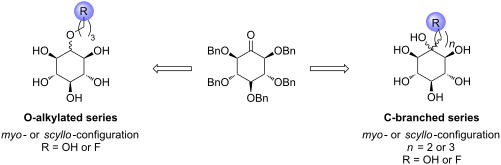
- of this hydroxy group is mandatory for labeling with [18F]-fluoride with regard to a PET application. Therefore the acetylation of myo-26 and scyllo-26 using the transacetylization protocol [52] gave the fully acetylated products myo-27 and scyllo-27 in 56% and 52% isolated yields, respectively. The


Recent highlights in biosynthesis research using stable isotopes
Beilstein J. Org. Chem. 2015, 11, 2493–2508, doi:10.3762/bjoc.11.271
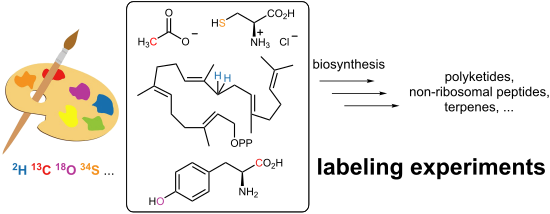
- Jan Rinkel Jeroen S. Dickschat Kekulé-Institute of Organic Chemistry and Biochemistry, Gerhard-Domagk-Str. 1, 53121 Bonn, Germany 10.3762/bjoc.11.271 Abstract The long and successful history of isotopic labeling experiments within natural products research has both changed and deepened our
- a special emphasis on mechanistic surprises. Keywords: biosynthesis; enzyme mechanisms; isotopes; labeling experiments; natural products; Introduction This year may be seen as the 80th anniversary of using isotopes in biosynthetical and biochemical research. Since the first experiments performed
- . The basic principle of labeling an organic molecule in a way that is incognito for metabolism, but easy to follow for the researcher still remains the same. The first application of this idea probably was the investigation on fatty acid degradation by Knoop in 1904, even long before isotopes were











Copper-catalyzed stereoselective conjugate addition of alkylboranes to alkynoates
Beilstein J. Org. Chem. 2015, 11, 2444–2450, doi:10.3762/bjoc.11.265

- selectivity. Possible mechanism. Isomerization of the alkenylcopper intermediates. Conjugate addition of alkylborane 2a to alkynoate 3a. Synthesis of five membered carbocycle. Deuterium-labeling experiment. Ligand effects. Copper-catalyzed conjugate addition of alkylboranes 2 to alkynoates 3.a Supporting


Preparation of Pickering emulsions through interfacial adsorption by soft cyclodextrin nanogels
Beilstein J. Org. Chem. 2015, 11, 2355–2364, doi:10.3762/bjoc.11.257
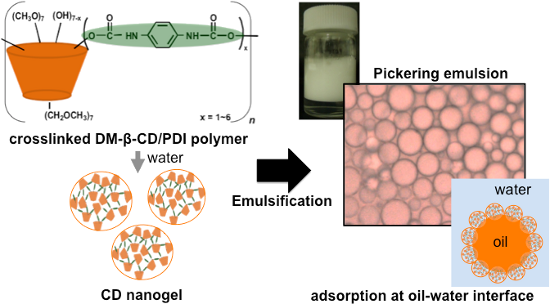
- hydrophilic DM-β-CD and lipophilic benzene parts, may be affected by their hydrophilic and lipophilic balance of the nanogels. Identification of the CD nanogel assembly at the interface Adsorption of a CD nanogel at the oil–water interface in the emulsion phase was identified using a fluorescent dye-labeling
- particle morphology. Dilute solutions were prepared and deposited onto a copper grid covered by a carbon membrane at ambient temperature. The electronic contrast of the specimen was enhanced by labeling with ammonium molybdate. Surface tension The surface tension of the aqueous solution was measured using


Conformational equilibrium in supramolecular chemistry: Dibutyltriuret case
Beilstein J. Org. Chem. 2015, 11, 2105–2116, doi:10.3762/bjoc.11.227
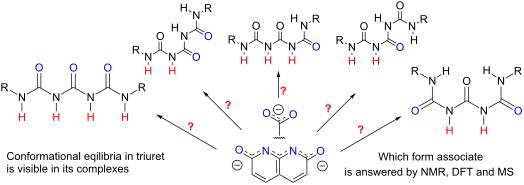
- File 1, Figure S2). In Table 2 the correlation coefficients, linearity range (l.r. in °), slope (a) and intercept (b) of the fitted linear functions are collected. Figure 7 shows the signal labeling. The signals were assigned as follows: a) 1d by integration (the most populated form – see computational


Consequences of the electronic tuning of latent ruthenium-based olefin metathesis catalysts on their reactivity
Beilstein J. Org. Chem. 2015, 11, 1458–1468, doi:10.3762/bjoc.11.158
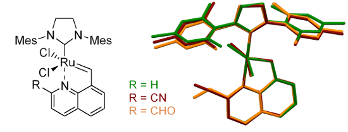
- , 775, 732, 699, 680, 644, 591, 578, 535, 419 cm−1; HRMS (ESI) (m/z): [M − 2Cl + H]+ calcd, 578.1745; found, 578.1732. Selected ruthenium-based complexes. ADPs (atomic displacement parameters) and atoms labeling of the first molecule in the asymmetric part for 14 (left) and 15 (right). Thermal




Synthesis and spectroscopic properties of β-triazoloporphyrin–xanthone dyads
Beilstein J. Org. Chem. 2015, 11, 1434–1440, doi:10.3762/bjoc.11.155
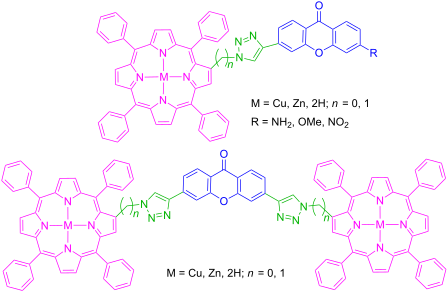
- transfer between the porphyrin part and the attached subunit. Moreover, the 1,4-disubstituted triazoles are found to be very useful for various applications including modification of cell surfaces [25], synthesis of new glycoproteins [26], specific labeling of virus particles [27] and synthesis of


Reactions of nitroxides 15. Cinnamates bearing a nitroxyl moiety synthesized using a Mizoroki–Heck cross-coupling reaction
Beilstein J. Org. Chem. 2015, 11, 1155–1162, doi:10.3762/bjoc.11.130
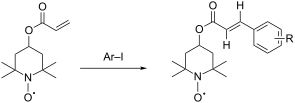
- interesting, because it allows for the study of cinnamates using spin labeling methods. To accomplish the synthesis of cinnamates bearing a nitroxyl moiety, we applied a Mizoroki–Heck cross-coupling reaction, using 4-acryloyloxy-2,2,6,6-tetramethylpiperidine-1-oxyl (3, an olefin component bearing a nitroxyl


Orthogonal dual-modification of proteins for the engineering of multivalent protein scaffolds
Beilstein J. Org. Chem. 2015, 11, 784–791, doi:10.3762/bjoc.11.88
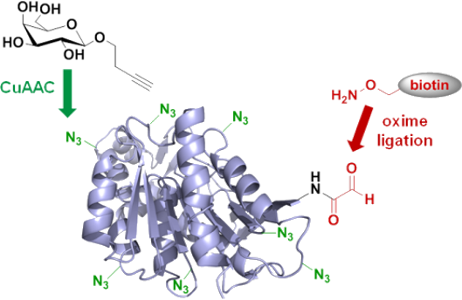
- Berlin, Institut für Organische und Bioorganische Chemie, Institut für Chemie, Brook-Taylor-Str. 2, 12489 Berlin, Germany 10.3762/bjoc.11.88 Abstract To add new tools to the repertoire of protein-based multivalent scaffold design, we have developed a novel dual-labeling strategy for proteins that
- use of chemical labeling methods to study structure and function of proteins in vitro and in vivo, chemoselective conjugation techniques are also used to functionalize artificial protein scaffolds, such as viral capsids [5][6][7]. Such templates have self-assembled hierarchical structures that allow
- thermohydrosulfuricus (TTL), since this protein is tolerant to high temperatures, a variety of solvents and other additives, and an enzymatic assay is available as a control for retained protein integrity and catalytic function [19]. Dual labeling techniques in protein synthesis are dependent on the availability of


Potential of acylated peptides to target the influenza A virus
Beilstein J. Org. Chem. 2015, 11, 589–595, doi:10.3762/bjoc.11.65
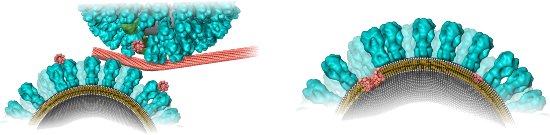
- synthesized the s2s construct with a terminal rhodamine fluorophore. This compound was mixed with DOPC giant unilamellar vesicles (GUV) or human erythrocytes. In both cases clear membrane labeling could be detected (Figure 6). To assess how strong membrane incorporation of these peptides can perturb membranes
- for 24 h at 37 °C. Error bars indicate the standard deviation of three experiments. Fluorescence microscopy images of GUVs (left) and human erythrocytes (right) after incubation with C18-s2s-TAMRA. The overlap of DIC and rhodamine channels demonstrate the labeling of membranes by the fluorescent


TEMPO-derived spin labels linked to the nucleobases adenine and cytosine for probing local structural perturbations in DNA by EPR spectroscopy
Beilstein J. Org. Chem. 2015, 11, 219–227, doi:10.3762/bjoc.11.24
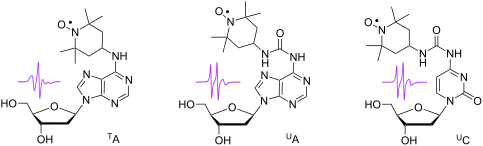
- paired with A, G, C or T in a DNA duplex. UA and UC had similar mobility order for the different base pairs, with the lowest mobility when paired with C and the highest when paired with T. Keywords: aminoxyl radical; ESR spectroscopy; nitroxide; nucleic acids; site-directed spin labeling (SDSL); spin


Synthetic strategies for the fluorescent labeling of epichlorohydrin-branched cyclodextrin polymers
Beilstein J. Org. Chem. 2014, 10, 3007–3018, doi:10.3762/bjoc.10.319
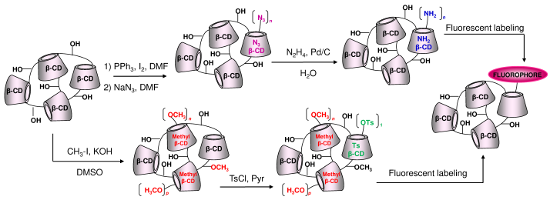
- fluorescent labeling was realized in three steps: 1) building in azido moieties, 2) transforming the azido groups into amino groups and 3) coupling the proper fluorescent compound to the amino groups. The other strategy started by functionalization of the monomer prior to the branching. Either the fluorescent
- techniques and capillary electrophoresis. The applied synthetic routes were evaluated based on the molecular weight, cyclodextrin content of the products and the efficiency of labeling. Keywords: coumarin; fluorescein; functionalized monomers and polymers; nitrobenzofurazan; rhodamine; Introduction
- , we report the controlled, regioselective fluorescent labeling of neutral and cationic epichlorohydrin branched β-CD polymer with four different dyes (rhodamine, fluorescein, coumarin and nitrobenzofurazan). Our goal was the development of versatile synthetic strategies, yielding key intermediates of


Detonation nanodiamonds biofunctionalization and immobilization to titanium alloy surfaces as first steps towards medical application
Beilstein J. Org. Chem. 2014, 10, 2765–2773, doi:10.3762/bjoc.10.293
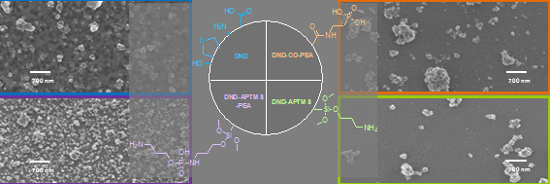
- ]. Toxicity has not been observed so far, so it has gained particular interest in biological and medical applications [8][9]. A number of publications on single cell labeling with nanodiamond particles [10][11][12] and use in therapeutic delivery were reported [13][14][15]. In such way, the low or non



A small azide-modified thiazole-based reporter molecule for fluorescence and mass spectrometric detection
Beilstein J. Org. Chem. 2014, 10, 2470–2479, doi:10.3762/bjoc.10.258
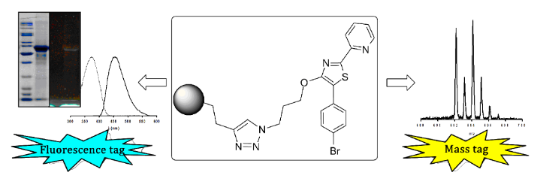
- bioactive metabolites and selective labeling of proteins and other biomacromolecules. A common structural motif for such probes consists of a reporter that can be attached by copper(I)-catalyzed 1,2,3-triazole formation between terminal alkynes and azides to a reactive headgroup. Here we introduce the
- introduced in this field and is still widely used in protein labeling [2]. Later, fluoresceins and rhodamines found applications in this area as well because of advantageous UV–vis absorption maxima (480–600 nm) and more bathochromic emission wavelengths (510–615 nm) [3]. A successful class of fluorophores
- also used for probing in life science comprises the heterocyclic thiazoles. This structural element can be found in commercial products, such as thiazole orange, SYBR® Green I or TOTO®, which are, e.g., used for DNA labeling. In these compounds the thiazole ring is part of a benzothiazole. We set out



Expanding the scope of cyclopropene reporters for the detection of metabolically engineered glycoproteins by Diels–Alder reactions
Beilstein J. Org. Chem. 2014, 10, 2235–2242, doi:10.3762/bjoc.10.232
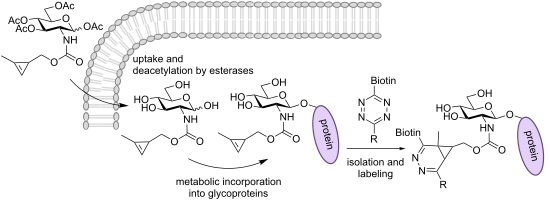
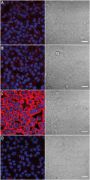
- higher fluorescence staining of cell-surface glycoconjugates, the glucosamine derivative gave higher labeling efficiency with protein preparations containing also intracellular proteins. Keywords: bioorthogonal chemistry; carbohydrates; cyclopropenes; inverse-electron-demand Diels-Alder reactions
- bioorthogonal labeling reactions that allow visualization [5][6]. Whereas in the first report on glycan labeling by this approach the ketone–hydrazide ligation was employed [7], later investigations mainly relied on the Staudinger ligation [8] and azide–alkyne [3 + 2] cycloaddition (copper-catalyzed [9][10] or
- fact that it can be orthogonal to the azide–alkyne cycloaddition [22][26][27] which allows dual labeling of two different sugars within one experiment [19][21][23][24]. Among the dienophiles mentioned above, strained cyclopropenes have the highest reaction rates for DAinv reactions with tetrazines and



Synthesis and optical properties of pyrrolidinyl peptide nucleic acid carrying a clicked Nile red label
Beilstein J. Org. Chem. 2014, 10, 2166–2174, doi:10.3762/bjoc.10.224
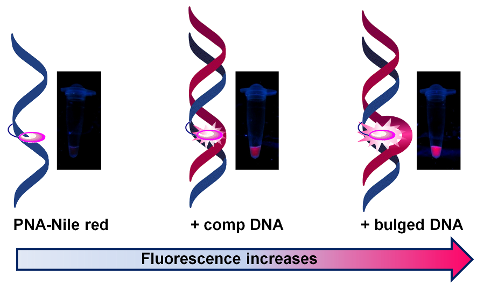
- completion of the synthesis, the N-terminal Fmoc group was removed and the free amino group was capped by acetylation. The acpcPNA on the solid support was spilt to 0.5 µmol portions for a further labeling experiment and treated with 1:1 dioxane/aqueous NH3 at 60 °C overnight to remove the nucleobase- and


Photo, thermal and chemical degradation of riboflavin
Beilstein J. Org. Chem. 2014, 10, 1999–2012, doi:10.3762/bjoc.10.208
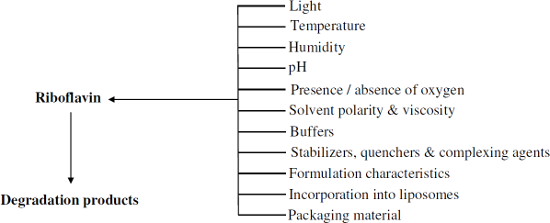
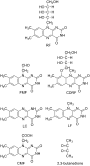
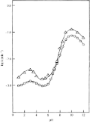
- regarding the stability and degradation of a particular drug is pharmaceutically significant in the determination of its therapeutic outcomes, adverse effects, handling, packaging and labeling protocols, etc. [5][6][7][8][9]. The most common approach to cope with the problem of photosensitivity is the use




Facile synthesis of 1-alkoxy-1H-benzo- and 7-azabenzotriazoles from peptide coupling agents, mechanistic studies, and synthetic applications
Beilstein J. Org. Chem. 2014, 10, 1919–1932, doi:10.3762/bjoc.10.200
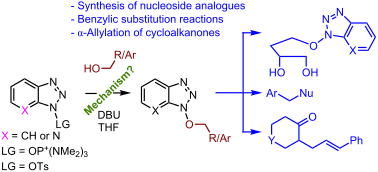
- , primary and secondary alcohols undergo reaction under generally mild reaction conditions. Correspondingly, 1-alkoxy-1H-7-azabenzotriazoles were synthesized from At-OTs. Mechanistically, there are three pathways by which these peptide-coupling agents can react with alcohols. From 31P{1H}, [18O]-labeling
- the NMR experiments, this did not necessarily exclude pathway a. Thus, we decided to pursue a second line of investigation via [18O]-labeling. For this experiment, we prepared PhCH2[18O]H via a known procedure [31]. As shown in Scheme 3, we reasoned that exclusive reaction via pathway a should produce
- occurs via pathways b and c. A comparable [18O]-labeling experiment was conducted with Bt-OTs, where again no incorporation of the label was observed in the product, and the ratio of the peak areas [M + 2]+/[M]+ was 0.014. These results showed that both reagents, BOP and Bt-OTs, appear to react via


Syntheses of 15N-labeled pre-queuosine nucleobase derivatives
Beilstein J. Org. Chem. 2014, 10, 1914–1918, doi:10.3762/bjoc.10.199
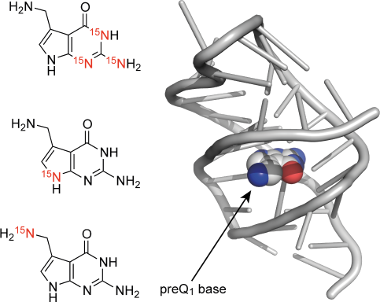
- pathway of the hypermodified tRNA nucleoside queuosine (Que). The core structure of preQ1 is represented by 7-(aminomethyl)-7-deazaguanine (preQ1 base). Here, we report the synthesis of three preQ1 base derivatives with complementary 15N-labeling patterns, utilizing [15N]-KCN, [15N]-phthalimide, and [15N3
- derivatives with complementary 15N-labeling patterns (Scheme 1). The synthesis of preQ1 base has been described first in 1979 by Goto and coworkers from 2-methylthio-6-methoxy-7-methyl-7-deazapurine in 13 steps [9]. Another early, but more efficient procedure was reported by Nishimura in 1988 based on the
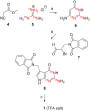
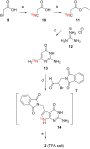
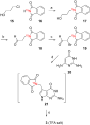
- pathway to the preQ1 derivatives with the three complementary 15N labeling patterns depicted in Scheme 1. For this undertaking we considered Carell’s synthesis [11] of preQ1 base as a solid foundation that we intended to adapt and modify accordingly, under the premises of efficacy and cost-minimization



Molecular recognition of surface-immobilized carbohydrates by a synthetic lectin
Beilstein J. Org. Chem. 2014, 10, 1354–1364, doi:10.3762/bjoc.10.138
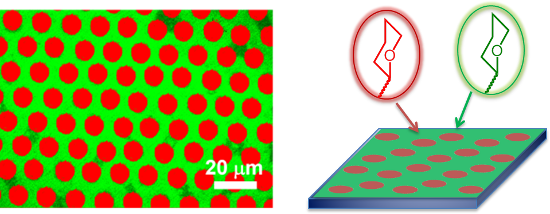
- previously [39]. Fluorescein-labeled FITC-HisHis was obtained by labeling of Cys-His-Cys with fluorescein isothiocyanate, which was achieved by using an Fmoc-protected oligo(ethylene glycol) spacer synthesized in four steps from commercially available ethylenediamine (see Supporting Information File 1). The


Substitution effect and effect of axle’s flexibility at (pseudo-)rotaxanes
Beilstein J. Org. Chem. 2014, 10, 1299–1307, doi:10.3762/bjoc.10.131
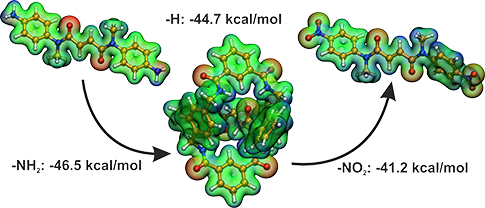
- , blue nitrogen atoms, orange carbon atom and hydrogen atoms are given in white. The labeling according to the substitution is given in bold letters. Structures below will be denoted 4@1 (left) and 5@1 (right). Molecular geometry of one rotaxane optimized in periodic boundaries at the PBE-D3/1000 eV
- Figure 2). Distances in parentheses denote the corresponding length to the heavy (non-hydrogen) atom. Interaction energies Eint for the different pseudorotaxane systems, labeling see Figure 1. The first two columns list the substituents succeeded by their effects (mesomeric or inductive). The last line
- gives the values for the di-phenyl structures. In the last column, the Hammett-parameters are given. Hydrogen bond distances in Å for the different pseudorotaxane systems, for labeling see Figure 2. The second and third last lines show the substitution at the meta-position. Interaction energies Eint for


Automated solid-phase peptide synthesis to obtain therapeutic peptides
Beilstein J. Org. Chem. 2014, 10, 1197–1212, doi:10.3762/bjoc.10.118
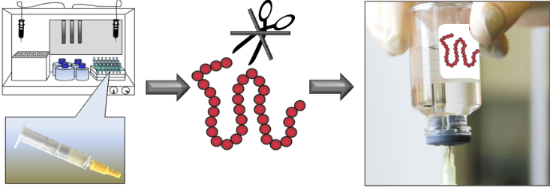
- the sensitivity of the nitroxide group of TOAC [129]. Koglin et al. used the photo-cleavable protecting group Nvoc for selective 3H-labeling of full length NPY. Here, lysine residues as well as the free N-terminus of resin-bound peptide, which should not be radio-labeled, were protected with Nvoc
- . Following resin cleavage, radio labeling was performed with NHS-[2,3-3H]propionate (Figure 5) by the Bolton–Hunter reaction. Then, the Nvoc protecting groups could be removed by irradiation with UV light to obtain the fully deprotected, radio-labeled peptide [130]. Biotin and fluorophores such as CF (5(6


A new building block for DNA network formation by self-assembly and polymerase chain reaction
Beilstein J. Org. Chem. 2014, 10, 1037–1046, doi:10.3762/bjoc.10.104
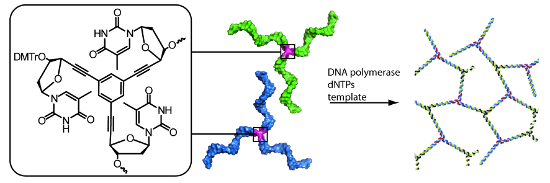
- the AFM results. Concentrations of spin labels were obtained from the simulations fitted to the experimental data and used to derive the degree of labeling. We found that 1% of incorporated thymidines were replaced by the spin labeled analogue in PCR when linear strands as well as networks were formed





