


Search results
Search for "light irradiation" in Full Text gives 173 result(s) in Beilstein Journal of Organic Chemistry.
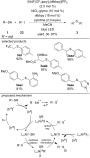
Synthesis of aryl sulfides via radical–radical cross coupling of electron-rich arenes using visible light photoredox catalysis
Beilstein J. Org. Chem. 2018, 14, 2520–2528, doi:10.3762/bjoc.14.228
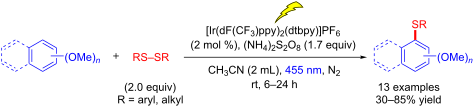
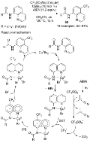
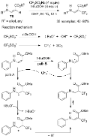
- disulfides in the presence of catalytic amounts of [Ir(dF(CF3)ppy)2(dtbpy)]PF6 and (NH4)2S2O8 under blue light irradiation to yield arylthiols. The reaction proceeds at room temperature and avoids the use of prefunctionalized arenes. Experimental evidence suggests a radical–radical cross coupling mechanism
- (dtbpy)]PF6 as the photocatalyst. The reaction was carried out under nitrogen under visible-light irradiation at 455 nm. The oxidation potential of this test arene is 1.02 V vs SCE, which allows oxidation by [Ir(dF(CF3)ppy)2(dtbpy)]PF6 having an estimated excited state oxidation potential of 1.21 V vs


Cobalt- and rhodium-catalyzed carboxylation using carbon dioxide as the C1 source
Beilstein J. Org. Chem. 2018, 14, 2435–2460, doi:10.3762/bjoc.14.221
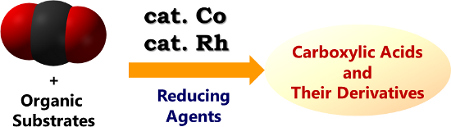
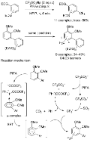
- -redox catalyst under visible-light irradiation conditions [48]. Zhao and Wu reported the visible-light-driven hydrocarboxylation of alkynes in the presence of a Co catalyst [49]. The reaction of alkynes was carried out using CoBr2/dcype (dcype = bis(dicyclohexylphosphino)ethane) as catalysts in the
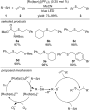
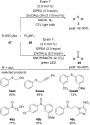
- et al. reported the Rh-catalyzed hydrocarboxylation of alkenes driven by visible-light irradiation conditions in the presence of a photoredox catalyst (Scheme 37) [75]. A model reaction using 4-cyanostyrene (40a) was carried out using iPrNEt2 as a sacrificial electron donor in the presence of [Ru(bpy
- )3](PF6)2 as a photoredox catalyst under visible-light irradiation (425 nm). Employing Rh(PPh3)3H as a catalyst, the desired hydrocarboxylated product 41a was obtained in 33% yield along with the formation of reduced product 42a. Rh(PPh3)3Cl and [Rh(PPh3)2Cl]2 were not efficient while a use of [Rh(P



Microfluidic light-driven synthesis of tetracyclic molecular architectures
Beilstein J. Org. Chem. 2018, 14, 2418–2424, doi:10.3762/bjoc.14.219
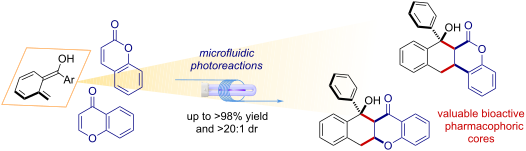
- light-irradiation, the highly reactive photoenol intermediate A' [7] and trapping of the latter by a competent electron-deficient reaction partner (Figure 1). The synthetic approach is not only restricted to electron-poor dienophiles such as maleimides B (see Figure 1a), but has also been implemented
- showed that in the absence of light irradiation, the cyclization product was not detected (Table 1, entry 6), confirming the photochemical nature of the present reaction. With the optimal reaction conditions in hand we next explored the generality and limitations of the photochemical transformation


Bioinspired cobalt cubanes with tunable redox potentials for photocatalytic water oxidation and CO2 reduction
Beilstein J. Org. Chem. 2018, 14, 2331–2339, doi:10.3762/bjoc.14.208
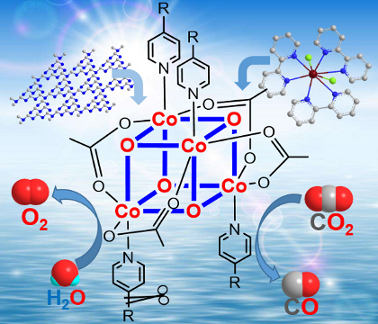
- . Besides the CO2 reduction performance of the molecular complexes was evaluated by cooperation with a ruthenium photosensitizer Ru(bpy)32+ (bpy = 2’,2-bipyridine) with visible light irradiation [61][62][63][64][65][66][67]. As shown in Figure 5b, the activity of the CO2 reaction is reduced with the
- oxidation and (b) CO2 reduction. (c) Long-time course of water oxidation for 1-CN under UV–vis light irradiation (λ > 300 nm) in two recycling tests. (d) CO2 reduction for 1-OMe under visible light irradiation (λ > 420 nm) in four recycling tests. aWithout 1-R. Long-time course of water oxidation for 1-CN
- and Co2+ under UV–vis light irradiation (λ >300 nm). Supporting Information Supporting Information File 420: Additional data. Acknowledgements This work was financially supported by the National Key Technologies R & D Program of China (2018YFA0209301), the National Natural Science Foundation of


Applications of organocatalysed visible-light photoredox reactions for medicinal chemistry
Beilstein J. Org. Chem. 2018, 14, 2035–2064, doi:10.3762/bjoc.14.179
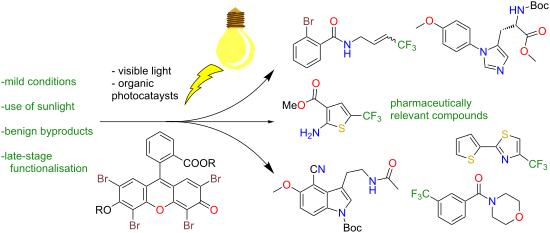
- such a mild and selective oxidation. MacMillan and co-workers have recently developed a method for the bioconjugation of peptides by radical decarboxylation of the C-terminus of peptides and subsequent Giese-type addition to Michael acceptors. This is performed under blue light irradiation, using


A self-assembled photoresponsive gel consisting of chiral nanofibers
Beilstein J. Org. Chem. 2018, 14, 1994–2001, doi:10.3762/bjoc.14.174
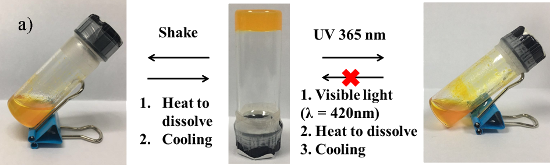
- and the chirality of the nanostructures could both be adjusted by subsequent light irradiation at different wavelengths. The helical nanofiber-like morphology was verified in the internal structure of the gel. The performance of this gel was investigated by a series of methods, such as UV–vis
- , whereby the equilibrium could be reached within 6 min and 4 min, respectively. However, the fatigue durability of this compound did not meet the expected requirement; after two cycles of light irradiation, the photoresponsiveness was clearly weakened. This defect may be ascribed to the rigid structure of


Graphitic carbon nitride prepared from urea as a photocatalyst for visible-light carbon dioxide reduction with the aid of a mononuclear ruthenium(II) complex
Beilstein J. Org. Chem. 2018, 14, 1806–1812, doi:10.3762/bjoc.14.153
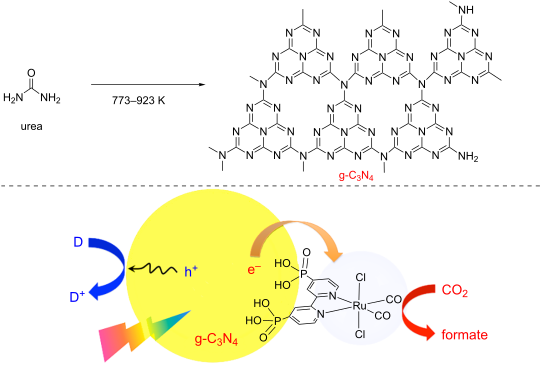
- capable of photocatalyzing CO2 reduction into formate with high selectivity under visible light irradiation, as confirmed by isotope tracer experiments with 13CO2 [8][9][10][11][12]. After the first report of a metal complex/C3N4 hybrid for CO2 reduction, several groups have presented similar reports
- W high-pressure Hg lamp (SEN) was used as a light source, in combination with a NaNO2 solution as a filter to provide visible light irradiation (λ > 400 nm). The gaseous reaction products were analyzed using a gas chromatograph with a thermal conductivity detector (GL Science, Model GC323). The


Synthesis and photophysical studies of a multivalent photoreactive RuII-calix[4]arene complex bearing RGD-containing cyclopentapeptides
Beilstein J. Org. Chem. 2018, 14, 1758–1768, doi:10.3762/bjoc.14.150
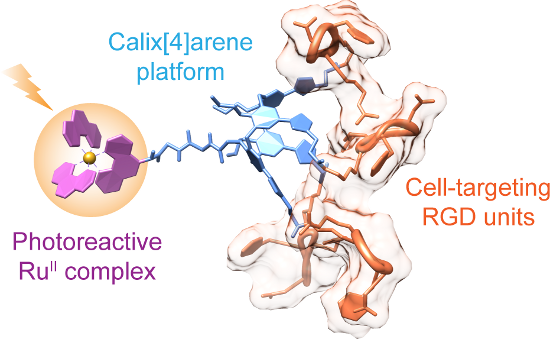
- upon light irradiation. Two types of photooxidative damages can be induced: (i) by photosensitization of singlet oxygen and subsequent generation of highly reactive oxygen species (ROS) (type I photosensitization) or (ii) by direct oxidative electron transfer to biological molecules such as DNA or
- 500 ns after the laser pulse (gray, top) and 1 µs after the laser pulse in the presence of 10 mM GMP (purple, bottom). MALDI–MS analysis of a solution containing conjugate 9 and GMP after continuous light irradiation. In the inset, the experimental (bottom) and theoretical (top) isotope distributions





Selective carboxylation of reactive benzylic C–H bonds by a hypervalent iodine(III)/inorganic bromide oxidation system
Beilstein J. Org. Chem. 2018, 14, 1087–1094, doi:10.3762/bjoc.14.94
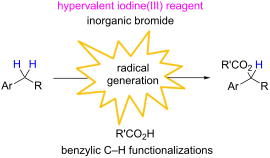
- initiated by the decomposition of PIFA to form the trifluoroacetoxy radical under visible light irradiation [50]. Our approach for the generation of radical species for the benzylic carboxylation using a hypervalent iodine reagent relies on the unique reactivity of the hypervalent iodine(III)–bromine bond


Photocatalytic formation of carbon–sulfur bonds
Beilstein J. Org. Chem. 2018, 14, 54–83, doi:10.3762/bjoc.14.4
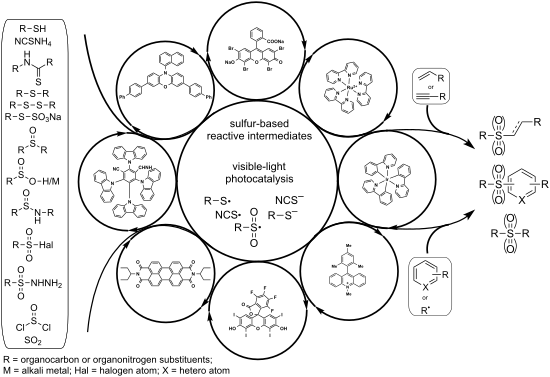
- visible-light irradiation of the photoorganocatalyst. Aliphatic and aromatic thiols reacted with aliphatic olefins and styrene derivatives in high yields. Recently, additional procedures for the photoredox-catalyzed radical thiol–ene and thiol–yne reaction were reported. Xia and co-workers describe a
- . Carbon disulfide Formation of 1,3-oxathiolane-2-thiones In 2016, Yadav and co-workers reported a photoredox-catalyzed C–S bond formation with carbon disulfide (CS2) as starting material (Scheme 30) [65]. The reaction of CS2 with styrenes under visible-light irradiation and Eosin Y as organic
- enamides could not be reacted with sodium sulfinates to yield the respective products. Wang and co-workers described a new method for the cyclization of phenyl propiolates with sulfinic acids, generating valuable coumarin derivatives in 2015 (Scheme 44) [81]. Visible-light irradiation of Eosin Y allows the










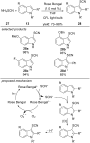
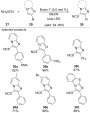

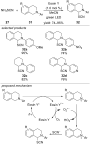


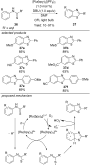
















CF3SO2X (X = Na, Cl) as reagents for trifluoromethylation, trifluoromethylsulfenyl-, -sulfinyl- and -sulfonylation and chlorination. Part 2: Use of CF3SO2Cl
Beilstein J. Org. Chem. 2017, 13, 2800–2818, doi:10.3762/bjoc.13.273
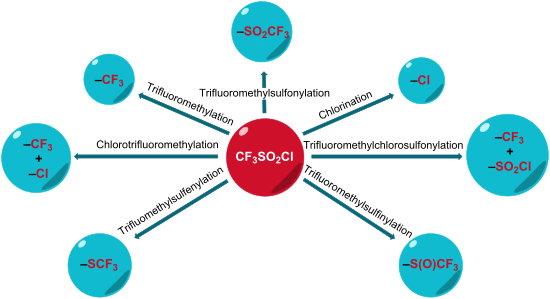
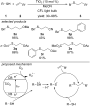
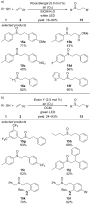
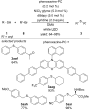
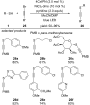
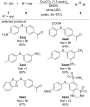
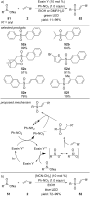
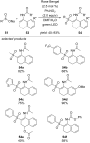
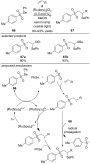
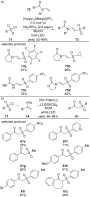
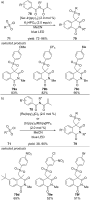
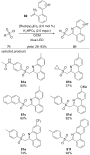
- the presence of Eosin Y under visible light irradiation (Scheme 2) [9]. Acetophenone derivatives with various substitution patterns as well as aliphatic or heteroaromatic ketones were equally well tolerated. This methodology offered the advantage of minimising the chlorination side reaction
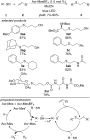
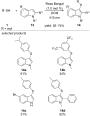
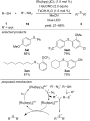
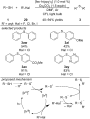
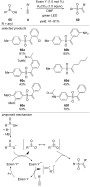
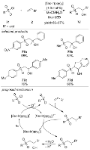
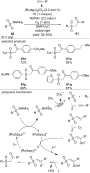
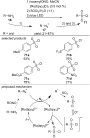
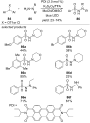
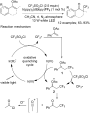
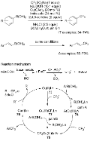
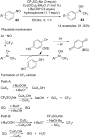
- visible light irradiation, a first SET reduction of CF3SO2Cl occurred, ultimately leading to the formation of the stabilised trifluoromethyl radical after releasing SO2 and chloride anion. This electron deficient radical was then added on the most electron-rich position of the arene substrate to yield
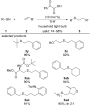
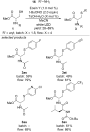
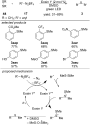
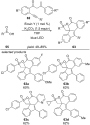
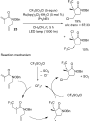
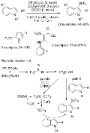
- -nitroalkenes with trifluoromethanesulfonyl chloride [39]. They found out that in the presence of the photocatalyst Eosin Y, under visible-light irradiation, such substrates could be selectively converted into (E)-1-trifluoromethylalkenes in moderate to good yields (Scheme 30). A plausible mechanism for this








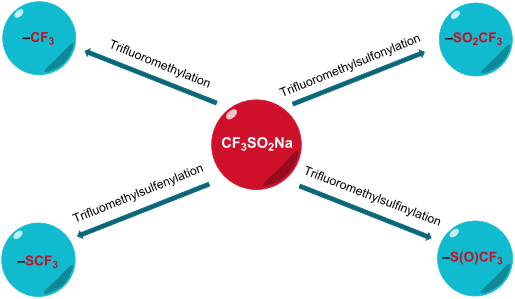
CF3SO2X (X = Na, Cl) as reagents for trifluoromethylation, trifluoromethylsulfenyl-, -sulfinyl- and -sulfonylation. Part 1: Use of CF3SO2Na
Beilstein J. Org. Chem. 2017, 13, 2764–2799, doi:10.3762/bjoc.13.272
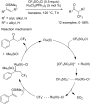
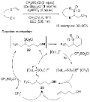
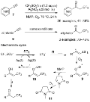
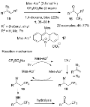
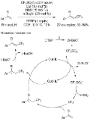
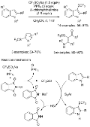
- the presence of the organic photocatalyst N-methyl-9-mesitylacridinium (17), CF3SO2Na was converted into CF3• upon visible-light irradiation. The CF3• radical reacted with the vinyl azide to give the iminyl radical 18 that was reduced by Mes-Acr• (Mes-Acr: 9-mesityl-10-methylacridinium) into the
- authors also realised the same chemical transformation under visible light irradiation at 450 nm by means of the iridium photocatalyst Ir[dF(CF3)ppy]2(dtbbpy)PF6 ([4,4’-bis(tert-butyl)-2,2’-bipyridine]bis[3,5-difluoro-2-[5-(trifluoromethyl)-2-pyridinyl]phenyl]iridium(III) hexafluorophosphate), which
- ,b or N-trifluoromethylthiosaccharin 43 in the presence of N-methyl-9-mesitylacridinium under visible light irradiation at room temperature. Terminal, internal, and gem-substituted alkenes bearing imide, ester, amide, ketone, aldehyde and electron-rich aryl functional groups were suitable substrates



















Synthesis and application of trifluoroethoxy-substituted phthalocyanines and subphthalocyanines
Beilstein J. Org. Chem. 2017, 13, 2273–2296, doi:10.3762/bjoc.13.224
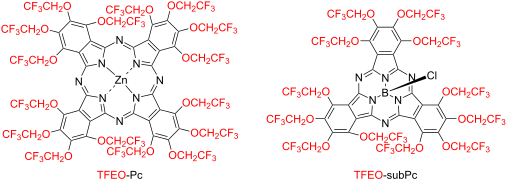
- into cancer cells and kills them by reactive oxygen species with cytotoxicity generated by light irradiation [94][95]. In addition to reducing the psychological burden of the patients because this process does not require surgical operation, damage to normal cells can be minimized by irradiating the
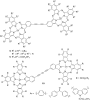
- under Sonogashira cross-coupling conditions (Scheme 6). UV–vis absorption measurements suggested that the deoxyribonucleoside-linked TFEO-Pcs had a non-aggregation property, as expected. Unfortunately, it was also found that these conjugates gradually decomposed under light irradiation, so their
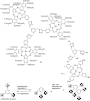
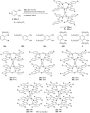
- deoxyribonucleoside conjugates. An in vitro investigation showed that cyclodextrin-linked TFEO-Pcs were ideal PDT drugs that exhibits high cytotoxicity under light irradiation while displaying little cytotoxicity in the dark (Table 2). On the other hand, interestingly, the fluorine-free tert-butylated derivative








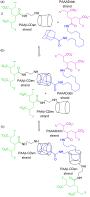
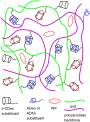
β-Cyclodextrin- and adamantyl-substituted poly(acrylate) self-assembling aqueous networks designed for controlled complexation and release of small molecules
Beilstein J. Org. Chem. 2017, 13, 1879–1892, doi:10.3762/bjoc.13.183
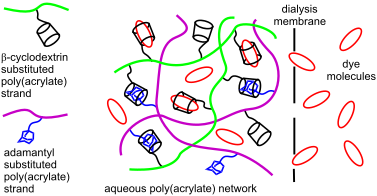
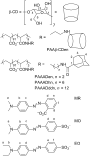
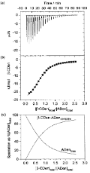
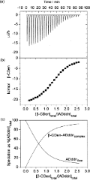
- ]. Generally, the retention and the release of the drug is controlled by the thermodynamics of drug complexation and in some systems the drug release is stimulated by either pH variation [28][30][34] or light irradiation [38][45]. The drug types include small molecular species, exemplified by diflunisal




Synthesis and metal binding properties of N-alkylcarboxyspiropyrans
Beilstein J. Org. Chem. 2017, 13, 1542–1550, doi:10.3762/bjoc.13.154
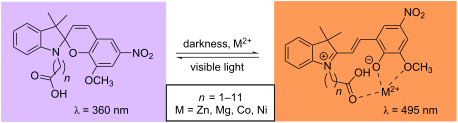
- binding occurs as a result of stabilisation of the zwitterionic merocyanine isomer via phenoxide–metal complexation [17] (Figure 1). Commonly, merocyanines undergo photoreversion to their corresponding spiropyran under visible light irradiation and metal complexation is usually achieved either in darkness




Mechanochemical borylation of aryldiazonium salts; merging light and ball milling
Beilstein J. Org. Chem. 2017, 13, 1463–1469, doi:10.3762/bjoc.13.144
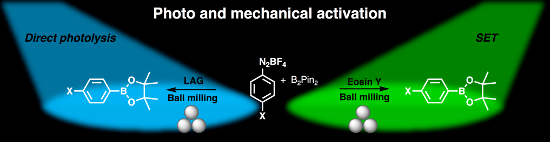
- to enable external light irradiation of the reaction mixture while having simultaneously the high-speed ball milling acting on the mixture of reactants and PC (Figure 1; for details, see Supporting Information File 1). Subsequently, with the aim to determine the role of the light, PC and the
- spectroscopy. This time trace quantities of product 3a were detected (Table 1, entry 5). This interesting result under solvent-free conditions encouraged performing the light irradiation accompanied by milling to improve mixing and to increase the surface exposure of the reaction mixture. In a following set of
- ) in the mixture. Indeed, milling the product 3a under the standard milling conditions using the LEDs led to its melt. Similarly, milling a mixture of 1a, 2 and 3a for 1 h under light irradiation reached a eutectic melt phase. The need for simultaneous light and mechanical milling was also confirmed


Photocatalyzed synthesis of isochromanones and isobenzofuranones under batch and flow conditions
Beilstein J. Org. Chem. 2017, 13, 1456–1462, doi:10.3762/bjoc.13.143
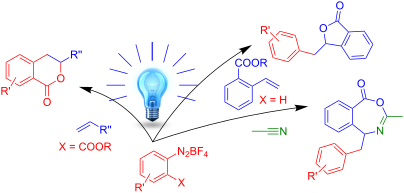
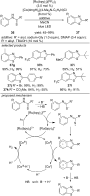
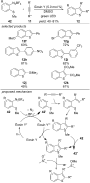
- intramolecular fashion, with the nucleophilic group appropriately displayed by one of the reagents. By inspection of the literature data, we were surprised to find only one example where benzothiophenes were obtained by reacting o-methylthioarenediazonium salts with alkynes under green light irradiation [4]. We


Kinetic analysis of mechanoradical formation during the mechanolysis of dextran and glycogen
Beilstein J. Org. Chem. 2017, 13, 1174–1183, doi:10.3762/bjoc.13.116
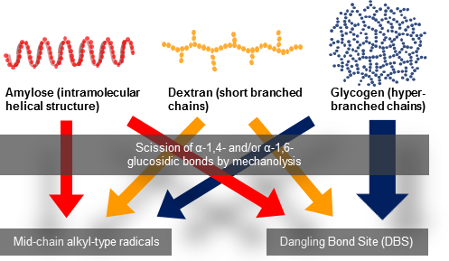
- TCNE under visible-light irradiation. We adopted this method by Sakaguchi et al for the detection of mechanoanions (see Experimental). Figure 5 shows the observed ESR spectrum before and after visible-light irradiation of the fractured sample of Dx and TCNE. As no ESR spectrum was observed after the
- mechanochemical reaction of pure TCNE, it was assumed that the ESR spectrum depicted in Figure 5a might be ascribed to the radical produced by the reaction of Dx mechanoradical and TCNE. As the characteristics of the spectrum and the intensity before and after visible-light irradiation remained unaffected, there
- induce electron release. After vigorously shaking of the mixture it was transferred to an ESR tube in the dark. ESR spectra were taken before and after visible-light irradiation. Molecular weight measurements Similarly as described in [19], the molecular weight of each resulting polymer was measured by


Chemoselective synthesis of diaryl disulfides via a visible light-mediated coupling of arenediazonium tetrafluoroborates and CS2
Beilstein J. Org. Chem. 2017, 13, 903–909, doi:10.3762/bjoc.13.91
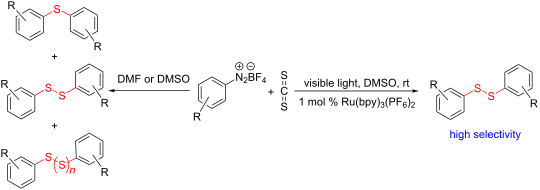
- and to minimize the formation of the byproducts was conducted. As recently surveyed, photoredox catalysts are widely employed for the generation of radicals for diverse radical reactions [19]. Further, the application of aryl radicals generated from aryldiazonium salts under visible light irradiation
- radical I was initially generated under visible light irradiation [14][15]. Subsequently, the radical I attacked the sulfur atom of carbon disulfide to provide the intermediate II which can be converted to radical intermediate III through the cleavage of the carbon–sulfur bond accompanied with the release


The effect of cyclodextrin complexation on the solubility and photostability of nerolidol as pure compound and as main constituent of cabreuva essential oil
Beilstein J. Org. Chem. 2017, 13, 835–844, doi:10.3762/bjoc.13.84
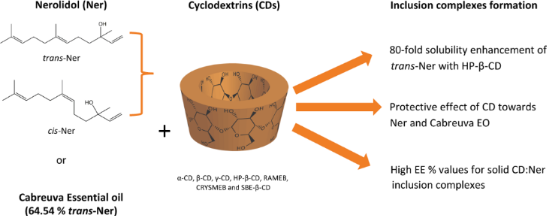
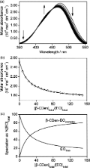
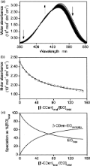
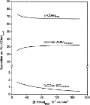
- ), the isomer mixture Ner (c) in the absence and presence of increasing concentrations of HP-β-CD (0.5, 1 and 10 mM) and of trans-Ner in cabreuva EO (d) in the absence and presence of 1 mM HP-β-CD under UV light irradiation. Formation constants (Kf), solubility enhancement ratio (St/S0) (in the presence


Novel β-cyclodextrin–eosin conjugates
Beilstein J. Org. Chem. 2017, 13, 543–551, doi:10.3762/bjoc.13.52
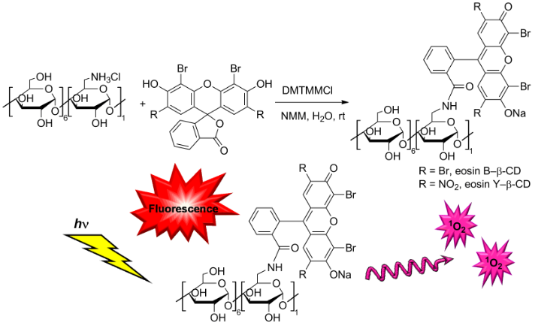
- results we decided to use this method for the coupling with xanthene dyes which upon light irradiation are able to generate cytotoxic 1O2. The coupled products would thus represent a new family of photosensitizers, the eosin-CDs (Eo–CDs). Although the photobactericidal activity of Eo dyes is well known



Stabilization of nanosized titanium dioxide by cyclodextrin polymers and its photocatalytic effect on the degradation of wastewater pollutants
Beilstein J. Org. Chem. 2016, 12, 2873–2882, doi:10.3762/bjoc.12.286
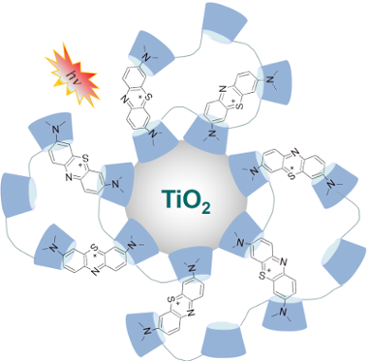
- catalyst for photodecomposition of various organic pollutants [31]. The photocatalytic reactions take place on the surface of the catalyst on the effect of solar light or of artificial UV light irradiation. In the practice, TiO2 is immobilized on a surface, e.g., glass wool mats or ceramic plates and a
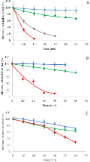
- dispersions have been studied for degradation of some model organic pollutants (methylene blue and ibuprofen) under UV-A light irradiation. Results and Discussion Selection of the CD derivative for stabilizing nanoTiO2 dispersions In aqueous dispersions, in the presence of salts the nanoparticles of TiO2
- irradiation match within the experimental error proving that no significant change in the polymer structure occurred upon UV light irradiation even in the presence of nanoTiO2 under the applied conditions (irradiation for 1 h). Lannoy et al. published the photodegradation of toluene in the presence of



Copper-catalyzed asymmetric sp3 C–H arylation of tetrahydroisoquinoline mediated by a visible light photoredox catalyst
Beilstein J. Org. Chem. 2016, 12, 2636–2643, doi:10.3762/bjoc.12.260
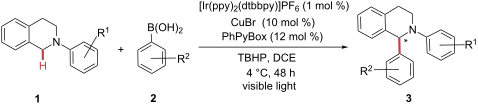
- , entries 7 and 8). A tentative reaction mechanism has been proposed in Scheme 3, in order to rationalize this arylation reaction. Upon visible light irradiation, [Ir(ppy)2(dtbbpy)]PF6 I was converted into an excited state II, Ir(III)* [11][33][34][35][36][37]. The THIQ undergoes a single electron transfer




Solvent-free, visible-light photocatalytic alcohol oxidations applying an organic photocatalyst
Beilstein J. Org. Chem. 2016, 12, 2358–2363, doi:10.3762/bjoc.12.229
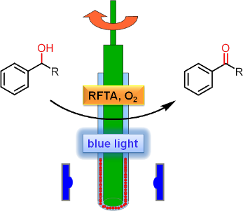
- . In this setup, thin liquid films are realized which is crucial for an effective photocatalytic conversion due to the low penetration depth of light in heterogeneous systems. Several benzylic alcohols were oxidized with riboflavin tetraacetate as photocatalyst under blue light irradiation of the
- substrates would be grinded under visible light irradiation. In contrast to mechanochemistry, the process would be driven by light energy and not by mechanical energy, but profit from the absence of toxic solvents, high concentrations of the substrate, and easy work-up. Furthermore, undesired effects of the
- as photocatalyst under blue light irradiation was performed. Furthermore, the oxidation of a liquid benzylic alcohol is presented as well. Results and Discussion For our investigations on solvent-free photocatalytic conversions, we chose riboflavin tetraacetate (RFTA) as photocatalyst. RFTA and




Synthesis and structures of ruthenium–NHC complexes and their catalysis in hydrogen transfer reaction
Beilstein J. Org. Chem. 2015, 11, 1786–1795, doi:10.3762/bjoc.11.194
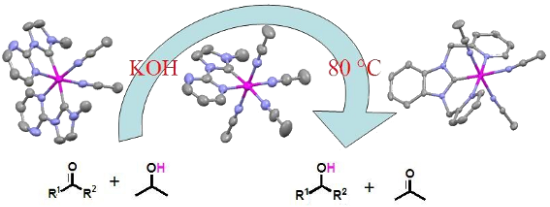
- and 2 are stable in air and under light irradiation. Single crystals suitable for X-ray diffraction could be obtained by slow diffusion of Et2O into CH3CN solutions and the detailed structure of 1 is depicted in Figure 1. In complex 1, the central ruthenium ion is hexacoordinated by two bidentate NHC





