


Search results
Search for "phosphine" in Full Text gives 329 result(s) in Beilstein Journal of Organic Chemistry. Showing first 200.
Non-metal-templated approaches to bis(borane) derivatives of macrocyclic dibridgehead diphosphines via alkene metathesis
- Tobias Fiedler,
- Michał Barbasiewicz,
- Michael Stollenz and
- John A. Gladysz
Beilstein J. Org. Chem. 2018, 14, 2354–2365, doi:10.3762/bjoc.14.211
- ; crystal structures; homeomorphic isomerization; hydrogenation; in/out isomers; metathesis; phosphine boranes; Introduction We have found that a variety of metal complexes with trans-phosphine ligands of the formula P((CH2)mCH=CH2)3 (1; m = 4–14) undergo threefold interligand ring closing alkene
- . Oxidations that lead to the corresponding dibridgehead diphosphine dioxides (O=)P((CH2)n)3P(=O) have exhibited promise, but purification has been problematic [24]. Indeed, phosphine oxides are everyday precursors to phosphines, so we have considered various non-metal-templated routes to 2·2(=O), 3·2(=O), and
- phosphine boranes of alkene containing phosphines. The first involves the monophosphorus precursor H3B·P((CH2)6CH=CH2)3 (1·BH3) [31], and the second a diphosphorus precursor in which one of the methylene chains linking the two phosphorus atoms has already been installed. The advantages and limitations of

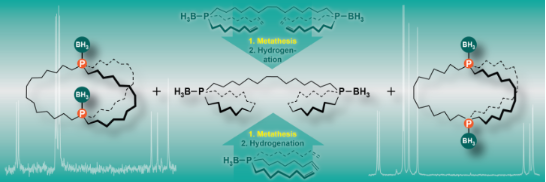
Graphical Abstract

Scheme 1: Syntheses of gyroscope like platinum and rhodium complexes and dibridgehead diphosphines derived th...
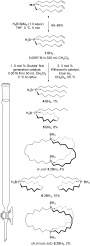
Scheme 2: Synthesis and alkene metathesis of the monophosphorus precursor 1·BH3.

Figure 1: The 13C{1H} NMR spectra (CDCl3, 100 MHz) of in,out-2·2BH3, (in,in/out,out)-2·2BH3, 6·2BH3, and the ...
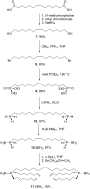
Scheme 3: Synthesis of the diphosphorus precursor 11·2BH3.
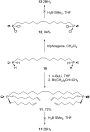
Scheme 4: Truncated approaches to the diphosphorus precursor 11·2BH3 from 10.
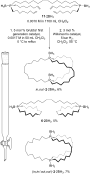
Scheme 5: Alkene metathesis of the diphosphorus precursor 11·2BH3.

Scheme 6: Schematic comparison of the key alkene metathesis steps in Scheme 2 and Scheme 5.

Scheme 7: Steps that set the in,in/out,out vs in,out stereochemistry of 2·2BH3 in Scheme 2 and Scheme 5.

Scheme 8: Another non-metal-templated approach to dibridgehead diphosphorus compounds.

Scheme 9: Previously synthesized dibridgehead diphosphine diboranes.

Scheme 10: Alkene metathesis of the tetraalkenyldiphosphine diborane 19·2BH3.
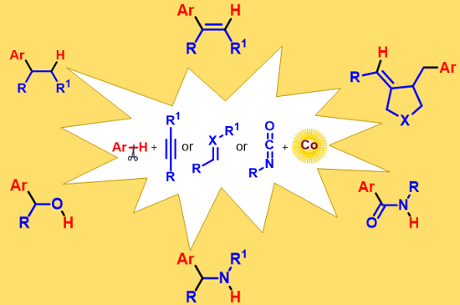
Hydroarylations by cobalt-catalyzed C–H activation
- Rajagopal Santhoshkumar and
- Chien-Hong Cheng
Beilstein J. Org. Chem. 2018, 14, 2266–2288, doi:10.3762/bjoc.14.202
- (Scheme 18a,b) [61]. The addition of indoles to vinylsilanes also succeeded in a similar manner [62]. When styrenes were employed for the hydroarylation with imines 9, the reaction required 4.0 equiv of 2-methoxypyridine as the additive in the presence of CoBr2, [bis(2,4-dimethoxyphenyl)(phenyl)phosphine

Graphical Abstract

Scheme 1: Cobalt-catalyzed C–H carbonylation.

Scheme 2: Hydroarylation by C–H activation.

Scheme 3: Pathways for cobalt-catalyzed hydroarylations.

Scheme 4: Co-catalyzed hydroarylation of alkynes with azobenzenes.

Scheme 5: Co-catalyzed hydroarylation of alkynes with 2-arylpyridines.

Scheme 6: Co-catalyzed addition of azoles to alkynes.

Scheme 7: Co-catalyzed addition of indoles to alkynes.

Scheme 8: Co-catalyzed hydroarylation of alkynes with imines.

Scheme 9: A plausible pathway for Co-catalyzed hydroarylation of alkynes.

Scheme 10: Co-catalyzed anti-selective C–H addition to alkynes.

Scheme 11: Co(III)-catalyzed hydroarylation of alkynes with indoles.

Scheme 12: Co(III)-catalyzed branch-selective hydroarylation of alkynes.

Scheme 13: Co(III)-catalyzed hydroarylation of terminal alkynes with arenes.

Scheme 14: Co(III)-catalyzed hydroarylation of alkynes with amides.

Scheme 15: Co(III)-catalyzed C–H alkenylation of arenes.

Scheme 16: Co-catalyzed alkylation of substituted benzamides with alkenes.

Scheme 17: Co-catalyzed switchable hydroarylation of styrenes with 2-aryl pyridines.
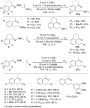
Scheme 18: Co-catalyzed linear-selective hydroarylation of alkenes with imines.

Scheme 19: Co-catalyzed linearly-selective hydroarylation of alkenes with N–H imines.

Scheme 20: Co-catalyzed branched-selective hydroarylation of alkenes with imines.

Scheme 21: Mechanism of Co-catalyzed hydroarylation of alkenes.

Scheme 22: Co-catalyzed intramolecular hydroarylation of indoles.

Scheme 23: Co-catalyzed asymmetric hydroarylation of alkenes with indoles.

Scheme 24: Co-catalyzed hydroarylation of alkenes with heteroarenes.

Scheme 25: Co(III)-catalyzed hydroarylation of activated alkenes with 2-phenyl pyridines.

Scheme 26: Co(III)-catalyzed C–H alkylation of arenes.

Scheme 27: Co(III)-catalyzed C2-alkylation of indoles.

Scheme 28: Co(III)-catalyzed switchable hydroarylation of alkyl alkenes with indoles.
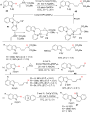
Scheme 29: Co(III)-catalyzed C2-allylation of indoles.

Scheme 30: Co(III)-catalyzed ortho C–H alkylation of arenes with maleimides.

Scheme 31: Co(III)-catalyzed hydroarylation of maleimides with arenes.
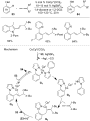
Scheme 32: Co(III)-catalyzed hydroarylation of allenes with arenes.

Scheme 33: Co-catalyzed hydroarylative cyclization of enynes with carbonyl compounds.

Scheme 34: Mechanism for the Co-catalyzed hydroarylative cyclization of enynes with carbonyl compounds.

Scheme 35: Co-catalyzed addition of 2-arylpyridines to aromatic aldimines.

Scheme 36: Co-catalyzed addition of 2-arylpyridines to aziridines.

Scheme 37: Co(III)-catalyzed hydroarylation of imines with arenes.

Scheme 38: Co(III)-catalyzed addition of arenes to ketenimines.

Scheme 39: Co(III)-catalyzed three-component coupling.

Scheme 40: Co(III)-catalyzed hydroarylation of aldehydes.

Scheme 41: Co(III)-catalyzed addition of arenes to isocyanates.
Anomeric modification of carbohydrates using the Mitsunobu reaction
- Julia Hain,
- Patrick Rollin,
- Werner Klaffke and
- Thisbe K. Lindhorst
Beilstein J. Org. Chem. 2018, 14, 1619–1636, doi:10.3762/bjoc.14.138
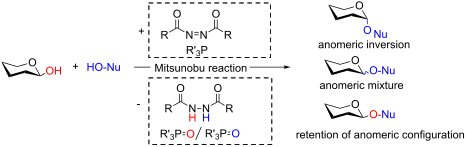
- ][12]. The standard Mitsunobu reaction involves coupling of an alcohol and a nucleophile in a dehydrative SN2 process activated by a reactive combination of a triaryl- or trialkylphosphine as reducing agent and a dialkyl azodicarboxylate as oxidant. In a redox process, the phosphine species is oxidized
- to the respective phosphine oxide and the azo reagent is reduced to the corresponding 1,2-hydrazinodicarboxylate (Scheme 1). As we have frequently utilized this valuable reaction in carbohydrate chemistry, in this account we have compiled literature, where the Mitsunobu reaction was used for the
- phosphine reagents are triphenyl- (Ph3P) or tributylphosphine (n-Bu3P). In recent years, advances have been made using solid supported reagents, thus facilitating work-up conditions [17][18]. The polarity of the commonly aprotic solvents used in the Mitsunobu reaction, including toluene, tetrahydrofuran or

Graphical Abstract

Scheme 1: Left: The Mitsunobu reaction is essentially a nucleophilic substitution of alcohols occurring with ...

Scheme 2: Mechanistic considerations on the Mitsunobu reaction with carbohydrate hemiacetals (depicted in sim...

Scheme 3: Anomeric esterification using the Mitsunobu procedure [29].

Scheme 4: Conversion of allyl glucuronate into various 1-O-esterified allyl glucuronates using anomeric Mitsu...

Scheme 5: Synthesis of anomeric glycosyl esters as substrates for Au-catalyzed glycosylation [40].

Scheme 6: Correlation between pKa value of the employed acids (or alcohol) and the favoured anomeric configur...

Scheme 7: Synthesis of the β-mannosyl phosphates for the synthesis of HBP 43 by anomeric phosphorylation acco...

Scheme 8: Synthesis of phenyl glycosides 44 and 45 from unprotected sugars [24].

Scheme 9: Synthesis of azobenzene mannosides 47 and 48 without protecting group chemistry [46].

Scheme 10: Synthesis of various aryl sialosides using Mitsunobu glycosylation [25].

Scheme 11: Mitsunobu synthesis of different jadomycins [54,55]. BOM: benzyloxymethyl.

Scheme 12: Stereoselectivity in the Mitsunobu synthesis of catechol glycosides in the gluco- and manno-series [56]....

Scheme 13: Formation of a 1,2-cis glycoside 80 assisted by steric hindrance of the β-face of the disaccharide ...

Scheme 14: Stereoselective β-D-mannoside synthesis [60].

Scheme 15: TIPS-assisted synthesis of 1,2-cis arabinofuranosides [63]. TIPS: triisopropylsilyl.

Scheme 16: The Mitsunobu reaction with glycals leads to interesting rearrangement products [69].

Scheme 17: Synthesis of disaccharides using mercury(II) bromide as co-activator in the Mitsunobu reaction [75].

Scheme 18: Synthesis of various fructofuranosides according to Mitsunobu and proposed neighbouring group parti...

Scheme 19: The Mitsunobu reaction allows stereoslective acetalization of dihydroartemisinin [77].

Scheme 20: Synthesis of alkyl thioglycosides by Mitsunobu reaction [81].

Scheme 21: Preparation of iminoglycosylphthalimide 115 from 114 [85].

Scheme 22: Mitsunobu reaction as a key step in the total synthesis of aurantoside G [87].

Scheme 23: Utilization of an N–H acid in the Mitsunobu reaction [88].

Scheme 24: Mitsunobu reaction with 1H-tetrazole [89].

Scheme 25: Formation of a rebeccamycin analogue using the Mitsunobu reaction [101].

Scheme 26: Synthesis of carbohydrates with an alkoxyamine bond [114].

Scheme 27: Synthesis of glycosyl fluorides and glycosyl azides according to Mitsunobu [118,119].

Scheme 28: Anomeric oxidation under Mitsunobu conditions [122].
Hypervalent organoiodine compounds: from reagents to valuable building blocks in synthesis
- Gwendal Grelier,
- Benjamin Darses and
- Philippe Dauban
Beilstein J. Org. Chem. 2018, 14, 1508–1528, doi:10.3762/bjoc.14.128
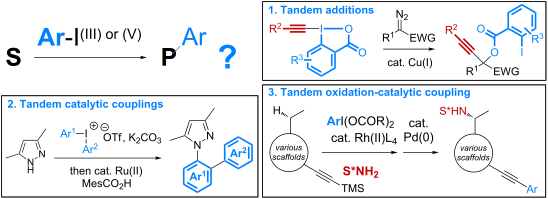
- reductive elimination. Starting from the ortho-N-(acyl)diaryl-λ3-iodanes 57, a combination of copper and palladium catalysis, in the presence of a phosphine ligand, induces the internal O-arylation of the proximal amide moiety, followed by a subsequent metal-catalyzed coupling-reaction with the resulting Ar
- cyclic diaryl-λ3-iodanes (Scheme 26) [66]. The palladium phosphine ligand plays a crucial role as a bidentate ligand with a bite angle greater than 100° such as DPEphos (104°) or Xantphos (108°) significantly improves the yields. The reaction applies to a series of anilines and aliphatic amines, but

Graphical Abstract

Scheme 1: Strategies to address the issue of sustainability with polyvalent organoiodine reagents.
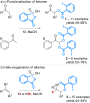
Scheme 2: Functionalization of ketones and alkenes with IBX.

Scheme 3: Functionalization of pyrroles with DMP.

Scheme 4: Catalytic benzoyloxy-trifluoromethylation reported by Szabó.

Scheme 5: Catalytic benzoyloxy-trifluoromethylation reported by Mideoka.

Scheme 6: Catalytic 1,4-benzoyloxy-trifluoromethylation of dienes.

Scheme 7: Catalytic benzoyloxy-trifluoromethylation of allylamines.

Scheme 8: Catalytic benzoyloxy-trifluoromethylation of enynes.

Scheme 9: Catalytic benzoyloxy-trifluoromethylation of allenes.

Scheme 10: Alkynylation of N-(aryl)imines with EBX for the formation of furans.

Scheme 11: Catalytic benzoyloxy-alkynylation of diazo compounds.

Scheme 12: Catalytic asymmetric benzoyloxy-alkynylation of diazo compounds.

Scheme 13: Catalytic 1,2-benzoyloxy-azidation of alkenes.

Scheme 14: Catalytic 1,2-benzoyloxy-azidation of enamides.

Scheme 15: Catalytic 1,2-benzoyloxy-iodination of alkenes.

Scheme 16: Seminal study with cyclic diaryl-λ3-iodane.

Scheme 17: Synthesis of alkylidenefluorenes from cyclic diaryl-λ3-iodanes.

Scheme 18: Synthesis of alkyne-substituted alkylidenefluorenes.

Scheme 19: Synthesis of phenanthrenes from cyclic diaryl-λ3-iodanes.

Scheme 20: Synthesis of dibenzocarbazoles from cyclic diaryl-λ3-iodanes.

Scheme 21: Synthesis of triazolophenantridines from cyclic diaryl-λ3-iodanes.

Scheme 22: Synthesis of functionalized benzoxazoles from cyclic diaryl-λ3-iodanes.

Scheme 23: Sequential difunctionalization of cyclic diaryl-λ3-iodanes.

Scheme 24: Double Suzuki–Miyaura coupling reaction of cyclic diaryl-λ3-iodanes.

Scheme 25: Synthesis of a δ-carboline from cyclic diaryl-λ3-iodane.

Scheme 26: Synthesis of N-(aryl)carbazoles from cyclic diaryl-λ3-iodanes.

Scheme 27: Synthesis of carbazoles from cyclic diaryl-λ3-iodanes.

Scheme 28: Synthesis of carbazoles and acridines from cyclic diaryl-λ3-iodanes.

Scheme 29: Synthesis of dibenzothiophenes from cyclic diaryl-λ3-iodanes.

Scheme 30: Synthesis of various sulfur heterocycles from cyclic diaryl-λ3-iodanes.

Scheme 31: Synthesis of dibenzothioheterocycles from cyclic diaryl-λ3-iodanes.

Scheme 32: Synthesis of dibenzosulfides and dibenzoselenides from cyclic diaryl-λ3-iodanes.

Scheme 33: Synthesis of dibenzosulfones from cyclic diaryl-λ3-iodanes.

Scheme 34: Seminal study with linear diaryl-λ3-iodanes.

Scheme 35: N-Arylation of benzotriazole with symmetrical diaryl-λ3-iodanes.

Scheme 36: Tandem catalytic C–H/N–H arylation of indoles with diaryl-λ3-iodanes.

Scheme 37: Tandem N-arylation/C(sp2)–H arylation with diaryl-λ3-iodanes.

Scheme 38: Catalytic intermolecular diarylation of anilines with diaryl-λ3-iodanes.

Scheme 39: Catalytic synthesis of diarylsulfides with diaryl-λ3-iodanes.

Scheme 40: α-Arylation of enolates using [bis(trifluoroacetoxy)iodo]arenes.

Scheme 41: Mechanism of the α-arylation using [bis(trifluoroacetoxy)iodo]arene.

Scheme 42: Catalytic nitrene additions mediated by [bis(acyloxy)iodo]arenes.

Scheme 43: Tandem of C(sp3)–H amination/sila-Sonogashira–Hagihara coupling.

Scheme 44: Tandem reaction using a λ3-iodane as an oxidant, a substrate and a coupling partner.

Scheme 45: Synthesis of 1,2-diarylated acrylamidines with ArI(OAc)2.
Recent applications of chiral calixarenes in asymmetric catalysis
- Mustafa Durmaz,
- Erkan Halay and
- Selahattin Bozkurt
Beilstein J. Org. Chem. 2018, 14, 1389–1412, doi:10.3762/bjoc.14.117
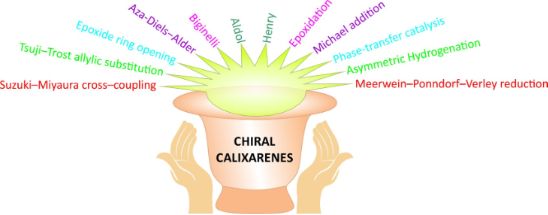
- enantiomerically pure (S)-(2-diphenylthiophosphinoferrocenyl)methanol. Deprotection of the thiophosphine unit(s) by tris(dimethylamino)phosphine gave chiral calixarene phosphines 27–29 bearing ferrocenyl substituents on the lower rim in high yields. Calixarene-derived mono(ferrocenylphosphine) ligands 27 and 28
- reactions were compared to that of the model diphenylphosphino ferrocenes. When the allylpalladium chloride dimer was used as palladium precursor, good yields were obtained after 24 h. However, enantiomeric excesses for (S)-27 and (S)-28 (<5%) were lower than those obtained by using other phosphine-ether

Graphical Abstract

Figure 1: Inherently chiral calix[4]arene-based phase-transfer catalysts.

Scheme 1: Asymmetric alkylations of 3 catalyzed by (±)-1 and (±)-2 under phase-transfer conditions.

Scheme 2: Synthesis of chiral calix[4]arene-based phase-transfer catalyst 7 and structure of O’Donnell’s N-be...

Scheme 3: Asymmetric alkylation of glycine derivative 3 catalyzed by calixarene-based phase-transfer catalyst ...

Figure 2: Calix[4]arene-amides used as phase-transfer catalysts.

Scheme 4: Phase-transfer alkylation of 3 catalyzed by calixarene-triamide 12.

Scheme 5: Synthesis of inherently chiral calix[4]arenes 20a/20b substituted at the lower rim. Reaction condit...

Scheme 6: Asymmetric Henry reaction between 21 and 22 catalyzed by 20a/20b.

Figure 3: Proposed transition state model of asymmetric Henry reaction.

Scheme 7: Synthesis of enantiomerically pure phosphinoferrocenyl-substituted calixarene ligands 27–29.

Scheme 8: Asymmetric coupling reaction of aryl boronates and aryl halides in the presence of calixarene mono ...

Scheme 9: Asymmetric allylic alkylation in the presence of calix[4]arene ligand (S,S)-29.

Figure 4: Structure of inherently chiral oxazoline calix[4]arenes applied in the palladium-catalyzed Tsuji–Tr...

Scheme 10: Asymmetric Tsuji–Trost reaction in the presence of calix[4]arene ligands 36–39.

Figure 5: BINOL-derived calix[4]arene-diphosphite ligands.

Scheme 11: Asymmetric hydrogenation of 41a and 41b catalyzed by in situ-generated catalysts comprised of [Rh(C...

Figure 6: Inherently chiral calix[4]arene 43 containing a diarylmethanol structure.

Scheme 12: Asymmetric Michael addition reaction of 44 with 45 catalyzed by 43.

Figure 7: Calix[4]arene-based chiral primary amine–thiourea catalysts.

Scheme 13: Asymmetric Michael addition of 48 with 49 catalyzed by 47a and 47b.

Scheme 14: Enantioselective Michael addition of 51 to 52 catalyzed by calix[4]arene thioureas.

Scheme 15: Synthesis of calix[4]arene-based tertiary amine–thioureas 54–56.

Scheme 16: Asymmetric Michael addition of 34 and 57 to nitroalkenes 49 catalyzed by 54b.

Scheme 17: Synthesis of p-tert-butylcalix[4]arene bis-squaramide derivative 64.

Scheme 18: Asymmetric Michael addition catalyzed by 64.

Scheme 19: Synthesis of chiral p-tert-butylphenol analogue 68.

Figure 8: Novel prolinamide organocatalysts based on the calix[4]arene scaffold.

Scheme 20: Asymmetric aldol reactions of 72 with 70 and 71 catalyzed by 69b.

Scheme 21: Synthesis of p-tert-butylcalix[4]arene-based chiral organocatalysts 75 and 78 derived from L-prolin...

Scheme 22: Synthesis of upper rim-functionalized calix[4]arene-based L-proline derivative 83.

Scheme 23: Synthesis and proposed structure of Calix-Pro-MN (86).

Figure 9: Calix[4]arene-based L-proline catalysts containing ester, amide and acid units.

Scheme 24: Synthesis of calix[4]arene-based prolinamide 92.

Scheme 25: Calixarene-based catalysts for the aldol reaction of 21 with 70.

Scheme 26: Asymmetric aldol reactions of 72 with cyclic ketones catalyzed by calix[4]arene-based chiral organo...

Figure 10: A proposed structure for catalyst 92 in H2O.

Scheme 27: Synthetic route for organocatalyst 98.

Scheme 28: Asymmetric aldol reactions catalyzed by 99.

Figure 11: Proposed catalytic environment for catalyst 99 in the presence of water.

Scheme 29: Asymmetric aldol reactions between 94 and 72 catalyzed by 55a.

Scheme 30: Enantioselective Biginelli reactions catalyzed by 69f.

Scheme 31: Synthesis of calix[4]arene–(salen) complexes.

Scheme 32: Enantioselective epoxidation of 108 catalyzed by 107a/107b.

Scheme 33: Synthesis of inherently chiral calix[4]arene catalysts 111 and 112.

Scheme 34: Enantioselective MPV reduction.

Scheme 35: Synthesis of chiral calix[4]arene ligands 116a–c.

Scheme 36: Asymmetric MPV reduction with chiral calix[4]arene ligands.

Scheme 37: Chiral AlIII–calixarene complexes bearing distally positioned chiral substituents.

Scheme 38: Asymmetric MPV reduction in the presence of chiral calix[4]arene diphosphites.

Scheme 39: Synthesis of enantiomerically pure inherently chiral calix[4]arene phosphonic acid.

Scheme 40: Asymmetric aza-Diels–Alder reactions catalyzed by (cR,pR)-121.

Scheme 41: Asymmetric ring opening of epoxides catalyzed by (cR,pR)-121.
Synthesis of chiral 3-substituted 3-amino-2-oxindoles through enantioselective catalytic nucleophilic additions to isatin imines
- Hélène Pellissier
Beilstein J. Org. Chem. 2018, 14, 1349–1369, doi:10.3762/bjoc.14.114

- a carbon–carbon bond-forming reaction occurring between the α-position of an activated alkene and a carbon electrophile such as an aldehyde. Employing a nucleophilic organocatalyst [26], such as a tertiary amine or a phosphine, this simple reaction provides densely functionalized products, such as α

Graphical Abstract

Scheme 1: Mannich reaction of N-Boc-isatin imines with ethyl nitroacetate (2) catalyzed by a cinchona alkaloi...

Scheme 2: Mannich reaction of N-Boc-isatin imines with 1,3-dicarbonyl compounds catalyzed by a cinchona alkal...
Scheme 3: Mannich reaction of N-alkoxycarbonylisatin imines with acetylacetone catalyzed by a cinchona alkalo...

Scheme 4: Mannich reaction of isatin-derived benzhydrylketimines with trimethylsiloxyfuran catalyzed by a pho...

Scheme 5: Mannich reaction of N-Boc-isatin imines with acetaldehyde catalyzed by a primary amine.

Scheme 6: Mannich reaction of N-Cbz-isatin imines with aldehydes catalyzed by L-diphenylprolinol trimethylsil...
Scheme 7: Addition of dimedone-derived enaminones to N-Boc-isatin imines catalyzed by a phosphoric acid.

Scheme 8: Addition of hydroxyfuran-2-one-derived enaminones to N-Boc-isatin imines catalyzed by a phosphoric ...
Scheme 9: Zinc-catalyzed Mannich reaction of N-Boc-isatin imines with silyl ketene imines.
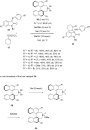
Scheme 10: Tin-catalyzed Mannich reaction of N-arylisatin imines with an alkenyl trichloroacetate.

Scheme 11: Aza-Morita–Baylis–Hillman reaction of N-Boc-isatin imines with acrolein catalyzed by β-isocupreidin...
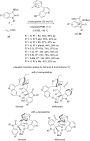
Scheme 12: Aza-Morita–Baylis–Hillman reaction of N-Boc-isatin imines with acrolein (35) catalyzed by α-isocupr...

Scheme 13: Aza-Morita–Baylis–Hillman reaction of N-Boc-isatin imines with maleimides catalyzed by β-isocupreid...

Scheme 14: Aza-Morita–Baylis–Hillman reaction of N-Boc-isatin imines with nitroolefins catalyzed by a cinchona...
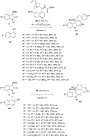
Scheme 15: Friedel–Crafts reactions of N-Boc-isatin imines with 1 and 2-naphthols catalyzed by a cinchona alka...

Scheme 16: Friedel–Crafts reactions of N-alkoxycarbonyl-isatin imines with 1 and 2-naphthols catalyzed by a ci...

Scheme 17: Friedel–Crafts reaction of N-Boc-isatin imines with 6-hydroxyquinolines catalyzed by a cinchona alk...

Scheme 18: Aza-Henry reaction of N-Boc-isatin imines with nitromethane catalyzed by a bifunctional guanidine.
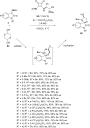
Scheme 19: Domino addition/cyclization reaction of N-Boc-isatin imines with 1,4-dithiane-2,5-diol (53) catalyz...

Scheme 20: Nickel-catalyzed additions of methanol and cumene hydroperoxide to N-Boc-isatin imines.
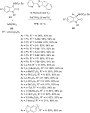
Scheme 21: Palladium-catalyzed addition of arylboronic acids to N-tert-butylsulfonylisatin imines.
One hundred years of benzotropone chemistry
- Arif Dastan,
- Haydar Kilic and
- Nurullah Saracoglu
Beilstein J. Org. Chem. 2018, 14, 1120–1180, doi:10.3762/bjoc.14.98
- via the oxaphosphetane 92 intermediate by treating 4,5-benzotropone (11) with (diphenylmethylene)(phenyl)phosphine oxide (91) generated thermally or photochemically from 90 [82]. Furthermore, dimeric byproduct 93 is also formed under photochemical conditions. 2.2.2. Ring expansion reactions via a

Graphical Abstract

Scheme 1: Tropone (1), tropolone (2) and their resonance structures.

Figure 1: Natural products containing a tropone nucleus.

Figure 2: Possible isomers 11–13 of benzotropone.

Scheme 2: Synthesis of benzotropones 11 and 12.

Scheme 3: Oxidation products of benzotropylium fluoroborate (16).

Scheme 4: Oxidation of 7-bromo-5H-benzo[7]annulene (22).

Scheme 5: Synthesis of 4,5-benzotropone (11) using o-phthalaldehyde (27).

Scheme 6: Synthesis of 4,5-benzotropone (11) starting from oxobenzonorbornadiene 31.

Scheme 7: Acid-catalyzed cleavage of oxo-bridge of 34.

Scheme 8: Synthesis of 4,5-benzotropone (11) from o-xylylene dibromide (38).

Scheme 9: Synthesis of 4,5-benzotropone (11) via the carbene adduct 41.

Scheme 10: Heck coupling strategy for the synthesis of 11.

Scheme 11: Synthesis of benzofulvalenes via carbonyl group of 4,5-benzotropone (11).

Figure 3: Some cycloheptatrienylium cations.

Scheme 12: Synthesis of condensation product 63 and its subsequent oxidative cyclization products.

Figure 4: A novel series of benzo[7]annulenes prepared from 4,5-benzotropone (11).

Scheme 13: Preparation of substituted benzo[7]annulene 72 using the Mukaiyama-Michael reaction.

Figure 5: Possible benzo[7]annulenylidenes 73–75.

Scheme 14: Thermal and photochemical decomposition of 7-diazo-7H-benzo[7]annulene (76) and the trapping of int...

Scheme 15: Synthesis of benzoheptafulvalene 86.

Scheme 16: Synthesis of 7-(diphenylmethylene)-7H-benzo[7]annulene (89).

Scheme 17: Reaction of 4,5-benzotropone (11) with dimethyl diazomethane.

Scheme 18: Synthesis of dihydrobenzomethoxyazocine 103.

Scheme 19: Synthesis and reducibility of benzo-homo-2-methoxyazocines.

Scheme 20: Synthesis of 4,5-benzohomotropones 104 and 115 from 4,5-benzotropones 11 and 113.

Scheme 21: A catalytic deuterogenation of 4,5-benzotropone (11) and synthesis of 5-monosubstituted benzo[7]ann...

Scheme 22: Synthesis of methyl benzo[7]annulenes 131 and 132.

Scheme 23: Ambident reactivity of halobenzo[7]annulenylium cations 133a/b.

Scheme 24: Preparation of benzo[7]annulenylidene–iron complexes 147.

Scheme 25: Synthesis of 1-ethynylbenzotropone (150) and the etheric compound 152 from 4,5-benzotropone (11) wi...

Scheme 26: Thermal decomposition of 4,5-benzotropone (11).

Scheme 27: Reaction of 4,5-benzotropone (11) with 1,2-ethanediol and 1,2-ethanedithiol.

Scheme 28: Conversions of 1-benzosuberone (162) to 2,3-benzotropone (12).

Scheme 29: Synthesis strategies for 2,3-bezotropone (12) using 1-benzosuberones.

Scheme 30: Oxidation-based synthesis of 2,3-benzotropone (12) via 1-benzosuberone (162).

Scheme 31: Synthesis of 2,3-benzotropone (12) from α-tetralone (171) via ring-expansion.

Scheme 32: Preparation of 2,3-benzotropone (12) by using of benzotropolone 174.

Figure 6: Benzoheptafulvenes as condensation products of 2,3-benzotropone (12).

Scheme 33: Conversion of 2,3-benzotropone (12) to tosylhydrazone salt 182 and gem-dichloride 187.

Figure 7: Benzohomoazocines 191–193 and benzoazocines 194–197.

Scheme 34: From 2,3-benzotropone (12) to carbonium ions 198–201.

Scheme 35: Cycloaddition reactions of 2,3-benzotropone (12).
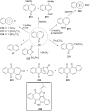
Scheme 36: Reaction of 2,3-benzotropone (12) with various reagents and compounds.

Figure 8: 3,4-Benzotropone (13) and its resonance structure.

Scheme 37: Synthesis of 6,7-benzobicyclo[3.2.0]hepta-3,6-dien-2-one (230).

Figure 9: Photolysis and thermolysis products of 230.

Figure 10: Benzotropolones and their tautomeric structures.

Scheme 38: Synthesis strategies of 4,5-benzotropolone (238).

Scheme 39: Synthesis protocol for 2-hydroxy-4,5-benzotropone (238) using oxazole-benzo[7]annulene 247.

Figure 11: Some quinoxaline and pyrazine derivatives 254–256 prepared from 4,5-benzotropolone (238).

Scheme 40: Nitration product of 4,5-benzotropolone (238) and its isomerization to 1-nitro-naphthoic acid (259)....

Scheme 41: Synthesis protocol for 6-hydroxy-2,3-benzotropone (239) from benzosuberone (162).
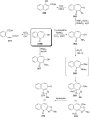
Scheme 42: Various reactions via 6-hydroxy-2,3-benzotropone (239).

Scheme 43: Photoreaction of 6-hydroxy-2,3-benzotropone (239).

Scheme 44: Synthesis of 7-hydroxy-2,3-benzotropone (241) from benzosuberone (162).

Scheme 45: Synthesis strategy for 7-hydroxy-2,3-benzotropone (241) from ketone 276.

Scheme 46: Synthesis of 7-hydroxy-2,3-benzotropone (241) from β-naphthoquinone (280).

Scheme 47: Synthesis of 7-hydroxy-2,3-benzotropone (241) from bicyclic endoperoxide 213.

Scheme 48: Synthesis of 7-hydroxy-2,3-benzotropone (241) by ring-closing metathesis.

Figure 12: Various monosubstitution products 289–291 of 7-hydroxy-2,3-benzotropone (241).

Scheme 49: Reaction of 7-hydroxy-2,3-benzotropone (241) with various reagents.

Scheme 50: Synthesis of 4-hydroxy-2,3-benzotropones 174 and 304 from diketones 300/301.

Scheme 51: Catalytic hydrogenation of diketones 300 and 174.

Scheme 52: Synthesis of halo-benzotropones from alkoxy-naphthalenes 306, 307 and 310.

Figure 13: Unexpected byproducts 313–315 during synthesis of chlorobenzotropone 309.

Figure 14: Some halobenzotropones and their cycloadducts.

Scheme 53: Multisep synthesis of 2-chlorobenzotropone 309.

Scheme 54: A multistep synthesis of 2-bromo-benzotropone 26.

Scheme 55: A multistep synthesis of bromo-2,3-benzotropones 311 and 316.

Scheme 56: Oxidation reactions of 8-bromo-5H-benzo[7]annulene (329) with some oxidants.

Scheme 57: Synthesis of 2-bromo-4,5-benzotropone (26).

Scheme 58: Synthesis of 6-chloro-2,3-benzotropone (335) using LiCl and proposed intermediate 336.

Scheme 59: Reaction of 7-bromo-2,3-benzotropone (316) with methylamine.

Scheme 60: Reactions of bromo-2,3-benzotropones 26 and 311 with dimethylamine.

Scheme 61: Reactions of bromobenzotropones 311 and 26 with NaOMe.

Scheme 62: Reactions of bromobenzotropones 26 and 312 with t-BuOK in the presence of DPIBF.

Scheme 63: Cobalt-catalyzed reductive cross-couplings of 7-bromo-2,3-benzotropone (316) with cyclic α-bromo en...

Figure 15: Cycloadduct 357 and its di-π-methane rearrangement product 358.

Scheme 64: Catalytic hydrogenation of 2-chloro-4,5-benzotropone (311).

Scheme 65: Synthesis of dibromo-benzotropones from benzotropones.

Scheme 66: Bromination/dehydrobromination of benzosuberone (162).

Scheme 67: Some transformations of isomeric dibromo-benzotropones 261A/B.

Scheme 68: Transformations of benzotropolone 239B to halobenzotropolones 369–371.

Figure 16: Bromobenzotropolones 372–376 and 290 prepared via bromination/dehydrobromination strategy.

Scheme 69: Synthesis of some halobenzotropolones 289, 377 and 378.

Figure 17: Bromo-chloro-derivatives 379–381 prepared via chlorination.

Scheme 70: Synthesis of 7-iodo-3,4-benzotropolone (382).

Scheme 71: Hydrogenation of bromobenzotropolones 369 and 370.

Scheme 72: Debromination reactions of mono- and dibromides 290 and 375.

Figure 18: Nitratation and oxidation products of some halobenzotropolenes.
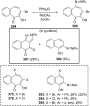
Scheme 73: Azo-coupling reactions of some halobenzotropolones 294, 375 and 378.

Figure 19: Four possible isomers of dibenzotropones 396–399.

Figure 20: Resonance structures of tribenzotropone (400).

Scheme 74: Two synthetic pathways for tribenzotropone (400).

Scheme 75: Synthesis of tribenzotropone (400) from dibenzotropone 399.

Scheme 76: Synthesis of tribenzotropone (400) from 9,10-phenanthraquinone (406).

Scheme 77: Synthesis of tribenzotropone (400) from trifluoromethyl-substituted arene 411.

Figure 21: Dibenzosuberone (414).

Figure 22: Reduction products 415 and 416 of tribenzotropone (400).

Figure 23: Structures of tribenzotropone dimethyl ketal 417 and 4-phenylfluorenone (412) and proposed intermed...

Figure 24: Structures of benzylidene- and methylene-9H-tribenzo[a,c,e][7]annulenes 419 and 420 and chiral phos...

Figure 25: Structures of tetracyclic alcohol 422, p-quinone methide 423 and cation 424.

Figure 26: Structures of host molecules 425–427.

Scheme 78: Synthesis of non-helical overcrowded derivatives syn/anti-431.

Figure 27: Hexabenzooctalene 432.

Figure 28: Structures of possible eight isomers 433–440 of naphthotropone.

Scheme 79: Synthesis of naphthotropone 437 starting from 1-phenylcycloheptene (441).

Scheme 80: Synthesis of 10-hydroxy-11H-cyclohepta[a]naphthalen-11-one (448) from diester 445.

Scheme 81: Synthesis of naphthotropone 433.

Scheme 82: Synthesis of naphthotropones 433 and 434 via cycloaddition reaction.

Scheme 83: Synthesis of naphthotropone 434 starting from 452.

Figure 29: Structures of tricarbonyl(tropone)irons 458, and possible cycloadducts 459.

Scheme 84: Synthesis of naphthotropone 436.

Scheme 85: Synthesis of precursor 465 for naphthotropone 435.

Scheme 86: Generation of naphthotropone 435 from 465.

Figure 30: Structures of tropylium cations 469 and 470.

Figure 31: Structures of tropylium ions 471+.BF4−, 472+.BF4−, and 473+.BF4−.

Scheme 87: Synthesis of tropylium ions 471+.BF4− and 479+.ClO4−.

Scheme 88: Synthesis of 1- and 2-methylanthracene (481 and 482) via carbene–carbene rearrangement.

Figure 32: Trapping products 488–490.

Scheme 89: Generation and chemistry of a naphthoannelated cycloheptatrienylidene-cycloheptatetraene intermedia...

Scheme 90: Proposed intermediates and reaction pathways for adduct 498.

Scheme 91: Exited-state intramolecular proton transfer of 505.

Figure 33: Benzoditropones 506 and 507.

Scheme 92: Synthesis of benzoditropone 506e.

Scheme 93: Synthetic approaches for dibenzotropone 507 via tropone (1).

Scheme 94: Formation mechanisms of benzoditropone 507 and 516 via 515.

Scheme 95: Synthesis of benzoditropones 525 and 526 from pyromellitic dianhydride (527).

Figure 34: Possible three benzocyclobutatropones 534–536.

Scheme 96: Synthesis of benzocyclobutatropones 534 and 539.

Scheme 97: Synthesis attempts for benzocyclobutatropone 545.

Scheme 98: Generation and trapping of symmetric benzocyclobutatropone 536.

Scheme 99: Synthesis of chloro-benzocyclobutatropone 552 and proposed mechanism of fluorenone derivatives.

Scheme 100: Synthesis of tropolone analogue 559.

Scheme 101: Synthesis of tropolones 561 and 562.

Figure 35: o/p-Tropoquinone rings (563 and 564) and benzotropoquinones (565–567).

Scheme 102: Synthesis of benzotropoquinone 566.

Scheme 103: Synthesis of benzotropoquinone 567 via a Diels–Alder reaction.

Figure 36: Products 575–577 through 1,2,3-benzotropoquinone hydrate 569.

Scheme 104: Structures 578–582 prepared from tropoquinone 567.

Figure 37: Two possible structures 583 and 584 for dibenzotropoquinone, and precursor compound 585 for 583.
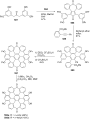
Scheme 105: Synthesis of saddle-shaped ketone 592 using dibenzotropoquinone 584.
Recyclable hypervalent-iodine-mediated solid-phase peptide synthesis and cyclic peptide synthesis
- Dan Liu,
- Ya-Li Guo,
- Jin Qu and
- Chi Zhang
Beilstein J. Org. Chem. 2018, 14, 1112–1119, doi:10.3762/bjoc.14.97
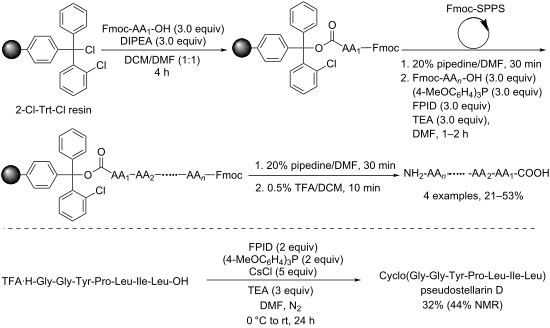
- derivative of iodosodilactone 6-(3,5-bis(trifluoromethyl)phenyl)-1H,4H-2aλ3-ioda-2,3-dioxacyclopenta[hi]indene-1,4-dione (abbreviated as FPID, Figure 1) [29]. In combination with tris(4-methoxyphenyl)phosphine [(4-MeOC6H4)3P], FPID can efficiently mediate peptide coupling reactions within 30 minutes to

Graphical Abstract

Figure 1: Iodosodilactone and FPID.

Scheme 1: Proposed mechanism for FPID-mediated amide bond formation.

Scheme 2: Solid-phase peptide synthesis mediated by FPID/(4-MeOC6H4)3P. Conditions: The resin loading for 2-C...

Scheme 3: The regeneration of FPID after SPPS.

Figure 2: Structure of pseudostellarin D.

Scheme 4: Synthetic strategies of pseudostellarin D.

Scheme 5: Preparation of the precursor of pseudostellarin D.
Enzyme-free genetic copying of DNA and RNA sequences
- Marilyne Sosson and
- Clemens Richert
Beilstein J. Org. Chem. 2018, 14, 603–617, doi:10.3762/bjoc.14.47
- , the 3'-amine was protected with an azidomethyloxycarbonyl (Azoc) protecting group. This protecting group can be rapidly removed under non-denaturing conditions after incorporation by the complementary nucleotide using the Staudinger reaction with a water-soluble phosphine (Figure 11). This protocol

Graphical Abstract

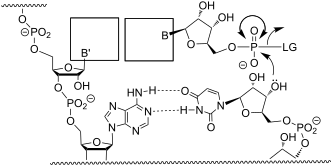
Figure 1: Enzyme-free template-directed extension of an RNA primer by one nucleotide. B = nucleobase, LG = le...

Figure 2: Oligomerization of the 2-methylimidazolide of guanosine-5'-monophosphate on a poly(C) template.

Figure 3: Structures of backbone linkages produced in enzyme-free primer extension reactions: the phosphorami...

Figure 4: System used for studying the template effect with all 64 possible triplets at the extension site (B...

Figure 5: Interactions attracting the incoming nucleotide to the extension site. Besides base pairing via hyd...

Figure 6: Three possible fates of activated nucleotides in aqueous buffer that result from hydrolysis, primer...

Figure 7: Steps and equilibria considered in our quantitative model of chemical primer extension [34]. The model ...

Figure 8: Binding equilibrium between mononucleotides and hairpins representing primer–template duplexes, as ...

Figure 9: Template-directed primer extension on an RNA template performed with OAt-GMP at 1.8 mM (orange), 3....

Figure 10: Copying of four nucleotides on an immobilized RNA duplex, as reported by Deck et al. [32].

Figure 11: Extension cycle of aminoterminal primer with N-protected nucleotides on solid support, as described...

Figure 12: Formation of a highly reactive methylimidazolium bisphosphate from methylimidazolides of nucleotide...

Figure 13: 31P NMR spectrum (161.9 MHz) of crude MeIm-GMP in D2O. The resonance of the imidazolium bisphosphat...

Figure 14: Imidazolium bisphosphate as intermediate in the primer extension reaction, as described by Szostak ...

Figure 15: Proposed steps of enzyme-free primer extension with in situ activation, using the "general condensa...
Copper-catalyzed asymmetric methylation of fluoroalkylated pyruvates with dimethylzinc
- Kohsuke Aikawa,
- Kohei Yabuuchi,
- Kota Torii and
- Koichi Mikami
Beilstein J. Org. Chem. 2018, 14, 576–582, doi:10.3762/bjoc.14.44
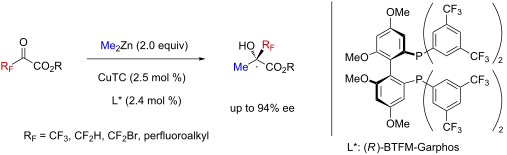
- fluoroalkylated pyruvates is shown with dimethylzinc as a methylating reagent in the presence of a copper catalyst bearing a chiral phosphine ligand. This is the first catalytic asymmetric methylation to synthesize various α-fluoroalkylated tertiary alcohols with CF3, CF2H, CF2Br, and n-CnF2n+1 (n = 2, 3, 8
- ) groups in good-to-high yields and enantioselectivities. Axial backbones and substituents on phosphorus atoms of chiral phosphine ligands critically influence the enantioselectivity. Moreover, the methylation of simple perfluoroalkylated ketones is found to be facilitated by only chiral phosphines without
- copper. Keywords: asymmetric methylation; chiral phosphine ligand; copper catalyst; dimethylzinc; trifluoropyruvate; Introduction The introduction of fluorine atoms into organic compounds plays an important role in the discovery of lead candidates with unique biological and physicochemical properties

Graphical Abstract

Scheme 1: Synthesis of chiral α-fluoroalkylated tertiary alcohols.
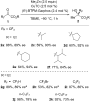
Scheme 2: Scope of fluoroalkylated pyruvates. Yields were determined by 19F NMR analysis using benzotrifluori...

Scheme 3: Catalytic asymmetric methylation of the simple perfluoroalkylated ketone 3a. Yields were determined...
Preparation of trinucleotide phosphoramidites as synthons for the synthesis of gene libraries
- Ruth Suchsland,
- Bettina Appel and
- Sabine Müller
Beilstein J. Org. Chem. 2018, 14, 397–406, doi:10.3762/bjoc.14.28
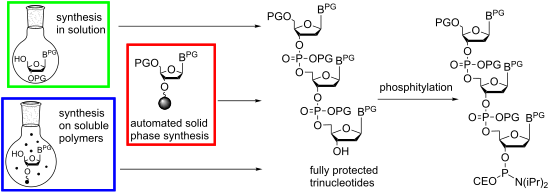
- -carboxyethyl)phosphine (TCEP, Figure 6) leaving all other protecting groups intact. The resulting hemi-(S,O)-acetal at the nucleotiode 3'-terminus is spontaneously degraded into the alcohol and thioformaldehyde, thus delivering the trimer with free 3'-OH group for subsequent phosphitylation. The detailed

Graphical Abstract

Figure 1: Preparation of fully protected trinucleotides in solution (A), on solid phase (B) and on soluble po...

Figure 2: Strategies for trinucleotide synthesis using different pairs of orthogonal groups for protection of...

Figure 3: Strategy for the synthesis of nucleotide dimers and extension to the trimer in either 5'- or 3'-dir...

Figure 4: Removal of the 3'-O-protecting group under conditions that leave all other protecting groups at 5'-...

Figure 5: Release of trinucleotide blocks from the solid support by cleavage of an oxalyl anchor (A) and by a...

Figure 6: Release of the trinucleotide from the support under reductive conditions.

Figure 7: Phosphitylation of trimers. Reaction conditions, in particular the choice of the phosphitylation re...
Recent advances on organic blue thermally activated delayed fluorescence (TADF) emitters for organic light-emitting diodes (OLEDs)
- Thanh-Tuân Bui,
- Fabrice Goubard,
- Malika Ibrahim-Ouali,
- Didier Gigmes and
- Frédéric Dumur
Beilstein J. Org. Chem. 2018, 14, 282–308, doi:10.3762/bjoc.14.18

Graphical Abstract

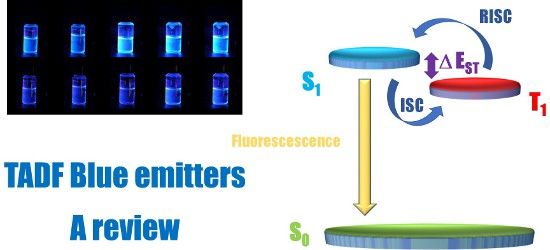
Figure 1: Radiative deactivation pathways existing in fluorescent, phosphorescent and TADF materials.
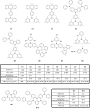
Figure 2: Boron-containing TADF emitters B1–B10.

Figure 3: Diphenylsulfone-based TADF emitters D1–D7.

Figure 4: Triazine-based TADF emitters T1–T3, T5–T7 and azasiline derivatives T3 and T4.

Figure 5: Triazine-based TADF emitters T8, T9, T11–T14 and carbazole derivative T10.

Figure 6: Triazine-based TADF emitters T15–T19.

Figure 7: Triazine- and pyrimidine-based TADF emitters T20–T26.

Figure 8: Pyrimidine-based TADF emitters T27–T30.

Figure 9: Triazine-based TADF polymers T31–T32.

Figure 10: Phenoxaphosphine oxide and phenoxathiin dioxide-based TADF emitters P1 and P2.

Figure 11: CN-Substituted pyridine and pyrimidine derivatives CN-P1–CN-P8.

Figure 12: CN-Substituted pyridine derivatives CN-P9 and CN-P10.

Figure 13: Phosphine oxide-based TADF blue emitters PO-1–PO-3.

Figure 14: Phosphine oxide-based TADF blue emitters PO-4–PO-9.

Figure 15: Benzonitrile-based emitters BN-1–BN-5.

Figure 16: Benzonitrile-based emitters BN-6–BN-11.

Figure 17: Benzoylpyridine-carbazole hybrid emitters BP-1–BP-6.

Figure 18: Benzoylpyridine-carbazole hybrid emitters BP-7–BP-10.

Figure 19: Triazole-based emitters Trz-1 and Trz-2.

Figure 20: Triarylamine-based emitters TPA-1–TPA-3.

Figure 21: Distribution of the CIE coordinates of ca. 90 blue TADF emitters listed in this review.
Fluorogenic PNA probes
- Tirayut Vilaivan
Beilstein J. Org. Chem. 2018, 14, 253–281, doi:10.3762/bjoc.14.17
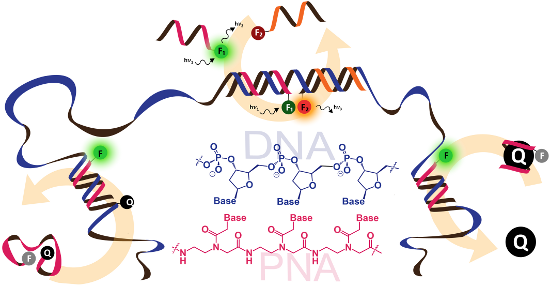
- high background. The masking of fluorophores by a more stable group, such as azides, is more attractive. Unfortunately, the phosphine probe generally required for the unmasking of the azide probe is susceptible to rapid aerobic oxidation. Accordingly, new developments in this area are still required
- . One promising example is the release of fluorophores by a phosphine-free photocatalyzed reduction of a self-immolative azide-based linker [105]. Single-labeled PNA probes with additional interacting partners PNA-based strand displacement probes Strand displacement probes consist of a fluorescence

Graphical Abstract

Figure 1: The design of classical DNA molecular beacons.

Figure 2: Structures of DNA and selected PNA systems.

Figure 3: Various binding modes of PNA to double stranded DNA including triplex formation, triplex invasion, ...

Figure 4: The design and working principle of the PNA beacons according to (A) Ortiz et al. [41] and (B) Armitage...

Figure 5: The design of "stemless" PNA beacons.

Figure 6: The applications of PNA openers to facilitate the binding of PNA beacons to double stranded DNA [40,47].

Figure 7: The working principle of snap-to-it probes that employed metal chelation to bring the dyes in close...

Figure 8: Examples of pre-formed dye-labeled PNA monomers and functionalizable PNA monomers.

Figure 9: Dual-labeled PNA beacons with end-stacking or intercalating quencher.

Figure 10: The working principle of hybrid PNA-peptide beacons for detection of (A) proteins [80] and (B) protease...

Figure 11: The working principle of binary probes.

Figure 12: The working principle of nucleic acid templated fluorogenic reactions leading to a (A) ligated prod...

Figure 13: Catalytic cycles in fluorogenic nucleic acid templated reactions [90].

Figure 14: The working principle of strand displacement probes.

Figure 15: (A) Examples of CPP successfully used with labeled PNA probes. (B) The use of single-labeled PNA pr...

Figure 16: The concept of PNA–GO platform for DNA/RNA sensing.

Figure 17: Single-labeled fluorogenic PNA probes.

Figure 18: Examples of environment sensitive fluorescent labels that have been incorporated into PNA probes as...

Figure 19: The mechanism of fluorescence change in TO dye.
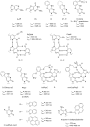
Figure 20: Fluorescent nucleobases capable of hydrogen bonding that have been incorporated into PNA probes.

Figure 21: Comparison of the designs of the (A) light-up PNA probe and (B) FIT PNA probe.

Figure 22: The structures of TO and its analogues that have successfully been used in FIT PNA probes.

Figure 23: The working principle of dual-labeled FIT PNA probes [222,223].
Aminosugar-based immunomodulator lipid A: synthetic approaches
- Alla Zamyatina
Beilstein J. Org. Chem. 2018, 14, 25–53, doi:10.3762/bjoc.14.3
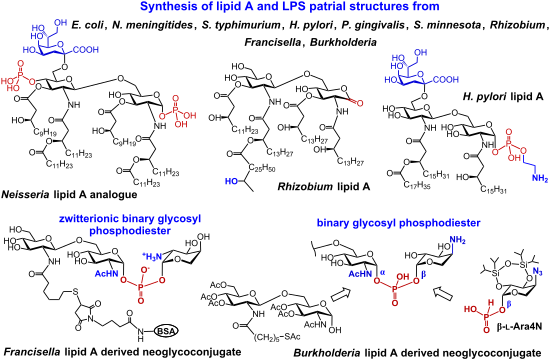
- deprotection by catalytic hydrogenation furnished lipid A 31. Alternatively, the lactol 30 was phosphitylated by application of the phosphoramidite procedure with (benzyloxy)[(N-Cbz-3-aminopropyl)oxy](N,N-diisopropylamino)phosphine in the presence of 1H-tetrazole and subsequent oxidation with dimethyldioxirane

Graphical Abstract

Figure 1: (A) Gram-negative bacterial membrane with LPS as major component of the outer membrane; (B) structu...
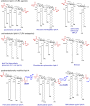
Figure 2: Structures of representative TLR4 ligands: TLR4 agonists (E. coli lipid A, N. meningitidis lipid A ...

Figure 3: (A) Co-crystal structure of the homodimeric E. coli Ra-LPS·hMD-2∙TLR4 complex (PDB code: 3FXI); (B)...

Figure 4: Co-crystal structures of (A) hybrid TLR4·hMD-2 with the bound antagonist eritoran (PDB: 2Z65, TLR4 ...

Scheme 1: Synthesis of E. coli and S. typhimurium lipid A and analogues with shorter acyl chains.

Scheme 2: Synthesis of N. meningitidis Kdo-lipid A.

Scheme 3: Synthesis of fluorescently labeled E. coli lipid A.

Scheme 4: Synthesis of H. pylori lipid A and Kdo-lipid A.

Scheme 5: Synthesis of tetraacylated lipid A corresponding to P. gingivalis LPS.

Scheme 6: Synthesis of pentaacylated P. gingivalis lipid A.

Scheme 7: Synthesis of monophosphoryl lipid A (MPLA) and analogues.

Scheme 8: Synthesis of tetraacylated Rhizobium lipid A containing aminogluconate moiety.

Scheme 9: Synthesis of pentaacylated Rhizobium lipid A and its analogue containing ether chain.

Scheme 10: Synthesis of pentaacylated Rhizobium lipid A containing 27-hydroxyoctacosanoate lipid chain.

Scheme 11: Synthesis of zwitterionic 1,1′-glycosyl phosphodiester: a partial structure of GalN-modified Franci...

Scheme 12: Synthesis of a binary 1,1′-glycosyl phosphodiester: a partial structure of β-L-Ara4N-modified Burkh...
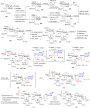
Scheme 13: Synthesis of Burkholderia lipid A containing binary glycosyl phosphodiester linked β-L-Ara4N.
Reactivity of bromoselenophenes in palladium-catalyzed direct arylations
- Aymen Skhiri,
- Ridha Ben Salem,
- Jean-François Soulé and
- Henri Doucet
Beilstein J. Org. Chem. 2017, 13, 2862–2868, doi:10.3762/bjoc.13.278
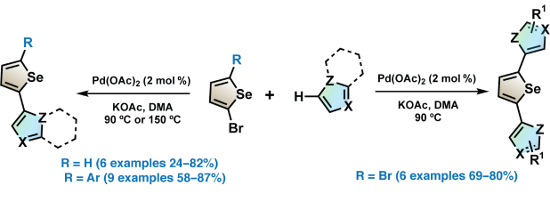
- heteroarylations with a variety of heteroarenes using a phosphine-free palladium catalyst. Results and Discussion First, we examined the influence of the reaction temperature, using DMA as solvent, KOAc as base and 2 mol % Pd(OAc)2 as catalyst (Table 1). We had previously observed that these reaction conditions
- , whereas thiophene or pyrroles gave the desired products in low yields. Conversely, 2,5-dibromoselenophene was successfully coupled with both thiazoles and thiophenes in the presence of phosphine-free Pd(OAc)2 catalyst precursor and KOAc as inexpensive base, affording the desired 2,5-diheteroarylated

Graphical Abstract
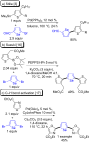
Scheme 1: Reported Pd-catalyzed heteroarylations of bromoselenophenes.

Scheme 2: Palladium-catalyzed heteroarylations of 2-bromoselenophene. *: 110 °C

Scheme 3: Palladium-catalyzed 2,5-diheteroarylation of 2,5-dibromoselenophene.

Scheme 4: Synthesis of 2-aryl-5-(heteroaryl)selenophenes.

Scheme 5: Proposed catalytic cycle.
CF3SO2X (X = Na, Cl) as reagents for trifluoromethylation, trifluoromethylsulfenyl-, -sulfinyl- and -sulfonylation and chlorination. Part 2: Use of CF3SO2Cl
- Hélène Chachignon,
- Hélène Guyon and
- Dominique Cahard
Beilstein J. Org. Chem. 2017, 13, 2800–2818, doi:10.3762/bjoc.13.273
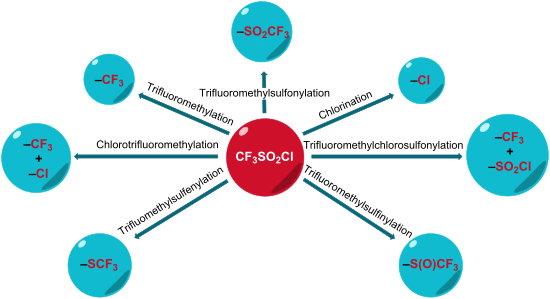
- of an halogen bond between the positive electrostatic potential on the outer side of the chlorine atom and the lone pair of the phosphorus atom of the phosphine. This phenomenon indeed triggered the cleavage of the S–Cl bond, producing chlorophosphonium sulfinate 40, which was then readily converted
- previous reports, the proposed mechanism does not include the free phosphine as the reducing agent, but rather iodotriphenylphosphonium iodide 42. This species was supposedly generated from PPh3 and I2, itself issued from the reaction of CF3SO2Cl, PPh3 and NaI. Species 42 was able to reduce CF3SO2Cl
- indoles, except that the nature of the phosphine as well as the stoichiometry between CF3SO2Cl and PCy3 prevented the reduction of formed CF3SOCl and therefore allowed its direct reaction with the substrate (Scheme 38). 4 Chlorination Sparingly, CF3SO2Cl was employed as a chlorinating agent. The first

Graphical Abstract
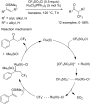
Scheme 1: Trifluoromethylation of silyl enol ethers.

Scheme 2: Continuous flow trifluoromethylation of ketones under photoredox catalysis.
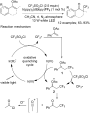
Scheme 3: Trifluoromethylation of enol acetates.

Scheme 4: Photoredox-catalysed tandem trifluoromethylation/cyclisation of N-arylacrylamides: a route to trifl...

Scheme 5: Tandem trifluoromethylation/cyclisation of N-arylacrylamides using BiOBr nanosheets catalysis.

Scheme 6: Photoredox-catalysed trifluoromethylation/desulfonylation/cyclisation of N-tosyl acrylamides (bpy: ...

Scheme 7: Photoredox-catalysed trifluoromethylation/aryl migration/desulfonylation of N-aryl-N-tosylacrylamid...

Scheme 8: Proposed mechanism for the trifluoromethylation/aryl migration/desulfonylation (/cyclisation) of N-...

Scheme 9: Photoredox-catalysed trifluoromethylation/cyclisation of N-methacryloyl-N-methylbenzamide derivativ...

Scheme 10: Photoredox-catalysed trifluoromethylation/cyclisation of N-methylacryloyl-N-methylbenzamide derivat...

Scheme 11: Photoredox-catalysed trifluoromethylation/dearomatising spirocyclisation of a N-benzylacrylamide de...

Scheme 12: Photoredox-catalysed trifluoromethylation/cyclisation of an unactivated alkene.

Scheme 13: Asymmetric radical aminotrifluoromethylation of N-alkenylurea derivatives using a dual CuBr/chiral ...

Scheme 14: Aminotrifluoromethylation of an N-alkenylurea derivative using a dual CuBr/phosphoric acid catalyti...

Scheme 15: 1,2-Formyl- and 1,2-cyanotrifluoromethylation of alkenes under photoredox catalysis.

Scheme 16: First simultaneous introduction of the CF3 moiety and a Cl atom onto alkenes.

Scheme 17: Chlorotrifluoromethylaltion of terminal, 1,1- and 1,2-substituted alkenes.

Scheme 18: Chorotrifluoromethylation of electron-deficient alkenes (DCE = dichloroethane).
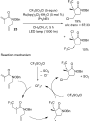
Scheme 19: Cascade trifluoromethylation/cyclisation/chlorination of N-allyl-N-(benzyloxy)methacrylamide.

Scheme 20: Cascade trifluoromethylation/cyclisation (/chlorination) of diethyl 2-allyl-2-(3-methylbut-2-en-1-y...

Scheme 21: Trifluoromethylchlorosulfonylation of allylbenzene derivatives and aliphatic alkenes.

Scheme 22: Access to β-hydroxysulfones from CF3-containing sulfonyl chlorides through a photocatalytic sequenc...
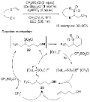
Scheme 23: Cascade trifluoromethylchlorosulfonylation/cyclisation reaction of alkenols: a route to trifluorome...

Scheme 24: First direct C–H trifluoromethylation of arenes and proposed mechanism.

Scheme 25: Direct C–H trifluoromethylation of five- and six-membered (hetero)arenes under photoredox catalysis....

Scheme 26: Alternative pathway for the C–H trifluoromethylation of (hetero)arenes under photoredox catalysis.

Scheme 27: Direct C–H trifluoromethylation of five- and six-membered ring (hetero)arenes using heterogeneous c...

Scheme 28: Trifluoromethylation of terminal olefins.

Scheme 29: Trifluoromethylation of enamides.

Scheme 30: (E)-Selective trifluoromethylation of β-nitroalkenes under photoredox catalysis.

Scheme 31: Photoredox-catalysed trifluoromethylation/cyclisation of an o-azidoarylalkynes.

Scheme 32: Regio- and stereoselective chlorotrifluoromethylation of alkynes.

Scheme 33: PMe3-mediated trifluoromethylsulfenylation by in situ generation of CF3SCl.

Scheme 34: (EtO)2P(O)H-mediated trifluoromethylsulfenylation of (hetero)arenes and thiols.

Scheme 35: PPh3/NaI-mediated trifluoromethylsulfenylation of indole derivatives.

Scheme 36: PPh3/n-Bu4NI mediated trifluoromethylsulfenylation of thiophenol derivatives.

Scheme 37: PPh3/Et3N mediated trifluoromethylsulfinylation of benzylamine.

Scheme 38: PCy3-mediated trifluoromethylsulfinylation of azaarenes, amines and phenols.

Scheme 39: Mono- and dichlorination of carbon acids.

Scheme 40: Monochlorination of (N-aryl-N-hydroxy)acylacetamides.

Scheme 41: Examples of the synthesis of heterocycles fused with β-lactams through a chlorination/cyclisation p...

Scheme 42: Enantioselective chlorination of β-ketoesters and oxindoles.

Scheme 43: Enantioselective chlorination of 3-acyloxazolidin-2-one derivatives (NMM = N-methylmorpholine).
CF3SO2X (X = Na, Cl) as reagents for trifluoromethylation, trifluoromethylsulfenyl-, -sulfinyl- and -sulfonylation. Part 1: Use of CF3SO2Na
- Hélène Guyon,
- Hélène Chachignon and
- Dominique Cahard
Beilstein J. Org. Chem. 2017, 13, 2764–2799, doi:10.3762/bjoc.13.272
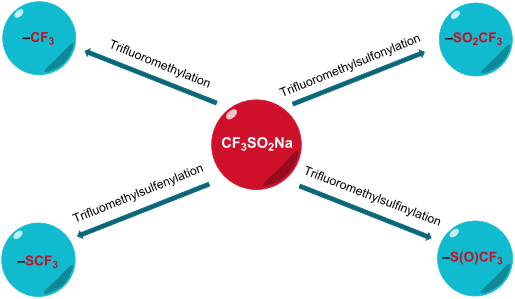

Graphical Abstract

Scheme 1: Trifluoromethylation of enol acetates by Langlois.

Scheme 2: Trifluoromethylation of (het)aryl enol acetates.

Scheme 3: Mechanism for the trifluoromethylation of enol acetates.

Scheme 4: Oxidative trifluoromethylation of unactivated olefins and mechanistic pathway.
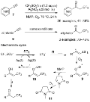
Scheme 5: Oxidative trifluoromethylation of acetylenic substrates.

Scheme 6: Metal free trifluoromethylation of styrenes.

Scheme 7: Synthesis of α-trifluoromethylated ketones by oxytrifluoromethylation of heteroatom-functionalised ...
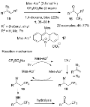
Scheme 8: Catalysed photoredox trifluoromethylation of vinyl azides.

Scheme 9: Oxidative difunctionalisation of alkenyl MIDA boronates.

Scheme 10: Synthesis of β-trifluoromethyl ketones from cyclopropanols.

Scheme 11: Aryltrifluoromethylation of allylic alcohols.

Scheme 12: Cascade multicomponent synthesis of nitrogen heterocycles via azotrifluoromethylation of alkenes.

Scheme 13: Photocatalytic azotrifluoromethylation of alkenes with aryldiazonium salts and CF3SO2Na.

Scheme 14: Copper-promoted intramolecular aminotrifluoromethylation of alkenes with CF3SO2Na.

Scheme 15: Oxytrifluoromethylation of alkenes with CF3SO2Na and hydroxamic acid.

Scheme 16: Manganese-catalysed oxytrifluoromethylation of styrene derivatives.

Scheme 17: Oxytrifluoromethylation of alkenes with NMP/O2 and CF3SO2Na.

Scheme 18: Intramolecular oxytrifluoromethylation of alkenes.

Scheme 19: Hydrotrifluoromethylation of styrenyl alkenes and unactivated aliphatic alkenes.

Scheme 20: Hydrotrifluoromethylation of electron-deficient alkenes.

Scheme 21: Hydrotrifluoromethylation of alkenes by iridium photoredox catalysis.

Scheme 22: Iodo- and bromotrifluoromethylation of alkenes by CF3SO2Na/I2O5 or CF3SO2Na / NaBrO3.

Scheme 23: N-methyl-9-mesityl acridinium and visible-light-induced chloro-, bromo- and SCF3 trifluoromethylati...

Scheme 24: Carbotrifluoromethylation of N-arylacrylamides with CF3SO2Na / TBHP by Lipshutz.

Scheme 25: Carbotrifluoromethylation of N-arylacrylamides with CF3SO2Na/TBHP reported by Lei.

Scheme 26: Carbotrifluoromethylation of N-arylacrylamides with CF3SO2Na/(NH4)2S2O8.

Scheme 27: Metal-free carbotrifluoromethylation of N-arylacrylamides with CF3SO2Na/K2S2O8 reported by Wang.

Scheme 28: Metal-free carbotrifluoromethylation of N-arylacrylamides with CF3SO2Na/PIDA reported by Fu.

Scheme 29: Metal-free cascade trifluoromethylation/cyclisation of N-arylmethacrylamides (a) and enynes (b) wit...

Scheme 30: Trifluoromethylation/cyclisation of N-arylcinnamamides: Synthesis of 3,4-disubstituted dihydroquino...

Scheme 31: Trifluoromethylation/cyclisation of aromatic-containing unsaturated ketones.

Scheme 32: Chemo- and regioselective cascade trifluoromethylation/heteroaryl ipso-migration of unactivated alk...

Scheme 33: Copper-mediated 1,2-bis(trifluoromethylation) of alkenes.

Scheme 34: Trifluoromethylation of aromatics with CF3SO2Na reported by Langlois.

Scheme 35: Baran’s oxidative C–H trifluoromethylation of heterocycles.

Scheme 36: Trifluoromethylation of acetanilides and anilines.

Scheme 37: Trifluoromethylation of heterocycles in water.

Scheme 38: Trifluoromethylation of coumarins in a continuous-flow reactor.

Scheme 39: Oxidative trifluoromethylation of coumarins, quinolines and pyrimidinones.

Scheme 40: Oxidative trifluoromethylation of pyrimidinones and pyridinones.

Scheme 41: Phosphovanadomolybdic acid-catalysed direct C−H trifluoromethylation.

Scheme 42: Oxidative trifluoromethylation of imidazopyridines and imidazoheterocycles.

Scheme 43: Oxidative trifluoromethylation of imidazoheterocycles and imidazoles in ionic liquid/water.
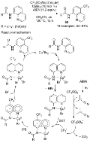
Scheme 44: Oxidative trifluoromethylation of 8-aminoquinolines.

Scheme 45: Oxidative trifluoromethylation of various 8-aminoquinolines using the supported catalyst CS@Cu(OAc)2...

Scheme 46: Oxidative trifluoromethylation of the naphthylamide 70.

Scheme 47: Oxidative trifluoromethylation of various arenes in the presence of CF3SO2Na and sodium persulfate.
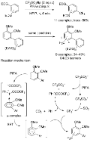
Scheme 48: Trifluoromethylation of electron-rich arenes and unsymmetrical biaryls with CF3SO2Na in the presenc...

Figure 1: Trifluoromethylated coumarin and flavone.

Scheme 49: Metal-free trifluoromethylation catalysed by a photoredox organocatalyst.

Scheme 50: Quinone-mediated trifluoromethylation of arenes and heteroarenes.

Scheme 51: Metal- and oxidant-free photochemical trifluoromethylation of arenes.

Scheme 52: Copper-mediated trifluoromethylation of arenediazonium tetrafluoroborates.

Scheme 53: Oxidative trifluoromethylation of aryl- and heteroarylboronic acids.
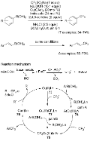
Scheme 54: Oxidative trifluoromethylation of aryl- and vinylboronic acids.

Scheme 55: Oxidative trifluoromethylation of unsaturated potassium organotrifluoroborates.

Scheme 56: Oxidative trifluoromethylation of (hetero)aryl- and vinyltrifluoroborates.

Scheme 57: Copper−catalysed decarboxylative trifluoromethylation of cinnamic acids.

Scheme 58: Iron-mediated decarboxylative trifluoromethylation of α,β-unsaturated carboxylic acids.

Scheme 59: Cu/Ag-catalysed decarboxylative trifluoromethylation of cinnamic acids.

Scheme 60: I2O5-Promoted decarboxylative trifluoromethylation of cinnamic acids.

Scheme 61: Silver(I)-catalysed denitrative trifluoromethylation of β-nitrostyrenes.
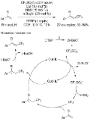
Scheme 62: Copper-catalysed direct trifluoromethylation of styrene derivatives.
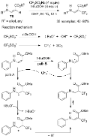
Scheme 63: Transition-metal-free synthesis of β-trifluoromethylated enamines.

Scheme 64: I2O5-mediated iodotrifluoromethylation of alkynes.

Scheme 65: Silver-catalysed tandem trifluoromethylation/cyclisation of aryl isonitriles.

Scheme 66: Photoredox trifluoromethylation of 2-isocyanobiphenyls.

Scheme 67: Trifluoromethylation of potassium alkynyltrifluoroborates with CF3SO2Na.
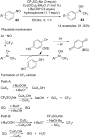
Scheme 68: N-trifluoromethylation of nitrosoarenes with CF3SO2Na (SQ: semiquinone).

Scheme 69: Trifluoromethylation of disulfides with CF3SO2Na.

Scheme 70: Trifluoromethylation of thiols with CF3SO2Na/I2O5.
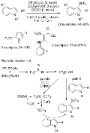
Scheme 71: Electrophilic trifluoromethylsulfenylation by means of CF3SO2Na/(EtO)2P(O)H/CuCl/DMSO.

Scheme 72: Electrophilic trifluoromethylsulfenylation by means of CF3SO2Na/(EtO)2P(O)H/TMSCl.
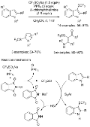
Scheme 73: Electrophilic trifluoromethylsulfenylation by means of CF3SO2Na/PPh3/N-chlorophthalimide.

Scheme 74: Electrophilic trifluoromethylsulfenylation by means of CF3SO2Na/PCl3.

Scheme 75: Electrophilic trifluoromethylsulfenylation by means of CF3SO2Na/PCl3.

Scheme 76: Trifluoromethylsulfenylation of aryl iodides with in situ generated CuSCF3 (DMI: 1,3-dimethyl-2-imi...

Scheme 77: Pioneering trifluoromethylsulfinylation of N, O, and C-nucleophiles.

Scheme 78: Trifluoromethylsulfinylation of (1R,2S)-ephedrine (Im: imidazole; DIEA: N,N-diisopropylethylamine).

Scheme 79: Trifluoromethylsulfinylation of substituted benzenes with CF3SO2Na/CF3SO3H.

Scheme 80: Trifluoromethylsulfinylation of indoles with CF3SO2Na/P(O)Cl3.

Scheme 81: Trifluoromethylsulfinylation of indoles with CF3SO2Na/PCl3.

Scheme 82: Formation of triflones from benzyl bromides (DMA: dimethylacetamide).

Scheme 83: Formation of α-trifluoromethylsulfonyl ketones, esters, and amides.

Scheme 84: Allylic trifluoromethanesulfonylation of aromatic allylic alcohols.

Scheme 85: Copper-catalysed couplings of aryl iodonium salts with CF3SO2Na.

Scheme 86: Palladium-catalysed trifluoromethanesulfonylation of aryl triflates and chlorides with CF3SO2Na.

Scheme 87: Copper-catalysed coupling of arenediazonium tetrafluoroborates with CF3SO2Na.

Scheme 88: Synthesis of phenyltriflone via coupling of benzyne with CF3SO2Na.

Scheme 89: Synthesis of 1-trifluoromethanesulfonylcyclopentenes from 1-alkynyl-λ3-bromanes and CF3SO2Na.

Scheme 90: One-pot synthesis of functionalised vinyl triflones.

Scheme 91: Regioselective synthesis of vinyltriflones from styrenes.

Scheme 92: Trifluoromethanesulfonylation of alkynyl(phenyl) iodonium tosylates by CF3SO2Na.

Scheme 93: Synthesis of thio- and selenotrifluoromethanesulfonates.
Vinylphosphonium and 2-aminovinylphosphonium salts – preparation and applications in organic synthesis
- Anna Kuźnik,
- Roman Mazurkiewicz and
- Beata Fryczkowska
Beilstein J. Org. Chem. 2017, 13, 2710–2738, doi:10.3762/bjoc.13.269

- polymeric phosphonium salts that were amorphous and unable to crystallize. Such products may be formed as a result of a subsequent Michael-like addition of the starting phosphine to the initially obtained vinylphosphonium salt 1 (Scheme 3). The formation of the expected salt was faster than the side
- –89% and a high stereoselectivity (Scheme 6) [14][15]. The proposed mechanism of this reaction is as described in Scheme 7 [14][15]. Oxidative addition of the vinyl triflate to the catalyst results in complex 6 that upon reductive elimination (an added phosphine) provides the vinylphosphonium salt and

Graphical Abstract

Scheme 1: Generation of phosphorus ylides from vinylphosphonium salts.

Scheme 2: Intramolecular Wittig reaction with the use of vinylphosphonium salts.

Scheme 3: Alkylation of diphenylvinylphosphine with methyl or benzyl iodide.

Scheme 4: Methylation of isopropenyldiphenylphosphine with methyl iodide.

Scheme 5: Alkylation of phosphines with allyl halide derivatives and subsequent isomerization of intermediate...

Scheme 6: Alkylation of triphenylphosphine with vinyl triflates in the presence of (Ph3P)4Pd.

Scheme 7: Mechanism of alkylation of triphenylphosphine with vinyl triflates in the presence of (Ph3P)4Pd as ...

Scheme 8: β-Elimination of phenol from β-phenoxyethyltriphenylphosphonium bromide.

Scheme 9: β-Elimination of phenol from β-phenoxyethylphosphonium salts in an alkaline environment.

Scheme 10: Synthesis and subsequent dehydrohalogenation of α-bromoethylphosphonium bromide.

Scheme 11: Synthesis of tributylvinylphosphonium iodides via Peterson-type olefination of α-trimethylsilylphos...

Scheme 12: Synthesis of 1-cycloalkenetriphenylphosphonium salts by electrochemical oxidation of triphenylphosp...

Scheme 13: Suggested mechanism for the electrochemical synthesis of 1-cycloalkenetriphenylphosphonium salts.

Scheme 14: Generation of α,β-(dialkoxycarbonyl)vinylphosphonium salts by addition of triphenylphosphine to ace...

Scheme 15: Synthesis of 2-(N-acylamino)vinylphosphonium halides by imidoylation of β-carbonyl ylides with imid...

Scheme 16: Imidoylation of β-carbonyl ylides with imidoyl halides generated in situ.

Scheme 17: Synthesis of 2-benzoyloxyvinylphosphonium bromide from 2-propynyltriphenylphosphonium bromide.

Scheme 18: Synthesis of 2-aminovinylphosphonium salts via nucleophilic addition of amines to 2-propynyltriphen...

Scheme 19: Deacylation of 2-(N-acylamino)vinylphosphonium chlorides to 2-aminovinylphosphonium salts.

Scheme 20: Resonance structures of 2-aminovinylphosphonium salts and tautomeric equilibrium between aminovinyl...

Scheme 21: Synthesis of 2-aminovinylphosphonium salts by reaction of (formylmethyl)triphenylphosphonium chlori...

Scheme 22: Generation of ylides by reaction of vinyltriphenylphosphonium bromide with nucleophiles and their s...

Scheme 23: Intermolecular Wittig reaction with the use of vinylphosphonium bromide and organocopper compounds ...

Scheme 24: Intermolecular Wittig reaction with the use of ylides generated from vinylphosphonium bromides and ...

Scheme 25: Direct transformation of vinylphosphonium salts into ylides in the presence of potassium tert-butox...

Scheme 26: A general method for synthesis of carbo- and heterocyclic systems by the intramolecular Wittig reac...

Scheme 27: Synthesis of 2H-chromene by reaction of vinyltriphenylphosphonium bromide with sodium 2-formylpheno...

Scheme 28: Synthesis of 2,5-dihydro-2,3-dimethylfuran by reaction of vinylphosphonium bromide with 3-hydroxy-2...

Scheme 29: Synthesis of 2H-chromene and 2,5-dihydrofuran derivatives in the intramolecular Wittig reaction wit...

Scheme 30: Enantioselective synthesis of 3,6-dihydropyran derivatives from vinylphosphonium bromide and enanti...

Scheme 31: Synthesis of 2,5-dihydrothiophene derivatives in the intramolecular Wittig reaction from vinylphosp...

Scheme 32: Synthesis of bicyclic pyrrole derivatives in the reaction of vinylphosphonium halides and 2-pyrrolo...

Scheme 33: Stereoselective synthesis of bicyclic 2-pyrrolidinone derivatives in the reaction of vinylphosphoni...

Scheme 34: Stereoselective synthesis of 3-pyrroline derivatives in the intramolecular Wittig reaction from vin...

Scheme 35: Synthesis of cyclic alkenes in the intramolecular Wittig reaction from vinylphosphonium bromide and...

Scheme 36: Synthesis of 1,3-cyclohexadienes by reaction of 1,3-butadienyltriphenylphosphonium bromide with eno...

Scheme 37: Synthesis of bicyclo[3.3.0]octenes by reaction of vinylphosphonium salts with cyclic diketoester.

Scheme 38: Synthesis of quinoline derivatives in the intramolecular Wittig reaction from 2-(2-acylphenylamino)...

Scheme 39: Stereoselective synthesis of γ-aminobutyric acid in the intermolecular Wittig reaction from chiral ...

Scheme 40: Synthesis of allylamines in the intermolecular Wittig reaction from 2-aminovinylphosphonium bromide...

Scheme 41: A general route towards α,β-di(alkoxycarbonyl)vinylphosphonium salts and their subsequent possible ...

Scheme 42: Generation of resonance-stabilized phosphorus ylides via the reaction of triphenylphosphine with di...

Scheme 43: Synthesis of resonance-stabilized phosphorus ylides in the reaction of triphenylphosphine, dialkyl ...

Scheme 44: Synthesis of resonance-stabilized phosphorus ylides via the reaction of triphenylphosphine with dia...

Scheme 45: Generation of resonance-stabilized phosphorus ylides in the reaction of acetylenedicarboxylate, tri...

Scheme 46: Synthesis of resonance-stabilized phosphorus ylides via the reaction of dialkyl acetylenedicarboxyl...

Scheme 47: Synthesis of resonance-stabilized ylides derived from semicarbazones, aromatic amides, and 3-(aryls...

Scheme 48: Synthesis of resonance-stabilized ylides via the reaction of triphenylphosphine with dialkyl acetyl...

Scheme 49: Synthesis of resonance-stabilized ylides in the reaction of triphenylphosphine, dialkyl acetylenedi...

Scheme 50: Synthesis of N-acylated α,β-unsaturated γ-lactams via resonance-stabilized phosphorus ylides derive...

Scheme 51: Synthesis of resonance-stabilized phosphorus ylides derived from 6-amino-N,N'-dimethyluracil and th...

Scheme 52: Generation of resonance-stabilized phosphorus ylides in the reaction of triphenylphosphine, dialkyl...

Scheme 53: Synthesis of resonance-stabilized phosphorus ylides via the reaction of triphenylphosphine with dia...

Scheme 54: Synthesis of 1,3-dienes via intramolecular Wittig reaction with the use of resonance-stabilized yli...

Scheme 55: Synthesis of 1,3-dienes in the intramolecular Wittig reaction from ylides generated from dimethyl a...

Scheme 56: Synthesis of 4-(2-quinolyl)cyclobutene-1,2,3-tricarboxylic acid triesters and isomeric cyclopenteno...

Scheme 57: Synthesis of 4-arylquinolines via resonance-stabilized ylides in the intramolecular Wittig reaction....

Scheme 58: Synthesis of furan derivatives via resonance-stabilized ylides in the intramolecular Wittig reactio...

Scheme 59: Synthesis of 1,3-indanedione derivatives via resonance-stabilized ylides in the intermolecular Witt...

Scheme 60: Synthesis of coumarin derivatives via nucleophilic displacement of the triphenylphosphonium group i...

Scheme 61: Synthesis of 6-formylcoumarin derivatives and their application in the synthesis of dyads.

Scheme 62: Synthesis of di- and tricyclic coumarin derivatives in the reaction of pyrocatechol with two vinylp...

Scheme 63: Synthesis of mono-, di-, and tricyclic derivatives in the reaction of pyrogallol with one or two vi...

Scheme 64: Synthesis of 1,4-benzoxazine derivative by nucleophilic displacement of the triphenylphosphonium gr...

Scheme 65: Synthesis of 7-oxo-7H-pyrido[1,2,3-cd]perimidine derivative via nucleophilic displacement of the tr...

Scheme 66: Application of vinylphosphonium salts in the Diels–Alder reaction with dienes.

Scheme 67: Synthesis of pyrroline derivatives from vinylphosphonium bromide and 5-(4H)-oxazolones.

Scheme 68: Synthesis of pyrrole derivatives in the reactions of vinyltriphenylphosphonium bromide with protona...

Scheme 69: Synthesis of dialkyl 2-(alkylamino)-5-aryl-3,4-furanedicarboxylates via intermediate α,β-di(alkoxyc...

Scheme 70: Synthesis of 1,4-benzoxazine derivatives from acetylenedicarboxylates, phosphines, and 1-nitroso-2-...
Synthesis and photophysical properties of novel benzophospholo[3,2-b]indole derivatives
- Mio Matsumura,
- Mizuki Yamada,
- Atsuya Muranaka,
- Misae Kanai,
- Naoki Kakusawa,
- Daisuke Hashizume,
- Masanobu Uchiyama and
- Shuji Yasuike
Beilstein J. Org. Chem. 2017, 13, 2304–2309, doi:10.3762/bjoc.13.226
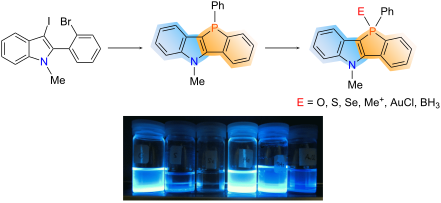
- -dimethylaniline. Using the obtained benzophosphole-fused indole as a common starting material, simple modifications were carried out at the phosphorus center of the phosphole, synthesizing various functionalized analogs. The X-ray structure analysis of trivalent phosphole and phosphine oxide showed that the fused
- tetracyclic moieties are planar. The benzophosphole-fused indoles, such as phosphine oxide, phospholium salt, and borane complex, exhibited strong photoluminescence in dichloromethane (Φ = 67–75%). Keywords: benzophospholo[3,2-b]indole; DFT calculation; molecular structure; phosphole derivatives
- benzophosphole-fused indole derivative and its various functionalized analogs such as the corresponding phosphine oxide, phosphonium salt, and borane–phosphine complex. Results and Discussion The synthesis of the parent tetracyclic molecule 10-phenyl-[1]benzophospholo[3,2-b]-N-methylindole (3), is shown in

Graphical Abstract

Figure 1: Phosphole-based tetracyclic heteroacenes.

Scheme 1: Synthesis of benzophospholo[3,2-b]indole 3.

Scheme 2: Chemical modifications of the phosphorus atom of 3.

Figure 2: ORTEP drawing of compound 3 (left) and 4 (right) with 50% probability. All hydrogen atoms are omitt...

Figure 3: UV–vis absorption (left) and normalized fluorescence emission (right, excitation at 335 nm) spectra...

Figure 4: The spatial plots of the HOMO and LUMO of compounds 3, 4, 7 and 9. The calculations were performed ...
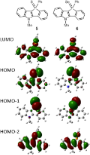
Figure 5: The spatial plots of the selected molecular orbitals of compounds 5 and 6. The calculations were pe...
Phosphonic acid: preparation and applications
- Charlotte M. Sevrain,
- Mathieu Berchel,
- Hélène Couthon and
- Paul-Alain Jaffrès
Beilstein J. Org. Chem. 2017, 13, 2186–2213, doi:10.3762/bjoc.13.219
- induced the silylation of diethyl phosphonate but also the phosphoramidate and the phosphinate functional groups. Other phosphonic acids possessing different functionalities including phosphine 56 [183], trimethylsilyl 57 [184], diazo 58 [185] or styrene 59 [186] moieties were also prepared efficiently
- produce compound 98 [213] (Figure 28A). A second example corresponds to the nucleophilic addition of N-heterocyclic phosphine 99 to a nitroalkene (phospho-Michael reaction) as shown in Figure 28B. The thiourea unit in 99 plays a crucial role by assuming intramolecular interaction with the nitro function
- )phosphine 108 was hydrolysed into the tris-phosphonic acid 109 using water and HCl up to pH 1. Of note, the same reaction that engaged diethyl 4-fluorophenylphosphonate instead of the 4-fluorophenylphosphonodiamide 107 is inefficient (3% yield) due to the monohydrolysis of the phosphonate. 6. Direct method

Graphical Abstract

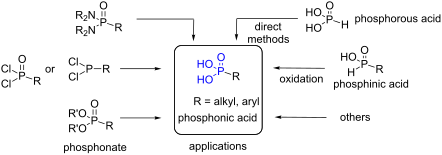
Figure 1: Summary of the synthetic routes to prepare phosphonic acids detailed in this review. The numbers in...

Figure 2: Chemical structure of dialkyl phosphonate, phosphonic acid and illustration of the simplest phospho...

Figure 3: Illustration of some phosphonic acid exhibiting bioactive properties. A) Phosphonic acids for biome...

Figure 4: Illustration of the use of phosphonic acids for their coordination properties and their ability to ...

Figure 5: Hydrolysis of dialkyl phosphonate to phosphonic acid under acidic conditions.

Figure 6: Examples of phosphonic acids prepared by hydrolysis of dialkylphosphonate with HCl 35% at reflux (16...

Figure 7: A) and B) Observation of P–C bond breaking during the hydrolysis of phosphonate with concentrated H...

Figure 8: Mechanism of the hydrolysis of dialkyl phosphonate with HCl in water.

Figure 9: Hydrolysis of bis-tert-butyl phosphonate 28 into phosphonic acid 29 [137].

Figure 10: A) Hydrolysis of diphenyl phosphonate into phosphonic acid in acidic media. B) Examples of phosphon...

Figure 11: Suggested mechanism occurring for the first step of the hydrolysis of diphenyl phosphonate into pho...

Figure 12: A) Hydrogenolysis of dibenzyl phosphonate to phosphonic acid. B) Compounds 33, 34 and 35 were prepa...

Figure 13: A) Preparation of phosphonic acid from diphenyl phosphonate with the Adam’s catalyst. B) Compounds ...

Figure 14: Suggested mechanism for the preparation of phosphonic acid from dialkyl phosphonate using bromotrim...

Figure 15: A) Reaction of the phosphonate-thiophosphonate 37 with iodotrimethylsilane followed by methanolysis...

Figure 16: Synthesis of hydroxymethylenebisphosphonic acid by reaction of tris(trimethylsilyl) phosphite with ...

Figure 17: Synthesis of the phosphonic acid disodium salt 48 by reaction of mono-hydrolysed phosphonate 47 wit...

Figure 18: Phosphonic acid synthesized by the sequence 1) bromotrimethylsilane 2) methanolysis or hydrolysis. ...

Figure 19: Polyphosphonic acids and macromolecular compounds prepared by the hydrolysis of dialkyl phosphonate...

Figure 20: Examples of organometallic complexes functionalized with phosphonic acids that were prepared by the...

Figure 21: Side reaction observed during the hydrolysis of methacrylate monomer functionalized with phosphonic...

Figure 22: Influence of the reaction time during the hydrolysis of compound 76.

Figure 23: Dealkylation of dialkyl phosphonates with boron tribromide.

Figure 24: Dealkylation of diethylphosphonate 81 with TMS-OTf.

Figure 25: Synthesis of substituted phenylphosphonic acid 85 from the phenyldichlorophosphine 83.

Figure 26: Hydrolysis of substituted phenyldichlorophosphine oxide 86 under basic conditions.

Figure 27: A) Illustration of the synthesis of chiral phosphonic acids from phosphonodiamides. B) Examples of ...

Figure 28: A) Illustration of the synthesis of the phosphonic acid 98 from phosphonodiamide 97. B) Use of cycl...

Figure 29: Synthesis of tris(phosphonophenyl)phosphine 109.

Figure 30: Moedritzer–Irani reaction starting from A) primary amine or B) secondary amine. C) Examples of phos...

Figure 31: Phosphonic acid-functionalized polymers prepared by Moedritzer–Irani reaction.

Figure 32: Reaction of phosphorous acid with imine in the absence of solvent.

Figure 33: A) Reaction of phosphorous acid with nitrile and examples of aminomethylene bis-phosphonic acids. B...

Figure 34: Reaction of carboxylic acid with phosphorous acid and examples of compounds prepared by this way.

Figure 35: Synthesis of phosphonic acid by oxidation of phosphinic acid (also identified as phosphonous acid).

Figure 36: Selection of reaction conditions to prepare phosphonic acids from phosphinic acids.

Figure 37: Synthesis of phosphonic acid from carboxylic acid and white phosphorus.

Figure 38: Synthesis of benzylphosphonic acid 136 from benzaldehyde and red phosphorus.

Figure 39: Synthesis of graphene phosphonic acid 137 from graphite and red phosphorus.
Mechanochemical synthesis of small organic molecules
- Tapas Kumar Achar,
- Anima Bose and
- Prasenjit Mal
Beilstein J. Org. Chem. 2017, 13, 1907–1931, doi:10.3762/bjoc.13.186
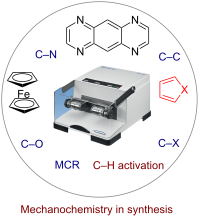
- this protocol. Different organophosphorus compounds including phosphine oxides, phosphinate ester, and phosphonate diester underwent C–P bond formation to give 22–94% of yield (Scheme 42). This method was also found to be applicable in gram scale synthesis with excellent yield. Mechanistically they

Graphical Abstract

Scheme 1: Mechanochemical aldol condensation reactions [48].

Scheme 2: Enantioselective organocatalyzed aldol reactions under mechanomilling. a) Based on binam-(S)-prolin...

Scheme 3: Mechanochemical Michael reaction [51].

Scheme 4: Mechanochemical organocatalytic asymmetric Michael reaction [52].

Scheme 5: Mechanochemical Morita–Baylis–Hillman (MBH) reaction [53].

Scheme 6: Mechanochemical Wittig reactions [55].

Scheme 7: Mechanochemical Suzuki reaction [56].

Scheme 8: Mechanochemical Suzuki–Miyaura coupling by LAG [57].

Scheme 9: Mechanochemical Heck reaction [59].

Scheme 10: a) Sonogashira coupling under milling conditions. b) The representative example of a double Sonogas...

Scheme 11: Copper-catalyzed CDC reaction under mechanomilling [67].

Scheme 12: Asymmetric alkynylation of prochiral sp3 C–H bonds via CDC [68].

Scheme 13: Fe(III)-catalyzed CDC coupling of 3-benzylindoles [69].

Scheme 14: Mechanochemical synthesis of 3-vinylindoles and β,β-diindolylpropionates [70].

Scheme 15: Mechanochemical C–N bond construction using anilines and arylboronic acids [78].

Scheme 16: Mechanochemical amidation reaction from aromatic aldehydes and N-chloramine [79].

Scheme 17: Mechanochemical CDC between benzaldehydes and benzyl amines [81].

Scheme 18: Mechanochemical protection of -NH2 and -COOH group of amino acids [85].

Scheme 19: Mechanochemical Ritter reaction [87].

Scheme 20: Mechanochemical synthesis of dialkyl carbonates [90].

Scheme 21: Mechanochemical transesterification reaction using basic Al2O3 [91].

Scheme 22: Mechanochemical carbamate synthesis [92].

Scheme 23: Mechanochemical bromination reaction using NaBr and oxone [96].

Scheme 24: Mechanochemical aryl halogenation reactions using NaX and oxone [97].

Scheme 25: Mechanochemical halogenation reaction of electron-rich arenes [88,98].

Scheme 26: Mechanochemical aryl halogenation reaction using trihaloisocyanuric acids [100].

Scheme 27: Mechanochemical fluorination reaction by LAG method [102].

Scheme 28: Mechanochemical Ugi reaction [116].

Scheme 29: Mechanochemical Passerine reaction [116].

Scheme 30: Mechanochemical synthesis of α-aminonitriles [120].

Scheme 31: Mechanochemical Hantzsch pyrrole synthesis [121].

Scheme 32: Mechanochemical Biginelli reaction by subcomponent synthesis approach [133].

Scheme 33: Mechanochemical asymmetric multicomponent reaction[134].

Scheme 34: Mechanochemical Paal–Knorr pyrrole synthesis [142].

Scheme 35: Mechanochemical synthesis of benzothiazole using ZnO nano particles [146].

Scheme 36: Mechanochemical synthesis of 1,2-di-substituted benzimidazoles [149].

Scheme 37: Mechanochemical click reaction using an alumina-supported Cu-catalyst [152].

Scheme 38: Mechanochemical click reaction using copper vial [155].

Scheme 39: Mechanochemical indole synthesis [157].

Scheme 40: Mechanochemical synthesis of chromene [158].

Scheme 41: Mechanochemical synthesis of azacenes [169].

Scheme 42: Mechanochemical oxidative C-P bond formation [170].

Scheme 43: Mechanochemical C–chalcogen bond formation [171].

Scheme 44: Solvent-free synthesis of an organometallic complex.

Scheme 45: Selective examples of mechano-synthesis of organometallic complexes. a) Halogenation reaction of Re...

Scheme 46: Mechanochemical activation of C–H bond of unsymmetrical azobenzene [178].

Scheme 47: Mechanochemical synthesis of organometallic pincer complex [179].

Scheme 48: Mechanochemical synthesis of tris(allyl)aluminum complex [180].

Scheme 49: Mechanochemical Ru-catalyzed olefin metathesis reaction [181].

Scheme 50: Rhodium(III)-catalyzed C–H bond functionalization under mechanochemical conditions [182].

Scheme 51: Mechanochemical Csp2–H bond amidation using Ir(III) catalyst [183].

Scheme 52: Mechanochemical Rh-catalyzed Csp2–X bond formation [184].

Scheme 53: Mechanochemical Pd-catalyzed C–H activation [185].

Scheme 54: Mechanochemical Csp2–H bond amidation using Rh catalyst.

Scheme 55: Mechanochemical synthesis of indoles using Rh catalyst [187].

Scheme 56: Mizoroki–Heck reaction of aminoacrylates with aryl halide in a ball-mill [58].

Scheme 57: IBX under mechanomilling conditions [8].

Scheme 58: Thiocarbamoylation of anilines; trapping of reactive aryl-N-thiocarbamoylbenzotriazole intermediate...
Synthesis of benzothiophene and indole derivatives through metal-free propargyl–allene rearrangement and allyl migration
- Jinzhong Yao,
- Yajie Xie,
- Lianpeng Zhang,
- Yujin Li and
- Hongwei Zhou
Beilstein J. Org. Chem. 2017, 13, 1866–1870, doi:10.3762/bjoc.13.181

- proceeds via base-promoted propargyl–allenyl rearrangement followed by cyclization and allyl migration. Phosphine-substituted indoles can be synthesized by a similar strategy. Keywords: allyl migration; benzothiophene; indole; metal-free; propargyl-allenyl; Introduction Heterocycles are frequently found
- propargyl–allenyl rearrangement [17][18][19][20][21][22][23][24][25][26][27] and an allyl migration [32][33][34] (Scheme 1). In addition, phosphine-substituted indole derivatives could also be conveniently constructed by a similar strategy. This method not only avoids the use of transition metal catalysts
- allyl migration (Scheme 2). Phosphine-substituted indole derivatives were obtained in moderate yield (Figure 3, 4a–c). Conclusion In summary, we have developed an expedient route for the construction of benzothiophene and indole derivatives via propargyl–allene rearrangement and allyl migration. The

Graphical Abstract

Figure 1: Examples of biologically active benzothiophene derivatives.

Scheme 1: Proposal of applicable β-sulfonium carbanion.
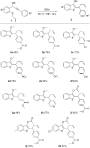
Figure 2: Synthesis of benzothiophenes. Reaction conditions: 1 (0.5 mmol), DBU (0.1 mmol), THF (2.0 mL), 50 °...

Scheme 2: Proposal of indole synthesis via allenylphosphonates.

Figure 3: Synthesis of 1-methylindole phosphine oxides. Reaction conditions: 3 (0.5 mmol), (EtO)2PCl (0.6 mmo...
Pd(OAc)2/Ph3P-catalyzed dimerization of isoprene and synthesis of monoterpenic heterocycles
- Dominik Kellner,
- Maximilian Weger,
- Andrea Gini and
- Olga García Mancheño
Beilstein J. Org. Chem. 2017, 13, 1807–1815, doi:10.3762/bjoc.13.175
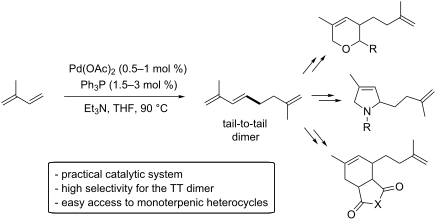
- a bulky monodentated phosphine (Scheme 1, reaction 1) [32]. More recently, important efforts have been made in order to develop new methodologies towards more effective and selective catalytic systems, such as the introduction of highly active N-heterocyclic carbene (NHC) catalysts reported by

Graphical Abstract

Figure 1: Isoprene as chemical building block in nature and organic synthesis.

Scheme 1: Pd-catalyzed dimerization of isoprene.

Scheme 2: Putative mechanism for the Pd(OAc)2-catalyzed dimerization of isoprene.

Scheme 3: Functionalization of the isoprene-dimer 2-TT to substituted O- and N-heterocycles.
Ni nanoparticles on RGO as reusable heterogeneous catalyst: effect of Ni particle size and intermediate composite structures in C–S cross-coupling reaction
- Debasish Sengupta,
- Koushik Bhowmik,
- Goutam De and
- Basudeb Basu
Beilstein J. Org. Chem. 2017, 13, 1796–1806, doi:10.3762/bjoc.13.174
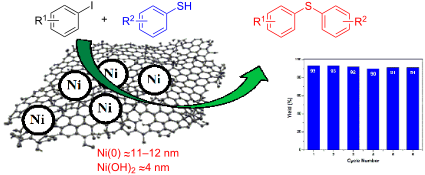
- properties [14]. The Ni-catalyzed C–S cross-coupling reactions generally involved Ni salts [15][16][17][18], Ni–phosphine complexes [19][20][21], or Ni–NHC complexes [22][23], although the actual catalyst is believed to be a Ni(0)/Ni(I) species [16][17][18][19][20][21]. NiO supported on zirconia (NiO–ZrO2

Graphical Abstract

Figure 1: Recycling experiments of Ni/RGO-40 catalyst in C−S cross-coupling reaction between 4-iodoanisole an...

Figure 2: (a) Raman spectrum of fresh Ni/RGO-40 and (b) recovered catalyst after the first cycle of C–S coupl...

Figure 3: (a) XRD of fresh Ni/RGO-40 and (b) the recovered catalyst after the first cycle of C–S coupling.
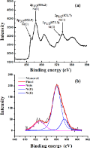
Figure 4: HRXPS of Ni in (a) Ni/RGO-40 catalyst recovered after the first cycle of the reaction. (b) Deconvol...

Figure 5: XRD of Ni(OH)2/RGO, prepared separately.

Figure 6: Proposed mechanism for the RGO-supported Ni-catalyzed C–S cross-coupling reaction.
Figure 7: TEM image of (a) Ni/RGO-40 before usage as a catalyst (for comparison, reprinted with permission fr...
An efficient Pd–NHC catalyst system in situ generated from Na2PdCl4 and PEG-functionalized imidazolium salts for Mizoroki–Heck reactions in water
- Nan Sun,
- Meng Chen,
- Liqun Jin,
- Wei Zhao,
- Baoxiang Hu,
- Zhenlu Shen and
- Xinquan Hu
Beilstein J. Org. Chem. 2017, 13, 1735–1744, doi:10.3762/bjoc.13.168
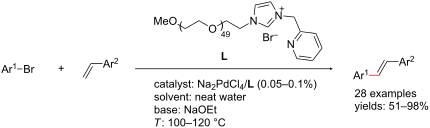
- modifying traditional palladium–phosphine catalysts by grafting various hydrophilic substituents on phosphine ligands [18][19][20][21][22][23][24][25][26][27]. However, most of these phosphine ligands are air sensitive and required tedious work to preparation. In addition, the easy dissociation of common P
- –Pd bonds under aqueous reaction conditions often restricted the reuse of the catalyst and led to undesired residues. Therefore, in recent years, efforts have been turned to the development of water-soluble non-phosphine ligands [28][29][30][31][32][33][34]. In this context, N-heterocyclic carbenes
- (NHCs) have been recognized as the preferable candidates [35][36]. In contrast to common phosphine- and nitrogen-based ligands, NHCs exhibit stronger σ-donating and weaker π-accepting properties, which make the corresponding Pd–NHC complexes more air and water stable. Furthermore, the convenient

Graphical Abstract

Figure 1: Structures of imidazolium salts L1–L3.

Scheme 1: The synthetic route for the preparation of imidazolium salts L1–L3.

Figure 2: Kinetic profiles of Mizoroki–Heck reactions in water, Na2PdCl4/L1 (square), L2 (circle), and L3 (tr...

Figure 3: Reusability of the Na2PdCl4/L1 catalytic system for the catalytic Mizoroki–Heck coupling reaction o...



