Search results
Search for "trifluoroacetic acid" in Full Text gives 317 result(s) in Beilstein Journal of Organic Chemistry. Showing first 200.
Iodine(III)-mediated halogenations of acyclic monoterpenoids
Beilstein J. Org. Chem. 2018, 14, 1103–1111, doi:10.3762/bjoc.14.96
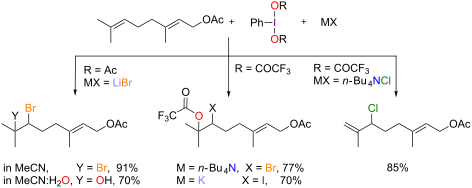
- 3 is not so straightforward. For instance, submitting 1a to NBS in the presence of trifluoroacetic acid led to a complex mixture of products, the major one being allylic bromide 6a’. For X = I, the steric bulk would preclude the formation of the vicinal diiodide and only pathway a would thus be


Selective carboxylation of reactive benzylic C–H bonds by a hypervalent iodine(III)/inorganic bromide oxidation system
Beilstein J. Org. Chem. 2018, 14, 1087–1094, doi:10.3762/bjoc.14.94
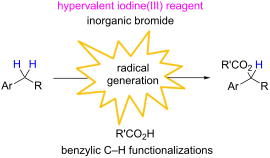
- addition, it was revealed that more acidic benzoic acids were also suitable substrates for our method. However, even more acidic acids, such as trifluoroacetic acid and methanesulfonic acid, were not effectively introduced by our benzylic C–H carboxylation procedures. We believe that the reaction mechanism


Methyl isocyanide as a convertible functional group for the synthesis of spirocyclic oxindole γ-lactams via post-Ugi-4CR/transamidation/cyclization in a one-pot, three-step sequence
Beilstein J. Org. Chem. 2018, 14, 875–883, doi:10.3762/bjoc.14.74
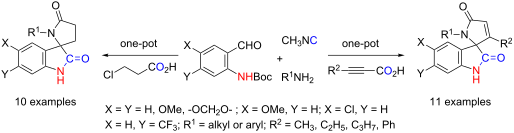
- noticeable amounts of starting material were visible by TLC. Upon completion of the reaction, methanol was evaporated under reduced pressure and the crude Ugi products, without any purification, dissolved in a CH2Cl2 and trifluoroacetic acid mixture (1:1, 2 mL) and subsequently stirred at room temperature
- . The reaction was allowed to stir until no noticeable amounts of starting material were visible using TLC. Upon completion of the reaction, methanol was evaporated under reduced pressure and the crude Ugi products, without any purification, was dissolved in a CH2Cl2 and trifluoroacetic acid mixture (1


Synthesis and in vitro biochemical evaluation of oxime bond-linked daunorubicin–GnRH-III conjugates developed for targeted drug delivery
Beilstein J. Org. Chem. 2018, 14, 756–771, doi:10.3762/bjoc.14.64
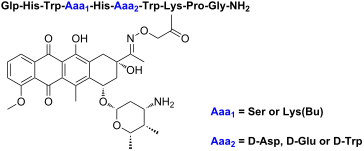
- -hydroxybenzotriazole hydrate (HOBt), N,N’-diisopropylcarbodiimide (DIC), triisopropylsilane (TIS), piperidine, 1,8-diazabicyclo[5.4.0]undec-7-ene (DBU), trifluoroacetic acid (TFA), diisopropylethylamine (DIPEA), acetic anhydride (Ac2O), methanol (MeOH), n-butyric anhydride and solvent for HPLC (acetonitrile (ACN



Diastereoselective auxiliary- and catalyst-controlled intramolecular aza-Michael reaction for the elaboration of enantioenriched 3-substituted isoindolinones. Application to the synthesis of a new pazinaclone analogue
Beilstein J. Org. Chem. 2018, 14, 593–602, doi:10.3762/bjoc.14.46
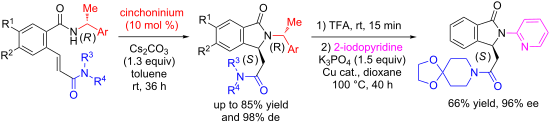
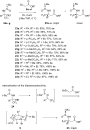
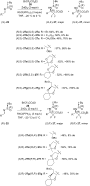
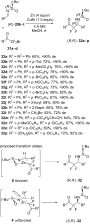
- treatment with trifluoroacetic acid to provide in-situ the corresponding benzoic acids 14a–e and 15. The direct coupling of these functionalized carboxylic acids with chiral benzylic primary amines, (R) or (S)-16 (NH2-CH(Me)Ph) and (R)-17 (NH2CH(Me)p-MeO-C6H4), afforded the required parent amides 6a–d, 7a–e
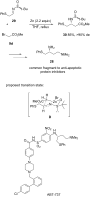
- crystallization (70% yield, >96% de). Lactam (2R,3S)-25 bearing a α-methyl-para-methoxyphenyl chiral auxiliary was then deprotected with trifluoroacetic acid at room temperature to deliver the NH-free isoindolinone (3S)-26 (76% yield, 98% ee) which is a key building block in the synthesis of benzodiazepine


Mannich base-connected syntheses mediated by ortho-quinone methides
Beilstein J. Org. Chem. 2018, 14, 560–575, doi:10.3762/bjoc.14.43
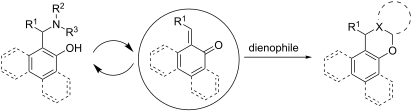
- ortho-amidoalkylation of phenols in which a tandem Knoevenagel condensation occurs through o-QM followed by the formation of an unstable oxazine intermediate [64]. Later, the same research group published a similar reaction extended by various lactams carried out in trifluoroacetic acid in water [65


Synthesis and stability of strongly acidic benzamide derivatives
Beilstein J. Org. Chem. 2018, 14, 523–530, doi:10.3762/bjoc.14.38
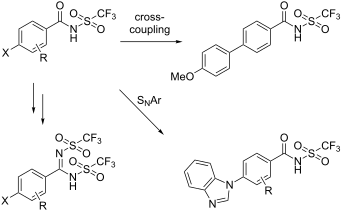
- ) or trifluoroacetic acid (3) are not readily modified, and changing substituents on these acids will heavily impact their pKa value (Figure 1). In contrast, halogenated benzoic acid derivatives are easily functionalized through cross-coupling [4][5] or nucleophilic aromatic substitution reactions
- )benzimidamides (also termed benzamidines) have been generated, but only one report describes their syntheses [10]. The N-triflylbenzamides are stronger acids than any of the carboxylic acids, including trifluoroacetic acid (3). The N,N’-bis(triflyl)benzimidamides are very strong organic acids, much stronger than


Recent developments in the asymmetric Reformatsky-type reaction
Beilstein J. Org. Chem. 2018, 14, 325–344, doi:10.3762/bjoc.14.21
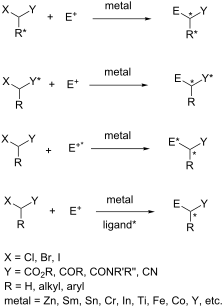
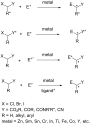
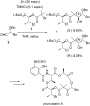
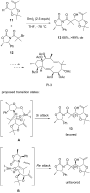
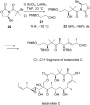
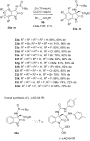
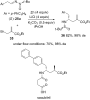
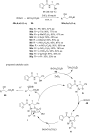
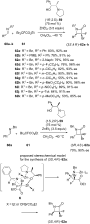
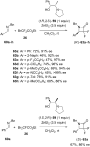
- Zn-mediated aza-Reformatsky reaction [30]. Synthesis of a precursor of sacubitril through a Zn-mediated aza-Reformatsky reaction [31]. Synthesis of epothilone D through a Cr(II)-mediated Reformatsky reaction. TFA = trifluoroacetic acid [32]. Synthesis of β-hydroxy-α-methyl-δ-trichloromethyl-δ











Progress in copper-catalyzed trifluoromethylation
Beilstein J. Org. Chem. 2018, 14, 155–181, doi:10.3762/bjoc.14.11
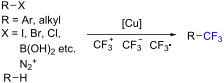
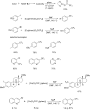
- economic decarboxylative trifluoromethylation reagent [Cu(phen)O2CCF3], which was prepared from readily available and inexpensive starting materials (Scheme 8). Treatment of copper tert-butoxide with phen, followed by addition of trifluoroacetic acid afforded the air-stable [Cu(phen)O2CCF3] complex, which










Stereochemical outcomes of C–F activation reactions of benzyl fluoride
Beilstein J. Org. Chem. 2018, 14, 106–113, doi:10.3762/bjoc.14.6
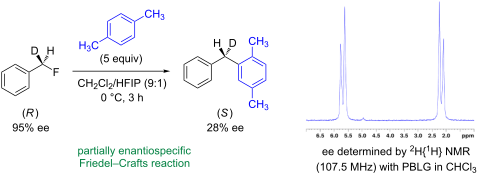
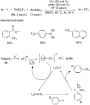
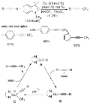
- donors, namely HFIP, in the presence or absence of trifluoroacetic acid (TFA). For both of these activators, Paquin et al. proposed a dissociative unimolecular (SN1) mechanism, whereby the strong hydrogen bond donor associates with the benzyl fluoride, leading to ionisation of the molecule, generating a


Photocatalytic formation of carbon–sulfur bonds
Beilstein J. Org. Chem. 2018, 14, 54–83, doi:10.3762/bjoc.14.4
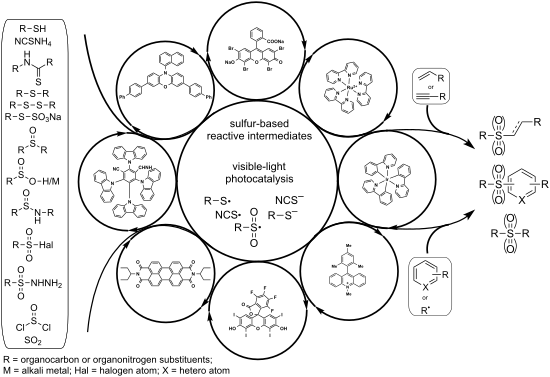


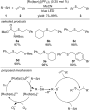

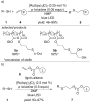

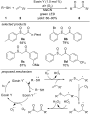
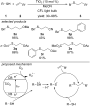


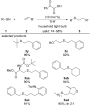

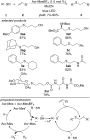


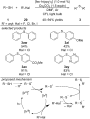

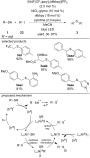
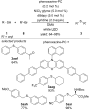
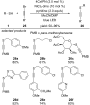
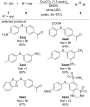
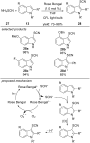
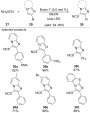

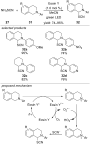


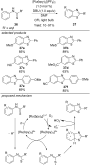
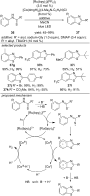


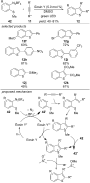

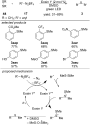






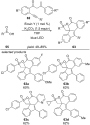

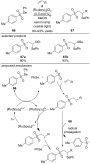

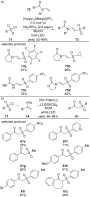

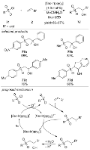
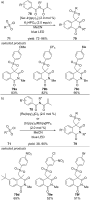
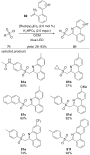


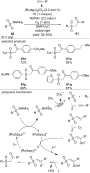

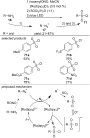

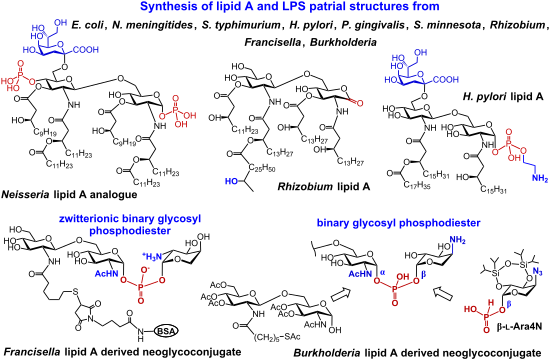
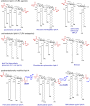
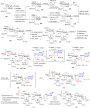
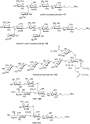
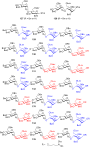
Aminosugar-based immunomodulator lipid A: synthetic approaches
Beilstein J. Org. Chem. 2018, 14, 25–53, doi:10.3762/bjoc.14.3




Position-dependent impact of hexafluoroleucine and trifluoroisoleucine on protease digestion
Beilstein J. Org. Chem. 2017, 13, 2869–2882, doi:10.3762/bjoc.13.279
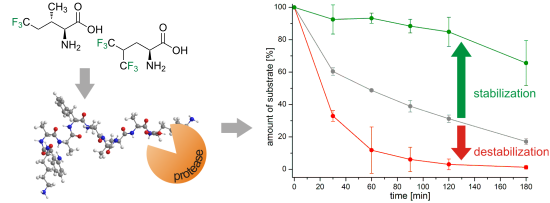
- triisopropylsilane (TIS, 10% (v/v)), water (1% (v/v)), and trifluoroacetic acid (TFA) (89% (v/v)) for 3 h. The resin was washed twice with TFA (1 mL) and DCM (1 mL) and excess solvent was removed by evaporation. The crude peptide was precipitated with ice-cold diethyl ether (80 mL), and after centrifugation dried by


An efficient synthesis of 1,6-anhydro-N-acetylmuramic acid from N-acetylglucosamine
Beilstein J. Org. Chem. 2017, 13, 2631–2636, doi:10.3762/bjoc.13.261
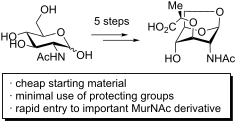
- ); HRMS (ESI–TOF) m/z: [M + H]+ calcd for C30H32NO7, 518.21788; found, 518.21596. 1,6-Anhydro-N-acetylmuramic acid (1) A solution of 13 (720 mg, 1.4 mmol) in chloroform (20 mL) was treated with trifluoroacetic acid (1.0 mL) at 0 °C. The reaction mixture was allowed to warm to room temperature, stirred
- mL) was treated with trifluoroacetic acid (0.1 mL) at 0 °C. The reaction mixture was allowed to warm to room temperature, stirred for 3 hours and then coevaporated with toluene (2 × 10 mL). The residue was purified by HPLC (5% acetonitrile + 0.1% formic acid, 9.5 mL/min) to provide the title
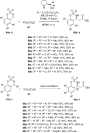
- to 90 °C, 30 min; (d) trifluoroacetic acid, CHCl3, 0 °C to rt, 3 h. Synthesis of AnhydroMurNAc and diastereomer 5. Conditions: (a) (±)-2-chloropropionic acid, NaH, dioxane, 45 °C to 90 °C, 3 h; (b) trifluoroacetic acid, CHCl3, 0 °C to rt, 3 h. Supporting Information Supporting Information File 434


Regioselective decarboxylative addition of malonic acid and its mono(thio)esters to 4-trifluoromethylpyrimidin-2(1H)-ones
Beilstein J. Org. Chem. 2017, 13, 2617–2625, doi:10.3762/bjoc.13.259
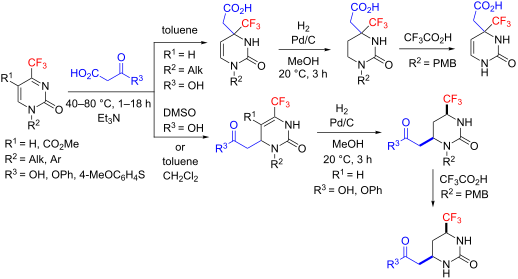
- )-unsubstituted products 4j and 5n,o, we utilized N1(3)-(4-methoxybenzyl) derivatives 4i, 5i, 5k in trifluoroacetic acid (TFA); the resulting cleavage of the 4-methoxybenzyl (PMB) group afforded the target compounds in good yields (see Table 2). Next we studied the decarboxylative addition of reagent 1a to model



A novel synthetic approach to hydroimidazo[1,5-b]pyridazines by the recyclization of itaconimides and HPLC–HRMS monitoring of the reaction pathway
Beilstein J. Org. Chem. 2017, 13, 2561–2568, doi:10.3762/bjoc.13.252
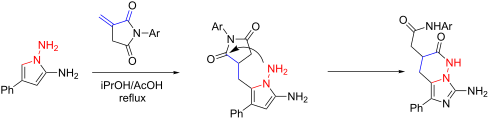
- multiplet (3.17–3.25 ppm). The addition of trifluoroacetic acid did not have a significant effect on the position of the signals of these protons. Thus, the reaction of itaconimides 1 with diaminoimidazole 4 is a regioselective and chemoselective cascade process involving an initial C-addition of


15N-Labelling and structure determination of adamantylated azolo-azines in solution
Beilstein J. Org. Chem. 2017, 13, 2535–2548, doi:10.3762/bjoc.13.250
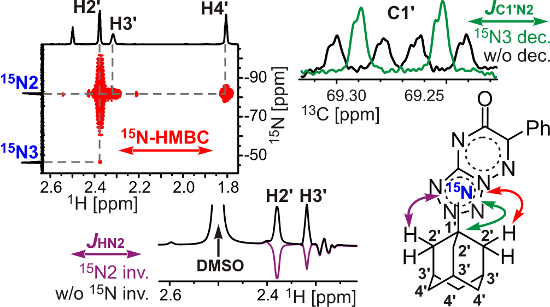
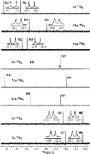
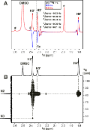
- azido-tetrazole equilibrium has been previously studied in detail [25]. The coupling between compound 13-15N2 and 1-adamantanol (14) was conducted in trifluoroacetic acid (TFA) solution under reflux. A general and convenient approach to the N-adamantylation of heterocycles involves a reaction with the





Syntheses, structures, and stabilities of aliphatic and aromatic fluorous iodine(I) and iodine(III) compounds: the role of iodine Lewis basicity
Beilstein J. Org. Chem. 2017, 13, 2486–2501, doi:10.3762/bjoc.13.246
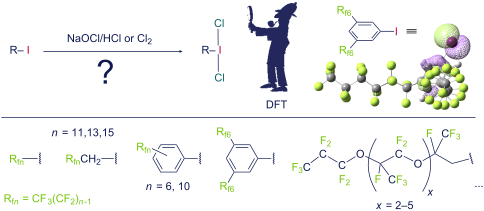
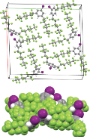
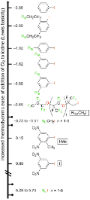
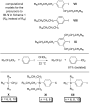
- degradation under free radical chlorination conditions. However, no reactions were observed when RfnI were treated with Cl2 or NaOCl/HCl. Nonetheless, perfluoroalkyl iodides RfnI (n = 6–8, 10, 12) can be oxidized using various recipes (e.g., 80% H2O2 in trifluoroacetic acid anhydride) to the iodine(III) bis



Herpetopanone, a diterpene from Herpetosiphon aurantiacus discovered by isotope labeling
Beilstein J. Org. Chem. 2017, 13, 2458–2465, doi:10.3762/bjoc.13.242
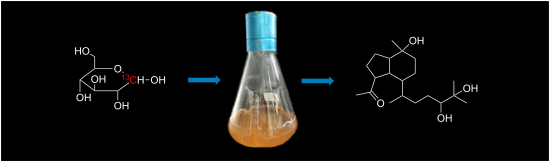
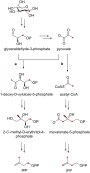
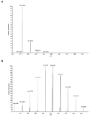
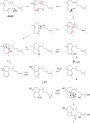
- 250 × 10 mm, 5 μm; Macherey-Nagel) using a gradient from 10% (v/v) MeOH in H2O (+ 0.1% trifluoroacetic acid) to 100% (v/v) MeOH over 30 min. The purity of the isolated herpetopanone determined by HPLC was >95% at all wavelengths (compared to sum of total peak areas). Agar diffusion assay The assay was


Hydrolysis, polarity, and conformational impact of C-terminal partially fluorinated ethyl esters in peptide models
Beilstein J. Org. Chem. 2017, 13, 2442–2457, doi:10.3762/bjoc.13.241
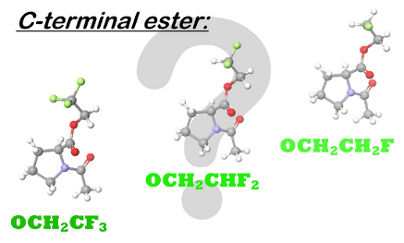
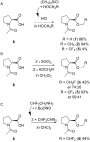
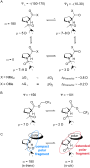
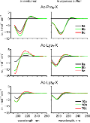
- added to a solution of N-acetylproline in water (2.5 mL). The mixture was stirred at room temperature for 16 hours. Then, trifluoroacetic acid (0.1 mL) was added, and the mixture was stirred for an additional hour to quench residual diazo compound. The solution was then freeze-dried. Purification of the








Conjugated nitrosoalkenes as Michael acceptors in carbon–carbon bond forming reactions: a review and perspective
Beilstein J. Org. Chem. 2017, 13, 2214–2234, doi:10.3762/bjoc.13.220
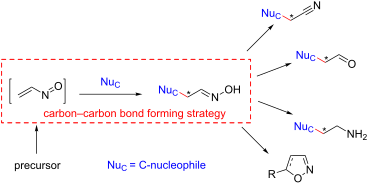
- -hydroxytryptophan derivative 79 using aminolysis and reduction with (CH3)3N·BH3 complex [47][49][69]. Acylation of 79 with pyruvoyl chloride gave amide 80, which was converted into dioxopiperazine 81 upon the action of trifluoroacetic acid. Subsequent water elimination furnished the title neoechinulin B analogue 77


Phosphonic acid: preparation and applications
Beilstein J. Org. Chem. 2017, 13, 2186–2213, doi:10.3762/bjoc.13.219
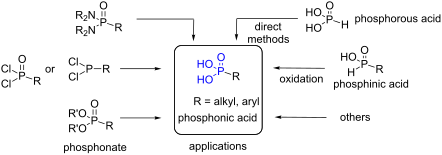
- reaction between di-tert-butyl phosphite and either benzyl halide [137] (Michaelis–Becker reaction) or aldehyde [134] (Pudovik reaction) or using tris-tert-butyl phosphite (Abramov reaction) [135]. The elimination of the t-Bu moieties can be efficiently achieved in presence of trifluoroacetic acid (TFA
- diethyl phosphonate groups [204], other mild conditions, developed in the context of peptide chemistry, were reported. It is based on the use of trimethylsilyl trifluoromethanesulfonate (TMS-OTf) as silylating agent, trifluoroacetic acid (TFA) as acidic reagent, and dimethylsulfide (DMS) and m-cresol to


Preactivation-based chemoselective glycosylations: A powerful strategy for oligosaccharide assembly
Beilstein J. Org. Chem. 2017, 13, 2094–2114, doi:10.3762/bjoc.13.207
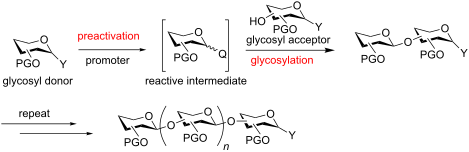
- , then Tf2O, 46, −60 °C to 0 °C. Effects of anomeric leaving groups on glycosylation outcomes. Reagents and conditions: (a) Ph2SO, Tf2O, TTBP, CH2Cl2, −40 °C; then acceptor, −40 °C to rt, (b) 1-(benzenesulfinyl)piperidine, Tf2O, CH2Cl2, −60 °C, then acceptor, (c) 10% trifluoroacetic acid in Ac2O, 0 °C to
- ) acetone/trifluoroacetic acid, then F-SPE. Aglycon transfer from a thioglycosyl acceptor to an activated donor can occur during preactivation-based glycosylation reaction. This side reaction can be suppressed by tuning the reactivity of acceptor aglycon or manipulating the reaction temperature







Synthesis of benzannelated sultams by intramolecular Pd-catalyzed arylation of tertiary sulfonamides
Beilstein J. Org. Chem. 2017, 13, 1932–1939, doi:10.3762/bjoc.13.187
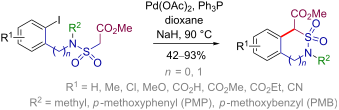
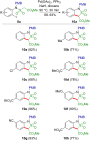
- trifluoroacetic acid [36]. Indeed, when 10a was treated with CF3CO2H in refluxing dichloromethane for 3 days, the deprotected sultam 23 was isolated in a good yield of 72% (Scheme 7). Conclusion In conclusion, the intramolecular palladium-catalyzed C-arylation of tertiary 1-(methoxycarbonyl)methanesulfonanilides
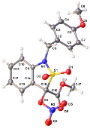
- can be considered as a viable approach to five- and six-membered benzannelated sultams. The 4-methoxybenzyl group is a suitable protective group for the sultam synthesis since it is stable under the reaction conditions and can be easily removed by acidolysis with trifluoroacetic acid. Structure of




Iodoarene-catalyzed cyclizations of N-propargylamides and β-amidoketones: synthesis of 2-oxazolines
Beilstein J. Org. Chem. 2017, 13, 1823–1827, doi:10.3762/bjoc.13.177
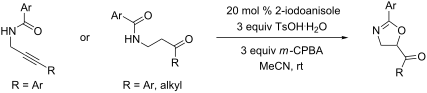
- could be improved to 5:1 by substituting p-toluenesulfonic acid with trifluoroacetic acid albeit with a loss of yield. When the p-nitrophenylamide 5p was subjected to the reaction conditions, the expected oxazoline 6p was not observed (Scheme 6). Instead, alcohol 8 was isolated in 66% yield. Presumably