


Search results
Search for "hydrocarbon" in Full Text gives 196 result(s) in Beilstein Journal of Organic Chemistry.
Reciprocal polyhedra and the Euler relationship: cage hydrocarbons, CnHn and closo-boranes [BxHx]2−
Beilstein J. Org. Chem. 2011, 7, 222–233, doi:10.3762/bjoc.7.30
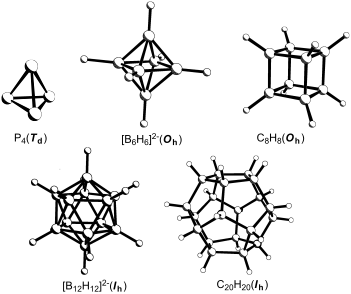
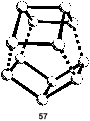
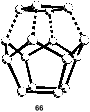
- reciprocal polyhedra. The vertices in the closo-boranes correspond to faces in its polycyclic hydrocarbon counterpart and vice versa. The different bonding patterns in the two series are described. Several of these hydrocarbons (cubane, pentagonal dodecahedrane and the trigonal and pentagonal prismanes) are
- − 1–8, and CnHn hydrocarbons (n = 6, 8, 10 … 20; 9–16), the point groups and V, E, F values of the complementary CnHn molecules are collected in Table 1. Bonding comparisons The inverse geometric structures of the closo-boranes and their cage hydrocarbon complementary counterparts are the result of
- , or their corresponding anions [BxHx]2−, where x = 5 through 12, suggests that their complementary hydrocarbon cages CnHn, where n represents the even numbers 4 through 20, should also all be viable, as discussed herein. Synthetic routes to highly symmetrical polycyclic hydrocarbons As already noted






Ene–yne cross-metathesis with ruthenium carbene catalysts
Beilstein J. Org. Chem. 2011, 7, 156–166, doi:10.3762/bjoc.7.22
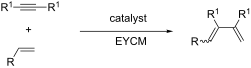
- with acyclic internal olefins up to now. This would allow the introduction of a conjugated diene system into an aliphatic hydrocarbon chain. However, the production of terminal olefins upon ethenolysis of unsaturated fatty acid esters followed by cross-metathesis with an alkyne in one pot has recently


Syntheses and properties of thienyl-substituted dithienophenazines
Beilstein J. Org. Chem. 2010, 6, 1180–1187, doi:10.3762/bjoc.6.135
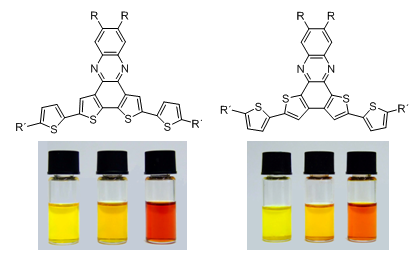
- monolayers on HOPG (Figure 3a). Bright and dark colors originate from locally high and low tunneling currents, resulting from unsaturated (backbone) and saturated (alkyl side chain) hydrocarbon segments, respectively [37]. A unit cell with a = 2.5 ± 0.1 nm, b = 2.3 ± 0.1 nm, γ = 90 ± 2° could be determined


About the activity and selectivity of less well-known metathesis catalysts during ADMET polymerizations
Beilstein J. Org. Chem. 2010, 6, 1149–1158, doi:10.3762/bjoc.6.131
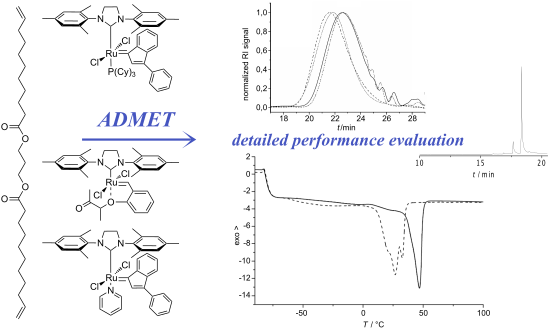
- C1 to challenging substrates, such as diethyl di(methallyl)malonate in fluorinated aromatic hydrocarbon solvents, resulted in a remarkable enhancement of catalytic activity. Moreover, this approach was successfully extended to the RCM of natural products and the cross-metathesis formation of



Expanding the gelation properties of valine-based 3,5-diaminobenzoate organogelators with N-alkylurea functionalities
Beilstein J. Org. Chem. 2010, 6, 1015–1021, doi:10.3762/bjoc.6.114
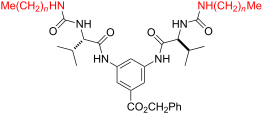
- alicyclic hydrocarbon, alcohols and even polar aprotic solvents such as DMSO and DMF by replacing the Cbz group with an N-alkylurea functionality (e.g., 2). In addition, the length of the alkyl chain –(CH2)nMe also exhibited some interesting effects on their gelation ability [15]. Results and Discussion
- target organogelators 2 in chloroform and acetone, their 1H and 13C NMR spectra were recorded in DMSO-d6. In addition, the 1H and 13C NMR spectra of analogues with thirteen or more carbon atoms in the aliphatic hydrocarbon chains were recorded at 100 °C to avoid gelation of the solvent. The 1H NMR
- spectra of compounds 2 showed the presence of the aliphatic hydrocarbon chains and the urea moieties. The methyl group of the aliphatic chains appeared as a triplet at ~ δ 0.86, while the methylenes of the aliphatic chains were located in close proximity to the signals of the valine side chain. On the


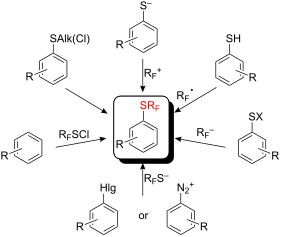
Aromatic and heterocyclic perfluoroalkyl sulfides. Methods of preparation
Beilstein J. Org. Chem. 2010, 6, 880–921, doi:10.3762/bjoc.6.88


Functionalized copolyimide membranes for the separation of gaseous and liquid mixtures
Beilstein J. Org. Chem. 2010, 6, 789–800, doi:10.3762/bjoc.6.86
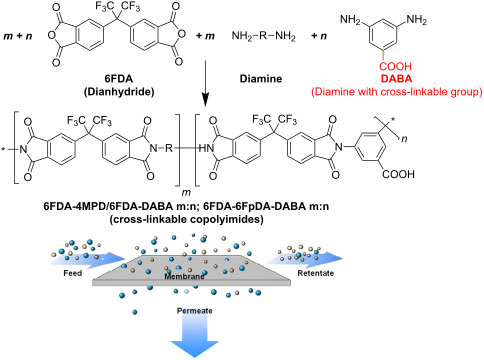
- plasticize polyimide membranes but propane, propylene and higher hydrocarbon do [25][45][48][49]. In order to avoid undesirable plasticization effects, cross-linkable copolyimides have been synthesized, and their separation properties characterized. In Figure 7 the experimenstal data for the separation of a


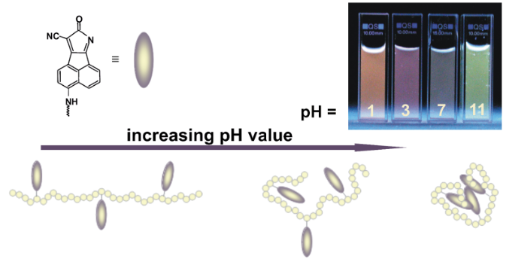
Chromo- and fluorophoric water-soluble polymers and silica particles by nucleophilic substitution reaction of poly(vinyl amine)
Beilstein J. Org. Chem. 2010, 6, No. 79, doi:10.3762/bjoc.6.79
- 2a shows a typical XPS wide-scan spectrum of the bare silica support which was unloaded. The spectrum contains the expected peaks from silicon (Si 2s and Si 2p) and oxygen (O 1s, O 2s and the O KLL Auger series). The small C 1s peak shows the presence of typical hydrocarbon surface contaminations




A novel and efficient method to prepare 2-aryltetrahydrofuran-2-ylphosphonic acids
Beilstein J. Org. Chem. 2010, 6, No. 63, doi:10.3762/bjoc.6.63
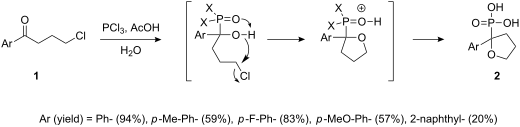
- [1][2][3][4]. As a part of our ongoing project, it seemed important to synthesize compounds with phosphonate and phenyl groups at one end of the hydrocarbon chain and a nucleic base residue at the other end. Previously, it was shown that compounds with similar structures inhibit purine nucleoside
- [18]. The length of hydrocarbon chain is also of major importance, since cyclic tetrahydropyran derivatives are not formed in the case of arylpentanones 9a,b under the same conditions as those used for the synthesis of furans 2 (Scheme 3). According to the NMR spectra, the only phosphorus containing


Synthesis and crystallographic analysis of meso-2,3-difluoro-1,4-butanediol and meso-1,4-dibenzyloxy-2,3-difluorobutane
Beilstein J. Org. Chem. 2010, 6, No. 62, doi:10.3762/bjoc.6.62

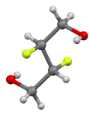
- than the corresponding anti conformation [7][8][9]. O’Hagan has demonstrated that vicinal difluoride substitution along a hydrocarbon chain of a fatty acid leads to conformational rigidity or disorder depending on the relative stereochemistry of the fluorine atoms, which originates from the enforcing
- or opposing fluorine gauche and hydrocarbon anti low-energy conformations [10]. As an extension, multi-vicinal tri- to hexafluorinated chains have been synthesised [11][12][13][14][15][16], which revealed yet another effect on the conformational behaviour, i.e. that conformations containing parallel



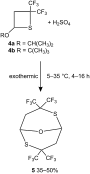
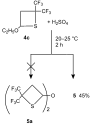
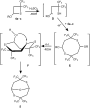
Acid catalyzed cyclodimerization of 2,2-bis(trifluoromethyl)-4-alkoxy-oxetanes and -thietanes. Synthesis of 2,2,6,6-tetrakis(trifluoromethyl)-4,8-dialkoxy-1,5-dioxocanes and 3,3,7,7-tetrakis(trifluoromethyl)-9-oxa-2,6-dithia-bicyclo[3.3.1]nonane
Beilstein J. Org. Chem. 2010, 6, No. 46, doi:10.3762/bjoc.6.46
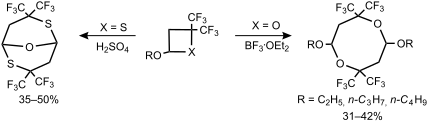
- from the cycloaddition of 1,1-dimethoxyethylene and 2,2-dimethylcyclopropanone), leading to a stable hydrocarbon 1,5-dioxocane [8] and the formation of the corresponding fluorinated 1,5-dioxocane intermediate [9][10] observed in the isomerization of 2-ethoxy-4-(perfluoropropan-2-ylidene)oxetane [11][12
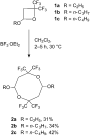
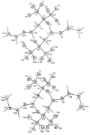
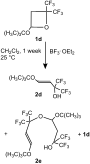
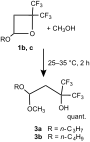
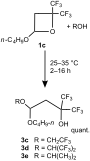
- was established by single crystal X-ray diffraction analysis (see Supporting Information File 2). Hydrocarbon oxetanes were reported to react with alcohols under relatively mild conditions [13]. It is interesting, that electron deficient oxetanes 1 also have similar reactivity and rapidly react with



Molecular recognition of organic ammonium ions in solution using synthetic receptors
Beilstein J. Org. Chem. 2010, 6, No. 32, doi:10.3762/bjoc.6.32


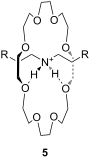


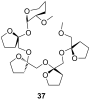


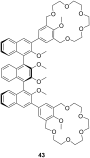


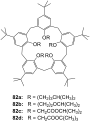


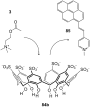


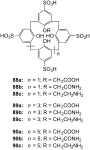


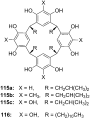
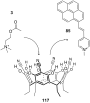


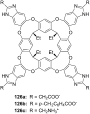


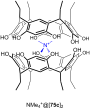


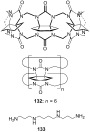


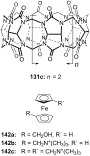


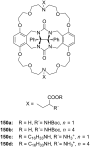
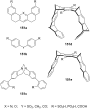


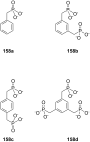

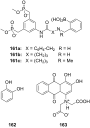


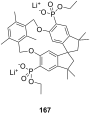
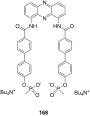

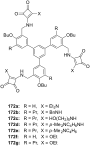
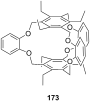


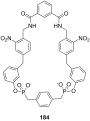


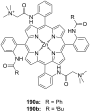


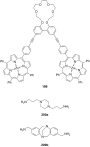


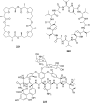






Fused bicyclic piperidines and dihydropyridines by dearomatising cyclisation of the enolates of nicotinyl-substituted esters and ketones
Beilstein J. Org. Chem. 2010, 6, No. 22, doi:10.3762/bjoc.6.22
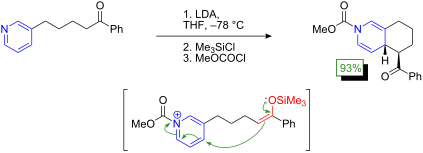
- Heloise Brice Jonathan Clayden Stuart D. Hamilton School of Chemistry, University of Manchester, Oxford Rd., Manchester M13 9PL, United Kingdom 10.3762/bjoc.6.22 Abstract The silyl enol ether derivatives of ketones or esters tethered by a hydrocarbon or ether linkage to the 3-position of a


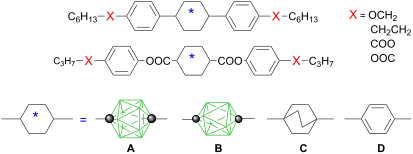
Ring-alkyl connecting group effect on mesogenic properties of p-carborane derivatives and their hydrocarbon analogues
Beilstein J. Org. Chem. 2009, 5, No. 83, doi:10.3762/bjoc.5.83


Novel banana-discotic hybrid architectures
Beilstein J. Org. Chem. 2009, 5, No. 52, doi:10.3762/bjoc.5.52
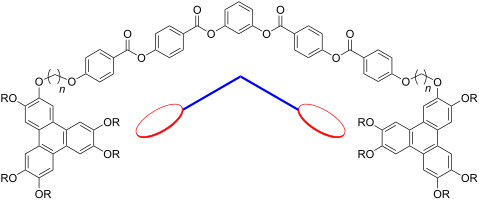
- , the bent core unit will disrupt it owing to its rigidity and high volume fraction compared to the other alkyl chains surrounding the triphenylene disc which otherwise provide space filling effect for columnar mesomorphism. The difluoro compound 8b, has a lower melting point than its hydrocarbon parent


Acid- mediated reactions under microfluidic conditions: A new strategy for practical synthesis of biofunctional natural products
Beilstein J. Org. Chem. 2009, 5, No. 40, doi:10.3762/bjoc.5.40
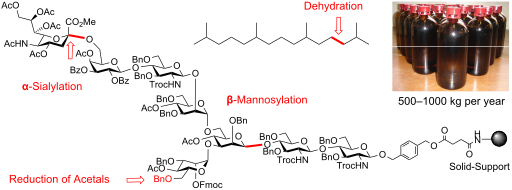
- complex-type N-glycan (Figure 1) [32]. 2. Microfluidic dehydration: a process synthesis of immunoactivating natural product, pristane 2,6,10,14-Tetramethylpentadecane (pristane) is a saturated isoprenoid isolated from the basking shark, Cetorhinus maximus [52][53][54][55][56]. This hydrocarbon oil is
- International Trade in Endangered Species of Wild Fauna and Flora), and since then, the availability of pristane from a natural source became very limited. Therefore, an efficient chemical synthesis of pristane has been long desired. When considering the synthesis of this simple hydrocarbon in a non
- -stereoselective manner, one can immediately come up with a commonplace route, i.e., oxidation of farnesol 17, alkylation, dehydration, and hydrogenation, as shown in Scheme 1. The synthesis is quite simple when 50 mg of the sample is prepared, but it suddenly becomes difficult when 200 kg of this hydrocarbon is


Gold film- catalysed benzannulation by Microwave- Assisted, Continuous Flow Organic Synthesis (MACOS)
Beilstein J. Org. Chem. 2009, 5, No. 35, doi:10.3762/bjoc.5.35
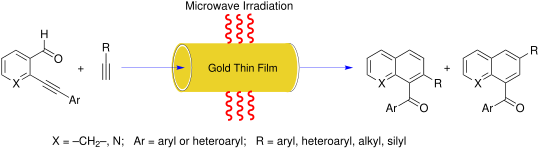
- temperatures, which would lead to faster film and product decomposition. With optimized conditions in hand, we set out to examine the substrate scope of this reaction using capillaries lined with the gold-on-silver films (Table 2). The reaction was applicable to the hydrocarbon starting materials tried (e.g


A stable enol from a 6-substituted benzanthrone and its unexpected behaviour under acidic conditions
Beilstein J. Org. Chem. 2009, 5, No. 31, doi:10.3762/bjoc.5.31
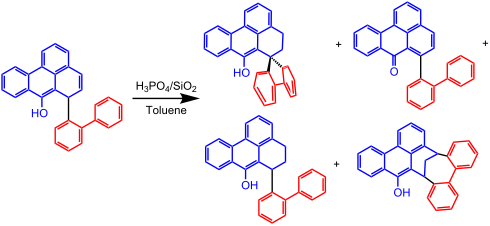
- can take place at C-4 or C-5 of the starting material 4. In the former case the secondary cation 14 results, which by proton loss is converted into hydrocarbon 15; in other words, 4 has undergone an acid-catalyzed allylic rearrangement. Renewed protonation leads to the tertiary cation 16, which by an




N-Arylation of amines, amides, imides and sulfonamides with arylboroxines catalyzed by simple copper salt/EtOH system
Beilstein J. Org. Chem. 2008, 4, No. 40, doi:10.3762/bjoc.4.40
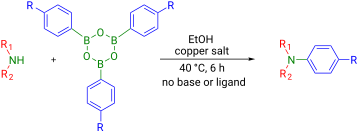
- are the most used aryl donors in the cross-coupling reaction. However, these reactions were carried out with Et3N [8][9][10], pyridine [10][11][12][13], or TMEDA [14] as base, or addition of ligand [15]. These procedures usually also used a halogenated hydrocarbon as solvent [8][9][10][11][12
- arylboronic acids in protic solvent system had been developed in our previous reports [16][17]. Similar catalytic systems using non-halogenated hydrocarbon solvents have also been reported by Kantam and Prakash [18][19]. However, these procedures require an atmosphere of air or O2 and the use of high


Efficient 1,4-addition of α-substituted fluoro(phenylsulfonyl)methane derivatives to α,β-unsaturated compounds
Beilstein J. Org. Chem. 2008, 4, No. 17, doi:10.3762/bjoc.4.17
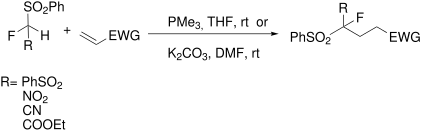
- G. K. Surya Prakash Xiaoming Zhao Sujith Chacko Fang Wang Habiba Vaghoo George A. Olah Loker Hydrocarbon Research Institute and Department of Chemistry, University of Southern California, Los Angeles, California 90089-1661 10.3762/bjoc.4.17 Abstract The 1,4-addition of a monofluoromethyl
- -addition to α,β-unsaturated esters, ketones, sulfone, nitriles and propynoates. Supporting Information Supporting Information File 83: Experimental procedures, full spectroscopic data and spectra. Supporting Information File 84: Spectra. Acknowledgements Support of our work by the Loker Hydrocarbon


Hydrogenation of aromatic ketones, aldehydes, and epoxides with hydrogen and Pd(0)EnCat™ 30NP
Beilstein J. Org. Chem. 2006, 2, No. 15, doi:10.1186/1860-5397-2-15
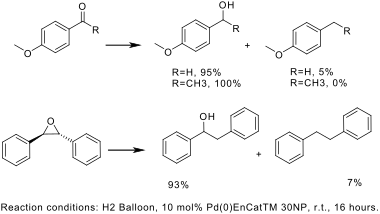
- that different side reactions can take place like aromatic ring hydrogenation, as well as hydrogenolysis of the produced alcohol to the hydrocarbon derivative. [5][6] Some of these problems have been circumvented by adding ethylenediamine, [7] although this can make isolation of the product and




