Search for "nickel" in Full Text gives 245 result(s) in Beilstein Journal of Organic Chemistry. Showing first 200.
Beilstein J. Org. Chem. 2015, 11, 1274–1331, doi:10.3762/bjoc.11.142
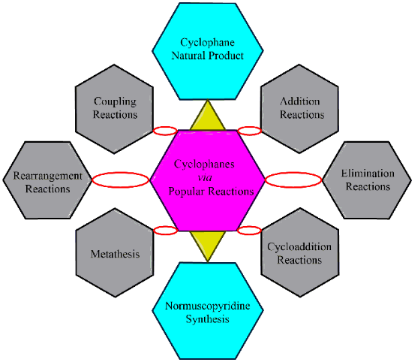
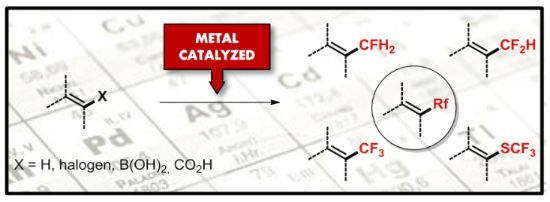
Graphical Abstract
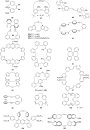
Figure 1: General representation of cyclophanes.
Figure 2: cyclophanes one or more with heteroatom.
Figure 3: Metathesis catalysts 12–17 and C–C coupling catalyst 18.
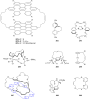
Figure 4: Natural products containing the cyclophane skeleton.
Figure 5: Turriane family of natural products.
Scheme 1: Synthesis of [3]ferrocenophanes through Mannich reaction. Reagents and conditions: (i) excess HNMe2...
Scheme 2: Synthesis of cyclophanes through Michael addition. Reagents and conditions: (i) xylylene dibromide,...
Scheme 3: Synthesis of normuscopyridine analogue 37 through an oxymercuration–oxidation strategy. Reagents an...
Scheme 4: Synthesis of tribenzocyclotriyne 39 through Castro–Stephens coupling reaction. Reagents and conditi...
Scheme 5: Synthesis of cyclophane 43 through Glaser–Eglinton coupling. Reagents and conditions: (i) 9,10-bis(...
Scheme 6: Synthesis of the macrocyclic C-glycosyl cyclophane through Glaser coupling. Reagents and conditions...
Scheme 7: Synthesis of cyclophane-containing complex 49 through Glaser–Eglinton coupling reaction. Reagents a...
Scheme 8: Synthesis of cyclophane 53 through Glaser–Eglinton coupling. Reagents and conditions: (i) K2CO3, ac...
Figure 6: Cyclophanes 54–56 that have been synthesized through Glaser–Eglinton coupling.
Figure 7: Synthesis of tetrasubstituted [2.2]paracyclophane 57 and chiral cyclophyne 58 through Eglinton coup...
Scheme 9: Synthesis of cyclophane through Glaser–Hay coupling reaction. Reagents and conditions: (i) CuCl2 (1...
Scheme 10: Synthesis of seco-C/D ring analogs of ergot alkaloids through intramolecular Heck reaction. Reagent...
Scheme 11: Synthesis of muscopyridine 73 via Kumada coupling. Reagents and conditions: (i) 72, THF, ether, 20 ...
Scheme 12: Synthesis of the cyclophane 79 via McMurry coupling. Reagents and conditions: (i) 75, decaline, ref...
Scheme 13: Synthesis of stilbenophane 81 via McMurry coupling. Reagents and conditions: (i) TiCl4, Zn, pyridin...
Scheme 14: Synthesis of stilbenophane 85 via McMurry coupling. Reagents and conditions: (i) NBS (2 equiv), ben...
Figure 8: List of cyclophanes prepared via McMurry coupling reaction as a key step.
Scheme 15: Synthesis of paracyclophane by cross coupling involving Pd(0) catalyst. Reagents and conditions: (i...
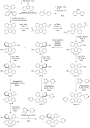
Scheme 16: Synthesis of the cyclophane 112 via the pinacol coupling and 113 by RCM. Reagents and conditions: (...
Scheme 17: Synthesis of cyclophane derivatives 122a–c via Sonogoshira coupling. Reagents and conditions: (i) C...
Scheme 18: Synthesis of cyclophane 130 via Suzuki–Miyaura reaction as a key step. Reagents and conditions: (i)...
Scheme 19: Synthesis of the mycocyclosin via Suzuki–Miyaura cross coupling. Reagents and conditions: (i) benzy...
Scheme 20: Synthesis of cyclophanes via Wurtz coupling reaction Reagents and conditions: (i) PhLi, Et2O, C6H6,...
Scheme 21: Synthesis of non-natural glycophanes using alkyne metathesis. Reagents and conditions: (i) G-I (12)...
Figure 9: Synthesis of cyclophanes via ring-closing alkyne metathesis.
Scheme 22: Synthesis of crownophanes by cross-enyne metathesis. Reagents and conditions: (i) G-II (13), 5 mol ...
Scheme 23: Synthesis of (−)-cylindrocyclophanes A (156) and (−)-cylindrocyclophanes F (155). Reagents and cond...
Scheme 24: Synthesis of cyclophane 159 derivatives via SM cross-coupling and RCM. Reagents and conditions: (i)...
Scheme 25: Sexithiophene synthesis via cross metathesis. Reagents and conditions: (i) 161, Pd(PPh3)4, K2CO3, T...
Scheme 26: Synthesis of pyrrole-based cyclophane using enyne metathesis. Reagents and conditions: (i) Se, chlo...
Scheme 27: Synthesis of macrocyclic derivatives by RCM. Reagents and conditions: (i) G-I/G-II, CH2Cl2, 0.005 M...
Scheme 28: Synthesis of enantiopure β-lactam-based dienyl bis(dihydrofuran) 179. Reagents and conditions: (i) ...
Scheme 29: Synthesis of a [1.1.6]metaparacyclophane derivative 183 via SM cross coupling. Reagents and conditi...
Scheme 30: Synthesis of a [1.1.6]metaparacyclophane derivative 190 via SM cross coupling. Reagents and conditi...
Scheme 31: Template-promoted synthesis of cyclophanes involving RCM. Reagents and conditions: (i) acenaphthene...
Scheme 32: Synthesis of [3.4]cyclophane derivatives 200 via SM cross coupling and RCM. Reagents and conditions...
Figure 10: Examples for cyclophanes synthesized by RCM.
Scheme 33: Synthesis of the longithorone C framework assisted by fluorinated auxiliaries. Reagents and conditi...
Scheme 34: Synthesis of the longithorone framework via RCM. Reagents and conditions: (i) 213, NaH, THF, rt, 10...
Scheme 35: Synthesis of floresolide B via RCM as a key step. Reagents and conditions: (i) G-II (13, 0.1 equiv)...
Scheme 36: Synthesis of normuscopyridine (223) by the RCM strategy. Reagents and condition: (i) Mg, THF, hexen...
Scheme 37: Synthesis of muscopyridine (73) via RCM. Reagents and conditions: (i) 225, NaH, THF, 0 °C to rt, 1....
Scheme 38: Synthesis of muscopyridine (73) via RCM strategy. Reagents and conditions: (i) NaH, n-BuLi, 5-bromo...
Scheme 39: Synthesis of pyridinophane derivatives 223 and 245. Reagents and conditions: (i) PhSO2Na, TBAB, CH3...
Scheme 40: Synthesis of metacyclophane derivatives 251 and 253. Reagents and conditions: (i) 240, NaH, THF, rt...
Scheme 41: Synthesis of normuscopyridine and its higher analogues. Reagents and conditions: (i) alkenyl bromid...
Scheme 42: Synthesis of fluorinated ferrocenophane 263 via a [2 + 2] cycloaddition. Reagents and conditions: (...
Scheme 43: Synthesis of [2.n]metacyclophanes 270 via a [2 + 2] cycloaddition. Reagents and conditions: (i) Ac2...
Scheme 44: Synthesis of metacyclophane 273 by a [2 + 2 + 2] co-trimerization. Reagents and conditions: (i) [Rh...
Scheme 45: Synthesis of paracyclophane 276 via a [2 + 2 + 2] cycloaddition reaction. Reagents and conditions: ...
Scheme 46: Synthesis of cyclophane 278 via a [2 + 2 + 2] cycloaddition reaction. Reagents and conditions: (i) ...
Scheme 47: Synthesis of cyclophane 280 via a [2 + 2 + 2] cycloaddition. Reagents and conditions: (i) [(Rh(cod)(...
Scheme 48: Synthesis of taxane framework by a [2 + 2 + 2] cycloaddition. Reagents and conditions: (i) Cp(CO)2 ...
Scheme 49: Synthesis of cyclophane 284 and 285 via a [2 + 2 + 2] cycloaddition reaction. Reagents and conditio...
Scheme 50: Synthesis of pyridinophanes 293a,b and 294a,b via a [2 + 2 + 2] cycloaddition. Reagents and conditi...
Scheme 51: Synthesis of pyridinophanes 296 and 297 via a [2 + 2 + 2] cycloaddition. Reagents and conditions: (...
Scheme 52: Synthesis of triazolophane by a 1,3-dipolar cycloaddition. Reagents and conditions: (i) propargyl b...
Scheme 53: Synthesis of glycotriazolophane 309 by a click reaction. Reagents and conditions: (i) LiOH, H2O, Me...
Figure 11: Cyclophanes 310 and 311 prepared via click chemistry.
Scheme 54: Synthesis of cyclophane via the Dötz benzannulation. Reagents and conditions: (i) THF, 100 °C, 12 h...
Scheme 55: Synthesis of [6,6]metacyclophane by a Dötz benzannulation. Reagents and conditions: (i) THF, 100 °C...
Scheme 56: Synthesis of cyclophanes by a Dötz benzannulation. Reagents and conditions: (i) THF, 65 °C, 3 h; (i...
Scheme 57: Synthesis of muscopyridine (73) via an intramolecular DA reaction of ketene. Reagents and condition...
Scheme 58: Synthesis of bis[10]paracyclophane 336 via Diels–Alder reaction. Reagents and conditions: (i) DMAD,...
Scheme 59: Synthesis of [8]paracyclophane via DA reaction. Reagents and conditions: (i) maleic anhydride, 3–5 ...
Scheme 60: Biomimetic synthesis of (−)-longithorone A. Reagents and conditions: (i) Me2AlCl, CH2Cl2, −20 °C, 7...
Scheme 61: Synthesis of sporolide B (349) via a [4 + 2] cycloaddition reaction. Reagents and conditions: (i) P...
Scheme 62: Synthesis of the framework of (+)-cavicularin (352) via a [4 + 2] cycloaddition. Reagents and condi...
Scheme 63: Synthesis of oxazole-containing cyclophane 354 via Beckmann rearrangement. Reagents and conditions:...
Scheme 64: Synthesis of cyclophanes 360a–c via benzidine rearrangement. Reagents and conditions: (i) 356a–d, K2...
Scheme 65: Synthesis of cyclophanes 365a–c via benzidine rearrangement. Reagents and conditions: (i) BocNHNH2,...
Scheme 66: Synthesis of metacyclophane 367 via Ciamician–Dennstedt rearrangement. Reagents and conditions: (i)...
Scheme 67: Synthesis of cyclophane by tandem Claisen rearrangement and RCM as key steps. Reagents and conditio...
Scheme 68: Synthesis of cyclophane derivative 380. Reagents and conditions: (i) K2CO3, CH3CN, allyl bromide, r...
Scheme 69: Synthesis of metacyclophane via Cope rearrangement. Reagents and conditions: (i) MeOH, NaBH4, rt, 1...
Scheme 70: Synthesis of cyclopropanophane via Favorskii rearrangement. Reagents and conditions: (i) Br2, CH2Cl2...
Scheme 71: Cyclophane 389 synthesis via photo-Fries rearrangement. Reagents and conditions: (i) DMAP, EDCl/CHCl...
Scheme 72: Synthesis of normuscopyridine (223) via Schmidt rearrangement. Reagents and conditions: (i) ethyl s...
Scheme 73: Synthesis of crownophanes by tandem Claisen rearrangement. Reagents and conditions: (i) diamine, Et3...
Scheme 74: Attempted synthesis of cyclophanes via tandem Claisen rearrangement and RCM. Reagents and condition...
Scheme 75: Synthesis of muscopyridine via alkylation with 2,6-dimethylpyridine anion. Reagents and conditions:...
Scheme 76: Synthesis of cyclophane via Friedel–Craft acylation. Reagents and conditions: (i) CS2, AlCl3, 7 d, ...
Scheme 77: Pyridinophane 418 synthesis via Friedel–Craft acylation. Reagents and conditions: (i) 416, AlCl3, CH...
Scheme 78: Cyclophane synthesis involving the Kotha–Schölkopf reagent 421. Reagents and conditions: (i) NBS, A...
Scheme 79: Cyclophane synthesis involving the Kotha–Schölkopf reagent 421. Reagents and conditions: (i) BEMP, ...
Scheme 80: Cyclophane synthesis by coupling with TosMIC. Reagents and conditions: (i) (a) ClCH2OCH3, TiCl4, CS2...
Scheme 81: Synthesis of diaza[32]cyclophanes and triaza[33]cyclophanes. Reagents and conditions: (i) DMF, NaH,...
Scheme 82: Synthesis of cyclophane 439 via acyloin condensation. Reagents and conditions: (i) Na, xylene, 75%;...
Scheme 83: Synthesis of multibridged binuclear cyclophane 442 by aldol condensation. Reagents and conditions: ...
Scheme 84: Synthesis of various macrolactones. Reagents and conditions: (i) iPr2EtN, DMF, 77–83%; (ii) TBDMSCl...
Scheme 85: Synthesis of muscone and muscopyridine via Yamaguchi esterification. Reagents and conditions: (i) 4...
Scheme 86: Synthesis of [5]metacyclophane via a double elimination reaction. Reagents and conditions: (i) LiBr...
Figure 12: Cyclophanes 466–472 synthesized via Hofmann elimination.
Scheme 87: Synthesis of cryptophane via Baylis–Hillman reaction. Reagents and conditions: (i) methyl acrylate,...
Scheme 88: Synthesis of cyclophane 479 via double Chichibabin reaction. Reagents and conditions: (i) excess 478...
Scheme 89: Synthesis of cyclophane 483 via double Chichibabin reaction. Reagents and conditions: (i) 481, OH−;...
Scheme 90: Synthesis of cyclopeptide via an intramolecular SNAr reaction. Reagents and conditions: (i) TBAF, T...
Scheme 91: Synthesis of muscopyridine (73) via C-zip ring enlargement reaction. Reagents and conditions: (i) H...
Figure 13: Mechanism of the formation of compound 494.
Scheme 92: Synthesis of indolophanetetraynes 501a,b using the Nicholas reaction as a key step. Reagents and co...
Scheme 93: Synthesis of cyclophane via radical cyclization. Reagents and conditions: (i) cyclododecanone, phen...
Scheme 94: Synthesis of (−)-cylindrocyclophanes A (156) and (−)-cylindrocyclophanes F (155). Reagents and cond...
Scheme 95: Cyclophane synthesis via Wittig reaction. Reagents and conditions: (i) LiOEt (2.1 equiv), THF, −78 ...
Figure 14: Representative examples of cyclophanes synthesized via Wittig reaction.
Scheme 96: Synthesis of the [6]paracyclophane via isomerization of Dewar benzene. Reagents and conditions: (i)...
Beilstein J. Org. Chem. 2015, 11, 583–588, doi:10.3762/bjoc.11.64
Graphical Abstract
Scheme 1: (i) CAN, wet silica, KBr, CH2Cl2/CH3CN (1:1), rt, 30 min; (ii) a. NaOAc, Ac2O, 140 °C, 3 h; b. K2CO3...
Figure 1: Single X-ray crystal structure of hemithioacetal 3a.
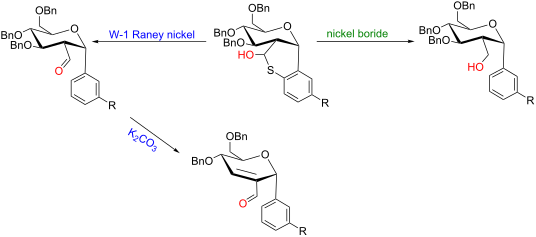
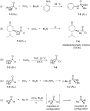
Scheme 2: Proposed reaction sequence for the synthesis of a mixture of carbaldehydes 5a and 5a’ using Raney n...
Scheme 3: K2CO3 (catalytic amount), MeOH, rt, 30 min.
Beilstein J. Org. Chem. 2015, 11, 530–562, doi:10.3762/bjoc.11.60
Graphical Abstract
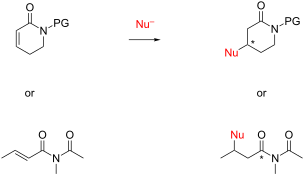
Scheme 1: Generic mechanism for the conjugate addition reaction.
Figure 1: Methods to activate unsaturated amide/lactam systems.
Scheme 2: DCA of Grignard reagents to an L-ephedrine derived chiral α,β–unsaturated amide.
Figure 2: Chiral auxiliaries used in DCA reactions.
Scheme 3: Comparison between auxiliary 5 and the Oppolzer auxiliary in a DCA reaction.
Scheme 4: Use of Evans auxiliary in a DCA reaction.
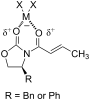
Figure 3: Lewis acid complex of the Evans auxiliary [43].
Scheme 5: DCA reactions of α,β-unsaturated amides utilizing (S,S)-(+)-pseudoephedrine and the OTBS-derivative...
Figure 4: Proposed model accounting for the diastereoselectivity observed in the 1,4-addition of Bn2NLi to α,...
Scheme 6: An example of a tandem conjugate addition–α-alkylation reaction of an α,β-unsaturated amide utilizi...
Scheme 7: Conjugate addition to an α,β-unsaturated bicyclic lactam leading to (+)-paroxetine and (+)-femoxeti...
Scheme 8: Intramolecular conjugate addition reaction to α,β-unsaturated amide.
Scheme 9: Conjugate addition to an α,β-unsaturated pyroglutamate derivative.
Scheme 10: Cu(I)–NHC-catalyzed asymmetric silylation of α,β-unsaturated lactams and amides.
Scheme 11: Asymmetric copper-catalyzed 1,4-borylation of an α,β-unsaturated amide.
Scheme 12: Asymmetric cross-coupling 49 to phenyl chloride.
Scheme 13: Rhodium-catalyzed asymmetric 1,4-arylation of an α,β-unsaturated lactam.
Scheme 14: Rhodium-catalyzed asymmetric 1,4-arylation of an α,β-unsaturated amide.
Scheme 15: Rhodium-catalyzed asymmetric 1,4-arylation of an α,β-unsaturated amide using a chiral bicyclic dien...
Scheme 16: Synthesis of (R)-(−)-baclofen through a rhodium-catalyzed asymmetric 1,4-arylation of lactam 58.
Scheme 17: Rhodium-catalyzed asymmetric 1,4-arylation of an α,β-unsaturated amide and lactam employing organo[...
Scheme 18: Rhodium-catalyzed asymmetric 1,4-arylation of an α,β-unsaturated lactam employing benzofuran-2-ylzi...
Figure 5: Further chiral ligands that have been used in rhodium-catalyzed 1,4-additions of α,β-unsaturated am...
Scheme 19: Palladium-catalyzed asymmetric 1,4-arylation of arylsiloxanes to a α,β-unsaturated lactam.
Scheme 20: SmI2-mediated cyclization of α,β-unsaturated Weinreb amides.
Figure 6: Chiral Lewis acid complexes used in the Mukaiyama–Michael addition of α,β-unsaturated amides.
Scheme 21: Mukaiyama–Michael addition of thioester silylketene acetal to α,β-unsaturated N-alkenoyloxazolidino...
Scheme 22: Asymmetric 1,4-addition of aryl acetylides to α,β-unsaturated thioamides.
Scheme 23: Asymmetric 1,4-addition of alkyl acetylides to α,β-unsaturated thioamides.
Scheme 24: Asymmetric vinylogous conjugate additions of unsaturated butyrolactones to α,β-unsaturated thioamid...
Scheme 25: Gd-catalyzed asymmetric 1,4-cyanation of α,β-unsaturated N-acylpyrroles [205].
Scheme 26: Lewis acid-catalyzed asymmetric 1,4-cyanation of α,β-unsaturated N-acylpyrazole 107.
Scheme 27: Lewis acid mediated 1,4-addition of dibenzyl malonate to α,β-unsaturated N-acylpyrroles.
Scheme 28: Chiral Lewis acid mediated 1,4-radical addition to α,β-unsaturated N-acyloxazolidinone [224].
Scheme 29: Aza-Michael addition of O-benzylhydroxylamine to an α,β-unsaturated N-acylpyrazole.
Scheme 30: An example of the aza-Michael addition of secondary aryl amines to an α,β-unsaturated N-acyloxazoli...
Scheme 31: Aza-Michael additions of anilines to a α,β-unsaturated N-alkenoyloxazolidinone catalyzed by palladi...
Scheme 32: Aza-Michael additions of aniline to an α,β-unsaturated N-alkenoylbenzamide and N-alkenoylcarbamate ...
Scheme 33: Difference between aza-Michael addition ran using the standard protocol versus the slow addition pr...
Scheme 34: Aza-Michael additions of aryl amines salts to an α,β-unsaturated N-alkenoyloxazolidinone catalyzed ...
Scheme 35: Aza-Michael addition of N-alkenoyloxazolidiniones catalyzed by samarium diiodide [244].
Scheme 36: Asymmetric aza-Michael addition of p-anisidine to α,β-unsaturated N-alkenoyloxazolidinones catalyze...
Scheme 37: Asymmetric aza-Michael addition of O-benzylhydroxylamine to N-alkenoyloxazolidinones catalyzed by i...
Scheme 38: Asymmetric 1,4-addition of purine to an α,β-unsaturated N-alkenoylbenzamide catalyzed by (S,S)-(sal...
Scheme 39: Asymmetric 1,4-addition of phosphites to α,β-unsaturated N-acylpyrroles.
Scheme 40: Asymmetric 1,4-addition of phosphine oxides to α,β-unsaturated N-acylpyrroles.
Scheme 41: Tandem Michael-aldol reaction catalyzed by a hydrogen-bonding organocatalyst.
Scheme 42: Examples of the sulfa-Michael–aldol reaction employing α,β-unsaturated N-acylpyrazoles.
Scheme 43: Example of the sulfa-Michael addition of α,β-unsaturated N-alkenoyloxazolidinones.
Figure 7: Structure of cinchona alkaloid-based squaramide catalyst.
Scheme 44: Asymmetric intramolecular oxa-Michael addition of an α,β-unsaturated amide.
Scheme 45: Formal synthesis atorvastatin.
Beilstein J. Org. Chem. 2015, 11, 473–480, doi:10.3762/bjoc.11.53
Graphical Abstract
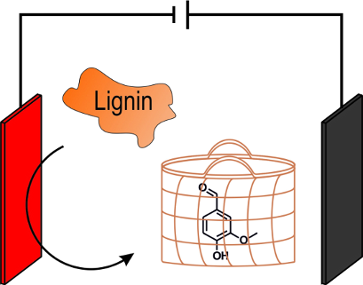
Scheme 1: Direct electrochemical degradation of lignin into low molecular weight phenolic compounds.
Figure 1: Crude product composition after electrochemical treatment of lignin at Ni-based electrodes by gasch...
Figure 2: Influence of the current density onto the yield of 1 using Ni or Stellite 21 anodes.
Figure 3: Influence of the current density on the yield of 1 using different geometries of anodic materials.
Figure 4: Influence of the reaction temperature onto anodic degradation of lignin using stainless steel elect...
Figure 5: Influence of the applied current onto the yield of 1 by electrochemical degradation of lignin using...
Figure 6: Amount of vanillin (1) removed by adsorption in a batch process at different strongly basic anion e...
Figure 7: Different attractive interactions between ion exchange resin and the vanillate anion.
Figure 8: Recovery of vanillin (1) by adsorption from lignin containing reaction solutions after electrochemi...
Figure 9: Adsorption of vanillin (1) on anion exchange resins and size exclusion of lignin particles by appli...
Beilstein J. Org. Chem. 2014, 10, 2858–2873, doi:10.3762/bjoc.10.303
Graphical Abstract
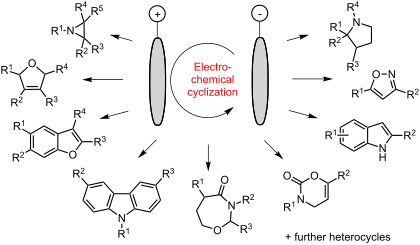
Figure 1: Common types of electrochemically induced cyclization reactions.
Scheme 1: Principle of indirect electrolysis.
Scheme 2: Anodic intramolecular cyclization of olefines in methanol.
Scheme 3: Anodic cyclization of olefines in CH2Cl2/DMSO.
Scheme 4: Intramolecular coupling of 1,6-dienes in CH2Cl2/DMSO.
Scheme 5: Cyclization of bromopropargyloxy ester 12.
Scheme 6: Proposed mechanism for the radical cyclization of bromopropargyloxy ester 12.
Scheme 7: Preparation of pyrrolidines and tetrahydrofurans via Kolbe-type electrolysis of unsaturated carboxy...
Scheme 8: Anodic cyclization of chalcone oximes 19.
Scheme 9: Generation of N-acyliminium (23) and alkoxycarbenium species (24) from amides and ethers with and w...
Scheme 10: Anodic cyclization of dipeptide 25.
Scheme 11: Anodic cyclization of a dipeptide using an electroauxiliary.
Scheme 12: Anodic cyclization of hydroxyamino compound 29.
Scheme 13: Cyclization of unsaturated thioacetals using the ArS(ArSSAr)+ mediator.
Scheme 14: Cyclization of biaryl 35 to carbazol 36 as key-step of the synthesis of glycozoline (37).
Scheme 15: Electrosynthesis of 39 as part of the total synthesis of alkaloids 40 and 41.
Scheme 16: Wacker-type cyclization of alkenyl phenols 42.
Scheme 17: Cathodic synthesis of indol derivatives.
Scheme 18: Fluoride mediated anodic cyclization of α-(phenylthio)acetamides.
Scheme 19: Synthesis of 2-substituted benzoxazoles from Schiff bases.
Scheme 20: Synthesis of euglobal model compounds via electrochemically induced Diels–Alder cycloaddition.
Scheme 21: Cycloaddition of anodically generated N-acyliminium species 58 with olefins and alkynes.
Scheme 22: Electrochemical aziridination of olefins.
Scheme 23: Proposed mechanism for the aziridination reaction.
Scheme 24: Electrochemical synthesis of benzofuran and indole derivatives.
Scheme 25: Anodic anellation of catechol derivatives 66 with different 1,3-dicarbonyl compounds.
Scheme 26: Electrosynthesis of 1,2-fused indoles from catechol and ketene N,O-acetals.
Scheme 27: Reaction of N-acyliminium pools with olefins having a nucleophilic substituent.
Scheme 28: Synthesis of thiochromans using the cation-pool method.
Scheme 29: Electrochemical synthesis and diversity-oriented modification of 73.
Beilstein J. Org. Chem. 2014, 10, 2844–2857, doi:10.3762/bjoc.10.302
Graphical Abstract
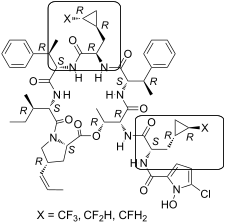
Figure 1: Structure and absolute configuration of hormaomycin (1), its fluoromethyl-substituted analogues 8a–c...
Figure 2: Structures of the Belokon'-type glycine complexes (BGC) (R)- and (S)-10.
Scheme 1: Intended routes to methyl trans-2-(fluormethyl)cyclopropanecarboxylates 14a–c.
Scheme 2: Synthesis of trans-(2-trifluoromethyl)cyclopropanecarboxylic acid (24).
Scheme 3: Preparation of racemic trans-2-(fluoromethyl)cyclopropylmethyl iodides 11a–c and their conversion t...
Figure 3: Structure and absolute configurations of the nickel(II) complexes (2S,1'R,2'S)-26a, (2S,1'R,2'S)-26b...
Figure 4: Structure and absolute configuration of nickel(II) complex (R,R,R)-28 in the crystal. Hydrogen atom...
Scheme 4: Mechanism of epimerization of the threonine nickel(II) complex 29.
Scheme 5: A new general approach to (2S,3R)-β-methylarylalanines 3 by alkylation of the glycine nickel(II) co...
Figure 5: Structure and absolute configuration of nickel(II) complex (2S,3S)-32 in the crystal. Hydrogen atom...
Scheme 6: Synthesis of the cyclohexadepsipeptides 52a–c for the hormaomycin analogues 8a–c with 3-(2'-fluorom...
Scheme 7: Synthesis of hormaomycin analogues with a: trifluoromethyl-, b: difluoromethyl-, c: monofluoromethy...
Figure 6: Two derivatives 58 and 59 of cyclohexadepsipeptide 52a containing the (trifluoromethylcyclopropyl)a...
Beilstein J. Org. Chem. 2014, 10, 2484–2500, doi:10.3762/bjoc.10.260
Graphical Abstract
Scheme 1: Synthesis of salicylic acid and p-hydroxybenzoic acid via Kolbe–Schmidt reaction [16-20].
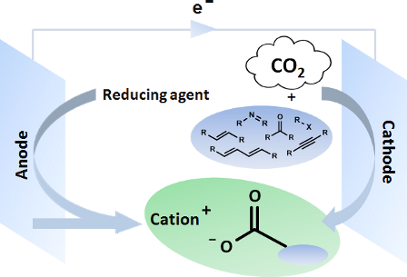
Scheme 2: Electroreduction of carbon dioxide to formic acid, methanol or methane.
Scheme 3: Electrochemical fixation of CO2 in olefins.
Scheme 4: Electrohydrodimerisation of acrylonitrile to adiponitrile [32].
Scheme 5: Parallel paired electrosynthesis of phthalide and tert-butylbenzaldehyde dimethylacetal [34].
Scheme 6: Overview of electrocarboxylation setups using (a) a sacrificial anode, (b) an inert anode, generati...
Scheme 7: General mechanism of the electrochemical dicarboxylation of conjugated dienes [49].
Scheme 8: Reported anodic reactions for the electrocarboxylation of 1,3-butadiene.
Scheme 9: General mechanism for electrocarboxylation of alkynes.
Scheme 10: Electrocarboxylation of ethyl cinnamate [70].
Scheme 11: General electrocarboxylation mechanism for carbonyl compounds (Y = O) and imines (Y = NH) [75-77].
Scheme 12: Electrocarboxylation mechanism of butyraldehyde proposed by Doherty [78].
Scheme 13: Electrocarboxylation of AMN to HN using a sacrificial aluminum anode [86].
Scheme 14: Electrocarboxylation of benzalaniline using a sacrificial aluminum anode [105].
Scheme 15: Electrocarboxylation of p-isobutylacetophenone with stable electrodes [94,95].
Scheme 16: Electrochemical carboxylation of MMP to MHA [110,111].
Scheme 17: General mechanism for electrocarboxylation of alkyl halides [122,124-126,128].
Scheme 18: Electrocarboxylation of benzylic chlorides as synthesis route for NSAIDs.
Scheme 19: Electrocarboxylation of 1,4-dibromo-2-butene [144].
Scheme 20: Convergent paired electrosynthesis of cyanoacetic acid, with X− = F4B−, ClO4−, HSO4−, Cl−, Br− [147].
Scheme 21: General scheme of carboxylation of weak acidic hydrocarbons with electrogenerated bases. RH: weakly...
Scheme 22: Electrocarboxylation of N-methyldiglycolimide to methoxymethane-1,1,1’-tricarboxylate precursors. R1...
Scheme 23: Electrochemical dimerization of CO2 with stable electrodes [153].
Beilstein J. Org. Chem. 2014, 10, 2200–2205, doi:10.3762/bjoc.10.227
Graphical Abstract
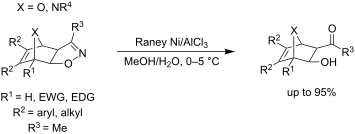
Scheme 1: Cleavage reactions of 2-isoxazoline 1.
Scheme 2: Potential modes of cleavage for heterobicycloalkene-fused isoxazolines 10 or 11.
Scheme 3: Raney Ni/AlCl3-mediated cleavage of 2-isoxazolines with various fused heterobicyclic frameworks.
Scheme 4: Proposed mechanism for Mo-mediated cleavage of carbobicycle-fused 2-isoxazoline.
Scheme 5: Proposed mechanism for Raney nickel-mediated formation of β-hydroxyketones from heterobicycloalkene...
Beilstein J. Org. Chem. 2014, 10, 1166–1196, doi:10.3762/bjoc.10.117
Graphical Abstract
Scheme 1: Pioneer works of Atherton, Openshaw and Todd reporting on the synthesis of phosphoramidate starting...
Scheme 2: Mechanisms 1 (i) and 2 (ii) suggested by Atherton and Todd in 1945; adapted from [1].
Scheme 3: Two reaction pathways (i and ii) to produce chlorophosphate 2. Charge-transfer complex observed whe...
Scheme 4: Mechanism of the Atherton–Todd reaction with dimethylphosphite according to Roundhill et al. (adapt...
Scheme 5: Synthesis of dialkyl phosphate from dialkyl phosphite (i) and identification of chloro- and bromoph...
Scheme 6: Synthesis of chiral phosphoramidate with trichloromethylphosphonate as the suggested intermediate (...
Scheme 7: Selection of results that address the question of the stereochemistry of the AT reaction (adapted f...
Scheme 8: Synthesis of phenoxy spirophosphorane by the AT reaction (adapted from [34]).
Scheme 9: Suggested mechanism of the Atherton–Todd reaction, (i) and (ii) formation of chlorophosphate with a...
Scheme 10: AT reaction in biphasic conditions (adapted from [38]).
Scheme 11: AT reaction with iodoform as halide source (adapted from [37]).
Scheme 12: AT reaction with phenol at low temperature in the presence of DMAP (adapted from [40]).
Scheme 13: Synthesis of a triphosphate by the AT reaction starting with the preparation of chlorophosphate (ad...
Scheme 14: AT reaction with sulfonamide (adapted from [42]).
Scheme 15: Synthesis of a styrylphosphoramidate starting from the corresponding aniline (adapted from [43]).
Scheme 16: Use of hydrazine as nucleophile in AT reactions (adapted from [48]).
Scheme 17: AT reaction with phenol as a nucleophilic species; synthesis of dioleyl phosphate-substituted couma...
Scheme 18: Synthesis of β-alkynyl-enolphosphate from allenylketone with AT reaction (adapted from [58]).
Scheme 19: Synthesis of pseudohalide phosphate by using AT reaction (adapted from [67]).
Scheme 20: AT reaction with hydrospirophosphorane with insertion of CO2 in the product (adapted from [69]).
Scheme 21: AT reaction with diaryl phosphite (adapted from [70]).
Scheme 22: AT reaction with O-alkyl phosphonite (adapted from [71]).
Scheme 23: Use of phosphinous acid in AT reactions (adapted from [72]).
Scheme 24: AT reaction with secondary phosphinethiooxide (adapted from [76]).
Scheme 25: Use of H-phosphonothioate in the AT reaction (adapted from [78]).
Scheme 26: AT-like reaction with CuI as catalyst and without halide source (adapted from [80]).
Scheme 27: Reduction of phenols after activation as phosphate derivatives (adapted from [81] i ; [82], ii; and [83], iii).
Scheme 28: Synthesis of medium and large-sized nitrogen-containing heterocycles (adapted from [85]).
Scheme 29: Synthesis of arylstannane from aryl phosphate prepared by an AT reaction (adapted from [86]).
Scheme 30: Synthesis and use of aryl dialkyl phosphate for the synthesis of biaryl derivatives (adapted from [89])....
Scheme 31: Synthesis of aryl dialkyl phosphate by an AT reaction from phenol and subsequent rearrangement yiel...
Scheme 32: Selected chiral phosphoramidates used as organocatalyst; i) chiral phosphoramidate used in the pion...
Scheme 33: Determination of ee of H-phosphinate by the application of the AT reaction with a chiral amine (ada...
Scheme 34: Chemical structure of selected flame retardants synthesized by AT reactions; (BDE: polybrominated d...
Scheme 35: Transformation of DOPO (i) and synthesis of polyphosphonate (ii) by the AT reaction (adapted from [117] ...
Scheme 36: Synthesis of lipophosphite (bisoleyl phosphite) and cationic lipophosphoramidate with an AT reactio...
Scheme 37: Use of AT reactions to produce cationic lipids characterized by a trimethylphosphonium, trimethylar...
Scheme 38: Cationic lipid synthesized by the AT reaction illustrating the variation of the structure of the li...
Scheme 39: Helper lipids for nucleic acid delivery synthesized with the AT reaction (adapted from [130]).
Scheme 40: AT reaction used to produce red/ox-sensitive cationic lipids (adapted from [135]).
Scheme 41: Alkyne and azide-functionalized phosphoramidate synthesized by AT reactions,(i); illustration of so...
Scheme 42: Cationic lipids exhibiting bactericidal action – arrows indicate the bond formed by the AT reaction...
Scheme 43: β-Cyclodextrin-based lipophosphoramidates (adapted from [138]).
Scheme 44: Polyphosphate functionalized by an AT reaction (adapted from [139]).
Scheme 45: Synthesis of zwitterionic phosphocholine-bound chitosan (adapted from [142]).
Scheme 46: Synthesis of AZT-based prodrug via an AT reaction (adapted from [143]).
Beilstein J. Org. Chem. 2014, 10, 1064–1096, doi:10.3762/bjoc.10.106
Graphical Abstract
Scheme 1: Synthesis of P-stereogenic phosphines 5 using menthylphosphinite borane diastereomers 2.
Scheme 2: Enantioselective synthesis of chiral phosphines 10 with ephedrine as a chiral auxiliary.
Scheme 3: Chlorophosphine boranes 11a as P-chirogenic electrophilic building blocks.
Scheme 4: Monoalkylation of phenylphosphine borane 15 with methyl iodide in the presence of Cinchona alkaloid...
Scheme 5: Preparation of tetraphosphine borane 19.
Scheme 6: Using chiral chlorophosphine-boranes 11b as phosphide borane 20 precursors.
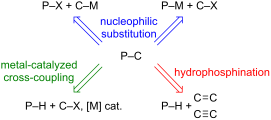
Scheme 7: Nickel-catalyzed cross-coupling (dppe = 1,2-bis(diphenylphosphino)ethane).
Scheme 8: Pd-catalyzed cross-coupling reaction with organophosphorus stannanes 30.
Scheme 9: Copper iodide catalyzed carbon–phosphorus bond formation.
Scheme 10: Thermodynamic kinetic resolution as the origin of enantioselectivity in metal-catalyzed asymmetric ...
Scheme 11: Ru-catalyzed asymmetric phosphination of benzyl and alkyl chlorides 35 with HPPhMe (36a, PHOX = pho...
Scheme 12: Pt-catalyzed asymmetric alkylation of secondary phosphines 36b.
Scheme 13: Different adducts 43 can result from hydrophosphination.
Scheme 14: Pt-catalyzed asymmetric hydrophosphination.
Scheme 15: Intramolecular hydrophosphination of phosphinoalkene 47.
Scheme 16: Organocatalytic asymmetric hydrophosphination of α,β-unsaturated aldehydes 59.
Scheme 17: Preparation of phosphines using zinc organometallics.
Scheme 18: Preparation of alkenylphosphines 71a from alkenylzirconocenes 69 (dtc = N,N-diethyldithiocarbamate,...
Scheme 19: SNAr with P-chiral alkylmethylphosphine boranes 13c.
Scheme 20: Synthesis of QuinoxP 74 (TMEDA = tetramethylethylenediamine).
Scheme 21: Pd-Mediated couplings of a vinyl triflate 76 with diphenylphosphine borane 13e.
Figure 1: Menthone (83) and camphor (84) derived chiral phosphines.
Scheme 22: Palladium-catalyzed cross-coupling reaction of vinyl tosylates 85 and 87 with diphenylphosphine bor...
Scheme 23: Attempt for the enantioselective palladium-catalyzed C–P cross-coupling reaction between an alkenyl...
Scheme 24: Enol phosphates 88 as vinylic coupling partners in the palladium-catalyzed C–P cross-coupling react...
Scheme 25: Nickel-catalyzed cross-coupling in the presence of zinc (dppe = 1,2-bis(diphenylphosphino)ethane).
Scheme 26: Copper-catalyzed coupling of secondary phosphines with vinyl halide 94.
Scheme 27: Palladium-catalyzed cross-coupling of aryl iodides 97 with organoheteroatom stannanes 30.
Scheme 28: Synthesis of optically active phosphine boranes 100 by cross-coupling with a chiral phosphine boran...
Scheme 29: Palladium-catalyzed P–C cross-coupling reactions between primary or secondary phosphines and functi...
Scheme 30: Enantioselective synthesis of a P-chirogenic phosphine 108.
Scheme 31: Enantioselective arylation of silylphosphine 110 ((R,R)-Et-FerroTANE = 1,1'-bis((2R,4R)-2,4-diethyl...
Scheme 32: Nickel-catalyzed arylation of diphenylphosphine 25d.
Scheme 33: Nickel-catalyzed synthesis of (R)-BINAP 116 (dppe = 1,2-bis(diphenylphosphino)ethane, DABCO = 1,4-d...
Scheme 34: Nickel-catalyzed cross-coupling between aryl bromides 119 and diphenylphosphine (25d) (dppp = 1,3-b...
Scheme 35: Stereocontrolled Pd(0)−Cu(I) cocatalyzed aromatic phosphorylation.
Scheme 36: Preparation of alkenylphosphines by hydrophosphination of alkynes.
Scheme 37: Palladium and nickel-catalyzed addition of P–H to alkynes 125a.
Scheme 38: Palladium-catalyzed asymmetric hydrophosphination of an alkyne 128.
Scheme 39: Ruthenium catalyzed hydrophosphination of propargyl alcohols 132 (cod = 1,5-cyclooctadiene).
Scheme 40: Cobalt-catalyzed hydrophosphination of alkynes 134a (acac = acetylacetone).
Scheme 41: Tandem phosphorus–carbon bond formation–oxyfunctionalization of substituted phenylacetylenes 125c (...
Scheme 42: Organolanthanide-catalyzed intramolecular hydrophosphination/cyclization of phosphinoalkynes 143.
Scheme 43: Hydrophosphination of alkynes 134c catalyzed by ytterbium-imine complexes 145 (hmpa = hexamethylpho...
Scheme 44: Calcium-mediated hydrophosphanylation of alkyne 134d.
Scheme 45: Formation and substitution of bromophosphine borane 151.
Scheme 46: General scheme for a nickel or copper catalyzed cross-coupling reaction.
Scheme 47: Copper-catalyzed synthesis of alkynylphosphines 156.
Beilstein J. Org. Chem. 2014, 10, 1037–1046, doi:10.3762/bjoc.10.104
Graphical Abstract
Scheme 1: Reagents and conditions: (a) PdCl2(PPh3)2, DMF, CuI, NEt3, 55 °C, microwave, 82%; (b) PdCl2(PPh3)2,...
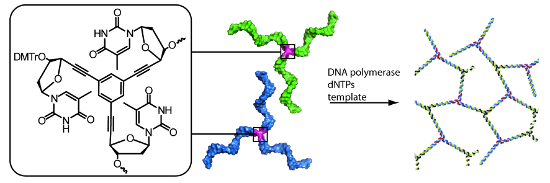
Scheme 2: Stepwise solid-phase synthesis for branched oligonucleotides. (I): The first oligonucleotide branch...
Figure 1: (A) Depiction of synthesized branched oligonucleotides; (B) Sequences of all synthesized branched o...
Figure 2: Thermal denaturating studies of self-complementary branched oligonucleotides. Different conditions ...
Figure 3: Generation of DNA networks with Taq DNA polymerase from 1062 nt template using primer ODN I and ODN...
Figure 4: AFM analysis of DNA structures: (A) Overview-scan 10 × 10 µm showing DNA networks generated after 2...
Figure 5: EPR spectra with corresponding spectral simulations (red line) of (A) dT*TP, (B) PCR reaction produ...
Beilstein J. Org. Chem. 2014, 10, 814–824, doi:10.3762/bjoc.10.77
Graphical Abstract
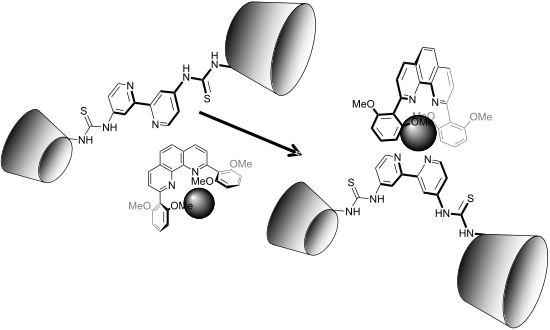
Scheme 1: Off- (open) and on- (closed) states of a ditopic positive allosteric receptor based on a 4,4’-funct...
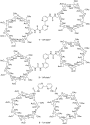
Scheme 2: Bis(β-cyclodextrin)-functionalised 2,2’-bipyridines 1–3.
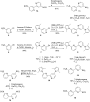
Scheme 3: Synthesis of diisothiocyanato-2,2’-bipyridines 14–16.
Scheme 4: Synthesis of peracetylated cyclodextrin 21.
Scheme 5: Synthesis of receptors 1–3.
Figure 1: X-ray crystal structure analysis of [(CO)3Re(14)Cl] (colour code: petrol: rhenium, grey: carbon, re...
Figure 2: MALDI mass spectrum (sample prepared from a 1:1 mixture of CuPF6 and 2 in benzene/acetonitrile (1:1...
Figure 3: Aromatic region of the 1H NMR spectra (400.1 MHz, 293 K, benzene-d6/acetonitrile-d3 1:1) of a) 1 an...
Figure 4: Aromatic region of the 1H NMR spectra (400.1 MHz, 293 K, benzene-d6/acetonitrile-d3 1:1) of a) 2 an...
Scheme 6: Synthesis of ligand 22.
Figure 5: X-ray crystal structure analysis of [Cu(H3CCN)2(22)]BF4 and [Zn(22)2](OTf)2 (counterions are omitte...
Figure 6: Aromatic region of the 1H NMR spectra (400.1 MHz, 293 K, benzene-d6/acetonitrile-d3 1:1) of a) 1, b...
Figure 7: MALDI–TOF mass spectrum (sample prepared from of a 1:1:1 mixture of CuPF6, 22, and 1 in benzene/ace...
Beilstein J. Org. Chem. 2014, 10, 808–813, doi:10.3762/bjoc.10.76
Graphical Abstract
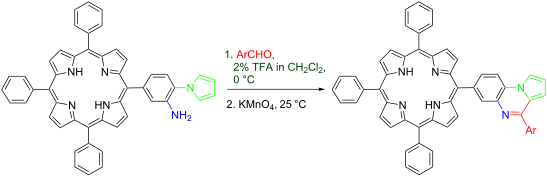
Scheme 1: Synthesis of pyrrolo[1,2-a]quinoxalinoporphyrins (4a–h).
Scheme 2: Synthesis of zinc(II) pyrrolo[1,2-a]quinoxalinoporphyrins 5 and 6.
Figure 1: (a) Electronic absorption spectra of free-base porphyrins 4f, 4g, 4h and TPP in CHCl3 (1 × 10⁻⁶ mol...
Beilstein J. Org. Chem. 2014, 10, 761–766, doi:10.3762/bjoc.10.71
Graphical Abstract
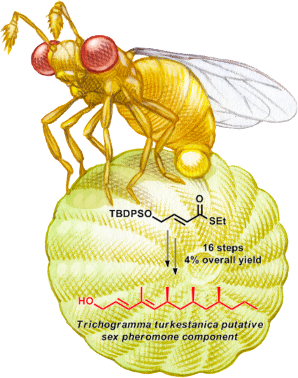
Figure 1: Originally proposed structures A and B and revised structures 1 and 2 of putative sex pheromone com...
Scheme 1: Application of the iterative conjugate addition protocol for the preparation of 8.
Scheme 2: Deoxygenation and desilylation of 8.
Scheme 3: Vinylogous Horner–Wadsworth–Emmons olefination.
Scheme 4: Synthesis of α,β-unsaturated ester 15 using a Wittig reaction.
Scheme 5: Completion of the synthesis of the putative sex pheromone 2.
Beilstein J. Org. Chem. 2014, 10, 481–513, doi:10.3762/bjoc.10.46
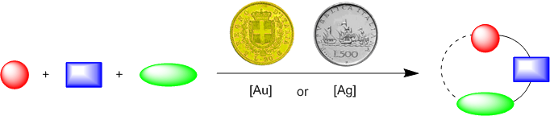
Graphical Abstract
Scheme 1: General reaction mechanism for Ag(I)-catalyzed A3-coupling reactions.
Scheme 2: A3-coupling reaction catalyzed by polystyrene-supported NHC–silver halides.
Figure 1: Various NHC–Ag(I) complexes used as catalysts for A3-coupling.
Scheme 3: Proposed reaction mechanism for NHC–AgCl catalyzed A3-coupling reactions.
Scheme 4: Liu’s synthesis of pyrrole-2-carboxaldehydes 4.
Scheme 5: Proposed reaction mechanism for Liu’s synthesis of pyrrole-2-carboxaldehydes 4.
Scheme 6: Gold-catalyzed synthesis of propargylamines 1.
Scheme 7: A3-coupling catalyzed by phosphinamidic Au(III) metallacycle 6.
Scheme 8: Gold-catalyzed KA2-coupling.
Scheme 9: A3-coupling applied to aldehyde-containing oligosaccharides 8.
Scheme 10: A3-MCR for the preparation of propargylamine-substituted indoles 9.
Scheme 11: A3-coupling interceded synthesis of furans 12.
Scheme 12: A3/KA2-coupling mediated synthesis of functionalized dihydropyrazoles 13 and polycyclic dihydropyra...
Scheme 13: Au(I)-catalyzed entry to cyclic carbamimidates 17 via an A3-coupling-type approach.
Scheme 14: Proposed reaction mechanism for the Au(I)-catalyzed synthesis of cyclic carbamimidates 17.
Figure 2: Chiral trans-1-diphenylphosphino-2-aminocyclohexane–Au(I) complex 20.
Scheme 15: A3-coupling-type synthesis of oxazoles 21 catalyzed by Au(III)–salen complex.
Scheme 16: Proposed reaction mechanism for the synthesis of oxazoles 21.
Scheme 17: Synthesis of propargyl ethyl ethers 24 by an A3-coupling-type reaction.
Scheme 18: General mechanism of Ag(I)-catalyzed MCRs of 2-alkynylbenzaldehydes, amines and nucleophiles.
Scheme 19: General synthetic pathway to 1,3-disubstituted-1,2-dihydroisoquinolines.
Scheme 20: Synthesis of 1,3-disubstituted-1,2-dihydroisoquinolines 29.
Scheme 21: Synthesis of 1,3-disubstituted-1,2-dihydroisoquinolines 35 and 36.
Scheme 22: Rh(II)/Ag(I) co-catalyzed synthesis of 1,3-disubstituted-1,2-dihydroisoquinolines 40.
Scheme 23: General synthetic pathway to 2-amino-1,2-dihydroquinolines.
Scheme 24: Synthesis of 2-amino-1,2-dihydroquinolines 47.
Scheme 25: Synthesis of tricyclic H-pyrazolo[5,1-a]isoquinoline 48.
Scheme 26: Synthesis of tricyclic H-pyrazolo[5,1-a]isoquinolines 48.
Scheme 27: Cu(II)/Ag(I) catalyzed synthesis of H-pyrazolo[5,1-a]isoquinolines 48.
Scheme 28: Synthesis of 2-aminopyrazolo[5,1-a]isoquinolines 53.
Scheme 29: Synthesis of 1-(isoquinolin-1-yl)guanidines 55.
Scheme 30: Ag(I)/Cu(I) catalyzed synthesis of 2-amino-H-pyrazolo[5,1-a]isoquinolines 58.
Scheme 31: Ag(I)/Ni(II) co-catalyzed synthesis of 3,4-dihydro-1H-pyridazino[6,1-a]isoquinoline-1,1-dicarboxyla...
Scheme 32: Ag(I) promoted activation of the α-carbon atom of the isocyanide group.
Scheme 33: Synthesis of dihydroimidazoles 65.
Scheme 34: Synthesis of oxazoles 68.
Scheme 35: Stereoselective synthesis of chiral butenolides 71.
Scheme 36: Proposed reaction mechanism for the synthesis of butenolides 71.
Scheme 37: Stereoselective three-component approach to pirrolidines 77 by means of a chiral auxiliary.
Scheme 38: Stereoselective three-component approach to pyrrolidines 81 and 82 by means of a chiral catalyst.
Scheme 39: Synthesis of substituted five-membered carbocyles 86.
Scheme 40: Synthesis of regioisomeric arylnaphthalene lactones.
Scheme 41: Enantioselective synthesis of spiroacetals 96 by Fañanás and Rodríguez [105].
Scheme 42: Enantioselective synthesis of spiroacetals 101 by Gong [106].
Scheme 43: Synthesis of polyfunctionalized fused bicyclic ketals 103 and bridged tricyclic ketals 104.
Scheme 44: Proposed reaction mechanism for the synthesis of ketals 103 and 104.
Scheme 45: Synthesis of β-alkoxyketones 108.
Scheme 46: Synthesis of N-methyl-1,4-dihydropyridines 112.
Scheme 47: Synthesis of tetrahydrocarbazoles 115–117.
Scheme 48: Plausible reaction mechanism for the synthesis of tetrahydrocarbazoles 115–117.
Scheme 49: Carboamination, carboalkoxylation and carbolactonization of terminal alkenes.
Scheme 50: Oxyarylation of alkenes with arylboronic acids and Selectfluor as reoxidant.
Scheme 51: Proposed reaction mechanism for oxyarylation of alkenes.
Scheme 52: Oxyarylation of alkenes with arylsilanes and Selectfluor as reoxidant.
Scheme 53: Oxyarylation of alkenes with arylsilanes and IBA as reoxidant.
Beilstein J. Org. Chem. 2014, 10, 432–441, doi:10.3762/bjoc.10.40
Graphical Abstract
Scheme 1: Synthesis of ligands 3 and 6.
Figure 1: ESI mass spectrum (positive mode) of an 1:1 mixture of (R)-3 and [(dppp)Pd(OTf)2] in acetone.
Figure 2: 1H NMR spectra (500.1 MHz, in CD2Cl2/CD3CN 3:1 at 298 K) of a) a 1:1 mixture of [Pd(dppp)]OTf2 and (...
Figure 3: 31P NMR spectra of a) a 1:1 mixture of [Pd(dppp)]OTf2 and (R)-3, b) a 1:1 mixture of [Pd(dppp)]OTf2...
Figure 4: ESI mass spectrum (positive mode) of an 1:1:2 mixture of (R)-3, (S)-6, and [(dppp)Pt(OTf)2] in acet...
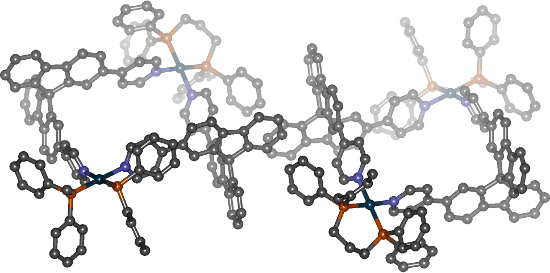
Figure 5: Single crystal X-ray structure analysis of [(dppp)2Pd2{(R)-3}2][(dppp)2Pd2{(S)-3}2](OTf)8 obtained ...
Beilstein J. Org. Chem. 2014, 10, 425–431, doi:10.3762/bjoc.10.39
Beilstein J. Org. Chem. 2014, 10, 237–250, doi:10.3762/bjoc.10.19
Graphical Abstract
Scheme 1: 1-Boron-substituted 1,3-diene in a tandem cycloaddition [4 + 2]/allylboration sequence.
Scheme 2: Lewis acid catalyst in the tandem cycloaddition [4 + 2]/allylboration sequence.
Scheme 3: Synthesis of an advanced precursor of clerodin.
Scheme 4: Intramolecular Diels–Alder/allylboration sequence.
Scheme 5: Diastereoselective Diels–Alder reaction with N-phenylmaleimide and 4-phenyltriazoline-3,5-dione.
Scheme 6: Asymmetric synthesis of a α-hydroxyalkylcyclohexane.
Scheme 7: Tandem [4 + 2]-cycloaddition/allylboration of 3-silyloxy- and 4-alkoxy-dienyl boronates.
Scheme 8: Metal-mediated cycloisomerization/Diels–Alder reaction/allylboration sequence.
Scheme 9: Cobalt-catalyzed Diels–Alder/allylboration sequence.
Scheme 10: A two-step reaction sequence for the synthesis of tetrahydronaphthalenes 12.
Scheme 11: Tandem sequence based on the Petasis borono–Mannich reaction as first key step.
Scheme 12: One-pot tandem dimerization/allylboration reaction of 1,3-diene-2-boronate.
Scheme 13: Tandem Diels–Alder/cross-coupling reactions of trifluoroborates 15.
Scheme 14: Diels–Alder/cross-coupling reactions of 16.
Scheme 15: Metal catalyzed tandem Diels–Alder/hydrolysis reactions.
Scheme 16: Synthesis of anti-1,5-diols 18 by triple aldehyde addition.
Scheme 17: Catalytic enantioselective three-component hetero-[4 + 2]-cycloaddition/allylboration sequence.
Scheme 18: Synthesis of natural products using the catalytic enantioselective HDA/allylboration sequence.
Scheme 19: Total synthesis of a thiomarinol derivative.
Scheme 20: Synthesis of an advanced intermediate 27 for the east fragment of palmerolide A.
Scheme 21: Bicyclic piperidines from tandem aza-[4 + 2]-cycloaddition/allylboration.
Scheme 22: Hydrogenolysis reactions of hydrazinopiperidines.
Scheme 23: Tandem aza-[4 + 2]-cycloaddition/allylboration/retrosulfinyl-ene sequence.
Scheme 24: Boronated heterodendralene 32 in [4 + 2]-cycloadditions.
Scheme 25: Synthesis of tricyclic imides derivatives.
Scheme 26: Synthesis of 37 via a HDA/allylboration/DA sequence.
Scheme 27: Diels–Alder/allylboration sequence.
Beilstein J. Org. Chem. 2013, 9, 2778–2780, doi:10.3762/bjoc.9.312
Beilstein J. Org. Chem. 2013, 9, 2669–2674, doi:10.3762/bjoc.9.302
Graphical Abstract
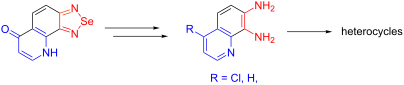
Scheme 1: Synthesis of 7,8-diaminoquinoline hydrochloride (5).
Scheme 2: Application of hydrochloride 5 in the syntheses of nitrogen heterocycles.
Scheme 3: Synthesis of 4-chloro-5,6-diaminoquinoline (11).
Beilstein J. Org. Chem. 2013, 9, 2641–2659, doi:10.3762/bjoc.9.300
Graphical Abstract
Figure 1: Structures of limonene, carvone and thalidomide.
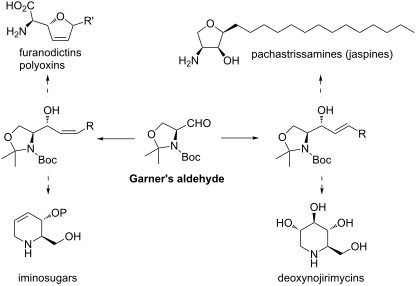
Figure 2: Structure of Garner’s aldehyde.
Scheme 1: (a) i) Boc2O, 1.0 N NaOH (pH >10), dioxane, +5 °C → rt; ii) MeI, K2CO3, DMF, 0 °C → rt (86% over tw...
Scheme 2: (a) AcCl, MeOH, 0 °C → reflux (99%); (b) i) (Boc)2O, Et3N, THF, 0 °C → rt → 50 °C (89%); ii) Me2C(O...
Scheme 3: (a) LiAlH4, THF, rt (93–96%); (b) (COCl)2, DMSO, iPr2NEt, CH2Cl2, −78 °C → −55 °C (99%).
Scheme 4: The Koskinen procedure for the preparation of Garner’s aldehyde. (a) i) AcCl, MeOH, 0 °C → 50 °C (9...
Scheme 5: Burke’s synthesis of Garner’s aldehyde. BDP - bis(diazaphospholane).
Figure 3: Structures of some iminosugars (7, 9), peptide antibiotics (8) and sphingosine (10) and pachastriss...
Scheme 6: Use of Garner’s aldehyde 1 in multistep synthesis.
Scheme 7: Explanation of the anti- and syn-selectivity in the nucleophilic addition reaction.
Scheme 8: Herold’s method: (a) Lithium 1-pentadecyne, HMPT, THF, −78 °C (71%); (b) Lithium 1-pentadecyne, ZnBr...
Scheme 9: (a) Ethyl lithiumpropiolate, HMPT, THF, −78 °C; (b) (S)- or (R)-MTPA, DCC, DMAP, THF, rt (18, 81%) ...
Scheme 10: Coleman’s selectivity studies and their transition state model for the co-ordinated delivery of the...
Scheme 11: (a) PhMgBr, THF, −78 °C → 0 °C [62] or (a) PhMgBr, Et2O, 0 °C [63].
Scheme 12: (a) cat. RhCl3·3H2O, cat. 26, NaOMe, Ph-B(OH)2, aq DME, 80 °C (24, 71%); (b) cat. RhCl3·3H2O, cat. ...
Scheme 13: Lithiated dithiane (3 equiv), CuI (0.3 equiv), BF3·Et2O (6 equiv), THF, −50 °C, 12 h (70%).
Scheme 14: Addition reaction reported by Lam et al. (a) 1-Hexyne, n-BuLi, THF, −15 °C or −40 °C.
Scheme 15: (a) n-BuLi, HMPT, toluene, −78 °C → rt (85%); (b) n-BuLi, ZnCl2, toluene/Et2O, −78 °C → rt (65%).
Scheme 16: (a) n-BuLi, 34, THF, −40 °C [69]; (b) n-BuLi, 35, THF, −78 °C → rt (80%) [70]; (c) n-BuLi, 35, HMPT, THF, −...
Scheme 17: (a) cat. Rh(acac)(CO)2, 42, THF, 40 °C (74%).
Scheme 18: (a) 1-PropynylMgBr, CuI, THF, Me2S, −78 °C (95%); (b) Ethynyltrimethylsilane, EtMgBr, CuI, THF, Me2...
Scheme 19: (a) cat. 50, toluene, 0 °C (52%); (b) cat. 51, toluene, 0 °C (51%); (c) cat. 52, toluene, 0 °C (50%...
Scheme 20: (a) (iPr)3SiH, cat. Ni(COD)2, dimesityleneimidazolium·HCl, t-BuOK, THF, rt.
Scheme 21: (a) Cp2Zr(H)Cl, cat. AgAsF6, CH2Cl2, rt; (b) Cp2Zr(H)Cl, 1-pentadecyne, cat. ZnBr2 in THF for anti-...
Scheme 22: (a) i) 31, n-BuLi, THF, −78 °C; ii) (S)-1, THF, −78 °C; (b) Red-Al, THF, 0 °C.
Scheme 23: (a) 61, n-BuLi, DMPU, toluene, −78 °C, then (S)-1, toluene, −95 °C (57%); (b) 61, n-BuLi, ZnCl2, to...
Scheme 24: Olefin A as an intermediate in natural product synthesis.
Scheme 25: (a) Ph3(Me)PBr, KH, benzene (66%, rac-64) or (b) AlMe3, Zn, CH2I2, THF (76%) [101]; (c) Ph3(Me)PBr, n-Bu...
Scheme 26: (a) Benzene, rt (82%) [108]; (b) K2CO3, MeOH (85%) [89]; (c) iPrOH, [Ir(COD)Cl]2, PPh3, THF, rt (81%) [114].
Scheme 27: Mechanism of the Still–Gennari modification of the HWE reaction leading to both olefin isomers.
Beilstein J. Org. Chem. 2013, 9, 2476–2536, doi:10.3762/bjoc.9.287
Graphical Abstract
Scheme 1: Pd-catalyzed monofluoromethylation of pinacol phenylboronate [44].
Scheme 2: Cu-catalyzed monofluoromethylation with 2-PySO2CHFCOR followed by desulfonylation [49].
Scheme 3: Cu-catalyzed difluoromethylation with α-silyldifluoroacetates [57].
Figure 1: Mechanism of the Cu-catalyzed C–CHF2 bond formation of α,β-unsaturated carboxylic acids through dec...
Scheme 4: Fe-catalyzed decarboxylative difluoromethylation of cinnamic acids [62].
Scheme 5: Preliminary experiments for investigation of the mechanism of the C–H trifluoromethylation of N-ary...
Figure 2: Plausible catalytic cycle proposed by Z.-J. Shi et al. for the trifluoromethylation of acetanilides ...
Figure 3: Plausible catalytic cycle proposed by M. S. Sanford et al. for the perfluoroalkylation of simple ar...
Figure 4: Postulated reaction pathway for the Ag/Cu-catalyzed trifluoromethylation of aryl iodides by Z. Q. W...
Figure 5: Postulated reaction mechanism for Cu-catalyzed trifluoromethylation reaction using MTFA as trifluor...
Scheme 6: Formal Heck-type trifluoromethylation of vinyl(het)arenes by M. Sodeoka et al. [83].
Figure 6: Proposed catalytic cycle for the copper-catalyzed trifluoromethylation of (het)arenes in presence o...
Figure 7: Proposed catalytic cycle for the copper-catalyzed trifluoromethylation of N,N-disubstituted (hetero...
Figure 8: Proposed catalytic cycle by Y. Zhang and J. Wang et al. for the copper-catalyzed trifluoromethylati...
Figure 9: Mechanistic rationale for the trifluoromethylation of arenes in presence of Langlois’s reagent and ...
Scheme 7: Trifluoromethylation of 4-acetylpyridine with Langlois’s reagent by P. S. Baran et al. (* Stirring ...
Scheme 8: Catalytic copper-facilitated perfluorobutylation of benzene with C4F9I and benzoyl peroxide [90].
Figure 10: F.-L. Qing et al.’s proposed mechanism for the copper-catalyzed trifluoromethylation of (hetero)are...
Figure 11: Mechanism of the Cu-catalyzed/Ru-photocatalyzed trifluoromethylation and perfluoroalkylation of ary...
Figure 12: Proposed mechanism for the Cu-catalyzed trifluoromethylation of aryl- and vinyl boronic acids with ...
Figure 13: Possible mechanism for the Cu-catalyzed decarboxylative trifluoromethylation of cinnamic acids [62].
Scheme 9: Ruthenium-catalyzed perfluoroalkylation of alkenes and (hetero)arenes with perfluoroalkylsulfonyl c...
Figure 14: N. Kamigata et al.’s proposed mechanism for the Ru-catalyzed perfluoroalkylation of alkenes and (he...
Figure 15: Proposed mechanism for the Ru-catalyzed photoredox trifluoromethylation of (hetero)arenes with trif...
Figure 16: Late-stage trifluoromethylation of pharmaceutically relevant molecules with trifluoromethanesulfony...
Figure 17: Proposed mechanism for the trifluoromethylation of alkenes with trifluoromethyl iodide under Ru-bas...
Scheme 10: Formal perfluoroakylation of terminal alkenes by Ru-catalyzed cross-metathesis with perfluoroalkyle...
Figure 18: One-pot Ir-catalyzed borylation/Cu-catalyzed trifluoromethylation of complex small molecules by Q. ...
Figure 19: Mechanistic proposal for the Ni-catalyzed perfluoroalkylation of arenes and heteroarenes with perfl...
Scheme 11: Electrochemical Ni-catalyzed perfluoroalkylation of 2-phenylpyridine (Y. H. Budnikova et al.) [71].
Scheme 12: Fe(II)-catalyzed trifluoromethylation of arenes and heteroarenes with trifluoromethyl iodide (T. Ya...
Figure 20: Mechanistic proposal by T. Yamakawa et al. for the Fe(II)-catalyzed trifluoromethylation of arenes ...
Scheme 13: Ytterbium-catalyzed perfluoroalkylation of dihydropyran with perfluoroalkyl iodide (Y. Ding et al.) ...
Figure 21: Mechanistic proposal by A. Togni et al. for the rhenium-catalyzed trifluoromethylation of arenes an...
Figure 22: Mechanism of the Cu-catalyzed oxidative trifluoromethylthiolation of arylboronic acids with TMSCF3 ...
Scheme 14: Removal of the 8-aminoquinoline auxiliary [136].
Figure 23: Mechanism of the Cu-catalyzed trifluoromethylthiolation of C–H bonds with a trifluoromethanesulfony...
Beilstein J. Org. Chem. 2013, 9, 2336–2343, doi:10.3762/bjoc.9.268
Graphical Abstract
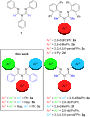
Figure 1: Sterically crowded, and neutral chelating diimine ligands.
Scheme 1: One-step synthesis of the ligand 3b, and a plausible decomposition pathway for 3b to naphthylamine (...
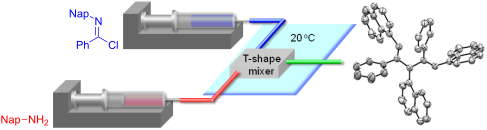
Figure 2: Micro-flow synthesis of the ligands 3b and 3c.
Figure 3: ORTEP drawing of 3b. Thermal ellipsoids are set at 35% probability level. Hydrogen atoms are omitte...
Scheme 2: Synthesis of the ligand 3c through the coupling of 4 and 9.
Figure 4: ORTEP drawing of 3c. Thermal ellipsoids are set at 35% probability level. Hydrogen atoms are omitte...
Scheme 3: Complexation of the ligands 3b and 3c with NiBr2(dme).
Figure 5: ORTEP drawing of 12. Thermal ellipsoids are set at 35% probability level. Hydrogen atoms and cocrys...
Beilstein J. Org. Chem. 2013, 9, 2328–2335, doi:10.3762/bjoc.9.267
Graphical Abstract
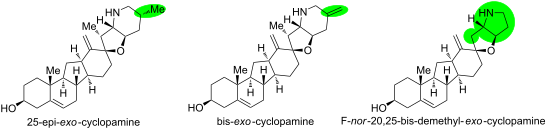
Figure 1: Structures of cyclopamine and exo-cyclopamine.
Scheme 1: Synthesis of 25-epi-exo-cyclopamine 5, bis-exo-cyclopamine 6, and derivatives 8 and 9. Reaction con...
Scheme 2: Synthesis of 20-demethyl-bis-exo-cyclopamine 19 and F-nor-20,25-bis-demethyl-exo-cyclopamine 23. Re...
Figure 2: IC50 values of Shh inhibition by compounds 5, 6 and 23 in a Gli1-reporter gene assay. Data were obt...
Beilstein J. Org. Chem. 2013, 9, 2265–2319, doi:10.3762/bjoc.9.265
Graphical Abstract
Scheme 1: Scaled industrial processes for the synthesis of simple pyridines.
Scheme 2: Synthesis of nicotinic acid from 2-methyl-5-ethylpyridine (1.11).
Scheme 3: Synthesis of 3-picoline and nicotinic acid.
Scheme 4: Synthesis of 3-picoline from 2-methylglutarodinitrile 1.19.
Scheme 5: Picoline-based synthesis of clarinex (no yields reported).
Scheme 6: Mode of action of proton-pump inhibitors and structures of the API’s.
Scheme 7: Hantzsch-like route towards the pyridine rings in common proton pump inhibitors.
Figure 1: Structures of rosiglitazone (1.40) and pioglitazone (1.41).
Scheme 8: Synthesis of rosiglitazone.
Scheme 9: Syntheses of 2-pyridones.
Scheme 10: Synthesis and mechanism of 2-pyrone from malic acid.
Scheme 11: Polymer-assisted synthesis of rosiglitazone.
Scheme 12: Synthesis of pioglitazone.
Scheme 13: Meerwein arylation reaction towards pioglitazone.
Scheme 14: Route towards pioglitazone utilising tyrosine.
Scheme 15: Route towards pioglitazone via Darzens ester formation.
Scheme 16: Syntheses of the thiazolidinedione moiety.
Scheme 17: Synthesis of etoricoxib utilising Negishi and Stille cross-coupling reactions.
Scheme 18: Synthesis of etoricoxib via vinamidinium condensation.
Figure 2: Structures of nalidixic acid, levofloxacin and moxifloxacin.
Scheme 19: Synthesis of moxifloxacin.
Scheme 20: Synthesis of (S,S)-2,8-diazabicyclo[4.3.0]nonane 1.105.
Scheme 21: Synthesis of levofloxacin.
Scheme 22: Alternative approach to the levofloxacin core 1.125.
Figure 3: Structures of nifedipine, amlodipine and clevidipine.
Scheme 23: Mg3N2-mediated synthesis of nifedipine.
Scheme 24: Synthesis of rac-amlodipine as besylate salt.
Scheme 25: Aza Diels–Alder approach towards amlodipine.
Scheme 26: Routes towards clevidipine.
Figure 4: Examples of piperidine containing drugs.
Figure 5: Discovery of tiagabine based on early leads.
Scheme 27: Synthetic sequences to tiagabine.
Figure 6: Structures of solifenacin (2.57) and muscarine (2.58).
Scheme 28: Enantioselective synthesis of solifenacin.
Figure 7: Structures of DPP-4 inhibitors of the gliptin-type.
Scheme 29: Formation of inactive diketopiperazines from cis-rotameric precursors.
Figure 8: Co-crystal structure of carmegliptin bound in the human DPP-4 active site (PDB 3kwf).
Scheme 30: Improved route to carmegliptin.
Figure 9: Structures of lamivudine and zidovudine.
Scheme 31: Typical routes accessing uracil, thymine and cytosine.
Scheme 32: Coupling between pyrimidones and riboses via the Vorbrüggen nucleosidation.
Scheme 33: Synthesis of lamivudine.
Scheme 34: Synthesis of raltegravir.
Scheme 35: Mechanistic studies on the formation of 3.22.
Figure 10: Structures of selected pyrimidine containing drugs.
Scheme 36: General preparation of pyrimidines and dihydropyrimidones.
Scheme 37: Synthesis of imatinib.
Scheme 38: Flow synthesis of imatinib.
Scheme 39: Syntheses of erlotinib.
Scheme 40: Synthesis of erlotinib proceeding via Dimroth rearrangement.
Scheme 41: Synthesis of lapatinib.
Scheme 42: Synthesis of rosuvastatin.
Scheme 43: Alternative preparation of the key aldehyde towards rosuvastatin.
Figure 11: Structure comparison between nicotinic acetylcholine receptor agonists.
Scheme 44: Syntheses of varenicline and its key building block 4.5.
Scheme 45: Synthetic access to eszopiclone and brimonidine via quinoxaline intermediates.
Figure 12: Bortezomib bound in an active site of the yeast 20S proteasome ([114], pdb 2F16).
Scheme 46: Asymmetric synthesis of bortezomib.
Figure 13: Structures of some prominent piperazine containing drugs.
Figure 14: Structural comparison between the core of aplaviroc (4.35) and a type-1 β-turn (4.36).
Scheme 47: Examplary synthesis of an aplaviroc analogue via the Ugi-MCR.
Scheme 48: Syntheses of azelastine (5.1).
Figure 15: Structures of captopril, enalapril and cilazapril.
Scheme 49: Synthesis of cilazapril.
Figure 16: Structures of lamotrigine, ceftriaxone and azapropazone.
Scheme 50: Synthesis of lamotrigine.
Scheme 51: Alternative synthesis of lamotrigine (no yields reported).
Figure 17: Structural comparison between imiquimod and the related adenosine nucleoside.
Scheme 52: Conventional synthesis of imiquimod (no yields reported).
Scheme 53: Synthesis of imiquimod.
Scheme 54: Synthesis of imiquimod via tetrazole formation (not all yields reported).
Figure 18: Structures of various anti HIV-medications.
Scheme 55: Synthesis of abacavir.
Figure 19: Structures of diazepam compared to modern replacements.
Scheme 56: Synthesis of ocinaplon.
Scheme 57: Access to zaleplon and indiplon.
Scheme 58: Different routes towards the required N-methylpyrazole 6.65 of sildenafil.
Scheme 59: Polymer-supported reagents in the synthesis of key aminopyrazole 6.72.
Scheme 60: Early synthetic route to sildenafil.
Scheme 61: Convergent preparations of sildenafil.
Figure 20: Comparison of the structures of sildenafil, tadalafil and vardenafil.
Scheme 62: Short route to imidazotriazinones.
Scheme 63: Alternative route towards vardenafils core imidazotriazinone (6.95).
Scheme 64: Bayer’s approach to the vardenafil core.
Scheme 65: Large scale synthesis of vardenafil.
Scheme 66: Mode of action of temozolomide (6.105) as methylating agent.
Scheme 67: Different routes to temozolomide.
Scheme 68: Safer route towards temozolomide.
Figure 21: Some unreported heterocyclic scaffolds in top market drugs.