


Search results
Search for "sterically-hindered" in Full Text gives 297 result(s) in Beilstein Journal of Organic Chemistry. Showing first 200.
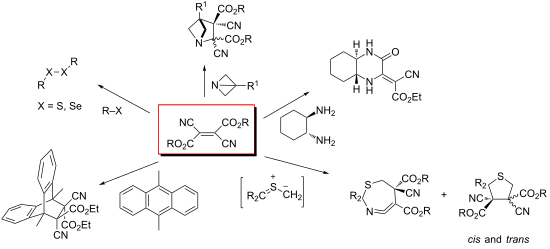
Dialkyl dicyanofumarates and dicyanomaleates as versatile building blocks for synthetic organic chemistry and mechanistic studies
- Grzegorz Mlostoń and
- Heinz Heimgartner
Beilstein J. Org. Chem. 2017, 13, 2235–2251, doi:10.3762/bjoc.13.221
- type 19 and cyclopropanes of type 15 in which Me2C is replaced by H2C was observed when the sterically hindered S-methanide derived from 2,2,6,6-tetramethylcyclohexanethione was reacted with E- or Z-1b [26], whereas in the cases of 2,2,5,5-tetramethylcyclopentanethione and 1,1,3,3-tetramethylindane-2

Graphical Abstract

Figure 1: Dialkyl dicyanofumarates E-1 and dicyanomaleates Z-1.

Scheme 1: Methods for the synthesis of dialkyl dicyanofumarates E-1 from alkyl cyanoacetates 2.

Scheme 2: Methods for the synthesis of dialkyl dicyanofumarates E-1 from alkyl bromoacetates 3.

Scheme 3: Reaction of dimethyl dicyanofumarate (E-1b) with dimethoxycarbene [(MeO)2C:] generated in situ from...

Scheme 4: Cyclopropanation of diethyl dicyanofumarate (E-1a) through reaction with the thiophene derived sulf...

Scheme 5: Cyclopropanation of dimethyl dicyanofumarate (E-1b) through a stepwise reaction with the in situ ge...

Scheme 6: The [2 + 2]-cycloadditions of dimethyl dicyanofumarate (E-1b) with electron-rich ethylenes 20 and 22...

Scheme 7: The [2 + 2]-cycloaddition of isomeric dimethyl dicyanofumarate (E-1b) and dicyanomaleate (Z-1b) wit...

Scheme 8: Non-concerted [2 + 2]-cycloaddition between E-1b and bicyclo[2.1.0]pentene (27).

Scheme 9: Stepwise [3 + 2]-cycloadditions of some thiocarbonyl S-methanides with dialkyl dicyanofumarates E-1...

Scheme 10: Stepwise [3 + 2]-cycloadditions of dimethyl dicyanofumarate (E-1b) and dimethyl dicyanomaleate (Z-1b...

Scheme 11: [3 + 2]-Cycloaddition of diazomethane with dimethyl dicyanofumarate (E-1b) leading to 1H-pyrazole d...

Scheme 12: Reversible Diels–Alder reaction of fulvenes 36 with diethyl dicyanofumarate (E-1a).

Scheme 13: [4 + 2]-Cycloaddition of 9,10-dimethylanthracene (39b) and E-1a.

Scheme 14: Stepwise [4 + 2]-cycloaddition of dimethyl dicyanofumarate (E-1b) with electron-rich 1,1-dimethoxy-...

Scheme 15: Formal [4 + 2]-cycloaddition of 3,4-di(α-styryl)furan (47) with dimethyl dicyanofumarate (E-1b).

Scheme 16: Acid-catalyzed Michael addition of enolizable ketones of type 49 to E-1.

Scheme 17: Reaction of diethyl dicyanofumarate (E-1a) with ammonia NH3.

Scheme 18: Reaction of dialkyl dicyanofumarates E-1 with primary and secondary amines.

Scheme 19: Reaction of dialkyl dicyanofumarates E-1 with 1-azabicyclo[1.1.0]butanes 55.

Scheme 20: Formation of pyrazole derivatives in the reaction of hydrazines with E-1.

Scheme 21: Formation of 5-aminopyrazole-3,4-dicarboxylate 65 via heterocyclization reactions.

Scheme 22: Reactions of aryl- and hetarylcarbohydrazides 67 with E-1a.

Scheme 23: Multistep reaction leading to perhydroquinoxaline derivative 73.

Scheme 24: Synthesis of ethyl 7-aminopteridin-6-carboxylates 75 via a domino reaction.

Scheme 25: Synthesis of morhpolin-2-ones 80 from E-1 and β-aminoalcohols 78 through an initial aza-Michael add...

Scheme 26: Reaction of 3-amino-5-arylpyrazoles 81 with dialkyl dicyanofumarates E-1 via competitive nucleophil...

Scheme 27: Heterocyclization reaction of thiosemicarbazone 86 with E-1a.

Scheme 28: Formation of diethyl 4-cyano-5-oxotetrahydro-4H-chromene-3,4-dicarboxylate (90) from E-1a via heter...

Scheme 29: Reaction of dialkyl dicyanofumarates E-1 with cysteamine (92).

Scheme 30: Formation of disulfides through reaction of thiols with E-1a.

Scheme 31: Formation of CT salts of E-1 with Mn2+ and Cr2+ metallocenes through one-electron transfer.

Scheme 32: Oxidation of diethyl dicyanofumarate (E-1a) with H2O2 to give oxirane 101.

Scheme 33: The aziridination of E-1b through nitrene addition.
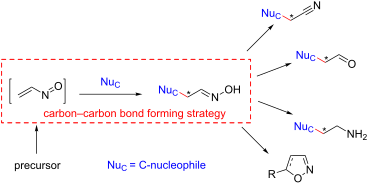
Conjugated nitrosoalkenes as Michael acceptors in carbon–carbon bond forming reactions: a review and perspective
- Yaroslav D. Boyko,
- Valentin S. Dorokhov,
- Alexey Yu. Sukhorukov and
- Sema L. Ioffe
Beilstein J. Org. Chem. 2017, 13, 2214–2234, doi:10.3762/bjoc.13.220
- ). It is believed that the initially formed α-cyanooximes 85 undergo rapid cyclization to isoxazole derivatives 86. Interestingly, in the case of a more sterically hindered 3-chloronorcamphor oxime, the corresponding α-cyanooxime 85a was obtained, which did not undergo cyclization to isoxazole

Graphical Abstract

Scheme 1: Precursors of nitrosoalkenes NSA.

Scheme 2: Reactions of cyclic α-chlorooximes 1 with 1,3-dicarbonyl compounds.

Scheme 3: C-C-coupling of N,N-bis(silyloxy)enamines 3 with 1,3-dicarbonyl compounds.

Scheme 4: Reaction of N,N-bis(silyloxy)enamines 3 with nitronate anions.

Scheme 5: Reaction of α-chlorooximes TBS ethers 2 with ester enolates.

Scheme 6: Assembly of bicyclooctanone 14 via an intramolecular cyclization of nitrosoalkene NSA2.

Scheme 7: A general strategy for the assembly of bicyclo[2.2.1]heptanes via an intramolecular cyclization of ...

Scheme 8: Stereochemistry of Michael addition to cyclic nitrosoalkene NSA3.

Scheme 9: Stereochemistry of Michael addition to acyclic nitrosoalkenes NSA4.

Scheme 10: Stereochemistry of Michael addition to γ-alkoxy nitrosoalkene NSA5.

Scheme 11: Oppolzer’s total synthesis of 3-methoxy-9β-estra(1,3,5(10))trien(11,17)dione (25).

Scheme 12: Oppolzer’s total synthesis of (+/−)-isocomene.

Figure 1: Alkaloids synthesized using stereoselective Michael addition to conjugated nitrosoalkenes.

Scheme 13: Weinreb’s total synthesis of alstilobanines A, E and angustilodine.

Scheme 14: Weinreb’s approach to the core structure of apparicine alkaloids.

Scheme 15: Weinreb’s synthesis of (+/−)-myrioneurinol via stereoselective conjugate addition of malonate to ni...

Scheme 16: Reactions of cyclic α-chloro oximes with Grignard reagents.

Scheme 17: Corey’s synthesis of (+/−)-perhydrohistrionicotoxin.

Scheme 18: Addition of Gilman’s reagents to α,β-epoxy oximes 53.

Scheme 19: Addition of Gilman’s reagents to α-chlorooximes.

Scheme 20: Reaction of silyl nitronate 58 with organolithium reagents via nitrosoalkene NSA12.

Scheme 21: Reaction of β-ketoxime sulfones 61 and 63 with lithium acetylides.

Scheme 22: Electrophilic addition of nitrosoalkenes NSA14 to electron-rich arenes.

Scheme 23: Addition of nitrosoalkenes NSA14 to pyrroles and indoles.

Scheme 24: Reaction of phosphinyl nitrosoalkenes NSA15 with indole.

Scheme 25: Reaction of pyrrole with α,α’-dihalooximes 70.

Scheme 26: Synthesis of indole-derived psammaplin A analogue 72.

Scheme 27: Synthesis of tryptophanes by reduction of oximinoalkylated indoles 68.

Scheme 28: Ottenheijm’s synthesis of neoechinulin B analogue 77.

Scheme 29: Synthesis of 1,2-dihydropyrrolizinones 82 via addition of pyrrole to ethyl bromopyruvate oxime.

Scheme 30: Kozikowski’s strategy to indolactam-based alkaloids via addition of indoles to ethyl bromopyruvate ...

Scheme 31: Addition of cyanide anion to nitrosoalkenes and subsequent cyclization to 5-aminoisoxazoles 86.

Scheme 32: Et3N-catalysed addition of trimethylsilyl cyanide to N,N-bis(silyloxy)enamines 3 leading to 5-amino...

Scheme 33: Addition of TMSCN to allenyl N-siloxysulfonamide 89.

Scheme 34: Reaction of nitrosoallenes NSA16 with malodinitrile and ethyl cyanoacetic ester.

Scheme 35: [4 + 1]-Annulation of nitrosoalkenes NSA with sulfonium ylides 92.

Scheme 36: Reaction of diazo compounds 96 with nitrosoalkenes NSA.

Scheme 37: Tandem Michael addition/oxidative cyclization strategy to isoxazolines 100.
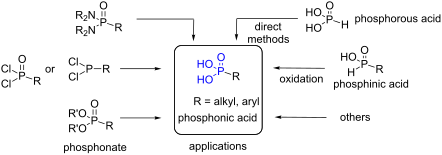
Phosphonic acid: preparation and applications
- Charlotte M. Sevrain,
- Mathieu Berchel,
- Hélène Couthon and
- Paul-Alain Jaffrès
Beilstein J. Org. Chem. 2017, 13, 2186–2213, doi:10.3762/bjoc.13.219
- acidification with hydrochloric acid. For example, the sterically hindered phenylphosphonic acid 85 was prepared in a two-step procedure starting from the dichlorophenylphosphine 83. Ph–PCl2 was first oxidized into the phenylphosphine oxide 84 with sulfuryl chloride in CCl4 and then hydrolysis occurred with

Graphical Abstract

Figure 1: Summary of the synthetic routes to prepare phosphonic acids detailed in this review. The numbers in...

Figure 2: Chemical structure of dialkyl phosphonate, phosphonic acid and illustration of the simplest phospho...

Figure 3: Illustration of some phosphonic acid exhibiting bioactive properties. A) Phosphonic acids for biome...

Figure 4: Illustration of the use of phosphonic acids for their coordination properties and their ability to ...

Figure 5: Hydrolysis of dialkyl phosphonate to phosphonic acid under acidic conditions.

Figure 6: Examples of phosphonic acids prepared by hydrolysis of dialkylphosphonate with HCl 35% at reflux (16...

Figure 7: A) and B) Observation of P–C bond breaking during the hydrolysis of phosphonate with concentrated H...

Figure 8: Mechanism of the hydrolysis of dialkyl phosphonate with HCl in water.

Figure 9: Hydrolysis of bis-tert-butyl phosphonate 28 into phosphonic acid 29 [137].

Figure 10: A) Hydrolysis of diphenyl phosphonate into phosphonic acid in acidic media. B) Examples of phosphon...

Figure 11: Suggested mechanism occurring for the first step of the hydrolysis of diphenyl phosphonate into pho...

Figure 12: A) Hydrogenolysis of dibenzyl phosphonate to phosphonic acid. B) Compounds 33, 34 and 35 were prepa...

Figure 13: A) Preparation of phosphonic acid from diphenyl phosphonate with the Adam’s catalyst. B) Compounds ...

Figure 14: Suggested mechanism for the preparation of phosphonic acid from dialkyl phosphonate using bromotrim...

Figure 15: A) Reaction of the phosphonate-thiophosphonate 37 with iodotrimethylsilane followed by methanolysis...

Figure 16: Synthesis of hydroxymethylenebisphosphonic acid by reaction of tris(trimethylsilyl) phosphite with ...

Figure 17: Synthesis of the phosphonic acid disodium salt 48 by reaction of mono-hydrolysed phosphonate 47 wit...

Figure 18: Phosphonic acid synthesized by the sequence 1) bromotrimethylsilane 2) methanolysis or hydrolysis. ...

Figure 19: Polyphosphonic acids and macromolecular compounds prepared by the hydrolysis of dialkyl phosphonate...

Figure 20: Examples of organometallic complexes functionalized with phosphonic acids that were prepared by the...

Figure 21: Side reaction observed during the hydrolysis of methacrylate monomer functionalized with phosphonic...

Figure 22: Influence of the reaction time during the hydrolysis of compound 76.

Figure 23: Dealkylation of dialkyl phosphonates with boron tribromide.

Figure 24: Dealkylation of diethylphosphonate 81 with TMS-OTf.

Figure 25: Synthesis of substituted phenylphosphonic acid 85 from the phenyldichlorophosphine 83.

Figure 26: Hydrolysis of substituted phenyldichlorophosphine oxide 86 under basic conditions.

Figure 27: A) Illustration of the synthesis of chiral phosphonic acids from phosphonodiamides. B) Examples of ...

Figure 28: A) Illustration of the synthesis of the phosphonic acid 98 from phosphonodiamide 97. B) Use of cycl...

Figure 29: Synthesis of tris(phosphonophenyl)phosphine 109.

Figure 30: Moedritzer–Irani reaction starting from A) primary amine or B) secondary amine. C) Examples of phos...

Figure 31: Phosphonic acid-functionalized polymers prepared by Moedritzer–Irani reaction.

Figure 32: Reaction of phosphorous acid with imine in the absence of solvent.

Figure 33: A) Reaction of phosphorous acid with nitrile and examples of aminomethylene bis-phosphonic acids. B...

Figure 34: Reaction of carboxylic acid with phosphorous acid and examples of compounds prepared by this way.

Figure 35: Synthesis of phosphonic acid by oxidation of phosphinic acid (also identified as phosphonous acid).

Figure 36: Selection of reaction conditions to prepare phosphonic acids from phosphinic acids.

Figure 37: Synthesis of phosphonic acid from carboxylic acid and white phosphorus.

Figure 38: Synthesis of benzylphosphonic acid 136 from benzaldehyde and red phosphorus.

Figure 39: Synthesis of graphene phosphonic acid 137 from graphite and red phosphorus.
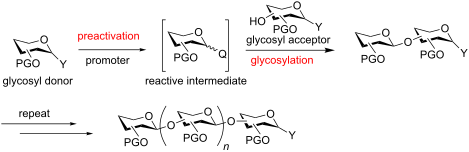
Preactivation-based chemoselective glycosylations: A powerful strategy for oligosaccharide assembly
- Weizhun Yang,
- Bo Yang,
- Sherif Ramadan and
- Xuefei Huang
Beilstein J. Org. Chem. 2017, 13, 2094–2114, doi:10.3762/bjoc.13.207
- utilized glycosyl sulfoxide donors for glycosylation of unreactive substrates such as steroid derivative 2 by the Kahne group [25]. The axial C-7 hydroxy group in 2 is sterically hindered due to unfavorable 1,3-diaxial interactions. The traditional premixed glycosylation gave only low yields (<30%) of the

Graphical Abstract

Scheme 1: a) Traditional glycosylation typically employs the premixed approach with both the donor and the ac...

Scheme 2: Glycosylation of an unreactive substrate. Reagents and conditions: (a) Tf2O, −78 °C, CH2Cl2 (DCM), ...

Scheme 3: Bromoglycoside-mediated glycosylation.

Scheme 4: Glycosyl bromide-mediated selenoglycosyl donor-based iterative glycosylation. Reagents and conditio...

Scheme 5: Preactivation-based glycosylation using 2-pyridyl glycosyl donors.

Scheme 6: Chemoselective dehydrative glycosylation. Reagents and conditions: (a) Ph2SO, Tf2O, 2-chloropyridin...

Figure 1: Representative structures of products formed by the preactivation-based dehydrative glycosylation o...

Scheme 7: Possible mechanism for the dehydrative glycosylation. (a) Formation of diphenyl sulfide bis(triflat...

Scheme 8: Chemoselective iterative dehydrative glycosylation. Reagents and conditions: (a) Ph2SO, Tf2O, 2,4,6...

Scheme 9: Chemoselective iterative dehydrative glycosylation. Reagents and conditions: (a) Ph2SO, Tf2O, −40 °...

Scheme 10: Chemical synthesis of a hyaluronic acid (HA) trimer 47. Reagents and conditions: (a) Ph2SO, TTBP, CH...

Figure 2: Retrosynthetic analysis of pentasaccharide 48.

Scheme 11: Effects of anomeric leaving groups on glycosylation outcomes. Reagents and conditions: (a) Ph2SO, Tf...

Scheme 12: Reactivity-based one-pot chemoselective glycosylation.

Scheme 13: Preactivation-based iterative glycosylation of thioglycosides.

Scheme 14: BSP/Tf2O promoted synthesis of 75.

Scheme 15: Proposed mechanism for preactivation-based glycosylation strategy.

Figure 3: The preactivations of glycosyl donors 83, 85 and 87 were investigated by low temperature NMR, which...

Scheme 16: The more electron-rich glycosyl donor 91 gave a higher glycosylation yield than the glycosyl donor ...

Scheme 17: Comparison of the BSP/Tf2O and p-TolSCl/AgOTf promoter systems in facilitating the preactivation-ba...

Scheme 18: One-pot synthesis of Globo-H hexasaccharide 105 using building blocks 101, 102, 103 and 104.
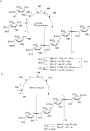
Scheme 19: Synthesis of (a) oligosaccharides 109–113 towards (b) 30-mer galactan 115. Reagents and conditions:...

Figure 4: Structure of mycobacterial arabinogalactan 116.
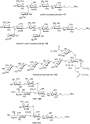
Figure 5: Representative complex glycans from glycolipid family synthesized by the preactivation-based thiogl...

Figure 6: Representative microbial and mammalian oligosaccharides synthesized by the preactivation-based thio...

Figure 7: Some representative mammalian oligosaccharides synthesized by the preactivation-based thioglycoside...
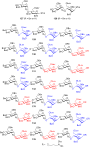
Figure 8: Preparation of a heparan sulfate oligosaccharides library.

Scheme 20: Synthesis of oligo-glucosamines through electrochemical promoted preactivation-based thioglycoside ...

Scheme 21: Synthesis of 2-deoxyglucosides through preactivation. Reagents and conditions: a) AgOTf, p-TolSCl, ...

Scheme 22: Synthesis of tetrasaccharide 153. Reagents and conditions: (a) AgOTf, p-TolSCl, CH2Cl2, −78 °C; the...

Scheme 23: Aglycon transfer from a thioglycosyl acceptor to an activated donor can occur during preactivation-...
Mechanochemical synthesis of thioureas, ureas and guanidines
- Vjekoslav Štrukil
Beilstein J. Org. Chem. 2017, 13, 1828–1849, doi:10.3762/bjoc.13.178
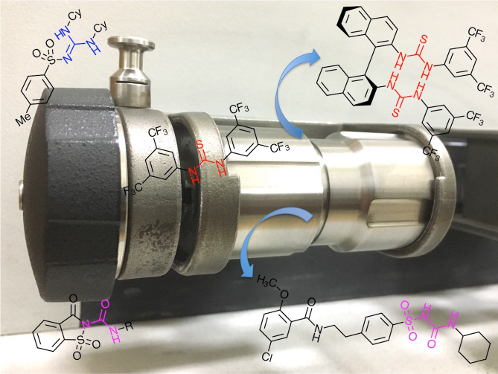
- -type amine–isothiocyanate coupling reaction (Scheme 4). In the case of secondary amines (piperidine, morpholine and thiomorpholine) and sterically hindered amines (2,4- and 2,6-dimethylanilines), ball milling again resulted in ≥99% yields in 10 minutes, except for the reactions involving 4
- : corrugated chains of head-to-head or head-to-tail aligned molecules and discrete centrosymmetric dimers based on the R22(8) supramolecular synthon in the case of sterically hindered thioureas (Figure 2). The crystal structures of N,N'-diarylthioureas linked in chains via N–H···S hydrogen bonds can further be
- bis-thioureas which were tested as cyanide anion sensors in DMSO solution. Our group continued the research on the solid-state synthesis of thioureas focusing now on the reactivity of sterically hindered ortho-phenylenediamine (o-pda) with isothiocyanates [35]. Whereas Kaupp's approach to prepare a

Graphical Abstract

Scheme 1: a) Schematic representations of unsubstituted urea, thiourea and guanidine. b) Wöhler's synthesis o...

Figure 1: Antidiabetic (1–3) and antimalarial (4) drugs derived from ureas and guanidines currently available...

Scheme 2: The structures of some representative (thio)urea and guanidine organocatalysts 5–8 and anion sensor...

Scheme 3: Solid-state reactivity of isothiocyanates reported by Kaupp [30].

Scheme 4: a) Mechanochemical synthesis of aromatic and aliphatic di- and trisubstituted thioureas by click-co...

Figure 2: The supramolecular level of organization of thioureas in the solid-state.

Figure 3: The supramolecular level of organization of thioureas in the solid-state.

Scheme 5: Thiourea-based organocatalysts and anion sensors obtained by click-mechanochemical synthesis.

Scheme 6: Mechanochemical desymmetrization of ortho-phenylenediamine.

Scheme 7: Mechanochemical desymmetrization of para-phenylenediamine.

Scheme 8: a) Selected examples of a mechanochemical synthesis of aromatic isothiocyanates from anilines. b) O...

Scheme 9: In solution, aromatic N-thiocarbamoyl benzotriazoles 27 are unstable and decompose to isothiocyanat...
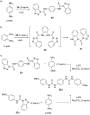
Scheme 10: Mechanosynthesis of a) bis-thiocarbamoyl benzotriazole 29 and b) benzimidazole thione 31. c) Synthe...

Figure 4: In situ Raman spectroscopy monitoring the synthesis of thiourea 28d in the solid-state. N-Thiocarba...

Scheme 11: a) The proposed synthesis of monosubstituted thioureas 32. b) Conversion of N-thiocarbamoyl benzotr...

Scheme 12: A few examples of mechanochemical amination of thiocarbamoyl benzotriazoles by in situ generated am...

Scheme 13: Mechanochemical synthesis of a) anion binding urea 33 by amine-isocyanate coupling and b) dialkylur...

Scheme 14: a) Solvent-free milling synthesis of the bis-urea anion sensor 35. b) Non-selective desymmetrizatio...

Scheme 15: a) HOMO−1 contours of mono-thiourea 19b and mono-urea 36. b) Mechanochemical synthesis of hybrid ur...

Scheme 16: Synthesis of ureido derivatives 38 and 39 from KOCN and hydrochloride salts of a) L-phenylalanine m...

Scheme 17: a) K2CO3-assisted synthesis of sulfonyl (thio)ureas. b) CuCl-catalyzed solid-state synthesis of sul...

Scheme 18: Two-step mechanochemical synthesis of the antidiabetic drug glibenclamide (2).

Scheme 19: Derivatization of saccharin by mechanochemical CuCl-catalyzed addition of isocyanates.

Scheme 20: a) Unsuccessful coupling of p-toluenesulfonamide and DCC in solution and by neat/LAG ball milling. ...

Scheme 21: a) Expansion of the saccharin ring by mechanochemical insertion of carbodiimides. b) Insertion of D...

Scheme 22: Synthesis of highly basic biguanides by ball milling.
Encaging palladium(0) in layered double hydroxide: A sustainable catalyst for solvent-free and ligand-free Heck reaction in a ball mill
- Wei Shi,
- Jingbo Yu,
- Zhijiang Jiang,
- Qiaoling Shao and
- Weike Su
Beilstein J. Org. Chem. 2017, 13, 1661–1668, doi:10.3762/bjoc.13.160
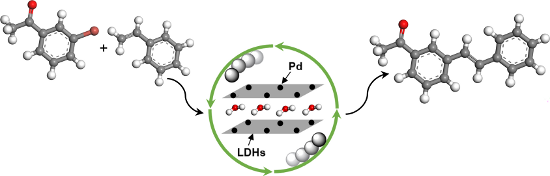
- sterically hindered substrate 1c led to a higher yield as compared with 1a and 1b, which is contrary to Li’s study [57] in solution-based Heck reactions. This might be because of the lone pairs of the oxygen atom in the keto group at the ortho-position could coordinate with Pd/MgAl-LDHs under HSBM conditions

Graphical Abstract

Scheme 1: Supported catalysts in cross-coupling reactions. MM represents mixer mill; PM represents planetary ...

Figure 1: The XRD patterns for the samples of MgAl-LDHs, MgAl-LDHs-PdCl42− and Pd/MgAl-LDHs.

Scheme 2: Selected model reaction.

Figure 2: Examination of the milling-ball filling degree (ΦMB) and milling-ball sizes on the yield of 3aa. Re...

Figure 3: Examination of ball-milling time and rotation speed on the yield of 3aa. Reaction conditions: 1a (1...

Figure 4: Substrate scope of Pd/MgAl-LDHs catalyzed Heck reactions. Reaction conditions unless otherwise note...

Scheme 3: Pd/MgAl-LDHs catalyzed Heck reactions of heteroaryl bromides. Reaction conditions unless otherwise ...

Figure 5: Recycling studies of the Pd/MgAl-LDH catalyst for Heck reactions. Reaction conditions: 1i or 1m (1....
Syntheses of 3,4- and 1,4-dihydroquinazolines from 2-aminobenzylamine
- Jimena E. Díaz,
- Silvia Ranieri,
- Nadia Gruber and
- Liliana R. Orelli
Beilstein J. Org. Chem. 2017, 13, 1470–1477, doi:10.3762/bjoc.13.145
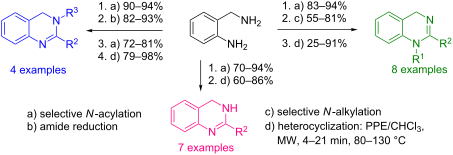
- propionamides 4a,b,h–k reacted readily under mild reaction conditions (Table 3, entries 1, 2, and 8–11), while for isobutyramide 4c a higher temperature was necessary (Table 3, entry 3). Finally, the more sterically hindered pivalamide 4d and the less reactive benzamides 4e–g required harsher reaction

Graphical Abstract

Figure 1: 3,4-Dihydroquinazolines 1 and 1,4-dihydroquinazolines 2.

Scheme 1: Synthetic pathways for the preparation of 3,4-dihydroquinazolines 1 and 1,4-dihydroquinazolines 2.

Scheme 2: Synthesis of compounds 3a–c.

Scheme 3: Benzylic oxidation of 1,4-dihydroquinazolines (a) and 3,4-dihydroquinazolines (b).
A speedy route to sterically encumbered, benzene-fused derivatives of privileged, naturally occurring hexahydropyrrolo[1,2-b]isoquinoline
- Olga Bakulina,
- Alexander Ivanov,
- Vitalii Suslonov,
- Dmitry Dar’in and
- Mikhail Krasavin
Beilstein J. Org. Chem. 2017, 13, 1413–1424, doi:10.3762/bjoc.13.138
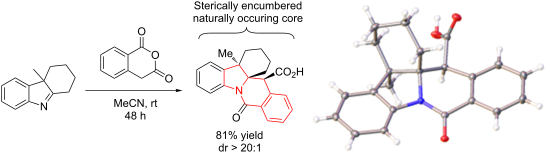
- formation of HPA dimer 11 and product of its decarboxylation 12 (Scheme 1). The formation of these two products (observed by 1H NMR) was recently reported by Knapp et al. [35] as a result from the treatment of HPA with a strong base (which was absent in our case). The failure to activate sterically hindered

Graphical Abstract

Figure 1: The Castagnoli–Cushman reaction (CCR).

Figure 2: Assembly of hexahydropyrrolo[1,2-b]isoquinoline core via the CCR and its occurrence in natural and ...

Figure 3: Indolenine substrates 9a–t investigated in this work. aPrepared for the first time (the rest are kn...

Figure 4: Anti- and syn-diastereomers of 10 and 10'.

Figure 5: Single-crystal X-ray structure of compound 10l.

Scheme 1: Formation of unwanted products 11 and 12 in lieu of the CCR with 9p–t.

Figure 6: Typical J(H11-H11a)-values and corresponding dihedral angles for syn- and anti-diastereomers of com...

Figure 7: The difference in the 13C NMR chemical shifts of the angular methyl group between syn- and anti-dia...

Figure 8: Criteria for stereochemistry assignment of anti-10o.

Scheme 2: Syn/anti isomerization of compound 10e.

Scheme 3: Alternative mechanistic pathways for the CCR.

Scheme 4: Formation and fate of Mannich adduct 13e.

Scheme 5: Mechanistic rationale for the 13e→ syn/anti-10e conversion.

Scheme 6: Decarboxylation of anti/syn-10h.
Detection of therapeutic radiation in three-dimensions
- John A. Adamovics
Beilstein J. Org. Chem. 2017, 13, 1325–1331, doi:10.3762/bjoc.13.129
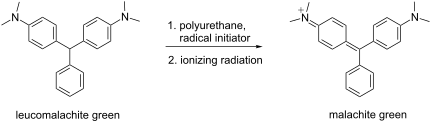
- of the eight DTMs which varied from 4.5 times greater than LMG for the most sterically hindered bromide derivative 2 to the least for the ortho-fluoride 4 with 0.6 less dose sensitivity than LMG (Table 1). This is also consistent for the ortho-methyl derivative 5 being more dose sensitive than it’s

Graphical Abstract

Scheme 1: Ionizing radiation reactions in the Fricke dosimeter.

Figure 1: Structure of xylenol orange.

Scheme 2: Sulfuric acid/urea promoted synthesis of LMG.
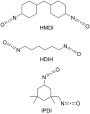
Figure 2: Aliphatic diisocyantes HMDI, HDI, IPDI.

Figure 3: Absorption spectrum of irradiated leucomalachite green.

Figure 4: 3D dosimeters fabricated in our lab for a variety of radiation therapies. Top left a head dosimeter...

Figure 5: OCT scanner used in our lab to create 3D images.
Total syntheses of the archazolids: an emerging class of novel anticancer drugs
- Stephan Scheeff and
- Dirk Menche
Beilstein J. Org. Chem. 2017, 13, 1085–1098, doi:10.3762/bjoc.13.108
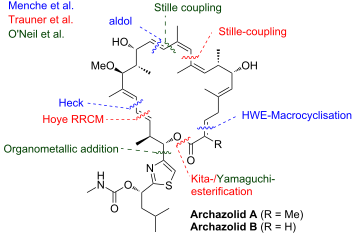
- stereoselective elimination and decarboxylation in situ. The corresponding aldehyde 22 was then homologated by an Abiko–Masamune anti-aldol addition [74] with ephedrine-derived ester 23, which proceeded with excellent yield and stereoselectivity. However, the subsequent removal of the sterically hindered chiral

Graphical Abstract

Scheme 1: Molecular structures of the archazolids.

Scheme 2: Retrosynthetic analysis of archazolid A by the Menche group.

Scheme 3: Synthesis of north-eastern fragment 5 through a Paterson anti-aldol addition and multiple Still–Gen...

Scheme 4: Synthesis of 4 through an Abiko–Masamune anti-aldol addition.

Scheme 5: Thiazol construction and synthesis of the southern fragment 6.

Scheme 6: Completion of the total synthesis of archazolid A.

Scheme 7: Synthesis of archazolid B (2) by a ring closing Heck reaction of 38.

Scheme 8: Retrosynthetic analysis of archazolid B by the Trauner group.

Scheme 9: Synthesis of acid 40 from Roche ester 41 involving a highly efficient Trost–Alder ene reaction.

Scheme 10: Synthesis of precursor 39 for the projected relay RCM reaction.

Scheme 11: Final steps of Trauner’s total synthesis of archazolid B.

Scheme 12: Overview of the different retrosynthetic approaches for the synthesis of dihydroarchazolid B (3) re...

Scheme 13: Fragment synthesis of 69 towards the total synthesis of 3.

Scheme 14: Organometallic addition of the side chain to access free alcohol 75.
Regioselective (thio)carbamoylation of 2,7-di-tert-butylpyrene at the 1-position with iso(thio)cyanates
- Anna Wrona-Piotrowicz,
- Marzena Witalewska,
- Janusz Zakrzewski and
- Anna Makal
Beilstein J. Org. Chem. 2017, 13, 1032–1038, doi:10.3762/bjoc.13.102
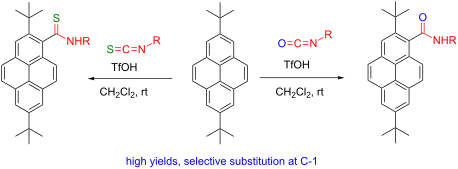
- , 6 and 8 of 1. However, Friedel–Crafts alkylation of 1 with an excess of sterically hindered tert-butyl chloride leads to 2,7-di-tert-butylpyrene (2) [8]. This compound, owing to the presence of two bulky and electron-donating tert-butyl groups, displays different reactivity towards electrophiles. It
- sterically hindered pyrene 1-position, whereas the bulkier protonated acetyl trifluoroacetate (the postulated electrophile in the examined Friedel–Crafts acylation) attacks sterically the less hindered 4-position. Conclusion We found that triflic acid-promoted (thio)carbamoylation of 2 with aliphatic iso
- sterically hindered pyrene framework. Experimental General All reagents were purchased from Sigma-Aldrich and used without further purification. Solvents were purified before use by reported methods. Column chromatography was carried out on silica gel 60 (0.040–0.063 mm, 230–400 mesh, Fluka). 1H and 13C NMR

Graphical Abstract

Figure 1: Sites of electrophilic attack in 1 and 2.
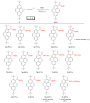
Scheme 1: Triflic acid promoted reaction of 2 with iso(thio)cyanates.

Scheme 2: Triflic acid promoted reaction of 2 with ethoxycarbonyl isothiocyanate.

Figure 2: Molecular structure of 4.

Scheme 3: Friedel–Crafts acylation of 2.
Synthesis of tetrasubstituted pyrazoles containing pyridinyl substituents
- Josef Jansa,
- Ramona Schmidt,
- Ashenafi Damtew Mamuye,
- Laura Castoldi,
- Alexander Roller,
- Vittorio Pace and
- Wolfgang Holzer
Beilstein J. Org. Chem. 2017, 13, 895–902, doi:10.3762/bjoc.13.90
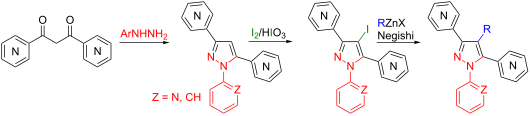
- homocoupling products 7a,b emerged as the predominant reaction products (Scheme 5, middle trace), probably due to preferable halogen–zinc exchange and subsequent homocoupling. Interestingly, such sterically hindered halides provided homocoupling products 7a,b in good yields (66% and 48%, respectively). The

Graphical Abstract

Scheme 1: Envisaged general approach for the synthesis of the title compounds.

Scheme 2: Synthesis of 4-iodopyrazoles of type 3.

Scheme 3: Lithium–halogen exchange and subsequent carboxylation with iodopyrazoles 3a–d.

Scheme 4: Attempted cross-coupling reactions with 4-halopyrazoles 5 and 3a.

Scheme 5: Negishi couplings with 4-iodopyrazoles 3a,b.

Scheme 6: Formation of pyrazoloquinolizin-6-ium iodide 12 upon reaction of 3a with (phenylethynyl)zinc bromid...

Scheme 7: Prototropic tautomerism of compound 1a.

Figure 1: 1H NMR (in italics), 13C NMR and 15N NMR (in bold) chemical shifts of compound 9a (in CDCl3).
DMAP-assisted sulfonylation as an efficient step for the methylation of primary amine motifs on solid support
- Johnny N. Naoum,
- Koushik Chandra,
- Dorit Shemesh,
- R. Benny Gerber,
- Chaim Gilon and
- Mattan Hurevich
Beilstein J. Org. Chem. 2017, 13, 806–816, doi:10.3762/bjoc.13.81
- several amine motifs. 4-Dimethylaminopyridine (DMAP) has been reported to assist in the sulfonylation and acylation of weak nucleophiles such as secondary amines, alcohols, amides, and sterically hindered amines when used as catalyst in addition to a base additive [28][29][30][31]. It has been suggested
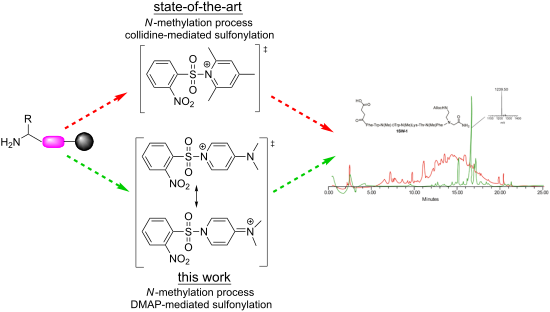
- additive for sulfonylation of primary amines with o-NBS-Cl for the purpose of N-methylation on solid support. We herein report a DMAP-mediated strategy for the efficient regioselective N-methylation of sterically hindered primary amines as well as less hindered amines on solid support (Figure 1B). Our DFT
- electron-donating groups on the ring. Collidine has electron-donating groups that make it nucleophilic but it is sterically hindered, while DMAP is stabilized by resonance and much less hindered. Our results emphasized the effect of DMAP for the introduction of the o-NBS group as it proved the most

Graphical Abstract
Figure 1: Collidine-assisted vs DMAP-assisted N-methylation process on solid support. (A) Collidine-assisted ...
Figure 2: Motifs 1–5 were used as models for the optimization of the N-methylation process. i) Introduction o...

Figure 3: Sulfonylation optimization study. HPLC trace overlay that shows the sulfonylation of motif 4 to yie...

Figure 4: DFT calculations for the reaction of o-NBS-Cl with a) collidine and b) DMAP. The structure of the r...

Figure 5: Methylation of motif 3a to 3b using various reaction conditions. HPLC trace overlay presents the ef...

Figure 6: Optimization of o-NBS removal reaction conditions demonstrated on motif 5b. HPLC trace overlay of i...

Figure 7: HPLC trace overlay and MS analysis of the somatostatin analogue, 1SW-1, which was Nα-methylated on ...
Transition-metal-catalyzed synthesis of phenols and aryl thiols
- Yajun Liu,
- Shasha Liu and
- Yan Xiao
Beilstein J. Org. Chem. 2017, 13, 589–611, doi:10.3762/bjoc.13.58

- , and 1,4-dioxane/H2O as solvent (Scheme 1). Under these conditions, a wide range of aryl bromides and chlorides could be readily converted to the corresponding phenols in high yields at 100 °C within 1–18 h. Moreover, sterically hindered ortho-functionalized aryl halides and heteroaryl halides were

Graphical Abstract

Figure 1: Examples of drugs bearing phenol or aryl thiol as central structural motifs.

Scheme 1: Hydroxylation of aryl halides using biphenylphosphine as ligand.

Scheme 2: Hydroxylation of aryl halides using tert-butylphosphine as ligand.

Scheme 3: Hydroxylation of aryl halides using imidazole typed phosphine ligands.

Scheme 4: [Pd(cod)(CH2SiMe3)2] catalyzed hydroxylation of aryl halides.

Scheme 5: Pd/PANI catalyzed hydroxylation of hydroxylation of aryl halides.

Scheme 6: MCM-41-dzt-Pd catalyzed hydroxylation of aryl halides.

Scheme 7: Hydroxylation of aryl halides using dibenzoylmethane as ligand.

Scheme 8: Hydroxylation of aryl halides using 2,2’-bipyridine as ligand.

Scheme 9: Hydroxylation of aryl bromides using imidazolyl pyridine as ligand.

Scheme 10: Hydroxylation of aryl halides using DMEDA as ligand.

Scheme 11: Hydroxylation of aryl halides using PAO as ligand.

Scheme 12: Hydroxylation of aryl halides using D-glucose as ligand.

Scheme 13: Hydroxylation of aryl halides using INDION-770 as ligand.

Scheme 14: PEG-400 mediated hydroxylation of aryl halides.

Scheme 15: Hydroxylation of aryl halides using glycolic acid as ligand.

Scheme 16: Hydroxylation of aryl halides using L-sodium ascorbate as ligand.

Scheme 17: Difunctionalized ethanes mediated hydroxylation of aryl iodides.

Scheme 18: Hydroxylation of aryl halides using 2-methyl-8-hydroxylquinoline as ligand.

Scheme 19: Hydroxylation of aryl halides using 8-hydroxyquinolin-N-oxide as ligand.

Scheme 20: Hydroxylation of aryl halides using lithium pipecolinate as ligand.

Scheme 21: Hydroxylation of aryl halides using L-lithium prolinate.

Scheme 22: Hydroxylation of aryl halides using triethanolamine as ligand.

Scheme 23: CuI-nanoparticle-catalyzed hydroxylation of aryl halides.

Scheme 24: Cu-g-C3N4-catalyzed hydroxylation of aryl bromides.

Scheme 25: Cu(OAc)2-mediated hydroxylation of (2-pyridyl)arenes.

Scheme 26: Removable pyridine moiety directed hydroxylation of arenes.

Scheme 27: Removable quinoline moiety directed hydroxylation of arenes.

Scheme 28: CuCl2 catalyzed hydroxylation of benzimidazoles and benzoxazoles.

Scheme 29: Disulfide-directed C–H hydroxylation.

Scheme 30: Pd(OAc)2-catalyzed hydroxylation of diarylpyridines.

Scheme 31: PdCl2-catalyzed hydroxylation of 2-arylpyridines.

Scheme 32: PdCl2-catalyzed hydroxylation of 2-arylpyridines.

Scheme 33: Pd(OAc)2-catalyzed hydroxylation of 2-arylpyridines.

Scheme 34: Pd(CH3CN)2Cl2-catalyzed hydroxylation of 2-arylpyridines.

Scheme 35: Pd(OAc)2-catalyzed hydroxylation of benzothiazolylarenes.

Scheme 36: Pd(OAc)2 catalyzed hydroxylation of benzimidazolylarenes.

Scheme 37: Dioxane mediated hydroxylation of 2-heteroarylarenes.

Scheme 38: Hydroxylation of oxime methyl ester.

Scheme 39: CN-directed meta-hydroxylation.

Scheme 40: Pd(OAc)2-catalyzed hydroxylation of benzoic acids.

Scheme 41: Pd(OAc)2-catalyzed hydroxylation of biaryl or aryl alkyl ketones.

Scheme 42: Pd(OAc)2 and Pd(TFA)2 catalyzed hydroxylation of aryl ketones.

Scheme 43: Pd(OAc)2 catalyzed hydroxylation of aryl ketones.

Scheme 44: Pd(TFA)2-catalyzed hydroxylation of aryl phosphonates.

Scheme 45: Hydroxy group directed hydroxylation.

Scheme 46: [Ru(O2CMes)2(p-cymene)] catalyzed hydroxylation of benzamides and aryl ketones.

Scheme 47: [RuCl2(p-cymene)]2-catalyzed hydroxylation of benzamides and carbamates.

Scheme 48: [RuCl2(p-cymene)]2 catalyzed hydroxylation of benzaldehydes.

Scheme 49: [RuCl2(p-cymene)]2 catalyzed hydroxylation of ethyl benzoates, benzamides and carbamates.

Scheme 50: Different regioselective ortho-hydroxylation.

Scheme 51: Ruthenium-complex-catalyzed hydroxylation of flavones.

Scheme 52: Vanadium-catalyzed hydroxylation of arenes.

Scheme 53: VOSiW-catalyzed hydroxylation of arenes.

Scheme 54: Synthesis of aryl thiols using thiourea as thiol source.

Scheme 55: Synthesis of aryl thiols using alkyl thiol as thiol source.

Scheme 56: Synthesis of 1-thionaphthol using HS-TIPS as thiol source.

Scheme 57: Synthesis of aryl thiols using sodium thiosulfate as thiol source.

Scheme 58: Synthesis of thiophenol using thiobenzoic acid as thiol source.

Scheme 59: Synthesis of aryl thiols using sulfur powder as thiol source.

Scheme 60: CuI-nanoparticles catalyzed synthesis of aryl thiols.

Scheme 61: Synthesis of aryl thiols using Na2S·5H2O as thiol source.

Scheme 62: Synthesis of aryl thiols using 1,2-ethanedithiol as thiol source.
Structure–efficiency relationships of cyclodextrin scavengers in the hydrolytic degradation of organophosphorus compounds
- Sophie Letort,
- Michaël Bosco,
- Benedetta Cornelio,
- Frédérique Brégier,
- Sébastien Daulon,
- Géraldine Gouhier and
- François Estour
Beilstein J. Org. Chem. 2017, 13, 417–427, doi:10.3762/bjoc.13.45
- the first group was introduced in position 2, the substitution reaction at O-3 on the adjacent unit A was performed. Due to the lower reactivity of this alcohol group, an excess of base and electrophile was required for this step. In addition, the presence of the sterically hindered trityl-protected

Graphical Abstract

Figure 1: Structures of G agents.

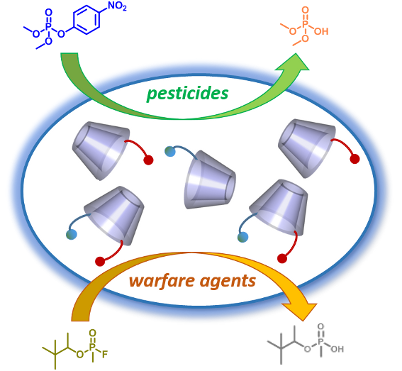
Figure 2: Scavenger based on a heterodifunctionalized β-cyclodextrin derivative.
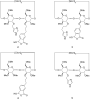
Figure 3: Structures of β-cyclodextrin derivatives 2–5.

Figure 4: Structures of pesticides tested.

Scheme 1: Synthetic pathway to derivatives 2 and 3 (Tr = trityl).

Scheme 2: Synthesis of compound 4.

Scheme 3: Synthesis of compound 5 (Tr = trityl).

Figure 5: Hydrolysis of methyl paraoxon (0.5 mM) in the presence of compounds 1, 2, 3 or 2-iodosobenzoic acid...

Figure 6: Hydrolysis of methyl paraoxon (0.5 mM) in the presence of compounds 1, 2, 3 or 2-iodosobenzoic acid...

Figure 7: Hydrolysis of methyl paraoxon (0.5 mM) in the presence of compounds 2, 4, 5 or 2-iodosobenzoic acid...

Figure 8: Hydrolysis of methyl paraoxon (0.5 mM) in the presence of mixtures of compounds 4, 5 with IBA or im...

Figure 9: Influence of the pesticide structure on the hydrolytic efficiency of compound 2 (0.25 mM). Kinetic ...

Figure 10: Influence of TRIMEB, IBA and imidazole on the hydrolysis of methyl parathion (0.5 mM). The final co...

Figure 11: Ability of compounds 1–4 in preventing the inhibition of acetylcholinesterase by soman (GD).
(Z)-Selective Takai olefination of salicylaldehydes
- Stephen M. Geddis,
- Caroline E. Hagerman,
- Warren R. J. D. Galloway,
- Hannah F. Sore,
- Jonathan M. Goodman and
- David R. Spring
Beilstein J. Org. Chem. 2017, 13, 323–328, doi:10.3762/bjoc.13.35
- state 5 containing two chromium ions bridged by a halogen. The less sterically hindered equatorial positions are occupied by the aldehyde substituent (R1 in Scheme 2) of 1 and halide group (X) of 3 and the aldehyde oxygen is thought to be coordinated to one of the Cr centres (the “coordinating” Cr

Graphical Abstract

Scheme 1: A) General overview of the Takai olefination for the formation of alkenyl halides 2 from aldehydes 1...

Scheme 2: Proposed model for the chromium(II)-mediated homologation of aldehydes to form (E)-alkenes. Hodsgon...

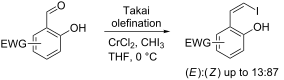
Scheme 3: An unusually high level of (Z)-stereoselectivity was observed in the Takai olefination of 6. (E):(Z...

Scheme 4: Takai olefination of meta-hydroxybenzaldehyde.

Scheme 5: Yield for both products and residual starting material following a scaled up Takai olefination of s...

Figure 1: Positive correlation between the amount (Z)-product and σm for the series of meta-halogenated salic...

Scheme 6: Proposed mechanism for (Z)-selective Takai olefination, whereby coordination of the ortho-OH to the...
The reductive decyanation reaction: an overview and recent developments
- Jean-Marc R. Mattalia
Beilstein J. Org. Chem. 2017, 13, 267–284, doi:10.3762/bjoc.13.30
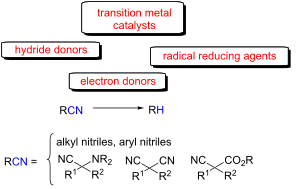
- ) are applicable to this decyanation reaction. The use of hydrosilane as a mild reducing agent allows a high functional group tolerance (34b–e, 35, 39b, 43) and sterically hindered cyano groups are successfully removed (36, 41, 43). Reactions of benzyl cyanides proceed smoothly even in the absence of

Graphical Abstract

Scheme 1: Mechanism for the reduction under metal dissolving conditions.

Scheme 2: Example of decyanation in metal dissolving conditions coupled with deprotection [30]. TBDMS = tert-buty...

Scheme 3: Preparation of α,ω-dienes [18,33].

Scheme 4: Cyclization reaction using a radical probe [18].

Scheme 5: Synthesis of (±)-xanthorrhizol (8) [39].

Scheme 6: Mechanism for the reduction of α-aminonitriles by hydride donors.

Scheme 7: Synthesis of phenanthroindolizidines and phenanthroquinolizidines [71].

Scheme 8: Two-step synthesis of 5-unsubstituted pyrrolidines (25 examples and 1 synthetic application, see be...

Scheme 9: Synthesis of (±)-isoretronecanol 19. DBU = 1,8-diazabicyclo[5.4.0]undec-7-ene [74].

Scheme 10: Proposed mechanism with 14a for the NaBH4 induced decyanation reaction (“BH3” = BH3·THF) [74].

Scheme 11: Reductive decyanation by a sodium hydride–iodide composite (26 examples) [81].

Scheme 12: Proposed mechanism for the reduction by NaH [81].

Scheme 13: Reductive decyanation catalyzed by nickel nanoparticles. Yields are given in weight % from GC–MS da...

Scheme 14: Decyanation of 2-cyanobenzo[b]thiophene [87].

Scheme 15: Simplified pathways involved in transition-metal-promoted reductive decyanations [93,95].

Scheme 16: Fe-catalyzed reductive decyanation. Numbers in square brackets represent turnover numbers. The TONs...

Scheme 17: Rh-catalyzed reductive decyanation of aryl nitriles (18 examples, 2 synthetic applications) [103].

Scheme 18: Rh-catalyzed reductive decyanation of aliphatic nitriles (15 examples, one synthetic application) [103].

Scheme 19: Ni-catalyzed reductive decyanation (method A: 28 examples and 2 synthetic applications; method B: 3...

Scheme 20: Reductive decyanation catalyzed by the nickel complex 58 (method A, 14 examples, yield ≥ 20% and 1 ...

Scheme 21: Proposed catalytic cycle for the nickel complex 58 catalyzed decyanation (method A). Only the cycle...

Scheme 22: Synthesis of bicyclic lactones [119,120].

Scheme 23: Reductive decyanation of malononitriles and cyanoacetates using NHC-boryl radicals (9 examples). Fo...

Scheme 24: Proposed mechanism for the reduction by NHC-boryl radicals. The other possible pathway (addition of ...

Scheme 25: Structures of organic electron-donors. Only the major Z isomer of 80 is shown [125,127].

Scheme 26: Reductive decyanation of malononitriles and cyanoacetates using organic electron-donors (method A, ...

Scheme 27: Photoreaction of dibenzylmalononitrile with 81 [128].

Scheme 28: Examples of decyanation promoted in acid or basic media [129,131,134,135].

Scheme 29: Mechanism proposed for the base-induced reductive decyanation of diphenylacetonitriles [136].

Scheme 30: Reductive decyanation of triarylacetonitriles [140].
Highly bulky and stable geometry-constrained iminopyridines: Synthesis, structure and application in Pd-catalyzed Suzuki coupling of aryl chlorides
- Yi Lai,
- Zhijian Zong,
- Yujie Tang,
- Weimin Mo,
- Nan Sun,
- Baoxiang Hu,
- Zhenlu Shen,
- Liqun Jin,
- Wen-hua Sun and
- Xinquan Hu
Beilstein J. Org. Chem. 2017, 13, 213–221, doi:10.3762/bjoc.13.24
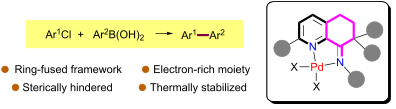
- up to 325 °C. With these sterically hindered iminopyridine–palladium complexes Pd1 to Pd5 in hand, we firstly investigated their catalytic activity directly in Suzuki cross-coupling reactions with chlorobenzene as the electrophile. The reactions were performed under the previously reported conditions
- , entries 13). Different arylboronic acids were also examined to react with 4-chloroacetophenone in this system. No matter what kind of boronic acids were used: electron-deficient (Table 4, entry 14), electron-rich (Table 4, entries 15 and 16) or sterically hindered (Table 4, entry 17) arylboronic acids

Graphical Abstract

Figure 1: The steric geometry-constrained iminopyridyl–palladium complexes.

Scheme 1: Preparation of the bulky iminopyridyl–palladium complexes.

Figure 2: ORTEP drawing of Pd2 with thermal ellipsoids at 30% probability level. Hydrogen atoms and the solve...
Total synthesis of a Streptococcus pneumoniae serotype 12F CPS repeating unit hexasaccharide
- Peter H. Seeberger,
- Claney L. Pereira and
- Subramanian Govindan
Beilstein J. Org. Chem. 2017, 13, 164–173, doi:10.3762/bjoc.13.19
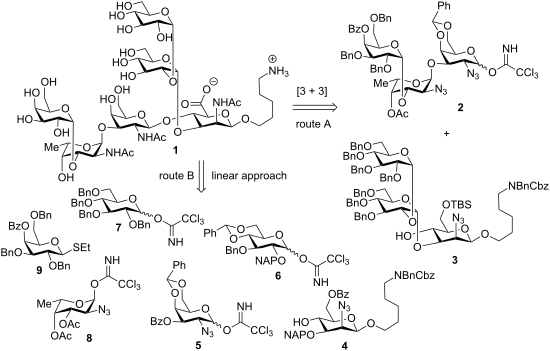
- azido group following β-glucoside formation [23]. Alternatively, a linear synthetic strategy in which the sterically hindered C4 hydroxy group would be glycosylated first, followed by the C3 hydroxy group of β-mannosazide building block 4, was designed in case the convergent approach proved unsuccessful

Graphical Abstract

Figure 1: Structure of the S. pneumoniae serotype 12F capsular polysaccharide repeating unit [15].

Scheme 1: Retrosynthetic analyses of the S. pneumoniae hexasaccharide 1.

Scheme 2: Attempted synthesis of mannosazide building block 15. Reagents and conditions: (a) levulinic acid, ...

Scheme 3: Synthesis of mannosazide building block 18. Reagents and conditions: (a) TBSCl, imidazole, DCM, 0 °...

Scheme 4: Synthesis of the reducing-end trisaccharide 3. Reagents and conditions: (a) TMSOTf, (CH3CH2)2O/CH2Cl...

Scheme 5: Synthesis of monosaccharide building blocks 8, 9 and 26. Reagents and conditions: (a) acetic anhydr...

Scheme 6: Synthesis of the non-reducing end trisaccharide 2. Reagents and conditions: (a) TMSOTf, CH2Cl2, −30...

Scheme 7: Attempted synthesis of hexasaccharide repeating unit 36 via a convergent [3 + 3] glycosylation stra...

Scheme 8: Linear assembly of fully protected hexasaccharide 51. Reagents and conditions: (a) DDQ, CH2Cl2/MeOH...

Scheme 9: Global deprotection to furnish S. pneumonia serotype 12F repeating unit hexasaccharide 1. Reagents ...
Facile synthesis of indolo[3,2-a]carbazoles via Pd-catalyzed twofold oxidative cyclization
- Chao Yang,
- Kai Lin,
- Lan Huang,
- Wei-dong Pan and
- Sheng Liu
Beilstein J. Org. Chem. 2016, 12, 2490–2494, doi:10.3762/bjoc.12.243
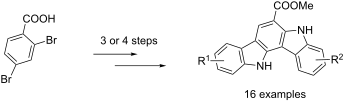
- -position, only one regioisomer 1i was observed. However, the selectivity was reversed when acetyl was present at the meta-position (5:1 for 2j). The main cyclized product of 2j was the corresponding ortho-acetyl product 1j. Unexpectedly, the reaction preferentially occurred at a more sterically hindered

Graphical Abstract

Figure 1: Natural indolo[3,2-a]carbazole alkaloids.

Scheme 1: Retrosynthetic analysis of indolo[3,2-a]carbazoles.

Scheme 2: Reagents and conditions: (a) H2SO4, MeOH; (b) Ar-NH2, Pd(OAc)2, BINAP, dioxane, 100 °C; (c) 5 mol %...

Scheme 3: Substrate scope for Pd-catalyzed twofold annulations.
An effective one-pot access to polynuclear dispiroheterocyclic structures comprising pyrrolidinyloxindole and imidazothiazolotriazine moieties via a 1,3-dipolar cycloaddition strategy
- Alexei N. Izmest’ev,
- Galina A. Gazieva,
- Natalya V. Sigay,
- Sergei A. Serkov,
- Valentina A. Karnoukhova,
- Vadim V. Kachala,
- Alexander S. Shashkov,
- Igor E. Zanin,
- Angelina N. Kravchenko and
- Nina N. Makhova
Beilstein J. Org. Chem. 2016, 12, 2240–2249, doi:10.3762/bjoc.12.216

- generated from isatins and sarcosine to benzylidene derivatives of the same imidazothiazolotriazine will proceed from the less sterically hindered side [41] (anti attack). Herein, we report a regio- and diastereoselective one-pot method for the synthesis of a novel class of polynuclear dispiroheterocyclic

Graphical Abstract

Figure 1: Bioactive 2,3’-spiropyrrolidinyloxindoles.

Scheme 1: Earlier studied cycloaddition reaction.

Scheme 2: Synthesis of dipolarophiles 1a–c.

Scheme 3: Synthesis of dispirocompounds 4a–o.

Figure 2: Synthesis of dispiro compounds 4a–o. Reaction conditions: heating the mixture of compounds 1 (0.5 m...

Scheme 4: Synthesis of dipolarophiles 1d–f.

Figure 3: Synthesis of dispiro compounds 4p–t. Reaction conditions: heating the solution of compounds 1 (0.5 ...

Figure 4: Key interactions in {1H-13C}HMBC spectrum of 4f.

Figure 5: General view of 4c in the crystal in thermal ellipsoids representation (50% probability). Hydrogen ...

Figure 6: General view of 4e in the crystal in thermal ellipsoids representation (40% probability). Hydrogen ...

Figure 7: General view of 4r in the crystal in thermal ellipsoids representation (50% probability). Hydrogen ...

Figure 8: Modes of approach of azomethine ylide (R = H, Ph).
Potent triazine-based dehydrocondensing reagents substituted by an amido group
- Munetaka Kunishima,
- Daiki Kato,
- Nobu Kimura,
- Masanori Kitamura,
- Kohei Yamada and
- Kazuhito Hioki
Beilstein J. Org. Chem. 2016, 12, 1897–1903, doi:10.3762/bjoc.12.179
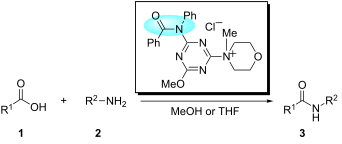
- nucleophilic aniline 2b (Table 2, entry 2). To elucidate the reactivities of X and DMT-MM, time courses of amide-forming reactions using sterically hindered pivalic acid (1b) and 2-phenylethylamine (2a) in MeOH and THF were investigated by 1H NMR spectroscopy (Figure 2a,b, respectively). The steric hindrance
- the stability and non-hygroscopic property of the reagent (Table 2). In most cases, X exhibited similar reactivity in MeOH compared with DMT-MM, and the amides 3 were obtained with negligible formation of the corresponding methyl ester 8 (Table 2, entries 1, 5, 7, and 9). In the case of the sterically
- hindered secondary amine 2c, methyl ester 8 was obtained as a byproduct in 31% and 24% yields for X and DMT-MM (Table 2, entry 3), respectively. In contrast, the yields obtained in THF using X were superior to those obtained using DMT-MM (Table 2, entries 4, 6, 8, and 10), especially for the poorly

Graphical Abstract

Scheme 1: Dehydrocondensing reactions using DMT-MM or DMT-Am, and a catalytic amide-forming reaction.
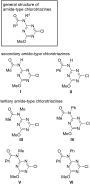
Figure 1: Structures of amido-substituted chlorotriazines.

Scheme 2: Synthesis of amido-substituted chlorotriazines.

Figure 2: Time courses of the amide-forming reactions.
Figure 3: Time courses of the basic Fischer-type esterification.
Rearrangements of organic peroxides and related processes
- Ivan A. Yaremenko,
- Vera A. Vil’,
- Dmitry V. Demchuk and
- Alexander O. Terent’ev
Beilstein J. Org. Chem. 2016, 12, 1647–1748, doi:10.3762/bjoc.12.162
- as the result of imine oxidation and aryl migration. On the other hand, electron-withdrawing substituents on the aryl group (Ar) promote the formation of amides 119d–f as result of hydride migration. The sterically hindered and fully substituted pyrrole 120 underwent a Baeyer–Villiger reaction to

Graphical Abstract
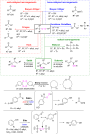
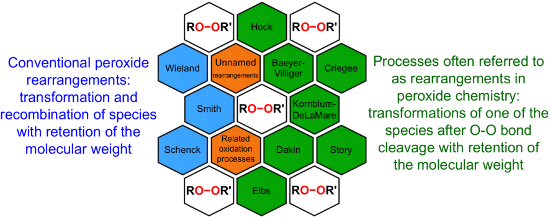
Figure 1: The named transformations considered in this review.

Scheme 1: The Baeyer–Villiger oxidation.

Scheme 2: The general mechanism of the peracid-promoted Baeyer–Villiger oxidation.

Scheme 3: General mechanism of the Lewis acid-catalyzed Baeyer–Villiger rearrangement.

Scheme 4: The theoretically studied mechanism of the BV oxidation reaction promoted by H2O2 and the Lewis aci...

Scheme 5: Proton movements in the transition states of the Baeyer–Villiger oxidation.

Scheme 6: The dependence of the course of the Baeyer–Villiger oxidation on the type of O–O-bond cleavage in t...
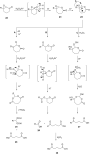
Scheme 7: The acid-catalyzed Baeyer–Villiger oxidation of cyclic epoxy ketones 22.

Scheme 8: Oxidation of isophorone oxide 29.

Scheme 9: Synthesis of acyl phosphate 32 from acyl phosphonate 31.

Scheme 10: Synthesis of aflatoxin B2 (36).

Scheme 11: The Baeyer–Villiger rearrangement of ketones 37 to lactones 38.

Scheme 12: Synthesis of 3,4-dimethoxybenzoic acid (40) via Baeyer–Villiger oxidation.

Scheme 13: Oxone transforms α,β-unsaturated ketones 43 into vinyl acetates 44.

Scheme 14: The Baeyer–Villiger oxidation of ketones 45 using diaryl diselenide and hydrogen peroxide.

Scheme 15: Baeyer–Villiger oxidation of (E)-2-methylenecyclobutanones.

Scheme 16: Oxidation of β-ionone (56) by H2O2/(BnSe)2 with formation of (E)-2-(2,6,6-trimethylcyclohex-1-en-1-...

Scheme 17: The mechanism of oxidation of ketones 58a–f by hydrogen peroxide in the presence of arsonated polys...

Scheme 18: Oxidation of ketone (58b) by H2O2 to 6-methylcaprolactone (59b) catalyzed by Pt complex 66·BF4.

Scheme 19: Oxidation of ketones 67 with H2O2 in the presence of [(dppb}Pt(µ-OH)]22+.

Scheme 20: The mechanism of oxidation of ketones 67 in the presence of [(dppb}Pt(µ-OH)]22+ and H2O2.

Scheme 21: Oxidation of benzaldehydes 69 in the presence of the H2O2/MeReO3 system.

Scheme 22: Oxidation of acetophenones 72 in the presence of the H2O2/MeReO3 system.

Scheme 23: Baeyer–Villiger oxidation of 2-adamantanone (45c) in the presence of Sn-containing mesoporous silic...

Scheme 24: Aerobic Baeyer–Villiger oxidation of ketones 76 using metal-free carbon.

Scheme 25: A regioselective Baeyer-Villiger oxidation of functionalized cyclohexenones 78 into a dihydrooxepin...

Scheme 26: The oxidation of aldehydes and ketones 80 by H2O2 catalyzed by Co4HP2Mo15V3O62.

Scheme 27: The cleavage of ketones 82 with hydrogen peroxide in alkaline solution.

Scheme 28: Oxidation of ketones 85 to esters 86 with H2O2–urea in the presence of KHCO3.

Scheme 29: Mechanism of the asymmetric oxidation of cyclopentane-1,2-dione 87a with the Ti(OiPr)4/(+)DET/t-BuO...

Scheme 30: The oxidation of cis-4-tert-butyl-2-fluorocyclohexanone (93) with m-chloroperbenzoic acid.

Scheme 31: The mechanism of the asymmetric oxidation of 3-substituted cyclobutanone 96a in the presence of chi...

Scheme 32: Enantioselective Baeyer–Villiger oxidation of cyclic ketones 98.

Scheme 33: Regio- and enantioselective Baeyer–Villiger oxidation of cyclic ketones 101.

Scheme 34: The proposed mechanism of the Baeyer–Villiger oxidation of acetal 105f.

Scheme 35: Synthesis of hydroxy-10H-acridin-9-one 117 from tetramethoxyanthracene 114.

Scheme 36: The Baeyer–Villiger oxidation of the fully substituted pyrrole 120.

Scheme 37: The Criegee rearrangement.

Scheme 38: The mechanism of the Criegee reaction of a peracid with a tertiary alcohol 122.

Scheme 39: Criegee rearrangement of decaline ethylperoxoate 127 into ketal 128.

Scheme 40: The ionic cleavage of 2-methoxy-2-propyl perester 129.

Scheme 41: The Criegee rearrangement of α-methoxy hydroperoxide 136.
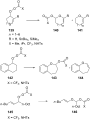
Scheme 42: Synthesis of enol esters and acetals via the Criegee rearrangement.

Scheme 43: Proposed mechanism of the transformation of 1-hydroperoxy-2-oxabicycloalkanones 147a–d.

Scheme 44: Transformation of 3-hydroxy-1,2-dioxolanes 151 into diketone derivatives 152.

Scheme 45: Criegee rearrangement of peroxide 153 with the mono-, di-, and tri-O-insertion.

Scheme 46: The sequential Criegee rearrangements of adamantanes 157a,b.

Scheme 47: Synthesis of diaryl carbonates 160a–d from triarylmethanols 159a–d through successive oxygen insert...

Scheme 48: The synthesis of sesquiterpenes 162 from ketone 161 with a Criegee rearrangement as one key step.

Scheme 49: Synthesis of trans-hydrindan derivatives 164, 165.

Scheme 50: The Hock rearrangement.

Scheme 51: The general scheme of the cumene process.

Scheme 52: The Hock rearrangement of aliphatic hydroperoxides.
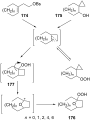
Scheme 53: The mechanism of solvolysis of brosylates 174a–c and spiro cyclopropyl carbinols 175a–c in THF/H2O2....

Scheme 54: The fragmentation mechanism of hydroperoxy acetals 178 to esters 179.

Scheme 55: The acid-catalyzed rearrangement of phenylcyclopentyl hydroperoxide 181.

Scheme 56: The peroxidation of tertiary alcohols in the presence of a catalytic amount of acid.

Scheme 57: The acid-catalyzed reaction of bicyclic secondary alcohols 192 with hydrogen peroxide.

Scheme 58: The photooxidation of 5,6-disubstituted 3,4-dihydro-2H-pyrans 196.

Scheme 59: The oxidation of tertiary alcohols 200a–g, 203a,b, and 206.

Scheme 60: Transformation of functional peroxide 209 leading to 2,3-disubstitued furans 210 in one step.

Scheme 61: The synthesis of carbazoles 213 via peroxide rearrangement.

Scheme 62: The construction of C–N bonds using the Hock rearrangement.

Scheme 63: The synthesis of moiety 218 from 217 which is a structural motif in the antitumor–antibiotic of CC-...

Scheme 64: The in vivo oxidation steps of cholesterol (219) by singlet oxygen.

Scheme 65: The proposed mechanism of the rearrangement of cholesterol-5α-OOH 220.

Scheme 66: Photochemical route to artemisinin via Hock rearrangement of 223.

Scheme 67: The Kornblum–DeLaMare rearrangement.

Scheme 68: Kornblum–DeLaMare transformation of 1-phenylethyl tert-butyl peroxide (225).

Scheme 69: The synthesis 4-hydroxyenones 230 from peroxide 229.

Scheme 70: The Kornblum–DeLaMare rearrangement of peroxide 232.

Scheme 71: The reduction of peroxide 234.

Scheme 72: The Kornblum–DeLaMare rearrangement of endoperoxide 236.

Scheme 73: The rearrangement of peroxide 238 under Kornblum–DeLaMare conditions.

Scheme 74: The proposed mechanism of rearrangement of peroxide 238.

Scheme 75: The Kornblum–DeLaMare rearrangement of peroxides 242a,b.

Scheme 76: The base-catalyzed rearrangements of bicyclic endoperoxides having electron-withdrawing substituent...

Scheme 77: The base-catalyzed rearrangements of bicyclic endoperoxides 249a,b having electron-donating substit...

Scheme 78: The base-catalyzed rearrangements of bridge-head substituted bicyclic endoperoxides 251a,b.

Scheme 79: The Kornblum–DeLaMare rearrangement of hydroperoxide 253.

Scheme 80: Synthesis of β-hydroxy hydroperoxide 254 from endoperoxide 253.

Scheme 81: The amine-catalyzed rearrangement of bicyclic endoperoxide 263.

Scheme 82: The base-catalyzed rearrangement of meso-endoperoxide 268 into 269.

Scheme 83: The photooxidation of 271 and subsequent Kornblum–DeLaMare reaction.

Scheme 84: The Kornblum–DeLaMare rearrangement as one step in the oxidation reaction of enamines.

Scheme 85: The Kornblum–DeLaMare rearrangement of 3,5-dihydro-1,2-dioxenes 284, 1,2-dioxanes 286, and tert-but...

Scheme 86: The Kornblum–DeLaMare rearrangement of epoxy dioxanes 290a–d.

Scheme 87: Rearrangement of prostaglandin H2 292.

Scheme 88: The synthesis of epicoccin G (297).

Scheme 89: The Kornblum–DeLaMare rearrangement used in the synthesis of phomactin A.

Scheme 90: The Kornblum–DeLaMare rearrangement in the synthesis of 3H-quinazolin-4-one 303.

Scheme 91: The Kornblum–DeLaMare rearrangement in the synthesis of dolabriferol (308).

Scheme 92: Sequential transformation of 3-substituted 2-pyridones 309 into 3-hydroxypyridine-2,6-diones 311 in...

Scheme 93: The Kornblum–DeLaMare rearrangement of peroxide 312 into hydroxy enone 313.

Scheme 94: The Kornblum–DeLaMare rearrangement in the synthesis of polyfunctionalized carbonyl compounds 317.

Scheme 95: The Kornblum–DeLaMare rearrangement in the synthesis of (Z)-β-perfluoroalkylenaminones 320.

Scheme 96: The Kornblum–DeLaMare rearrangement in the synthesis of γ-ketoester 322.

Scheme 97: The Kornblum–DeLaMare rearrangement in the synthesis of diterpenoids 326 and 328.

Scheme 98: The synthesis of natural products hainanolidol (331) and harringtonolide (332) from peroxide 329.

Scheme 99: The synthesis of trans-fused butyrolactones 339 and 340.

Scheme 100: The synthesis of leucosceptroid C (343) and leucosceptroid P (344) via the Kornblum–DeLaMare rearra...

Scheme 101: The Dakin oxidation of arylaldehydes or acetophenones.

Scheme 102: The mechanism of the Dakin oxidation.

Scheme 103: A solvent-free Dakin reaction of aromatic aldehydes 356.

Scheme 104: The organocatalytic Dakin oxidation of electron-rich arylaldehydes 358.

Scheme 105: The Dakin oxidation of electron-rich arylaldehydes 361.

Scheme 106: The Dakin oxidation of arylaldehydes 358 in water extract of banana (WEB).

Scheme 107: A one-pot approach towards indolo[2,1-b]quinazolines 364 from indole-3-carbaldehydes 363 through th...

Scheme 108: The synthesis of phenols 367a–c from benzaldehydes 366a-c via acid-catalyzed Dakin oxidation.

Scheme 109: Possible transformation paths of the highly polarized boric acid coordinated H2O2–aldehyde adduct 3...

Scheme 110: The Elbs oxidation of phenols 375 to hydroquinones.

Scheme 111: The mechanism of the Elbs persulfate oxidation of phenols 375 affording p-hydroquinones 376.

Scheme 112: Oxidation of 2-pyridones 380 under Elbs persulfate oxidation conditions.

Scheme 113: Synthesis of 3-hydroxy-4-pyridone (384) via an Elbs oxidation of 4-pyridone (382).

Scheme 114: The Schenck rearrangement.

Scheme 115: The Smith rearrangement.

Scheme 116: Three main pathways of the Schenck rearrangement.

Scheme 117: The isomerization of hydroperoxides 388 and 389.

Scheme 118: Trapping of dioxacyclopentyl radical 392 by oxygen.

Scheme 119: The hypothetical mechanism of the Schenck rearrangement of peroxide 394.

Scheme 120: The autoxidation of oleic acid (397) with the use of labeled isotope 18O2.

Scheme 121: The rearrangement of 18O-labeled hydroperoxide 400 under an atmosphere of 16O2.

Scheme 122: The rearrangement of the oleate-derived allylic hydroperoxides (S)-421 and (R)-425.

Scheme 123: Mechanisms of Schenck and Smith rearrangements.

Scheme 124: The rearrangement and cyclization of 433.

Scheme 125: The Wieland rearrangement.

Scheme 126: The rearrangement of bis(triphenylsilyl) 439 or bis(triphenylgermyl) 441 peroxides.

Scheme 127: The oxidative transformation of cyclic ketones.

Scheme 128: The hydroxylation of cyclohexene (447) in the presence of tungstic acid.

Scheme 129: The oxidation of cyclohexene (447) under the action of hydrogen peroxide.

Scheme 130: The reaction of butenylacetylacetone 455 with hydrogen peroxide.

Scheme 131: The oxidation of bridged 1,2,4,5-tetraoxanes.

Scheme 132: The proposed mechanism for the oxidation of bridged 1,2,4,5-tetraoxanes.

Scheme 133: The rearrangement of ozonides.

Scheme 134: The acid-catalyzed oxidative rearrangement of malondialdehydes 462 under the action of H2O2.

Scheme 135: Pathways of the Lewis acid-catalyzed cleavage of dialkyl peroxides 465 and ozonides 466.

Scheme 136: The mechanism of the transformation of (tert-butyldioxy)cyclohexanedienones 472.

Scheme 137: The synthesis of Vitamin K3 from 472a.

Scheme 138: Proposed mechanism for the transformation of 478d into silylated endoperoxide 479d.

Scheme 139: The rearrangement of hydroperoxide 485 to form diketone 486.

Scheme 140: The base-catalyzed rearrangement of cyclic peroxides 488a–g.

Scheme 141: Synthesis of chiral epoxides and aldols from peroxy hemiketals 491.

Scheme 142: The multistep transformation of (R)-carvone (494) to endoperoxides 496a–e.

Scheme 143: The decomposition of anthracene endoperoxide 499.

Scheme 144: Synthesis of esters 503 from aldehydes 501 via rearrangement of peroxides 502.

Scheme 145: Two possible paths for the base-promoted decomposition of α-azidoperoxides 502.

Scheme 146: The Story decomposition of cyclic diperoxide 506a.

Scheme 147: The Story decomposition of cyclic triperoxide 506b.

Scheme 148: The thermal rearrangement of endoperoxides A into diepoxides B.

Scheme 149: The transformation of peroxide 510 in the synthesis of stemolide (511).

Scheme 150: The possible mechanism of the rearrangement of endoperoxide 261g.

Scheme 151: The photooxidation of indene 517.

Scheme 152: The isomerization of ascaridole (523).

Scheme 153: The isomerization of peroxide 525.

Scheme 154: The thermal transformation of endoperoxide 355.

Scheme 155: The photooxidation of cyclopentadiene (529) at a temperature higher than 0 °C.

Scheme 156: The thermal rearrangement of endoperoxides 538a,b.

Scheme 157: The transformation of peroxides 541.

Scheme 158: The thermal rearrangements of strained cyclic peroxides.

Scheme 159: The thermal rearrangement of diacyl peroxide 551 in the synthesis of C4-epi-lomaiviticin B core 553....

Scheme 160: The 1O2 oxidation of tryptophan (554) and rearrangement of dioxetane intermediate 555.

Scheme 161: The Fe(II)-promoted cleavage of aryl-substituted bicyclic peroxides.

Scheme 162: The proposed mechanism of the Fe(II)-promoted rearrangement of 557a–c.

Scheme 163: The reaction of dioxolane 563 with Fe(II) sulfate.

Scheme 164: Fe(II)-promoted rearrangement of 1,2-dioxane 565.

Scheme 165: Fe(II) cysteinate-promoted rearrangement of 1,2-dioxolane 568.

Scheme 166: The transformation of 1,2-dioxanes 572a–c under the action of FeCl2.

Scheme 167: Fe(II) cysteinate-promoted transformation of tetraoxane 574.

Scheme 168: The CoTPP-catalyzed transformation of bicyclic endoperoxides 600a–d.

Scheme 169: The CoTPP-catalyzed transformation of epoxy-1,2-dioxanes.

Scheme 170: The Ru(II)-catalyzed reactions of 1,4-endoperoxide 261g.

Scheme 171: The Ru(II)-catalyzed transformation as a key step in the synthesis of elyiapyrone A (610) from 1,4-...

Scheme 172: Peroxides with antimalarial activity.

Scheme 173: The interaction of iron ions with artemisinin (616).

Scheme 174: The interaction of FeCl2 with 1,2-dioxanes 623, 624.

Scheme 175: The mechanism of reaction 623 and 624 with Fe(II)Cl2.

Scheme 176: The reaction of bicyclic natural endoperoxides G3-factors 631–633 with FeSO4.

Scheme 177: The transformation of terpene cardamom peroxide 639.
Scheme 178: The different ways of the cleavage of tetraoxane 643.

Scheme 179: The LC–MS analysis of interaction of tetraoxane 646 with iron(II)heme 647.

Scheme 180: The rearrangement of 3,6-epidioxy-1,10-bisaboladiene (EDBD, 649).

Scheme 181: Easily oxidized substrates.

Scheme 182: Biopathway of synthesis of prostaglandins.

Scheme 183: The reduction and rearrangements of isoprostanes.

Scheme 184: The partial mechanism for linoleate 658 oxidation.

Scheme 185: The transformation of lipid hydroperoxide.

Scheme 186: The acid-catalyzed cleavage of the product from free-radical oxidation of cholesterol (667).

Scheme 187: Two pathways of catechols oxidation.

Scheme 188: Criegee-like or Hock-like rearrangement of the intermediate hydroperoxide 675 in dioxygenase enzyme...

Scheme 189: Carotinoides 679 cleavage by carotenoid cleavage dioxygenases.
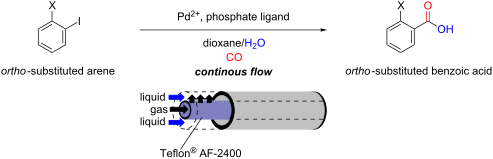
Flow carbonylation of sterically hindered ortho-substituted iodoarenes
- Carl J. Mallia,
- Gary C. Walter and
- Ian R. Baxendale
Beilstein J. Org. Chem. 2016, 12, 1503–1511, doi:10.3762/bjoc.12.147

Graphical Abstract

Figure 1: Steric interactions of the carbon monoxide coordination to the aryl complex intermediate.

Figure 2: A) molecular structure of complex 1; B) ball and stick representation of X-ray structure; C) ball a...

Figure 3: Reverse “tube-in-tube” reactor.

Scheme 1: Comparison of plug flow reactor carbonylation (left) and “tube-in-tube” reactor carbonylation (righ...

Scheme 2: Schematic diagram of the flow process.

Figure 4: Phosphine ligands used for the ortho-carbonylation reaction.

Scheme 3: The batch carbonylation of 2-chloro-1-iodobenzene in conventional lab (top) and using a Parr autocl...

Scheme 4: Structures of ortho-substituted carboxylic acids prepared via a continuous flow hydroxy-carbonylati...

Scheme 5: Flow carbonylation of 2-iodonaphtalene.

Figure 5: X-ray structure of substrate 33.

Scheme 6: Scale up synthesis of 2-chloro-4-fluorobenzoic acid (20).
Development of chiral metal amides as highly reactive catalysts for asymmetric [3 + 2] cycloadditions
- Yasuhiro Yamashita,
- Susumu Yoshimoto,
- Mark J. Dutton and
- Shū Kobayashi
Beilstein J. Org. Chem. 2016, 12, 1447–1452, doi:10.3762/bjoc.12.140

- 2, entries 5–9). Sterically hindered substrates were also viable, and high enantioselectivities were obtained with 0.01 mol % catalyst loading (Table 2, entries 10–13). Other electrophiles were also successfully employed with 0.1 mol % catalyst loading (Scheme 1). N-Methylmaleimide reacted with 1a

Graphical Abstract

Scheme 1: Scope of the reaction with other electrophiles. The [3 + 2] cycloaddition reaction of 0.5 M 1a (10 ...

Figure 1: Proposed catalytic cycle.



