


Search results
Search for "Aza-Michael reaction" in Full Text gives 17 result(s) in Beilstein Journal of Organic Chemistry.
Recent advances in copper-catalyzed direct hydroamination of alkenes with (hetero)aromatic amines
- Hyejeong Lee and
- Yunmi Lee
Beilstein J. Org. Chem. 2026, 22, 925–947, doi:10.3762/bjoc.22.73
- )-catalyzed tandem oxidative amidation/aza-Michael reaction for the efficient synthesis of 3-substituted N-pyridinylisoindolinones 28 from 2-aminopyridines 25 and alkyl (E)-3-(2-formylphenyl)acrylates 26 (Scheme 9b) [47]. Under open-flask conditions at 80 °C in DMF, the reaction proceeded efficiently in the

Graphical Abstract

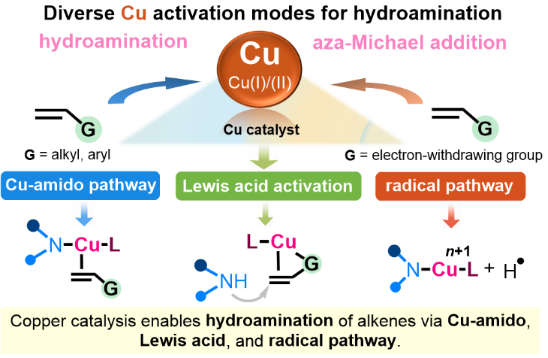
Scheme 1: Mechanistic pathways in copper-catalyzed hydroamination.

Scheme 2: Synthesis of copper–amido complexes.

Scheme 3: Cu–amido catalysts studied for the aza-Michael addition of aniline to electron-deficient olefins.
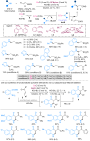
Scheme 4: Copper-catalyzed aza-Michael addition of (hetero)aromatic amines to α,β-unsaturated alkenes.

Scheme 5: Copper-catalyzed 1,6-conjugate addition of aza-heterocycles to sulfonyl dienes.

Scheme 6: Cu-catalyzed aza-Michael addition of arylamines to allylic sulfones.

Scheme 7: Cyclic(alkyl)(amino)carbene-copper-catalyzed aza-Michael addition.

Scheme 8: Aza-Michael addition enabled by Lewis acidic copper catalyst. a20 mol % bpy, 50 mol % Na2CO3.

Scheme 9: One-pot cyclization via aza-Michael addition enabled by Lewis acidic copper catalyst.

Scheme 10: Lewis acidic Cu-catalyzed tandem reaction via aza-Michael addition.

Scheme 11: Copper nanomaterials-catalyzed aza-Michael addition via Lewis acid activation and radical pathways.

Scheme 12: Copper–amido-mediated hydroamination of aniline with vinylarenes.

Scheme 13: Copper-catalyzed anti-Markovnikov hydroamination of (hetero)aromatic N–H with vinylarenes.

Scheme 14: Hydroamination of oxa- and azabenzonorbornadienes with pyrazoles.
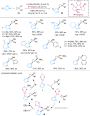
Scheme 15: Copper-catalyzed enantioselective hydroamination of cyclopropenes with pyrazoles.

Scheme 16: Copper/Brønsted acid system for hydroamination of strained alkenes.

Scheme 17: Hydroamination of allenes enabled by Lewis acidic copper catalyst.

Scheme 18: Enantioselective intramolecular hydroamination through aminocupration followed by radical processes....
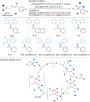
Scheme 19: Visible-light-induced copper-catalyzed hydroamination of styrenes.

Scheme 20: Lewis acid-catalyzed radical hydroamination of styrenes with isatins.
Recent advancements in the synthesis of Veratrum alkaloids
- Morwenna Mögel,
- David Berger and
- Philipp Heretsch
Beilstein J. Org. Chem. 2025, 21, 2657–2693, doi:10.3762/bjoc.21.206
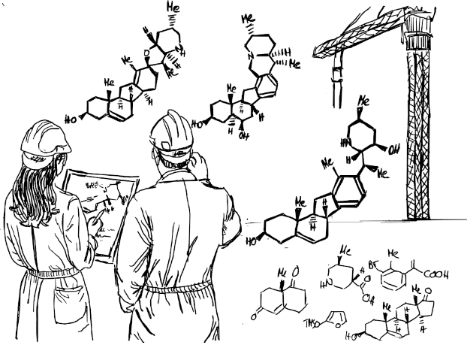
- -methylene group and an ester reduction/Appel reaction sequence to convert the ester moiety to an iodide leaving group. The right-hand fragment (E/F-ring) was synthesized from tert-butylsiloxyfuran 39. Commencing via an asymmetric allylic alkylation and an aza-Michael reaction, butanolide 40 was obtained in

Graphical Abstract

Scheme 1: Representatives of steroid alkaloid classes. Marked in blue is the steroidal cholestane framework, ...

Scheme 2: Subclasses of Veratrum alkaloids: jervanine, veratramine and cevanine-type [8].

Scheme 3: Flow chart presentation of the synthesis of (−)-englerin A developed by the Christmann group [10].
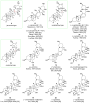
Scheme 4: Structures and year of synthesis of the three types of Veratrum alkaloids reported in the literatur...
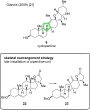
Scheme 5: Key step in the synthesis of cyclopamine (6) by the Giannis group [21].

Scheme 6: Overview of the semisynthesis of cyclopamine (6) reported by the Giannis group in 2009 [21].
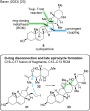
Scheme 7: Key steps in the synthesis of cyclopamine (6) by the Baran group [23].

Scheme 8: Overview of the total synthesis of cyclopamine (6) by the Baran group in 2023 [23].
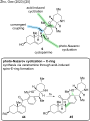
Scheme 9: Key steps in the synthesis of cyclopamine (6) by the Zhu/Gao group [25].
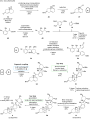
Scheme 10: Overview of the total synthesis of cyclopamine (6) by the group of Zhao/Gao in 2023 [25].
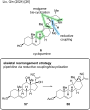
Scheme 11: Key steps in the synthesis of cyclopamine (6) by the Liu/Qin group [26].

Scheme 12: Overview of the semisynthesis of cyclopamine (6) by the Liu/Qin group in 2024 [26].
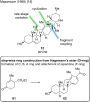
Scheme 13: Key steps in the synthesis of jervine (12) by the Masamune group [14].

Scheme 14: Overview of the total synthesis of jervine (12) by the Masamune group in 1968 [14].

Scheme 15: Color-coded schemes of the presented cyclopamine (6) syntheses by Giannis, Baran, Zhu/Gao, and Liu/...
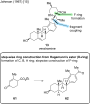
Scheme 16: Key steps in the total synthesis of veratramine (13) by the Johnson group [15].

Scheme 17: Overview of the total synthesis of veratramine (13) by the Johnson group in 1967 [15].
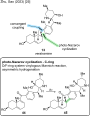
Scheme 18: Key steps in the synthesis of veratramine (13) by the Zhu/Gao group [25].

Scheme 19: Shortened overview of the total synthesis of veratramine (13) by the Zhu/Gao group in 2023 [25].
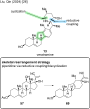
Scheme 20: Key steps in the synthesis of veratramine by the Liu/Qin group [26].

Scheme 21: Overview of the semisynthesis of veratramine (13) by the Liu/Qin group in 2024 [26].
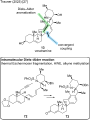
Scheme 22: Key steps in the synthesis of veratramine (13) by the Trauner group [27].

Scheme 23: Overview of the total synthesis of veratramine (13) by the Trauner group in 2025 [27].
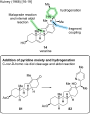
Scheme 24: Key steps in the synthesis of verarine (14) by the Kutney group [16-19].

Scheme 25: Overview of the total synthesis of verarine (14) by the Kutney group reported 1962–1968 [16-19].

Scheme 26: Color-coded schemes of the presented veratramine-type alkaloid synthesis of Zhu/Gao, Liu/Qin and Tr...
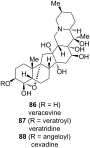
Scheme 27: Structures of veracevine (86), veratridine (87), and cevadine (88).

Scheme 28: Key step in the semisynthesis of verticine (15) by the Kutney group (1977) [20,46].

Scheme 29: Overview of the semisynthesis of verticine (15) by the Kutney group (1977) [20,46].

Scheme 30: Key step of the total synthesis of (±)-4-methylenegermine (17) by the Stork group (2017) [22].

Scheme 31: Overview of the total synthesis of (±)-4-methylenegermine (17) by the Stork group (2017) [22].

Scheme 32: Key step of the total synthesis of heilonine (16) by Cassaidy and Rawal (2021) [24].

Scheme 33: Overview of the total synthesis of heilonine (16) by Cassaidy and Rawal (2021) [24]. FGI: functional gr...
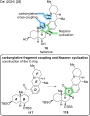
Scheme 34: Key steps of the synthesis of heilonine (16) by Dai and co-workers (2024) [28].

Scheme 35: Overview of the total synthesis of heilonine (16) by Dai and co-workers (2024) [28].
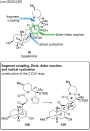
Scheme 36: Key steps of the total synthesis of zygadenine (18) reported by Luo and co-workers [29].
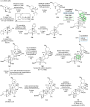
Scheme 37: Overview of the total synthesis of zygadenine (18) by Luo and co-workers (2023) [29].
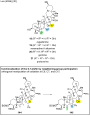
Scheme 38: Key step of the divergent total syntheses of highly oxidized cevanine-type alkaloids by Luo and co-...
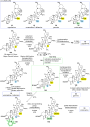
Scheme 39: Divergent syntheses of highly oxidized cevanine-type alkaloids by Luo and co-workers (2024) [30].
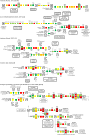
Scheme 40: Color-coded overview of the presented cevanine-type alkaloid syntheses [10,20,22,24,28-30,46]. LLS: longest linear sequen...
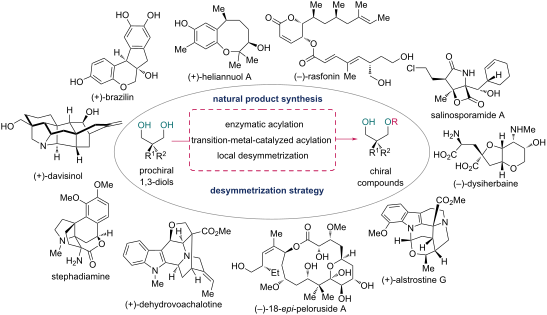
Enantioselective desymmetrization strategy of prochiral 1,3-diols in natural product synthesis
- Lihua Wei,
- Rui Yang,
- Zhifeng Shi and
- Zhiqiang Ma
Beilstein J. Org. Chem. 2025, 21, 1932–1963, doi:10.3762/bjoc.21.151
- between 80 and 81 gave diester 82. Through a ten-step sequence including an aza-Michael reaction, diester 82 was converted into diketone 83, which was further transformed into (−)-petrosin (84) via RCM reaction and hydrogenation. For the synthesis of (+)-petrosin (86) (Scheme 13b), a similar strategy was

Graphical Abstract

Scheme 1: General mechanism of a lipase-catalyzed esterification.

Scheme 2: Shishido’s synthesis of (−)-xanthorrhizol (4) and (+)-heliannuol D (8).

Scheme 3: Shishido’s synthesis of a) (−)-heliannuol A (15) and b) heliannuol G (20) and heliannuol H (21).

Scheme 4: Deska’s synthesis of hyperione A (30) and ent-hyperione B (31).

Scheme 5: Huang’s synthesis of (+)-brazilin (37).

Scheme 6: Shishido’s synthesis of (−)-heliannuol D (42) and (+)-heliannuol A (43).

Scheme 7: Chênevert’s synthesis of (S)-α-tocotrienol (49).

Scheme 8: Kita’s synthesis of monoester 53.

Scheme 9: Kita’s synthesis of fredericamycin A (60).

Scheme 10: Takabe’s synthesis of (E)-3,7-dimethyl-2-octene-1,8-diol (64).

Scheme 11: Takabe’s synthesis of (18S)-variabilin (70).

Scheme 12: Kawasaki’s synthesis of (S)-Rosaphen (74) and (R)-Rosaphen (75).

Scheme 13: Tokuyama’s synthesis of a) (−)-petrosin (84) and b) (+)-petrosin (86).

Scheme 14: Fukuyama’s synthesis of leustroducsin B (96).
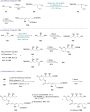
Scheme 15: Nanda’s synthesis of a) fragment 100, b) fragment 106 and c) (−)-rasfonin (109).

Scheme 16: Davies’ synthesis of (+)-pilocarpine (115) and (+)-isopilocarpine (116).

Scheme 17: Ōmura’s synthesis of salinosporamide A (125).

Scheme 18: Kang’s synthesis of ʟ-cladinose (124) and its derivative.

Scheme 19: Kang’s preparation of fragment 139.
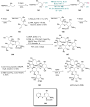
Scheme 20: Kang’s synthesis of azithromycin (149).

Scheme 21: Kang’s synthesis of (−)-dysiherbaine (156).

Scheme 22: Kang’s synthesis of (−)-kaitocephalin (166).

Scheme 23: Kang’s synthesis of laidlomycin (180).

Scheme 24: Snyder’s synthesis of arboridinine (190).
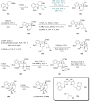
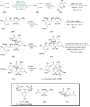
Scheme 25: Ma’s synthesis of (+)-alstrostine G (203).
Scheme 26: Trost’s synthesis of (−)-18-epi-peloruside A (215).

Scheme 27: Lindel’s synthesis of (–)-dihydroraputindole (223).

Scheme 28: Iwata’s synthesis of a) (−)-talaromycin B (232) and b) (+)-talaromycin A (235).

Scheme 29: Cook’s synthesis of a) (−)-vincamajinine (240) and b) (−)-11-methoxy-17-epivincamajine (245).

Scheme 30: Cook’s synthesis of (+)-dehydrovoachalotine (249) and voachalotine (250).
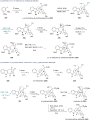
Scheme 31: Cook’s synthesis of a) (−)-12-methoxy-Nb-methylvoachalotine (257) and b) (+)-polyneuridine, macusin...

Scheme 32: Trauner’s synthesis of stephadiamine (273).

Scheme 33: Garg’s synthesis of (–)-ψ-akuammigine (285).

Scheme 34: Ding’s synthesis of (+)-18-benzoyldavisinol (293) and (+)-davisinol (294).
Reactions of acryl thioamides with iminoiodinanes as a one-step synthesis of N-sulfonyl-2,3-dihydro-1,2-thiazoles
- Vladimir G. Ilkin,
- Pavel S. Silaichev,
- Valeriy O. Filimonov,
- Tetyana V. Beryozkina,
- Margarita D. Likhacheva,
- Pavel A. Slepukhin,
- Wim Dehaen and
- Vasiliy A. Bakulev
Beilstein J. Org. Chem. 2025, 21, 1397–1403, doi:10.3762/bjoc.21.104
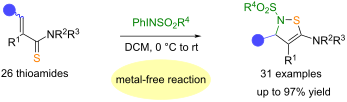
- analogy with an aza-Michael reaction first with the addition of iminoiodinane accompanied with reorganization of double bonds including attack of the negatively charged sulfur atom on nitrogen with subsequent elimination of iodobenzene as good leaving group. The diversity of the structure of the target

Graphical Abstract

Figure 1: Representatives of biologically active 1,2-thiazoles.
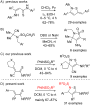
Scheme 1: Synthesis of 2,5-dihydro-1,2-thiazoles.
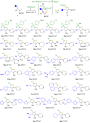
Scheme 2: Synthesis of 2,3-dihydro-N-sulfonyl-1,2-thiazoles 3. Conditions: aMethod A: thioamide 1 (1.0 equiv)...

Figure 2: Compound 3aa in thermal ellipsoids 50% probability.
Non-covalent organocatalyzed enantioselective cyclization reactions of α,β-unsaturated imines
- Sergio Torres-Oya and
- Mercedes Zurro
Beilstein J. Org. Chem. 2024, 20, 3221–3255, doi:10.3762/bjoc.20.268
- azadiene in a stepwise mechanism: firstly, the vinylogous Michael addition of the dienolate to the double bond of the α,β-unsaturated N-sulfonylimine occurs in a stereoselective fashion. Subsequently, cyclization due to an intramolecular aza-Michael reaction and protonation leads to the enantioenriched

Graphical Abstract

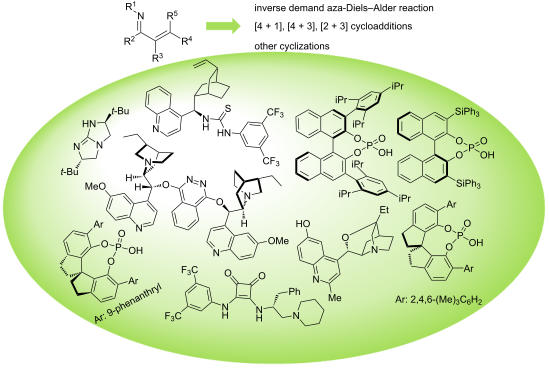
Figure 1: Reactivity of α,β-unsaturated imines and variety of structures.

Figure 2: The hetero-Diels–Alder and inverse electron demand hetero-Diels–Alder reactions.

Figure 3: Different strategies to promote the activation of dienes and dienophiles in IEDADA reactions.

Figure 4: Examples of non-covalent interactions in organocatalysis.

Scheme 1: Enantioselective bifunctional thiourea-catalyzed inverse electron demand Diels–Alder reaction of N-...

Scheme 2: Cinchona-derived thiourea-catalyzed stereoselective (3 + 2) reaction of α,β-unsaturated imines and ...

Scheme 3: Cinchona-derived thiourea-catalyzed stereoselective (3 + 2)/(4 + 2) cascade reaction of α,β-unsatur...
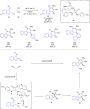
Scheme 4: Enantioselective bifunctional squaramide-catalyzed formal [4 + 2] cycloaddition of malononitrile wi...
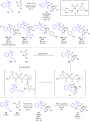
Scheme 5: Bifunctional squaramide-catalyzed IEDADA reaction of saccharin-derived 1-azadienes and azlactones.

Scheme 6: Chiral guanidine-catalyzed enantioselective (4+1) cyclization of benzofuran-derived azadienes with ...
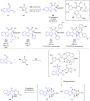
Scheme 7: Bifunctional squaramide-catalyzed [4 + 2] cyclization of benzofuran-derived azadienes and azlactone...
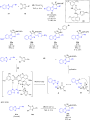
Scheme 8: Chiral bifunctional squaramide-catalyzed domino Mannich/formal [4 + 2] cyclization of 2-benzothiazo...
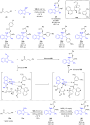
Scheme 9: Chiral bifunctional thiourea-catalyzed formal IEDADA reaction of β,γ-unsaturated ketones and benzof...

Scheme 10: Dihydroquinine-derived squaramide-catalyzed (3 + 2) cycloaddition reaction of isocyanoacetates and ...

Scheme 11: Enantioselective squaramide-catalyzed asymmetric IEDADA reaction of benzofuran-derived azadienes an...

Scheme 12: Scale up and derivatizations of benzofuran-fused 2-piperidinol derivatives.

Scheme 13: Dihydroquinine-derived squaramide-catalyzed Mannich-type reaction of isocyanoacetates with N-(2-ben...

Figure 5: Structure of a cinchona alkaloid and (DHQD)2PHAL.

Scheme 14: Enantioselective modified cinchona alkaloid-catalyzed [4 + 2] annulation of γ-butenolides and sacch...

Scheme 15: Chiral tertiary amine-catalyzed [2 + 4] annulation of cyclic 1-azadiene with γ-nitro ketones.

Scheme 16: Inverse electron demand aza-Diels–Alder reaction (IEDADA) of 1-azadienes with enecarbamates catalyz...

Scheme 17: Phosphoric acid-catalyzed enantioselective [4 + 2] cycloaddition of benzothiazolimines and enecarba...

Scheme 18: Phosphoric acid-catalyzed enantioselective inverse electron demand aza-Diels–Alder reaction of in s...

Scheme 19: Proposed reaction mechanism for the phosphoric acid-catalyzed enantioselective inverse electron dem...

Scheme 20: Enantioselective dearomatization of indoles by a (3 + 2) cyclization with azoalkenes catalyzed by a...

Scheme 21: Synthetic applicability of the pyrroloindoline derivatives.

Scheme 22: Chiral phosphoric acid-catalyzed (2 + 3) dearomative cycloaddition of 3-alkyl-2-vinylindoles with a...
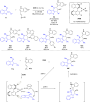
Scheme 23: Chiral phosphoric acid-catalyzed asymmetric [4 + 2] cycloaddition of aurone-derived 1-azadienes and...

Scheme 24: Phosphoric acid-catalyzed enantioselective formal [4 + 2] cycloaddition of dienecarbamates and 2-be...

Scheme 25: Chiral phosphoric acid-catalyzed asymmetric inverse electron demand aza-Diels–Alder reaction of 1,3...

Scheme 26: Chiral phosphoric acid-catalyzed asymmetric Attanasi reaction between 1,3-dicarbonyl compounds and ...

Scheme 27: Synthetic applicability of the NPNOL derivatives.
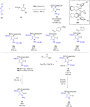
Scheme 28: Chiral phosphoric acid-catalyzed asymmetric intermolecular formal (3 + 2) cycloaddition of azoalken...

Scheme 29: Enantioselective [4 + 2] cyclization of α,β-unsaturated imines and azlactones.

Scheme 30: Catalytic cycle for the chiral phosphoric acid-catalyzed enantioselective [4 + 2] cyclization of α,...
Recent advances in organocatalytic asymmetric aza-Michael reactions of amines and amides
- Pratibha Sharma,
- Raakhi Gupta and
- Raj K. Bansal
Beilstein J. Org. Chem. 2021, 17, 2585–2610, doi:10.3762/bjoc.17.173
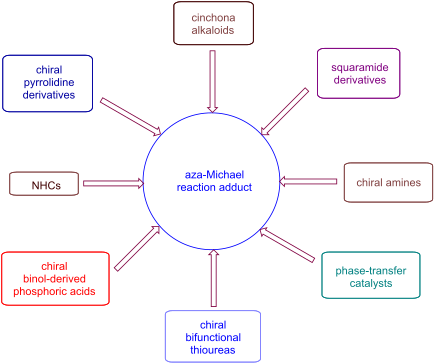
- asymmetric aza-Michael reaction (aza-MR) alone or in tandem with other organic reaction(s) is an important synthetic tool to form new C–N bond(s) leading to developing new libraries of diverse types of bioactive nitrogen compounds. The synthesis and application of a variety of organocatalysts for
- organocatalysts in asymmetric aza-MR. Keywords: asymmetric aza-Michael reaction; covalent bonding catalysis; nitrogen heterocycles; non-covalent bonding catalysis; organocatalysis; Introduction The Michael reaction though discovered about 135 years ago [1][2] continues to attract attention of the chemists owing
- ][5][6][7]. The reaction involving a nitrogen-based nucleophile as the Michael donor is known as the aza-Michael reaction (aza-MR). In view of its ability to introduce a nitrogen-containing functionality at the β-position of an activated alkenyl- or alkynyl-substrate, over the years, it has developed

Graphical Abstract

Scheme 1: Asymmetric aza-Michael addition catalyzed by cinchona alkaloid derivatives.

Scheme 2: Intramolecular 6-exo-trig aza-Michael addition reaction.

Scheme 3: Asymmetric aza-Michael/Michael addition cascade reaction of 2-nitrobenzofurans and 2-nitrobenzothio...

Scheme 4: Asymmetric aza-Michael addition of para-dienone imide to benzylamine.

Scheme 5: Asymmetric synthesis of chiral N-functionalized heteroarenes.
N-tert-Butanesulfinyl imines in the asymmetric synthesis of nitrogen-containing heterocycles
- Joseane A. Mendes,
- Paulo R. R. Costa,
- Miguel Yus,
- Francisco Foubelo and
- Camilla D. Buarque
Beilstein J. Org. Chem. 2021, 17, 1096–1140, doi:10.3762/bjoc.17.86

- -workers found that combining an asymmetric nucleophilic addition to the chiral imine, with an intramolecular conjugate aza-Michael reaction, the expected 1,3-disubstituted isoindolines were produced with high diastereoselectivity [96]. Importantly, depending on the base involved in the intramolecular aza
- -Michael reaction, it was possible to reach either cis- or trans-isoindolines, 69 and 70, respectively, from the same precursor 68. The authors proposed that the thermodynamically more stable cis-isomer 69 is formed when TBAF was used. Meanwhile, working under kinetic conditions (DBU as base), trans-isomer

Graphical Abstract

Scheme 1: General strategy for the enantioselective synthesis of N-containing heterocycles from N-tert-butane...

Scheme 2: Methodologies for condensation of aldehydes and ketones with tert-butanesulfinamides (1).

Scheme 3: Transition models for cis-aziridines and trans-aziridines.

Scheme 4: Mechanism for the reduction of N-tert-butanesulfinyl imines.

Scheme 5: Transition models for the addition of organomagnesium and organolithium compounds to N-tert-butanes...

Scheme 6: Synthesis of 2,2-dibromoaziridines 15 from aldimines 14 and bromoform, and proposed non-chelation-c...

Scheme 7: Diastereoselective synthesis of aziridines from tert-butanesulfinyl imines.

Scheme 8: Synthesis of vinylaziridines 22 from aldimines 14 and 1,3-dibromopropene 23, and proposed chelation...

Scheme 9: Synthesis of vinylaziridines 27 from aldimines 14 and α-bromoesters 26, and proposed transition sta...

Scheme 10: Synthesis of 2-chloroaziridines 28 from aldimines 14 and dichloromethane, and proposed transition s...

Scheme 11: Synthesis of cis-vinylaziridines 30 and 31 from aldimines 14 and bromomethylbutenolide 29.

Scheme 12: Synthesis of 2-chloro-2-aroylaziridines 36 and 32 from aldimines 14, arylnitriles 34, and silyldich...

Scheme 13: Synthesis of trifluoromethylaziridines 39 and proposed transition state of the aziridination.

Scheme 14: Synthesis of aziridines 42 and proposed state transition.

Scheme 15: Synthesis of 1-substituted 2-azaspiro[3.3]heptanes, 1-phenyl-2-azaspiro[3.4]octane and 1-phenyl-2-a...

Scheme 16: Synthesis of 1-substituted 2,6-diazaspiro[3.3]heptanes 48 from chiral imines 14 and 1-Boc-azetidine...

Scheme 17: Synthesis of β-lactams 52 from chiral imines 14 and dimethyl malonate (49).

Scheme 18: Synthesis of spiro-β-lactam 57 from chiral (RS)-N-tert-butanesulfinyl isatin ketimine 53 and ethyl ...

Scheme 19: Synthesis of β-lactam 60, a precursor of (−)-batzelladine D (61) and (−)-13-epi-batzelladine D (62)...

Scheme 20: Rhodium-catalyzed asymmetric synthesis of 3-substituted pyrrolidines 66 from chiral imine (RS)-63 a...

Scheme 21: Asymmetric synthesis of 1,3-disubstituted isoindolines 69 and 70 from chiral imine 67.

Scheme 22: Asymmetric synthesis of cis-2,5-disubstituted pyrrolidines 73 from chiral imine (RS)-71.

Scheme 23: Asymmetric synthesis of 3-hydroxy-5-substituted pyrrolidin-2-ones 77 from chiral imine (RS)-74.

Scheme 24: Asymmetric synthesis of 4-hydroxy-5-substituted pyrrolidin-2-ones 80 from chiral imines 79.

Scheme 25: Asymmetric synthesis of 3-pyrrolines 82 from chiral imines 14 and ethyl 4-bromocrotonate (81).

Scheme 26: Asymmetric synthesis of γ-amino esters 84, and tetramic acid derivative 86 from chiral imines (RS)-...

Scheme 27: Asymmetric synthesis of α-methylene-γ-butyrolactams 90 from chiral imines (Z,SS)-87 and ethyl 2-bro...

Scheme 28: Asymmetric synthesis of methylenepyrrolidines 92 from chiral imines (RS)-14 and 2-(trimethysilylmet...

Scheme 29: Synthesis of dibenzoazaspirodecanes from cyclic N-tert-butanesulfinyl imines.

Scheme 30: Stereoselective synthesis of cyclopenta[c]proline derivatives 103 from β,γ-unsaturated α-amino acid...

Scheme 31: Stereoselective synthesis of alkaloids (−)-angustureine (107) and (−)-cuspareine (108).

Scheme 32: Stereoselective synthesis of alkaloids (−)-pelletierine (112) and (+)-coniine (117).

Scheme 33: Synthesis of piperidine alkaloids (+)-dihydropinidine (122a), (+)-isosolenopsin (122b) and (+)-isos...

Scheme 34: Stereoselective synthesis of the alkaloids(+)-sedamine (125) from chiral imine (SS)-119.

Scheme 35: Stereoselective synthesis of trans-5-hydroxy-6-substituted-2-piperidinones 127 and 129 from chiral ...

Scheme 36: Stereoselective synthesis of trans-5-hydroxy-6-substituted ethanone-2-piperidinones 132 from chiral...

Scheme 37: Stereoselective synthesis of trans-3-benzyl-5-hydroxy-6-substituted-2-piperidinones 136 from chiral...

Scheme 38: Stereoselective synthesis of trans-5-hydroxy-6-substituted 2-piperidinones 139 from chiral imine 138...

Scheme 39: Stereoselective synthesis of ʟ-hydroxypipecolic acid 145 from chiral imine 144.

Scheme 40: Synthesis of 1-substituted isoquinolones 147, 149 and 151.

Scheme 41: Stereoselective synthesis of 3-substituted dihydrobenzo[de]isoquinolinones 154.

Scheme 42: Enantioselective synthesis of alkaloids (S)-1-benzyl-6,7-dimethoxy-1,2,3,4-tetrahydroisoquinoline (...

Scheme 43: Enantioselective synthesis of alkaloids (−)-cermizine B (171) and (+)-serratezomine E (172) develop...

Scheme 44: Stereoselective synthesis of (+)-isosolepnosin (177) and (+)-solepnosin (178) from homoallylamine d...

Scheme 45: Stereoselective synthesis of tetrahydroquinoline derivatives 184, 185 and 187 from chiral imines (RS...

Scheme 46: Stereoselective synthesis of pyridobenzofuran and pyridoindole derivatives 193 from homopropargylam...

Scheme 47: Stereoselective synthesis of 2-substituted 1,2,5,6-tetrahydropyridines 196 from chiral imines (RS)-...

Scheme 48: Stereoselective synthesis of 2-substituted trans-2,6-disubstituted piperidine 199 from chiral imine...

Scheme 49: Stereoselective synthesis of cis-2,6-disubstituted piperidines 200, and alkaloid (+)-241D, from chi...

Scheme 50: Stereoselective synthesis of 6-substituted piperidines-2,5-diones 206 and 1,7-diazaspiro[4.5]decane...

Scheme 51: Stereoselective synthesis of spirocyclic oxindoles 210 from chiral imines (RS)-53.

Scheme 52: Stereoselective synthesis of azaspiro compound 213 from chiral imine 211.

Scheme 53: Stereoselective synthesis of tetrahydroisoquinoline derivatives from chiral imines (RS)-214.

Scheme 54: Stereoselective synthesis of (−)-crispine A 223 from chiral imine (RS)-214.

Scheme 55: Synthesis of (−)-harmicine (228) using tert-butanesulfinamide through haloamide cyclization.

Scheme 56: Stereoselective synthesis of tetraponerines T1–T8.

Scheme 57: Stereoselective synthesis of phenanthroindolizidines 246a and (−)-tylophorine (246b), and phenanthr...

Scheme 58: Stereoselective synthesis of indoline, tetrahydroquinoline and tetrahydrobenzazepine derivatives 253...

Scheme 59: Stereoselective synthesis of (+)-epohelmin A (258) and (+)-epohelmin B (260) from aldimine (RS)-79.

Scheme 60: Stereoselective synthesis of (−)-epiquinamide (266) from chiral aldimine (SS)-261.

Scheme 61: Synthesis synthesis of (–)-hippodamine (273) and (+)-epi-hippodamine (272) using chiral sulfinyl am...

Scheme 62: Stereoselective synthesis of (+)-grandisine D (279) and (+)-amabiline (283).

Scheme 63: Stereoselective synthesis of (−)-epiquinamide (266) and (+)-swaisonine (291) from aldimine (SS)-126....

Scheme 64: Stereoselective synthesis of (+)-C(9a)-epi-epiquinamide (294).

Scheme 65: Stereoselective synthesis of (+)-lasubine II (298) from chiral aldimine (SS)-109.

Scheme 66: Stereoselective synthesis of (−)-epimyrtine (300a) and (−)-lasubine II (ent-302) from β-amino keton...

Scheme 67: Stereoselective synthesis of (−)-tabersonine (310), (−)-vincadifformine (311), and (−)-aspidospermi...

Scheme 68: Stereoselective synthesis of (+)-epohelmin A (258) and (+)-epohelmin B (260) from aldehyde 313 and ...

Scheme 69: Total synthesis of (+)-lysergic acid (323) from N-tert-butanesulfinamide (RS)-1.
A chemoenzymatic synthesis of ceramide trafficking inhibitor HPA-12
- Seema V. Kanojia,
- Sucheta Chatterjee,
- Subrata Chattopadhyay and
- Dibakar Goswami
Beilstein J. Org. Chem. 2019, 15, 490–496, doi:10.3762/bjoc.15.42
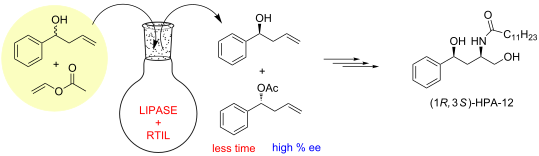
- /aza-Michael reaction of 3,6-dihydro-1,2-dioxines followed by diastereoselective reduction [25]. Most of these methods employ starting materials or catalysts, which are not commercially available, and also require operationally demanding reaction conditions. Hence a need to develop a simple, efficient

Graphical Abstract

Figure 1: Structure of most active HPA-12 isomers, originally proposed (1) and revised (2).

Scheme 1: Lipase-catalyzed trans-acylation of (±)-4 and subsequent Mitsunobu inversion. Conditions: (i) Zn/TH...

Scheme 2: Synthesis of azide 9 from (S)-4. Conditions: (i) NaH/Bu4NI/BnBr/THF/25 °C/4 h; (ii) AD-mix-β/t-BuOH...

Scheme 3: Attempted synthesis of 2 from 9. Conditions: (i) (a) LiAlH4 (1 M in THF)/THF/25 °C/3 h, (b) DCC/DMA...

Scheme 4: Actual synthesis of 2 from 9. Conditions: (i) DDQ/CH2Cl2–H2O 4:1/3 h; (ii) a) LiAlH4/THF/25 °C/3 h,...
DABCO- and DBU-promoted one-pot reaction of N-sulfonyl ketimines with Morita–Baylis–Hillman carbonates: a sequential approach to (2-hydroxyaryl)nicotinate derivatives
- Soumitra Guin,
- Raman Gupta,
- Debashis Majee and
- Sampak Samanta
Beilstein J. Org. Chem. 2018, 14, 2771–2778, doi:10.3762/bjoc.14.254
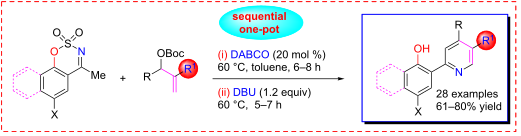
- ' fashion to make a very reactive allyl ammonium intermediate 6. The latter further involves in the SN2' reaction with in situ generated carbanion intermediate 1a' forming SN2-adduct 3a. It undergoes an intramolecular aza-Michael reaction in the presence of DABCO, leading to tricyclic product 4a. For the
- -Michael reaction between MBH carbonates derived from an acrylate/acrylonitrile and N-sulfonyl ketimines as C,N-binucleophiles catalyzed by DABCO, followed by elimination of SO2 under the influence of base and subsequent aromatization in an open atmosphere. Keywords: MBH carbonates; metal-free; N-sulfonyl
- -hydroxyaryl)pyridine derivatives bearing a carboxylate or a nitrile group suitably placed at C3 position of the aza-ring has been achieved in acceptable chemical yields with a broad functional group tolerance. This sequential C–C/C–N bond making process proceeds through a regioselective allylic alkylation/aza

Graphical Abstract

Figure 1: Drugs and agrochemicals having a nicotinic acid derivative.

Scheme 1: One-pot access to (2-hydroxyaryl)pyridines.

Scheme 2: A possible mechanism for this sequential reaction.
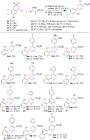
Scheme 3: Substrate scope for (2-hydroxyaryl)nicotinates syntheses. The reaction was performed with 1a–e (0.2...

Scheme 4: One-pot synthesis of (2-hydroxyaryl)nicotinonitriles 5ak–5am.
Synthesis of cis-hydrindan-2,4-diones bearing an all-carbon quaternary center by a Danheiser annulation
- Gisela V. Saborit,
- Carlos Cativiela,
- Ana I. Jiménez,
- Josep Bonjoch and
- Ben Bradshaw
Beilstein J. Org. Chem. 2018, 14, 2597–2601, doi:10.3762/bjoc.14.237

- , following our previously developed procedure, to give decahydroquinoline 1 [23]. The removal of the tert-butyl ester group with TFA, followed by treatment with LiOH in refluxing THF promoted a retro-aza-Michael reaction yielding the ring-opened product 3 [33]. The latter was trapped in situ with benzyl
- -Michael reaction, removal of a tert-butoxycarbonyl ester, base-promoted ring opening and tosylamide benzylation, without significant detrimental effect on the overall yield (see Supporting Information File 1). With the key precursor 4 in hand, the stage was set to study the Danheiser annulation step
- bromide to furnish cyclohexenone 4 in 86% overall yield over the two steps from 1. Additionally, the overall transformation from the starting material 2 was also performed in a one-pot sequence involving six reactions, namely, an intermolecular Michael reaction, aldol cyclization, intramolecular aza

Graphical Abstract

Figure 1: Previous synthetic approaches to 3a-substituted cis-hydrindan-2,4-diones.

Scheme 1: Decahydroquinoline 1 as a versatile building block for Lycopodium alkaloid synthesis.

Figure 2: Examples of Lycopodium alkaloids synthesized from 3a-substituted hydrindan-2,4-diones.

Scheme 2: A de novo approach to 3a-substituted cis-hydrindan-2,4-diones.

Scheme 3: Synthesis of enone 4 and the Danheiser annulation. The depicted compounds are all racemic.

Scheme 4: Transformation of the vinylsilane moiety to ketone 8.

Figure 3: Stereoview of cis-hydrindane 8.
Diastereoselective auxiliary- and catalyst-controlled intramolecular aza-Michael reaction for the elaboration of enantioenriched 3-substituted isoindolinones. Application to the synthesis of a new pazinaclone analogue
- Romain Sallio,
- Stéphane Lebrun,
- Frédéric Capet,
- Francine Agbossou-Niedercorn,
- Christophe Michon and
- Eric Deniau
Beilstein J. Org. Chem. 2018, 14, 593–602, doi:10.3762/bjoc.14.46
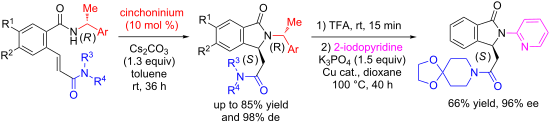
- intramolecular aza-Michael reaction by means of both a chiral auxiliary and a catalyst for stereocontrol is reported for the synthesis of optically active isoindolinones. A selected cinchoninium salt was used as phase-transfer catalyst in combination with a chiral nucleophile, a Michael acceptor and a base to
- provide 3-substituted isoindolinones in good yields and diastereomeric excesses. This methodology was applied to the asymmetric synthesis of a new pazinaclone analogue which is of interest in the field of benzodiazepine-receptor agonists. Keywords: asymmetric organocatalysis; Aza-Michael reaction; phase
- carbon stereocenter alpha to the nitrogen [10][20][21][22][23][24][25][26][27][28][29][30][31][32][33][34]. Though various metal or organic catalysts were used to promote the aza-Michael reaction in different syntheses for the creation of nitrogen–carbon bonds, phase-transfer catalysts were less studied

Graphical Abstract

Figure 1: Examples of synthetic pharmacologically active chiral 3-substituted isoindolinones.

Scheme 1: Retrosynthetic analysis of NH free chiral 3-substituted isoindolinones (3S)-1 and (3S)-2.

Scheme 2: Synthesis of parent benzamides 6–8.

Figure 2: Esters 12a–e, 13 prepared, isolated yield.

Figure 3: Benzamides 6a–d, 7a–e, 8 prepared, isolated yield.

Figure 4: Phase transfer catalysts (PTC) used in this study.

Scheme 3: Synthesis of isoindolinones 3a–d, 4a–e, 5; isolated yield, de by HPLC and 1H NMR. aAfter flash chro...

Scheme 4: Removal of the chiral auxiliary. Synthesis of isoindolinones 1a–c, 1e, 2; isolated yield, ee by HPL...

Figure 5: ORTEP plot of isoindolinone (2R,3S)-3a (CCDC 1590565) [68].

Scheme 5: Synthesis of pazinaclone analogue (3S)-27.
(Thio)urea-mediated synthesis of functionalized six-membered rings with multiple chiral centers
- Giorgos Koutoulogenis,
- Nikolaos Kaplaneris and
- Christoforos G. Kokotos
Beilstein J. Org. Chem. 2016, 12, 462–495, doi:10.3762/bjoc.12.48
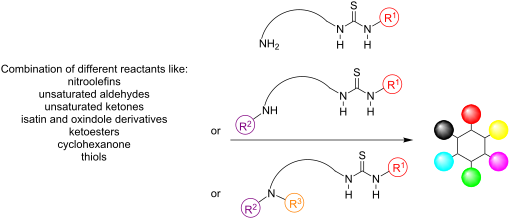
- it near the enolate. In 2011, You and co-workers described the intramolecular desymmetrization of cyclohexadienones 69 catalyzed by thiourea 71, derived from cinchonine to give a bicyclic system 70 containing two chiral centers, utilizing an aza-Michael reaction (Scheme 24) [34]. The reaction
- constructed via a desymmetrization aza-Michael reaction. That key intermediate 72 was afforded in 91% yield and 97% ee. (Scheme 25). In 2012, Cobb and co-workers developed a novel asymmetric Michael–Michael reaction between nitrohex-4-enoates 73 and nitroolefins 74 to construct a cyclohexene moiety, bearing
- through an intramolecular aza-Michael reaction [34]. Enantioselective synthesis of (−)-mesembrine [34]. A novel asymmetric Michael–Michael reaction [35]. Asymmetric

Graphical Abstract

Scheme 1: Activation of carbonyl compounds via enamine and iminium intermediates [2].

Scheme 2: Electronic and steric interactions present in enamine activation mode [2].

Scheme 3: Electrophilic activation of carbonyl compounds by a thiourea moiety.

Scheme 4: Asymmetric synthesis of dihydro-2H-pyran-6-carboxylate 3 using organocatalyst 4 [16].

Scheme 5: Possible hydrogen-bonding for the reaction of (E)-methyl 2-oxo-4-phenylbut-3-enoate [16].

Scheme 6: Asymmetric desymmetrization of 4,4-cyclohexadienones using the Michael addition reaction with malon...

Scheme 7: The enantioselective synthesis of α,α-disubstituted cycloalkanones using catalyst 11 [18].

Scheme 8: The enantioselective synthesis of indolo- and benzoquinolidine compounds through aza-Diels–Alder re...

Scheme 9: Enantioselective [5 + 2] cycloaddition [20].

Scheme 10: Asymmetric synthesis of oxazine derivatives 26 [21].

Scheme 11: Asymmetric synthesis of bicyclo[3.3.1]nonadienone, core 30 present in (−)-huperzine [22].

Scheme 12: Asymmetric inverse electron-demand Diels-Alder reaction catalyzed by amine-thiourea 34 [23].

Scheme 13: Asymmetric entry to morphan skeletons, catalyzed by amine-thiourea 37 [24].

Scheme 14: Asymmetric transformation of (E)-2-nitroallyl acetate [25].

Scheme 15: Proposed way of activation.

Scheme 16: Asymmetric synthesis of nitrobicyclo[3.2.1]octan-2-one derivatives [26].

Scheme 17: Asymmetric tandem Michael–Henry reaction catalyzed by 50 [27].

Scheme 18: Asymmetric Diels–Alder reactions of 3-vinylindoles 51 [29].

Scheme 19: Proposed transition state and activation mode of the asymmetric Diels–Alder reactions of 3-vinylind...

Scheme 20: Desymmetrization of meso-anhydrides by Chin, Song and co-workers [30].

Scheme 21: Desymmetrization of meso-anhydrides by Connon and co-workers [31].

Scheme 22: Asymmetric intramolecular Michael reaction [32].

Scheme 23: Asymmetric addition of malonate to 3-nitro-2H-chromenes 67 [33].

Scheme 24: Intramolecular desymmetrization through an intramolecular aza-Michael reaction [34].

Scheme 25: Enantioselective synthesis of (−)-mesembrine [34].

Scheme 26: A novel asymmetric Michael–Michael reaction [35].

Scheme 27: Asymmetric three-component reaction catalyzed by Takemoto’s catalyst 77 [46].

Scheme 28: Asymmetric domino Michael–Henry reaction [47].

Scheme 29: Asymmetric domino Michael–Henry reaction [48].

Scheme 30: Enantioselective synthesis of derivatives of 3,4-dihydro-2H-pyran 89 [49].

Scheme 31: Asymmetric addition of α,α-dicyano olefins 90 to 3-nitro-2H-chromenes 91 [50].

Scheme 32: Asymmetric three-component reaction producing 2,6-diazabicyclo[2.2.2]octanones 95 [51].

Scheme 33: Asymmetric double Michael reaction producing substituted chromans 99 [52].

Scheme 34: Enantioselective synthesis of multi-functionalized spiro oxindole dienes 106 [53].

Scheme 35: Organocatalyzed Michael aldol cyclization [54].

Scheme 36: Asymmetric synthesis of dihydrocoumarins [55].

Scheme 37: Asymmetric double Michael reaction en route to tetrasubstituted cyclohexenols [56].

Scheme 38: Asymmetric synthesis of α-trifluoromethyl-dihydropyrans 121 [58].

Scheme 39: Tyrosine-derived tertiary amino-thiourea 123 catalyzed Michael hemiaketalization reaction [59].

Scheme 40: Enantioselective entry to bicyclo[3.2.1]octane unit [60].

Scheme 41: Asymmetric synthesis of spiro[4-cyclohexanone-1,3’-oxindoline] 126 [61].

Scheme 42: Kinetic resolution of 3-nitro-2H-chromene 130 [62].

Scheme 43: Asymmetric synthesis of chromanes 136 [63].

Scheme 44: Wang’s utilization of β-unsaturated α-ketoesters 87 [64,65].

Scheme 45: Asymmetric entry to trifluoromethyl-substituted dihydropyrans 144 [66].

Scheme 46: Phenylalanine-derived thiourea-catalyzed domino Michael hemiaketalization reaction [67].

Scheme 47: Asymmetric synthesis of α-trichloromethyldihydropyrans 149 [68].

Scheme 48: Takemoto’s thiourea-catalyzed domino Michael hemiaketalization reaction [69].

Scheme 49: Asymmetric synthesis of densely substituted cyclohexanes [70].

Scheme 50: Enantioselective synthesis of polysubstituted chromeno [4,3-b]pyrrolidine derivatines 157 [71].

Scheme 51: Enantioselective synthesis of spiro-fused cyclohexanone/5-oxazolone scaffolds 162 [72].

Scheme 52: Utilizing 2-mercaptobenzaldehydes 163 in cascade processes [73,74].

Scheme 53: Proposed transition state of the initial sulfa-Michael step [74].

Scheme 54: Asymmetric thiochroman synthesis via dynamic kinetic resolution [75].

Scheme 55: Enantioselective synthesis of thiochromans [76].

Scheme 56: Enantioselective synthesis of chromans and thiochromans synthesis [77].

Scheme 57: Enantioselective sulfa-Michael aldol reaction en route to spiro compounds [78].

Scheme 58: Enantioselective synthesis of 4-aminobenzo(thio)pyrans 179 [79].

Scheme 59: Asymmetric synthesis of tetrahydroquinolines [80].

Scheme 60: Novel asymmetric Mannich–Michael sequence producing tetrahydroquinolines 186 [81].

Scheme 61: Enantioselective synthesis of biologically interesting chromanes 190 and 191 [82].

Scheme 62: Asymmetric tandem Henry–Michael reaction [83].

Scheme 63: An asymmetric synthesis of substituted cyclohexanes via a dynamic kinetic resolution [84].

Scheme 64: Three component-organocascade initiated by Knoevenagel reaction [85].

Scheme 65: Asymmetric Michael reaction catalyzed by catalysts 57 and 211 [86].

Scheme 66: Proposed mechanism for the asymmetric Michael reaction catalyzed by catalysts 57 and 211 [86].

Scheme 67: Asymmetric facile synthesis of hexasubstituted cyclohexanes [87].

Scheme 68: Dual activation catalytic mechanism [87].

Scheme 69: Asymmetric Michael–Michael/aldol reaction catalyzed by catalysts 57, 219 and 214 [88].

Scheme 70: Asymmetric synthesis of substituted cyclohexane derivatives, using catalysts 57 and 223 [89].

Scheme 71: Asymmetric synthesis of substituted piperidine derivatives, using catalysts 223 and 228 [90].

Scheme 72: Asymmetric synthesis of endo-exo spiro-dihydropyran-oxindole derivatives catalyzed by catalyst 232 [91]....

Scheme 73: Asymmetric synthesis of carbazole spiroxindole derivatives, using catalyst 236 [92].

Scheme 74: Enantioselective formal [2 + 2] cycloaddition of enal 209 with nitroalkene 210, using catalysts 23 ...

Scheme 75: Asymmetric synthesis of polycyclized hydroxylactams derivatives, using catalyst 242 [94].

Scheme 76: Asymmetric synthesis of product 243, using catalyst 246 [95].

Scheme 77: Formation of the α-stereoselective acetals 248 from the corresponding enol ether 247, using catalys...

Scheme 78: Selective glycosidation, catalyzed by Shreiner’s catalyst 23 [97].
Total synthesis of (−)-epimyrtine by a gold-catalyzed hydroamination approach
- Thi Thanh Huyen Trinh,
- Khanh Hung Nguyen,
- Patricia de Aguiar Amaral and
- Nicolas Gouault
Beilstein J. Org. Chem. 2013, 9, 2042–2047, doi:10.3762/bjoc.9.242
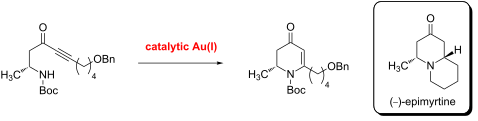
- of (−)-epimyrtine have been described to date including the intramolecular allylsilane N-acyliminium ion cyclization [6], the organocatalytic aza-Michael reaction [7], the intramolecular Mannich reaction [8], and the iminium ion cascade reaction [9][10]. More efficient, convenient and highly

Graphical Abstract

Scheme 1: Previously reported approach from β-aminoynones for the synthesis of pyridones.

Scheme 2: Retrosynthetic analysis of (−)-epimyrtine.

Scheme 3: Synthesis of (−)-epimyrtine.
The chemistry of amine radical cations produced by visible light photoredox catalysis
- Jie Hu,
- Jiang Wang,
- Theresa H. Nguyen and
- Nan Zheng
Beilstein J. Org. Chem. 2013, 9, 1977–2001, doi:10.3762/bjoc.9.234
- 15 by abstraction of a hydrogen atom directly. The addition of the enol form of α-ketoester 59 to 15 furnishes the Mannich adduct 60. A retro-aza-Michael reaction via enol 61 allows cleavage of the C–N bond to yield secondary aniline 62. Aniline 62 is first oxidized to imine 63, which is further

Graphical Abstract

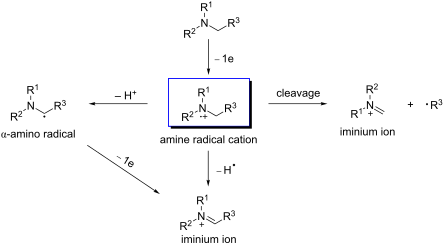
Scheme 1: Amine radical cations’ mode of reactivity.

Scheme 2: Reductive quenching of photoexcited Ru complexes by Et3N.

Scheme 3: Photoredox aza-Henry reaction.

Scheme 4: Formation of iminium ions using BrCCl3 as stoichiometric oxidant.

Scheme 5: Oxidative functionalization of N-aryltetrahydroisoquinolines using Eosin Y.

Scheme 6: Synthetic and mechanistic studies of Eosin Y-catalyzed aza-Henry reaction.

Scheme 7: Oxidative functionalization of N-aryltetrahydroisoquinolines using RB and GO.

Scheme 8: Merging Ru-based photoredox catalysis and Lewis base catalysis for the Mannich reaction.

Scheme 9: Merging Au-based photoredox catalysis and Lewis base catalysis for the Mannich reaction.

Scheme 10: Merging Ru-based photoredox catalysis and Cu-catalyzed alkynylation reaction.

Scheme 11: Merging Ru-based photoredox catalysis and NHC catalysis.

Scheme 12: 1,3-Dipolar cycloaddition of photogenically formed azomethine ylides.

Scheme 13: Plausible mechanism for photoredox 1,3-dipolar cycloaddition.

Scheme 14: Photoredox-catalyzed cascade reaction for the synthesis of fused isoxazolidines.

Scheme 15: Plausible mechanism for the photoredox-catalyzed cascade reaction.

Scheme 16: Photoredox-catalyzed α-arylation of glycine derivatives.

Scheme 17: Photoredox-catalyzed α-arylation of amides.

Scheme 18: Intramolecular interception of iminium ions by sulfonamides.

Scheme 19: Intramolecular interception of iminium ions by alcohols and sulfonamides.

Scheme 20: Intermolecular interception of iminium ions by phosphites.

Scheme 21: Photoredox-catalyzed oxidative phosphonylation by Eosin Y.
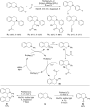
Scheme 22: Conjugated addition of α-amino radicals to Michael acceptors.

Scheme 23: Conjugated addition of α-amino radicals to Michael acceptors assisted by a Brønsted acid.

Scheme 24: Conjugated addition of α-amino radicals derived from anilines to Michael acceptors.

Scheme 25: Oxygen switch between two pathways involving α-amino radicals.

Scheme 26: Interception of α-amino radicals by azodicarboxylates.

Scheme 27: α-Arylation of amines.

Scheme 28: Plausible mechanism for α-arylation of amines.

Scheme 29: Photoinduced C–C bond cleavage of tertiary amines.

Scheme 30: Photoredox cleavage of C–C bonds of 1,2-diamines.

Scheme 31: Proposed mechanism photoredox cleavage of C–C bonds.

Scheme 32: Intermolecular [3 + 2] annulation of cyclopropylamines with olefins.

Scheme 33: Proposed mechanism for intermolecular [3 + 2] annulation.

Scheme 34: Photoinduced clevage of N–N bonds of aromatic hydrazines and hydrazides.
Efficient synthesis of β’-amino-α,β-unsaturated ketones
- Isabelle Abrunhosa-Thomas,
- Aurélie Plas,
- Nishanth Kandepedu,
- Pierre Chalard and
- Yves Troin
Beilstein J. Org. Chem. 2013, 9, 486–495, doi:10.3762/bjoc.9.52

- devised for the asymmetric synthesis of β’-amino-protected-α,β enones, a valuable intermediate for the synthesis of trans 2,6-disubstituted piperidines. The scope and limitation of the aza-Michael reaction were studied with a range of substrates. We are currently working on the application of this

Graphical Abstract

Scheme 1: Asymmetric synthesis of 2-methyl-6-phenyl piperidine.

Scheme 2: (a) Davies amine, BuLi, THF, −78 °C; dr ≥ 94% ; (b) H2, Pd(OH)2, MeOH; (c) Na2CO3, PhCH2CO2Cl, CH2Cl...

Scheme 3: Modified synthetic route to15.

Scheme 4: Possible pathways to obtain phosphonate 13 (a) Davies amine, BuLi, THF, −78 °C; dr ≥ 95%; (b) H2, P...

Scheme 5: Synthesis of compound 14.

Scheme 6: General synthesis of compound 13 (a) Davies amine, BuLi, THF, −78 °C; (b) H2, Pd(OH)2/C, MeOH; (c) ...

Scheme 7: Optimization of conditions for the Horner–Wadsworth–Emmons reaction.
Organocatalytic tandem Michael addition reactions: A powerful access to the enantioselective synthesis of functionalized chromenes, thiochromenes and 1,2-dihydroquinolines
- Chittaranjan Bhanja,
- Satyaban Jena,
- Sabita Nayak and
- Seetaram Mohapatra
Beilstein J. Org. Chem. 2012, 8, 1668–1694, doi:10.3762/bjoc.8.191
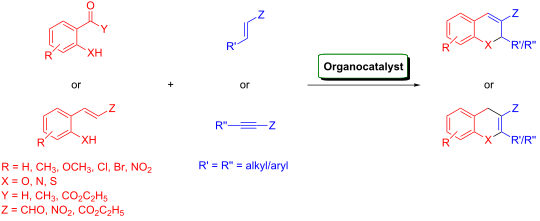
- %) (Scheme 31). In this cascade reaction, the installation of electron-withdrawing groups on the amino moiety of 2-aminobenzaldehydes is anticipated to increase the aniline N–H acidity, the abstraction of which by the tertiary amine leads to an aza-Michael reaction. The thiourea group in the chiral catalyst

Graphical Abstract

Figure 1: Some representative molecules having chromene, thiochromene or 1,2-dihydroquinolin structural motif...

Figure 2: Screened chiral proline and its derivatives as organocatalysts. Rb = rubidium.
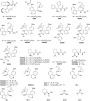
Figure 3: Screened chiral bifunctional thiourea, its derivatives, cinchona alkaloids and other organocatalyst...

Scheme 1: Diarylprolinolether-catalyzed tandem oxa-Michael–aldol reaction reported by Arvidsson.

Scheme 2: Tandem oxa-Michael–aldol reaction developed by Córdova.

Scheme 3: Domino oxa-Michael-aldol reaction developed by Wei and Wang.

Scheme 4: Chiral amine/chiral acid catalyzed tandem oxa-Michael–aldol reaction developed by Xu et al.

Scheme 5: Modified diarylproline ether as amino catalyst in oxa-Michael–aldol reaction as reported by Xu and ...

Scheme 6: Chiral secondary amine promoted oxa-Michael–aldol cascade reactions as reported by Wang and co-work...

Scheme 7: Reaction of salicyl-N-tosylimine with aldehydes by domino oxa-Michael/aza-Baylis–Hillman reaction, ...

Scheme 8: Silyl prolinol ether-catalyzed oxa-Michael–aldol tandem reaction of alkynals with salicylaldehydes ...

Scheme 9: Oxa-Michael–aldol sequence for the synthesis of tetrahydroxanthones developed by Córdova.
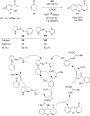
Scheme 10: Synthesis of tetrahydroxanthones developed by Xu.

Scheme 11: Diphenylpyrrolinol trimethylsilyl ether catalyzed oxa-Michael–Michael–Michael–aldol reaction for th...

Scheme 12: Enantioselective cascade oxa-Michael–Michael reaction of alkynals with 2-(E)-(2-nitrovinyl)-phenols...

Scheme 13: Domino oxa-Michael–Michael–Michael–aldol reaction of 2-(2-nitrovinyl)-benzene-1,4-diol with α,β-uns...

Scheme 14: Tandem oxa-Michael–Henry reaction catalyzed by organocatalyst and salicylic acid, as reported by Xu....

Scheme 15: Asymmetric synthesis of nitrochromenes from salicylaldehydes and β-nitrostyrene, as reported by San...

Scheme 16: Domino Michael–aldol reaction between salicyaldehydes with β-nitrostyrene, as reported by Das and c...

Scheme 17: Enantioselective synthesis of 2-aryl-3-nitro-2H-chromenes, as reported by Schreiner.

Scheme 18: (S)-diphenylpyrrolinol silyl ether-promoted cascade thio-Michael–aldol reactions, as reported by Wa...

Scheme 19: Organocatalytic asymmetric domino Michael–aldol condensation of mercaptobenzaldehyde and α,β-unsatu...

Scheme 20: Organocatalytic asymmetric domino Michael–aldol condensation between mercaptobenzaldehyde and α,β-u...

Scheme 21: Hydrogen-bond-mediated Michael–aldol reaction of 2-mercaptobenzaldehyde with α,β-unsaturated oxazol...

Scheme 22: Domino Michael–aldol reaction of 2-mercaptobenzaldehydes with maleimides catalyzed by cinchona alka...

Scheme 23: Domino thio-Michael–aldol reaction between 2-mercaptoacetophenone and enals developed by Córdova an...

Scheme 24: Enantioselective tandem Michael–Henry reaction of 2-mercaptobenzaldehyde with β-nitrostyrenes repor...

Scheme 25: Enantioselective tandem Michael–Knoevenagel reaction between 2-mercaptobenzaldehydes and benzyliden...

Scheme 26: Cinchona alkaloid thiourea catalyzed Michael–Michael cascade reaction, as reported by Wang and co-w...

Scheme 27: Domino aza-Michael–aldol reaction between 2-aminobenzaldehydes and α,β-unsaturated aldehydes, as re...

Scheme 28: (S)-Diphenylprolinol TES ether-promoted aza-Michael–aldol cascade reaction, as developed by Wang’s ...

Scheme 29: Domino aza-Michael–aldol reaction reported by Hamada.

Scheme 30: Organocatalytic asymmetric synthesis of 3-nitro-1,2-dihydroquinolines by a dual activation protocol...
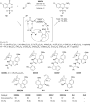
Scheme 31: Asymmetric synthesis of 3-nitro-1,2-dihydroquinolines by cascade aza-Michael–Henry–dehydration reac...
Single enantiomer synthesis of α-(trifluoromethyl)-β-lactam
- Václav Jurčík,
- Alexandra M. Z. Slawin and
- David O'Hagan
Beilstein J. Org. Chem. 2011, 7, 759–766, doi:10.3762/bjoc.7.86
- explored for the hydrogenolysis of 5a, however cleavage of the C–N bond proved very difficult and a satisfactory method could not be found. Therefore, (S)-α-(p-methoxyphenyl)ethylamine (3b) was explored as an alternative amine for the aza-Michael reaction, as removal of this amine using ceric ammonium
- nitrate (CAN) oxidation offered a milder deprotection method [15]. The aza-Michael reaction proved straightforward to generate 4b and then cyclisation again using thionyl chloride and triethylamine gave β-lactams 5b in a 40% de, presumably again a thermodynamically biased isomer ratio. The

Graphical Abstract

Figure 1: Enantiomers of α-(trifluoromethyl)-β-lactam (1).

Scheme 1: Synthetic route involving a diastereoisomeric separation to α-(trifluoromethyl)-β-lactam ((S)-1) fr...

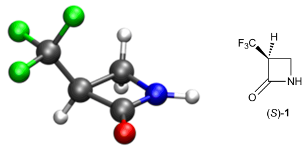
Figure 2: X-ray structures of (a) β-lactam (S)-1 and (b) (αR,3R)-5c. (a) Determination of the absolute stereo...

Scheme 2: Synthesis of stereoisomers 5c. The stereochemistry of the major isomer (αR,3R)-5c was solved by X-r...



