Search results
Search for "contamination" in Full Text gives 325 result(s) in Beilstein Journal of Nanotechnology. Showing first 200.
Beyond biomimicry – next generation applications of bioinspired adhesives from microfluidics to composites
Beilstein J. Nanotechnol. 2024, 15, 965–976, doi:10.3762/bjnano.15.79
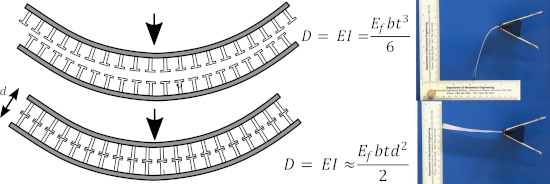
- was initially applied as an adhesion mechanism for microfluidics, a distinct project I was working on in 2012, that required a reversible adhesion system offering high strength, low contamination, no damage to mating surfaces, and no need for separate glues, plasma treatments, or magnets. A simple


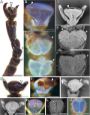
The effect of age on the attachment ability of stick insects (Phasmatodea)
Beilstein J. Nanotechnol. 2024, 15, 867–883, doi:10.3762/bjnano.15.72

- could also be due to contamination. SEM revealed most of such cases as not being caused by contaminations. They rather arose from a strong alteration of the cuticle (Figure 8E), also including changes of the surface topography of the terminal layer of the attachment pad cuticle. Profound hardening of


Intermixing of MoS2 and WS2 photocatalysts toward methylene blue photodegradation
Beilstein J. Nanotechnol. 2024, 15, 817–829, doi:10.3762/bjnano.15.68
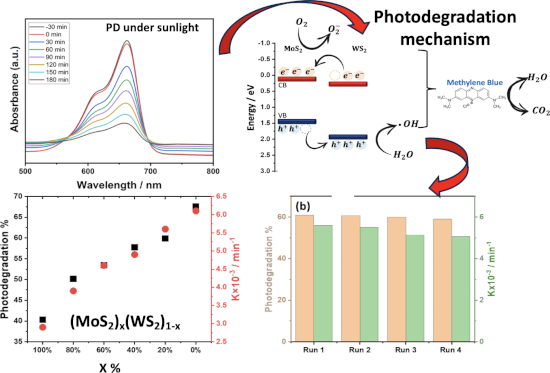
- ; photodegradation; transition-metal dichalcogenides; Introduction Water contamination has become a pressing global concern, threatening ecosystems, agriculture, and human well-being [1][2]. The massive industrialization has dramatically contributed to water pollution, which has prompted policymakers to put in


Electron-induced ligand loss from iron tetracarbonyl methyl acrylate
Beilstein J. Nanotechnol. 2024, 15, 797–807, doi:10.3762/bjnano.15.66
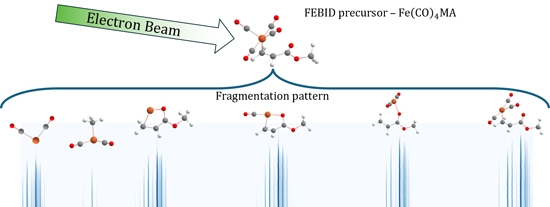
- leads to metal–ligand bond cleavage, which is often incomplete and leads to the accumulation of organic contamination in the final deposit. So far, the above interest has focused mainly on the well-established precursors. In this paper, we probe a novel precursor, namely, iron tetracarbonyl methyl



Effect of repeating hydrothermal growth processes and rapid thermal annealing on CuO thin film properties
Beilstein J. Nanotechnol. 2024, 15, 743–754, doi:10.3762/bjnano.15.62
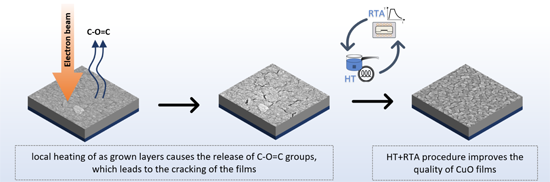
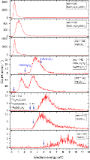
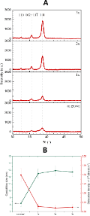
- reduction of defects, contamination of the film, as well as reconstruction of the film surface. Important information is provided by the histograms of the work function values as their shape indicates the non-uniformity of the contact voltage in the analyzed area. On the presented maps, a slight difference




Functional fibrillar interfaces: Biological hair as inspiration across scales
Beilstein J. Nanotechnol. 2024, 15, 664–677, doi:10.3762/bjnano.15.55
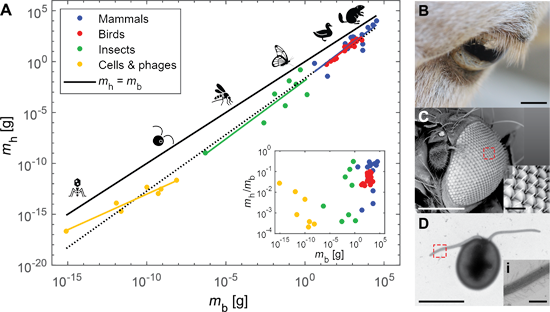
- providing low adhesion. Such structures are typically found on body parts where contamination is common, such as adhesive pads [40], or where cleanliness is crucial for survival, such as insect wings [41]. Hairs provide more ways to prevent or clean contamination. For a dedicated review on the topic, please


Exfoliation of titanium nitride using a non-thermal plasma process
Beilstein J. Nanotechnol. 2024, 15, 631–637, doi:10.3762/bjnano.15.53
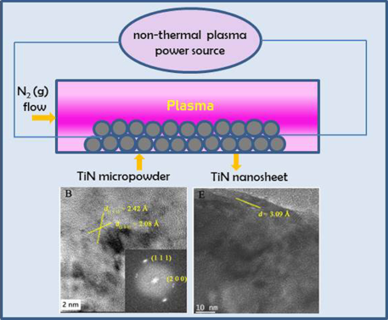
- is an indication of no carbon contamination, which would be observed around 1300–1400 cm−1 and 1550–1600 cm−1 [26]. The relaxation in the vibrational modes, as evidenced by the Raman spectra, serves as a compelling indicator of the successful exfoliation. It is in good agreement with XRD and TEM



Comparative analysis of the ultrastructure and adhesive secretion pathways of different smooth attachment pads of the stick insect Medauroidea extradentata (Phasmatodea)
Beilstein J. Nanotechnol. 2024, 15, 612–630, doi:10.3762/bjnano.15.52
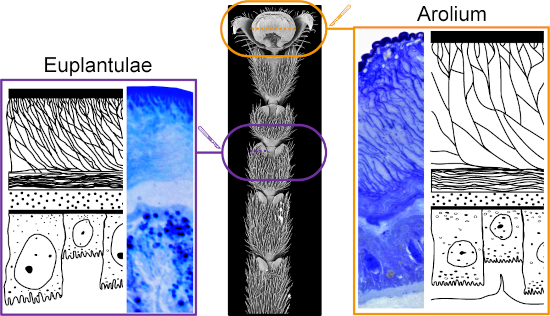
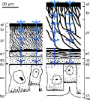
- roughness and thereby increase the contact area [14][16][17][18][19]. It can aid in the enhancement of viscous and capillary forces further increasing the attachment strength [9][14][20][21][22][23][24]. The adhesive secretion can be essential for the self-cleaning mechanism by binding smaller contamination
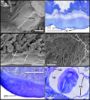
- contamination of the attachment pads. Light microscopy Two tarsi of adult female M. extradentata were dissected into five tarsomeres. The proximal four tarsomeres bear one euplantula each, whereas the fifth tarsomere additionally carries the pretarsus including the arolium (see Figure 1B, Figure 1C). The five




Sidewall angle tuning in focused electron beam-induced processing
Beilstein J. Nanotechnol. 2024, 15, 447–456, doi:10.3762/bjnano.15.40
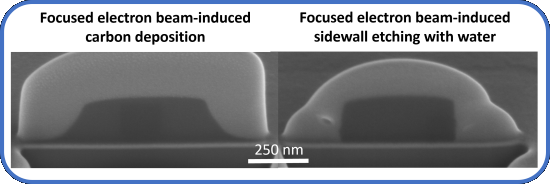
- diffusion rate of adsorbed contamination is known to be enhanced by the presence of water layers [21]. But since the relevant quantities are hard to measure, the diffusion rate has not been included in the model, nor have some other factors such as scattering, porosity, and secondary etch product reactions
- FEBID and FEBIE) the pressure was in the range of 2.5 × 10⁻⁵ and 4.5 × 10⁻⁵ mbar. Following a few hours of deposition, the chamber would take increasingly longer to pump down, and electron beam-induced sample contamination was observed to increase. This was likely due to dodecane sticking to the walls
- of the chamber and other open surfaces. Additionally, on letting in water after deposition, the contamination level was found to be higher. This is consistent with reports of increased diffusion of hydrocarbons in the presence of adsorbed water layers. Therefore, to maintain clean working conditions




Insect attachment on waxy plant surfaces: the effect of pad contamination by different waxes
Beilstein J. Nanotechnol. 2024, 15, 385–395, doi:10.3762/bjnano.15.35
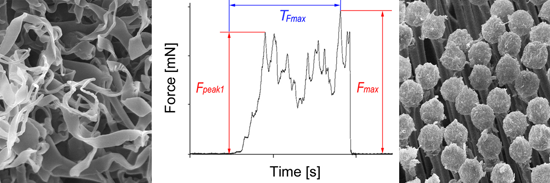
- Elena V. Gorb Stanislav N. Gorb Department of Functional Morphology and Biomechanics, Zoological Institute, Kiel University, Am Botanischen Garten 9, 24118 Kiel, Germany 10.3762/bjnano.15.35 Abstract This study focuses on experimental testing of the contamination hypothesis and examines how the
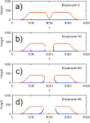
- contamination of insect adhesive pads with three-dimensional epicuticular waxes of different plant species contributes to the reduction of insect attachment. We measured traction forces of tethered Chrysolina fastuosa male beetles having hairy adhesive pads on nine wax-bearing plant surfaces differing in both
- cases of the plant surfaces covered with wax projections having higher aspect ratios. The data obtained clearly indicated the impact of waxy plant surfaces on the insect ability to subsequently attach to the clean smooth surface. This effect is caused by the contamination of adhesive pads and




Controllable physicochemical properties of WOx thin films grown under glancing angle
Beilstein J. Nanotechnol. 2024, 15, 350–359, doi:10.3762/bjnano.15.31
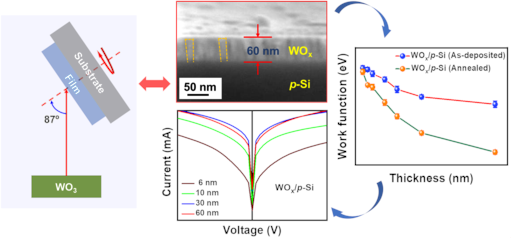
- duration of 1200 s to achieve stability in depositions and contamination-free films. A constant substrate rotation (10 rpm) was maintained to achieve uniform WOx films. Post-growth annealing of all WOx films (grown under the same conditions) was performed at 673 K for 60 min in a vacuum environment (3 × 10
- uniformity. WSxM software was used to carry out AFM image analysis. Kelvin probe force microscopy (KPFM) was used to study the local work function of the WOx films. WOx samples were removed from the high-vacuum environment right before the KPFM measurements to avoid any contamination in air. For KPFM


Nanomedicines against Chagas disease: a critical review
Beilstein J. Nanotechnol. 2024, 15, 333–349, doi:10.3762/bjnano.15.30
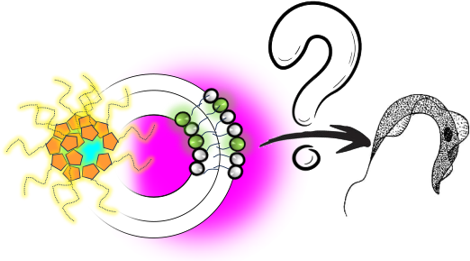
- , nanomedicines are highly susceptible to aggregation, hygroscopicity, contamination, phase transition, amorphous-to-crystalline transitions, and degradation. It is critical to maintain batch-to-batch reproducibility (in terms of mean size, polydispersity, ζ-potential, and drug loading) not only during large

Multiscale modelling of biomolecular corona formation on metallic surfaces
Beilstein J. Nanotechnol. 2024, 15, 215–229, doi:10.3762/bjnano.15.21
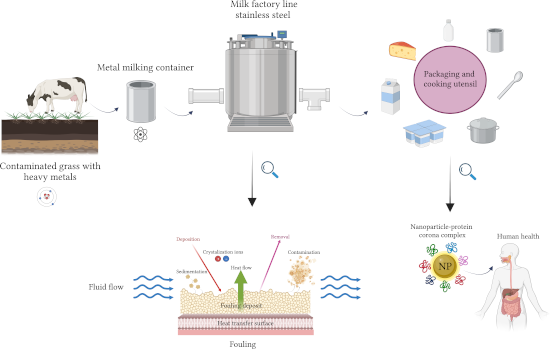
- and scientific equipment [7]. Figure 1 presents a schematic contamination cycle of dairy products, showcasing potential sources and pathways of aluminum pollution. It illustrates the journey of milk from a cow grazing on grass contaminated with heavy metals, highlighting the crucial role of metallic
- containers, metal-based equipment, and kitchen utensils in maintaining product integrity. The figure further demonstrates the potential to introduce heavy metal contamination, including iron and aluminum, during processing and emphasizes the formation of a milk layer in form of a protein/lactose corona at
- cycle of dairy products, showcasing potential sources and pathways of contamination. It features the stages of grazing, collection, processing, and packaging. The relevant processes include surface fouling and milk contamination during food transformation as well as the formation of a protein corona on




New application of bimetallic Ag/Pt nanoplates in a colorimetric biosensor for specific detection of E. coli in water
Beilstein J. Nanotechnol. 2024, 15, 95–103, doi:10.3762/bjnano.15.9
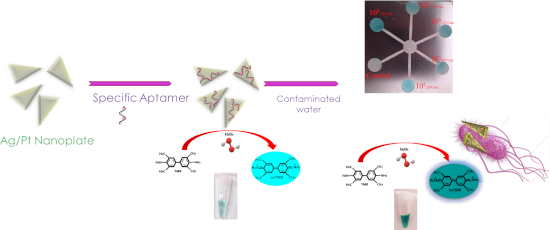
- illness cases worldwide each year [1][2]. Water quality testing is based on the presence of E. coli, which is still regarded as the best indication of fecal contamination [3][4]. There are several methods for detecting bacteria (e.g., ELISA and PCR) with colony counting serving as the gold standard
- system offers a rapid, sensitive, and portable biosensor for preventing E. coli contamination and resolving public health concerns in the future. Experimental Materials Silver nitrate (AgNO3), potassium tetrachloroplatinate(II), ascorbic acid, TMB, H2O2 (for determining peroxidase-like activity), and


Study of the reusability and stability of nylon nanofibres as an antibody immobilisation surface
Beilstein J. Nanotechnol. 2024, 15, 83–94, doi:10.3762/bjnano.15.8
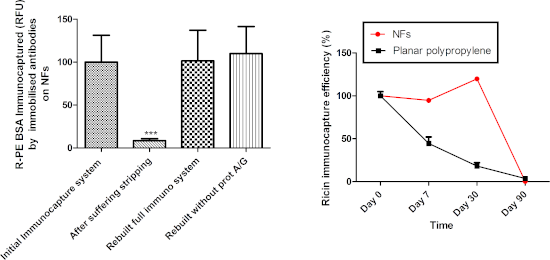
- need to reduce the risk of pandemic contamination. Early, reliable, and accurate diagnosis is therefore essential for health and food safety [4][5]. In this context, immunodetection seems to be a very good option [6]. There are many applications of immunoassay devices in health, food industry, and
- contamination and for the clinical diagnosis of infectious agents and biomarkers. FITC fluorescence of anti-BSA antibody. For each group, the FITC fluorescence data of the immobilised anti-BSA antibody, measured in RFU, are given as percentages relative to the reference group 1, n = 5–6. Stripping treatment


A combined gas-phase dissociative ionization, dissociative electron attachment and deposition study on the potential FEBID precursor [Au(CH3)2Cl]2
Beilstein J. Nanotechnol. 2023, 14, 1178–1199, doi:10.3762/bjnano.14.98
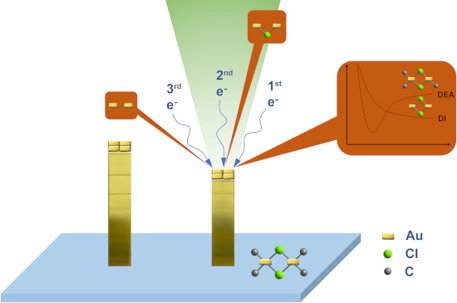
- present. These are assigned to the AuNOO, ClLMM, CKLL, and SnMNN Auger transitions [34], respectively (Figure 1b, green spectrum). The broad and small peak at approximately 367 eV is attributed to an Sn signal [34]. The contamination with Sn is from the synthesis process of the [Au(CH3)2Cl]2 precursor
- fabricated in the UHV chamber primarily contained halogen contamination and comparatively low carbon content, carbon was the main component in the deposits under HV, while the halogen content was as low as 7.5–8 atom %. It was pointed out that this might be due to a reductive removal of the halogen through



A multi-resistance wide-range calibration sample for conductive probe atomic force microscopy measurements
Beilstein J. Nanotechnol. 2023, 14, 1141–1148, doi:10.3762/bjnano.14.94
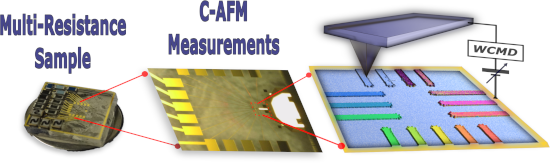
- , repeatability, and exactness [41][42]. The formation of a humidity-induced water meniscus at the tip–sample interface, the presence of surface contamination, and thermal drifts induce significant instabilities in C-AFM measurements [42][43]. Moreover, local overheating and anodic oxidation phenomena are
- still observed of the order of 8%. Resistance values from C-AFM I–V curves To comprehend the origin of this remaining error, we proceeded into removing any possible contamination of the tip apex by repeatedly scanning over a fixed line (typically a few tens of nanometers) on the sample surface (i.e., by
- disabling the slow-scan axis). The effective contamination removal was associated with a stable measurement of a minimal resistance value. Then, we positioned the tip at a fixed location in contact with the electrode’s surface with an applied force of 900 nN to extract I–V curves by sweeping the applied


Sulfur nanocomposites with insecticidal effect for the control of Bactericera cockerelli
Beilstein J. Nanotechnol. 2023, 14, 1106–1115, doi:10.3762/bjnano.14.91
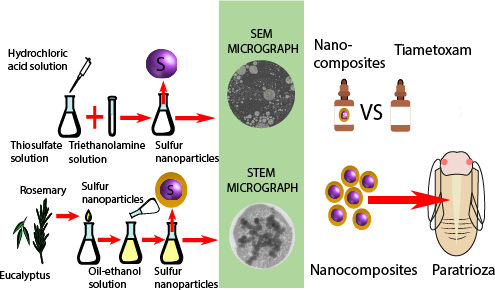
- , contamination of water bodies, degradation of agroecosystems, and damages to human health after direct or indirect exposure [11][12][13]. Therefore, new methods need to be considered to control the pest. Nanotechnology has emerged as a technological advance that can enhance modern agriculture by helping in the


Properties of tin oxide films grown by atomic layer deposition from tin tetraiodide and ozone
Beilstein J. Nanotechnol. 2023, 14, 1085–1092, doi:10.3762/bjnano.14.89
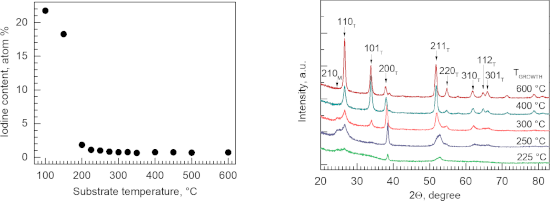
- -free process is possible, which means less contamination and residuals in the films. Another advantage of the O2 process is a maximum growth per cycle (GPC) three times higher than in the H2O2 process [10]. The drawback of the O2 process is a relatively high deposition temperature, starting from 400 °C


Low temperature atomic layer deposition of cobalt using dicobalt hexacarbonyl-1-heptyne as precursor
Beilstein J. Nanotechnol. 2023, 14, 951–963, doi:10.3762/bjnano.14.78
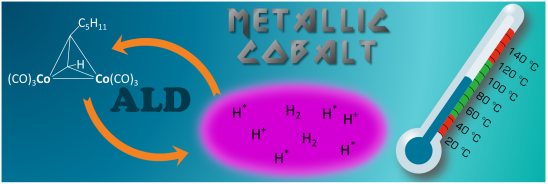
- contamination [16]. Thermal ALD processes operate usually at temperatures higher than 150 °C [17][18][19][20][21]. Characteristic for ALD processes, the growth rate is mainly independent of the substrate temperature in a specific temperature range, often denominated as ALD window. Within this range, the
- and with the lowest amount of remaining oxygen contamination. In order to determine an upper limit of the ALD window of the chosen precursor, a number of CVD experiments were performed at different temperatures using only the cobalt precursor without further reactants. The aim was to find a


Prediction of cytotoxicity of heavy metals adsorbed on nano-TiO2 with periodic table descriptors using machine learning approaches
Beilstein J. Nanotechnol. 2023, 14, 939–950, doi:10.3762/bjnano.14.77
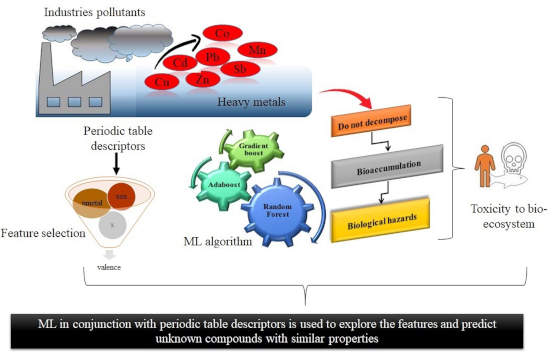
- considerably high exposure TiO2 NPs may enter the food chain. Because of current industrialization processes, organisms are also exposed to heavy metal pollutants [7]. Emitted NPs may interact with the pollutants, and this may subsequently lead to bioaccumulation. The contamination of water and soil with heavy
- metals has increased with anthropogenic and industrial activities [8][9]. TiO2 NPs commonly co-exist with different heavy metals as they are released from wastewater treatment facilities to freshwater bodies, affecting the mode of action and the fate of the contamination. Studies have reported the
- increased the accumulation of Cd2+ in the ciliate Tetrahymen thermophila. Further, Tan et al. [12] showed increased uptake and retention of Cd2+ and Zn2+ adsorbed on TiO2 NPs in Daphnia magna. Heavy metal contamination affects plant growth and indirectly affects human health via the food chain. Heavy metals


Ultralow-energy amorphization of contaminated silicon samples investigated by molecular dynamics
Beilstein J. Nanotechnol. 2023, 14, 834–849, doi:10.3762/bjnano.14.68
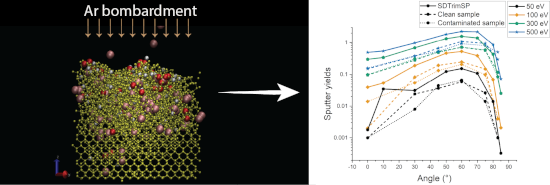
- . Keywords: angle dependency; argon; contamination; energy dependency; ion bombardment; low energy; molecular dynamics; silicon; simulations; water; Introduction Low-energy ion beams offer substantial improvements and possibilities to reduce the damage production on the surface of samples [1][2]. In recent
- will be based on methodologies developed in a previous paper [26], which focused on a silicon sample contaminated with a water layer, and in which we showed the influence of the contamination layer on the sputtering process. In the presence of water on the sample surface, we showed that while the
- amorphization. We will also show that favorable angles to minimize the implantation of the species of the contamination layer are in the range of 60° to 75°. Computational Methods Force fields The force fields used to simulate the Ar bombardment of a contaminated silicon sample have already been described in a




Cross-sectional Kelvin probe force microscopy on III–V epitaxial multilayer stacks: challenges and perspectives
Beilstein J. Nanotechnol. 2023, 14, 725–737, doi:10.3762/bjnano.14.59
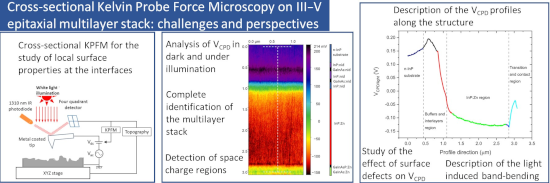
- (radius < 25 nm) with a conductive Pt/Ir coating at a resonance frequency of 75 kHz were used. During KPFM measurements under ambient conditions, tip contamination is likely to occur because of pollutants that may be present on the sample surface causing a variation of ϕtip [18]. Hence, ϕtip was evaluated
- considered. In particular, contamination of the tip is likely to occur due to pollutants (e.g., nano- and/or micrometre-size dust grains), which may be present on the sample surface leading to a variation of the tip surface potential. The tip-averaging effect represents an important aspect of KPFM under


A graphene quantum dots–glassy carbon electrode-based electrochemical sensor for monitoring malathion
Beilstein J. Nanotechnol. 2023, 14, 701–710, doi:10.3762/bjnano.14.56
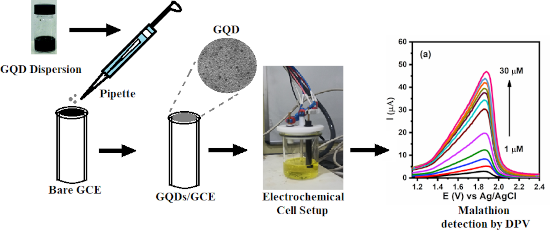
- -based nanosensor described here could be used in future to develop portable monitoring systems for water contamination. Fabrication of the GQDs/GCE electrochemical nanosensor for the detection of malathion. (a) UV–vis absorption spectrum and (b) photoluminescence spectra of GQDs. (a) TEM image, (b) size


Antimicrobial and mechanical properties of functionalized textile by nanoarchitectured photoinduced Ag@polymer coating
Beilstein J. Nanotechnol. 2023, 14, 95–109, doi:10.3762/bjnano.14.11
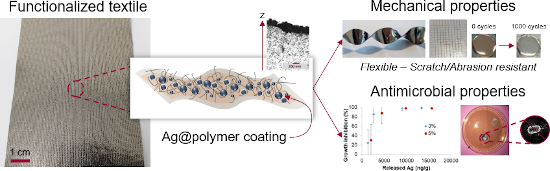
- , and textiles need to be cleaned on a daily basis. Silver nanoparticles (AgNPs) possess well-documented antimicrobial properties and by combining them with a physical matrix, they can be applied to various surfaces to limit microbial contamination. With this in mind, a rapid and easy way to implement a