Search results
Search for "biodegradable" in Full Text gives 112 result(s) in Beilstein Journal of Nanotechnology.
Fully amino acid-based hydrogel as potential scaffold for cell culturing and drug delivery
Beilstein J. Nanotechnol. 2019, 10, 2579–2593, doi:10.3762/bjnano.10.249
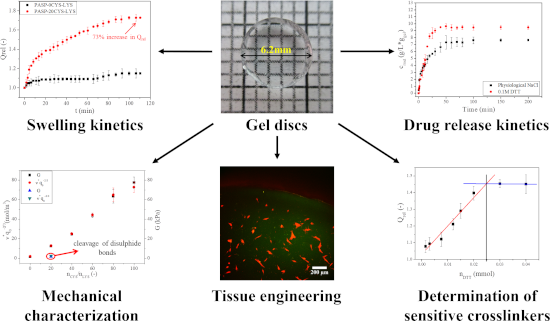
- backbone determines almost all of the properties of the hydrogels. For biological applications, in general, the polymer backbone and its degradation products have to be biodegradable and biocompatible [11][23]. In contrast to many synthetic polymers, the degradation products of poly(amino acid)s, which are


BergaCare SmartLipids: commercial lipophilic active concentrates for improved performance of dermal products
Beilstein J. Nanotechnol. 2019, 10, 2152–2162, doi:10.3762/bjnano.10.208
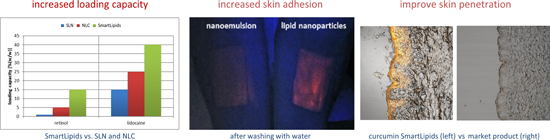
- that are ideally biodegradable and in conformity to ECOCERT/COSMOS (e.g., natural lipids or semisynthetic lipids derived from natural lipids). Emulsions can only partially meet these requirements. For example, the protection of chemically lipophilic active agents is limited by the diffusional exchange


Engineered superparamagnetic iron oxide nanoparticles (SPIONs) for dual-modality imaging of intracranial glioblastoma via EGFRvIII targeting
Beilstein J. Nanotechnol. 2019, 10, 1860–1872, doi:10.3762/bjnano.10.181
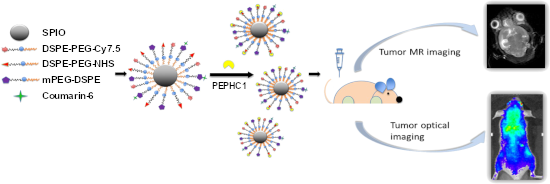
- Education, 826 Zhangheng Road, Shanghai 201203, China 10.3762/bjnano.10.181 Abstract In this work, a peptide-modified, biodegradable, nontoxic, brain-tumor-targeting nanoprobe based on superparamagnetic iron oxide nanoparticles (SPIONs) (which have been commonly used as T2-weighted magnetic resonance (MR




Doxorubicin-loaded human serum albumin nanoparticles overcome transporter-mediated drug resistance in drug-adapted cancer cells
Beilstein J. Nanotechnol. 2019, 10, 1707–1715, doi:10.3762/bjnano.10.166
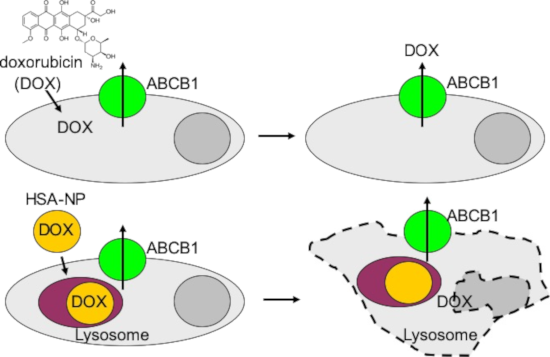
- bind to doxorubicin via its amino group. Notably, the results differ from a recent similar study in which nanoparticles prepared from poly(lactic-co-glycolic acid) (PLGA) or polylactic acid (PLA), two other biodegradable materials approved by the FDA and EMA for human use [27][28], did not bypass ABCB1


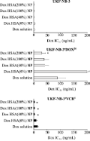
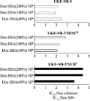
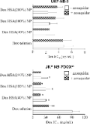
Serum type and concentration both affect the protein-corona composition of PLGA nanoparticles
Beilstein J. Nanotechnol. 2019, 10, 1002–1015, doi:10.3762/bjnano.10.101
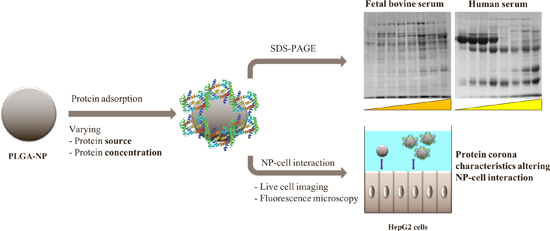
- them advantageous for targeted drug delivery while minimizing side effects [1]. Among the different materials used to synthesize NPs, the biodegradable polymer poly(DL-lactide-co-glycolide) (PLGA) has attracted consideration due to its minimal systemic toxicity, favorable degradation characteristics
- protein corona as a function of increasing serum concentration. Therefore, we produced NPs composed of the biodegradable polymer PLGA stabilized with poly(vinyl alcohol) (PVA) and subsequently incubated them with increasing amounts of either fetal bovine serum (FBS) or human serum to induce the formation
- of the protein corona with increasing serum concentration Nanoparticles (NPs) of the present study are based on the biodegradable polymer PLGA stabilized with poly(vinyl alcohol) (PVA) and were prepared by an emulsion diffusion method [19]. Incorporation of Lumogen® Red led to fluorescent labeled NPs



Effects of gold and PCL- or PLLA-coated silica nanoparticles on brain endothelial cells and the blood–brain barrier
Beilstein J. Nanotechnol. 2019, 10, 941–954, doi:10.3762/bjnano.10.95
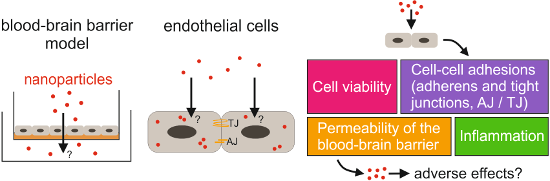
- , and has gained further importance over the past few decades [1]. This technology also offers promising possibilities for medical applications such as tumor diagnostics and therapy, as drug carriers or in biodegradable implants, e.g., in laser tissue soldering (LTS) [2]. LTS provides a promising



Nanoscale optical and structural characterisation of silk
Beilstein J. Nanotechnol. 2019, 10, 922–929, doi:10.3762/bjnano.10.93
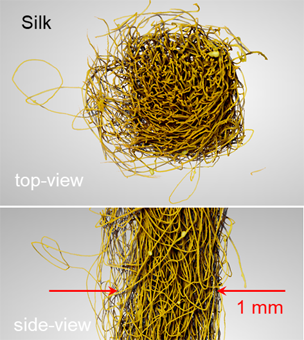
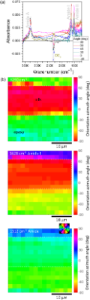
- differences between the reflectance and absorbance of silk fibers with ca. 10 nm resolution. Cross sections of silk fibers were prepared using an ultramicrotome. Silk was chosen due to its well-known spectral properties and its increasing applications as a biocompatible and biodegradable material [13][14


Outstanding chain-extension effect and high UV resistance of polybutylene succinate containing amino-acid-modified layered double hydroxides
Beilstein J. Nanotechnol. 2019, 10, 684–695, doi:10.3762/bjnano.10.68
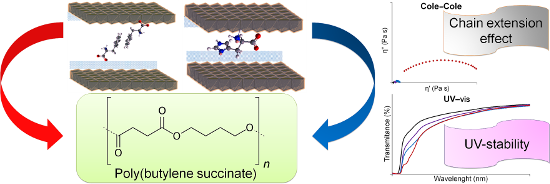
- LDH hybrid materials, and in particular, their application as a polymer chain extender and UV stabilizer for PBS, which can likely be extended to other biodegradable polymers. Keywords: amino acid; layered double hydroxide; phenylalanine; polybutylene succinate; Introduction Polymer nanocomposite
- candidates to replace petroleum-based polymers is polybutylene succinate (PBS) – a biodegradable aliphatic polyester, obtained from the renewable sources succinic acid and butane-1,4-diol via a polycondensation process. Indeed PBS has mechanical characteristics similar to well-known polyolefins, such as low


Characterization and influence of hydroxyapatite nanopowders on living cells
Beilstein J. Nanotechnol. 2018, 9, 3079–3094, doi:10.3762/bjnano.9.286
- /ST8/07559: „Three-dimensional composite scaffold based on biodegradable polymers and bioceramic with incorporated growth factors for bone tissue engineering. Research on the manufacturing process and the material influence on living cells function“. We sincerely thank Katarzyna Czarnecka for

![[Graphic 1]](/bjnano/content/inline/2190-4286-9-286-i2.svg?max-width=637&scale=1.18182) .
.



Accurate control of the covalent functionalization of single-walled carbon nanotubes for the electro-enzymatically controlled oxidation of biomolecules
Beilstein J. Nanotechnol. 2018, 9, 2750–2762, doi:10.3762/bjnano.9.257
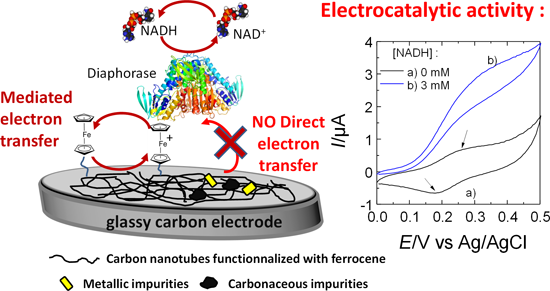
- nicotinamide adenine dinucleotide hydride (NADH) [6][8][13][19]. The CNTs and mediator are co-deposited on the GCE using a polymer. Chitosan is often used as a cheap biodegradable biopolymer with good compatibility with CNTs for making adequate suspensions before deposition on the GCE [20]. The main problem






Enhanced antineoplastic/therapeutic efficacy using 5-fluorouracil-loaded calcium phosphate nanoparticles
Beilstein J. Nanotechnol. 2018, 9, 2499–2515, doi:10.3762/bjnano.9.233
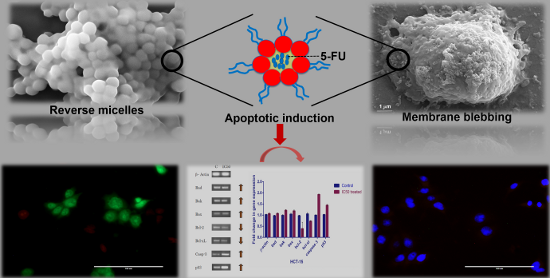
- excellent loading efficiency, biodegradable nature and controlled-release behaviour. Herein, we report a novel system of 5-fluorouracil (5-FU)-loaded calcium phosphate nanoparticles (CaP@5-FU NPs) synthesized via a reverse micelle method. The formation of monodispersed, spherical, crystalline nanoparticles
- recently shown advancement in drug delivery applications. However, most of the studied biodegradable polymer nanoparticles resulted in acidic or degradation by-products, which may interfere in the drug activity [4] and normal homeostasis of the cell. The degradation of the drug-loaded polymer nanoparticles


Nanocellulose: Recent advances and its prospects in environmental remediation
Beilstein J. Nanotechnol. 2018, 9, 2479–2498, doi:10.3762/bjnano.9.232
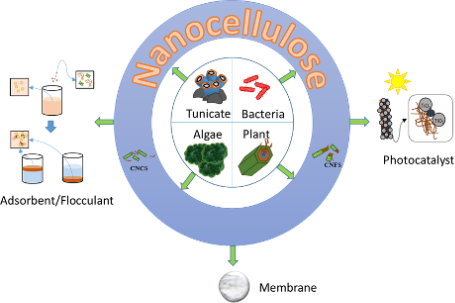
- industries and blurring traditional research boundaries. In the drive towards sustainable development, the growing application of renewable, biodegradable, green materials to substitute non-renewable resources have roused substantial interest on a global scale. In addition, the uprising environmental
- due to their derivatives, monomers or intermediate products that are hazardous, not readily biodegradable, and hold potential toxicity, which can cause secondary pollution to the environment [131]. Consequently, there is a need to look for suitable flocculants which are sustainable and natural bio
- flocculants are not only known for being biodegradable but also have a high specific surface area and have dimensions in the nanoscale regime [132]. Commonly, there are two categories of natural polymer based flocculants [133]. One of these categories involves the grafting of natural polymers to fabricate


The structural and chemical basis of temporary adhesion in the sea star Asterina gibbosa
Beilstein J. Nanotechnol. 2018, 9, 2071–2086, doi:10.3762/bjnano.9.196
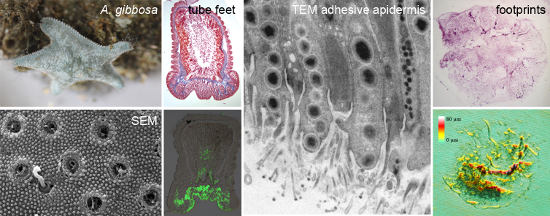
- adhesion and might facilitate the development of biomimetic, reversible glues. Keywords: duo-gland adhesive system; lectins; marine temporary adhesion; starfish; Introduction Marine biological adhesives are environmentally friendly, biodegradable, and adhere to various surfaces in the challenging


Biomimetic and biodegradable cellulose acetate scaffolds loaded with dexamethasone for bone implants
Beilstein J. Nanotechnol. 2018, 9, 1986–1994, doi:10.3762/bjnano.9.189
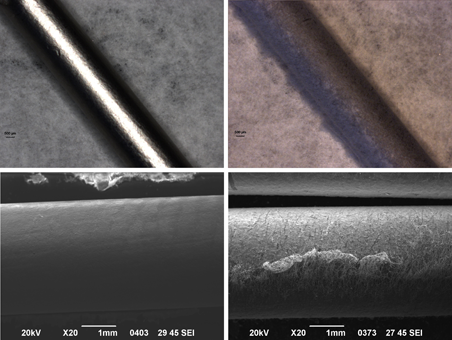
- acetate (CA) is used in this work. CA is derived from a natural polymer and is biocompatible, biodegradable, nonirritant and nontoxic. Moreover, it has excellent mechanical properties and there are potential applications, for instance as films, membranes, tissue engineering scaffolds and drug-delivery


Preparation of micro/nanopatterned gelatins crosslinked with genipin for biocompatible dental implants
Beilstein J. Nanotechnol. 2018, 9, 1735–1754, doi:10.3762/bjnano.9.165
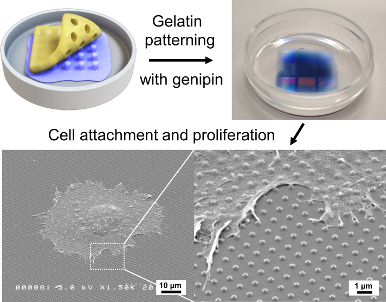
- the solubility of collagen/gelatin scaffolds. Gelatin crosslinked with low concentrations of genipin has been shown to be biodegradable [48][49]. Islam et al. have previously reported that highly porous patterned collagen scaffolds, with porosity of 0.8 to 1.5 mm, could be fabricated by crosslinking
- low toxicity, and biodegradable. Stability of the different gelatin patterns in cell culture medium A major finding from this study is that the stability of the different gelatin patterns in cell culture medium can be controlled by the degree of genipin crosslinking. In this preliminary study, our






Cr(VI) remediation from aqueous environment through modified-TiO2-mediated photocatalytic reduction
Beilstein J. Nanotechnol. 2018, 9, 1448–1470, doi:10.3762/bjnano.9.137
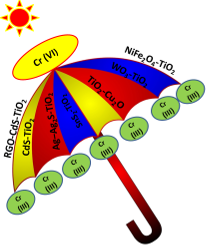
- urbanization, which in turn act to increase the level of environmental pollution [1][2][3]. Heavy metals contribute to a significant extent towards environmental pollution because of their toxicity, bio-accumulation and non-biodegradable nature. They also release large quantities of hazardous waste during


Atomic-level characterization and cilostazol affinity of poly(lactic acid) nanoparticles conjugated with differentially charged hydrophilic molecules
Beilstein J. Nanotechnol. 2018, 9, 1328–1338, doi:10.3762/bjnano.9.126
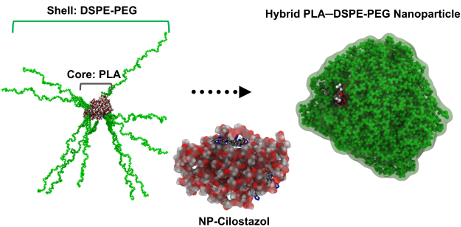
- against in vitro and in vivo degradation [7][8][9]. Poly(lactic acid) (PLA) is one of the most commonly used polymers for the synthesis of NPs. PLA is a synthetic biodegradable, compostable and non-toxic polymer derived from renewable resources [10][11][12]. Despite its benefits for different formulations


Ultralight super-hydrophobic carbon aerogels based on cellulose nanofibers/poly(vinyl alcohol)/graphene oxide (CNFs/PVA/GO) for highly effective oil–water separation
Beilstein J. Nanotechnol. 2018, 9, 508–519, doi:10.3762/bjnano.9.49
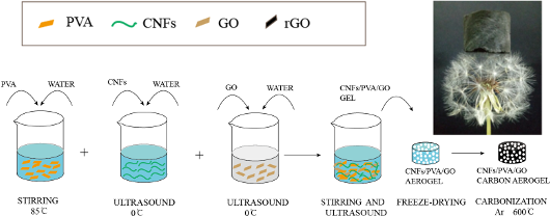
- including thermoset resins [17][18], elastomers [19][20], polymer latexes [21], water-soluble/dispersible polymers [22][23] and biodegradable polymers [24]. Although CNF aerogels have many excellent characteristics, their strength and modulus are lower than other inorganic polymer materials. As a


Liquid-crystalline nanoarchitectures for tissue engineering
Beilstein J. Nanotechnol. 2018, 9, 205–215, doi:10.3762/bjnano.9.22
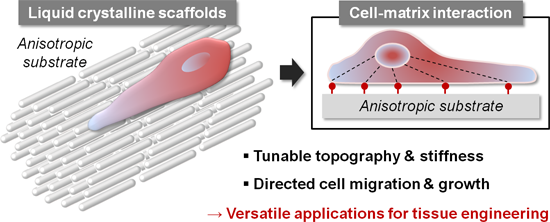
- the cell density estimated in human connective tissues. Additionally, the mechanical feedback from the matrix to the cell body could stimulate the development of myofibroblast phenotype. This implicates that the LC matrix of dense collagen fibrils can be used as a biocompatible and biodegradable 3D


Development of an advanced diagnostic concept for intestinal inflammation: molecular visualisation of nitric oxide in macrophages by functional poly(lactic-co-glycolic acid) microspheres
Beilstein J. Nanotechnol. 2017, 8, 1637–1641, doi:10.3762/bjnano.8.163
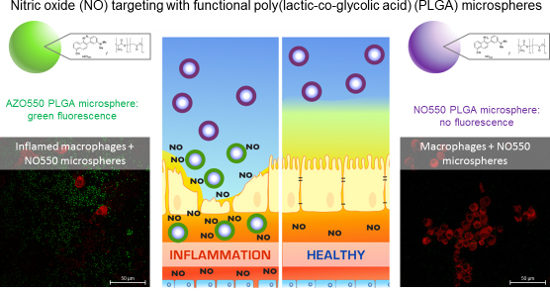
- irregular mucosal patterns and vascular lesions [3]. We developed a novel polymeric microparticle made of biodegradable poly(lactic-co-glycolic acid) (PLGA), which accumulates selectively in inflamed mucosa of patients with inflammatory bowel disease without interfering with the healthy mucosa. This


Luminescent supramolecular hydrogels from a tripeptide and nitrogen-doped carbon nanodots
Beilstein J. Nanotechnol. 2017, 8, 1553–1562, doi:10.3762/bjnano.8.157
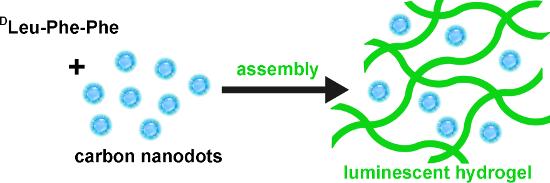
- materials. Peptide self-assembled hydrogels are inherently biocompatible and biodegradable and thus are promising biomaterials for cell culture, regenerative medicine, tissue engineering, and drug delivery applications [22]. The identification of self-assembling peptides that are as short as possible is


Cationic PEGylated polycaprolactone nanoparticles carrying post-operation docetaxel for glioma treatment
Beilstein J. Nanotechnol. 2017, 8, 1446–1456, doi:10.3762/bjnano.8.144
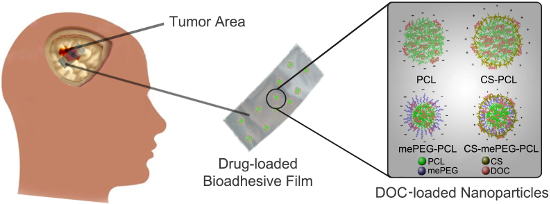
- reported to be nontoxic, biocompatible and biodegradable and is approved for therapeutic use in humans by the FDA. PCL can be copolymerized with other synthetic polymers such as polyethylene glycol (PEG) and polyethylene oxide (PEO) to obtain new polycaprolactone derivatives with various novel properties




Investigation of the photocatalytic efficiency of tantalum alkoxy carboxylate-derived Ta2O5 nanoparticles in rhodamine B removal
Beilstein J. Nanotechnol. 2017, 8, 604–613, doi:10.3762/bjnano.8.65
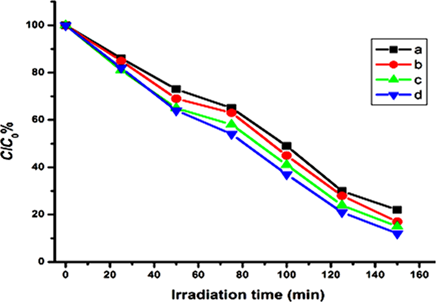
- water resources has become a major concern. Contamination of water by organic dyes is a threat as these molecules are non-biodegradable and highly toxic. Conventional waste water treatments (to remove solids, organic matter and, sometimes, nutrients from wastewater) such as coarse screening, grit


Monolayer graphene/SiC Schottky barrier diodes with improved barrier height uniformity as a sensing platform for the detection of heavy metals
Beilstein J. Nanotechnol. 2016, 7, 1800–1814, doi:10.3762/bjnano.7.173
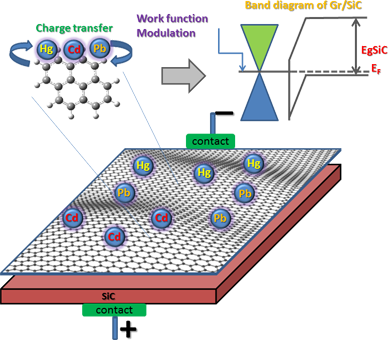
- non-biodegradable substances are released into the atmosphere and water sources [1]. Among them, Cd, Hg and Pb are highly toxic heavy metals (HMs), which may be responsible for the development of intractable diseases, thereby creating huge unavoidable problems for living creatures [2]. Therefore, the


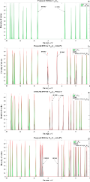


Preparation of alginate–chitosan–cyclodextrin micro- and nanoparticles loaded with anti-tuberculosis compounds
Beilstein J. Nanotechnol. 2016, 7, 1208–1218, doi:10.3762/bjnano.7.112
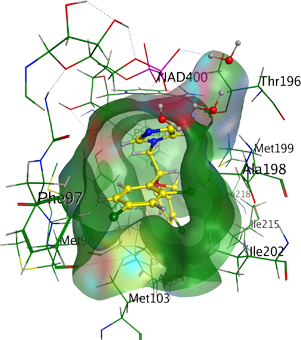
- -linked D-glucosamine and N-acetyl-D-glucosamine units. Chitosan is mainly used as carrier for different pharmaceutical compositions and also shows some antimicrobial activity [31][32]. These three saccharides are practically non-toxic, biocompatible and biodegradable. The aim of the paper is to obtain