Search results
Search for "contaminants" in Full Text gives 196 result(s) in Beilstein Journal of Nanotechnology.
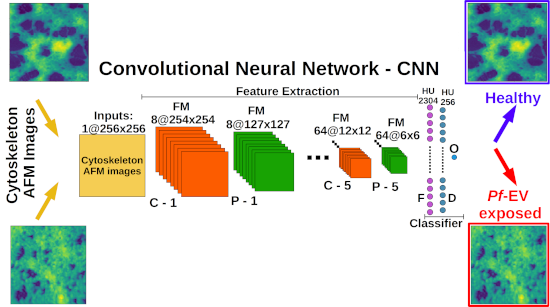
The role of convolutional neural networks in scanning probe microscopy: a review
Beilstein J. Nanotechnol. 2021, 12, 878–901, doi:10.3762/bjnano.12.66







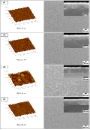
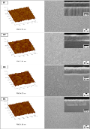
Impact of GaAs(100) surface preparation on EQE of AZO/Al2O3/p-GaAs photovoltaic structures
Beilstein J. Nanotechnol. 2021, 12, 578–592, doi:10.3762/bjnano.12.48
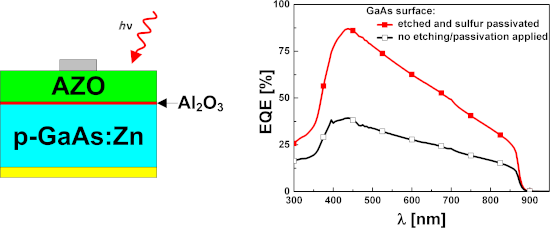
- ][18][19]. Many protocols for etching solutions are known. Depending on the requirements (e.g., etched compound – oxide or semiconductor, etching profiles, etching rate, ability to remove contaminants – heavy metals, and crystallographic orientation of the substrate) one can use a suitable solution [20




The patterning toolbox FIB-o-mat: Exploiting the full potential of focused helium ions for nanofabrication
Beilstein J. Nanotechnol. 2021, 12, 304–318, doi:10.3762/bjnano.12.25
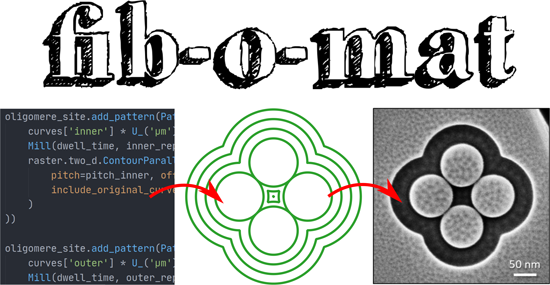
- -step process without the need of potential contaminants, such as the resists used in lithographic approaches. For conventional gallium (Ga) ion beams the achievable minimum feature sizes are still limited to approx. 10 nm [2], and Ga implantation may cause unwanted modification of material properties
- local ion–solid interaction is a balance among several ion-induced, surface-related, and thermally triggered processes [24]. Physical sputtering is only one of the processes. Also, chemical reactions with adsorbed contaminants can occur and, under certain circumstances, may dominate over the atomic
- knock-out. Typically, ion beam machining is carried out under high-vacuum conditions, where the amount of contaminants in the chamber (mostly water, but also hydrocarbons) still can form a monolayer per second on average. Often, additional contaminants may be present on the sample surface, for example


Imaging of SARS-CoV-2 infected Vero E6 cells by helium ion microscopy
Beilstein J. Nanotechnol. 2021, 12, 172–179, doi:10.3762/bjnano.12.13
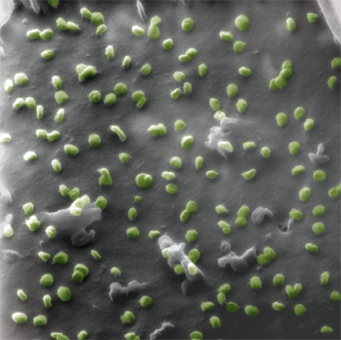
- optimized for each magnification level. All HIM images were recorded with 1024 × 1024 pixels. Before imaging, each sample was stored in the vacuum chamber of the microscope at 3.3 × 10⁻⁷ mbar for at least 24 h to remove most volatile organic contaminants. Results and Discussion A comparison between a native


Thermophoretic tweezers for single nanoparticle manipulation
Beilstein J. Nanotechnol. 2020, 11, 1126–1133, doi:10.3762/bjnano.11.97
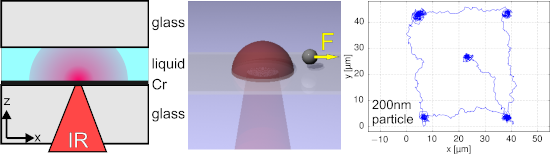
- slide) coated on the sample side with a 300 nm chromium layer by vertical deposition, a 5 μm thick experimental chamber is created (Figure 1a). All glass surfaces were thoroughly cleaned before use and treated with plasma to remove any unwanted surface contaminants. All surfaces were additionally coated


Adsorptive removal of bulky dye molecules from water with mesoporous polyaniline-derived carbon
Beilstein J. Nanotechnol. 2020, 11, 597–605, doi:10.3762/bjnano.11.47
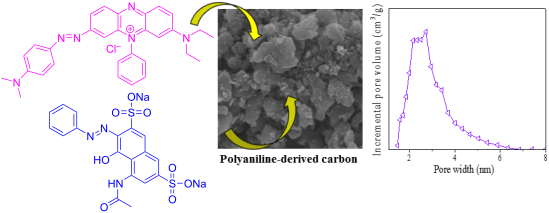
- removal of contaminants of emerging concern, hazardous organics and persistent organic pollutants. Carbonaceous materials have been particularly attractive in the purification of contaminated water via adsorption because of the easy preparation of carbon materials [26], especially from waste materials [28


Synthesis and enhanced photocatalytic performance of 0D/2D CuO/tourmaline composite photocatalysts
Beilstein J. Nanotechnol. 2020, 11, 407–416, doi:10.3762/bjnano.11.31
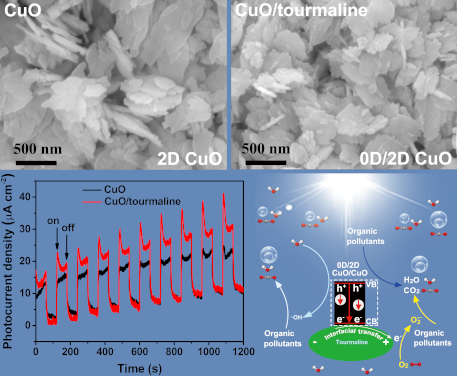
- of Chemical and Environmental Engineering, University of Cincinnati, Cincinnati, OH 45221, USA Chongyi Zhangyuan Tungsten Co., Ltd., Ganzhou 341000, China 10.3762/bjnano.11.31 Abstract Photocatalysis is considered to be a green and promising technology for transforming organic contaminants into
- tourmaline-based functional composite photocatalysts for the treatment of organic contaminants in water. Keywords: 0D/2D CuO; organic contaminants; photocatalytic activity; photoinduced charge separation; tourmaline; Introduction Developing a novel semiconductor with excellent photoreactive activity toward
- the treatment of organic contaminants in wastewater is in urgent need owing to the deterioration of the ecological environment [1]. Metal oxides, such as ZnO [2], TiO2 [3], Fe2O3 [4], and CuO [5], have been demonstrated to be promising photocatalysts. In particular, the band gap energy (Eg) of the p


Implementation of data-cube pump–probe KPFM on organic solar cells
Beilstein J. Nanotechnol. 2020, 11, 323–337, doi:10.3762/bjnano.11.24
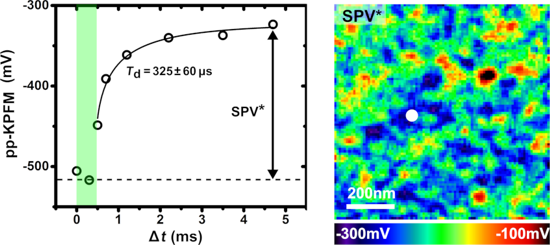
- ) driven by a Matrix SPM control unit. Pt/Ir-coated silicon cantilevers (EFM, Nanosensors, resonance frequency in the 45–115 kHz range) were annealed in situ to remove atmospheric contaminants. Topographic imaging was realized in FM mode (FM-AFM) with negative frequency shifts of a few Hz and vibrational




Facile biogenic fabrication of hydroxyapatite nanorods using cuttlefish bone and their bactericidal and biocompatibility study
Beilstein J. Nanotechnol. 2020, 11, 285–295, doi:10.3762/bjnano.11.21
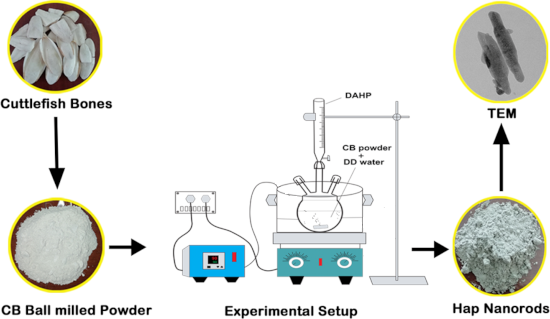
- washed with distilled water, followed by acetone and ethanol to remove surface contaminants. The washed bones were dried in a hot air oven (Indfurr model OR-3795) at 60 °C for 24 h and 20 g of cuttlefish bone pieces were taken for top down processing using high-energy ball milling (VB Ceramic Consultants


Kelvin probe force microscopy of the nanoscale electrical surface potential barrier of metal/semiconductor interfaces in ambient atmosphere
Beilstein J. Nanotechnol. 2019, 10, 1401–1411, doi:10.3762/bjnano.10.138
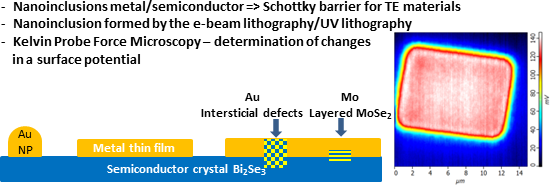
- beam source in order to remove surface contaminants. A monoatomic argon ion source was utilized with energy of 2 keV, ion current 10 µA, raster area 1 × 1 mm2 and sputtering time 30 s. Results and Discussion Separated metal nanoparticles on the substrate In TE materials the NIs applicable for an


Construction of a 0D/1D composite based on Au nanoparticles/CuBi2O4 microrods for efficient visible-light-driven photocatalytic activity
Beilstein J. Nanotechnol. 2019, 10, 1360–1367, doi:10.3762/bjnano.10.134
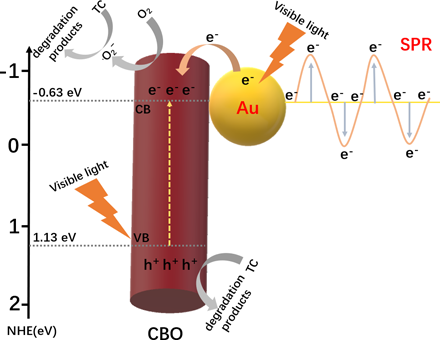
- degradation of organic contaminants in water [13][14]. However, bare CuBi2O4 shows poor photocatalytic performance under visible-light irradiation because of the rapid recombination rate of photo-induced charge carriers and the low chemical affinity to substrate ions. This results in only a small portion of


Nanoscale spatial mapping of mechanical properties through dynamic atomic force microscopy
Beilstein J. Nanotechnol. 2019, 10, 1332–1347, doi:10.3762/bjnano.10.132
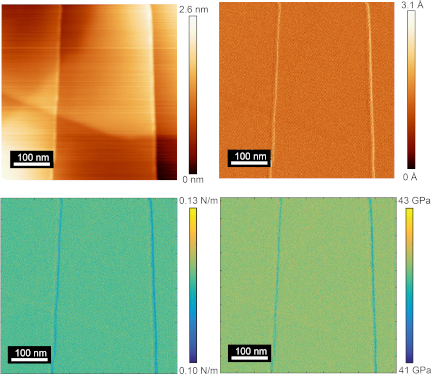
- contaminants on the surface when measuring the mechanical properties of atomic-sized defects [15][16][17]. Furthermore, the high quality factor of the AFM cantilever that is achieved under UHV conditions can be very beneficial in dynamic AFM modes, as the Q-factor is inversely proportional to the force
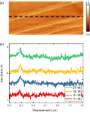
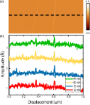
- step edge resulting from the Schwoebel barrier [45][46] in the absence of contaminants with a rounded AFM tip as detected in the lateral forces acquired simultaneously [15]. More specifically, the elastic displacement of the step edge by the modulating normal force did not show any enhanced contrast in




Imaging the surface potential at the steps on the rutile TiO2(110) surface by Kelvin probe force microscopy
Beilstein J. Nanotechnol. 2019, 10, 1228–1236, doi:10.3762/bjnano.10.122
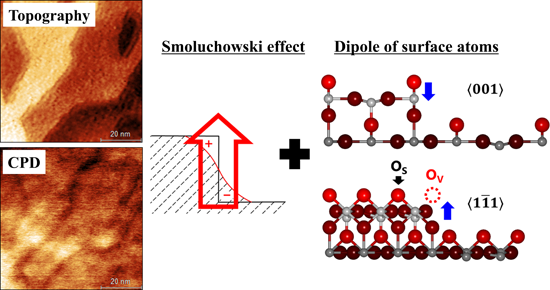
- (1 keV, 6.7 × 10⁻⁷ mbar, 5 min) and annealing (600 K, less than 2.7 × 10⁻¹⁰ mbar, 20 min) to remove the native oxide layer and other contaminants. A clean rutile TiO2(110) crystal (provided by Furuuchi Chemical Corporation) was prepared by dozens of cycles of Ar+ sputtering (1 keV, 1.3 × 10⁻⁶ mbar
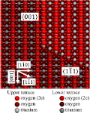
![[Graphic 16]](/bjnano/content/inline/2190-4286-10-122-i16.svg?max-width=637&scale=1.18182) and
and ![[Graphic 17]](/bjnano/content/inline/2190-4286-10-122-i17.svg?max-width=637&scale=1.18182) .
.
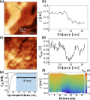

![[Graphic 38]](/bjnano/content/inline/2190-4286-10-122-i38.svg?max-width=637&scale=1.18182) and
and ![[Graphic 39]](/bjnano/content/inline/2190-4286-10-122-i39.svg?max-width=637&scale=1.18182) steps. (a) Topographic image...
steps. (a) Topographic image...


![[Graphic 72]](/bjnano/content/inline/2190-4286-10-122-i72.svg?max-width=637&scale=1.18182) , b)
, b) ![[Graphic 73]](/bjnano/content/inline/2190-4286-10-122-i73.svg?max-width=637&scale=1.18182) , c) reduced
, c) reduced ![[Graphic 74]](/bjnano/content/inline/2190-4286-10-122-i74.svg?max-width=637&scale=1.18182) , and d)
, and d) ![[Graphic 75]](/bjnano/content/inline/2190-4286-10-122-i75.svg?max-width=637&scale=1.18182) steps. B...
steps. B...
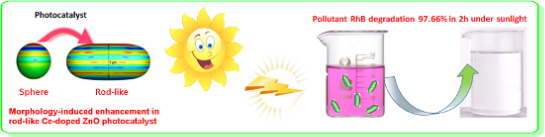
A highly efficient porous rod-like Ce-doped ZnO photocatalyst for the degradation of dye contaminants in water
Beilstein J. Nanotechnol. 2019, 10, 1157–1165, doi:10.3762/bjnano.10.115


CuInSe2 quantum dots grown by molecular beam epitaxy on amorphous SiO2 surfaces
Beilstein J. Nanotechnol. 2019, 10, 1103–1111, doi:10.3762/bjnano.10.110
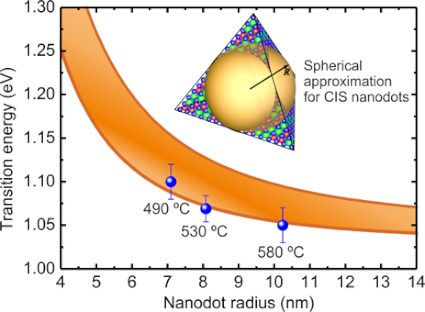
- performance of vacuum-prepared materials and non-vacuum-prepared materials is usually attributed to the sensitivity of the chalcopyrite semiconductor to external contaminants [29], to the dependency of its properties on the preparation method [30], and to the self-doping characteristics of the chalcopyrite


In situ AFM visualization of Li–O2 battery discharge products during redox cycling in an atmospherically controlled sample cell
Beilstein J. Nanotechnol. 2019, 10, 930–940, doi:10.3762/bjnano.10.94
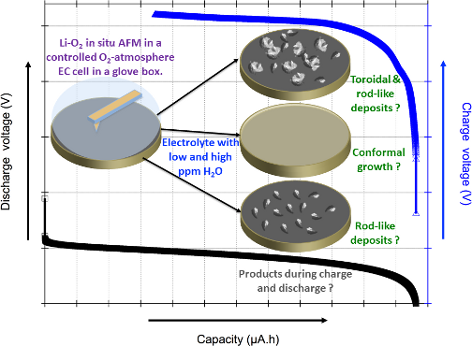
- cathode while minimizing the chance of exposure to external sources of contaminants. The electrolyte consisted of lithium nitrate (LiNO3) as a salt in tetraethylene glycol dimethyl ether (TEGDME) solvent containing three concentrations of water: <20 ppm, ≈2500 ppm and ≈4600 ppm. Water has been added in


An iridescent film of porous anodic aluminum oxide with alternatingly electrodeposited Cu and SiO2 nanoparticles
Beilstein J. Nanotechnol. 2019, 10, 735–745, doi:10.3762/bjnano.10.73
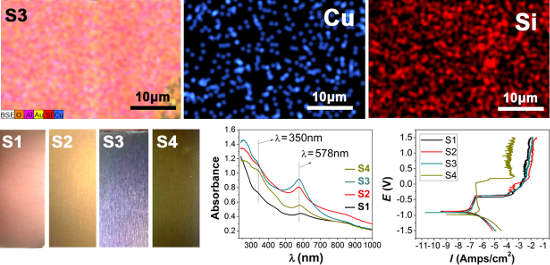
- -based structural coloring of the aluminum alloy Pretreatment For removing oily contaminants and dirt, the 6063 aluminum alloy sample was first washed in an alkaline solution for 3–4 min, and then washed with deionized (DI). Afterward, it was put into an acidic eluent for the acid-based washing for 2–3


Biomimetic synthesis of Ag-coated glasswing butterfly arrays as ultra-sensitive SERS substrates for efficient trace detection of pesticides
Beilstein J. Nanotechnol. 2019, 10, 578–588, doi:10.3762/bjnano.10.59
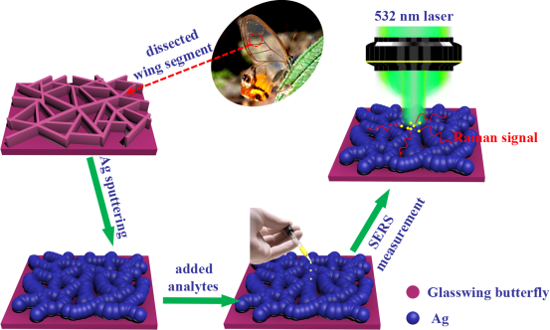
- . Sample preparation Before preparing the samples, the glasswing butterfly wings were first cleaned in deionized water for 10 min to remove the adsorbed contaminants. Afterwards, the transparent regions were cut out as templates for SERS-active substrates. Ag nanofilms were sputtered on the G.b. wings by


New micro/mesoporous nanocomposite material from low-cost sources for the efficient removal of aromatic and pathogenic pollutants from water
Beilstein J. Nanotechnol. 2019, 10, 119–131, doi:10.3762/bjnano.10.11
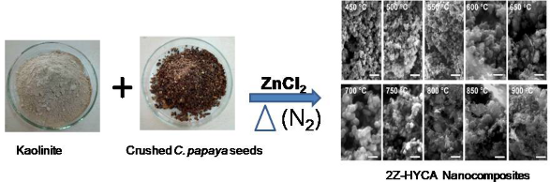
- of such contaminants is a necessity for public health in many developing countries because these pollutants can negatively alter important biochemical processes and thus are a critical threat to the health of plants, animals, and humans [5]. In addition to chemical contaminants, the removal of
- situations. As a result, cheap yet highly efficient materials that can be used for the purification of very large volumes of water are therefore highly sought after [4]. This approach applies to all subgroups of contaminants – heavy metals, organic pollutants, and biological contaminants. One approach to




In situ characterization of nanoscale contaminations adsorbed in air using atomic force microscopy
Beilstein J. Nanotechnol. 2018, 9, 2925–2935, doi:10.3762/bjnano.9.271
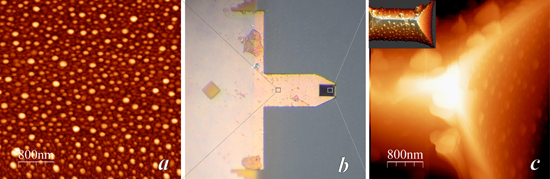
- sodium dodecyl sulfate (SDS), alcohols (e.g., ethanol) or acetone [24], ultraviolet (UV) [25] and ozone treatment [26], imaging of gratings [27][28], heating to evaporate contaminants [29][30], argon bombardment and even ultrasound, to much more aggressive methods, such as cleaning in piranha solution
- we conclude that the effective Hamaker constant of the system decreases when the tip–sample system is more contaminated. This, in our opinion, is easily understood in terms of the higher Hamaker constant of platinum compared to that of organic contaminants, which most likely constitute most of the
- HCl (hydrochloric acid, 37%). Again, the cantilevers are sonicated (or immersed) for about 1 min in this solution and then rinsed with plenty of Milli-Q water. This second step removes metallic (ionic) contaminants that may have been deposited in the Standard Clean-1 cleaning step. In addition, for


Charged particle single nanometre manufacturing
Beilstein J. Nanotechnol. 2018, 9, 2855–2882, doi:10.3762/bjnano.9.266
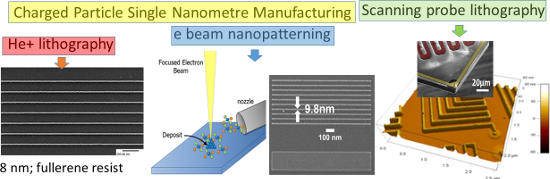
- Electron beam induced deposition. We begin with a brief review of EBID, which addresses the fabrication of dots and lines in SEM, TEM and STM on bulk and thin film substrates, as well as sub-10 nm FEBIP for specialised applications. Since the darkening due to decomposition of surface contaminants was first


Disorder in H+-irradiated HOPG: effect of impinging energy and dose on Raman D-band splitting and surface topography
Beilstein J. Nanotechnol. 2018, 9, 2708–2717, doi:10.3762/bjnano.9.253
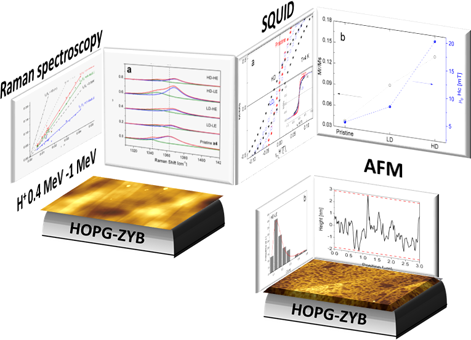
- contaminants, allowing for the detection of elements even when the concentrations are only a few parts per million. The measurements were performed with a low current of protons at 2 MeV in order to leave the graphite lattice fairly undisturbed prior to the ion irradiation. Our PIXE spectra (not shown) had low
- oriented to identify a possibly significant Fe contamination. Instead, we observed the presence of some other contaminants attributed to Al, coming from the collision chamber; Si, probably from the substrate where the HOPG sample was mounted and some traces of Ca, of unknown origin. Irradiation experiments


Nanocellulose: Recent advances and its prospects in environmental remediation
Beilstein J. Nanotechnol. 2018, 9, 2479–2498, doi:10.3762/bjnano.9.232
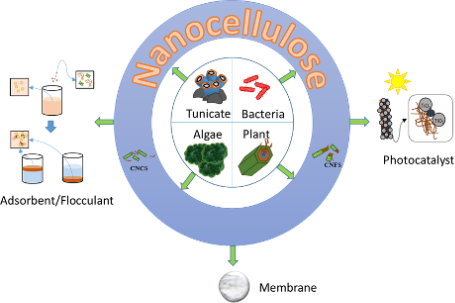
- concerns warrant the application of bio-renewable polymers in the production of nanomaterials. In recent years, nanomaterials have displayed potential in effective detection and removal of greenhouse gases, chemical contaminants, organic pollutants, and biological agents. These materials come in various
- its polymer chains. Reactive –OH groups are proven to enhance the adsorption behaviour of modified nanocellulose, especially towards organic contaminants. However, the hydrophilic nature of nanocellulose might cause it to aggregate during the drying process due to the greater number of –OH groups on


SERS active Ag–SiO2 nanoparticles obtained by laser ablation of silver in colloidal silica
Beilstein J. Nanotechnol. 2018, 9, 2396–2404, doi:10.3762/bjnano.9.224
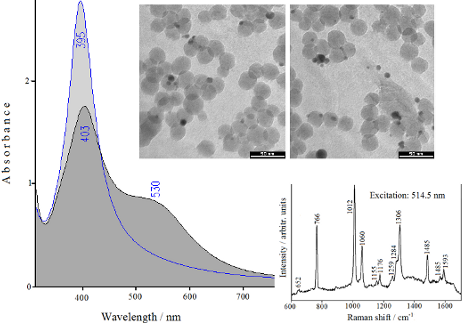
- , solvents as acetonitrile and benzene, and contaminants as polycyclic aromatic hydrocarbons (PAHs), polychlorinated biphenyls (PCBs), organochlorine pesticides, dioxins, nitroaromatic derivatives, and many others. All these compounds are inadequate to interact strongly with silver, but could be captured by
- chemical reactants. These nanocomposites, which combine the adsorption properties of silica with the plasmonic properties of nanometer-sized silver, can be used for several purposes, for example, for the SERS detection of environmental contaminants such as POPs (persistent organic pollutants), as


Recent highlights in nanoscale and mesoscale friction
Beilstein J. Nanotechnol. 2018, 9, 1995–2014, doi:10.3762/bjnano.9.190
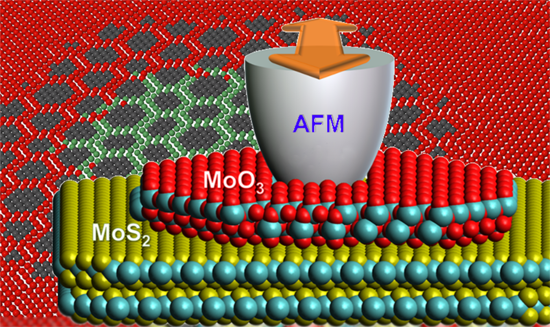
- technological impact. For example, the treatment of surfaces with molecular layers can have beneficial effects as it is well known from PTFE-coated surfaces. There is a need of alternative coatings for modern touch screens to prevent fingerprints and other contaminants. Surfaces for medical applications are
- important prerequisite of these experiments is to operate the instrument under ultrahigh-vacuum conditions, where contaminants can be avoided. In the case of Kawai et al. [58], the GNRs were grown by on-surface chemistry through evaporating a precursor of 10,10’-dibromo-9,9’-bianthryl monomers. By suitable
- annealing, dehalogenation as well as cyclodehydrogenation can be achieved, which leads to clean, defect-free GNRs. Therefore, ideal contacts, free of contaminants, can be grown on the gold surface. The GNRs are observed to move preferentially in the [−101] direction, where the moiré pattern forming with Au