Search results
Search for "nanocomposites" in Full Text gives 248 result(s) in Beilstein Journal of Nanotechnology. Showing first 200.
Layered calcium phenylphosphonate: a hybrid material for a new generation of nanofillers
Beilstein J. Nanotechnol. 2018, 9, 2906–2915, doi:10.3762/bjnano.9.269
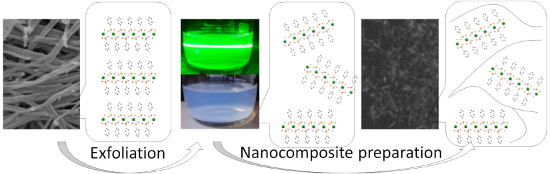
- exfoliation and can thereby serve as a component of nanocomposites. The synthesis procedure was revised and the reaction conditions, under which this material can be prepared in a form suitable for exfoliation in a sufficient amount, were found. Furthermore, the conditions for the exfoliation of this compound


Nanostructured liquid crystal systems and applications
Beilstein J. Nanotechnol. 2018, 9, 2644–2645, doi:10.3762/bjnano.9.245

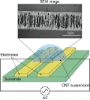
- . There have also been reports of some very interesting experiments with nanocomposites where the solid nanoparticles are dissolved in liquid crystals. Composite materials and mixtures of liquid crystals usually possess better properties than their pure liquid crystal counterparts. Many challenges could
Cytotoxicity of doxorubicin-conjugated poly[N-(2-hydroxypropyl)methacrylamide]-modified γ-Fe2O3 nanoparticles towards human tumor cells
Beilstein J. Nanotechnol. 2018, 9, 2533–2545, doi:10.3762/bjnano.9.236
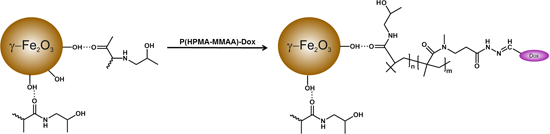
- hMSCs. In particular, the number of dying cells under the action of these nanocomposites increased by 10–20% compared to free Dox (Figure 7). In contrast, the percentage of alive hMSCs increased by 5–25% in the presence of γ-Fe2O3@P(HPMA-MMAA)-Dox particles (Figure 8). Thus, it seems that γ-Fe2O3@PHPMA


Non-agglomerated silicon–organic nanoparticles and their nanocomplexes with oligonucleotides: synthesis and properties
Beilstein J. Nanotechnol. 2018, 9, 2516–2525, doi:10.3762/bjnano.9.234
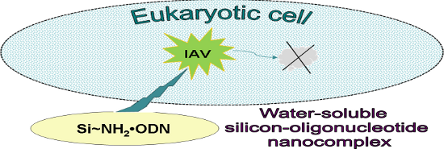
- formation of TiO2·PL–DNA nanocomposites [1][2]. Silica nanoparticles can also be used as vehicles to deliver nucleic acid fragments into cells [3][4]. SiO2 nanoparticles bearing amino groups on the surface were shown to bind plasmid DNA, allowing the nanoparticles to penetration into cells, and even nuclei


Nanocellulose: Recent advances and its prospects in environmental remediation
Beilstein J. Nanotechnol. 2018, 9, 2479–2498, doi:10.3762/bjnano.9.232
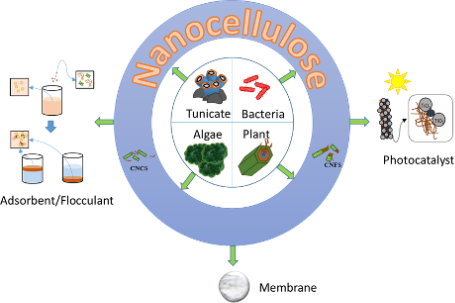
- graphitic carbon nitride [2][3], carbon nanodots [4], and two-dimensional carbon-based nanocomposites [5][6][7] are a few trending nanomaterials that have already found extensive applications in both environmental remediation and energy generation. In the past, carbon nanotubes (CNTs) have received a great
- addition, nanocomposites fabricated from another species known as the stalked sea squirt (Styela Clava) has also demonstrated its usefulness as a catalyst for water remediation [60]. In a separate investigation led by Yu et al. [61], stalked sea squirt nanocellulose were also used as an environmentally
- nanocomposites with hierarchical structure. Besides, these –OH groups can be tailored for selective and improved interactions through a variety of chemical modifications [88]. The hydrophilicity of nanocellulose can be improved by inserting hydrophilic groups, such as carboxylic acids, alcohols, and amides, into


SERS active Ag–SiO2 nanoparticles obtained by laser ablation of silver in colloidal silica
Beilstein J. Nanotechnol. 2018, 9, 2396–2404, doi:10.3762/bjnano.9.224
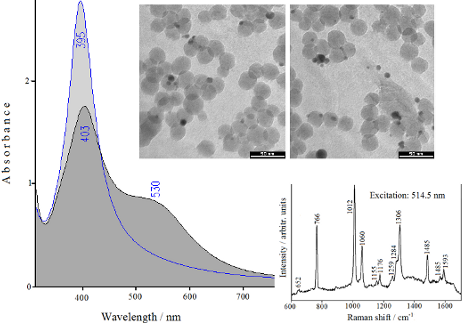
- examined by UV–vis absorption spectroscopy, transmission electron microscopy and Raman spectroscopy. The surface enhanced Raman scattering (SERS) activity of these nanocomposites was tested using 2,2’-bipyridine as a molecular reporter and excitation in the visible and near-IR spectral regions. The
- ; silver; Introduction Silica nanoparticles in an aqueous suspension are known to be inert and dispersible – properties which can be quite useful in the preparation of colloidal nanocomposites with silver. For this reason, there are a significant number of studies in the literature on colloidal substrates
- chemical reactants. These nanocomposites, which combine the adsorption properties of silica with the plasmonic properties of nanometer-sized silver, can be used for several purposes, for example, for the SERS detection of environmental contaminants such as POPs (persistent organic pollutants), as


Electrospun one-dimensional nanostructures: a new horizon for gas sensing materials
Beilstein J. Nanotechnol. 2018, 9, 2128–2170, doi:10.3762/bjnano.9.202
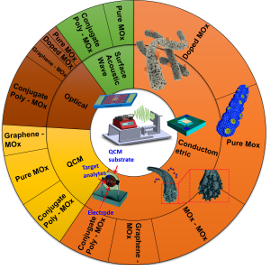
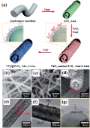
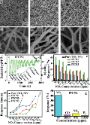
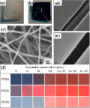
- composites, are fabricated in various assemblies (e.g., as mixed nanocomposites, double-layers, core–shell or hollow forms) using the electrospinning technique [37]. These electrospun nanofibers exhibit enhanced specific surface area, superior mechanical properties, nanoporosity and improved surface






Uniform cobalt nanoparticles embedded in hexagonal mesoporous nanoplates as a magnetically separable, recyclable adsorbent
Beilstein J. Nanotechnol. 2018, 9, 1770–1781, doi:10.3762/bjnano.9.168
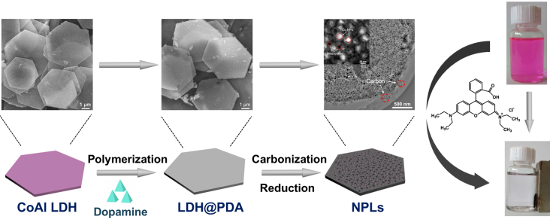
- : absorbent regeneration; CoAl layered double hydroxide; efficient adsorbent; hexagonal nanoplates; magnetic nanoparticles; polydopamine; Introduction Nanocomposites with unique electronic, mechanical, magnetic, and physicochemical properties have gained much attention because of their large specific surface
- area and high surface energy [1][2]. In the past few decades, researchers showed great interest in designing various nanocomposites for many potential applications, among which water pollution treatment has become an important issue for human health and environmental protection [3][4][5]. A large
- number of researches have demonstrated that carbon-based nanocomposites can serve as effective adsorbents for wastewater purification [6][7][8][9]. The introduction of transition metal nanoparticles into a mesoporous carbon matrix to form transition-metal-loaded mesoporous carbon nanocomposites (TM-MCNs


Nitrogen-doped carbon nanotubes coated with zinc oxide nanoparticles as sulfur encapsulator for high-performance lithium/sulfur batteries
Beilstein J. Nanotechnol. 2018, 9, 1677–1685, doi:10.3762/bjnano.9.159
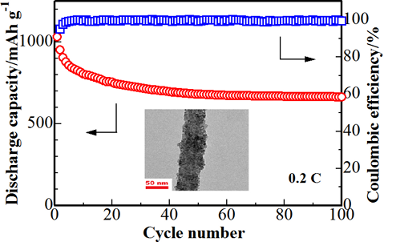
- providing pathways for ion and electron transport. The as-prepared S/ZnO@NCNT composite is a promising cathode material for Li/S batteries. Keywords: batteries; nanocomposites; sol–gel processes; sulfur; zinc oxide (ZnO); Introduction Due to its high theoretical specific capacity of 1672 mAh·g−1 and
- this work, we synthesized nanocomposites of zinc oxide-coated nitrogen-doped carbon nanotubes with sulfur (S/ZnO@NCNT). ZnO was chosen because it is cheap, non-toxic and stable [14][15]. More importantly, ZnO demonstrates a strong affinity to polysulfides. In addition, NCNT was used due to its good


Nanocomposites comprised of homogeneously dispersed magnetic iron-oxide nanoparticles and poly(methyl methacrylate)
Beilstein J. Nanotechnol. 2018, 9, 1613–1622, doi:10.3762/bjnano.9.153
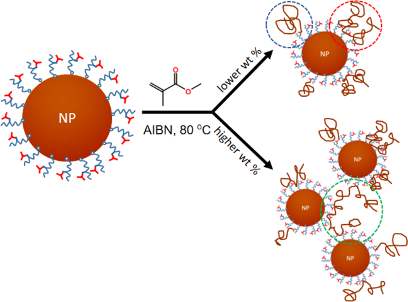
- Powder Technology, Ecole Polytechniquie Fédérale de Lausane, Station 12, 1015 Lausane, Switzerland 10.3762/bjnano.9.153 Abstract Nanocomposites with a high, uniform loading of magnetic nanoparticles are very desirable for applications such as electromagnetic shielding and cancer treatment based on
- magnetically induced hyperthermia. In this study, a simple and scalable route for preparing nanocomposites with a high, uniform loading of magnetic nanoparticles is presented. The magnetic iron-oxide nanoparticles were functionalized with a methacrylate-based monomer that copolymerized in a toluene solution
- with the methyl methacrylate (MMA) monomer. The resulting suspension of magnetic nanoparticles decorated with poly(methyl methacrylate) (PMMA) chains in toluene were colloidal, even in the presence of a magnetic field gradient. Nanocomposites were precipitated from these suspensions. The transmission



Cr(VI) remediation from aqueous environment through modified-TiO2-mediated photocatalytic reduction
Beilstein J. Nanotechnol. 2018, 9, 1448–1470, doi:10.3762/bjnano.9.137
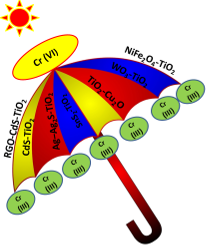
- with given organic compounds under suitable reaction conditions facilitates the selective organic transformations. For example, Hu et al. demonstrated that photocatalytic, selective oxidation of alcohol to aldehyde can be carried out by hVB+ and O2•− on the surface of CdS/TiO2 nanocomposites under
- facilitation by a RGO nanosheets, as shown in Figure 8. Shaikh et al. synthesized TiO2–RGO nanocomposites with uniformly dispersed 4–9 nm diameter TiO2 nanoparticles by a one-step solvothermal technique and evaluated its photocatalytic activity towards reduction of Cr(VI). The use of 1 wt % of RGO at acidic pH
- on TiO2 nanoparticles to form TiO2/Cu2O nanocomposites, a p–n nano-heterojunction having a built-in electric field at the interfaces. This built-in electric field largely prevented the recombination of photoexcited charge carriers, resulting in increased lifetime of photocarriers, induced higher



New 2D graphene hybrid composites as an effective base element of optical nanodevices
Beilstein J. Nanotechnol. 2018, 9, 1321–1327, doi:10.3762/bjnano.9.125
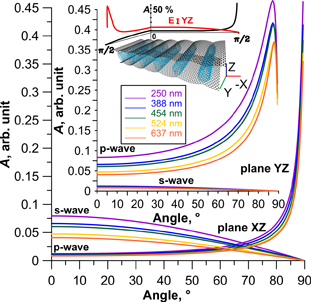
- the hybrid nanocomposite were approximately equal for both metallic and semiconductor nanotubes. Keywords: absorption coefficient; 2D CNT–graphene hybrid nanocomposite; optical conductivity; optical nanodevices; topological models; Findings The applicability of graphene hybrid nanocomposites in the
- field of optical communications has been hinted to by the active research for the last six years, in which the unique properties of these hybrid nanocomposites as electro-optic materials for optical modulators of different types has been demonstrated [1][2][3][4]. One of the newest and hitherto only
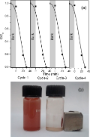
- the SCC DFTB2 method. Figure 3 and Figure 4 show the spectra of the real and imaginary parts of the diagonal elements of the surface conductivity tensor for four topological models of 2D CNT–graphene hybrid nanocomposites with an intertube distance of 13 hexagons and four types of CNTs. An analysis of


Ag2WO4 nanorods decorated with AgI nanoparticles: Novel and efficient visible-light-driven photocatalysts for the degradation of water pollutants
Beilstein J. Nanotechnol. 2018, 9, 1308–1316, doi:10.3762/bjnano.9.123
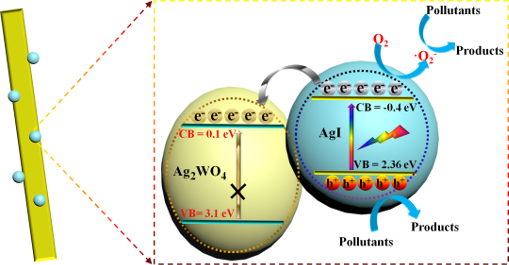
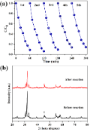
- photocatalytic performance. Keywords: AgI/Ag2WO4; nanocomposites; photocatalysis; visible light; Introduction The development of high-performance novel photocatalysts for the degradation of pollutants has received great interest due to the worsening of environmental pollution [1][2][3][4][5][6][7][8][9][10][11




Electrodeposition of reduced graphene oxide with chitosan based on the coordination deposition method
Beilstein J. Nanotechnol. 2018, 9, 1200–1210, doi:10.3762/bjnano.9.111
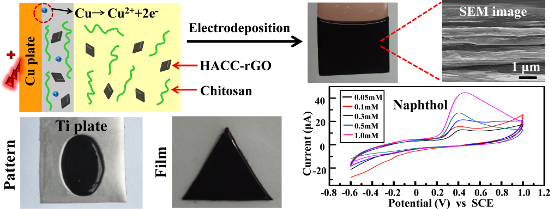
- ) nanocomposites have also gained growing interest in the development of advanced materials [6][7][8]. The electrodeposition technique has drawn extensive attention lately since it offers an effective convergent method to integrate biology with microelectronics to build the bio-device interface, which enables
- physical and electrochemical properties. In addition, there are great advantages in the use of graphene and graphene-based nanocomposites for the fabrication of electrochemical sensors with enhanced detection performance [39]. It has been reported that graphene-based materials can be enlisted for the


Single-crystalline FeCo nanoparticle-filled carbon nanotubes: synthesis, structural characterization and magnetic properties
Beilstein J. Nanotechnol. 2018, 9, 1024–1034, doi:10.3762/bjnano.9.95
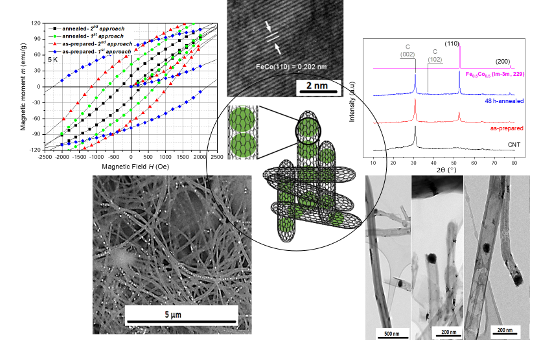
- nanomaterials. At the same time, this ratio constitutes a major challenge, as a large surface area can trigger rapid oxidation, especially in metallic nanoscale objects [5]. The possibility to fabricate nanomaterials and nanocomposites opens the door to numerous applications in multidisciplinary fields, such as
- via capillary force [38][39][40]. Due to the attractive properties of Fe–Co nanoparticles, this work is directed towards the synthesis of CNT-based nanocomposites of Fe–Co based on a post-synthesis method, in which prefabricated multiwalled CNTs (MWCNTs) are used as templates. Two facile filling


Nanoscale mapping of dielectric properties based on surface adhesion force measurements
Beilstein J. Nanotechnol. 2018, 9, 900–906, doi:10.3762/bjnano.9.84
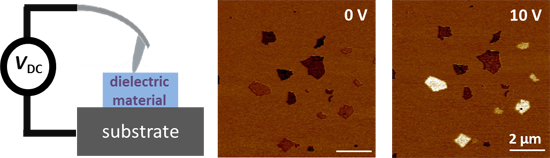
- : adhesion; atomic force microscopy (AFM); graphene oxide (GO); nanoscale dielectric properties; reduced graphene oxide (RGO); Introduction The local dielectric distribution is a key factor that influences the physical properties and functionalities of various materials such as polymer nanocomposites [1][2


Facile synthesis of a ZnO–BiOI p–n nano-heterojunction with excellent visible-light photocatalytic activity
Beilstein J. Nanotechnol. 2018, 9, 789–800, doi:10.3762/bjnano.9.72
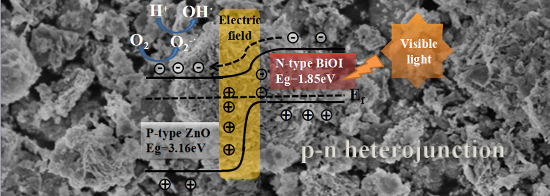
- Zn/Bi, the morphology varies from nanoplates, flowers to nanoparticles. The heterojunction formed between ZnO and BiOI decreases the recombination rate of photogenerated carriers and enhances the photocatalytic activity of ZnO/BiOI composites. The obtained ZnO/BiOI heterostructured nanocomposites
- indicated that the ZnO/BiOI heterostructured nanocomposites not only exhibit remarkably enhanced and sustainable photocatalytic activity, but also show good recyclability. The excellent photocatalytic activity could be attributed to the high separation efficiency of the photoinduced electron–hole pairs as
- NH4HCO3 can homogenize the constituent in a relatively smaller range of pH. By tuning the ratio of Zn/Bi, the morphology, which also plays a vital role in photocatalytic dye degradation, varied from nanoplates, to flowers to nanoparticles. The obtained ZnO/BiOI heterostructured nanocomposites showed a


Perovskite-structured CaTiO3 coupled with g-C3N4 as a heterojunction photocatalyst for organic pollutant degradation
Beilstein J. Nanotechnol. 2018, 9, 671–685, doi:10.3762/bjnano.9.62
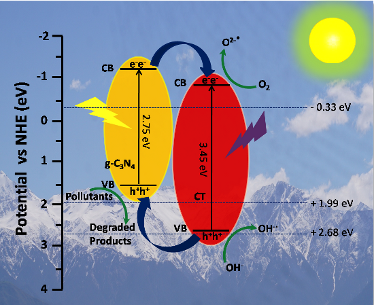
- heterojunctions are of great interest in the photocatalysis domain for achieving environmental sustainability [10][11]. These nanocomposites are known for their greater photogenerated electron–hole mobility across the heterojunction interface, which reduces the distance and time of charge transport to impede
- 2D–2D nanocomposites could effectively improve the specific surface area and provide abundant reaction sites to adsorb reactant species on their surface, which can significantly enhance the photocatalytic activity [15][16]. Recently, graphitic carbon nitride (g-C3N4), which is a metal-free polymeric


Facile phase transfer of gold nanorods and nanospheres stabilized with block copolymers
Beilstein J. Nanotechnol. 2018, 9, 616–627, doi:10.3762/bjnano.9.58
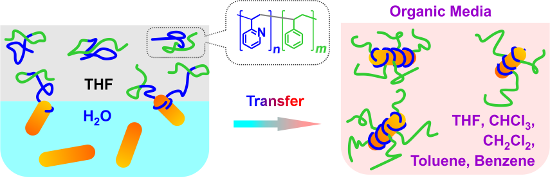
- toluene. Thermostability is known to be one of the critical issues for gold-containing nanocomposites. As reported in [53], polyvinylpyrrolidone-stabilized Au nanorods of 73 ± 4 nm length and 3.3 ± 0.3 aspect ratio are gradually transformed into spheres in the temperature range of 100–250 °C. At 150 °C



Anchoring Fe3O4 nanoparticles in a reduced graphene oxide aerogel matrix via polydopamine coating
Beilstein J. Nanotechnol. 2018, 9, 591–601, doi:10.3762/bjnano.9.55
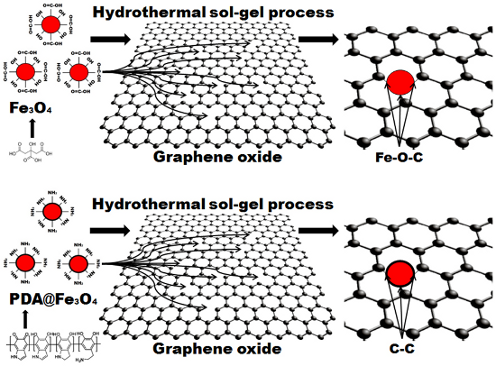
- linked covalently [40]. Recently, scientific attention was turned to PDA nanocomposites, including those with GO and magnetite [41]. However, there are no reports related to the formation of hybrid aerogels based on the aforementioned compounds. In this work, GO-based aerogels with embedded PDA-coated


Ultralight super-hydrophobic carbon aerogels based on cellulose nanofibers/poly(vinyl alcohol)/graphene oxide (CNFs/PVA/GO) for highly effective oil–water separation
Beilstein J. Nanotechnol. 2018, 9, 508–519, doi:10.3762/bjnano.9.49
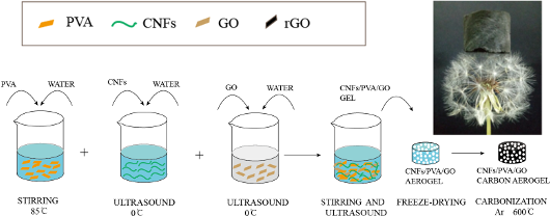
- ]. Therefore, CNFs can potentially be an excellent nanofiber for high-performance polymer nanocomposites, thereby presenting unprecedented opportunities for the development of durable engineering materials from a renewable resource for structural, consumer, and medical applications [11][12]. There is a long


Engineering of oriented carbon nanotubes in composite materials
Beilstein J. Nanotechnol. 2018, 9, 415–435, doi:10.3762/bjnano.9.41
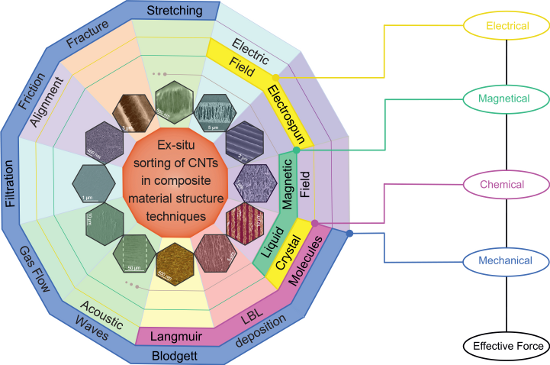
- results of these studies and similar reports indicate that methods by which the arrangement of CNTs can be controlled and adjusted are of great importance. In fact, if nanocomposites with an adjusted arrangement and desired distribution of CNTs could be produced, then our expectations about the properties
- of CNT nanocomposites could be fulfilled [14][27][28][29][30]. In terms of processing techniques, the arrangement and alignment of CNTs in a matrix of composite materials are divided in two categories. In the first category alignment is arranged during growth, where the regular placement of catalyst
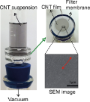
- viscosity of the fluid are two important factors affecting the final result of deposition on the substrate. In Figure 6a, a schematic of a designed tool for this purpose is shown [42]. Carbon nanotube/fibrous composites Over the last century, fibrous structure nanocomposites have been extensively considered








Design of polar self-assembling lactic acid derivatives possessing submicrometre helical pitch
Beilstein J. Nanotechnol. 2018, 9, 333–341, doi:10.3762/bjnano.9.33
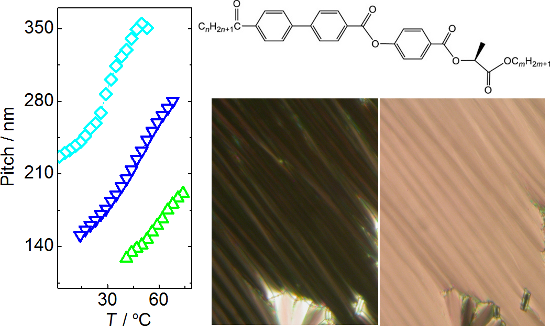
- mixtures or LC nanocomposites. Chiral self-assembling materials possessing smectic phases with ferroelectric properties on the nanoscale, specifically the lactic acid derivatives [9][10][11][12][13][14][15], attract considerable attention [16][17][18][19]. There are several considerable advantages of the


Synthesis and characterization of electrospun molybdenum dioxide–carbon nanofibers as sulfur matrix additives for rechargeable lithium–sulfur battery applications
Beilstein J. Nanotechnol. 2018, 9, 262–270, doi:10.3762/bjnano.9.28
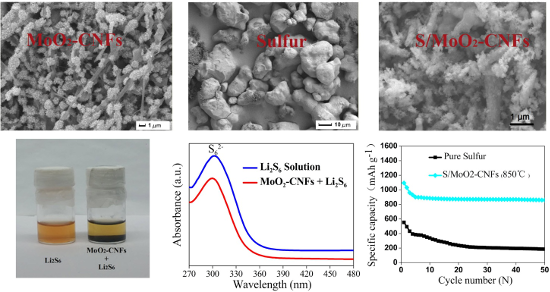
- (1D) MoO2–CNFs nanocomposites, especially with secondary MoO2 nanostructures, are difficult to achieve due to lack of appropriate and generalized synthetic methodologies. Recently, hierarchical MoO2/C microspheres and hierarchical MoO2/Mo2C/C hybrid nanowires were fabricated using organic–inorganic


Bombyx mori silk/titania/gold hybrid materials for photocatalytic water splitting: combining renewable raw materials with clean fuels
Beilstein J. Nanotechnol. 2018, 9, 187–204, doi:10.3762/bjnano.9.21
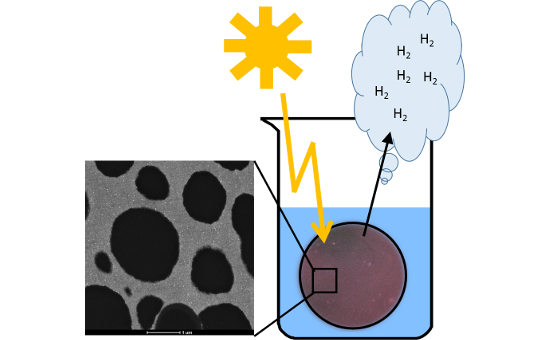
- ][15]) TiO2-based water splitting catalysts are among the most popular materials for visible light water splitting [16][17][18][19][20]. Among these, TiO2/Au nanocomposites have attracted special interest because of their synergistic mode of action between the Au nanoparticle (AuNP) plasmons and the