Search results
Search for "separation" in Full Text gives 802 result(s) in Beilstein Journal of Nanotechnology. Showing first 200.
Application of nanoarchitectonics in moist-electric generation
Beilstein J. Nanotechnol. 2022, 13, 1185–1200, doi:10.3762/bjnano.13.99
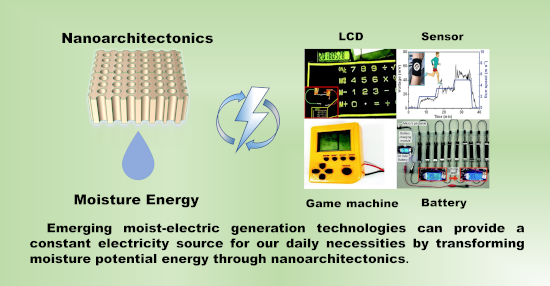
- control, and the abundant surface charges enable the charge separation of water molecules after the addition of moisture, which contributes to a more efficient generation of electric energy [1][2][34][35][36][37][38]. In 2003, Ghosh [22] reported that the fluid in single-walled carbon nanotubes can
- (Figure 10k–n). When being combined with optoelectronic devices, photo-excited carriers and moisture-induced charge separation promote each other. The open-circuit voltage of the MEG from the photoelectric effect is increased by more than 10%, and the short-circuit current is increased by 300% (Figure 10p


Rapid fabrication of MgO@g-C3N4 heterojunctions for photocatalytic nitric oxide removal
Beilstein J. Nanotechnol. 2022, 13, 1141–1154, doi:10.3762/bjnano.13.96
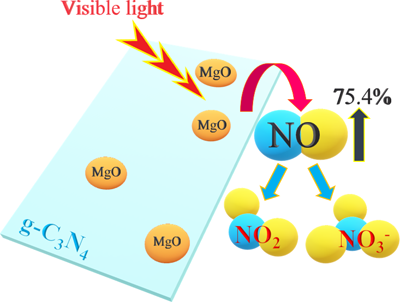
- visible light region, including nonmetal and noble-metal doping, metal deposition, and formation of heterojunctions [21][22]. The construction of heterojunction structures has shown its effectiveness in improving photocatalytic performance by enhancing the separation of charge carriers and optimizing the


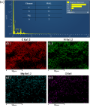

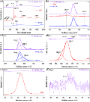

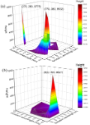

Spindle-like MIL101(Fe) decorated with Bi2O3 nanoparticles for enhanced degradation of chlortetracycline under visible-light irradiation
Beilstein J. Nanotechnol. 2022, 13, 1038–1050, doi:10.3762/bjnano.13.91
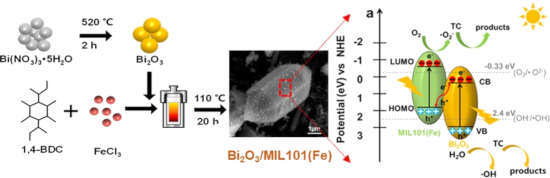
- Bi2O3 and MIL101(Fe), respectively. The enhanced photocatalytic activity is attributed to the formation of a Z-scheme heterojunction between Bi2O3 and MIL101(Fe), which is conducive to the rapid separation of photogenerated carriers and the enhancement of photogenerated electron and hole redox capacity
- cavities, and excellent thermal stability [20][21]. These advantages make it appalling to adsorption [22], gaseous capture/separation [23], sensing [24], and drug release applications [25]. Moreover, some MOFs can be excited under UV or visible light and exhibit light harvesting properties due to ligand
- use carbon nanotubes or carbon quantum dots to modify MIL101(Fe) to enhance its conductivity and broaden its visible-light response [37][38]. Another strategy is to construct MIL101-based heterostructures with the aid of narrow-gap semiconductors to promote the separation and transfer of


Theoretical investigations of oxygen vacancy effects in nickel-doped zirconia from ab initio XANES spectroscopy at the oxygen K-edge
Beilstein J. Nanotechnol. 2022, 13, 975–985, doi:10.3762/bjnano.13.85
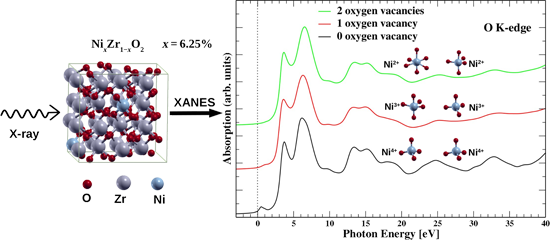
- varying concentrations. Specifically, our model system consist of a supercell composed of a zirconia (ZrO2) matrix containing two nickel dopants (2Ni), which substitute two Zr atoms at a finite separation. We found the 2Ni atoms to be most stable in a ferromagnetic configuration in the absence of oxygen
- possible separation from the dopants. This is to minimize as much as possible the distortion of the Ni symmetry in zirconia due to the presence of vacancies. The two oxygen atoms to be removed successively for the construction of Ni-doped ZrO2 containing single and double vacancies are represented by green
- atoms and oxygen vacancies at varying concentrations. The zirconia matrix contains two nickel atoms substituting two zirconium atoms at a finite separation. In our model system, the concentration of nickel dopant atoms is equivalent to 6.25 atom %. We found the two nickel atoms to be most stable when


Comparing the performance of single and multifrequency Kelvin probe force microscopy techniques in air and water
Beilstein J. Nanotechnol. 2022, 13, 922–943, doi:10.3762/bjnano.13.82
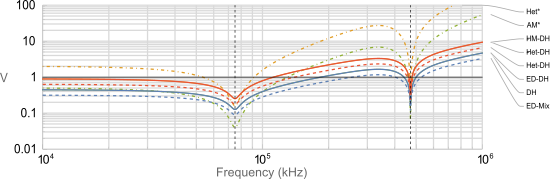
- the performance of KPFM techniques in both air and water environments. To do this, we examine three performance criteria, namely minimum detectable CPD, minimum required bias, and SNR as a function of tip–sample separation, z, under the specified conditions as outlined in Table 2 in Appendix I
- . These metrics are examined for three cases: the first harmonic electrostatic response occurring off resonance, ωoff, where ωoff ≪ ω1, on ω1, and on ω2. For modes that include a mechanical excitation at amplitude Am of the lever, z is taken to be the mean tip–sample separation. First, we compare single
- of the ED modes at the minimum tip–sample separation, where z = Am, but is significantly worse at large separations. The values for ED on ω2 are slightly lower than ω1 but this corresponds with poorer values. Whilst ED is practical at z > 100 nm on the eigenmodes, HM modes are limited to operation
Solar-light-driven LaFexNi1−xO3 perovskite oxides for photocatalytic Fenton-like reaction to degrade organic pollutants
Beilstein J. Nanotechnol. 2022, 13, 882–895, doi:10.3762/bjnano.13.79
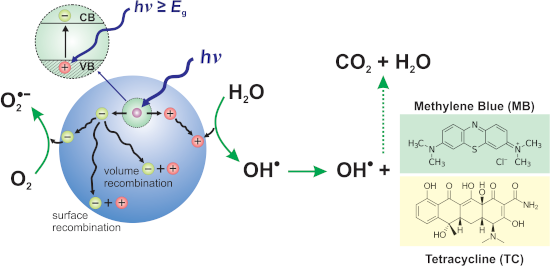
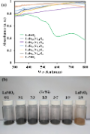
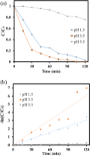
- based on the model of hexagonal LaNiO3. As a result, the lattice constant and cell volume were slightly expanded. It was interesting to note that LaFe0.7Ni0.3O3 revealed a relatively larger expansion, which had a higher cell volume, suggesting a better separation of photo-induced electron and hole pairs
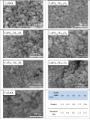
- sol–gel solution could help the separation of LaFexNi1−xO3 crystals, leading to less particle aggregation. Moreover, the elemental analysis of the samples was also carried out using energy dispersive spectroscopic (EDS). The Fe contents of the samples with different Fe/Ni atomic ratios were identified
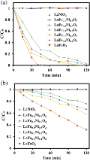
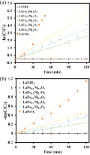
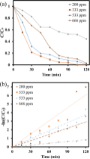
- . LaFe0.7Ni0.3O3 had a larger crystal diameter and higher specific surface, which improved the separation of photogenerated charge carriers and the efficiency of the surface reaction. For comparison, the second-order kinetics analysis was also conducted for the samples prepared at pH 0 in Table 1. However, the R2



DNA aptamer selection and construction of an aptasensor based on graphene FETs for Zika virus NS1 protein detection
Beilstein J. Nanotechnol. 2022, 13, 873–881, doi:10.3762/bjnano.13.78
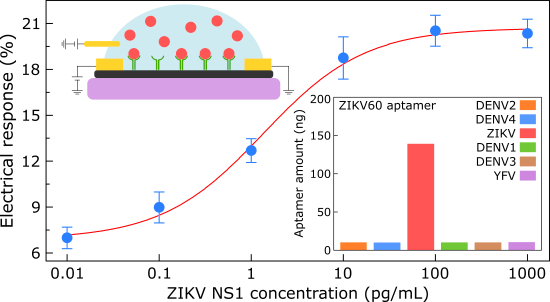
- . The next step involves the separation of non-bound sequences from sequences that bound to the target for further real-time polymerase chain reaction (PCR) amplification. The enriched pool of aptamers is exposed to the target again. Selection, separation, and amplification steps comprise one SELEX
- the target [17]. The CE separation efficiency allows for high-affinity aptamers to be obtained with only three to five rounds. Our present study demonstrates, for the first time, the application of CE-SELEX to obtain DNA aptamers for the ZIKV NS1 protein. In particular, the ZIKV60 aptamer (patent
- incubated with 80 pmol of the ZIKV NS1 protein in borate buffer (60 mM) for 30 min, 200 rpm, at 37 °C. An incubation solution sample was submitted to separation by CE using a neutral capillary on a P/ACE MDQ capillary electrophoresis system (Beckman Coulter Inc., Fullerton, CA). The capillary was first



Numerical modeling of a multi-frequency receiving system based on an array of dipole antennas for LSPE-SWIPE
Beilstein J. Nanotechnol. 2022, 13, 865–872, doi:10.3762/bjnano.13.77
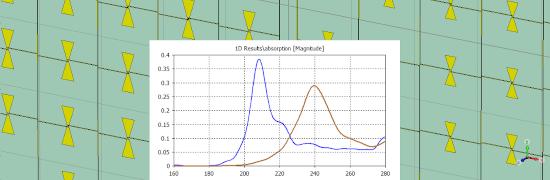
- double-frequency system with slot antennas and CEBs for 75 and 105 GHz frequencies for the Cosmic Origins Explorer (COrE) mission has been investigated and a band separation was demonstrated [10]. Now this approach is getting further improvements with arrays of dipole antennas and a voltage-biased mode
- a bow-tie dipole antenna was calculated (Figure 5) with the DC bias lines connected to the central parts of the antennas. The frequency response of the receiving matrix with bow-tie antennas is shown in Figure 6. Rather good band separation is visible in spite of a certain cross-talk of the 210 GHz


Self-assembly of C60 on a ZnTPP/Fe(001)–p(1 × 1)O substrate: observation of a quasi-freestanding C60 monolayer
Beilstein J. Nanotechnol. 2022, 13, 857–864, doi:10.3762/bjnano.13.76
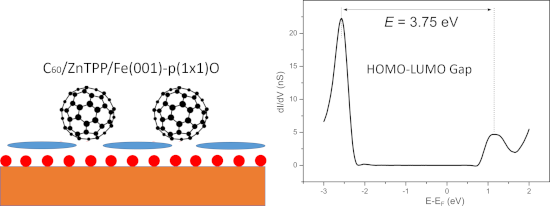
- “Ph2”) and from C60 (“a”–“e”) are labeled and their evolution is indicated with dotted lines. Scanning tunneling spectrum acquired at constant tip–surface separation (open feedback loop) on the C60/ZnTPP/Fe(001)–p(1 × 1)O system (black) and on the ZnTPP/Fe(001)–p(1 × 1)O surface (red). The black curves


Gelatin nanoparticles with tunable mechanical properties: effect of crosslinking time and loading
Beilstein J. Nanotechnol. 2022, 13, 778–787, doi:10.3762/bjnano.13.68
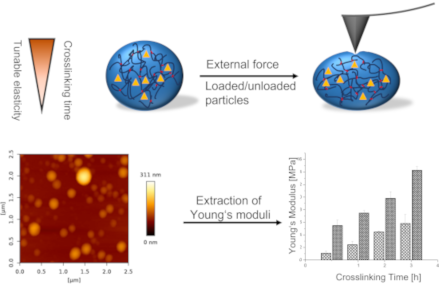
- determined. The curve obtained during the AFM experiment is based on the piezo movement. The piezo movement is larger than the indentation into the nanoparticle as the cantilever bends to the opposite direction. This effect is corrected by the so-called tip–sample separation, leading to the actual


Hierarchical Bi2WO6/TiO2-nanotube composites derived from natural cellulose for visible-light photocatalytic treatment of pollutants
Beilstein J. Nanotechnol. 2022, 13, 745–762, doi:10.3762/bjnano.13.66
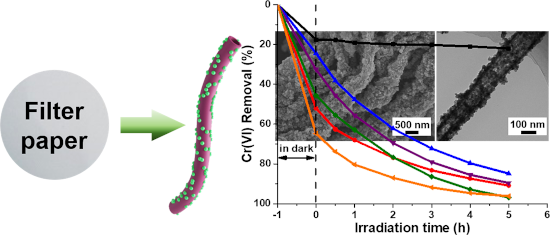
- visible light together with an accelerated separation and transfer of the photogenerated electron–hole pairs of the nanocomposites, which resulted in increased effective amounts of photogenerated carriers for the photocatalytic reactions. It was demonstrated that the photoinduced electrons dominated the
- activities than those of pure TiO2 and Bi2WO6. This is ascribed to the heterostructures built in between the two phases, leading to accelerated separation and transfer of photogenerated electrons and holes. Nevertheless, the effective formation of heterostructures in between the TiO2 and Bi2WO6 phases are
- the TiO2 and Bi2WO6 phases of the Bi2WO6/TiO2-NT nanocomposites, leading to higher separation and transfer efficiencies of the photoinduced electron−hole pairs. The optimal 70%−Bi2WO6/TiO2-NT photocatalyst achieves a removal percentage of 96.9% toward the reduction of Cr(VI) upon visible light


Reliable fabrication of transparent conducting films by cascade centrifugation and Langmuir–Blodgett deposition of electrochemically exfoliated graphene
Beilstein J. Nanotechnol. 2022, 13, 666–674, doi:10.3762/bjnano.13.58
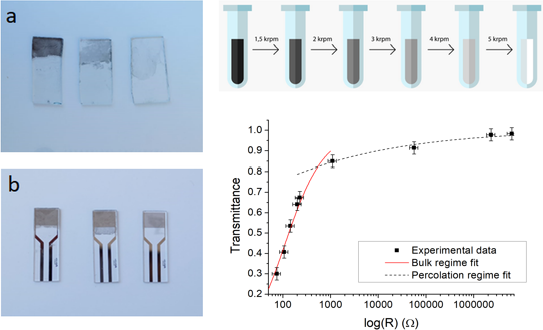
- cascade centrifugation can be used as a common method for the separation of graphene particles by size, in the case of ultrasound-assisted liquid-phase exfoliated graphene. In this paper, we demonstrated that cascade centrifugation of electrochemically exfoliated graphene can be used in conjunction with


A new method for obtaining the magnetic shape anisotropy directly from electron tomography images
Beilstein J. Nanotechnol. 2022, 13, 590–598, doi:10.3762/bjnano.13.51
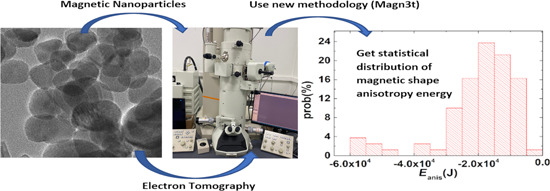
- , ImageJ, IMOD, tomo3d, or Genfire). The proposed program was designed to work directly with electron tomograms reconstructed using Genfire [22]. Although Magn3t is technically capable to provide correct information regarding particle size distribution (with particle separation capabilities) for any 3D
- volume, the full power of the program is revealed for magnetic nanoparticulate systems. The results provided by Magn3t starting from a reconstructed data volume are obtained performing the following tasks: (i) data volume thresholding, (ii) particle separation and identification, (iii) shape evaluation
- greatly on the user experience and can be involved with success in the approach of more challenging situations. Particle separation and identification: A modified version of the priority-flood algorithm [24] has been used in order to distinguish particles that are in contact with each other. As a first


Effects of substrate stiffness on the viscoelasticity and migration of prostate cancer cells examined by atomic force microscopy
Beilstein J. Nanotechnol. 2022, 13, 560–569, doi:10.3762/bjnano.13.47
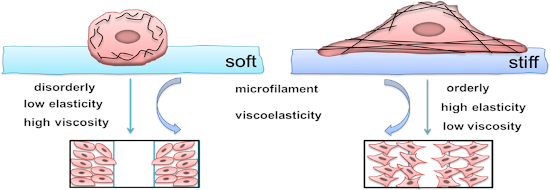
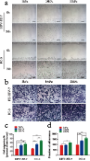
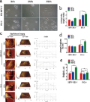
- deformation [38][39]) the energy dissipation was mainly caused by cell adhesion, which was a certain separation between the approach and retraction curves (Figure 5c). The results showed a negative correlation between viscosity values and substrate stiffness in PC-3 cells: the higher the substrate stiffness



Stimuli-responsive polypeptide nanogels for trypsin inhibition
Beilstein J. Nanotechnol. 2022, 13, 538–548, doi:10.3762/bjnano.13.45
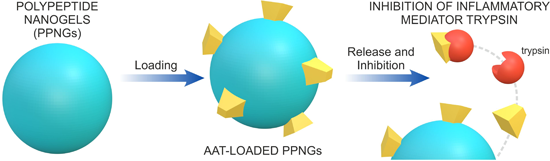
- IODO-BEADS (pre-washed with PBS buffer, pH 7.4). After the separation of the IODO-BEADS, a solution of ascorbic acid (10 µL, 25 mg/mL in PBS buffer, pH 7.4) was added to the 125I-radiolabeled BSA, or 125I-radiolabeled AAT, and incubated for 30 min. Finally, the 125I-radiolabeled BSA, or 125I


Influence of thickness and morphology of MoS2 on the performance of counter electrodes in dye-sensitized solar cells
Beilstein J. Nanotechnol. 2022, 13, 528–537, doi:10.3762/bjnano.13.44
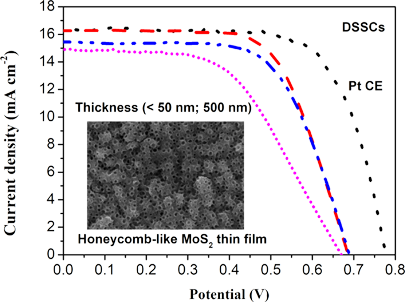
- /cathode peak potentials (EpOx1, EpRed1), peak-to-peak voltage separation (Epp), and anode/cathode peak current densities (JOx1, JRed1) were calculated and presented in Table 1. The Epp value for MoS2 CEs was slightly larger than that of Pt CE confirming their excellent electrocatalytic activity. The JRed1


Ciprofloxacin-loaded dissolving polymeric microneedles as a potential therapeutic for the treatment of S. aureus skin infections
Beilstein J. Nanotechnol. 2022, 13, 517–527, doi:10.3762/bjnano.13.43
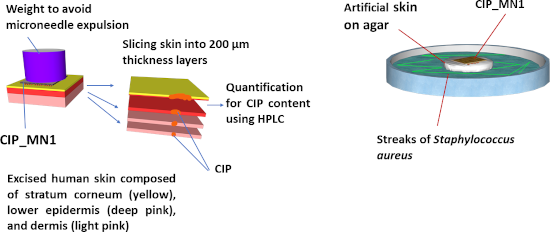
- column compartment. Data acquisition was performed via the LabSolutions LCGC software. The eluent was detected at 278 nm. Separation was carried out using a reversed-phase Interclone C18 column (250 mm × 4.6 mm, 5 μm particle ODS 100 Å size) (Phenomenex, California, USA) at 30 °C. The mobile phase had an


Zinc oxide nanostructures for fluorescence and Raman signal enhancement: a review
Beilstein J. Nanotechnol. 2022, 13, 472–490, doi:10.3762/bjnano.13.40
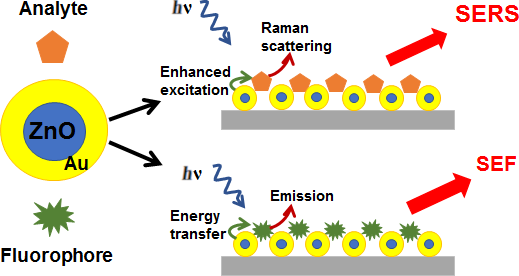
- a higher adsorption of analyte molecules, increasing the EF from 106 (before) to 108 (after hydrogenation) [43]. The charge transfer effect was probably increased as well since the hydrogenation introduced lattice defects that could alter the energy band structure of ZnO, promoting charge separation
- well as the energy of the incident light [36]. Moreover, the substrates could be used after several recycling cycles and presented similar EFs as the fresh ones. Other methods for recycling the ZnO-based nanosubstrates include thermal treatment and magnetic separation. These benefits indicate that the




Investigation of electron-induced cross-linking of self-assembled monolayers by scanning tunneling microscopy
Beilstein J. Nanotechnol. 2022, 13, 462–471, doi:10.3762/bjnano.13.39
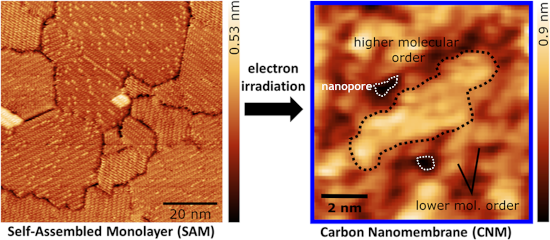
- Abstract Ultrathin membranes with subnanometer pores enabling molecular size-selective separation were generated on surfaces via electron-induced cross-linking of self-assembled monolayers (SAMs). The evolution of p-terphenylthiol (TPT) SAMs on Au(111) surfaces into cross-linked monolayers was observed
- separation [36][37][38][39][40][41][42]. The interactions between aromatic SAMs and electrons have been studied by X-ray photoelectron spectroscopy (XPS), near-edge X-ray-absorption fine-structure (NEXAFS) technique [43][44][45][46][47][48][49], infrared spectroscopy [43][50][51][52], high-resolution
- order and lower density, which enables the use of CNMs as a molecular sieve in mass transfer and separation processes. Experimental Preparation of self-assembled monolayers from solution Precursor molecules (p-terphenylthiol) used in this study were purchased from Sigma-Aldrich. In a manner similar to


A chemiresistive sensor array based on polyaniline nanocomposites and machine learning classification
Beilstein J. Nanotechnol. 2022, 13, 411–423, doi:10.3762/bjnano.13.34
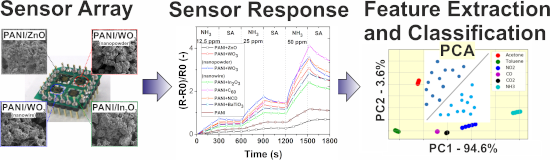
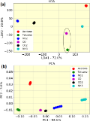
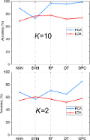
- provides a linear projection of the data with (c – 1) dimensions, by considering the scatter of data within each class and across classes. Projection directions are those that maximize the inter-class separation of the projected data. The LDA transformation matrix is given by where SW and ΛW are




Effect of sample treatment on the elastic modulus of locust cuticle obtained by nanoindentation
Beilstein J. Nanotechnol. 2022, 13, 404–410, doi:10.3762/bjnano.13.33
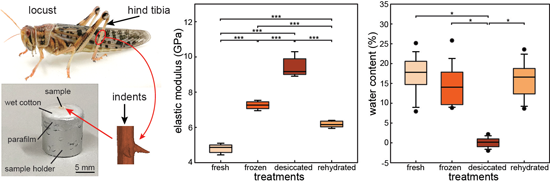
- medium. Mechanical testing Pieces of about 2.0 × 0.5 × 0.5 mm3 size were separated from the middle part of the hind tibiae using a razor blade. They were then glued (5925 Ergo, Kisling AG, Wetzikon, Switzerland) on a sample holder within 2 min after separation from the tibiae. To avoid desiccation


Micro- and nanotechnology in biomedical engineering for cartilage tissue regeneration in osteoarthritis
Beilstein J. Nanotechnol. 2022, 13, 363–389, doi:10.3762/bjnano.13.31
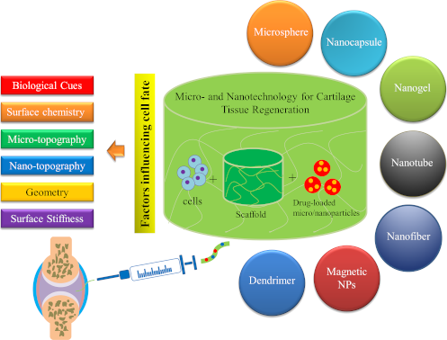
- different characteristics and kinds of behavior of compounds on submicrometer and nanometer scales and resulted in the development of new methods such as electrospinning, self-assembly, phase separation, nano-imprinting, and photolithography for the generation of new biomaterials with improved properties
- nature. They are constructed as NPs, nanofibers, nanocrystals, nanotubes, and nanofilms by high-tech methods of photolithography, electrospinning, nanoimprinting, and phase separation. Due to the hierarchical structure of articular cartilage ECM, there is considerable enthusiasm regarding the use of
- , electrospinning, weaving, phase separation, and template synthesis [102]. Electrospinning is widely used given its simplicity, cost effectiveness, unlimited substrate use, appreciable surface to volume ratio, tunable porosity, and ability to generate nanofibers over a wide range of sizes and shapes [102


Interfacial nanoarchitectonics for ZIF-8 membranes with enhanced gas separation
Beilstein J. Nanotechnol. 2022, 13, 313–324, doi:10.3762/bjnano.13.26
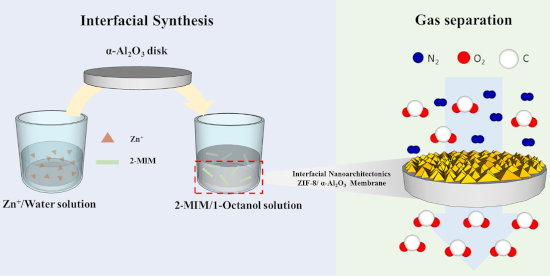
- Road, Taipei 10617, Taiwan Department of Chemistry, College of Science, Princess Nourah bint Abdulrahman University P.O.Box 84428. Riyadh 116711, Saudi Arabia 10.3762/bjnano.13.26 Abstract Metal-organic framework (MOF) membranes are potentially useful in gas separation applications. Conventional
- optimal synthesis conditions were determined (i.e., 80 °C for 12 h in 50 mM of 2-methylimidazole). The as-synthesized ZIF-8 membranes were then applied to CO2/N2 gas separation, which exhibited a maximum separation factor of 5.49 and CO2 gas permeance of 0.47 × 10⁻⁷ mol·m−2·s−1·Pa−1. Keywords: defect
- -free; gas separation; interfacial synthesis; metal-organic frameworks; ZIF membranes; Introduction Carbon dioxide (CO2) is one of the major greenhouse gases emitted through human activities contributing to global climate change. According to United States Environmental Protection Agency (US EPA), CO2


The effect of metal surface nanomorphology on the output performance of a TENG
Beilstein J. Nanotechnol. 2022, 13, 298–312, doi:10.3762/bjnano.13.25
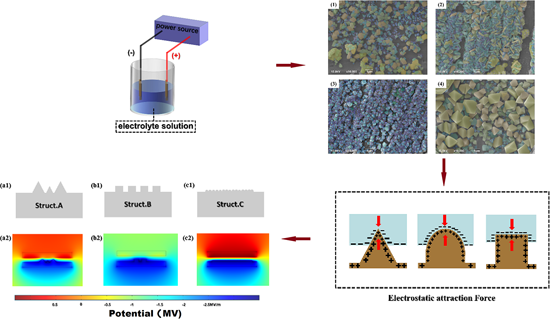
- Normal University, Neijiang 641100, China 10.3762/bjnano.13.25 Abstract In this work, the effect of charge density and nanomorphology of a metal tip on the output performance of a triboelectric nanogenerator (TENG) is studied. The basic working principle of the TENG is charge transfer after separation
- through the “contact and separation” method. One cyclic period of contact and separation was set to 1.5 s (contact of 0.75 s and separation of 0.75 s). The applied force from the mechanical shaker was fixed at 100 N. Output voltage and current were measured using a digital oscilloscope and an
- positive, and that on PTFE is negative (Figure 3a). A separation is caused by the removal of the external force, and electrons flow from the PTFE electrode to the Cu electrode (Figure 3b). Then, charge exchange is carried out at the contacts. Electrical equilibrium is formed when the Cu and the PTFE are




Investigation of a memory effect in a Au/(Ti–Cu)Ox-gradient thin film/TiAlV structure
Beilstein J. Nanotechnol. 2022, 13, 265–273, doi:10.3762/bjnano.13.21
- the presence of Cu2+ species related to the CuO oxide [48][49][50]. The XPS spectrum of the Ti 2p core level is presented in Figure 6b. The position of the Ti 2p doublet and the binding energy separation between Ti 2p3/2 and Ti 2p1/2 (marked in the figure as ΔEW) equal to 5.8 eV testifies the