


Search results
Search for "electronic" in Full Text gives 1102 result(s) in Beilstein Journal of Nanotechnology. Showing first 200.
Frontiers of nanoelectronics: intrinsic Josephson effect and prospects of superconducting spintronics
Beilstein J. Nanotechnol. 2023, 14, 79–82, doi:10.3762/bjnano.14.9

- Anatolie S. Sidorenko Horst Hahn Vladimir Krasnov Institute of Electronic Engineering and Nanotechnologies of the Technical University of Moldova, Academiei 3/3, Chisinau 2028, Moldova I.S. Turgenev Orel State University, Komsomolskaya str. 95, 302026, Orel, Russia Institute of Nanotechnology
Gap-directed chemical lift-off lithographic nanoarchitectonics for arbitrary sub-micrometer patterning
Beilstein J. Nanotechnol. 2023, 14, 34–44, doi:10.3762/bjnano.14.4
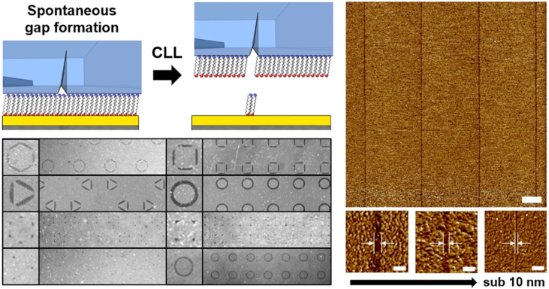
- purchased from Echo Chemical (Taipei, Taiwan). Hexamethyldisilazane (HMDS) was purchased from Sigma-Aldrich (St Louis, MO, USA). Iron nitrate and thiourea were purchased from Showa Chemical Industry Co., Ltd. (Tokyo, Japan). Positive photoresist AZ6112 was purchased from AZ Electronic Materials Taiwan Co


The influence of structure and local structural defects on the magnetic properties of cobalt nanofilms
Beilstein J. Nanotechnol. 2023, 14, 23–33, doi:10.3762/bjnano.14.3
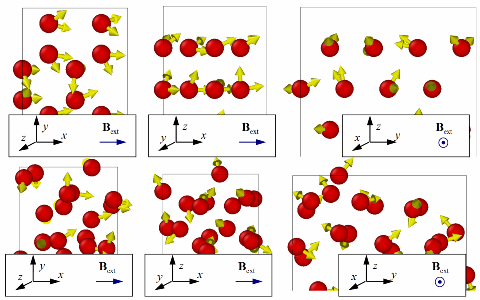
- named after I.S. Turgenev, Komsomolskaya Str. 95, 302026, Orel, Russia Nanotechnology and Microsystems Department, Kalashnikov Izhevsk State Technical University, Studencheskaya 7, Izhevsk 426069, Russia Institute of Electronic Engineering and Nanotechnologies of Technical University of Moldova


Two-step single-reactor synthesis of oleic acid- or undecylenic acid-stabilized magnetic nanoparticles by thermal decomposition
Beilstein J. Nanotechnol. 2023, 14, 11–22, doi:10.3762/bjnano.14.2
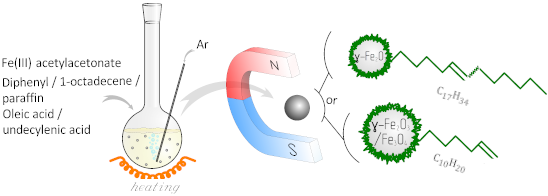
- Verwey transition, estimated at 119 K) consists of one-third of Fe3+ parts and two-thirds of Fe2.5+ species according to its expected electronic and stoichiometric structure. The Mössbauer spectra of the TMO-І nanoparticle sample at 300 and 77 K are shown in Figure 6. At 300 K, a broadened single line
- an accelerating voltage of 200 kV was applied. The electronic diffraction patterns were obtained using the SAED technique. The XRD diffraction patterns were collected using a PANalytical MPD-PRO diffractometer equipped with a linear X’celerator detector and a Co Kα lamp as a source of radiation


From a free electron gas to confined states: A mixed island of PTCDA and copper phthalocyanine on Ag(111)
Beilstein J. Nanotechnol. 2022, 13, 1572–1577, doi:10.3762/bjnano.13.131
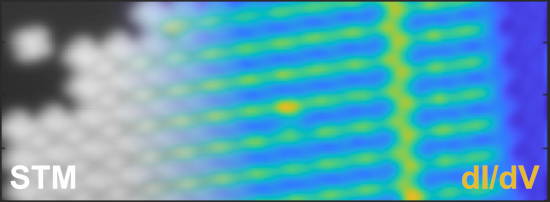
- gas (2DEG). We investigated mixed islands of PTCDA and copper phthalocyanine (CuPc) to study the change in the electronic state with the addition of an electron donor. We no longer observe a 2DEG state and instead identify states at 0.46 and 0.79 V. While one state appears in dI/dV images as an array
- include a metal–organic interface. At this interface, it is important to be able to modify the band structure to optimize the efficiency of a device [1]. One of the most successful methods to change the electronic structure of a molecular semiconductor device is to add a second molecular species either at
- spectroscopy experiments [6][7][8], and has been studied with density functional theory (DFT) [9][10]. Previous work [11] has used dI/dV spectroscopy as a measurement of the density of electronic states [12] and identified this interface state starting at 0.6 eV. One characteristic of a two-dimensional


Single-step extraction of small-diameter single-walled carbon nanotubes in the presence of riboflavin
Beilstein J. Nanotechnol. 2022, 13, 1564–1571, doi:10.3762/bjnano.13.130
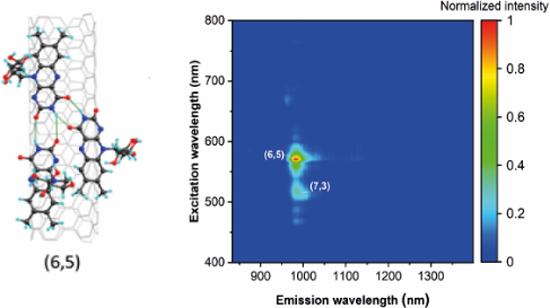
- properties [3][4][5]. Moreover, as-synthesized SWCNTs typically possess a wide range of diameters and chiralities, leading to an inhomogeneous distribution of optical and electronic properties [5]. Nevertheless, most SWCNT applications, including thin-film electronics, require individual constituent parts
- electronic structure of nanotubes. To gain insights into the correlation between SWCNT diameter and the adsorption of riboflavin, we performed single-step chirality enrichment of SWCNT dispersions with various diameter distributions: CoMoCat SWCNTs with a mean diameter 0.81 nm [24] and Tuball nanotubes with


Utilizing the surface potential of a solid electrolyte region as the potential reference in Kelvin probe force microscopy
Beilstein J. Nanotechnol. 2022, 13, 1558–1563, doi:10.3762/bjnano.13.129
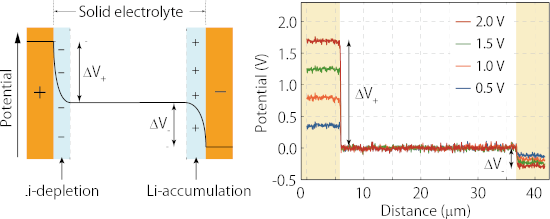
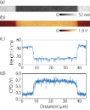
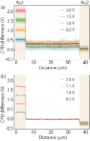
- contact potential difference (CPD) between a tip and the sample. It has been used to evaluate a wide range of electronic and ionic devices [5][6][7][8][9][10][11]. The CPD is quantified by applying a regulated DC voltage, relative to an electrical ground, to the tip or the sample, to minimize the
- electrostatic force acting between the tip and sample [3]. CPD measurements relative to ground are not particularly problematic when analyzing KPFM data obtained from electronic devices [7][10][11][12] because the electrode potential relative to ground determines working conditions of the devices. In contrast
- to the electronic conduction. Importantly, even when we waited longer (more than 1 h), no apparent changes were observed in the potential distributions measured by the KPFM. This suggests that the KPFM measurements were performed under nearly equilibrium conditions. To extract the changes in the




Induced electric conductivity in organic polymers
Beilstein J. Nanotechnol. 2022, 13, 1551–1557, doi:10.3762/bjnano.13.128
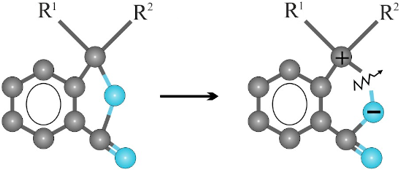
- conditions, PDP is a wide-gap dielectric material and is characterized by the following parameters: band gap ≈4.3 eV, electronic work function ≈4.2 eV, electron affinity ≈2 eV, first ionization potential ≈6.2 eV. Experimental evaluations of the electronic parameters of PDP have been made earlier by various
- characterized by non-zero density of electronic states within the energy gap. The depth of such states increases if the system accepts an extra electron (Figure 1b), thus indirectly enabling electric conductivity along the polymer chain [11]. Later the validity of this model was supported experimentally and
- the effect of electronic switching to a highly conductive state can be observed (Figure 3f). Such a bi-stable switching is often used in practice to create non-volatile memory elements. Presented in Figure 3 I–V characteristics do not contradict the presented above model considerations. In this regard



Photoelectrochemical water oxidation over TiO2 nanotubes modified with MoS2 and g-C3N4
Beilstein J. Nanotechnol. 2022, 13, 1541–1550, doi:10.3762/bjnano.13.127
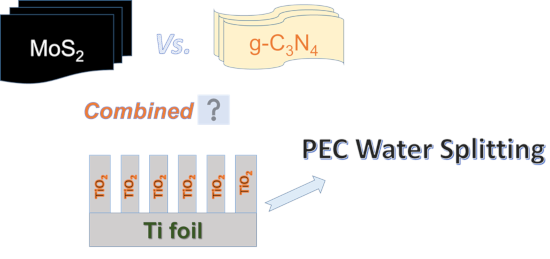
- expensive synthesis equipment [29][36][37][38]. In this study, we compare properties and PEC water splitting efficiency of TNAs combined with the typical 2D materials MoS2 and g-C3N4 obtained with the same synthesis procedure. Insightful studies about optical and electronic properties have been conducted to


LED-light-activated photocatalytic performance of metal-free carbon-modified hexagonal boron nitride towards degradation of methylene blue and phenol
Beilstein J. Nanotechnol. 2022, 13, 1380–1392, doi:10.3762/bjnano.13.114
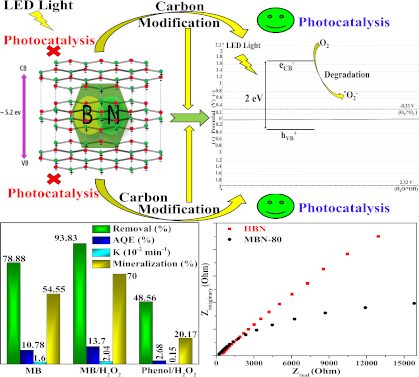
- absorb LED light irradiation with a light harvesting efficiency of ≈90% and a direct bandgap of 2 eV. The introduction of carbon into the HBN lattice led to a significant change in the electronic environment through the formation of C–B and C–N bonds which resulted in improved visible light activity
- , lower charge transfer resistance, and improved charge carrier density (2.97 × 1019 cm−3). This subsequently enhanced the photocurrent density (three times) and decreased the photovoltage decay time (two times) in comparison to those of HBN. The electronic band structure (obtained through Mott–Schottky
- agate mortar pestle to form a uniform white mixture. The bandgap could be regulated by the amount of carbon substituted into the lattice sites, with higher concentration of C atoms leading to better light harvesting and electronic properties [17][18]. Thus, the amount of glucose utilized for this study



Near-infrared photoactive Ag-Zn-Ga-S-Se quantum dots for high-performance quantum dot-sensitized solar cells
Beilstein J. Nanotechnol. 2022, 13, 1337–1344, doi:10.3762/bjnano.13.110
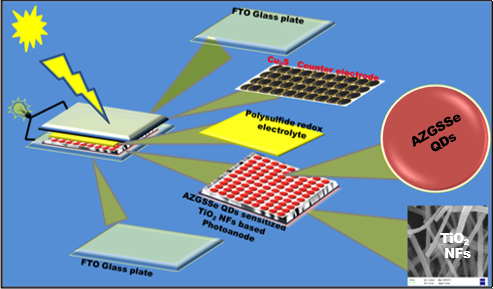
- JSM-7600F. The electronic states of the elements and their atomic ratio in the prepared samples was analyzed by using XPS (Kratos AXIS Ultra DLD) and EDX (Bruker Nano XFlash detector attached to the HRTEM). Optical properties were examined by using a UV–vis–NIR spectrophotometer (Perkin Elmer L-650 UV


Recent trends in Bi-based nanomaterials: challenges, fabrication, enhancement techniques, and environmental applications
Beilstein J. Nanotechnol. 2022, 13, 1316–1336, doi:10.3762/bjnano.13.109
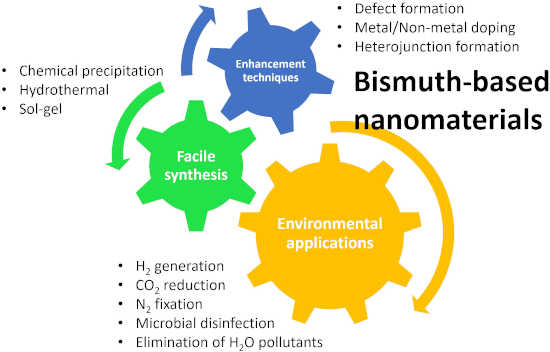
- modification is crucial in photocatalysis. Bi-based photocatalytic nanomaterials have gotten much interest as they exhibit distinctive geometric shapes, flexible electronic structures, and good photocatalytic performance under visible light. They can be employed as stand-alone photocatalysts for pollution
- are just van der Waals forces, which are weak [46]. Metal oxides such as TiO2 only have the O 2p orbital in their VB. In contrast , Bi-based oxide materials have an electronic structure in which O 2p and Bi 6s orbitals are paired in the VB. The bandgap of the semiconductor may be reduced to 3.0 eV
- better degradation efficiency for, respectively, BPA and ciprofloxacin than pristine Bi3O4Cl. This study offers fresh perspectives on photocatalyst design and underlines the importance of electronic structure modification in catalytic activity adjustment. Self-doping is a novel approach for introducing




Enhanced electronic transport properties of Te roll-like nanostructures
Beilstein J. Nanotechnol. 2022, 13, 1284–1291, doi:10.3762/bjnano.13.106
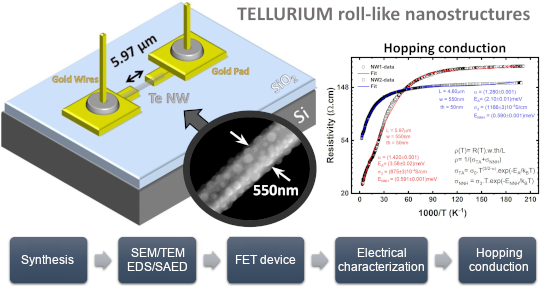
- work, the electronic transport properties of Te roll-like nanostructures were investigated in a broad temperature range by fabricating single-nanostructure back-gated field-effect-transistors via photolithography. These one-dimensional nanostructures, with a unique roll-like morphology, were produced
- scattering in this temperature range. At lower temperatures, the electronic conduction is dominated by nearest-neighbor hopping (NNH) conduction in the acceptor band, with a small activation energy ENNH ≈ 0.6 meV and an acceptor concentration of NA ≈ 1 × 1016 cm−3. These results demonstrate the enhanced
- charges have been studied in p-type Te NBs [13]. In this work, we have studied the electronic transport properties of a distinct one-dimensional t-Te nanostructure with a roll-like morphology, which resembles cinnamon sticks. The nanostructures were obtained by a facile PVP-assisted hydrothermal route


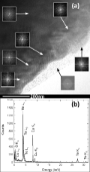


Studies of probe tip materials by atomic force microscopy: a review
Beilstein J. Nanotechnol. 2022, 13, 1256–1267, doi:10.3762/bjnano.13.104
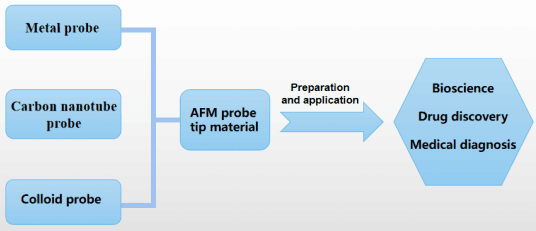
- properties, and thus the fluorescence emission can be tuned by controlling different sizes. Due to their unique electronic, physical, and optical properties, metal nanoclusters have attracted great interest in recent years for electronic devices, catalysis, bioimaging, and chemical sensing [18][19][20][21
- performs well. Clark et al. [45] presented a novel scanning probe for mechanical and electronic characterization of probe microscopy. A newly developed controlled area plating method was used. The method uses microwave plasma to enhance the growth of carbon nanotubes in chemical vapor deposition. This
Role of titanium and organic precursors in molecular layer deposition of “titanicone” hybrid materials
Beilstein J. Nanotechnol. 2022, 13, 1240–1255, doi:10.3762/bjnano.13.103
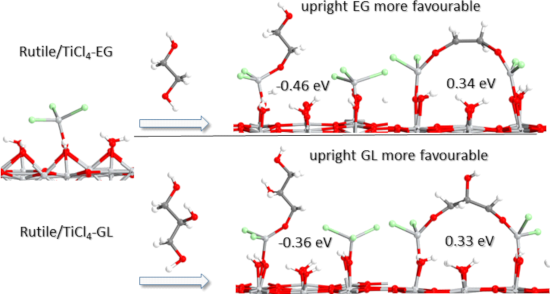
- deposition of conformal and smooth films with a controlled thickness at Angstrom level [3][9]. The advantages offered by hybrid organic–inorganic MLD films are that they are ultrathin films with high flexibility, have tunable properties and excellent mechanical and electronic properties resulting from the


Design of surface nanostructures for chirality sensing based on quartz crystal microbalance
Beilstein J. Nanotechnol. 2022, 13, 1201–1219, doi:10.3762/bjnano.13.100
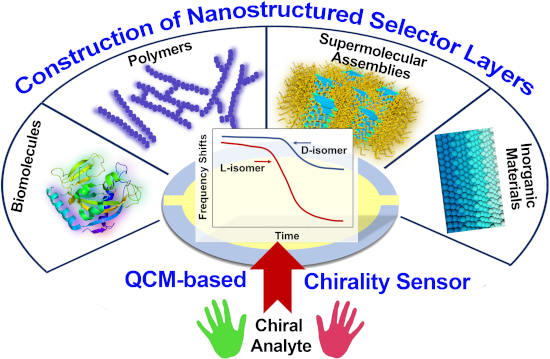
- volatile organic compounds (VOCs) with a remarkable degree of selectivity, which may promote the development of electronic nose systems for chiral analytes. Metal–organic frameworks. Metal–organic frameworks (MOFs) are unique porous crystalline materials fabricated by the self-assembly of metal ions or
- BiPyB = 1,4-bis(4-pyridyl)benzene. The achiral MOF structures were Cu3(BTC)2, Cu(BDC), and Cu(BPDC). The QCM sensor array successfully worked as an electronic nose system for detecting chiral odor molecules of limonene, 2-octanol, 1-phenylethanol, 1-phenylethylamine, and methyl lactate. The achiral MOF


Application of nanoarchitectonics in moist-electric generation
Beilstein J. Nanotechnol. 2022, 13, 1185–1200, doi:10.3762/bjnano.13.99
- Jia-Cheng Feng Hong Xia State Key Laboratory on Integrated Optoelectronics, College of Electronic Science and Engineering, Jilin University, 2699 Qianjin Street, Changchun130012, China 10.3762/bjnano.13.99 Abstract The consumption of energy is an important resource that cannot be ignored in
- Wang et al. also provides a valuable explanation and deeper understanding of solid–liquid interactions. Compared to the traditional model, Wang’s model suggests that electron transfer between liquid molecules and solid surface atoms is the initial step and is followed by ion transfer due to electronic
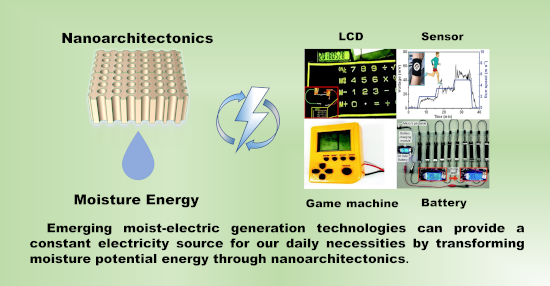
- , current MEGs can directly power low-power electronic devices such as LCDs and LEDs, or charge capacitors and batteries to drive higher-power devices (Figure 10a–d) [55][90]. Because MEG devices can be rapidly mass-fabricated by methods such as stencil printing [91], MEGs should become a strong candidate


A cantilever-based, ultrahigh-vacuum, low-temperature scanning probe instrument for multidimensional scanning force microscopy
Beilstein J. Nanotechnol. 2022, 13, 1120–1140, doi:10.3762/bjnano.13.95
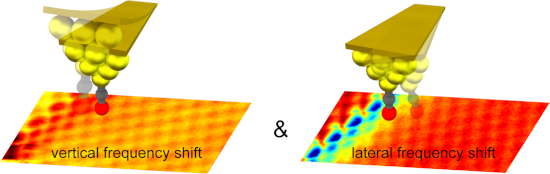
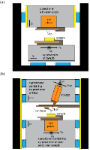
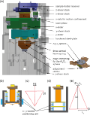
- the deposition of atoms or molecules on the cold sample. Microscope Design We use a fiber-optical interferometer to measure the cantilever deflection. This deflection sensor type only requires placing the end of an optical fiber in close proximity to the cantilever. All electronic components remain







Recent advances in green carbon dots (2015–2022): synthesis, metal ion sensing, and biological applications
Beilstein J. Nanotechnol. 2022, 13, 1068–1107, doi:10.3762/bjnano.13.93
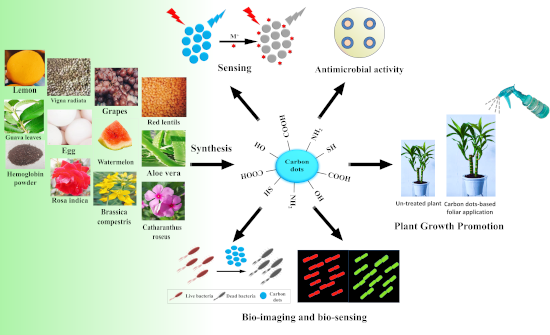
- CDs, the solubility and QY can be improved. The size of CDs and chemical functionality present on their surface can be discreetly tuned to change the electronic structure for their luminous features. Various molecular precursors have been used earlier for the production of CDs, including ethylene
- to attract greater attention since it can produce novel electronic structures. The electronic structure of CDs can be modified to produce n-type or p-type carriers by adding atomic impurities, such as nitrogen, boron, sulfur, or phosphorus. The QY of CDs could also be considerably enhanced by
- properties of CDs. By introducing electrons into CDs and altering the internal electronic states, nitrogen atoms significantly enhance the fluorescence characteristics of these molecules. The N-CDs produced perform exceptionally well in biomedical applications, including bioimaging and biosensing. A huge




Spindle-like MIL101(Fe) decorated with Bi2O3 nanoparticles for enhanced degradation of chlortetracycline under visible-light irradiation
Beilstein J. Nanotechnol. 2022, 13, 1038–1050, doi:10.3762/bjnano.13.91
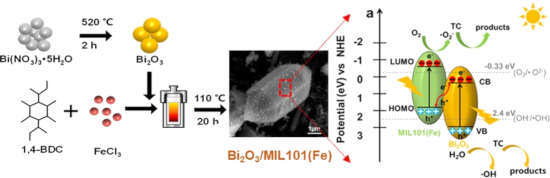
- , respectively [41]. In recent years, artificial Z-scheme heterojunction catalysts have generated extensive interest since its special electronic structure not only promotes separation of electron–hole pairs but also remains with high redox capacity [42]. Therefore, the photocatalytic activity of MIL101(Fe) can
- (CHIQ660D, Chenhua Instrument, China). Electronic paramagnetic resonance signals were recorded with an electron paramagnetic resonance spectrometer (Brooke A300, Germany). Results and Discussion Characterization Figure 1 shows the XRD pattern of the synthesized MIL101(Fe), Bi2O3, and BOM-20 composite. The
- Bi2O3/MIL101(Fe) heterojunction [57]. In the C 1s spectrum (Figure 4d), peaks at 284.8, 285.6, and 288.8 eV can be assigned to the carbon atom bond (C–C) in the benzoic rings and carbon organic linkers (C–O and O–C=O) of the H2BDC ligand, respectively [37]. Optical and electronic properties To


Numerical study on all-optical modulation characteristics of quantum cascade lasers
Beilstein J. Nanotechnol. 2022, 13, 1011–1019, doi:10.3762/bjnano.13.88
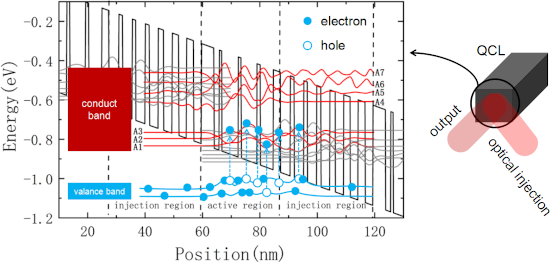
- injection power at two wavelengths. List of analyzing parameters. Acknowledgements The authors would like to thank Yuan-kun Sun, University of Electronic Science and Technology of China, for the help on this work. Funding This work was supported by the National Key R&D Program of China under grant


Theoretical investigations of oxygen vacancy effects in nickel-doped zirconia from ab initio XANES spectroscopy at the oxygen K-edge
Beilstein J. Nanotechnol. 2022, 13, 975–985, doi:10.3762/bjnano.13.85
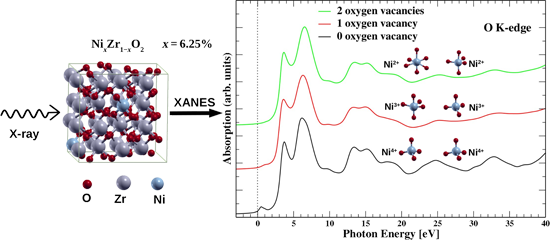
- absorption spectrum near the ionization threshold of core electrons with orbital momentum l belonging to the absorbing atom [29]. It is sensitive to the electronic structure of the absorbing atom, since its intensity is nearly proportional to the density of the unoccupied states whose symmetry verifies the
- Fe but with two more electrons in the d shell than Fe. It is thus expected that a Ni-doped ZrO2 matrix (i.e., NixZr1−xO2) may have electronic properties different from Fe-doped zirconia. We note that zirconia has two stable phases, that is, monoclinic baddeleyite and a cubic distorted fluorite
- enable us to investigate the effect of disorder on the structures and electronic properties of Ni-doped zirconia. X-ray absorption near-edge structure (XANES) offers a deep insight into the electronic structure of materials as we shall show in the following sections. XANES calculation The XANES spectra


Numerical modeling of a multi-frequency receiving system based on an array of dipole antennas for LSPE-SWIPE
Beilstein J. Nanotechnol. 2022, 13, 865–872, doi:10.3762/bjnano.13.77
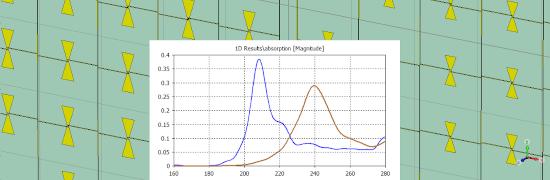
- electronic subsystem of the CEB absorber [6][7][8]. Another key advantage for balloon and space missions is the high immunity of CEB against cosmic rays [9] due to a double protection given by the extremely small volume of the absorber and decoupling of electron and phonon systems. One of the advantages of


Self-assembly of C60 on a ZnTPP/Fe(001)–p(1 × 1)O substrate: observation of a quasi-freestanding C60 monolayer
Beilstein J. Nanotechnol. 2022, 13, 857–864, doi:10.3762/bjnano.13.76
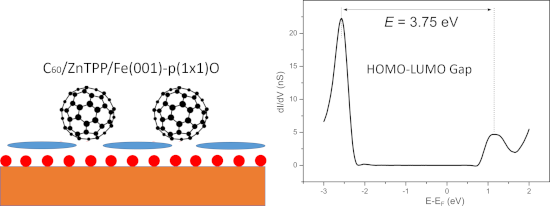
- Fullerene (C60) has been deposited in ultrahigh vacuum on top of a zinc tetraphenylporphyrin (ZnTPP) monolayer self-assembled on a Fe(001)–p(1 × 1)O substrate. The nanoscale morphology and the electronic properties of the C60/ZnTPP/Fe(001)–p(1 × 1)O heterostructure have been investigated by scanning
- materials possessing antithetic electronic and structural properties. In this frame, the molecule–metal interaction arising at the interface plays a crucial role in determining the morphology and the electronic properties of the hybrid organic/inorganic system. With regard to the structural aspects, a
- aspect is the electronic coupling between the molecules and the metallic substrate. In this case, the key parameter is the adsorption energy (Ea), which is defined as the energy required to desorb a molecule from the surface. A high Ea is characteristic of molecules chemisorbed on the substrate, where a


Ultrafast signatures of magnetic inhomogeneity in Pd1−xFex (x ≤ 0.08) epitaxial thin films
Beilstein J. Nanotechnol. 2022, 13, 836–844, doi:10.3762/bjnano.13.74
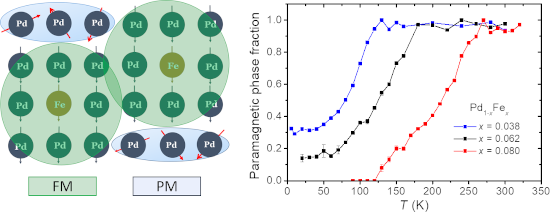
- angles were ≈2° and ≈18°. The relaxation of the electronic subsystem was monitored by the relative change in the reflection coefficient (∆R/R). Ultrafast dynamics of the magnetization was analyzed by the deviation of the angle of rotation of the polarization plane of the probing light from the
- reflection coefficient of the Pd and Pd0.962Fe0.038 films at the lowest temperature, a minimum of four is required for the Pd0.94Fe0.06 film and only three for Pd0.92Fe0.08. Thus, with an increase in the iron concentration x in a Pd1−xFex system, the photoinduced dynamics of the electronic subsystem changes
- our attention at the components of the ultrafast responses of the electronic (reflectivity) and magnetic (Kerr rotation angle) subsystems, which demonstrate a clear correlation with the establishment of the long-range magnetic order in Pd1–xFex films. In the ΔR/R(Δt) dependences of the alloys, the





