


Search results
Search for "β-cyclodextrin" in Full Text gives 138 result(s) in Beilstein Journal of Organic Chemistry.
Chemoenzymatic synthesis of the cardenolide rhodexin A and its aglycone sarmentogenin
Beilstein J. Org. Chem. 2025, 21, 2637–2644, doi:10.3762/bjoc.21.204
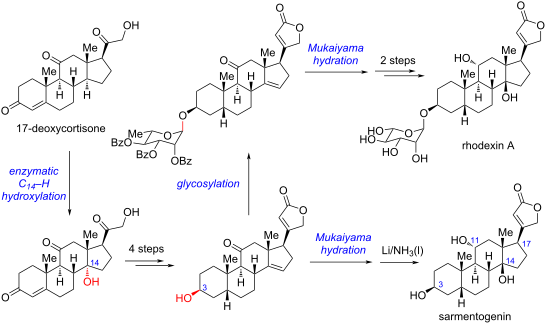
- , affording 4 in 64% yield (Table 1, entry 2). However, at a higher concentration (0.5 g/L), a significant amount of starting compound 5 remained unconverted even after 4 days, and only 30% of 4 was isolated (Table 1, entry 3). To our delight, upon adding 2-hydroxypropyl-β-cyclodextrin (HP-β-CD) [29] as the



Rotaxanes with integrated photoswitches: design principles, functional behavior, and emerging applications
Beilstein J. Org. Chem. 2025, 21, 2345–2366, doi:10.3762/bjoc.21.179

- isomerization (Figure 2) [29]. In 1997, Nakashima and co-workers reported the first rotaxane where the azobenzene was located on the axle, acting as a recognition site for a β-cyclodextrin macrocycle. Photoisomerization of the azobenzene controlled the shuttling of the macrocycle [30]. Later, Stoddart and co
- biomembrane-compatible rotaxanes are promising for designing artificial ion transporters to address channelopathies. Song and co-workers developed a system in which the azobenzene in the axle is encapsulated within a chiral β-cyclodextrin, affording a self-locked [1]rotaxane [15]. The intramolecular host


Insoluble methylene-bridged glycoluril dimers as sequestrants for dyes
Beilstein J. Org. Chem. 2025, 21, 2302–2314, doi:10.3762/bjoc.21.176
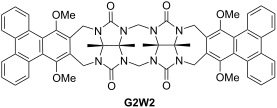
- that β-cyclodextrin (Figure 1)-based polymers could remove organic micropollutants from water [15][16]. For example, in 2021, Sessler and co-workers reported the synthesis of a calix[4]pyrrole (Figure 1)-based porous organic polymer, which exhibits the rapid uptake of dyes from water [17]. In addition
- , graphene functionalized with β-cyclodextrins [18], a starch-based β-cyclodextrin polymer [19], and pillar[5]arene-based crosslinked polymers have also been investigated as sequestrants for dyes [20]. The Isaacs group has a longstanding interest in the synthesis and mechanism of formation of macrocyclic



Gold extraction at the molecular level using α- and β-cyclodextrins
Beilstein J. Org. Chem. 2025, 21, 1116–1125, doi:10.3762/bjoc.21.89
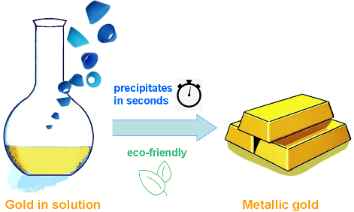
- . Reproduced from [52], Resources, Conservation and Recycling, vol. 193, by D. Fang; F. Bi; L. Yang; W. Hu; Z. Hua; H. Wei; C. Chen; Y. Tu; P. Shao; M. Li; X. Luo; G. Yang, “Selective extraction of gold from strong acid e-waste leachate through H+-triggered cascade reaction of thiolated β-cyclodextrin


Clauson–Kaas pyrrole synthesis using diverse catalysts: a transition from conventional to greener approach
Beilstein J. Org. Chem. 2023, 19, 928–955, doi:10.3762/bjoc.19.71
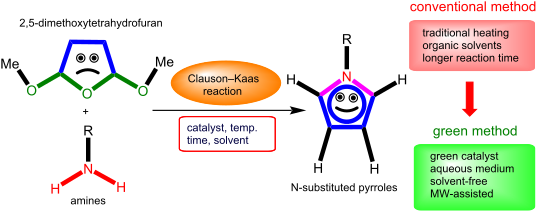
- ] demonstrated a mild and environmentally friendly biomimetic Clauson–Kaas synthesis of N-substituted pyrroles 37 through the reaction between various arylamines 36 and 2,5-DMTHF (2) using a sustainable catalyst β-cyclodextrin-SO3H in the nontoxic green solvent H2O without the formation of side products (Scheme
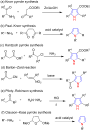
- different areas of chemistry. Various pyrrole containing molecules. A tree-diagram showing various conventional and green protocols for Clauson-Kaas pyrrole synthesis. Reusability of catalyst γ-Fe2O3@SiO2-Sb-IL in six cycles. Recyclability of β-cyclodextrin-SO3H. Plausible mechanism for the formation of N




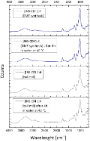
Discrimination of β-cyclodextrin/hazelnut (Corylus avellana L.) oil/flavonoid glycoside and flavonolignan ternary complexes by Fourier-transform infrared spectroscopy coupled with principal component analysis
Beilstein J. Org. Chem. 2023, 19, 380–398, doi:10.3762/bjoc.19.30
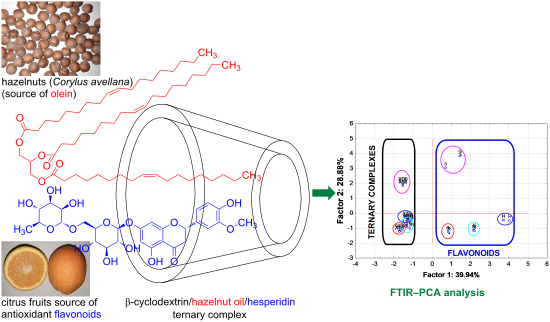
- , Polytechnic University of Timişoara, Carol Telbisz 6, 30001 Timişoara, Romania 10.3762/bjoc.19.30 Abstract The goal of the study was the discrimination of β-cyclodextrin (β-CD)/hazelnut (Corylus avellana L.) oil/antioxidant ternary complexes through Fourier-transform infrared spectroscopy coupled with
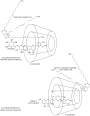
- –S23 and Tables S10–S12). Hypothetical interactions between the β-cyclodextrin host and guest molecules (flavonoid glycoside/flavonolignan and a fatty acid triglyceride from the hazelnut oil), not explicitly proven in this study. (a) Both triolein from hazelnut oil and hesperidin interact with β
- -cyclodextrin from the secondary face; (b) glyceryl 1,2-oleate 3-palmitate from hazelnut oil interacts with the β-cyclodextrin from the primary face, while silibinin A, the main component of silymarin, interacts with β-cyclodextrin from the secondary face. Superposition of the FTIR spectra for the β



CuAAC-inspired synthesis of 1,2,3-triazole-bridged porphyrin conjugates: an overview
Beilstein J. Org. Chem. 2023, 19, 349–379, doi:10.3762/bjoc.19.29
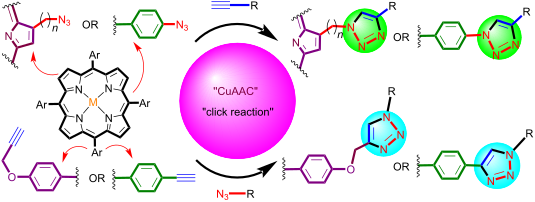
- triplet quenching pathways. The construction of water-soluble porphyrin nanospheres was reported by Zhang et al. in 2014 [54] by intramolecular host–guest interactions using porphyrin 126 containing two permethyl-β-cyclodextrin (PM-β-CD) and two dicarboxylatophenyl arms at meso-positions. The synthesis of
- . The CuAAC click reaction has been shown to bind a variety of chromophores bearing azide or alkyne groups to the porphyrin periphery, including coumarin, xanthone, DNA, ferrocene, corrole, fluorescein, carborane, BODIPY, graphene, carboline, fullerene, NDI, β-cyclodextrin, cholic acid, quinolone, etc




Continuous flow synthesis of 6-monoamino-6-monodeoxy-β-cyclodextrin
Beilstein J. Org. Chem. 2023, 19, 294–302, doi:10.3762/bjoc.19.25
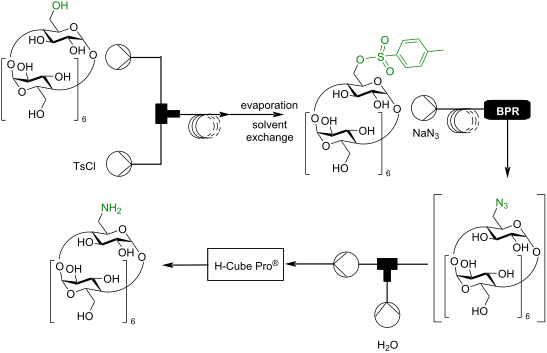
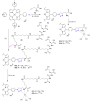
- of Science, Charles University, 128 43 Prague 2, Czech Republic 10.3762/bjoc.19.25 Abstract The first continuous flow method was developed for the synthesis of 6-monoamino-6-monodeoxy-β-cyclodextrin starting from native β-cyclodextrin through three reaction steps, such as monotosylation, azidation
- reduction steps were compatible to be coupled in one flow system obtaining 6-monoamino-6-monodeoxy-β-cyclodextrin in a high yield. Our flow method developed is safer and faster than the batch approaches. Keywords: azidation; continuous flow; β-cyclodextrin; H-cube; 6-monoamino-6-monodeoxy-β-cyclodextrin


An efficient metal-free and catalyst-free C–S/C–O bond-formation strategy: synthesis of pyrazole-conjugated thioamides and amides
Beilstein J. Org. Chem. 2023, 19, 231–244, doi:10.3762/bjoc.19.22
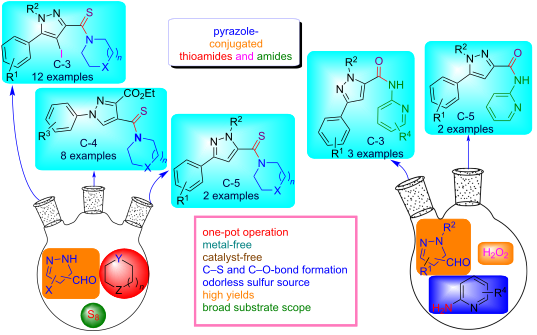
- amounts of β-cyclodextrin (β-CD) [81] under aqueous conditions at room temperature as well as under heating at 100 °C (entries 1 and 2, Table 1). Unfortunately, the model reactants remained unreacted and similar observations were recorded using a mixture of H2O/MeOH 1:4, and methanol as a reaction medium


Insight into oral amphiphilic cyclodextrin nanoparticles for colorectal cancer: comprehensive mathematical model of drug release kinetic studies and antitumoral efficacy in 3D spheroid colon tumors
Beilstein J. Org. Chem. 2023, 19, 139–157, doi:10.3762/bjoc.19.14
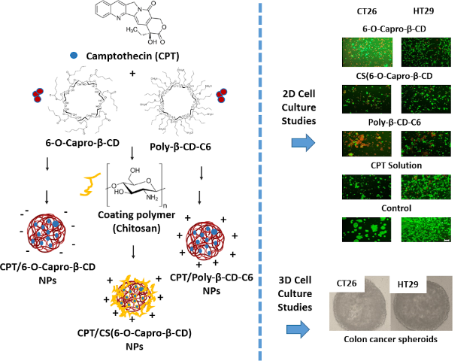
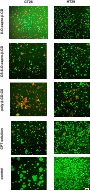
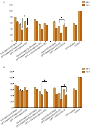
- -loaded polycationic-β-cyclodextrin nanoparticles caused reduced cell viability in CT26 and HT29 colon carcinoma spheroid tumors of mice and human origin, respectively. In addition, the release profile, which is one of the critical quality parameters in new drug delivery systems, was investigated
- reported that depletion of cholesterol by methyl-β-cyclodextrin could inhibit EGFR signals, induce apoptosis, and suppress tumor growth in colon tumor-induced mice [57]. Shimolina et al. evaluated membrane fluidity in CT26 and HeLa Kyoto cells treated with cisplatin in a monolayer conventional cell culture
- anticancer medicines [68][69][70]. It was reported that cholesterol content is related to metastasis and tumor growth in oral squamous cell carcinoma, and cholesterol depletion using methyl-β-cyclodextrin caused an increase in the expression of stem cell markers in cancer cell lines [71]. According to a




Preparation of β-cyclodextrin/polysaccharide foams using saponin
Beilstein J. Org. Chem. 2023, 19, 78–88, doi:10.3762/bjoc.19.7
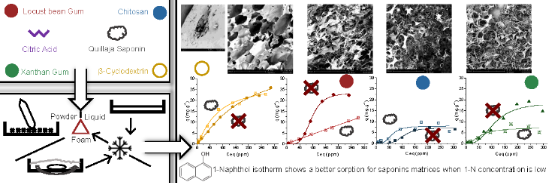
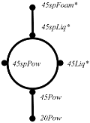
- polysaccharides. Xanthan gum, locust bean gum or chitosan can be crosslinked using citric acid in the presence of β-cyclodextrin to produce insoluble matrices. In this work, polymeric foams based on those polysaccharides and saponin have been prepared using a green synthesis method to increase the porosity of the
- specific area of the matrix is intended to be increased, permitting a greater accessibility to β-cyclodextrin sites. Results and Discussion Production of saponin foams As a first step, the determination of the foamability of saponin aqueous solutions allows us to find the surfactant concentration for which
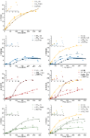
- different polysaccharides (chitosan (CS), locust bean gum (LBG) and xanthan gum (XG)) were tested either by themselves or mixed in a 50:50 ratio with β-cyclodextrin. A fast emergence of the liquid fraction occurred with the solution containing cyclodextrin with no polysaccharides. These results show that



Inclusion complexes of the steroid hormones 17β-estradiol and progesterone with β- and γ-cyclodextrin hosts: syntheses, X-ray structures, thermal analyses and API solubility enhancements
Beilstein J. Org. Chem. 2022, 18, 1749–1762, doi:10.3762/bjoc.18.184
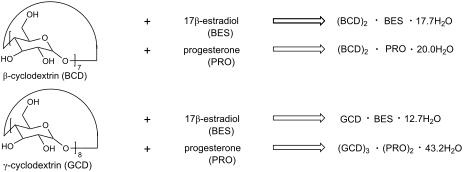
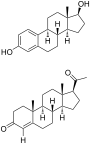
- ,) with purity >98% and progesterone (C21H30O2) with purity >98% were purchased from Sigma-Aldrich Chemie GmbH (Steinheim, Germany). β-Cyclodextrin (β-CD; C42H70O35) with purity >98% and water content 13.7(1)% (n = 2) was purchased from Cyclolab (Budapest, Hungary), while γ-cyclodextrin (γ-CD; C48H80O40



Preparation of β-cyclodextrin-based dimers with selectively methylated rims and their use for solubilization of tetracene
Beilstein J. Org. Chem. 2022, 18, 1596–1606, doi:10.3762/bjoc.18.170
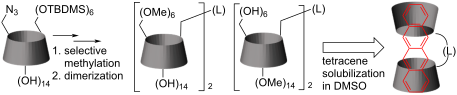
- , 162 06 Prague, Czech Republic 10.3762/bjoc.18.170 Abstract A series of β-cyclodextrin dimers selectively permethylated on the primary or secondary rim with two different types of spacers have been synthesized effectively utilizing conventional and newly developed methods. Their structure analyses by
- tetracene in DMSO. Results and Discussion Synthesis of β-cyclodextrin dimers with selectively methylated rims Selective methylation has been used in CD chemistry for at least 30 years [23][24], and since then, scientists have developed advanced and relatively cheap synthetic procedures [25]. Almost all of
- activates isocyanates, affording reactions with alcohols. Since the hydroxy groups on the primary rim of CD express higher nucleophilicity than hydroxy groups on the secondary rim, this type of reaction is not observable with the permethylated primary ring. NMR studies of β-cyclodextrin dimers with


Cyclodextrin-based Schiff base pro-fragrances: Synthesis and release studies
Beilstein J. Org. Chem. 2022, 18, 1346–1354, doi:10.3762/bjoc.18.140
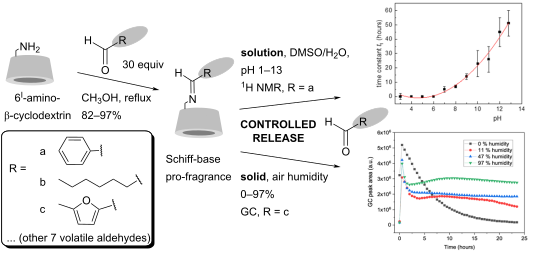
- ), Dunkerque, France 10.3762/bjoc.18.140 Abstract A simple method for the preparation of β-cyclodextrin derivatives containing covalently bonded aldehydes via an imine bond was developed and used to prepare a series of derivatives from 6I-amino-6I-deoxy-β-cyclodextrin and the following volatile aldehydes
- , we describe the synthesis of ten pro-fragrances – Schiff bases prepared from amino-β-cyclodextrin and common volatile aldehydes. Aldehydes constitute a prominent class of molecules broadly used as food product additives and are also key components of perfumes [24]. They were therefore chosen as an
- . The aldehyde release itself from the buffers and by humidity was followed by static headspace-gas chromatography (SH-GC). Results and Discussion Synthesis of pro-fragrances 6I-Amino-6I-deoxy-β-cyclodextrin (amino-β-CD, 1) was chosen as the most appropriate amino-cyclodextrin derivative due to its
Derivatives of benzo-1,4-thiazine-3-carboxylic acid and the corresponding amino acid conjugates
Beilstein J. Org. Chem. 2022, 18, 1195–1202, doi:10.3762/bjoc.18.124
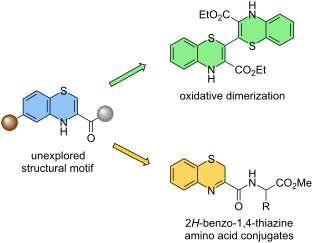
- significantly accelerated by ultrasonic irradiation [16]. Cyclocondensation of 1,3-dicarbonyl compounds with substituted diaryl disulfides in water in the presence of β-cyclodextrin gave 2,3-disubstituted benzo-1,4-thiazines in 70–91% yield in 50 min [17]. A highly efficient visible-light-mediated one-pot
Site-selective reactions mediated by molecular containers
Beilstein J. Org. Chem. 2022, 18, 309–324, doi:10.3762/bjoc.18.35
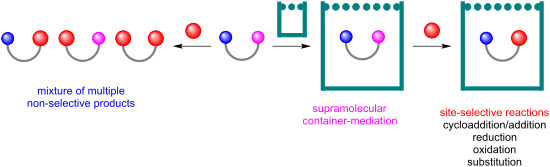
- container as the noncovalent protective group, the Pitchumani and Srinivasan group also reported that the reduction of coumarin (18) by sodium borohydride could be site-selectively induced in the presence of β-cyclodextrin C (Figure 4c) [59]. The reduction site-selectively occurred at the carbonyl not the
- alkenyl site, producing the final 1,2-reduction product cis-O-hydroxycinnamyl alcohol 19. As a comparison, in the absence of the β-cyclodextrin host, both the 1,2- and 1,4-reduction products were observed. X-ray crystallography determined the host–guest complex of the coumarin and β-cyclodextrin, which
- substrate 26 was first modified at the hydroxy groups through esterification with a designed acid moiety possessing a p-tert-butylphenyl group and transformed to the corresponding model substrate 27. The catalyst H used here was a manganese(III)-bounded porphyrin module carrying four β-cyclodextrin units at


1,2-Naphthoquinone-4-sulfonic acid salts in organic synthesis
Beilstein J. Org. Chem. 2022, 18, 53–69, doi:10.3762/bjoc.18.5
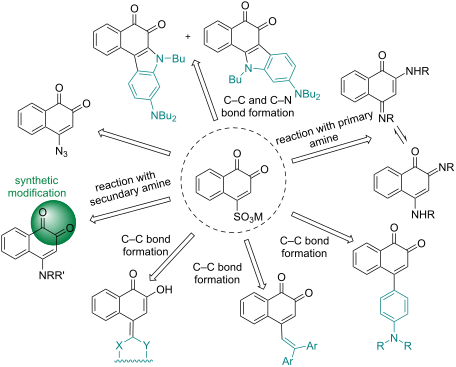
- recognition of cholylglycine, which is a combination of cholic acid and glycine. The β-cyclodextrin/graphene oxide composite forms an inclusion complex with a β-NQS guest. The amino group of cholylglycine can bind to β-NQS by a nucleophilic substitution reaction, resulting in a decrease in the electrochemical


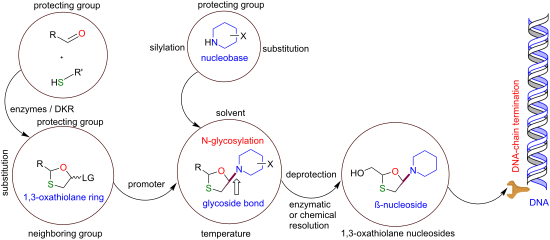
Synthetic strategies toward 1,3-oxathiolane nucleoside analogues
Beilstein J. Org. Chem. 2021, 17, 2680–2715, doi:10.3762/bjoc.17.182


Cryogels: recent applications in 3D-bioprinting, injectable cryogels, drug delivery, and wound healing
Beilstein J. Org. Chem. 2021, 17, 2553–2569, doi:10.3762/bjoc.17.171
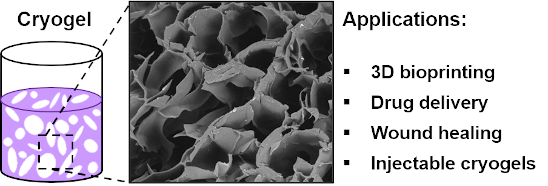
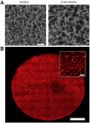
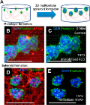
- addition, the ceramic can enhance the mechanical properties of composite within the cryogel and can be tailored for specific drugs and drug-release profiles [96]. The drug aripiprazole used to treat schizophrenia was recently investigated for delivery using cryogels comprising β-cyclodextrin (β-CD






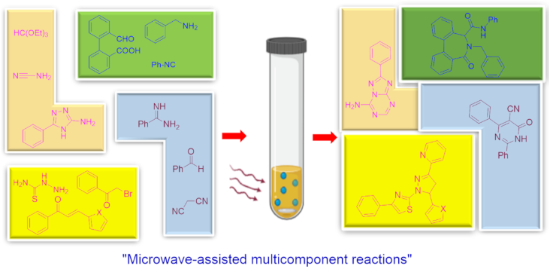
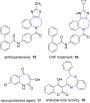
Microwave-assisted multicomponent reactions in heterocyclic chemistry and mechanistic aspects
Beilstein J. Org. Chem. 2021, 17, 819–865, doi:10.3762/bjoc.17.71




Insight into functionalized-macrocycles-guided supramolecular photocatalysis
Beilstein J. Org. Chem. 2021, 17, 139–155, doi:10.3762/bjoc.17.15
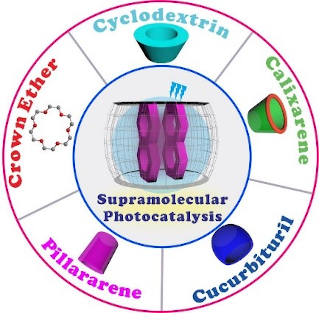
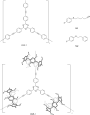
- benzaldehyde by CdS–CD. This figure has been published in CCS Chemistry [2020]; [β-Cyclodextrin Decorated CdS Nanocrystals Boosting the Photocatalytic Conversion of Alcohols] is available online at [DOI; https://www.chinesechemsoc.org/doi/10.31635/ccschem.020.201900093]. (a) Structures of CDs, (b) CoPyS, and






Using multiple self-sorting for switching functions in discrete multicomponent systems
Beilstein J. Org. Chem. 2020, 16, 2831–2853, doi:10.3762/bjoc.16.233

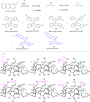
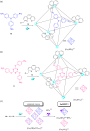
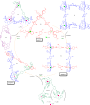
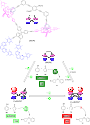
- aggregates is converted to an n-fold completive mixture. Alike the material presented later we do not start from the ensemble of constituents, but already from aggregates. Basilio and Parola demonstrated the pH-triggered 2-fold completive self-sorting of four components comprising β-cyclodextrin (4







Particle size effect in the mechanically assisted synthesis of β-cyclodextrin mesitylene sulfonate
Beilstein J. Org. Chem. 2020, 16, 2598–2606, doi:10.3762/bjoc.16.211
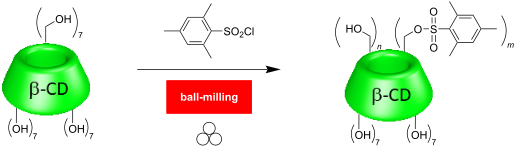
- characterized upon grinding over various grinding times, we carried out the synthesis of mono-6-O-(2-mesitylenesulfonyl)-β-cyclodextrin (β-CDMts, see Supporting Information File 1 for NMR spectra). Ground β-CD and MtsCl were placed in the jar and milled at 30 Hz and the conversion into the product was plotted
- %) and potassium hydroxide (90%) were purchased from Sigma-Aldrich. All chemicals were used without further purification. Preparation of β-CD samples Analogously as described in [14]. General procedure for the synthesis of mono-6-O-(2-mesitylenesulfonyl)-β-cyclodextrin β-CD (1500 mg, 1.32 mmol) and MtsCl




Mechanochemical green synthesis of hyper-crosslinked cyclodextrin polymers
Beilstein J. Org. Chem. 2020, 16, 1554–1563, doi:10.3762/bjoc.16.127
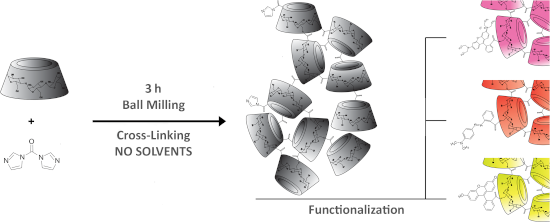
- , and rhodamine B) and the still reactive imidazoyl carbonyl group of the NS. Keywords: β-cyclodextrin; ball-milling; crosslinking; green chemistry; mechanochemistry; nanosponges; Introduction The research in the fields of nanomedicine and nanotechnology has nowadays become predominant
- various syntheses using different cyclodextrins with varying molar ratios of the cyclodextrin and crosslinker. Details of all polymers synthetized are collected in Table 1. The abbreviation βNS-CDI bm refers to a crosslinked β-cyclodextrin-based polymer (NS), obtained by crosslinking with CDI in a ball
- mill (bm). The same abbreviation was used for α and γ-cyclodextrins. The number following the crosslinker in the abbreviation refers to the molar ratio between the cyclodextrin and the crosslinker. Three different ratios (1:2, 1:4, and 1:8) were tested using β-cyclodextrin. As usual for




[3 + 2] Cycloaddition with photogenerated azomethine ylides in β-cyclodextrin
Beilstein J. Org. Chem. 2020, 16, 1296–1304, doi:10.3762/bjoc.16.110
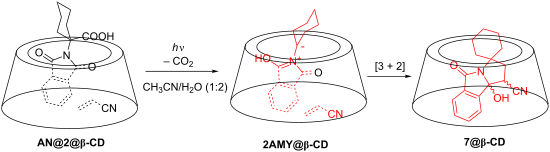
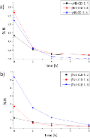
- Zagreb, Croatia 10.3762/bjoc.16.110 Abstract Stability constants for the inclusion complexes of cyclohexylphthalimide 2 and adamantylphthalimide 3 with β-cyclodextrin (β-CD) were determined by 1H NMR titration, K = 190 ± 50 M−1, and K = 2600 ± 600 M−1, respectively. Photochemical reactivity of the
- systems for the control of photoreactivity. Keywords: [3 + 2] cycloadditions; β-cyclodextrin; inclusion complexes; photochemistry; phthalimides; Introduction Cycloadditions are highly useful reactions in organic synthesis providing complex cyclic structures from easily available precursors [1][2]. Among





