Search results
Search for "active sites" in Full Text gives 84 result(s) in Beilstein Journal of Organic Chemistry.
Novel macrocycles: from synthesis to supramolecular function
Beilstein J. Org. Chem. 2026, 22, 982–985, doi:10.3762/bjoc.22.76
- biological receptors. Their well-defined cavities, reminiscent of enzymatic active sites, provide an ideal environment for multiple noncovalent interactions with guest molecules, thereby enhancing binding affinity and recognition selectivity [1][2][3][4]. Between 1980 and 2000, calixarenes [5][6
Continuous-flow carbonyl hydrogenation under subatmospheric to atmospheric hydrogen pressure enabled by robust heterogeneous Pt–Fe catalysts
Beilstein J. Org. Chem. 2026, 22, 575–582, doi:10.3762/bjoc.22.43
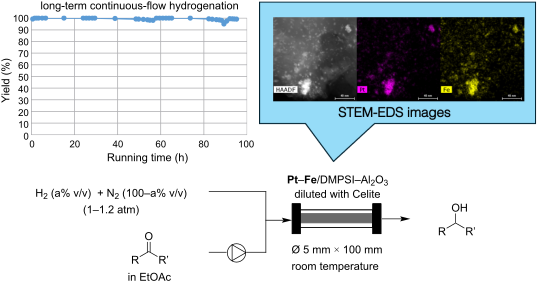
- enhanced catalytic performance could be achieved in case of continuous-flow hydrogenation reactions using a gas–liquid–solid catalyst-packed column reactor, in which both a liquid substrate and hydrogen gas can directly interact with the catalytically active sites of the heterogeneous catalyst at an
- best among the solvents tested (EtOAc, toluene, methylcyclohexane, tetrahydrofuran, and methanol) (see Supporting Information File 1, Figure S5). The hydroxy moiety has a stronger interaction with catalytically active sites at the surface of the heterogeneous catalyst, and smooth desorption of the
- be strongly adsorbed on the catalytically active sites of the catalyst leading to a poisoning effect by these solvents and disturbing the catalytic turnover. Substrate scope We also investigated the substrate scope under continuous-flow conditions using the best catalyst, Pt‒Fe/DMPSi‒Al2O3 (Fe/Pt


Synthesis of a HDAC inhibitor–nanogold probe for cryo-EM visualization in class I HDAC co-repressor complexes
Beilstein J. Org. Chem. 2026, 22, 480–485, doi:10.3762/bjoc.22.35
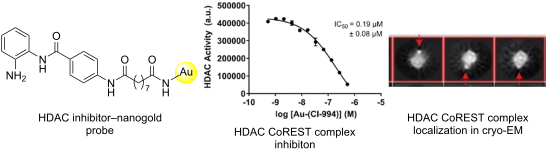
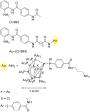
- CoREST ternary complex structure [10]. The Au–(CI-994) probe was visible in some classes due to its distinct, brighter contrast. While various orientations of the complex were captured, the probe was absent in side-view classes. These views are especially important for visualizing the active sites of



Ring contraction and ring expansion reactions in terpenoid biosynthesis and their application to total synthesis
Beilstein J. Org. Chem. 2026, 22, 289–343, doi:10.3762/bjoc.22.21
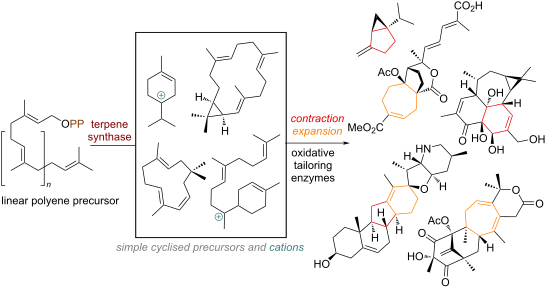
- included [48][49]. These enzymes exhibit distinctly different Fe-containing active sites, typically consisting of two histidines, a carboxylate ligand (e.g., aspartate) and, of course, the ketoglutarate which is bound both via the C-2 ketone and C-1 carboxylate to form 1 (Scheme 1C). Upon its coordination






Insoluble methylene-bridged glycoluril dimers as sequestrants for dyes
Beilstein J. Org. Chem. 2025, 21, 2302–2314, doi:10.3762/bjoc.21.176
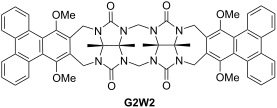
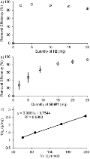
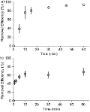
- available active sites on H2. As time progresses and these active sites become saturated, the rate of increase in removal efficiency slows, ultimately reaching a plateau. Similarly, G2W1 reaches a plateau in removal efficiency within 10 minutes. Conclusion In summary, we have synthesized four new water



Rhodium-catalysed connective synthesis of diverse reactive probes bearing S(VI) electrophilic warheads
Beilstein J. Org. Chem. 2025, 21, 1924–1931, doi:10.3762/bjoc.21.150
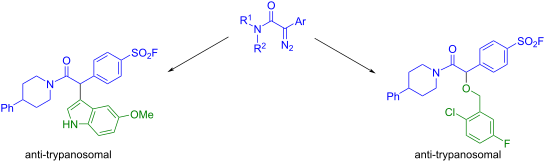
- the synthesis of structurally diverse reactive probes bearing S(VI) electrophiles. Proteome-wide screens have shown that S(VI) electrophiles predominantly target lysine and tyrosine [12], although other residues (e.g. serine) may also be targeted within enzyme active sites [13]. It was envisaged that


Systematic pore lipophilization to enhance the efficiency of an amine-based MOF catalyst in the solvent-free Knoevenagel reaction
Beilstein J. Org. Chem. 2025, 21, 1854–1863, doi:10.3762/bjoc.21.144
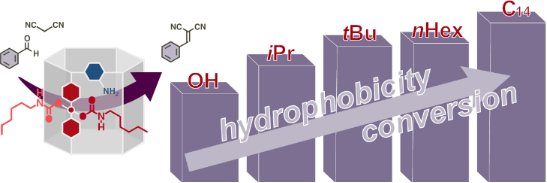
- groups. This selective functionalization yielded MOFs in which the catalytically active amines are confined within highly lipophilic pores, reminiscent of many enzyme active sites. We determined that systematically increasing the lipophilicity of the pores results in a commensurate increase of catalyst
- ][22]. These attributes allow us to construct MOF-based catalysts with active sites that are isolated within cavities of the same size range as small molecules and whose walls are decorated with precisely located functional groups. We can rationally elaborate these functional groups to modulate
- , it is no surprise that PSM is a prevalent method for synthesizing MOF-based catalysts [30]. On this topic, our current work was inspired by Canivet et al. who previously reported the lipophilization of a MOF by grafting long alkyl chains to the external surfaces of its crystals. The active sites are


Microwave-enhanced additive-free C–H amination of benzoxazoles catalysed by supported copper
Beilstein J. Org. Chem. 2025, 21, 1462–1476, doi:10.3762/bjoc.21.108
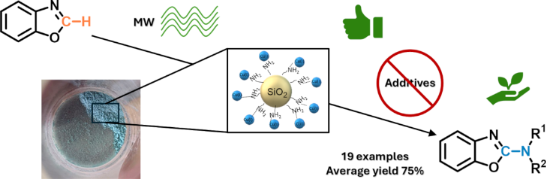
- supported copper(II) catalysts on covalently modified silica [51][52], we have set out to develop a new heterogeneous catalyst with atomically distributed active sites for the mild and efficient C–H amination of benzoxazole. This approach was chosen because the silica derivatisation and copper deposition



Beyond symmetric self-assembly and effective molarity: unlocking functional enzyme mimics with robust organic cages
Beilstein J. Org. Chem. 2025, 21, 421–443, doi:10.3762/bjoc.21.30
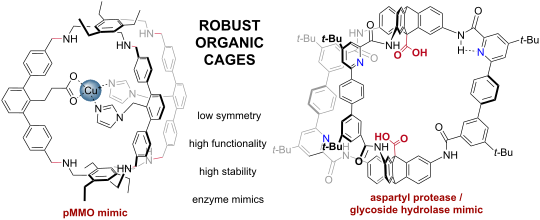
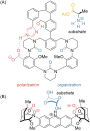
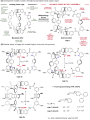
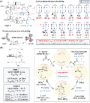
- Keith G. Andrews Department of Chemistry, Durham University, Lower Mount Joy, South Rd, Durham, DH1 3LE, UK 10.3762/bjoc.21.30 Abstract The bespoke environments in enzyme active sites can selectively accelerate chemical reactions by as much as 1019. Macromolecular and supramolecular chemists have
- a molecular “cavity”. The activities of different cavities vary with the subset of features available to a particular cavity type. Unsurprisingly, without synthetic access to mimics able to encompass more/all of the functional features of enzyme active sites, examples of cavity-catalyzed processes
- catalytically active sites but can promote chemical transformations has received significant attention, but it remains a synthetic challenge [27].” The vague term “confinement” is sometimes used as a catch-all explanation for the property changes that arise within a cavity environment, often in the context of




Factors influencing the performance of organocatalysts immobilised on solid supports: A review
Beilstein J. Org. Chem. 2024, 20, 2129–2142, doi:10.3762/bjoc.20.183
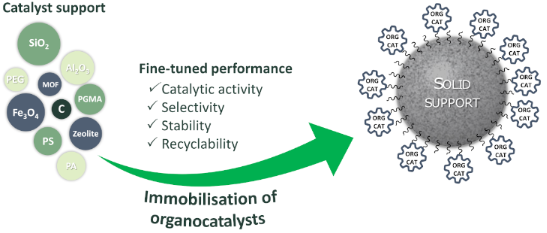
- insoluble materials preferably with a large surface area to maximise the number of active sites for catalyst attachment. The advantages of such supports have been demonstrated by numerous reports on immobilised catalysts [12][13][14]. The type of support and the immobilisation technique have a major
- a second run. This decrease was attributed to the use of a protic solvent, MeOH, in combination with basic Et3N, which could degrade the surface of the support and result in the leaching of the active sites or the restructuring of the mesoporous material. This could have been avoided by performing
- ability to predesign both primary and high-order structures serves as a great advantage in these catalytic systems, making them easily fine tuneable. Catalytically active sites can be formed by direct condensation or post-synthetic modifications. In the case of catalyst immobilisation post-synthetic


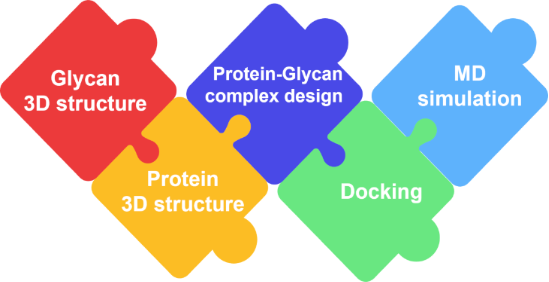
Computational toolbox for the analysis of protein–glycan interactions
Beilstein J. Org. Chem. 2024, 20, 2084–2107, doi:10.3762/bjoc.20.180


Chemo-enzymatic total synthesis: current approaches toward the integration of chemical and enzymatic transformations
Beilstein J. Org. Chem. 2024, 20, 1693–1712, doi:10.3762/bjoc.20.151
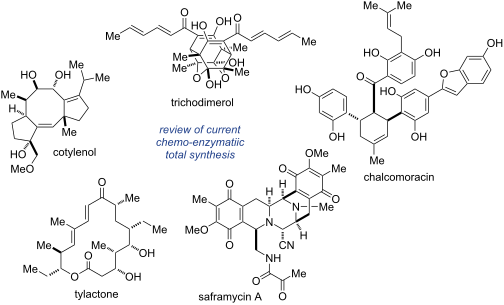
- evolution using site-saturation mutagenesis targeting the putative active sites L110 and Y112, led to the variant MoBsc9 Y112M, which substantially improved the enzymatic conversion into 22, achieving an isolated yield of up to 67%. Diastereoselective reduction of the C8 ketone was then achieved using the


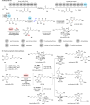
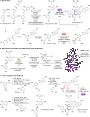


Synthesis of 1,4-azaphosphinine nucleosides and evaluation as inhibitors of human cytidine deaminase and APOBEC3A
Beilstein J. Org. Chem. 2024, 20, 1088–1098, doi:10.3762/bjoc.20.96
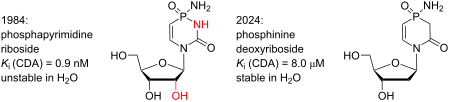
- ) and FdZ (IId) form tetrahedral intermediates after hydrolysis of the N3–C4 double bond in the active sites of A3Gctd and A3A [59][60]. The intermediates formed had the same R-stereochemistry at the C4 atom of the nucleobase as previously observed for CDA, and thus confirming the general mechanism of


Green and sustainable approaches for the Friedel–Crafts reaction between aldehydes and indoles
Beilstein J. Org. Chem. 2024, 20, 379–426, doi:10.3762/bjoc.20.36
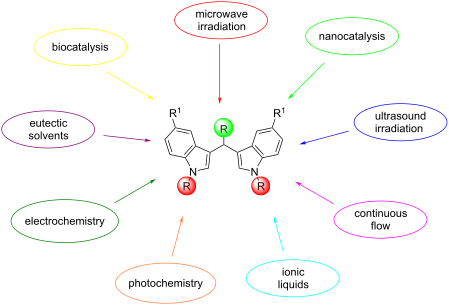
- 100 nm, exhibit various benefits, such as tailoring the scaffold of the catalyst, the recyclability of the nanocompounds, as well as the elevated catalytic activity offered. These benefits stem from their high surface area, that provides more active sites for the reactants to absorb into and collide
- attributed to deactivation of active sites of the nanorod. Once again, this method provided short reaction times with an efficiently recovered catalyst with the handicap of the necessity of conventional heating and an unfavorable solvent [106]. At the same time, Khalafi-Nezhad et al. developed unique ʟ




Long oligodeoxynucleotides: chemical synthesis, isolation via catching-by-polymerization, verification via sequencing, and gene expression demonstration
Beilstein J. Org. Chem. 2023, 19, 1957–1965, doi:10.3762/bjoc.19.146

- group is stable during deblocking, approximately half of the active sites of the CPG were blocked. Parameters for the four steps of the synthetic cycle were as recommended by the manufacturer, except for the coupling step where the waiting time was increased from 25 to 35 seconds. In the last synthetic


Radical ligand transfer: a general strategy for radical functionalization
Beilstein J. Org. Chem. 2023, 19, 1225–1233, doi:10.3762/bjoc.19.90
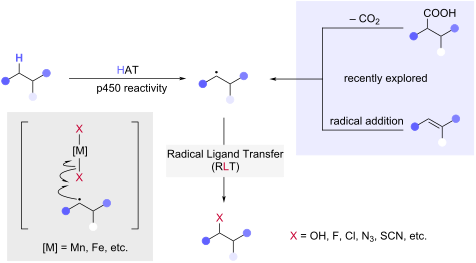
- body’s own cytochrome P450 enzymes. These catalysts exhibit unique “radical rebound” reactivity at their heme active sites (Scheme 1) [12], a mechanism proposed by Groves and co-workers and heavily explored beginning in the 1970s [13][14]. This two-step functionalization sequence begins with HAT from an
- behavior of P450 oxygenases encouraged early work on site-selective C–H functionalization [20]. Throughout their studies, it was found that manganese could perform the same HAT and RLT steps as iron at heme active sites. Groves developed the manganese tetramesitylporphine catalyst V (Scheme 2), which was


Synthesis, α-mannosidase inhibition studies and molecular modeling of 1,4-imino-ᴅ-lyxitols and their C-5-altered N-arylalkyl derivatives
Beilstein J. Org. Chem. 2023, 19, 282–293, doi:10.3762/bjoc.19.24
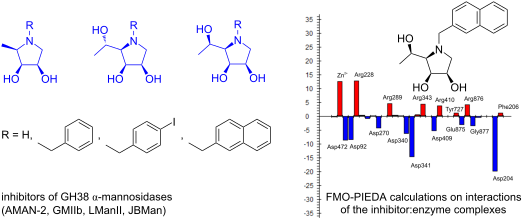
- α-mannosidase (LMan, GH38 family, E.C.3.2.1.24) [17] due to structural similarities between the active sites of GMII and LMan. Lysosomal α-mannosidases operate at a lower pH value (pH 4.5) compared to Golgi-type mannosidases (pH 6) and have a significantly broader substrate specificity. Another type
- active site almost identical to those of human GMII [22]. In addition, analysis of the available X-ray structures of GH38 enzymes such as dGMII [23], bovine lysosomal α-mannosidase II (bLMan) [17] and JBMan [24] showed that the active sites of Golgi and acidic α-mannosidases are structurally very similar


Microelectrode arrays, electrosynthesis, and the optimization of signaling on an inert, stable surface
Beilstein J. Org. Chem. 2022, 18, 1488–1498, doi:10.3762/bjoc.18.156
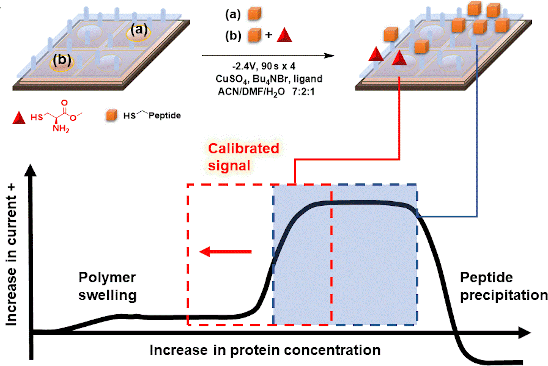
- solution and recording the corresponding change in current, a binding curve for the interaction can be generated. While this approach can be very effective, it has limitations. We are interested in using microelectrode arrays to guide synthetic efforts to build molecular probes for protein active sites


Anti-inflammatory aromadendrane- and cadinane-type sesquiterpenoids from the South China Sea sponge Acanthella cavernosa
Beilstein J. Org. Chem. 2022, 18, 916–925, doi:10.3762/bjoc.18.91
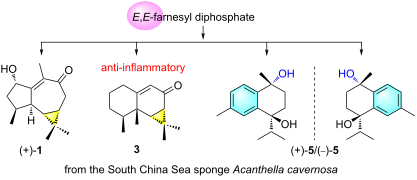
- ). Different enantiomeric ratios could explain the properties of the active sites in the corresponding terpene synthases, which remain unclear for further investigations [22]. The diversified structures of terpenes were constructed by terpene synthase [26] along with the post-modification enzymes, such as P450






Structural basis for endoperoxide-forming oxygenases
Beilstein J. Org. Chem. 2022, 18, 707–721, doi:10.3762/bjoc.18.71
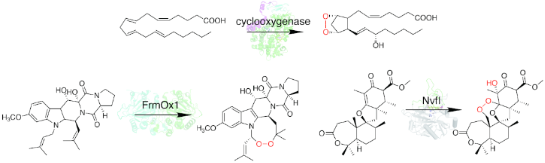
- , including the epidermal growth factor (EGF) domain, the membrane binding domain, and the catalytic domain (Figure 2A) [46][47][48][49][50][51]. The catalytic domain possesses two active sites, the cyclooxygenase- and heme-dependent peroxidase-sites, which are physically separated. The peroxidase-site


Heteroleptic metallosupramolecular aggregates/complexation for supramolecular catalysis
Beilstein J. Org. Chem. 2022, 18, 597–630, doi:10.3762/bjoc.18.62
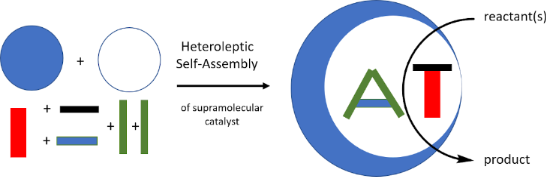
- compared to the non-encapsulated catalyst, which only managed to yield 8% ee at 4% of conversion. Thus, the molecular capsule 47 can be viewed as a second coordination sphere of the catalyst, reminiscent of enzymatic active sites. In summary, the above discrete molecular architectures containing cavity and


Menadione: a platform and a target to valuable compounds synthesis
Beilstein J. Org. Chem. 2022, 18, 381–419, doi:10.3762/bjoc.18.43
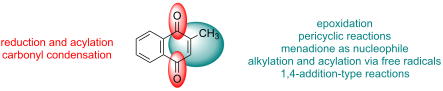
- reaction speed when compared to the use of gold-impregnated catalysts, indicating that gold(III) impregnation blocks are part of the active sites for menadiol acetylation. The third approach was based on the Meerwein–Ponndorf–Verley (MPV) reduction coupled with an acetylation reaction, in combination with


Site-selective reactions mediated by molecular containers
Beilstein J. Org. Chem. 2022, 18, 309–324, doi:10.3762/bjoc.18.35
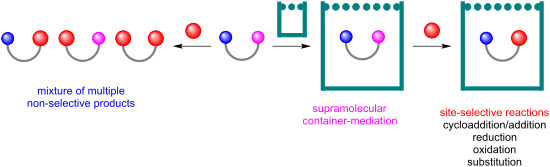
- could mimic the catalysis behavior of the active sites of enzymes. In 2012, the Fujita group reported a site-selective nucleophilic substitution reaction of allylic chlorides mediated by cage host J (Figure 12) [74]. Usually, this reaction occurs both at the α and γ positions of the allylic chloride


Recent developments and trends in the iron- and cobalt-catalyzed Sonogashira reactions
Beilstein J. Org. Chem. 2022, 18, 262–285, doi:10.3762/bjoc.18.31
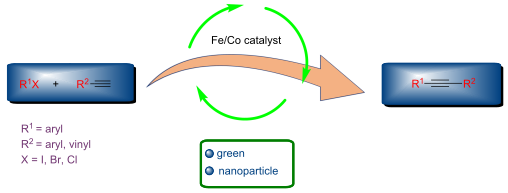
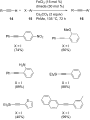
- Co2+ and Pd2+ in the solution). The difference in reactivity was shown by reacting aryl halides and terminal alkynes containing electron-withdrawing or electron-donating groups. The catalyst could be reused after seven successive runs which displays the nature of Pd active sites that did not change
- dopants on the activity of the catalyst was assigned on the basis of their dispersing effect on active sites of Pd. The maximum conversion was acquired on Pd-Co-1(H). A Sonogashira reaction of aryl iodides with terminal alkynes catalyzed by cobalt hollow nanospheres has been developed by Bao and co




Anomeric 1,2,3-triazole-linked sialic acid derivatives show selective inhibition towards a bacterial neuraminidase over a trypanosome trans-sialidase
Beilstein J. Org. Chem. 2022, 18, 208–216, doi:10.3762/bjoc.18.24
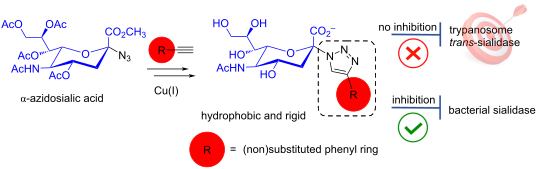
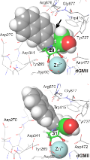
- showing a bulky hydrophobic loop that sits over TcTS active site in its absence for neuraminidase. The black arrows indicate the difference between the narrow (TcTS) (C) and wide (neuraminidase) (D) regions around C-2 in both active sites, possibly preventing the inhibitors from entering the TcTS active