Search results
Search for "rearrangements" in Full Text gives 196 result(s) in Beilstein Journal of Organic Chemistry.
Design and synthesis of an erdafitinib-based selective FGFR2 degrader
Beilstein J. Org. Chem. 2026, 22, 583–591, doi:10.3762/bjoc.22.44
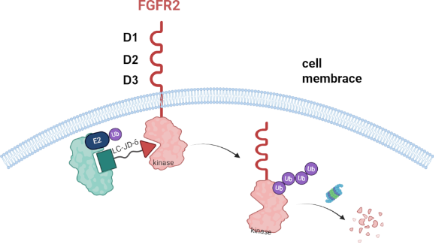
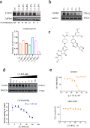
- , and survival [5][6][7][8]. FGF/FGFR dysregulation is associated with various diseases, including cancers, skeletal disorders, and metabolic syndromes [9][10]. Among family members, tumorigenesis driven by FGFR2 activation is attributed to genetic amplification, mutations, and gene rearrangements or
- rearrangements or fusions involving FGFR2 can create novel chimeric proteins with enhanced or aberrant signaling capabilities, further driving cells towards a malignant phenotype [13][15]. Notably, FGFR2 amplification and fusions are frequently detected in patients with advanced gastric cancer and



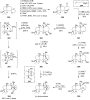
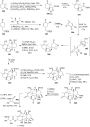
Ring contraction and ring expansion reactions in terpenoid biosynthesis and their application to total synthesis
Beilstein J. Org. Chem. 2026, 22, 289–343, doi:10.3762/bjoc.22.21
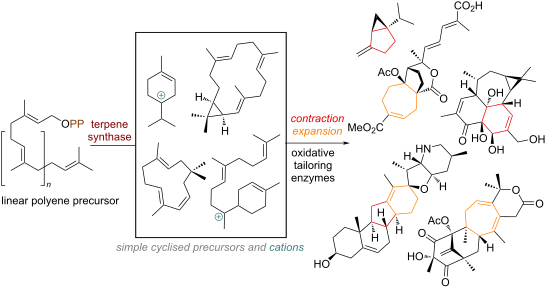
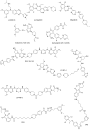
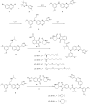
- synthesis, are gathered. Our definition includes both radical and polar ring-size altering reactions, transannular cyclisations of macrocycles and cation-mediated rearrangements where fitting. Goal of this review is to gather and compare mechanistic proposals for the biogenesis of ring-size-altered
- . Alkyl and hydride shifts, stepwise or dyotropic rearrangements have been described to occur during terpene cyclisation, including multiple ring-size modifications. The CYP450s play a central role for the oxidative functionalisation of terpenes, enabling the rich diversity of secondary metabolites [40
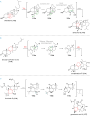
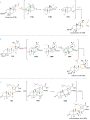
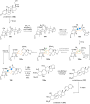
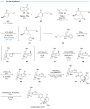
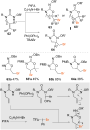
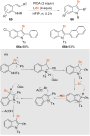
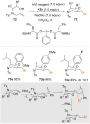
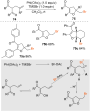
- pathway towards xiamycins and dixiamycins (see Scheme 16B) [28][101][102][103][104][105]. The rearrangements commence by oxidation of C-3 in the indole ring of indosespene (49) by the enzyme XiaF, giving rise to iminium intermediate 49a. Attack of this iminium by the pendant exocyclic olefin affords






Base-promoted deacylation of 2-acetyl-2,5-dihydrothiophenes and their oxygen-mediated hydroxylation
Beilstein J. Org. Chem. 2026, 22, 192–204, doi:10.3762/bjoc.22.13
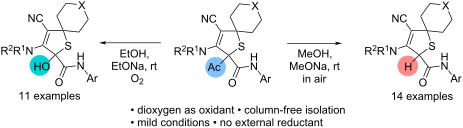
- ] and more complex molecules [11]. Rearrangements of the oxidized compounds are equally important transformations [12]. Oxidation of compounds containing a carbonyl group into carboxylic acid derivatives can be divided into two large groups: direct oxidation and oxidative rearrangements. Direct
- 1A) [15][16]. Oxidative rearrangements of carbonyl compounds are based on Dakin [17] and Baeyer–Villiger reactions [18] and their modifications. Cyclic and acyclic ketones were oxidized to afford lactones and esters, accordingly, involving catalytic reactions with hydrogen peroxide [19][20][21][22




Total synthesis of natural products based on hydrogenation of aromatic rings
Beilstein J. Org. Chem. 2026, 22, 88–122, doi:10.3762/bjoc.22.4
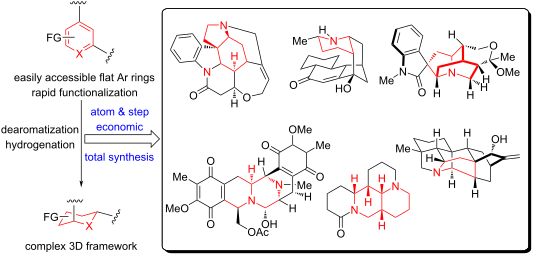
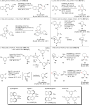
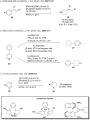
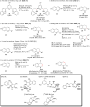
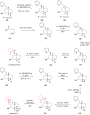
- , thereby providing a valuable synthetic handle that was exploited in the formal synthesis of pancracine. Skeletal rearrangements enable the rapid conversion of simple molecules into complex architectures and represent a powerful strategy in natural product synthesis. Qi and co-workers recently reported a











Mechanistic insights into hydroxy(tosyloxy)iodobenzene-mediated ditosyloxylation of chalcones: a DFT study
Beilstein J. Org. Chem. 2025, 21, 2703–2715, doi:10.3762/bjoc.21.208
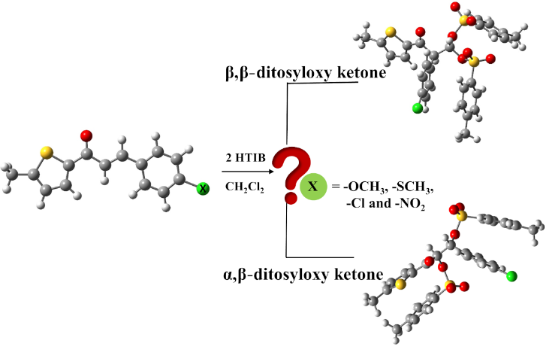
- cationic intermediate which facilitates 1,2-aryl migration [20][21][22][23]. Similar types of oxidative rearrangements in α,β-unsaturated diaryl ketones that leads to the α-aryl-β,β dioxygenated skeleton via 1,2-aryl migration have been studied by using different reagents such as Tl(OCOCH3)3/CH3OH, Tl(ONO2


Recent advances in total synthesis of illisimonin A
Beilstein J. Org. Chem. 2025, 21, 2571–2583, doi:10.3762/bjoc.21.199
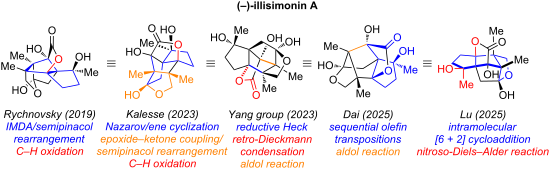
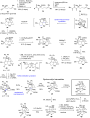
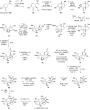
- . However, subsequent density functional theory (DFT) calculations by the Tantillo group on rearrangements of potential biosynthetic precursors revealed that structure 10 corresponds to a transition state rather than a stable intermediate of the 1,2-alkyl migration [27]. Their study further indicated that






Transformation of the cyclohexane ring to the cyclopentane fragment of biologically active compounds
Beilstein J. Org. Chem. 2025, 21, 2416–2446, doi:10.3762/bjoc.21.185
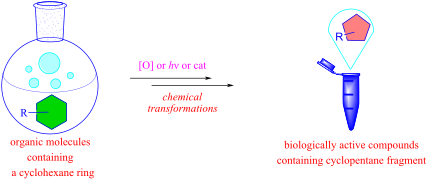
- contraction of six-membered cycles in the synthesis of functionalized cyclopentane/enones, which are biologically active compounds. The main synthetic methods of ring contraction (ozonolysis–aldol condensation, ozonolysis–Dieckmann reaction, Baeyer–Villiger cleavage–Dieckmann reaction) and rearrangements
- information. Keywords: biological activity; cyclopentane/enone; rearrangements; ring/cycle contractions; total synthesis; Introduction The functionalized cyclopentane/enone fragment is part of the structure of a large number of natural and synthetic biologically active compounds, including prostaglandins
- cyclohexane/ene ring contraction. The structure of the review includes examples of simple transformations (ozonolysis–aldol condensation, ozonolysis–Dieckmann reaction, and Baeyer–Villiger cleavage–Dieckmann reaction) and rearrangements (photochemical, benzil, semi-pinacol, Wolff, Meinwald, Wagner–Meerwein


Comparative analysis of complanadine A total syntheses
Beilstein J. Org. Chem. 2025, 21, 2334–2344, doi:10.3762/bjoc.21.178
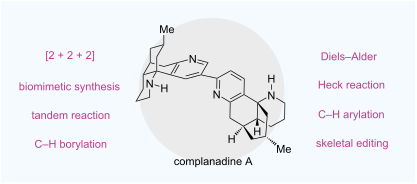
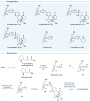
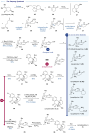
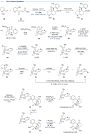
- catalysis, C–H activation methods, biomimetic synthesis, classic rearrangements, skeletal editing logic, and others. In addition, these efforts enabled the identification of the potential cellular target of complanadine A, validation of its neurotrophic activity, establishment of preliminary structure



Solar thermal fuels: azobenzene as a cyclic photon–heat transduction platform
Beilstein J. Org. Chem. 2025, 21, 2036–2047, doi:10.3762/bjoc.21.159
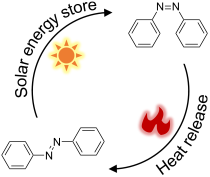
- ) through structural or bond rearrangements, thereby enabling solar energy storage. This reversible process is termed "energy charging", while the subsequent transformation of high-energy photoisomers back to their ground state – triggered by external stimuli such as light, heat, or catalysts – releases




Aryl iodane-induced cascade arylation–1,2-silyl shift–heterocyclization of propargylsilanes under copper catalysis
Beilstein J. Org. Chem. 2025, 21, 1984–1994, doi:10.3762/bjoc.21.154
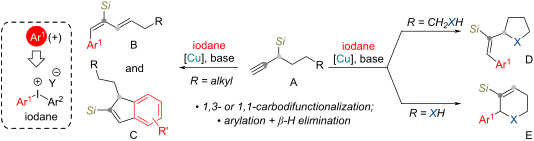
- species are limited to aryl- [7][8][10] or heteroaryl groups [7][8]. In one example methyl ethers were used [9]. Under [Pd]-catalyzed conditions a syn-type addition is observed [8][11], while [Cu] catalysts promote anti-addition [7][10]. In substrates prone to cationic rearrangements (or hydride shifts
- rearrangements via the 1,2-silyl shift, enabled by the β-cation-stabilizing properties of silyl groups [19][20]. This phenomenon has been successfully employed in 1,3-difunctionalization events in both intermolecular [21] and intramolecular fashion [22] (Scheme 1B). Thus far such propargylsilane rearrangements


Synthesis, biological and electrochemical evaluation of glycidyl esters of phosphorus acids as potential anticancer drugs
Beilstein J. Org. Chem. 2025, 21, 1909–1916, doi:10.3762/bjoc.21.148
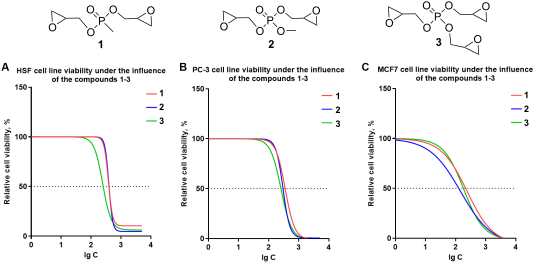
- (Figure 4). In many alkylation scenarios, crosslinking or other structural rearrangements can render previously oxidizable moieties inaccessible or shift the protein’s conformational state. This suppresses or altogether eliminates the characteristic oxidation wave of HSA. Based on established literature


Photoswitches beyond azobenzene: a beginner’s guide
Beilstein J. Org. Chem. 2025, 21, 1808–1853, doi:10.3762/bjoc.21.143
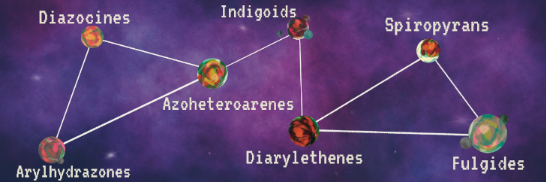
- the photoswitch. Examples of photogenerated side reactions can be oxidation or irreversible rearrangements. In the following sections, seven classes of photoswitches beyond the classic azobenzene are introduced and discussed (Scheme 1). Each of them shows unique photophysical behaviour and has
- 14, box) and repulsion between the aryl and the carbonyl group in the E-isomer. Some studies on N-acylindigo derivatives reported, besides the expected spectral blue-shift, also a decrease in the fatigue resistance due to photochemical rearrangements [68][69]. Dube and co-workers reported a series of




Transition-state aromaticity and its relationship with reactivity in pericyclic reactions
Beilstein J. Org. Chem. 2025, 21, 1613–1626, doi:10.3762/bjoc.21.125
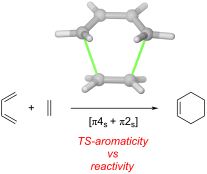
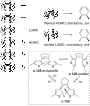
- Cope rearrangements [20]. More recently, Alabugin and co-workers reported that the gold(I)-catalyzed propargyl rearrangement depicted in Scheme 1b also follows a concerted oxonia Claisen pathway (via an aromatic TS) rather than through a higher barrier 6-endo-dig cyclization [21], which provides


Oxetanes: formation, reactivity and total syntheses of natural products
Beilstein J. Org. Chem. 2025, 21, 1324–1373, doi:10.3762/bjoc.21.101
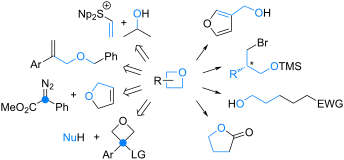


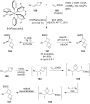


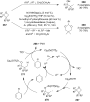




Recent advances and future challenges in the bottom-up synthesis of azulene-embedded nanographenes
Beilstein J. Org. Chem. 2025, 21, 1272–1305, doi:10.3762/bjoc.21.99
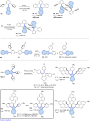
- unpredictability. Additional rearrangements and substitutions might occur making the exact outcome of the reaction difficult to predict. For example, Chi and co-workers unexpectedly obtained azulene-embedded nanographene 36 and its triflyloxylated derivative 37 from precursor 35 during the an attempted synthesis
- -embedded nanographenes. One of the main challenges in this area is that the outcome of reactions is often difficult to predict, and various skeletal rearrangements can occur under typical on-surface reaction conditions. The synthesis of most of the reported azulene-embedded PAHs involves the generation of
- revealed that none of the azulene subunits exhibits the characteristic azulene-like aromaticity. Additionally, both 186 and 187 show moderate open-shell biradical character, according to theoretical calculations. A similar strategy, leading to different types of skeletal rearrangements, was reported by Ma




A convergent synthetic approach to the tetracyclic core framework of khayanolide-type limonoids
Beilstein J. Org. Chem. 2025, 21, 926–934, doi:10.3762/bjoc.21.75
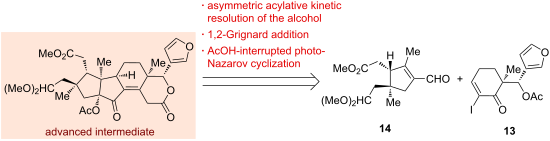
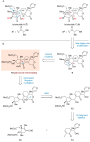
- oxidative truncation of apotirucallane or apoeuphane precursors coupled with subsequent β-furan annulation [1][2][3][4][5][6], constitute an architecturally sophisticated family of natural products. Based on their specific skeletal rearrangements, limonoids can be systematically categorized into four




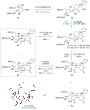
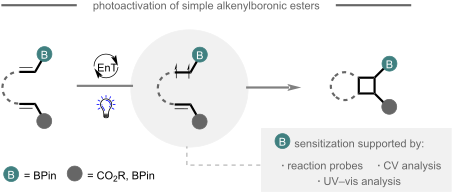
Light-enabled intramolecular [2 + 2] cycloaddition via photoactivation of simple alkenylboronic esters
Beilstein J. Org. Chem. 2025, 21, 854–863, doi:10.3762/bjoc.21.69
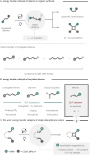
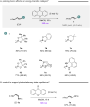
- considering recent advances enabling subsequent intramolecular H-atom abstraction [51] and efficient rearrangements [73][74]. A) Energy transfer catalysis of alkenes in organic synthesis. B) Energy transfer catalysis of conjugated borylated alkenes. C) Energy transfer catalysis of simple alkenylboronic esters



Synthesis and photoinduced switching properties of C7-heteroatom containing push–pull norbornadiene derivatives
Beilstein J. Org. Chem. 2025, 21, 807–816, doi:10.3762/bjoc.21.64
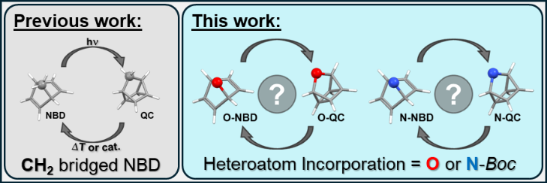
- , various light-, heat-, and acid-induced rearrangements have been reported [35], complicating the distinct structural determination of these compounds. In comparison to published NMR and UV–vis data, formation of neither known species can be assumed with certainty. Last, through addition of mono-carboxylic
- potential further rearrangements or photodecomposition. To gain a better understanding of the ongoing conversion processes, we conducted NMR spectroscopy. The assignment of individual proton signals was supported by 2D correlation NMR spectroscopy (Supporting Information File 1). First, O-NBD2 is
- described a variety of potential rearrangements for oxa-NBD and oxa-QC derivatives [32][34][36][37]. Therefore, in-depth 2D NMR analysis combined with mass spectrometry was attempted to elucidate the structure of O-UnS2. Notably, an additional singlet proton signal (integrated as 1 proton) corresponding to



Photomechanochemistry: harnessing mechanical forces to enhance photochemical reactions
Beilstein J. Org. Chem. 2025, 21, 458–472, doi:10.3762/bjoc.21.33
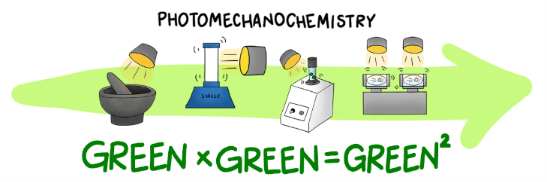
- rearrangements. Most organic molecules are colorless and, in fact, do not absorb visible light: highly energetic UV irradiation is typically needed. A milder approach is offered by photocatalytic approaches. Here, a photocatalyst is added to the reaction mixture to convert light energy into chemical potential to


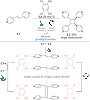


Beyond symmetric self-assembly and effective molarity: unlocking functional enzyme mimics with robust organic cages
Beilstein J. Org. Chem. 2025, 21, 421–443, doi:10.3762/bjoc.21.30
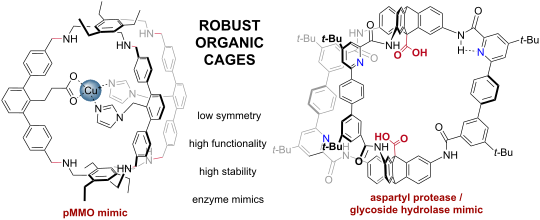
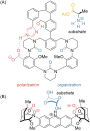
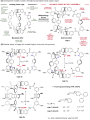
- hydrophobic [160] products have been popular, including hydrolyses, ring openings, and rearrangements [22]. These reaction classes have been discussed [24][25][140]. Cavity-directed changes in ion-localization [161][162] and pKa are effective [37][107][163][164], and size-selectivity [36][165][166][167] and




Three-component reactions of conjugated dienes, CH acids and formaldehyde under diffusion mixing conditions
Beilstein J. Org. Chem. 2025, 21, 262–269, doi:10.3762/bjoc.21.18
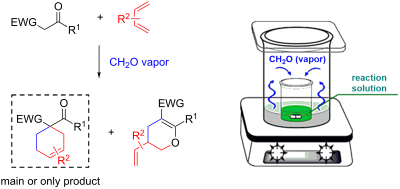
- the signal of the CH–O group at 5.03 ppm, as well as by ethyl bromide, which indicated the predominance of isomer 4a in the mixture. For isomers 5, preferential formation of dibromide 23 and products of carbocationic rearrangements containing an ester group, the precursor of which was compound 5b


Hypervalent iodine-mediated intramolecular alkene halocyclisation
Beilstein J. Org. Chem. 2024, 20, 3113–3133, doi:10.3762/bjoc.20.258
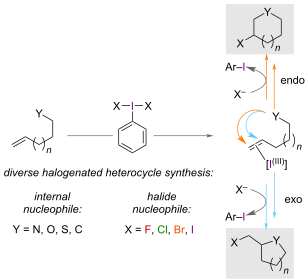
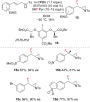
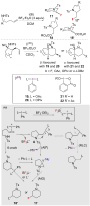
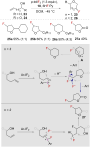
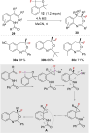
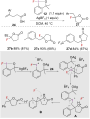
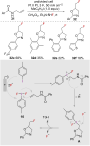
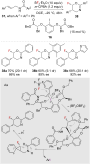
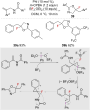
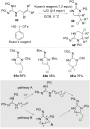
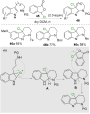
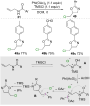
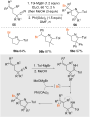
- , deuterium labelling, rearrangements on stereodefined substrates, and structural analyses (NMR and X-ray) of the reaction products. RT-NMR-derived data strongly supported a pathway of alkene activation by the iodane, as opposed to the formation of an N-I(III) adduct. The presence of 5-exo-products, with



















From perfluoroalkyl aryl sulfoxides to ortho thioethers
Beilstein J. Org. Chem. 2024, 20, 2108–2113, doi:10.3762/bjoc.20.181
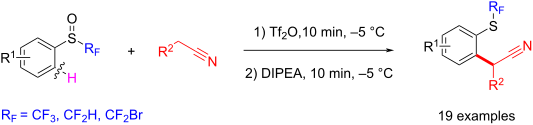
- , sigmatropic rearrangements have established themselves as robust and versatile tools for many transformations in organic synthesis [1][2][3]. They were widely employed with a wide range of substrates. With a peculiar type of scaffold, S-perfluoroalkyl aryl sulfoxides, in 2009, we were the first to demonstrate



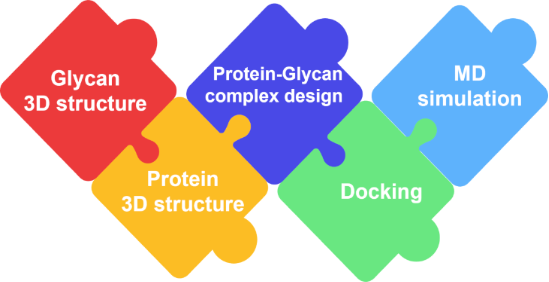
Computational toolbox for the analysis of protein–glycan interactions
Beilstein J. Org. Chem. 2024, 20, 2084–2107, doi:10.3762/bjoc.20.180


Understanding X-ray-induced isomerisation in photoswitchable surfactant assemblies
Beilstein J. Org. Chem. 2024, 20, 2005–2015, doi:10.3762/bjoc.20.176
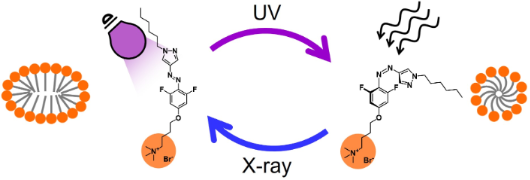
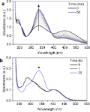
- effect, but also as the medium for structural rearrangements. Effect of acidification The effect of acidification on isomerisation was further investigated using UV–vis absorbance spectroscopy, where excess hydrobromic acid (HBr) was added to AzoTAB and AAPTAB samples (25 μM) that had been preirradiated