Search results
Search for "terminal alkyne" in Full Text gives 156 result(s) in Beilstein Journal of Organic Chemistry.
Z-Selective semihydrogenation of alkynes via Ni/Lewis acid synergistic catalyzed system using DMF as hydrogen source and solvent
Beilstein J. Org. Chem. 2026, 22, 1004–1012, doi:10.3762/bjoc.22.79
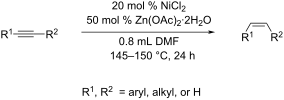
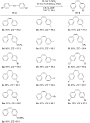
- internal alkynes, with an optimum at 140 °C compared to 150 °C for diphenylacetylene. With suitable conditions for the terminal alkyne 3a in hand, we then examined the scope of this Ni/Zn system for various substituted terminal aryl alkynes (Scheme 2). Employing the standard protocol (20 mol % NiCl2, 50



Towards the targeted protein degradation of CK2: design and synthesis of CAM4066-based PROTACs
Beilstein J. Org. Chem. 2026, 22, 611–619, doi:10.3762/bjoc.22.47
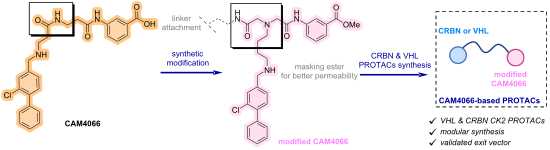
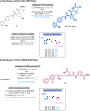
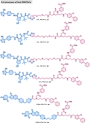
- synthesis see Supporting Information File 1, section 1.3). In parallel, PEG-based linkers bearing terminal alkyne handles were synthesised for modular CuAAC-based PROTAC assembly. The αD binder 16 had been synthesised via a two-step reaction. First, the phenolic group of 15 was converted into the
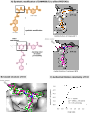
- CK2α further confirmed, that both the ATP-binding and αD-binding motifs retained their expected hydrogen-bonding and hydrophobic interactions, and the linker projected cleanly toward solvent-exposed region (Figure 1). Importantly, the absence of the terminal alkyne substituent in the electron density

Synthesis and stereochemical analysis of dynamic planar chiral oxa[7]orthocyclophene
Beilstein J. Org. Chem. 2026, 22, 436–442, doi:10.3762/bjoc.22.30

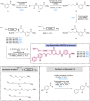
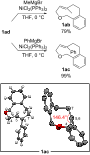
- synthetic route for the C6-iodo-substituted 1ad is shown in Scheme 2. The Heck reaction of O-TIPS-protected 5a with allyl alcohol in the presence of a palladium catalyst provided the aldehyde 4a in 78% yield [9]. The reaction of 4a with CBr4 and PPh3, followed by treatment with n-BuLi, afforded the terminal
- alkyne 6. Subsequent preparation of the lithium acetylide using n-BuLi, followed by treatment with formaldehyde, afforded propargyl alcohol 3a in 70% yield over three steps. The reaction of 3a with Red-Al generated a vinyl aluminum species, which was then treated with iodine to provide the iodinated Z




Recent advancements in the synthesis of Veratrum alkaloids
Beilstein J. Org. Chem. 2025, 21, 2657–2693, doi:10.3762/bjoc.21.206
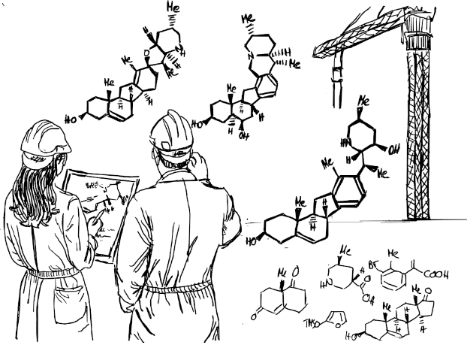
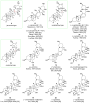
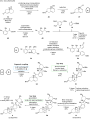
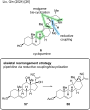
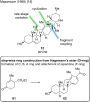
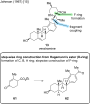
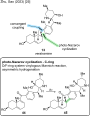
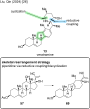
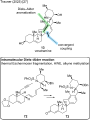
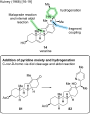
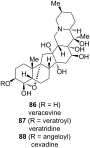
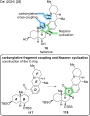
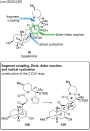
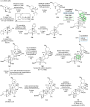
- [53]. This delivered the desired exo-adduct with good ee on a decagram-scale and installed three stereocenters with the correct configuration. The aldehyde moiety was converted to the terminal alkyne 110 via Seyferth–Gilbert homologation using the Ohira–Bestmann reagent. Reduction of the ethyl ester
















Recent advances in total synthesis of illisimonin A
Beilstein J. Org. Chem. 2025, 21, 2571–2583, doi:10.3762/bjoc.21.199
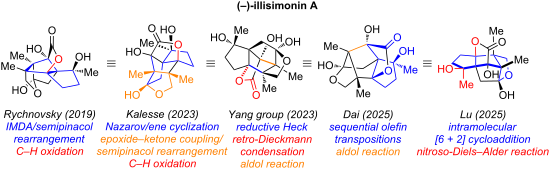
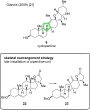
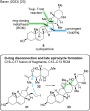
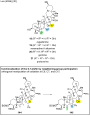
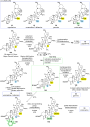
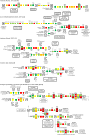
- enantioenriched compound 33, a nickel-catalyzed hydrocyanation of the terminal alkyne was performed. Subsequent protection of the tertiary alcohol with TESOTf and reduction of the resulting cyanide to an aldehyde afforded compound 34 (Scheme 4). Addition of isopropenyllithium to aldehyde 34, followed by TES






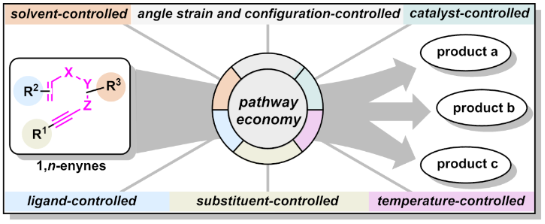
Pathway economy in cyclization of 1,n-enynes
Beilstein J. Org. Chem. 2025, 21, 2260–2282, doi:10.3762/bjoc.21.173
- terminal alkyne proceeded via a gold(I)-catalyzed propargyl-Claisen rearrangement, generating a β-allenic intermediate 35. This intermediate underwent a Markovnikov-type nucleophilic addition followed by a 5-exo-trig cyclization to stereoselectively construct the furo[3,2-b]furan bicyclic framework 36
- al. (Scheme 11) [18]. The pathway selectivity was regulated by modulating substituents on the terminal alkyne. When the alkyne was unsubstituted, the vinylidene intermediate 48 was generated via a 5-exo-dig cyclization, which subsequently underwent protonolysis to yield the bicyclo[3.2.1]oct-2-ene


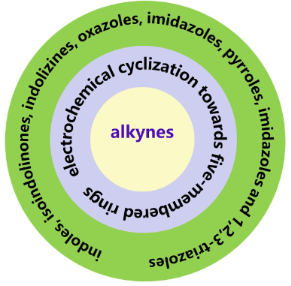
Electrochemical cyclization of alkynes to construct five-membered nitrogen-heterocyclic rings
Beilstein J. Org. Chem. 2025, 21, 2173–2201, doi:10.3762/bjoc.21.166
- reaction of nitrile, xanthene, terminal alkyne and water to synthesize oxazole was established by Li in 2023 (Scheme 12) [219]. After examining the reaction carefully, the optimized reaction conditions were obtained as follows: a mixture of alkyne 31 (0.3 mmol), xanthene 32 (0.45 mmol), CH3CN (5.0 mL), H2O
- cascade annulation of o-alkynylbenzamide. Electrochemical intramolecular 1,2-amino oxygenation of alkyne. Electrochemical multicomponent reaction of nitrile, (thio)xanthene, terminal alkyne and water. Electrochemical aminotrifluoromethylation/cyclization of alkynes. Electrochemical cyclization of o









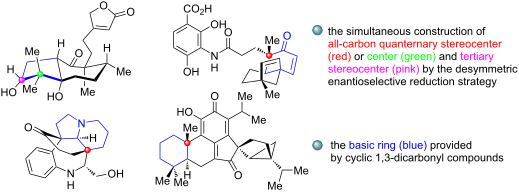
The application of desymmetric enantioselective reduction of cyclic 1,3-dicarbonyl compounds in the total synthesis of terpenoid and alkaloid natural products
Beilstein J. Org. Chem. 2025, 21, 2085–2102, doi:10.3762/bjoc.21.164
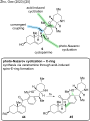
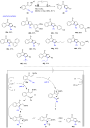
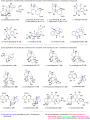
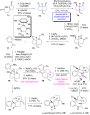
- enantioselective reduction of 1,3-cyclohexanedione derivative 89 as the key transformation [72]. Both (−)-conidiogenones B–F (17–21) and (−)-12β-hydroxyconidiogenone C (22) were synthesized in a divergent manner. Their synthetic route began with the known terminal alkyne cyclohexanedione 89 [73]. As illustrated in







Aryl iodane-induced cascade arylation–1,2-silyl shift–heterocyclization of propargylsilanes under copper catalysis
Beilstein J. Org. Chem. 2025, 21, 1984–1994, doi:10.3762/bjoc.21.154
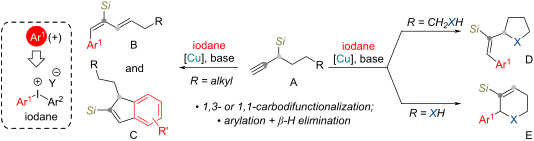
- reaction [17] and a [4 + 2] annulation reaction between o-carboxylic ester-containing diaryl-λ3-iodanes and some terminal alkynes [18]. Looking to expand the possibilities for terminal alkyne carbofunctionalization, we turned our attention to propargylsilanes, which are prone to undergo cationic
- have been induced by addition of external halogen or selenium electrophiles and Brønsted acids. This encouraged us to develop a methodology involving a copper-catalyzed terminal alkyne arylation of propargylsilanes by diaryl-λ3-iodanes, followed by 1,2-silyl shift and terminated by nucleophile addition
- indicates that the provided method is limited to propargylsilanes containing a terminal alkyne group. Arylation of internal nucleophile-containing propargylsilanes Internal nucleophile-containing substrates are interesting, because they offer the possibility of heterocyclization, as described in our


Recent advances in oxidative radical difunctionalization of N-arylacrylamides enabled by carbon radical reagents
Beilstein J. Org. Chem. 2025, 21, 1207–1271, doi:10.3762/bjoc.21.98
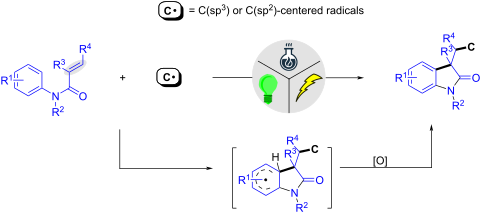
- different substituents, including aryl, heteroaryl, and alkyl groups at the terminal alkyne, were well tolerated, yielding moderate to good results (16aa–da). Furthermore, variations in the nitrile reaction partners, such as butyronitrile (16ea), 2-phenylacetonitrile (16fa), malononitrile (16ga), and 3-oxo












Silver(I) triflate-catalyzed post-Ugi synthesis of pyrazolodiazepines
Beilstein J. Org. Chem. 2025, 21, 915–925, doi:10.3762/bjoc.21.74
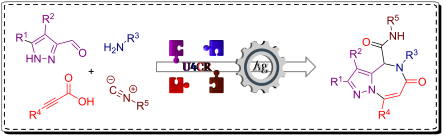
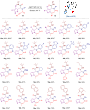
- . Another set of pyrazolodiazepines 16p–v was readily obtained from the substrates 15p–v stemming from various 3-substituted propiolic acids and aliphatic or aromatic isocyanides. Finally, the annulation of substrates 15w and 15x, featuring a terminal alkyne, also proceeded in a 7-endo-dig fashion, yielding




Formaldehyde surrogates in multicomponent reactions
Beilstein J. Org. Chem. 2025, 21, 564–595, doi:10.3762/bjoc.21.45
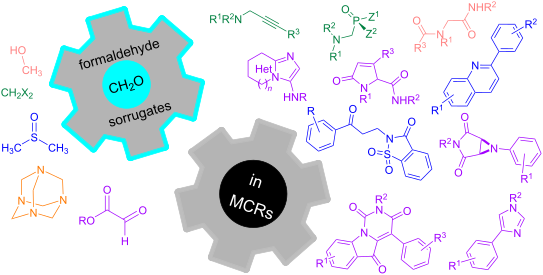
- (DMF), dimethyl sulfoxide (DMSO), or dioxane to achieve high yields. The assumed mechanism is initiated by activation of the C–H bond of the terminal alkyne by a metal catalyst. The resulting metal acetylide reacts with the imine/enamine through a nucleophilic addition. Because imines/enamines are
- the same amine component) deprotonates the terminal alkyne, generating the metal acetylide derivative A, which is the active nucleophilic species in the reaction. Intermediate A undergoes an oxidative addition by the dihaloalkane, generating intermediate B. This undergoes reductive elimination to
- , in which the copper catalyst (CuCl, 15 mol %) only activates the C–H bond of the terminal alkyne, and the resulting nucleophile A reacts with the iminium ion F generated from CH2Cl2 and the secondary amine via an aminal intermediate E (Scheme 24) [68]. However, Yu et al. found no evidence for the


Dioxazolones as electrophilic amide sources in copper-catalyzed and -mediated transformations
Beilstein J. Org. Chem. 2025, 21, 200–216, doi:10.3762/bjoc.21.12
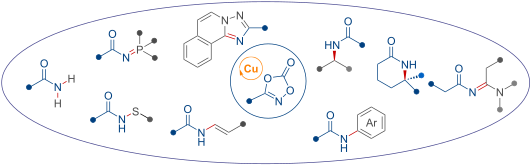
- functionalities were well tolerated in this transformation (26e–g). Moreover, an olefin-containing terminal alkyne was suitable to afford product 26h, demonstrating excellent chemoselectivity. However, the formation of 26i was not observed under the standard reaction conditions. Instead, the decomposition of


Recent advances in electrochemical copper catalysis for modern organic synthesis
Beilstein J. Org. Chem. 2025, 21, 155–178, doi:10.3762/bjoc.21.9

- substrate 1 in the presence of a base to form Cu(II) complex 5, which undergoes anodic oxidation to generate Cu(III) intermediate 6. Carboxylate-assisted C–H activation of the benzamide subsequently leads to the formation of Cu(III) species 7. Metalation of the terminal alkyne 2, followed by reductive
- terminal alkyne 2 in the presence of a chiral copper catalyst and base, which reacts with the electrophilic iminium intermediate 15 to yield the desired chiral product 14. Active Cu(I) is regenerated either through cathodic reduction or by reaction with TEMPO–H. A year after the Mei group’s report, the Xu








Synthesis of the 1,5-disubstituted tetrazole-methanesulfonylindole hybrid system via high-order multicomponent reaction
Beilstein J. Org. Chem. 2024, 20, 3077–3084, doi:10.3762/bjoc.20.256
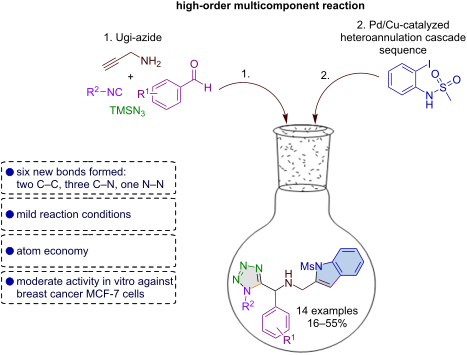
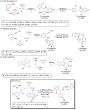
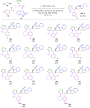
- trifluoroethanol as the solvent and at room temperature [23][24][25][26]. In the initial reaction, propargylamine served as a bifunctional reagent, with the primary amine group participating in the first step and the terminal alkyne promoting the subsequent heteroannulation. (Scheme 2). As observed in our previous



Copper-catalyzed yne-allylic substitutions: concept and recent developments
Beilstein J. Org. Chem. 2024, 20, 2739–2775, doi:10.3762/bjoc.20.232
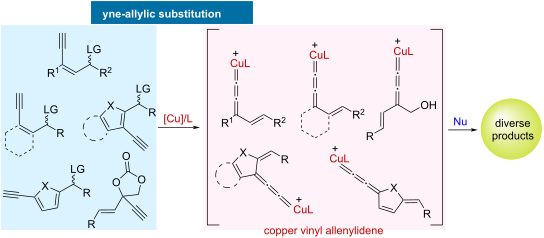
- terminal alkyne is the active species in the reactions. In this regard, merging the unique feature of Cu-catalyzed propargylic substitution with allylic substitution is a feasible solution to the challenge, which will represent a new sort of substitution reaction. From 2022, the Cu-catalyzed yne-allylic
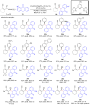
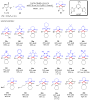
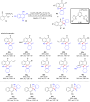
- chelation interaction between the enolate derived from acyclic 1,3-dicarbonyl compounds and copper (Scheme 5, 8a–j). Detailed control experiments indicate that the terminal alkyne moiety is critical and the reaction proceeds through an SN1 mechanism. An outer-sphere nucleophilic attack through copper
- demonstrated that the terminal alkyne unit is crucial for the process and the reactions using different isomers all proceed via the same intermediate. Nonlinear relationship experiments proved that the active catalyst is a mono-copper complex containing one ligand. A catalytic cycle is proposed in which copper








Improved deconvolution of natural products’ protein targets using diagnostic ions from chemical proteomics linkers
Beilstein J. Org. Chem. 2024, 20, 2323–2341, doi:10.3762/bjoc.20.199
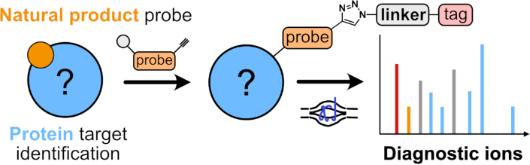
- prerequisite required for a probe used in a chemical proteomic study is an embedded bioorthogonal handle, for example a terminal alkyne or azide, which is able to react chemoselectively with a tag facilitating unambiguous identification by a selected analytical technique, for example LC–MS/MS (Figure 1) [35
- CuAAC due to its rapid reaction kinetics, robustness, and relatively small steric hindrance of the terminal alkyne, which is usually attached to the probe core scaffold to form an alkyne probe [5][63]. Once the covalent bond between the probe and protein is formed, the cells are lysed, and the probe
- alkyne probe from the CuAAC reaction mixture or by increasing the concentration of the reducing agent such as tris(2-carboxyethyl)phosphine (TCEP). The reversed chemical proteomics approach in which the azide probe and alkyne tag are used suffers from similar unspecific reactivity of the terminal alkyne




gem-Difluorination of carbon–carbon triple bonds using Brønsted acid/Bu4NBF4 or electrogenerated acid
Beilstein J. Org. Chem. 2024, 20, 2261–2269, doi:10.3762/bjoc.20.194
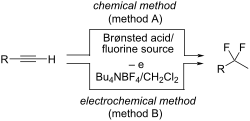
- the case of an aliphatic terminal alkyne, such as dec-1-yne (1d), the 19F NMR study indicated 46% yield with method A (Table 2, entry 5), but it was difficult to purify and isolate product 2d because of the low molecular weight. Scale up conditions of method A, for the purpose of the isolation, led to



Three-component N-alkenylation of azoles with alkynes and iodine(III) electrophile: synthesis of multisubstituted N-vinylazoles
Beilstein J. Org. Chem. 2024, 20, 891–897, doi:10.3762/bjoc.20.79
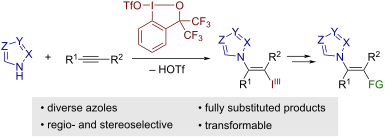
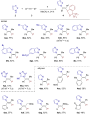
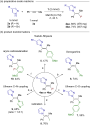
- ). Observing no byproducts originating from phenylacetylene, we speculate that the lack of reactivity stems from the relatively low electron density of the terminal alkyne, which likely leads to direct coordination of pyrazole to the iodine(III) reagent. To probe the relative reactivity of different azoles



Isolation and structure determination of a new analog of polycavernosides from marine Okeania sp. cyanobacterium
Beilstein J. Org. Chem. 2024, 20, 645–652, doi:10.3762/bjoc.20.57
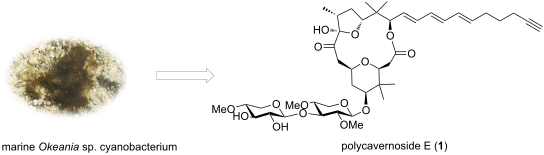
- polycavernosides. Keywords: macrolide glycoside; marine cyanobacterium; marine natural products; polycavernosides; terminal alkyne; Introduction In 1991, an outbreak of food poisoning caused by a species of red algae known as ‘Polycavernosa tsudai’ occurred in Guam, which resulted in killing of three people. Two
- HMBC δH 1.62 (H-23)/δC 84.6 (C-25), δH 2.18 (H-24)/δC 84.6 (C-25), and δH 2.18 (H-24)/δC 68.6 (C-26) revealed a terminal alkyne structure. Additionally, COSY correlations shown in Figure 2 revealed the side chain structure of 1 containing a terminal alkyne and a conjugated trans triene (C-15 to C-26


Perspectives on push–pull chromophores derived from click-type [2 + 2] cycloaddition–retroelectrocyclization reactions of electron-rich alkynes and electron-deficient alkenes
Beilstein J. Org. Chem. 2024, 20, 125–154, doi:10.3762/bjoc.20.13
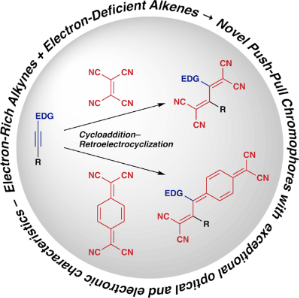
- process. The [2 + 2] CA–RE sequence proceeds successively, as depicted in Scheme 1, where electron-donating groups are denoted as EDGs. During the [2 + 2] CA process, the nucleophilic attack by the terminal alkyne carbon of an electron-rich alkyne on an electron-deficient alkene, such as TCNE and 7,7,8,8


1-Butyl-3-methylimidazolium tetrafluoroborate as suitable solvent for BF3: the case of alkyne hydration. Chemistry vs electrochemistry
Beilstein J. Org. Chem. 2023, 19, 1966–1981, doi:10.3762/bjoc.19.147
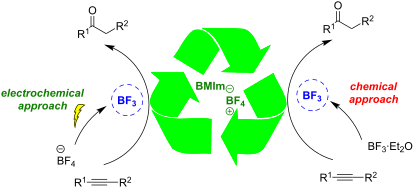
- well-known and useful reaction in organic chemistry, affording carbonyl compounds based on an atom-economical approach. Indeed, the addition of water to the triple bond of a terminal alkyne leads to the formation of the corresponding methyl ketone or aldehyde, in the case of Markovnikov or anti


Aldiminium and 1,2,3-triazolium dithiocarboxylate zwitterions derived from cyclic (alkyl)(amino) and mesoionic carbenes
Beilstein J. Org. Chem. 2023, 19, 1947–1956, doi:10.3762/bjoc.19.145
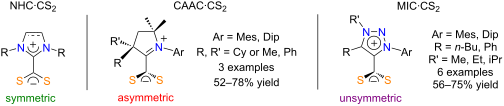
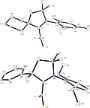
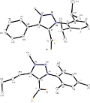
- -disubstituted-1,2,3-triazole derivatives is readily achieved via the copper(I)-catalyzed [3 + 2] cycloaddition of an azide and a terminal alkyne (CuAAC) [63][64][65]. A further alkylation of the N3 position with an alkyl halide is an equally straightforward procedure that ultimately affords a large assortment


Lewis acid-promoted direct synthesis of isoxazole derivatives
Beilstein J. Org. Chem. 2023, 19, 1562–1567, doi:10.3762/bjoc.19.113

- , which is an internal alkyne instead of a terminal alkyne, but no desired product was obtained. Next, we explored the substrate scope of 2-methylquinolines under the standard conditions. 2-Methylquinoline bearing different substituents at various positions gave the corresponding products with moderate to


Application of N-heterocyclic carbene–Cu(I) complexes as catalysts in organic synthesis: a review
Beilstein J. Org. Chem. 2023, 19, 1408–1442, doi:10.3762/bjoc.19.102
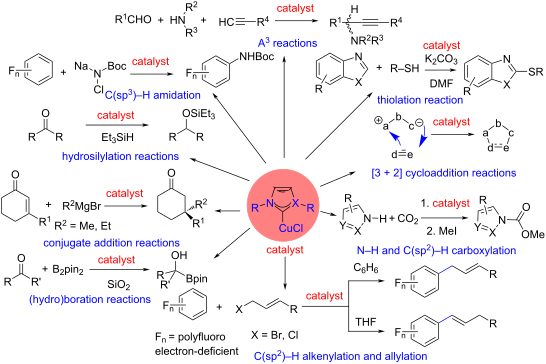
- , generated from the tetranuclear complex, as the catalytically active species. 2.4 A3 reactions In recent years, the three component reaction of an aldehyde, a secondary amine and a terminal alkyne, known as A3 reaction to afford chiral propargylamines 140 has received much attention. The latter compounds