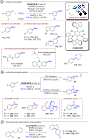
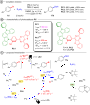
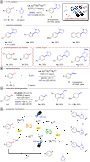
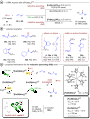
Search for "phenols" in Full Text gives 217 result(s) in Beilstein Journal of Organic Chemistry. Showing first 200.
Beilstein J. Org. Chem. 2024, 20, 1221–1235, doi:10.3762/bjoc.20.105
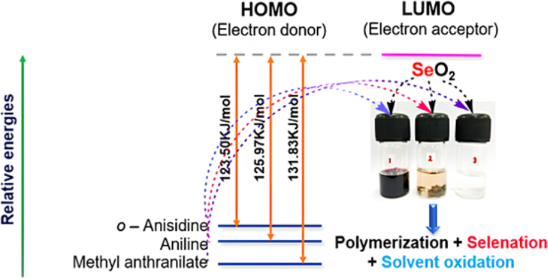
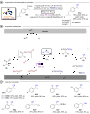
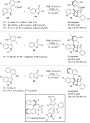
Graphical Abstract
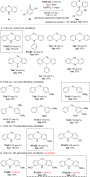
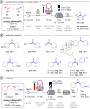
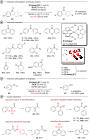
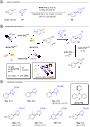
Scheme 1: Reported synthetic methods for the selenation of aromatic compounds.
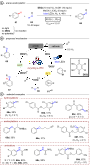
Scheme 2: Reaction of selenium dioxide with aniline.
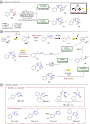
Scheme 3: Reaction of selenium dioxide with o-anisidine.
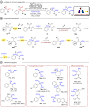
Scheme 4: Reaction of methyl anthranilate with SeO2.
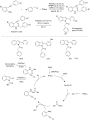
Scheme 5: Reaction mechanism for the formation of diaryl monoselenides.
Scheme 6: Reaction mechanism for the formation of oxamides.
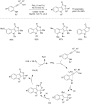
Scheme 7: Reaction mechanism for the formation of quinone 10.
Figure 1: Molecular structure of 3. Thermal ellipsoids drawn at 50% probability. Selected bond lengths (Å): O...
Figure 2: Molecular structure of 9. Thermal ellipsoids drawn at 50% probability. Selected bond lengths (Å): O...
Figure 3: Molecular structure of 13. Thermal ellipsoids drawn at 50% probability. Selected bond lengths (Å): ...
Figure 4: Molecular structure of 10. Thermal ellipsoids drawn at 50% probability. Selected bond lengths (Å) a...
Figure 5: Molecular structure of 11. Thermal ellipsoids drawn at 50% probability. Selected bond angles (°): C...
Figure 6: Molecular structure of 12. Thermal ellipsoids drawn at 50% probability. Selected bond angles (°): C...
Figure 7: Relative energy levels of arylamines and SeO2.
Figure 8: Computationally optimized structure of aniline (a), o-anisidine (b), and methyl anthranilate (c), w...
Scheme 8: Resonance structures for the delocalization of the nitrogen lone pair into the π-system.
Beilstein J. Org. Chem. 2024, 20, 1076–1087, doi:10.3762/bjoc.20.95
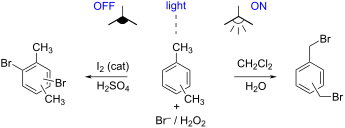
Graphical Abstract
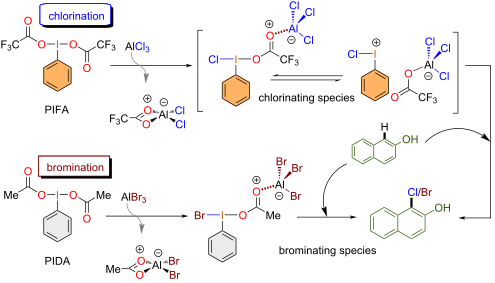
Figure 1: Comparison between the light-initiated radical halogenation of toluene (right), and the Ar-SE bromi...
Figure 2: Toluene halogenation mediated by NBS in absence (left) or exposed to light (right).
Figure 3: Scifinder® reaction hits for the structure “as drawn” (January 2024).
Figure 4: Yields obtained in the preparation of aryl-cored halides.
Beilstein J. Org. Chem. 2024, 20, 1020–1028, doi:10.3762/bjoc.20.90
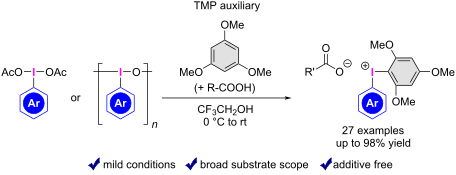
Graphical Abstract
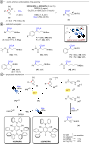
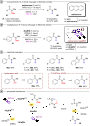
Scheme 1: Synthetic approaches of diaryliodonium(III) trifluoroacetates.
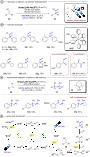
Scheme 2: Synthesis of diaryliodonium(III) carboxylates.
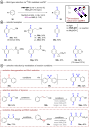
Scheme 3: Scope of dummy ligands.
Scheme 4: Substrate scope of aryl(TMP)iodonium(III) acetates. a) 0.50 mmol scale of 1i. b) 1,3,5-Trimethoxybe...
Scheme 5: Substrate scope of the carboxylic acids and iodosylarenes. a) The reaction was conducted for 4 h. b...
Scheme 6: Representative applications of aryl(TMP)iodonium(III) carboxylates.
Beilstein J. Org. Chem. 2024, 20, 973–1000, doi:10.3762/bjoc.20.87
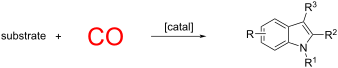
Graphical Abstract
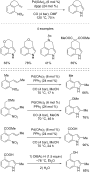
Scheme 1: Pd(0)-catalyzed domino C,N-coupling/carbonylation/Suzuki coupling reaction for the synthesis of 2-a...
Scheme 2: Pd(0)-catalyzed single isonitrile insertion: synthesis of 1-(3-amino)-1H-indol-2-yl)-1-ketones.
Scheme 3: Pd(0)-catalyzed gas-free carbonylation of 2-alkynylanilines to 1-(1H-indol-1-yl)-2-arylethan-1-ones....
Scheme 4: Pd(II)-catalyzed heterocyclization/alkoxycarbonylation of 2-alkynylaniline imines.
Scheme 5: Pd(II)-catalyzed heterocyclization/alkoxycarbonylation of 2-alkynylanilines to N-substituted indole...
Scheme 6: Synthesis of indol-2-acetic esters by Pd(II)-catalyzed carbonylation of 1-(2-aminoaryl)-2-yn-1-ols.
Scheme 7: Pd(II)-catalyzed carbonylative double cyclization of suitably functionalized 2-alkynylanilines to 3...
Scheme 8: Indole synthesis by deoxygenation reactions of nitro compounds reported by Cenini et al. [21].
Scheme 9: Indole synthesis by reduction of nitro compounds: approach reported by Watanabe et al. [22].
Scheme 10: Indole synthesis from o-nitrostyrene compounds as reported by Söderberg and co-workers [23].
Scheme 11: Synthesis of fused indoles (top) and natural indoles present in two species of European Basidiomyce...
Scheme 12: Synthesis of 1,2-dihydro-4(3H)-carbazolones through N-heteroannulation of functionalized 2-nitrosty...
Scheme 13: Synthesis of indoles from o-nitrostyrenes by using Pd(OAc)2 and Pd(tfa)2 in conjunction with bident...
Scheme 14: Synthesis of substituted 3-alkoxyindoles via palladium-catalyzed reductive N-heteroannulation.
Scheme 15: Synthesis of 3-arylindoles by palladium-catalyzed C–H bond amination via reduction of nitroalkenes.
Scheme 16: Synthesis of 2,2′-bi-1H-indoles, 2,3′-bi-1H-indoles, 3,3′-bi-1H-indoles, indolo[3,2-b]indoles, indo...
Scheme 17: Pd-catalyzed reductive cyclization of 1,2-bis(2-nitrophenyl)ethene and 1,1-bis(2-nitrophenyl)ethene...
Scheme 18: Flow synthesis of 2-substituted indoles by reductive carbonylation.
Scheme 19: Pd-catalyzed synthesis of variously substituted 3H-indoles from nitrostyrenes by using Mo(CO)6 as C...
Scheme 20: Synthesis of indoles from substituted 2-nitrostyrenes (top) and ω-nitrostyrenes (bottom) via reduct...
Scheme 21: Synthesis of indoles from substituted 2-nitrostyrenes with formic acid as CO source.
Scheme 22: Ni-catalyzed carbonylative cyclization of 2-nitroalkynes and aryl iodides (top) and the Ni-catalyze...
Scheme 23: Mechanism of the Ni-catalyzed carbonylative cyclization of 2-nitroalkynes and aryl iodides (top) an...
Scheme 24: Route to indole derivatives through Rh-catalyzed benzannulation of heteroaryl propargylic esters fa...
Scheme 25: Pd-catalyzed cyclization of 2-(2-haloaryl)indoles reported by Yoo and co-workers [54], Guo and co-worke...
Scheme 26: Approach for the synthesis of 6H-isoindolo[2,1-a]indol-6-ones reported by Huang and co-workers [57].
Scheme 27: Zhou group’s method for the synthesis of 6H-isoindolo[2,1-a]indol-6-ones.
Scheme 28: Synthesis of 6H-isoindolo[2,1-a]indol-6-ones from o-1,2-dibromobenzene and indole derivatives by us...
Scheme 29: Pd(OAc)2-catalyzed Heck cyclization of 2-(2-bromophenyl)-1-alkyl-1H-indoles reported by Guo et al. [55]....
Scheme 30: Synthesis of indolo[1,2-a]quinoxalinone derivatives through Pd/Cu co-catalyzed carbonylative cycliz...
Scheme 31: Pd-catalyzed carbonylative cyclization of o-indolylarylamines and N-monosubstituted o-indolylarylam...
Scheme 32: Pd-catalyzed diasteroselective carbonylative cyclodearomatization of N-(2-bromobenzoyl)indoles with...
Scheme 33: Pd(0)-catalyzed synthesis of CO-linked heterocyclic scaffolds from alkene-indole derivatives and 2-...
Scheme 34: Proposed mechanism for the Pd(0)-catalyzed synthesis of CO-linked heterocyclic scaffolds.
Scheme 35: Pd-catalyzed C–H and N–H alkoxycarbonylation of indole derivatives to indole-3-carboxylates and ind...
Scheme 36: Rh-catalyzed C–H alcoxycarbonylation of indole derivatives to indole-3-carboxylates reported by Li ...
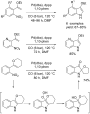
Scheme 37: Pd-catalyzed C–H alkoxycarbonylation of indole derivatives with alcohols and phenols to indole-3-ca...
Scheme 38: Synthesis of N-methylindole-3-carboxylates from N-methylindoles and phenols through metal-catalyst-...
Scheme 39: Synthesis of indol-3-α-ketoamides (top) and indol-3-amides (bottom) via direct double- and monoamin...
Scheme 40: The direct Sonogashira carbonylation coupling reaction of indoles and alkynes via Pd/CuI catalysis ...
Scheme 41: Synthesis of indole-3-yl aryl ketones reported by Zhao and co-workers [73] (path a) and Zhang and co-wo...
Scheme 42: Pd-catalyzed carbonylative synthesis of BIMs from aryl iodides and N-substituted and NH-free indole...
Scheme 43: Cu-catalyzed direct double-carbonylation and monocarbonylation of indoles and alcohols with hexaket...
Scheme 44: Rh-catalyzed direct C–H alkoxycarbonylation of indoles to indole-2-carboxylates [79] (top) and Co-catal...
Scheme 45: Pd-catalyzed carbonylation of NH free-haloindoles.
Beilstein J. Org. Chem. 2024, 20, 841–851, doi:10.3762/bjoc.20.76
Graphical Abstract
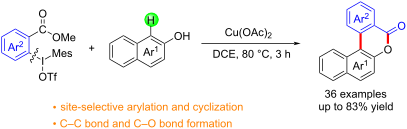
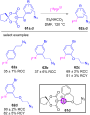
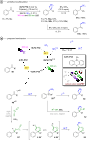
Scheme 1: Arylation reactions of aromatic compounds and reaction patterns of ortho-functionalized diaryliodon...
Scheme 2: Mechanism study. Standard conditions: 1 (0.3 mmol, 1 equiv), 2 (0.33 mmol, 1.1 equiv), Cu(OAc)2 (10...
Beilstein J. Org. Chem. 2023, 19, 1785–1803, doi:10.3762/bjoc.19.131
Graphical Abstract
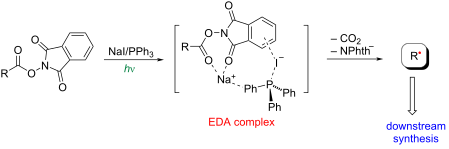
Scheme 1: Photocatalytic decarboxylative transformations mediated by the NaI/PPh3 catalyst system.
Scheme 2: Proposed catalytic cycle of NaI/PPh3 photoredox catalysis.
Scheme 3: Decarboxylative alkenylation of redox-active esters by NaI/PPh3 catalysis.
Scheme 4: Decarboxylative alkenylation mediated by NaI/PPh3 catalysis.
Scheme 5: NaI-mediated photoinduced α-alkenylation of Katritzky salts 7.
Scheme 6: n-Bu4NI-mediated photoinduced decarboxylative olefination.
Scheme 7: Proposed mechanism of the n-Bu4NI-mediated photoinduced decarboxylative olefination.
Scheme 8: Photodecarboxylative alkylation of redox-active esters with diazirines.
Scheme 9: Photoinduced iodine-anion-catalyzed decarboxylative/deaminative C–H alkylation of enamides.
Scheme 10: Photocatalytic C–H alkylation of coumarins mediated by NaI/PPh3 catalysis.
Scheme 11: Photoredox alkylation of aldimines by NaI/PPh3 catalysis.
Scheme 12: Photoredox C–H alkylation employing ammonium iodide.
Scheme 13: NaI/PPh3/CuBr cooperative catalysis for photocatalytic C(sp3)–O/N cross-coupling reactions.
Scheme 14: Proposed mechanism of NaI/PPh3/CuBr cooperative catalysis for photocatalytic C(sp3)–O/N cross-coupl...
Scheme 15: Photocatalytic decarboxylative [3 + 2]/[4 + 2] annulation between enynals and γ,σ-unsaturated N-(ac...
Scheme 16: Proposed mechanism for the decarboxylative [3 + 2]/[4 + 2] annulation.
Scheme 17: Decarboxylative cascade annulation of alkenes/1,6-enynes with N-hydroxyphthalimide esters.
Scheme 18: Decarboxylative radical cascade cyclization of N-arylacrylamides.
Scheme 19: NaI/PPh3-driven photocatalytic decarboxylative radical cascade alkylarylation.
Scheme 20: Proposed mechanism of the NaI/PPh3-driven photocatalytic decarboxylative radical cascade cyclizatio...
Scheme 21: Visible-light-promoted decarboxylative cyclization of vinylcycloalkanes.
Scheme 22: NaI/PPh3-mediated photochemical reduction and amination of nitroarenes.
Scheme 23: PPh3-catalyzed alkylative iododecarboxylation with LiI.
Scheme 24: Visible-light-triggered iodination facilitated by N-heterocyclic carbenes.
Scheme 25: Visible-light-induced photolysis of phosphonium iodide salts for monofluoromethylation.
Beilstein J. Org. Chem. 2023, 19, 1471–1502, doi:10.3762/bjoc.19.106
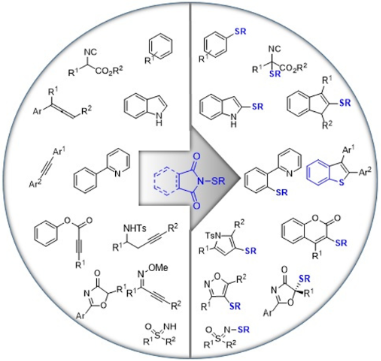
Graphical Abstract
Scheme 1: Sulfur-containing bioactive molecules.
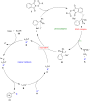
Scheme 2: Scandium-catalyzed synthesis of thiosulfonates.
Scheme 3: Palladium-catalyzed aryl(alkyl)thiolation of unactivated arenes.
Scheme 4: Catalytic cycle for Pd-catalyzed aryl(alkyl)thiolation of unactivated arenes.
Scheme 5: Iron- or boron-catalyzed C–H arylthiation of substituted phenols.
Scheme 6: Iron-catalyzed azidoalkylthiation of alkenes.
Scheme 7: Plausible mechanism for iron-catalyzed azidoalkylthiation of alkenes.
Scheme 8: BF3·Et2O‑mediated electrophilic cyclization of aryl alkynoates.
Scheme 9: Tentative mechanism for BF3·Et2O‑mediated electrophilic cyclization of aryl alkynoates.
Scheme 10: Construction of 6-substituted benzo[b]thiophenes.
Scheme 11: Plausible mechanism for construction of 6-substituted benzo[b]thiophenes.
Scheme 12: AlCl3‑catalyzed cyclization of N‑arylpropynamides with N‑sulfanylsuccinimides.
Scheme 13: Synthetic utility of AlCl3‑catalyzed cyclization of N‑arylpropynamides with N‑sulfanylsuccinimides.
Scheme 14: Sulfenoamination of alkenes with sulfonamides and N-sulfanylsuccinimides.
Scheme 15: Lewis acid/Brønsted acid controlled Pd-catalyzed functionalization of aryl C(sp2)–H bonds.
Scheme 16: Possible mechanism for Lewis acid/Brønsted acid controlled Pd-catalyzed functionalization of aryl C...
Scheme 17: FeCl3-catalyzed carbosulfenylation of unactivated alkenes.
Scheme 18: Copper-catalyzed electrophilic thiolation of organozinc halides.
Scheme 19: h-BN@Copper(II) nanomaterial catalyzed cross-coupling reaction of sulfoximines and N‑(arylthio)succ...
Scheme 20: AlCl3‑mediated cyclization and sulfenylation of 2‑alkyn-1-one O‑methyloximes.
Scheme 21: Lewis acid-promoted 2-substituted cyclopropane 1,1-dicarboxylates with sulfonamides and N-(arylthio...
Scheme 22: Lewis acid-mediated cyclization of β,γ-unsaturated oximes and hydrazones with N-(arylthio/seleno)su...
Scheme 23: Credible pathway for Lewis acid-mediated cyclization of β,γ-unsaturated oximes with N-(arylthio)suc...
Scheme 24: Synthesis of 4-chalcogenyl pyrazoles via chalcogenation/cyclization of α,β-alkynic hydrazones.
Scheme 25: Controllable synthesis of 3-thiolated pyrroles and pyrrolines.
Scheme 26: Possible mechanism for controllable synthesis of 3-thiolated pyrroles and pyrrolines.
Scheme 27: Co-catalyzed C2-sulfenylation and C2,C3-disulfenylation of indole derivatives.
Scheme 28: Plausible catalytic cycle for Co-catalyzed C2-sulfenylation and C2,C3-disulfenylation of indoles.
Scheme 29: C–H thioarylation of electron-rich arenes by iron(III) triflimide catalysis.
Scheme 30: Difunctionalization of alkynyl bromides with thiosulfonates and N-arylthio succinimides.·
Scheme 31: Suggested mechanism for difunctionalization of alkynyl bromides with thiosulfonates and N-arylthio ...
Scheme 32: Synthesis of thioesters, acyl disulfides, ketones, and amides by N-thiohydroxy succinimide esters.
Scheme 33: Proposed mechanism for metal-catalyzed selective acylation and acylthiolation.
Scheme 34: AlCl3-catalyzed synthesis of 3,4-bisthiolated pyrroles.
Scheme 35: α-Sulfenylation of aldehydes and ketones.
Scheme 36: Acid-catalyzed sulfetherification of unsaturated alcohols.
Scheme 37: Enantioselective sulfenylation of β-keto phosphonates.
Scheme 38: Organocatalyzed sulfenylation of 3‑substituted oxindoles.
Scheme 39: Sulfenylation and chlorination of β-ketoesters.
Scheme 40: Intramolecular sulfenoamination of olefins.
Scheme 41: Plausible mechanism for intramolecular sulfenoamination of olefins.
Scheme 42: α-Sulfenylation of 5H-oxazol-4-ones.
Scheme 43: Metal-free C–H sulfenylation of electron-rich arenes.
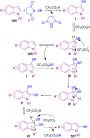
Scheme 44: TFA-promoted C–H sulfenylation indoles.
Scheme 45: Proposed mechanism for TFA-promoted C–H sulfenylation indoles.
Scheme 46: Organocatalyzed sulfenylation and selenenylation of 3-pyrrolyloxindoles.
Scheme 47: Organocatalyzed sulfenylation of S-based nucleophiles.
Scheme 48: Conjugate Lewis base Brønsted acid-catalyzed sulfenylation of N-heterocycles.
Scheme 49: Mechanism for activation of N-sulfanylsuccinimide by conjugate Lewis base Brønsted acid catalyst.
Scheme 50: Sulfenylation of deconjugated butyrolactams.
Scheme 51: Intramolecular sulfenofunctionalization of alkenes with phenols.
Scheme 52: Organocatalytic 1,3-difunctionalizations of Morita–Baylis–Hillman carbonates.
Scheme 53: Organocatalytic sulfenylation of β‑naphthols.
Scheme 54: Acid-promoted oxychalcogenation of o‑vinylanilides with N‑(arylthio/arylseleno)succinimides.
Scheme 55: Lewis base/Brønsted acid dual-catalytic C–H sulfenylation of aryls.
Scheme 56: Lewis base-catalyzed sulfenoamidation of alkenes.
Scheme 57: Cyclization of allylic amide using a Brønsted acid and tetrabutylammonium chloride.
Scheme 58: Catalytic electrophilic thiocarbocyclization of allenes with N-thiosuccinimides.
Scheme 59: Suggested mechanism for electrophilic thiocarbocyclization of allenes with N-thiosuccinimides.
Scheme 60: Chiral chalcogenide-catalyzed enantioselective hydrothiolation of alkenes.
Scheme 61: Proposed mechanism for chalcogenide-catalyzed enantioselective hydrothiolation of alkenes.
Scheme 62: Organocatalytic sulfenylation for synthesis a diheteroatom-bearing tetrasubstituted carbon centre.
Scheme 63: Thiolative cyclization of yne-ynamides.
Scheme 64: Synthesis of alkynyl and acyl disulfides from reaction of thiols with N-alkynylthio phthalimides.
Scheme 65: Oxysulfenylation of alkenes with 1-(arylthio)pyrrolidine-2,5-diones and alcohols.
Scheme 66: Arylthiolation of arylamines with (arylthio)-pyrrolidine-2,5-diones.
Scheme 67: Catalyst-free isothiocyanatoalkylthiation of styrenes.
Scheme 68: Sulfenylation of (E)-β-chlorovinyl ketones toward 3,4-dimercaptofurans.
Scheme 69: HCl-promoted intermolecular 1, 2-thiofunctionalization of aromatic alkenes.
Scheme 70: Possible mechanism for HCl-promoted 1,2-thiofunctionalization of aromatic alkenes.
Scheme 71: Coupling reaction of diazo compounds with N-sulfenylsuccinimides.
Scheme 72: Multicomponent reactions of disulfides with isocyanides and other nucleophiles.
Scheme 73: α-Sulfenylation and β-sulfenylation of α,β-unsaturated carbonyl compounds.
Beilstein J. Org. Chem. 2023, 19, 1408–1442, doi:10.3762/bjoc.19.102
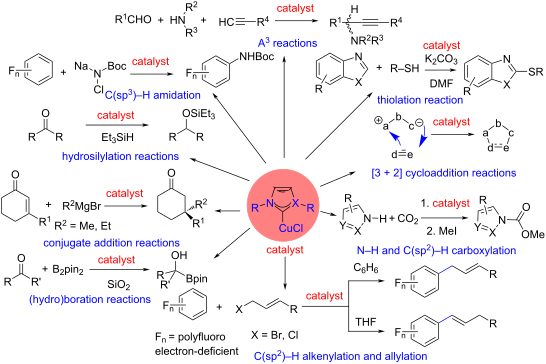
Graphical Abstract
Scheme 1: In situ generation of imidazolylidene carbene.
Scheme 2: Hg(II) complex of NHC.
Scheme 3: Isolable and bottlable carbene reported by Arduengo [3].
Scheme 4: First air-stable carbene synthesized by Arduengo in 1992 [5].
Figure 1: General structure of an NHC.
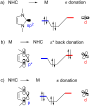
Figure 2: Stabilization of an NHC by donation of the lone pair electrons into the vacant p-orbital (LUMO) at ...
Figure 3: Abnormal NHC reported by Bertrand [8,9].
Figure 4: Cu(d) orbital to σ*C-N(NHC) interactions in NHC–CuX complexes computed at the B3LYP/def2-SVP level ...
Figure 5: Molecular orbital contributions to the NHC–metal bond.
Scheme 5: Synthesis of NHC–Cu(I) complexes by deprotonation of NHC precursors with a base.
Scheme 6: Synthesis of [NHC–CuX] complexes.
Scheme 7: Synthesis of [(ICy)CuX] and [(It-Bu)CuX] complexes.
Scheme 8: Synthesis of iodido-bridged copper–NHC complexes by deprotonation of benzimidazolium salts reported...
Scheme 9: Synthesis of copper complexes by deprotonation of triazolium salts.
Scheme 10: Synthesis of thiazolylidene–Cu(I) complex by deprotonation with KOt-Bu.
Scheme 11: Preparation of NHC–Cu(I) complexes.
Scheme 12: Synthesis of methylmalonic acid-derived anionic [(26a,b)CuCl]Li(THF)2 and zwitterionic (28) heterol...
Scheme 13: Synthesis of diaminocarbene and diamidocarbene (DAC)–Cu(I) complexes.
Scheme 14: Synthesis of the cationic (NHC)2Cu(I) complex 39 from benzimidazolium salts 38 with tetrakis(aceton...
Scheme 15: Synthesis of NHC and ADC (acyclic diamino carbenes) Cu(I) hexamethyldisilazide complexes reported b...
Scheme 16: Synthesis of NHC–copper(I) complexes using an acetylacetonate-functionalized imidazolium zwitterion...
Scheme 17: Synthesis of NHC–Cu(I) complexes through deprotonation of azolium salts with Cu2O.
Scheme 18: Synthesis of NHC–CuBr complex through deprotonation with Cu2O reported by Kolychev [31].
Scheme 19: Synthesis of chiral NHC–CuBr complexes from phenoxyimine-imidazolium salts reported by Douthwaite a...
Scheme 20: Preparation of linear neutral NHC–CuCl complexes through the use of Cu2O. For abbreviations, please...
Scheme 21: Synthesis of abnormal-NHC–copper(I) complexes by Bertrand, Cazin and co-workers [35].
Scheme 22: Microwave-assisted synthesis of thiazolylidene/benzothiazolylidene–CuBr complexes by Bansal and co-...
Scheme 23: Synthesis of NHC–CuX complexes through transmetallation.
Scheme 24: Preparation of six- or seven-membered NHC–Cu(I) complexes through transmetalation from Ag(I) comple...
Scheme 25: Synthesis of 1,2,3-triazolylidene–CuCl complexes through transmetallation of Ag(I) complexes genera...
Scheme 26: Synthesis of NHC–copper complexes having both Cu(I) and Cu(II) units through transmetalation report...
Scheme 27: Synthesis of new [(IPr(CH2)3Si(OiPr)3)CuX] complexes and anchoring on MCM-41.
Scheme 28: Synthesis of bis(trimethylsilyl)phosphide–Cu(I)–NHC complexes through ligand displacement.
Scheme 29: Synthesis of silyl- and stannyl [(NHC)Cu−ER3] complexes.
Scheme 30: Synthesis of amido-, phenolato-, thiophenolato–Cu(NHC) complexes.
Scheme 31: Synthesis of first isolable NHC–Cu–difluoromethyl complexes reported by Sanford et al. [44].
Scheme 32: Synthesis of NHC–Cu(I)–bifluoride complexes reported by Riant, Leyssens and co-workers [45].
Scheme 33: Conjugate addition of Et2Zn to enones catalyzed by an NHC–Cu(I) complex reported by Woodward in 200...
Scheme 34: Hydrosilylation of a carbonyl group.
Scheme 35: NHC–Cu(I)-catalyzed hydrosilylation of ketones reported by Nolan et al. [48,49].
Scheme 36: Application of chiral NHC–CuCl complex 104 for the enantioselective hydrosilylation of ketones.
Scheme 37: Hydrosilylation reactions catalyzed by NHC–Cu(Ot-Bu) complexes.
Scheme 38: NHC–CuCl catalyzed carbonylative silylation of alkyl halides.
Scheme 39: Nucleophilic conjugate addition to an activated C=C bond.
Figure 6: Molecular electrostatic potential maps (MESP) of two NHC–CuX complexes computed at the B3LYP/def2-S...
Scheme 40: Conjugate addition of Grignard reagents to 3-alkyl-substituted cyclohexenones catalyzed by a chiral...
Scheme 41: NHC–copper complex-catalyzed conjugate addition of Grignard reagent to 3-substituted hexenone repor...
Scheme 42: Conjugate addition or organoaluminum reagents to β-substituted cyclic enones.
Scheme 43: Conjugate addition of boronates to acyclic α,β-unsaturated carboxylic esters, ketones, and thioeste...
Scheme 44: NHC–Cu(I)-catalyzed hydroboration of an allene reported by Hoveyda [63].
Scheme 45: Conjugate addition of Et2Zn to cyclohexenone catalyzed by NHC–Cu(I) complex derived from benzimidaz...
Scheme 46: Asymmetric conjugate addition of diethylzinc to 3-nonen-2-one catalyzed by NHC–Cu complexes derived...
Scheme 47: General scheme of a [3 + 2] cycloaddition reaction.
Scheme 48: [3 + 2] Cycloaddition of azides with alkynes catalyzed by NHC–Cu(I) complexes reported by Diez-Gonz...
Scheme 49: Application of NHC–CuCl/N-donor combination to catalyze the [3 + 2] cycloaddition of benzyl azide w...
Scheme 50: [3 + 2] Cycloaddition of azides with acetylenes catalyzed by bis(NHC)–Cu complex 131 and mixed NHC–...
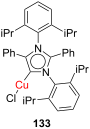
Figure 7: NHC–CuCl complex 133 as catalyst for the [3 + 2] cycloaddition of alkynes with azides at room tempe...
Scheme 51: [3 + 2] Cycloaddition of a bulky azide with an alkynylpyridine using [(NHC)Cu(μ-I)2Cu(NHC)] copper ...
Scheme 52: [3 + 2] Cycloaddition of benzyl azide with phenylacetylene under homogeneous and heterogeneous cata...
Scheme 53: [3 + 2] Cycloaddition of benzyl azide with acetylenes catalyzed by bisthiazolylidene dicopper(I) co...
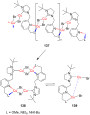
Figure 8: Copper (I)–NHC linear coordination polymer 137 and its conversion into tetranuclear (138) and dinuc...
Scheme 54: An A3 reaction.
Scheme 55: Synthesis of SiO2-immobilized NHC–Cu(I) catalyst 141 and its application in the A3-coupling reactio...
Scheme 56: Preparation of dual-purpose Ru@SiO2–[(NHC)CuCl] catalyst system 142 developed by Bordet, Leitner an...
Scheme 57: Application of the catalyst system Ru@SiO2–[Cu(NHC)] 142 to the one-pot tandem A3 reaction and hydr...
Scheme 58: A3 reaction of phenylacetylene with secondary amines and aldehydes catalyzed by benzothiazolylidene...
Figure 9: Kohn–Sham HOMOs of phenylacetylene and NHC–Cu(I)–phenylacetylene complex computed at the B3LYP/def2...
Figure 10: Energies of the FMOs of phenylacetylene, iminium ion, and NHC–Cu(I)–phenylacetylene complex compute...
Scheme 59: NHC–Cu(I) catalyzed diboration of ketones 147 by reacting with bis(pinacolato)diboron (148) reporte...
Scheme 60: Protoboration of terminal allenes catalyzed by NHC–Cu(I) complexes reported by Hoveyda and co-worke...
Scheme 61: NHC–CuCl-catalyzed borylation of α-alkoxyallenes to give 2-boryl-1,3-butadienes.
Scheme 62: Regioselective hydroborylation of propargylic alcohols and ethers catalyzed by NHC–CuCl complexes 1...
Scheme 63: NHC–CuOt-Bu-catalyzed semihydrogenation and hydroborylation of alkynes.
Scheme 64: Enantioselective NHC–Cu(I)-catalyzed hydroborations of 1,1-disubstituted aryl olefins reported by H...
Scheme 65: Enantioselective NHC–Cu(I)-catalyzed hydroboration of exocyclic 1,1-disubstituted alkenes reported ...
Scheme 66: Markovnikov-selective NHC–CuOH-catalyzed hydroboration of alkenes and alkynes reported by Jones et ...
Scheme 67: Dehydrogenative borylation and silylation of styrenes catalyzed by NHC–CuOt-Bu complexes developed ...
Scheme 68: N–H/C(sp2)–H carboxylation catalyzed by NHC–CuOH complexes.
Scheme 69: C–H Carboxylation of benzoxazole and benzothiazole derivatives with CO2 using a 1,2,3-triazol-5-yli...
Scheme 70: Use of Cu(I) complex derived from diethylene glycol-functionalized imidazo[1,5,a] pyridin-3-ylidene...
Scheme 71: Allylation and alkenylation of polyfluoroarenes and heteroarenes catalyzed by NHC–Cu(I) complexes r...
Scheme 72: Enantioselective C(sp2)–H allylation of (benz)oxazoles and benzothiazoles with γ,γ-disubstituted pr...
Scheme 73: C(sp2)–H arylation of arenes catalyzed by dual NHC–Cu/NHC–Pd catalytic system.
Scheme 74: C(sp2)–H Amidation of (hetero)arenes with N-chlorocarbamates/N-chloro-N-sodiocarbamates catalyzed b...
Scheme 75: NHC–CuI catalyzed thiolation of benzothiazoles and benzoxazoles.
Beilstein J. Org. Chem. 2023, 19, 1171–1190, doi:10.3762/bjoc.19.86
Graphical Abstract
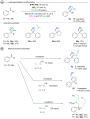
Figure 1: Generic representation of halogen bonding.
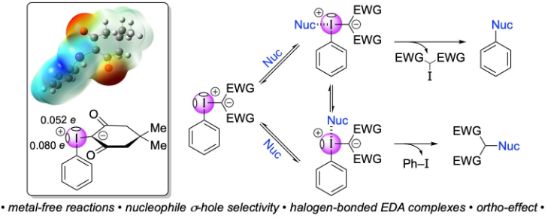
Figure 2: Quantitative evaluation of σ-holes in monovalent iodine-containing compounds; and, qualitative mole...
Figure 3: Quantitative evaluation of σ-holes in hypervalent iodine-containing molecules; and, qualitative MEP...
Figure 4: Quantitative evaluation of σ-holes in iodonium ylides; and, qualitative MEP map of I-12 from −0.083...
Scheme 1: Outline of possible reaction pathways between iodonium ylides and Lewis basic nucleophiles (top); a...
Scheme 2: Metal-free cyclopropanations of iodonium ylides, either as intermolecular (a) or intramolecular pro...
Figure 5: Zwitterionic mechanism for intramolecular cyclopropanation of iodonium ylides (left); and, stepwise...
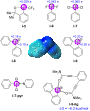
Scheme 3: Metal-free intramolecular cyclopropanation of iodonium ylides.
Figure 6: Concerted cycloaddition pathway for the metal-free, intramolecular cyclopropanation of iodonium yli...
Scheme 4: Reaction of ylide 6 with diphenylketene to form lactone 24 and 25.
Figure 7: Nucleophilic (top) and electrophilic (bottom) addition pathways proposed by Koser and Hadjiarapoglo...
Scheme 5: Indoline synthesis from acyclic iodonium ylide 31 and tertiary amines.
Scheme 6: N-Heterocycle synthesis from acyclic iodonium ylide 31 and secondary amines.
Figure 8: Proposed mechanism for the formation of 33a from iodonium ylides and amines, involving an initial h...
Scheme 7: Indoline synthesis from acyclic iodonium ylides 39 and tertiary amines under blue light photocataly...
Scheme 8: Metal-free cycloproponation of iodonium ylides under blue LED irradiation. aUsing trans-β-methylsty...
Figure 9: Proposed mechanism of the cyclopropanation between iodonium ylides and alkenes under blue LED irrad...
Scheme 9: Formal C–H alkylation of iodonium ylides by nucleophilic heterocycles under blue LED irradiation.
Figure 10: Proposed mechanism of the formal C–H insertion of pyrrole under blue LED irradiation.
Scheme 10: X–H insertions between iodonium ylides and carboxylic acids, phenols and thiophenols.
Figure 11: Mechanistic proposal for the X–H insertion reactions of iodonium ylides.
Scheme 11: Radiofluorination of biphenyl using iodonium ylides 54a–e derived from various β-dicarbonyl auxilia...
Scheme 12: Radiofluorination of arenes using spirocycle-derived iodonium ylides 56.
Scheme 13: Radiofluorination of arenes using SPIAd-derived iodonium ylides 58.
Figure 12: Calculated reaction coordinate for the radiofluorination of iodonium ylide 60.
Scheme 14: Radiofluorination of iodonium ylides possessing various ortho- and para-substituents on the iodoare...
Figure 13: Difference in Gibbs activation energy for ortho- or para-anisyl derived iodonium ylides 63a and 63b....
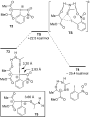
Figure 14: Proposed equilibration of intermediates to transit between 64a (the initial adduct formed between 6...
Scheme 15: Comparison of 31 and ortho-methoxy iodonium ylide 39 in rhodium-catalyzed cyclopropanation and cycl...
Figure 15: X-ray crystal structure of dimeric 39 [6], (CCDC# 893474) [143,144].
Scheme 16: Enaminone synthesis using diazonium and iodonium ylides.
Figure 16: Transition state calculations for enaminone synthesis from iodonium ylides and thioamides.
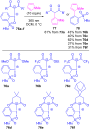
Scheme 17: The reaction between ylides 73a–f and N-methylpyrrole under 365 nm UV irradiation.
Figure 17: Crystal structures of 76c (top) and 76e (bottom) [101], (CCDC# 2104180 & 2104181) [143,144].
Beilstein J. Org. Chem. 2023, 19, 1055–1145, doi:10.3762/bjoc.19.81
Graphical Abstract
Figure 1: Oxidative and reductive activations of organic compounds harvesting photoredox catalysis.
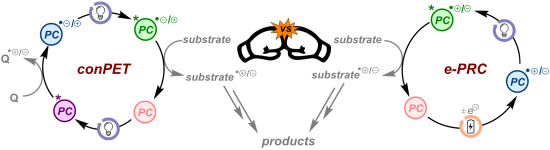
Figure 2: General catalytic cycles of radical ion conPET (left) and radical ion e-PRC (right).
Figure 3: “Beginner’s guide”: comparison between advantages, capacities, and prospectives of conPET and PEC.
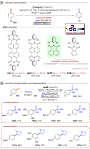
Figure 4: A) conPET reductive dehalogenation of aryl halides with PDI. B) Reductive C–H arylation with pyrrol...
Figure 5: A) Chromoselective mono- and disubstitution or polybrominated pyrimidines with pyrroles. B) Sequent...
Figure 6: A) Synthesis of pyrrolo[1,2-a]quinolines. B) Synthesis of ullazines.
Figure 7: A) Reductive phosphorylation of aryl halides via conPET. B) Selected examples from the substrate sc...
Figure 8: A) Reductive dehalogenation of aryl halides via conPET and selected examples from the substrate sco...
Figure 9: A) Reductive C–H arylation of aryl halides via conPET (top) and selected examples from the substrat...
Figure 10: A) Reductive hydrodehalogenation of aryl halides with Mes-Acr-BF4. B) Selected examples from the su...
Figure 11: A) Reductive hydrodechlorination of aryl chlorides with 4-DPAIPN. B) Proposed formation of CO2•−. C...
Figure 12: A) Reductive conPET borylation with 3CzEPAIPN (top) and selected examples from the substrate scope ...
Figure 13: Scale-up of conPET phosphorylation with 3CzEPAIPN.
Figure 14: A) Borylation of 1d. B) Characteristics and structure of PC1 with green and red parts showing the l...
Figure 15: A) Reductive C–H arylation scope with polysulfide conPET (top) and selected examples from the subst...
Figure 16: Scale-up of A) C–H arylation and B) dehaloborylation with polysulfide photocatalysis in continuous-...
Figure 17: A) Formation of [Ir1]0 and [Ir2]0 upon PET between [Ir1]+ and Et3N. B) Mechanism of multi-photon ta...
Figure 18: A) Reductive hydrodehalogenation of aryl halides via multi-photon tandem photocatalysis. B) Selecte...
Figure 19: A) Carbonylative amidation of aryl halides in continuous flow. B) Selected examples from the substr...
Figure 20: A) General scheme for reductive (RQ) and oxidative quenching (OQ) protocols using [FeIII(btz)3](PF6)...
Figure 21: A) Carbonylative amidation of alkyl iodides with [IrIII(ppy)2(dtbbpy)]PF6. B) Selected examples fro...
Figure 22: A) Carboxylative C–N bond cleavage in cyclic amines. B) Selected examples from the substrate scope....
Figure 23: A) Formal reduction of alkenes to alkanes via transfer hydrogenation. B) Selected examples from the...
Figure 24: A) Birch-type reduction of benzenes with PMP-BPI. B) Selected examples from the substrate scope (sc...
Figure 25: Proposed mechanism of the OH− mediated conPET Birch-type reduction of benzene via generation of sol...
Figure 26: Reductive detosylation of N-tosylated amides with Mes-Acr-BF4. B) Selected examples from the substr...
Figure 27: A) Reductive detosylation of N-tosyl amides by dual PRC. B) Selected examples from the substrate sc...
Figure 28: A) Mechanism of the dual PRC based on PET between [Cu(dap)2]+ and DCA. B) Mechanism of the dual PRC...
Figure 29: A) N–O bond cleavage in Weinreb amides with anthracene. B) N–O bond cleavage in Weinreb amides rely...
Figure 30: A) Pentafluorosulfanylation and fluoride elimination. B) Mechanism of the pentafluorosulfanylation ...
Figure 31: A) α-Alkoxypentafluorosulfanylation (top) and selected examples from the substrate scope (bottom). ...
Figure 32: A) Oxidative amination of arenes with azoles catalyzed by N-Ph PTZ. B) Selected examples from the s...
Figure 33: A) C(sp3)–H bond activation by HAT via chloride oxidation by *N-Ph PTZ•+. B) Proposed mechanism for...
Figure 34: A) Recycling e-PRC C–H azolation of electron-rich arenes with pyrazoles using Mes-Acr+ as a photoca...
Figure 35: A) Radical ion e-PRC direct oxidation of unactivated arenes using TAC+ as an electro-activated phot...
Figure 36: A) Radical ion e-PRC direct oxidation of unactivated arenes using TPA as an electro-activated photo...
Figure 37: Proposed mechanism (top) and mode of preassembly (bottom).
Figure 38: A) Possible preassemblies of reactive (left) vs unreactive (right) arenes. B) Calculated spin densi...
Figure 39: A) Recycling e-PRC C(sp2 )–H acetoxylation of arenes using DDQ as a photocatalyst. B) Proposed cata...
Figure 40: Gram scale hydroxylation of benzene in a recirculated flow setup.
Figure 41: A) Radical ion e-PRC vicinal diamination of alkylarenes using TAC+ as an electro-activated photocat...
Figure 42: A) Sequential oxygenation of multiple adjacent C–H bonds under radical ion e-PRC using TAC+ as an e...
Figure 43: A) Enantioselective recycling e-PRC cyanation of benzylic C–H bonds using ADQS as photocatalyst. B)...
Figure 44: Proposed tandem mechanism by Xu and co-workers.
Figure 45: A) Enantioselective recycling e-PRC decarboxylative cyanation using Cu(acac)2, Ce(OTf)3 and a box l...
Figure 46: A) Enantioselective recycling e-PRC benzylic cyanation using Cu(MeCN)4BF4, box ligand and anthraqui...
Figure 47: A) Radical ion e-PRC acetoxyhydroxylation of aryl olefins using TAC+ as an electro-activated photoc...
Figure 48: Selected examples from the substrate scope.
Figure 49: Photoelectrochemical acetoxyhydroxylation in a recirculated flow setup.
Figure 50: A) Radical ion e-PRC aminooxygenation of aryl olefins using TAC+ as an electro-activated photocatal...
Figure 51: A) Recycling e-PRC C–H alkylation of heteroarenes with organic trifluoroborates using Mes-Acr+ as p...
Figure 52: A) Recycling e-PRC decarboxylative C–H alkylation of heteroarenes using CeCl3·7H2O as catalyst. B) ...
Figure 53: A) Recycling e-PRC decarboxylative C–H alkylation of heteroarenes using Fe(NH4)2(SO4)2·6H2O as cata...
Figure 54: A) Recycling e-PRC C–H alkylation of heteroarenes with alkyl oxalates and 4CzIPN as photocatalyst. ...
Figure 55: A) Recycling e-PRC decarboxylative C–H carbamoylation of heteroarenes using 4CzIPN as photocatalyst...
Figure 56: A) Photoelectrochemical HAT-mediated hydrocarbon activation via the chlorine radical. B) Proposed m...
Figure 57: A) Selected examples from the substrate scope. B) Gram and decagram scale semi-continuous flow PEC ...
Figure 58: A) Photoelectrochemical HAT-mediated dehydrogenative coupling of benzothiazoles with aliphatic C–H ...
Figure 59: A) Photoelectrochemical HAT activation of ethers using electro-activated TAC+ as photocatalyst. B) ...
Figure 60: Selected examples from the substrate scope.
Figure 61: A) Photoelectrochemical HAT-mediated synthesis of alkylated benzimidazo-fused isoquinolinones using...
Figure 62: A) Decoupled photoelectrochemical cerium-catalyzed oxydichlorination of alkynes using CeCl3 as cata...
Figure 63: Proposed decoupled photoelectrochemical mechanism.
Figure 64: A) Decoupled photoelectrochemical ring-opening bromination of tertiary cycloalkanols using MgBr2 as...
Figure 65: A) Recycling e-PRC ring-opening functionalization of cycloalkanols using CeCl3 as catalyst. B) Prop...
Figure 66: Selected examples from the substrate scope of the PEC ring-opening functionalization.
Figure 67: A) Radical ion e-PRC reduction of chloro- and bromoarenes using DCA as catalyst and various accepto...
Figure 68: A) Screening of different phthalimide derivatives as catalyst for the e-PRC reduction of aryl halid...
Figure 69: Screening of different organic catalysts for the e-PRC reduction of trialkylanilium salts.
Figure 70: A) e-PRC reduction of phosphonated phenols and anilinium salts. B) Selected examples from the subst...
Figure 71: A) ConPET and e-PRC reduction of 4-bromobenzonitrile using a naphthalene diimide (NDI) precatalyst ...
Figure 72: A) Radical ion e-PRC reduction of phosphinated aliphatic alcohols with n-BuO-NpMI as catalyst. B) C...
Figure 73: Selected examples from the substrate scope.
Figure 74: A) Recycling e-PRC reductive dimerization of benzylic chlorides using a [Cu2] catalyst. B) Proposed...
Figure 75: A) Decoupled photoelectrochemical C–H alkylation of heteroarenes through deamination of Katritzky s...
Figure 76: Proposed mechanism by Chen and co-workers.
Beilstein J. Org. Chem. 2023, 19, 956–981, doi:10.3762/bjoc.19.72
Graphical Abstract
Scheme 1: First organocatalyzed asymmetric aza-Friedel–Crafts reaction.
Scheme 2: Aza-Friedel–Crafts reaction between indoles and cyclic ketimines.
Scheme 3: Aza-Friedel–Crafts reaction utilizing trifluoromethyldihydrobenzoazepinoindoles as electrophiles.
Scheme 4: Aza-Friedel–Crafts reaction utilizing cyclic N-sulfimines as electrophiles.
Scheme 5: Aza-Friedel–Crafts reaction involving N-unprotected imino ester as electrophile.
Scheme 6: Aza-Friedel–Crafts and lactonization cascade.
Scheme 7: One-pot oxidation and aza-Friedel–Crafts reaction.
Scheme 8: C1 and C2-symmetric phosphoric acids as catalysts.
Scheme 9: Aza-Friedel–Crafts reaction using Nps-iminophosphonates as electrophiles.
Scheme 10: Aza-Friedel–Crafts reaction between indole and α-iminophosphonate.
Scheme 11: [2.2]-Paracyclophane-derived chiral phosphoric acids as catalyst.
Scheme 12: Aza-Friedel–Crafts reaction through ring opening of sulfamidates.
Scheme 13: Isoquinoline-1,3(2H,4H)-dione scaffolds as electrophiles.
Scheme 14: Functionalization of the carbocyclic ring of substituted indoles.
Scheme 15: Aza-Friedel–Crafts reaction between unprotected imines and aza-heterocycles.
Scheme 16: Anilines and α-naphthols as potential nucleophiles.
Scheme 17: Solvent-controlled regioselective aza-Friedel–Crafts reaction.
Scheme 18: Generating central and axial chirality via aza-Friedel–Crafts reaction.
Scheme 19: Reaction between indoles and racemic 2,3-dihydroisoxazol-3-ol derivatives.
Scheme 20: Exploiting 5-aminoisoxazoles as nucleophiles.
Scheme 21: Reaction between unsubstituted indoles and 3-alkynylated 3-hydroxy-1-oxoisoindolines.
Scheme 22: Synthesis of unnatural amino acids bearing an aza-quaternary stereocenter.
Scheme 23: Atroposelective aza-Friedel–Crafts reaction.
Scheme 24: Coupling of 5-aminopyrazole and 3H-indol-3-ones.
Scheme 25: Pyrophosphoric acid-catalyzed aza-Friedel–Crafts reaction on phenols.
Scheme 26: Squaramide-assisted aza-Friedel–Crafts reaction.
Scheme 27: Thiourea-catalyzed aza-Friedel–Crafts reaction.
Scheme 28: Squaramide-catalyzed reaction between β-naphthols and benzothiazolimines.
Scheme 29: Thiourea-catalyzed reaction between β-naphthol and isatin-derived ketamine.
Scheme 30: Quinine-derived molecule as catalyst.
Scheme 31: Cinchona alkaloid as catalyst.
Scheme 32: aza-Friedel–Crafts reaction by phase transfer catalyst.
Scheme 33: Disulfonamide-catalyzed reaction.
Scheme 34: Heterogenous thiourea-catalyzed aza-Friedel–Crafts reaction.
Scheme 35: Total synthesis of (+)-gracilamine.
Scheme 36: Total synthesis of (−)-fumimycin.
Beilstein J. Org. Chem. 2023, 19, 78–88, doi:10.3762/bjoc.19.7
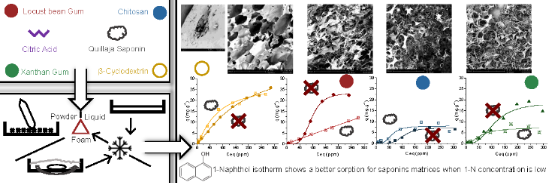
Graphical Abstract
Figure 1: Quillaja saponin foamability (left) and foam stability over time for the β-cyclodextrin/polysacchar...
Figure 2: SEM images of crushed β-c-LBG as a function of the synthesis pathways (see below, Experimental sect...
Figure 3: SEM of β-csp after crosslinking with or without washing the sample.
Figure 4: β-csp (left) and c-CSsp (right) matrices unwashed showing the “foam-like” morphologies.
Figure 5: Values (in mg/g) of equivalent ‘free β-cyclodextrin’ in the polysaccharide (PS) matrices, as a func...
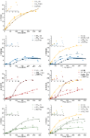
Figure 6: 1-Naphthol isotherms of crosslinked β-cyclodextrin/polysaccharides (blue curves for chitosan, red f...
Figure 7: Sorption of phenols (V, vanillin; Ph, phenol; m-c, m-cresol; 4eP, 4-ethylphenol; Eu, eugenol) in β-...
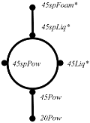
Figure 8: Six synthesis routes (*lyophilized matrices) used to prepare samples β-c-XGsp; β-c-LBGsp; β-c-CSsp ...
Beilstein J. Org. Chem. 2022, 18, 1649–1655, doi:10.3762/bjoc.18.177
Graphical Abstract
Figure 1: Examples of approved spirocyclic drugs.
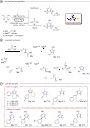
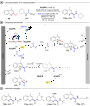
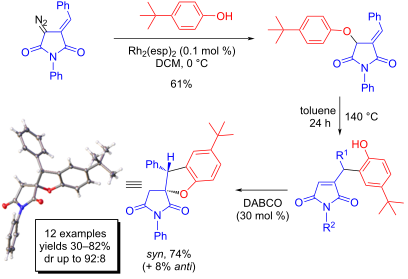
Scheme 1: (a) Earlier reported Rh(II)-catalyzed spirocyclization of DAS with the formation of minor enol ethe...
Scheme 2: Initial attempt at Rh(II)-catalyzed O–H insertion/Claisen rearrangement.
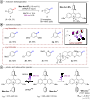
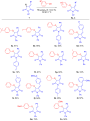
Scheme 3: Rh2(esp)2-catalyzed O–H insertion reactions between various DAS 1 and phenols.
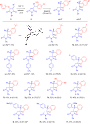
Scheme 4: Two-step, one-pot sequence of the Claisen rearrangement/intramolecular Michael-type spirocyclizatio...
Scheme 5: Tentative rationalization of the diastereoselectivity observed in all 5→7 transformations (shown fo...
Beilstein J. Org. Chem. 2022, 18, 1567–1574, doi:10.3762/bjoc.18.167
Graphical Abstract
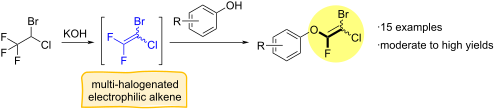
Figure 1: Medicines containing a difluoromethylene group.
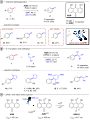
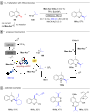
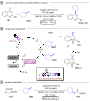
Scheme 1: Reaction of phenol with polyfluoroalkanes.
Figure 2: Fluoroalkene analogs of some drugs.
Scheme 2: Proposed mechanism.
Scheme 3: Sonogashira cross-coupling reaction of 2a with trimethylsilylacetylene.
Beilstein J. Org. Chem. 2022, 18, 1454–1456, doi:10.3762/bjoc.18.150
Graphical Abstract
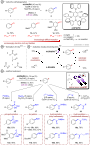
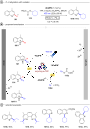
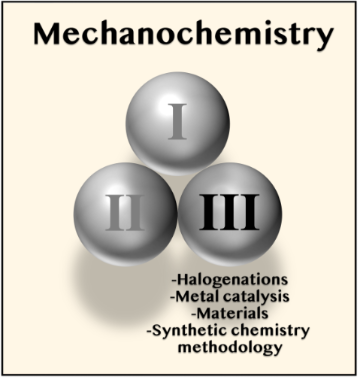
Scheme 1: a) Mechanochemical PEG-400-assisted halogenation of phenols and anilines using NXS. b) Halogenation...
Scheme 2: Mechanochemical palladium-catalyzed borylation protocol of aryl halides.
Scheme 3: 1,2-Debromination of polycyclic imides, followed by in situ trapping of the dienophile by several d...
Scheme 4: Synthesis of g-h-PCN from sodium phosphide and trichloroheptazine mediated by mechanochemistry.
Scheme 5: Mechanochemical intra- and intermolecular C–N coupling reactions using DDQ as an oxidant.
Beilstein J. Org. Chem. 2022, 18, 1416–1423, doi:10.3762/bjoc.18.147
Graphical Abstract
Figure 1: Representative asymmetric Co–salen catalysts.
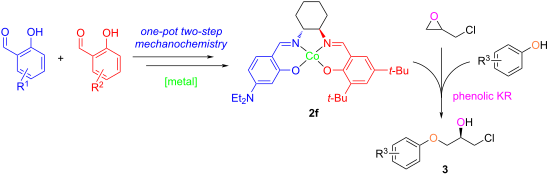
Scheme 1: Synthetic approach to our unsymmetrical Co–salen catalyst 2f for the asymmetric synthesis of α-aryl...
Scheme 2: Mechanochemical one-pot two-step synthesis of unsymmetrical salens 1a–h. Reaction conditions: salic...
Scheme 3: Synthesis of unsymmetrical metal–salen complexes 2. Reaction conditions a: metal acetate hydrate (1...
Beilstein J. Org. Chem. 2022, 18, 999–1008, doi:10.3762/bjoc.18.100
Graphical Abstract
Figure 1: Representative examples of important halogen-containing aryl derivatives.
Scheme 1: Strategies for halogenation of aromatic compounds using NXS.
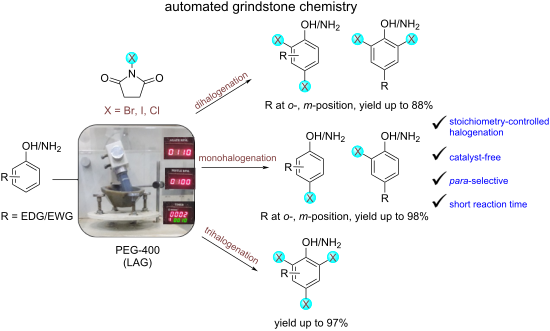
Scheme 2: General scheme of PEG-400-assisted halogenation of phenols and anilines in an automated grinder usi...
Scheme 3: Monohalogenation of phenols and anilines by automated grinding with NXS. All yields refer to the is...
Scheme 4: Dihalogenation of phenols and anilines with NXS by automated grinding. All yields refer to the isol...
Scheme 5: Gram-scale monobromination of p-cresol by NBS in the automated grinder.
Beilstein J. Org. Chem. 2022, 18, 889–915, doi:10.3762/bjoc.18.90
Graphical Abstract
Figure 1: Biologically active 1,2-azaphospholine 2-oxide derivatives.
Figure 2: Diverse synthetic strategies for the preparation of 1,2-azaphospholidine and 1,2-azaphospholine 2-o...
Scheme 1: Synthesis of 1-phenyl-2-phenylamino-γ-phosphonolactam (2) from N,N’-diphenyl 3-chloropropylphosphon...
Scheme 2: Synthesis of 2-ethoxy-1-methyl-γ-phosphonolactam (6) from ethyl N-methyl-(3-bromopropyl)phosphonami...
Scheme 3: Synthesis of 2-aryl-1-methyl-2,3-dihydrobenzo[c][1,2]azaphosphole 1-oxides 13 from N-aryl-2-chlorom...
Scheme 4: Synthesis of 2,3-dihydrobenzo[c][1,2]azaphosphole 1-oxides from alkylarylphosphinyl or diarylphosph...
Scheme 5: Synthesis of 3-arylmethylidene-2,3-dihydrobenzo[c][1,2]azaphosphole 1-oxides via the TBAF-mediated ...
Scheme 6: Synthesis of 2-hydrobenzo[c][1,2]azaphosphol-3-one 1-oxides via the metal-free intramolecular oxida...
Scheme 7: Synthesis of 1,3-dihydrobenzo[d][1,2]azaphosphole 2-oxides 42 and 44 from ethyl/benzyl 2-bromobenzy...
Scheme 8: Synthesis of azaphospholidine 2-oxides/sulfide from 1,2-oxaphospholane 2-oxides/sulfides and 1,2-th...
Scheme 9: Synthesis of 1,3-dihydrobenzo[d][1,2]azaphosphole 2-oxides/sulfides from 2-aminobenzyl(phenyl)phosp...
Scheme 10: Synthesis of 1,3-dihydrobenzo[d][1,2]azaphosphole 2-sulfide (59) from zwitterionic 2-aminobenzyl(ph...
Scheme 11: Synthesis of 1,3-dihydrobenzo[d][1,2]azaphosphole 2-oxides from 2-aminobenzyl(methyl/phenyl)phosphi...
Scheme 12: Synthesis of ethyl 2-methyl-1,2-azaphospholidine-5-carboxylate 2-oxide 69 from 2-amino-4-(hydroxy(m...
Scheme 13: Synthesis of 2-methoxy-1,3-dihydrobenzo[d][1,2]azaphosphole 2-oxide 71 from dimethyl 2-(methylamino...
Scheme 14: Synthesis of tricyclic γ-phosphonolactams via formation of the P–C bond.
Scheme 15: Synthesis of γ-phosphonolactams 85 from ethyl 2-(3-chloropropyl)aminoalkanoates with diethyl chloro...
Scheme 16: Synthesis of N-phosphoryl- and N-thiophosphoryl-1,2-azaphospholidine 2-oxides 90/2-sulfides 91 from...
Scheme 17: Synthesis of 1-methyl-1,3-dihydrobenzo[d][1,2]azaphosphole 2-oxides 56a and 93 from P-(chloromethyl...
Scheme 18: Synthesis of 2-allylamino-1,5-dihydro-1,2-azaphosphole 2-oxides from N,N’-diallyl-vinylphosphonodia...
Scheme 19: Diastereoselective synthesis of 2-allylamino-1,5-dihydro-1,2-azaphosphole 2-oxides from N,N’-dially...
Scheme 20: Synthesis of 1-alkyl-3-benzoyl-2-ethoxy-1,3-dihydrobenzo[d][1,2]azaphosphole 2-oxides 106 from ethy...
Scheme 21: Synthesis of cyclohexadiene-fused γ-phosphinolactams from diphenyl-N-benzyl-N-methylphosphinamide (...
Scheme 22: Synthesis of cyclohexadiene-fused γ-phosphinolactams from diphenyl-N-alkyl-N-benzylphosphinamides.
Scheme 23: Synthesis of cyclohexadiene-fused γ-phosphinolactams from diphenyl-N-methyl-N-(1-phenylethyl)phosph...
Scheme 24: Synthesis of benzocyclohexadiene-fused γ-phosphinolactams from dinaphth-1-yl-N-alkyl-N-benzylphosph...
Scheme 25: Synthesis of benzocyclohexadiene-fused γ-phosphinolactams from dinaphth-1-yl-N-benzyl-N-methylphosp...
Scheme 26: Synthesis of carbonyl-containing benzocyclohexadiene-fused γ-phosphinolactams from dinaphth-1-yl-N-...
Scheme 27: Synthesis of benzocyclohexadiene-fused γ-phosphinolactams from dinaphthyl-N-benzyl-N-methylphosphin...
Scheme 28: Synthesis of cyclohexadiene-fused 1-(N-benzyl-N-methyl)amino-γ-phosphinolactams from aryl-N,N’-dibe...
Scheme 29: Synthesis of bis(cyclohexadiene-fused γ-phosphinolactam)s from bis(diphenyl-N-benzylphosphinamide)s....
Scheme 30: Synthesis of bis(hydroxymethyl-derived cyclohexadiene-fused γ-phosphinolactam)s from tetramethylene...
Scheme 31: Synthesis of 2-aryl/dimethylamino-1-ethoxy-2-hydrobenzo[c][1,2]azaphosphol-3-one 1-oxides from ethy...
Scheme 32: Synthesis of ethyl 2-ethoxy-1,2-azaphospholidine-4-carboxylate 2-oxides from ethyl 2-((chloro(ethox...
Scheme 33: Synthesis of (1S,3R)-2-(tert-butyldiphenylsilyl)-3-methyl-1-phenyl-2,3-dihydrobenzo[c][1,2]azaphosp...
Scheme 34: Synthesis of 2,3,3a,9a-tetrahydro-4H-1,2-azaphospholo[5,4-b]chromen-4-one (215) from 3-(phenylamino...
Scheme 35: Synthesis of quinoline-fused 1,2-azaphospholine 2-oxides from 2-azidoquinoline-3-carbaldehydes and ...
Scheme 36: Synthesis of 1-hydro-1,2-azaphosphol-5-one 2-oxide from cyanoacetohydrazide with phosphonic acid an...
Scheme 37: Synthesis of chromene-fused 5-oxo-1,2-azaphospolidine 2-oxides.
Scheme 38: Synthesis of (R)-1-phenyl-2-((R)-1-phenylethyl)-2-hydrobenzo[c][1,2]azaphosphol-3-one 1-oxide (239)...
Scheme 39: Synthesis of dihydro[1,2]azaphosphole 1-oxides from aryl/vinyl-N-phenylphosphonamidates and aryl-N-...
Scheme 40: Synthesis of 1,3-dihydro-[1,2]azaphospholo[5,4-b]pyridine 2-oxides.
Beilstein J. Org. Chem. 2022, 18, 722–731, doi:10.3762/bjoc.18.72
Graphical Abstract
Figure 1: Prenylated aromatic metabolites are involved in cellular processes like cell respiration (coenzyme Q...
Figure 2: Homology clustering of Ptases encoded in marine Flavobacteria and Saccharomonospora species (G1–G4,...
Figure 3: Regional alignment of ubiA-297 of Maribacter sp. MS6 (EU359911.1) and homologous genes in Z. uligin...
Figure 4: A) Amino acid alignment and binding residues of UbiA-297. G2-Ptases are illustrated in the grey box...
Figure 5: Evaluation of substrate specificity of UbiA-297. Accepted substrates are shown in red, while no pro...
Figure 6: A) Reaction scheme of UbiA-297 catalyzing the assumed para-directed farnesylation of 8-HQA; B) calc...
Beilstein J. Org. Chem. 2022, 18, 420–428, doi:10.3762/bjoc.18.44
Graphical Abstract
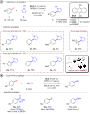
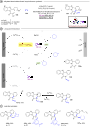
Scheme 1: Scope of the reaction of bromopropargylic alcohol 1a and phenols 2b–i.
Scheme 2: Reaction of bromopropargylic alcohol 1b and phenols 2a and 2d.
Scheme 3: Reaction of bromopropargylic alcohol 1c and phenol (2a).
Scheme 4: Reaction of chloropropargylic alcohol and phenol (2a).
Scheme 5: Reaction of bromopropargylic alcohol 1a and anilines.
Scheme 6: Control experiments.
Scheme 7: A plausible mechanism for the formation of phenoxyhydroxyketone 4.
Scheme 8: A plausible mechanism for the formation of diphenoxyketone 5.
Scheme 9: Examples of representative preparation of phenoxyketones 4.
Scheme 10: α-Ketol rearrangement of phenoxyketones 4a and 4f.
Beilstein J. Org. Chem. 2022, 18, 225–231, doi:10.3762/bjoc.18.26
Graphical Abstract
Scheme 1: Classical amine purification.
Scheme 2: Principle of out-of equilibrium machinery using TCA (a) and our application to amines purification ...
Scheme 3: Application of the TCA purification from a crude reaction mixture.
Beilstein J. Org. Chem. 2022, 18, 120–132, doi:10.3762/bjoc.18.13
Graphical Abstract
Scheme 1: Organic reactions where the breaking of a C–X bond involves the formation of a high energy ion-pair...
Scheme 2: The chemical structures for the 1-adamantyl substrate, 2-adamantyl substrate, and the S-methyldiben...
Figure 1: The SN2 reaction plot of log (k/ko) vs (1.26 NT + 0.65 YCl) for the solvolyses of benzesulfonyl chl...
Figure 2: The SN2 reaction plot of log (k/ko) vs (1.35 NT + 0.70 YCl) for the solvolyses of 2-thiophenesulfon...
Beilstein J. Org. Chem. 2022, 18, 53–69, doi:10.3762/bjoc.18.5
Graphical Abstract
Figure 1: Naphthoquinones are commonly used in organic synthesis.
Figure 2: Some important natural and synthetic naphthoquinones.
Scheme 1: Synthetic studies of BNQs and reactions with amines.
Scheme 2: Methods described for the synthesis of β-NQS.
Figure 3: Drugs detected using β-NQSNa.
Scheme 3: Reactions between β-NQS and amines.
Scheme 4: Isomerization of 4-arylamino-1,2-naphthoquinones.
Scheme 5: Synthesis of unsymmetrical 2-amino-4-imino compounds.
Scheme 6: Synthesis of bis(isoxazolyl)naphthoquinones from β-NQS.
Scheme 7: The reaction of β-NQS with 30 followed by cycle condensation.
Scheme 8: Synthesis of 4-(2-amino-5-selenothiazoles)-1,2-naphthoquinones.
Scheme 9: Synthesis of amino- and phenoxy-1,2-naphthoquinones.
Scheme 10: Synthesis of 4-semicarbazide-1,2-naphthoquinone.
Scheme 11: Reactions of 4-azido-1,2-naphthoquinone.
Figure 4: Modifications that can be easily carried out from the products of β-NQS 8.
Scheme 12: Derivatives of 1,2-naphthoquinones obtained from β-NQS.
Scheme 13: Oximes as well as 4-amino- and 4-phenoxy-1,2-naphthoquinone as potential anti-inflammatory agents.
Scheme 14: Synthesis of triazoles from β-NQS.
Scheme 15: Synthesis of naphtho[1,2-d]oxazoles from β-NQS.
Scheme 16: A) Arylation and vinylation of β-NQS catalyzed by Ni(II) salts. B) Transformation of the 1,2-dicarb...
Scheme 17: Benzo[a]carbazole and benzo[c]carbazoles fused with 1,2-naphthoquinone.
Scheme 18: Synthesis of 1,2-naphthoquinones having a C=C bond from β-NQS. Method A: NaOH, EtOH/H2O, 40 °C, 2 h...
Scheme 19: C=C bond formation from β-NQS and substituted acetonitriles.
Beilstein J. Org. Chem. 2021, 17, 2848–2893, doi:10.3762/bjoc.17.196
Graphical Abstract
Figure 1: Price comparison among iron and other transition metals used in catalysis.
Scheme 1: Typical modes of C–C bond formation.
Scheme 2: The components of an iron-catalyzed domino reaction.
Scheme 3: Iron-catalyzed tandem cyclization and cross-coupling reactions of iodoalkanes 1 with aryl Grignard ...
Scheme 4: Three component iron-catalyzed dicarbofunctionalization of vinyl cyclopropanes 14.
Scheme 5: Three-component iron-catalyzed dicarbofunctionalization of alkenes 21.
Scheme 6: Double carbomagnesiation of internal alkynes 31 with alkyl Grignard reagents 32.
Scheme 7: Iron-catalyzed cycloisomerization/cross-coupling of enyne derivatives 35 with alkyl Grignard reagen...
Scheme 8: Iron-catalyzed spirocyclization/cross-coupling cascade.
Scheme 9: Iron-catalyzed alkenylboration of alkenes 50.
Scheme 10: N-Alkyl–N-aryl acrylamide 60 CDC cyclization with C(sp3)–H bonds adjacent to a heteroatom.
Scheme 11: 1,2-Carboacylation of activated alkenes 60 with aldehydes 65 and alcohols 67.
Scheme 12: Iron-catalyzed dicarbonylation of activated alkenes 68 with alcohols 67.
Scheme 13: Iron-catalyzed cyanoalkylation/radical dearomatization of acrylamides 75.
Scheme 14: Synergistic photoredox/iron-catalyzed 1,2-dialkylation of alkenes 82 with common alkanes 83 and 1,3...
Scheme 15: Iron-catalyzed oxidative coupling/cyclization of phenol derivatives 86 and alkenes 87.
Scheme 16: Iron-catalyzed carbosulfonylation of activated alkenes 60.
Scheme 17: Iron-catalyzed oxidative spirocyclization of N-arylpropiolamides 91 with silanes 92 and tert-butyl ...
Scheme 18: Iron-catalyzed free radical cascade difunctionalization of unsaturated benzamides 94 with silanes 92...
Scheme 19: Iron-catalyzed cyclization of olefinic dicarbonyl compounds 97 and 100 with C(sp3)–H bonds.
Scheme 20: Radical difunctionalization of o-vinylanilides 102 with ketones and esters 103.
Scheme 21: Dehydrogenative 1,2-carboamination of alkenes 82 with alkyl nitriles 76 and amines 105.
Scheme 22: Iron-catalyzed intermolecular 1,2-difunctionalization of conjugated alkenes 107 with silanes 92 and...
Scheme 23: Four-component radical difunctionalization of chemically distinct alkenes 114/115 with aldehydes 65...
Scheme 24: Iron-catalyzed carbocarbonylation of activated alkenes 60 with carbazates 117.
Scheme 25: Iron-catalyzed radical 6-endo cyclization of dienes 119 with carbazates 117.
Scheme 26: Iron-catalyzed decarboxylative synthesis of functionalized oxindoles 130 with tert-butyl peresters ...
Scheme 27: Iron‑catalyzed decarboxylative alkylation/cyclization of cinnamamides 131/134.
Scheme 28: Iron-catalyzed carbochloromethylation of activated alkenes 60.
Scheme 29: Iron-catalyzed trifluoromethylation of dienes 142.
Scheme 30: Iron-catalyzed, silver-mediated arylalkylation of conjugated alkenes 115.
Scheme 31: Iron-catalyzed three-component carboazidation of conjugated alkenes 115 with alkanes 101/139b and t...
Scheme 32: Iron-catalyzed carboazidation of alkenes 82 and alkynes 160 with iodoalkanes 20 and trimethylsilyl ...
Scheme 33: Iron-catalyzed asymmetric carboazidation of styrene derivatives 115.
Scheme 34: Iron-catalyzed carboamination of conjugated alkenes 115 with alkyl diacyl peroxides 163 and acetoni...
Scheme 35: Iron-catalyzed carboamination using oxime esters 165 and arenes 166.
Scheme 36: Iron-catalyzed iminyl radical-triggered [5 + 2] and [5 + 1] annulation reactions with oxime esters ...
Scheme 37: Iron-catalyzed decarboxylative alkyl etherification of alkenes 108 with alcohols 67 and aliphatic a...
Scheme 38: Iron-catalyzed inter-/intramolecular alkylative cyclization of carboxylic acid and alcohol-tethered...
Scheme 39: Iron-catalyzed intermolecular trifluoromethyl-acyloxylation of styrene derivatives 115.
Scheme 40: Iron-catalyzed carboiodination of terminal alkenes and alkynes 180.
Scheme 41: Copper/iron-cocatalyzed cascade perfluoroalkylation/cyclization of 1,6-enynes 183/185.
Scheme 42: Iron-catalyzed stereoselective carbosilylation of internal alkynes 187.
Scheme 43: Synergistic photoredox/iron catalyzed difluoroalkylation–thiolation of alkenes 82.
Scheme 44: Iron-catalyzed three-component aminoazidation of alkenes 82.
Scheme 45: Iron-catalyzed intra-/intermolecular aminoazidation of alkenes 194.
Scheme 46: Stereoselective iron-catalyzed oxyazidation of enamides 196 using hypervalent iodine reagents 197.
Scheme 47: Iron-catalyzed aminooxygenation for the synthesis of unprotected amino alcohols 200.
Scheme 48: Iron-catalyzed intramolecular aminofluorination of alkenes 209.
Scheme 49: Iron-catalyzed intramolecular aminochlorination and aminobromination of alkenes 209.
Scheme 50: Iron-catalyzed intermolecular aminofluorination of alkenes 82.
Scheme 51: Iron-catalyzed aminochlorination of alkenes 82.
Scheme 52: Iron-catalyzed phosphinoylazidation of alkenes 108.
Scheme 53: Synergistic photoredox/iron-catalyzed three-component aminoselenation of trisubstituted alkenes 82.
Beilstein J. Org. Chem. 2021, 17, 2799–2811, doi:10.3762/bjoc.17.191
Graphical Abstract
Figure 1: Examples of structures and properties of Schiff bases of interest in the present study.
Scheme 1: General view for the present study.
Scheme 2: Synthesis of ((trifluoromethyl)quinolinyl)phenol Schiff bases 3aa–fa.
Scheme 3: Synthesis of trifluoromethylated quinolinyl-phenol Schiff bases 3bb–be.
Figure 2: ORTEP diagram of the crystal structure of (E)-2-(((2-phenyl-4-(trifluoromethyl)quinolin-6-yl)imino)...
Figure 3: Normalized absorption spectra in the UV–vis region of compounds (a) 3ea and (b) 3be in CHCl3, MeOH ...
Figure 4: Normalized steady-state fluorescence emission spectra of compound 3aa (R = Ph, R1 = H) in CHCl3 (bl...
Figure 5: Comparative normalized steady-state fluorescence emission spectra of compounds 3bb and 3be in the t...
Figure 6: Photostability (%) plots of derivatives 3aa–fa and 3bb–be in DMSO solution after irradiation with w...
Figure 7: DPBF photooxidation assays by red-light irradiation with diode laser (λ = 660 nm) in the presence o...