Search results
Search for "antimicrobial activity" in Full Text gives 114 result(s) in Beilstein Journal of Organic Chemistry.
Fabclavine diversity in Xenorhabdus bacteria
Beilstein J. Org. Chem. 2020, 16, 956–965, doi:10.3762/bjoc.16.84
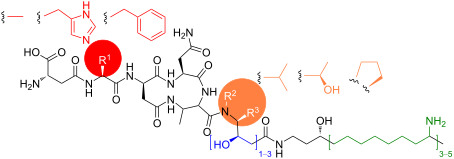
- ), such as daptomycin, vancomycin, or erythromycin, have already been shown to be potent antibiotics [2][3][4]. Consequently, research in the field of novel SMs with antimicrobial activity is vital to provide new avenues to new antiinfective drugs or lead compounds. Beside traditional sources such as


Two antibacterial and PPARα/γ-agonistic unsaturated keto fatty acids from a coral-associated actinomycete of the genus Micrococcus
Beilstein J. Org. Chem. 2020, 16, 297–304, doi:10.3762/bjoc.16.29
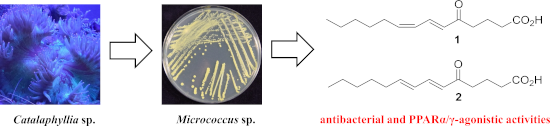
- interesting contrast. No appreciable antimicrobial activity was observed for both compounds against bacterial strains of Micrococcus luteus ATCC9341, Staphylococcus aureus FDA209P JC-1, and Escherichia coli NIHJ JC-2 and yeast strains of Candida albicans NBRC0197 and Saccharomyces cerevisiae S100, nor
- system simulations were performed using the freeware nmrpeak.exe [19]. Antimicrobial assay Antimicrobial assays were carried out in a similar manner as described in [18]. The antimicrobial activity was evaluated by the liquid microculture method using round-bottomed 96-well microtiter plates against five


Pigmentosins from Gibellula sp. as antibiofilm agents and a new glycosylated asperfuran from Cordyceps javanica
Beilstein J. Org. Chem. 2019, 15, 2968–2981, doi:10.3762/bjoc.15.293
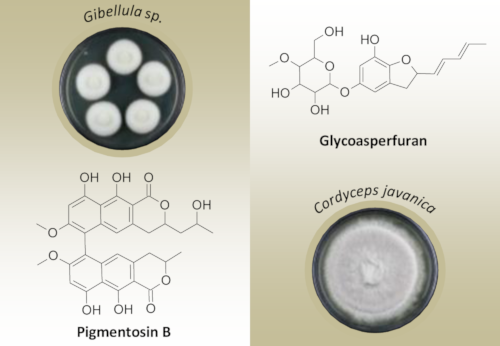
- than 250 μg/mL. Based on the evidence that the cells of S. aureus could still grow by more than 80% of the growth control at the lowest concentration where the biofilm formation was interrupted, both pigmentosins 1 and 2 showed antibiofilm effects independently from their antimicrobial activity
- compounds 1–6, various assays were carried out. The antimicrobial activity of the isolated compounds against Bacillus subtilis DSM10, Escherichia coli DSM498, Candida tenuis MUCL29892, and Mucor plumbeus MUCL49355 was determined as described by Kuephadungphan and co-workers [8]. The nematicidal activity


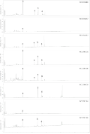
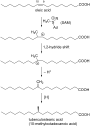
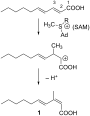
Isolation and biosynthesis of an unsaturated fatty acid with unusual methylation pattern from a coral-associated bacterium Microbulbifer sp.
Beilstein J. Org. Chem. 2019, 15, 2327–2332, doi:10.3762/bjoc.15.225
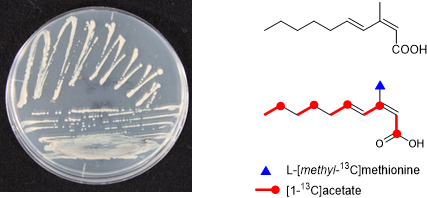
- ) was obtained from 1 L of culture supplemented with ʟ-[methyl-13C]methionine (total 80 mg; 2.0 mg × 10 flasks × 4 days). The 13C NMR spectrum showed an enriched signal at δ 21.3 ppm Antimicrobial assay Antimicrobial activity was evaluated by the liquid microculture method using round-bottomed 96-well


N-Acylated amino acid methyl esters from marine Roseobacter group bacteria
Beilstein J. Org. Chem. 2018, 14, 2964–2973, doi:10.3762/bjoc.14.276
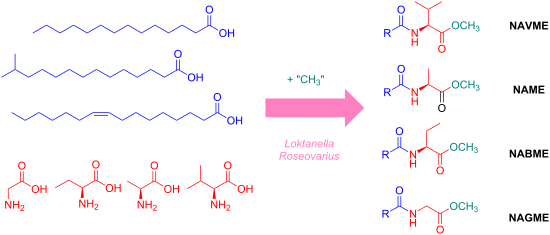
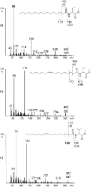
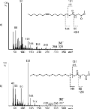
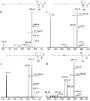
- and ESI mass spectra revealed fragmentation patterns helpful for the detection of similar compounds derived from other amino acids. Some of these compounds showed antimicrobial activity. The structural similarity of N-acylated amino acid methyl esters and similar lipophilicity to AHLs might indicate a
- program for their antimicrobial activity (Table 3). While the valine derivative 9 was virtually inactive, the other compounds showed some activity. Glycine compound 11 showed good activity against the Gram-positive bacteria Bacillus subtilis, Staphylococcus aureus, and Micrococcus luteus, and against the
- on the LuxR type receptors for AHLs in bacteria [23][24]. Other potential functions are antimicrobial or cytotoxic activity of the tested derivatives. Roseovarius sp. D12_1.68 showed antimicrobial activity against a Rhodobacteraceae sp. TL and antialgal activity against Skeletonema costatum while





Protein–protein interactions in bacteria: a promising and challenging avenue towards the discovery of new antibiotics
Beilstein J. Org. Chem. 2018, 14, 2881–2896, doi:10.3762/bjoc.14.267
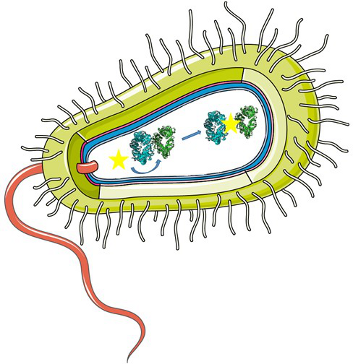
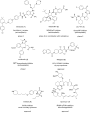
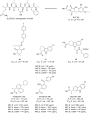
- (Figure 3) which displayed a >4-fold increase in its affinity for E. coli SC [63]. Recent evidence suggests that non-steroidal anti-inflammatory drugs (NSAIDs) have antimicrobial activity. Oakley et al. studied the E. coli β-clamp binding affinity of commercially available NSAIDs with the help of a FP




The design and synthesis of an antibacterial phenothiazine–siderophore conjugate
Beilstein J. Org. Chem. 2018, 14, 2646–2650, doi:10.3762/bjoc.14.242
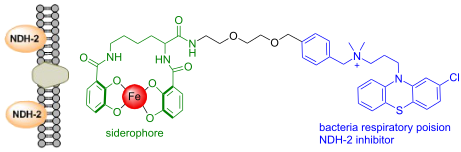
- ]. Phenothiazines are a privileged scaffold in drug discovery most noted for their use as antipsychotic drugs including chlorpromazine, trifluoperazine, and thioridazine. However, such drugs have also long been noted for their significant antimicrobial activity particularly against Staphylococcus aureus and


Synthesis of a leopolic acid-inspired tetramic acid with antimicrobial activity against multidrug-resistant bacteria
Beilstein J. Org. Chem. 2018, 14, 2482–2487, doi:10.3762/bjoc.14.224
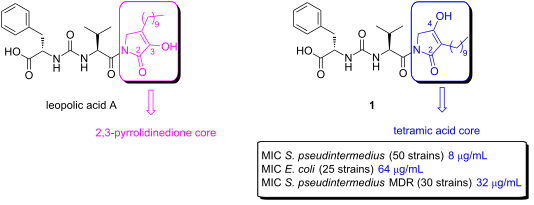
- class of antibacterial agents active also against resistant strains. Keywords: antimicrobial activity; multidrug-resistant bacteria; natural products; synthesis; tetramic acid; Introduction The treatment of bacterial infections by antibiotics is widely regarded as one of the major achievements of the
- synthetic strategy for obtaining new natural compound-derived scaffolds endowed with increased antimicrobial activity. Attention was focused on 2,4-pyrrolidinedione derivatives, so-called tetramic acids. As part of our search for new tetramic acid containing scaffolds, we have synthesized the 2,4
- expressing a multidrug-resistant phenotype (average MIC 32 µg/mL on 30 strains tested). The results confirm that the replacement of the 2,3-pyrrolidinedione core with the tetramic acid nucleus leads to an increase of antimicrobial activity even on MDR strains, thus suggesting that the new scaffold can be


Natural and redesigned wasp venom peptides with selective antitumoral activity
Beilstein J. Org. Chem. 2018, 14, 1693–1703, doi:10.3762/bjoc.14.144
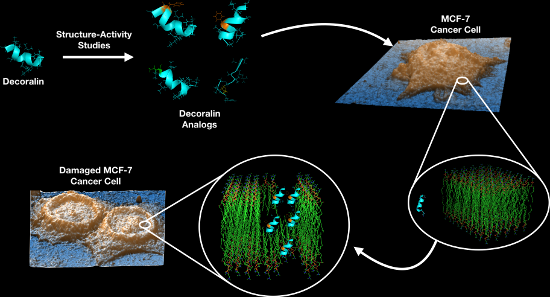
- [9][10]. The two Dec-NH2 analogs designed to fit a leucine zipper (LZ) template [25][26] presented the lowest hemolytic activity against red blood cells and maintained the antimicrobial activity of the parent template molecule vs Gram-positive bacteria, Gram-negative bacteria, and fungi. The authors
- [31]. Hydrophobicity was incorporated into the sequence via the substitution of residues from the wild-type sequence by Leu and Phe. Leu was chosen because a minimal amount of energy is required for it to adopt a helical structure [28], which favors antimicrobial activity, and it occurs at high
- moment, and net positive charge, characteristics that are known to be important for peptide–membrane interactions [10]. Some of these changes decreased the hemolytic activity against human red blood cells of Dec-NH2, reported by Konno et al. [24], and retained the antimicrobial activity described by


Lanyamycin, a macrolide antibiotic from Sorangium cellulosum, strain Soce 481 (Myxobacteria)
Beilstein J. Org. Chem. 2018, 14, 1554–1562, doi:10.3762/bjoc.14.132
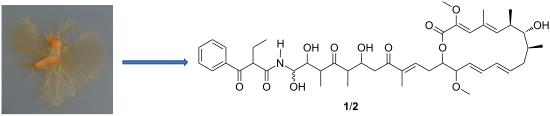
- in lanyamycin (1/2). Antimicrobial activity of lanyamycin (1/2). Cytotoxicity test results of lanyamycin (1/2). Supporting Information Supporting Information File 370: Tables of NMR data and figures of the 1H and 13C NMR including the HCV infectivity results showing viability. Funding Information E
- , nematodes, insects, immunosuppressant or with antitumor activities [12][13][14][15]. Therefore, lanyamycin (1/2) was tested in our screening panel against bacteria, fungi, mammalian cell cultures and for antiviral activity against HCV in human liver cells. Lanyamycin (1/2) was analyzed for antimicrobial
- activity against bacteria and fungi and showed moderate antifungal activity in addition to a good inhibition of Micrococcus luteus (Table 3). When lanyamycin (1/2) was evaluated for cytotoxicity against growing primary cell lines, mouse fibroblasts (L929), and human cancer cell lines, nasopharyngeal cells


Two new 2-alkylquinolones, inhibitory to the fish skin ulcer pathogen Tenacibaculum maritimum, produced by a rhizobacterium of the genus Burkholderia sp.
Beilstein J. Org. Chem. 2018, 14, 1446–1451, doi:10.3762/bjoc.14.122
- (23,200); IR ν max (ATR) cm−1: 2923, 2853, 1730, 1635, 1593, 1554, 1500, 1471, 1443, 1354, 1320, 1247, 1137, 1028, 965, 836, 759, 672; HRESIMS–TOF (m/z): [M + H]+ calcd for C18H24NO, 270.18524; found, 270.1855. Evaluation of antimicrobial activity The antibacterial and antifungal activity of 1–8 was
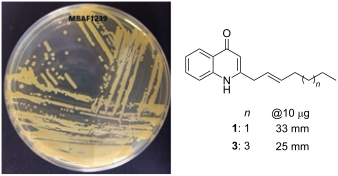
- ) correlations for 3. Referential 13C chemical shifts of an allylic carbon in burkholone [14] and haplacutine F [15]. NMR data for (E)-2-(non-2-en-1-yl)quinolin-4(1H)-one (3) in CDCl3 (δ in ppm). Antimicrobial activity of 1–8 evaluated at 10 μg on Ø 6 mm-paper disc. Supporting Information Supporting Information


An overview of recent advances in duplex DNA recognition by small molecules
Beilstein J. Org. Chem. 2018, 14, 1051–1086, doi:10.3762/bjoc.14.93
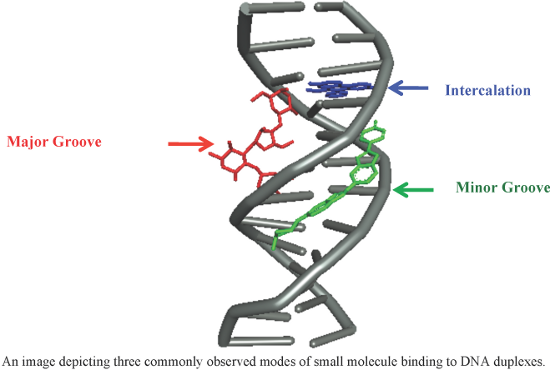
- shown to bind A·T-rich regions preferentially. The compounds containing branched N-alkylpyrrole, hydrophobic N-terminal amide, and especially C-isopropylthiazole (thiazotropsin A as shown in the Figure 4) showed significant antimicrobial activity against MRSA and Candida albicans strains. Thiazotropsin
- group, was found to be extremely potent (MIC values in the range of 0.5–13 μg mL−1) against several strains of S. aureus, both methicillin-sensitive and resistant strains. High antimicrobial activity, shown by this drug, was due to the presence of a hydrophobic head group with a hydrogen-bonding




Recent advances on organic blue thermally activated delayed fluorescence (TADF) emitters for organic light-emitting diodes (OLEDs)
Beilstein J. Org. Chem. 2018, 14, 282–308, doi:10.3762/bjoc.14.18
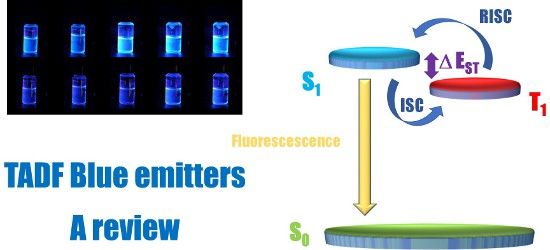
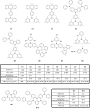
- applications of phenoxathiin dioxide ranged from antimicrobial activity [67] to the use as inhibitor for Hepatitis C virus infection [68]. Here, in the context of OLEDs, Lee et al. reported two blue TADF emitters, P1 and P2 (see Figure 10), containing a phenoxaphosphine oxide or a phenoxathiin dioxide acceptor




Volatiles from the tropical ascomycete Daldinia clavata (Hypoxylaceae, Xylariales)
Beilstein J. Org. Chem. 2018, 14, 135–147, doi:10.3762/bjoc.14.9
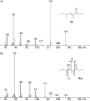
- -4-chromanone (12) and 5-hydroxy-2-methyl-4-chromanone (13) were tentatively identified from their mass spectra. Compound 13, which exhibits antimicrobial activity, was previously isolated from various species of Daldinia [16][19][20][21][22] and several endophytic fungi, the latter of which have
- -pyrone 17 exhibited a moderate antifungal and weak antibacterial effect, while the lactone 9 was moderately cytotoxic, but devoid of significant antimicrobial activity. The chlorinated aromatic compound 14 only weakly inhibited the sensitive test organisms Chromobacterium violaceum and Mucor hiemalis








Vinylphosphonium and 2-aminovinylphosphonium salts – preparation and applications in organic synthesis
Beilstein J. Org. Chem. 2017, 13, 2710–2738, doi:10.3762/bjoc.13.269

- in E-configuration. The obtained compounds, particularly the derivative containing a carboxylic group in ortho position of the aromatic ring, exhibited antimicrobial activity [37]. 2. Vinylphosphonium salts in organic synthesis 2.1. Vinylphosphonium salts in the intermolecular Wittig reaction


Synthesis, effect of substituents on the regiochemistry and equilibrium studies of tetrazolo[1,5-a]pyrimidine/2-azidopyrimidines
Beilstein J. Org. Chem. 2017, 13, 2396–2407, doi:10.3762/bjoc.13.237
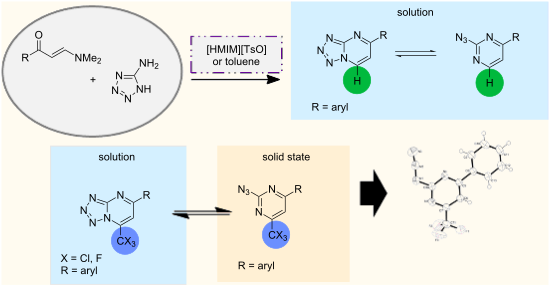
- , our research group demonstrated a highly regioselective synthesis of a series of trifluoromethylated tetrazolo[1,5-a]pyrimidines with potent antimicrobial activity [37]. The reaction between several β-alkoxyvinyl trifluoromethyl ketones [CF3C(O)CH=C(R)OCH3] (in which R = Ph, 4-F–C6H4, 4-Cl–C6H4, 4-Br


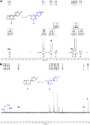
![[Graphic 9]](/bjoc/content/inline/1860-5397-13-237-i9.svg?max-width=637&scale=1.18182) 4d equilibrium in DMSO-d6 at 25 °C.
4d equilibrium in DMSO-d6 at 25 °C.


Diosgenyl 2-amino-2-deoxy-β-D-galactopyranoside: synthesis, derivatives and antimicrobial activity
Beilstein J. Org. Chem. 2017, 13, 2310–2315, doi:10.3762/bjoc.13.227
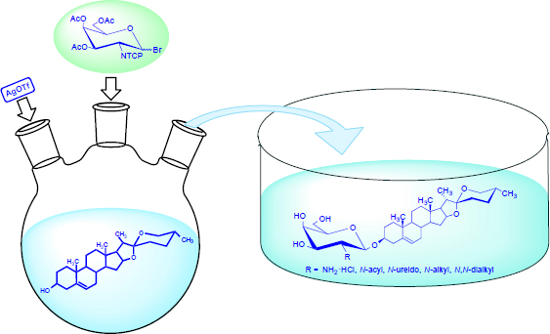
- antimicrobial activity the N-acyl (6, 7), 2-ureido (8–10), N-monoalkyl (11) and N,N-dialkyl (12, 13) derivatives of diosgenyl 2-amino-2-deoxy-β-D-galactopyranoside were also synthesized (Figure 1). The N-acetyl derivative 6 was obtained by the treatment of 4 with acetic anhydride in methanol with Et3N whereas N
- as well as the HRMS spectrometry confirmed the structures of 11–13 (see Supporting Information File 1 for experimental and NMR data). Evaluation of antimicrobial activity The antimicrobial in vitro activities of 5–13 were tested against two fungal strains: Candida albicans and Candida tropicalis, and
- -deoxy-β-D-galactopyranoside (9) exhibits a good activity against all the tested pathogens with MICs of 8–64 µg/mL, whereas 8 was effective against C. tropicalis and E. faecium only and compound 10 does not exhibit any antimicrobial activity. Among the presented saponins, N-ethyl derivative 11 exhibits


The chemistry and biology of mycolactones
Beilstein J. Org. Chem. 2017, 13, 1596–1660, doi:10.3762/bjoc.13.159
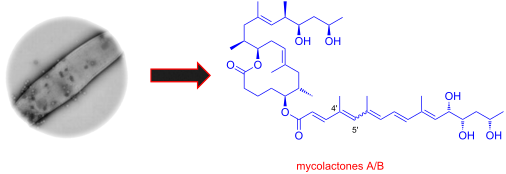
- endothelial cells [86], while T cells [87][88] and macrophages [80][89] are less sensitive. Strikingly, no toxic potential was observed against human hepatoma HuH7 or human embryonic kidney HEK293 T cells [85]. Intriguingly, mycolactone A/B lacks antimicrobial activity [90], which suggests that the defense








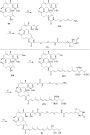

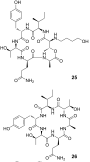
A new member of the fusaricidin family – structure elucidation and synthesis of fusaricidin E
Beilstein J. Org. Chem. 2017, 13, 1430–1438, doi:10.3762/bjoc.13.140
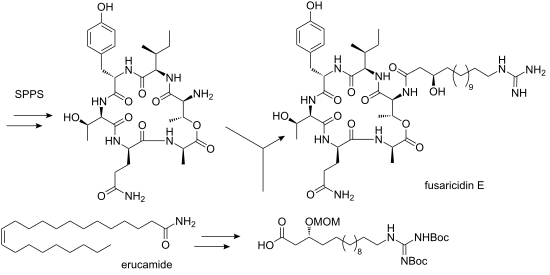
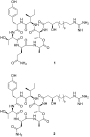
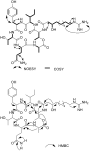
- family which were isolated from several strains of Paenibacillus polymyxa [3][4]. Fusaricidins exhibit antimicrobial activity against Gram-positive bacteria and a wide range of fungi including Leptosphaeria maculans, a plant pathogenic fungus responsible for the blackleg disease on Brassica crops [5][6



Switchable highly regioselective synthesis of 3,4-dihydroquinoxalin-2(1H)ones from o-phenylenediamines and aroylpyruvates
Beilstein J. Org. Chem. 2017, 13, 1350–1360, doi:10.3762/bjoc.13.132
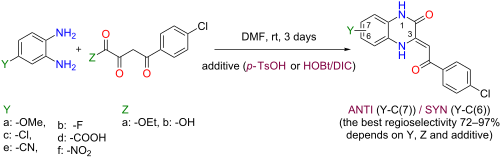
- have described similar biological activities to the parent quinoxalin-2(1H)-ones 1. Mashevskaya et al. reported about an antimicrobial activity for compound 6 at 1 mg/mL for S. aureus P-209 and E. coli M17 strains [11]. Several recent studies have identified 3,4-dihydroquinoxalin-2(1H)-ones 7–10 as


Opportunities and challenges for the sustainable production of structurally complex diterpenoids in recombinant microbial systems
Beilstein J. Org. Chem. 2017, 13, 845–854, doi:10.3762/bjoc.13.85
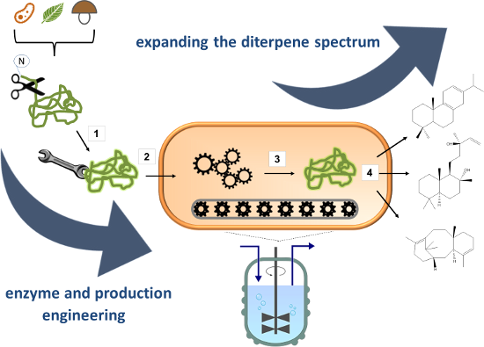
- stereoselective synthesis of (1R,3E,7E,11S,12S)-3,7,18-dolabellatriene, a bicyclic diterpene (Scheme 2). Dollabellanes derive mostly from marine organisms and display bioactivities such as antiviral and cytotoxic effects [59]. Dolabellatriene from a reprogrammed CotB2 contribute with antimicrobial activity


Synthesis of 1-indanones with a broad range of biological activity
Beilstein J. Org. Chem. 2017, 13, 451–494, doi:10.3762/bjoc.13.48
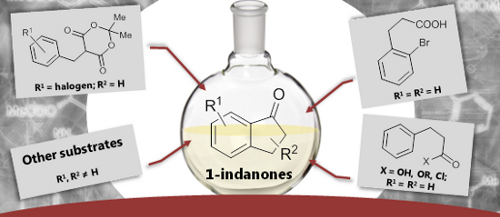
- moieties may increase or decrease the biological activity. A series of isoxazole fused 1-indanones 64 with increased anti-inflammatory and antimicrobial activity has been synthesized by Giles et al. [46]. In this synthesis, diethyl phthalate (61) was reacted with ethyl acetate to obtain indane-1,3-dione


Biosynthetic origin of butyrolactol A, an antifungal polyketide produced by a marine-derived Streptomyces
Beilstein J. Org. Chem. 2017, 13, 441–450, doi:10.3762/bjoc.13.47
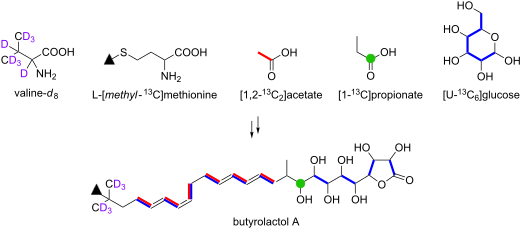
- recently, isolation of butyrolactols C and D was presented but the details are not available in public domains [10]. 1 has a broad antimicrobial activity against fungi ranging from Candida albicans to Trichophyton mentagrophytes with comparative activity to nystatin [9]. Despite the uniqueness of the



Synthesis of acylhydrazino-peptomers, a new class of peptidomimetics, by consecutive Ugi and hydrazino-Ugi reactions
Beilstein J. Org. Chem. 2016, 12, 2865–2872, doi:10.3762/bjoc.12.285
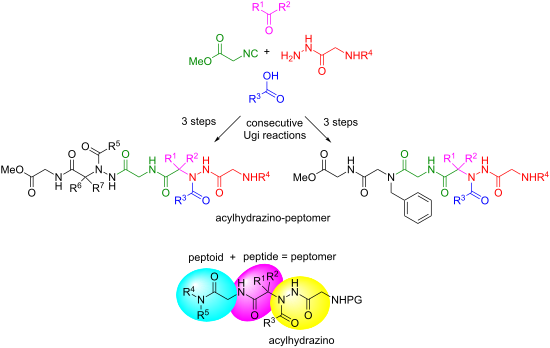
- one of the CONH links is replaced by a hydrazido fragment CONHNH, Figure 1) represent another class of peptidomimetics with promising conformational and biological activities, such as protease inhibition [37] and antimicrobial activity [38]. There are some natural peptides that contain such an α


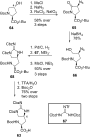
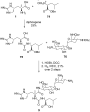
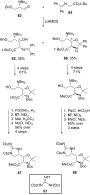
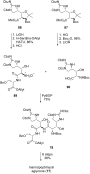
Enduracididine, a rare amino acid component of peptide antibiotics: Natural products and synthesis
Beilstein J. Org. Chem. 2016, 12, 2325–2342, doi:10.3762/bjoc.12.226
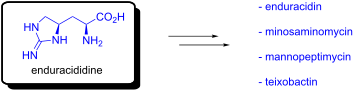
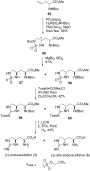
- B Enduracidin A (7) and B (8) were first isolated from Streptomyces fungicidicus B 5477 from a soil sample collected in Nishinomiya, Japan (Figure 2) [1]. Detailed reports of the isolation procedures, in vivo and in vitro antimicrobial activity, physical properties and structure elucidation have