


Search results
Search for "copper salts" in Full Text gives 79 result(s) in Beilstein Journal of Organic Chemistry.
Molecular-oxygen-promoted Cu-catalyzed oxidative direct amidation of nonactivated carboxylic acids with azoles
- Wen Ding,
- Shaoyu Mai and
- Qiuling Song
Beilstein J. Org. Chem. 2015, 11, 2158–2165, doi:10.3762/bjoc.11.233
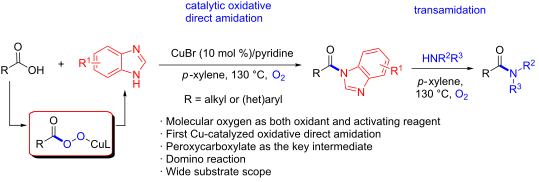
- copper salts demonstrated good activity for this novel transformation (Table 1, entries 1–5) and 85% of the desired product was obtained using 10 mol % of CuBr with pyridine (3 equiv) at 130 °C in p-xylene (1 mL) under O2 in a sealed tube (Table 1, entry 4). Notably, CuBr2 only gave 33% of the desired

Graphical Abstract

Scheme 1: Traditional activating mode and oxidative activation mode of free carboxylic acids in amide formati...
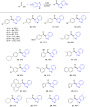
Scheme 2: Substrate scope for catalytic, direct amide formation from carboxylic acids and azoles. Reaction co...

Scheme 3: Further investigation into the scope of amine.

Scheme 4: Possible transamidation process.

Scheme 5: Scope of the amine transamidation from benzimidazole amides. Reaction conditions: benzimidazole ami...

Scheme 6: Preparative scale of the reaction.

Scheme 7: Radical scavenger reaction.

Scheme 8: Control reactions.

Scheme 9: Proposed mechanism.
Coupling of α,α-difluoro-substituted organozinc reagents with 1-bromoalkynes
- Artem A. Zemtsov,
- Alexander D. Volodin,
- Vitalij V. Levin,
- Marina I. Struchkova and
- Alexander D. Dilman
Beilstein J. Org. Chem. 2015, 11, 2145–2149, doi:10.3762/bjoc.11.231

- (Table 1, entry 5). The addition of various ligands, as well as the use of other copper salts, did not had a beneficial effect. Under the optimized conditions, a series of organozinc compounds 2 were coupled with bromoalkynes 3 (Table 2). Good yields of coupling products 4 were typically achieved. The

Graphical Abstract

Scheme 1: Reaction of organozinc compounds.

Scheme 2: Proposed mechanism.
Copper-mediated synthesis of N-alkenyl-α,β-unsaturated nitrones and their conversion to tri- and tetrasubstituted pyridines
- Dimitra Kontokosta,
- Daniel S. Mueller,
- Dong-Liang Mo,
- Wiktoria H. Pace,
- Rachel A. Simpson and
- Laura L. Anderson
Beilstein J. Org. Chem. 2015, 11, 2097–2104, doi:10.3762/bjoc.11.226

- observed and isolated. Decreasing the amount of copper reagent to 1 equiv had little influence on the reaction and a screen of other common copper salts only resulted in diminished yields (Table 1, entries 2–7). Further reduction of the copper loading to 10–30 mol % of Cu(OAc)2 was tolerated without a

Graphical Abstract
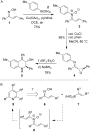
Scheme 1: Use of a Chan–Lam reaction for the synthesis of tetrahydroquinolines and potential extension to pyr...
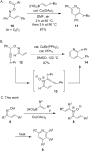
Scheme 2: Examples of pyridine synthesis from oxime precursors [51,52].

Scheme 3: Solvent effect on conversion of N-alkenylnitrones to pyridines.

Scheme 4: Mechanistic experiments.
Effective ascorbate-free and photolatent click reactions in water using a photoreducible copper(II)-ethylenediamine precatalyst
- Redouane Beniazza,
- Natalia Bayo,
- Florian Molton,
- Carole Duboc,
- Stéphane Massip,
- Nathan McClenaghan,
- Dominique Lastécouères and
- Jean-Marc Vincent
Beilstein J. Org. Chem. 2015, 11, 1950–1959, doi:10.3762/bjoc.11.211
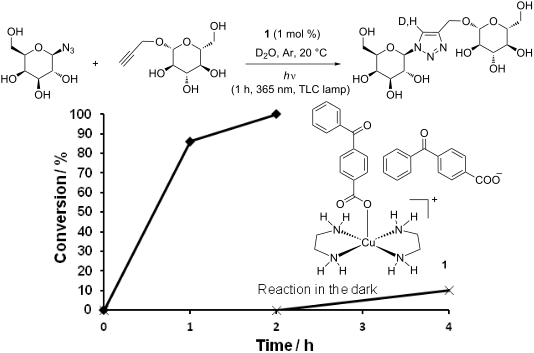
- copper salts, which should be avoided for in vivo applications and, when employed, by sodium ascorbate and/or its byproducts; (iii) side-reactions on the substrates due to the generation of reduced dioxygen-active species and/or reactive oxidized byproducts of ascorbate. In a seminal paper, Finn and

Graphical Abstract

Scheme 1: Structures of photoactivable click catalysts 1–3.

Scheme 2: Syntheses of complexes 1 and 4.

Figure 1: a) Molecular structure of 4 (a THF molecule present in the unit cell is not shown). Cu, green; C, g...

Figure 2: Evolution of the UV–vis spectra of deaerated (freeze-pump-thaw degassed, sealed quartz cuvettes) TH...

Scheme 3: Proposed mechanism for the photoreduction process.

Figure 3: Evolution of the EPR spectra (X band, 298 K) of solutions of 1 under continuous irradiation (280–40...

Figure 4: Reaction profiles for the formation of 9 under various illumination conditions: TLC lamp (365 nm) f...

Scheme 4: Structures, conversions and isolated yields for triazoles 9–17 conducted in D2O in NMR tubes.

Scheme 5: Preparative scale synthesis of 18 and 19.
The facile construction of the phthalazin-1(2H)-one scaffold via copper-mediated C–H(sp2)/C–H(sp) coupling under mild conditions
- Wei Zhu,
- Bao Wang,
- Shengbin Zhou and
- Hong Liu
Beilstein J. Org. Chem. 2015, 11, 1624–1631, doi:10.3762/bjoc.11.177
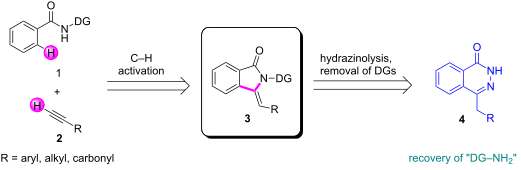
- of copper salts and N,N’-dual coordinated directing groups [18][19][20][21][22]. By the employment of a similar approach, our group reported a straightforward route to the isoquinolinone scaffold via copper-mediated C–H(sp2)/C–H(sp3) coupling [23]. In light of previous works, we envisioned the
- temperature (120 °C) with excessive copper salts (3 equivalents). In addition, failure to remove the directing group partly prevented the practicality and application of the transformation [22]. Herein, we reveal a copper-mediated direct C–H(sp2)-C–H(sp) bond construction and simultaneous annulations under
- milder conditions with less equivalents of copper salts and oxygen atmosphere at a lower temperature (80 °C). Even more important, the resulting products could be smoothly transformed into preconceived 4-benzylphthalazin-1(2H)-one derivatives with the removal of the directing group by treatment with

Graphical Abstract

Figure 1: Representative structures of biologically important phthalazin-1(2H)-ones.

Scheme 1: The construction of phthalazin-1(2H)-one scaffold via C–H activation.
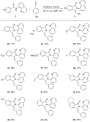
Scheme 2: Copper-mediated reaction of ethynylbenzene with carboxylic acid derivatives. Reaction conditions: 1...
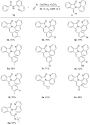
Scheme 3: Copper-mediated reaction of N-(quinolin-8-yl)benzamide with terminal alkynes. Reaction conditions: ...

Scheme 4: Hydrazinolysis and removal of the directing group.

Scheme 5: Plausible reaction mechanism.
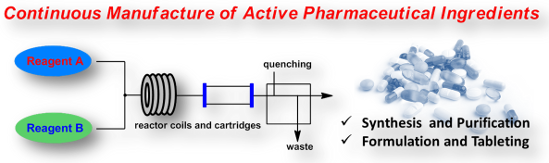
The synthesis of active pharmaceutical ingredients (APIs) using continuous flow chemistry
- Marcus Baumann and
- Ian R. Baxendale
Beilstein J. Org. Chem. 2015, 11, 1194–1219, doi:10.3762/bjoc.11.134
- ]. Importantly in this study, a flow reactor consisting of copper tubing maintained at 110 °C (6.2 minutes residence time) was employed as this would release small amounts of copper salts catalysing the regioselective triazole formation. A cautionary note regarding the potential of generating copper azide within

Graphical Abstract

Figure 1: Pharmaceutical structures targeted in early flow syntheses.

Scheme 1: Flow synthesis of 6-hydroxybuspirone (9). Inserted photograph reprinted with permission from [45]. Copy...

Figure 2: Configuration of a baffled reactor tube (left) and its schematic working principle (right).

Scheme 2: McQuade’s flow synthesis of ibuprofen (16).

Scheme 3: Jamison’s flow synthesis of ibuprofen sodium salt (17).

Scheme 4: Flow synthesis of imatinib (23).

Scheme 5: Flow synthesis of the potent 5HT1B antagonist 28.

Scheme 6: Flow synthesis of a selective δ-opioid receptor agonist 33.

Scheme 7: Flow synthesis of a casein kinase I inhibitor library (38).

Scheme 8: Flow synthesis of fluoxetine (46).

Scheme 9: Flow synthesis of artemisinin (55).

Scheme 10: Telescoped flow synthesis of artemisinin (55) and derivatives (62–64).

Scheme 11: Flow approach towards AZD6906 (65).

Scheme 12: Pilot scale flow synthesis of key intermediate 73.

Scheme 13: Semi-flow synthesis of vildagliptine (77).

Scheme 14: Pilot scale asymmetric flow hydrogenation towards 83. Inserted photograph reprinted with permission...

Figure 3: Schematic representation of the ‘tube-in-tube’ reactor.

Scheme 15: Flow synthesis of fanetizole (87) via tube-in-tube system.

Scheme 16: Flow synthesis of diphenhydramine.HCl (92).

Scheme 17: Flow synthesis of rufinamide (95).

Scheme 18: Large scale flow synthesis of rufinamide precursor 102.

Scheme 19: First stage in the flow synthesis of meclinertant (103).

Scheme 20: Completion of the flow synthesis of meclinertant (103).

Scheme 21: Flow synthesis of olanzapine (121) utilising inductive heating techniques.

Scheme 22: Flow synthesis of amitriptyline·HCl (127).

Scheme 23: Flow synthesis of E/Z-tamoxifen (132) using peristaltic pumping modules.

Figure 4: Container sized portable mini factory (photograph credit: INVITE GmbH, Leverkusen Germany).

Scheme 24: Flow synthesis of imidazo[1,2-a]pyridines 136 linked to frontal affinity chromatography (FAC).

Figure 5: Structures of zolpidem (142) and alpidem (143).

Scheme 25: Synthesis and screening loops in the discovery of new Abl kinase inhibitors.

Figure 6: Schotten–Baumann approach towards LY573636.Na (147).

Scheme 26: Pilot scale flow synthesis of LY2886721 (146).

Scheme 27: Continuous flow manufacture of alikiren hemifumarate 152.
Chemoselective O-acylation of hydroxyamino acids and amino alcohols under acidic reaction conditions: History, scope and applications
- Tor E. Kristensen
Beilstein J. Org. Chem. 2015, 11, 446–468, doi:10.3762/bjoc.11.51
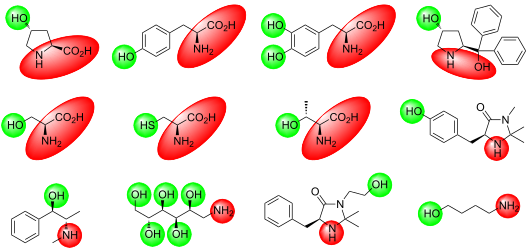
- hydrolysates [5]. Conversion of amino acids to their copper salts elegantly masks both amino acid functionalities, thus protecting them during a subsequent alkaline acylation reaction that targets the side-chain functionality selectively. The side-chain-acylated lysine can then be liberated by decomposition of

Graphical Abstract

Scheme 1: Selective O-acetylation of hydroxyamino acids with acetic anhydride in perchloric acid-acetic acid ...

Scheme 2: Selective O-acetylation of L-tyrosine as reported by Bretschneider and Biemann in 1950 [13].

Scheme 3: Selective O-acetylation of L-serine in acetic acid saturated with hydrogen chloride as reported by ...

Scheme 4: Chemoselective O-acetylation of hydroxyamino acids with acetyl chloride in hydrochloric acid–acetic...

Scheme 5: Chemoselective O-acylation of hydroxyamino acids with acyl chlorides in anhydrous trifluoroacetic a...

Scheme 6: Chemoselective O-acylation of hydroxyproline with acyl chlorides or carboxylic anhydrides in methan...

Scheme 7: Chemoselective O-acetylation of L-DOPA as reported by Fuller, Verlander and Goodman in 1978 [35].

Scheme 8: Chemoselective O-acylation of L-tyrosine as reported by Huang, Kimura, Bawarshi-Nassar and Hussain ...

Scheme 9: Preparation of proline amphiphiles or acrylic proline monomers (for macromolecular synthesis) by ch...

Scheme 10: Preparation of amphiphilic organocatalysts from serine, threonine and cysteine by chemoselective O-...
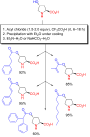
Scheme 11: Preparation of amphiphilic proline organocatalysts by chemoselective O-acylation with acyl chloride...

Scheme 12: Amphiphilic organocatalysts prepared from hydroxyamino acids and isosteviol by chemoselective O-acy...

Scheme 13: Preparation of acrylic proline precursors for polymeric organocatalysts by chemoselective O-acylati...

Scheme 14: Conversion of trans-4-hydroxy-L-proline to cis-4-hydroxy-D-proline·HCl and subsequent chemoselectiv...

Scheme 15: Some examples of chemoselective O-acylation of amino alcohols under acidic reaction conditions repo...

Scheme 16: An assembly of chiral acrylic building blocks useful in the synthesis of polymer-supported diphenyl...

Scheme 17: The chemoselective pentaacetylation of D-glucamine under acidic reaction conditions [95].
Cross-dehydrogenative coupling for the intermolecular C–O bond formation
- Igor B. Krylov,
- Vera A. Vil’ and
- Alexander O. Terent’ev
Beilstein J. Org. Chem. 2015, 11, 92–146, doi:10.3762/bjoc.11.13
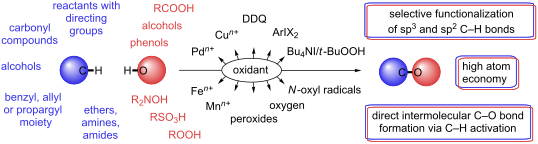
- works, the oxidative coupling of alcohols, aldehydes, or formamides with 1,3-dicarbonyl compounds or phenols was accomplished in the presence of tert-butyl hydroperoxide and copper salts (Table 5). In most cases, the range of phenols applicable to the coupling is limited to 2-acylphenols. However, 2

Graphical Abstract

Scheme 1: Cross-dehydrogenative coupling.

Scheme 2: Cross-dehydrogenative C–O coupling.

Scheme 3: Regioselective ortho-acetoxylation of meta-substituted arylpyridines and N-arylamides.

Scheme 4: ortho-Acyloxylation and alkoxylation of arenes directed by pyrimidine, benzoxazole, benzimidazole a...

Scheme 5: Cu(OAc)2/AgOTf/O2 oxidative system in the ortho-alkoxylation of arenes.
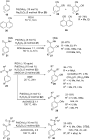
Scheme 6: Pd(OAc)2/persulfate oxidative system in the ortho-alkoxylation and acetoxylation of arenes with nit...
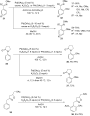
Scheme 7: ortho-Acetoxylation and methoxylation of O-methyl aryl oximes, N-phenylpyrrolidin-2-one, and (3-ben...

Scheme 8: Ruthenium-catalyzed ortho-acyloxylation of acetanilides.

Scheme 9: Acetoxylation and alkoxylation of arenes with amide directing group using Pd(OAc)2/PhI(OAc)2 oxidat...

Scheme 10: Alkoxylation of azoarenes, 2-aryloxypyridines, picolinamides, and N-(1-methyl-1-(pyridin-2-yl)ethyl...

Scheme 11: Acetoxylation of compounds containing picolinamide and quinoline-8-amine moieties using the Pd(OAc)2...

Scheme 12: (CuOH)2CO3 catalyzed oxidative ortho-etherification using air as oxidant.

Scheme 13: Copper-catalyzed aerobic alkoxylation and aryloxylation of arenes containing pyridine-N-oxide moiet...

Scheme 14: Cobalt-catalyzed aerobic alkoxylation of arenes and alkenes containing pyridine N-oxide moiety.

Scheme 15: Non-symmetric double-fold C–H ortho-acyloxylation.

Scheme 16: N-nitroso directed ortho-alkoxylation of arenes.

Scheme 17: Selective alkoxylation and acetoxylation of alkyl groups.

Scheme 18: Acetoxylation of 2-alkylpyridines and related compounds.

Scheme 19: Acyloxylation and alkoxylation of alkyl fragments of substrates containing amide or sulfoximine dir...

Scheme 20: Palladium-catalyzed double sp3 C–H alkoxylation of N-(quinolin-8-yl)amides for the synthesis of sym...

Scheme 21: Copper-catalyzed acyloxylation of methyl groups of N-(quinolin-8-yl)amides.

Scheme 22: One-pot acylation and sp3 C–H acetoxylation of oximes.

Scheme 23: Possible mechanism of oxidative esterification catalyzed by N-heterocyclic nucleophilic carbene.

Scheme 24: Oxidative esterification employing stoichiometric amounts of aldehydes and alcohols.

Scheme 25: Selective oxidative coupling of aldehydes with alcohols in the presence of amines.

Scheme 26: Iodine mediated oxidative esterification.

Scheme 27: Oxidative C–O coupling of benzyl alcohols with methylarenes under the action of Bu4NI/t-BuOOH syste...

Scheme 28: Oxidative coupling of methyl- and ethylarenes with aromatic aldehydes under the action of Bu4NI/t-B...

Scheme 29: Cross-dehydrogenative C–O coupling of aldehydes with t-BuOOH in the presence of Bu4NI.

Scheme 30: Bu4NI-catalyzed α-acyloxylation reaction of ethers and ketones with aldehydes and t-BuOOH.

Scheme 31: Oxidative coupling of aldehydes with N-hydroxyimides and hexafluoroisopropanol.

Scheme 32: Oxidative coupling of alcohols with N-hydroxyimides.

Scheme 33: Oxidative coupling of aldehydes and primary alcohols with N-hydroxyimides using (diacetoxyiodo)benz...

Scheme 34: Proposed mechanism of the oxidative coupling of aldehydes and N-hydroxysuccinimide under action of ...

Scheme 35: Oxidative coupling of aldehydes with pivalic acid (172).

Scheme 36: Oxidative C–O coupling of aldehydes with alkylarenes using the Cu(OAc)2/t-BuOOH system.

Scheme 37: Copper-catalyzed acyloxylation of C(sp3)-H bond adjacent to oxygen in ethers using benzyl alcohols.

Scheme 38: Oxidative C–O coupling of aromatic aldehydes with cycloalkanes.

Scheme 39: Ruthenium catalyzed cross-dehydrogenative coupling of primary and secondary alcohols.

Scheme 40: Cross-dehydrogenative C–O coupling reactions of β-dicarbonyl compounds with sulfonic acids, acetic ...

Scheme 41: Acyloxylation of ketones, aldehydes and β-dicarbonyl compounds using carboxylic acids and Bu4NI/t-B...

Scheme 42: Acyloxylation of ketones using Bu4NI/t-BuOOH system.

Scheme 43: Cross-dehydrogenative C–O coupling of β-dicarbonyl compounds and their heteroanalogues with N-hydro...

Scheme 44: Cross-dehydrogenative C–O coupling of β-dicarbonyl compounds and their heteroanalogues with t-BuOOH....

Scheme 45: Oxidative C–O coupling of 2,6-dialkylphenyl-β-keto esters and thioesters with tert-butyl hydroxycar...

Scheme 46: α’-Acyloxylation of α,β-unsaturated ketones using KMnO4.

Scheme 47: Possible mechanisms of the acetoxylation at the allylic position of alkenes by Pd(OAc)2.

Scheme 48: Products of the oxidation of terminal alkenes by Pd(II)/AcOH/oxidant system.

Scheme 49: Acyloxylation of terminal alkenes with carboxylic acids.

Scheme 50: Synthesis of linear E-allyl esters by cross-dehydrogenative coupling of terminal alkenes wih carbox...

Scheme 51: Pd(OAc)2-catalyzed acetoxylation of Z-vinyl(triethylsilanes).

Scheme 52: α’-Acetoxylation of α-acetoxyalkenes with copper(II) chloride in acetic acid.

Scheme 53: Oxidative acyloxylation at the allylic position of alkenes and at the benzylic position of alkylare...

Scheme 54: Copper-catalyzed alkoxylation of methylheterocyclic compounds using di-tert-butylperoxide as oxidan...

Scheme 55: Oxidative C–O coupling of methylarenes with β-dicarbonyl compounds or phenols.

Scheme 56: Copper-catalyzed esterification of methylbenzenes with cyclic ethers and cycloalkanes.

Scheme 57: Oxidative C–O coupling of carboxylic acids with toluene catalyzed by Pd(OAc)2.

Scheme 58: Oxidative acyloxylation at the allylic position of alkenes with carboxylic acids using the Bu4NI/t-...

Scheme 59: Cross-dehydrogenative C–O coupling of carboxylic acids with alkylarenes using the Bu4NI/t-BuOOH sys...

Scheme 60: Oxidative C–O cross-coupling of methylarenes with ethyl or isopropylarenes.

Scheme 61: Phosphorylation of benzyl C–H bonds using the Bu4NI/t-BuOOH oxidative system.

Scheme 62: Selective C–H acetoxylation of 2,3-disubstituted indoles.

Scheme 63: Acetoxylation of benzylic position of alkylarenes using DDQ as oxidant.

Scheme 64: C–H acyloxylation of diarylmethanes, 3-phenyl-2-propen-1-yl acetate and dimethoxyarene using DDQ.

Scheme 65: Cross-dehydrogenative C–O coupling of 1,3-diarylpropylenes and 1,3-diarylpropynes with alcohols.

Scheme 66: One-pot azidation and C–H acyloxylation of 3-chloro-1-arylpropynes.

Scheme 67: Cross-dehydrogenative C–O coupling of 1,3-diarylpropylenes, (E)-1-phenyl-2-isopropylethylene and is...

Scheme 68: Cross-dehydrogenative C–O coupling of alkylarenes and related compounds with N-hydroxyphthalimide.

Scheme 69: Acetoxylation at the benzylic position of alkylarenes mediated by N-hydroxyphthalimide.

Scheme 70: C–O coupling of methylarenes with aromatic carboxylic acids employing the NaBrO3/NaHSO3 system.

Scheme 71: tert-Butyl peroxidation of allyl, propargyl and benzyl ethers catalyzed by Fe(acac)3.

Scheme 72: Cross-dehydrogenative C–O coupling of ethers with carboxylic acids mediated by Bu4NI/t-BuOOH system....

Scheme 73: Oxidative acyloxylation of dimethylamides and dioxane with 2-aryl-2-oxoacetic acids accompanied by ...

Scheme 74: tert-Butyl peroxidation of N-benzylamides and N-allylbenzamide using the Bu4NI/t-BuOOH system.

Scheme 75: Cross-dehydrogenative C–O coupling of aromatic carboxylic acids with ethers using Fe(acac)3 as cata...

Scheme 76: Cross-dehydrogenative C–O coupling of cyclic ethers with 2-hydroxybenzaldehydes using iron carbonyl...
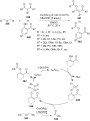
Scheme 77: Cross-dehydrogenative C–O coupling of ethers with β-dicarbonyl compounds and phenols using copper c...

Scheme 78: Cross-dehydrogenative C–O coupling of 2-hydroxybenzaldehyde with dioxane catalyzed by Cu2(BPDC)2(BP...

Scheme 79: Ruthenium chloride-catalyzed acyloxylation of β-lactams.

Scheme 80: Ruthenium-catalyzed tert-butyl peroxydation amides and acetoxylation of β-lactams.

Scheme 81: PhI(OAc)2-mediated α,β-diacetoxylation of tertiary amines.

Scheme 82: Electrochemical oxidative methoxylation of tertiary amines.

Scheme 83: Cross-dehydrogenative C–O coupling of ketene dithioacetals with carboxylic acids in the presence of...

Scheme 84: Cross-dehydrogenative C–O coupling of enamides with carboxylic acids using iodosobenzene as oxidant....

Scheme 85: Oxidative alkoxylation, acetoxylation, and tosyloxylation of acylanilides using PhI(O(O)CCF3)2 in t...

Scheme 86: Proposed mechanism of the oxidative C–O coupling of actetanilide with O-nucleophiles in the presenc...

Scheme 87: Three-component coupling of aldehydes, anilines and alcohols involving oxidative intermolecular C–O...

Scheme 88: Oxidative coupling of phenols with alcohols.

Scheme 89: 2-Acyloxylation of quinoline N-oxides with arylaldehydes in the presence of the CuOTf/t-BuOOH syste...

Scheme 90: Cross-dehydrogenative C–O coupling of azoles with primary alcohols.

Scheme 91: Oxidation of dipyrroles to dipyrrins and subsequent oxidative alkoxylation in the presence of Na3Co...

Scheme 92: Oxidative dehydrogenative carboxylation of alkanes and cycloalkanes to allylic esters.

Scheme 93: Pd-catalyzed acetoxylation of benzene.
Sequential decarboxylative azide–alkyne cycloaddition and dehydrogenative coupling reactions: one-pot synthesis of polycyclic fused triazoles
- Kuppusamy Bharathimohan,
- Thanasekaran Ponpandian,
- A. Jafar Ahamed and
- Nattamai Bhuvanesh
Beilstein J. Org. Chem. 2014, 10, 3031–3037, doi:10.3762/bjoc.10.321
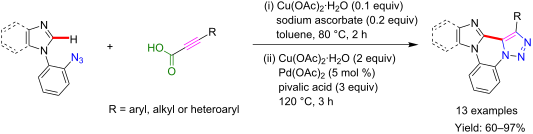
- ∙5H2O (Cu2+ used for decarboxylative CuAAC) at 120 °C for 12 h. It failed to undergo the oxidative dehydrogenative coupling reaction and the triazole derivative 3a was isolated in 79–82% yield (Table 1, entries 1–1b). A similar reaction sequence was performed with different copper salts such as CuCl2

Graphical Abstract

Scheme 1: Synthesis of polycyclic fused triazoles.

Scheme 2: Synthesis of fused triazole 4a using phenylacetylene.

Scheme 3: Synthesis of 1a, 1b and 1c.

Scheme 4: Synthesis of fused polycyclic triazole analogs 4.

Figure 1: ORTEP diagram of 4f (CCDC 979471).

Scheme 5: Proposed mechanism for the formation of 4.
Exploration of C–H and N–H-bond functionalization towards 1-(1,2-diarylindol-3-yl)tetrahydroisoquinolines
- Michael Ghobrial,
- Marko D. Mihovilovic and
- Michael Schnürch
Beilstein J. Org. Chem. 2014, 10, 2186–2199, doi:10.3762/bjoc.10.226
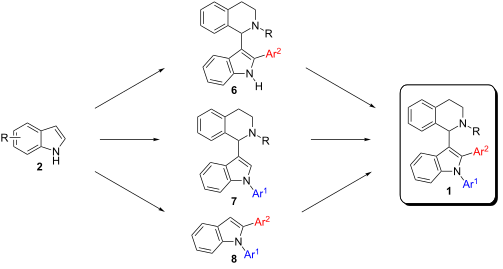
- -diarylindoles were successfully reacted with N-Boc-THIQ to furnish 1,2,3-trisubstituted indoles as target compounds. Furthermore, regioselective N-arylation of protected and unprotected 1-(indol-3-yl)-THIQs was successfully conducted using either simple iron or copper salts as catalysts. Keywords: Buchwald

Graphical Abstract

Figure 1: General structures of biologically active dihydroisoquinolines, THIQs and 1,2-diarylindoles.

Scheme 1: Li’s THIQ indolation protocol.

Scheme 2: Possible strategies for the synthesis of target structure 1. Dashed arrows indicate literature-know...

Scheme 3: Nucleophilic substitution of DMEDA with 2-fluoro-3-iodopyridine (10).

Scheme 4: Decomposition of 1-(indol-3-yl)-THIQ 4d during N-arylation (monitored by GC–MS).

Scheme 5: Formation of byproduct 13 via benzylic oxidation.

Scheme 6: Routes towards 1,2-diarylindoles starting from indole; a: PhB(OH)2 (3 equiv), Pd(OAc)2 (5 mol %), A...

Scheme 7: Palladium-catalyzed C2-arylation attempt of 1-(1-phenylindol-3-yl)-N-Boc-THIQ.
Preparation of phosphines through C–P bond formation
- Iris Wauters,
- Wouter Debrouwer and
- Christian V. Stevens
Beilstein J. Org. Chem. 2014, 10, 1064–1096, doi:10.3762/bjoc.10.106
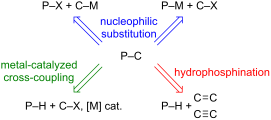
- catalysis (Table 16) [244]. Besides copper(I) iodide several other copper salts effectuated the reaction albeit in lower yields as did silver(I) iodide, palladium(II) chloride and platinum(II) chloride. Other transition metal catalysts such as gold(I) chloride, nickel(II) chloride and cobalt(II) chloride

Graphical Abstract

Scheme 1: Synthesis of P-stereogenic phosphines 5 using menthylphosphinite borane diastereomers 2.

Scheme 2: Enantioselective synthesis of chiral phosphines 10 with ephedrine as a chiral auxiliary.

Scheme 3: Chlorophosphine boranes 11a as P-chirogenic electrophilic building blocks.

Scheme 4: Monoalkylation of phenylphosphine borane 15 with methyl iodide in the presence of Cinchona alkaloid...

Scheme 5: Preparation of tetraphosphine borane 19.

Scheme 6: Using chiral chlorophosphine-boranes 11b as phosphide borane 20 precursors.

Scheme 7: Nickel-catalyzed cross-coupling (dppe = 1,2-bis(diphenylphosphino)ethane).

Scheme 8: Pd-catalyzed cross-coupling reaction with organophosphorus stannanes 30.

Scheme 9: Copper iodide catalyzed carbon–phosphorus bond formation.

Scheme 10: Thermodynamic kinetic resolution as the origin of enantioselectivity in metal-catalyzed asymmetric ...

Scheme 11: Ru-catalyzed asymmetric phosphination of benzyl and alkyl chlorides 35 with HPPhMe (36a, PHOX = pho...

Scheme 12: Pt-catalyzed asymmetric alkylation of secondary phosphines 36b.

Scheme 13: Different adducts 43 can result from hydrophosphination.

Scheme 14: Pt-catalyzed asymmetric hydrophosphination.

Scheme 15: Intramolecular hydrophosphination of phosphinoalkene 47.

Scheme 16: Organocatalytic asymmetric hydrophosphination of α,β-unsaturated aldehydes 59.

Scheme 17: Preparation of phosphines using zinc organometallics.

Scheme 18: Preparation of alkenylphosphines 71a from alkenylzirconocenes 69 (dtc = N,N-diethyldithiocarbamate,...

Scheme 19: SNAr with P-chiral alkylmethylphosphine boranes 13c.

Scheme 20: Synthesis of QuinoxP 74 (TMEDA = tetramethylethylenediamine).

Scheme 21: Pd-Mediated couplings of a vinyl triflate 76 with diphenylphosphine borane 13e.

Figure 1: Menthone (83) and camphor (84) derived chiral phosphines.

Scheme 22: Palladium-catalyzed cross-coupling reaction of vinyl tosylates 85 and 87 with diphenylphosphine bor...

Scheme 23: Attempt for the enantioselective palladium-catalyzed C–P cross-coupling reaction between an alkenyl...

Scheme 24: Enol phosphates 88 as vinylic coupling partners in the palladium-catalyzed C–P cross-coupling react...

Scheme 25: Nickel-catalyzed cross-coupling in the presence of zinc (dppe = 1,2-bis(diphenylphosphino)ethane).

Scheme 26: Copper-catalyzed coupling of secondary phosphines with vinyl halide 94.

Scheme 27: Palladium-catalyzed cross-coupling of aryl iodides 97 with organoheteroatom stannanes 30.

Scheme 28: Synthesis of optically active phosphine boranes 100 by cross-coupling with a chiral phosphine boran...

Scheme 29: Palladium-catalyzed P–C cross-coupling reactions between primary or secondary phosphines and functi...

Scheme 30: Enantioselective synthesis of a P-chirogenic phosphine 108.

Scheme 31: Enantioselective arylation of silylphosphine 110 ((R,R)-Et-FerroTANE = 1,1'-bis((2R,4R)-2,4-diethyl...

Scheme 32: Nickel-catalyzed arylation of diphenylphosphine 25d.

Scheme 33: Nickel-catalyzed synthesis of (R)-BINAP 116 (dppe = 1,2-bis(diphenylphosphino)ethane, DABCO = 1,4-d...

Scheme 34: Nickel-catalyzed cross-coupling between aryl bromides 119 and diphenylphosphine (25d) (dppp = 1,3-b...

Scheme 35: Stereocontrolled Pd(0)−Cu(I) cocatalyzed aromatic phosphorylation.

Scheme 36: Preparation of alkenylphosphines by hydrophosphination of alkynes.

Scheme 37: Palladium and nickel-catalyzed addition of P–H to alkynes 125a.

Scheme 38: Palladium-catalyzed asymmetric hydrophosphination of an alkyne 128.

Scheme 39: Ruthenium catalyzed hydrophosphination of propargyl alcohols 132 (cod = 1,5-cyclooctadiene).

Scheme 40: Cobalt-catalyzed hydrophosphination of alkynes 134a (acac = acetylacetone).

Scheme 41: Tandem phosphorus–carbon bond formation–oxyfunctionalization of substituted phenylacetylenes 125c (...

Scheme 42: Organolanthanide-catalyzed intramolecular hydrophosphination/cyclization of phosphinoalkynes 143.

Scheme 43: Hydrophosphination of alkynes 134c catalyzed by ytterbium-imine complexes 145 (hmpa = hexamethylpho...

Scheme 44: Calcium-mediated hydrophosphanylation of alkyne 134d.

Scheme 45: Formation and substitution of bromophosphine borane 151.

Scheme 46: General scheme for a nickel or copper catalyzed cross-coupling reaction.

Scheme 47: Copper-catalyzed synthesis of alkynylphosphines 156.
Polyglycerol-functionalized nanodiamond as a platform for gene delivery: Derivatization, characterization, and hybridization with DNA
- Li Zhao,
- Yuki Nakae,
- Hongmei Qin,
- Tadamasa Ito,
- Takahide Kimura,
- Hideto Kojima,
- Lawrence Chan and
- Naoki Komatsu
Beilstein J. Org. Chem. 2014, 10, 707–713, doi:10.3762/bjoc.10.64
- 96 h. Diluted ammonia was dropped into the suspension to dissolve insoluble copper salts, giving a blue-gray suspension. The solid was collected by centrifugation and washed with 1% ammonia repeatedly. The washed sample was dialyzed against Milli-Q water to thoroughly remove ammonia. The resulting ND

Graphical Abstract

Figure 1: FTIR spectra of a) ND50-PG, b) ND-PG-OTs, c) ND-PG-N3, d) ND-PG-Arg8, e) ND-PG-Lys8, and f) ND-PG-H...

Figure 2: 1H NMR spectra of a) ND50-PG, b) ND-PG-OTs and c) ND-PG-N3 in D2O.

Figure 3: TGA profiles of ND50-PG under nitrogen and air.

Figure 4: STEM images of a) pristine ND50 and b) ND50-PG.

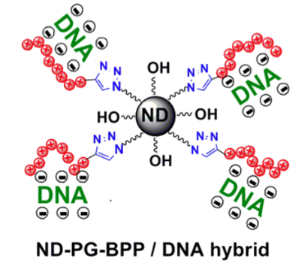
Scheme 1: Synthetic route from ND50 to ND-PG-BPP; i) glycidol, 140 °C, 20 h; ii) p-TsCl, pyridine, 0 °C to rt...

Figure 5: Picture of the dispersions of a) ND50-PG (20 mg/mL), b) ND-PG-Arg8, c) ND-PG-Lys8 and d) ND-PG-His8...
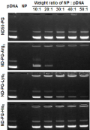
Figure 6: Electrophoretic migration of pDNA, NP (ND50-PG or ND-PG-BPP), and NP/pDNA mixtures at various weigh...
Cu-Mediated trifluoromethylation of benzyl, allyl and propargyl methanesulfonates with TMSCF3
- Xueliang Jiang and
- Feng-Ling Qing
Beilstein J. Org. Chem. 2013, 9, 2862–2865, doi:10.3762/bjoc.9.322

- ) could further improve the product yield to 49% (Table 1, entries 3 and 4). Other copper salts such as CuBr, CuCl, CuTc and CuOAc, were next screened, but none of them was better than CuI (Table 1, entries 5–8). Interestingly, when the benzyl methanesulfonate reacted with [CuCF3] generated in situ from

Graphical Abstract

Scheme 1: Transition metal-mediated methods for the preparation of (trifluoroethyl)arenes.

Scheme 2: Cu-mediated trifluoromethylation of benzyl methanesulfonates. Reaction conditions: 1 (2.0 mmol), Cu...

Scheme 3: Cu-Mediated trifluoromethylation of allyl methanesulfonates.

Scheme 4: Cu-Mediated trifluoromethylation of propargyl methanesulfonates.
Advancements in the mechanistic understanding of the copper-catalyzed azide–alkyne cycloaddition
- Regina Berg and
- Bernd F. Straub
Beilstein J. Org. Chem. 2013, 9, 2715–2750, doi:10.3762/bjoc.9.308
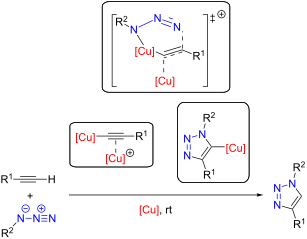
- reactions in the arsenal of organic chemistry. However, the mechanistic understanding of this reaction has lagged behind the plethora of its applications for a long time. As reagent mixtures of copper salts and additives are commonly used in CuAAC reactions, the structure of the catalytically active species
- precursor. However, with copper(II) acetate hydrate (1 mol %), complete conversion was observed within one hour under identical conditions. The authors thus point out the beneficial effect of carboxylate compared to other copper salts. This effect can most probably be explained by the basic character of the
- Sharpless and Fokin devised a new protocol starting from 1-iodoalkynes [156]. The great advantage compared to the procedures of Wu [157], Hsung [158] and Li [159] is that neither reactive electrophilic halogenating agents (such as NBS or iodine monochloride) nor stoichiometric amounts of copper salts need

Graphical Abstract

Scheme 1: Exemplary 1,3-dipolar cycloaddition of phenylacetylene with phenyl azide [6].

Scheme 2: CuAAC reaction of benzyl azide with (prop-2-yn-1-yloxy)benzene [12].

Scheme 3: Bioconjugation reaction of capsid-bound azide groups with alkynyl-functionalized dye molecules (cow...

Figure 1: Tris(triazolylmethyl)amine ligands for CuAAC applications in bioorganic chemistry: TBTA = tris[(1-b...

Figure 2: Derivatives of 2,2’-bipyridine and 1,10-phenanthroline, commonly used ligands in CuAAC reactions un...

Scheme 4: CuAAC reaction with copper(II) precursor salt and rate-accelerating monodentate phosphoramidite lig...

Scheme 5: Synthesis of 1-(adamant-1-yl)-1H-1,2,3-triazol-4-ylcarbonyl-Phe-Gly-OH by solid-supported Click cat...

Scheme 6: CuAAC reaction with re-usable copper(I)-tren catalyst [129].

Scheme 7: CuAAC test reaction with chlorido[tris(1-benzyl-1H-1,2,3-triazol-4-yl)methanol-κ3N3]copper(I) and a...

Scheme 8: CuAAC model reaction with [Cu2(μ-TBTA-κ4N2,N3,N3’,N3’’)2][BF4]2 [131].

Scheme 9: Application of a (2-aminoarenethiolato)copper(I) complex as homogeneous catalyst for the CuAAC test...

Scheme 10: Application of [CuBr(PPh3)3] as homogeneous catalyst for the CuAAC test reaction of benzyl azide wi...

Figure 3: Phosphinite and phosphonite copper(I) complexes presented by Díez-González [144].

Scheme 11: Effect of additives on the CuAAC test reaction with [(SIMes)CuCl] [149].

Scheme 12: Initiation of the catalytic cycle by formation of the copper acetylide intermediate from [(ICy)2Cu]...

Scheme 13: Early mechanistic proposal by Sharpless [12,42].

Scheme 14: Chemoselective synthesis of a 5-iodo-1,4-disubstituted 1,2,3-triazole [156].

Scheme 15: Mechanistic proposals for the copper-catalyzed azide–iodoalkyne cycloaddition [156].

Scheme 16: 1,3-Dipolar cycloaddition of 3-hexyne catalyzed by [(SIMes)CuBr] [146].

Scheme 17: Mechanistic picture for the cycloaddition of internal alkynes catalyzed by NHC-copper(I) complexes ...

Scheme 18: Catalytic cycle of the CuAAC reaction on the basis of the proposed mechanistic scheme by Fokin and ...

Figure 4: Schematic representation of the single crystal X-ray structures of copper(I) acetylide complexes [Cu...

Figure 5: Acetylide-bridged dicopper complexes with tris(heteroarylmethyl)amine ligand(s) as key intermediate...

Scheme 19: Off-cycle equilibrium between unreactive polymeric copper(I) acetylide species (right) and reactive...
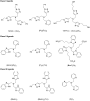
Figure 6: Categories of tris(heteroarylmethyl)amine ligands regarding their binding ability to copper(I) ions ...

Scheme 20: Mechanistic scheme for ligand-accelerated catalysis with tripodal tris(heteroarylmethyl)amine ligan...

Scheme 21: Synthesis of supposed intermediates in the CuAAC’s catalytic cycle [164,187].

Figure 7: Tetranuclear copper acetylide complexes as reported by Weiss (left) [176] and Tasker (middle) [185] and model...

Figure 8: Gibbs free energy diagram for the computed mechanistic pathway of the CuAAC reaction starting from ...

Figure 9: Energy diagram by Ahlquist and Fokin [125].

Scheme 22: Mechanistic proposal for the CuAAC reaction based on DFT calculations by Fokin [125] and our group [186] ([Cu...

Figure 10: ORTEP plot [202,203] of the X-ray powder diffraction crystal structure of (phenylethynyl)copper(I) [(PhC≡CCu)...

Scheme 23: Synthesis of [(PhC≡CCu)2]n as co-product in the Glaser coupling of phenylacetylene in the presence ...

Scheme 24: Mechanistic explanation for the isotopic enrichment in the product triazolide in the presence of th...

Scheme 25: Homogeneous CuAAC catalysis with a bistriazolylidene dicopper complex (0.5 mol %) and comparison wi...
Recent advances in transition metal-catalyzed Csp2-monofluoro-, difluoro-, perfluoromethylation and trifluoromethylthiolation
- Grégory Landelle,
- Armen Panossian,
- Sergiy Pazenok,
- Jean-Pierre Vors and
- Frédéric R. Leroux
Beilstein J. Org. Chem. 2013, 9, 2476–2536, doi:10.3762/bjoc.9.287
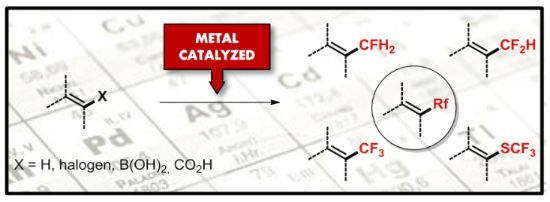
- readily available nucleophilic trifluoromethyl source after decarboxylation at high temperature in the presence of stoichiometric amounts of copper salts [78][79]. In 2011, Y. M. Li et al. showed that the Cu-catalyzed C–CF3 bond formation of iodoarenes could be achieved by using a sodium salt of
- benzoyl peroxide (Scheme 8). The copper salts are believed to speed up the process by superimposing a redox chain to the radical chain [90]. 3.2.4 Trifluoromethylation of Csp2–H bonds by means of a nucleophilic CF3-source. To the best of our knowledge, there is only one report in the literature by L. Chu

Graphical Abstract

Scheme 1: Pd-catalyzed monofluoromethylation of pinacol phenylboronate [44].

Scheme 2: Cu-catalyzed monofluoromethylation with 2-PySO2CHFCOR followed by desulfonylation [49].

Scheme 3: Cu-catalyzed difluoromethylation with α-silyldifluoroacetates [57].

Figure 1: Mechanism of the Cu-catalyzed C–CHF2 bond formation of α,β-unsaturated carboxylic acids through dec...

Scheme 4: Fe-catalyzed decarboxylative difluoromethylation of cinnamic acids [62].

Scheme 5: Preliminary experiments for investigation of the mechanism of the C–H trifluoromethylation of N-ary...

Figure 2: Plausible catalytic cycle proposed by Z.-J. Shi et al. for the trifluoromethylation of acetanilides ...

Figure 3: Plausible catalytic cycle proposed by M. S. Sanford et al. for the perfluoroalkylation of simple ar...

Figure 4: Postulated reaction pathway for the Ag/Cu-catalyzed trifluoromethylation of aryl iodides by Z. Q. W...

Figure 5: Postulated reaction mechanism for Cu-catalyzed trifluoromethylation reaction using MTFA as trifluor...

Scheme 6: Formal Heck-type trifluoromethylation of vinyl(het)arenes by M. Sodeoka et al. [83].

Figure 6: Proposed catalytic cycle for the copper-catalyzed trifluoromethylation of (het)arenes in presence o...

Figure 7: Proposed catalytic cycle for the copper-catalyzed trifluoromethylation of N,N-disubstituted (hetero...

Figure 8: Proposed catalytic cycle by Y. Zhang and J. Wang et al. for the copper-catalyzed trifluoromethylati...

Figure 9: Mechanistic rationale for the trifluoromethylation of arenes in presence of Langlois’s reagent and ...

Scheme 7: Trifluoromethylation of 4-acetylpyridine with Langlois’s reagent by P. S. Baran et al. (* Stirring ...

Scheme 8: Catalytic copper-facilitated perfluorobutylation of benzene with C4F9I and benzoyl peroxide [90].

Figure 10: F.-L. Qing et al.’s proposed mechanism for the copper-catalyzed trifluoromethylation of (hetero)are...

Figure 11: Mechanism of the Cu-catalyzed/Ru-photocatalyzed trifluoromethylation and perfluoroalkylation of ary...

Figure 12: Proposed mechanism for the Cu-catalyzed trifluoromethylation of aryl- and vinyl boronic acids with ...

Figure 13: Possible mechanism for the Cu-catalyzed decarboxylative trifluoromethylation of cinnamic acids [62].

Scheme 9: Ruthenium-catalyzed perfluoroalkylation of alkenes and (hetero)arenes with perfluoroalkylsulfonyl c...

Figure 14: N. Kamigata et al.’s proposed mechanism for the Ru-catalyzed perfluoroalkylation of alkenes and (he...

Figure 15: Proposed mechanism for the Ru-catalyzed photoredox trifluoromethylation of (hetero)arenes with trif...

Figure 16: Late-stage trifluoromethylation of pharmaceutically relevant molecules with trifluoromethanesulfony...

Figure 17: Proposed mechanism for the trifluoromethylation of alkenes with trifluoromethyl iodide under Ru-bas...

Scheme 10: Formal perfluoroakylation of terminal alkenes by Ru-catalyzed cross-metathesis with perfluoroalkyle...

Figure 18: One-pot Ir-catalyzed borylation/Cu-catalyzed trifluoromethylation of complex small molecules by Q. ...

Figure 19: Mechanistic proposal for the Ni-catalyzed perfluoroalkylation of arenes and heteroarenes with perfl...

Scheme 11: Electrochemical Ni-catalyzed perfluoroalkylation of 2-phenylpyridine (Y. H. Budnikova et al.) [71].

Scheme 12: Fe(II)-catalyzed trifluoromethylation of arenes and heteroarenes with trifluoromethyl iodide (T. Ya...

Figure 20: Mechanistic proposal by T. Yamakawa et al. for the Fe(II)-catalyzed trifluoromethylation of arenes ...

Scheme 13: Ytterbium-catalyzed perfluoroalkylation of dihydropyran with perfluoroalkyl iodide (Y. Ding et al.) ...

Figure 21: Mechanistic proposal by A. Togni et al. for the rhenium-catalyzed trifluoromethylation of arenes an...

Figure 22: Mechanism of the Cu-catalyzed oxidative trifluoromethylthiolation of arylboronic acids with TMSCF3 ...

Scheme 14: Removal of the 8-aminoquinoline auxiliary [136].

Figure 23: Mechanism of the Cu-catalyzed trifluoromethylthiolation of C–H bonds with a trifluoromethanesulfony...
Coupling of C-nitro-NH-azoles with arylboronic acids. A route to N-aryl-C-nitroazoles
- Marta K. Kurpet,
- Aleksandra Dąbrowska,
- Małgorzata M. Jarosz,
- Katarzyna Kajewska-Kania,
- Nikodem Kuźnik and
- Jerzy W. Suwiński
Beilstein J. Org. Chem. 2013, 9, 1517–1525, doi:10.3762/bjoc.9.173
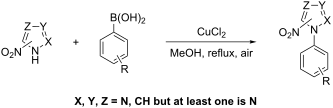
- lower toxicity, easier to process and environmentally friendly. Next the catalytic activity of the copper salts was screened. Most known reports concerning N-arylation focus on Cu(OAc)2 salt [21][22], complexes of Cu(II) with different ligands [23][36], and heterocyclic copper-based catalysts [25][37
- presented in this paper make this route more valuable. Conclusion In conclusion, we have developed an efficient and simple method for the cross coupling of arylboronic acids with C-nitro-NH-azoles in the presence of a catalytic amount of simple copper salts. The reaction takes place in a protic solvent

Graphical Abstract

Scheme 1: Methods of synthesis of 3-nitro-1-phenyl-1H-pyrazole (3a) described in the literature.

Figure 1: X-ray structure of 3-nitro-1-[4-(trifluoromethoxy)phenyl]-3-nitro-1H-pyrazole (3k) with 60% probabi...

Scheme 2: Cross coupling of 3-nitro-1H-pyrazole (1a) with phenylboronic acid (2a).

Scheme 3: Cross coupling of 1a with arylboronic acids 2a–n.

Scheme 4: Cross coupling of C-nitro-NH-azoles 1a–d with phenylboronic acid (2a).
Selective copper(II) acetate and potassium iodide catalyzed oxidation of aminals to dihydroquinazoline and quinazolinone alkaloids
- Matthew T. Richers,
- Chenfei Zhao and
- Daniel Seidel
Beilstein J. Org. Chem. 2013, 9, 1194–1201, doi:10.3762/bjoc.9.135

- strong bases. Han et al. have recently shown the ability of copper salts, in conjunction with oxygen, to catalyze oxidations of 2-substituted tetrahydroquinazoline aminals to quinazolines [35] (Figure 2). In addition, Reddy and co-workers have developed a catalytic system in which 2,3-substituted
- , entry 5). A number of different copper salts, solvents and acids were then evaluated, but none of the changes led to a further improvement in yield. It appears that under certain conditions catalyst deactivation via copper oxide formation decreased the catalyst turnover and consequently product yields

Graphical Abstract

Figure 1: Examples of naturally occurring quinazoline alkaloids.

Figure 2: Different approaches to the synthesis of quinazoline alkaloid structures.

Scheme 1: Oxidation of other aminal systems.
Exploration of an epoxidation–ring-opening strategy for the synthesis of lyconadin A and discovery of an unexpected Payne rearrangement
- Brad M. Loertscher,
- Yu Zhang and
- Steven L. Castle
Beilstein J. Org. Chem. 2013, 9, 1179–1184, doi:10.3762/bjoc.9.132
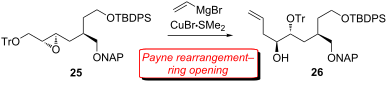
- [27]. Epoxide 17 was then subjected to ring-opening reactions with vinyl Grignard reagents in the presence of various copper salts. Surprisingly, only trace amounts of the desired product were detected, with recovered starting material and multiple byproducts typically comprising the majority of the

Graphical Abstract

Figure 1: Lyconadin A.

Scheme 1: Retrosynthetic analysis of 1.

Scheme 2: Synthesis of triether 15.

Scheme 3: Synthesis and attempted ring-opening of epoxide 17.

Scheme 4: Attempted protection of 14 and silyl migration.

Scheme 5: Synthesis and ring-opening rearrangement of epoxide 25.

Scheme 6: Proposed mechanism for generation of alcohol 26.

Scheme 7: Synthesis of epoxide 29 from alcohol 26 (asterisks indicate relative but not absolute stereochemist...
Synthesis of phenanthridines via palladium-catalyzed picolinamide-directed sequential C–H functionalization
- Ryan Pearson,
- Shuyu Zhang,
- Gang He,
- Nicola Edwards and
- Gong Chen
Beilstein J. Org. Chem. 2013, 9, 891–899, doi:10.3762/bjoc.9.102
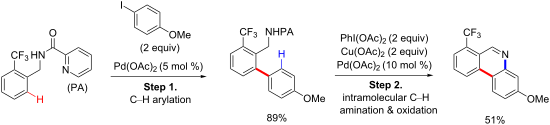
- cyclization and oxidation steps can be performed in one step to give the phenanthridines in a shorter procedure. A variety of oxidants, such as 1,4-benzoquinone (BQ), KMnO4, ceric ammonium nitrate (CAN), and copper salts were examined [46]. The combination of PhI(OAc)2 (2 equiv) and Cu(OAc)2 (2 equiv

Graphical Abstract

Scheme 1: Representative phenanthridine compounds and our synthetic strategy based on Pd-catalyzed sequential...

Figure 1: Substrate scope of the Pd-catalyzed PA-directed C–H arylation reaction. All reactions were carried ...

Figure 2: Substrate scope of this phenanthridine synthesis. All reactions were carried out in a 10 mL glass v...
The chemistry of bisallenes
- Henning Hopf and
- Georgios Markopoulos
Beilstein J. Org. Chem. 2012, 8, 1936–1998, doi:10.3762/bjoc.8.225
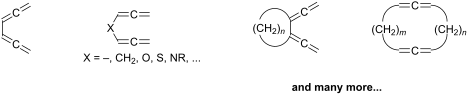
- %. Structurally comparable bisallene diols could be prepared, as shown by Krause and Poonoth [80][81], from bisoxiranes 100 by opening these with Grignard reagents in the presence of copper salts; this is again a double SN2'-process (Scheme 25). The resulting derivatives 101 are useful precursors for a double

Graphical Abstract

Figure 1: Loschmidt’s structure proposal for benzene (1) (Scheme 181 from [3]) and the corresponding modern stru...

Figure 2: The first isolated bisallenes.

Figure 3: Carbon skeletons of selected bisallenes discussed in this review.

Scheme 1: The preparation of 1,2,4,5-hexatetraene (2).

Scheme 2: The preparation of a conjugated bisallene by the DMS-protocol.

Scheme 3: Preparation of the 3-deuterio- and 3,4-dideuterio derivatives of 24.

Scheme 4: A versatile method to prepare alkylated conjugated bisallenes and other allenes.

Scheme 5: A preparation of 3,4-dimethyl-1,2,4,5-hexatetraene (38).

Scheme 6: A (C6 + 0)-approach to 1,2,4,5-hexatetraene (2).

Scheme 7: The preparation of a fully alkylated bisallenes from a 2,4-hexadiyne-1,6-diol diacetate.

Scheme 8: The preparation of the first phenyl-substituted conjugated bisallenes 3 and 4.

Scheme 9: Selective hydrogenation of [5]cumulenes to conjugated bisallenes: another (C6 + 0)-route.

Scheme 10: Aryl-substituted conjugated bisallenes by a (C3 + C3)-approach.

Scheme 11: Hexaphenyl-1,2,4,5-hexatetraene (59) by a (C3 + C3)-approach.

Scheme 12: An allenation route to conjugated bisallenes.

Scheme 13: The preparation of 3,4-difunctionalized conjugated bisallenes.

Scheme 14: Problems during the preparation of sulfur-substituted conjugated bisallenes.

Scheme 15: The preparation of 3,4-dibromo bisallenes.

Scheme 16: Generation of allenolates by an oxy-Cope rearrangement.

Scheme 17: A linear trimerization of alkynes to conjugated bisallenes: a (C2 + C2 + C2)-protocol.

Scheme 18: Preparation of a TMS-substituted conjugated bisallene by a C3-dimerization route.

Scheme 19: A bis(trimethylsilyl)bisallene by a C3-coupling protocol.

Scheme 20: The rearrangement of highly substituted benzene derivatives into their conjugated bisallenic isomer...

Scheme 21: From fully substituted benzene derivatives to fully substituted bisallenes.

Scheme 22: From a bicyclopropenyl to a conjugated bisallene derivative.

Scheme 23: The conversion of a bismethylenecyclobutene into a conjugated bisallene.

Scheme 24: The preparation of monofunctionalized bisallenes.

Scheme 25: Preparation of bisallene diols and their cyclization to dihydrofurans.

Scheme 26: A 3,4-difunctionalized conjugated bisallene by a C3-coupling process.

Scheme 27: Preparation of a bisallenic diketone by a coupling reaction.

Scheme 28: Sulfur and selenium-substituted bisallenes by a [2.3]sigmatropic rearrangement.

Scheme 29: The biallenylation of azetidinones.

Scheme 30: The preparation of a fully ferrocenylated conjugated bisallene.

Scheme 31: The first isomerization of a 1,5-hexadiyne to a 1,2,4,5-hexatetraene.

Scheme 32: The preparation of alkynyl-substituted bisallenes by a C3-dimerization protocol.

Scheme 33: Preparation of another completely ferrocenylated bisallene.

Scheme 34: The cyclization of 1,5-hexadiyne (129) to 3,4-bismethylenecyclobutene (130) via 1,2,4,5-hexatetraen...
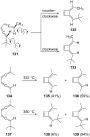
Scheme 35: Stereochemistry of the thermal cyclization of bisallenes to bismethylenecyclobutenes.

Scheme 36: Bisallene→bismethylenecyclobutene ring closures in the solid state.

Scheme 37: A bisallene cyclization/dimerization reaction.

Scheme 38: A selection of Diels–Alder additions of 1,2,4,5-hexatetraene with various double-bond dienophiles.

Scheme 39: The stereochemistry of the [2 + 4] cycloaddition to conjugated bisallenes.

Scheme 40: Preparation of azetidinone derivatives from conjugated bisallenes.

Scheme 41: Cycloaddition of heterodienophiles to a conjugated bisallene.

Scheme 42: Addition of triple-bond dienophiles to conjugated bisallenes.

Scheme 43: Sulfur dioxide addition to conjugated bisallenes.

Scheme 44: The addition of a germylene to a conjugated bisallene.

Scheme 45: Trapping of conjugated bisallenes with phosphinidenes.

Scheme 46: The cyclopropanantion of 1,2,4,5-hexatetraene (2).

Scheme 47: Photochemical reactions involving conjugated bisallenes.

Scheme 48: Base-catalyzed isomerizations of conjugated bisallenes.

Scheme 49: Ionic additions to a conjugated bisallene.

Scheme 50: Oxidation reactions of a conjugated bisallene.
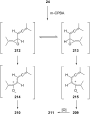
Scheme 51: The mechanism of oxidation of the bisallene 24.

Scheme 52: CuCl-catalyzed cyclization of 1,2,4,5-hexatetraene (2).

Scheme 53: The conversion of conjugated bisallenes into cyclopentenones.

Scheme 54: Oligomerization of a conjugated bisallene by nickel catalysts.
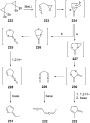
Scheme 55: Generation of 1,2,5,6-heptatetraene (229) as a reaction intermediate.

Scheme 56: The preparation of a stable derivative of 1,2,5,6-heptatetraene.

Scheme 57: A bisallene with a carbonyl group as a spacer element.

Scheme 58: The first preparation of 1,2,6,7-octatetraene (242).

Scheme 59: Preparation of 1,2,6,7-octatetraenes by (C4 + C4)-coupling of enynes.

Scheme 60: Preparation of 1,2,6,7-octatetraenes by (C4 + C4)-coupling of homoallenyl bromides.

Scheme 61: Preparation of 1,2,6,7-octatetraenes by alkylation of propargylic substrates.

Scheme 62: Preparation of two highly functionalized 1,2,6,7-octatetraenes.

Scheme 63: Preparation of several higher α,ω-bisallenes.

Scheme 64: Preparation of different alkyl derivatives of α,ω-bisallenes.

Scheme 65: The preparation of functionalized 1,2,7,8-nonatetraene derivatives.

Scheme 66: Preparation of functionalized α,ω-bisallenes.

Scheme 67: The preparation of an α,ω-bisallene by direct homologation of an α,ω-bisalkyne.

Scheme 68: The gas-phase pyrolysis of 4,4-dimethyl-1,2,5,6-heptatetraene (237).
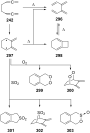
Scheme 69: Gas-phase pyrolysis of 1,2,6,7-octatetraene (242).

Scheme 70: The cyclopropanation of 1,2,6,7-octatetraene (242).

Scheme 71: Intramolecular cyclization of 1,2,6,7-octatetraene derivatives.

Scheme 72: The gas-phase pyrolysis of 1,2,7,8-nonatetraene (265) and 1,2,8,9-decatetraene (266).

Scheme 73: Rh-catalyzed cyclization of a functionalized 1,2,7,8-nonatetraene.

Scheme 74: A triple cyclization involving two different allenic substrates.

Scheme 75: Bicyclization of keto derivatives of 1,2,7,8-nonatetraene.

Scheme 76: The preparation of complex organic compounds from functionalized bisallenes.

Scheme 77: Cycloisomerization of an α,ω-bisallene containing a C9 tether.

Scheme 78: Organoborane polymers from α,ω-bisallenes.

Scheme 79: Preparation of trans- (337) and cis-1,2,4,6,7-octapentaene (341).

Scheme 80: The preparation of 4-methylene-1,2,5,6-heptatetraene (349).

Scheme 81: The preparation of acetylenic bisallenes.

Scheme 82: The preparation of derivatives of hydrocarbon 351.

Scheme 83: The construction of macrocyclic alleno-acetylenes.

Scheme 84: Preparation and reactions of 4,5-bismethylene-1,2,6,7-octatetraene (365).

Scheme 85: Preparation of 1,2-bis(propadienyl)benzene (370).

Scheme 86: The preparation of 1,4-bis(propadienyl)benzene (376).

Scheme 87: The preparation of aromatic and heteroaromatic bisallenes by metal-mediated coupling reactions.

Scheme 88: Double cyclization of an aromatic bisallene.

Scheme 89: Preparation of an allenic [15]paracyclophane by a ring-closing metathesis reaction of an aromatic α...

Scheme 90: Preparation of a macrocyclic ring system containing 1,4-bis(propadienyl)benzene units.

Scheme 91: Preparation of copolymers from 1,4-bis(propadienyl)benzene (376).

Scheme 92: A boration/copolymerization sequence of an aromatic bisallene and an aromatic bisacetylene.

Scheme 93: Formation of a layered aromatic bisallene.

Figure 4: The first members of the semicyclic bisallene series.

Scheme 94: Preparation of the first bis(vinylidene)cyclobutane derivative.
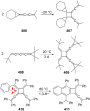
Scheme 95: Dimerization of strain-activated cumulenes to bis(vinylidene)cyclobutanes.

Scheme 96: Photodimerization of two fully substituted butatrienes in the solid state.

Scheme 97: Preparation of the two parent bis(vinylidene)cyclobutanes.

Scheme 98: The preparation of 1,3-bis(vinylidene)cyclopentane and its thermal isomerization.

Scheme 99: The preparation of the isomeric bis(vinylidene)cyclohexanes.

Scheme 100: Bi- and tricyclic conjugated bisallenes.
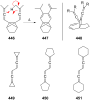
Scheme 101: A selection of polycyclic bisallenes.

Scheme 102: The first endocyclic bisallenes.

Figure 5: The stereochemistry of 1,2,6,7-cyclodecatetraene.

Scheme 103: The preparation of several endocyclic bisallenes.

Scheme 104: Synthesis of diastereomeric derivatives of 1,2,6,7-cyclodecatetraene.

Scheme 105: Preparation of a derivative of 1,2,8,9-cyclotetradecatetraene.

Scheme 106: The preparation of keto derivatives of cyclic bisallenes.

Scheme 107: The preparation of cyclic biscumulenic ring systems.

Scheme 108: Cyclic bisallenes in natural- and non-natural-product chemistry.

Scheme 109: The preparation of iron carbonyl complexes from cyclic bisallenes.

Figure 6: A selection of unknown exocyclic bisallenes that should have interesting chemical properties.

Scheme 110: The thermal isomerization of 1,2-diethynylcyclopropanes and -cyclobutanes.

Scheme 111: Intermediate generation of a cyclooctapentaene.

Scheme 112: Attempted preparation of a cyclodecahexaene.

Scheme 113: The thermal isomerization of 1,5,9-cyclododecatriyne (511) into [6]radialene (514).

Scheme 114: An isomerization involving a diketone derived from a conjugated bisallene.

Scheme 115: Typical reaction modes of heteroorganic bisallenes.

Scheme 116: Generation and thermal behavior of acyclic hetero-organic bisallenes.

Scheme 117: Generation of bis(propadienyl)thioether.

Scheme 118: The preparation of a bisallenic sulfone and its thermal isomerization.

Scheme 119: Bromination of the bisallenic sulfone 535.

Scheme 120: Metalation/hydrolysis of the bisallenic sulfone 535.

Scheme 121: Aromatic compounds from hetero bisallenes.

Scheme 122: Isomerization/cyclization of bispropargylic ethers.

Scheme 123: The preparation of novel aromatic systems by base-catalyzed isomerization of bispropargyl ethers.

Scheme 124: The isomerization of bisacetylenic thioethers to bicyclic thiophenes.

Scheme 125: Aromatization of macrocyclic bispropargylic sulfides.

Scheme 126: Preparation of ansa-compounds from macrocyclic bispropargyl thioethers.

Scheme 127: Alternate route for cyclization of a heterorganic bisallene.
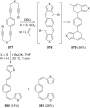
Scheme 128: Multiple isomerization/cyclization of “double” bispropargylic thioethers.

Scheme 129: Preparation of a bisallenyl disulfide and its subsequent bicyclization.

Scheme 130: Thermal cyclization of a bisallenyl thiosulfonate.

Scheme 131: Some reactions of heteroorganic bisallenes with two sulfur atoms.

Scheme 132: Further methods for the preparation of heteroorganic bisallenes.

Scheme 133: Cyclization reactions of heteroorganic bisallenes.

Scheme 134: Thermal cycloadditions of bisallenic tertiary amines.

Scheme 135: Cyclization of a bisallenic tertiary amine in the presence of a transition-metal catalyst.

Scheme 136: A Pauson–Khand reaction of a bisallenic ether.

Scheme 137: Formation of a 2:1adduct from two allenic substrates.

Scheme 138: A ring-forming silastannylation of a bisallenic tertiary amine.

Scheme 139: A three-component cyclization involving a heterorganic bisallene.

Scheme 140: Atom-economic construction of a complex organic framework from a heterorganic α,ω-bisallene.
New efficient ligand for sub-mol % copper-catalyzed C–N cross-coupling reactions running under air
- Per-Fredrik Larsson,
- Peter Astvik and
- Per-Ola Norrby
Beilstein J. Org. Chem. 2012, 8, 1909–1915, doi:10.3762/bjoc.8.221
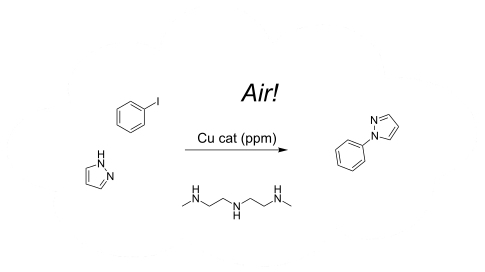
- ; ligands; Introduction Copper-catalyzed heteroatom cross-coupling reactions (C–N, C–O and C–S) are important synthetic tools in modern organic synthesis [1][2][3][4][5][6]. Even though copper salts have been known to catalyze these transformations for a long period of time (i.e., the Ullmann [7] and

Graphical Abstract

Scheme 1: Synthetic procedure for N,N''-dimethyldiethylene triamine.

Scheme 2: Standard reaction for the kinetic study.

Figure 1: Kinetic profile for varying [DMDETA].

Figure 2: Reaction order for copper from 0.025–0.64 mol %.

Figure 3: DMEDA versus DMDETA under air and nitrogen atmosphere.

Scheme 3: Long-chained aliphatic amines as ligands.
Parallel solid-phase synthesis of diaryltriazoles
- Matthias Wrobel,
- Jeffrey Aubé and
- Burkhard König
Beilstein J. Org. Chem. 2012, 8, 1027–1036, doi:10.3762/bjoc.8.115
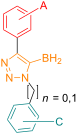
- –t and either copper or ruthenium-catalyzed [2 + 3] cycloadditions. The three reactions and the obtained products 11 (reaction 1), 12 (reaction 2) and 13 (reaction 3) are summarized in Table 2. Reaction 1 follows the established protocol and, gave after removal of the copper salts with a solution of
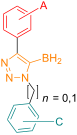
Graphical Abstract

Scheme 1: Terphenyl scaffold 1 [13,14]; oxazole-pyridazine-piperazine 2 [14,15] and aryl-triazoles 3 and 4 [15,16] as α-helix mime...

Scheme 2: Synthesis of azido-functionalized resins 7 and 9.
Recent advances in carbocupration of α-heterosubstituted alkynes
- Ahmad Basheer and
- Ilan Marek
Beilstein J. Org. Chem. 2010, 6, No. 77, doi:10.3762/bjoc.6.77

- CuBr was used instead of CuI, the yield was better although the regioselectivity of the reaction was slightly decreased (8a/8b = 93/7 in 82% yield). The best compromise was to use Et2Zn with a soluble copper salts such as CuBr•2 LiBr or CuCN•2LiBr (or LiCl). In both cases, the β-isomer 8a was obtained

Graphical Abstract

Scheme 1: General scheme for the carbocupration reaction.

Scheme 2: Regioselectivity in the carbocupration reaction.

Scheme 3: Carbocupration of α-alkoxyalkynes.

Scheme 4: Carbocupration of substituted α-alkoxyalkynes.

Scheme 5: Formation of the branched isomer.

Scheme 6: Formation of the linear isomer.

Scheme 7: Carbocupration of O-alkynyl carbamates.

Scheme 8: Carbocupration of ynamines.

Scheme 9: Carbocupration of ynamide.

Scheme 10: Formation of aldol products possessing stereogenic quaternary carbon centers.

Scheme 11: Carbocupration of alkynyl sulfonamide.

Scheme 12: Tandem carbocupration-sigmatropic rearrangement.

Scheme 13: Silylcupration of alkynyl sulfonamides.

Scheme 14: Carbocupration of P-substituted alkynes.

Scheme 15: Carbocupration of alkynylphosphonates.

Scheme 16: Carbocupration of thioalkynes.

Scheme 17: Tandem carbocupration-1,2-metalate rearrangement.

Scheme 18: Carbocupration with functionalized organocopper species.

Scheme 19: Carbocupration of alkynyl sulfoxides.

Scheme 20: Carbocupration of alkynyl sulfones.

Scheme 21: Carbocupration of alkynyl sulfoximines.

Scheme 22: Carbocupration of alkynylsilanes.

Scheme 23: Carbocupration of functionalized alkynylsilanes.

Scheme 24: Silyl- and stannyl cupration of silyl- and stannylalkynes.
Shelf-stable electrophilic trifluoromethylating reagents: A brief historical perspective
- Norio Shibata,
- Andrej Matsnev and
- Dominique Cahard
Beilstein J. Org. Chem. 2010, 6, No. 65, doi:10.3762/bjoc.6.65
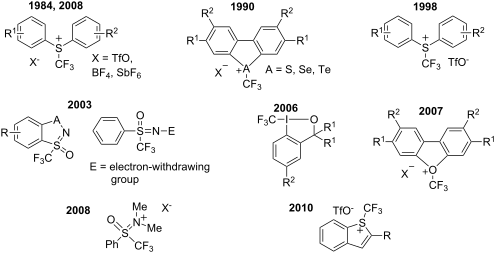
- or copper salts no cyclization occurs [22]. A number of sulfonium salts were obtained, in particular 16 and 17, which were evaluated as trifluoromethylating agents for β-ketoesters and dicyanoalkylidenes. The cyclopropyl-substituted reagent 17 gave slightly better yields than the phenyl-substituted

Graphical Abstract

Scheme 1: Preparation of the first electrophilic trifluoromethylating reagent and its reaction with a thiophe...

Scheme 2: Synthetic routes to S-CF3 and Se-CF3 dibenzochalcogenium salts.

Scheme 3: Synthesis of (trifluoromethyl)dibenzotellurophenium salts.

Scheme 4: Nitration of (trifluoromethyl)dibenzochalcogenium salts.

Scheme 5: Synthesis of a sulphonium salt with a bridged oxygen.

Scheme 6: Reactivity of (trifluoromethyl)dibenzochalcogenium salts.

Scheme 7: Pd(II)-Catalyzed ortho-trifluoromethylation of heterocycle-substituted arenes by Umemoto’s reagents....

Scheme 8: Mild electrophilic trifluoromethylation of β-ketoesters and silyl enol ethers.

Scheme 9: Enantioselective electrophilic trifluoromethylation of β-ketoesters.

Scheme 10: Preparation of water-soluble S-(trifluoromethyl)dibenzothiophenium salts.

Scheme 11: Method for large-scale preparation of S-(trifluoromethyl)dibenzothiophenium salts.

Scheme 12: Triflic acid catalyzed synthesis of 5-(trifluoromethyl)thiophenium salts.

Scheme 13: Trifluoromethylation of β-ketoesters and dicyanoalkylidenes by S-(trifluoromethyl)benzothiophenium ...

Scheme 14: Synthesis of chiral S-(trifluoromethyl)benzothiophenium salt 18 and attempt of enantioselective tri...

Scheme 15: Synthesis of O-(trifluoromethyl)dibenzofuranium salts.

Scheme 16: Photochemical O- and N-trifluoromethylation by 20b.

Scheme 17: Thermal O-trifluoromethylation of phenol by diazonium salt 19a. Effect of the counteranion.

Scheme 18: Thermal O- and N-trifluoromethylations.

Scheme 19: Method of preparation of S-(trifluoromethyl)diphenylsulfonium triflates.

Scheme 20: Reactivity of some S-(trifluoromethyl)diarylsulfonium triflates.

Scheme 21: One-pot synthesis of S-(trifluoromethyl)diarylsulfonium triflates.

Scheme 22: One-pot synthesis of Umemoto’s type reagents.

Scheme 23: Preparation of sulfonium salts by transformation of CF3− into CF3+.

Scheme 24: Selected reactions with the new Yagupolskii reagents.

Scheme 25: Synthesis of heteroaryl-substituted sulfonium salts.

Scheme 26: First neutral S-CF3 reagents.

Scheme 27: Synthesis of Togni reagents. aYield for the two-step procedure.

Scheme 28: Trifluoromethylation of C-nucleophiles with 37.

Scheme 29: Selected examples of trifluoromethylation of S-nucleophiles with 37.

Scheme 30: Selected examples of trifluoromethylation of P-nucleophiles with 35 and 37.

Scheme 31: Trifluoromethylation of 2,4,6-trimethylphenol with 35.

Scheme 32: Examples of O-trifluoromethylation of alcohols with 35 in the presence of 1 equiv of Zn(NTf2)2.

Scheme 33: Formation of trifluoromethyl sulfonates from sulfonic acids and 35.

Scheme 34: Organocatalytic α-trifluoromethylation of aldehydes with 37.

Scheme 35: Synthesis of reagent 42 and mechanism of trifluoromethylation.

Scheme 36: Trifluoromethylation of β-ketoesters and dicyanoalkylidenes with 42.
New amphiphilic glycopolymers by click functionalization of random copolymers – application to the colloidal stabilisation of polymer nanoparticles and their interaction with concanavalin A lectin
- Otman Otman,
- Paul Boullanger,
- Eric Drockenmuller and
- Thierry Hamaide
Beilstein J. Org. Chem. 2010, 6, No. 58, doi:10.3762/bjoc.6.58
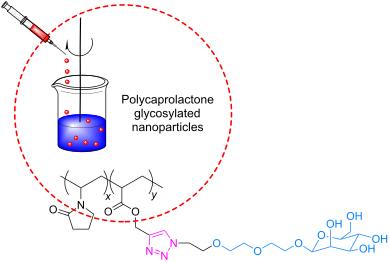
- copper salts with ethyl xanthogenate or cation exchange resin. Moreover, sodium ascorbate is far easier to remove in contrast to DIPEA or bipyridine and additionally, it would not be of any great consequence if some residual sodium ascorbate remained in the medium. The resulting grafted copolymers were
- ) containing 50 mg of potassium ethyl xanthogenate to remove the copper salts. After filtration through celite and evaporation to dryness, the desired mannose-functionalized copolymer was obtained as a pale yellow solid in 73% yield. 1H NMR (CD3OD, 500 MHz): δ (ppm) 8.06 (H-12), 5.8 (H-1), 5.10 (H-10), 4.6

Graphical Abstract

Figure 1: Preparation of the 8-azido-3,6-dioxaoctyl α-D-mannopyranoside.

Figure 2: Preparation of poly(propargyl-co-N-vinyl pyrrolidone) and subsequent addition of the mannose deriva...

Figure 3: Size of the nanoparticles stabilized with Pluronic® F-68/NVP-PA-Man (0.8/0.2), after addition of in...

Figure 4: Hydrogen and carbon numbering for NMR assignment.



