


Search results
Search for "water" in Full Text gives 2261 result(s) in Beilstein Journal of Organic Chemistry. Showing first 200.
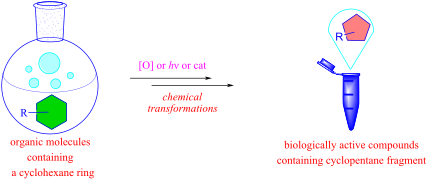
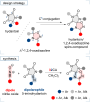
Transformation of the cyclohexane ring to the cyclopentane fragment of biologically active compounds
Beilstein J. Org. Chem. 2025, 21, 2416–2446, doi:10.3762/bjoc.21.185
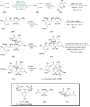
- 30% and a selectivity of 70% at −100 °C (Scheme 21). 2.3 Wolff rearrangement The Wolff rearrangement is the transformation of α-diazoketones into acids or their derivatives through heating, catalysis, or UV irradiation in the presence of water, alcohols, ammonia, amines, etc. The Wolff rearrangement
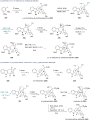
- ketone 154 with UV-C (200–280 nm) light yielded approximately equal amounts of products 155 and 156 (1.25:1 after 85% conversion). In the presence of water (CH3CN/H2O 10:1), a crystalline cyclooctene compound 157 was obtained by irradiation of 154. However, compound 156 was not detected. When irradiating
- 154 with UV-A (315–400 nm) in the presence of water (CH3CN/H2O 10:1), cycloheptene compound 158 was obtained, but compound 155 could not be detected. These results are consistent with the selective conversion of ketone 155 to acid 158 by UV-A irradiation and the selective transformation of ketone 156


The high potential of methyl laurate as a recyclable competitor to conventional toxic solvents in [3 + 2] cycloaddition reactions
Beilstein J. Org. Chem. 2025, 21, 2389–2415, doi:10.3762/bjoc.21.184
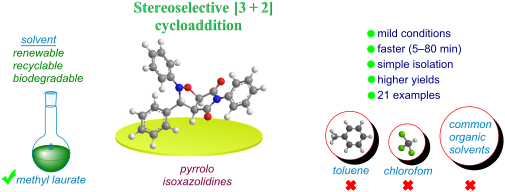
- , toxicity, pesticide similarity, and biodegradability of methyl laurate in comparison with a series of conventional organic solvents, water, some fatty acids and their derivatives. The findings of this investigation revealed that methyl laurate exhibited better green solvent properties when evaluated
- troublesome [21][22]. It is evident that this class of solvents may be accompanied by a number of drawbacks. For instance, they are frequently expensive, exhibit negligible or non-existent biodegradability, and there is a lack of data concerning their potential toxicity. Conversely, while water is regarded as
- involved a comparative analysis of these vegetable oils and derivatives with water and a range of commonly employed organic solvents in organic transformations. Results and Discussion The requisite starting compounds, nitrones 1a–f and a selection of N-substituted maleimide derivatives 2b–d were






Rotaxanes with integrated photoswitches: design principles, functional behavior, and emerging applications
Beilstein J. Org. Chem. 2025, 21, 2345–2366, doi:10.3762/bjoc.21.179

- base results in the deprotonation of the ammonium site and shuttling of the macrocycle to the urea site. Whereas, upon addition of acid, the macrocycle returns to the protonated BAA site. Notably, the rotaxane exhibited high fluorescence intensity due to aggregation in acetonitrile with high water
- cannot undergo the photocyclization reaction when the macrocycle is in the BAA site due to conformational restraint. This system was used to form water-soluble nanoparticles to investigate their biological applications. The obtained nanoparticles exhibited bright red photoluminescence and the ability to
- revealed that while azobenzene photoisomerization can directly induce some degree of lipid packing reorganization, the dominant effect arises from changes in the position of the rotaxane within the membrane. Specifically, in the trans isomer, the macrocycle resides closer to the membrane–water interface


Insoluble methylene-bridged glycoluril dimers as sequestrants for dyes
Beilstein J. Org. Chem. 2025, 21, 2302–2314, doi:10.3762/bjoc.21.176
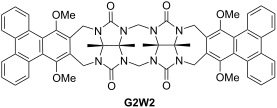
- Suvenika Perera Peter Y. Zavalij Lyle Isaacs Department of Chemistry and Biochemistry, University of Maryland, College Park, Maryland 20742, United States 10.3762/bjoc.21.176 Abstract Contamination of water bodies by micropollutants including industrial dyes is a worldwide health and
- environmental concern. We report the design, synthesis, and characterization of a series of methylene-bridged glycoluril dimers G2W1–G2W4 that are insoluble in water and that differ in the nature of their aromatic sidewalls (G2W4: benzene, G2W3: naphthalene, G2W1 and G2W2: triphenylene). We tested G2W1–G2W4
- receptor (nAChR) by a pharmacokinetic approach [1][2]. Contamination of water bodies by the improper disposal of consumer and industrial chemicals constitutes a significant threat to the health of both humans and animals [3]. Dyes are a significant class of water pollutants which are commonly used by the



Pathway economy in cyclization of 1,n-enynes
Beilstein J. Org. Chem. 2025, 21, 2260–2282, doi:10.3762/bjoc.21.173
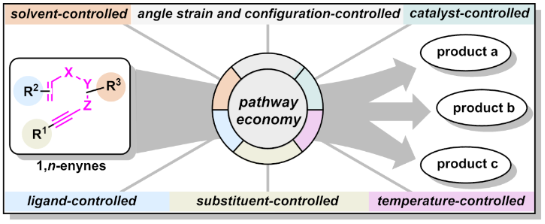
- radical initiated intramolecular cascade cyclization of 1,n-enynes to provide structurally diverse heterocycles (Scheme 4) [11]. Solvent selection dictated divergent reaction pathways under I2/TBHP oxidation. When an acetonitrile/water mixed solvent was used, iodine radical addition to the alkyne
- and co-workers achieved an innovative gold-catalyzed cascade cycloisomerization of 3-allyloxy-1,6-diynes to access cyclopropane- and cyclobutane-fused benzofurans/chromanols (Scheme 5) [12]. In this study, solvent polarity and trace water were identified as key parameters governing the reaction
- pathway. In THF with trace water, water served as a nucleophile that participated in the reaction, triggering hydroxylation of cyclopropanation intermediate 19 and affording cyclopropane-fused chromanol products 20 (Scheme 5, path a). In anhydrous 1,2-dichloroethane (DCE), gold(I)-catalyzed


Pd-catalyzed dehydrogenative arylation of arylhydrazines to access non-symmetric azobenzenes, including tetra-ortho derivatives
Beilstein J. Org. Chem. 2025, 21, 2234–2242, doi:10.3762/bjoc.21.170
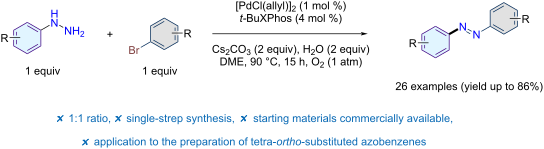
- the presence of water, highlighting its robustness. Keywords: azo compounds; cross-coupling; domino catalysis; palladium; phosphine ligands; Introduction Azobenzenes are a widely studied class of compounds known for their distinctive photoresponsive properties, rendering them valuable in a variety
- batch of Cs2CO3 showed a dramatic reduction in product yield (Table 1, entry 12). Control experiments with varying amounts of water (0–10 equiv) demonstrated that a small amount of water is crucial for the reaction (Supporting Information File 1, Table S7 and Table 1, entry 11). This effect, previously
- addition of 2 equivalents of water (Table 1, entries 12 and 13). Finally, the oxidant t-Bu-OO-t-Bu could be replaced by O2, yielding compound 3a with GC yields of up to 79% (Table 1, entry 14, 75% isolated yield). In reactions giving <70% isolated yield, no single side-product dominates; the missing mass


Thiadiazino-indole, thiadiazino-carbazole and benzothiadiazino-carbazole dioxides: synthesis, physicochemical and early ADME characterization of representatives of new tri-, tetra- and pentacyclic ring systems and their intermediates
Beilstein J. Org. Chem. 2025, 21, 2220–2233, doi:10.3762/bjoc.21.169
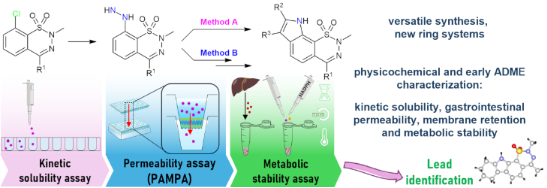
- KGaA, Darmstadt, Germany), adjusting the pH with HCl. Water for buffer and eluent preparation were provided by a Millipore Milli-Q water purification system. Kinetic aqueous solubility assay. All compounds were dissolved in DMSO to make stock solutions at 10 mM concentration. In the case of 7i, 7j, and
- ). Analytical methods. All samples of the kinetic solubility and in vitro permeability assays were analyzed on a Waters Alliance 2695 Separations Module equipped with a 2996 PDA detector, using a Water Xterra RP 18 chromatographic column (100 × 4.6 mm, 3.5 µm) at 45 °C, applying 1.2 mL/min flow rate. For a 7
- -minute long gradient program, eluents A (0.1% formic acid in water) and B (0.1% formic acid in acetonitrile) were used as follows: initial conditions with 30% B were kept for 1 minute, then 90% B was achieved within 3 minutes, kept for further 1 minute, finally the initial condition was adjusted and


Electrochemical cyclization of alkynes to construct five-membered nitrogen-heterocyclic rings
Beilstein J. Org. Chem. 2025, 21, 2173–2201, doi:10.3762/bjoc.21.166
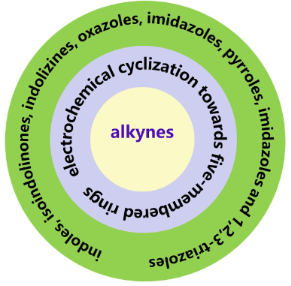
- cationic resonance G quickly. The nucleophilic attack of D2O formed H, which underwent dedeuteration and elimination of DI to form 30a with reduction of deuterated water to generate deuteroxyl ions (OD−) and deuterium gas (D2) at the cathode. This method, using iodide salts as electrolyte and redox
- reaction of nitrile, xanthene, terminal alkyne and water to synthesize oxazole was established by Li in 2023 (Scheme 12) [219]. After examining the reaction carefully, the optimized reaction conditions were obtained as follows: a mixture of alkyne 31 (0.3 mmol), xanthene 32 (0.45 mmol), CH3CN (5.0 mL), H2O
- (Scheme 13) [255]. Under electrolysis (graphite as electrodes, tetra-n-butylammonium salt (TBAPF6) as electrolyte, N,N,N,N-tetramethylethylenediamine (TMEDA) as mediator, 4.28 V), the four-component reaction of alkynes 35, NaSO2CF3, nitriles and residual water proceeded efficiently to form titled









C2 to C6 biobased carbonyl platforms for fine chemistry
Beilstein J. Org. Chem. 2025, 21, 2103–2172, doi:10.3762/bjoc.21.165
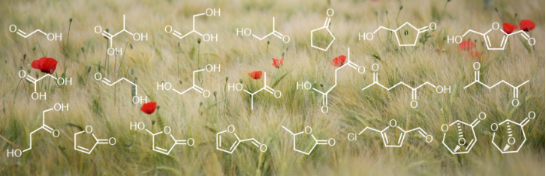
- ·6H2O/meglumine (N-methylglucamine) was found effective. This DES system proved to be a fully water compatible medium for the three-component conversion of glycolaldehyde, allowing the synthesis of a variety of 3-(indol-3-yl)-2,3-dihydrofurans in good yields. Interestingly, the DES (FeCl3·6H2O/meglumine
- than nine steps and gave only 15% yield. No remaining acetal was found in the final product (Scheme 18). The production of lactic acid from dihydroxyacetone or its derivative pyruvaldehyde was investigated on large scale to evaluate the water tolerance of Lewis acid sites of several solid catalysts [86
- co-workers developed an electrocatalytic strategy for the synthesis of HFO from furfural [111]. The very important and key bioactive compound HFO was formed by using water as an oxygen source and chalcogenides such as CuS, ZnS, or PbS as electrocatalysts. CuS nanosheets gave the best performance


α-Ketoglutaric acid in Ugi reactions and Ugi/aza-Wittig tandem reactions
Beilstein J. Org. Chem. 2025, 21, 2021–2029, doi:10.3762/bjoc.21.157
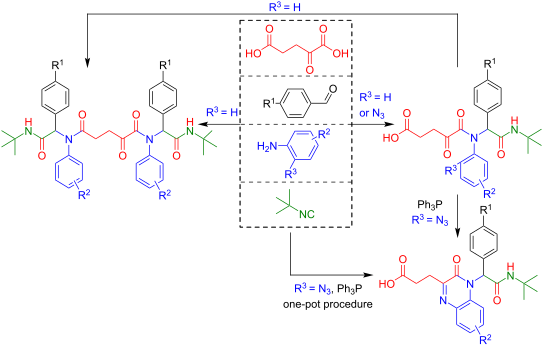
- -aryl-2-(tert-butylamino)-2-oxoethyl)amino)-4,5-dioxopentanoic acids 5a–l in 50–81% yields (Scheme 2, pathway A; Table 1). The compounds 5a–l were isolated easily by adding water to the reaction mass until it became cloudy, whereupon a precipitate of the product was formed and isolated (all experimental


Enantioselective desymmetrization strategy of prochiral 1,3-diols in natural product synthesis
Beilstein J. Org. Chem. 2025, 21, 1932–1963, doi:10.3762/bjoc.21.151
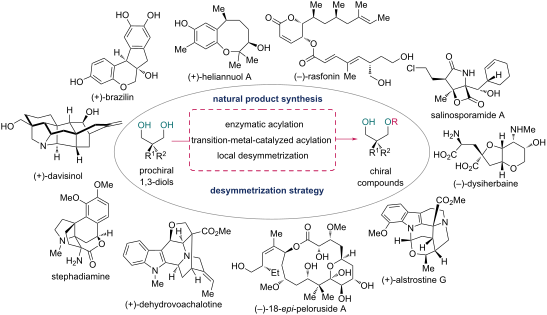
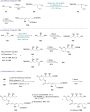
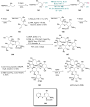
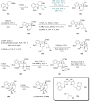
- with organic reactions, this chemo-enzymatic strategy has been successfully utilized in the synthesis of complex molecules [22][23]. Enzymatic reactions feature a convenient operation due to their relative insensitivity to water and oxygen, as well as a specificity to certain substrates, resulting in










Rhodium-catalysed connective synthesis of diverse reactive probes bearing S(VI) electrophilic warheads
Beilstein J. Org. Chem. 2025, 21, 1924–1931, doi:10.3762/bjoc.21.150
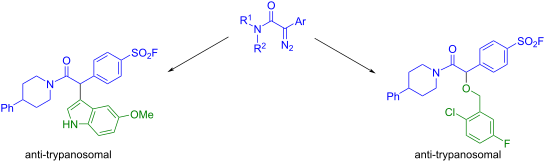
- reactions, a product with molecular weight consistent with O–H insertion into water was also observed. For these 18 substrate/co-substrate combinations, the reaction with the highest estimated yield was selected for mass-directed purification (Table 2). In total, 23 intermolecular reaction products were
- isolated and structurally characterised (using, where appropriate, HMBC, COSY and nOe NMR methods; see Figure 3). In general, the yields of these products were rather low, which may stem from poor (co-)substrate solubility in some cases; and/or competitive O–H insertion into adventitious water. On the


Stereoselective electrochemical intramolecular imino-pinacol reaction: a straightforward entry to enantiopure piperazines
Beilstein J. Org. Chem. 2025, 21, 1897–1908, doi:10.3762/bjoc.21.147
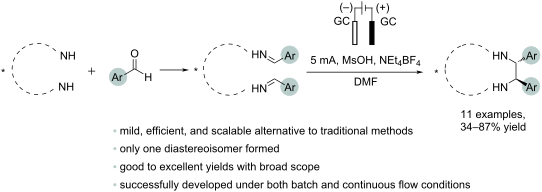
- total charge of 2.2 F/mol was delivered. The reaction mixture was poured into a beaker with 10 mL of distilled water, and a saturated solution of NaHCO3 was added to adjust the pH to ≈7. 10 mL of ethyl acetate were then added, and the two phases were separated. The aqueous phase was then extracted with
- experiments were conducted until a total charge of 4.15 F/mol was delivered. The reaction mixture was then poured into a beaker with distilled water, and a saturated solution of NaHCO3 was added to adjust the pH to ≈7. Ethyl acetate was added, and the two phases were separated. The aqueous phase was then





Systematic pore lipophilization to enhance the efficiency of an amine-based MOF catalyst in the solvent-free Knoevenagel reaction
Beilstein J. Org. Chem. 2025, 21, 1854–1863, doi:10.3762/bjoc.21.144
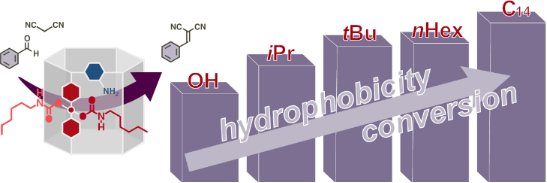
- believed to be coordinatively unsaturated zincs at the MOF surfaces, and their lipophilization resulted in a greater than ten-fold increase in the initial rate of the reaction [31]. The promotion of this reaction was attributed to the repulsion of the water by-product by the lipophilic surface, thereby
- catalysis have focused on lipophilization to prevent water-based catalyst decomposition, with only a few investigating how lipophilic pores surfaces can increase catalyst efficiency [32][33], despite enzymes employing such a strategy. The lipophilicity of enzyme active sites tends to improve reaction rates
- by increasing the binding affinity for the lipophilic reactants and by decreasing the energy required to desolvate acid/base amino acid catalysts [34][35]. Lipophilicity has also been found to be beneficial in condensation reactions as the removed water molecules are repelled by the hydrophobic


Photoswitches beyond azobenzene: a beginner’s guide
Beilstein J. Org. Chem. 2025, 21, 1808–1853, doi:10.3762/bjoc.21.143
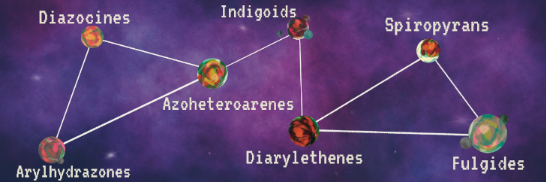
- concentration of the photoswitch in solution: when MeOH or water are present, the lifetimes drop significantly, and particularly at pH 4, as consequence of more favourable intermolecular proton transfer. Calculations show that water molecules bridging between two Z-isomers favour the formation of hydrazone and
- the E-chair isomer [51]. All the compounds show excellent resistance to fatigue. The behaviour of some (hetero)diazocines was also studied in water and solvent mixtures [50][51]. Interestingly, N-acetyl-diazocine possesses overall comparable properties and a longer thermal half-life, and it is also
- soluble in water. For C- and S-diazocine, the absorption band separation of the two isomers is lower in polar solvents, resulting in worse PSS. In particular, for the S-diazocine it was found that the E-chair conformer was bathochromically shifted with increasing polarity of the solvent until completely




Research progress on calixarene/pillararene-based controlled drug release systems
Beilstein J. Org. Chem. 2025, 21, 1757–1785, doi:10.3762/bjoc.21.139
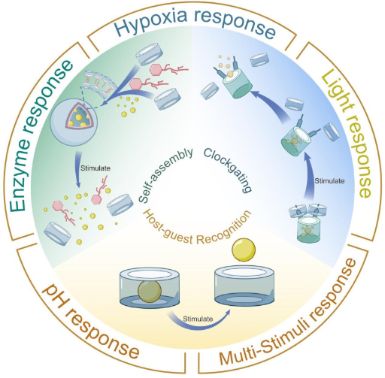
- ease of modification [42]. Among these, CAs and PAs are representative aromatic macrocycles. They can be made water-soluble and exhibit good biocompatibility through carboxyl or phosphate group modification, showing great potential in biomedical carrier applications. Compared with other artificial
- molecules and high-selectivity binding in drug-controlled release. Many calix/pillar[n]arene hosts are soluble in water, particularly macrocycles that are modified with carboxyl and phosphate groups. Moreover, their amphiphilic modification ability allows easy self-assembly into functional materials like
- solubility, this can be improved through derivatization. Water-soluble calixarene derivatives can be obtained through functional modifications, including the introduction of sulfonic acid, amine, and carboxylic acid groups [57][58][59]. These water soluble macrocycle derivatives can be used to increase the






Convenient alternative synthesis of the Malassezia-derived virulence factor malassezione and related compounds
Beilstein J. Org. Chem. 2025, 21, 1730–1736, doi:10.3762/bjoc.21.135
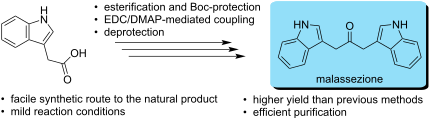
- of EDC permits easy removal of the water-soluble urea-based byproduct with an aqueous wash as opposed to the hydrophobic dicyclohexylurea arising when DCC is utilized, which is more difficult to separate from the hydrophobic malassezione. This route should afford ready access to malassezione for
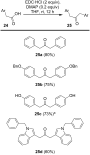
- with EtOAc (3 × 50 mL) and the combined organic layers were washed with water (100 mL) and brine (100 mL), and then dried over anhydrous MgSO4. The solvent was removed under reduced pressure and the residue was purified by flash chromatography on silica gel (EtOAc/hexane gradient 1:10 → 1:1, 1% AcOH
- , 0.7mmol, 0.2 equiv) in THF (10 mL) under an argon atmosphere. The reaction mixture was stirred at room temperature for 12 h. After completion of the reaction, the solvent was removed under reduced pressure. The crude reaction mixture was then diluted with EtOAc (100 mL) and washed with water (2 × 40 mL


Continuous-flow-enabled intensification in nitration processes: a review of technological developments and practical applications over the past decade
Beilstein J. Org. Chem. 2025, 21, 1678–1699, doi:10.3762/bjoc.21.132
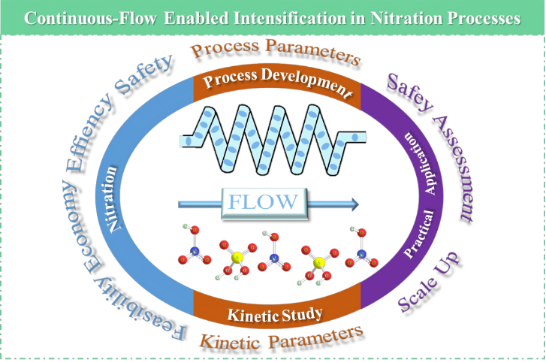
- stainless steel demonstrates corrosion resistance in individual exposures to concentrated nitric acid or sulfuric acid due to passivation layer formation. However, during nitration using both acids simultaneously, progressive HNO3 consumption and water generation may reduce acid concentrations below
- temperature, nitrating reagents selection, molar ratio of nitric acid to substrate, molar ratio of nitric acid to sulfuric acid, water content, as systematically discussed in Table 1 (vide infra). The residence time (usually 0–120 s) determines reaction completion, requiring balance between conversion rate
- suppressing byproduct formation from over-sulfonation and minimizing environmental burdens through reduced waste acid discharge. Water content governs the formation equilibrium of nitronium ions (NO2+), the electrophilic nitrating species, thereby dictating the overall reaction rates. In nitration processes



Structural analysis of stereoselective galactose pyruvylation toward the synthesis of bacterial capsular polysaccharides
Beilstein J. Org. Chem. 2025, 21, 1671–1677, doi:10.3762/bjoc.21.131

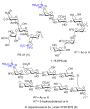
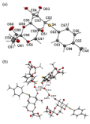
- a = 16.1017(4) Å, b = 7.7608(2) Å, c = 28.8344(8) Å, and β = 93.3680(10)°. Additionally, the presence of lattice water greatly influenced the molecular packing. The hydrogen bond (H–O–H) lengths in this lattice water ranged from 1.923 to 2.204 Å (Figure 2b). The pyruvylated galactose 6 was utilized


Influence of the cation in hypophosphite-mediated catalyst-free reductive amination
Beilstein J. Org. Chem. 2025, 21, 1661–1670, doi:10.3762/bjoc.21.130
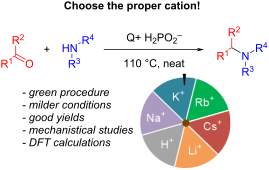
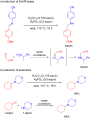
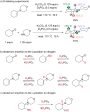
- the water content in the reaction medium did not exceed 0.7 equiv. In case of LiH2PO2 or NaH2PO2 the model amine formed with similar high yields of the target product (65–70%) (Table 1, lines 2 and 3) both in the presence and in the absence of H3PO2. On the contrary, Rb, K and Cs in the absence of
- the further study. Using the optimal K2CO3/H3PO2 ratio 0.125/0.5, it was found that 78% yield of the model amine could be reached at lower temperature (110 °C) under prolonged reaction time (Scheme 2). The water content in the system had a crucial influence on the reaction outcome: an excess of the
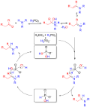
- water led to the drop of the yield while comparably low amounts (less than 0.7 equiv) were favorable (see Table S2 in Supporting Information File 1). This influence could be explained by hindering of the iminium ion formation in the presence of water. Thus, the optimization of the reaction conditions


Facile synthesis of hydantoin/1,2,4-oxadiazoline spiro-compounds via 1,3-dipolar cycloaddition of nitrile oxides to 5-iminohydantoins
Beilstein J. Org. Chem. 2025, 21, 1552–1560, doi:10.3762/bjoc.21.118

- generated nitrile oxide seems to be less significant. It was found that the low solubility of products containing aromatic substituents in non-polar solvents allows for their isolation by washing the crude reaction mixture with diethyl ether to remove organic impurities and then with water to eliminate
- cases, after the reaction time had expired, the solvent was removed in vacuo. The residue was washed with 2–3 small portions (0.5–1 mL) of Et2O and water giving a solid precipitate of the product (compounds 5a–d, 5f–h and 5k–l). Compounds 5i and 5j were isolated from the reaction mixtures by column



Azide–alkyne cycloaddition (click) reaction in biomass-derived solvent CyreneTM under one-pot conditions
Beilstein J. Org. Chem. 2025, 21, 1544–1551, doi:10.3762/bjoc.21.117
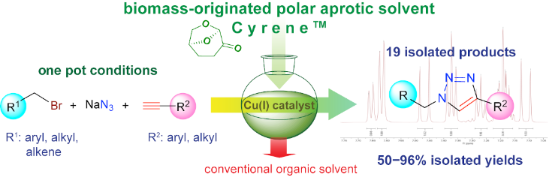
- pharmaceutical ingredients (APIs) [8][9][10][11] and pesticides [12], or metabolic labeling molecules in plant science [13], to name a few important applications. The CuAAC reactions can be easily carried out under mild reaction conditions and exhibit excellent functional group tolerance [7]. While water has
- been characterized as an ideal solvent for click reactions, the limited solubility of most organic substrates could limit its application. Thus, the transformations of either water-insoluble or solid compounds require a solvent to establish high reaction performance, i.e. homogeneous solutions with low
- obtained for Cu sources in different solvent systems [40][41]. Although CuAAC reactions can be efficiently performed in water, the moisture content of the organic reaction environment could have a significant effect on the efficiency of a transition-metal-catalyzed reaction. Because CyreneTM is fully


Calcium waste as a catalyst in the transesterification for demanding esters: scalability perspective
Beilstein J. Org. Chem. 2025, 21, 1520–1527, doi:10.3762/bjoc.21.114
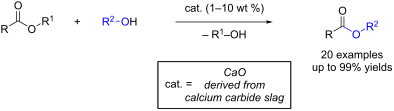
- the ratio of the total weight of waste to the total weight of the product, is 0.89 for this process. On the other hand, to obtain a ton of CaO from carbide slag, 0.32 tons of water is released. The E-factor for this approach is 0.32, which is approximately 2.8 times less than the approach of obtaining


Ambident reactivity of enolizable 5-mercapto-1H-tetrazoles in trapping reactions with in situ-generated thiocarbonyl S-methanides derived from sterically crowded cycloaliphatic thioketones
Beilstein J. Org. Chem. 2025, 21, 1508–1519, doi:10.3762/bjoc.21.113
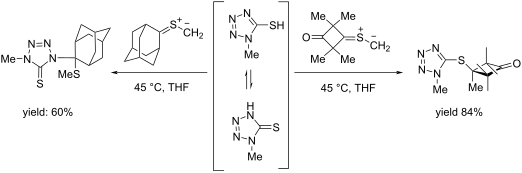
- : To a magnetically stirred solution of the thioketone 7c (833.0 mg, 4 mmol) in 5 mL pentane, placed in a water/ice bath, dry solution of diazomethane in pentane was added dropwise until the red color of starting 7c vanished. The colorless solution was cooled down in a dry ice container, and after few


Photoredox-catalyzed arylation of isonitriles by diaryliodonium salts towards benzamides
Beilstein J. Org. Chem. 2025, 21, 1480–1488, doi:10.3762/bjoc.21.110
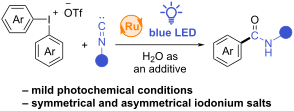
- -water ratios to establish initial conditions (Supporting Information File 1, 2.1 Solvent screening). Diphenyliodonium triflate (1a) and 1-isocyano-4-methylbenzene were used as model substrates. Taking into account the possibility of iodonium salt decomposition under irradiation we carried out an initial
- DIPEA as an organic base but the yield of 2aa was very low and we observed a range of byproducts, mainly amine addition instead of water (see Supporting Information File 1, 2.2 Preliminary and Additional Experiments, Figures S5 and S6). Afterwards, we evaluated the other crucial parameters for
- that bulky isonitriles effectively shield the radical or cationic centers in intermediates X1 or X2, thereby preventing multiple additions of isonitrile to give the highest yields for benzamides 2be and 2ge among the scope of isonitriles. In the final step of the reaction, the addition of a water





