Search results
Search for "drug delivery" in Full Text gives 183 result(s) in Beilstein Journal of Organic Chemistry.
Novel solid-phase strategy for the synthesis of ligand-targeted fluorescent-labelled chelating peptide conjugates as a theranostic tool for cancer
Beilstein J. Org. Chem. 2018, 14, 2665–2679, doi:10.3762/bjoc.14.244
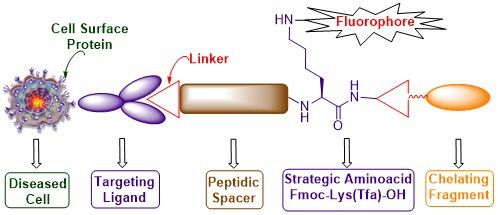
- tag; Fmoc-Lys-(Tfa)-OH; prostate cancer and ovarian cancer; solid-phase peptide synthesis; Introduction The understanding of cell processes is indispensable to devise new strategies for diagnosis and treatment of cancer and inflammatory diseases through targeted drug delivery techniques [1]. The
- malignancy [23] and inflammatory diseases. They are also utilized for targeted drug delivery [24][25] of therapeutics to avoid any off-site toxicity to normal and healthy cells. Unfortunately, strategies to construct diagnostic and therapeutic chemical tools consisting of a polypeptidic spacer, a homing
- which express neither PSMA nor folate receptors [panels (iv) and (viii)]. The absence of any rhodamine B bioconjugates 13 and 17 uptake in the cytoplasm of negative cell line, PC-3 cells, show that the bioconjugates are very specific which is an important criterion in targeted drug delivery systems for




Comparative cell biological study of in vitro antitumor and antimetastatic activity on melanoma cells of GnRH-III-containing conjugates modified with short-chain fatty acids
Beilstein J. Org. Chem. 2018, 14, 2495–2509, doi:10.3762/bjoc.14.226
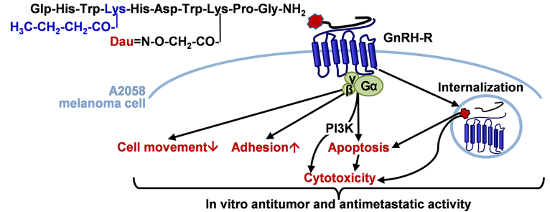
- approaches to diminish this kind of cytotoxic effects on healthy tissues is the employment of drug delivery systems directed specifically to cancer cells. The chemotherapeutic drug targeting is often based on the receptors for certain peptide hormones that are preferentially expressed by cancer cells. The
- utilization of these receptors for cancer cell targeting allows for minimizing the toxic side effects and producing high drug concentration selectively at the tumor site. In general, drug delivery systems consist of a targeting moiety in order to recognize a receptor on tumor cells and a cytotoxic drug
- )]-GnRH-III(Dau=Aoa) was shown to be the best-internalized conjugate and this ability proved to be independent of the tumor cells. Antiproliferative/cytotoxic effect of conjugates One of the major requirements for a drug-delivery conjugate is the ability to provide the antitumor activity of the attached


Coordination-driven self-assembly of discrete Ru6–Pt6 prismatic cages
Beilstein J. Org. Chem. 2018, 14, 2242–2249, doi:10.3762/bjoc.14.199
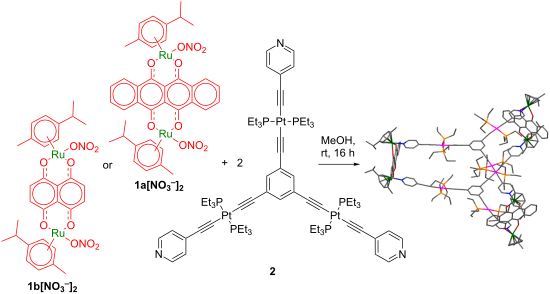
- donors and transition metals as electron-deficient acceptors. Diverse functionalities embedded in these homometallic architectures have found useful applications in chemical sensing [24][25][26][27][28][29][30][31][32][33][34][35], catalysis [11][36][37][38][39][40][41][42][43][44][45][46], drug delivery


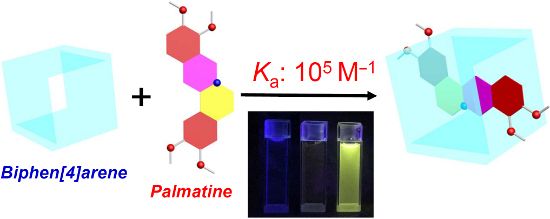
Synthesis of a water-soluble 2,2′-biphen[4]arene and its efficient complexation and sensitive fluorescence enhancement towards palmatine and berberine
Beilstein J. Org. Chem. 2018, 14, 2236–2241, doi:10.3762/bjoc.14.198
- as bioimaging and self-assembled drug delivery systems [33][34][35][36][37][38][39][40]. For example, our group demonstrated a direct host–guest complexation-based drug delivery system for oxaliplatin by carboxylatopillar[6]arene [36]. The encapsulation could not only improve the drug‘s stability in
- guests exhibit a significant fluorescence intensity enhancement and the intensity is strong enough to be distinguished by the naked eye. The easy accessibility, good water-solubility and nice binding properties make 2,2’-CBP4 be applicable in the biomedical field, for example, chemical sensors, drug
- delivery, supramolecular amphiphiles, etc. Experimental 2,2’-OEtBP4 was synthesized according to our previously reported method [47]. P and B were purchased from Shanghai Aladdin Bio-Chem Technology Co.,LTD. 1H NMR and 13C NMR spectra were recorded on a Bruker AV500 instrument. The fluorescence emission


A self-assembled photoresponsive gel consisting of chiral nanofibers
Beilstein J. Org. Chem. 2018, 14, 1994–2001, doi:10.3762/bjoc.14.174
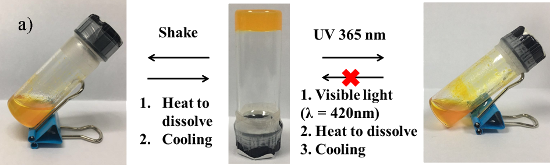
- other interactions. Interestingly, some of them can be assembled into distinctive nanostructures through gel formation [4][5][6]. Various functional nanostructures have shown great potential for applications in many important areas, for example, nanofabrication [5][7][8][9][10], drug delivery [11][12


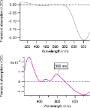
Synthesis and photophysical studies of a multivalent photoreactive RuII-calix[4]arene complex bearing RGD-containing cyclopentapeptides
Beilstein J. Org. Chem. 2018, 14, 1758–1768, doi:10.3762/bjoc.14.150
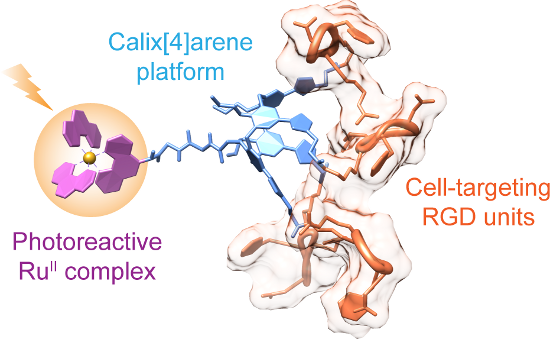
- its receptor [44][45][46], clustered RGD-containing compounds were developed and were shown to exhibit attractive biological properties for the imaging of tumors [47][48][49][50] and for the targeted drug delivery [51][52][53]. In the course of designing phototherapeutic agents that could specifically


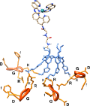



Design, synthesis and structure of novel G-2 melamine-based dendrimers incorporating 4-(n-octyloxy)aniline as a peripheral unit
Beilstein J. Org. Chem. 2018, 14, 1704–1722, doi:10.3762/bjoc.14.145
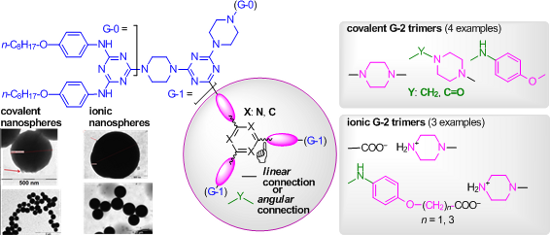
- , mainly as drug delivery systems [4][7][8][9][10][11][12], and their utilisation as organic materials have constantly been highlighted [13][14][15][16][17]. In the latter context, dendritic liquid crystals defines a well-established area in the organic materials domain [18], including few examples of s

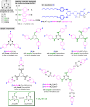



Drug targeting to decrease cardiotoxicity – determination of the cytotoxic effect of GnRH-based conjugates containing doxorubicin, daunorubicin and methotrexate on human cardiomyocytes and endothelial cells
Beilstein J. Org. Chem. 2018, 14, 1583–1594, doi:10.3762/bjoc.14.136
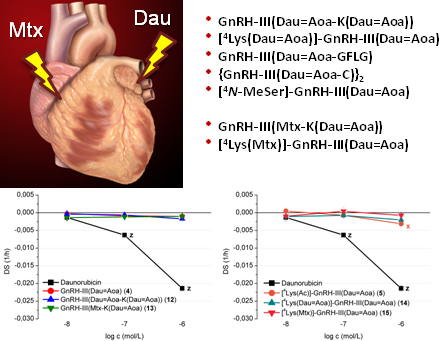
- ]. However, it exerted a significantly lower endocrine effect in mammals than the human GnRH (GnRH-I: Glp-His-Trp-Ser-Tyr-Gly-Leu-Arg-Pro-Gly-NH2) and other GnRH analogues [9]. This low hormonal effect might provide an advantage in the treatment of hormone-independent tumors [10]. Targeted drug delivery is a
- clinical trial, which was discontinued for all indications under development in May 2017 [12]. GnRH-III-based conjugates have been investigated in our laboratory as promising candidates for targeted drug delivery with positive results in human tumor cell lines, both related (e.g., MCF-7) and unrelated (e.g
- ]. These side effects can limit the applicability of these chemotherapeutic drugs. The conjugation of doxorubicin and daunorubicin to a GnRH-III-based targeting peptide could lead to decreased cardiotoxic effect through the more specific drug targeting. Drug delivery systems containing doxorubicin


Synthesis of trifluoromethylated 2H-azirines through Togni reagent-mediated trifluoromethylation followed by PhIO-mediated azirination
Beilstein J. Org. Chem. 2018, 14, 1452–1458, doi:10.3762/bjoc.14.123

- Jiyun Sun Xiaohua Zhen Huaibin Ge Guangtao Zhang Xuechan An Yunfei Du Tianjin Key Laboratory for Modern Drug Delivery and High-Efficiency, School of Pharmaceutical Science and Technology, Tianjin University, Tianjin 300072, China Collaborative Innovation Center of Chemical Science and Engineering


Recent applications of chiral calixarenes in asymmetric catalysis
Beilstein J. Org. Chem. 2018, 14, 1389–1412, doi:10.3762/bjoc.14.117
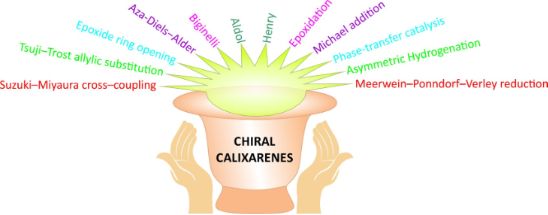
- upper and/or lower rims of the molecular skeleton, they have been widely used for construction of artificial host molecules and found applications in various fields like molecular recognition, sensing, self-assembly, catalysis, nanoscience, drug delivery and separation science [7][8][9][10][11][12][13


Design and biological characterization of novel cell-penetrating peptides preferentially targeting cell nuclei and subnuclear regions
Beilstein J. Org. Chem. 2018, 14, 1378–1388, doi:10.3762/bjoc.14.116
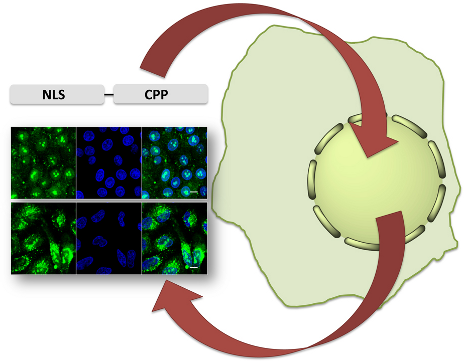
- excluded. However, initial drug delivery studies demonstrated the high versatility of these new peptides as efficient transport vectors targeting specifically nuclei and nucleoli. In future, they could be further explored as parts of newly created peptide–drug conjugates. Keywords: anticancer drugs; cell
- aimed to investigate the effect of the fusion peptides on drug delivery and efficacy within co-administration. Indeed, the covalent binding of doxorubicin to different CPPs was already reported and the induction of cell death in various cell lines has been observed [39][40]. However, the non-covalent



Fluorocyclisation via I(I)/I(III) catalysis: a concise route to fluorinated oxazolines
Beilstein J. Org. Chem. 2018, 14, 1021–1027, doi:10.3762/bjoc.14.88
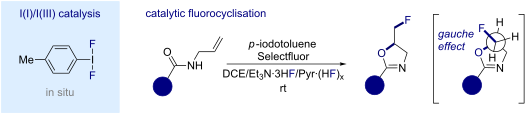
- ranging from drug delivery through to tissue engineering [3][4]. Collectively, the importance of the 2-oxazoline scaffold for translational research, together with its strategic value in the design of chiral ligands and auxiliaries [5][6][7], has culminated in a rich and innovative arsenal of synthetic


On the design principles of peptide–drug conjugates for targeted drug delivery to the malignant tumor site
Beilstein J. Org. Chem. 2018, 14, 930–954, doi:10.3762/bjoc.14.80
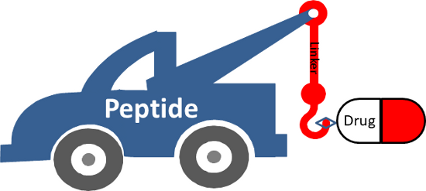
- , including important PDCs that have progressed to phase III clinical trials. Last, we address possible difficulties that may emerge during the synthesis of PDCs, as also report ways to overcome them. Keywords: bioconjugates; cancer; drug delivery; PDC; peptide; peptide–drug conjugate; side-products in PDCs
- , drug delivery vehicles that can be tailored for different types of cancer and shape personalized therapeutics are continuously gathering attention. Such drug delivery systems are of ultimate importance to effectively surpass these hurdles and eventually improve drug potency. Charting the malignant
- main challenge of the drug delivery concept is to transport sufficient amount of the cytotoxic agent to a specific location with minimum adverse side effects. To conquer this, various approaches are being exploited at the moment. These include, but are not limited to: a) utilization of drug delivery


Local energy decomposition analysis of hydrogen-bonded dimers within a domain-based pair natural orbital coupled cluster study
Beilstein J. Org. Chem. 2018, 14, 919–929, doi:10.3762/bjoc.14.79
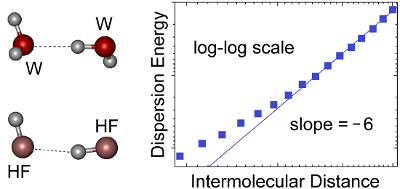
- importance for regulating molecular properties like polarizability [1] and in various biochemical processes, including protein folding [2] and stability [3], replication of DNA and RNA [4], enzyme catalysis [5], proton relay mechanism [6], and drug delivery [7]. Energy decomposition analysis (EDA) schemes


Development of novel cyclic NGR peptide–daunomycin conjugates with dual targeting property
Beilstein J. Org. Chem. 2018, 14, 911–918, doi:10.3762/bjoc.14.78
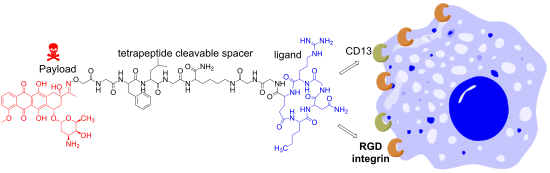
- release; NGR peptides; oxime-linkage; targeted drug delivery; Introduction Targeted chemotherapy is one of the most promising approaches for selective cancer treatment that may decrease the toxic side effects of anticancer drugs. This therapeutic approach is based on the fact that tumor specific
- receptors are highly expressed on cancer cells/tissues. NGR (Asn-Gly-Arg) motif-containing peptides identified by phage display are suitable candidates for selective drug delivery. NGR peptides bind to CD13-receptors on tumor cells and tumor related angiogenic blood vessels [1][2]. CD13 is a transmembrane


Synthesis and in vitro biochemical evaluation of oxime bond-linked daunorubicin–GnRH-III conjugates developed for targeted drug delivery
Beilstein J. Org. Chem. 2018, 14, 756–771, doi:10.3762/bjoc.14.64
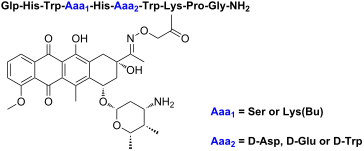
- aggregation could be observed in HPLC or MS measurements, we assume that the presence of the β-hairpin structure is a feasible conception in these cases. Stability/degradation of the GnRH-III bioconjugates Drug delivery systems (DDS) are promising therapeutics for tumor therapy providing a selective



Nanoreactors for green catalysis
Beilstein J. Org. Chem. 2018, 14, 716–733, doi:10.3762/bjoc.14.61
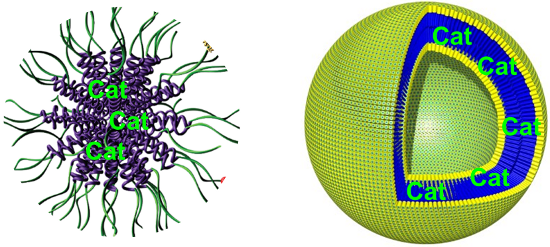
- (X = I or Br) in water [100]. Other examples of water-soluble dendrimers are peptide- and glycol-based dendrimers [102][103]. As a result of their compositional versatility, they have been reported in many applications for biomedical engineering (e.g., glycopeptide dendrimers for drug delivery [104
- crystalline domains. The nanogels display excellent swelling behavior and are shape resistant [43][110]. Due to these unique properties they have mostly been studied as materials in biomedical applications such as controlled drug delivery [111]. Nanogels show promise as nanoreactors as they not only are


Stimuli-responsive oligonucleotides in prodrug-based approaches for gene silencing
Beilstein J. Org. Chem. 2018, 14, 436–469, doi:10.3762/bjoc.14.32
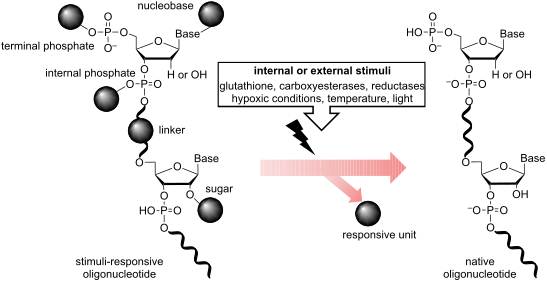
- for the use of 2’-O-RSSM-modified RNAs as prodrugs of siRNAs. Modifications at the extremities Disulfide bonds are attractive in designing drug-delivery systems. Indeed, lipophilic moieties may be attached to ONs to enhance cellular uptake. In particular, a cleavable disulfide linker has been used at


Synthesis and biological evaluation of RGD and isoDGR peptidomimetic-α-amanitin conjugates for tumor-targeting
Beilstein J. Org. Chem. 2018, 14, 407–415, doi:10.3762/bjoc.14.29
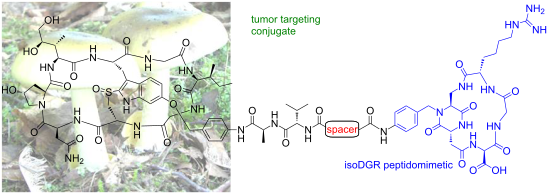
- , αVβ6, and α5β1. These data indicate that in this case the cyclo[DKP-isoDGR]-α-amanitin conjugates are possibly internalized by a process mediated by integrins different from αVβ3 (e.g., αVβ5). Keywords: antitumor agents; cancer; drug delivery; integrins; peptidomimetics; Introduction α-Amanitin is a


Synthesis of naturally-derived macromolecules through simplified electrochemically mediated ATRP
Beilstein J. Org. Chem. 2017, 13, 2466–2472, doi:10.3762/bjoc.13.243
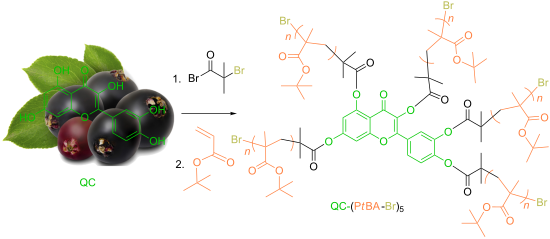
- naturally-derived macromolecules showed narrow MWDs (Đ = 1.08–1.11). 1H NMR spectral results confirm the formation of quercetin-based polymers. These new flavonoid-based polymer materials may find applications as antifouling coatings and drug delivery systems. Keywords: flavonoids; on-demand seATRP
- macromolecules [37][38][39], widely used as dental adhesives, controlled release devices, coatings, and in pharmaceutical industry [40][41]. Therefore, it is expected that these synthesized naturally-derived macromolecules can become key elements of antifouling coatings and drug delivery systems. ATRP is one of
- , and 1H NMR prove the successful preparation of the star-shaped polymers. These new polymer materials create potential possibilities of using them as key elements of biologically active thin films in tissue engineering and as drug delivery systems. 1H NMR analysis of QC-Br5 (Mn = 1,050, Ð = 1.11) after


Exploring mechanochemistry to turn organic bio-relevant molecules into metal-organic frameworks: a short review
Beilstein J. Org. Chem. 2017, 13, 2416–2427, doi:10.3762/bjoc.13.239
- ], luminescence [67], non-linear optics [68] and magnetism [69], as well as contrast agents for magnetic resonance imaging (MRI) [70] and as drug carriers in systems for controlled drug delivery and release [64][71][72][73][74][75][76][77][78][79][80]. Also under development are new systems with potential use in
- be studied for their potential medicinal applications. Here, the main focus was their use as drug-delivery systems [71][72][89], with particular attention to the toxicity of the metal centers [84]. Toxicity is a concern not only for the safe use of these compounds for humans but also for
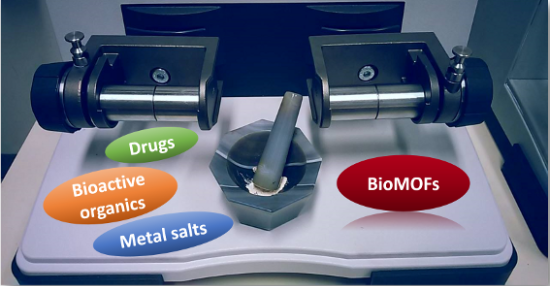
- soaking methods. However, a significant number of these frameworks obtained by mechanochemistry with potential to be used as drug delivery systems have not yet been fully tested for the loading of drugs. Pichon et al. proposed the first BioMOF synthesized by mechanochemistry using copper acetate and


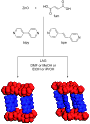


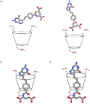
Structural diversity in the host–guest complexes of the antifolate pemetrexed with native cyclodextrins: gas phase, solution and solid state studies
Beilstein J. Org. Chem. 2017, 13, 2252–2263, doi:10.3762/bjoc.13.222
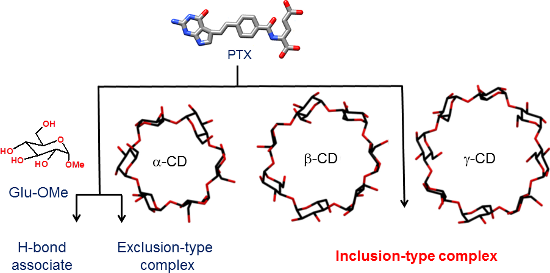
- various sizes (4.7–8.3 Å) into which distinct compounds may enter and form inclusion complexes, an ability that is thoroughly used by the pharmaceutical industry for the formation of drug delivery systems [1][2][3][4][5]. The formation of an inclusion complex often results in a favorable change of




Superstructures with cyclodextrins: Chemistry and applications IV
Beilstein J. Org. Chem. 2017, 13, 2157–2159, doi:10.3762/bjoc.13.215
- Beilstein Journal of Organic Chemistry also provides further insights into the synthesis and properties of CD superstructures, covering many aspects such as catalysis, molecular recognition, colloids, polyrotaxanes, drug delivery and more. Gerhard Wenz Saarbrücken, September 2017
New bio-nanocomposites based on iron oxides and polysaccharides applied to oxidation and alkylation reactions
Beilstein J. Org. Chem. 2017, 13, 1982–1993, doi:10.3762/bjoc.13.194
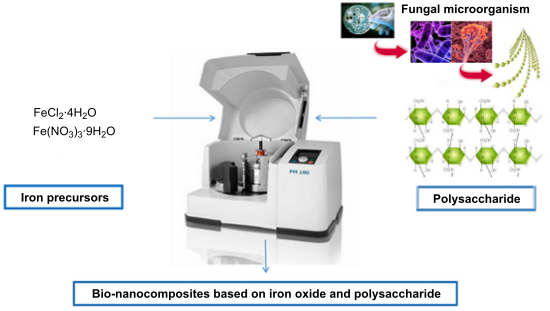
- nanocomposites with diverse applications in catalysis, sensing, drug delivery and adsorption [25][26][27][28]. In addition, mechanochemical protocols have also been employed to functionalize the surfaces of magnetic nanoparticles (MNPs) with monosaccharides [29] and to obtain bio-nanocomposites based on proteins


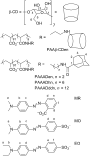
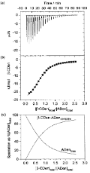
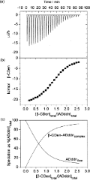
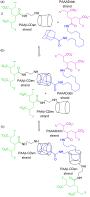
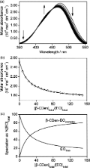
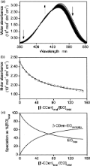
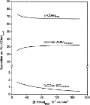
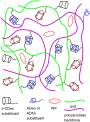
β-Cyclodextrin- and adamantyl-substituted poly(acrylate) self-assembling aqueous networks designed for controlled complexation and release of small molecules
Beilstein J. Org. Chem. 2017, 13, 1879–1892, doi:10.3762/bjoc.13.183
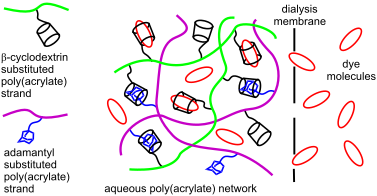
- . Depending upon their composition, these networks and related systems retain drug and similar molecules to varying extents which renders them of interest as potential drug delivery systems [20][21][22][23][24][25][26][27][28][29][30][31][32][33][34][35][36][37][38][39][40][41][42][43][44][45][46][47
- dependent upon the structure of the dye, and the structure of the network and its viscosity. Potentially, these systems form the basis for the development of controlled drug delivery systems for topical and wound applications, where the factors for drug release are likely to be similar to those controlling