Search results
Search for "small molecule" in Full Text gives 226 result(s) in Beilstein Journal of Organic Chemistry. Showing first 200.
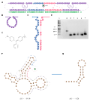
Incorporation of a metal-mediated base pair into an ATP aptamer – using silver(I) ions to modulate aptamer function
Beilstein J. Org. Chem. 2020, 16, 2870–2879, doi:10.3762/bjoc.16.236
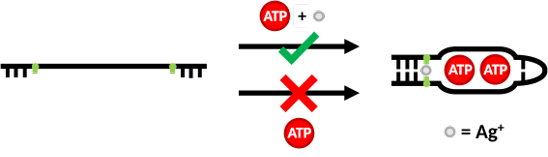
- quadruplex, so that metal-mediated base pairs can be introduced. 3) It is a short oligonucleotide, so the modified aptamers can easily be synthesized using automated solid-phase synthesis. 4) The target molecule of this aptamer is a small molecule, facilitating the binding assays. 5) The aptamer also binds


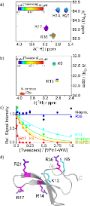
NMR Spectroscopy of supramolecular chemistry on protein surfaces
Beilstein J. Org. Chem. 2020, 16, 2505–2522, doi:10.3762/bjoc.16.203
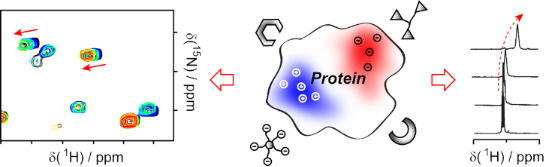
- signal intensities (tau bound by 14-3-3 compared to free tau) show a decrease for tau residues that are part of the 14-3-3 binding epitopes due to line broadening. In the presence of chimeric inhibitors, in which a small molecule was fused to a 14-3-3 binding peptide, the inhibitors target the unlabeled
- described in [110] and was employed to protein–protein interactions and binding of small molecule inhibitors of the kelch-like ECH-associated protein 1 (Keap1) kelch domain. This labeling scheme will be interesting for supramolecular binders selective for arginine, but, to our knowledge, has not yet been



Conformational preferences of fluorine-containing agrochemicals and their implications for lipophilicity prediction
Beilstein J. Org. Chem. 2020, 16, 2469–2476, doi:10.3762/bjoc.16.200
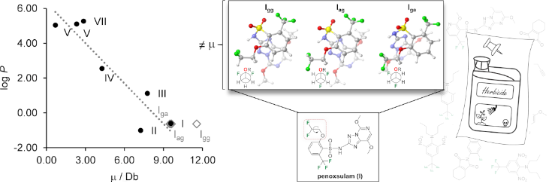
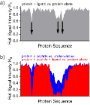
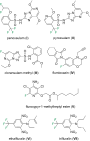
- also a dependence between the calculated dipole moment and lipophilicity for small molecules. The considerably lower correlation may be explained by the fact that, in a small molecule, subtle structural changes strongly influence the overall molecular dipole and, sometimes, the introduction of a polar




Naphthalene diimide bis-guanidinio-carbonyl-pyrrole as a pH-switchable threading DNA intercalator
Beilstein J. Org. Chem. 2020, 16, 2201–2211, doi:10.3762/bjoc.16.185
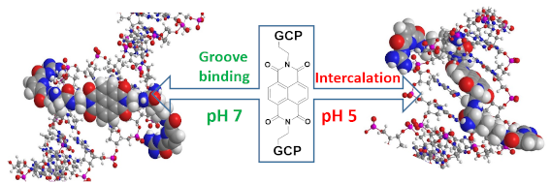
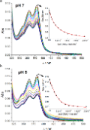
- ][6]. Among many strategies to achieve novel dye properties, one is based on combining two or more DNA/RNA binding modes in one small molecule (dye), thus building elaborate constructs which are able to recognise and report between slightly different DNA/RNA structures [2][7]. For the recognition
- balanced ratio of GC-(48%) and AT-(52%) base pairs, as well as synthetic alternating polynucleotide poly(dAdT)2 with also B-helix structure but with a fully available minor groove for small molecule binding. As alternative we used poly(dGdC)2 differing significantly in the secondary structure as well as in
- the availability of the minor groove for small molecule binding (the guanine amino group sterically hinders deep molecule penetration). Homopolynucleotide poly(dA)–poly(dT) is characterised by a peculiar twisted C-DNA structure with a minor groove only half-width of the minor groove of the alternating





Photosensitized direct C–H fluorination and trifluoromethylation in organic synthesis
Beilstein J. Org. Chem. 2020, 16, 2151–2192, doi:10.3762/bjoc.16.183
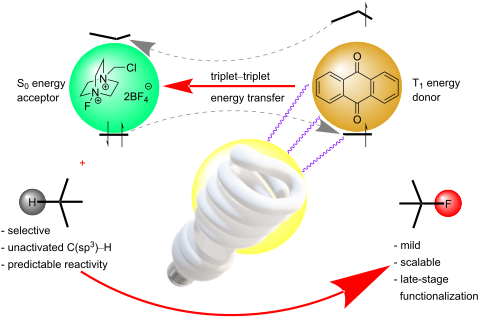
- . One exciting development in C–F bond formation is the use of small-molecule photosensitizers, allowing the reactions i) to proceed under mild conditions, ii) to be user-friendly, iii) to be cost-effective and iv) to be more amenable to scalability than typical photoredox-catalyzed methods. In this
- the yields of gram-scale photosensitized C(sp3)–H fluorinations (Scheme 8 and Scheme 10) did not decrease indicates a fundamental advantage of PS TTET chemistry vs PRC; the low extinction coefficients of small-molecule PSCats in the near-UV to visible region (380–420 nm). In this respect, PS TTET




Naphthalene diimide–amino acid conjugates as novel fluorimetric and CD probes for differentiation between ds-DNA and ds-RNA
Beilstein J. Org. Chem. 2020, 16, 2032–2045, doi:10.3762/bjoc.16.170
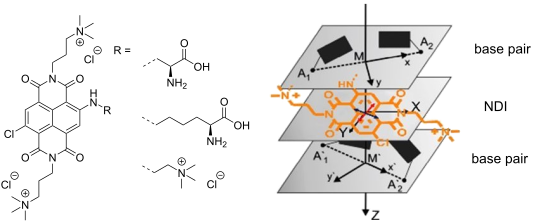
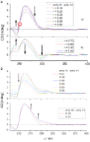
- stability of the ds-polynucleotide, consequently causing an increase of the denaturation temperature (∆Tm). This ∆Tm value can be related to the various binding modes of a small molecule to DNA/RNA [39]. The studies with poly(dG-dC)2 were not possible due to the high melting temperature of >100 °C. As shown
- commonly attributed to nucleobase pairs. However, since it is not likely that the chirality of the double helix will strongly increase upon binding of a small molecule, the most prominent changes at 300 nm and above are most likely attributable to ICD bands of the NDI core bound to the polynucleotide in a


Fluorohydration of alkynes via I(I)/I(III) catalysis
Beilstein J. Org. Chem. 2020, 16, 1627–1635, doi:10.3762/bjoc.16.135
- fluorine as a powerful physicochemical modulator in small-molecule drug discovery is a compelling argument for the importance of sustained innovation to facilitate this form of structural editing [1][2][3][4]. Routinely employed as a bioisostere of hydrogen or hydroxy [5][6], substitution may enable
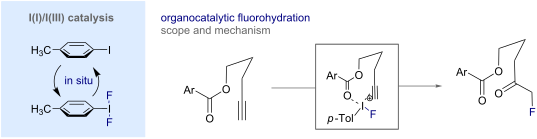
- substrate specificity in small-molecule catalysis. It is envisaged that this organocatalytic variant of the venerable Kucherov reaction will find application in contemporary organofluorine chemistry [61] and contributes to the current interest in alkyne functionalisation via I(I)/I(III) catalysis [62][63
- Jessica Neufeld Constantin G. Daniliuc Ryan Gilmour Organisch-Chemisches Institut, Westfälische Wilhelms-Universität Münster, Corrensstraße 40, 48149 Münster, Germany 10.3762/bjoc.16.135 Abstract Substrate specificity is ubiquitous in biological catalysis, but less pervasive in the realm of small


A smart deoxyribozyme-based fluorescent sensor for in vitro detection of androgen receptor mRNA
Beilstein J. Org. Chem. 2020, 16, 1135–1141, doi:10.3762/bjoc.16.100
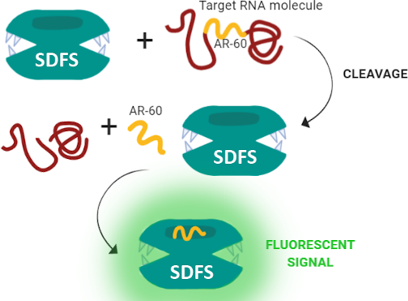
- different levels, including DNA, RNA, proteins, and small molecule metabolites. Today, along with other methods in clinical diagnosis biosensors are ubiquitously used in the biomedical field. The first prototype of a biosensor was invented by Leland Clark and Champ Lyons in 1962 as an amperometric Clark



Synthesis of novel multifunctional carbazole-based molecules and their thermal, electrochemical and optical properties
Beilstein J. Org. Chem. 2020, 16, 1066–1074, doi:10.3762/bjoc.16.93
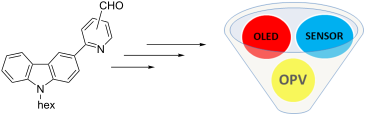
- homoleptic or heteroleptic iridium(III) complexes were also reported in the construction of different OLEDs [10][11][12][13]. In OPVs, carbazole derivatives are frequently used as small molecule p-type (electron-donating) materials or electron-accepting (n-type) materials with a variety of donor–acceptor


Copper catalysis with redox-active ligands
Beilstein J. Org. Chem. 2020, 16, 858–870, doi:10.3762/bjoc.16.77
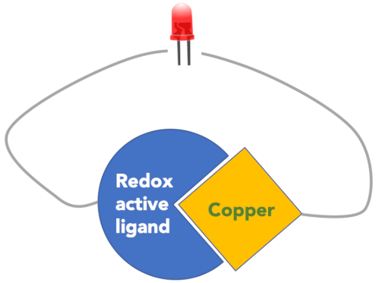
- copper complex 22 in as fast as two minutes, and therefore, it exhibits a strong increase in reactivity when compared to its unstrained analogue [40]. This example of a bioinspired small-molecule synthetic system combines two reactivity-enhancing features from metalloenzymes: entasis and redox cofactors



Opening up connectivity between documents, structures and bioactivity
Beilstein J. Org. Chem. 2020, 16, 596–606, doi:10.3762/bjoc.16.54
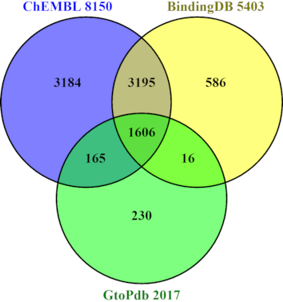
- Google and indexed for chemistry searching [4][5]. Structures: A necessary focus of this article will be traditional small-molecule chemistry that is not too far outside the rule-of-five lead-like property space. In terms of connectivity antibodies, other protein biotherapeutics, as well as large
- peptides or polynucleotides, are also important to encompass. However, capture into structured records is more challenging for these larger therapeutic modalities than for small-molecules that can be merged on the basis of chemistry rules. Notwithstanding, space limitations mean that non-small molecule
- collection of small-molecule structures extracted from papers, patents and other sources. A presentation from 2016 declared that in the first 7 months of that year ≈10.5 million substances were extracted from ≈0.5 million patents and ≈1.0 million documents. In addition, ≈75% of current novel structures are



Room-temperature Pd/Ag direct arylation enabled by a radical pathway
Beilstein J. Org. Chem. 2020, 16, 384–390, doi:10.3762/bjoc.16.36
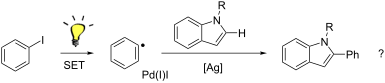
- number average molecular weight of 14 kg/mol, although in 9% yield [7]. Room-temperature DArP would improve the simplicity of conjugated polymer synthesis, and reduce the energy requirements. Small molecule reactions can help predict a method’s utility in polymerizations, as DArP proceeds through a step
- -growth polymerization mechanism. Generically, a small molecule reaction is a candidate for adaptation to a polymerization when it is highly regioselective, and high yielding. Under step-growth conditions a high yielding reaction is essential for producing a high molecular weight material [8], which
- paper, we investigated the mechanism of room-temperature direct arylation and DArP by extending the method reported by Larrosa to synthesize a conjugated polymer, polyindole (PIn). Small molecule mechanistic studies were undertaken that will help future development of mild, efficient DArP conditions




Combination of multicomponent KA2 and Pauson–Khand reactions: short synthesis of spirocyclic pyrrolocyclopentenones
Beilstein J. Org. Chem. 2020, 16, 200–211, doi:10.3762/bjoc.16.23
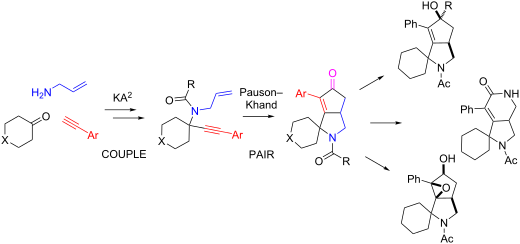
- ; chemoinformatics; Cu-catalysis; cycloadditions; molecular scaffolds; multicomponent reactions; Introduction The screening of small molecule libraries is a well-established approach in early-stage drug discovery to identify hit candidates for the development of drug leads. The application of unconventional
- generation of high-quality small molecule collections, taking advantage of the stereochemical diversity, and of their three-dimensional shape and structural bias to develop lead compounds, specifically in the field of protein–protein interactions [3][4][5][6]. Spiranic rings such as spiroketals are present
- molecular platforms for the generation of high-quality small molecule collections, taking advantage of their three-dimensional shape and structural bias to develop lead compounds. The combination of multicomponent KA2 and Pauson–Khand reactions using representative cyclic ketones, allylamine and




Potent hemithioindigo-based antimitotics photocontrol the microtubule cytoskeleton in cellulo
Beilstein J. Org. Chem. 2020, 16, 125–134, doi:10.3762/bjoc.16.14
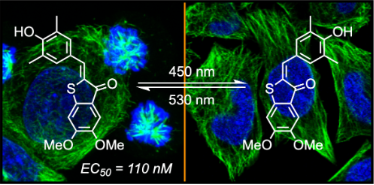
- understanding MT biology; and optogenetic modifications of tubulin have never succeeded. Instead, studies of the roles of MTs in these processes overwhelmingly rely on small molecule tubulin inhibitors [1]. Due to the non-invasiveness and high spatiotemporal precision with which optical stimulation can be
- development beyond classical small molecule inhibitors; since the spatiotemporal complexity inherent to the diversity of tubulin-dependent cellular processes may finally yield to studies that can leverage high-spatiotemporal-specificity optical control to deliver cell-specific, time-reversible modulation of
- colchicine. It is not the case that colchicine (or any other small-molecule inhibitor) represents an ideal structure that colchicine domain inhibitors (CDIs) should reproduce. Thus, our design focus was to introduce reversible photoresponse to a CDI rather than developing compounds with high similarity to




Emission solvatochromic, solid-state and aggregation-induced emissive α-pyrones and emission-tuneable 1H-pyridines by Michael addition–cyclocondensation sequences
Beilstein J. Org. Chem. 2019, 15, 2684–2703, doi:10.3762/bjoc.15.262
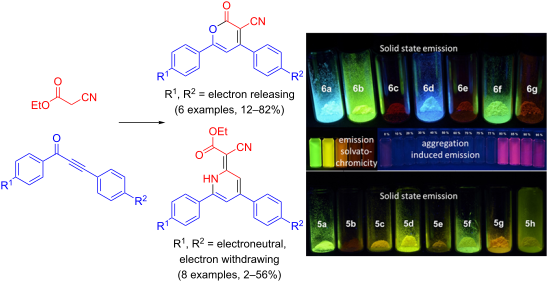
- achieved [4]. Small molecule organic fluorophores are particularly advantageous due to the potential of a tailored fine-tuning of their photophysical properties through synthetic modifications [5]. Based on their structural features, functionalized organic chromophores, containing N-, O- or S-atoms, are




A toolbox of molecular photoswitches to modulate the CXCR3 chemokine receptor with light
Beilstein J. Org. Chem. 2019, 15, 2509–2523, doi:10.3762/bjoc.15.244
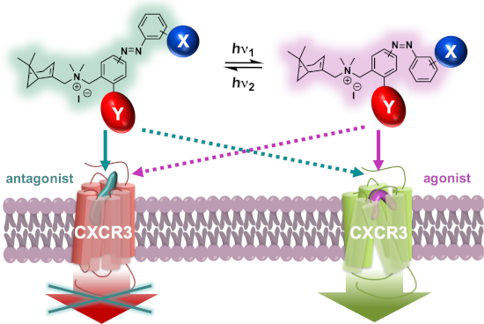
- VUF16216, a compound we have previously communicated as a small-molecule efficacy photoswitch for the peptidergic chemokine GPCR CXCR3. A series of photoswitchable azobenzene ligands was prepared through various synthetic strategies and multistep syntheses. Photochemical and pharmacological properties were
- of medicinal chemistry and photochemistry. Classical medicinal chemistry approaches make use of small-molecule ligands binding a target protein, thereby modifying its activity. Photopharmacological approaches use light-sensitive photochromic ligands that provide an advantageous and more precise
- activity and physiological events with light. A number of protein targets have been explored with photochromic small-molecule ligands, such as ion channels, microtubules, enzymes and GPCRs (G protein-coupled receptors) [1][10]. We focus our photopharmacology research on GPCRs [3][7][11], which constitute a



Experimental and computational electrochemistry of quinazolinespirohexadienone molecular switches – differential electrochromic vs photochromic behavior
Beilstein J. Org. Chem. 2019, 15, 2473–2485, doi:10.3762/bjoc.15.240
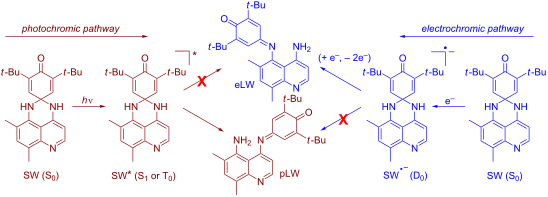
- small molecule organic electrochromism [6][7][9]. One example that combines photochromic and electrochromic behavior (the latter of an unusual sort) is the class of perimidinespirohexadienones 1 (PSHDs) whose synthesis, electrochemistry and UV–vis spectroscopy were reported by Minkin and co-workers [10




Synthesis of a dihalogenated pyridinyl silicon rhodamine for mitochondrial imaging by a halogen dance rearrangement
Beilstein J. Org. Chem. 2019, 15, 2333–2343, doi:10.3762/bjoc.15.226
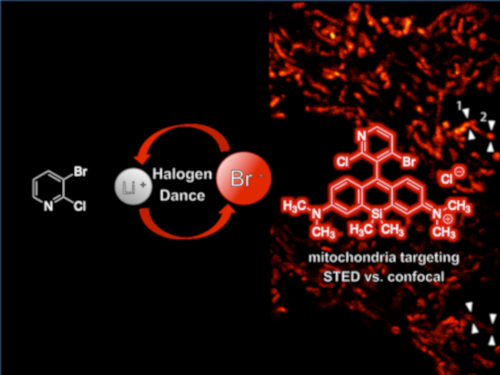
- coefficient >0.8). The dye is suitable for live cell STED nanoscopy imaging and shows a nontoxic profile which makes it an appropriate candidate for medical imaging. Conclusions: We present a biocompatible, nontoxic, small molecule near-infrared dye with the option of subsequent radiolabelling and excellent
- and SiR-Mito 8 offering nontoxic, specific mitochondrial staining in live cell STED imaging. In summary, we present a biocompatible, nontoxic, small molecule near-infrared dye with the option of subsequent radiolabelling and excellent optical properties for biomedical imaging. As a compound with
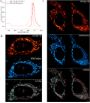
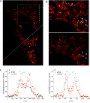
- analysis of the proposed small molecule bimodal probe [18F]16 for both optical and PET imaging of cancer cells with up-regulated mitochondrial activity. Optimization of the HD rearrangement of 19 and subsequent reaction with xanthone 17 to the silicon rhodamine dye 15. Comparison of optical properties of



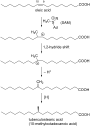
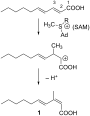
Isolation and biosynthesis of an unsaturated fatty acid with unusual methylation pattern from a coral-associated bacterium Microbulbifer sp.
Beilstein J. Org. Chem. 2019, 15, 2327–2332, doi:10.3762/bjoc.15.225
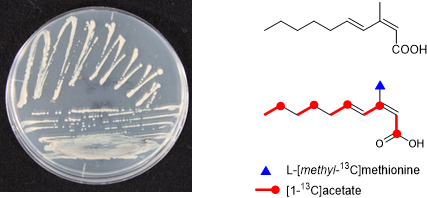
- second report on the small molecule from this underexplored taxon. According to the genome sequence database, biosynthetic genes for NRPS and siderophore are present in Microbulbifer species which will be pursued in our future investigation. Experimental General experimental procedures The UV spectrum


α-Photooxygenation of chiral aldehydes with singlet oxygen
Beilstein J. Org. Chem. 2019, 15, 2076–2084, doi:10.3762/bjoc.15.205
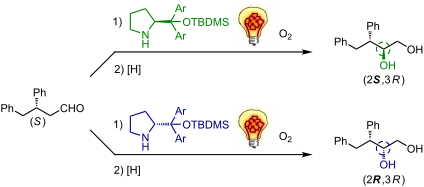
- small molecule size, there are few examples of its use not only in diastereoselective synthesis but also in enantioselective reactions [9][10]. Inspired by Cόrdova’s work [11][12][13], we explored the idea of merging enamine catalysis with photocatalytic oxygenation with singlet oxygen for α



Identification of optimal fluorescent probes for G-quadruplex nucleic acids through systematic exploration of mono- and distyryl dye libraries
Beilstein J. Org. Chem. 2019, 15, 1872–1889, doi:10.3762/bjoc.15.183
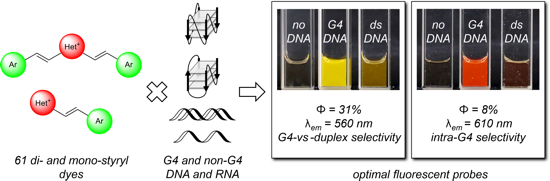
- structures appear to be biologically relevant, although a complete understanding of their roles is still missing [1][2][3]. At the same time, they represent versatile building blocks for artificial nano-architectures and nanodevices [4][5]. In this context, small-molecule fluorescent probes find applications
- ][21][22][23]. Also, there have been promising reports on cellular imaging of G4-DNA [24][25][26][27][28][29] and G4-RNA [30][31][32][33] structures using small-molecule probes. A large number of fluorescent probes for G4-DNA and RNA have thus emerged in the last years, as summarized in several recent







Mechanochemical synthesis of poly(trimethylene carbonate)s: an example of rate acceleration
Beilstein J. Org. Chem. 2019, 15, 963–970, doi:10.3762/bjoc.15.93
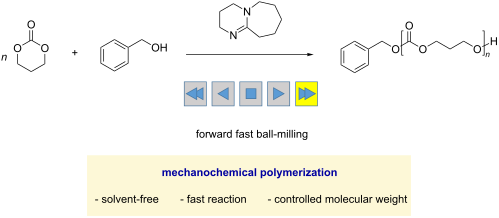
- on destructive approaches [7][8][9]. Recently, along with rapid progress in mechanochemical small molecule syntheses, the constructive polymeric material synthesis also succeeded. In 2014, Swager and co-workers demonstrated that poly(phenylene vinylene) could be obtained without any solvent after


Mechanochemistry of supramolecules
Beilstein J. Org. Chem. 2019, 15, 881–900, doi:10.3762/bjoc.15.86
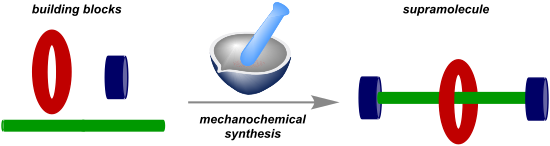
- -assembly with a high degree of compartmentalization [2]. In addition, the same building units are often used across an enormous number of structures in a reversible fashion through thermodynamic control [3]. Conversely, small-molecule synthesis is generally performed under kinetically controlled reaction


Protein–protein interactions in bacteria: a promising and challenging avenue towards the discovery of new antibiotics
Beilstein J. Org. Chem. 2018, 14, 2881–2896, doi:10.3762/bjoc.14.267
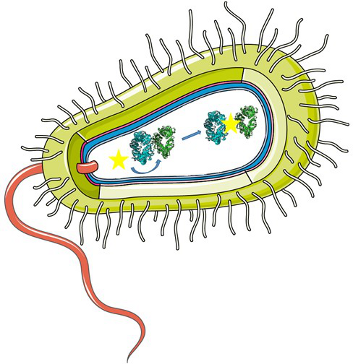
- form the binding pocket (Figure 4) [58][59]. Utilizing a virtual screening of two different databases (i.e., the National Cancer Institute [60] and an in-house collection of 32,000 compounds), Wijfells et al. were able to identify a small-molecule mimic of the des-amino-Leu-Phe (dLF) component of the
- between FtsZ and ZipA is essential for cell division in E. coli and other Gram-negative bacteria, and therefore, it has been suggested that disruption of the ZipA/FtsZ interaction can be exploited to develop potential antibacterial molecules [83][86]. The development of a small-molecule antibiotic that
- –protein interaction, nonetheless considering the challenges involved in targeting PPIs, it is significant that the authors demonstrated by NMR that compounds from this library bind to ZipA at the FtsZ binding site and that small molecule disruptors of the ZipA/FtsZ interaction could inhibit cell division




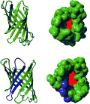
Olefin metathesis catalysts embedded in β-barrel proteins: creating artificial metalloproteins for olefin metathesis
Beilstein J. Org. Chem. 2018, 14, 2861–2871, doi:10.3762/bjoc.14.265
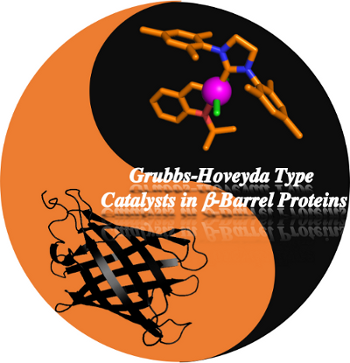
- and challenges and opportunities in this emerging field are shown from simple small-molecule transformations over ring-opening metathesis polymerizations to in vivo olefin metathesis. Keywords: artificial metalloprotein; β-barrel protein; metathease; olefin metathesis; ruthenium; Introduction Olefin