


Search results
Search for "acetylation" in Full Text gives 255 result(s) in Beilstein Journal of Organic Chemistry. Showing first 200.
Recent advances on the transition-metal-catalyzed synthesis of imidazopyridines: an updated coverage
- Gagandeep Kour Reen,
- Ashok Kumar and
- Pratibha Sharma
Beilstein J. Org. Chem. 2019, 15, 1612–1704, doi:10.3762/bjoc.15.165
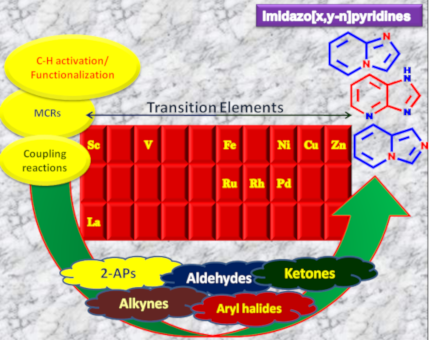
- ][60]. They have been employed for a number of organic reactions viz., hydrosilylation of aldehydes and ketones, acetylation reactions, redox reactions, oxidative esterification, etc. [61][62][63]. Thus, in concern with increasing demand for sustainable development, a growing number of catalytic

Graphical Abstract

Figure 1: Various drugs having IP nucleus.

Figure 2: Participation percentage of various TMs for the syntheses of IPs.

Scheme 1: CuI–NaHSO4·SiO2-catalyzed synthesis of imidazo[1,2-a]pyridines.

Scheme 2: Experimental examination of reaction conditions.

Scheme 3: One-pot tandem reaction for the synthesis of 2-haloimidazopyridines.

Scheme 4: Mechanistic scheme for the synthesis of 2-haloimidazopyridine.

Scheme 5: Copper-MOF-catalyzed three-component reaction (3-CR) for imidazo[1,2-a]pyridines.

Scheme 6: Mechanism for copper-MOF-driven synthesis.

Scheme 7: Heterogeneous synthesis via titania-supported CuCl2.

Scheme 8: Mechanism involving oxidative C–H functionalization.

Scheme 9: Heterogeneous synthesis of IPs.

Scheme 10: One-pot regiospecific synthesis of imidazo[1,2-a]pyridines.

Scheme 11: Vinyl azide as an unprecedented substrate for imidazo[1,2-a]pyridines.

Scheme 12: Radical pathway.

Scheme 13: Cu(I)-catalyzed transannulation approach for imidazo[1,5-a]pyridines.

Scheme 14: Plausible radical pathway for the synthesis of imidazo[1,5-a]pyridines.

Scheme 15: A solvent-free domino reaction for imidazo[1,2-a]pyridines.

Scheme 16: Cu-NPs-mediated synthesis of imidazo[1,2-a]pyridines.

Scheme 17: CuI-catalyzed synthesis of isoxazolylimidazo[1,2-a]pyridines.

Scheme 18: Functionalization of 4-bromo derivative via Sonogashira coupling reaction.

Scheme 19: A plausible reaction pathway.

Scheme 20: Cu(I)-catalyzed intramolecular oxidative C–H amidation reaction.

Scheme 21: One-pot synthetic reaction for imidazo[1,2-a]pyridine.

Scheme 22: Plausible reaction mechanism.

Scheme 23: Cu(OAc)2-promoted synthesis of imidazo[1,2-a]pyridines.

Scheme 24: Mechanism for aminomethylation/cycloisomerization of propiolates with imines.

Scheme 25: Three-component synthesis of imidazo[1,2-a]pyridines.

Figure 3: Scope of pyridin-2(1H)-ones and acetophenones.

Scheme 26: CuO NPS-promoted A3 coupling reaction.

Scheme 27: Cu(II)-catalyzed C–N bond formation reaction.

Scheme 28: Mechanism involving Chan–Lam/Ullmann coupling.

Scheme 29: Synthesis of formyl-substituted imidazo[1,2-a]pyridines.

Scheme 30: A tandem sp3 C–H amination reaction.

Scheme 31: Probable mechanistic approach.

Scheme 32: Dual catalytic system for imidazo[1,2-a]pyridines.

Scheme 33: Tentative mechanism.

Scheme 34: CuO/CuAl2O4/ᴅ-glucose-promoted 3-CCR.

Scheme 35: A tandem CuOx/OMS-2-based synthetic strategy.

Figure 4: Biomimetic catalytic oxidation in the presence of electron-transfer mediators (ETMs).

Scheme 36: Control experiment.

Scheme 37: Copper-catalyzed C(sp3)–H aminatin reaction.

Scheme 38: Reaction of secondary amines.

Scheme 39: Probable mechanistic pathway.

Scheme 40: Coupling reaction of α-azidoketones.

Scheme 41: Probable pathway.

Scheme 42: Probable mechanism with free energy calculations.

Scheme 43: MCR for cyanated IP synthesis.

Scheme 44: Substrate scope for the reaction.

Scheme 45: Reaction mechanism.

Scheme 46: Probable mechanistic pathway for Cu/ZnAl2O4-catalyzed reaction.

Scheme 47: Copper-catalyzed double oxidative C–H amination reaction.

Scheme 48: Application towards different coupling reactions.

Scheme 49: Reaction mechanism.

Scheme 50: Condensation–cyclization approach for the synthesis of 1,3-diarylated imidazo[1,5-a]pyridines.

Scheme 51: Optimized reaction conditions.

Scheme 52: One-pot 2-CR.

Scheme 53: One-pot 3-CR without the isolation of chalcone.

Scheme 54: Copper–Pybox-catalyzed cyclization reaction.

Scheme 55: Mechanistic pathway catalyzed by Cu–Pybox complex.

Scheme 56: Cu(II)-promoted C(sp3)-H amination reaction.

Scheme 57: Wider substrate applicability for the reaction.

Scheme 58: Plausible reaction mechanism.

Scheme 59: CuI assisted C–N cross-coupling reaction.

Scheme 60: Probable reaction mechanism involving sp3 C–H amination.

Scheme 61: One-pot MCR-catalyzed by CoFe2O4/CNT-Cu.

Scheme 62: Mechanistic pathway.

Scheme 63: Synthetic scheme for 3-nitroimidazo[1,2-a]pyridines.

Scheme 64: Plausible mechanism for CuBr-catalyzed reaction.

Scheme 65: Regioselective synthesis of halo-substituted imidazo[1,2-a]pyridines.

Scheme 66: Synthesis of 2-phenylimidazo[1,2-a]pyridines.

Scheme 67: Synthesis of diarylated compounds.

Scheme 68: CuBr2-mediated one-pot two-component oxidative coupling reaction.

Scheme 69: Decarboxylative cyclization route to synthesize 1,3-diarylimidazo[1,5-a]pyridines.

Scheme 70: Mechanistic pathway.

Scheme 71: C–H functionalization reaction of enamines to produce diversified heterocycles.

Scheme 72: A plausible mechanism.

Scheme 73: CuI-promoted aerobic oxidative cyclization reaction of ketoxime acetates and pyridines.

Scheme 74: CuI-catalyzed pathway for the formation of imidazo[1,2-a]pyridine.

Scheme 75: Mechanistic pathway.

Scheme 76: Mechanistic rationale for the synthesis of products.

Scheme 77: Copper-catalyzed synthesis of vinyloxy-IP.

Scheme 78: Regioselective product formation with propiolates.

Scheme 79: Proposed mechanism for vinyloxy-IP formation.

Scheme 80: Regioselective synthesis of 3-hetero-substituted imidazo[1,2-a]pyridines with different reaction su...

Scheme 81: Mechanistic pathway.

Scheme 82: CuI-mediated synthesis of 3-formylimidazo[1,2-a]pyridines.

Scheme 83: Radical pathway for 3-formylated IP synthesis.

Scheme 84: Pd-catalyzed urea-cyclization reaction for IPs.

Scheme 85: Pd-catalyzed one-pot-tandem amination and intramolecular amidation reaction.

Figure 5: Scope of aniline nucleophiles.

Scheme 86: Pd–Cu-catalyzed Sonogashira coupling reaction.

Scheme 87: One-pot amide coupling reaction for the synthesis of imidazo[4,5-b]pyridines.

Scheme 88: Urea cyclization reaction for the synthesis of two series of pyridines.

Scheme 89: Amidation reaction for the synthesis of imidazo[4,5-b]pyridines.

Figure 6: Amide scope.

Scheme 90: Pd NPs-catalyzed 3-component reaction for the synthesis of 2,3-diarylated IPs.

Scheme 91: Plausible mechanistic pathway for Pd NPs-catalyzed MCR.

Scheme 92: Synthesis of chromenoannulated imidazo[1,2-a]pyridines.

Scheme 93: Mechanism for the synthesis of chromeno-annulated IPs.

Scheme 94: Zinc oxide NRs-catalyzed synthesis of imidazo[1,2-a]azines/diazines.

Scheme 95: Zinc oxide-catalyzed isocyanide based GBB reaction.

Scheme 96: Reaction pathway for ZnO-catalyzed GBB reaction.

Scheme 97: Mechanistic pathway.

Scheme 98: ZnO NRs-catalyzed MCR for the synthesis of imidazo[1,2-a]azines.

Scheme 99: Ugi type GBB three-component reaction.

Scheme 100: Magnetic NPs-catalyzed synthesis of imidazo[1,2-a]pyridines.

Scheme 101: Regioselective synthesis of 2-alkoxyimidazo[1,2-a]pyridines catalyzed by Fe-SBA-15.

Scheme 102: Plausible mechanistic pathway for the synthesis of 2-alkoxyimidazopyridine.

Scheme 103: Iron-catalyzed synthetic approach.

Scheme 104: Iron-catalyzed aminooxygenation reaction.

Scheme 105: Mechanistic pathway.

Scheme 106: Rh(III)-catalyzed double C–H activation of 2-substituted imidazoles and alkynes.

Scheme 107: Plausible reaction mechanism.

Scheme 108: Rh(III)-catalyzed non-aromatic C(sp2)–H bond activation–functionalization for the synthesis of imid...

Scheme 109: Reactivity and selectivity of different substrates.

Scheme 110: Rh-catalyzed direct C–H alkynylation by Li et al.

Scheme 111: Suggested radical mechanism.

Scheme 112: Scandium(III)triflate-catalyzed one-pot reaction and its mechanism for the synthesis of benzimidazo...

Scheme 113: RuCl3-assisted Ugi-type Groebke–Blackburn condensation reaction.

Scheme 114: C-3 aroylation via Ru-catalyzed two-component reaction.

Scheme 115: Regioselective synthetic mechanism.

Scheme 116: La(III)-catalyzed one-pot GBB reaction.

Scheme 117: Mechanistic approach for the synthesis of imidazo[1,2-a]pyridines.

Scheme 118: Synthesis of imidazo[1,2-a]pyridine using LaMnO3 NPs under neat conditions.

Scheme 119: Mechanistic approach.

Scheme 120: One-pot 3-CR for regioselective synthesis of 2-alkoxy-3-arylimidazo[1,2-a]pyridines.

Scheme 121: Formation of two possible products under optimization of the catalysts.

Scheme 122: Mechanistic strategy for NiFe2O4-catalyzed reaction.

Scheme 123: Two-component reaction for synthesizing imidazodipyridiniums.

Scheme 124: Mechanistic scheme for the synthesis of imidazodipyridiniums.

Scheme 125: CuI-catalyzed arylation of imidazo[1,2-a]pyridines.

Scheme 126: Mechanism for arylation reaction.

Scheme 127: Cupric acetate-catalyzed double carbonylation approach.

Scheme 128: Radical mechanism for double carbonylation of IP.

Scheme 129: C–S bond formation reaction catalyzed by cupric acetate.

Scheme 130: Cupric acetate-catalyzed C-3 formylation approach.

Scheme 131: Control experiments for signifying the role of DMSO and oxygen.

Scheme 132: Mechanism pathway.

Scheme 133: Copper bromide-catalyzed CDC reaction.

Scheme 134: Extension of the substrate scope.

Scheme 135: Plausible radical pathway.

Scheme 136: Transannulation reaction for the synthesis of imidazo[1,5-a]pyridines.

Scheme 137: Plausible reaction pathway for denitrogenative transannulation.

Scheme 138: Cupric acetate-catalyzed C-3 carbonylation reaction.

Scheme 139: Plausible mechanism for regioselective C-3 carbonylation.

Scheme 140: Alkynylation reaction at C-2 of 3H-imidazo[4,5-b]pyridines.

Scheme 141: Two-way mechanism for C-2 alkynylation of 3H-imidazo[4,5-b]pyridines.

Scheme 142: Palladium-catalyzed SCCR approach.

Scheme 143: Palladium-catalyzed Suzuki coupling reaction.

Scheme 144: Reaction mechanism.

Scheme 145: A phosphine free palladium-catalyzed synthesis of C-3 arylated imidazopyridines.

Scheme 146: Palladium-mediated Buchwald–Hartwig cross-coupling reaction.

Figure 7: Structure of the ligands optimized.

Scheme 147: Palladium acetate-catalyzed direct arylation of imidazo[1,2-a]pyridines.

Scheme 148: Palladium acetate-catalyzed mechanistic pathway.

Scheme 149: Palladium acetate-catalyzed regioselective arylation reported by Liu and Zhan.

Scheme 150: Mechanism for selective C-3 arylation of IP.

Scheme 151: Pd(II)-catalyzed alkenylation reaction with styrenes.

Scheme 152: Pd(II)-catalyzed alkenylation reaction with acrylates.

Scheme 153: A two way mechanism.

Scheme 154: Double C–H activation reaction catalyzed by Pd(OAc)2.

Scheme 155: Probable mechanism.

Scheme 156: Palladium-catalyzed decarboxylative coupling.

Scheme 157: Mechanistic cycle for decarboxylative arylation reaction.

Scheme 158: Ligand-free approach for arylation of imidazo[1,2-a]pyridine-3-carboxylic acids.

Scheme 159: Mechanism for ligandless arylation reaction.

Scheme 160: NHC-Pd(II) complex assisted arylation reaction.

Scheme 161: C-3 arylation of imidazo[1,2-a]pyridines with aryl bromides catalyzed by Pd(OAc)2.

Scheme 162: Pd(II)-catalyzed C-3 arylations with aryl tosylates and mesylates.

Scheme 163: CDC reaction for the synthesis of imidazo[1,2-a]pyridines.

Scheme 164: Plausible reaction mechanism for Pd(OAc)2-catalyzed synthesis of imidazo[1,2-a]pyridines.

Scheme 165: Pd-catalyzed C–H amination reaction.

Scheme 166: Mechanism for C–H amination reaction.

Scheme 167: One-pot synthesis for 3,6-di- or 2,3,6-tri(hetero)arylimidazo[1,2-a]pyridines.

Scheme 168: C–H/C–H cross-coupling reaction of IPs and azoles catalyzed by Pd(II).

Scheme 169: Mechanistic cycle.

Scheme 170: Rh-catalyzed C–H arylation reaction.

Scheme 171: Mechanistic pathway for C–H arylation of imidazo[1,2-a]pyridine.

Scheme 172: Rh(III)-catalyzed double C–H activation of 2-phenylimidazo[1,2-a]pyridines and alkynes.

Scheme 173: Rh(III)-catalyzed mechanistic pathway.

Scheme 174: Rh(III)-mediated oxidative coupling reaction.

Scheme 175: Reactions showing functionalization of the product obtained by the group of Kotla.

Scheme 176: Mechanism for Rh(III)-catalyzed oxidative coupling reaction.

Scheme 177: Rh(III)-catalyzed C–H activation reaction.

Scheme 178: Mechanistic cycle.

Scheme 179: Annulation reactions of 2-arylimidazo[1,2-a]pyridines and alkynes.

Scheme 180: Two-way reaction mechanism for annulations reaction.

Scheme 181: [RuCl2(p-cymene)]2-catalyzed C–C bond formation reaction.

Scheme 182: Reported reaction mechanism.

Scheme 183: Fe(III) catalyzed C-3 formylation approach.

Scheme 184: SET mechanism-catalyzed by Fe(III).

Scheme 185: Ni(dpp)Cl2-catalyzed KTC coupling.

Scheme 186: Pd-catalyzed SM coupling.

Scheme 187: Vanadium-catalyzed coupling of IP and NMO.

Scheme 188: Mechanistic cycle.

Scheme 189: Selective C3/C5–H bond functionalizations by mono and bimetallic systems.

Scheme 190: rGO-Ni@Pd-catalyzed C–H bond arylation of imidazo[1,2-a]pyridine.

Scheme 191: Mechanistic pathway for heterogeneously catalyzed arylation reaction.

Scheme 192: Zinc triflate-catalyzed coupling reaction of substituted propargyl alcohols.
A chemoenzymatic synthesis of ceramide trafficking inhibitor HPA-12
- Seema V. Kanojia,
- Sucheta Chatterjee,
- Subrata Chattopadhyay and
- Dibakar Goswami
Beilstein J. Org. Chem. 2019, 15, 490–496, doi:10.3762/bjoc.15.42
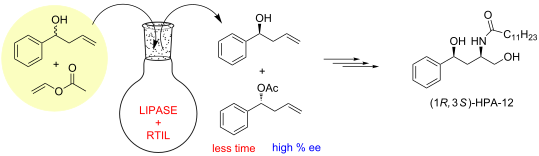
- [47]. Hence, we screened different lipases for the trans-acetylation of (±)-4 for its effective resolution and the results are summarized in Table 1. Based on our past experience in lipase-catalyzed resolution of homoallylic alcohols [38], initially a Novozym 435®-catalyzed acetylation of (±)-4 with
- vinyl acetate in diisopropyl ether (DIP) was attempted. However, the yield and enantioselectivity of the desired alcohol (S)-4 were very poor (Table 1, entry 1). Also the acetylation of (±)-4 with vinyl acetate in diisopropyl ether using Candida rugosa lipase (CRL) and Pseudomonas fluorescens lipase
- , near the optimum temperature of the enzyme (55 °C). Under these conditions, a 50% conversion was achieved within 48 h to obtain both (R)-5 and (S)-4 in 90% ee (Table 1, entry 5). A second acetylation (12% conversion, 20 h) of the resolved (S)-4 under the same conditions improved its ee to 99% (Table 1

Graphical Abstract

Figure 1: Structure of most active HPA-12 isomers, originally proposed (1) and revised (2).

Scheme 1: Lipase-catalyzed trans-acylation of (±)-4 and subsequent Mitsunobu inversion. Conditions: (i) Zn/TH...

Scheme 2: Synthesis of azide 9 from (S)-4. Conditions: (i) NaH/Bu4NI/BnBr/THF/25 °C/4 h; (ii) AD-mix-β/t-BuOH...

Scheme 3: Attempted synthesis of 2 from 9. Conditions: (i) (a) LiAlH4 (1 M in THF)/THF/25 °C/3 h, (b) DCC/DMA...

Scheme 4: Actual synthesis of 2 from 9. Conditions: (i) DDQ/CH2Cl2–H2O 4:1/3 h; (ii) a) LiAlH4/THF/25 °C/3 h,...
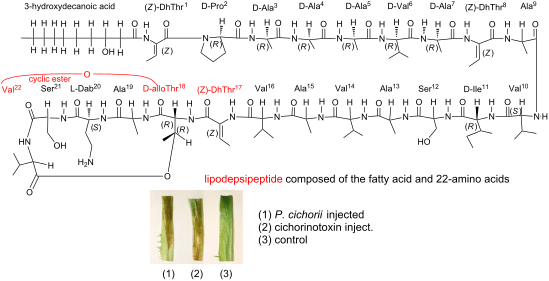
Chemical structure of cichorinotoxin, a cyclic lipodepsipeptide that is produced by Pseudomonas cichorii and causes varnish spots on lettuce
- Hidekazu Komatsu,
- Takashi Shirakawa,
- Takeo Uchiyama and
- Tsutomu Hoshino
Beilstein J. Org. Chem. 2019, 15, 299–309, doi:10.3762/bjoc.15.27
- with the acetyl carbonyl carbon. The δH of H-3 in the tetraacetate was shifted downfield by ca. 1.0 ppm (acetylation shift) relative to that in the monoacetate (δH 4.19 → δH 5.37), confirming that the OH group of the FA was acetylated. Consequently, the complete structure of cichorinotoxin tetraacetate

Graphical Abstract

Figure 1: FABMS spectrum (positive mode, NBA matrix) of cichorinotoxin over the mass range of m/z 150─1000.

Figure 2: The segment identified based on the FABMS spectrum (peptide fragment b ions).

Figure 3: NMR analyses of the segment consisting of 3-hydroxydecanoyl-dehydrothreonin-proline (600 MHz, aceto...

Figure 4: Key NMR observations used to construct the backbone sequence.

Figure 5: Fragment obtained by acid hydrolysis and each amino acid was exclusively D-configuration (peptide f...

Figure 6: The complete structure of cichorinotoxin monoacetate and the assignments of 1H NMR chemical shifts,...

Figure 7: Determination of the positions of the acetyl groups in the tetraacetate.

Figure 8: Partial structure of compound A as deduced from its NOE data; key NOEs are represented by double-he...

Figure 9: Partial structure of compound B (Val16 to Val22 residues). The chemical shifts (δH and δC (ppm)) ar...

Figure 10: Mechanism of the formation of compounds A and B from cichorinotoxin by alkaline hydrolysis.
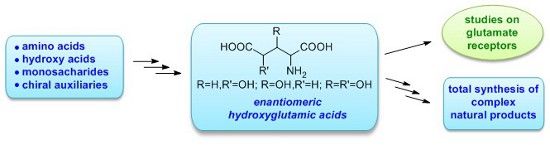
Synthesis of nonracemic hydroxyglutamic acids
- Dorota G. Piotrowska,
- Iwona E. Głowacka,
- Andrzej E. Wróblewski and
- Liwia Lubowiecka
Beilstein J. Org. Chem. 2019, 15, 236–255, doi:10.3762/bjoc.15.22
- this imide with a reagent obtained from (R)-binaphthol [(R)-BINAL-H] followed by acetylation furnished the triacetate (3R,4S)-111 as a single diastereoisomer after chromatographic purification (Scheme 27). However, its cyanation as described earlier gave a 38:62 mixture of diacetates (3R,4R,5S)-112 and

Graphical Abstract

Figure 1: Structure of L-glutamic acid.

Figure 2: 3-Hydroxy- (2), 4-hydroxy- (3) and 3,4-dihydroxyglutamic acids (4).

Figure 3: Enantiomers of 3-hydroxyglutamic acid (2).

Scheme 1: Synthesis of (2S,3R)-2 from (R)-Garner's aldehyde. Reagents and conditions: a) MeOCH=CH–CH(OTMS)=CH2...

Scheme 2: Synthesis of (2S,3R)-2 and (2S,3S)-2 from (R)-Garner’s aldehyde. Reagents and conditions: a) H2C=CH...

Scheme 3: Two-carbon homologation of the protected L-serine. Reagents and conditions: a) Fmoc-succinimide, Na2...

Scheme 4: Synthesis of di-tert-butyl ester of (2R,3S)-2 from L-serine. Reagents and conditions: a) PhSO2Cl, K2...

Scheme 5: Synthesis of (2R,3S)-2 from O-benzyl-L-serine. Reagents and conditions: a) (CF3CH2O)2P(O)CH2COOMe, ...

Scheme 6: Synthesis of (2S,3R)-2 employing a one-pot cis-olefination–conjugate addition sequence. Reagents an...

Scheme 7: Synthesis of the orthogonally protected (2S,3R)-2 from a chiral aziridine. Reagents and conditions:...

Scheme 8: Synthesis of N-Boc-protected (2S,3R)-2 from D-phenylglycine. Reagents and conditions: a) BnMgCl, et...

Scheme 9: Synthesis of (2S,3R)-2 employing ketopinic acid as chiral auxiliary. Reagents and conditions: a) Br2...

Scheme 10: Synthesis of dimethyl ester of (2S,3R)-2 employing (1S)-2-exo-methoxyethoxyapocamphane-1-carboxylic...

Scheme 11: Synthesis of N-Boc-protected dimethyl ester of (2S,3R)-2 from (S)-N-(1-phenylethyl)thioacetamide. R...

Scheme 12: Synthesis of N-Boc-protected dimethyl ester of (2S,3R)-2 via Sharpless epoxidation. Reagents and co...

Scheme 13: Synthesis of (2S,3S)-2 from the imide 51. Reagents and conditions: a) NaBH4, MeOH/CH2Cl2; b) Ac2O, ...

Scheme 14: Synthesis of (2R,3S)-2 and (2S,3S)-2 from the acetolactam 55 (PMB = p-methoxybenzyl). Reagents and ...

Scheme 15: Synthesis of (2S,3R)-2 from D-glucose. Reagents and conditions: a) NaClO2, 30% H2O2, NaH2PO4, MeCN;...

Figure 4: Enantiomers of 3-hydroxyglutamic acid (3).

Scheme 16: Synthesis of (4S)-4-hydroxy-L-glutamic acid [(2S,4S)-3] by electrophilic hydroxylation. Reagents an...

Scheme 17: Synthesis of all stereoisomers of 4-hydroxyglutamic acid (3). Reagents and conditions: a) Br2, PBr5...

Scheme 18: Synthesis of the orthogonally protected 4-hydroxyglutamic acid (2S,4S)-73. Reagents and conditions:...

Scheme 19: Synthesis of (2S,4R)-4-acetyloxyglutamic acid as a component of a dipeptide. Reagents and condition...

Scheme 20: Synthesis of N-Boc-protected dimethyl esters of (2S,4R)- and (2S,4S)-3 from (2S,4R)-4-hydroxyprolin...

Scheme 21: Synthesis of orthogonally protected (2S,4S)-3 from (2S,4R)-4-hydroxyproline. Reagents and condition...

Scheme 22: Synthesis of the protected (4R)-4-hydroxy-L-pyroglutamic acid (2S,4R)-87 by electrophilic hydroxyla...

Figure 5: Enantiomers of 3,4-dihydroxy-L-glutamic acid (4).

Scheme 23: Synthesis of (2S,3S,4R)-4 from the epoxypyrrolidinone 88. Reagents and conditions: a) MeOH, THF, KC...

Scheme 24: Synthesis of (2S,3R,4R)-4 from the orthoester 92. Reagents and conditions: a) OsO4, NMO, acetone/wa...

Scheme 25: Synthesis of (2S,3S,4S)-4 from the aziridinolactone 95. Reagents and conditions: a) BnOH, BF3·OEt2,...

Scheme 26: Synthesis of (2S,3S,4R)-4 and (2R,3S,4R)-4 from cyclic imides 106. Reagents and conditions: a) NaBH4...

Scheme 27: Synthesis of (2R,3R,4R)-4 and (2S,3R,4R)-4 from the cyclic meso-imide 110. Reagents and conditions:...

Scheme 28: Synthesis of (2S,3S,4S)-4 from the protected serinal (R)-23. Reagents and conditions: a) Ph3P=CHCOO...

Scheme 29: Synthesis of (2S,3S,4S)-4 from O-benzyl-N-Boc-D-serine. Reagents and conditions: a) ClCOOiBu, TEA, ...

Scheme 30: Synthesis of (2S,3S,4R)-127 by enantioselective conjugate addition and asymmetric dihydroxylation. ...

Figure 6: Structures of selected compounds containing hydroxyglutamic motives (in blue).
Unexpected loss of stereoselectivity in glycosylation reactions during the synthesis of chondroitin sulfate oligosaccharides
- Teresa Mena-Barragán,
- José L. de Paz and
- Pedro M. Nieto
Beilstein J. Org. Chem. 2019, 15, 137–144, doi:10.3762/bjoc.15.14
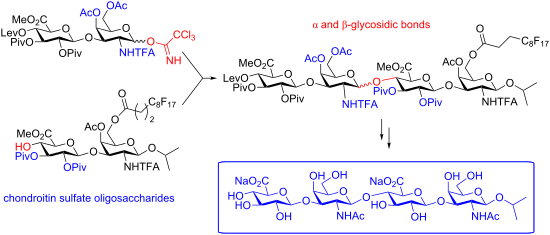
- envisioned the synthetic approach shown in Scheme 1 for the preparation of CS oligosaccharides. Final molecules would be prepared from fully protected precursors by extensive basic hydrolysis followed by selective N-acetylation. The CS chains would be generated by iterative coupling between the disaccharide
- positions 4 and 6 of GalNAc units favor the formation of 1,2-cis glycosidic bonds, even in the presence of 2-participating groups [43][44]. Treatment with (HF)n·Py complex in THF followed by standard acetylation provided compound 7. This derivative displayed a suitable protecting group distribution for the
- heptadecafluoroundecanoyl chloride in the presence of Et3N and catalytic DMAP in a DMF/CH2Cl2 solvent mixture (Scheme 3). Acetylation of the 4-hydroxy group provided disaccharide 10 after F-SPE purification. We planned to employ the final CS oligosaccharides in binding studies to some of the enzymes participating in the

Graphical Abstract

Scheme 1: Retrosynthetic analysis for the preparation of CS oligosaccharides. Lev = levulinyl; Piv = pivaloyl...

Scheme 2: Reagents and conditions: a) TMSOTf, CH2Cl2, 0 °C, 30 min, 97%; b) (HF)n·Py, THF, 0 °C, 20 h, 90%; c...

Scheme 3: Reagents and conditions: a) C8F17CH2CH2COCl, Et3N, DMAP, DMF/CH2Cl2, 0 °C to rt, 6 h, 70%; b) Ac2O,...

Scheme 4: Reagents and conditions: a) TMSOTf, CH2Cl2, 0 °C, 30 min, 25% (14α) + 33% (14β).

Scheme 5: Reagents and conditions: a) LiOH, H2O2, THF, −5 °C to rt, 24 h, then NaOH, MeOH, 72 h, then Ac2O, Et...

Scheme 6: Reagents and conditions: a) 2-propanol, TMSOTf, CH2Cl2, 0 °C, 30 min, 73%; b) NH2NH2·H2O, Py/AcOH, ...

Scheme 7: Reagents and conditions: a) NH2NH2·H2O, Py/AcOH, CH2Cl2, 1 h, 55%; b) TMSOTf, CH2Cl2, 0 °C, 30 min,...

Scheme 8: Reagents and conditions: a) 4-Methoxyphenol, TMSOTf, CH2Cl2, 0 °C, 50 min, 92%; b) NH2NH2·H2O, Py/A...
Selective ring-opening metathesis polymerization (ROMP) of cyclobutenes. Unsymmetrical ladderphane containing polycyclobutene and polynorbornene strands
- Yuan-Zhen Ke,
- Shou-Ling Huang,
- Guoqiao Lai and
- Tien-Yau Luh
Beilstein J. Org. Chem. 2019, 15, 44–51, doi:10.3762/bjoc.15.4
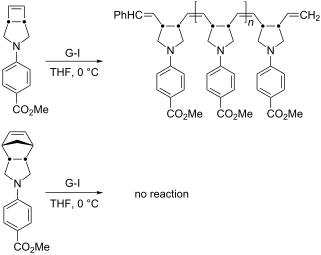
- bonds in 7 might adopt cis configuration. Moreover, no norbornene moiety was detected by NMR on the polymeric backbones in 7 (Scheme 7). Since 18 was insoluble in most organic solvents, acetylation of 18 with excess acetic anhydride and pyridine at 70 °C for 10 h gave the corresponding acetate 19, which

Graphical Abstract
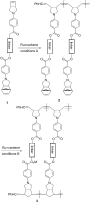
Scheme 1: Strategy for sequential ROMP of 1 to yield 3.
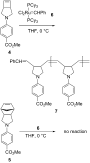
Scheme 2: ROMP of 4 and 5 in THF at 0 °C in the presence of 10 mol % of 6.

Scheme 3: Retrosynthesis of 8 from 9.

Scheme 4: Synthesis of monomer 9.
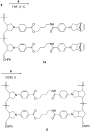
Scheme 5: Synthesis of 14 and 8 by selective olefin metathesis.
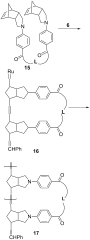
Scheme 6: Cyclopolymerization of 15 with a flexible linker.

Scheme 7: Methanolysis of unsymmetrical ladderphane 8.
Microwave-assisted synthesis of biologically relevant steroidal 17-exo-pyrazol-5'-ones from a norpregnene precursor by a side-chain elongation/heterocyclization sequence
- Gergő Mótyán,
- László Mérai,
- Márton Attila Kiss,
- Zsuzsanna Schelz,
- Izabella Sinka,
- István Zupkó and
- Éva Frank
Beilstein J. Org. Chem. 2018, 14, 2589–2596, doi:10.3762/bjoc.14.236
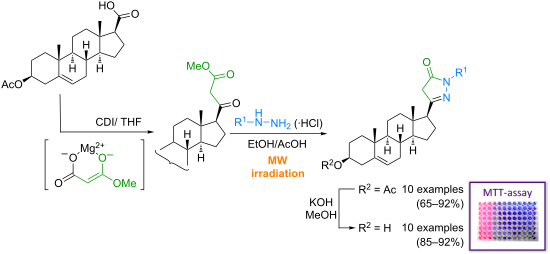
- 10.3762/bjoc.14.236 Abstract Multistep syntheses of novel 17β-pyrazol-5'-ones in the Δ5-androstane series were efficiently carried out from pregnenolone acetate. A steroidal 17-carboxylic acid was first synthesized as a norpregnene precursor by the bromoform reaction and subsequent acetylation. Its CDI
- multistep sequence (Scheme 1). First compound 1 was converted to the 17β-carboxylic acid 2b by the bromoform reaction and subsequent acetylation according to well-known literature procedures [21][22][23]. After the activation of 2b with 1,1′-carbonyldiimidazole (CDI) as coupling reagent in THF, the
- , a subsequent derivatization with acetic anhydride in pyridine to afford 8, allowed its structure verification indirectly. This derivatization did not only improve the solubility of the compound, but also eliminated the possibility of prototropic tautomerism through acetylation of both the amino and

Graphical Abstract

Scheme 1: Multistep synthesis of steroidal β-ketoesters 4 and 4' from pregnenolone acetate (1) and pregnadien...

Scheme 2: Cyclization of compound 4 with hydrazine hydrate (5a), phenylhydrazine (5b) and methylhydrazine (5c...

Figure 1: 1H NMR spectra of compound 7f in CDCl3 (top; # solvent signal) and in DMSO-d6 (bottom; # solvent si...
Tetrathiafulvalene – a redox-switchable building block to control motion in mechanically interlocked molecules
- Hendrik V. Schröder and
- Christoph A. Schalley
Beilstein J. Org. Chem. 2018, 14, 2163–2185, doi:10.3762/bjoc.14.190
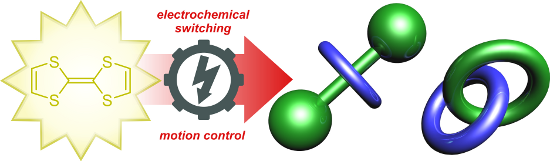
- structurally similar rotaxane in which the ammonium station is blocked by N-acetylation shows that the isoxazole moiety acts as a weak second binding station for the wheel. Oxidation of the TTF unit results in Coulombic repulsion between the wheel and the ammonium station which counteracts the energy of

Graphical Abstract

Figure 1: The two one-electron oxidation reactions of tetrathiafulvalene (TTF, 1) and the corresponding prope...
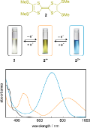
Figure 2: UV–vis spectra and photographs of TTF 2 in its three stable oxidation states (black line = 2, orang...

Figure 3: Structure and conformations of two TTF dimers in solution, the mixed-valence and the radical-cation...

Figure 4: (a) The isomerism problem of TTF. (b)–(d) Major synthetic breakthroughs for the construction of TTF...

Figure 5: (a) Host–guest equilibrium between π-electron-poor cyclophane 3 and different TTFs with their corre...

Figure 6: TTF complexes with different host molecules.
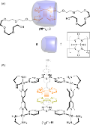
Figure 7: Stable TTF (a) radical-cation and (b) mixed-valence dimers in confined molecular spaces.

Figure 8: A “three-pole supramolecular switch”: Controlled by its oxidation state, TTF (1) jumps back and for...
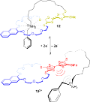
Figure 9: Redox-controlled closing and opening motion of the artificial molecular lasso 12.

Figure 10: Graphical illustration how a non-degenerate TTF-based shuttle works under electrochemical operation....

Figure 11: The first TTF-based rotaxane 13.

Figure 12: A redox-switchable bistable molecular shuttle 14.

Figure 13: The redox-switchable cyclodextrin-based rotaxane 15.

Figure 14: The redox-switchable non-ionic rotaxane 16 with a pyromellitic diimide macrocycle.

Figure 15: The redox-switchable TTF rotaxane 17 based on a crown/ammonium binding motif.

Figure 16: Structure and operation of the electro- and photochemically switchable rotaxane 18 which acts as po...

Figure 17: (a) The redox-switchable rotaxane 19 with a donor–acceptor pair which is stable in five different s...

Figure 18: Schematic representation of a molecular electronic memory based on a bistable TTF-based rotaxane. (...

Figure 19: Schematic representation of bending motion of a microcantilever beam with gold surface induced by o...
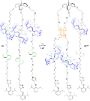
Figure 20: TTF-dimer interactions in a redox-switchable tripodal [4]rotaxane 22.

Figure 21: (a) A molecular friction clutch 23 which can be operated by electrochemical stimuli. (b) Schematic ...

Figure 22: Fusion between rotaxane and catenane: a [3]rotacatenane 24 which can stabilize TTF dimers.

Figure 23: The first TTF-based catenane 25.
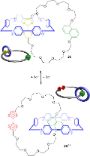
Figure 24: Electrochemically controlled circumrotation of the bistable catenane 26.

Figure 25: A tristable switch based on the redox-active [2]catenane 27 with three different stations.

Figure 26: Structure of catenane-functionalized MOF NU-1000 [108] with structural representation of subcomponents. ...

Figure 27: (a) [3]Catenanes 29 and 30 which can stabilize mixed-valence or radical-cation dimers of TTF. (b) S...
Preparation and X-ray structure of 2-iodoxybenzenesulfonic acid (IBS) – a powerful hypervalent iodine(V) oxidant
- Irina A. Mironova,
- Pavel S. Postnikov,
- Rosa Y. Yusubova,
- Akira Yoshimura,
- Thomas Wirth,
- Viktor V. Zhdankin,
- Victor N. Nemykin and
- Mekhman S. Yusubov
Beilstein J. Org. Chem. 2018, 14, 1854–1858, doi:10.3762/bjoc.14.159
- product of its acetylation Dess–Martin periodinane (DMP) are the most common oxidants used for selective oxidation of alcohols to carbonyl compounds as well as for a variety of other synthetically useful oxidative transformations [10][11]. IBX and DMP are mild oxidants with a relatively low reactivity

Graphical Abstract

Scheme 1: Previously reported preparation of IBS (1) [17].

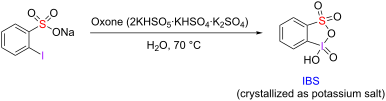
Scheme 2: Oxidation of 2-iodobenzenesulfonate 5 by Oxone in water.

Figure 1: X-ray structure of an independent crystal unit of IBS 6-K.

Figure 2: Simplified representation of structure 6-K. Selected interatomic distances (Å): I(1)=O(1) 1.79; I(1...

Scheme 3: Comparison of the oxidation of sodium 2-iodobenzenesulfonate (5) with NaIO4 and 2-iodobenzenesulfon...
Phosphoramidite building blocks with protected nitroxides for the synthesis of spin-labeled DNA and RNA
- Timo Weinrich,
- Eva A. Jaumann,
- Ute M. Scheffer,
- Thomas F. Prisner and
- Michael W. Göbel
Beilstein J. Org. Chem. 2018, 14, 1563–1569, doi:10.3762/bjoc.14.133
- 6-chloro derivative 13 as starting material, easily accessible from deoxyadenosine via enzymatic deamination, acetylation [37] and chlorination. This compound reacted cleanly and yielded 67% of the TEMPO conjugate 14. After deacetylation (15) and tritylation (16), amidite building block 7 was
- similar way as 13 by enzymatic deamination of adenosine, acetylation [46] and chlorination. A clean reaction with amino-TEMPO compound 10 then produced 78% of compound 18. Ester hydrolysis (19) and tritylation afforded 20 which was silylated with 1.8 equiv of TBS chloride. Although the 3’-silylated and

Graphical Abstract

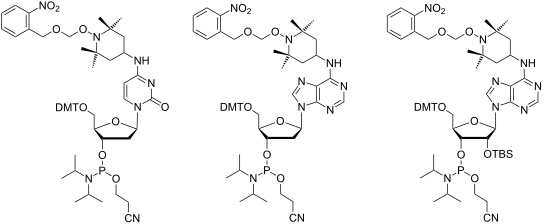
Figure 1: Structures of TEMPO-labeled oligonucleotides and of phosphoramidites 5–8.

Scheme 1: Synthesis of phosphoramidite 5. Reagents and conditions: (a) 1. 2,4,6-triisopropylbenzenesulfonyl c...

Scheme 2: Synthesis of phosphoramidite 7. Reagents and conditions: (a) Addition of 10, diisopropylethylamine,...

Scheme 3: Synthesis of phosphoramidite 8. Reagents and conditions: (a) Addition of 10, diisopropylethylamine,...
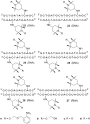
Figure 2: Structures of palindromic oligonucleotides prepared from amidites 5 (22a, 23a), 7 (24a, 25a), and 8...

Figure 3: PELDOR measurement of 24c (12mer dA). The background-corrected time trace (original time trace in Supporting Information File 1,...
One hundred years of benzotropone chemistry
- Arif Dastan,
- Haydar Kilic and
- Nurullah Saracoglu
Beilstein J. Org. Chem. 2018, 14, 1120–1180, doi:10.3762/bjoc.14.98
- compound 267. Nitro compound 267 was also hydrogenated to produce 7-amino derivative 264. Diazoketone 265 was prepared from 264 with sodium nitrite in fluoroboric acid (HBF4) and its Wolff rearrangement under reflux conditions in water gave 1-hydroxy-2-naphthoic acid (266). Acetylation of 264 with sodium

Graphical Abstract

Scheme 1: Tropone (1), tropolone (2) and their resonance structures.

Figure 1: Natural products containing a tropone nucleus.

Figure 2: Possible isomers 11–13 of benzotropone.

Scheme 2: Synthesis of benzotropones 11 and 12.

Scheme 3: Oxidation products of benzotropylium fluoroborate (16).

Scheme 4: Oxidation of 7-bromo-5H-benzo[7]annulene (22).

Scheme 5: Synthesis of 4,5-benzotropone (11) using o-phthalaldehyde (27).

Scheme 6: Synthesis of 4,5-benzotropone (11) starting from oxobenzonorbornadiene 31.

Scheme 7: Acid-catalyzed cleavage of oxo-bridge of 34.

Scheme 8: Synthesis of 4,5-benzotropone (11) from o-xylylene dibromide (38).

Scheme 9: Synthesis of 4,5-benzotropone (11) via the carbene adduct 41.

Scheme 10: Heck coupling strategy for the synthesis of 11.

Scheme 11: Synthesis of benzofulvalenes via carbonyl group of 4,5-benzotropone (11).

Figure 3: Some cycloheptatrienylium cations.

Scheme 12: Synthesis of condensation product 63 and its subsequent oxidative cyclization products.

Figure 4: A novel series of benzo[7]annulenes prepared from 4,5-benzotropone (11).

Scheme 13: Preparation of substituted benzo[7]annulene 72 using the Mukaiyama-Michael reaction.

Figure 5: Possible benzo[7]annulenylidenes 73–75.

Scheme 14: Thermal and photochemical decomposition of 7-diazo-7H-benzo[7]annulene (76) and the trapping of int...

Scheme 15: Synthesis of benzoheptafulvalene 86.

Scheme 16: Synthesis of 7-(diphenylmethylene)-7H-benzo[7]annulene (89).

Scheme 17: Reaction of 4,5-benzotropone (11) with dimethyl diazomethane.

Scheme 18: Synthesis of dihydrobenzomethoxyazocine 103.

Scheme 19: Synthesis and reducibility of benzo-homo-2-methoxyazocines.

Scheme 20: Synthesis of 4,5-benzohomotropones 104 and 115 from 4,5-benzotropones 11 and 113.

Scheme 21: A catalytic deuterogenation of 4,5-benzotropone (11) and synthesis of 5-monosubstituted benzo[7]ann...

Scheme 22: Synthesis of methyl benzo[7]annulenes 131 and 132.

Scheme 23: Ambident reactivity of halobenzo[7]annulenylium cations 133a/b.

Scheme 24: Preparation of benzo[7]annulenylidene–iron complexes 147.

Scheme 25: Synthesis of 1-ethynylbenzotropone (150) and the etheric compound 152 from 4,5-benzotropone (11) wi...

Scheme 26: Thermal decomposition of 4,5-benzotropone (11).

Scheme 27: Reaction of 4,5-benzotropone (11) with 1,2-ethanediol and 1,2-ethanedithiol.

Scheme 28: Conversions of 1-benzosuberone (162) to 2,3-benzotropone (12).

Scheme 29: Synthesis strategies for 2,3-bezotropone (12) using 1-benzosuberones.

Scheme 30: Oxidation-based synthesis of 2,3-benzotropone (12) via 1-benzosuberone (162).

Scheme 31: Synthesis of 2,3-benzotropone (12) from α-tetralone (171) via ring-expansion.

Scheme 32: Preparation of 2,3-benzotropone (12) by using of benzotropolone 174.

Figure 6: Benzoheptafulvenes as condensation products of 2,3-benzotropone (12).

Scheme 33: Conversion of 2,3-benzotropone (12) to tosylhydrazone salt 182 and gem-dichloride 187.

Figure 7: Benzohomoazocines 191–193 and benzoazocines 194–197.

Scheme 34: From 2,3-benzotropone (12) to carbonium ions 198–201.

Scheme 35: Cycloaddition reactions of 2,3-benzotropone (12).
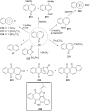
Scheme 36: Reaction of 2,3-benzotropone (12) with various reagents and compounds.

Figure 8: 3,4-Benzotropone (13) and its resonance structure.

Scheme 37: Synthesis of 6,7-benzobicyclo[3.2.0]hepta-3,6-dien-2-one (230).

Figure 9: Photolysis and thermolysis products of 230.

Figure 10: Benzotropolones and their tautomeric structures.

Scheme 38: Synthesis strategies of 4,5-benzotropolone (238).

Scheme 39: Synthesis protocol for 2-hydroxy-4,5-benzotropone (238) using oxazole-benzo[7]annulene 247.

Figure 11: Some quinoxaline and pyrazine derivatives 254–256 prepared from 4,5-benzotropolone (238).

Scheme 40: Nitration product of 4,5-benzotropolone (238) and its isomerization to 1-nitro-naphthoic acid (259)....

Scheme 41: Synthesis protocol for 6-hydroxy-2,3-benzotropone (239) from benzosuberone (162).
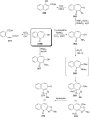
Scheme 42: Various reactions via 6-hydroxy-2,3-benzotropone (239).

Scheme 43: Photoreaction of 6-hydroxy-2,3-benzotropone (239).

Scheme 44: Synthesis of 7-hydroxy-2,3-benzotropone (241) from benzosuberone (162).

Scheme 45: Synthesis strategy for 7-hydroxy-2,3-benzotropone (241) from ketone 276.

Scheme 46: Synthesis of 7-hydroxy-2,3-benzotropone (241) from β-naphthoquinone (280).

Scheme 47: Synthesis of 7-hydroxy-2,3-benzotropone (241) from bicyclic endoperoxide 213.

Scheme 48: Synthesis of 7-hydroxy-2,3-benzotropone (241) by ring-closing metathesis.

Figure 12: Various monosubstitution products 289–291 of 7-hydroxy-2,3-benzotropone (241).

Scheme 49: Reaction of 7-hydroxy-2,3-benzotropone (241) with various reagents.

Scheme 50: Synthesis of 4-hydroxy-2,3-benzotropones 174 and 304 from diketones 300/301.

Scheme 51: Catalytic hydrogenation of diketones 300 and 174.

Scheme 52: Synthesis of halo-benzotropones from alkoxy-naphthalenes 306, 307 and 310.

Figure 13: Unexpected byproducts 313–315 during synthesis of chlorobenzotropone 309.

Figure 14: Some halobenzotropones and their cycloadducts.

Scheme 53: Multisep synthesis of 2-chlorobenzotropone 309.

Scheme 54: A multistep synthesis of 2-bromo-benzotropone 26.

Scheme 55: A multistep synthesis of bromo-2,3-benzotropones 311 and 316.

Scheme 56: Oxidation reactions of 8-bromo-5H-benzo[7]annulene (329) with some oxidants.

Scheme 57: Synthesis of 2-bromo-4,5-benzotropone (26).

Scheme 58: Synthesis of 6-chloro-2,3-benzotropone (335) using LiCl and proposed intermediate 336.

Scheme 59: Reaction of 7-bromo-2,3-benzotropone (316) with methylamine.

Scheme 60: Reactions of bromo-2,3-benzotropones 26 and 311 with dimethylamine.

Scheme 61: Reactions of bromobenzotropones 311 and 26 with NaOMe.

Scheme 62: Reactions of bromobenzotropones 26 and 312 with t-BuOK in the presence of DPIBF.

Scheme 63: Cobalt-catalyzed reductive cross-couplings of 7-bromo-2,3-benzotropone (316) with cyclic α-bromo en...

Figure 15: Cycloadduct 357 and its di-π-methane rearrangement product 358.

Scheme 64: Catalytic hydrogenation of 2-chloro-4,5-benzotropone (311).

Scheme 65: Synthesis of dibromo-benzotropones from benzotropones.

Scheme 66: Bromination/dehydrobromination of benzosuberone (162).

Scheme 67: Some transformations of isomeric dibromo-benzotropones 261A/B.

Scheme 68: Transformations of benzotropolone 239B to halobenzotropolones 369–371.

Figure 16: Bromobenzotropolones 372–376 and 290 prepared via bromination/dehydrobromination strategy.

Scheme 69: Synthesis of some halobenzotropolones 289, 377 and 378.

Figure 17: Bromo-chloro-derivatives 379–381 prepared via chlorination.

Scheme 70: Synthesis of 7-iodo-3,4-benzotropolone (382).

Scheme 71: Hydrogenation of bromobenzotropolones 369 and 370.

Scheme 72: Debromination reactions of mono- and dibromides 290 and 375.

Figure 18: Nitratation and oxidation products of some halobenzotropolenes.
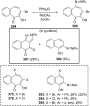
Scheme 73: Azo-coupling reactions of some halobenzotropolones 294, 375 and 378.

Figure 19: Four possible isomers of dibenzotropones 396–399.

Figure 20: Resonance structures of tribenzotropone (400).

Scheme 74: Two synthetic pathways for tribenzotropone (400).

Scheme 75: Synthesis of tribenzotropone (400) from dibenzotropone 399.

Scheme 76: Synthesis of tribenzotropone (400) from 9,10-phenanthraquinone (406).

Scheme 77: Synthesis of tribenzotropone (400) from trifluoromethyl-substituted arene 411.

Figure 21: Dibenzosuberone (414).

Figure 22: Reduction products 415 and 416 of tribenzotropone (400).

Figure 23: Structures of tribenzotropone dimethyl ketal 417 and 4-phenylfluorenone (412) and proposed intermed...

Figure 24: Structures of benzylidene- and methylene-9H-tribenzo[a,c,e][7]annulenes 419 and 420 and chiral phos...

Figure 25: Structures of tetracyclic alcohol 422, p-quinone methide 423 and cation 424.

Figure 26: Structures of host molecules 425–427.

Scheme 78: Synthesis of non-helical overcrowded derivatives syn/anti-431.

Figure 27: Hexabenzooctalene 432.

Figure 28: Structures of possible eight isomers 433–440 of naphthotropone.

Scheme 79: Synthesis of naphthotropone 437 starting from 1-phenylcycloheptene (441).

Scheme 80: Synthesis of 10-hydroxy-11H-cyclohepta[a]naphthalen-11-one (448) from diester 445.

Scheme 81: Synthesis of naphthotropone 433.

Scheme 82: Synthesis of naphthotropones 433 and 434 via cycloaddition reaction.

Scheme 83: Synthesis of naphthotropone 434 starting from 452.

Figure 29: Structures of tricarbonyl(tropone)irons 458, and possible cycloadducts 459.

Scheme 84: Synthesis of naphthotropone 436.

Scheme 85: Synthesis of precursor 465 for naphthotropone 435.

Scheme 86: Generation of naphthotropone 435 from 465.

Figure 30: Structures of tropylium cations 469 and 470.

Figure 31: Structures of tropylium ions 471+.BF4−, 472+.BF4−, and 473+.BF4−.

Scheme 87: Synthesis of tropylium ions 471+.BF4− and 479+.ClO4−.

Scheme 88: Synthesis of 1- and 2-methylanthracene (481 and 482) via carbene–carbene rearrangement.

Figure 32: Trapping products 488–490.

Scheme 89: Generation and chemistry of a naphthoannelated cycloheptatrienylidene-cycloheptatetraene intermedia...

Scheme 90: Proposed intermediates and reaction pathways for adduct 498.

Scheme 91: Exited-state intramolecular proton transfer of 505.

Figure 33: Benzoditropones 506 and 507.

Scheme 92: Synthesis of benzoditropone 506e.

Scheme 93: Synthetic approaches for dibenzotropone 507 via tropone (1).

Scheme 94: Formation mechanisms of benzoditropone 507 and 516 via 515.

Scheme 95: Synthesis of benzoditropones 525 and 526 from pyromellitic dianhydride (527).

Figure 34: Possible three benzocyclobutatropones 534–536.

Scheme 96: Synthesis of benzocyclobutatropones 534 and 539.

Scheme 97: Synthesis attempts for benzocyclobutatropone 545.

Scheme 98: Generation and trapping of symmetric benzocyclobutatropone 536.

Scheme 99: Synthesis of chloro-benzocyclobutatropone 552 and proposed mechanism of fluorenone derivatives.

Scheme 100: Synthesis of tropolone analogue 559.

Scheme 101: Synthesis of tropolones 561 and 562.

Figure 35: o/p-Tropoquinone rings (563 and 564) and benzotropoquinones (565–567).

Scheme 102: Synthesis of benzotropoquinone 566.

Scheme 103: Synthesis of benzotropoquinone 567 via a Diels–Alder reaction.

Figure 36: Products 575–577 through 1,2,3-benzotropoquinone hydrate 569.

Scheme 104: Structures 578–582 prepared from tropoquinone 567.

Figure 37: Two possible structures 583 and 584 for dibenzotropoquinone, and precursor compound 585 for 583.
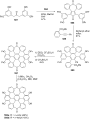
Scheme 105: Synthesis of saddle-shaped ketone 592 using dibenzotropoquinone 584.
Synthesis of a sucrose-based macrocycle with unsymmetrical monosaccharides "arms"
- Karolina Tiara,
- Mykhaylo A. Potopnyk and
- Sławomir Jarosz
Beilstein J. Org. Chem. 2018, 14, 634–641, doi:10.3762/bjoc.14.50
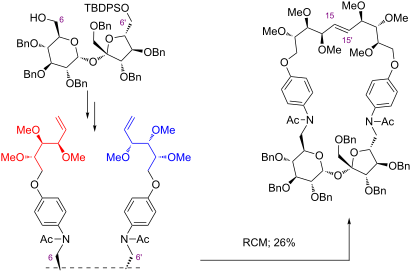
- from the C6’-position gave alcohol 22 in 97% yield. Under the same "Swern oxidation–reductive amination–acetylation" conditions, alcohol 22 was converted into aldehyde 23, which reacted further with amine 18, furnishing diolefin 24 in 64% total yield. Cyclization of precursor 24 induced by the Hoveyda

Graphical Abstract

Scheme 1: Synthesis of macrocyclic derivative 4.

Figure 1: Possible route to sucrose cryptands 6.

Figure 2: Possible route to dienes of type 9.

Scheme 2: Unsuccessful attempts to amines 12a and 13b.

Scheme 3: Syntheses of "elongated" amines 17 and 18.
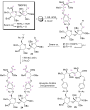
Scheme 4: Synthesis of macrocycle 25.
Synthetic and semi-synthetic approaches to unprotected N-glycan oxazolines
- Antony J. Fairbanks
Beilstein J. Org. Chem. 2018, 14, 416–429, doi:10.3762/bjoc.14.30
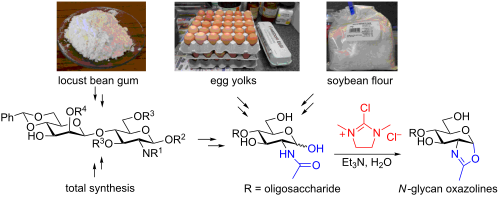
- with pectinase from Aspergillus aculeatus, which has both mannosidase and galactosidase activity, at 50 °C for 48 h in a 50 mM acetate buffer (pH 5.0) resulted in the production of a mixture of compounds, from which the Manβ(1–4)Man disaccharide was readily purified by acetylation (typically in ≈30
- donor 2, removed the 4,6-benzylidene, and then regioselectively glycosylated the free primary OH at position 6 with 2,6-branched trisaccharide trichloroacetimidate donor 3. Following conversion of the Troc groups into acetamides and reduction and acetylation of the azide, all of the acetates were
- biantennary glycans. Originally Wang and co-workers reported [92] the synthesis of this type of oxazoline using a sequence of acetylation, treatment with TMSBr/BF3·Et2O/collidine and deacetylation. However, treatment of the free reducing sugar with DMC allows the production of the truncated complex N-glycan

Graphical Abstract

Scheme 1: The first ENGase-catalysed glycosylation of a GlcNAc acceptor using an N-glycan oxazoline as donor.

Scheme 2: Production of N-glycan oxazolines from peracetylated sugars using Lewis acids.

Scheme 3: Direct conversion of unprotected GlcNAc to a glycosyl oxazoline by treatment with DMC and Et3N in w...

Scheme 4: Total synthesis of a truncated complex biantennary N-glycan oxazoline via an epimerisation approach...

Scheme 5: Wangs’s total synthesis of an N-glycan oxazoline incorporating click handles, employing Crich direc...

Scheme 6: Wangs’s total synthesis of an N-glycan dodecasaccharide oxazoline employing final step oxazoline fo...

Scheme 7: Production of a phosphorylated N-glycan oxazoline, employing final step oxazoline formation with DM...
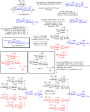
Scheme 8: Enzymatic degradation of locust bean gum, and chemical conversion into an N-glycan dodecasaccharide...

Scheme 9: Production of a complex biantennary N-glycan oxazoline from hens’ eggs by semi-synthesis via isolat...

Scheme 10: Production of a high mannose (Man-9) N-glycan oxazoline from soy bean flour.
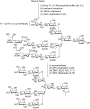
Scheme 11: Production of a triantennary N-glycan oxazoline from bovine feruin by semi-synthesis.
Synthesis of ergostane-type brassinosteroids with modifications in ring A
- Vladimir N. Zhabinskii,
- Darya A. Osiyuk,
- Yuri V. Ermolovich,
- Natalia M. Chaschina,
- Tatsiana S. Dalidovich,
- Miroslav Strnad and
- Vladimir A. Khripach
Beilstein J. Org. Chem. 2017, 13, 2326–2331, doi:10.3762/bjoc.13.229
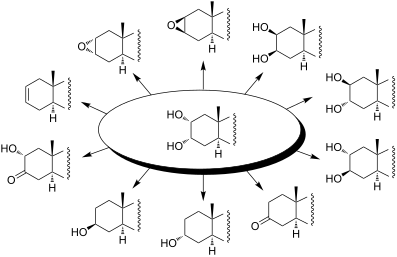
- epibrassinolide (2) into the corresponding Δ2-steroids. The first route comprised the selective protection of the side chain diol in 1 and 2 through exhaustive acetylation followed by saponification of the intermediate tetraacetates under controlled conditions [14]. Next, a Corey–Winter reaction [15] of the

Graphical Abstract

Scheme 1: Structural features of epicastasterone (1), epibrassinolide (2) and A-ring units 3–12 of BS biosynt...

Scheme 2: (a) Ac2O, Py, DMAP, 60 °C; (b) K2CO3, MeOH, 20 °C (97% over 2 steps); (c) TCDI, DMAP, THF, 65 °C (7...

Scheme 3: (a) MsCl, Py, 20 °C (95%); (b) Zn, NaI, DMF, 150 °C (83%); (c) KOH, MeOH, 65 °C (96%).

Scheme 4: (a) MCPBA, CH2Cl2, 20 °C (90%); (b) NBS, DME, 20 °C; (c) KOH, MeOH, 20 °C (85% over 2 steps).

Scheme 5: (a) BnBr, DMAP, Bu2SnO, TBAI, DIPEA, 110 °C (94%); (b) PCC, CH2Cl2, 20 °C (84%); (c) H2, Pd/C, 20 °...

Scheme 6: (a) TsCl, DMAP, Py, 30 °C (91%); (b) Py, 115 °C (65%); (c) KOH, MeOH, 20 °C (52%).

Scheme 7: (a) NaBH4, EtOH, −25 °C (49%); (b) KOH, MeOH, 65 °C (85%).

Scheme 8: (a) Anisaldehyde, TMSCl, MeOH, 20 °C; (b) BnBr, DMAP, Bu2SnO, TBAI, DIPEA, 110 °C (86% over 2 steps...
Enzymatic separation of epimeric 4-C-hydroxymethylated furanosugars: Synthesis of bicyclic nucleosides
- Neha Rana,
- Manish Kumar,
- Vinod Khatri,
- Jyotirmoy Maity and
- Ashok K. Prasad
Beilstein J. Org. Chem. 2017, 13, 2078–2086, doi:10.3762/bjoc.13.205
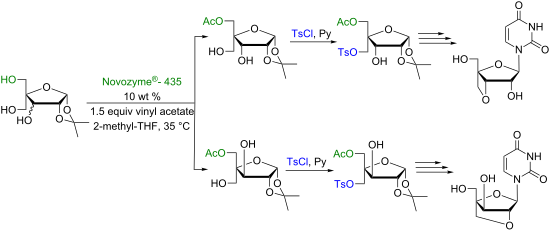
- acetylation methodology has been developed for the separation of an epimeric mixture of ribo- and xylotrihydroxyfuranosides in quantitative yields. The structure of both the monoacetylated epimers, i.e., 5-O-acetyl-4-C-hydroxymethyl-1,2-O-isopropylidene-α-D-ribo- and xylofuranose obtained by enzymatic
- acetylation, has been confirmed by an X-ray study on their corresponding 4-C-p-toluenesulfonyloxymethyl derivatives. Furthermore, the two separated epimers were used for the convergent synthesis of two different types of bicyclic nucleosides, which confirms their synthetic utility. Keywords
- ), diisopropyl ether (DIPE), toluene and dioxane. We carried out all ten sets of reactions for diastereoselective acetylation of epimeric mixtures of ribo- and xylotrihydroxyfuranosides 3a,b by using vinyl acetate at 30, 35, 40 and 45 °C and at 250 rpm in an incubator shaker to evaluate the appropriate lipase

Graphical Abstract

Scheme 1: Formation of a 1:1 epimeric mixture of 3a and 3b.

Scheme 2: Lipase-catalysed separation of a mixture of ribo- and xylotrihydroxyfuranosides.

Figure 1: Screening of Novozyme®-435 and Lipozyme TL IM in different organic solvents at 35 °C for regioselec...

Figure 2: ORTEP diagram of tosylated sugar derivatives 5 and 10.

Scheme 3: Convergent synthesis of 3′-O,4′-C-methyleneuridine.

Scheme 4: Convergent synthesis of 2′-O,4′-C-methylene-xylouridine.

Figure 3: ORTEP diagram and preferential N-type sugar ring puckering of 2′-O,4′-C-methylene-xylouridine (14).
Intramolecular glycosylation
- Xiao G. Jia and
- Alexei V. Demchenko
Beilstein J. Org. Chem. 2017, 13, 2028–2048, doi:10.3762/bjoc.13.201
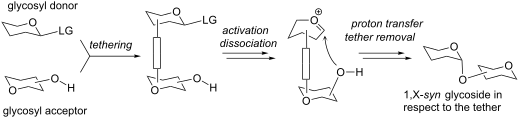
- (1→4) glycoside.” Indeed, after sequential glycosylation in the presence of TsOH at 50 oC, methanolysis, and per-acetylation, disaccharide 4 was isolated in 20% yield. The authors then very reasonably concluded that “Consequently, the presence of the ester linkage which kept the two sugar moieties in
- debenzylation followed by global acetylation to afford product 30. The extension of this approach to convergent oligosaccharide synthesis and reiterative sequencing in presented in Scheme 8. Thus, maltose and lactose disaccharide building blocks were linked via the xylylene tether, and the resulting compound 31
- that affected the removal of the template and all benzyl protecting groups followed by acetylation of the resulting hydroxy groups. Peptide tether/template Short peptide chains have also been investigated as templates for glycosylation. The general underpinning idea is to streamline the oligosaccharide

Graphical Abstract

Scheme 1: The mechanistic outline of the intermolecular (a) and intramolecular (b) glycosylation reactions.

Figure 1: Three general concepts for intramolecular glycosylation reactions.

Scheme 2: First intramolecular glycosylation using the molecular clamping.

Scheme 3: Succinoyl as a flexible linker for intramolecular glycosylation of prearranged glycosides.

Scheme 4: Template-directed cyclo-glycosylation using a phthaloyl linker.

Scheme 5: Phthaloyl linker-mediated synthesis of branched oligosaccharides via remote glycosidation.

Scheme 6: Molecular clamping with the phthaloyl linker in the synthesis of α-cyclodextrin.

Scheme 7: m-Xylylene as a rigid tether for intramolecular glycosylation.

Scheme 8: Oligosaccharide synthesis using rigid xylylene linkers.

Scheme 9: Stereo- and regiochemical outcome of peptide-based linkers.

Scheme 10: Positioning effect of donor and acceptor in peptide templated synthesis.

Scheme 11: Synthesis of a trisaccharide using a non-symmetrical tether strategy.

Scheme 12: Effect of ring on glycosylation with a furanose.

Scheme 13: Rigid BPA template with various linkers.

Scheme 14: The templated synthesis of maltotriose in complete stereoselectivity.

Scheme 15: First examples of the IAD.

Scheme 16: Long range IAD via dimethylsilane.

Scheme 17: Allyl-mediated tethering strategy in the IAD.

Scheme 18: IAD using tethering via the 2-naphthylmethyl group.

Scheme 19: Origin of selectivity in boronic ester mediated IAD.

Scheme 20: Arylborinic acid approach to the synthesis of β-mannosides.

Figure 2: Facial selectivity during HAD.

Scheme 21: Possible mechanisms to explain α and β selectivity in palladium mediated IAD.

Scheme 22: DISAL as the leaving group that favors the intramolecular glycosylation pathway.

Scheme 23: Boronic acid as a directing group in the leaving group-based glycosylation method.
Selective enzymatic esterification of lignin model compounds in the ball mill
- Ulla Weißbach,
- Saumya Dabral,
- Laure Konnert,
- Carsten Bolm and
- José G. Hernández
Beilstein J. Org. Chem. 2017, 13, 1788–1795, doi:10.3762/bjoc.13.173
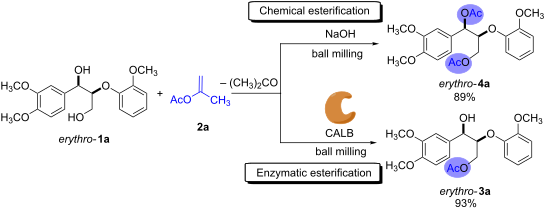
- reported to be effective in yielding new molecules and materials with higher hydrophobicity. However, controlling the degree of acetylation has not been an easy task, with the esterification process often resulting in a mixture of esters or fully esterified samples. In this regard, enzymatic esterification
- , the latter proved less active at catalyzing the esterification of erythro-1a (Table 1, entry 2). This difference in reactivity between both of the lipases has been documented previously in the literature [31]. Comparably, lipase PS-IM, which has been reported to facilitate the acetylation of secondary
- acyl donor, respectively (Table 2, entries 7 and 8). Having determined the best reaction conditions for the selective enzymatic acetylation of the erythro-1a in the ball mill, the protocol was applied to other β-O-4 model compounds (Scheme 3). In general, all the substrates 1a–h generated the

Graphical Abstract

Scheme 1: Enzymatic reactions under ball milling conditions.

Figure 1: (a) Molecular representation of lignin. (b) Lignin model compound erythro-1a.

Scheme 2: Chemical and enzymatic esterification of erythro-1a with isopropenyl acetate (2a) in the ball mill....
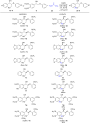
Scheme 3: CALB-catalyzed esterification of lignin model compounds in the ball mill.

Scheme 4: Selective esterification of erythro-1a using long-chain vinyl esters as acyl donors in the ball mil...
The chemistry and biology of mycolactones
- Matthias Gehringer and
- Karl-Heinz Altmann
Beilstein J. Org. Chem. 2017, 13, 1596–1660, doi:10.3762/bjoc.13.159

Graphical Abstract

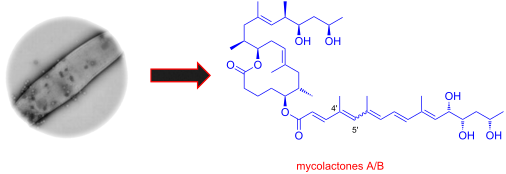
Figure 1: Initial proposal for the core macrolactone structure (left) and the established complete structure ...
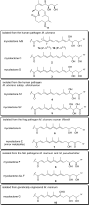
Figure 2: Mycolactone congeners and their origins.

Figure 3: Misassigned mycolactone E structure according to Small et al. [50] (11) and the correct structure (6) f...

Figure 4: Schematic illustration of Kishi’s improved mycolactone TLC detection method exploiting derivatizati...

Figure 5: Fluorescent probes derived from natural mycolactone A/B (1a,b) or its synthetic 8-desmethyl analogs...

Figure 6: Tool compounds used by Pluschke and co-workers for elucidating the molecular targets of mycolactone...

Figure 7: Synthetic strategies towards the extended mycolactone core. A) General strategies. B) Kishi’s appro...

Scheme 1: Kishi’s 1st generation approach towards the extended core structure of mycolactones. Reagents and c...

Scheme 2: Kishi’s 2nd generation approach towards the extended core structure of mycolactones. Reagents and c...

Scheme 3: Kishi’s 3rd generation approach towards the extended core structure of mycolactones. Reagents and c...

Scheme 4: Negishi’s synthesis of the extended core structure of mycolactones. Reagents and conditions: a) (i) ...

Scheme 5: Burkart’s (incomplete) 1st generation approach towards the extended core structure of mycolactones....
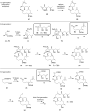
Scheme 6: Burkart’s (incomplete) 1st, 2nd and 3rd generation approach towards the extended mycolactone core s...

Scheme 7: Altmann’s synthesis of alkyl iodide 91. Reagents and conditions: a) (i) PMB-trichloroacetimidate, T...

Scheme 8: Final steps of Altmann’s synthesis of the extended core structure of mycolactones. Reagents and con...

Scheme 9: Basic principles of the Aggarwal lithiation–borylation homologation process [185,186].

Scheme 10: Aggarwal’s synthesis of the C1–C11 fragment of the mycolactone core. Reagents and conditions: a) Cl...

Scheme 11: Aggarwal’s synthesis of the linear C1–C20 fragment of the mycolactone core. Reagents and conditions...

Figure 8: Synthetic strategies towards the mycolactone A/B lower side chain.

Scheme 12: Gurjar and Cherian’s synthesis of the C1’–C8’ fragment of the mycolactone A/B pentaenoate side chai...

Scheme 13: Gurjar and Cherian’s synthesis of the benzyl-protected mycolactone A/B pentaenoate side chain. Reag...

Scheme 14: Kishi’s synthesis of model compounds for elucidating the stereochemistry of the C7’–C16’ fragment o...

Scheme 15: Kishi’s synthesis of the mycolactone A/B pentaenoate side chain. (a) (i) NaH, (EtO)2P(O)CH2CO2Et, T...

Scheme 16: Feringa and Minnaard's incomplete synthesis of mycolactone A/B pentaenoate side chain. Reagents and...

Scheme 17: Altmann’s approach towards the mycolactone A/B pentaenoate side chain. Reagents and conditions: a) ...

Scheme 18: Negishi’s access to the C1’–C7’ fragment of mycolactone A. Reagents and conditions: a) (i) n-BuLi, ...

Scheme 19: Negishi’s approach to the C1’–C7’ fragment of mycolactone B. Reagents and conditions: a) (i) DIBAL-...

Scheme 20: Negishi’s synthesis of the C8’–C16’ fragment of mycolactone A/B. Reagents and conditions: a) 142, BF...

Scheme 21: Negishi’s assembly of the mycolactone A and B pentaenoate side chains. Reagents and conditions: a) ...

Scheme 22: Blanchard’s approach to the mycolactone A/B pentaenoate side chain. a) (i) Ph3P=C(Me)COOEt, CH2Cl2,...

Scheme 23: Kishi’s approach to the mycolactone C pentaenoate side chain exemplified for the 13’R,15’S-isomer 1...

Scheme 24: Altmann’s (unpublished) synthesis of the mycolactone C pentaenoate side chain. Reagents and conditi...

Scheme 25: Blanchard’s synthesis of the mycolactone C pentaenoate side chain. Reagents and conditions: a) (i) ...

Scheme 26: Kishi’s synthesis of the tetraenoate side chain of mycolactone F exemplified by enantiomer 165. Rea...

Scheme 27: Kishi’s synthesis of the mycolactone E tetraenoate side chain. Reagents and conditions: a) (i) CH2=...

Scheme 28: Wang and Dai’s synthesis of the mycolactone E tetraenoate side chain. Reagents and conditions: a) (...

Scheme 29: Kishi’s synthesis of the dithiane-protected tetraenoate side chain of the minor oxo-metabolite of m...

Scheme 30: Kishi’s synthesis of the mycolactone S1 and S2 pentaenoate side chains. Reagents and conditions: a)...

Scheme 31: Kishi’s 1st generation and Altmann’s total synthesis of mycolactone A/B (1a,b) and Negishi’s select...

Scheme 32: Kishi’s 2nd generation total synthesis of mycolactone A/B (1a,b). Reagents and conditions: a) 2,4,6...

Scheme 33: Blanchard’s synthesis of the 8-desmethylmycolactone core. Reagents and conditions: a) (i) TsCl, TEA...

Scheme 34: Altmann’s (partially unpublished) synthesis of the C20-hydroxylated mycolactone core. Reagents and ...

Scheme 35: Altmann’s and Blanchard’s approaches towards the 11-isopropyl-8-desmethylmycolactone core. Reagents...

Scheme 36: Blanchard’s synthesis of the saturated variant of the C11-isopropyl-8-desmethylmycolactone core. Re...

Scheme 37: Structure elucidation of photo-mycolactones generated from tetraenoate 224.

Scheme 38: Kishi’s synthesis of the linear precursor of the photo-mycolactone B1 lower side chain. Reagents an...

Scheme 39: Kishi’s synthesis of the photo-mycolactone B1 lower side chain. Reagents and conditions: a) LiTMP, ...

Scheme 40: Kishi’s synthesis of a stabilized lower mycolactone side chain. Reagents and conditions: a) (i) TBD...
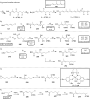
Scheme 41: Blanchard’s variation of the C12’,C13’,C15’ stereocluster. Reagents and conditions: a) (i) DIBAL-H,...

Scheme 42: Blanchard’s synthesis of aromatic mycolactone polyenoate side chain analogs. Reagents and condition...

Scheme 43: Small’s partial synthesis of a BODIPY-labeled mycolactone derivative and Demangel’s partial synthes...

Scheme 44: Blanchard’s synthesis of the BODIPY-labeled 8-desmethylmycolactones. Reagents and conditions: a) (i...
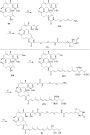
Scheme 45: Altmann’s synthesis of biotinylated mycolactones. Reagents and conditions: a) (i) CDI, THF, rt, 2 d...

Figure 9: Kishi’s elongated n-butyl carbamoyl mycolactone A/B analog.
New electroactive asymmetrical chalcones and therefrom derived 2-amino- / 2-(1H-pyrrol-1-yl)pyrimidines, containing an N-[ω-(4-methoxyphenoxy)alkyl]carbazole fragment: synthesis, optical and electrochemical properties
- Daria G. Selivanova,
- Alexei A. Gorbunov,
- Olga A. Mayorova,
- Alexander N. Vasyanin,
- Igor V. Lunegov,
- Elena V. Shklyaeva and
- Georgii G. Abashev
Beilstein J. Org. Chem. 2017, 13, 1583–1595, doi:10.3762/bjoc.13.158
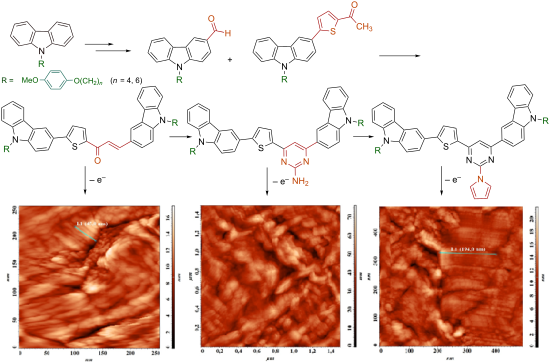
- linked with a central pyrimidine core and another one is linked by a rigid thiophene cycle as a π-conjugated bridge. We have applied a usual synthetic protocol which includes eight successive steps: O-alkylation of 4-methoxyphenol (1), N-alkylation of carbazole (2), formylation or acetylation of a
- -carbazoles 3a,b were obtained via acetylation of the same carbazoles 1a,b [20]. The presence of an acetyl group in the resulted compounds 3a and 3b gives the opportunity to extend their conjugation chain via incorporation of an thiophene moiety with the help of a Vilsmeier–Haack–Arnold reaction. The reaction

Graphical Abstract

Scheme 1: Synthesis of 9-[ω-(methoxyphenoxy)alkyl]-9H-carbazoles 1a,b.

Scheme 2: Synthesis of 9-[ω-(4-methoxyphenoxy)alkyl]-9H-carbazole-3-carbaldehydes 2a,b and 1-(5-arylthiophen-...

Scheme 3: Synthesis of quadrupolar chromophores 6a,b−8a,b.

Figure 1: Comparison of UV–vis absorption and fluorescence spectra of compounds 2a–5a (a) and 2b–5b (b) in CH...

Figure 2: Comparison of UV–vis absorption and fluorescence spectra of compounds 6a (a, b), 6b (c, d) in vario...

Figure 3: Comparison of UV–vis absorption and fluorescence spectra of compounds 7a (a, b) and 7b (c, d) in va...

Figure 4: Correlation between Kamlet–Taft π* parameters [29] and the absorption and emission maxima wavelength of...

Figure 5: Comparison of UV–vis absorption spectra of 2-amino-4,6-di(4-bromophenyl)pyrimidine and 2-amino-4-[4...

Figure 6: UV–vis absorption and fluorescence spectra of compounds 8a (a), 8b ( b) in CHCl3 (c = 10−4 mol L−1)....

Figure 7: Cyclic voltammograms of compounds 2b (a), 5b (b); WE – carbon-pyroceramic electrode, 10 cycles, Et4...

Figure 8: Cyclic voltammograms of compounds 6b (a), 7b (b), 8b (с); WE – carbon-pyroceramic electrode, 10 cyc...
Synthesis of oligonucleotides on a soluble support
- Harri Lönnberg
Beilstein J. Org. Chem. 2017, 13, 1368–1387, doi:10.3762/bjoc.13.134
- by acetylation and the support was again precipitated with Et2O. Finally, ammonolysis was carried out and the oligonucleotide was separated from the PEG support by precipitation from MeOH. The feasibility of the method was tested by the synthesis of d(5´-ACGGGCCCGT-3´) in 75% yield. Synthesis of

Graphical Abstract

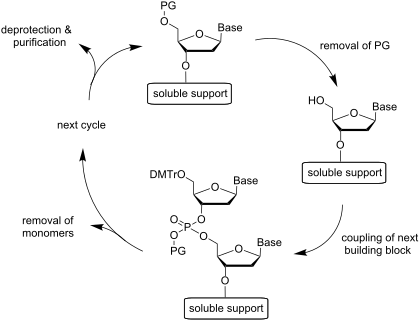
Figure 1: General principle of oligonucleotide synthesis.
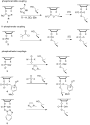
Scheme 1: Alternative coupling methods used in the synthesis of oligonucleotides.

Scheme 2: Synthesis of ODNs on a precipitative PEG-support by phosphotriester chemistry using MSNT/NMI activa...

Scheme 3: Synthesis of ODNs on a precipitative tetrapodal support by phosphotriester chemistry using 1-hydrox...

Scheme 4: Synthesis of ODNs on a precipitative PEG-support by conventional phosphoramidite chemistry [51].

Scheme 5: Synthesis of ODNs on a precipitative tetrapodal support by conventional phosphoramidite chemistry [43].

Scheme 6: Synthesis of ODNs by an extractive strategy on an adamant-1-ylacetyl support [57].

Scheme 7: Synthesis of ODNs by a combination of extractive and precipitative strategy [58].

Scheme 8: Synthesis of ODNs by phosphoramidite chemistry on a N1,N3,N5-tris(2-aminoethyl)benzene-1,3,5-tricar...
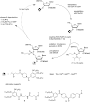
Scheme 9: Synthesis of ORNs by phosphoramidite chemistry on a hydrophobic support [61].

Scheme 10: Synthesis of ORNs by the phosphoramidite chemistry on a precipitative tetrapodal support using 2´-O...

Scheme 11: Synthesis of ORNs by phosphoramidite chemistry on a precipitative tetrapodal support from commercia...

Scheme 12: Synthesis of ODNs on a precipitative PEG-support by H-phosphonate chemistry [65].

Scheme 13: Synthesis of 2´-O-methyl ORN phosphorothioates by phosphoramidite chemistry by making use of nanofi...
One-pot synthesis of block-copolyrotaxanes through controlled rotaxa-polymerization
- Jessica Hilschmann,
- Gerhard Wenz and
- Gergely Kali
Beilstein J. Org. Chem. 2017, 13, 1310–1315, doi:10.3762/bjoc.13.127
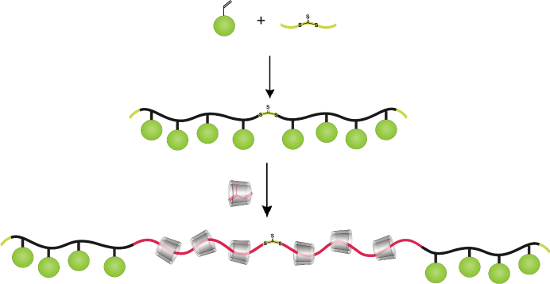
- Supporting Information File 1). The molar masses of polyrotaxanes 1 and 2 were determined after complete acetylation by GPC in THF (for results see Table 1). From the molar ratio i/st, the average molar mass per monomer repeat was derived Da for both polyrotaxanes 1 and 2, which allows to calculate the
- polyrotaxanes 3–6 were determined after complete acetylation by GPC in THF (Table 2). First, after homopolymerization, the molar masses were 9 and 4 kDa for the polyHEMA and polyTRIS-AAm stoppers blocks, respectively. After block copolymerization with isoprene complexed in RAMEB, the corresponding molar masses

Graphical Abstract

Scheme 1: Synthesis route of RAMEB based statistical polyrotaxane.

Figure 1: (a) GPC trace of the polyHEMA-co-polyisoprene polyrotaxane 1 and (b) 500 MHz 1H NMR and DOSY spectr...

Scheme 2: Schematic representation of the synthetic procedure for the preparation of randomly methylated β-CD...
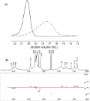
Figure 2: (a) GPC traces of the macroCTA 5 (solid line) and the poly(TRIS-AAm)-b-polyisoprene-b-poly(TRIS-AAm...
Strategies toward protecting group-free glycosylation through selective activation of the anomeric center
- A. Michael Downey and
- Michal Hocek
Beilstein J. Org. Chem. 2017, 13, 1239–1279, doi:10.3762/bjoc.13.123


Graphical Abstract

Scheme 1: Solution-state conformations of D-glucose.

Scheme 2: Enzymatic synthesis of oligosaccharides.

Scheme 3: Enzymatic synthesis of a phosphorylated glycoprotein containing a mannose-6-phosphate (M6P)-termina...

Scheme 4: A) Selected GTs-mediated syntheses of oligosaccharides and other biologically active glycosides. B)...

Scheme 5: Enzymatic synthesis of nucleosides.

Scheme 6: Fischer glycosylation strategies.

Scheme 7: The basis of remote activation (adapted from [37]).

Scheme 8: Classic remote activation employing a MOP donor to access α-anomeric alcohols, carboxylates, and ph...

Figure 1: Synthesis of monoprotected glycosides from a (3-bromo-2-pyridyloxy) β-D-glycopyranosyl donor under ...

Scheme 9: Plausible mechanism for the synthesis of α-galactosides. TBDPS = tert-butyldiphenylsilyl.

Scheme 10: Synthesis of the 6-O-monoprotected galactopyranoside donor for remote activation.

Scheme 11: UDP-galactopyranose mutase-catalyzed isomerization of UDP-Galp to UDP-Galf.

Scheme 12: Synthesis of the 1-thioimidoyl galactofuranosyl donor.

Scheme 13: Glycosylation of MeOH using a self-activating donor in the absence of an external activator. a) Syn...

Scheme 14: The classical Lewis acid-catalyzed glycosylation.

Figure 2: Unprotected glycosyl donors used for the Lewis acid-catalyzed protecting group-free glycosylation r...

Scheme 15: Four-step synthesis of the phenyl β-galactothiopyranosyl donor.

Scheme 16: Protecting-group-free C3′-regioselective glycosylation of sucrose with α–F Glc.

Scheme 17: Synthesis of the α-fluoroglucosyl donor.

Figure 3: Protecting-group-free glycosyl donors and acceptors used in the Au(III)-catalyzed glycosylation.

Scheme 18: Synthesis of the mannosyl donor used in the study [62].

Scheme 19: The Pd-catalyzed stereoretentive glycosylation of arenes using anomeric stannane donors.

Scheme 20: Preparation of the protecting-group-free α and β-stannanes from advanced intermediates for stereoch...

Figure 4: Selective anomeric activating agents providing donors for direct activation of the anomeric carbon.

Scheme 21: One-step access to sugar oxazolines or 1,6-anhydrosugars.

Scheme 22: Enzymatic synthesis of a chitoheptaose using a mutant chitinase.

Scheme 23: One-pot access to glycosyl azides [73], dithiocarbamates [74], and aryl thiols using DMC activation and sub...

Scheme 24: Plausible reaction mechanism.

Scheme 25: Protecting-group-free synthesis of anomeric thiols from unprotected 2-deoxy-2-N-acetyl sugars.

Scheme 26: Protein conjugation of TTL221-PentK with a hyaluronan hexasaccharide thiol.

Scheme 27: Proposed mechanism.

Scheme 28: Direct two-step one-pot access to glycoconjugates through the in situ formation of the glycosyl azi...

Scheme 29: DMC as a phosphate-activating moiety for the synthesis of diphosphates. aβ-1,4-galactose transferas...

Figure 5: Triazinylmorpholinium salts as selective anomeric activating agents.

Scheme 30: One-step synthesis of DBT glycosides from unprotected sugars in aqueous medium.

Scheme 31: Postulated mechanism for the stereoselective formation of α-glycosides.

Scheme 32: DMT-donor synthesis used for metal-catalyzed glycosylation of simple alcohols.
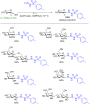
Figure 6: Protecting group-free synthesis of glycosyl sulfonohydrazides (GSH).
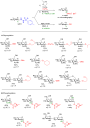
Figure 7: The use of GSHs to access 1-O-phosphoryl and alkyl glycosides. A) Glycosylation of aliphatic alcoho...

Scheme 33: A) Proposed mechanism of glycosylation. B) Proposed mechanism for stereoselective azidation of the ...

Scheme 34: Mounting GlcNAc onto a sepharose solid support through a GSH donor.

Scheme 35: Lawesson’s reagent for the formation of 1,2-trans glycosides.

Scheme 36: Protecting-group-free protein conjugation via an in situ-formed thiol glycoside [98].

Scheme 37: pH-Specific glycosylation to functionalize SAMs on gold.

Figure 8: Protecting-group-free availability of phenolic glycosides under Mitsunobu conditions. DEAD = diethy...

Scheme 38: Accessing hydroxyazobenzenes under Mitsunobu conditions for the study of photoswitchable labels. DE...

Scheme 39: Stereoselective protecting-group-free glycosylation of D-glucose to provide the β-glucosyl benzoic ...

Figure 9: Direct synthesis of pyranosyl nucleosides from unactivated and unprotected ribose using optimized M...

Figure 10: Direct synthesis of furanosyl nucleosides from 5-O-monoprotected ribose in a one-pot glycosylation–...

Figure 11: Synthesis of ribofuranosides using a monoprotected ribosyl donor via an anhydrose intermediate.

Figure 12: C5′-modified nucleosides available under our conditions.

Scheme 40: Plausible reaction mechanism for the formation of the anhydrose.

Figure 13: Direct glycosylation of several aliphatic alcohols using catalytic Ti(Ot-Bu)4 in the presence of D-...

Figure 14: Access to glycosides using catalytic PPh3 and CBr4.

Figure 15: Access to ribofuranosyl glycosides as the major product under catalytic conditions. aLiOCl4 (2.0 eq...
An eco-compatible strategy for the diversity-oriented synthesis of macrocycles exploiting carbohydrate-derived building blocks
- Sushil K. Maurya and
- Rohit Rana
Beilstein J. Org. Chem. 2017, 13, 1106–1118, doi:10.3762/bjoc.13.110
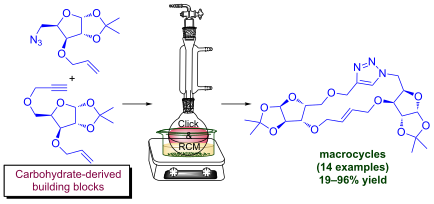
- , eco-friendly without compromise in yield and selectivity. Build-couple-pair (B/C/P) strategy for macrocycles. Different building blocks used for DOS. Cycloaddition reaction of alkyne-azide building block. Acetylation of macrocycle 4m. Optimization of the reaction conditions for the cycloaddition

Graphical Abstract

Figure 1: Build-couple-pair (B/C/P) strategy for macrocycles.

Figure 2: Different building blocks used for DOS.

Scheme 1: Cycloaddition reaction of alkyne-azide building block.

Scheme 2: Acetylation of macrocycle 4m.
A concise and practical stereoselective synthesis of ipragliflozin L-proline
- Shuai Ma,
- Zhenren Liu,
- Jing Pan,
- Shunli Zhang and
- Weicheng Zhou
Beilstein J. Org. Chem. 2017, 13, 1064–1070, doi:10.3762/bjoc.13.105
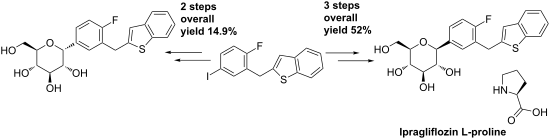
- -selectivity [9][10]. This approach included six steps such as addition, methyl etherification, acetylation, reduction, deprotection and cocrystallization with L-proline to get 1 with a total yield of 32.89%. The subsequent improvement reported included the replacement of aryllithium by aryl Grignard reagents

Graphical Abstract

Figure 1: Structure of ipragliflozin L-proline.

Scheme 1: Stereoselective synthesis of C-aryl glycoside by Lemarie.

Scheme 2: Stereoselective synthesis of β-C-arylglucoside 5.

Scheme 3: Synthesis of 1.

Scheme 4: Synthesis of diastereomer 6’ and 5’.
Total synthesis of TMG-chitotriomycin based on an automated electrochemical assembly of a disaccharide building block
- Yuta Isoda,
- Norihiko Sasaki,
- Kei Kitamura,
- Shuji Takahashi,
- Sujit Manmode,
- Naoko Takeda-Okuda,
- Jun-ichi Tamura,
- Toshiki Nokami and
- Toshiyuki Itoh
Beilstein J. Org. Chem. 2017, 13, 919–924, doi:10.3762/bjoc.13.93
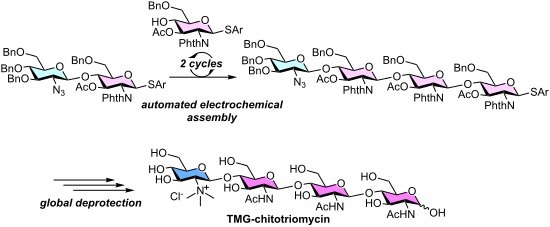
- were achieved by following the procedure reported by Yu and co-workers (Figure 4) [8]. Phthaloyl groups and acetyl groups of 7 are removed by the reaction with ethylenediamine followed by applying the conventional acetylation protocol with acetic anhydride (Ac2O) in the presence of N,N

Graphical Abstract

Figure 1: Inhibitors of glucosaminidases.

Scheme 1: Synthesis of disaccharide donors.

Figure 2: Proposed mechanism and origin of the selectivity.

Figure 3: Synthesis of TMG-chitotriomycin precursor 7.

Figure 4: Synthess of TMG-chitotriomycin (1).



