


Search results
Search for "cyclopropane" in Full Text gives 146 result(s) in Beilstein Journal of Organic Chemistry.
Site-selective covalent functionalization at interior carbon atoms and on the rim of circumtrindene, a C36H12 open geodesic polyarene
- Hee Yeon Cho,
- Ronald B. M. Ansems and
- Lawrence T. Scott
Beilstein J. Org. Chem. 2014, 10, 956–968, doi:10.3762/bjoc.10.94
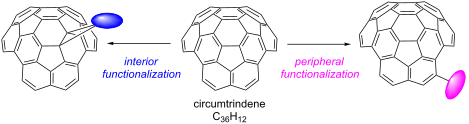
- energies. In the initial nucleophilic attack (Scheme 6), the nucleophile adds to the site with the largest LUMO coefficient (see below for DFT calculations on the LUMO of circumtrindene). This reaction also proceeds with excellent facial selectivity; the cyclopropane ring is formed exclusively on the

Graphical Abstract

Figure 1: Prototypical open and closed geodesic polyarenes.

Figure 2: Planar vs pyramidalized π-system.
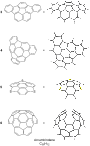
Figure 3: Selected examples of geodesic polyarenes synthesized by FVP.

Scheme 1: Covalent functionalization of fullerene C60 by the Bingel–Hirsch reaction and the Prato reaction.

Scheme 2: Fullerene-type chemistry at interior carbon atoms of corannulene (1) and diindenochrysene (10).

Figure 4: POAV angles of fullerene C60 (2), corannulene (1), and diindenochrysene (10).

Scheme 3: Synthesis of circumtrindene (6) by FVP.

Scheme 4: Synthetic route to 3,9,15-trichlorodecacyclene (12).

Figure 5: POAV angle and bond lengths of circumtrindene.

Scheme 5: Bingel–Hirsch reaction of circumtrindene (6).

Scheme 6: Proposed mechanism for the Bingel–Hirsch reaction of circumtrindene (6).

Scheme 7: Prato reaction of circumtrindene (6).

Figure 6: LUMO orbital map of circumtrindene (B3LYP/6-31G*). The darkest blue areas correspond to the regions...

Figure 7: Electrostatic potentials on the surfaces of circumtrindene (B3LPY/6-31G*).

Figure 8: Monoindeno- (25), diindeno- (26), and triindenocircumtrindene (27).

Figure 9: Two different types of rim carbon atoms on circumtrindene.

Scheme 8: Site-selective peripheral monobromination of circumtrindene.

Scheme 9: Suzuki coupling and ring-closing reactions toward indenocircumtrindene (25).

Scheme 10: Suzuki coupling to prepare compound 30.

Figure 10: Chemical shifts of ortho-methyl groups in 30 and 31.
Silver and gold-catalyzed multicomponent reactions
- Giorgio Abbiati and
- Elisabetta Rossi
Beilstein J. Org. Chem. 2014, 10, 481–513, doi:10.3762/bjoc.10.46
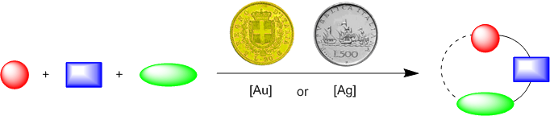
- keteneimines 57 [77] or in [3 + 3] processes with dimethyl cyclopropane-1,1-dicarboxylates 59 [78]. Both these reactions are co-catalyzed, the former by silver triflate and copper bromide and the latter by silver triflate and nickel(II) perchlorate (Scheme 30 and Scheme 31). In [3 + 2]-cycloaddition reactions
- described by Kerr and may proceed on the activated cyclopropane by a stepwise or concerted mechanism [81]. Similar mechanisms could be also operative in the reaction of ylidic species 43 for the synthesis of 60. Good substrate tolerance and moderate to excellent yields are reported. Reactions involving σ

Graphical Abstract

Scheme 1: General reaction mechanism for Ag(I)-catalyzed A3-coupling reactions.

Scheme 2: A3-coupling reaction catalyzed by polystyrene-supported NHC–silver halides.

Figure 1: Various NHC–Ag(I) complexes used as catalysts for A3-coupling.

Scheme 3: Proposed reaction mechanism for NHC–AgCl catalyzed A3-coupling reactions.

Scheme 4: Liu’s synthesis of pyrrole-2-carboxaldehydes 4.

Scheme 5: Proposed reaction mechanism for Liu’s synthesis of pyrrole-2-carboxaldehydes 4.

Scheme 6: Gold-catalyzed synthesis of propargylamines 1.

Scheme 7: A3-coupling catalyzed by phosphinamidic Au(III) metallacycle 6.

Scheme 8: Gold-catalyzed KA2-coupling.

Scheme 9: A3-coupling applied to aldehyde-containing oligosaccharides 8.

Scheme 10: A3-MCR for the preparation of propargylamine-substituted indoles 9.

Scheme 11: A3-coupling interceded synthesis of furans 12.

Scheme 12: A3/KA2-coupling mediated synthesis of functionalized dihydropyrazoles 13 and polycyclic dihydropyra...

Scheme 13: Au(I)-catalyzed entry to cyclic carbamimidates 17 via an A3-coupling-type approach.

Scheme 14: Proposed reaction mechanism for the Au(I)-catalyzed synthesis of cyclic carbamimidates 17.

Figure 2: Chiral trans-1-diphenylphosphino-2-aminocyclohexane–Au(I) complex 20.

Scheme 15: A3-coupling-type synthesis of oxazoles 21 catalyzed by Au(III)–salen complex.

Scheme 16: Proposed reaction mechanism for the synthesis of oxazoles 21.

Scheme 17: Synthesis of propargyl ethyl ethers 24 by an A3-coupling-type reaction.

Scheme 18: General mechanism of Ag(I)-catalyzed MCRs of 2-alkynylbenzaldehydes, amines and nucleophiles.

Scheme 19: General synthetic pathway to 1,3-disubstituted-1,2-dihydroisoquinolines.

Scheme 20: Synthesis of 1,3-disubstituted-1,2-dihydroisoquinolines 29.

Scheme 21: Synthesis of 1,3-disubstituted-1,2-dihydroisoquinolines 35 and 36.

Scheme 22: Rh(II)/Ag(I) co-catalyzed synthesis of 1,3-disubstituted-1,2-dihydroisoquinolines 40.

Scheme 23: General synthetic pathway to 2-amino-1,2-dihydroquinolines.

Scheme 24: Synthesis of 2-amino-1,2-dihydroquinolines 47.

Scheme 25: Synthesis of tricyclic H-pyrazolo[5,1-a]isoquinoline 48.

Scheme 26: Synthesis of tricyclic H-pyrazolo[5,1-a]isoquinolines 48.

Scheme 27: Cu(II)/Ag(I) catalyzed synthesis of H-pyrazolo[5,1-a]isoquinolines 48.

Scheme 28: Synthesis of 2-aminopyrazolo[5,1-a]isoquinolines 53.

Scheme 29: Synthesis of 1-(isoquinolin-1-yl)guanidines 55.

Scheme 30: Ag(I)/Cu(I) catalyzed synthesis of 2-amino-H-pyrazolo[5,1-a]isoquinolines 58.

Scheme 31: Ag(I)/Ni(II) co-catalyzed synthesis of 3,4-dihydro-1H-pyridazino[6,1-a]isoquinoline-1,1-dicarboxyla...

Scheme 32: Ag(I) promoted activation of the α-carbon atom of the isocyanide group.

Scheme 33: Synthesis of dihydroimidazoles 65.

Scheme 34: Synthesis of oxazoles 68.

Scheme 35: Stereoselective synthesis of chiral butenolides 71.

Scheme 36: Proposed reaction mechanism for the synthesis of butenolides 71.

Scheme 37: Stereoselective three-component approach to pirrolidines 77 by means of a chiral auxiliary.

Scheme 38: Stereoselective three-component approach to pyrrolidines 81 and 82 by means of a chiral catalyst.

Scheme 39: Synthesis of substituted five-membered carbocyles 86.

Scheme 40: Synthesis of regioisomeric arylnaphthalene lactones.

Scheme 41: Enantioselective synthesis of spiroacetals 96 by Fañanás and Rodríguez [105].

Scheme 42: Enantioselective synthesis of spiroacetals 101 by Gong [106].

Scheme 43: Synthesis of polyfunctionalized fused bicyclic ketals 103 and bridged tricyclic ketals 104.

Scheme 44: Proposed reaction mechanism for the synthesis of ketals 103 and 104.

Scheme 45: Synthesis of β-alkoxyketones 108.

Scheme 46: Synthesis of N-methyl-1,4-dihydropyridines 112.

Scheme 47: Synthesis of tetrahydrocarbazoles 115–117.

Scheme 48: Plausible reaction mechanism for the synthesis of tetrahydrocarbazoles 115–117.

Scheme 49: Carboamination, carboalkoxylation and carbolactonization of terminal alkenes.

Scheme 50: Oxyarylation of alkenes with arylboronic acids and Selectfluor as reoxidant.

Scheme 51: Proposed reaction mechanism for oxyarylation of alkenes.

Scheme 52: Oxyarylation of alkenes with arylsilanes and Selectfluor as reoxidant.

Scheme 53: Oxyarylation of alkenes with arylsilanes and IBA as reoxidant.
Recent applications of the divinylcyclopropane–cycloheptadiene rearrangement in organic synthesis
- Sebastian Krüger and
- Tanja Gaich
Beilstein J. Org. Chem. 2014, 10, 163–193, doi:10.3762/bjoc.10.14
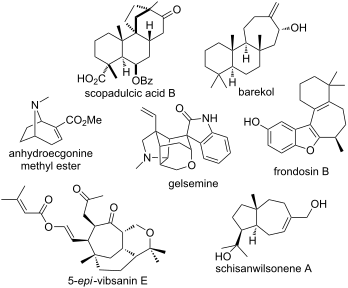
- 12'' [15], the DVCPR only proceeds via boat-like transition state 9nn' where both vinyl-moieties are in the endo-orientation reagarding the cyclopropane [16]. The other transition states (9xx'/9xn') would result in a cycloheptadiene with at least one E-configured double bond (13/14) after a
- (DMAPP) through 28 to yield 29, (Scheme 6) [40][41][42] the spiro-oxindole 30 was synthesized. The system underwent a cis-aryl-vinyl-cyclopropane rearrangement [43] to give 31 followed by rearomatization in 4–12 hours at room temperature yielding tricycle 32. The formation of the obtained tricyclic
- DVCPR in an approach towards the core skeleton of tiglianes (like phorbol 206, see Scheme 23), daphnanes and ingenanes [169] in 1980 [170]. Starting from α-bromoenone 198 a Corey–Chaykovsky cyclopropanation reaction was achieved to yield cyclopropane 199. The keto-group was removed using a three step

Graphical Abstract

Scheme 1: Vogel’s first approach towards the divinylcyclopropane rearrangement [4] and characterization of cis-d...

Scheme 2: Transition states for the Cope rearrangement and the related DVCPR. Ts = transition state.

Scheme 3: Two possible mechanisms of trans-cis isomerizations of divinylcyclopropanes.

Scheme 4: Proposed biosynthesic pathway to ectocarpene (21), an inactive degradation product of a sexual pher...

Scheme 5: Proposed biosynthesis of occidenol (25) and related natural compounds.

Scheme 6: Gaich’s bioinspired system using the DVCPR to mimick the dimethylallyltryptophan synthase. DMAPP = ...

Scheme 7: Iguchi’s total synthesis of clavubicyclone, part 1.

Scheme 8: Iguchi’s total synthesis of clavubicyclone, part 2.

Scheme 9: Wender’s syntheses of the two pseudoguainanes confertin (50) and damsinic acid (51) and Pier’s appr...
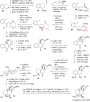
Scheme 10: Overman’s total synthesis of scopadulcic acid B.

Scheme 11: Davies’ total syntheses of tremulenolide A and tremulenediol A.

Scheme 12: Davies formal [4 + 3] cycloaddition approach towards the formal synthesis of frondosin B.

Scheme 13: Davies and Sarpongs formal [4 + 3]-cycloaddition approach towards barekoxide (106) and barekol (107...

Scheme 14: Davies formal [4 + 3]-cycloaddition approach to 5-epi-vibsanin E (115) containing an intermediate c...

Scheme 15: Echavarren’s total synthesis of schisanwilsonene A (126) featuring an impressive gold-catalzed casc...

Scheme 16: Davies early example of a formal [4 + 3]-cycloaddition in alkaloids synthesis.

Scheme 17: Fukuyama’s total synthesis of gelsemine, part 1.

Scheme 18: Fukuyama’s total synthesis of gelsemine, featuring a divinylcyclopropane rearrangement, part 2.

Scheme 19: Kende’s total synthesis of isostemofoline, using a formal [4 + 3]-cycloaddition, including an inter...

Scheme 20: Danishefsky’s total synthesis of gelsemine, part 1.

Scheme 21: Danishefsky’s total synthesis of gelsemine, part 2.

Scheme 22: Fukuyama’s total synthesis of gelsemoxonine.

Scheme 23: Wender’s synthetic access to the core skeleton of tiglianes, daphnanes and ingenanes.

Scheme 24: Davies’ approach towards the core skeleton of CP-263,114 (212).

Scheme 25: Wood’s approach towards actinophyllic acid.

Scheme 26: Takeda’s approach towards the skeleton of the cyanthins, utilitizing the divinylcyclopropane rearra...

Scheme 27: Donaldson’s organoiron route towards the guianolide skeleton.

Scheme 28: Stoltz’s tandem Wolff/DVCPR rearrangement.

Scheme 29: Stephenson’s tandem photocatalysis/arylvinylcyclopropane rearrangement.

Scheme 30: Padwa’s rhodium cascade involving a DVCPR.

Scheme 31: Matsubara’s version of a DVCPR.

Scheme 32: Toste’s tandem gold-catalyzed Claisen-rearrangement/DVCPR.

Scheme 33: Ruthenium- and gold-catalyzed versions of tandem reactions involving a DVCPR.

Scheme 34: Tungsten, platinum and gold catalysed cycloisomerizations leading to a DVCPR.

Scheme 35: Reisman’s total synthesis of salvileucalin B, featuring an (undesired) vinylcyclopropyl carbaldehyd...

Scheme 36: Studies on the divinylepoxide rearrangement.

Scheme 37: Studies on the vinylcyclopropanecarbonyl rearrangement.

Scheme 38: Nitrogen-substituted variants of the divinylcyclopropane rearrangement.
Synthesis of five- and six-membered cyclic organic peroxides: Key transformations into peroxide ring-retaining products
- Alexander O. Terent'ev,
- Dmitry A. Borisov,
- Vera A. Vil’ and
- Valery M. Dembitsky
Beilstein J. Org. Chem. 2014, 10, 34–114, doi:10.3762/bjoc.10.6
- -yl)acetate (141) from the furan derivative (E)-methyl 5-hydroperoxy-5-(5-methylfuran-2-yl)pent-2-enoate (140) (Scheme 33) [264]. A simple method was developed for the synthesis of cyclopropane-containing oxodioxolanes 143a–j and is based on the hydroperoxidation of tertiary alcohols 142a–j in an
- acidic medium followed by cyclization of the intermediate hydroperoxides through the ester group (Scheme 34) [265]. This method allows for the use of a nonhazardous 30% hydrogen peroxide solution. However, the authors mentioned that structurally similar tertiary alcohols, without a cyclopropane

Graphical Abstract

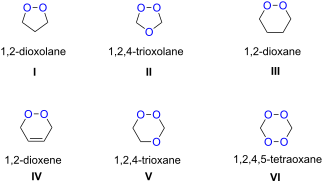
Figure 1: Five and six-membered cyclic peroxides.

Figure 2: Artemisinin and semi-synthetic derivatives.

Scheme 1: Synthesis of 3-hydroxy-1,2-dioxolanes 3a–c.

Scheme 2: Synthesis of dioxolane 6.

Scheme 3: Photooxygenation of oxazolidines 7a–d with formation of spiro-fused oxazolidine-containing dioxolan...

Scheme 4: Oxidation of cyclopropanes 10a–e and 11a–e with preparation of 1,2-dioxolanes 12a–e.

Scheme 5: VO(acac)2-catalyzed oxidation of silylated bicycloalkanols 13a–c.

Scheme 6: Mn(II)-catalyzed oxidation of cyclopropanols 15a–g.

Scheme 7: Oxidation of aminocyclopropanes 20a–c.

Scheme 8: Synthesis of aminodioxolanes 24.
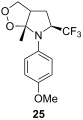
Figure 3: Trifluoromethyl-containing dioxolane 25.

Scheme 9: Synthesis of 1,2-dioxolanes 27a–e by the oxidation of cyclopropanes 26a–e.

Scheme 10: Photoinduced oxidation of methylenecyclopropanes 28.

Scheme 11: Irradiation-mediated oxidation.

Scheme 12: Application of diazene 34 for dioxolane synthesis.

Scheme 13: Mn(OAc)3-catalyzed cooxidation of arylacetylenes 37a–h and acetylacetone with atmospheric oxygen.
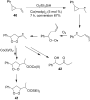
Scheme 14: Peroxidation of (2-vinylcyclopropyl)benzene (40).

Scheme 15: Peroxidation of 1,4-dienes 43a,b.

Scheme 16: Peroxidation of 1,5-dienes 46.

Scheme 17: Peroxidation of oxetanes 53a,b.

Scheme 18: Peroxidation of 1,6-diene 56.

Scheme 19: Synthesis of 3-alkoxy-1,2-dioxolanes 62a,b.

Scheme 20: Synthesis of spiro-bis(1,2-dioxolane) 66.

Scheme 21: Synthesis of dispiro-1,2-dioxolanes 68, 70, 71.

Scheme 22: Synthesis of spirohydroperoxydioxolanes 75a,b.

Scheme 23: Synthesis of spirohydroperoxydioxolane 77 and dihydroperoxydioxolane 79.

Scheme 24: Ozonolysis of azepino[4,5-b]indole 80.

Scheme 25: SnCl4-mediated fragmentation of ozonides 84a–l in the presence of allyltrimethylsilane.

Scheme 26: SnCl4-mediated fragmentation of bicyclic ozonide 84m in the presence of allyltrimethylsilane.

Scheme 27: MCl4-mediated fragmentation of alkoxyhydroperoxides 96 in the presence of allyltrimethylsilane.

Scheme 28: SnCl4-catalyzed reaction of monotriethylsilylperoxyacetal 108 with alkene 109.

Scheme 29: SnCl4-catalyzed reaction of triethylsilylperoxyacetals 111 with alkenes.

Scheme 30: Desilylation of tert-butyldimethylsilylperoxy ketones 131a,b followed by cyclization.

Scheme 31: Deprotection of peroxide 133 followed by cyclization.

Scheme 32: Asymmetric peroxidation of methyl vinyl ketones 137a–e.

Scheme 33: Et2NH-catalyzed intramolecular cyclization.

Scheme 34: Synthesis of oxodioxolanes 143a–j.

Scheme 35: Haloperoxidation accompanied by intramolecular ring closure.

Scheme 36: Oxidation of triterpenes 149a–d with Na2Cr2O7/N-hydroxysuccinimide.

Scheme 37: Curtius and Wolff rearrangements to form 1,2-dioxolane ring-retaining products.

Scheme 38: Oxidative desilylation of peroxide 124.

Scheme 39: Synthesis of dioxolane 158, a compound containing the aminoquinoline antimalarial pharmacophore.

Scheme 40: Diastereomers of plakinic acid A, 162a and 162b.

Scheme 41: Ozonolysis of alkenes.

Scheme 42: Cross-ozonolysis of alkenes 166 with carbonyl compounds.

Scheme 43: Ozonolysis of the bicyclic cyclohexenone 168.

Scheme 44: Cross-ozonolysis of enol ethers 172a,b with cyclohexanone.

Scheme 45: Griesbaum co-ozonolysis.

Scheme 46: Reactions of aryloxiranes 177a,b with oxygen.

Scheme 47: Intramolecular formation of 1,2,4-trioxolane 180.

Scheme 48: Formation of 1,2,4-trioxolane 180 by the reaction of 1,5-ketoacetal 181 with H2O2.

Scheme 49: 1,2,4-Trioxolane 186 with tetrazole fragment.

Scheme 50: 1,2,4-Trioxolane 188 with a pyridine fragment.

Scheme 51: 1,2,4-Trioxolane 189 with pyrimidine fragment.

Scheme 52: Synthesis of aminoquinoline-containing 1,2,4-trioxalane 191.

Scheme 53: Synthesis of arterolane.

Scheme 54: Oxidation of diarylheptadienes 197a–c with singlet oxygen.

Scheme 55: Synthesis of hexacyclinol peroxide 200.

Scheme 56: Oxidation of enone 201 and enenitrile 203 with singlet oxygen.

Scheme 57: Synthesis of 1,2-dioxanes 207 by oxidative coupling of carbonyl compounds 206 and alkenes 205.

Scheme 58: 1,2-Dioxanes 209 synthesis by co-oxidation of 1,5-dienes 208 and thiols.

Scheme 59: Synthesis of bicyclic 1,2-dioxanes 212 with aryl substituents.

Scheme 60: Isayama–Mukaiyama peroxysilylation of 1,5-dienes 213 followed by desilylation under acidic conditio...

Scheme 61: Synthesis of bicycle 218 with an 1,2-dioxane ring.

Scheme 62: Intramolecular cyclization with an oxirane-ring opening.

Scheme 63: Inramolecular cyclization with the oxetane-ring opening.

Scheme 64: Intramolecular cyclization with the attack on a keto group.

Scheme 65: Peroxidation of the carbonyl group in unsaturated ketones 228 followed by cyclization of hydroperox...

Scheme 66: CsOH and Et2NH-catalyzed cyclization.

Scheme 67: Preparation of peroxyplakoric acid methyl ethers A and D.

Scheme 68: Hg(OAc)2 in 1,2-dioxane synthesis.

Scheme 69: Reaction of 1,4-diketones 242 with hydrogen peroxide.

Scheme 70: Inramolecular cyclization with oxetane-ring opening.

Scheme 71: Inramolecular cyclization with MsO fragment substitution.

Scheme 72: Synthesis of 1,2-dioxane 255a, a structurally similar compound to natural peroxyplakoric acids.

Scheme 73: Synthesis of 1,2-dioxanes based on the intramolecular cyclization of hydroperoxides containing C=C ...

Scheme 74: Use of BCIH in the intramolecular cyclization.

Scheme 75: Palladium-catalyzed cyclization of δ-unsaturated hydroperoxides 271a–e.

Scheme 76: Intramolecular cyclization of unsaturated peroxyacetals 273a–d.

Scheme 77: Allyltrimethylsilane in the synthesis of 1,2-dioxanes 276a–d.

Scheme 78: Intramolecular cyclization using the electrophilic center of the peroxycarbenium ion 279.

Scheme 79: Synthesis of bicyclic 1,2-dioxanes.

Scheme 80: Preparation of 1,2-dioxane 286.

Scheme 81: Di(tert-butyl)peroxalate-initiated radical cyclization of unsaturated hydroperoxide 287.

Scheme 82: Oxidation of 1,4-betaines 291a–d.

Scheme 83: Synthesis of aminoquinoline-containing 1,2-dioxane 294.

Scheme 84: Synthesis of the sulfonyl-containing 1,2-dioxane.

Scheme 85: Synthesis of the amido-containing 1,2-dioxane 301.

Scheme 86: Reaction of singlet oxygen with the 1,3-diene system 302.

Scheme 87: Synthesis of (+)-premnalane А and 8-epi-premnalane A.

Scheme 88: Synthesis of the diazo group containing 1,2-dioxenes 309a–e.

Figure 4: Plakortolide Е.

Scheme 89: Synthesis of 6-epiplakortolide Е.

Scheme 90: Application of Bu3SnH for the preparation of tetrahydrofuran-containing bicyclic peroxides 318a,b.

Scheme 91: Application of Bu3SnH for the preparation of lactone-containing bicyclic peroxides 320a–f.

Scheme 92: Dihydroxylation of the double bond in the 1,2-dioxene ring 321 with OsO4.

Scheme 93: Epoxidation of 1,2-dioxenes 324.

Scheme 94: Cyclopropanation of the double bond in endoperoxides 327.

Scheme 95: Preparation of pyridazine-containing bicyclic endoperoxides 334a–c.

Scheme 96: Synthesis of 1,2,4-trioxanes 337 by the hydroperoxidation of unsaturated alcohols 335 with 1O2 and ...

Scheme 97: Synthesis of sulfur-containing 1,2,4-trioxanes 339.

Scheme 98: BF3·Et2O-catalyzed synthesis of the 1,2,4-trioxanes 342a–g.

Scheme 99: Photooxidation of enol ethers or vinyl sulfides 343.

Scheme 100: Synthesis of tricyclic peroxide 346.

Scheme 101: Reaction of endoperoxides 348a,b derived from cyclohexadienes 347a,b with 1,4-cyclohexanedione.

Scheme 102: [4 + 2]-Cycloaddition of singlet oxygen to 2Н-pyrans 350.

Scheme 103: Synthesis of 1,2,4-trioxanes 354 using peroxysilylation stage.

Scheme 104: Epoxide-ring opening in 355 with H2O2 followed by the condensation of hydroxy hydroperoxides 356 wi...

Scheme 105: Peroxidation of unsaturated ketones 358 with the H2O2/CF3COOH/H2SO4 system.

Scheme 106: Synthesis of 1,2,4-trioxanes 362 through Et2NH-catalyzed intramolecular cyclization.

Scheme 107: Reduction of the double bond in tricyclic peroxides 363.

Scheme 108: Horner–Wadsworth–Emmons reaction in the presence of peroxide group.

Scheme 109: Reduction of ester group by LiBH4 in the presence of 1,2,4-trioxane moiety.

Scheme 110: Reductive amination of keto-containing 1,2,4-trioxane 370.

Scheme 111: Reductive amination of keto-containing 1,2,4-trioxane and a Fe-containing moiety.

Scheme 112: Acid-catalyzed reactions of Н2О2 with ketones and aldehydes 374.

Scheme 113: Cyclocondensation of carbonyl compounds 376a–d using Me3SiOOSiMe3/CF3SO3SiMe3.

Scheme 114: Peroxidation of 4-methylcyclohexanone (378).

Scheme 115: Synthesis of symmetrical tetraoxanes 382a,b from aldehydes 381a,b.

Scheme 116: Synthesis of unsymmetrical tetraoxanes using of MeReO3.

Scheme 117: Synthesis of symmetrical tetraoxanes using of MeReO3.

Scheme 118: Synthesis of symmetrical tetraoxanes using of MeReO3.

Scheme 119: MeReO3 in the synthesis of symmetrical tetraoxanes with the use of aldehydes.

Scheme 120: Preparation of unsymmmetrical 1,2,4,5-tetraoxanes with high antimalarial activity.

Scheme 121: Re2O7-Catalyzed synthesis of tetraoxanes 398.

Scheme 122: H2SO4-Catalyzed synthesis of steroidal tetraoxanes 401.

Scheme 123: HBF4-Catalyzed condensation of bishydroperoxide 402 with 1,4-cyclohexanedione.

Scheme 124: BF3·Et2O-Catalyzed reaction of gem-bishydroperoxides 404 with enol ethers 405 and acetals 406.

Scheme 125: HBF4-Catalyzed cyclocondensation of bishydroperoxide 410 with ketones.

Scheme 126: Synthesis of symmetrical and unsymmetrical tetraoxanes 413 from benzaldehydes 412.

Scheme 127: Synthesis of bridged 1,2,4,5-tetraoxanes 415a–l from β-diketones 414a–l and H2O2.

Scheme 128: Dimerization of zwitterions 417.

Scheme 129: Ozonolysis of verbenone 419.

Scheme 130: Ozonolysis of O-methyl oxime 424.

Scheme 131: Peroxidation of 1,1,1-trifluorododecan-2-one 426 with oxone.

Scheme 132: Intramolecular cyclization of dialdehyde 428 with H2O2.

Scheme 133: Tetraoxanes 433–435 as by-products in peroxidation of ketals 430–432.

Scheme 134: Transformation of triperoxide 436 in diperoxide 437.

Scheme 135: Preparation and structural modifications of tetraoxanes.

Scheme 136: Structural modifications of steroidal tetraoxanes.

Scheme 137: Synthesis of 1,2,4,5-tetraoxane 454 containing the fluorescent moiety.

Scheme 138: Synthesis of tetraoxane 458 (RKA182).
Reaction of 2,2,4,4-tetrakis(trifluoromethyl)-1,3-dithiethane with N-vinyl compounds
- Viacheslav A. Petrov and
- Will Marshall
Beilstein J. Org. Chem. 2013, 9, 2615–2619, doi:10.3762/bjoc.9.295

- 3e showed only one set of signals, despite the fact that in the corresponding cyclopropane (prepared by the reaction of compound 3e with PBu3), restricted rotation around the C–N bond was observed [11]. N-vinylimidazole (4) was found to have a different reactivity profile. The reaction of 4 with 1

Graphical Abstract

Scheme 1: Reaction of vinylamides 2a,b with 1.

Figure 1: Crystal structure of 3b with thermal ellipsoids drawn at the 30% probability level.

Scheme 2: Reaction of N-vinyllactames 2c,d with 1.

Scheme 3: Reaction of N-vinylcarbazole with 1.
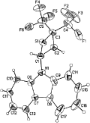
Figure 2: Crystal structure of 3e with thermal ellipsoids drawn at the 30% probability level. Disordered atom...

Scheme 4: Formation of thione 5 in reaction of 4 and 1.

Figure 3: Crystal structure of 5 with thermal ellipsoids drawn at the 30% probability level.
An overview of the synthetic routes to the best selling drugs containing 6-membered heterocycles
- Marcus Baumann and
- Ian R. Baxendale
Beilstein J. Org. Chem. 2013, 9, 2265–2319, doi:10.3762/bjoc.9.265
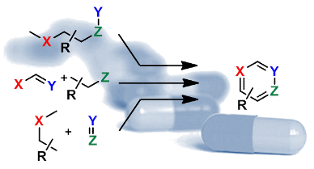
- subunit 2.46 upon elimination of water (Scheme 27, path A). Alternatively, the same intermediate (2.46) can be obtained by an ingenious acid catalysed ring opening of the cyclopropane derivate 2.50, which is readily generated from Grignard-addition to the bis-thiophenyl ketone 2.51 (Scheme 27, path B

Graphical Abstract

Scheme 1: Scaled industrial processes for the synthesis of simple pyridines.

Scheme 2: Synthesis of nicotinic acid from 2-methyl-5-ethylpyridine (1.11).

Scheme 3: Synthesis of 3-picoline and nicotinic acid.

Scheme 4: Synthesis of 3-picoline from 2-methylglutarodinitrile 1.19.

Scheme 5: Picoline-based synthesis of clarinex (no yields reported).

Scheme 6: Mode of action of proton-pump inhibitors and structures of the API’s.

Scheme 7: Hantzsch-like route towards the pyridine rings in common proton pump inhibitors.

Figure 1: Structures of rosiglitazone (1.40) and pioglitazone (1.41).

Scheme 8: Synthesis of rosiglitazone.

Scheme 9: Syntheses of 2-pyridones.

Scheme 10: Synthesis and mechanism of 2-pyrone from malic acid.

Scheme 11: Polymer-assisted synthesis of rosiglitazone.

Scheme 12: Synthesis of pioglitazone.

Scheme 13: Meerwein arylation reaction towards pioglitazone.

Scheme 14: Route towards pioglitazone utilising tyrosine.

Scheme 15: Route towards pioglitazone via Darzens ester formation.

Scheme 16: Syntheses of the thiazolidinedione moiety.

Scheme 17: Synthesis of etoricoxib utilising Negishi and Stille cross-coupling reactions.

Scheme 18: Synthesis of etoricoxib via vinamidinium condensation.

Figure 2: Structures of nalidixic acid, levofloxacin and moxifloxacin.

Scheme 19: Synthesis of moxifloxacin.

Scheme 20: Synthesis of (S,S)-2,8-diazabicyclo[4.3.0]nonane 1.105.

Scheme 21: Synthesis of levofloxacin.

Scheme 22: Alternative approach to the levofloxacin core 1.125.

Figure 3: Structures of nifedipine, amlodipine and clevidipine.

Scheme 23: Mg3N2-mediated synthesis of nifedipine.

Scheme 24: Synthesis of rac-amlodipine as besylate salt.

Scheme 25: Aza Diels–Alder approach towards amlodipine.

Scheme 26: Routes towards clevidipine.

Figure 4: Examples of piperidine containing drugs.

Figure 5: Discovery of tiagabine based on early leads.

Scheme 27: Synthetic sequences to tiagabine.

Figure 6: Structures of solifenacin (2.57) and muscarine (2.58).

Scheme 28: Enantioselective synthesis of solifenacin.

Figure 7: Structures of DPP-4 inhibitors of the gliptin-type.

Scheme 29: Formation of inactive diketopiperazines from cis-rotameric precursors.

Figure 8: Co-crystal structure of carmegliptin bound in the human DPP-4 active site (PDB 3kwf).

Scheme 30: Improved route to carmegliptin.

Figure 9: Structures of lamivudine and zidovudine.

Scheme 31: Typical routes accessing uracil, thymine and cytosine.

Scheme 32: Coupling between pyrimidones and riboses via the Vorbrüggen nucleosidation.

Scheme 33: Synthesis of lamivudine.

Scheme 34: Synthesis of raltegravir.

Scheme 35: Mechanistic studies on the formation of 3.22.

Figure 10: Structures of selected pyrimidine containing drugs.

Scheme 36: General preparation of pyrimidines and dihydropyrimidones.

Scheme 37: Synthesis of imatinib.

Scheme 38: Flow synthesis of imatinib.

Scheme 39: Syntheses of erlotinib.

Scheme 40: Synthesis of erlotinib proceeding via Dimroth rearrangement.

Scheme 41: Synthesis of lapatinib.

Scheme 42: Synthesis of rosuvastatin.

Scheme 43: Alternative preparation of the key aldehyde towards rosuvastatin.

Figure 11: Structure comparison between nicotinic acetylcholine receptor agonists.

Scheme 44: Syntheses of varenicline and its key building block 4.5.

Scheme 45: Synthetic access to eszopiclone and brimonidine via quinoxaline intermediates.

Figure 12: Bortezomib bound in an active site of the yeast 20S proteasome ([114], pdb 2F16).

Scheme 46: Asymmetric synthesis of bortezomib.

Figure 13: Structures of some prominent piperazine containing drugs.

Figure 14: Structural comparison between the core of aplaviroc (4.35) and a type-1 β-turn (4.36).

Scheme 47: Examplary synthesis of an aplaviroc analogue via the Ugi-MCR.

Scheme 48: Syntheses of azelastine (5.1).

Figure 15: Structures of captopril, enalapril and cilazapril.

Scheme 49: Synthesis of cilazapril.

Figure 16: Structures of lamotrigine, ceftriaxone and azapropazone.

Scheme 50: Synthesis of lamotrigine.

Scheme 51: Alternative synthesis of lamotrigine (no yields reported).

Figure 17: Structural comparison between imiquimod and the related adenosine nucleoside.

Scheme 52: Conventional synthesis of imiquimod (no yields reported).

Scheme 53: Synthesis of imiquimod.

Scheme 54: Synthesis of imiquimod via tetrazole formation (not all yields reported).

Figure 18: Structures of various anti HIV-medications.

Scheme 55: Synthesis of abacavir.

Figure 19: Structures of diazepam compared to modern replacements.

Scheme 56: Synthesis of ocinaplon.

Scheme 57: Access to zaleplon and indiplon.

Scheme 58: Different routes towards the required N-methylpyrazole 6.65 of sildenafil.

Scheme 59: Polymer-supported reagents in the synthesis of key aminopyrazole 6.72.

Scheme 60: Early synthetic route to sildenafil.

Scheme 61: Convergent preparations of sildenafil.

Figure 20: Comparison of the structures of sildenafil, tadalafil and vardenafil.

Scheme 62: Short route to imidazotriazinones.

Scheme 63: Alternative route towards vardenafils core imidazotriazinone (6.95).

Scheme 64: Bayer’s approach to the vardenafil core.

Scheme 65: Large scale synthesis of vardenafil.

Scheme 66: Mode of action of temozolomide (6.105) as methylating agent.

Scheme 67: Different routes to temozolomide.

Scheme 68: Safer route towards temozolomide.

Figure 21: Some unreported heterocyclic scaffolds in top market drugs.
Gold(I)-catalyzed enantioselective cycloaddition reactions
- Fernando López and
- José L. Mascareñas
Beilstein J. Org. Chem. 2013, 9, 2250–2264, doi:10.3762/bjoc.9.264
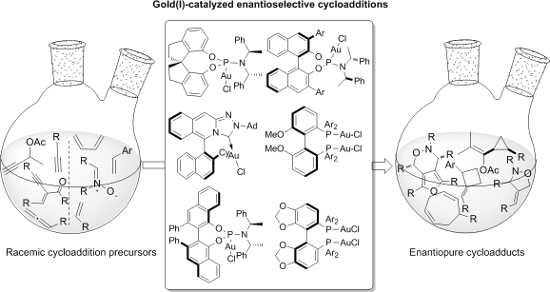
- could be formally categorized as a [2 + 1] cycloaddition. In particular, they showed that it is possible to trap the intermediate gold–carbenes resulting from a 1,2-acyloxy migration in propargyl esters such as 1, with external alkenes (e.g. vinylarenes), to give cyclopropane products [41]. The racemic
- variant of the method, which employs Ph3PAuCl/AgSbF6 as a catalyst, predominantly affords cis-cyclopropane adducts of type 2, and tolerates a wide range of olefin substituents. Importantly, the authors demonstrated that the process could also be rendered enantioselective by using a chiral bisgold complex
- with high diastereoselectivity. Moreover, the enantioselective cyclopropanation was not limited to arylated olefins (e.g. styrenes), but allyltrimethylsilane also participated in the process, producing the corresponding silylmethyl cyclopropane as a 5:1 mixture of cis:trans isomers with a good 78% ee

Graphical Abstract

Figure 1: Gold-promoted 1,2-acyloxy migration on propargylic systems.

Scheme 1: Gold-catalyzed enantioselective intermolecular cyclopropanation.

Scheme 2: Gold-catalyzed enantioselective intramolecular cyclopropanation.

Scheme 3: Gold-catalyzed cyclohepta-annulation cascade.

Scheme 4: Application to the formal synthesis of frondosin A.

Scheme 5: Gold(I)-catalyzed enantioselective cyclopropenation of alkynes.

Scheme 6: Enantioselective cyclopropanation of diazooxindoles.

Figure 2: Proposed structures for gold-activated allene complexes.

Scheme 7: Gold-catalyzed enantioselective [2 + 2] cycloadditions of allenenes.

Scheme 8: Gold-catalyzed allenediene [4 + 3] and [4 + 2] cycloadditions.

Scheme 9: Gold-catalyzed enantioselective [4 + 2] cycloadditions of allenedienes.

Scheme 10: Gold-catalyzed enantioselective [4 + 3] cycloadditions of allenedienes.

Scheme 11: Gold-catalyzed enantioselective [4 + 2] cycloadditions of allenamides.

Scheme 12: Enantioselective [2 + 2] cycloadditions of allenamides.

Scheme 13: Mechanistic rational for the gold-catalyzed [2 + 2] cycloadditions.

Scheme 14: Enantioselective cascade cycloadditions between allenamides and oxoalkenes.

Scheme 15: Enantioselective [3 + 2] cycloadditions of nitrones and allenamides.

Scheme 16: Enantioselective formal [4 + 3] cycloadditions leading to 1,2-oxazepane derivatives.

Scheme 17: Enantioselective gold(I)-catalyzed 1,3-dipolar [3 + 3] cycloaddition between 2-(1-alkynyl)-2-alken-...

Scheme 18: Enantioselective [4 + 3] cycloaddition leading to 5,7-fused bicyclic furo[3,4-d][1,2]oxazepines.
A reductive coupling strategy towards ripostatin A
- Kristin D. Schleicher and
- Timothy F. Jamison
Beilstein J. Org. Chem. 2013, 9, 1533–1550, doi:10.3762/bjoc.9.175
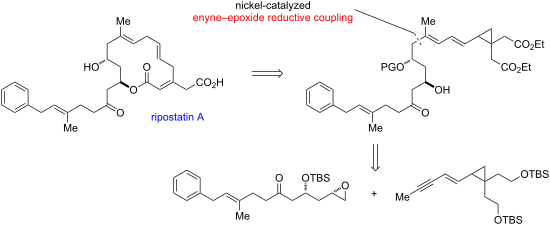
- cyclopropane unit had not been previously tested under nickel-catalyzed reductive coupling conditions. Nickel(0) is known to catalyze the rearrangement of vinylcyclopropanes to cyclopentenes; however, activating substituents are commonly required [19][20][21]. Furthermore, application of a proposed 1,5
- the trans double bond in the opening of a cyclopropane with an adjacent hydroxy or mesylate leaving group, regardless of the initial configuration of the cyclopropane (Scheme 3, reaction 2) [27]. Braddock has demonstrated that the internal 3,4-E olefin is obtained exclusively in Prins reactions
- terminated by cyclopropylmethylsilane (Scheme 3, reaction 3), which may be explained by the participation of a carbocation that is stabilized by the adjacent cyclopropane ring in the bisected conformation where (CHOR)R′ is oriented anti to the cyclopropane [28][29][30]. Finally, Micalizio has described a

Graphical Abstract

Figure 1: Structures of the ripostatins.

Figure 2: Retrosynthesis of ripostatin A.

Scheme 1: Nickel-catalyzed reductive coupling of alkynes and epoxides.

Figure 3: Proposed retrosynthesis of ripostatin A featuring enyne–epoxide reductive coupling and rearrangemen...

Scheme 2: Potential transition states and stereochemical outcomes for a concerted 1,5-hydrogen rearrangement.

Scheme 3: Rearrangements of vinylcyclopropanes to acylic 1,4-dienes.

Scheme 4: Synthesis of cyclopropyl enyne.

Scheme 5: Synthesis of model epoxide for investigation of the nickel-catalyzed coupling reaction.

Scheme 6: Nickel-catalyzed enyne–epoxide reductive coupling reaction.

Scheme 7: Proposed mechanism for the nickel-catalyzed coupling reaction of alkynes or enynes with epoxides.

Scheme 8: Regioselectivity changes in reductive couplings of alkynes and 3-oxygenated epoxides.

Scheme 9: Enyne reductive coupling with 1,2-epoxyoctane.

Figure 4: Initial retrosynthesis of the epoxide fragment by using dithiane coupling.

Scheme 10: Synthesis of dithiane by Claisen rearrangement.

Scheme 11: Deuterium labeling reveals that the allylic/benzylic site is most acidic.

Scheme 12: Oxy-Michael addition to δ-hydroxy-α,β-enones.

Figure 5: Revised retrosynthesis of epoxide 5.

Scheme 13: Synthesis of functionalized ketone by oxy-Michael addition.

Figure 6: Retrosynthesis by using iodocylization to introduce the epoxide.

Scheme 14: Synthesis of ketone 57 using thiazolidinethione chiral auxiliary.

Figure 7: Retrosynthesis involving decarboxylation of a β-ketoester.

Scheme 15: Synthesis of β-ketoester 61.

Scheme 16: Decarboxylation of 61 under Krapcho conditions.

Scheme 17: Improved synthesis of 63 and attempted iodocyclization.

Figure 8: Retrosynthesis utilizing Rychnovsky’s cyanohydrin acetonide methodology.

Scheme 18: Synthesis of cyanohydrin acetonide and attempted alkylation with epoxide.

Scheme 19: Allylation of acetonide and conversion to aldehyde.

Scheme 20: Synthesis of the epoxide precursor by an aldol−decarboxylation sequence.
Copper(II)-salt-promoted oxidative ring-opening reactions of bicyclic cyclopropanol derivatives via radical pathways
- Eietsu Hasegawa,
- Minami Tateyama,
- Ryosuke Nagumo,
- Eiji Tayama and
- Hajime Iwamoto
Beilstein J. Org. Chem. 2013, 9, 1397–1406, doi:10.3762/bjoc.9.156
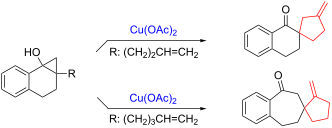
- ][37][38][39][40][41][42][43][44][45][46][47]. Thus, we believe the reaction follows the pathways shown in Scheme 7 although the possibility of direct formations of 9 and 10, a concerted ET and cyclopropane ring opening, cannot be ruled out. Rapid 5-exo cyclization of hexenyl radical moiety in 9
- from these substrates are strongly influenced by post ring-opening steps. Thus, cyclopropane bond cleavage, which is reversible, does not serve as a product-determining step if a rapid follow-up reaction like hexenyl-radical cyclization does not exist. The results show that by using a proper choice of

Graphical Abstract

Scheme 1: Comparison of fragmentation reaction pathways of organic radical ions generated under the redox-rea...

Scheme 2: Using rearrangements of radicals and ions to distinguish mechanistic pathways for ET-reactions.

Figure 1: Radical anion and cation probe substances I and II, possessing 5-hexenyl structures.

Scheme 3: Reductive ET reactions of the probe I (left) and oxidative ET reactions of probe II (right).

Scheme 4: Reaction of silyl ether 1a with Cu(OAc)2 in the absence or presence of n-Bu4NF.

Scheme 5: SmI2-promoted preparation of 1 and subsequent reaction with CuX2.

Scheme 6: Reaction of cyclopropanol 1b with Cu(OAc)2.

Scheme 7: Plausible reaction pathways for the reaction of 1b with Cu(OAc)2.

Scheme 8: Reaction of cyclopropanol 1b with various copper(II) salts (CuX2).

Scheme 9: Formation of acetoamide 16 from the cation 13.

Scheme 10: Reaction of cyclopropanol 1c with various copper(II) salts (CuX2).

Scheme 11: Reaction of cyclopropanol 1d with various Cu(OAc)2.

Scheme 12: Comparison of reaction pathways of ring-expanded radical 27 and 28.
Lanostane- and cycloartane-type triterpenoids from Abies balsamea oleoresin
- Serge Lavoie,
- Charles Gauthier,
- Jean Legault,
- Sylvain Mercier,
- Vakhtang Mshvildadze and
- André Pichette
Beilstein J. Org. Chem. 2013, 9, 1333–1339, doi:10.3762/bjoc.9.150
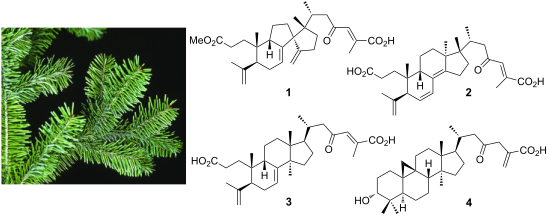
- quaternary carbons, including those at δC 170.8 and 207.6 representing carboxylic and ketone carbonyls, respectively (Table 1). The 1H NMR spectrum showed two doublets at δH 0.35 (J = 3.9 Hz) and 0.52 (J = 3.9 Hz) characteristic of a cyclopropane ring (Table 2), suggesting that 4 is a member of the

Graphical Abstract

Figure 1: Structures of isolated compounds 1–18.

Figure 2: Selected COSY (▬), HMBC (blue arrows) and NOESY (red arrows) correlations for compounds 2–4.
Interplay of ortho- with spiro-cyclisation during iminyl radical closures onto arenes and heteroarenes
- Roy T. McBurney and
- John C. Walton
Beilstein J. Org. Chem. 2013, 9, 1083–1092, doi:10.3762/bjoc.9.120
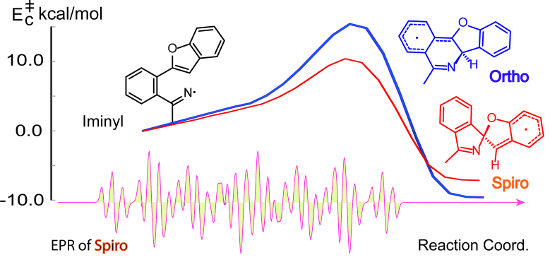
- oxime carbonate, plus 1 equiv of MAP, in t-BuPh or cyclopropane solvent, were irradiated with a 500 W unfiltered Hg lamp directly in the spectrometer resonant cavity. The spectrum obtained from precursor 1f (Figure 2) shows a central 1:1:1 triplet from iminyl radical 5f together with a second species
- saddle points by frequency calculations. The experimental kinetic and spectroscopic data was all obtained in the nonpolar hydrocarbon solvents t-BuPh or cyclopropane. Solvent effects, particularly differences in solvation between the neutral reactants and neutral transition states, were therefore

Graphical Abstract

Figure 1: O-Ethoxycarbonyl oximes prepared.
Scheme 1: Photochemical reactions of biphenyl oxime carbonates.

Figure 2: EPR spectrum during photolysis of 1f in t-BuPh at 240 K. Top (black): experimental spectrum. Bottom...

Figure 3: EPR spectrum during photolysis of 2a in t-BuPh at 230 K. Top (blue): experiment; bottom (red): simu...

Scheme 2: Ring closure of iminyl radicals derived from 2a,b.
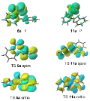
Figure 4: DFT computed structures for 5a, 11a and their cyclisation transition states (TS). Top line: spin de...
Study on the total synthesis of velbanamine: Chemoselective dioxygenation of alkenes with PIFA via a stop-and-flow strategy
- Huili Liu,
- Kuan Zheng,
- Xiang Lu,
- Xiaoxia Wang and
- Ran Hong
Beilstein J. Org. Chem. 2013, 9, 983–990, doi:10.3762/bjoc.9.113
- preferentially underwent cyclization to deliver a variety of 3-susbtituted-γ-lactones (25b–d). For comparison, the mCPBA-epoxidation approach in literature always demonstrated that electron-rich alkenes are more reactive leading to the reversal of chemoselectivity [70][71]. A cyclopropane group was also

Graphical Abstract

Scheme 1: Biogenetic origin of Vinca alkaloids.

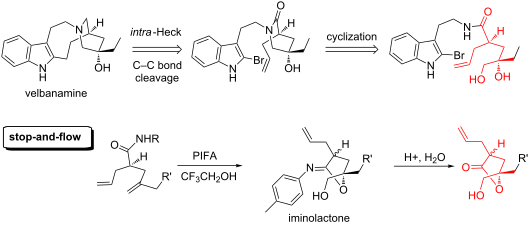
Scheme 2: Synthetic strategy for velbanamine based on chemoselective dioxygenation.

Scheme 3: Intramolecular oxyamidation of alkene 11 with phenyliodine(III)-bis(trifluoroacetate) (PIFA) by Tel...

Scheme 4: Copper-catalyzed amination of aryliodide.

Scheme 5: Revised PIFA-promoted cyclization of amide 11.

Scheme 6: PIFA-promoted cyclization to synthesize lactone.

Figure 1: Hydrolysis of iminolactone 18 under basic conditions.

Scheme 7: “Stop-and-flow” strategy for the stepwise dioxygenation of alkenes.

Scheme 8: “Stop-and-flow” strategy for the construction of γ-lactone derivatives.
New reactive intermediates in organic chemistry
- Götz Bucher
Beilstein J. Org. Chem. 2013, 9, 613–614, doi:10.3762/bjoc.9.67
- studies. In order to characterise a reactive intermediate, it had to be trapped. Thus, in order to characterise a carbene, for example, one would intercept it with an alkene and isolate the resulting cyclopropane. Using internal quenchers (molecular clocks) providing well-defined competing reactions
Some aspects of radical chemistry in the assembly of complex molecular architectures
- Béatrice Quiclet-Sire and
- Samir Z. Zard
Beilstein J. Org. Chem. 2013, 9, 557–576, doi:10.3762/bjoc.9.61

- -arylpiperidines. This strategy is illuminated by the synthetic outline in Scheme 24, where the intermediate radical 124 arising from addition to alkene 123 undergoes a 1,2-aryl shift via cyclopropane 125, a process made irreversible by elimination of a methylsulfonyl radical to give ester 126 [52]. Two new C–C

Graphical Abstract

Scheme 1: Key radical step in the total synthesis of (–)-dendrobine.

Scheme 2: Radical cascade in the total synthesis of (±)-13-deoxyserratine (ACCN = 1,1'-azobis(cyclohexanecarb...

Scheme 3: Formation of the complete skeleton of (±)-fortucine.
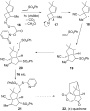
Scheme 4: Model radical sequence for the synthesis of quadrone.

Scheme 5: Radical cascade using the Barton decarboxylation.

Scheme 6: Simplified mechanism for the xanthate addition to alkenes.

Scheme 7: Synthesis of β-lactam derivatives.

Scheme 8: Sequential additions to three different alkenes (PhthN = phthalimido).

Scheme 9: Key cascade in the total synthesis of (±)-matrine (43).

Scheme 10: Synthesis of complex tetralones.

Scheme 11: Synthesis of functionalised azaindoline and indole derivatives.

Scheme 12: Synthesis of thiochromanones.

Scheme 13: Synthesis of complex benzothiepinones. Conditions: 1) CF3COOH; 2) RCHO / AcOH (PMB = p-methoxybenzy...

Scheme 14: Formation and capture of a cyclic nitrone.
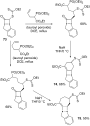
Scheme 15: Synthesis of bicyclic cyclobutane motifs.

Scheme 16: Construction of the CD rings of steroids.

Scheme 17: Rapid assembly of polyquinanes.

Scheme 18: Formation of a polycyclic structure via an allene intermediate.
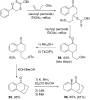
Scheme 19: A polycyclic structure via the alkylative Birch reduction.

Scheme 20: Synthesis of polycyclic pyrimidines and indoline structures.

Scheme 21: Construction of a trans-decalin derivative.
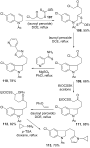
Scheme 22: Multiple uses of a chloroacetonyl xanthate.

Scheme 23: A convergent route to spiroketals.

Scheme 24: A modular approach to 3-arylpiperidines.

Scheme 25: A convergent route to cyclopentanols and to functional allenes.
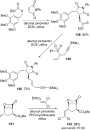
Scheme 26: Allylation and vinylation of a xanthate and an iodide.
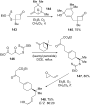
Scheme 27: Vinyl epoxides as allylating agents.

Scheme 28: Radical allylations using allylic alcohol derivatives.

Scheme 29: Synthesis of variously substituted lactams.

Scheme 30: Nickel-mediated synthesis of unsaturated lactams.
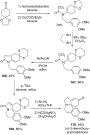
Scheme 31: Total synthesis of (±)-3-demethoxy-erythratidinone.

Scheme 32: Generation and capture of an iminyl radical from an oxime ester.
The chemistry of bisallenes
- Henning Hopf and
- Georgios Markopoulos
Beilstein J. Org. Chem. 2012, 8, 1936–1998, doi:10.3762/bjoc.8.225
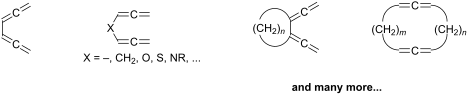

Graphical Abstract

Figure 1: Loschmidt’s structure proposal for benzene (1) (Scheme 181 from [3]) and the corresponding modern stru...

Figure 2: The first isolated bisallenes.

Figure 3: Carbon skeletons of selected bisallenes discussed in this review.

Scheme 1: The preparation of 1,2,4,5-hexatetraene (2).

Scheme 2: The preparation of a conjugated bisallene by the DMS-protocol.

Scheme 3: Preparation of the 3-deuterio- and 3,4-dideuterio derivatives of 24.

Scheme 4: A versatile method to prepare alkylated conjugated bisallenes and other allenes.

Scheme 5: A preparation of 3,4-dimethyl-1,2,4,5-hexatetraene (38).

Scheme 6: A (C6 + 0)-approach to 1,2,4,5-hexatetraene (2).

Scheme 7: The preparation of a fully alkylated bisallenes from a 2,4-hexadiyne-1,6-diol diacetate.

Scheme 8: The preparation of the first phenyl-substituted conjugated bisallenes 3 and 4.

Scheme 9: Selective hydrogenation of [5]cumulenes to conjugated bisallenes: another (C6 + 0)-route.

Scheme 10: Aryl-substituted conjugated bisallenes by a (C3 + C3)-approach.

Scheme 11: Hexaphenyl-1,2,4,5-hexatetraene (59) by a (C3 + C3)-approach.

Scheme 12: An allenation route to conjugated bisallenes.

Scheme 13: The preparation of 3,4-difunctionalized conjugated bisallenes.

Scheme 14: Problems during the preparation of sulfur-substituted conjugated bisallenes.

Scheme 15: The preparation of 3,4-dibromo bisallenes.

Scheme 16: Generation of allenolates by an oxy-Cope rearrangement.

Scheme 17: A linear trimerization of alkynes to conjugated bisallenes: a (C2 + C2 + C2)-protocol.

Scheme 18: Preparation of a TMS-substituted conjugated bisallene by a C3-dimerization route.

Scheme 19: A bis(trimethylsilyl)bisallene by a C3-coupling protocol.

Scheme 20: The rearrangement of highly substituted benzene derivatives into their conjugated bisallenic isomer...

Scheme 21: From fully substituted benzene derivatives to fully substituted bisallenes.

Scheme 22: From a bicyclopropenyl to a conjugated bisallene derivative.

Scheme 23: The conversion of a bismethylenecyclobutene into a conjugated bisallene.

Scheme 24: The preparation of monofunctionalized bisallenes.

Scheme 25: Preparation of bisallene diols and their cyclization to dihydrofurans.

Scheme 26: A 3,4-difunctionalized conjugated bisallene by a C3-coupling process.

Scheme 27: Preparation of a bisallenic diketone by a coupling reaction.

Scheme 28: Sulfur and selenium-substituted bisallenes by a [2.3]sigmatropic rearrangement.

Scheme 29: The biallenylation of azetidinones.

Scheme 30: The preparation of a fully ferrocenylated conjugated bisallene.

Scheme 31: The first isomerization of a 1,5-hexadiyne to a 1,2,4,5-hexatetraene.

Scheme 32: The preparation of alkynyl-substituted bisallenes by a C3-dimerization protocol.

Scheme 33: Preparation of another completely ferrocenylated bisallene.

Scheme 34: The cyclization of 1,5-hexadiyne (129) to 3,4-bismethylenecyclobutene (130) via 1,2,4,5-hexatetraen...
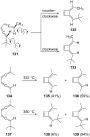
Scheme 35: Stereochemistry of the thermal cyclization of bisallenes to bismethylenecyclobutenes.

Scheme 36: Bisallene→bismethylenecyclobutene ring closures in the solid state.

Scheme 37: A bisallene cyclization/dimerization reaction.

Scheme 38: A selection of Diels–Alder additions of 1,2,4,5-hexatetraene with various double-bond dienophiles.

Scheme 39: The stereochemistry of the [2 + 4] cycloaddition to conjugated bisallenes.

Scheme 40: Preparation of azetidinone derivatives from conjugated bisallenes.

Scheme 41: Cycloaddition of heterodienophiles to a conjugated bisallene.

Scheme 42: Addition of triple-bond dienophiles to conjugated bisallenes.

Scheme 43: Sulfur dioxide addition to conjugated bisallenes.

Scheme 44: The addition of a germylene to a conjugated bisallene.

Scheme 45: Trapping of conjugated bisallenes with phosphinidenes.

Scheme 46: The cyclopropanantion of 1,2,4,5-hexatetraene (2).

Scheme 47: Photochemical reactions involving conjugated bisallenes.

Scheme 48: Base-catalyzed isomerizations of conjugated bisallenes.

Scheme 49: Ionic additions to a conjugated bisallene.

Scheme 50: Oxidation reactions of a conjugated bisallene.
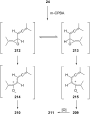
Scheme 51: The mechanism of oxidation of the bisallene 24.

Scheme 52: CuCl-catalyzed cyclization of 1,2,4,5-hexatetraene (2).

Scheme 53: The conversion of conjugated bisallenes into cyclopentenones.

Scheme 54: Oligomerization of a conjugated bisallene by nickel catalysts.
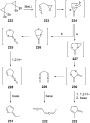
Scheme 55: Generation of 1,2,5,6-heptatetraene (229) as a reaction intermediate.

Scheme 56: The preparation of a stable derivative of 1,2,5,6-heptatetraene.

Scheme 57: A bisallene with a carbonyl group as a spacer element.

Scheme 58: The first preparation of 1,2,6,7-octatetraene (242).

Scheme 59: Preparation of 1,2,6,7-octatetraenes by (C4 + C4)-coupling of enynes.

Scheme 60: Preparation of 1,2,6,7-octatetraenes by (C4 + C4)-coupling of homoallenyl bromides.

Scheme 61: Preparation of 1,2,6,7-octatetraenes by alkylation of propargylic substrates.

Scheme 62: Preparation of two highly functionalized 1,2,6,7-octatetraenes.

Scheme 63: Preparation of several higher α,ω-bisallenes.

Scheme 64: Preparation of different alkyl derivatives of α,ω-bisallenes.

Scheme 65: The preparation of functionalized 1,2,7,8-nonatetraene derivatives.

Scheme 66: Preparation of functionalized α,ω-bisallenes.

Scheme 67: The preparation of an α,ω-bisallene by direct homologation of an α,ω-bisalkyne.

Scheme 68: The gas-phase pyrolysis of 4,4-dimethyl-1,2,5,6-heptatetraene (237).
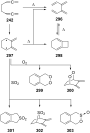
Scheme 69: Gas-phase pyrolysis of 1,2,6,7-octatetraene (242).

Scheme 70: The cyclopropanation of 1,2,6,7-octatetraene (242).

Scheme 71: Intramolecular cyclization of 1,2,6,7-octatetraene derivatives.

Scheme 72: The gas-phase pyrolysis of 1,2,7,8-nonatetraene (265) and 1,2,8,9-decatetraene (266).

Scheme 73: Rh-catalyzed cyclization of a functionalized 1,2,7,8-nonatetraene.

Scheme 74: A triple cyclization involving two different allenic substrates.

Scheme 75: Bicyclization of keto derivatives of 1,2,7,8-nonatetraene.

Scheme 76: The preparation of complex organic compounds from functionalized bisallenes.

Scheme 77: Cycloisomerization of an α,ω-bisallene containing a C9 tether.

Scheme 78: Organoborane polymers from α,ω-bisallenes.

Scheme 79: Preparation of trans- (337) and cis-1,2,4,6,7-octapentaene (341).

Scheme 80: The preparation of 4-methylene-1,2,5,6-heptatetraene (349).

Scheme 81: The preparation of acetylenic bisallenes.

Scheme 82: The preparation of derivatives of hydrocarbon 351.

Scheme 83: The construction of macrocyclic alleno-acetylenes.

Scheme 84: Preparation and reactions of 4,5-bismethylene-1,2,6,7-octatetraene (365).

Scheme 85: Preparation of 1,2-bis(propadienyl)benzene (370).

Scheme 86: The preparation of 1,4-bis(propadienyl)benzene (376).

Scheme 87: The preparation of aromatic and heteroaromatic bisallenes by metal-mediated coupling reactions.

Scheme 88: Double cyclization of an aromatic bisallene.

Scheme 89: Preparation of an allenic [15]paracyclophane by a ring-closing metathesis reaction of an aromatic α...

Scheme 90: Preparation of a macrocyclic ring system containing 1,4-bis(propadienyl)benzene units.

Scheme 91: Preparation of copolymers from 1,4-bis(propadienyl)benzene (376).

Scheme 92: A boration/copolymerization sequence of an aromatic bisallene and an aromatic bisacetylene.

Scheme 93: Formation of a layered aromatic bisallene.

Figure 4: The first members of the semicyclic bisallene series.

Scheme 94: Preparation of the first bis(vinylidene)cyclobutane derivative.
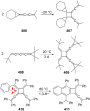
Scheme 95: Dimerization of strain-activated cumulenes to bis(vinylidene)cyclobutanes.

Scheme 96: Photodimerization of two fully substituted butatrienes in the solid state.

Scheme 97: Preparation of the two parent bis(vinylidene)cyclobutanes.

Scheme 98: The preparation of 1,3-bis(vinylidene)cyclopentane and its thermal isomerization.

Scheme 99: The preparation of the isomeric bis(vinylidene)cyclohexanes.

Scheme 100: Bi- and tricyclic conjugated bisallenes.
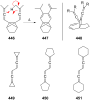
Scheme 101: A selection of polycyclic bisallenes.

Scheme 102: The first endocyclic bisallenes.

Figure 5: The stereochemistry of 1,2,6,7-cyclodecatetraene.

Scheme 103: The preparation of several endocyclic bisallenes.

Scheme 104: Synthesis of diastereomeric derivatives of 1,2,6,7-cyclodecatetraene.

Scheme 105: Preparation of a derivative of 1,2,8,9-cyclotetradecatetraene.

Scheme 106: The preparation of keto derivatives of cyclic bisallenes.

Scheme 107: The preparation of cyclic biscumulenic ring systems.

Scheme 108: Cyclic bisallenes in natural- and non-natural-product chemistry.

Scheme 109: The preparation of iron carbonyl complexes from cyclic bisallenes.

Figure 6: A selection of unknown exocyclic bisallenes that should have interesting chemical properties.

Scheme 110: The thermal isomerization of 1,2-diethynylcyclopropanes and -cyclobutanes.

Scheme 111: Intermediate generation of a cyclooctapentaene.

Scheme 112: Attempted preparation of a cyclodecahexaene.

Scheme 113: The thermal isomerization of 1,5,9-cyclododecatriyne (511) into [6]radialene (514).

Scheme 114: An isomerization involving a diketone derived from a conjugated bisallene.

Scheme 115: Typical reaction modes of heteroorganic bisallenes.

Scheme 116: Generation and thermal behavior of acyclic hetero-organic bisallenes.

Scheme 117: Generation of bis(propadienyl)thioether.

Scheme 118: The preparation of a bisallenic sulfone and its thermal isomerization.

Scheme 119: Bromination of the bisallenic sulfone 535.

Scheme 120: Metalation/hydrolysis of the bisallenic sulfone 535.

Scheme 121: Aromatic compounds from hetero bisallenes.

Scheme 122: Isomerization/cyclization of bispropargylic ethers.

Scheme 123: The preparation of novel aromatic systems by base-catalyzed isomerization of bispropargyl ethers.

Scheme 124: The isomerization of bisacetylenic thioethers to bicyclic thiophenes.

Scheme 125: Aromatization of macrocyclic bispropargylic sulfides.

Scheme 126: Preparation of ansa-compounds from macrocyclic bispropargyl thioethers.

Scheme 127: Alternate route for cyclization of a heterorganic bisallene.
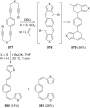
Scheme 128: Multiple isomerization/cyclization of “double” bispropargylic thioethers.

Scheme 129: Preparation of a bisallenyl disulfide and its subsequent bicyclization.

Scheme 130: Thermal cyclization of a bisallenyl thiosulfonate.

Scheme 131: Some reactions of heteroorganic bisallenes with two sulfur atoms.

Scheme 132: Further methods for the preparation of heteroorganic bisallenes.

Scheme 133: Cyclization reactions of heteroorganic bisallenes.

Scheme 134: Thermal cycloadditions of bisallenic tertiary amines.

Scheme 135: Cyclization of a bisallenic tertiary amine in the presence of a transition-metal catalyst.

Scheme 136: A Pauson–Khand reaction of a bisallenic ether.

Scheme 137: Formation of a 2:1adduct from two allenic substrates.

Scheme 138: A ring-forming silastannylation of a bisallenic tertiary amine.

Scheme 139: A three-component cyclization involving a heterorganic bisallene.

Scheme 140: Atom-economic construction of a complex organic framework from a heterorganic α,ω-bisallene.
trans-2-(2,5-Dimethoxy-4-iodophenyl)cyclopropylamine and trans-2-(2,5-dimethoxy-4-bromophenyl)cyclopropylamine as potent agonists for the 5-HT2 receptor family
- Adam Pigott,
- Stewart Frescas,
- John D. McCorvy,
- Xi-Ping Huang,
- Bryan L. Roth and
- David E. Nichols
Beilstein J. Org. Chem. 2012, 8, 1705–1709, doi:10.3762/bjoc.8.194
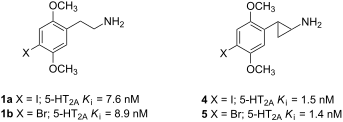
- successful in leading to compounds with high affinity at the 5-HT2 family of receptors; and the more potent stereoisomer of the cyclopropane analogues had the expected (−)-(1R,2S)-configuration. Screening for affinity at various serotonin receptor subtypes, however, revealed that the cyclopropane congeners
- properties which are identical, or at least very similar to those of 1a. We had previously characterized the cyclopropane analogue of a hallucinogenic amphetamine known as DOM (2) and had shown that 3 (DMCPA) had high potency both in vitro and in vivo [1][2][3]. We thus considered whether the cyclopropane
- analogues 4 and 5 might be useful research tools. Accordingly, this report details the synthesis of racemic trans-1-(2,5-dimethoxy-4-iodophenyl)-2-aminocyclopropane (4) and its bromo homolog 5, the resolution of 4 into its (−)-(1R,2S)-enantiomer, as well as the resolution of the cyclopropane carboxylic acid

Graphical Abstract

Figure 1: Structures of well-known serotonin 5-HT2A agonists 1a,b, 2, and 3, and compounds 4 and 5 reported i...

Scheme 1: Synthesis of arylcyclopropane carboxylic acids from the corresponding cinnamic acids, followed by h...

Scheme 2: Conversion of arylcyclopropane carboxylic acids 10a,b to the amines 4 and 5, and chemical resolutio...

Scheme 3: Chemical resolution of arylcyclopropane carboxylic acid 9 followed by bromination.
Influence of cyclodextrin on the solubility of a classically prepared 2-vinylcyclopropane macromonomer in aqueous solution
- Helmut Ritter,
- Jia Cheng and
- Monir Tabatabai
Beilstein J. Org. Chem. 2012, 8, 1528–1535, doi:10.3762/bjoc.8.173
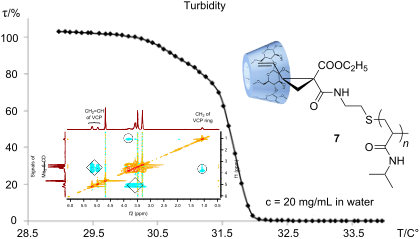
- , assignable to the CH of the cyclopropane ring and of the vinyl group, respectively. The FTIR spectrum shows the typical absorption band of ester groups at 1726 cm−1 and the disappearance of the band of primary amino groups; this also proves the successful condensation between 3 and 4. Due to the faintly
- –2930 (ν CH aliphatic), 1726 (ν C=O of ester), 1639 (ν C=O, amide I), 1545 (δ NH, amide II); 1H NMR (acetone-d6, 300 MHz) δ (ppm) 7.13 (NH), 5.19–4.98 (CH2=CH), 4.11 (COOCH2), 3.85 (CHNH), 2.99 (CH of cyclopropane), 2.82 (CH2NH2), 2.68 (CH2CH2S), 2.47 (CHCO), 2.10 (SCH2CH), 1.61–1.48 (CH2 of
- cyclopropane), 1.40–1.01 (CH2, CH3). Oligomerization of macromonomer 5 to 6 A solution of 5 (0.7 g) in anhydrous DMF (50 mL) was deaerated with nitrogen bubbling for 1 h. Subsequently, a solution of AIBN (0.42 mg, 2.56 µmol) in anhydrous DMF (0.5 mL) was added. The polymerization was carried out at 65 °C for

Graphical Abstract

Scheme 1: Mechanism of free radical ring-opening polymerization of 2-VCPs (In: initiator) [29-31].

Scheme 2: Synthesis of diethyl 2-vinyl-1,1-cyclopropanedicarboxylate [33].

Scheme 3: Two-step synthesis of the macromonomer 5 (In: Initiator, TEA: triethylamine).

Figure 1: MALDI-TOF MS of amino-terminated poly(NiPAAm) 3.

Figure 2: Optical transmittance of aqueous solutions (c = 20 mg/mL) of 3, 6 und 8 during heating.

Figure 3: 2D ROESY NMR spectrum of a 5/Me2-β-CD deuterated water solution.

Figure 4: Temperature-dependent transparency measurements of aqueous solution of the supramolecular complex 7...

Scheme 4: Homo- and copolymerization of macromonomer 5.
Synthesis of a novel chemotype via sequential metal-catalyzed cycloisomerizations
- Bo Leng,
- Stephanie Chichetti,
- Shun Su,
- Aaron B. Beeler and
- John A. Porco Jr.
Beilstein J. Org. Chem. 2012, 8, 1338–1343, doi:10.3762/bjoc.8.153

- diversity; cycloisomerization; cyclopropane; diyne; isochromene; π-acid; Introduction Our laboratory has an ongoing interest in discovering transformations that afford novel chemotypes [1][2][3][4]. To this end, we have developed a reaction screening paradigm that enables the discovery of new reaction
- novel polycyclic cyclopropane chemotype. Results and Discussion In an effort to further explore the utility of alkynyl o-benzaldehydes as scaffolds for reaction screening, we designed a focused reaction screen with diynyl benzaldehyde [7] substrate 3. Based on the cycloisomerization/addition reactions
- toluene [16][17]. The reaction afforded polycyclic cyclopropane 6 in good yield (65%) as a single diastereomer (Scheme 2a). Interestingly, reaction of 3 in the presence of only PtCl2 afforded exclusively isochromene 5 in low yield. Further studies revealed that a multicatalytic reaction system [18

Graphical Abstract

Scheme 1: Cycloisomerization/nucleophilic addition of alkynyl benzaldehyde 1 to isochromene 2.
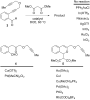
Figure 1: Reaction screen with diynyl benzaldehyde 3.

Scheme 2: Sequential cycloisomerizations of substrate 3. Condition A: PtCl2 (10 mol %), Cu(MeCN)4PF6 (10 mol ...

Figure 2: X-ray crystal structure of cyclopropane 6.

Scheme 3: Proposed reaction pathway for diastereoselective, sequential cycloisomerization.

Scheme 4: Proposed alternative reaction pathway affording 23.
Chemistry of polyhalogenated nitrobutadienes, 10: Synthesis of highly functionalized heterocycles with a rigid 6-amino-3-azabicyclo[3.1.0]hexane moiety
- Viktor A. Zapol’skii,
- Jan C. Namyslo,
- Armin de Meijere and
- Dieter E. Kaufmann
Beilstein J. Org. Chem. 2012, 8, 621–628, doi:10.3762/bjoc.8.69
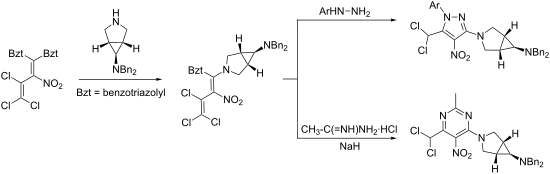
- , they are attached to isochronous carbon atoms at 59.0 ppm. Furthermore, the proton of the NCH fragment (13C NMR: δ = 47.3 ppm) of the cyclopropane ring appears as a triplet at 1.54 ppm (J = 2.3 Hz). Interestingly, the chemical shift of both of the bridgehead protons is 1.35 ppm (dd, J = 4.2, 2.3 Hz

Graphical Abstract

Figure 1: Promising starting materials for biologically active compounds.

Figure 2: Pharmaceuticals bearing an azabicyclo[3.1.0]hexane unit.

Scheme 1: Synthesis of the azabicyclic hydrazone 6.

Scheme 2: Novel imidacloprid analogues 11, 12.

Figure 3: Stabilizing hydrogen bond in nitrobutadiene-derived imidacloprid analogues 9–12.

Scheme 3: Synthesis of the 4,4-bis(aminoazabicyclo[3.1.0]hexyl)-1-chloro-1,3-dinitrobutadiene 13.

Scheme 4: Synthesis of the highly substituted trisaminodichloronitrobutadiene 16.

Figure 4: Conceivable tautomeric structures of 16.

Scheme 5: Syntheses of the perfunctionalized isothiazole derivatives 20, 21.

Scheme 6: Preparation of the pyrazoles 27, 28, the pyrimidine 26 and the pyridopyrimidine 24.

Scheme 7: Proposed reaction mechanism for the formation of 27, 28.

Scheme 8: Attempted deprotection of the azabicyclic compounds 21,12, and 28.
Branching out at C-2 of septanosides. Synthesis of 2-deoxy-2-C-alkyl/aryl septanosides from a bromo-oxepine
- Supriya Dey and
- Narayanaswamy Jayaraman
Beilstein J. Org. Chem. 2012, 8, 522–527, doi:10.3762/bjoc.8.59

- common bromo-oxepine intermediate, involving C–C bond forming organometallic reactions. Unsaturated, seven-membered septanoside vinyl bromides or bromo-oxepines, obtained through a ring expansion methodology of the cyclopropane derivatives of oxyglycals, displayed a good reactivity towards several

Graphical Abstract

Figure 1: Synthetic route to transform oxyglycal I to a septanoside V.

Scheme 1: Reaction conditions: (i) NaOMe, PhMe, reflux, 8 h; (ii) methyl acrylate (for 3); tert-butyl acrylat...

Scheme 2: Reaction conditions: (i) phenylboronic acid (for 8); 4-methoxyphenylboronic acid (for 9); 3-methylp...

Scheme 3: Reaction conditions: (i) phenylacetylene (for 11); oct-1-yne (for 12); Pd(PPh3)2Cl2 (20 mol %), CuI...

Scheme 4: Reaction conditions: (i) Pd/C (10 %), H2, MeOH, rt, 24 h; (ii) NaBH4, MeOH, 0 °C to rt, 3 h.
Carbamate derivatives and sesquiterpenoids from the South China Sea gorgonian Melitodes squamata
- Li-Si Huang,
- Fei He,
- Hui Huang,
- Xiao-Yong Zhang and
- Shu-Hua Qi
Beilstein J. Org. Chem. 2012, 8, 170–176, doi:10.3762/bjoc.8.18
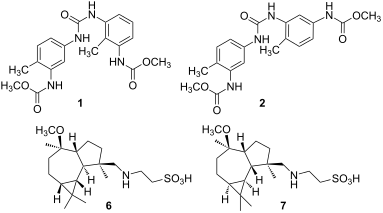
- well with those previously assigned to the corresponding methyl groups in 8, 9 and other analogues [7][8][9][10][11], which suggests the cis-orientation of the cyclopropane ring [7][8]. The coupling constants (J = 10.0 Hz) between H-5 and H-1/H-6 indicate the trans-relationship of H-5 with H-1 and H-6

Graphical Abstract

Figure 1: Structures of compounds 1–9.

Figure 2: Key HMBC correlations of 1.

Figure 3: Possible biosynthesis routes of compounds 2–4.

Figure 4: Key HMBC and 1H–1H COSY correlations of 6.

Figure 5: Key NOESY correlations of 6 and 7.
Fluorescent hexaaryl- and hexa-heteroaryl[3]radialenes: Synthesis, structures, and properties
- Antonio Avellaneda,
- Courtney A. Hollis,
- Xin He and
- Christopher J. Sumby
Beilstein J. Org. Chem. 2012, 8, 71–80, doi:10.3762/bjoc.8.7
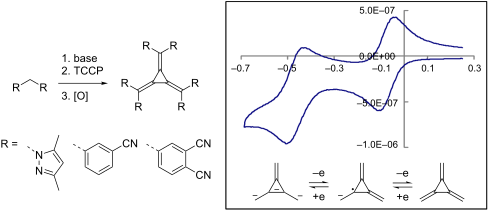
- calculations that show intramolecular charge transfer character in the lowest excited states for hexaaryl[3]radialene derivatives [42]. In the excited state, rotation about the exocyclic bonds of the cyclopropane ring is also possible. The fluorescence emission of the hexaaryl[3]radialenes, coupled with the

Graphical Abstract

Figure 1: The structures of a) the parent [3]-, [4]-, [5]-, and [6]dendralenes and b) the corresponding radia...

Scheme 1: Synthesis of (a) hexakis(3-cyanophenyl)[3]radialene (2) and (b) hexakis(3,4-dicyanophenyl)[3]radial...

Figure 2: A perspective view of the asymmetric unit of 3.

Figure 3: (a) UV–visible (bold line) and fluorescence (dashed line) spectra of 1, 2, hexa(2-pyridyl)[3]radial...
Natural product biosyntheses in cyanobacteria: A treasure trove of unique enzymes
- Jan-Christoph Kehr,
- Douglas Gatte Picchi and
- Elke Dittmann
Beilstein J. Org. Chem. 2011, 7, 1622–1635, doi:10.3762/bjoc.7.191
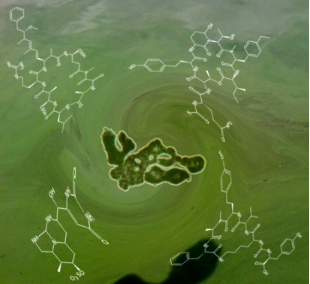
- substituent, a beta-methoxy eneone system, and a pyrrolinone ring [41]. The incorporation of the chlorovinylidene group was partially elucidated and predicted to be highly similar to the cyclopropane ring formation of curacin A biosynthesis (Figure 6B) ([42], see below). The enzyme cassette comprises a PKS
- ) Formation of the trichloroleucyl starter unit of barbamide (7) synthesis through the non-heme iron(II)-dependent halogenases BarB1 and BarB2. B) Formation of cyclopropane and vinyl chloride functional groups in curacin A (9) and jamaicamide A (8) biosynthesis, respectively. The halogenated carbon is

Graphical Abstract

Figure 1: Cyanobacteria proliferate in diverse habitats. A) Bloom-forming freshwater cyanobacteria of the gen...

Figure 2: Schematic representation of enzymatic domains in A) nonribosomal peptide synthetases (NRPS); B) pol...

Figure 3: Structures of NRPS and PKS products in freshwater cyanobacteria.

Figure 4: A) Synthesis of the Adda ((2S,3S,8S,9S)-3-amino-9-methoxy-2,6,8-trimethyl-10-phenyl-4,6-decadienoic...

Figure 5: Structures of NRPS and PKS products in marine cyanobacteria.

Figure 6: A) Formation of the trichloroleucyl starter unit of barbamide (7) synthesis through the non-heme ir...

Figure 7: Structures of NRPS and PKS products in terrestrial cyanobacteria.

Figure 8: Synthesis of the (2S,4S)-4-methylproline moiety of nostopeptolides A (13).

Figure 9: Structures of cyanobacterial peptides that are synthesized ribosomally and post-translationally mod...

Figure 10: Formation of ester linkages and ω-amide linkage in microviridins 17 by the ATP grasp ligases MvdD a...

Figure 11: Structures of cyanobacterial sunscreen compounds.
PEG-embedded KBr3: A recyclable catalyst for multicomponent coupling reaction for the efficient synthesis of functionalized piperidines
- Sanny Verma,
- Suman L. Jain and
- Bir Sain
Beilstein J. Org. Chem. 2011, 7, 1334–1341, doi:10.3762/bjoc.7.157
- –Alder reactions [22][23], intramolecular Michael reactions [24], intramolecular Mannich reactions onto iminium ions [25], tandem cyclopropane ring-opening/Conia-ene cyclizations [26], and aza-Prins-cyclization [27][28][29], have been reported for the synthesis of piperidines. However, these methods

Graphical Abstract

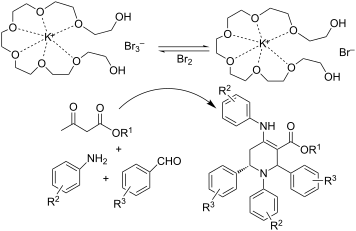
Scheme 1: Synthesis of [K+PEG]Br3−.

Scheme 2: Synthesis of functionalized piperidines.

Figure 1: X-ray structure showing the anti orientation of the phenyl rings at C2 and C6.

Scheme 3: A plausible mechanism for the formation of piperidines.
Recent developments in gold-catalyzed cycloaddition reactions
- Fernando López and
- José L. Mascareñas
Beilstein J. Org. Chem. 2011, 7, 1075–1094, doi:10.3762/bjoc.7.124
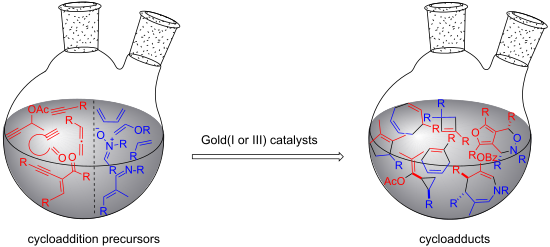
- to those previously proposed by Gagosz, evolves through a cyclopropane fragmentation and protodeauration to afford the products 48 in good yields and excellent stereoselectivities. Based on these and other reports demonstrating the ability of gold(I) and platinum(II) catalysts to induce reactions of

Graphical Abstract

Scheme 1: AuCl3-catalyzed benzannulations reported by Yamamoto.

Scheme 2: Synthesis of 9-oxabicyclo[3.3.1]nona-4,7-dienes from 1-oxo-4-oxy-5-ynes [40].

Scheme 3: Stereocontrolled oxacyclization/(4 + 2)-cycloaddition cascade of ketone–allene substrates [43].

Scheme 4: Gold-catalyzed synthesis of polycyclic, fully substituted furans from 1-(1-alkynyl)cyclopropyl keto...

Scheme 5: Gold-catalyzed 1,3-dipolar cycloaddition of 2-(1-alkynyl)-2-alken-1-ones with nitrones [47].

Scheme 6: Enantioselective 1,3-dipolar cycloaddition of 2-(1-alkynyl)-2-alken-1-ones with nitrones [48].

Scheme 7: Gold-catalyzed 1,3-dipolar cycloaddition of 2-(1-alkynyl)-2-alken-1-ones with α,β-unsaturated imine...

Scheme 8: Gold-catalyzed (4 + 3) cycloadditions of 1-(1-alkynyl)oxiranyl ketones [50].

Scheme 9: (3 + 2) Cycloaddition of gold-containing azomethine ylides [52].

Scheme 10: Gold-catalyzed generation and reaction of azomethine ylides [53].

Scheme 11: Gold-catalyzed intramolecular (4 + 2) cycloadditions of unactivated alkynes and dienes [55].

Scheme 12: Gold-catalyzed preparation of bicyclo[4.3.0]nonane derivatives from dienol silyl ethers [59].

Scheme 13: Gold(I)-catalyzed intramolecular (4 + 2) cycloadditions of arylalkynes or 1,3-enynes with alkenes [60].

Scheme 14: Gold(I)-catalyzed intermolecular (2 + 2) cycloaddition of alkynes with alkenes [62].

Scheme 15: Metal-catalyzed cycloaddition of alkynes tethered to cycloheptatriene [65].

Scheme 16: Gold-catalyzed cycloaddition of functionalized ketoenynes: Synthesis of (+)-orientalol F [68].

Scheme 17: Gold-catalyzed intermolecular cyclopropanation of enynes with alkenes [70].

Scheme 18: Gold-catalyzed intermolecular hetero-dehydro Diels–Alder cycloaddition [72].

Figure 1: Gold-catalyzed 1,2- or 1,3-acyloxy migrations of propargyl esters.

Scheme 19: Gold(I)-catalyzed stereoselective olefin cyclopropanation [74].

Scheme 20: Reaction of propargylic benzoates with α,β-unsaturated imines to give azepine cycloadducts [77].

Scheme 21: Gold-catalyzed (3 + 3) annulation of azomethine imines with propargyl esters [81].

Scheme 22: Gold(I)-catalyzed isomerization of 5-en-2-yn-1-yl acetates [83].

Scheme 23: (3 + 2) and (2 + 2) cycloadditions of indole-3-acetates 41 [85,86].

Scheme 24: Gold(I)-catalyzed (2 + 2) cycloaddition of allenenes [87].

Scheme 25: Formal (3 + 2) cycloaddition of allenyl MOM ethers and alkenes [90].

Scheme 26: (4 + 3) Cycloadditions of allenedienes [97,98].

Scheme 27: Gold-catalyzed transannular (4 + 3) cycloaddition reactions [101].

Scheme 28: Gold(I)-catalyzed (4 + 2) cycloadditions of allenedienes [102].

Scheme 29: Enantioselective gold(I)-catalyzed (4 + 2) cycloadditions of allenedienes [88,102,104].

Scheme 30: (3 + 2) versus (2 + 2) Cycloadditions of allenenes [87,99].

Figure 2: NHC ligands with different π-acceptor properties [106].

Scheme 31: (3 + 2) versus (2 + 2) Cycloadditions of allenenes [106].

Scheme 32: Gold(I)-catalyzed intermolecular (4 + 2) cycloaddition of allenamides and acyclic dienes [109].



