


Search results
Search for "receptors" in Full Text gives 316 result(s) in Beilstein Journal of Organic Chemistry. Showing first 200.
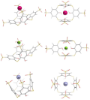
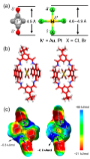
2,3-Dibutoxynaphthalene-based tetralactam macrocycles for recognizing precious metal chloride complexes
Beilstein J. Org. Chem. 2019, 15, 1460–1467, doi:10.3762/bjoc.15.146
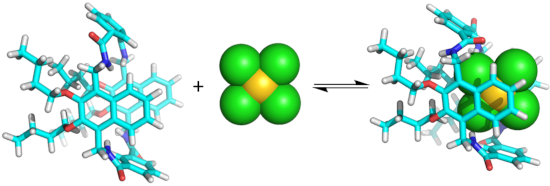
- –guest chemistry; macrocycles; molecular recognition; precious metal chloride complexes; Introduction Macrocyclic receptors are the major workhorses in supramolecular chemistry. Design and synthesis of new macrocyclic receptors with new properties is always attractive but is also challenging [1
- interesting new binding properties. During the last six years, our group have developed a series of naphthol-based macrocyclic receptors [24][25][26][27][28][29]. Of them, oxatub[4]arene [30][31] and zorb[4]arene [32][33] show multiple conformations due to the flipping of naphthalenes and thus resulted in a


Complexation of a guanidinium-modified calixarene with diverse dyes and investigation of the corresponding photophysical response
Beilstein J. Org. Chem. 2019, 15, 1394–1406, doi:10.3762/bjoc.15.139
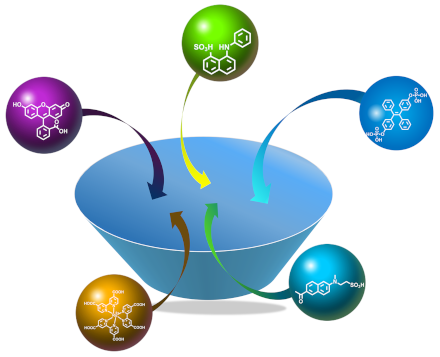
- binding of the analyte gives rise to an extraordinary luminescence response of the reporter dye. Macrocyclic hosts constitute a family of well-studied artificial receptors with a discrete cavity that is selective for complementary binding to certain guests [9]. Modulation of properties of organic
- time, directed by exploring biomedical applications of these compounds. Recently, we developed a series of guanidinium-modified calixarenes as novel artificial receptors [13][14]. We achieved ultrasensitive and specific fluorescence detection of lysophosphatidic acid (a cancer biomarker) by executing
- , activatable phototheranostics could be realized via BDA when the complexed dyes are PSs, resulting in the lesion-selective imaging and targeted therapy concurrently. Besides biomedical applications, the complexation of macrocyclic receptors with dyes offers the opportunity in constructing advanced organic



Efficient resolution of racemic crown-shaped cyclotriveratrylene derivatives and isolation and characterization of the intermediate saddle isomer
Beilstein J. Org. Chem. 2019, 15, 1339–1346, doi:10.3762/bjoc.15.133
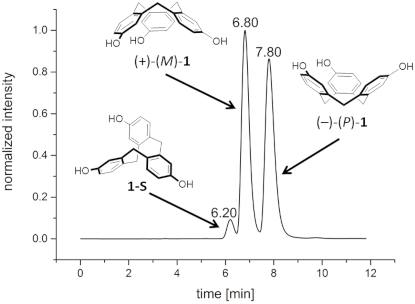
- ][28]. Due to our interest in dissymmetric [29][30][31][32][33][34][35][36] and concave molecular building blocks [37] and their implementation in supramolecular architectures like (allosteric) receptors [38][39][40][41][42][43][44] or metallosupramolecular helicates and cages [45][46][47][48][49][50


Host–guest interactions between p-sulfonatocalix[4]arene and p-sulfonatothiacalix[4]arene and group IA, IIA and f-block metal cations: a DFT/SMD study
Beilstein J. Org. Chem. 2019, 15, 1321–1330, doi:10.3762/bjoc.15.131
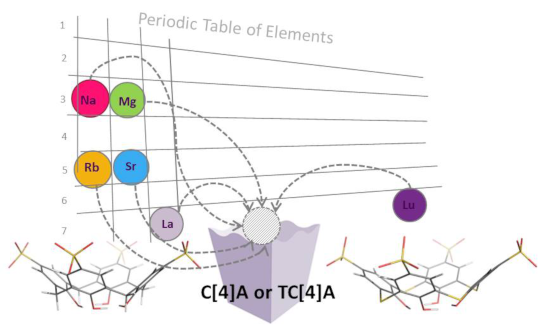
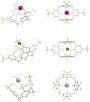
- between biological receptors and small ions. The complex formation behavior of water-soluble p-sulfonatocalix[4]arene and thiacalix[4]arene and group IA, IIA and f-block metal cations has been investigated computationally by means of density functional theory computations in the gas phase and in aqueous
- are not as good as those of other common macrocycles. Two positions (phenolic OH groups and p-positions) in the calixarenes’ structure can be easily modified by subsequent reactions [4]. As a result, calixarenes have a great potential as simple scaffolds to build molecular receptors and multivalent





Bambusuril analogs based on alternating glycoluril and xylylene units
Beilstein J. Org. Chem. 2019, 15, 1268–1274, doi:10.3762/bjoc.15.124
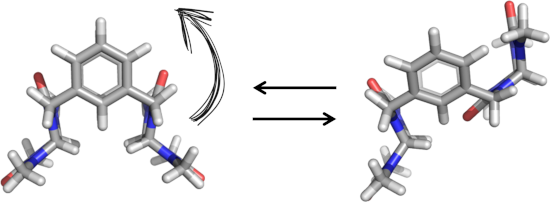
- ; supramolecular chemistry; Introduction Macrocycles consisting of urea building blocks play an important role in supramolecular chemistry [1]. Urea N–H motifs provide macrocycles with the ability to act as anion receptors due to the stabilizing effect of N–H···anion hydrogen bonding [2][3][4]. Furthermore, the
- urea groups can participate in intermolecular hydrogen bonding resulting in the formation of tubular [5][6][7] or gel-like [8] structures. Ureas lacking of N–H hydrogen atoms such as ethyleneureas, glycolurils, and biotin are also important building blocks of macrocyclic receptors such as cucurbiturils
- with chromophore groups on their portals. However, the changes in the absorption spectra of these receptors upon anion binding were negligible since the groups on the portals were too distant from the anion binding site in the center of macrocycle. A different approach for the preparation of UV–vis


Steroid diversification by multicomponent reactions
Beilstein J. Org. Chem. 2019, 15, 1236–1256, doi:10.3762/bjoc.15.121
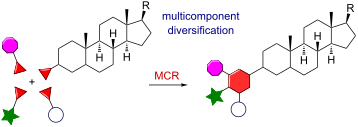
- synthetic program towards steroid-based supramolecular receptors [28]. There, steroidal diamines and diisocyanides derived from bile acids were employed in a procedure known as MiBs, i.e., multiple multicomponent macrocyclization including bifunctional building blocks. In a series of subsequent reports


Molecular recognition using tetralactam macrocycles with parallel aromatic sidewalls
Beilstein J. Org. Chem. 2019, 15, 1086–1095, doi:10.3762/bjoc.15.105
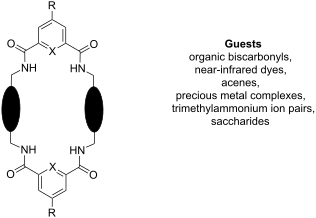
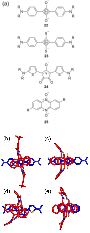
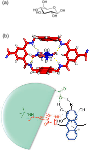
- shown that members of this tetralactam family are effective receptors for saccharides in water [65]. As shown by the X-ray crystal structure in Figure 7a, water-soluble versions of tetralactam B can nicely accommodate β-glucopyranose within the cavity [66]. There is a combination of hydrogen bonding
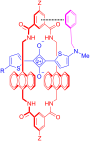
- elaborate lactam-based receptors with biphenyl and pyrenyl sidewalls [67][68][69], and also the tetralactam version F which has eight extra methoxy groups attached to the anthrylene sidewalls [70]. The methoxy groups provide the sidewalls with increased electron density, which leads to tighter CH···π
- cavity [71]. Conclusion The binding pockets within enzymes, lectins, and related protein receptors are amphiphilic; that is, they contain a mixture of polar and non-polar functional groups. The macrocyclic tetralactams highlighted in this review are biomimetic in that they are synthetic host molecules


A chemically contiguous hapten approach for a heroin–fentanyl vaccine
Beilstein J. Org. Chem. 2019, 15, 1020–1031, doi:10.3762/bjoc.15.100
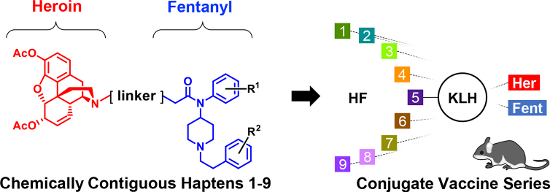
- respiratory depression and brain hypoxia [2]. Respiratory depression is a common side effect of opioid overdose and can lead to serious complications, including death. The current treatment for overdose is naloxone (NARCAN®), a competitive antagonist of µ-opioid receptors. Other treatments for opioid
- circulating in the blood stream can block the “high” by forming a drug–antibody complex incapable of passing through the blood brain barrier. Ancillary, the vaccine’s immune response can alleviate the potential for overdose by reducing the total amount of drug exposed to µ-opioid receptors that induce




Halogen bonding and host–guest chemistry between N-alkylammonium resorcinarene halides, diiodoperfluorobutane and neutral guests
Beilstein J. Org. Chem. 2019, 15, 947–954, doi:10.3762/bjoc.15.91
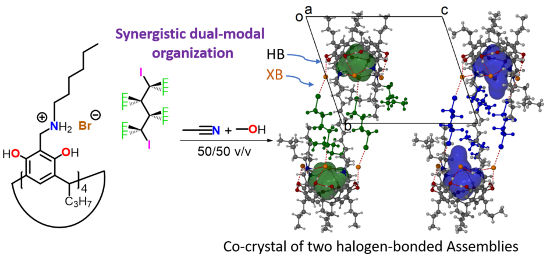
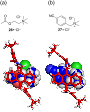
- chloride (2), and 1,4-diiodooctafluorobutane and accompanying small solvent guests (methanol, acetonitrile and water) are presented. The guests’ inclusion affects the geometry of the cavity of the receptors 1 and 2, while the divalent halogen bond donor 1,4-diiodooctafluorobutane determines the overall
- was confirmed from the increase shielding of the guest signals. These results adds to the literature of small organic guest compounds bound by N-alkylammonium resorcinarene halide receptors synergistically via HB and XB interactions. Tetravalent XB acceptor, Hex-NARBr 1, Cy-NARCl 2, divalent XB donor


Azologization of serotonin 5-HT3 receptor antagonists
Beilstein J. Org. Chem. 2019, 15, 780–788, doi:10.3762/bjoc.15.74
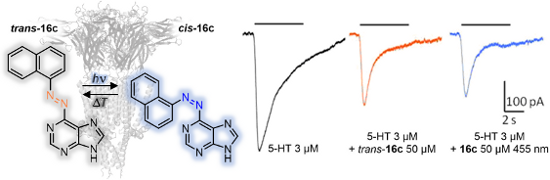
- receptor, while the other six members are G protein-coupled receptors (GPCRs). The 5-HT3 receptor is related to chemo-/radiotherapy provoked emesis and dysfunction leads to neurodevelopmental disorders and psychopathologies. Since the development of the first serotonin receptor antagonist in the early
- developmental stages my lead to altered cognitive ability, neurodevelopmental disorders, and increased incidence of psychopathologies such as autism and schizophrenia [15][16]. Serotonin operates via seven classes of 5-HT receptors of which six are G protein-coupled receptors (GPCRs) and only one, the 5-HT3R
- nicotinic acetylcholine receptors (nAChRs), γ-aminobutyric acid type A receptors (GABAARs), and glycine receptors (GlyRs). To date, five subunits of the 5-HT3 receptor are identified (5-HT3A–5-HT3E) [21]. Functional receptors are either constructed as 5-HT3A homopentamers or as heteropentamers containing 5


Design and synthesis of multivalent α-1,2-trimannose-linked bioerodible microparticles for applications in immune response studies of Leishmania major infection
Beilstein J. Org. Chem. 2019, 15, 623–632, doi:10.3762/bjoc.15.58
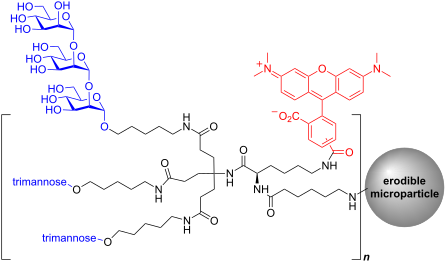
- recognition by pathogen-recognition receptors during L. major-induced leishmaniasis. Keywords: adjuvant; carbohydrates; L. major; microparticle; PAMP; Introduction Recognition of parasite cell surface molecules by host immune cells initiates the first step in the immune response [1][2]. The host’s immune
- investigated how truncated oligosaccharide capping structures of LPG interact with macrophage pattern recognition receptors (PRRs) to modulate an innate immune response to L. major-induced leishmaniasis in vitro and in vivo [11][40][41][42]. These studies showed that a neutral α-1,2-trimannose capping


Design, synthesis and spectroscopic properties of crown ether-capped dibenzotetraaza[14]annulenes
Beilstein J. Org. Chem. 2019, 15, 617–622, doi:10.3762/bjoc.15.57
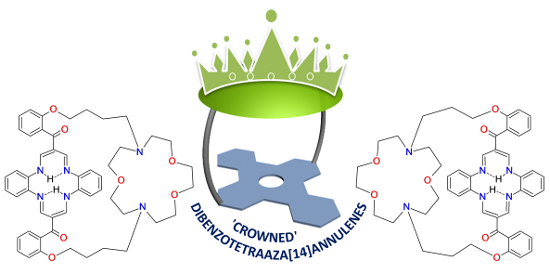
- towards the cationic organic species [4] and ions of certain metal elements [5]. Particulary, synthetic receptors featuring crown ether moieties often equipped with extra side arms bearing pendant functional groups [6][7], have attracted a great deal of interest due to their outstanding binding ability
- whole ion pairs within the same superstructure [30], we decided to combine the two macrocyclic building blocks within the same rigidified architecture. Therefore, novel ‘crown-capped’ receptors 3a and 3b were designed to be composed of diaza-crown ether and DBTAA macrocycles. Arrangement of the two
- substituents protect the central cavity from collapsing. Simultaneously, the use of short but flexible aliphatic chains as part of the bridges make such receptors flexible enough to adjust the size of the crown cavity to the dimension of the charged entity. The new receptors 3a and 3b contain two apparently


Synthesis of C3-symmetric star-shaped molecules containing α-amino acids and dipeptides via Negishi coupling as a key step
Beilstein J. Org. Chem. 2019, 15, 371–377, doi:10.3762/bjoc.15.33
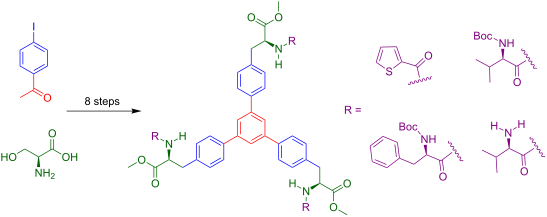
- the complex interactions between cells and pathogens, e.g., the human immunodeficiency virus (HIV-1) [6]. The HIV-1 envelope protein is present as a C3-symmetric trimer on the viruses’ surface [7], and the virus entry into the cell is mediated by its interactions with cellular receptors. To explore


Synthesis of nonracemic hydroxyglutamic acids
Beilstein J. Org. Chem. 2019, 15, 236–255, doi:10.3762/bjoc.15.22
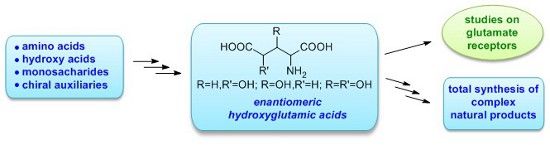
- as the neurotransmitter is best recognized. For detailed studies of interactions with receptors a number of structural analogues of glutamic acid are required to map their active sides. This review article summarizes syntheses of nonracemic hydroxyglutamic acid analogues equipped with functional
- ]. Several derivatives of L-glutamic acid functioning as anticancer agents have been reported [4]. But primarily L-glutamic acid is known as the major excitatory neurotransmitter in central nervous system which acts by binding to glutamate receptors [5][6][7]. However, these interactions are linked to
- several neurodegenerative diseases (Alzheimer [8], Huntington [9], Parkinson [10]) as well as to stroke [11] and epilepsy [12]. Two main classes of receptors, each of them containing three subclasses which are further divided into subtypes have been established for glutamic acid. To understand the


First synthesis of cryptands with sucrose scaffold
Beilstein J. Org. Chem. 2019, 15, 210–217, doi:10.3762/bjoc.15.20
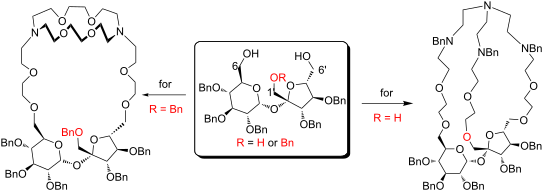
- ’,4,4’-penta-O-benzylsucrose and 1’,2,3,3’,4,4’-hexa-O-benzylsucrose. Keywords: cryptands; macrocyclization; sucrose; Introduction The design and synthesis of macrocyclic receptors is one of the main challenges of supramolecular chemistry [1][2]. These artificial systems exhibit interesting properties
- ]. There are also reports on the preparation of ‘distorted’ cyclodextrins in which diverse fragments are incorporated into the original oligosaccharide ring(s) [5]. Another class of sugar receptors is represented by macrocyclic derivatives with the carbohydrate unit being a part of a crown or aza-crown


Synthesis of a tubugi-1-toxin conjugate by a modulizable disulfide linker system with a neuropeptide Y analogue showing selectivity for hY1R-overexpressing tumor cells
Beilstein J. Org. Chem. 2019, 15, 96–105, doi:10.3762/bjoc.15.11
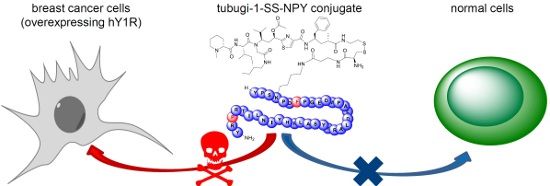
- targeting of the conjugate towards a specific molecular structure that has been identified to be characteristic for a diseased state of cells and tissues. Particularly G protein-coupled receptors (GPCRs) that are endogenously activated by agonistic peptide or protein ligands can be suitable target
- structures. Many peptide or protein ligand receptors have been associated with various diseases, e.g., cancer malignancies [17]. Amongst the GPCRs, the neuropeptide Y (NPY) receptor family comprises four closely related receptor subtypes in human (hY1R, hY2R, hY4R, and hY5R) that have been discussed in the




Lectins of Mycobacterium tuberculosis – rarely studied proteins
Beilstein J. Org. Chem. 2019, 15, 1–15, doi:10.3762/bjoc.15.1
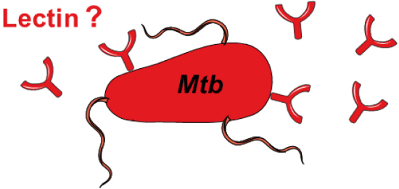
- pili on the cell surface (discussed further below). C-Type lectin C-Type lectins are one of the largest and most diverse lectin families, including the Mtb-recognizing eukaryotic host immune receptors DC-SIGN, Dectin-1/2, Mincle, MCL, and MR, mentioned before. These lectins bind carbohydrates in a


N-Acylated amino acid methyl esters from marine Roseobacter group bacteria
Beilstein J. Org. Chem. 2018, 14, 2964–2973, doi:10.3762/bjoc.14.276
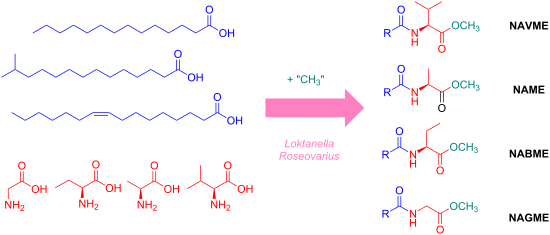
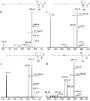
- receptors in roseobacters [21]. Instead, they show moderate antialgal activity [21]. In contrast to AHLs, the acyl chain can also be terminally oxidized [24]. During our analyses of different Roseobacter isolates, we encountered several compounds, which mass spectra show similarities to known NAMEs. These
- on the LuxR type receptors for AHLs in bacteria [23][24]. Other potential functions are antimicrobial or cytotoxic activity of the tested derivatives. Roseovarius sp. D12_1.68 showed antimicrobial activity against a Rhodobacteraceae sp. TL and antialgal activity against Skeletonema costatum while





Protein–protein interactions in bacteria: a promising and challenging avenue towards the discovery of new antibiotics
Beilstein J. Org. Chem. 2018, 14, 2881–2896, doi:10.3762/bjoc.14.267
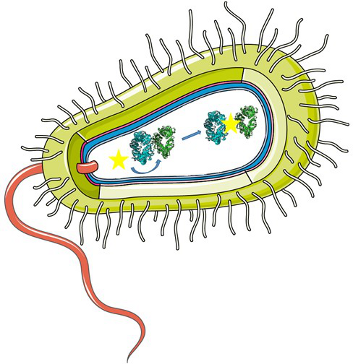
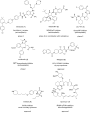
- the HTS approaches used to identify small molecules which will typically target enzymes (e.g., kinases and proteases) or extracellular receptors [79]. Recently, a HTS strategy to identify inhibitors of the Klebsiella pneumonia SSB PPI was reported. Starting from a library of more than 72,000 compounds




Pd-Catalyzed microwave-assisted synthesis of phosphonated 13α-estrones as potential OATP2B1, 17β-HSD1 and/or STS inhibitors
Beilstein J. Org. Chem. 2018, 14, 2838–2845, doi:10.3762/bjoc.14.262
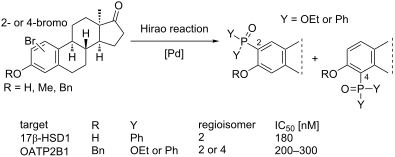
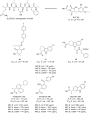
- ]. Poirier et al. proved that 13α-derivatives of 3,17-estradiols have reduced binding affinity for estrogen receptor alpha and display no uterotropic activity [19]. The conformational change resulting from the inversion at C-13 leads to an epimer unable to bind to its nuclear receptors. We have recently


Novel solid-phase strategy for the synthesis of ligand-targeted fluorescent-labelled chelating peptide conjugates as a theranostic tool for cancer
Beilstein J. Org. Chem. 2018, 14, 2665–2679, doi:10.3762/bjoc.14.244
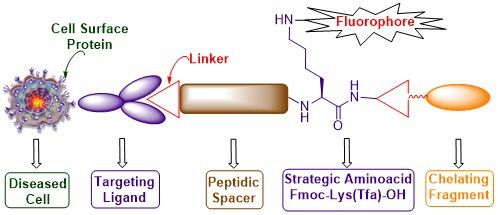
- the cell surface of prostate, brain, bladder and breast cancers. Whereas folate receptors are attached to the cell membrane by a glycophosphatidylinositol anchor and over-expressed on several cancers as well as activated macrophages during inflammation. Moreover, folate receptors were also discovered
- which express neither PSMA nor folate receptors [panels (iv) and (viii)]. The absence of any rhodamine B bioconjugates 13 and 17 uptake in the cytoplasm of negative cell line, PC-3 cells, show that the bioconjugates are very specific which is an important criterion in targeted drug delivery systems for
- avoiding off-site toxicity. In vitro specificity of bioconjugates, 13 and 17 were further examined by prior incubation of LNCaP cells and CHO-β cells with 100-fold excess of 2-PMPA and folic acid to block PSMA and folate receptors, respectively. Receptor blocked LNCaP and CHO-β cells display minimal uptake




Non-native autoinducer analogs capable of modulating the SdiA quorum sensing receptor in Salmonella enterica serovar Typhimurium
Beilstein J. Org. Chem. 2018, 14, 2651–2664, doi:10.3762/bjoc.14.243
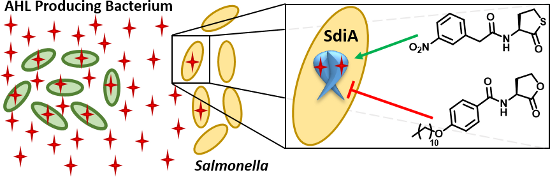
- , host colonization, and biofilm formation at high population densities. This cell–cell signaling process is regulated by N-acyl L-homoserine lactone (AHL) signals, or autoinducers, and LuxR-type receptors in Gram-negative bacteria. SdiA is an orphan LuxR-type receptor found in Escherichia, Salmonella
- , Klebsiella, and Enterobacter genera that responds to AHL signals produced by other species and regulates genes involved in several aspects of host colonization. The inhibition of QS using non-native small molecules that target LuxR-type receptors offers a non-biocidal approach for studying, and potentially
- intracellular LuxR-type receptors (Figure 1A) [13]. The AHL signals are produced at a low, but constant basal level, and rapidly diffuse into the local environment. As the population grows, so does the concentration of AHL, and once it reaches a threshold intracellular level (and thus a “quorum” has been


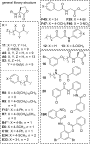

Transition metal-free oxidative and deoxygenative C–H/C–Li cross-couplings of 2H-imidazole 1-oxides with carboranyl lithium as an efficient synthetic approach to azaheterocyclic carboranes
Beilstein J. Org. Chem. 2018, 14, 2618–2626, doi:10.3762/bjoc.14.240

- capture therapy (BNCT) of cancer [8][9][10][11][12], as well as agonists and antagonists of biological receptors [13][14][15][16][17], etc. In addition, azaheterocyclic carboranes are actively used as ligands in the synthesis of metal complexes of various architectures, possessing catalytic activity [18


Comparative cell biological study of in vitro antitumor and antimetastatic activity on melanoma cells of GnRH-III-containing conjugates modified with short-chain fatty acids
Beilstein J. Org. Chem. 2018, 14, 2495–2509, doi:10.3762/bjoc.14.226
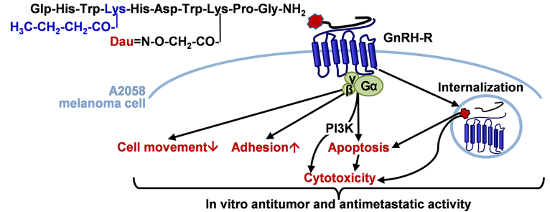
- , Hungary 10.3762/bjoc.14.226 Abstract Background: Peptide hormone-based targeted tumor therapy is an approved strategy to selectively block the tumor growth and spreading. The gonadotropin-releasing hormone receptors (GnRH-R) overexpressed on different tumors (e.g., melanoma) could be utilized for drug
- approaches to diminish this kind of cytotoxic effects on healthy tissues is the employment of drug delivery systems directed specifically to cancer cells. The chemotherapeutic drug targeting is often based on the receptors for certain peptide hormones that are preferentially expressed by cancer cells. The
- utilization of these receptors for cancer cell targeting allows for minimizing the toxic side effects and producing high drug concentration selectively at the tumor site. In general, drug delivery systems consist of a targeting moiety in order to recognize a receptor on tumor cells and a cytotoxic drug


Calixazulenes: azulene-based calixarene analogues – an overview and recent supramolecular complexation studies
Beilstein J. Org. Chem. 2018, 14, 2488–2494, doi:10.3762/bjoc.14.225
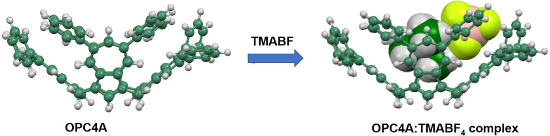
- investigated. Keywords: azulene; calixarenes; calixazulenes; supramolecular chemistry; tetraalkylammonium salts; Introduction Among the great variety of synthetic macrocyclic molecular receptors which have been reported, those that are referred to by their generic name “calixarene” loom large [1][2][3]. The





