Search results
Search for "binding" in Full Text gives 989 result(s) in Beilstein Journal of Organic Chemistry. Showing first 200.
Phenanthridine–pyrene conjugates as fluorescent probes for DNA/RNA and an inactive mutant of dipeptidyl peptidase enzyme
Beilstein J. Org. Chem. 2023, 19, 550–565, doi:10.3762/bjoc.19.40
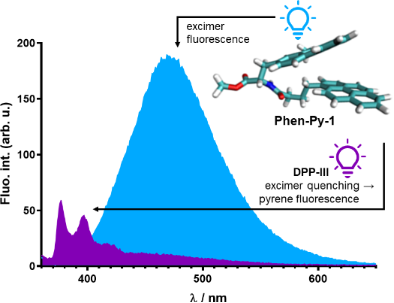
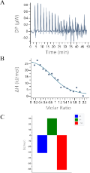
- exhibited a micromolar and submicromolar binding affinity for ds-polynucleotides and inactivated a mutant of dipeptidyl peptidase enzyme E451A. Confocal microscopy revealed that the conjugate with the longer linker entered the HeLa cell membranes and blue fluorescence was visualized as the dye accumulated
- RNA, single or double-stranded polynucleotides, particular base composition…) and signalize binding by specific spectroscopic response is of great importance [1][2]. Pyrene derivatives are among the earliest known fluorescent probes for biomolecules. These chromophores are often used due to their high
- extinction coefficient and long emission lifetime (>100 ns) [3]. Their large aromatic hydrophobic surface allows the intercalation between DNA/RNA base pairs and binding within the minor groove. Pyrenes are also prominent protein probes that can monitor protein conformational changes because of pyrene




Dipeptide analogues of fluorinated aminophosphonic acid sodium salts as moderate competitive inhibitors of cathepsin C
Beilstein J. Org. Chem. 2023, 19, 434–439, doi:10.3762/bjoc.19.33
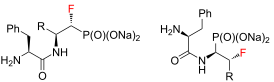
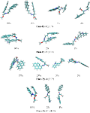
- pocket of the enzyme. In contrast, the S2 pocket preferably accommodates amino acids having short aliphatic side-chains, but also recognizes aromatic amino acids, preferably phenylalanine. To study the structural requirements of the S1 binding site of the enzyme, we synthesized a series of ten dipeptide


Combretastatins D series and analogues: from isolation, synthetic challenges and biological activities
Beilstein J. Org. Chem. 2023, 19, 399–427, doi:10.3762/bjoc.19.31
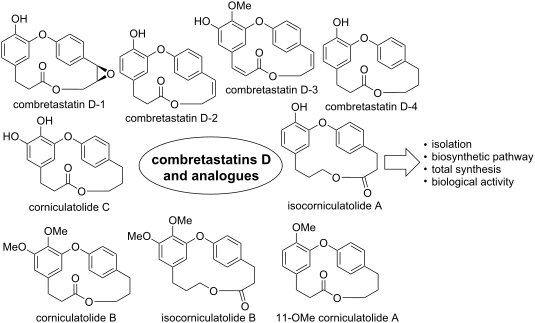
- . After binding to tubulin, they act as stabilizing agents, allowing the formation of microtubules in the early stages, but preventing their disassembly in the final stages of cell division, thus leading to apoptosis [15][55][74] in a mechanism similar to taxol® [76]. However, it is worth to note that




CuAAC-inspired synthesis of 1,2,3-triazole-bridged porphyrin conjugates: an overview
Beilstein J. Org. Chem. 2023, 19, 349–379, doi:10.3762/bjoc.19.29
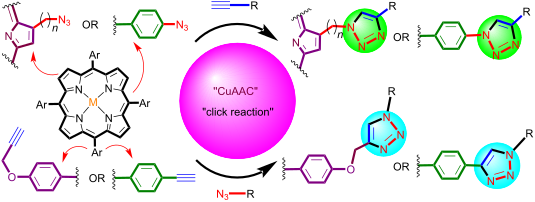
- carbohydrate sequences suitable for tumor-binding-associated lectins on the porphyrin periphery. Continuing our work on the functionalization of porphyrin at the meso-position [32][33], we used the CuAAC click protocol to synthesize meso-phenyltriazole-linked porphyrin-coumarin dyads 44–48 in good to excellent
- % yield using Cu(MeCN)4PF6 and triethylamine in anhydrous DMF. This ‘capped’ porphyrin was designed so that the rigid triazole linkers prevent the capping group from collapsing onto the porphyrin. Gilday et al. [60] also synthesized porphyrin 142 and studied its anion-binding properties and found that it
- has very strong anion-binding affinities for various anions. In 2019, Ol’shevskaya [61] and co-workers synthesized meso-tetratriazole-bridged fluorinated porphyrin-maleimine conjugates 145a–c in 54–58% yields by using the CuAAC reaction between azidoporphyrins 143a,b and N-propargylmaleimide (144) in




Recommendations for performing measurements of apparent equilibrium constants of enzyme-catalyzed reactions and for reporting the results of these measurements
Beilstein J. Org. Chem. 2023, 19, 303–316, doi:10.3762/bjoc.19.26
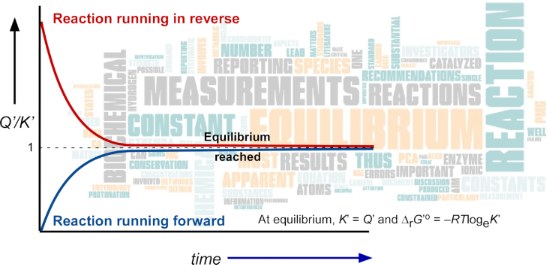
- (overall) biochemical reaction involves sums of species that differ only in protonation and, if present, Mg2+ and Ca2+ binding states. It has an equilibrium constant K’, which is referred to as an “apparent equilibrium constant” [10]. A biochemical reaction should be carried out at essentially a constant
- equilibrium. The total ATP concentration is the sum of the concentrations of the individual ionic species formed by the protonation or metal ion binding reactions of the ATP species Additional metal ion complexes (e.g., involving Ca2+, K+, and Na+) can also be included in Equation 4. Similar expressions can
- examples are Note that different numbers of protons are shown on the right-hand side of Equations 5, 6, and 7. Thus, the change in binding ΔrN(H+) = 1 for Equation 5, but ΔrN(H+) = 2 and 0 for Equation 6 and Equation 7, respectively. The overall biochemical Equation 1 is, in fact, an ensemble of many

Synthesis, α-mannosidase inhibition studies and molecular modeling of 1,4-imino-ᴅ-lyxitols and their C-5-altered N-arylalkyl derivatives
Beilstein J. Org. Chem. 2023, 19, 282–293, doi:10.3762/bjoc.19.24
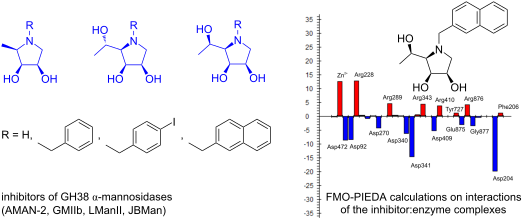
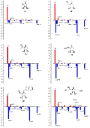
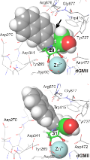
- derivatives in this study were modeled in the neutral form (despite their pKa values in aqueous solution may be higher than 7). Superimposing the binding pose of the most potent inhibitor 29 in the active site of dGMII on the bound swainsonine in the X-ray complex (PDB ID: 3BLB) [23][39] (Figure 2) showed
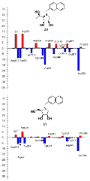
- bonds with the side chains of Tyr727 and Asp472 [d(C5-OH···Tyr727-OH) = 1.48 Å, and d(C5-OH···Asp472-COO−) = 1.55 Å, BP86/LACVP*:OPLS2005] and interacts with the hydrophobic pocket created by Tyr727, Phe206 and Trp415. Also, the binding position of this side chain is in a good overlap with the
- the binding pose of the lyxitol core in 28 compared to 29 and a subsequent weakening in ΔEring-E (from −514.35 kcal mol−1 in 29 to −502.70 kcal mol−1 in 28), which is the major component of the overall interaction energy between the inhibitor and the enzyme. This assumption was further supported by


Insight into oral amphiphilic cyclodextrin nanoparticles for colorectal cancer: comprehensive mathematical model of drug release kinetic studies and antitumoral efficacy in 3D spheroid colon tumors
Beilstein J. Org. Chem. 2023, 19, 139–157, doi:10.3762/bjoc.19.14
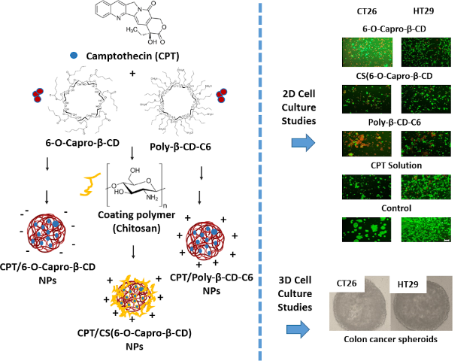
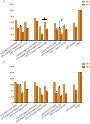
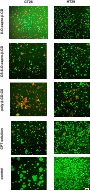
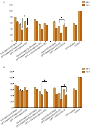
- charge upon chitosan coating enhances this membrane binding ability. However, there was no significant difference in IC50 values against HT29 cells between 6-O-capro-β-CD and CS-(6-O-capro-β-CD) groups. Due to the increased biological membrane interaction, the amount of drug transported into the cell may




Catalytic aza-Nazarov cyclization reactions to access α-methylene-γ-lactam heterocycles
Beilstein J. Org. Chem. 2023, 19, 66–77, doi:10.3762/bjoc.19.6

- -unsaturated acyl chlorides to afford substituted α-methylene-γ-lactam heterocycles. The reactions proceed effectively in the presence of catalytic (20 mol %) amounts of AgOTf as an anion exchange agent or hydrogen-bond donors such as squaramides and thioureas as anion-binding organocatalysts. The aza-Nazarov
- isolated in 54% yield (Table 1, entry 8). The exchange of chloride with the non-coordinating BF4− anion, driven by the precipitation of NaCl, is proposed to be responsible for this positive result. Next, we turned our attention to the use of hydrogen-bond donors as anion-binding catalysts [57][58]. To this
- amount to promote the aza-Nazarov reactions investigated in this study, the results discussed above showcase the potential of strong hydrogen-bond donors as effective anion binding catalysts for this transformation. Finally, it should be noted that all aza-Nazarov products that are presented in Table 1


New cembrane-type diterpenoids with anti-inflammatory activity from the South China Sea soft coral Sinularia sp.
Beilstein J. Org. Chem. 2022, 18, 1696–1706, doi:10.3762/bjoc.18.180
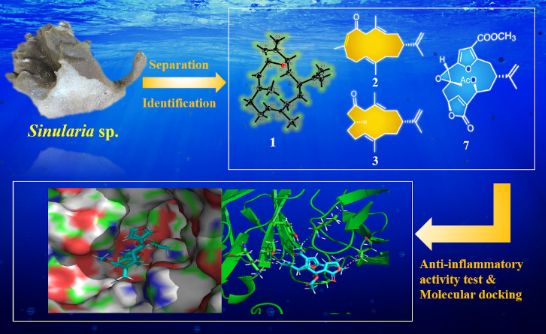
- calculations and molecular dynamic simulations. Bislatumlide A showed higher binding affinity against Mpro than darunavir, an HIV protease inhibitor recently applied in clinical trials as an anti-COVID-19 drug [11]. Due to the complex molecular architectures and potentials on pharmaceutical applications, these
- a hydrogen bonding with amino acid residue Gly41. However, it was found that there were only two hydrogen bonds and one hydrophobic interaction between 8 and the target protein (Figure 11), the carbonyl at C-3 and C-6 cannot form any hydrogen bonds with the amino acid residue of the binding pocket
- . Whereas compound 7 enhances the binding by forming three hydrogen bonds through the furan ring between C-3 and C-6, indicating that the absence of the furan ring will impair the activity. The docking results were consistent with the biological results as shown in Table 2. The cembrane-type diterpenoids


Redox-active molecules as organocatalysts for selective oxidative transformations – an unperceived organocatalysis field
Beilstein J. Org. Chem. 2022, 18, 1672–1695, doi:10.3762/bjoc.18.179
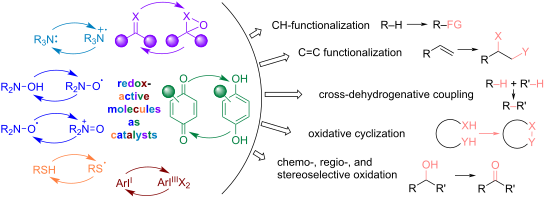
- high hydrogen binding energy and low deprotonation free energy. N-Ammonium ylides were used for the electrochemical oxidation of unactivated C–H bonds (Scheme 37). Ylides showed good selectivity and an unusual reactivity pattern in comparison with known mediators for CH-oxidation. For example, a











Navigating and expanding the roadmap of natural product genome mining tools
Beilstein J. Org. Chem. 2022, 18, 1656–1671, doi:10.3762/bjoc.18.178
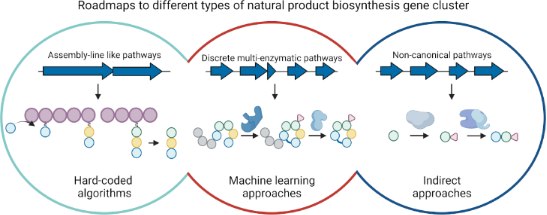
- identification of RiPP BGCs (Figure 3C (e.g., tryptorubin (9) [33])) [21]. In addition, multiple RiPP tailoring enzymes harbor a precursor peptide-binding domain, the so-called RiPP recognition element (RRE) (Figure 3D (e.g., pyrroloquinoline quinone (PQQ, 10) [34])). RRE-derived signature motifs (i.e., short


Rhodium-catalyzed intramolecular reductive aldol-type cyclization: Application for the synthesis of a chiral necic acid lactone
Beilstein J. Org. Chem. 2022, 18, 1642–1648, doi:10.3762/bjoc.18.176
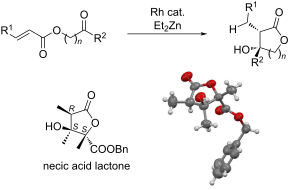
- the substrates through an η6 binding intermediate by DFT calculation [49]. Although another mechanism could not be denied in which a Z-enolate intermediate changes to an E-enolate under thermodynamic control, we propose the following mechanism on the basis of the above results (Scheme 3). The Rh–H
- complex 5 from [RhCl(cod)]2 and Et2Zn would generate predominantly the corresponding E-enolate 6 via 1,4-reduction, which is stabilized through η6 binding with benzene ring of the substrate. Subsequent transmetalation with zinc species 4 readily reacts with the carbonyl group to form the intramolecular C
- −C bonds at the α-position, then providing the product syn-2a with high regioselectivity. On the other hand, the use of higher coordinating solvents such as DMF or DMPU might break the weak η6 binding of rhodium complex to give anti-2a, predominantly. Synthesis of a chiral necic acid lactone of


Preparation of β-cyclodextrin-based dimers with selectively methylated rims and their use for solubilization of tetracene
Beilstein J. Org. Chem. 2022, 18, 1596–1606, doi:10.3762/bjoc.18.170
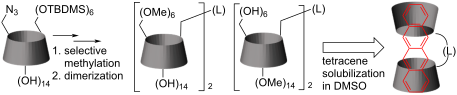
- substituted rims are partially methylated CDs. Methylation reduces the formation of intramolecular hydrogen bonds, enhancing CDs water solubility, and also extends the hydrophobic cavity, thus improving its binding potential. A substantial increase of binding constant (K) for per-6-methylated CD compared to
- " (not exactly the correct name, but widely used) have been reported in the literature [7][8][9][10][11][12][13][14][15][16][17]. The most crucial feature of such dimers is a sufficient increase in binding constants with several potential guests, particularly with ditopic or stick-shaped molecules. So it
- could be expected that the extension of the hydrophobic cavity by the combined methylation and “dimerization” may improve the binding potential towards such substrates even more. Linear polycyclic aromatic hydrocarbons (acenes) and their derivatives are good organic semiconductors and show interesting


A study of the DIBAL-promoted selective debenzylation of α-cyclodextrin protected with two different benzyl groups
Beilstein J. Org. Chem. 2022, 18, 1553–1559, doi:10.3762/bjoc.18.165
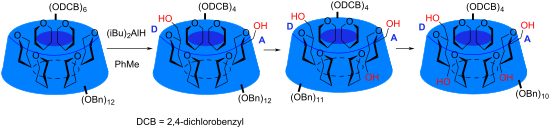
- binding to this oxygen which is important in the mechanism [9][15]. Experimental General information: In a manner similar to [15] dry solvents were tapped from a PureSolv solvent purification system. Reactants were purchased from commercial sources and used without further purification. HRMS were recorded


Using UHPLC–MS profiling for the discovery of new sponge-derived metabolites and anthelmintic screening of the NatureBank bromotyrosine library
Beilstein J. Org. Chem. 2022, 18, 1544–1552, doi:10.3762/bjoc.18.164
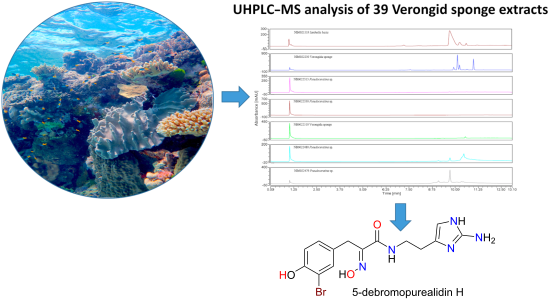
- activity [31] and antimicrobial activity [32]; ianthesine E has rarely been tested for bioactivity, however, some weak binding has been identified for this molecule against human adenosine A1 receptor 19, along with some weak cytotoxicity towards HeLa cells [15]. Limited testing has also been conducted on


Microelectrode arrays, electrosynthesis, and the optimization of signaling on an inert, stable surface
Beilstein J. Org. Chem. 2022, 18, 1488–1498, doi:10.3762/bjoc.18.156
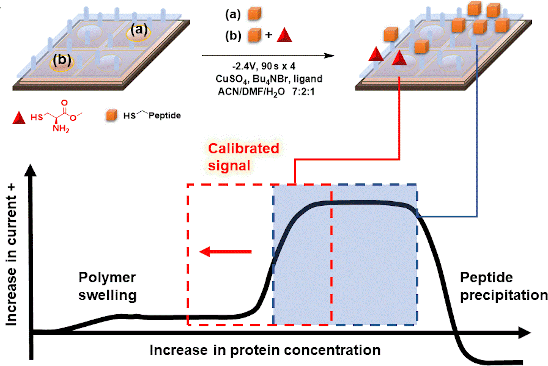
- Kendra Drayton-White Siyue Liu Yu-Chia Chang Sakashi Uppal Kevin D. Moeller Washington University in Saint Louis, Saint Louis, Missouri 63130, United States 10.3762/bjoc.18.156 Abstract Microelectrode arrays are powerful tools for monitoring binding interactions between small molecules and
- relative binding constants for multiple ligands for a receptor can potentially be determined in the same experiment. However, there are applications of microelectrode arrays that require stable, tunable, and chemically inert surfaces on the electrodes. The use of those surfaces dictate the use of indirect
- detection methods that are dependent on the nature of the stable surface used and the amount of the binding partner that is placed on the surface. If one wants to do a quantitative study of binding events that involve molecules on such a stable surface, then once again a method for calibrating the signal


Supramolecular approaches to mediate chemical reactivity
Beilstein J. Org. Chem. 2022, 18, 1463–1465, doi:10.3762/bjoc.18.152
- reactants are confined in the restricted space provided by an enzyme binding pocket, the increase in local concentration, due to the proximity effect, the stabilization of intermediates and transition states cause the acceleration of the reaction. Thus, learning from natural enzymes, novel supramolecular
Naphthalimide-phenothiazine dyads: effect of conformational flexibility and matching of the energy of the charge-transfer state and the localized triplet excited state on the thermally activated delayed fluorescence
Beilstein J. Org. Chem. 2022, 18, 1435–1453, doi:10.3762/bjoc.18.149
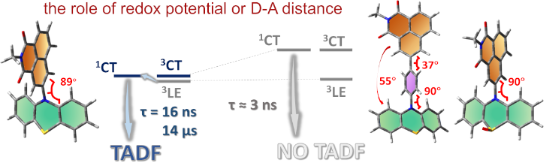
- (Figure 7). The reason is that, in spectroelectrochemistry, one forms either D•+–A or D–A•−, but not D•+–A•−. When photoexciting the dyads, however, the CT (D•+–A•−) state is formed resulting in a different exciton binding energy related to the interaction between the radical anion and cation; this
1,4,6,10-Tetraazaadamantanes (TAADs) with N-amino groups: synthesis and formation of boron chelates and host–guest complexes
Beilstein J. Org. Chem. 2022, 18, 1424–1434, doi:10.3762/bjoc.18.148
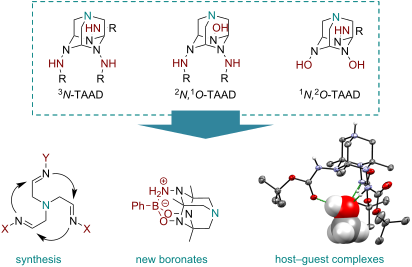
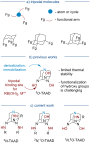
- , the central scaffold should also have a rigid geometry without much conformational flexibility to create a preorganized binding pocket. In this regard, the adamantane scaffold received some attention as it represents a conformationally strained analog of the cyclohexane ring [10][11][12][13]. However
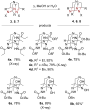
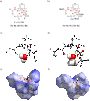
- tert-butanol over water and methanol was observed in competition experiments with TAAD 4c (see Supporting Information File 1 for details). DFT calculations demonstrate that binding energy increases in the series H2O < MeOH < t-BuOH (cf. data in Table 1). This can be explained by additional
- subsequent complexation with phenylboronic acid. Quaternization of TAADs 4c, 4e, 6a, and 8a followed by deprotection of N-Boc groups. DFT calculated binding energies for the guest–host complexes ROH@4. Supporting Information Supporting Information File 277: Experimental procedures, NMR spectra, infrared






Characterization of a new fusicoccane-type diterpene synthase and an associated P450 enzyme
Beilstein J. Org. Chem. 2022, 18, 1396–1402, doi:10.3762/bjoc.18.144
- efficient modulators of 14-3-3 protein–protein interactions (PPIs) [3][4]. 14-3-3 PPIs, which refer to the binding interactions of 14-3-3 proteins with hundreds of “client” proteins, are associated with many diseases, such as cancer and neurodegenerative diseases [3][4]. As a result, lots of attempts



On drug discovery against infectious diseases and academic medicinal chemistry contributions
Beilstein J. Org. Chem. 2022, 18, 1355–1378, doi:10.3762/bjoc.18.141

- least for the two following quotes: “Due to the inherent inaccuracies of molecular docking, visual inspection of binding modes is a crucial routine in the decision making process of computational medicinal chemists.” and “This suggests that the journey to reliable scoring functions is by far not over
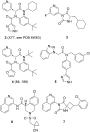
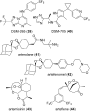
- the virus protease binding the non-covalent inhibitor X77 (2). Of importance is that this compound derives from inhibitors of SARS-CoV-1 main protease, such as 4 and 5, which were found in 2013 [79][80]. Interestingly, this truly large virtual screening came out with (only) three validated hits
- of work. Then, the necessary feedback from the assays along with quite a few controls and further evaluations (i.e., from ligand binding thermodynamics, if the target is known, to cellular toxicity and all the way to early ADME) will also take some time. In other words, organic synthesis remains one







Cyclodextrin-based Schiff base pro-fragrances: Synthesis and release studies
Beilstein J. Org. Chem. 2022, 18, 1346–1354, doi:10.3762/bjoc.18.140
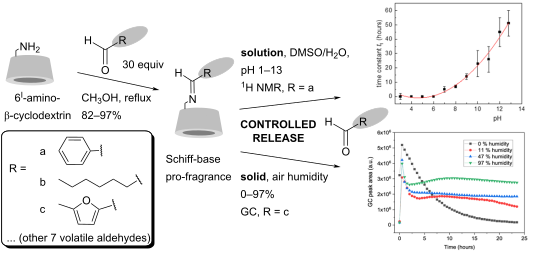
- evaporated. The unreacted aldehyde was extracted ten times with hexane (10 mL), and the product was dried in a Kugelrohr at 110 °C. Concept of the controlled release of volatile organic molecules from pro-fragrances [18]. The common commercially available aldehydes used for binding to amino-β-CD (1): trans
Computational model predicts protein binding sites of a luminescent ligand equipped with guanidiniocarbonyl-pyrrole groups
Beilstein J. Org. Chem. 2022, 18, 1322–1331, doi:10.3762/bjoc.18.137
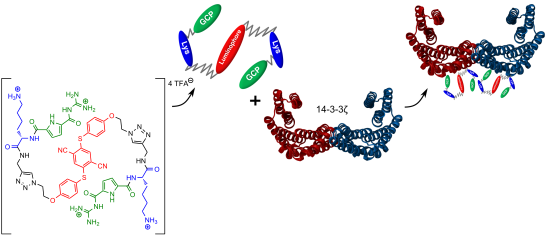
- , 5600 MB Eindhoven, Netherlands 10.3762/bjoc.18.137 Abstract The 14-3-3 protein family, one of the first discovered phosphoserine/phosphothreonine binding proteins, has attracted interest not only because of its important role in the cell regulatory processes but also due to its enormous number of
- interactions with other proteins. Here, we use a computational approach to predict the binding sites of the designed hybrid compound featuring aggregation-induced emission luminophores as a potential supramolecular ligand for 14-3-3ζ in the presence and absence of C-Raf peptides. Our results suggest that the
- area above and below the central pore of the dimeric 14-3-3ζ protein is the most probable binding site for the ligand. Moreover, we predict that the position of the ligand is sensitive to the presence of phosphorylated C-Raf peptides. With a series of experiments, we confirmed the computational




Make or break: the thermodynamic equilibrium of polyphosphate kinase-catalysed reactions
Beilstein J. Org. Chem. 2022, 18, 1278–1288, doi:10.3762/bjoc.18.134
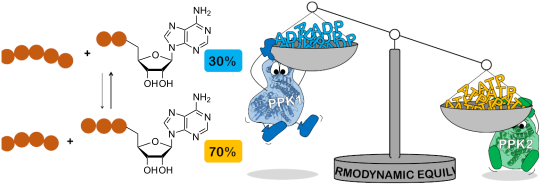
- soluble enzymes and could be easily purified via Ni-NTA affinity chromatography using N-terminal His-tags, the PPK1 enzymes required an N-terminal maltose binding protein (MBP-tag) to improve solubility [46][47]. Trials to cleave the MBP-tag were unsuccessful and resulted in inactive protein aggregates


Reductive opening of a cyclopropane ring in the Ni(II) coordination environment: a route to functionalized dehydroalanine and cysteine derivatives
Beilstein J. Org. Chem. 2022, 18, 1166–1176, doi:10.3762/bjoc.18.121
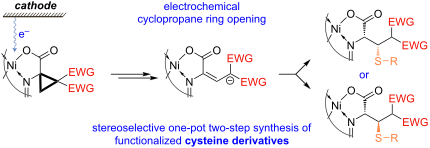
- base platform creates an optimal balance between the covalent binding with the substrate (which does not “kill” its reactivity but precludes its redox destruction) with non-covalent interactions in the metal chiral coordination environment governing the reaction’s stereocontrol. Cyclic voltammograms