


Search results
Search for "membrane" in Full Text gives 397 result(s) in Beilstein Journal of Organic Chemistry. Showing first 200.
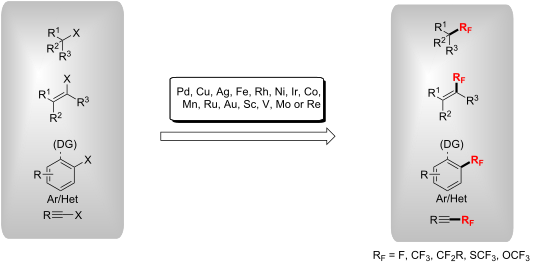
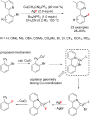
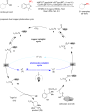
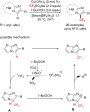
Recent advances in transition-metal-catalyzed incorporation of fluorine-containing groups
Beilstein J. Org. Chem. 2019, 15, 2213–2270, doi:10.3762/bjoc.15.218








Isolation of fungi using the diffusion chamber device FIND technology
Beilstein J. Org. Chem. 2019, 15, 2191–2203, doi:10.3762/bjoc.15.216
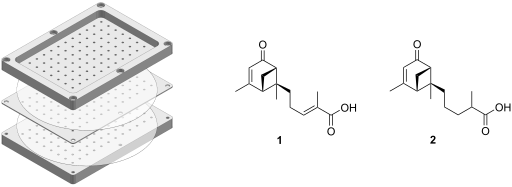
- plates, the latter with screw threads, contain 96 through-holes 2 mm in diameter arranged in an 8 by 12 grid in a way that it perfectly aligns with the wells of a 96-well plate. The array of through-holes can be covered by one 142 mm polycarbonate membrane filter with a pore size of 0.03 micron
- concentration is necessary to allow only one fungal part per through hole in the central plate. As the agar solidifies, the specimen is trapped in the chamber. A semipermeable polycarbonate membrane filter was attached to both sides of the central plate. The upper and lower parts of the FIND were connected to


An overview of the cycloaddition chemistry of fulvenes and emerging applications
Beilstein J. Org. Chem. 2019, 15, 2113–2132, doi:10.3762/bjoc.15.209
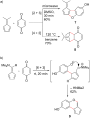
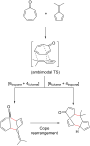
- 21) [105][237]. ROMP of the monomers, followed by deprotection yielded facially amphiphilic polynorbornenes that displayed lipid membrane disruption and antimicrobial activities [237][238]. The facially amphiphilic polynorbornenes with pendent ammonium groups were found to disrupt negatively charged





Archangelolide: A sesquiterpene lactone with immunobiological potential from Laserpitium archangelica
Beilstein J. Org. Chem. 2019, 15, 1933–1944, doi:10.3762/bjoc.15.189
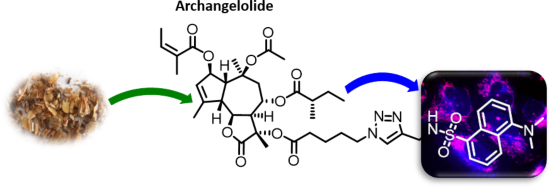
- cells, we synthesized a blue-emitting derivative employing a dansyl label. This fluorophore is convenient not only for its small size but also for its membrane permeability. Moreover, it was successfully used in other studies of visualizing other natural compounds [15][16][17]. The synthesis (Scheme 1
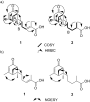
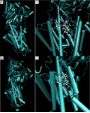
- 1); ii) compound 1 rotated by 180° (simulation 2); iii) compound 2 (for comparison) used as a ligand with the orientation equal to DTB (simulation 3); iv) SERCA positioned in a phospholipid membrane to reflect the fact that it is a transmembrane protein, with compound 2 as a ligand (simulation 4
- and Figure 5). During simulations with SERCA positioned in a phospholipid membrane (simulation 4; 1 ns), the free space between individual phospholipids in the cell membrane was filled. SERCA remained stable and tightly embedded in the membrane and did not show any tendency to escape from it. Compound




Design, synthesis and biological evaluation of immunostimulating mannosylated desmuramyl peptides
Beilstein J. Org. Chem. 2019, 15, 1805–1814, doi:10.3762/bjoc.15.174
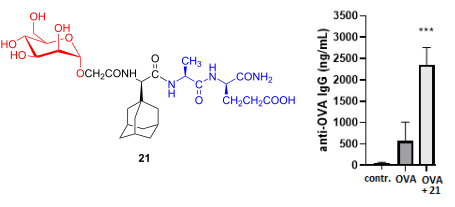
- most suitable position of adamantane in this class of compounds is at the peptide N-terminus. Adamantane can act as membrane anchor for mannose structures and thus be exposed on liposome surfaces and as such used in targeted drug delivery [37]. It can be also incorporated into a β-cyclodextrine cavity


Molecular basis for the plasticity of aromatic prenyltransferases in hapalindole biosynthesis
Beilstein J. Org. Chem. 2019, 15, 1545–1551, doi:10.3762/bjoc.15.157
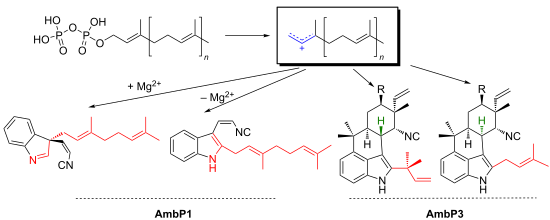
- (DMATS)-type [6][7], and the membrane-bound type PTases [8][9]. Some of them exhibit broad substrate specificities and accept various aromatic compounds as prenyl acceptors. For example, NphB (also called Orf-2), the first reported ABBA-type PTase in naphtherpin biosynthesis, accepts several aromatic


Reaction of oxiranes with cyclodextrins under high-energy ball-milling conditions
Beilstein J. Org. Chem. 2019, 15, 1448–1459, doi:10.3762/bjoc.15.145
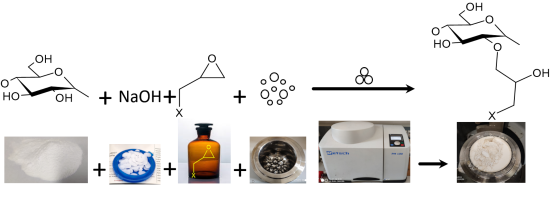
- experiments; a very hazy solution was obtained, which was inseparable by centrifugation, after dialysis. Filtration through a 0.22 µm hydrophilic membrane showed poor resistance, meaning that particle sizes were low and dominantly <0.2 µm. Experiments to clarify the situation and determine the composition of


Stereo- and regioselective hydroboration of 1-exo-methylene pyranoses: discovery of aryltriazolylmethyl C-galactopyranosides as selective galectin-1 inhibitors
Beilstein J. Org. Chem. 2019, 15, 1046–1060, doi:10.3762/bjoc.15.102
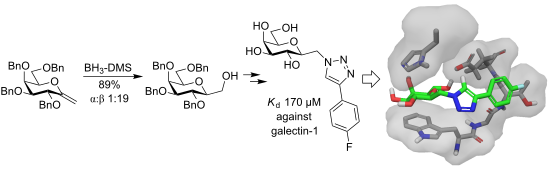
- -linked glycans on the cell surface. Surface proteins such as integrins [6][7], vascular endothelial growth factor receptor [8], and lysosome-associated membrane proteins [9] are known to be crosslinked by galectins, giving galectins a modulating role in cell adhesion, blood vessel growth and cellular



Fabrication, characterization and adsorption properties of cucurbit[7]uril-functionalized polycaprolactone electrospun nanofibrous membranes
Beilstein J. Org. Chem. 2019, 15, 992–999, doi:10.3762/bjoc.15.97
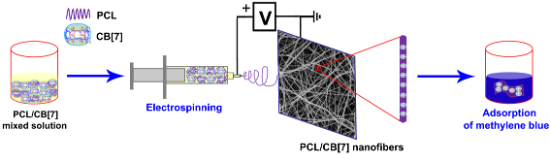
- . Compared to the neat PCL nanofibrous membrane, all the PCL/CB[7] nanofibrous membranes exhibit increased adsorption capability for MB, indicating that the incorporation of CB[7] plays a positive role in the promotion of adsorption capability. Meanwhile, there is an obvious tendency that the equilibrium
- at 293 K was investigated, and PCL/CB[7] (100:100) nanofibrous membrane was selected as the typical research object here. There are two well-known adsorption isotherm models to examine the equilibrium isotherm of adsorbates by adsorbents: the Langmuir isotherm model and Freundlich isotherm model (the
- place at specific homogeneous sites within the nanofibrous membrane and formed a monolayer coverage of MB at the surface of the nanofibrous membrane [34]. The morphology of PCL and PCL/CB[7] nanofibers after the absorption experiment are shown in Figure S9 (Supporting Information File 1). It is found


Heck- and Suzuki-coupling approaches to novel hydroquinone inhibitors of calcium ATPase
Beilstein J. Org. Chem. 2019, 15, 971–975, doi:10.3762/bjoc.15.94
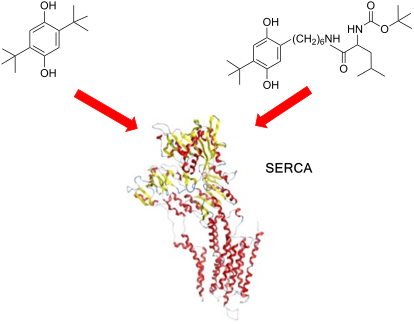
- convey specificity for prostate cancer cells. Keywords: calcium ATPase inhibitors; Heck- and Suzuki-coupling reactions; hydroquinones; prostate cancer; tethered amino acid; Introduction Sarco/endoplasmic reticulum calcium ATPase (SERCA) is an integral protein that resides in the membrane of the


Towards the preparation of synthetic outer membrane vesicle models with micromolar affinity to wheat germ agglutinin using a dialkyl thioglycoside
Beilstein J. Org. Chem. 2019, 15, 937–946, doi:10.3762/bjoc.15.90
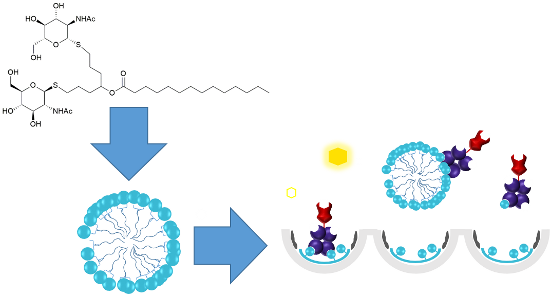
- vesicles, alone or in mixture with phospholipids, mimicking bacterial outer membrane vesicles (OMV) with potential antiadhesive properties. Keywords: glycolipids; outer membrane vesicles; synthetic vaccines; Introduction Outer membrane vesicles (OMV) [1], lipid bilayer vesicles released from the outer
- membrane of Gram-negative bacteria, are considered today as attractive candidates for vaccine delivery. However, they have some disadvantages, they are not easy to produce and are difficult to characterize [2][3]. Moreover, toxic lipopolysaccharides (LPS) present in the outer membrane of most of Gram
- ). Moreover, a thin layer of compounds 5 or 8 without POPC, hydrated in the same conditions, gave similar giant vesicles (Figure 3, images f,g and i). Microscopic observation suggested that those supramolecular assemblies microscopically resemble the well-known outer membrane vesicles (OMV) [1]. The tentative




![[Graphic 2]](/bjoc/content/inline/1860-5397-15-90-i4.svg?max-width=637&scale=0.472728) ) and (○) ...
) and (○) ...
Synthesis of acylglycerol derivatives by mechanochemistry
Beilstein J. Org. Chem. 2019, 15, 811–817, doi:10.3762/bjoc.15.78
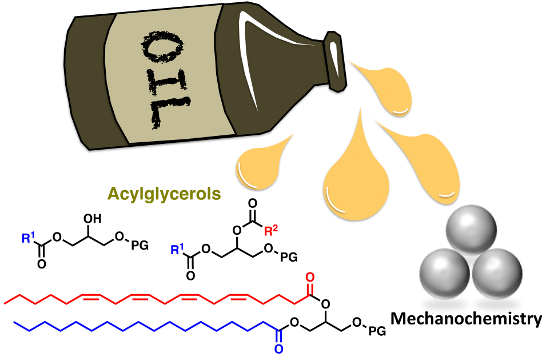
- in the catalytic action of various membrane-related enzymes, such as protein kinase C (PKC) isoforms [45]. Therefore, the development of strategies for visualization of acylglycerols in cellular environments by their fusion with fluorescent molecular labels is in high demand [46]. As a result, once


Cyclopropene derivatives of aminosugars for metabolic glycoengineering
Beilstein J. Org. Chem. 2019, 15, 584–601, doi:10.3762/bjoc.15.54
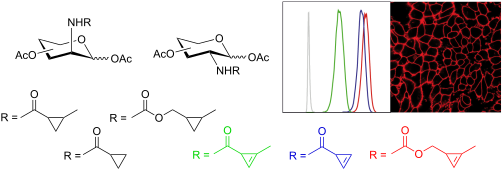
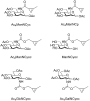
- , are not comparable. Additionally, the influence of the sugar derivative on the reaction rate has not been taken into account. Ac4ManNCyoc as well as Ac4ManNCp were shown to give after MGE a better membrane staining than Ac4ManNCyc [25][27]. A direct comparison of Ac4ManNCyoc and Ac4ManNCp in one
- of the deacetylated (water-soluble) sugars, the performance of the sugars in MGE, and the assessment of their metabolic acceptance. The studies uncovered that Ac4ManNCp is much better accepted than Ac4ManNCyoc although their membrane staining intensity after MGE is comparable. The high metabolic
- acceptance of the Cp-modified sugar inspired us to develop novel derivatives of glucosamine and galactosamine containing this cyclopropene modification and to explore their behavior in MGE both for membrane-bound and intracellular glycoproteins. Results and Discussion Kinetic studies The second-order rate



Synthesis of the polyketide section of seragamide A and related cyclodepsipeptides via Negishi cross coupling
Beilstein J. Org. Chem. 2019, 15, 577–583, doi:10.3762/bjoc.15.53
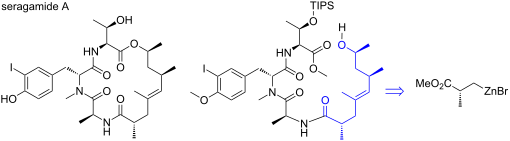
- cytotoxicity [3]. A photoreactive derivative of the cytotoxic jasplakinolides, geodiamolides [4][5], or seragamides (2–6, seragamides A–E) [6] could also enable the search for additional targets in the cell, including proteins involved in transport or even membrane components. For this purpose, the 2


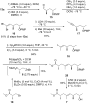


Synthesis and SAR of the antistaphylococcal natural product nematophin from Xenorhabdus nematophila
Beilstein J. Org. Chem. 2019, 15, 535–541, doi:10.3762/bjoc.15.47
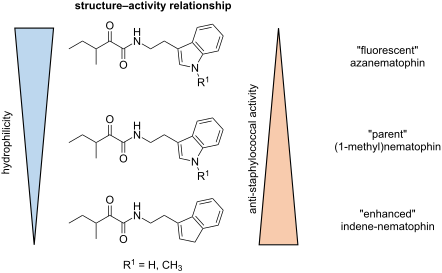
- hydrophobicity influences the passive membrane diffusion and therefore might influence how the compounds get to their actual target [30]. Moreover, a specific minimal size of the cyclic moiety must be fulfilled as, e.g., 2 with a phenyl moiety is less active in vitro. Conclusion Despite their lower bioactivities


Synthesis and fluorescent properties of N(9)-alkylated 2-amino-6-triazolylpurines and 7-deazapurines
Beilstein J. Org. Chem. 2019, 15, 474–489, doi:10.3762/bjoc.15.41
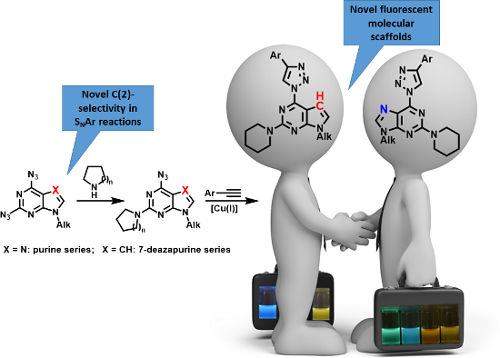
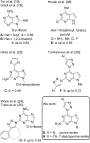
- several reasons: a) they help to solubilize the target compounds in the organic medium; b) they are considered as a good compromise to achieve both “membrane-like character”, which helps for cell membrane permeability, and sufficient solubility in the aqueous (biological) media [49]. With the key
- File 1). Bearing in mind fluorescent properties and low cytotoxicity of the newly obtained compounds, we tested their potential application in cell staining. The preliminary experiments revealed that the compounds went through the cell membrane after 1 h or 2 h incubation period and localized uniformly
- were replaced with 500 μL of cell culture medium containing the compound, and then further cultured for an additional 1 h. Those cells were washed twice with 1× PBS and fixed to the membrane using 4% paraformaldehyde in 5.0 mM sodium phosphate buffer (pH 7.4; 1.0 mL) for 10 min. The fluorescence images




Aqueous olefin metathesis: recent developments and applications
Beilstein J. Org. Chem. 2019, 15, 445–468, doi:10.3762/bjoc.15.39
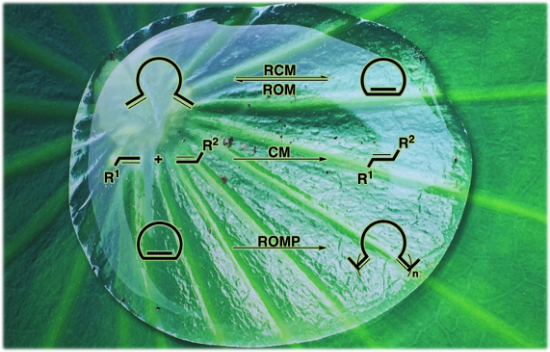
- leader sequence to the N-terminus of streptavidin (Sav) allowed the secretion and assembly of functional tetrameric Sav in the periplasm of E. coli. The passive diffusion of the biotinylated Hoveyda–Grubbs catalyst 60 through the outer membrane of E. coli containing Sav in its periplasm then affords the




Catalysis of linear alkene metathesis by Grubbs-type ruthenium alkylidene complexes containing hemilabile α,α-diphenyl-(monosubstituted-pyridin-2-yl)methanolato ligands
Beilstein J. Org. Chem. 2019, 15, 194–209, doi:10.3762/bjoc.15.19
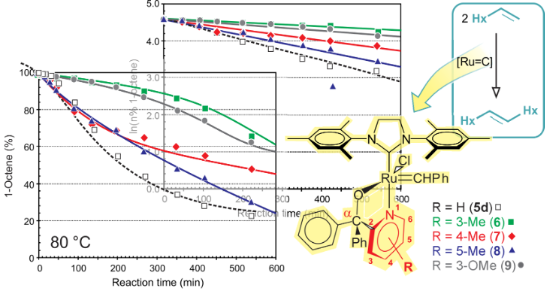
- with GxF/0.45 µm GHP membrane (PALL) was used to filter the lithium salt from the precatalyst. Experimental procedures Precatalyst synthesis: The well-established methods of Herrmann et al. [23] and Van Der Schaaf et al. [7] were used to synthesize precatalysts 6–9. This is illustrated in Scheme 2


Synthesis of a tubugi-1-toxin conjugate by a modulizable disulfide linker system with a neuropeptide Y analogue showing selectivity for hY1R-overexpressing tumor cells
Beilstein J. Org. Chem. 2019, 15, 96–105, doi:10.3762/bjoc.15.11
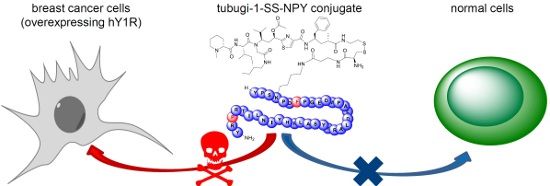
- tumor-targeting therapeutics [7][8]. Such targeted therapeutics are able to address transformed cells selectively by recognition of disease-associated membrane structures, e.g., dysregulated membrane proteins, or by modulation of metabolic or regulatory characteristics that are specific or at least
- cells’ membrane by unspecific, receptor-independent pathways, not discriminating between normal and transformed cells. For that reason it is very difficult to adjust a practicable therapeutic window for these toxins. All the more, it is important to mask the high toxicity of tubulysin A and tubugi-1
- towards tubugi-1-SH and the entire conjugate tubugi-1–SS–NPY. When compared with HT-29 and PC-3 cells, the IC50 value of tubugi-1-SH is by factor 10 higher in Colo320. Since the membrane passage of tubugi-1-SH is not depending on a NPY receptor, there have to be other explanations for the reduced




Lectins of Mycobacterium tuberculosis – rarely studied proteins
Beilstein J. Org. Chem. 2019, 15, 1–15, doi:10.3762/bjoc.15.1
- modifications of glycocalyx proteins are N-glycans (asparagine-linked) and O-glycans (serine- or threonine-linked), while glycosphingolipids are the major subclass of glycosylated lipids in the cell membrane of human cells (Figure 2). While many core elements of glycocalyx oligosaccharides are conserved between
- membrane is surrounded by a peptidoglycan layer (PG) consisting of multiple, parallel glycan chains of alternating (1→4)-linked subunits of N-acetyl-β-D-glucosamine and N-acetyl- or N-glycolyl-β-D-muramic acid, crosslinked via short conserved oligopeptide stems [44][45]. The PG is covalently attached to
- calcium-dependent manner. The ligand specificity is highly diverse, including fucosides, mannosides, glucosides, N-acetylglucosamines, galactosides, and N-acetylgalactosamines. While some of the C-type lectins are known to be secreted, others are membrane-associated proteins. They often oligomerize into


Thermophilic phosphoribosyltransferases Thermus thermophilus HB27 in nucleotide synthesis
Beilstein J. Org. Chem. 2018, 14, 3098–3105, doi:10.3762/bjoc.14.289
- 8.0 (4 CV, flow rate 2 mL/min). Pooled fractions were concentrated by a polysulfonic membrane PBGC 10 kDa (Millipore, USA). The resulting solution was applied to a column with HiLoad 16/60 Superdex 75pg (GE Healthcare, USA), equilibrated by 20 mM Tris-HCl, 50 mM NaCl, 0.04% NaN3, and 10% glycerol, pH
- , contained the target enzyme, were pooled and concentrated on polysulphonic membrane PBGC 10 kDa. The resulting solution was applied to column with HiLoad 16/60 Superdex 200, equilibrated by 20 mM Tris-HCl, 50 mM NaCl, 0.04% NaN3, and 5% glycerol, pH 8.0. Fractions, contained the target enzyme with purity


6’-Fluoro[4.3.0]bicyclo nucleic acid: synthesis, biophysical properties and molecular dynamics simulations
Beilstein J. Org. Chem. 2018, 14, 3088–3097, doi:10.3762/bjoc.14.288
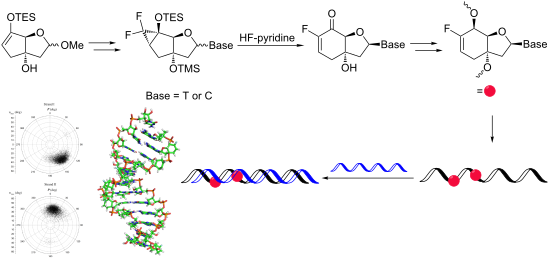
- polarizability of the modified nucleotide, and therefore influences the metabolic stability, the membrane permeability, the RNA- and protein-binding affinity of the AON [25][26][27][28][29]. Over the last almost two decades, fluorinated oligonucleotide analogs like 2’-deoxy-2’-fluoro-RNA (F-RNA) [26][30][31], 2


Protein–protein interactions in bacteria: a promising and challenging avenue towards the discovery of new antibiotics
Beilstein J. Org. Chem. 2018, 14, 2881–2896, doi:10.3762/bjoc.14.267
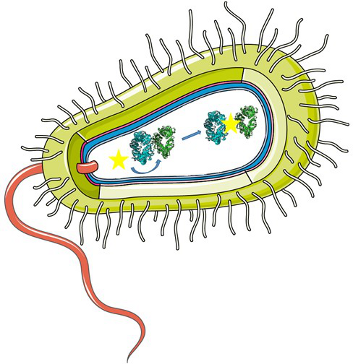
- also determined the growth suppressive effects on model Gram-positive (B. subtilis) and Gram-negative (E. coli imp4213) bacteria. The MIC values against B. subtilis were found to be 40, 11, 16 μM for CFAM, BCBP and MPTA, respectively, while the MIC values against the membrane-compromised E. coli were
- microorganisms which included Gram-positive pathogens Staphylococcus aureus, Streptococcus pneumoniae, Bacillus subtilis, Enterococcus faecalis and the Gram-negative bacterium Escherichia coli (wt and an outer membrane permeable strain). Gratifyingly, the antibacterial screening showed that improved IC50 values
- correlated with improved minimal inhibitory concentrations and that Gram-positive microorganisms are more susceptible, likely due to the inability of molecules to permeate the outer membrane of Gram-negative pathogens [88]. In a follow-up study, a combinatorial synthesis approach was utilized to generate a




Olefin metathesis catalysts embedded in β-barrel proteins: creating artificial metalloproteins for olefin metathesis
Beilstein J. Org. Chem. 2018, 14, 2861–2871, doi:10.3762/bjoc.14.265
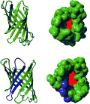
- ]. Characterized by an amphiphilic nature with either hydrophobic “barrel” interiors and hydrophilic surfaces (as in globulins, carriers of hydrophobic molecules and fluorescent proteins) or hydrophilic cores and hydrophobic surfaces (as in membrane-bound β-barrels like porins and channel proteins), they can be
- NO transport, storage and sensing as well as heme metabolism [36]) usually constitute eight to ten antiparallel β-strands and tightly packed hydrophobic or hydrophilic barrel interiors [37]. Membrane-bound β-barrels are confined to mitochondrial and chloroplast membranes and the outer membranes of
- Gram-negative bacteria [38]. They constitute up to 24 strands, require sophisticated assembly machineries for membrane integration [39] and are usually “plugged” by hydrophilic loops and helices that either ensure the binding of small molecules, or their (energy-dependent) transport across the outer


Pd-Catalyzed microwave-assisted synthesis of phosphonated 13α-estrones as potential OATP2B1, 17β-HSD1 and/or STS inhibitors
Beilstein J. Org. Chem. 2018, 14, 2838–2845, doi:10.3762/bjoc.14.262
- and Economics, H-1521 Budapest, Hungary 1st Department of Medicine, University of Szeged, Korányi fasor 8–10, H-6720 Szeged, Hungary Membrane protein research group, Institute of Enzymology, Research Centre for Natural Sciences, Hungarian Academy of Sciences, Magyar tudósok körútja 2, H-1117 Budapest
- phenolic hydroxy function. On the other hand, estrone sulfate is not able to cross the cell membrane passively; therefore, a carrier is needed to mediate its transport across the lipid bilayer. These carriers are certain representatives of the solute carrier superfamily (SLC), including members of the
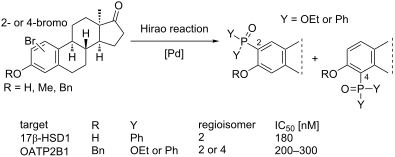
- estrone derivatives, including estrone-3-sulfate could be blocked. Inhibitors based on the estrane core could have multiple inhibitory properties concerning the two enzymatic steps of the sulfatase pathway and OATP2B1-mediated membrane transport of estrone-sulfate. The inhibitor design is usually based on





