Search results
Search for "metabolites" in Full Text gives 278 result(s) in Beilstein Journal of Organic Chemistry. Showing first 200.
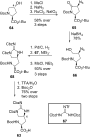
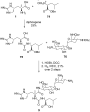
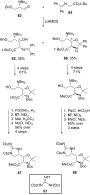
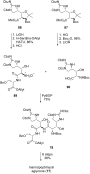
A semisynthesis of 3'-O-ethyl-5,6-dihydrospinosyn J based on the spinosyn A aglycone
Beilstein J. Org. Chem. 2017, 13, 2603–2609, doi:10.3762/bjoc.13.257
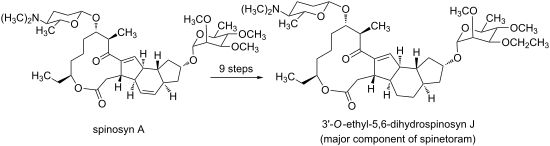
- opportunities to synthesize spinosyn analogues and rhamnose derivatives. Keywords: 3-O-ethyl-2,4-di-O-methylrhamnose; protecting groups; semisynthesis; spinetoram; spinosyn A; Introduction Spinosyns, a large family of secondary metabolites produced by aerobic fermentation of Saccharopolyspora spinosa, are a


Herpetopanone, a diterpene from Herpetosiphon aurantiacus discovered by isotope labeling
Beilstein J. Org. Chem. 2017, 13, 2458–2465, doi:10.3762/bjoc.13.242
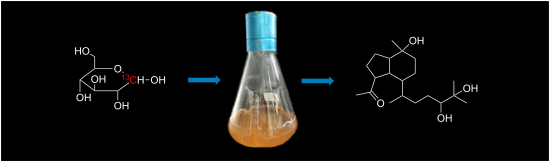
- supplemented with non-labeled D-glucose. The resulting culture broth was centrifuged, and the supernatant was treated with the resin XAD-2 to adsorb the metabolites that had been secreted during the cultivation. After extraction of the adsorber resin with methanol, a preliminary fractionation was accomplished
- -sterilized aqueous solutions (0.05 M) at the time of inoculation. The fermentation was conducted at 30 °C for 7 days. After centrifugation and removal of the biomass, the supernatant was treated with 10% (w/v) XAD-2 resin (Sigma-Aldrich) in order to adsorb the secreted metabolites. The resin was thoroughly


Hydrolysis, polarity, and conformational impact of C-terminal partially fluorinated ethyl esters in peptide models
Beilstein J. Org. Chem. 2017, 13, 2442–2457, doi:10.3762/bjoc.13.241
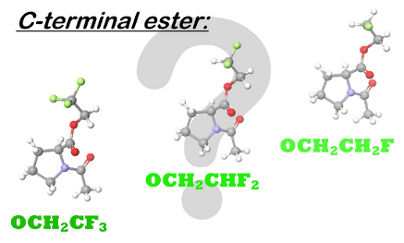
- ; polarity; Introduction Fluorine is a rare element in natural biochemical settings [1]. Notwithstanding several prominent fluoro-organic metabolites in nature [2][3], fluorine is virtually absent from natural biopolymers such as proteins and nucleic acids. Therefore, organofluorine groups lack a natural








Sulfation and amidinohydrolysis in the biosynthesis of giant linear polyenes
Beilstein J. Org. Chem. 2017, 13, 2408–2415, doi:10.3762/bjoc.13.238
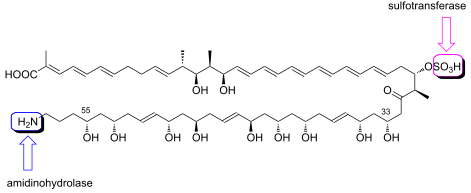
- desulfoclethramycin were not previously known to be produced by S. malaysiensis DSM4137, but the identity of these metabolites in cell extracts was readily confirmed by high-resolution mass analysis (Figure S1, Supporting Information File 1). The properties of the genes and proteins in the med cluster and cle cluster


Synthesis of ergostane-type brassinosteroids with modifications in ring A
Beilstein J. Org. Chem. 2017, 13, 2326–2331, doi:10.3762/bjoc.13.229
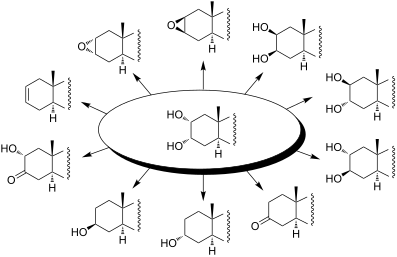
- biosynthetic precursors/metabolites differing by the ring A fragment. The protocol is based on the use of readily available phytohormones of this class bearing a 2α,3α-diol moiety (epibrassinolide or epicastasterone) as starting materials. The required functionalities (Δ2-, 2α,3α- and 2β,3β-epoxy-, 2α,3β-, 2β
- ; metabolites; Introduction The group of steroid plant hormones called brassinosteroids (BS) currently comprises about 70 compounds [1]. It is generally accepted that only few of them (such as brassinolide, castasterone, epibrassinolide, etc.), possessing 2α,3α-, (22R,23R)-diol groups, B-lactone, and 6-ketone
- moieties, exhibit hormonal activity in plants, whereas other BS are considered to be either biosynthetic precursors or metabolites of the “real” phytohormones [2]. All these compounds are part of a multidimensional biosynthetic metabolic network, the functioning of which is still far from being completely


Enzymatic synthesis of glycosides: from natural O- and N-glycosides to rare C- and S-glycosides
Beilstein J. Org. Chem. 2017, 13, 1857–1865, doi:10.3762/bjoc.13.180
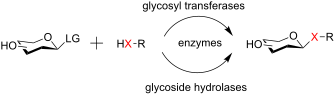
- ]. More recently, BcGT1 from Bacillus subtilis was shown to efficiently catalyse the glucosylation of thiol-containing acceptors [32]. C-Glycosyltransferases For more than 50 years, C-glycosides have been identified in plants [33][34] as secondary metabolites. At least 5 families of aromatic aglycones


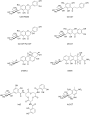


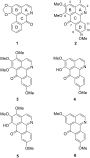
A novel approach to oxoisoaporphine alkaloids via regioselective metalation of alkoxy isoquinolines
Beilstein J. Org. Chem. 2017, 13, 1564–1571, doi:10.3762/bjoc.13.156
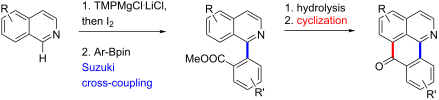
- cytotoxicity against the HL-60 tumor cell line. Keywords: directed ortho/remote metalation; Eaton’s reagent; isoquinolines; Suzuki cross-coupling; Introduction Benzylisoquinoline alkaloids represent a very large group of plant secondary metabolites, which includes about 2,500 known structures. Besides simple



A new member of the fusaricidin family – structure elucidation and synthesis of fusaricidin E
Beilstein J. Org. Chem. 2017, 13, 1430–1438, doi:10.3762/bjoc.13.140
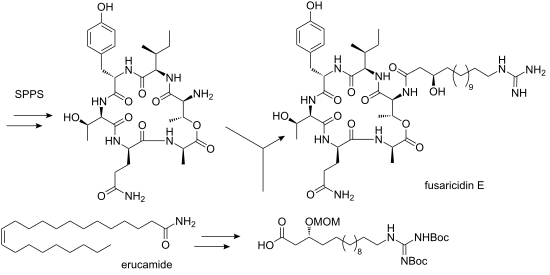
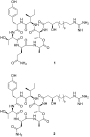
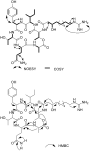
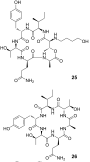
- optical rotation of [α]D25 +20.9 (c 0.6, DMSO-d6). The mass difference between both metabolites is 14 amu. This observation was supported by two ion peaks observed in the ESIMS spectrum at m/z 961.6 and m/z 975.6, respectively. Through extensive analysis of the 1 and 2D NMR data of the major component 1



Total synthesis of elansolids B1 and B2
Beilstein J. Org. Chem. 2017, 13, 1280–1287, doi:10.3762/bjoc.13.124
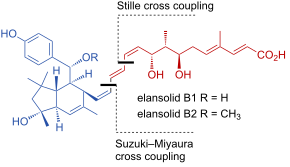
- Liang-Liang Wang Andreas Kirschning Institute of Organic Chemistry and Center of Biomolecular Drug Research (BMWZ), Leibniz University Hannover, Schneiderberg 1b, 30167 Hannover, Germany 10.3762/bjoc.13.124 Abstract The elansolids A1–A3, B1, and B2 are secondary metabolites formed by the gliding
- an optimized C–C cross-coupling sequence with a Suzuki cross-coupling reaction as key step. Keywords: antibiotics; polyenes; polyketides; Stille reaction; Suzuki reaction; total synthesis; Introduction The elansolids are metabolites from the gliding bacterium Chitinophaga sancti (formerly


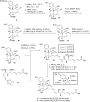
From chemical metabolism to life: the origin of the genetic coding process
Beilstein J. Org. Chem. 2017, 13, 1119–1135, doi:10.3762/bjoc.13.111
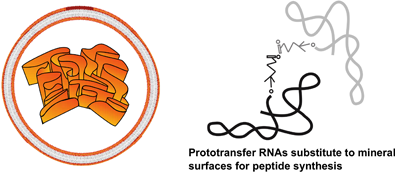
- (Figure 1). This created a collection of charged metabolites that would stick to surfaces and come in contact with each other, promoting a variety of reactions. The first stages of reproductive surface metabolism were prone to produce charged variants of peptides. Among the minerals that would carry over
- surface-bound swinging arm may have produced a variety of metabolites. Manipulation In contrast to metabolism and compartmentalisation, manipulation and memorisation involve entities that are not small molecules but molecules made of thousands, millions, sometimes billions of atoms. These processes



Total syntheses of the archazolids: an emerging class of novel anticancer drugs
Beilstein J. Org. Chem. 2017, 13, 1085–1098, doi:10.3762/bjoc.13.108
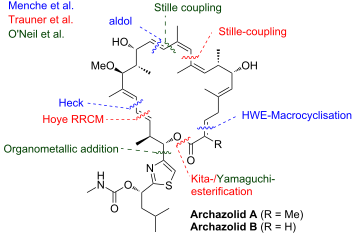
- the archazolids, complex polyketide macrolides which present the most potent V-ATPase inhibitors known to date, rendering these macrolides important lead structures for the development of novel anticancer agents. The limited natural supply of these metabolites from their myxobacterial source renders
- ][9]. In many cases, total synthesis is of critical importance to enhance the supply of these often scarce metabolites and even complex polyketides have been prepared on an industrial scale [10][11]. These natural products are also valuable molecular probes for the discovery and evaluation of novel
- positions. However, despite these advances and impressive total syntheses the design and development of a truly reliable and scalable route that will enable an access to gram amounts of thee scarce metabolites continues to present a key scientific challenge and the O’Neil group has already demonstrated that


New tricks of well-known aminoazoles in isocyanide-based multicomponent reactions and antibacterial activity of the compounds synthesized
Beilstein J. Org. Chem. 2017, 13, 1050–1063, doi:10.3762/bjoc.13.104
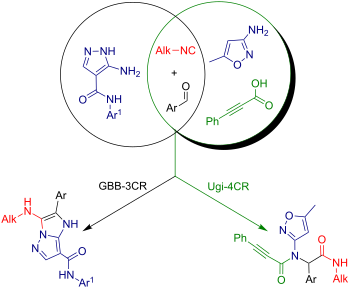
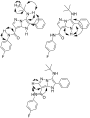
- literature overview there are a lot of applications of metabolites (recombinant insulin [111], polyhydroxyalkanoates [112][113] etc. [114][115][116][117][118][119]) produced by the strains studied. Therefore, the found probiotic effect of the heterocycles has a very promising area for the further application




Cycloheximide congeners produced by Streptomyces sp. SC0581 and photoinduced interconversion between (E)- and (Z)-2,3-dehydroanhydrocycloheximides
Beilstein J. Org. Chem. 2017, 13, 1039–1049, doi:10.3762/bjoc.13.103
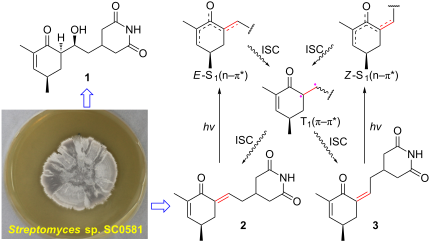
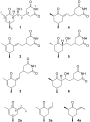
- without the toxic side-effects could provide a viable lead of therapeutic drugs or agricultural pesticides. During the course of our searching for bioactive microbial metabolites [8][9], a culture extract of Streptomyces sp. SC0581 was found to show antifungal activity against the phytopathogen




Synthesis and enzymatic ketonization of the 5-(halo)-2-hydroxymuconates and 5-(halo)-2-hydroxy-2,4-pentadienoates
Beilstein J. Org. Chem. 2017, 13, 1022–1031, doi:10.3762/bjoc.13.101
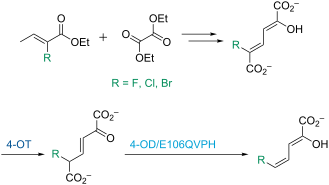
- at these concentrations. If these downstream metabolites accumulate, the overall efficiency of the pathway might be affected. The non-enzymatic and 4-OT-catalyzed ketonization of 5b–d (to the β,γ-unsaturated ketones and the α,β-isomers) was also examined as the presence of the different isomers could


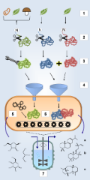
Opportunities and challenges for the sustainable production of structurally complex diterpenoids in recombinant microbial systems
Beilstein J. Org. Chem. 2017, 13, 845–854, doi:10.3762/bjoc.13.85
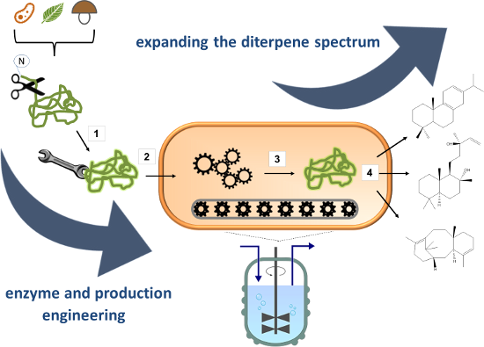
- Isoprenoid natural products are one of the most structurally diverse groups of primary and secondary metabolites in all kinds of organisms. Moreover, they represent an invaluable source of bioactive natural products. Prominent representatives of these compounds are taxol [1] (paclitaxel, anticancer drug
- identify new isoprenoids of industrial relevance essential oil extracts are screened for bioactive properties that may furnish future drugs [7][8]. Harnessing isoprenoid compounds for large-scale industrial purposes can be hampered due to low natural occurrence. Being mostly secondary metabolites
- describing the metabolic engineering of a bacterial host. Precursor formation All terpenes derive from the ubiquitous central metabolites isopentenyl diphosphate (IPP) and dimethylallyl diphosphate (DMAPP) [24] (see Scheme 1). Interestingly, only two metabolic pathways (MEP and MEV) have been identified for


Lipids: fatty acids and derivatives, polyketides and isoprenoids
Beilstein J. Org. Chem. 2017, 13, 793–794, doi:10.3762/bjoc.13.78
- African reed frog that are likely amphibian signaling compounds [1]. Sensu lato, and this is the definition relevant to this Thematic Series: lipids include all kinds of apolar (or less polar) primary and secondary metabolites, including molecules that are formed via fatty acid biosynthesis, the
Membrane properties of hydroxycholesterols related to the brain cholesterol metabolism
Beilstein J. Org. Chem. 2017, 13, 720–727, doi:10.3762/bjoc.13.71
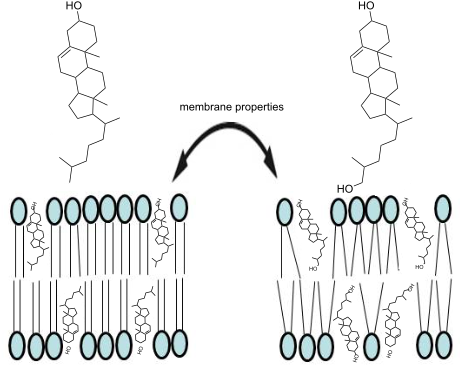
- cholesterol into metabolites, which can easily diffuse into the brain. These metabolites are primarily the oxysterols (24S)-hydroxycholesterol (24S-HC) for the transport from the brain to the bloodstream and 27-hydroxycholesterol (27-HC) for the transport in the opposite direction [4][6][8]. These molecules


Secondary metabolome and its defensive role in the aeolidoidean Phyllodesmium longicirrum, (Gastropoda, Heterobranchia, Nudibranchia)
Beilstein J. Org. Chem. 2017, 13, 502–519, doi:10.3762/bjoc.13.50
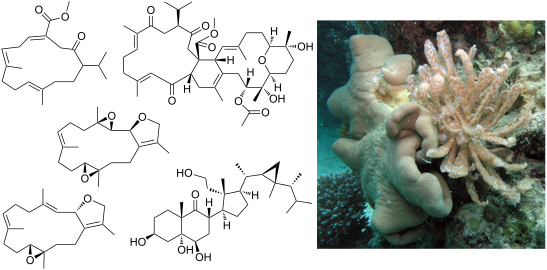
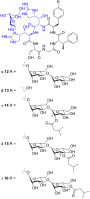
- chemistry. Herein we report the isolation of a total of 19 secondary metabolites from a single specimen of this species, i.e., steroids 1–4, cembranoid diterpenes 5–13, complex biscembranoids 14 and 15, and the chatancin-type diterpenes 16–19. These compounds resemble those from soft corals of the genus
- protection, alternative defensive strategies, such as the production of calcareous needles or acidic sulfates, and sequestration or de novo synthesis of toxic metabolites emerged within the opisthobranch taxa [2][3][4][5]. Adaptations and mimicry, which help to hide in habitats is frequent in marine
- octocorallian food also offers a wide spectrum of terpenoid chemistry, which is incorporated and stored by Phyllodesmium. Only few chemical investigations were undertaken on Phyllodesmium species [10][11][12][13][14][15], describing mostly terpenoid secondary metabolites. Indirect evidence suggests that these



Biosynthetic origin of butyrolactol A, an antifungal polyketide produced by a marine-derived Streptomyces
Beilstein J. Org. Chem. 2017, 13, 441–450, doi:10.3762/bjoc.13.47
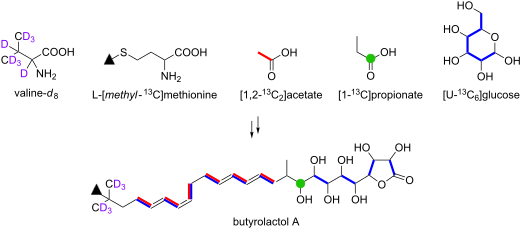
- diverse secondary metabolites with pharmaceutically useful bioactivities. Importantly, members of the genus Streptomyces have been the main source of drug discovery programs due to their high capacity in secondary metabolism including polyketides, peptides, terpenoids, alkaloids, and amino acid
- /carbohydrate/nucleic acid derivatives [1][2]. One of the largest groups of bacterial secondary metabolites is polyketide from which a range of clinically used drugs have been developed. Polyketides still remain in the focus of drug development because of their structural complexity that can provide attractive
- structure and the antifungal potency, no further research has been reported for 1. There are two interesting aspects in the structure of butyrolactol A (1). First, among the polyketides, a tert-butyl group has been found exclusively in metabolites of marine cyanobacteria except for 1 [11][12][13][14



Structure–efficiency relationships of cyclodextrin scavengers in the hydrolytic degradation of organophosphorus compounds
Beilstein J. Org. Chem. 2017, 13, 417–427, doi:10.3762/bjoc.13.45
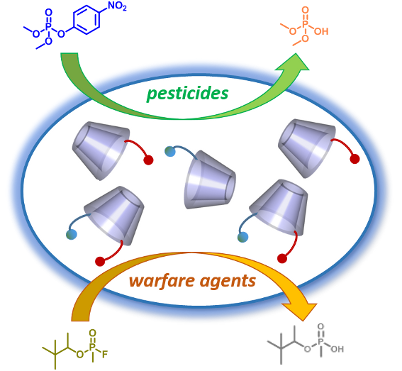
- hydrophobic molecules. In particular, these macromolecular structures display the interesting capability to include organophosphorus pesticides into their cavity [13][14][15][16][17]. However, their intrinsic ability to transform these compounds into low or non-toxic metabolites at physiological pH is weak




Versatile synthesis of the signaling peptide glorin
Beilstein J. Org. Chem. 2017, 13, 247–250, doi:10.3762/bjoc.13.27
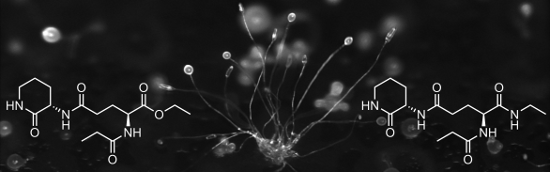
- form a multicellular organism. Eventually, they culminate in fruiting bodies to spread some of the population as dormant spores into the environment. Secondary metabolites often constitute the key signaling molecules in these developmental processes [3][4]. For instance, aggregation of the amoebae is


O-Alkylated heavy atom carbohydrate probes for protein X-ray crystallography: Studies towards the synthesis of methyl 2-O-methyl-L-selenofucopyranoside
Beilstein J. Org. Chem. 2016, 12, 2828–2833, doi:10.3762/bjoc.12.282

- -glucosamine, have been described in rats as metabolites for detoxifying inorganic selenite intake [12][13]. Selenium-containing compounds are also widely used as tools for protein X-ray crystallography in structural biology. The determination of a protein structure depends on the correct phase recovering


Enduracididine, a rare amino acid component of peptide antibiotics: Natural products and synthesis
Beilstein J. Org. Chem. 2016, 12, 2325–2342, doi:10.3762/bjoc.12.226
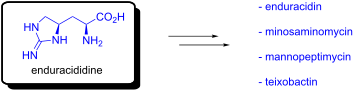
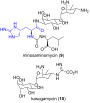
- mechanism is operative [31]. Indole metabolite In 1996, during a screening program for biologically active metabolites from marine ascidians, Riguera et al. identified a small group of amino acid containing compounds in a cytotoxic extract of the ascidian Leptoclinides dubius [32]. Among these compounds was












Synthesis of medronic acid monoesters and their purification by high-performance countercurrent chromatography or by hydroxyapatite
Beilstein J. Org. Chem. 2016, 12, 2145–2149, doi:10.3762/bjoc.12.204
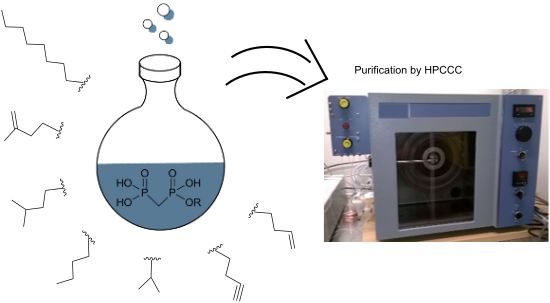
- their versatility extends beyond their conventional uses, making them still highly attractive compounds [1][2][3][4][5]. Monoesters of medronic acid are structural analogues of isopentenyl pyrophosphate (IPP) and dimethylallyl pyrophosphate (DMAPP) (Figure 1), both common and important metabolites of


The direct oxidative diene cyclization and related reactions in natural product synthesis
Beilstein J. Org. Chem. 2016, 12, 2104–2123, doi:10.3762/bjoc.12.200
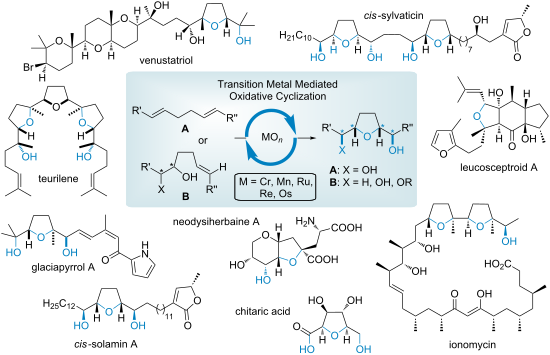
- secondary metabolites contains two 2,5-trans-substituted THF ring systems (Scheme 7) [66][67]. Despite significant efforts from various research groups, it took more than two decades from its isolation and characterization to the publication of its first total synthesis by Carter and co-workers in 2012 [67