


Search results
Search for "esterification" in Full Text gives 300 result(s) in Beilstein Journal of Organic Chemistry. Showing first 200.
Recent advances in metathesis-derived polymers containing transition metals in the side chain
- Ileana Dragutan,
- Valerian Dragutan,
- Bogdan C. Simionescu,
- Albert Demonceau and
- Helmut Fischer
Beilstein J. Org. Chem. 2015, 11, 2747–2762, doi:10.3762/bjoc.11.296
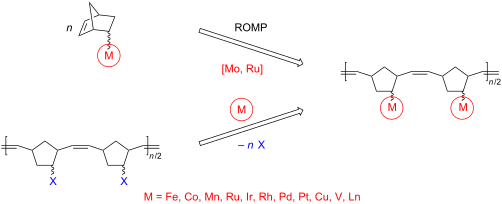
- triazolyl unit was first attached to the η4-cyclopentadiene CpCo(I) complex by click reaction of the corresponding alkyne precursor and then the triazolyl-Co scaffold was incorporated into the norbornene monomer 9 by conventional esterification. It is important to note that the cyclopentadienyl-cobalt-1,3

Graphical Abstract

Scheme 1: Synthesis of homopolymers containing ferrocenyl and tetraethylene glycol groups.

Scheme 2: Synthesis of redox-robust triazolylbiferrocenyl polymers 4.

Scheme 3: Synthesis of cobaltocenium-containing polymers by ROMP.

Scheme 4: Cobaltocenium-appending copolymers by the ROMP approach (X = PF6, Y = BPh4 or Cl).

Scheme 5: Cobalt-containing polymers by click and ROMP approach.

Scheme 6: Synthesis of new cobalt-integrating block copolymers.

Scheme 7: Two alternative routes for the synthesis of redox-active cobalticenium-tethered polyelectrolytes.

Scheme 8: Oxanorbornene monomers for the synthesis of Ru-containing polymers by ROMP.

Scheme 9: ROMP synthesis of Ru-containing homopolymers.

Scheme 10: Synthesis of diblock copolymers incorporating ruthenium.

Scheme 11: Synthesis of Ru triblock copolymers.

Scheme 12: Synthesis of cross-linked Ru-containing triblock copolymers.

Scheme 13: Synthesis of Ir-containing homopolymers by ROMP.

Scheme 14: Monomers for Ir- and Os-containing ROMP polymers.

Scheme 15: ROMP block copolymers integrating Ir in their side chains.

Scheme 16: Synthesis of Rh-containing block copolymers.

Scheme 17: Access to rhodocenium-containing metallopolymers by ROMP.

Scheme 18: Synthesis of homopolymers equipped with Cu coordination centers.

Scheme 19: Synthesis of Cu-containing copolymers (spacer = –(CH2)5–; >C=O).

Scheme 20: Synthesis of polynorbornene bearing a polyoxometalate (POM) cluster in the side chain.

Scheme 21: Synthesis of Eu-containing copolymers by a ROMP-based route.
Pyridylidene ligand facilitates gold-catalyzed oxidative C–H arylation of heterocycles
- Kazuhiro Hata,
- Hideto Ito,
- Yasutomo Segawa and
- Kenichiro Itami
Beilstein J. Org. Chem. 2015, 11, 2737–2746, doi:10.3762/bjoc.11.295
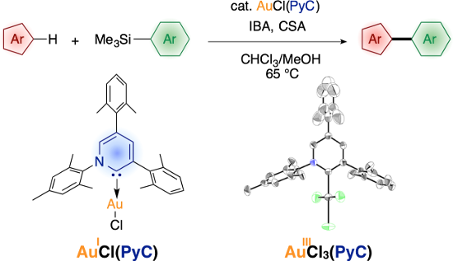
- was also detected. Furthermore, a significant amount of methyl 2-iodobenzoate (5) was generated through the esterification of a co-product (2-iodobenzoic acid) with methanol. We also tested other iodine(III) reagents such as PhI(OAc)2, PhI(OCOCF3)2 and PhI(OH)(OTs), but they all resulted in lower
- confirmed that the esterification of 2-iodobenzoic acid takes place to give 5 under the reaction conditions; 2-iodobenzoic acid was smoothly converted to 5 in chloroform/methanol solution at 65 °C. Transmetalation of gold(III) complex B with arylsilane 2 affords monoarylated gold(III) intermediate C. The

Graphical Abstract

Figure 1: Triaryl-2-pyridylidene (PyC) and PyC-gold(I) complex (AuCl(PyC)).
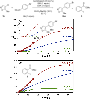
Figure 2: Yield–time profiles of 4-(4-bromophenyl)-5-methylisoxazole (3ba) and methyl 2-iodobenzoate (5) with...

Scheme 1: Plausible reaction mechanism of gold-catalyzed oxidative C–H arylation of heteroarenes with arylsil...

Figure 3: ORTEP drawing of AuCl3(PyC) with 50% probability. Hydrogen atoms and solvent are omitted for clarit...

Scheme 2: Direct observation and isolation of carbene-gold(III) complex. Mes = 2,4,6-Me3C6H2, Xyl = 2,6-Me2C6H...
Synthesis of cyclic N1-pentylinosine phosphate, a new structurally reduced cADPR analogue with calcium-mobilizing activity on PC12 cells
- Ahmed Mahal,
- Stefano D’Errico,
- Nicola Borbone,
- Brunella Pinto,
- Agnese Secondo,
- Valeria Costantino,
- Valentina Tedeschi,
- Giorgia Oliviero,
- Vincenzo Piccialli and
- Gennaro Piccialli
Beilstein J. Org. Chem. 2015, 11, 2689–2695, doi:10.3762/bjoc.11.289
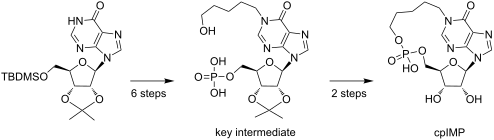
- 9 we explored two synthetic routes, differing for the degree of esterification at the phosphate moiety, to achieve the cyclization of the 17-membered ring of 4. The treatment of 9 with a mixture of triethylamine/pyridine furnished the phosphodiester product 10 in almost quantitative yield. Instead

Graphical Abstract

Figure 1: Structures of cADPR (1), cIDPR (2), cpIDP (3) and cpIMP (4).

Figure 2: Synthetic strategies explored in the cyclization step via phosphodiester bond formation.

Scheme 1: i) (iPr)2NP(OCE)Cl, DIPEA, THF, 1 h, rt; ii) 1) 1H-tetrazole, THF, 2) t-BuOOH, 2 h, rt; iii) 1) (iP...

Scheme 2: i) DNCB, K2CO3, DMF, 4 h, 80 °C; ii) 5-aminopentan-1-ol, DMF, 16 h, 50 °C; iii) Ac2O, pyridine, 2 h...

Figure 3: Effect of 3 and 4 on intracellular [Ca2+] in NGF-differentiated PC12 cells. (A) and (B): representa...
Assembly of synthetic Aβ miniamyloids on polyol templates
- Sebastian Nils Fischer and
- Armin Geyer
Beilstein J. Org. Chem. 2015, 11, 2646–2653, doi:10.3762/bjoc.11.284
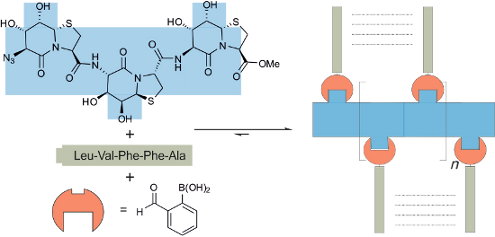
- , Aβ peptide pentapeptide boronic acids 1 and 2 were synthesized by solid-phase peptide synthesis and studied in esterification experiments with polyhydroxylated templates. The bis-hydroxylated dipeptide Hot=Tap serves as a template of adjustable degree of oligomerization which spontaneously forms
- boronic esters with peptides of type 1 and 2. Nuclear magnetic resonance can differentiate between regioisomeric boronic esters and identifies preferred sites of esterification on the dimeric template 9. 2-Formylphenylboronic acid (14) is used to link the parent pentapeptide Leu-Val-Phe-Phe-Ala to the
- example, disulfide [10], acetal [11], imine [12] and boronates [13][14][15][16], to allow the generation of new covalent structures under thermodynamic control. Complete esterification is observed for boronate esters bearing ortho-amines [17]. The conceptual advantage compared to traditional irreversible

Graphical Abstract

Figure 1: a) Schematic representation of the Aβ fibril formation. The monomeric peptide is shown as a colored...

Figure 2: a) Peptide boronic acids 1 and 2 are schematically shown as green sticks (peptide) with a red gripp...

Figure 3: Meso-erythritol is a promiscuous polyol which forms mixtures of esters due to the formation of 5-me...

Figure 4: Diol 5 (6.08 mg, 20.0 μmol, 1.0 equiv) and 3-(acetylamino)phenylboronic acid (6, 3.56 mg, 20.0 μmol...

Figure 5: Fmoc-Hot=Tap-OH (8).

Figure 6: Template 9 and boronic acid 6 can form the monoesters 10 and 11, or the diester 12. The signal assi...

Figure 7: Template 9 (2.30 mg, 4.40 µmol, 1.0 equiv) and peptide boronic acid 1 (7.35 mg, 8.80 µmol, 2.0 equi...

Figure 8: Template 5 (1H NMR expansion shown for reference DMSO-d6, 300 K) and peptide Leu-Val-Phe-Phe-Ala ar...

Figure 9: The trimeric template 16 together with 3 equivalents of pentapeptide LVFFA and 2-formylphenylboroni...
Synthesis of Xenia diterpenoids and related metabolites isolated from marine organisms
- Tatjana Huber,
- Lara Weisheit and
- Thomas Magauer
Beilstein J. Org. Chem. 2015, 11, 2521–2539, doi:10.3762/bjoc.11.273
- synthesized in four steps. Esterification with (R)-(+)-citronellic acid (127) yielded a single diastereomer of ester 128. Addition of lithium diisopropylamide to a mixture of 128, trimethylsilyl chloride and triethylamine initiated an Ireland–Claisen rearrangement [63] which gave carboxylic acid 129 in 85

Graphical Abstract

Figure 1: a) Structure of xenicin (1) and b) numbering of the xenicane skeleton according to Schmitz and van ...
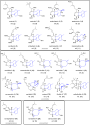
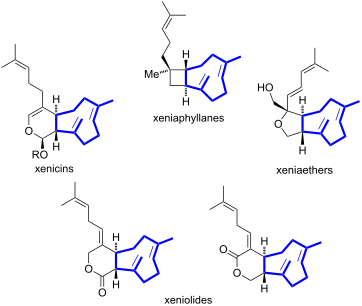
Figure 2: Overview of selected Xenia diterpenoids according to the four subclasses [2-20]. The nine-membered carboc...

Figure 3: Representative members of the caryophyllenes, azamilides and Dictyota diterpenes.

Scheme 1: Proposed biosynthesis of Xenia diterpenoids (OPP = pyrophosphate, GGPP = geranylgeranyl pyrophospha...

Scheme 2: Direct synthesis of the nine-membered carbocycle as proposed by Schmitz and van der Helm (E = elect...

Scheme 3: The construction of E- or Z-cyclononenes.

Scheme 4: Total synthesis of racemic β-caryophyllene (22) by Corey.

Scheme 5: Total synthesis of racemic β-caryophyllene (22) by Oishi.

Scheme 6: Total synthesis of coraxeniolide A (10) by Leumann.
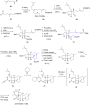
Scheme 7: Total synthesis of antheliolide A (18) by Corey.

Scheme 8: a) Synthesis of enantiomer 80, b) total syntheses of coraxeniolide A (10) and c) β-caryophyllene (22...

Scheme 9: Total synthesis of blumiolide C (11) by Altmann.

Scheme 10: Synthesis of a xeniolide F precursor by Hiersemann.

Scheme 11: Synthesis of the xenibellol (15) and the umbellacetal (114) core by Danishefsky.

Scheme 12: Proposed biosynthesis of plumisclerin A (118).

Scheme 13: Synthesis of the tricyclic core structure of plumisclerin A by Yao.
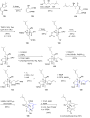
Scheme 14: Total synthesis of 4-hydroxydictyolactone (137) by Williams.

Scheme 15: Photoisomerization of 4-hydroxydictyolactone (137) to 4-hydroxycrenulide (138).
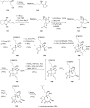
Scheme 16: The total synthesis of (+)-acetoxycrenulide (151) by Paquette.
Recent developments in copper-catalyzed radical alkylations of electron-rich π-systems
- Kirk W. Shimkin and
- Donald A. Watson
Beilstein J. Org. Chem. 2015, 11, 2278–2288, doi:10.3762/bjoc.11.248
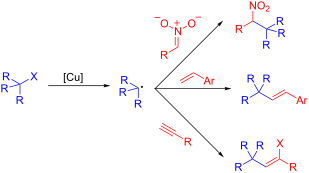
- and supress polymerization. A detachable ester group can be utilized in order to achieve Z-selective alkene synthesis [37]. In this protocol, an ortho-hydroxy substituted styrene undergoes esterification with a labile α-bromo ester. This positions the reactive radical exclusively on the face of the

Graphical Abstract

Scheme 1: Reactivity of nitronate anions towards alkyl electrophiles.

Scheme 2: Ligands tested in the alkylation of nitroalkanes with alkyl halides. aNaOt-Bu as base, hexanes as s...

Scheme 3: Scope of the copper-catalyzed nitroalkane benzylation.

Scheme 4: Application of the nitro-alkylation reaction to the synthesis of phentermine.

Scheme 5: Possible mechanism of the thermal redox process.

Scheme 6: Scope of the reaction of nitroalkanes with α-bromocarbonyls.

Scheme 7: Synthesis of highly congested β-amino acids.

Scheme 8: Copper-catalyzed alkenylation reactions.

Scheme 9: Proposed mechanism of the copper-catalyzed alkenylation reaction.

Scheme 10: Scope of the copper-catalyzed alkenylation of tertiary electrophiles.

Scheme 11: Scope of the exo-methylene styrene synthesis.

Scheme 12: Phenol-directed synthesis of Z-alkenes.

Scheme 13: Scope of the phenol-directed Z-alkene synthesis.

Scheme 14: Rationale for the formal [3 + 2] cycloaddition.

Scheme 15: Scope of the formal [3 + 2] cycloaddition.

Scheme 16: Benzylation of styrenes using copper catalysis.

Scheme 17: Copper-catalyzed carboiodination of alkynes.

Scheme 18: Copper-catalyzed trans-carbohalogenation of alkynes. aNaI (2 equiv) was added.
Self-assemblies of γ-CDs with pentablock copolymers PMA-PPO-PEO-PPO-PMA and endcapping via atom transfer radical polymerization of 2-methacryloyloxyethyl phosphorylcholine
- Jing Lin,
- Tao Kong,
- Lin Ye,
- Ai-ying Zhang and
- Zeng-guo Feng
Beilstein J. Org. Chem. 2015, 11, 2267–2277, doi:10.3762/bjoc.11.247
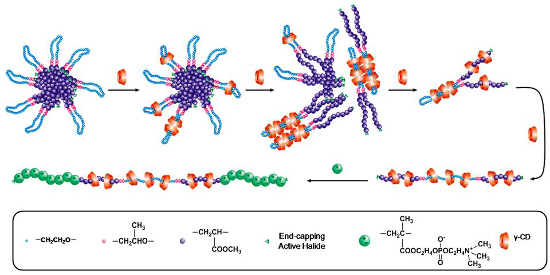
- , where x is the feed molar ratio of MA to PPO-PEO-PPO. The products were characterized by means of 1H NMR and GPC analyses (Figure S1 and Figure S2, Supporting Information File 1). The degree of esterification of BrPEPBr determined by 1H NMR was >99%. Additionally, the GPC curves of PEPxM presented a

Graphical Abstract

Scheme 1: Schematic description of self-assembly of γ-CDs with PMA-PPO-PEO-PPO-PMA and one-pot endcapping via...

Scheme 2: Synthetic pathway of PMA-PPO-PEO-PPO-PMA.

Figure 1: Photographs of the formation of a PEP100M15CD hydrogel.

Figure 2: WXRD patterns of γ-CD (A), PEP15CD (B), PEP100M (C), PEP100M10CD (D), PEP100M15CD (E), PEP100M30CD ...

Figure 3: 1H NMR spectra of PR30CD80P in DMF-d7/D2O (A) and DMSO-d6/D2O (B).

Figure 4: GPC curves of γ-CD (A), PR0CD30P (B), PR30CD30P (C), PR30CD50P (D) and PR30CD80P (E).

Figure 5: 13C CP/MAS NMR spectra of PEP100M15CD (A) and γ-CD (B).

Figure 6: 2D NOESY NMR spectrum of PR30CD80P in DMSO-d6/D2O.

Figure 7: FTIR spectra of PEP100M (A), PEP100M15CD (B), PR0CD30P (C), PR30CD80P (D) and γ-CD (E).

Figure 8: TGA curves of PEP100M (A), γ-CD (B), PEP15CD (C), PEP100M10CD (D), PEP100M15CD (E) and PEP100M30CD ...

Figure 9: BrPEPBr (A), PEP15CD (B), PEP100M (C), PEP100M15CD (D), PR0CD30P (E), PR30CD50P (F), PR30CD80P (G) ...
Cross metathesis of unsaturated epoxides for the synthesis of polyfunctional building blocks
- Meriem K. Abderrezak,
- Kristýna Šichová,
- Nancy Dominguez-Boblett,
- Antoine Dupé,
- Zahia Kabouche,
- Christian Bruneau and
- Cédric Fischmeister
Beilstein J. Org. Chem. 2015, 11, 1876–1880, doi:10.3762/bjoc.11.201
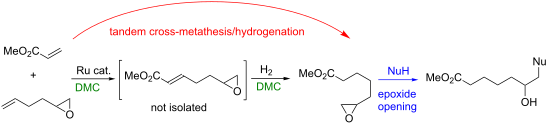
- by intramolecular trans-esterification from 6, 7 and 8, as well as cyclic amines by intramolecular cyclization involving primary amine resulting from hydrogenation of the nitrile functionality in 5. All these aspects will be further developed in our group. Cross metathesis of 1 with methyl acrylate

Graphical Abstract

Scheme 1: Cross metathesis of 1 with methyl acrylate.

Scheme 2: Cross metathesis of 1 with acrylonitrile.

Scheme 3: Tandem cross metathesis/hydrogenation.

Scheme 4: Trifunctional compounds obtained by ring-opening of epoxide 4.
Recent applications of ring-rearrangement metathesis in organic synthesis
- Sambasivarao Kotha,
- Milind Meshram,
- Priti Khedkar,
- Shaibal Banerjee and
- Deepak Deodhar
Beilstein J. Org. Chem. 2015, 11, 1833–1864, doi:10.3762/bjoc.11.199
- prepared from the corresponding allylic alcohol 63 by esterification with the anhydride 64 derived from cyclobutene. Later, the ester 65, on treatment with the catalyst 1 under toluene reflux conditions followed by treatment with the catalyst 2 furnished the macrolide-butenolides 66 in 42–48% yields via

Graphical Abstract

Figure 1: Ruthenium alkylidene catalysts used in RRM processes.
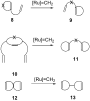
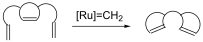
Figure 2: General representation of various RRM processes.

Figure 3: A general mechanism for RRM process.

Scheme 1: RRM of cyclopropene systems.

Scheme 2: RRM of cyclopropene with catalyst 2. (i) catalyst 2 (2.5 mol %), ethylene (24, 1 atm), (ii) toluene...

Scheme 3: RRM of various cyclopropene derivatives with catalyst 2. (i) catalyst 2 (2.5 mol %), CH2Cl2 (c = 0....

Scheme 4: RRM of substituted cyclopropene system with catalyst 2.

Scheme 5: RRM of cyclobutene system with catalyst 2.

Scheme 6: RRM approach to various bicyclic compounds.

Scheme 7: RRM approach to erythrina alkaloid framework.

Scheme 8: ROM–RCM sequence to lactone derivatives.

Scheme 9: RRM protocol towards the synthesis of lactone derivative 58.

Scheme 10: RRM protocol towards the asymmetric synthesis of asteriscunolide D (61).

Scheme 11: RRM strategy towards the synthesis of various macrolide rings.

Scheme 12: RRM protocol to dipiperidine system.

Scheme 13: RRM of cyclopentene system to generate the cyclohexene systems.

Scheme 14: RRM of cyclopentene system 74.

Scheme 15: RRM approach to compound 79.

Scheme 16: RRM approach to spirocycles.

Scheme 17: RRM approach to bicyclic dihydropyrans.

Scheme 18: RCM–ROM–RCM cascade using non strained alkenyl heterocycles.

Scheme 19: First ROM–RCM–ROM–RCM cascade for the synthesis of trisaccharide 97.

Scheme 20: RRM of cyclohexene system.

Scheme 21: RRM approach to tricyclic spirosystem.

Scheme 22: RRM approach to bicyclic building block 108a.

Scheme 23: ROM–RCM protocol for the synthesis of the bicyclo[3.3.0]octene system.

Scheme 24: RRM protocol to bicyclic enone.

Scheme 25: RRM protocol toward the synthesis of the tricyclic system 118.

Scheme 26: RRM approach toward the synthesis of the tricyclic enones 122a and 122b.

Scheme 27: Synthesis of tricyclic and tetracyclic systems via RRM protocol.

Scheme 28: RRM protocol towards the synthesis of tetracyclic systems.

Scheme 29: RRM of the propargylamino[2.2.1] system.

Scheme 30: RRM of highly decorated bicyclo[2.2.1] systems.

Scheme 31: RRM protocol towards fused tricyclic compounds.

Scheme 32: RRM protocol to functionalized tricyclic systems.

Scheme 33: RRM approach to functionalized polycyclic systems.

Scheme 34: Sequential RRM approach to functionalized tricyclic ring system 166.

Scheme 35: RRM protocol to functionalized CDE tricyclic ring system of schintrilactones A and B.

Scheme 36: Sequential RRM approach to 7/5 fused bicyclic systems.

Scheme 37: Sequential ROM-RCM protocol for the synthesis of bicyclic sugar derivatives.

Scheme 38: ROM–RCM sequence of the norbornene derivatives 186 and 187.

Scheme 39: RRM approach toward highly functionalized bridge tricyclic system.

Scheme 40: RRM approach toward highly functionalized tricyclic systems.

Scheme 41: Synthesis of hexacyclic compound 203 by RRM approach.

Scheme 42: RRM approach toward C3-symmetric chiral trimethylsumanene 209.

Scheme 43: Triquinane synthesis via IMDA reaction and RRM protocol.

Scheme 44: RRM approach to polycyclic compounds.

Scheme 45: RRM strategy toward cis-fused bicyclo[3.3.0]carbocycles.

Scheme 46: RRM protocol towards the synthesis of bicyclic lactone 230.

Scheme 47: RRM approach to spiro heterocyclic compounds.

Scheme 48: RRM approach to spiro heterocyclic compounds.

Scheme 49: RRM approach to regioselective pyrrolizidine system 240.

Scheme 50: RRM approach to functionalized bicyclic derivatives.

Scheme 51: RRM approach to tricyclic derivatives 249 and 250.

Scheme 52: RRM approach to perhydroindoline derivative and spiro system.

Scheme 53: RRM approach to bicyclic pyran derivatives.

Scheme 54: RRM of various functionalized oxanorbornene systems.

Scheme 55: RRM to assemble the spiro fused-furanone core unit. (i) 129, benzene, 55 °C, 3 days; (ii) Ph3P=CH2B...

Scheme 56: RRM protocol to norbornenyl sultam systems.

Scheme 57: Ugi-RRM protocol for the synthesis of 2-aza-7-oxabicyclo system.

Scheme 58: Synthesis of spiroketal systems via RRM protocol.

Scheme 59: RRM approach to cis-fused heterotricyclic system.

Scheme 60: RRM protocol to functionalized bicyclic systems.

Scheme 61: ROM/RCM/CM cascade to generate bicyclic scaffolds.

Scheme 62: RCM of ROM/CM product.

Scheme 63: RRM protocol to bicyclic isoxazolidine ring system.

Scheme 64: RRM approach toward the total synthesis of (±)-8-epihalosaline (300).

Scheme 65: Sequential RRM approach to decalin 304 and 7/6 fused 305 systems.

Scheme 66: RRM protocol to various fused carbocyclic derivatives.

Scheme 67: RRM to cis-hydrindenol derivatives.

Scheme 68: RRM protocol towards the cis-hydrindenol derivatives.

Scheme 69: RRM approach toward the synthesis of diversed polycyclic lactams.

Scheme 70: RRM approach towards synthesis of hexacyclic compound 324.

Scheme 71: RRM protocol to generate luciduline precursor 327 with catalyst 2.

Scheme 72: RRM protocol to key building block 330.

Scheme 73: RRM approach towards the synthesis of key intermediate 335.

Scheme 74: RRM protocol to highly functionalized spiro-pyran system 339.

Scheme 75: RRM to various bicyclic polyether derivatives.
Preparation of conjugated dienoates with Bestmann ylide: Towards the synthesis of zampanolide and dactylolide using a facile linchpin approach
- Jingjing Wang,
- Samuel Z. Y. Ting and
- Joanne E. Harvey
Beilstein J. Org. Chem. 2015, 11, 1815–1822, doi:10.3762/bjoc.11.197
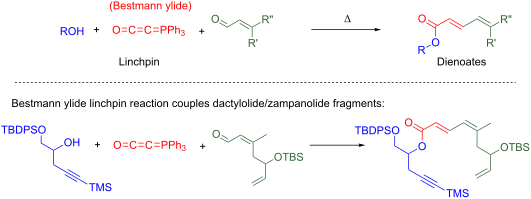
- uncharted. In this paper, a three-component reaction between α,β-unsaturated aldehydes, alcohols and the Bestmann ylide is described. The scope of this esterification–Wittig reaction sequence in the synthesis of α,β,γ,δ-unsaturated esters is studied, and the method is applied in an approach towards the
- . Although fragment syntheses vary, the late-stage fragment assembly of the dactylolide macrocycle has centred mostly around construction of the C1–C5 dienoate by Wittig-type olefination reactions followed by ester hydrolysis and esterification with the C19 hydroxy group, combined with metathesis to form the

Graphical Abstract

Figure 1: Structures of (−)-zampanolide (2) and (+)-dactylolide (3).

Scheme 1: Retrosynthesis of zampanolide involving a Bestmann ylide linchpin strategy.

Scheme 2: Synthesis of aldehyde 8.

Scheme 3: Bestmann ylide linchpin coupling of the C16–C20 and C3–C8 fragments of zampanolide/dactylolide.
Pyridinoacridine alkaloids of marine origin: NMR and MS spectral data, synthesis, biosynthesis and biological activity
- Louis P. Sandjo,
- Victor Kuete and
- Maique W. Biavatti
Beilstein J. Org. Chem. 2015, 11, 1667–1699, doi:10.3762/bjoc.11.183
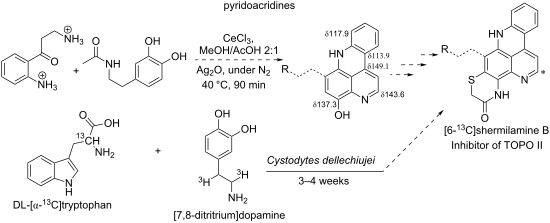
- ) has been performed by Lotter and Bracher [67]. The route included four steps, but unfortunately, the overall yield was only 7%. Like in method A, the synthesis started with 1,10-phenanthroline to prepare binicotinic acid via oxidative cleavage by potassium permanganate. The esterification took place

Graphical Abstract

Figure 1: Fragments produced by the FAB–MS of dehydrokuanoniamine B (20) [42].

Figure 2: Fragments produced by the EIMS of sagitol (26) [55].

Figure 3: Fragments produced by the EIMS of styelsamine B (4) [45].

Figure 4: Fragments produced by the EIMS of styelsamine D (6) [45].
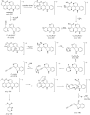
Figure 5: Fragments produced by the EIMS of subarine (37) [40].

Scheme 1: Synthesis of styelsamine B (4) and cystodytin J (1) [58].

Scheme 2: Synthesis of sebastianine A (38) and its regioisomer 39 [59].

Scheme 3: Synthesis route A of neoamphimedine (12) [61].
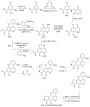
Scheme 4: Synthesis route B of neoamphimedine (12) [62].

Scheme 5: Synthesis of arnoamines A (40) and B (41) [63].

Scheme 6: Synthesis of ascididemin (42) [65].
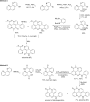
Scheme 7: Synthesis of subarine (37) [66,67].

Scheme 8: Synthesis of demethyldeoxyamphimedine (9) [68].

Scheme 9: Synthesis of pyridoacridine analogues related to ascididemin (42) [70].

Scheme 10: Synthesis of analogues of meridine (56) [71].

Scheme 11: Synthesis of bulky pyridoacridine as eilatin (58) [72].

Scheme 12: Synthesis of AK37 (59), analogue of kuanoniamine A (60) [73].

Figure 6: Biosynthesis pathway I [74].

Figure 7: Reaction illustrating catechol and kynuramine as possible biosynthetic precursors [75].

Figure 8: Biosynthesis pathway B deduced from the feeding experiment A using labelled precursors [76].

Figure 9: Proposed biosynthesis pathway [47].

Figure 10: 4H-Pyrido[2,3,4-kl]acridin-4-one as a cytotoxic pharmacophore.

Figure 11: 7H-Pyrido[2,3,4-kl]acridine as a cytotoxic pharmacophore.

Figure 12: 9H-Quinolino[4,3,2-de][1,10]phenanthrolin-9-one as a cytotoxic pharmacophore.

Figure 13: 8H-Benzo[b]pyrido[4,3,2-de][1,7]phenanthrolin-8-one as a cytotoxic pharmacophore.

Figure 14: Pyrido[4,3,2-mn]pyrrolo[3,2,1-de]acridine as a cytotoxic pharmacophore.

Figure 15: 9H-Pyrido[4,3,2-mn]thiazolo[4,5-b]acridin-9-one and 8H-pyrido[4,3,2-mn]thiazolo[4,5-b]acridine: cyt...
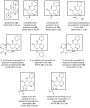
Figure 16: 9H-quinolino[4,3,2-de][1,10]phenanthrolin-9-one as an anti-mycobacterial pharmacophore.

Figure 17: 9H-Quinolino[4,3,2-de][1,10]phenanthrolin-9-one as an antibacterial pharmacophore.

Figure 18: Saturated and less saturated pyridine moieties as aspartyl inhibitor cores.

Figure 19: Iminobenzoquinone and acridone cores as intercalating and TOPO inhibitor motifs found in pyridoacri...
Dicarboxylic esters: Useful tools for the biocatalyzed synthesis of hybrid compounds and polymers
- Ivan Bassanini,
- Karl Hult and
- Sergio Riva
Beilstein J. Org. Chem. 2015, 11, 1583–1595, doi:10.3762/bjoc.11.174

- in the esterification of the antineoplastic antibiotics mithramycin (5) catalyzed by Candida antarctica lipase A (CAL-A) and chromomycin A3 (6) catalyzed by Candida antarctica lipase B (CAL-B) [24]. In another report a series of mono-substituted troxerutin esters (7a) were synthesized by action of
- parent compound 12. A similar approach was followed later on by Lin and coworkers, who described the enzymatic esterification of the nucleoside 5-fluorouridine (13) and of other polyhydroxylated bioactive molecules with divinyl esters of dicarboxylic acids [31][32][33][34][35]. The monovinyl esters
- once again the well-known efficiency, selectivity and versatility of CAL-B (Novozyme 435) [16]. As in the previous examples, the mixed esters from the first esterification step can be used as acylating agents in the second esterification step. Scheme 3 shows the synthesis of the hybrid compounds 17 and

Graphical Abstract

Scheme 1: Activated derivatives of dicarboxylic acids.

Figure 1: Example of natural compounds selectively acylated with dicarboxylic esters.

Figure 2: C6-dicarboxylic acid diesters derivatives of NAG-thiazoline.

Figure 3: Sylibin dimers obtained by CAL-B catalyzed trans-acylation reactions.

Scheme 2: Biocatalyzed synthesis of paclitaxel derivatives.

Figure 4: 5-Fluorouridine derivatives obtained by CAL-B catalysis.

Scheme 3: Biocatalyzed synthesis of hybrid diesters 17 and 18.

Scheme 4: Hybrid derivatives of sylibin.

Figure 5: Bolaamphiphilic molecules containing (L)- and/or (D)-isoascorbic acid moieties.

Figure 6: Doxorubicin (29) trapped in a polyester made of glycolate, sebacate and 1,4-butandiol units.

Figure 7: Polyesters containing functionalized pentofuranose derivatives.

Figure 8: Polyesters containing disulfide moieties.

Figure 9: Polyesters containing epoxy moieties.

Figure 10: Biocatalyzed synthesis of polyesters containing glycerol.

Figure 11: Iataconic (34) and malic (35) acid.

Figure 12: Oxidized poly(hexanediol-2-mercaptosuccinate) polymer.

Figure 13: C-5-substituted isophthalates.

Figure 14: Curcumin-based polyesters.

Figure 15: Silylated polyesters.

Figure 16: Polyesters containing reactive ether moieties.

Figure 17: Polyesters obtained by CAL-B-catalyzed condensation of dicarboxylic esters and N-substituted dietha...

Figure 18: Polyesters comprising mexiletine (38) moieties.

Figure 19: Poly(amide-co-ester)s comprising a terminal hydroxy moiety.

Figure 20: Polymer comprising α-oxydiacid moieties.

Figure 21: Telechelics with methacrylate ends.

Figure 22: Telechelics with allyl-ether ends.

Figure 23: Telechelics with ends functionalized as epoxides.
Consequences of the electronic tuning of latent ruthenium-based olefin metathesis catalysts on their reactivity
- Karolina Żukowska,
- Eva Pump,
- Aleksandra E. Pazio,
- Krzysztof Woźniak,
- Luigi Cavallo and
- Christian Slugovc
Beilstein J. Org. Chem. 2015, 11, 1458–1468, doi:10.3762/bjoc.11.158
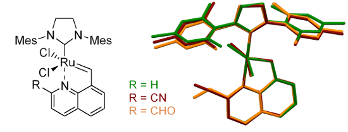
- Suzuki coupling as shown in Scheme 2 [14]. The cyano-substituted compound 10 was obtained without difficulty, but esterification of compound 9 was problematic because of purification issues (cf. Supporting Information File 1) so an alternative pathway was established. Starting from 2-bromoaniline upon

Graphical Abstract

Figure 1: Selected ruthenium-based complexes.

Scheme 1: trans–cis Isomerization.

Scheme 2: Synthesis of the ligand precursors.

Scheme 3: Synthesis of the ruthenium complexes.

Figure 2: ADPs (atomic displacement parameters) and atoms labeling of the first molecule in the asymmetric pa...

Figure 3: Superposition of the asymmetric parts of units’ cells in both investigated structures: an example o...

Figure 4: Energy profile of trans–cis isomerization, modelled in CH2Cl2, (ΔE in kcal/mol). Geometry optimizat...

Scheme 4: Possible reaction pathways of 16.

Figure 5: Time/conversion plots for the transformation of 16 catalyzed by 5 mol % of the trans isomers of tra...

Figure 6: Composition of a reaction mixture after subjecting 16 to 5 mol % cis-5a in xylene, 140 °C. Lines ar...

Figure 7: Monomers utilized in model ROMP reactions.

Figure 8: Number-average molecular weight (Mn) of poly-21 prepared with initiators 5a, 14 and 15 plotted agai...

Figure 9: STA analysis of polymerization of 22 (left) and 23 (right), initiated by 5a, 14 and 15. Reaction co...
Selected synthetic strategies to cyclophanes
- Sambasivarao Kotha,
- Mukesh E. Shirbhate and
- Gopalkrushna T. Waghule
Beilstein J. Org. Chem. 2015, 11, 1274–1331, doi:10.3762/bjoc.11.142

Graphical Abstract

Figure 1: General representation of cyclophanes.

Figure 2: cyclophanes one or more with heteroatom.

Figure 3: Metathesis catalysts 12–17 and C–C coupling catalyst 18.

Figure 4: Natural products containing the cyclophane skeleton.

Figure 5: Turriane family of natural products.

Scheme 1: Synthesis of [3]ferrocenophanes through Mannich reaction. Reagents and conditions: (i) excess HNMe2...

Scheme 2: Synthesis of cyclophanes through Michael addition. Reagents and conditions: (i) xylylene dibromide,...

Scheme 3: Synthesis of normuscopyridine analogue 37 through an oxymercuration–oxidation strategy. Reagents an...

Scheme 4: Synthesis of tribenzocyclotriyne 39 through Castro–Stephens coupling reaction. Reagents and conditi...

Scheme 5: Synthesis of cyclophane 43 through Glaser–Eglinton coupling. Reagents and conditions: (i) 9,10-bis(...

Scheme 6: Synthesis of the macrocyclic C-glycosyl cyclophane through Glaser coupling. Reagents and conditions...

Scheme 7: Synthesis of cyclophane-containing complex 49 through Glaser–Eglinton coupling reaction. Reagents a...

Scheme 8: Synthesis of cyclophane 53 through Glaser–Eglinton coupling. Reagents and conditions: (i) K2CO3, ac...

Figure 6: Cyclophanes 54–56 that have been synthesized through Glaser–Eglinton coupling.

Figure 7: Synthesis of tetrasubstituted [2.2]paracyclophane 57 and chiral cyclophyne 58 through Eglinton coup...

Scheme 9: Synthesis of cyclophane through Glaser–Hay coupling reaction. Reagents and conditions: (i) CuCl2 (1...

Scheme 10: Synthesis of seco-C/D ring analogs of ergot alkaloids through intramolecular Heck reaction. Reagent...

Scheme 11: Synthesis of muscopyridine 73 via Kumada coupling. Reagents and conditions: (i) 72, THF, ether, 20 ...

Scheme 12: Synthesis of the cyclophane 79 via McMurry coupling. Reagents and conditions: (i) 75, decaline, ref...

Scheme 13: Synthesis of stilbenophane 81 via McMurry coupling. Reagents and conditions: (i) TiCl4, Zn, pyridin...

Scheme 14: Synthesis of stilbenophane 85 via McMurry coupling. Reagents and conditions: (i) NBS (2 equiv), ben...
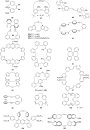
Figure 8: List of cyclophanes prepared via McMurry coupling reaction as a key step.

Scheme 15: Synthesis of paracyclophane by cross coupling involving Pd(0) catalyst. Reagents and conditions: (i...

Scheme 16: Synthesis of the cyclophane 112 via the pinacol coupling and 113 by RCM. Reagents and conditions: (...

Scheme 17: Synthesis of cyclophane derivatives 122a–c via Sonogoshira coupling. Reagents and conditions: (i) C...

Scheme 18: Synthesis of cyclophane 130 via Suzuki–Miyaura reaction as a key step. Reagents and conditions: (i)...

Scheme 19: Synthesis of the mycocyclosin via Suzuki–Miyaura cross coupling. Reagents and conditions: (i) benzy...

Scheme 20: Synthesis of cyclophanes via Wurtz coupling reaction Reagents and conditions: (i) PhLi, Et2O, C6H6,...

Scheme 21: Synthesis of non-natural glycophanes using alkyne metathesis. Reagents and conditions: (i) G-I (12)...

Figure 9: Synthesis of cyclophanes via ring-closing alkyne metathesis.

Scheme 22: Synthesis of crownophanes by cross-enyne metathesis. Reagents and conditions: (i) G-II (13), 5 mol ...

Scheme 23: Synthesis of (−)-cylindrocyclophanes A (156) and (−)-cylindrocyclophanes F (155). Reagents and cond...

Scheme 24: Synthesis of cyclophane 159 derivatives via SM cross-coupling and RCM. Reagents and conditions: (i)...

Scheme 25: Sexithiophene synthesis via cross metathesis. Reagents and conditions: (i) 161, Pd(PPh3)4, K2CO3, T...

Scheme 26: Synthesis of pyrrole-based cyclophane using enyne metathesis. Reagents and conditions: (i) Se, chlo...

Scheme 27: Synthesis of macrocyclic derivatives by RCM. Reagents and conditions: (i) G-I/G-II, CH2Cl2, 0.005 M...

Scheme 28: Synthesis of enantiopure β-lactam-based dienyl bis(dihydrofuran) 179. Reagents and conditions: (i) ...

Scheme 29: Synthesis of a [1.1.6]metaparacyclophane derivative 183 via SM cross coupling. Reagents and conditi...

Scheme 30: Synthesis of a [1.1.6]metaparacyclophane derivative 190 via SM cross coupling. Reagents and conditi...

Scheme 31: Template-promoted synthesis of cyclophanes involving RCM. Reagents and conditions: (i) acenaphthene...

Scheme 32: Synthesis of [3.4]cyclophane derivatives 200 via SM cross coupling and RCM. Reagents and conditions...
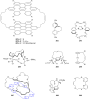
Figure 10: Examples for cyclophanes synthesized by RCM.

Scheme 33: Synthesis of the longithorone C framework assisted by fluorinated auxiliaries. Reagents and conditi...

Scheme 34: Synthesis of the longithorone framework via RCM. Reagents and conditions: (i) 213, NaH, THF, rt, 10...

Scheme 35: Synthesis of floresolide B via RCM as a key step. Reagents and conditions: (i) G-II (13, 0.1 equiv)...

Scheme 36: Synthesis of normuscopyridine (223) by the RCM strategy. Reagents and condition: (i) Mg, THF, hexen...

Scheme 37: Synthesis of muscopyridine (73) via RCM. Reagents and conditions: (i) 225, NaH, THF, 0 °C to rt, 1....

Scheme 38: Synthesis of muscopyridine (73) via RCM strategy. Reagents and conditions: (i) NaH, n-BuLi, 5-bromo...

Scheme 39: Synthesis of pyridinophane derivatives 223 and 245. Reagents and conditions: (i) PhSO2Na, TBAB, CH3...

Scheme 40: Synthesis of metacyclophane derivatives 251 and 253. Reagents and conditions: (i) 240, NaH, THF, rt...

Scheme 41: Synthesis of normuscopyridine and its higher analogues. Reagents and conditions: (i) alkenyl bromid...

Scheme 42: Synthesis of fluorinated ferrocenophane 263 via a [2 + 2] cycloaddition. Reagents and conditions: (...

Scheme 43: Synthesis of [2.n]metacyclophanes 270 via a [2 + 2] cycloaddition. Reagents and conditions: (i) Ac2...

Scheme 44: Synthesis of metacyclophane 273 by a [2 + 2 + 2] co-trimerization. Reagents and conditions: (i) [Rh...

Scheme 45: Synthesis of paracyclophane 276 via a [2 + 2 + 2] cycloaddition reaction. Reagents and conditions: ...

Scheme 46: Synthesis of cyclophane 278 via a [2 + 2 + 2] cycloaddition reaction. Reagents and conditions: (i) ...

Scheme 47: Synthesis of cyclophane 280 via a [2 + 2 + 2] cycloaddition. Reagents and conditions: (i) [(Rh(cod)(...

Scheme 48: Synthesis of taxane framework by a [2 + 2 + 2] cycloaddition. Reagents and conditions: (i) Cp(CO)2 ...

Scheme 49: Synthesis of cyclophane 284 and 285 via a [2 + 2 + 2] cycloaddition reaction. Reagents and conditio...

Scheme 50: Synthesis of pyridinophanes 293a,b and 294a,b via a [2 + 2 + 2] cycloaddition. Reagents and conditi...

Scheme 51: Synthesis of pyridinophanes 296 and 297 via a [2 + 2 + 2] cycloaddition. Reagents and conditions: (...

Scheme 52: Synthesis of triazolophane by a 1,3-dipolar cycloaddition. Reagents and conditions: (i) propargyl b...

Scheme 53: Synthesis of glycotriazolophane 309 by a click reaction. Reagents and conditions: (i) LiOH, H2O, Me...

Figure 11: Cyclophanes 310 and 311 prepared via click chemistry.

Scheme 54: Synthesis of cyclophane via the Dötz benzannulation. Reagents and conditions: (i) THF, 100 °C, 12 h...

Scheme 55: Synthesis of [6,6]metacyclophane by a Dötz benzannulation. Reagents and conditions: (i) THF, 100 °C...

Scheme 56: Synthesis of cyclophanes by a Dötz benzannulation. Reagents and conditions: (i) THF, 65 °C, 3 h; (i...

Scheme 57: Synthesis of muscopyridine (73) via an intramolecular DA reaction of ketene. Reagents and condition...

Scheme 58: Synthesis of bis[10]paracyclophane 336 via Diels–Alder reaction. Reagents and conditions: (i) DMAD,...

Scheme 59: Synthesis of [8]paracyclophane via DA reaction. Reagents and conditions: (i) maleic anhydride, 3–5 ...

Scheme 60: Biomimetic synthesis of (−)-longithorone A. Reagents and conditions: (i) Me2AlCl, CH2Cl2, −20 °C, 7...

Scheme 61: Synthesis of sporolide B (349) via a [4 + 2] cycloaddition reaction. Reagents and conditions: (i) P...

Scheme 62: Synthesis of the framework of (+)-cavicularin (352) via a [4 + 2] cycloaddition. Reagents and condi...

Scheme 63: Synthesis of oxazole-containing cyclophane 354 via Beckmann rearrangement. Reagents and conditions:...

Scheme 64: Synthesis of cyclophanes 360a–c via benzidine rearrangement. Reagents and conditions: (i) 356a–d, K2...

Scheme 65: Synthesis of cyclophanes 365a–c via benzidine rearrangement. Reagents and conditions: (i) BocNHNH2,...

Scheme 66: Synthesis of metacyclophane 367 via Ciamician–Dennstedt rearrangement. Reagents and conditions: (i)...

Scheme 67: Synthesis of cyclophane by tandem Claisen rearrangement and RCM as key steps. Reagents and conditio...

Scheme 68: Synthesis of cyclophane derivative 380. Reagents and conditions: (i) K2CO3, CH3CN, allyl bromide, r...

Scheme 69: Synthesis of metacyclophane via Cope rearrangement. Reagents and conditions: (i) MeOH, NaBH4, rt, 1...

Scheme 70: Synthesis of cyclopropanophane via Favorskii rearrangement. Reagents and conditions: (i) Br2, CH2Cl2...

Scheme 71: Cyclophane 389 synthesis via photo-Fries rearrangement. Reagents and conditions: (i) DMAP, EDCl/CHCl...

Scheme 72: Synthesis of normuscopyridine (223) via Schmidt rearrangement. Reagents and conditions: (i) ethyl s...

Scheme 73: Synthesis of crownophanes by tandem Claisen rearrangement. Reagents and conditions: (i) diamine, Et3...

Scheme 74: Attempted synthesis of cyclophanes via tandem Claisen rearrangement and RCM. Reagents and condition...

Scheme 75: Synthesis of muscopyridine via alkylation with 2,6-dimethylpyridine anion. Reagents and conditions:...

Scheme 76: Synthesis of cyclophane via Friedel–Craft acylation. Reagents and conditions: (i) CS2, AlCl3, 7 d, ...

Scheme 77: Pyridinophane 418 synthesis via Friedel–Craft acylation. Reagents and conditions: (i) 416, AlCl3, CH...

Scheme 78: Cyclophane synthesis involving the Kotha–Schölkopf reagent 421. Reagents and conditions: (i) NBS, A...

Scheme 79: Cyclophane synthesis involving the Kotha–Schölkopf reagent 421. Reagents and conditions: (i) BEMP, ...

Scheme 80: Cyclophane synthesis by coupling with TosMIC. Reagents and conditions: (i) (a) ClCH2OCH3, TiCl4, CS2...

Scheme 81: Synthesis of diaza[32]cyclophanes and triaza[33]cyclophanes. Reagents and conditions: (i) DMF, NaH,...

Scheme 82: Synthesis of cyclophane 439 via acyloin condensation. Reagents and conditions: (i) Na, xylene, 75%;...

Scheme 83: Synthesis of multibridged binuclear cyclophane 442 by aldol condensation. Reagents and conditions: ...

Scheme 84: Synthesis of various macrolactones. Reagents and conditions: (i) iPr2EtN, DMF, 77–83%; (ii) TBDMSCl...

Scheme 85: Synthesis of muscone and muscopyridine via Yamaguchi esterification. Reagents and conditions: (i) 4...

Scheme 86: Synthesis of [5]metacyclophane via a double elimination reaction. Reagents and conditions: (i) LiBr...

Figure 12: Cyclophanes 466–472 synthesized via Hofmann elimination.

Scheme 87: Synthesis of cryptophane via Baylis–Hillman reaction. Reagents and conditions: (i) methyl acrylate,...

Scheme 88: Synthesis of cyclophane 479 via double Chichibabin reaction. Reagents and conditions: (i) excess 478...

Scheme 89: Synthesis of cyclophane 483 via double Chichibabin reaction. Reagents and conditions: (i) 481, OH−;...

Scheme 90: Synthesis of cyclopeptide via an intramolecular SNAr reaction. Reagents and conditions: (i) TBAF, T...

Scheme 91: Synthesis of muscopyridine (73) via C-zip ring enlargement reaction. Reagents and conditions: (i) H...

Figure 13: Mechanism of the formation of compound 494.

Scheme 92: Synthesis of indolophanetetraynes 501a,b using the Nicholas reaction as a key step. Reagents and co...

Scheme 93: Synthesis of cyclophane via radical cyclization. Reagents and conditions: (i) cyclododecanone, phen...

Scheme 94: Synthesis of (−)-cylindrocyclophanes A (156) and (−)-cylindrocyclophanes F (155). Reagents and cond...

Scheme 95: Cyclophane synthesis via Wittig reaction. Reagents and conditions: (i) LiOEt (2.1 equiv), THF, −78 ...

Figure 14: Representative examples of cyclophanes synthesized via Wittig reaction.

Scheme 96: Synthesis of the [6]paracyclophane via isomerization of Dewar benzene. Reagents and conditions: (i)...
Novel carbocationic rearrangements of 1-styrylpropargyl alcohols
- Christine Basmadjian,
- Fan Zhang and
- Laurent Désaubry
Beilstein J. Org. Chem. 2015, 11, 1017–1022, doi:10.3762/bjoc.11.114
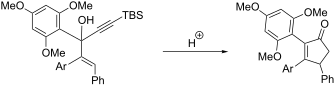
- type of reaction has not been described before. It provides a useful alternative to the Rautenstrauch rearrangement, the main limitation of which lies on the necessity to have the alcohol esterified (Scheme 2) [8]. Indeed, in many cases, this esterification occurs in low yield, or may even be

Graphical Abstract

Scheme 1: Described synthesis of cyclopentenone 4 using a combination of Mo(VI) and Au(I)-catalyzed reactions...

Scheme 2: The Rautenstrauch rearrangement.

Scheme 3: Synthesis of 1-styrylpropargyl alcohols.

Scheme 4: Postulated mechanism for the formation of cyclopentenone 4 and furan 13 (entry 1, Table 1; An= p-anisyl).

Scheme 5: Proposed mechanism for the formation of enone 19.

Scheme 6: Rearrangement of unprotected propargylic carbinol 27.
Radical-mediated dehydrative preparation of cyclic imides using (NH4)2S2O8–DMSO: application to the synthesis of vernakalant
- Dnyaneshwar N. Garad,
- Subhash D. Tanpure and
- Santosh B. Mhaske
Beilstein J. Org. Chem. 2015, 11, 1008–1016, doi:10.3762/bjoc.11.113
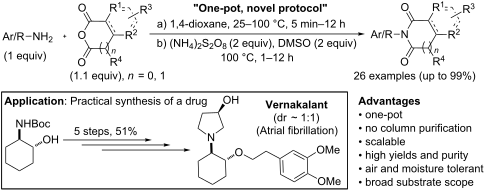
- , hydrothermal cyclization, H2SO4 in acetic acid, PEG-600, silica supported TaCl5, esterification using inorganic base and alkylating agent followed by heating in the presence of tetrabutylammonium bromide, diphenyl 2-oxo-3-oxazolinylphosphonate and Et3N as well as several other conditions have been reported in

Graphical Abstract

Figure 1: Natural products and drugs featuring imide core.

Scheme 1: Attempted methodology and its outcome (reaction conditions: (a) Pd(OAc)2 (10 mol %), ammonium persu...

Scheme 2: A practical synthesis of vernakalant (11).

Figure 2: Radical trapping experiment.
An intramolecular C–N cross-coupling of β-enaminones: a simple and efficient way to precursors of some alkaloids of Galipea officinalis
- Hana Doušová,
- Radim Horák,
- Zdeňka Růžičková and
- Petr Šimůnek
Beilstein J. Org. Chem. 2015, 11, 884–892, doi:10.3762/bjoc.11.99

- byproducts. A better and less time-consuming route to 10 consists of the reaction of 2-halobenzaldehyde 7 with Meldrum´s acid in the presence of HCOOH/Et3N system with a total yield of 61–67% (step f in Scheme 4). The last step for both methods was the esterification of acids 10a,b (step e in Scheme 4). β

Graphical Abstract

Figure 1: Tetrahydroquinoline alkaloids of Galipea officinalis.

Scheme 1: Enaminone-based synthesis of (S)-cuspareine.

Scheme 2: The approaches to 2-aroylmethylidene-1,2,3,4-tetrahydroquinolines 1.

Scheme 3: The retrosynthetic analysis of the starting substrates for C–N cross-coupling.

Scheme 4: The synthesis of methyl 3-phenylpropionates. Conditions: (a) piperidine, PhCOOH, toluene, reflux 4 ...

Scheme 5: The synthesis of the starting β-enaminones. Conditions: (a) H2SO4, 65 °C, 46 h; (b) 1. t-BuOK/THF, ...

Figure 2: Ligands for C–N cross-coupling used in this work.

Figure 3: Deprotection of the hydroxy group in 1c to give the Galipein precursor 1e.

Figure 4: ORTEP (50% probability level) view for compound 1a. For selected parameters see Supporting Information File 1.
Chemoselective O-acylation of hydroxyamino acids and amino alcohols under acidic reaction conditions: History, scope and applications
- Tor E. Kristensen
Beilstein J. Org. Chem. 2015, 11, 446–468, doi:10.3762/bjoc.11.51
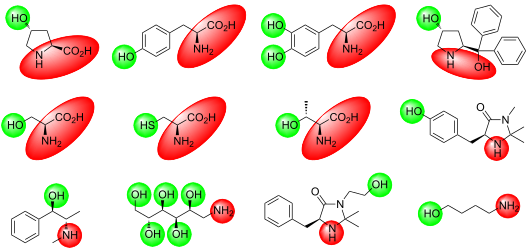
- procedures for acidic O-acylation of amino alcohols, Luh and Chong reported a method for selective aromatic esterification of amino alcohols in 1978, consisting of acylations of an amino

Graphical Abstract

Scheme 1: Selective O-acetylation of hydroxyamino acids with acetic anhydride in perchloric acid-acetic acid ...

Scheme 2: Selective O-acetylation of L-tyrosine as reported by Bretschneider and Biemann in 1950 [13].

Scheme 3: Selective O-acetylation of L-serine in acetic acid saturated with hydrogen chloride as reported by ...

Scheme 4: Chemoselective O-acetylation of hydroxyamino acids with acetyl chloride in hydrochloric acid–acetic...

Scheme 5: Chemoselective O-acylation of hydroxyamino acids with acyl chlorides in anhydrous trifluoroacetic a...

Scheme 6: Chemoselective O-acylation of hydroxyproline with acyl chlorides or carboxylic anhydrides in methan...

Scheme 7: Chemoselective O-acetylation of L-DOPA as reported by Fuller, Verlander and Goodman in 1978 [35].

Scheme 8: Chemoselective O-acylation of L-tyrosine as reported by Huang, Kimura, Bawarshi-Nassar and Hussain ...

Scheme 9: Preparation of proline amphiphiles or acrylic proline monomers (for macromolecular synthesis) by ch...

Scheme 10: Preparation of amphiphilic organocatalysts from serine, threonine and cysteine by chemoselective O-...
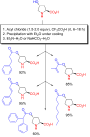
Scheme 11: Preparation of amphiphilic proline organocatalysts by chemoselective O-acylation with acyl chloride...

Scheme 12: Amphiphilic organocatalysts prepared from hydroxyamino acids and isosteviol by chemoselective O-acy...

Scheme 13: Preparation of acrylic proline precursors for polymeric organocatalysts by chemoselective O-acylati...

Scheme 14: Conversion of trans-4-hydroxy-L-proline to cis-4-hydroxy-D-proline·HCl and subsequent chemoselectiv...

Scheme 15: Some examples of chemoselective O-acylation of amino alcohols under acidic reaction conditions repo...

Scheme 16: An assembly of chiral acrylic building blocks useful in the synthesis of polymer-supported diphenyl...

Scheme 17: The chemoselective pentaacetylation of D-glucamine under acidic reaction conditions [95].
Natural phenolic metabolites with anti-angiogenic properties – a review from the chemical point of view
- Qiu Sun,
- Jörg Heilmann and
- Burkhard König
Beilstein J. Org. Chem. 2015, 11, 249–264, doi:10.3762/bjoc.11.28
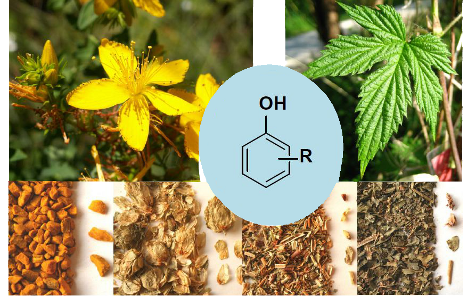
- . KUNZE, Theaceae). It is the esterification product of epigallocatechin and gallic acid. Many studies provide evidence that EGCG modulates multiple signal transduction pathways, controlling the unwanted proliferation of cells. It inhibits the activation of HIF-1α, NF-κB and VEGF expression, thereby

Graphical Abstract

Figure 1: Structure of 4-hydroxybenzyl alcohol (HBA, 1).

Figure 2: Structure–activity relationship of curcumin analogs.

Scheme 1: Synthesis of curcumin (3). Reagents and conditions: (a) vanillin, 1,2,3,4-tetrahydroquinoline, HOAc...

Figure 3: Backbone and substitution of monocarbonyl analogs of curcumin (MACs) showing their structural diver...

Scheme 2: Exemplary synthesis of MAC representatives. Reagents and conditions: (a) 40% KOH, EtOH, 5 °C; stirr...

Scheme 3: Synthesis of ellagic acid (7). Reagents and conditions: (a) H2SO4, CH3OH; (b) (1) o-chloranil, Et2O...

Figure 4: Structure of resveratrol and its analogs.

Scheme 4: Synthesis of quinolone-substituted phenol 20. Reagents and conditions: (a) Ac2O, 2-hydroxybenzaldeh...

Scheme 5: Synthesis of quinolone-substituted phenol 23. Reagents and conditions: (a) Ac2O, 2-hydroxybenzaldeh...

Figure 5: Design of 4-amino-2-sulfanylphenol derivatives and their structure–activity relationship.

Scheme 6: Synthesis of 4-amino-2-sulfanylphenol derivatives. Reagents and conditions: (a) R1SO2Cl, pyridine, ...

Figure 6: Structures of two series of natural-like acylphloroglucinols.

Scheme 7: Synthesis of acylphloroglucinol derivatives 35–41. Reagents and conditions: (a) acyl chloride, AlCl3...

Scheme 8: Synthesis of acylphloroglucinol derivatives 43–51. Reagents and conditions: (a) isoprene, Amberlyst...

Figure 7: Analogs of (−)-EGCG for the prevention of oxidation and improvement of the bioavailability of the c...

Scheme 9: Synthesis of xanthohumol 58. Reagents and conditions: (a) MOMCl, diisopropylethylamine, CH2Cl2; (b)...

Scheme 10: Synthesis of genistein 60. Reagents and conditions: (a) 4-hydroxyphenylacetonitrile, anhydrous HCl,...

Scheme 11: Synthesis of fisetin (67) and quercetin (68). Reagents and conditions: (a) 3,4-dimethoxybenzaldehyd...

Figure 8: Structure of (2S)-7,2’,4’-trihydroxy-5-methoxy-8-(dimethylallyl)flavanone (69).
Novel biphenyl-substituted 1,2,4-oxadiazole ferroelectric liquid crystals: synthesis and characterization
- Mahabaleshwara Subrao,
- Dakshina Murthy Potukuchi,
- Girish Sharada Ramachandra,
- Poornima Bhagavath,
- Sangeetha G. Bhat and
- Srinivasulu Maddasani
Beilstein J. Org. Chem. 2015, 11, 233–241, doi:10.3762/bjoc.11.26
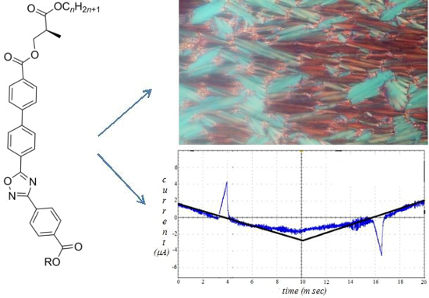
- product 8 gives the carboxylic acid 9 which on esterification with different long chain alcohols gives various esters 10p–10s. The esters containing the benzyl ether group are deprotected to give the corresponding alcohols (11p–11s). Then they are treated with 4-bromobenzoic acid to give products 12p–12s

Graphical Abstract
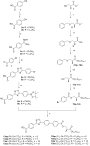
Scheme 1: Synthetic route for the preparation of R.Ox.C*Cn compounds. (i) PhCH2Br, K2CO3, DMF/1-dodecanol, DC...

Figure 1: (a) Focal conic fan texture exhibited by 13ar (Ph.Ox.C*C10) at 120 °C. (b) Broken focal conic fan t...

Figure 2: Polarization profile of 13br (C12.Ox.C*C10) compound at 65 °C.

Figure 3: Temperature dependant spontaneous polarisation in 13bp and 13br.

Figure 4: DSC thermograms of 13ap and 13bp.

Figure 5: Phase diagram of the 13a (Ph.Ox.C*Cn) series.

Figure 6: Phase diagram of the 13b (C12.Ox.C*Cn) series.
Formation of nanoparticles by cooperative inclusion between (S)-camptothecin-modified dextrans and β-cyclodextrin polymers
- Thorbjørn Terndrup Nielsen,
- Catherine Amiel,
- Laurent Duroux,
- Kim Lambertsen Larsen,
- Lars Wagner Städe,
- Reinhard Wimmer and
- Véronique Wintgens
Beilstein J. Org. Chem. 2015, 11, 147–154, doi:10.3762/bjoc.11.14
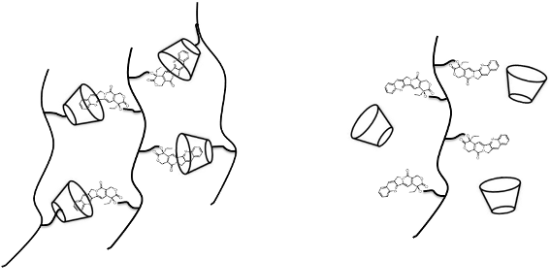
- the 100 nm range of potential biomedical interest. Results and Discussion CPT-dextrans Synthesis The synthesis of CPT-dextrans was achieved in two steps. First azide-modified CPT (N3CPT) was synthesized by esterification with 6-azidohexanoic acid mediated by EDC/DMAP (Scheme 1). TLC showed complete

Graphical Abstract

Scheme 1: Reaction scheme for synthesis of azide-modified (S)-camptothecin.

Scheme 2: Cu(I)-catalyzed grafting of azide-modified (S)-camptothecin onto alkyne-modified dextran.

Figure 1: Titration of a) D70GP-CPT2 and b) D10GP-CPT1 by D70HPβ-CD at 298 K showing heat flow as a function ...

Figure 2: Fluorescence emission spectra of a) D70GPCPT and b) D10GPCPT recorded at different concentrations (...
Cross-dehydrogenative coupling for the intermolecular C–O bond formation
- Igor B. Krylov,
- Vera A. Vil’ and
- Alexander O. Terent’ev
Beilstein J. Org. Chem. 2015, 11, 92–146, doi:10.3762/bjoc.11.13
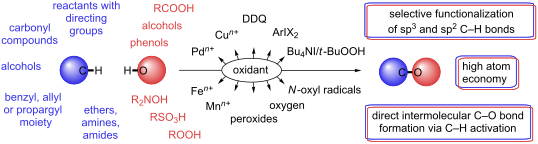
- compounds to form C–C, C–N, C–O, C–Hal, C–P, and N–N bonds [10], the Bu4NI/t-BuOOH oxidative system [22], selective functionalization of molecules [23], the oxidative esterification and oxidative amidation of aldehydes [24], and the transition metal-catalyzed radical oxidative cross-couplings [13]. The
- coupling. These processes with aldehydes or primary alcohols as C-reagents giving esters are often referred to as oxidative esterification. 2.1 Transition metal salt-catalyzed reactions using compounds with C=C, C=O, and C–Hal bonds as oxidants One of the types of the oxidative esterification is based on
- are used as the solvents or are taken in a large excess relative to the CH-reagent. 2.3 Reactions catalyzed by N-heterocyclic carbenes N-heterocyclic nucleophilic carbenes 105 have found use for the oxidative esterification. Scheme 23 shows, in a simplified way, the proposed mechanism of this type of

Graphical Abstract

Scheme 1: Cross-dehydrogenative coupling.

Scheme 2: Cross-dehydrogenative C–O coupling.

Scheme 3: Regioselective ortho-acetoxylation of meta-substituted arylpyridines and N-arylamides.

Scheme 4: ortho-Acyloxylation and alkoxylation of arenes directed by pyrimidine, benzoxazole, benzimidazole a...

Scheme 5: Cu(OAc)2/AgOTf/O2 oxidative system in the ortho-alkoxylation of arenes.
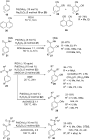
Scheme 6: Pd(OAc)2/persulfate oxidative system in the ortho-alkoxylation and acetoxylation of arenes with nit...
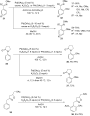
Scheme 7: ortho-Acetoxylation and methoxylation of O-methyl aryl oximes, N-phenylpyrrolidin-2-one, and (3-ben...

Scheme 8: Ruthenium-catalyzed ortho-acyloxylation of acetanilides.

Scheme 9: Acetoxylation and alkoxylation of arenes with amide directing group using Pd(OAc)2/PhI(OAc)2 oxidat...

Scheme 10: Alkoxylation of azoarenes, 2-aryloxypyridines, picolinamides, and N-(1-methyl-1-(pyridin-2-yl)ethyl...

Scheme 11: Acetoxylation of compounds containing picolinamide and quinoline-8-amine moieties using the Pd(OAc)2...

Scheme 12: (CuOH)2CO3 catalyzed oxidative ortho-etherification using air as oxidant.

Scheme 13: Copper-catalyzed aerobic alkoxylation and aryloxylation of arenes containing pyridine-N-oxide moiet...

Scheme 14: Cobalt-catalyzed aerobic alkoxylation of arenes and alkenes containing pyridine N-oxide moiety.

Scheme 15: Non-symmetric double-fold C–H ortho-acyloxylation.

Scheme 16: N-nitroso directed ortho-alkoxylation of arenes.

Scheme 17: Selective alkoxylation and acetoxylation of alkyl groups.

Scheme 18: Acetoxylation of 2-alkylpyridines and related compounds.

Scheme 19: Acyloxylation and alkoxylation of alkyl fragments of substrates containing amide or sulfoximine dir...

Scheme 20: Palladium-catalyzed double sp3 C–H alkoxylation of N-(quinolin-8-yl)amides for the synthesis of sym...

Scheme 21: Copper-catalyzed acyloxylation of methyl groups of N-(quinolin-8-yl)amides.

Scheme 22: One-pot acylation and sp3 C–H acetoxylation of oximes.

Scheme 23: Possible mechanism of oxidative esterification catalyzed by N-heterocyclic nucleophilic carbene.

Scheme 24: Oxidative esterification employing stoichiometric amounts of aldehydes and alcohols.

Scheme 25: Selective oxidative coupling of aldehydes with alcohols in the presence of amines.

Scheme 26: Iodine mediated oxidative esterification.

Scheme 27: Oxidative C–O coupling of benzyl alcohols with methylarenes under the action of Bu4NI/t-BuOOH syste...

Scheme 28: Oxidative coupling of methyl- and ethylarenes with aromatic aldehydes under the action of Bu4NI/t-B...

Scheme 29: Cross-dehydrogenative C–O coupling of aldehydes with t-BuOOH in the presence of Bu4NI.

Scheme 30: Bu4NI-catalyzed α-acyloxylation reaction of ethers and ketones with aldehydes and t-BuOOH.

Scheme 31: Oxidative coupling of aldehydes with N-hydroxyimides and hexafluoroisopropanol.

Scheme 32: Oxidative coupling of alcohols with N-hydroxyimides.

Scheme 33: Oxidative coupling of aldehydes and primary alcohols with N-hydroxyimides using (diacetoxyiodo)benz...

Scheme 34: Proposed mechanism of the oxidative coupling of aldehydes and N-hydroxysuccinimide under action of ...

Scheme 35: Oxidative coupling of aldehydes with pivalic acid (172).

Scheme 36: Oxidative C–O coupling of aldehydes with alkylarenes using the Cu(OAc)2/t-BuOOH system.

Scheme 37: Copper-catalyzed acyloxylation of C(sp3)-H bond adjacent to oxygen in ethers using benzyl alcohols.

Scheme 38: Oxidative C–O coupling of aromatic aldehydes with cycloalkanes.

Scheme 39: Ruthenium catalyzed cross-dehydrogenative coupling of primary and secondary alcohols.

Scheme 40: Cross-dehydrogenative C–O coupling reactions of β-dicarbonyl compounds with sulfonic acids, acetic ...

Scheme 41: Acyloxylation of ketones, aldehydes and β-dicarbonyl compounds using carboxylic acids and Bu4NI/t-B...

Scheme 42: Acyloxylation of ketones using Bu4NI/t-BuOOH system.

Scheme 43: Cross-dehydrogenative C–O coupling of β-dicarbonyl compounds and their heteroanalogues with N-hydro...

Scheme 44: Cross-dehydrogenative C–O coupling of β-dicarbonyl compounds and their heteroanalogues with t-BuOOH....

Scheme 45: Oxidative C–O coupling of 2,6-dialkylphenyl-β-keto esters and thioesters with tert-butyl hydroxycar...

Scheme 46: α’-Acyloxylation of α,β-unsaturated ketones using KMnO4.

Scheme 47: Possible mechanisms of the acetoxylation at the allylic position of alkenes by Pd(OAc)2.

Scheme 48: Products of the oxidation of terminal alkenes by Pd(II)/AcOH/oxidant system.

Scheme 49: Acyloxylation of terminal alkenes with carboxylic acids.

Scheme 50: Synthesis of linear E-allyl esters by cross-dehydrogenative coupling of terminal alkenes wih carbox...

Scheme 51: Pd(OAc)2-catalyzed acetoxylation of Z-vinyl(triethylsilanes).

Scheme 52: α’-Acetoxylation of α-acetoxyalkenes with copper(II) chloride in acetic acid.

Scheme 53: Oxidative acyloxylation at the allylic position of alkenes and at the benzylic position of alkylare...

Scheme 54: Copper-catalyzed alkoxylation of methylheterocyclic compounds using di-tert-butylperoxide as oxidan...

Scheme 55: Oxidative C–O coupling of methylarenes with β-dicarbonyl compounds or phenols.

Scheme 56: Copper-catalyzed esterification of methylbenzenes with cyclic ethers and cycloalkanes.

Scheme 57: Oxidative C–O coupling of carboxylic acids with toluene catalyzed by Pd(OAc)2.

Scheme 58: Oxidative acyloxylation at the allylic position of alkenes with carboxylic acids using the Bu4NI/t-...

Scheme 59: Cross-dehydrogenative C–O coupling of carboxylic acids with alkylarenes using the Bu4NI/t-BuOOH sys...

Scheme 60: Oxidative C–O cross-coupling of methylarenes with ethyl or isopropylarenes.

Scheme 61: Phosphorylation of benzyl C–H bonds using the Bu4NI/t-BuOOH oxidative system.

Scheme 62: Selective C–H acetoxylation of 2,3-disubstituted indoles.

Scheme 63: Acetoxylation of benzylic position of alkylarenes using DDQ as oxidant.

Scheme 64: C–H acyloxylation of diarylmethanes, 3-phenyl-2-propen-1-yl acetate and dimethoxyarene using DDQ.

Scheme 65: Cross-dehydrogenative C–O coupling of 1,3-diarylpropylenes and 1,3-diarylpropynes with alcohols.

Scheme 66: One-pot azidation and C–H acyloxylation of 3-chloro-1-arylpropynes.

Scheme 67: Cross-dehydrogenative C–O coupling of 1,3-diarylpropylenes, (E)-1-phenyl-2-isopropylethylene and is...

Scheme 68: Cross-dehydrogenative C–O coupling of alkylarenes and related compounds with N-hydroxyphthalimide.

Scheme 69: Acetoxylation at the benzylic position of alkylarenes mediated by N-hydroxyphthalimide.

Scheme 70: C–O coupling of methylarenes with aromatic carboxylic acids employing the NaBrO3/NaHSO3 system.

Scheme 71: tert-Butyl peroxidation of allyl, propargyl and benzyl ethers catalyzed by Fe(acac)3.

Scheme 72: Cross-dehydrogenative C–O coupling of ethers with carboxylic acids mediated by Bu4NI/t-BuOOH system....

Scheme 73: Oxidative acyloxylation of dimethylamides and dioxane with 2-aryl-2-oxoacetic acids accompanied by ...

Scheme 74: tert-Butyl peroxidation of N-benzylamides and N-allylbenzamide using the Bu4NI/t-BuOOH system.

Scheme 75: Cross-dehydrogenative C–O coupling of aromatic carboxylic acids with ethers using Fe(acac)3 as cata...

Scheme 76: Cross-dehydrogenative C–O coupling of cyclic ethers with 2-hydroxybenzaldehydes using iron carbonyl...
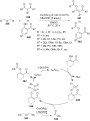
Scheme 77: Cross-dehydrogenative C–O coupling of ethers with β-dicarbonyl compounds and phenols using copper c...

Scheme 78: Cross-dehydrogenative C–O coupling of 2-hydroxybenzaldehyde with dioxane catalyzed by Cu2(BPDC)2(BP...

Scheme 79: Ruthenium chloride-catalyzed acyloxylation of β-lactams.

Scheme 80: Ruthenium-catalyzed tert-butyl peroxydation amides and acetoxylation of β-lactams.

Scheme 81: PhI(OAc)2-mediated α,β-diacetoxylation of tertiary amines.

Scheme 82: Electrochemical oxidative methoxylation of tertiary amines.

Scheme 83: Cross-dehydrogenative C–O coupling of ketene dithioacetals with carboxylic acids in the presence of...

Scheme 84: Cross-dehydrogenative C–O coupling of enamides with carboxylic acids using iodosobenzene as oxidant....

Scheme 85: Oxidative alkoxylation, acetoxylation, and tosyloxylation of acylanilides using PhI(O(O)CCF3)2 in t...

Scheme 86: Proposed mechanism of the oxidative C–O coupling of actetanilide with O-nucleophiles in the presenc...

Scheme 87: Three-component coupling of aldehydes, anilines and alcohols involving oxidative intermolecular C–O...

Scheme 88: Oxidative coupling of phenols with alcohols.

Scheme 89: 2-Acyloxylation of quinoline N-oxides with arylaldehydes in the presence of the CuOTf/t-BuOOH syste...

Scheme 90: Cross-dehydrogenative C–O coupling of azoles with primary alcohols.

Scheme 91: Oxidation of dipyrroles to dipyrrins and subsequent oxidative alkoxylation in the presence of Na3Co...

Scheme 92: Oxidative dehydrogenative carboxylation of alkanes and cycloalkanes to allylic esters.

Scheme 93: Pd-catalyzed acetoxylation of benzene.
Conjugates of methylated cyclodextrin derivatives and hydroxyethyl starch (HES): Synthesis, cytotoxicity and inclusion of anaesthetic actives
- Lisa Markenstein,
- Antje Appelt-Menzel,
- Marco Metzger and
- Gerhard Wenz
Beilstein J. Org. Chem. 2014, 10, 3087–3096, doi:10.3762/bjoc.10.325
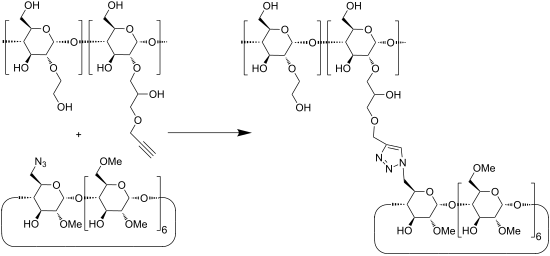
- known to have a much lower toxic potential compared to CD monomers [20]. Native β-CD was already conjugated by esterification [21], reductive amination [22][23][24][25], amide coupling [26][27] and [2 + 3] cycloadditions [28] to both biogenic and synthetic polymers. Conjugation of CDs to polysaccharides

Graphical Abstract

Scheme 1: Synthesis of azido functionalized DIMEB 1a. a) Ba(OH)2·8H2O/BaO/Me2SO4
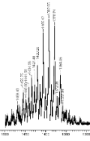
Figure 1: ESI mass spectrum of azido functionalized DIMEB 1a.
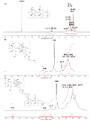
Figure 2: 1H NMR spectra of a) 1a, b) 2, and c) 5a.

Scheme 2: Synthesis of propargylated HES 2.

Scheme 3: Synthesis of 5a by [2 + 3] cycloadditon, a) CuSO4, ascorbate, 50 °C, 48 h.

Figure 3: Viabilities of Caco-2 cells incubated with a) 5a after 2 h, b) 5a after 24 h, c) DIMEB after 2 h, d...

Scheme 4: Structures of a) midazolam and b) sevoflurane.
(2R,1'S,2'R)- and (2S,1'S,2'R)-3-[2-Mono(di,tri)fluoromethylcyclopropyl]alanines and their incorporation into hormaomycin analogues
- Armin de Meijere,
- Sergei I. Kozhushkov,
- Dmitrii S. Yufit,
- Christian Grosse,
- Marcel Kaiser and
- Vitaly A. Raev
Beilstein J. Org. Chem. 2014, 10, 2844–2857, doi:10.3762/bjoc.10.302
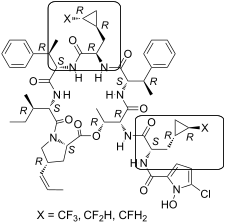
- secondary (4-Pe)Pro moiety and the hydroxy group of allo-Thr. Among several methods described in the literature for the creation of such bonds, the dialkylaminopyridine-promoted carbodiimide-mediated esterification was successfully employed here [62]. As far as the biological activities against L. donovani

Graphical Abstract

Figure 1: Structure and absolute configuration of hormaomycin (1), its fluoromethyl-substituted analogues 8a–c...

Figure 2: Structures of the Belokon'-type glycine complexes (BGC) (R)- and (S)-10.

Scheme 1: Intended routes to methyl trans-2-(fluormethyl)cyclopropanecarboxylates 14a–c.

Scheme 2: Synthesis of trans-(2-trifluoromethyl)cyclopropanecarboxylic acid (24).

Scheme 3: Preparation of racemic trans-2-(fluoromethyl)cyclopropylmethyl iodides 11a–c and their conversion t...

Figure 3: Structure and absolute configurations of the nickel(II) complexes (2S,1'R,2'S)-26a, (2S,1'R,2'S)-26b...

Figure 4: Structure and absolute configuration of nickel(II) complex (R,R,R)-28 in the crystal. Hydrogen atom...

Scheme 4: Mechanism of epimerization of the threonine nickel(II) complex 29.
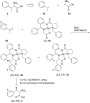
Scheme 5: A new general approach to (2S,3R)-β-methylarylalanines 3 by alkylation of the glycine nickel(II) co...

Figure 5: Structure and absolute configuration of nickel(II) complex (2S,3S)-32 in the crystal. Hydrogen atom...

Scheme 6: Synthesis of the cyclohexadepsipeptides 52a–c for the hormaomycin analogues 8a–c with 3-(2'-fluorom...

Scheme 7: Synthesis of hormaomycin analogues with a: trifluoromethyl-, b: difluoromethyl-, c: monofluoromethy...

Figure 6: Two derivatives 58 and 59 of cyclohexadepsipeptide 52a containing the (trifluoromethylcyclopropyl)a...
Versatile synthesis of amino acid functionalized nucleosides via a domino carboxamidation reaction
- Vicky Gheerardijn,
- Jos Van den Begin and
- Annemieke Madder
Beilstein J. Org. Chem. 2014, 10, 2566–2572, doi:10.3762/bjoc.10.268
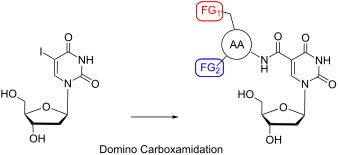
- of the pyrimidine double bond, transfer hydrogenation with cyclohexene as hydrogen source and 10% palladium on carbon should be used [60][61][62]. As the methyl ester derivative of the amino acid is commercially available but rather expensive, we performed the esterification reaction on the benzyl

Graphical Abstract

Figure 1: Amino acid functionalized nucleosides.

Scheme 1: Reagents and conditions: a) i. Et3N, Pd(PPh3)4, THF, CO (4 bar), 70 °C, 48 h, ii. Et3N, di-tert-but...

Scheme 2: Reagents and conditions: a) Et3N, Pd(PPh3)4, THF, CO (4 bar), 48 h, 70 °C (68%); b) Et3N·3HF, Et3N,...

Scheme 3: Reagents and conditions: a) Et3N, Pd(PPh3)4, THF, CO (4 bar), 48 h, 70 °C (90%); b) Et3N·3HF, Et3N,...



