Search results
Search for "biological activity" in Full Text gives 504 result(s) in Beilstein Journal of Organic Chemistry. Showing first 200.
Synthesis and acaricidal activity against Varroa destructor of α- and γ-costic acid dimers
Beilstein J. Org. Chem. 2026, 22, 1088–1096, doi:10.3762/bjoc.22.87
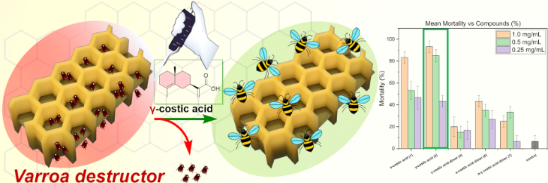
- acaricidal activity of γ-costic acid (3) against V. destructor. Furthermore, since dimerization has, in some cases, been shown to enhance the biological activity of various natural compounds [20], we also aimed to compare the acaricidal activities of costic acids 1 and 3 with those of their corresponding
- , revealing 6.7% mortality as the control. In summary, only dimer 6 exceeded 43% mortality indicating reduction in biological activity compared to the monomeric forms. In the negative control (2% DMSO + 0.9% NaCl), the average mortality was 6.7%, confirming that the solvent vehicle did not significantly


Amino acid-based surfactants: sustainable synthesis and antimicrobial mechanisms
Beilstein J. Org. Chem. 2026, 22, 1067–1085, doi:10.3762/bjoc.22.85
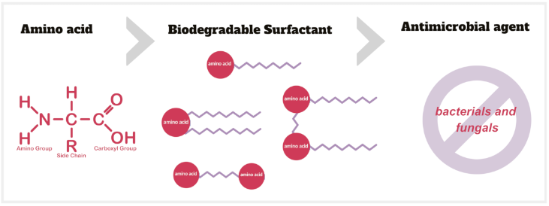
- –0.008 mM), reflecting its higher hydrophobicity [39]. These compounds illustrate how the introduction of two alkyl chains and a glycerol backbone modulates both aggregation behavior and biological activity. The strategic incorporation of histidine creates pH-responsive systems, with protonation studies
- behavior and biological activity [58]. The synthesis of these molecules typically involves a two-step coupling process, often using geminal dihalides and functionalized amino acids. Nonetheless, some challenges such as by-product formation and high purification costs limit their scalability [75]. Despite


Synthesis of functionalized, 13-alkyl-substituted coralyne derivatives and investigation of their interactions with duplex and abasic site-containing DNA
Beilstein J. Org. Chem. 2026, 22, 1057–1066, doi:10.3762/bjoc.22.84
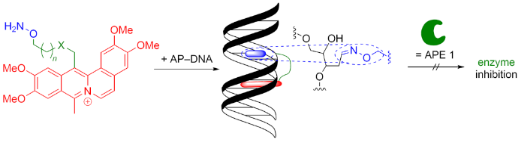
- the development of antitumor agents, because the inhibition or restriction of the essential functions of DNA has a strong influence on cell viability [1]. Therefore, the search for new compounds that selectively bind to DNA and thus significantly influence its biological activity is still an
- because they provide a favorable combination of versatile and strong association with nucleic acids with pronounced DNA-targeted biological activity [10][16][17]. Particularly noteworthy within the series of known protoberberines is coralyne (2a). This synthetic dibenzo[a,g]quinolizinium derivative is
- binds to non-canonical DNA structures, such as G-quadruplex DNA (G4-DNA) and triplex DNA [24][25][26][27]. In addition, it is considered a highly potential drug candidate as it has significant biological activity [28][29]. To add to that, coralyne (2a) is a very efficient photosensitizer that induces


Synthesis of novel 1,2,4-oxadiazole-isoxazoline hybrids and their in silico potential with adenosine receptors
Beilstein J. Org. Chem. 2026, 22, 1033–1047, doi:10.3762/bjoc.22.82
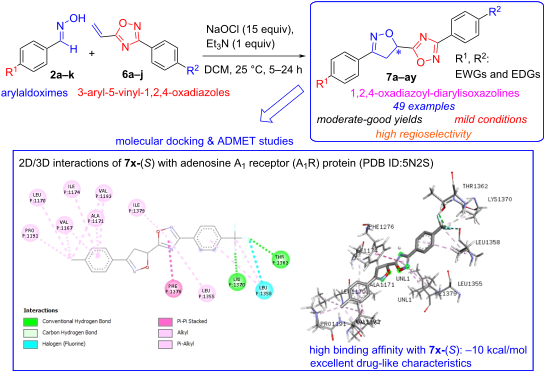
- acceptable limits, suggesting an overall balanced lipophilicity profile (Table 7). All compounds showed no PAINS alerts, indicating a low probability of assay interference and false-positive biological activity. Similarly, most compounds exhibited no BRENK alerts, which is favorable as these alerts typically


Synthesis and optical resolution of 4,5-diaminohomoadamantane: a promising scaffold for chiral ligands and bioactive compounds
Beilstein J. Org. Chem. 2026, 22, 1013–1022, doi:10.3762/bjoc.22.80
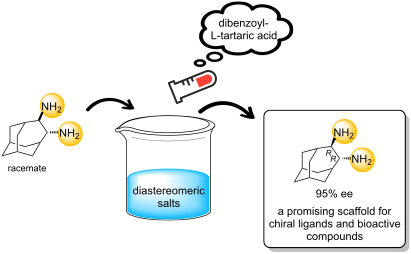
- , a few examples of homoadamantane derivatives showing pronounced biological activity are known. More than 40 homoadamantane polyprenylated acylphloroglucinols have been isolated from Hypericum plants [54][55][56]. Among them, hyperacmosins A and B showed a protective effect in paracetamol-induced


Novel macrocycles: from synthesis to supramolecular function
Beilstein J. Org. Chem. 2026, 22, 982–985, doi:10.3762/bjoc.22.76
- cells. In addition to its intrinsic biological activity, the nanoassembled platform may also serve as a carrier for combination therapies by encapsulating additional therapeutic agents. Macrocyclic chemistry is proving equally vital for environmental sustainability and separation science. For instance
Recent advances in copper-catalyzed direct hydroamination of alkenes with (hetero)aromatic amines
Beilstein J. Org. Chem. 2026, 22, 925–947, doi:10.3762/bjoc.22.73
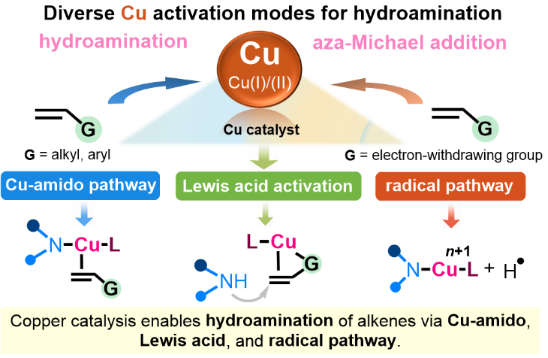
- , tunable basicity, and directional hydrogen-bonding capabilities enable precise modulation of molecular recognition, biological activity, and physicochemical properties. Consequently, the efficient and selective construction of carbon–nitrogen (C–N) bonds embedded within aromatic nitrogen frameworks







Site-specific labelling of native peptides and proteins: chemical and enzymatic strategies
Beilstein J. Org. Chem. 2026, 22, 857–881, doi:10.3762/bjoc.22.67
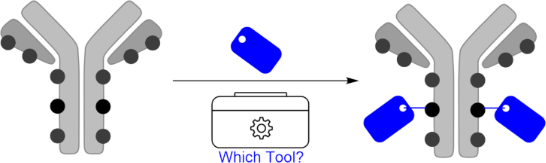
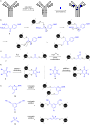
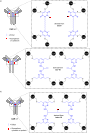
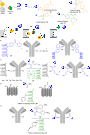
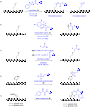
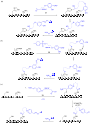
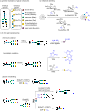
- modification. The chemical or enzymatic steps are generally mild (room temperature, aqueous buffer) yet highly specific. However, the main limitation is that only glycosylated proteins (especially IgGs) can be targeted. Intrinsic glycan heterogeneity can also lead to incomplete functionalisation. Biological
- activity of the modified protein, recyclability and manufacturing cost of the enzymes also need to be carefully considered, as costs can easily balloon in process development. Nonetheless, the use of glycan remodelling is expanding for applications such as site-specific protein labelling, with ADC








Synthesis and structural elucidation of a novel bis-spirooxindole from isatin and ethylenediamine
Beilstein J. Org. Chem. 2026, 22, 813–820, doi:10.3762/bjoc.22.63
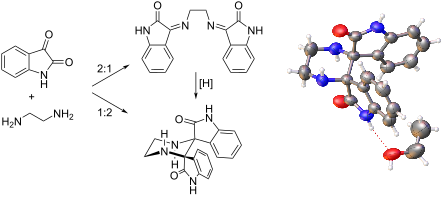
- architectures. In this context, spirooxindoles have attracted considerable attention due to the conformational rigidity imparted by the spiro junction and the associated three-dimensionality, features that are often correlated with enhanced biological activity. Representative examples of bioactive


Synthesis and biological evaluation of new brassinosteroid analogs with C-22 benzoate function
Beilstein J. Org. Chem. 2026, 22, 753–762, doi:10.3762/bjoc.22.57
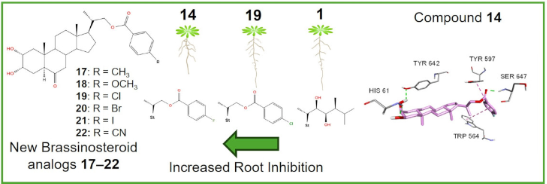
- . Keywords: biological activity; brassinosteroids; BRI1-EMS-Suppressor1; ligand–receptor interaction; structure–activity relationship; Introduction Brassinosteroids (BRs) are phytohormones that are widespread in the plant kingdom, and are found in very low concentrations, i.e., in the of nano- to micromolar
- the aromatic ring. In this way, we intend to assess the effect of these properties on the biological activity. Additionally, by comparing RLIT results obtained for this new series of castasterone (2) with those obtained for teasterone (3) [30] and 3-dehydroteasterone (3-DT, 3a) [31] analogs, it would
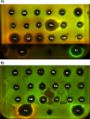
- %, 60.0%, 80.9%, 74.1%, and 59.3%, respectively. Biological activity Rice lamina inclination test (RLIT) RLIT is a standard, sensitive, and specific method widely used to evaluate BRs activity [20][21]. BRs induce a greater cell expansion of adaxial cells relative to abaxial cells in the attachment


Synthesis of heterocycles based on azomethine ylides from α-amino acids (or amines) and carbonyl compounds
Beilstein J. Org. Chem. 2026, 22, 705–741, doi:10.3762/bjoc.22.55
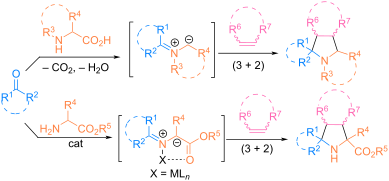
- pyrrolizidine alkaloids with diverse biological activity [6][7][8]. An analysis of experimental and review articles showed that (3 + 2) cycloaddition reactions are carried out, in most cases, using two main strategies for obtaining azomethine ylides, depending on the amino acid derivative used: a free amino
- , allowing the production of functionalized pyrrolidines with potential biological activity [54]. Currently, organofluorine chemistry is one of the most pressing areas of modern chemistry, since the introduction of fluorine-containing groups into compounds often has a significant impact on their biological
- fragments of natural molecules such as steroids, peptides or sugars, its solubility in water improves, thereby increasing the possibility of potential biological activity. In 2020, Martín and colleagues investigated fullerene 50 as a dipolarophile in 1,3-dipolar cycloaddition with azomethine ylide based on


Anti-invasive and cytotoxic evaluation of a (+)-pinoresinol-based semisynthetic library against glioblastoma
Beilstein J. Org. Chem. 2026, 22, 691–704, doi:10.3762/bjoc.22.54
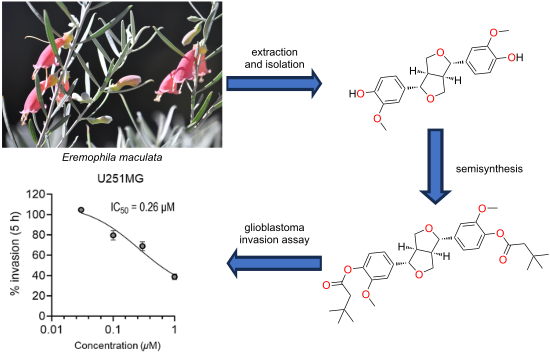
- anticancer effects [9][10][11][12][13][14]. However, many of the 287 species that make up this genus have not yet been chemically investigated, indicating that Eremophila still has the potential to be the source of new bioactive chemicals and/or known compounds with new biological activity. The use of
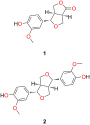
- ranging from 1.56−25 µM with a reduction of up to 65% invasion in comparison to the control [22]. Owing to the interesting biological activity of 2 and its moderate abundance in the seeds of E. maculata, we decided to generate five semisynthetic analogues 3−7 (Figure 2) and evaluate these compounds for in



Synthesis of depressin, cryptomeridiol and 4-epi-cryptomeridiol enabled by a terpenoid chiral pool-producing platform
Beilstein J. Org. Chem. 2026, 22, 683–690, doi:10.3762/bjoc.22.53
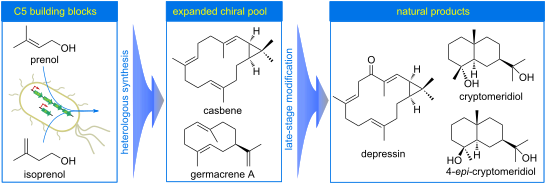
- of different plants with broad biological activity. Most of the syntheses focused on the transformation of chiral pool substrates into their trans-6/6-fused ring system. We herein report the synthesis of compounds 1–3 by taking advantage of an expanded chiral pool strategy, in which the terpenoid
- ][24][25][26], hence providing an efficient biocatalytic tool for the biosynthesis of casbene and related diterpenes [24][27]. Cryptomeridiol (2) and its C4-epimer 4-epi-cryptomeridiol (3) are two eudesmane-type sesquiterpene diols that have been found in different plants with biological activity


Photoorganocatalytic trifluoromethylation of (het)arenes in green conditions
Beilstein J. Org. Chem. 2026, 22, 662–671, doi:10.3762/bjoc.22.50
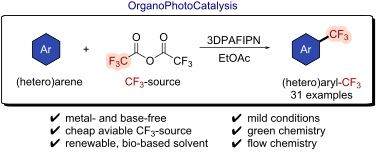
- compounds play a crucial role in pharmaceuticals, agrochemicals, and advanced functional materials. A substantial fraction of newly approved drugs feature a CF3 group, reflecting its unique ability to modulate the chemical stability, lipophilicity, and biological activity of active pharmaceutical




Regioselective approach to 5-arylsulfonylisoxazoles and their antimicrobial activity
Beilstein J. Org. Chem. 2026, 22, 592–602, doi:10.3762/bjoc.22.45
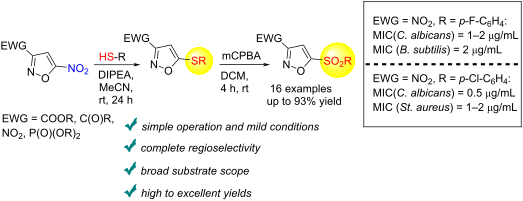
- promising compounds with a wide spectrum of biological activity [1][2][3][4][5]. The attractiveness of isoxazole derivatives for medicinal chemistry is determined by high-affinity binding to many targets, low toxicity of isoxazole-containing compounds and the use of the isoxazole ring as a bioisoster of the


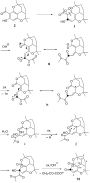
Melifoliox B, a novel phloroglucin derivative isolated from Melicope barbigera (Rutaceae) and synthesis of new oxidation products from melifoliones A and B
Beilstein J. Org. Chem. 2026, 22, 535–546, doi:10.3762/bjoc.22.39
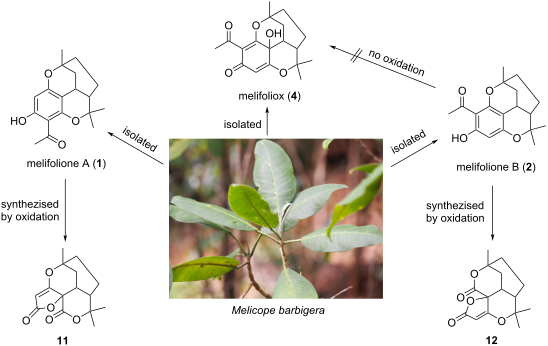
- the elucidation of the reaction mechanism and the synthesis of new compounds with possible biological activity. Experimental General Detailed experimental procedures are described in [1]. Instrumentation NMR spectra were recorded on Bruker ARX 300 or AVANCE DMX 600 NMR spectrometers (Bruker, Karlsruhe



Recent advances in the stereoselective synthesis of distal biaxially chiral molecules
Beilstein J. Org. Chem. 2026, 22, 461–479, doi:10.3762/bjoc.22.34
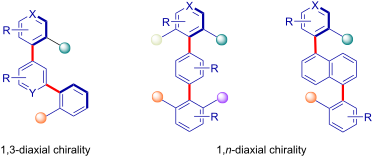
- often difficult to control [37], particularly for remote biaxial systems (1,3-biaxial and beyond), where diastereoselectivity and enantioselectivity are challenging to regulate. Various multiaxial chiral natural products with high biological activity exist in nature [28], and in artificial synthesis


Design, synthesis and biological evaluation of 2,5-diaryloxazolo[4,5-d]pyrimidin-7-ylamines as selective cytotoxic agents against HeLa cells
Beilstein J. Org. Chem. 2026, 22, 390–398, doi:10.3762/bjoc.22.27
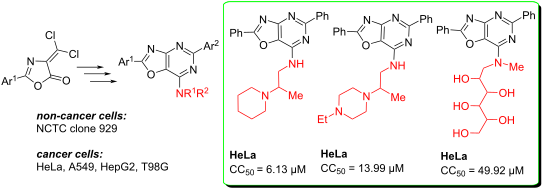
- combination of the [1,3]oxazolo[4,5-d]pyrimidin-7-amine fragment (structures A and B) with cytisine, glucamine, and aminoethylamine represents a promising strategy for the rational design of multifunctional hybrids with improved biological activity, water solubility, lower toxicity and target engagement


Spirobarbiturates with a pyrrolizidine moiety: synthesis, structure and biological evaluation
Beilstein J. Org. Chem. 2026, 22, 274–288, doi:10.3762/bjoc.22.20
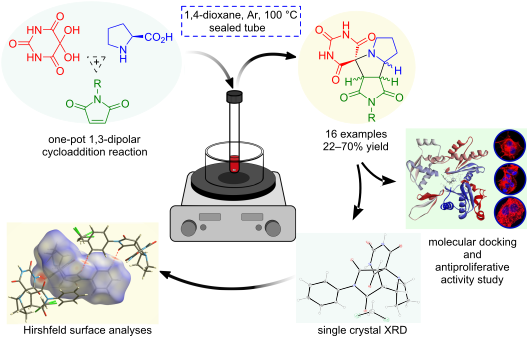
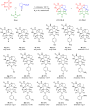
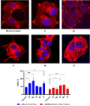
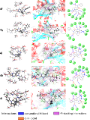
- Information File 38: General information, experimental procedures, characterization data, X-ray data and biological activity data. Acknowledgements This research made use of resources from the Centre for Magnetic Resonance, X-ray Diffraction Centre, Centre for Chemical Analysis and Materials of Saint




A mild and atom-efficient four-component cascade strategy for the construction of biologically relevant 4-hydroxyquinolin-2(1H)-one derivatives
Beilstein J. Org. Chem. 2026, 22, 244–256, doi:10.3762/bjoc.22.18
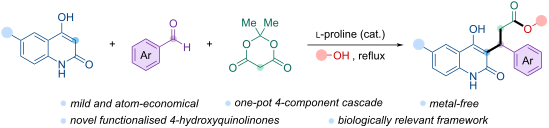
- the influence of esterification on biological activity. Preliminary results indicated that compounds of this chemotype may possess antibacterial potential, forming the basis for the present study on their synthesis and biological evaluation. A literature survey revealed that derivatives of 3-(4
- -hydroxyquinoline core – 3-(6-halo-4-hydroxy-2-oxo-1,2-dihydroquinolin-3-yl)-3-(3,4-dimethoxyphenyl)propanoates (Figure 2). The C6 position of the quinoline ring was halogenated with fluorine, chlorine, or bromine, as halogenation at this site is known to influence both the physicochemical properties and biological
- activity [33]. Halogen substituents in this position have been shown to modulate antibacterial, antiviral, and antiproliferative activities, likely through electronic effects and improved target binding. The C3 position was functionalized with a propanoic acid moiety, explored in both its open-chain (acid


Conformational analysis of difluoromethylornithine: factors influencing its gas-phase and bioactive conformations
Beilstein J. Org. Chem. 2026, 22, 237–243, doi:10.3762/bjoc.22.17
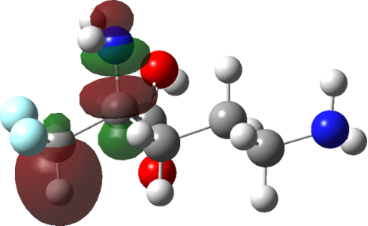
- changes in DFMO [11], a systematic evaluation of its zwitterionic and non-zwitterionic forms in the gas phase, aqueous solution, and biological environments is necessary to disentangle the respective contributions of intra- and intermolecular interactions to its conformation and biological activity. In


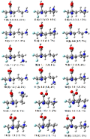


Base-promoted deacylation of 2-acetyl-2,5-dihydrothiophenes and their oxygen-mediated hydroxylation
Beilstein J. Org. Chem. 2026, 22, 192–204, doi:10.3762/bjoc.22.13
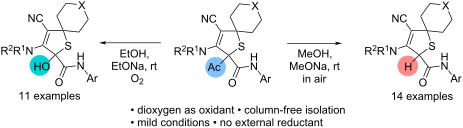
- oxidative functionalization that does not disrupt the heterocycle or oxidize sulfur has not been previously reported. Dihydrothiophenes exhibit a broad spectrum of biological activity [47][48][49]. In this regard, the development of new routes for their modifications with the use of inexpensive and easily




Competitive cyclization of ethyl trifluoroacetoacetate and methyl ketones with 1,3-diamino-2-propanol into hydrogenated oxazolo- and pyrimido-condensed pyridones
Beilstein J. Org. Chem. 2025, 21, 2716–2729, doi:10.3762/bjoc.21.209
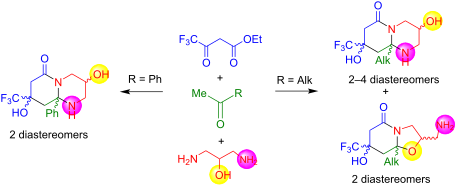
- ]oxazolo[3,4-a]pyrimidin-6-one [46]. Here, we have made research efforts to explore the possibility of using 1,3-diaminopropan-2-ol for the synthesis of pyrido[1,2-a]pyrimidine and oxazolo[3,2-a]pyridine. Our research interest is caused by the potential biological activity of the compounds, since there are


Total syntheses of highly oxidative Ryania diterpenoids facilitated by innovations in synthetic strategies
Beilstein J. Org. Chem. 2025, 21, 2553–2570, doi:10.3762/bjoc.21.198
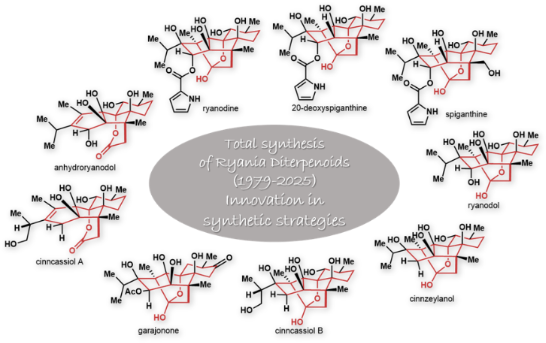
- via multiple C–C and C–O bonds, incorporating a labile hemiketal moiety. Furthermore, the presence of multiple oxygenated quaternary carbons classifies these molecules among the most highly oxidized diterpenoid natural products reported in the literature. In terms of biological activity, ryanodine (1
- channels has been extensively studied, the mechanisms of action of other ryanoid diterpenoid natural products remain poorly understood. Elucidating the structure–activity relationships (SAR) of these compounds is essential for identifying the functional groups critical for their biological activity







The intramolecular stabilizing effects of O-benzoyl substituents as a driving force of the acid-promoted pyranoside-into-furanoside rearrangement
Beilstein J. Org. Chem. 2025, 21, 2456–2464, doi:10.3762/bjoc.21.187
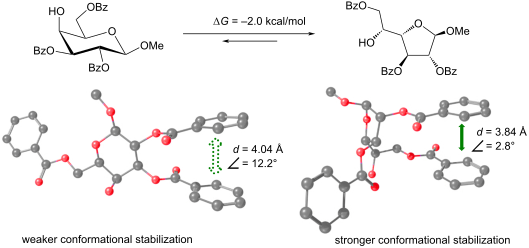
- Galf-units is often important for the biological activity of these substances. Synthetic oligosaccharides structurally related to natural Galf-containing compounds are required for biochemical investigations and mapping active epitope fragments as well as the design of clinical diagnostics [12][13][14