Search results
Search for "intermediates" in Full Text gives 1507 result(s) in Beilstein Journal of Organic Chemistry. Showing first 200.
Construction of CF2 moieties in FDA-approved drugs (2016–2025): industrial routes, mechanisms, and scale-up considerations
Beilstein J. Org. Chem. 2026, 22, 1122–1150, doi:10.3762/bjoc.22.91
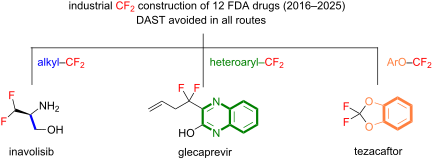
- strategies for introducing CF2 groups: reacting organic fluorinating reagents with functional groups in drug intermediates to obtain the CF2 moiety (fluorine reagent-based approach), and using starting materials that already contain CF2 or analogous groups for construction (building block-based approach
- use of azide reagents. The continuous-flow technology has become a key means of reducing operational risks associated with handling hazardous chemicals. Explosive, toxic, and corrosive intermediates and by-products (such as hydrofluoric acid) can be quenched online immediately after the reaction
- hydrogenation, leading to conversion to a methylene group [19]. Therefore, for drugs containing similar difluoromethylene structural units, attention must be paid to the influence of light exposure during both synthesis and storage. 1.1.3 Cedazuridine (2020): As shown in Figure 4, the key intermediates for the






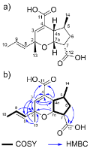
Rhodopyran, a carboxylated hexahydrocyclopenta[b]pyran from Rhodococcus
Beilstein J. Org. Chem. 2026, 22, 1107–1113, doi:10.3762/bjoc.22.89
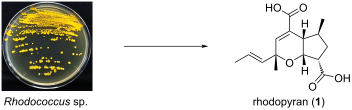
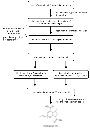
- considered. Rhodococcus is known for broad oxidative and biodegradative capabilities, and endogenous fatty-acid β-oxidation or ω-oxidation intermediates could, in principle, enter a partially dedicated biosynthetic route. Such a scenario is not mutually exclusive with a polyketide- or fatty-acyl-derived
- origin, because both routes could converge at the level of linear β-oxo/β-hydroxy acyl intermediates. The absence of 1 from the uninoculated A-3M medium control indicates that rhodopyran is not a pre-existing medium component or a medium-derived extraction artifact. However, the responsible enzymes, the
- ). Intermediates are depicted as generic structural classes; regiochemistry, stereochemistry, carbon-by-carbon mapping, and the order of ring closure are not implied. The carbon framework of 1 could plausibly arise from a linear acyl- or polyketide-like intermediate derived from acetyl-CoA/malonyl-CoA-based


One-pot four-component sequential synthesis of S-alkyl dithiocarbamates using lipase as a biocatalyst
Beilstein J. Org. Chem. 2026, 22, 1048–1056, doi:10.3762/bjoc.22.83
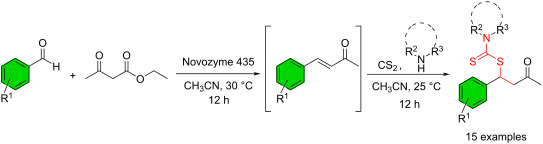
- (CS2), and amines. Initially, α,β-unsaturated carbonyl compounds, serving as Michael acceptors, were generated from aldehydes and ethyl acetoacetate through a decarboxylative Knoevenagel reaction under mild conditions, using lipase as a biocatalyst. These intermediates then sequentially undergo a
- ]. S-Alkyl dithiocarbamates demonstrate a broad spectrum of bioactivities, including potent anticancer [9], anti-Alzheimer [10][11], antibacterial [12], and antifungal [13][14] properties. In the realm of synthetic organic chemistry, these compounds serve as valuable intermediates, protecting groups
- generate the Michael acceptor in situ, which subsequently reacts with a dithiocarbamate nucleophile formed in situ from an amine and carbon disulfide, without isolation of intermediates. This sequential one-pot four-component strategy combines the advantages of biocatalysis, multicomponent synthesis, and


Z-Selective semihydrogenation of alkynes via Ni/Lewis acid synergistic catalyzed system using DMF as hydrogen source and solvent
Beilstein J. Org. Chem. 2026, 22, 1004–1012, doi:10.3762/bjoc.22.79
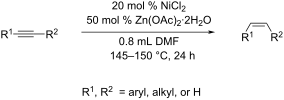
- intermediates, yet their combination with nickel catalysts has been little explored in alkyne semihydrogenation. We envisioned that merging nickel’s competence in alkyne activation and hydrogen transfer with a Lewis acid’s capacity to modulate reaction pathways could enhance both selectivity and efficiency



Electrochemical reduction of unsaturated carbon–carbon bonds via 3d transition-metal catalysis
Beilstein J. Org. Chem. 2026, 22, 955–981, doi:10.3762/bjoc.22.75
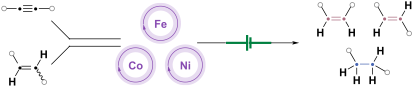
- stereoselective hydrogenation of alkynes under electrochemical and transition-metal-catalyzed conditions. The alkyne semihydrogenation generally benefits from the stronger coordination ability of the C–C triple bonds and the greater accessibility of metal-bound intermediates, thereby often enabling stereocontrol
- spatially separated to prevent undesired interactions between reactive intermediates. Although such separation improves selectivity and mechanistic control, it may also introduce increased cell resistance and mass transport limitations. Consequently, the choice of cell configuration is closely tied to the
- stability of intermediates and the compatibility of the anodic and cathodic processes. In this review, the distinction between these two cell configurations is represented schematically by the number of bars placed between the electrodes, where a single bar denotes an undivided cell and a double bar denotes








Recent advances in copper-catalyzed direct hydroamination of alkenes with (hetero)aromatic amines
Beilstein J. Org. Chem. 2026, 22, 925–947, doi:10.3762/bjoc.22.73
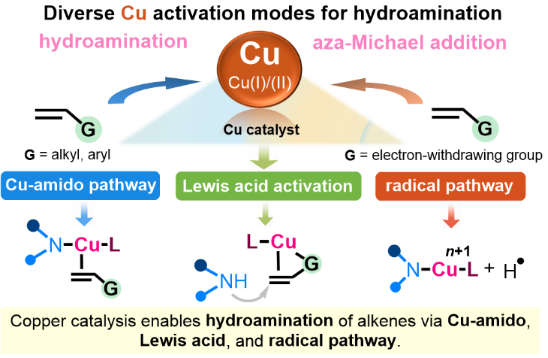
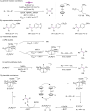
- -Michael addition [13][14][15][16][17][18]. In such cases, the reaction provides direct access to β-amino carbonyl derivatives and related motifs that serve as versatile intermediates in synthetic and medicinal chemistry. Despite its conceptual simplicity, catalytic hydroamination remains challenging. This
- electrophilicity and lowers the barrier for nucleophilic attack (Scheme 1b). Further, copper can mediate radical-based pathways either by generating hydrogen radicals or intercepting nitrogen-centered radical intermediates in oxidative- or photoredox-assisted systems (Scheme 1c). These radical manifolds often
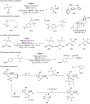
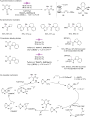
- bond formation. Structural and reactivity studies revealed that electron-rich ligands stabilized the copper center while facilitating the formation of copper–amido intermediates, consequently enhancing the nucleophilicity of the nitrogen atom. The catalytic activities of complexes I and II (Scheme 2







A practical CO2-mediated synthesis of 5,6-carboxylated silicon-rhodamines for targeted probe development
Beilstein J. Org. Chem. 2026, 22, 915–924, doi:10.3762/bjoc.22.72
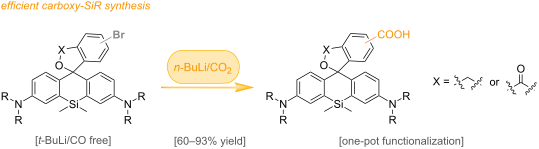
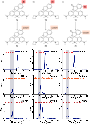
- challenging synthesis of 5,6-carboxylated SiR derivatives, which are essential intermediates for bioconjugation. Here, we report a practical CO2-mediated strategy for the synthesis of 5,6-carboxylated SiRs from brominated SiR precursors via lithium–halogen exchange and direct carboxylation. Using n-BuLi and
- practical utility. In addition, the preparation of protected carboxy-group containing substrates is often cumbersome [46], especially in the synthesis of (hydroxymethyl)rhodamine intermediates, thereby further increasing synthetic complexity [41]. To overcome these limitations, Butkevich developed an
- functional derivatization of SiR dyes and the development of targeted probes. Results and Discussion Synthesis of carboxy-substituted silicon-rhodamine Inspired by Butkevich’s work [45], we envisioned that carboxylated SiRs might be accessed through brominated SiR intermediates, thereby avoiding the



Cascade transformation of 2-(diazoacetyl)-2H-azirines to 2-aroyl-3-hydroxy-1H-pyrroles via condensation with aromatic aldehydes
Beilstein J. Org. Chem. 2026, 22, 897–904, doi:10.3762/bjoc.22.70
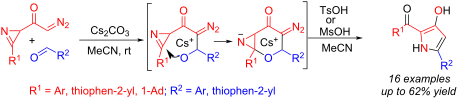
- ) exhibiting a lower relative Gibbs free energy than the starting compounds. According to the calculations, the reaction of azirine 1a and benzaldehyde 2c results in the formation of two diastereomers, (RR,SR)- and (RR,RR)-A, which can undergo a conformational transition to intermediates (RR,SR)- and (RR,RR)-B


Chiral cyclopropenimine-catalyzed enantioselective Michael reactions of phenol and benzofuran-derived α,β-unsaturated pyrazolamides with benzophenone-imine of glycine esters
Beilstein J. Org. Chem. 2026, 22, 888–896, doi:10.3762/bjoc.22.69
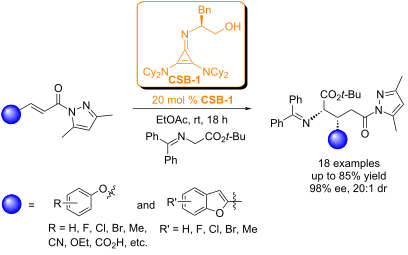
- in organic synthesis. Many medicines and intermediates contain these two motifs and show diverse functions and bioactivities [1][2]. The esterification and etherification of phenols are some of their common modifications. 2-Substituted benzofurans are backbones for many medicines such as amiodarone
- synthesis, neurotransmitter function, and regulation of acid-base balance, metabolic intermediates, and promotion of nutrient absorption [4]. Therefore, the synthesis of substituted glutamic and pyroglutamic acid derivatives is vital to medicinal chemistry. In our previous reports, we have synthesized a






Diastereodivergent electrophilic trapping of α-boryl lithium derivatives
Beilstein J. Org. Chem. 2026, 22, 882–887, doi:10.3762/bjoc.22.68
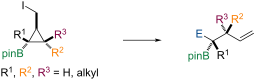
- Tereza Pavlickova Noam Orbach Ilan Marek Schulich Faculty of Chemistry and the Resnick Sustainability Center for Catalysis, Technion – Israel Institute of Technology, Haifa, 3200009, Israel 10.3762/bjoc.22.68 Abstract α-Boryl carbanions are valuable organoboron intermediates, but controlling
- their stereoselective reactions remains challenging. Here, we examine the diastereoselective generation and trapping of α-boryl lithium species formed by ring opening of substituted iodomethylcyclopropanes. After lithium–iodine exchange and selective C–C bond cleavage, these intermediates react with a
- facial selectivity during electrophilic trapping. These findings expand the synthetic utility of α-boryl lithium intermediates and provide insight into the origins of their diastereoselectivity. Keywords: α-boryl lithium; diastereoselectivity; (iodomethyl)cyclopropylboronic esters; ring-opening




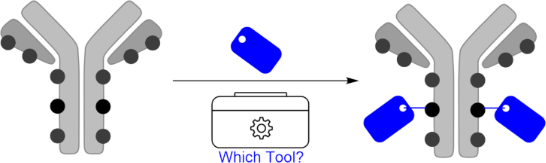
Site-specific labelling of native peptides and proteins: chemical and enzymatic strategies
Beilstein J. Org. Chem. 2026, 22, 857–881, doi:10.3762/bjoc.22.67
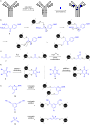
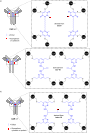
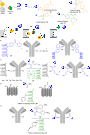
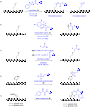
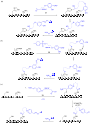
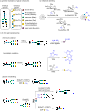
- cysteine [15]. These intermediates enable downstream chemical conjugations such as Pictet–Spengler condensation [16][17][18] and Horner–Wadsworth–Emmons (HWE) olefination [19] (Scheme 2c). With respect to C-terminal modification, one of the earliest strategies involved the use of intein-mediated protein








The trans-influence in gold chemistry from a catalytic perspective
Beilstein J. Org. Chem. 2026, 22, 838–856, doi:10.3762/bjoc.22.66
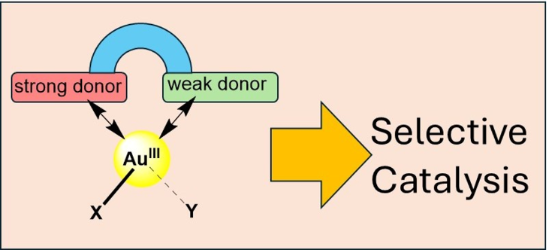
- gold(I,III) redox systems. The trans-influence controls ligand bond energies, determines the nature of gold frontier orbitals and how they can interact with ligands; it determines the stability of possible catalytic intermediates and directs reaction pathways while ruling out alternatives, however


Unsymmetrical sulfoxides with sterically hindered catechol fragment: synthesis, structure, electrochemical properties, and antiradical activity
Beilstein J. Org. Chem. 2026, 22, 828–837, doi:10.3762/bjoc.22.65
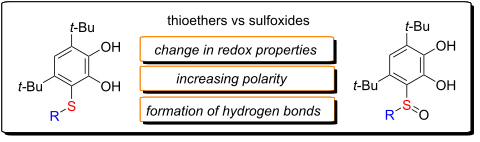
- (Epox2) characterizes the oxidation of the sulfide fragment (1.54–1.63 V). The values of current ratios (Ic/Ia) are in the range of 0.3–0.7 and suggest the formation of low-stable intermediates. The electrooxidation of sulfoxides 1a–7a proceeds similarly in two or three consecutive steps in acetonitrile


Total synthesis of the capsular polysaccharide repeating unit towards the development of a glycoconjugate vaccine against Klebsiella pneumoniae ST512
Beilstein J. Org. Chem. 2026, 22, 821–827, doi:10.3762/bjoc.22.64
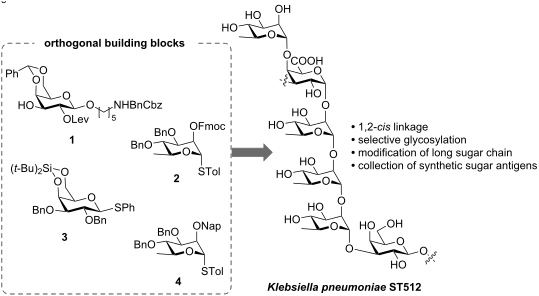
- . Key synthetic challenges including the stereoselective construction of the 1,2-cis glycosidic linkage on the galacturonic acid core and the inherently low reactivity of elongated oligosaccharide intermediates were addressed employing orthogonally protected building blocks. The resulting library of
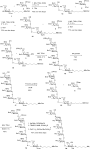
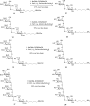
- followed by catalytic hydrogenation over palladium on carbon, affording disaccharide 21 in 47% yield over two steps. Similarly, trisaccharide 22, tetrasaccharide 23, and pentasaccharide 24 were prepared from intermediates 14, 15, and 17, respectively. The analogues 21–24, together with the repeating unit


Synthesis and structural elucidation of a novel bis-spirooxindole from isatin and ethylenediamine
Beilstein J. Org. Chem. 2026, 22, 813–820, doi:10.3762/bjoc.22.63
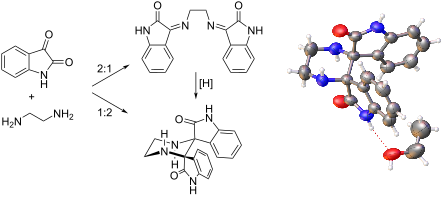
- ], reactions involving N-methylated ethylenediamines like 12 or 13 lead to spirocyclic products (14 and 15) [19]. These outcomes were rationalized through the involvement of imine and dipolarophilic intermediates (16 and 17), highlighting the sensitivity of the system to substitution at nitrogen. Furthermore


Halogenated azobenzene acrylates: from efficient solution photoswitching to stable solid-state photochromic materials
Beilstein J. Org. Chem. 2026, 22, 782–794, doi:10.3762/bjoc.22.60
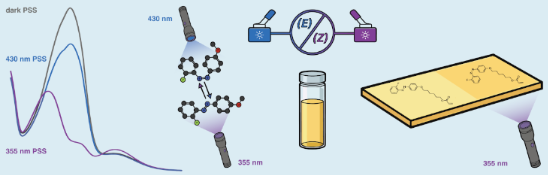
- salts prepared in situ from the commercially available aromatic amines 2a–f [25]. The reaction was buffered by a 10% aq solution of sodium hydroxide and afforded the azobenzenes 3a–f with yields ranging from 41 to 93%. These intermediates were further O-alkylated using 6-chlorohexanol in the presence of


Design, synthesis, and biological evaluation of FXR/ASK1 dual-target modulators
Beilstein J. Org. Chem. 2026, 22, 771–781, doi:10.3762/bjoc.22.59
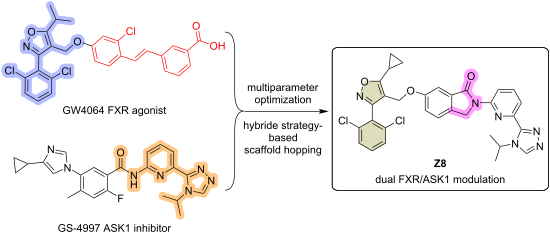
- preparation of triazole intermediates IXa–d is shown in Scheme 5. Firstly, compound VI was reacted with hydrazine hydrate in methanol to obtain hydrazide VII which was mixed with DMF/DMA and heated to provide intermediate VIII. The obtained VIII was not purified and directly reacted with different amines to
- enantiomer. The synthetic routes of compounds Z1–15 are shown in Scheme 6. First, intermediates 2 and 3 were reacted under basic conditions in MeCN to obtain intermediate 4 which was subsequently reacted with bromides IXa–c to get compounds Z1–3 in 80–91% yield. Then, compounds Z1–3 were treated with with
- LiOH or lithium aluminum hydride to obtain compounds Z4–7. The synthesis of compounds Z8–15 followed a similar preparation procedure as for Z1–7. The synthesis of target compounds Z16–29 is illustrated in Scheme 7. Intermediates 8 and 10 were synthesized by the Suzuki cross-coupling reaction using


Synthesis and biological evaluation of new brassinosteroid analogs with C-22 benzoate function
Beilstein J. Org. Chem. 2026, 22, 753–762, doi:10.3762/bjoc.22.57
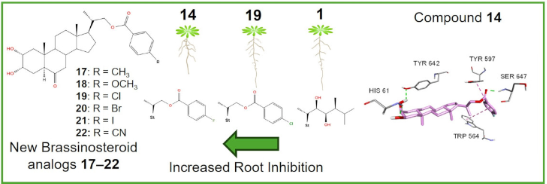
- brassinolide (1) and castasterone (2) are the most active and widely distributed [4][9][10], whereas teasterone (3) and 3-dehydroteasterone (3a), which are intermediates in the biosynthetic pathway, exhibit much lower activities [11][12][13][14] (Figure 1). It has been established that BRs are sensed by the


Synthesis of heterocycles based on azomethine ylides from α-amino acids (or amines) and carbonyl compounds
Beilstein J. Org. Chem. 2026, 22, 705–741, doi:10.3762/bjoc.22.55
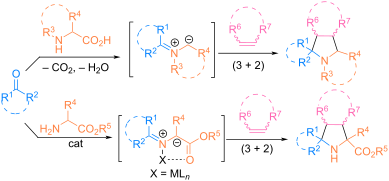
- protonated Ruhemann purple is one of the few known stable azomethine ylides that can be used as an effective trap for various stable and unstable cyclopropenes. Azomethine ylides from isatins. Isatin-based azomethine ylides are important intermediates, as they provide an effective approach to potentially


Harnessing light energy with molecules
Beilstein J. Org. Chem. 2026, 22, 680–682, doi:10.3762/bjoc.22.52
- -workers [4], the π-system of monoaryl-substituted NBDs was synthetically extended by acetylenic bridges. In addition, Hebborn, Ihmels, and co-workers [5] show that 19F NMR spectroscopy enables unambiguous identification of mono- and bisQC intermediates in the sequential photoreactions of a fluorinated
Towards the targeted protein degradation of CK2: design and synthesis of CAM4066-based PROTACs
Beilstein J. Org. Chem. 2026, 22, 611–619, doi:10.3762/bjoc.22.47
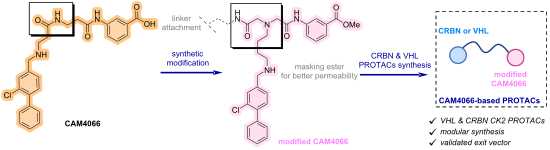
- corresponding triflate using triflic anhydride, followed by Suzuki–Miyaura cross-coupling with phenylboronic acid to give 16 in 59% yield (Scheme 1). Boc removal from intermediates 11–14 enabled attachment of the αD binder aldehyde 16 via reductive amination. Interestingly, NaBH(OAc)3 had performed well in the
- synthesis of the ligand–linker analogue 17 using intermediate 11, however, use of intermediates 12–14 were consistently giving low yields. Therefore, for those, methanolic reductive amination with NaBH4 was pursued. Successful optimisation of reductive amination conditions yielded the key ligand–linker
- moderate to good yields (Scheme 2A, Figure 2). It is important to mention that LCMS analysis indicated complete consumption of the alkyne-bearing intermediates and clean formation of the triazole-linked products after 16 hours, although isolated yields varied due to product loss during preparative RP-HPLC

Experimental and DFT studies on the regioselective methanolysis of 5-azido-9-oxabicyclo[6.1.0]nonan-4-yl 4-nitrobenzoate isomers
Beilstein J. Org. Chem. 2026, 22, 547–556, doi:10.3762/bjoc.22.40
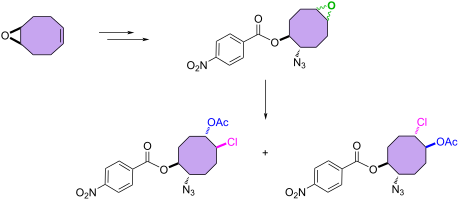
- computations were performed to gain insights into the mechanism underlying regioselectivity for the methanolysis of the isomeric epoxides 9 (Figure 3). Detailed mechanistic routes involving all possible intermediates responsible for the regioselectivity step were constructed and the free energy barriers for
- formed in both pathways. Free energy computations indicate that the intermediate 12 is thermodynamically more stable by 4.9 kcal mol−1 compared to intermediate 15. The nucleophilic attack by chloride ion bifurcates into two paths, namely C1- (route a) and C2-attacks (route b) for intermediates 12 and 15
- analysis for the protonated epoxide intermediates 12 and 15, derived from epoxides 9a and 9b, respectively, reveals that the charge differences between the epoxide carbons are not pronounced for either diastereomer, indicating that electronic effects alone are insufficient to explain the observed


Get a better glimpse on sequential photoreactions of trisnorbornadienes with 19F NMR spectroscopy
Beilstein J. Org. Chem. 2026, 22, 527–534, doi:10.3762/bjoc.22.38
- are not necessarily consecutive and may not be readily dissected. Furthermore, as the reaction intermediates are isomers with mainly similar structural fragments, it is difficult to distinguish them by the usually employed spectroscopic methods because of overlapping signals [22][30][33]. Along these
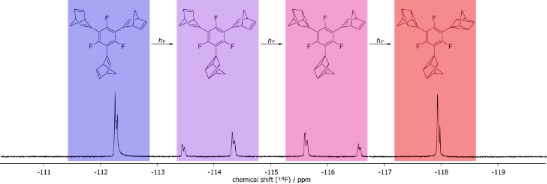
- almost quantitative (see Supporting Information File 1, Figures S13 and S14). To gain more information about the course of the photoreaction and sequential formation of intermediates, the photoreaction of 1f, catalyzed by flavin 4, was investigated with in situ 19F NMR-spectroscopic analysis. During the
- irradiation, the NMR signals of two intermediates (approx. −114 ppm and −116 ppm) were observed (Figure 3 and Supporting Information File 1, Figure S15), which were assigned to monoquadricyclane 2f2,1 and bisquadricyclane 2f1,2 (Scheme 3, Figure 3). As expected, the quadricyclanes were formed consecutively


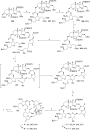
Modern synthetic pathways towards eribulin and its subunits
Beilstein J. Org. Chem. 2026, 22, 495–526, doi:10.3762/bjoc.22.37
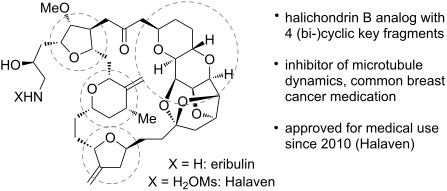
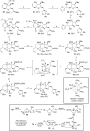
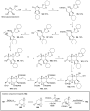
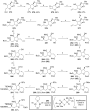
- field of the synthesis of 1. This is especially observable for the synthesis of the 4 heterocyclic key fragments or intermediates obtained during the Eisai process. Here, the major progresses can be registered in terms of enhancing the sustainability of pathways through the removal of metal catalysts








Synthesis of a HDAC inhibitor–nanogold probe for cryo-EM visualization in class I HDAC co-repressor complexes
Beilstein J. Org. Chem. 2026, 22, 480–485, doi:10.3762/bjoc.22.35
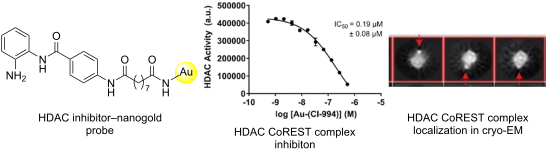
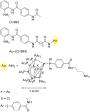
- routes (Scheme 1) [14][15][18]. Intermediates 5–7 were prepared in a manner analogous to Smalley et al. [14]. The first step in the linker synthesis for Au–(CI-994) involved a monoprotection of nonanedioic acid with a benzyl group to give 5 which proceeded in moderate yield due to the formation of the